万本电子书0元读

万本电子书0元读

Nutuk: “Resimli ve A??klamal? Tam Metin, Osmanl?ca’dan Tam ?eviri”
M. K. Atatürk
¥27.39
Nutuk Kitab? Hakk?nda: Türkiye Cumhuriyeti'nin kurucusu Ulu ?nder?Mustafa Kemal Atatürk'ün?Nutuk?isimli kitab? yakla??k 1.000 sayfadan olu?uyor ve yay?nevimiz arac?l???yla?kitab?n TAMAMI size üst düzeyde kalitede TEK bir e-kitap?olarak,?“EPUB”?format?nda sizlere sunuluyor. Atam?z?n “Nutuk” isimli kitab?n? siz de?erli okurlar?m?zla payla?madan olmazd?. M. Kemal Atatürk'ün kendisine ait ve kendisinin yazm?? oldu?u bu kal?n kitap ile ne kadar kuvvetli ve hitabeti sa?lam bir ?ncü oldu?unu bir kere daha anlayacaks?n?z. ??erisinde Atatürk'e ait olan onlarca ders niteli?inde yaz?lm?? hat?ralar, tavsiyeler ve tesirli s?zler i?eren her Türk yurtta??n?n okumas? ?art olan ?ok ?zel bir kitapt?r Nutuk. Nutuk, tüm bunlar?n yan?nda, yeni Türkiye devletinin yaz?lan ilk tarihidir de asl?nda ve yazar? da Mustafa Kemal Atatürk'tür. Yapt??? tarihi gelecekteki Türk insan?na tan?tabilmek emeliyle bu kitab? kaleme alm??t?r. Nutuk, ilk kez Atatürk taraf?ndan kurulan Cumhuriyet Halk Partisinin 15-20 Ekim 1927 tarihleri aras?nda Ankara da toplanan ?kinci Kurultay?nda okunmu?tur. Konu?man?n tamam? otuz alt? bu?uk saat sürmü?tür. Nutuk, 1919'dan ba?layarak 1927’ye kadar olan tarih dilimini incelemektedir. Bu d?nem kitapta ü? b?lümde ele al?nm??t?r: 1) Kuva-i Milliye (Ulusal gü?ler) D?nemi Nutukta yeni Türkiye Devletinin kurulu?u anlat?lmaktad?r. Yeni Türk devletinin kurulmas?ndaki maksat da ?u ?ekilde a??klanm??t?r: Türk ulusunun onurlu ve ?erefli bir ulus olarak ya?amas?d?r. Bu da tam ba??ms?z olmakla sa?lanabilir. “Ne kadar zengin olursa olsun, ba??ms?zl?ktan yoksun bir ulus uygar insanl?k kar??s?nda u?ak durumunda kalmaktan ileriye gidemez.” demi?tir ve Mustafa Kemal Atatürk ?u s?zleri s?ylemi?tir “Türkün onuru, kendine güveni ve yetenekleri ?ok yüksektir. B?yle bir ulus tutsak ya?amaktansa yok olsun daha iyidir.” Diyerek kurtulu? isteyenlerin parolas?n?n “Ya ba??ms?zl?k ya ?lüm!” oldu?unu s?ylemi?tir. Burada devlet kurman?n zorluklar? g?rülmektedir. Atatürk Samsun’a ??kt??? anda ülkenin genel durumu; Osmanl? Devletinin i?inde bulundu?u topluluk sava?ta yenilmi? Osmanl? Ordusu zedelenmi?, ko?ullar? a??r bir ate?kes imzalanm??, ulus yorgun ve bitkin bir durumda, ulusu ve ülkeyi sava?a sürükleyenler yurttan ka?m??, padi?ah ve halife soysuzla?m??, kendini ve taht?n? koruyacak al?ak?a ?nlemler ara?t?rmakta, hükümet yüzsüz, onursuz, korkak, ordunun elinden silahlar? ve cephanesi al?nm?? ve al?nmakta, yurdun d?rt bir yan?ndaki topluluklar devletin bir an ?nce ??kmesine ?aba harc?yorlard?. Bu ?ekilde a??klad?ktan sonra ulus egemenli?ine dayanan kay?ts?z ?arts?z yeni bir devleti kurmak i?in izledi?i politikay?, kar??la?t??? gü?lükleri bunal?mlar? ve ?at??malar? anlatmaktad?r. Bu haliyle Nutuk, s?mürgeci devletlerin alt?nda ya?ayan uluslara kurtulu? yolunu g?steren bir yap?t ?zelli?i ta??maktad?r. 2) Türkiye Büyük Millet Meclisi D?nemi Türkiye Büyük Millet Meclisi 23 Nisan 1920’de a??lm?? ve o günden sonra tüm askeri ve sivil makamlar?n ulusun ba?vuraca?? en yüce kat?n Meclis olaca??n? halk?na bildirmi? ve Meclis, Mustafa Kemal Atatürk’ün a??k ve gizli oturumlardaki bir iki gün süren a??klamalar? ve konu?malar?ndan sonra Türkiye Büyük Millet Meclisi Ba?kan? se?mi?tir. 3) Cumhuriyet D?nemi: Atatürk ?smet Pa?a ile birlikte bir yasa tasar?s? haz?rlad?. Bu tasar?daki 20 Ocak 1921 tarihli anayasan?n devlet bi?imini saptar maddelerini de?i?tirerek birinci maddenin sonuna “Türkiye Devletinin Hükümet bi?imi Cumhuriyettir” cümlesini ekleyerek maddeyi de?i?tirmi?tir ve yap?lan Meclis toplant?s?nda Anayasan?n De?i?tirilmesi ile ilgili maddenin g?rü?ülmesi kabul edildi. Toplant? sonunda yasa bir?ok milletvekilinin “Ya?as?n Cumhuriyet!” s?ylemleri ile kabul edildi ve b?ylece 29 Ekim 1923’te Cumhuriyet ilan edilmi? oldu. Daha sonra Cumhurba?kanl??? se?imine ge?ildi. Oylamada Mustafa Kemal Atatürk toplant?ya kat?lan yüz elli sekiz ki?inin tümünün oylar?n? alarak Cumhurba?kan? se?ildi. Nutuk s?mürge uluslar?n ba??ms?zl?klar?n? kazanmaya yard?mc? olacak bir program niteli?indedir. Bu eser okundu?unda Türk kurtulu? sava??n?n bir askeri sava? oldu?u kadar bir dü?ünce sava?? da oldu?u g?rülmektedir. Nutuk, Mustafa Kemal Atatürk’ün halk?na verdi?i bir hesap pusulas?d?r. ?ünkü ulusal kurtulu? sava?? boyunca o halk?yla birlikte olmu?tu ve halk?na “Hayat demek sava? ve ?arp??ma demektir. Hayatta ba?ar? yüzde yüz sava?ta, ba?ar? kazanmakla elde edilebilir. Bu da manevi ve maddi güce dayan?r. ?nsanlar?n u?ra?t??? tüm sorunlar, kar??la?t??? tüm tehlikeler, elde etti?i ba?ar?lar toplumca yap?lan genel sava??n dalgalar? i?inde do?ar.” S?zlerini s?ylemi? ve halk?ndan can istemi?, halk seve seve vermi?, mal istemi?, halk seve seve vermi?tir. Bunlar nerede, nas?l, ni?in, harcanm??? Nutuk halk?n kafas?ndaki bu sorulara da a??kl?k getirmi?tir. Türk halk?ndan al?nan can?n ve mal?n ülkenin i?galinden, ulusun k?lelikten kurtularak onurlu, ba??ms?z, ?a?da? bir devlet ve toplum olarak ya?amas? i?in harcand???n? belgeleriyle a??klamaktad?r. Atatürk bu eserinde, ulusal varl??? son
The Romance of Spanish History: [Illustrated & Engraved & Mapped]
John S. C. Abbott
¥28.29
THE Spanish peninsula, separated from France on the north by the Pyrenees, and bounded on the three remaining sides by the Mediterranean Sea and the Atlantic Ocean, con-tains an area of 225,600 square miles, being a little larger than France. Nature has reared a very formidable barrier between Spain and France, for the Pyrenees, extending in a straight line 250 miles in length, from the Bay of Biscay to the Mediterranean, and often rising in peaks more than ten thou-sand feet in height, offer but three defiles which carriages can traverse, though there are more than a hundred passes which may be surmounted by pedestrians or the sure-footed mule. The soil is fertile; the climate genial and salubrious; and the face of the country, diversified with meadows and mountains, presents, in rare combination, the most attractive features both of loveliness and sublimity.?History does not inform us when and how this beautiful peninsula—called Hispania by the Romans—first became in-habited. Whether the earliest emigrants crossed the straits of Gibraltar from Africa, or came from Asia, coasting the shores of the Mediterranean, or descended from France through the defiles of the Pyrenees, can now never be known. The first glimpse we catch of Spain, through the haze of past ages, reveals to us the country inhabited by numerous barbaric tri-bes, fiercely hostile to each other, and constantly engaged in bloody wars. The mountain fastnesses were infested with robber bands, and rapine and violence everywhere reigned. The weapons grasped by these fierce warriors consisted of lances, clubs, and slings, with sabres and hatchets, of rude fashion but of keen edge. Their food was mainly nuts and ro-ots. Their clothing consisted of a single linen garment, girded around the waist; and a woollen tunic, surmounted by a cloth cap, descended to the feet. As in all barbarous nations, the hard work of life was performed by the women.??The names even of most of these tribes have long since perished; a few however have been transmitted to our day, such as the Celts, the Gallicians, the Lusitanians, and the Iberians. Several ages before the foundations of Rome or of Carthage were laid, it is said that the Phoenicians, exploring in their commercial tours the shores of the Mediterranean, established a mercantile colony at Cadiz. The colonists growing rich and strong, extended their dominions and founded the cities of Malaga and Cordova. About 800 years before Christ, a colony from Rhodes settled in the Spanish peninsula, and established the city of Rosas. Other expeditions, from various parts of Greece, also planted colonies and engaged in successful traffic with the Spanish natives.??Four hundred years before Christ, the Carthaginian republic was one of the leading powers, and Carthage was one of the most populous and influential cities on the globe. The Carthaginians crossed the narrow straits which separate Africa from Spain, landed in great strength upon the Spanish peninsula, and, after a short but severe conflict, subdued the foreign colonies there, brought the native Spaniards into subjection, and established their own supremacy over all the southern coast. Cadiz became the central point of Carthaginian power, from whence the invaders constantly extended their conquests. Though many of the interior tribes maintained for a time a sort of rude and ferocious independence, still Carthage gradually assumed dominion over the whole of Spain.??In the year 235 B.C., Hamilcar, the father of the illustrious Hannibal, compelled nearly all the tribes of Spain to ack-nowledge his sway. For eight years Hamilcar waged almost an incessant battle with the Spaniards. Still it was merely a military possession which he held of the country, and he erected Barcelona and several other fortresses, where his soldiers could bid defiance to assaults, and could overawe the surrounding inhabitants.
Ruptura
Ruptura
Lazu Ion
¥40.79
Referindu-se la Pesc?ru?ul ?ntr-o scrisoare din octombrie 1895, Cehov nota, ?ntre altele: ?Scriu o pies? pe care probabil nu o voi termina p?n? la sf?r?itul lui noiembrie. O scriu nu f?r? pl?cere, de?i m? tem de conven?iile scenei. E o comedie, exist? trei roluri pentru femei, ?ase pentru b?rba?i, patru acte, peisaje (priveli?tea unui lac), o mul?ime de conversa?ii despre literatur?, pu?in? ac?iune, mult? iubire“. Premiera s-a dovedit dezastruoas?, editorul s?u aduc?ndu-i acuze ca, pild?, la?itatea evident?, caracterul din cale afar? de feminin. Con?tient de geniul s?u, Cehov riposteaz?: ?De ce aceast? calomnie? Dup? reprezenta?ie am luat cina la Romanovi. Pe cuv?ntul meu de onoare. Apoi m-am dus la culcare, am dormit s?n?tos ?i a doua zi am mers acas? f?r? a suspina vreo nemul?umire. Dac? a? fi fost un la?, a? fi alergat de la un editor la altul ?i de la un actor la altul, i-a? fi implorat s? fie ?ng?duitori ?i a? fi petrecut dou? trei s?pt?m?ni ?n Petersburg, agit?ndu-m? cu Pesc?ru?ul meu, cu emo?ie, cu o transpira?ie rece ?n lamenta?ii. Am ac?ionat at?t de rece ?i de responsabil precum un om care a f?cut o ofert? ?i apoi a fost ?nt?mpinat cu un refuz ?i nu mai are nimic altceva de f?cut dec?t s? plece. ?ntr-adev?r, vanitatea mea a fost n?ucit?, dar ?ti?i, nu a fost o lovitur? din senin. A?teptam un e?ec ?i m? preg?tisem pentru el precum te-am prevenit cu o absolut? sinceritate“.
Ini?iere ?n fericire, dragoste, bog??ie ?i vis
Vladimir Lermontov
¥45.78
Cartea de fa?? r?spunde unor ?ntreb?ri majore: ce este omul? Cine este omul? De ce este omul?Cartea cuprinde teme subiective de medita?ie, filosofie diletant? ?i analiz? psihologic?, ?n genul unor confesiuni, fiind structurat? pe trei p?r?i. Cuvintele abuzive reprezint? o g?ndire fraged?, haotic?, pueril?, prima descoperire a propriului g?nd ?n contradic?ie cu g?ndirea lumii ?i cu g?ndirea proprie ?n alt? faz? a ei, necesitatea dubl?rii g?ndirii ?n dezacordurile ei.Dialogurile sunt descoperirea min?ii personajului ?n proprie minte, descoperirea personajelor vie?ii ?i amintiri fugare ale unor ?nt?mpl?ri obi?nuite care primesc subiectivism paranoic.A treia parte prime?te obiectivitatea, a?a zis? universal?, a unui anumit Narator, care reinterpreteaz? ?i reintegreaz? g?ndurile unui anumit om, ales la ?nt?mplare, dar decis totu?i de circumstan?ele c?r?ii. Dovedirea c? omul ?i ?nsumeaz? pe to?i, lumea.
Ur?, prietenie, dragoste, c?s?torie
Munro Alice
¥57.96
De la ?nfiin?area sa, acum o sut? de ani, MI6 a fost ?nconjurat de mister ?i a avut un aer aproape mitic. Pentru opinia public?, no?iunea de ?spion“ a fost modelat? de universurile fic?ionale ale unor scriitori precum Ian Fleming, p?rintele lui James Bond, ?i John le Carré, creatorul cerebralului Smiley. Gordon Corera le ofer? cititorilor s?i ?ansa unic?, f?r? precedent, de a p?trunde ?n aceast? lume secret? ?i de a observa realitatea care a stat la baza fic?iunii. Cartea prezint? pove?ti individuale – mai degrab? dec?t pe cele ale institu?iilor sau descrierea evolu?iei situa?iei politice de-a lungul timpului –, scopul fiind acela de a explora rela?iile unice ?i personale din spatele spionajului – ceea ce Graham Greene numea ?factorul uman“, cu alte cuvinte, ?n cazul de fa??, motiva?iile ?i loialit??ile unui spion sau ale unui tr?d?tor ?i faptele care decurg de aici.De la ?nceputurile R?zboiului Rece p?n? ?n ziua de azi, MI6 a suferit o transformare extraordinar?, devenind dintr-o organiza?ie de diletan?i, cu iz de club select, una modern?, profesionist?, dar nu mai pu?in controversat?. Iar Gordon Corera ?i dezv?luie deopotriv? e?ecurile ?i succesele de-a lungul timpului, ?n contextele politice aferente. Marile drame ale R?zboiului Rece, ridicarea ?i c?derea Zidului Berlinului, Criza Rachetelor Cubaneze, atacurile de la 11 septembrie 2001, r?zboiul din Irak – toate aceste evenimente care au marcat istoria reprezint? fundalul pentru pove?tile adev?rate cu spioni.Corera prezint? cazurile interesante ale celor care au spionat, au min?it, au ?n?elat ?i, ?n unele cazuri, chiar ?i-au pierdut via?a ?n slujba ??rii pe care au servit-o. ?i oric?t de palpitante ar fi c?r?ile sau filmele cu spioni, ve?i vedea c?, cel pu?in aici, via?a bate filmul.
Letters of Wolfgang Amadeus Mozart
Ellis, Edward Sylvester
¥19.52
The private letters to friends and family of one of history's greatest musical minds, Wolfgang Amadeus Mozart. A wonderful look into the personal life of the great composer.Translated into English and with full notes on names and phrases used in the letters.
5 Seconds of Summer Quiz Book
Cowlin, Chris
¥24.43
Are you a fan of 5 Seconds of Summer? Can you name all the band members? Have you followed the success of the Australian band from the early days through to supporting One Direction on tour and releasing their debut album? If you think you know all about the boys from down under, there is no better way to test your knowledge than with this fun quiz book. What was 5 Seconds of Summer originally going to be called? What record label produced the band's single 'Good Girls'? What award did 5 Seconds of Summer win at the 2014 Billboard Mid-Year Music Awards? The answers to these questions and more can all be found in this book. Packed with fun facts The 5 Seconds of Summer Quiz Book documents the band's journey to date. With 100 questions all about your favourite group, including songs, awards, tours and personal details about each individual member, this is the book fans of 5 Seconds of Summer won't want to be without.
Rita Ora Quiz Book
Rita Ora Quiz Book
Cowlin, Chris
¥24.43
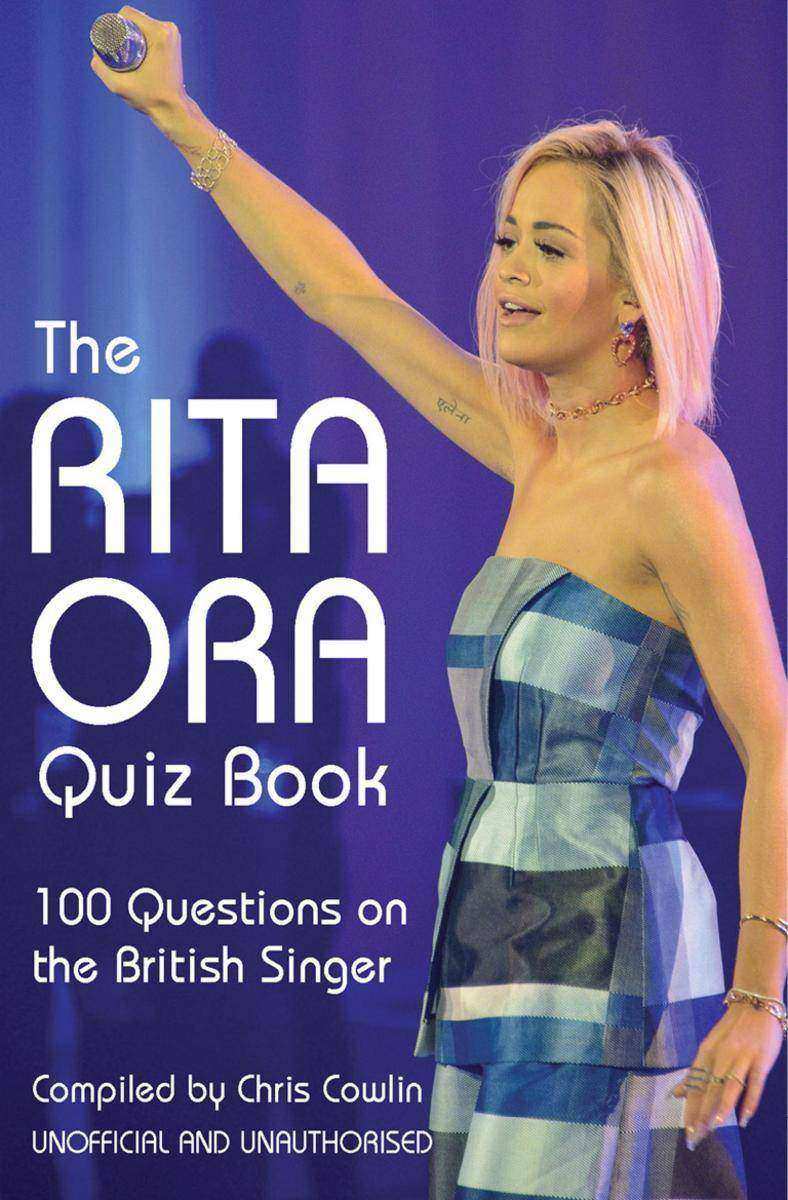
Are you a fan of Rita Ora? Have you followed her rise to fame from the release of her debut album through to becoming a coach on the UK TV show The Voice? Whether you are already familiar with the charismatic singer from London, or would like to find out more, you won't want to be without The Rita Ora Quiz Book. What character did Rita play in the 2015 film Fifty Shades of Grey? Who directed the music video for Rita's single 'How We Do (Party)'? How many BRIT awards was Rita nominated for in 2013? The answers to these questions and more can all be found in this exciting new quiz book. Containing both personal details and professional highlights, the 100 questions in this book will help you to get to know your favourite singer as well as providing a fascinating insight into the life of the chart-topping star. This is a must-have book for Rita Ora's rapidly increasing fan base and for anyone with an interest in the current music scene.
101 Interesting Facts on Southend United
Miles, Peter
¥24.43
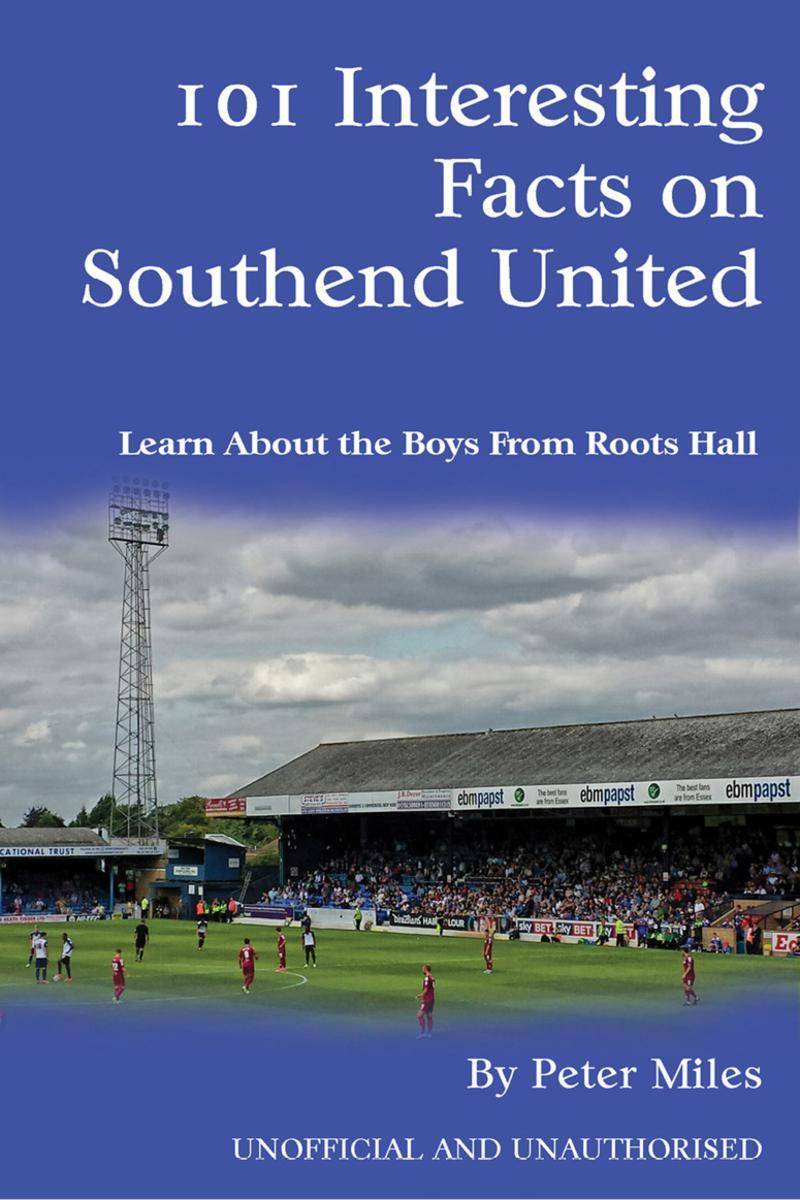
Is Southend United your local football club? Are you a lifelong fan of the Blues or new to the touchline? Do you know all about the team's long and fascinating past, which began in the Blue Boar pub in 1906? Would you like to find out more? If you answered yes to any of these questions, you are certain to enjoy 101 Interesting Facts on Southend United, all about the boys from Roots Hall. Perfect for challenging your friends on match days or teaching your children about the history of your local football team. This tribute to the Southend United will tell you everything you ever wanted to know about the Blues, including all the memorable faces that have played a part in the team's wins and losses through the years. This is a must-have book for Southend supporters of all ages, so why not relive all those unforgettable moments from days gone by and gen up on your favourite football club.

Opera lui Tudor Arghezi
Balotă Nicolae
¥106.19
Cartea lui Dan Dungaciu se individualizeaza prin originalitatea metodei sale: logistica. Sociologia este, prin excelenta, o "stiinta de spate", cum ar spune logisticienii, adica o stiinta care serveste marilor incordari colective (ofensive sau defensive) pe o durata anumita. Dan Dungaciu propune, in acest sens, cel putin trei procedee de cercetare a sociologiei la scara unei epoci si a unei arii de civilizatie, cea europeana in acest caz: a) "centrele logistice ale gandirii sociale" (care sustin retelele sociologiei); b). "Harta logistica a sociologiei" (romanesti in acest caz); c). Seria teoriilor reprezentative pentru cateva dintre temele dominante ale sociologiei interbelice. Modelul lecturii dezvaluie o fata surprinzatoare a uneia dintre cele mai spectaculoase manifestari ale sociologiei in secolul XX: sociologia romaneasca interbelica. Istoria logistica a sociologiei romanesti reconstituie astfel una dintre secventele de mare tensiune creatoare ale dramei neamului romanesc in secolul al XX-lea, ceea ce face din cartea lui Dan Dungaciu una de exceptie.
Les Trois Mousquetaires
Alexandre Dumas
¥8.09
Vreau s? cred c? drumul lui Eugenio Barba este cel ?n care ?nt?lne?te copacul de care at?rn? pe creanga cea mai de sus un m?r de aur ?i f?r? s? ?i pese de cei din jurul lui, de privirile lor arogante sau sc?nteind a dispre?, se ca??r? ?n copac, ?n plin? lumin? de zi, ?i culege m?rul. M?rul norocos al destinului. Curaj, perseveren??, credin?? de nezdruncinat ?n vocea l?untrului care mereu ?i ?opte?te drumul pe care s?-l urmeze, c?ci este drumul lui.Eugenio Barba, vizionar, reformator, artist, dramaturg-regizor, maestru, scriitor, ?n dramaturgia sa, ?n cuvintele sale imortalizate ?n reflec?ii asupra sensului ?i condi?iei artei teatrului ?i a artistului, ?n cercet?rile de natur? artistic? ?i ?tiin?ific?, ?n laboratorul de teatru, sesiunile ?colii Interna?ionale de Antropologie Teatral? forjeaz? un act artistic unificator prin coprezen?e ale contrariilor, ?ntrup?ri ale simultaneit??ilor, combin?ri temporale ?i spa?iale, dintre trecut ?i viitor, dintre Est ?i Vest, declan??nd ?o revolu?ie copernician? f?r? de care ?tiin?a teatrului de la sf?r?itul secolului XX ar fi incomprehensibil?“. (Diana Cozma)
Pe contrasens cu favorita pre?edintelui. Cronica unei campanii
Brătescu Liviu
¥57.14
Lucrarea abordeaz? cele mai relevante manifest?ri ale modernismului literar interbelic, propun?nd spre analiz? reprezentan?i ai poeziei (George Bacovia, Ion Barbu, Lucian Blaga, Ion Vinea, Ilarie Voronca, Tudor Arghezi), ai prozei (Anton Holban, Camil Petrescu, Max Blecher, Mircea Eliade), tendin?ele ?i mi?c?rile coagulate ?n jurul marilor reviste interbelice (Sbur?torul, Contimporanul, 75 H.P., Integral). Volumul se adreseaz? elevilor de liceu care doresc s?-?i aprofundeze cuno?tin?ele referitoare la una dintre cele mai importante v?rste literare rom?ne?ti, miz?nd ?i pe redescoperirea cititorului avizat, dornic s?-?i sus?in? punctele de vedere, s?-?i modeleze gustul estetic ?i s? descopere modele, ierarhii, valori.
Sl?bim f?r? diete ?i suplimente alimentare
Masalov Aleksandr
¥48.97
Conservatorismul pragmatic, conservatorismul lui David Hume, Edmund Burke i, n secolul XX, al lui Michael Oakeshott, se deosebete profund de reacionarism i de ultraconservatorismul virulent. Un conservator pragmatic este un om care gndete fr mituri caluzitoare i fr adevruri absolute, ce confisc i paralizeaz inteligena; este un adversar, i nu un adept, al utopiilor inverse, care aspir la restaurarea trecutului. El este un adept al moderaiei i al gradualismului – nu pentru ca ar avea oroare de schimbrile profunde, ci pentru ca tie c nimic important, nrdcinat ntr-o form de via omeneasc, nu poate fi schimbat brusc. Se comite adesea o confuzie ntre conservatorismul pragmatic i radicalismul de dreapta. Dar este vorba de o eroare de neiertat, cci cele doua forme ale Dreptei se opun diametral: Ostilitatea fa de radicalism, ostilitatea nencetat, implacabil, este definiia esenial a conservatorismului (Robert Cecil, Marchiz de Salisbury). Au existat i n Romania figuri celebre apropiate conservatorismului pragmatic, spre exemplu P. P. Carp. ns, din pcate, tradiia autohton este dominat de radicalismul de dreapta, ilustrat (virulent) de Eminescu i (seren) de Maiorescu, iar ulterior de generaia rtcit: Nae Ionescu, Mircea Eliade, Cioran i Noica.“ (Adrian-Paul Iliescu)
Zeii locuiesc l?ng? Olimp
Dascălu Crișu
¥32.62
Cartea este rezultatul anchetelor desf??urate ?n paginile revistei Contemporanul – anchete ce au abordat o problema delicat?, ocolit? de nu pu?ini c?rturari: ?Problema evreiasc?". Se pronun?? pe marginea acestei disputate teme actuale personalit??i ca, de pild?, Dumitru ?epeneag, Matei C?linescu, Ion Vianu, Irina Cajal, Ion Iano?i, Nicolae Breban, ?i nu pu?ini al?i importan?i actan?i ai vie?ii sociale, politice ?i culturale din Rom?nia de azi.Un manual indirect de istorie, cartea e destinata studen?ilor, elevilor, profesorilor, precum ?i publicului larg de cititori.
Lectura genurilor literare
Elena Iuliana Horceag
¥31.88
n iunie 2015 am publicat n revista Permanene” (nr. 6) articolul Vladimir Tismneanu - ieri i azi”, motivat de faptul c Preedintele Comisiei Prezideniale pentru Analiza Dictaturii Comuniste din Romnia a devenit brusc un atacator al celor susinute n Raportul Final al Comisiei pe care a prezidat-o. Pn n prezent nu exist niciun fel de opinie a dlui Tismneanu i nici a celor de la Institutul Elie Wiesel” - MCA referitor la acest punct de vedere.
Manualul ?mbl?nzitorului de Cafele (psalm turcesc)
Tănase Iulian
¥48.97
C eti un artist dramatic care se zbate s supravieuiasc sau c eti un om care nu se identific cu sexul cu care a fost nzestrat i ncearc disperat s remedieze aceast problem, c eti un geniu ajuns n zdrene, care cerete ansa de a-i spune povestea, c eti un ndrgostit iremediabil, care ncaseaz doar indiferen, c eti un nimeni urmrit venic de autoriti, de probleme i eecuri, c eti captiv n lumea ta, singurul loc n care nu eti perceput ca fiind nebun tocmai fiindc sfideaz noiunea unanim acceptat de normalitate, c eti un scriitor care i aterne realitatea bidimensional, pe foaie, n replici, n didascalii, n uniti de msur a emoiei – numite cuvinte –, i ridic n alii realiti tridimensionale, c eti o ntmplare care citete aceste rnduri, tii foarte bine c orice fapt consumat d singur startul la o continuare i c exist mereu o a doua ans, la fel cum Moartea tie cnd trebuie s lase ceva s continue, cnd s-i spun stop sau cnd s nchid ochii, fiindc intervenia ar descalifica-o. Totul poart eticheta cu va urma i depinde doar de noi s lsm eticheta acolo i s urmm indicaia.Teatrul prelungete viaa fiindc este o prelungire a vieii. Nu e att parte a ei, ct o extensie, ca o pereche de aripi cu care plonjm ntr-un bar supraaglomerat, ntr-un dormitor n care ncap fix dou persoane, ntr-un vis policrom cu iz de psihotrope, sau ntr-o scen care ne va marca fiindc urmeaz s se petreac n acel interval de timp pe care niciodat nu suntem n stare s-l dibuim, dar tim atunci cnd se ntmpl c nu putea fi altcndva.Trei piese care ne zguduie, ne las simurile bulversate, creierii bruscai, inima n aritmie, dar sufletul cumva ridicat. Trei piese de prelungit viaa, chiar i a celor care cred c aceasta urmeaz abia dup ce vor muri. Moartea strig: Bis!“ cnd se vede aplaudnd de una singur, fiindc nu are de ales dect s lase spectacolul s continue n momentul n care tocmai se dezintegreaz.ndrznete i citete!“ – Andrei Vornicu
Myths & Dreams
Myths & Dreams
Edward Clodd
¥18.74
In writing upon any matter of experience, such as art, the possibilities of misunderstanding are enormous, and one shudders to think of the things that may be put down to one's credit, owing to such misunderstandings. It is like writing about the taste of sugar, you are only likely to be understood by those who have already experienced the flavour; by those who have not, the wildest interpretation will be put upon your words. The written word is necessarily confined to the things of the understanding because only the understanding has written language; whereas art deals with ideas of a different mental texture, which words can only vaguely suggest. However, there are a large number of people who, although they cannot viibe said to have experienced in a full sense any works of art, have undoubtedly the impelling desire which a little direction may lead on to a fuller appreciation. And it is to such that books on art are useful. So that although this book is primarily addressed to working students, it is hoped that it may be of interest to that increasing number of people who, tired with the rush and struggle of modern existence, seek refreshment in artistic things. To many such in this country modern art is still a closed book; its point of view is so different from that of the art they have been brought up with, that they refuse to have anything to do with it. Whereas, if they only took the trouble to find out something of the point of view of the modern artist, they would discover new beauties they little suspected. If anybody looks at a picture by Claude Monet from the point of view of a Raphael, he will see nothing but a meaningless jargon of wild paint-strokes. And if anybody looks at a Raphael from the point of view of a Claude Monet, he will, no doubt, only see hard, tinny figures in a setting devoid of any of the lovely atmosphere that always envelops form seen in nature. So wide apart are some of the points of view in painting. In the treatment of form these differences in point of view make for enormous variety in the work. Works showing much ingenuity and ability, but no artistic brains; pictures that are little more than school studies, exercises in the representation of carefully or carelessly arranged objects, but cold to any artistic intention. At this time particularly some principles, and a clear intellectual understanding of what it is you are trying to do, are needed. We have no set traditions to guide us. The times when the student accepted the style and traditions of his master and blindly followed them until he found himself, are gone. Such conditions belonged to an age when intercommunication was difficult, and when the artistic horizon was restricted to a single town or province. Science has altered all that, and we may regret the loss of local colour and singleness of aim this growth of art in separate compartments produced; but it is unlikely that such conditions will occur again. Quick means of transit and cheap methods of reproduction have brought the art of the whole world to our doors. Where formerly the artistic food at the disposal of the student was restricted to the few pictures in his vicinity and some prints of others, now there is scarcely a picture of note in the world that is not known to the average student, either from personal inspection at our museums and loan exhibitions, or from excellent photographic reproductions. Not only European art, but the art of the East, China and Japan, is part of the formative influence by which he is surrounded; not to mention the modern science of light and colour that has had such an influence on technique. It is no wonder that a period of artistic indigestion is upon us. Hence the student has need ixof sound principles and a clear understanding of the science of his art, if he would select from this mass of material those things which answer to his own inner need for artistic expression.
Mackó úr utazásai
Mackó úr utazásai
Sebők Zsigmond
¥8.83
Maszumé hétk?znapi kamaszlány a 60-as évek Iránjában. Iskolába menet meglát egy fiatalembert, akivel egymásba szeretnek. Maszumé bátyjai megtalálják ártatlan levelezésüket, húgukat megverik, majd máshoz kényszerítik feleségül. A lánynak fel kell adnia álmait, és el kell indulnia egy g?r?ngy?s úton, melyet a sors rendelt neki. Az ?tven évet fel?lel? regény a hazáját jól ismer? szerz? szemével k?veti végig Irán viharos t?rténelmét: a 60-as évek a sah elnyomó uralma alatt, majd az iszlám forradalom, mely visszahozta Iránba a k?zépkort, az iraki–iráni háború. A regényt, mely az utóbbi évtized legnagyobb bestsellere lett Iránban, kétszer is betiltották, azonban nem politikai tartalma miatt, hanem mert egy olyan független és er?s n? sorsát állítja példaképül, aki a sorscsapások és nehézségek ellenére sosem adja fel a reményt, s bár csendesen, mégis határozottan tiltakozik társadalmának elnyomó hagyományai ellen. Parinoush Saniee szociológus és pszichológus, t?bb regény szerz?je. A sors k?nyve els? regénye, melyet t?bb nyelvre fordítottak le, Olaszországban elnyerte a Boccaccio-díjat, Németországban bestseller lett. Az iráni írón? 1949-ben született, férjnél van, két fia külf?ld?n él.
Pursuit
Pursuit
Lester Del Rey
¥4.58
"When all the gods had assembled in conference, Zeus arose among them and addressed them thus" . . . "it is with this line that Plato's story of Atlantis ends; and the words of Zeus remain unknown." -- Francis Bacon, New Atlantis Of all the writings of Plato the Timaeus is the most obscure and repulsive to the modern reader, and has nevertheless had the greatest influence over the ancient and mediaeval world. The obscurity arises in the infancy of physical science, out of the confusion of theological, mathematical, and physiological notions, out of the desire to conceive the whole of nature without any adequate knowledge of the parts, and from a greater perception of similarities which lie on the surface than of differences which are hidden from view. To bring sense under the control of reason; to find some way through the mist or labyrinth of appearances, either the highway of mathematics, or more devious paths suggested by the analogy of man with the world, and of the world with man; to see that all things have a cause and are tending towards an end—this is the spirit of the ancient physical philosopher. He has no notion of trying an experiment and is hardly capable of observing the curiosities of nature which are 'tumbling out at his feet,' or of interpreting even the most obvious of them. He is driven back from the nearer to the more distant, from particulars to generalities, from the earth to the stars. He lifts up his eyes to the heavens and seeks to guide by their motions his erring footsteps. But we neither appreciate the conditions of knowledge to which he was subjected, nor have the ideas which fastened upon his imagination the same hold upon us. For he is hanging between matter and mind; he is under the dominion at the same time both of sense and of abstractions; his impressions are taken almost at random from the outside of nature; he sees the light, but not the objects which are revealed by the light; and he brings into juxtaposition things which to us appear wide as the poles asunder, because he finds nothing between them. He passes abruptly from persons to ideas and numbers, and from ideas and numbers to persons,—from the heavens to man, from astronomy to physiology; he confuses, or rather does not distinguish, subject and object, first and final causes, and is dreaming of geometrical figures lost in a flux of sense. He contrasts the perfect movements of the heavenly bodies with the imperfect representation of them (Rep.), and he does not always require strict accuracy even in applications of number and figure (Rep.). His mind lingers around the forms of mythology, which he uses as symbols or translates into figures of speech. He has no implements of observation, such as the telescope or microscope; the great science of chemistry is a blank to him. It is only by an effort that the modern thinker can breathe the atmosphere of the ancient philosopher, or understand how, under such unequal conditions, he seems in many instances, by a sort of inspiration, to have anticipated the truth. The influence with the Timaeus has exercised upon posterity is due partly to a misunderstanding. In the supposed depths of this dialogue the Neo-Platonists found hidden meanings and connections with the Jewish and Christian Scriptures, and out of them they elicited doctrines quite at variance with the spirit of Plato. Believing that he was inspired by the Holy Ghost, or had received his wisdom from Moses, they seemed to find in his writings the Christian Trinity, the Word, the Church, the creation of the world in a Jewish sense, as they really found the personality of God or of mind..
Queen of the Savannah: "A Story of the Mexican War"
Gustave Aimard
¥28.04
Tiziano Vecelli or Tiziano Vecellio (1488/1490 – 27 August 1576) known in English as Titian was an Italian painter, the most important member of the 16th-century Venetian school. He was born in Pieve di Cadore, near Belluno (in Veneto), in the Republic of Venice. During his lifetime he was often called da Cadore, taken from the place of his birth. Recognized by his contemporaries as "The Sun Amidst Small Stars" (recalling the famous final line of Dante's Paradiso), Titian was one of the most versatile of Italian painters, equally adept with portraits, landscape backgrounds, and mythological and religious subjects. His painting methods, particularly in the application and use of color, would exercise a profound influence not only on painters of the Italian Renaissance, but on future generations of Western art. During the course of his long life, Titian's artistic manner changed drastically but he retained a lifelong interest in color. Although his mature works may not contain the vivid, luminous tints of his early pieces, their loose brushwork and subtlety of tone are without precedent in the history of Western art. Early years This early portrait (c. 1509), described by Giorgio Vasari in 1568, was long wrongly believed to be of Ludovico Ariosto; it is now thought to be a portrait of Gerolamo Barbarigo, and the composition was borrowed by Rembrandt for his own self-portraits. The exact date of Titian's birth is uncertain; when he was an old man he claimed in a letter to Philip II, King of Spain, to have been born in 1474, but this seems most unlikely. Other writers contemporary to his old age give figures which would equate to birthdates between 1473 to after 1482, but most modern scholars believe a date nearer 1490 is more likely; the Metropolitan Museum of Art's timeline supports c.1488, as does the Getty Research Institute.He was the son of Gregorio Vecelli and his wife Lucia. His father was superintendent of the castle of Pieve di Cadore and managed local mines for their owners. Gregorio was also a distinguished councilor and soldier. Many relatives, including Titian's grandfather, were notaries, and the family of four were well-established in the area, which was ruled by Venice. At the age of about ten to twelve he and his brother Francesco (who perhaps followed later) were sent to an uncle in Venice to find an apprenticeship with a painter. The minor painter Sebastian Zuccato, whose sons became well-known mosaicists, and who may have been a family friend, arranged for the brothers to enter the studio of the elderly Gentile Bellini, from which they later transferred to that of his brother Giovanni Bellini. At that time the Bellinis, especially Giovanni, were the leading artists in the city. There Titian found a group of young men about his own age, among them Giovanni Palma da Serinalta, Lorenzo Lotto, Sebastiano Luciani, and Giorgio da Castelfranco, nicknamed Giorgione. Francesco Vecellio, his older brother, later became a painter of some note in Venice.A fresco of Hercules on the Morosini Palace is said to have been one of Titian's earliest works; others were the Bellini-esque so-called Gypsy Madonna in Vienna, and the Visitation of Mary and Elizabeth (from the convent of S. Andrea), now in the Accademia, Venice.
Republic
Republic
Plato Plato
¥27.39
THE earliest record we have of the employment of an infernal machine at all resembling the torpedo of the present day, was in 1585 at the siege of Antwerp. Here by means of certain small vessels, drifted down the stream, in each of which was placed a magazine of gunpowder, to be fired either by a trigger, or a combination of levers and clockwork, an Italian engineer, Lambelli, succeeded in demolishing a bridge that the enemy had formed over the Scheldt. So successful was this first attempt, and so tremendous was the effect produced on the spectators, by the explosion of one of these torpedoes, that further investigation of this new mode of Naval warfare was at once instituted.But it was not until some two hundred years after that any real progress was effected, though numerous attempts were made during this period, to destroy vessels by means of sub-marine infernal machines.It was owing to the fact, that the condition which is now considered as essential in torpedo warfare, viz., that the charge must be submerged, was then entirely ignored, that so long a standstill occurred in this new art of making war. Captain Bushnell, the Inventor of Torpedoes.—To Captain David Bushnell, of Connecticut, in 1775, is most certainly due the credit of inventing torpedoes, or as he termed them submarine magazines. For he first proved practically that a charge of gunpowder could be fired under water, which is incontestably the essence of submarine warfare. Submarine Boat.—To Captain Bushnell is also due the credit of first devizing a submarine boat for the purpose of conveying his magazines to the bottom of hostile ships and there exploding them.Drifting Torpedoes.—Another plan of his for destroying vessels, was that of connecting two of his infernal machines together by means of a line, and throwing them into the water, allowing the current to carry them across the bows of the attacked ship. Mode of Ignition.—The ignition of his magazines was generally effected by means of clockwork, which, when set in motion, would run for some time before exploding the machines, thus enabling the operators to get clear of the explosion.Captain Bushnell's few attempts to destroy our ships off the American coast in 1776 and 1777, with his submarine boat, and his drifting torpedoes were all attended with failure, a result generally experienced, where new inventions are for the first time subjected to the test of actual service. Robert Fulton.—Robert Fulton, an American, following in his footsteps, some twenty years after, revived the subject of submarine warfare, which during that interval seems to have been entirely forgotten. A resident in France, in 1797, he is found during that year making various experiments on the Seine with a machine which he had constructed, and by which he designed "to impart to carcasses of gunpowder a progressive motion under water, to a certain point, and there explode them."[A] Fulton's Failures.—Though these first essays of his resulted in failure, Fulton thoroughly believed in the efficacy of his schemes, and we find him, during that and succeeding years, vainly importunating the French and Dutch Governments, to grant him aid and support in carrying out experiments with his new inventions, whereby he might perfect them, and thus ensure to whichever government acceded to his views, the total destruction of their enemy's fleets. Bonaparte aids Fulton.—Though holding out such favourable terms, it was not until 1800, when Bonaparte became First Consul, that Fulton's solicitations were successful, and that money was granted him to carry out a series of experiments. In the following year (1801), under Bonaparte's immediate patronage, Fulton carried out various and numerous experiments in the harbour of Brest, principally with a submarine boat devised by him (named the Nautilus), subsequently to his invention of submarine carcasses as a means of approaching a ship and fixing one of his infernal machines beneath her..