


 购物车
购物车 个人中心
个人中心
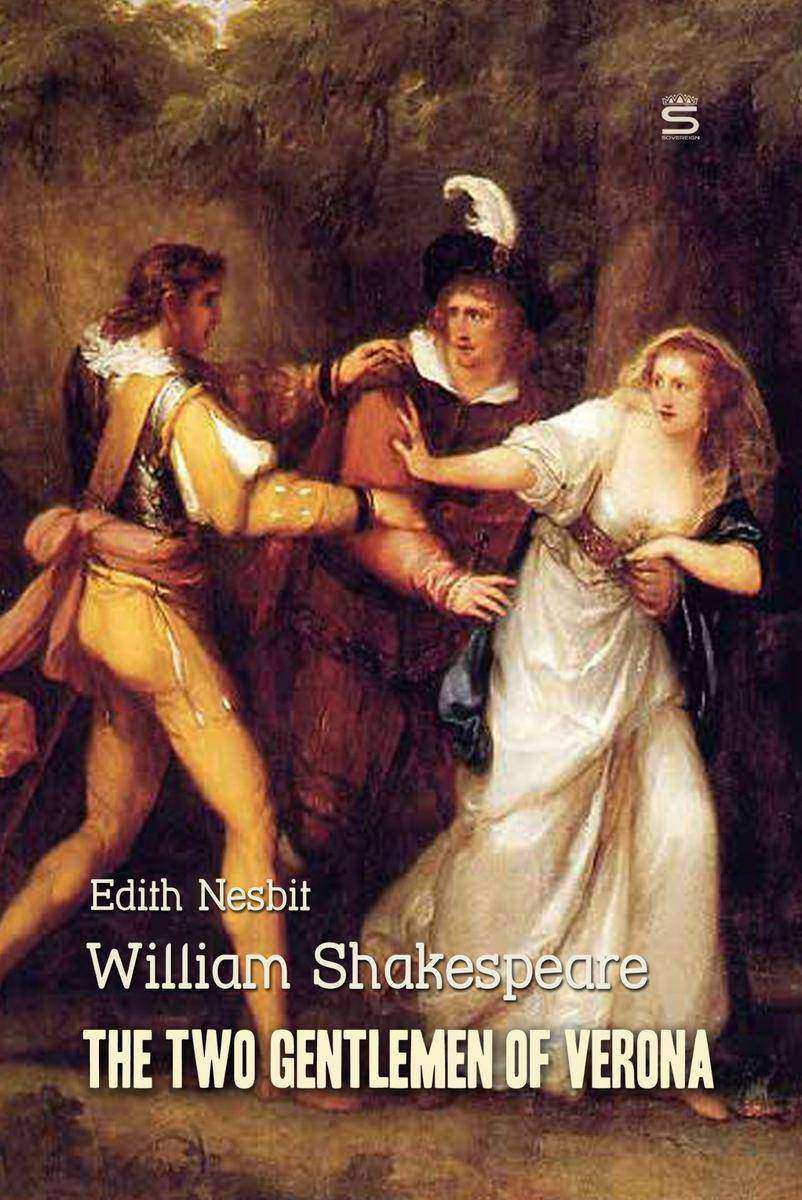
The Two Gentlemen of Verona
¥40.79
Valentine is preparing to leave Verona for Milan so as to broaden his horizons. He begs his best friend, Proteus, to come with him, but Proteus is in love with Julia, and refuses to leave. The play deals with the themes of friendship and infidelity, the conflict between friendship and love, and the foolish behaviour of people in love. This edition of 'The Two Gentlemen of Verona' is an adaptation of Shakespeare's eponymous drama, narrated in plain modern English, capturing the very essence and key elements of the original Shakespeare's work.

Bez ograniczeń
¥66.05
Milyen állambiztonsági kockázatokat rejtett magában egy futball-világbajnokság? Vajon miért volt olyan fontos a titkosszolgálat számára Puskás, hogy még a hatvanas évek végén is érkeztek róla jelentések? Valóban kiváltságos klubként kezelte a rendszer Kádár kedvenc csapatát, a Vasast? A politikai rend?rség szempontjából miért voltak kiemelten veszélyesek a Ferencváros mérk?zései? ?s vajon mi igaz abból, hogy a magyar válogatott nem nyerhetett a Szovjetunió ellen? ?s egyáltalán: miért érdekelte mindez az állambiztonságot? TAK?CS TIBOR k?nyvéb?l kiderül, hogy a sport, így a futball egyre fokozódó állambiztonsági ellen?rzését mindenekel?tt a kiszélesed? nemzetk?zi kapcsolatok indokolták, de egyes sportvezet?ket, játékosokat és szurkolókat is folyamatosan megfigyelés alatt tartottak. Ezzel együtt a kádári politikai rend?rség olykor maga sem tudta pontosan, mi dolga a labdarúgás k?rül – ilyenkor aztán m?k?désbe lépett az állambiztonsági paranoia, amely egy egyszer? szurkolói megnyilvánulásban is ?ellenséges tevékenységet” szimatolt. A t?rténész arra vállalkozik, hogy bemutassa: milyen tevékenységet végzett a Kádár-korszak állambiztonsága a legnagyobb t?megeket vonzó t?megsport, a labdarúgás k?rül. Futball és állambiztonság kapcsolatáról kül?nb?z?, néha párhuzamosan futó, olykor egymást metsz? t?rténeteken keresztül ad átfogó képet, mik?zben felvázolja az 1956 utáni állami sportirányítási rendszer és a politikai rend?rség m?k?désének f?bb vonásait és jellemz?it is. TAK?CS TIBOR Nyíregyházán született 1974-ben. A Kossuth Lajos Tudományegyetem B?lcsészettudományi Karán diplomázott 1997-ben. Ezt k?vet?en doktori ?szt?ndíjas volt, majd a nyíregyházi levéltárban dolgozott. 2002-t?l a T?rténeti Hivatal, illetve utódintézménye, az ?llambiztonsági Szolgálatok T?rténeti Levéltára munkatársa. 2005-ben a Debreceni Egyetemen doktori címet szerzett. F? kutatási területe az 1945 utáni magyar t?rténelem, kül?n?s tekintettel a politikai rend?rség m?k?désére

F?zzünk ?r?mmel!
¥43.57
K?ztudott, hogy a pártállami diktatúra idején minden jobboldali gondolat eredend?en üld?zend?nek számított. De vajon hogyan élték túl a hagyományos politikai felosztás szerint jobboldalinak tekintett személyek és mozgalmak a Rákosi-, majd a Kádár-rendszer üld?ztetéseit? Kik választották az évtizedekre szóló, csendes ?alámerülést”, és kik azok, akik továbbra is aktívan képviselték korábbi eszméiket? ?s vajon a rendelkezésünkre álló dokumentumok alapján meg lehet-e kül?nb?ztetni a jobboldalhoz k?thet? valós társadalmi jelenségeket az állambiztonság konstruált ügyeit?l? Az UNGV?RY KRISZTI?N által szerkesztett tanulmányk?tet a Kádár-rendszer állambiztonsága szempontjából ?jobboldalinak” tekintett hagyomány és gondolkodás, illetve az ezt képvisel? csoportok 1945 és 1990 k?z?tti t?rténetéb?l ad reprezentatív válogatást. Mivel e meglehet?sen széles – a progresszív konzervatív eszmét?l a kisgazdákon át az egyetemi szervezkedésekig és a radikális széls?jobboldali mozgalmakig terjed? – politikai paletta szerepl?i és nézetei a kommunista és államszocialista diktatúra idején egyként ?ellenségesnek” min?sültek, a k?tet tanulmányai mindenekel?tt az állambiztonsági iratok feldolgozására épülnek. Az ?sszeállítás áttekintést nyújt az olvasónak a belügyminisztérium ?jobboldali” ellenségképér?l, részletesen tárgyalja a prominens kisgazda és kereszténydemokrata politikusok sorsát, illetve nyomon k?veti a háború el?tti széls?jobboldalhoz k?thet? mozgalmak utóéletét is. E hiánypótló k?tet kit?n? írásai nem csupán arra világítanak rá, hogy a jobboldali hagyományok hogyan élték túl búvópatakszer?en a háborút k?vet? fél évszázadot, de a ma jobboldalinak tekintett attit?d?ket és mentalitásokat is jobban érthet?vé teszik.

Playlist (pentru sf?r?itul lumii)
¥24.44
Ac?iunea informativ? Nichita Smochin? reprezint? rezultatul cercet?rii ?n Arhiva CNSAS.Documentele publicate sub egida Institutului de Istorie ?George Bari?iu“ al Academiei Rom?ne au ca subiect urm?rirea informativ? a lui Nichita Smochin? de c?tre Securitate ?n perioada 1952-1962. Dup? abandonarea Rom?niei ?n sfera de influen?? sovietic?, activitatea academic?, publicistic? ?i umanitar?, desf??urat? ?n perioada interbelic? ?i ?n timpul celui de al Doilea R?zboi Mondial, dar mai ales calitatea de consilier al mare?alului Ion Antonescu, l-au plasat pe cel mai important militant pentru afirmarea spiritului rom?nesc ?n Transnistria ?n fruntea listei du?manilor URSS.FragmentDin nota privind ?nt?lnirea agentului ?Speran?a“ cu Nichita Smochin?: ?n ziua de 17 octombrie 1952, informatorul ?Speran?a“, sub pretextul c? vrea s? primeasc? lec?ii de limba rus? ?n scris, s-a dus la Smochin? Nichita, din str. N. Golescu nr. 14. La intrare ?Speran?a“ a fost ?nt?mpinat? de fiica lui Smochin?, care nu prea vroia s? o primeasc? ?n?untru. Dup? ce a fost primit? ?n?untru, a venit ?i Smochin?, cu care a ?nceput discu?ia. Din discu?ii a rezultat c? Smochin? ?n prezent traduce din limba rus? ?n limba rom?n? diferite c?r?i, pe care le prime?te de la o redac?ie din apropiere de locuin?a sa. A mai rezultat c? el, p?n? ?n anul 1938, a locuit ?n Ia?i, dup? care s-a mutat ?n Bucure?ti. Este v?duv, locuie?te ?mpreun? cu fiica sa, ginerele s?u ?i un nepot. Este o fire ?nchis?, necomunicativ?, ?ns? fa?? de ?Speran?a“ s-a ar?tat foarte binevoitor, mai ales v?z?nd c? ?tie la perfec?ie s? vorbeasc? limba rus?. Toat? conversa?ia a fost dus? ?n limba rus?. Sursa: ?Speran?a“. Valoarea: serioas?. Nota biroului: S-au trasat instruc?iuni informatorului s? se mai duc? la Smochin? ?i s? primeasc? lec?ii ?n scris, iar deocamdat? s? nu deschid? discu?ia despre trecutul s?u, pentru a putea c?p?ta ?ncrederea lui Smochin?, iar la a treia vedere s? deschid? discu?ia. Nota superiorului: ?S? se urm?reasc? ?n continuare ac?iunea lui Smochin?, p?n? vom primi noi dispozi?iuni de la Cabinet. Informatorului s? i se dea bani pentru a pl?ti medita?ia pe care o prime?te de la Smochin? (ss)“.
The Prodigal Daughter of Korea
¥38.62
When Mina’s father dies, she returns to Korea to visit a family she barely knows, desperately looking for some answers. But her mother is reluctant to discuss the past, especially the war, or the reasons that Mina was sent so far away as a child, to America. Her younger sister seems unable to grow up and it doesn’t help that their nosy neighbour is always on their doorstep. Secrets and lies divide them all irrevocably. When the truth is finally revealed, it is both shocking and redemptive, allowing Mina and those around her to see themselves anew and break free from years of pain and guilt.

Playing the Short Game: How to Market and Sell Short Fiction
¥40.79
Take your first step to becoming a professional short fiction writer—Buy this book! In an engaging and conversational style, award-winning author Douglas Smith teaches you how to market and sell short stories—and much, much more. Even experienced writers will find value here as Smith takes you from your first sale to using your stories to build a writing career. CONTENTS: The Fundamentals: The different types of writers. The benefits of short fiction. Rights and licensing. Selling Your Stories: Knowing when it's ready. Choosing markets. Submitting stories. Avoiding mistakes. How editors select stories. Dealing with rejections. When to give up on a story. After a Sale: Contracts. Working with editors. What your first sale means. Dealing with reviews. A Writer's Magic Bakery: Selling reprints. Foreign markets. Audio markets. Selling a collection. The indie option. Becoming Established: Leveraging your stories. Discoverability and promotion. Career progression in short fiction. With an introduction by multi-award winning writer and editor, Kristine Kathryn Rusch. "We short story writers have needed a book like this for decades. ... It’s spectacular." —Kristine Kathryn Rusch, Award-winning Author & Editor “If you are the least bit interested in having a career as a fiction writer then I can tell you what to read: Douglas Smith’s Playing the Short Game: How to Market & Sell Short Fiction. From now on this is my go-to book for all things related to starting and maintaining my fiction writing career.” —Filip Wiltgren, The Guide to a Professional Writing Career
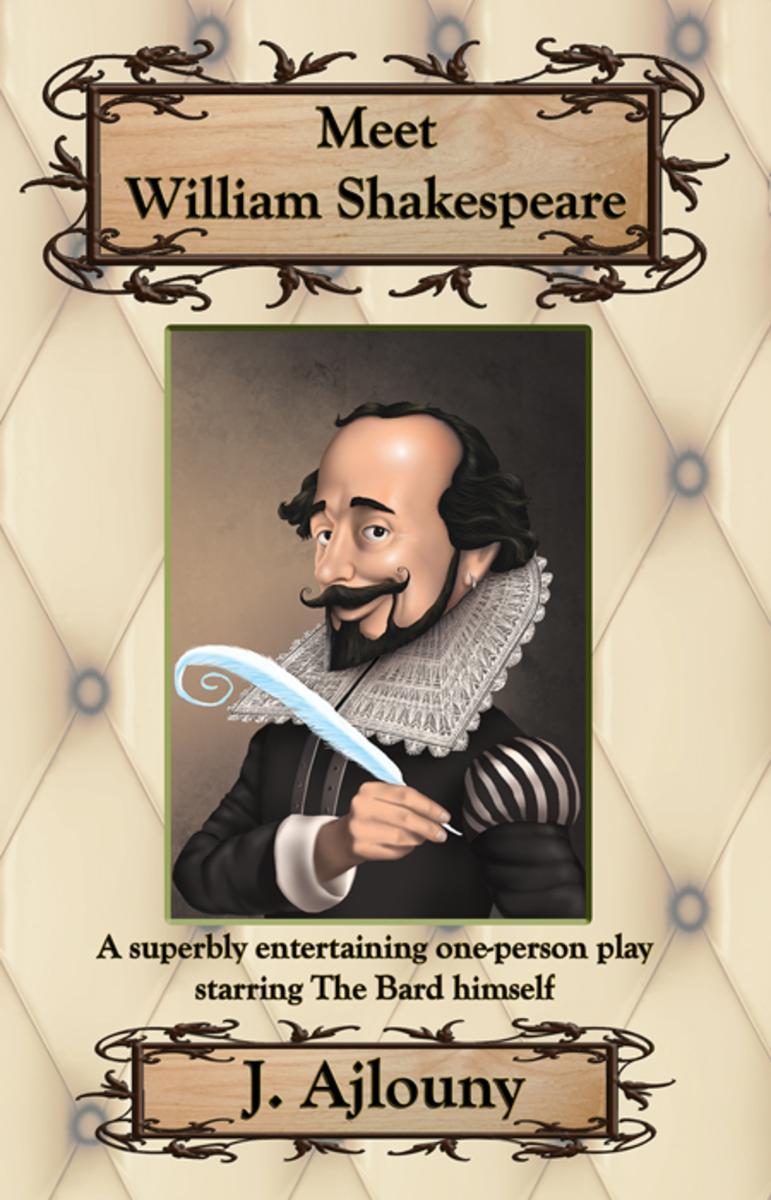
Meet William Shakespeare: A superbly entertaining one-person play starring The B
¥24.44
Much has been explored about Shakespeare and his life, but little is known about how this small-town boy with a grammar-school education came to pen masterworks like Hamlet and King Lear. In Meet William Shakespeare, playwright J. Ajlouny creates authentic and plausible explanations that answer centuries-old questions about the man and his work. The result is an educational and fun portrait of Shakespeare, as told by The Bard himself.
No Mistakes Grammar for Kids, Volume V: No Mistakes Grammar for Kids, Volume V
¥24.44
I know you've witnessed your child use their or there when they meant they're. Or the other way around. The same goes for to, too and two. I've even see adults mix it up. Heck, I've even seen it in published books. But that's understandable because they are some of the most misused words in the English language. Don't let your child suffer those mistakes. Let Queen Shinobi teach your child how to use those words properly. ?
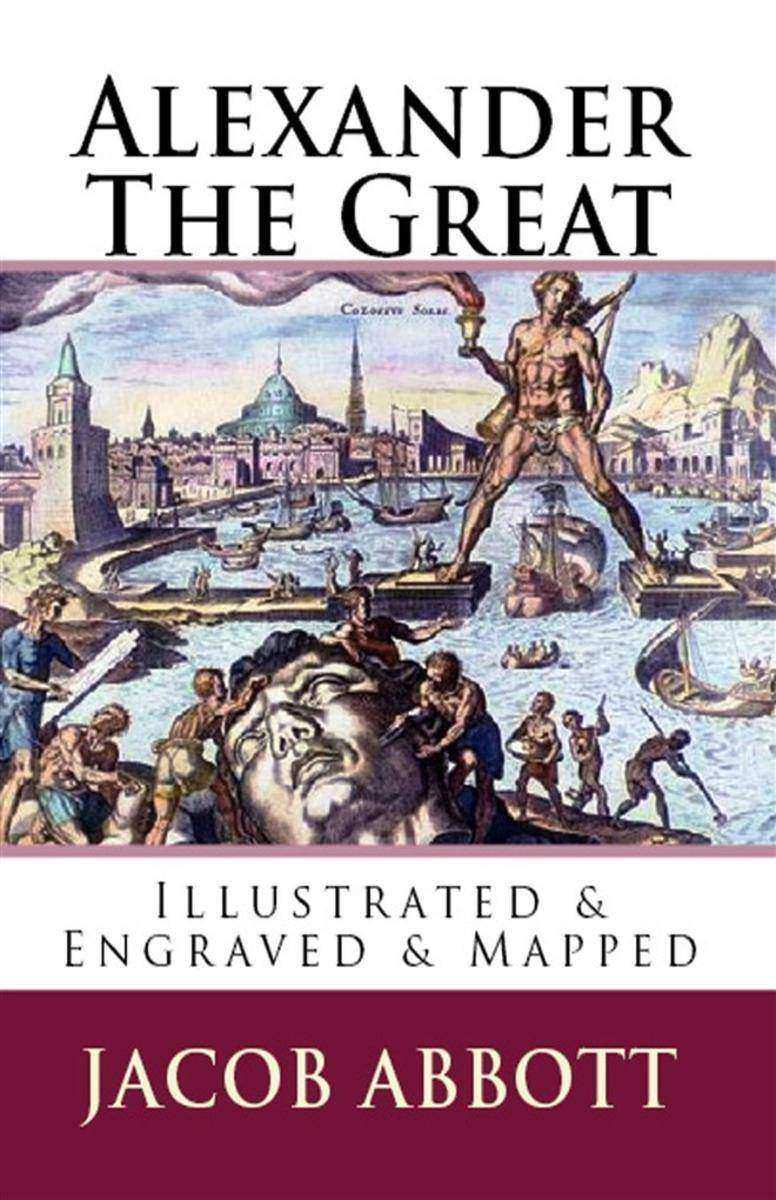
Alexander the Great
¥18.56
ALEXANDER the Great died when he was quite young. He was but thirty-two years of age when he ended his career, and as he was about twenty when he commenced it, it was only for a period of twelve years that he was actually engaged in performing the work of his life. Napoleon was nearly three times as long on the great field of human action.??Notwithstanding the briefness of Alexander's career, he ran through, during that short period, a very brilliant series of exploits, which were so bold, so romantic, and which led him into such adventures in scenes of the greatest magnificence and splendor, that all the world looked on with astonishment then, and mankind have continued to read the story since, from age to age, with the greatest interest and attention.??The secret of Alexander's success was his character. He possessed a certain combination of mental and per-sonal attractions, which in every age gives to those who exhibit it a mysterious and almost unbounded ascendency over all within their influence. Alexander was characterized by these qualities in a very remarkable degree. He was finely formed in person, and very prepossessing in his manners. He was active, athletic, and full of ardor and enthusiasm in all that he did.
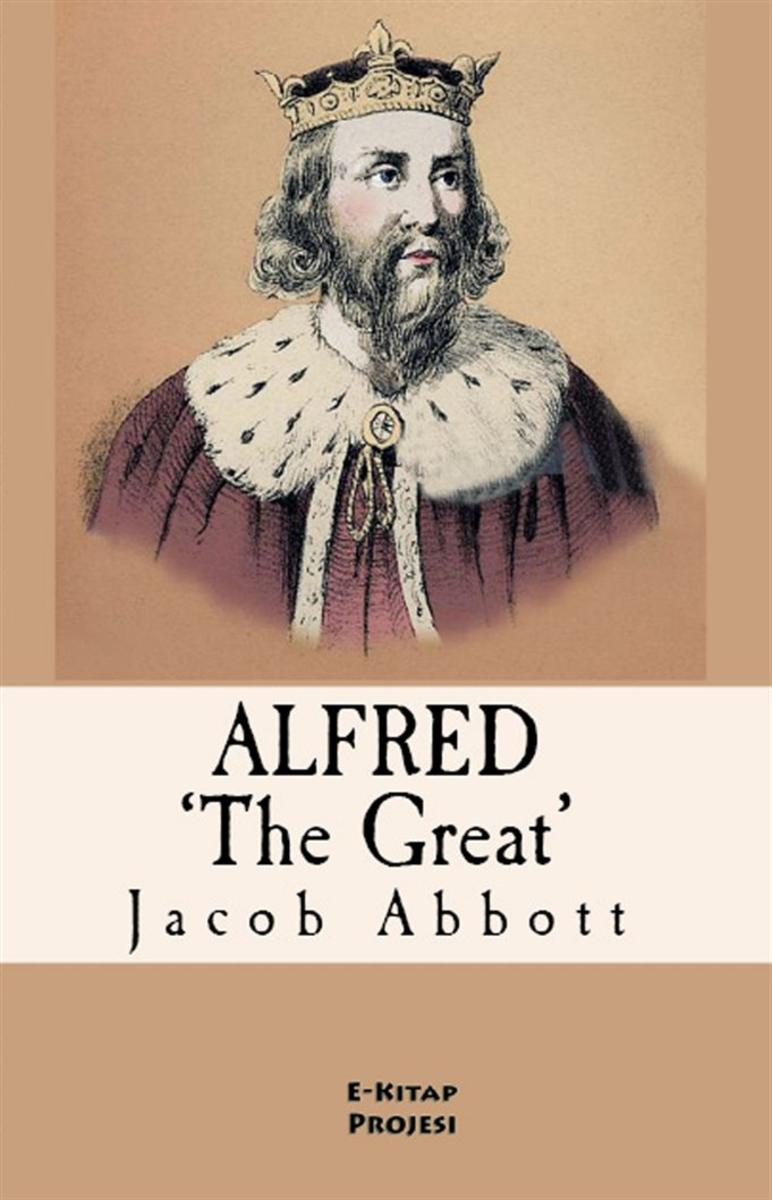
Alfred the Great
¥18.56
ALFRED THE GREAT figures in history as the founder, in some sense, of the British monarchy. Of that long succession of sovereigns who have held the scepter of that monarchy, and whose government has exerted so vast an influence on the condition and welfare of mankind, he was not, indeed, actually the first. ??There were several lines of insignificant princes before him, who governed such portions of the kingdom as they individually possessed, more like semi-savage chieftains than English kings. Alfred followed these by the principle of hereditary right, and spent his life in laying broad and deep the foundations on which the enormous superstructure of the British empire has since been reared. If the tales respecting his character and deeds which have come down to us are at all worthy of belief, he was an honest, conscientious, disinterested, and farseeing statesman. ??If the system of hereditary succession would always furnish such sovereigns for mankind, the principle of loyalty would have held its place much longer in the world than it is now likely to do, and great nations, now republican, would have been saved a vast deal of trouble and toil expended in the election of their rulers.
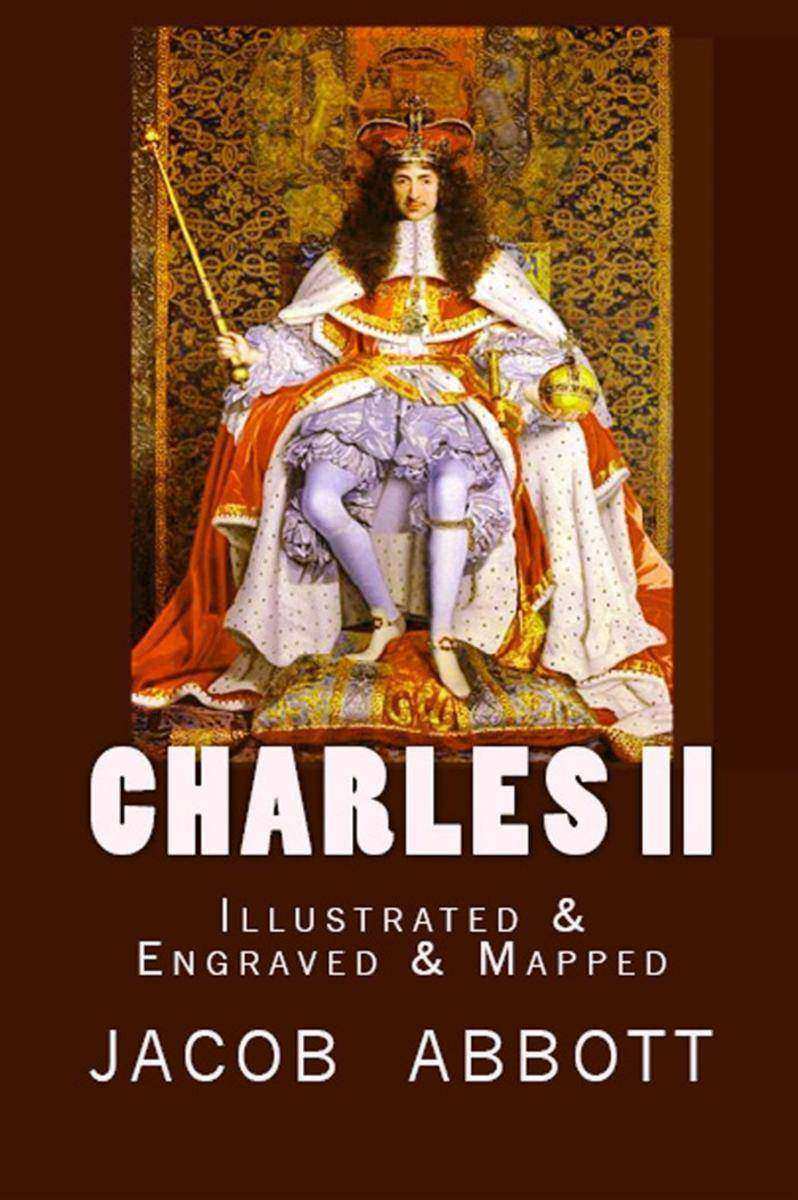
Charles II
¥18.56
KING CHARLES THE SECOND was the son and successor of King Charles the First. These two are the only kings of the name of Charles that have appea-red, thus far, in the line of English sovereigns. Nor is it very probable that there will soon be another. The reigns of both these monarchs were stained and tarnished with many vices and crimes, and darkened by national disasters of every kind, and the name is thus connected with so many painful associations in the minds of men, that it seems to have been dropped, by common consent, in all branches of the royal family.??The reign of Charles the First, as will be seen by the history of his life in this series, was characterized by a long and obstinate contest between the king and the people, which brought on, at last, a civil war, in which the king was defeated and taken prisoner, and in the end beheaded on a block, before one of his own pala-ces. During the last stages of this terrible contest, and before Charles was himself taken prisoner, he was, as it were, a fugitive and an outlaw in his own dominions. His wife and family were scattered in various foreign lands, his cities and castles were in the hands of his enemies, and his oldest son, the prince Charles, was the object of special hostility. The prince incurred, therefore, a great many dangers, and suffered many heavy calamities in his early years. He lived to see these calamities pass away, and, after they were gone, he enjoyed, so far as his own personal safety and welfare were concerned, a tranquil and prosperous life. The storm, however, of trial and suffering which enveloped the evening of his father's days, darkened the morning of his own. ??The life of Charles the First was a river rising gently, from quiet springs, in a scene of verdure and sunshine, and flowing gradually into rugged and gloomy regions, where at last it falls into a terrific abyss, enveloped in darkness and storms. That of Charles the Second, on the other hand, rising in the wild and rugged mountains where the parent stream was engulfed, commences its course by leaping frightfully from precipice to precipice, with turbid and foaming waters, but emerges at last into a smooth and smiling land, and flows through it prosperously to the sea.
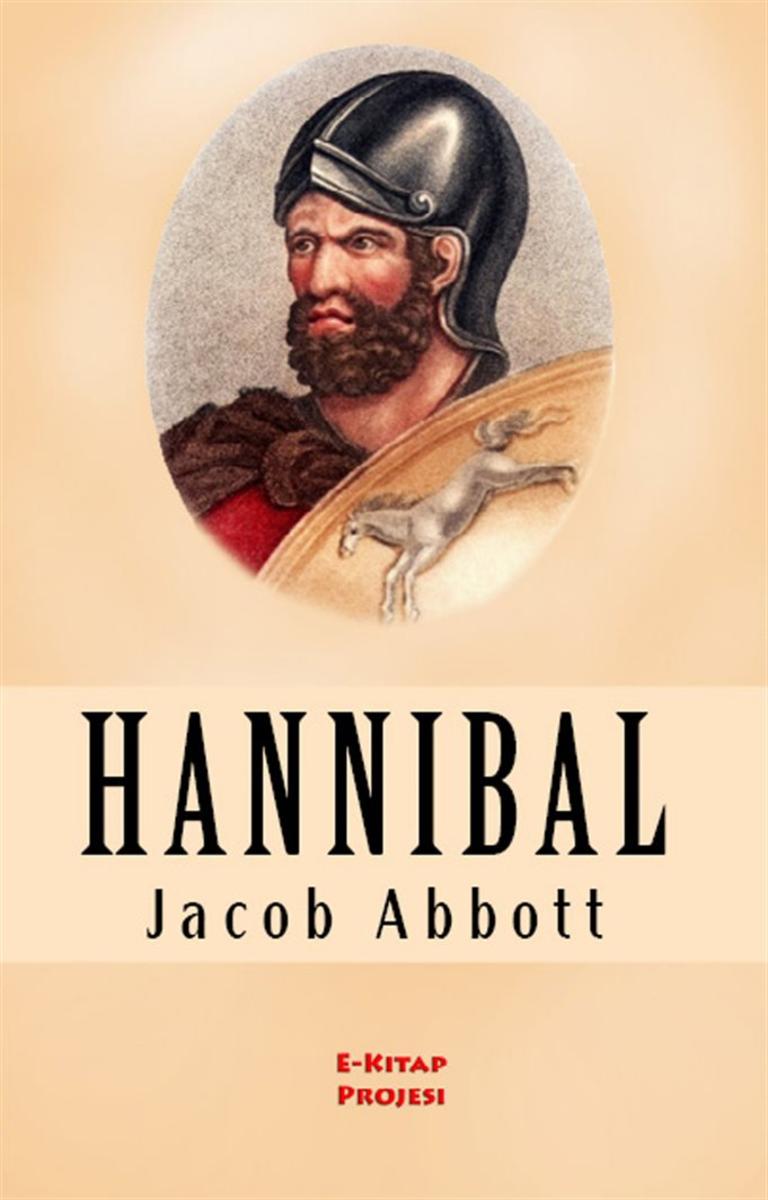
Hannibal
¥27.88
HANNIBAL was a Carthaginian general. He acquired his great distinction as a warrior by his desperate contests with the Romans. Rome and Carthage grew up together on opposite sides of the Mediterranean Sea. For about a hundred years they waged against each other most dreadful wars. There were three of these wars. Rome was successful in the end, and Carthage was entirely destroyed.?There was no real cause for any disagreement between these two nations. Their hostility to each other was mere rivalry and spontaneous hate. They spoke a different language; they had a different origin; and they lived on opposite sides of the same sea. So they hated and devoured each other.?Those who have read the history of Alexander the Great, in this series, will recollect the difficulty he experienced in besieging and subduing Tyre, a great maritime city, situated about two miles from the shore, on the eastern coast of the Mediterranean Sea. Cart-hage was originally founded by a colony from this city of Tyre, and it soon became a great commercial and maritime power like its mother. The Carthaginians built ships, and with them explored all parts of the Mediterranean Sea.
Julius Caesar
¥27.88
THERE were three great European nations in ancient days, each of which furnished history with a hero: the Greeks, the Carthaginians, and the Romans.??Alexander was the hero of the Greeks. He was King of Macedon, a country lying north of Greece proper. He headed an army of his countrymen, and made an excursion for conquest and glory into Asia. He made himself master of all that quarter of the globe, and reigned over it in Babylon, till he brought himself to an early grave by the excesses into which his boundless prosperity allured him. His fame rests on his triumphant success in building up for himself so vast an empire, and the admiration which his career has always excited among mankind is heightened by the consideration of his youth, and of the noble and generous impulses which strongly marked his character.??The ROMAN hero was CAESAR. He was born just one hundred years before the Christian era. His renown does not depend, like that of Alexander, on foreign conquests, nor, like that of Hannibal, on the terrible energy of his aggressions upon foreign foes, but upon his protracted and dreadful contests with, and ultimate triumphs over, his rivals and competitors at home.
Queen Elizabeth
¥27.88
ELIZABETH was about three years old at the death of her mother. She was a princess, but she was left in a very forlorn and desolate condition. She was not, however, entirely abandoned. Her claims to inherit the crown had been set aside, but then she was, as all admitted, the daughter of the king, and she must, of course, be the object of a certain degree of consideration and ceremony. It would be entirely inconsistent with the notions of royal dignity which then prevailed to have her treated like an ordinary child.??Next came Elizabeth, who was about fourteen years of age. She was the daughter of the king's second wife, Queen Anne Boleyn. She had been educated a Protestant. She was not pretty, but was a very lively and sprightly child, altogether different in her cast of character and in her manners from her sister Mary.??Then, lastly, there was Edward, the son of Jane Seymour, the third queen. He was about nine years of age at his father's death. He was boy of good character, mild and gentle in his position, fond of study and reflection, and a general favorite with all who knew him.
![The Romance of Spanish History: [Illustrated & Engraved & Mapped]](https://platform-permanent.ddimg.cn/pt-media-info-soa-resource/digital/product/53/97/1901165397_ii_cover.jpg?version=39bce93d-9102-4e7e-9ac3-85633a446f54)
The Romance of Spanish History: [Illustrated & Engraved & Mapped]
¥28.29
THE Spanish peninsula, separated from France on the north by the Pyrenees, and bounded on the three remaining sides by the Mediterranean Sea and the Atlantic Ocean, con-tains an area of 225,600 square miles, being a little larger than France. Nature has reared a very formidable barrier between Spain and France, for the Pyrenees, extending in a straight line 250 miles in length, from the Bay of Biscay to the Mediterranean, and often rising in peaks more than ten thou-sand feet in height, offer but three defiles which carriages can traverse, though there are more than a hundred passes which may be surmounted by pedestrians or the sure-footed mule. The soil is fertile; the climate genial and salubrious; and the face of the country, diversified with meadows and mountains, presents, in rare combination, the most attractive features both of loveliness and sublimity.?History does not inform us when and how this beautiful peninsula—called Hispania by the Romans—first became in-habited. Whether the earliest emigrants crossed the straits of Gibraltar from Africa, or came from Asia, coasting the shores of the Mediterranean, or descended from France through the defiles of the Pyrenees, can now never be known. The first glimpse we catch of Spain, through the haze of past ages, reveals to us the country inhabited by numerous barbaric tri-bes, fiercely hostile to each other, and constantly engaged in bloody wars. The mountain fastnesses were infested with robber bands, and rapine and violence everywhere reigned. The weapons grasped by these fierce warriors consisted of lances, clubs, and slings, with sabres and hatchets, of rude fashion but of keen edge. Their food was mainly nuts and ro-ots. Their clothing consisted of a single linen garment, girded around the waist; and a woollen tunic, surmounted by a cloth cap, descended to the feet. As in all barbarous nations, the hard work of life was performed by the women.??The names even of most of these tribes have long since perished; a few however have been transmitted to our day, such as the Celts, the Gallicians, the Lusitanians, and the Iberians. Several ages before the foundations of Rome or of Carthage were laid, it is said that the Phoenicians, exploring in their commercial tours the shores of the Mediterranean, established a mercantile colony at Cadiz. The colonists growing rich and strong, extended their dominions and founded the cities of Malaga and Cordova. About 800 years before Christ, a colony from Rhodes settled in the Spanish peninsula, and established the city of Rosas. Other expeditions, from various parts of Greece, also planted colonies and engaged in successful traffic with the Spanish natives.??Four hundred years before Christ, the Carthaginian republic was one of the leading powers, and Carthage was one of the most populous and influential cities on the globe. The Carthaginians crossed the narrow straits which separate Africa from Spain, landed in great strength upon the Spanish peninsula, and, after a short but severe conflict, subdued the foreign colonies there, brought the native Spaniards into subjection, and established their own supremacy over all the southern coast. Cadiz became the central point of Carthaginian power, from whence the invaders constantly extended their conquests. Though many of the interior tribes maintained for a time a sort of rude and ferocious independence, still Carthage gradually assumed dominion over the whole of Spain.??In the year 235 B.C., Hamilcar, the father of the illustrious Hannibal, compelled nearly all the tribes of Spain to ack-nowledge his sway. For eight years Hamilcar waged almost an incessant battle with the Spaniards. Still it was merely a military possession which he held of the country, and he erected Barcelona and several other fortresses, where his soldiers could bid defiance to assaults, and could overawe the surrounding inhabitants.

Ruptura
¥40.79
Referindu-se la Pesc?ru?ul ?ntr-o scrisoare din octombrie 1895, Cehov nota, ?ntre altele: ?Scriu o pies? pe care probabil nu o voi termina p?n? la sf?r?itul lui noiembrie. O scriu nu f?r? pl?cere, de?i m? tem de conven?iile scenei. E o comedie, exist? trei roluri pentru femei, ?ase pentru b?rba?i, patru acte, peisaje (priveli?tea unui lac), o mul?ime de conversa?ii despre literatur?, pu?in? ac?iune, mult? iubire“. Premiera s-a dovedit dezastruoas?, editorul s?u aduc?ndu-i acuze ca, pild?, la?itatea evident?, caracterul din cale afar? de feminin. Con?tient de geniul s?u, Cehov riposteaz?: ?De ce aceast? calomnie? Dup? reprezenta?ie am luat cina la Romanovi. Pe cuv?ntul meu de onoare. Apoi m-am dus la culcare, am dormit s?n?tos ?i a doua zi am mers acas? f?r? a suspina vreo nemul?umire. Dac? a? fi fost un la?, a? fi alergat de la un editor la altul ?i de la un actor la altul, i-a? fi implorat s? fie ?ng?duitori ?i a? fi petrecut dou? trei s?pt?m?ni ?n Petersburg, agit?ndu-m? cu Pesc?ru?ul meu, cu emo?ie, cu o transpira?ie rece ?n lamenta?ii. Am ac?ionat at?t de rece ?i de responsabil precum un om care a f?cut o ofert? ?i apoi a fost ?nt?mpinat cu un refuz ?i nu mai are nimic altceva de f?cut dec?t s? plece. ?ntr-adev?r, vanitatea mea a fost n?ucit?, dar ?ti?i, nu a fost o lovitur? din senin. A?teptam un e?ec ?i m? preg?tisem pentru el precum te-am prevenit cu o absolut? sinceritate“.

Ini?iere ?n fericire, dragoste, bog??ie ?i vis
¥45.78
Cartea de fa?? r?spunde unor ?ntreb?ri majore: ce este omul? Cine este omul? De ce este omul?Cartea cuprinde teme subiective de medita?ie, filosofie diletant? ?i analiz? psihologic?, ?n genul unor confesiuni, fiind structurat? pe trei p?r?i. Cuvintele abuzive reprezint? o g?ndire fraged?, haotic?, pueril?, prima descoperire a propriului g?nd ?n contradic?ie cu g?ndirea lumii ?i cu g?ndirea proprie ?n alt? faz? a ei, necesitatea dubl?rii g?ndirii ?n dezacordurile ei.Dialogurile sunt descoperirea min?ii personajului ?n proprie minte, descoperirea personajelor vie?ii ?i amintiri fugare ale unor ?nt?mpl?ri obi?nuite care primesc subiectivism paranoic.A treia parte prime?te obiectivitatea, a?a zis? universal?, a unui anumit Narator, care reinterpreteaz? ?i reintegreaz? g?ndurile unui anumit om, ales la ?nt?mplare, dar decis totu?i de circumstan?ele c?r?ii. Dovedirea c? omul ?i ?nsumeaz? pe to?i, lumea.

Ur?, prietenie, dragoste, c?s?torie
¥57.96
De la ?nfiin?area sa, acum o sut? de ani, MI6 a fost ?nconjurat de mister ?i a avut un aer aproape mitic. Pentru opinia public?, no?iunea de ?spion“ a fost modelat? de universurile fic?ionale ale unor scriitori precum Ian Fleming, p?rintele lui James Bond, ?i John le Carré, creatorul cerebralului Smiley. Gordon Corera le ofer? cititorilor s?i ?ansa unic?, f?r? precedent, de a p?trunde ?n aceast? lume secret? ?i de a observa realitatea care a stat la baza fic?iunii. Cartea prezint? pove?ti individuale – mai degrab? dec?t pe cele ale institu?iilor sau descrierea evolu?iei situa?iei politice de-a lungul timpului –, scopul fiind acela de a explora rela?iile unice ?i personale din spatele spionajului – ceea ce Graham Greene numea ?factorul uman“, cu alte cuvinte, ?n cazul de fa??, motiva?iile ?i loialit??ile unui spion sau ale unui tr?d?tor ?i faptele care decurg de aici.De la ?nceputurile R?zboiului Rece p?n? ?n ziua de azi, MI6 a suferit o transformare extraordinar?, devenind dintr-o organiza?ie de diletan?i, cu iz de club select, una modern?, profesionist?, dar nu mai pu?in controversat?. Iar Gordon Corera ?i dezv?luie deopotriv? e?ecurile ?i succesele de-a lungul timpului, ?n contextele politice aferente. Marile drame ale R?zboiului Rece, ridicarea ?i c?derea Zidului Berlinului, Criza Rachetelor Cubaneze, atacurile de la 11 septembrie 2001, r?zboiul din Irak – toate aceste evenimente care au marcat istoria reprezint? fundalul pentru pove?tile adev?rate cu spioni.Corera prezint? cazurile interesante ale celor care au spionat, au min?it, au ?n?elat ?i, ?n unele cazuri, chiar ?i-au pierdut via?a ?n slujba ??rii pe care au servit-o. ?i oric?t de palpitante ar fi c?r?ile sau filmele cu spioni, ve?i vedea c?, cel pu?in aici, via?a bate filmul.

Joaca. Solu?ii distractive pentru buna dezvoltare a copiilor ?n primii cinci ani
¥48.97
Materialele reunite in acest volum reprezinta o suma de contributii si studii publicate in ultimii ani. Toate materialele au fost selectate pentru a corespunde titlului stabilit: BATALIA PENTRU BASARABIA. Este explicabil de ce, in atare conditii, preocuparile colectivului de autori s-au concentrat asupra epocii celui de-al Doilea Razboi Mondial, cu predilectie tratand sfartecarea teritoriala a Romaniei Mari in 1940 sau rolul si locul Maresalului Ion Antonescu in reluarea luptei nationale pentru eliberarea Basarabiei de sub dominatia Imperiului Rosu stalinist, dupa 1941. Nu au fost neglijate nici anume fapte si consideratii din rastimpul 1945-1989, cand batalia s-a desfasurat indeosebi pe plan politico-diplomatic, dar si ideologic ori istoriografic.
Lectura genurilor literare
¥31.88
n iunie 2015 am publicat n revista Permanene” (nr. 6) articolul Vladimir Tismneanu - ieri i azi”, motivat de faptul c Preedintele Comisiei Prezideniale pentru Analiza Dictaturii Comuniste din Romnia a devenit brusc un atacator al celor susinute n Raportul Final al Comisiei pe care a prezidat-o. Pn n prezent nu exist niciun fel de opinie a dlui Tismneanu i nici a celor de la Institutul Elie Wiesel” - MCA referitor la acest punct de vedere.

Zeii locuiesc l?ng? Olimp
¥32.62
Cartea este rezultatul anchetelor desf??urate ?n paginile revistei Contemporanul – anchete ce au abordat o problema delicat?, ocolit? de nu pu?ini c?rturari: ?Problema evreiasc?". Se pronun?? pe marginea acestei disputate teme actuale personalit??i ca, de pild?, Dumitru ?epeneag, Matei C?linescu, Ion Vianu, Irina Cajal, Ion Iano?i, Nicolae Breban, ?i nu pu?ini al?i importan?i actan?i ai vie?ii sociale, politice ?i culturale din Rom?nia de azi.Un manual indirect de istorie, cartea e destinata studen?ilor, elevilor, profesorilor, precum ?i publicului larg de cititori.


