


 购物车
购物车 个人中心
个人中心

101 Amazing Facts About The Wanted
¥19.52
Are you the world's biggest fan of The Wanted? Or do you want to find out everything there is to know about the world's greatest boy-band?If so, then this is the book for you! Contained within are 101 amazing facts about how they boys got started in the music industry, the women they have dated, incredible things about their personal lives plus many more. The book is easily organised into sections so you can find the information you want fast!
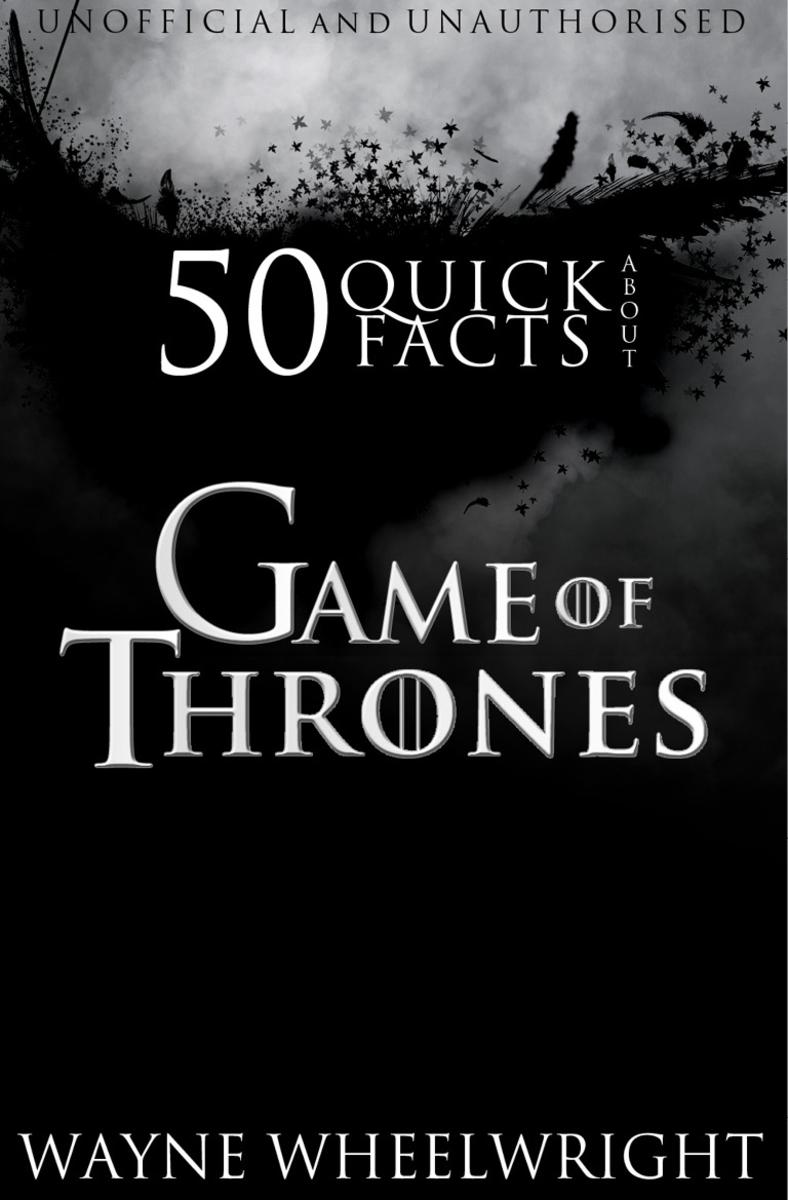
50 Quick Facts About Game of Thrones
¥9.71
Game of Thrones is the television and written world phenomenon that has come from the mind of George R.R. Martin and his series of books, A Song of Ice and Fire. This book contains trivia and many interesting facts about the lands of Westeros and Essos. From stories about the filming of the series, tales from behind the camera through to a little more background on the families and locations in the Game of Thrones world. This book is a must have for any fan of the tales of the Iron Throne.

101 Amazing Facts about Cheryl Cole
¥19.52
Are you the world's biggest Cheryl Cole fan? Or do you want to know everything there is to know about the singer, X Factor judge and former member of Girls Aloud? If so, then this is the book for you! Contained within are 101 amazing facts about everything, from her upbringing to her huge success both in a girl band and as a solo artist plus much more. The book is easily organised into sections so you can find the information you want fast and is perfect for all ages!

101 Amazing Facts about Arctic Monkeys
¥19.52
Are you the world's biggest Arctic Monkeys fan? Or do you want to know everything there is to know about one of the biggest bands of the era?If so, then this is the book for you! Contained within are more than one hundred amazing facts about everything, from how the band got started in the music industry to their success in multiple awards ceremonies and much more. The book is easily organised into sections so you can find the information you want fast and is perfect for all ages!

101 Amazing Facts about Dogs
¥19.52
Did you know that in medieval times dogs were known to have accompanied their masters into battle wearing suits of armour? Or that the Rhodesian Ridgeback was first bred to fight lions? This fantastic quick-read eBook featured over one hundred facts about dogs split into categories such as evolution, health, behaviour, record breakers and many more. So if you want to know who the heaviest dog ever to have lived was, or what the wagometer was invented for, then this is the book for you! Find the information you want, fast.

101 Amazing Facts about One Direction
¥19.52
Are you the world's biggest One Direction fan? Do you know more than any other Directioner out there? Or do you want to learn some fantastic new facts about the biggest and most successful boy band of all time?If so, then this is the book for you! Contained within are more than one hundred amazing facts about everything, from how the boys got started in the music industry to their relationships, closely-kept secrets, media controversies and much more. The book is easily organised into sections so you can find the information you want fast and is perfect for all ages!

Jump Into Audition
¥29.33
Make it a YES! With so much competition, JUMP INTO AUDITION is the must-have guide for your audition. You only get one chance to make a FIRST IMPRESSION so let it count! FULFILL your POTENTIAL! Learn the art of preparing for auditions, tips on appropriate dress and etiquette and how to CONQUER your nerves. This book uncovers the true procedures and expectations behind auditions, so you will know exactly what to expect before you set foot on the stage. Quite simply, if you want to SUCCEED, make sure you don't attend another audition before reading this book. Including tips from choreographers, theatrical producers, singing coaches and seasoned audition professionals, JUMP INTO AUDITION will ensure you enter your audition fully prepared and ready to give the performance of your life. With sections dedicated to musicals, theatre, talent shows, dance companies and TV/film, specific advice is given for your individual type of audition, covering aspects of movement, microphone handling, supporting musical accompaniment, translation, choice of song and cold reading. There are also specific tips on breathing exercises and vocal warm-up techniques, designed to strengthen your voice and ensure a powerful delivery which will impress the judges.
Jump Into Fame
¥73.48
The ultimate guide for breaking into the music industry. You've heard the songs, you went to the gigs, you bought the t-shirts and you read the biographies, but now it's your turn, right? The music industry is seen by many as a direct path to the ultimate party lifestyle of the rich and famous. But there is more to being a successful recording artist than just standing up in front of a crowd and singing, or spending your cash in the glamorous nightspots of London, New York and LA. As an industry that employs thousands of people in producing, marketing, publishing, and promoting musicians, there's a lot of hard work that goes into making recording artists a success. Take a look inside the world of the music business, see how it works and plot YOUR PATH TO FAME! Break down the barriers by knowing how the business works. Knowledge is power and 'Jump into Fame' will help you prepare. In each of these titles you will find advice on the key aspects of the music industry from an artist's perspective, including song writing, rehearsing and choreography to copyright, royalties and merchandising. This eBook covers a series of topics you will need to understand and address within the music industry. Save yourself a lot of time by preparing professionally and with a clear understanding of what's involved. Learn what to expect from others and also, importantly, what the music industry expects from you. Beyond the traditional image of sex, drugs and rock n' roll there is a whole industry generating tens of billions of dollars worldwide, so what does it take to become a part of it? Read advice from professional musicians and choreographers, and get to grips with the basics of the business side of the music industry. Learn about the mysterious rules of music copyright and find out where exactly your riches will come flooding in from with our section on royalties. Get yourself noticed by making your own music video, and protect your assets by retaining ownership of your material, seeking advice from the Musician's Union on the way. Learn how to put together the professional support team you will need. Many of the decisions you make now will be crucial to your chances of success in the future. With so many pitfalls you need to be aware of how the industry works, what to look out for and how to make yourself stand out from the crowd. If you're serious about making a career from your talent, then jump in and take the first step on the road to fame!

Draw Across the Curriculum
¥147.05
Draw Across the Curriculum is a collection of 50 photocopiable art worksheets, designed to provide a handy cross-curricular drawing resource for the busy primary classroom teacher. Perfect for getting pupils to put pencil to paper, this collection of artsheets is brimming with humorous designs to copy and patterns to make.

Rihanna Quiz Book
¥24.43
Are you a Rihanna fan? Do you know the lyrics to all of her songs? Can you name her albums? From releasing her debut album at the age of 17 to becoming one of the best selling artists of all time, Rihanna is one of the biggest success stories in recent pop history. But how much do you really know about your favourite star? Find out in this fascinating quiz book. Where did Rihanna grow up? How did she get started in the music business? What was the name of the person who discovered her? The answers to all of these questions and more can be found in this book. Brim full of interesting facts that cover all aspects of the multi-talented singer-songwriter's life, from her early successes to chart topping hits including many personal details such as her nickname, favourite colour and the names of her best friends, you are certain to learn something new about the international singing sensation in The Rihanna Quiz Book. There is only one Rihanna and this is the must-have quiz book for all of her fans.

Official Carry On Facts, Figures & Statistics
¥73.48
Little did anyone know, back in 1958 when the first Carry On film, Carry on Sergeant, was produced by Peter Rogers and directed by Gerald Thomas, that 50 years and 31 films later Carry On would have become such a well-loved British comedy institution, and one that continues to have people rolling in the aisles. And what better way to celebrate Carry On's 50th anniversary in 2008 than to dazzle Carry On fans with this incredibly well-researched treasure trove of information, including technical data about each film, interesting facts about every member of the Carry On team and every conceivable statistic that you could ever imagine. With forewords by Carry On cameraman Alan Hume and actor Jack Douglas, and peppered with photographs and actors' anecdotes and memories, this book is an absolute must for every Carry On aficionado.

101 Amazing Statistics
¥19.52
Did you know that you're almost two thousand times more likely to die from an asteroid hitting the earth than you are from a terrorist attack? Would you be shocked to learn that almost half of pilots surveyed admitted to falling asleep during a flight? Do you think world population growth is increasing or declining? And does a regular social drinker earn more or less than their alcohol-free counterpart? This fascinating book contains over one hundred statistics that will surprise, shock and amaze you. With sections covering life, death, crime, education, the environment and much more, this is a great quick read for readers of any age.

A-Z of Sega Mega Drive Games - Volume 1
¥19.52
The A-Z of Sega Mega Drive Games: Volume 1 features reviews of three different games for each letter of the alphabet. The games range from the very earliest releases in the mid-eighties to the modern homebrew games of today. This book shows you just how diverse the library of titles is for the Sega Mega Drive and how it became one of the most popular consoles of all-time.

A-Z of Atari 2600 Games
¥19.52
The A-Z of Atari 2600 Games: Volume 2 features reviews of three different games for each letter of the alphabet. The games range from the very earliest releases in the 70s to the modern homebrew games of today. This book shows you just how diverse the library of titles is for the Atari 2600 and how it became one of the best selling consoles of all time.

A-Z of Nintendo Game Boy Games
¥19.52
The A-Z of Nintendo Game Boy Games: Volume 1 features reviews of three different games for each letter of the alphabet. The games range from the very earliest releases in 1989 to the modern homebrew games of today. This book shows you just how diverse the library of titles is for the Nintendo Game Boy and how it became one of the most popular consoles of all-time.

What a Life!
¥58.76
Many people may not have heard of actor Jim Whelan but he has appeared in some of the most iconic programmes on British television over the past four decades, from Crown Court and Last of the Summer Wine to The Royle Family and Heartbeat. What a Life is the story of one man's passion for acting and his determination to follow his dream at all costs. From humble beginnings and an unpromising start, leaving school with no qualifications and few job prospects, Jim went on to enjoy a long TV career, receiving accolades from respected directors and working alongside such famous actors as Ray Winstone, Martin Clunes, David Tennant, Christian Bale and Rod Steiger. This autobiography explains how a shy and insecure Salford boy went from being a dockland worker to become a recurring character in Coronation Street and documents the successes and disappointments of a jobbing actor. In this honest account of his life Jim spills the beans on some of the big name stars he has worked with and provides the reader with a fascinating insight to the television industry and some of the larger than life characters who inhabit the world of 'soap'. This book is a riveting read that is certain to hold your attention from the first page to the last.

Celebrities' Favourite Pets
¥58.76
Celebrities' Favourite Pets has been put together in aid of the PDSA (People's Dispensary for Sick Animals) who provide free veterinary treatment to sick and injured animals.This fun book provides a fascinating insight into the favourite pets of people in the public eye and, along with the obvious choices, there are bound to be one or two surprises as we find out which animals celebrities choose to get close to. Hopefully the book will also get people thinking about the relationship we have with our pets.With a fitting forward by Bob Champion MBE, this book supports the work of the UK's leading veterinary charity and reminds us of the responsibility we all have towards ensuring that the nation's pets are happy and well looked after.

Living With Body Dysmorphic Disorder
¥73.48
Lea Walker first caught the public eye when she appeared on Channel 4's Big Brother programme in 2006. Her outgoing personality, surgery enhanced figure and outspoken manner kept audiences glued to their screens but behind the smiles she was hiding a long history of eating disorders, abusive relationships and unhappiness. As well as trying to come to terms with a history of violence, a failed marriage and life as a single parent, Lea has faced a continuous battle with her distorted body image. It is only recently, that she has managed to emerge triumphant from the trauma of the past and find the inner strength to finally lay her demons to rest. Living with BDD is more than a biography. It is a touching and honest account of one woman's struggle to come to terms with the crushing low self esteem and dysfunctional body image that have dominated her life. By telling her story, Lea hopes that she may be able to help others to face up to their own personal nightmares. She is living proof that there is no problem so great that it cannot be overcome.

Autobiography of Liza Goddard
¥78.38
Liza Goddard is one of the country's best loved and hardest working actresses, but few people know the real woman behind the 'dizzy blonde' image. In this much-anticipated autobiography, Liza talks about her work, her loves and the real-life dramas that have shaped her as a woman and an actress. The book charts her early life in England and follows her to Australia, where her beloved father played a key role in helping to set up the country's fledgling television industry. As a young actress, Liza was cast in the long-running children's drama series, Skippy the Bush Kangaroo. She later returned to England, where she appeared in a host of classic TV series, including Pig In The Middle, The Brothers, Bergerac, Dr Who and Midsomer Murders. Liza talks about her working relationship with Alan Ayckbourn and explains how a planned move to America failed to materialise. Find out how Liza got together with her first husband, actor Colin Baker on the set of The Brothers, why her marriage to '70s rocker Alvin Stardust failed and how she eventually found true love with producer David Cobham. Liza also reveals the truth about her alleged affair with Bergerac star John Nettles, and reveals how she successfully sued a tabloid newspaper over the allegations. She describes her courageous battle against breast cancer and reveals how beating the disease has given her a new perspective on life. Liza explains why animals continue to play an important part in her life and recounts some hilarious stories about the assortment of creatures that have featured in her life. A warts and all account from one of Britain's most popular actresses, Working With Children And Animals will have you laughing and crying in equal measure.

101 Amazing Facts about Blink-182
¥19.52
Are you the world's biggest Blink-182 fan? Do you know everything there is to know about pop-punk's greatest band? Or are you new to the scene and want to become an instant expert on the band everyone is talking about? Then this is the book for you. Contained within are 101 amazing facts covering everything from the band's early days through the more difficult times (including the infamous plane crash) right up to their 2016 comeback - although WE all know they never really went away! Amaze yourself and your friends with these handily-packaged facts which are easily organised into relevant categories for maximum enjoyment.
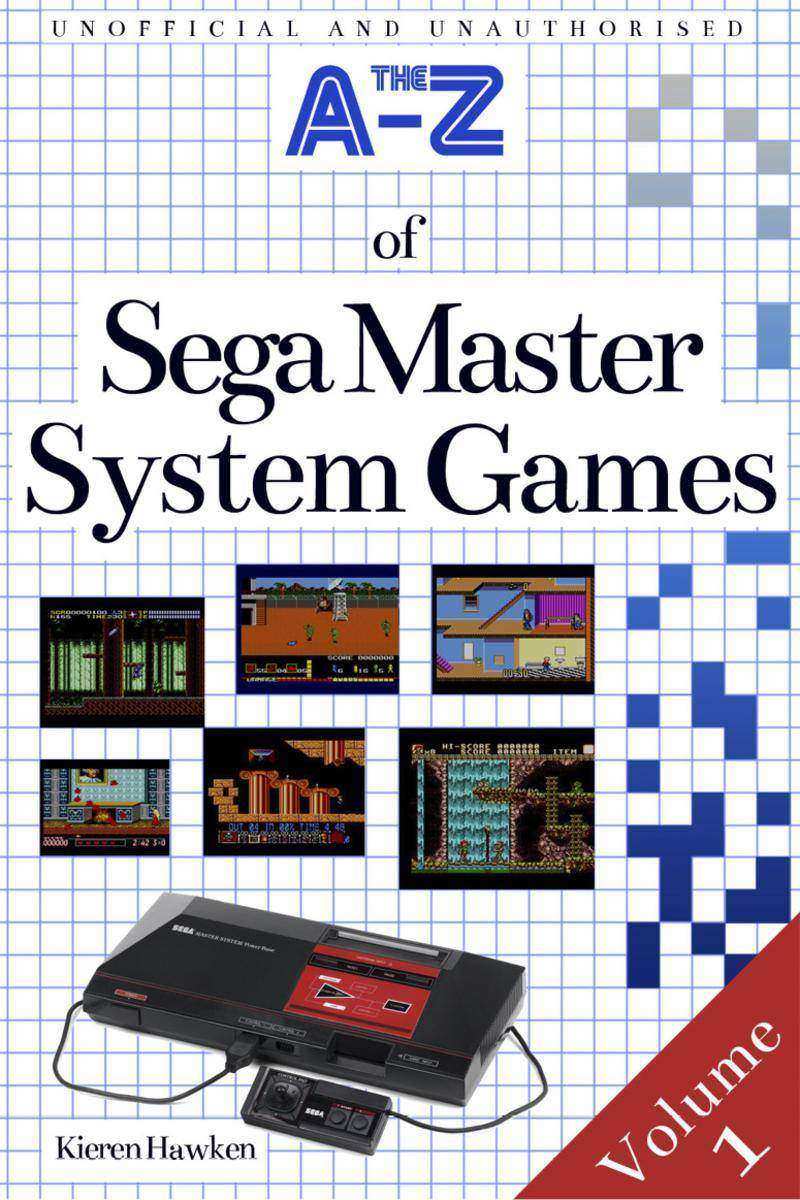
A-Z of Sega Master System Games
¥19.52
The A-Z of Sega Master System Games: Volume 1 features reviews of three different games for each letter of the alphabet. The games range from the very earliest releases in the mid-eighties to the modern homebrew games of today. This book shows you just how diverse the library of titles is for the Sega Master System and how it put Sega on the path to success.


