


 购物车
购物车 个人中心
个人中心
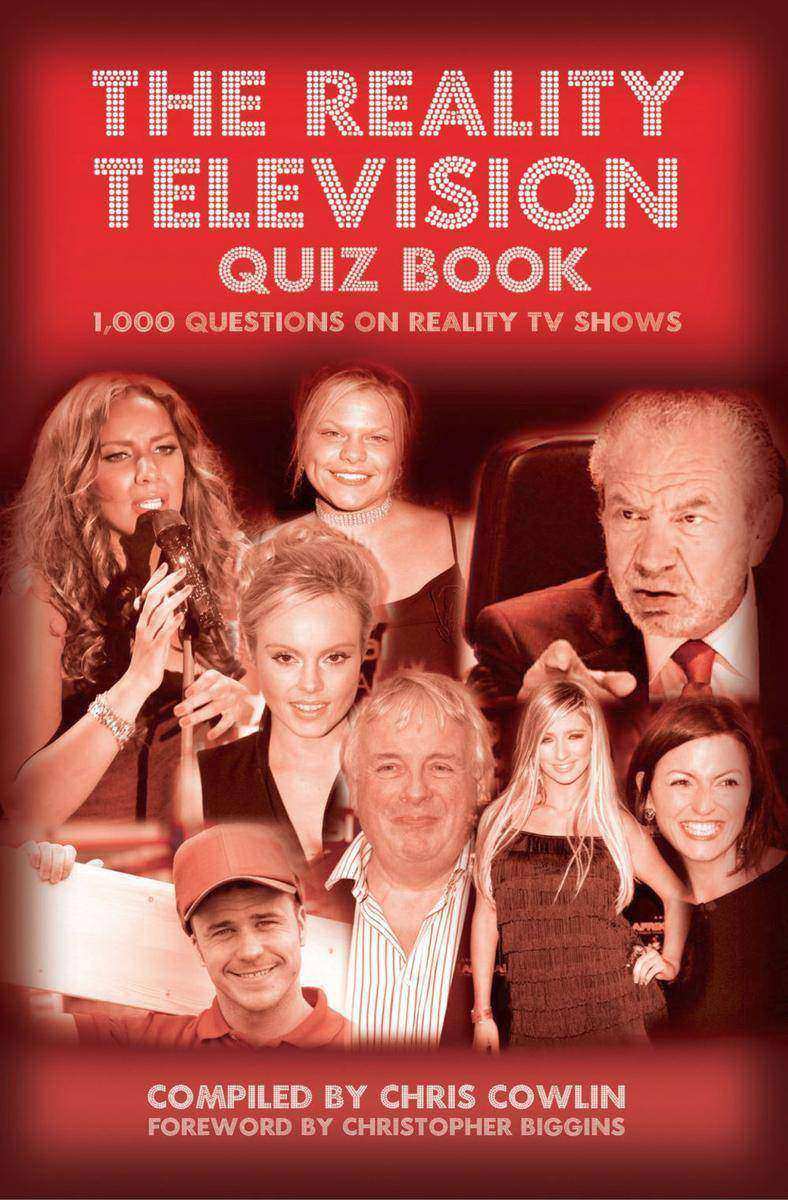
Reality Television Quiz Book
¥73.48
Are you addicted to reality TV? Do you watch all the shows from Britain's Got Talent to The Apprentice? Can you name every contestant ever to walk through the doors of the Big Brother house? Then The Reality Television Quiz Book is definitely for you. Who can forget Jade Goody, Peter Andre and Jordan, Leona Lewis or Paul Potts? They are all inside in this book alongside the many memorable characters who have become household names by appearing live on our television screens. The 1,000 brain-teasing questions in this quiz book cover every aspect of reality TV, from the celebrities and wannabes to the strange and the bizarre, including all the heroes, villains, tears and tantrums we have come to expect from the genre in recent years. Packed with behind the scenes information about all your favourite shows, this book is guaranteed to provide hours of entertainment for the whole family and is a must have for all fans of reality television.
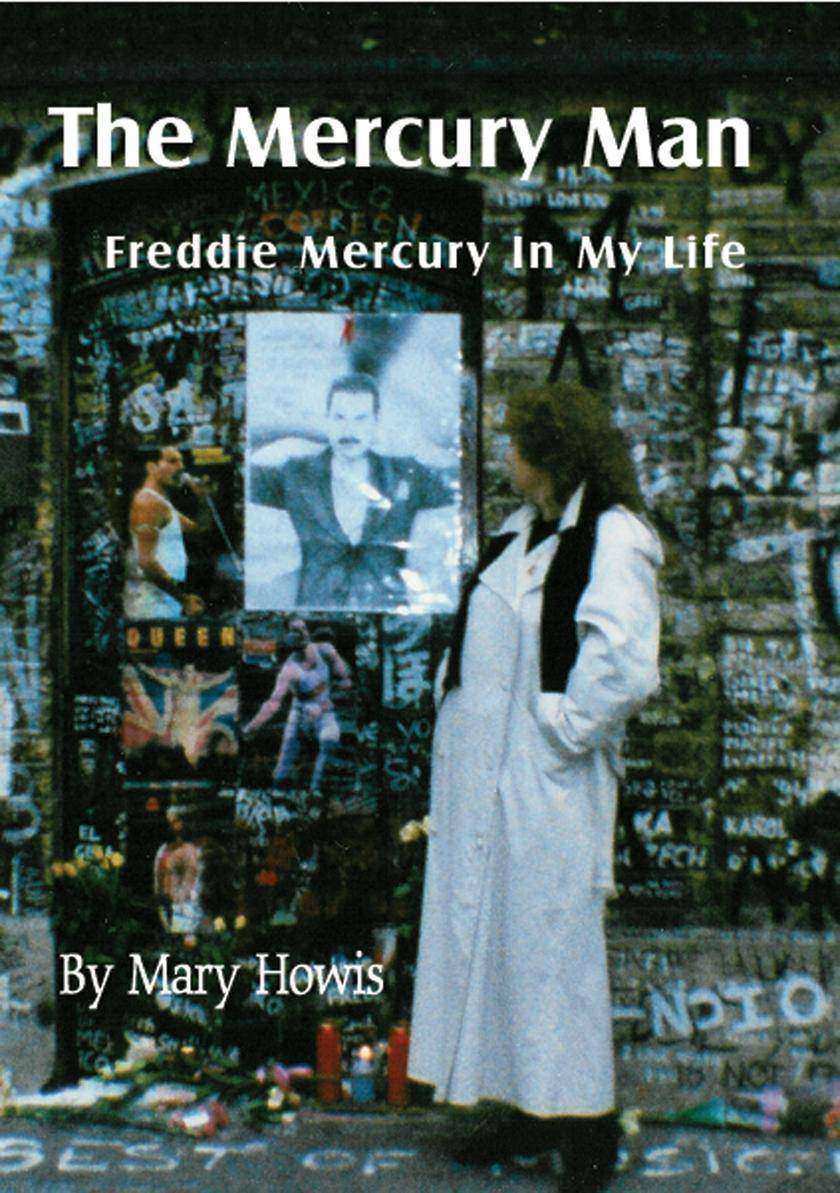
Mercury Man
¥53.86
On 24 November 1991 people all over the world mourned the untimely death of Freddie Mercury, lead singer of rock band Queen. But for the author, Mary Howis, her life would never be the same, as, from that day forward, she was aware of a strange presence around her; someone from the spirit world - the spirit that once was Freddie Mercury, known in the spirit world as 'the Mercury Man'. Mary had been chosen for a special mission - to be an instrument for the spirit world, for Freddie, through which they could communicate. But why her? Why someone who, until the news reports of Freddie Mercury's death, had never even heard of him? Mary tells the story of her spiritual journey of discovery from disbelief, self-doubt and denial to an absolute conviction that what she was experiencing was real, the messages she was receiving were true, and they were proof that life continues after death; that Freddie was still alive, in spirit form, and had much knowledge to impart to the world. Despite the ridicule she might face, Mary knew that she was destined to write this book, to tell her story - Freddie's story - to the world, in the hope that it would bring comfort and hope to those who are suffering in their earthly bodies, who are grieving for loved ones, who are fearful of death. The message is clear: death is not the end, it is a new and exciting beginning.
101 Amazing Facts about Lionel Richie
¥19.52
Are you the world's biggest Lionel Richie fan? Or do you want to find out everything there is to know about the former Commodores lead vocalist and one of the world's best-loved singer-songwriters? If so, then this is the book for you! Contained within are 101 amazing facts about how Lionel got started in the music industry, the numerous awards he has won, his family and much, much more. The book is easily organised into sections so you can find the information you want fast and is the perfect addition to any fan's bookshelf.
Укра?нська легко! (Ukra?ns'ka legko!)
¥26.65
Н?л Фер?юсон зауважу?: ?Ще на початку XV стол?ття сама лише думка про те, що наступн? п’ять стол?ть Зах?д буде дом?нувати над рештою св?ту, здалася б дуже дивною. А вт?м, це сталося?. ? нин? могутн?сть Заходу вража? нав?ть найбагатшу уяву... То чому ж так трапилося? Чому ?вропа, що на 1500-й р?к поступалася Сходу за багатьма показниками — економ?чними, технолог?чними, демограф?чними, — зум?ла р?зко рвонути уперед ? досягти безперечного св?тового панування? Як? складов? усп?ху зах?дно? цив?л?зац??? Саме ц? дражлив? питання украй см?ливо, часом нав?ть зухвало, а проте надзвичайно захопливо висв?тлю? Н?л Фер?юсон.

Выращиваем лекарственные и пряные травы на участке
¥17.74
Дарону Аджемо?лу ? Джеймсу Роб?нсону вдалося, здавалося б, неможливе — в?дпов?сти на питання, яке до них безрезультатно вивчали стол?ттями: чому одн? кра?ни багат?, а ?нш? — б?дн?????рунтуючись на п’ятнадцятир?чних досл?дженнях у галузях ?стор??, пол?толог?? та економ?ки, автори легко ? доступно пояснюють, чому економ?чний усп?х держав не залежить в?д культури, кл?мату чи географ?чного положення.??Аджемо?лу та Роб?нсон переконан?: кра?ни стали найусп?шн?шими через те, що ?хн? громадяни повалили владну ел?ту ? створили сусп?льства, де головною ц?нн?стю стали р?вн? економ?чн? та пол?тичн? права кожного. На ?хню думку, саме свобода робить св?т багатшим.??Книга ?Чому нац?? занепадають? — сво?р?дний пос?бник, який допоможе краще зрозум?ти причини, що сприяють процв?танню держав та ?хньому занепаду.

Világfa
¥28.53
A budapesti Lánchíd pesti hídf?jénél álló Gresham-palotát mindannyian jól ismerjük – legalábbis kívülr?l. De tudjuk-e, miféle titkokat rejtett egykor az impozáns épület? Szelke László izgalmas és olvasmányos nyomozása, A Gresham a nácik ellen a 19. századtól a második világháborúig kíséri nyomon a mai luxusszálloda fordulatos t?rténetét. A százarcú épület a kezdetekt?l a t?rténelem f?sodrában állt. El?dje, a Nákó-palota magánházként olyan hírességek lakhelye volt, mint a Lánchíd tervein dolgozó Clark ?dám vagy a Széchenyi István életnagyságú portréját fest? Barabás Miklós, a század végén pedig a Gresham életbiztosító társaság székhelyéül szolgált. Miután a 20. század elején szecessziós stílusban újjáépítették, a pezsg? kávéházi élet meghatározó színterévé, haladó értelmiségiek találkahelyévé avanzsált. Ahogy a Horthy-rendszer idején egyre fogyott a leveg?, úgy vált a Gresham-palota az ellenzéki politika, a szellemi ellenállás, a mind rendszerkritikusabb kabarék otthonává ? a második világháború idején pedig a titkos diplomácia és az embermentés megkerülhetetlen k?zpontjává. Náciellenes m?vészek, újságírók, tudósítók, attasék, hírszerz?k, kémelhárítók, kett?s, s?t hármas ügyn?k?k fordultak meg a falai k?zt, és itt m?k?d?tt t?bbek k?zt a liberális párt pesti klubja, illetve a szabadelv? Esti Kurir cím? napilap szerkeszt?sége. A k?nyv lapjain a kor olyan meghatározó figurái t?nnek fel, mint Szent-Gy?rgyi Albert és Herczeg Ferenc, Szekf? Gyula és Raoul Wallenberg, de megismerkedhetünk a budapesti k?nyvhét alapítójával, a bátor emberment? Supka Gézával, a zsidót?rvények kíméletlen kritikusával, Rassay Károllyal vagy a Pódium Kabarét vezet? Békeffi Lászlóval, aki az angol titkosszolgálattal is kapcsolatban állt. Tények és legendák, t?rvénytisztel?k és provokátorok, h?s?k és áldozatok – A Gresham a nácik ellen a t?rténelem legrejtettebb kulisszái m?gé kalauzolja olvasóját. Szelke László 1975-ben született. Egyetemi adjunktus, 2013-ban szerzett doktori fokozatot, jelenleg a piliscsabai M?vel?dési Információs K?zpont és K?nyvtár igazgatója. 19?20. századi magyar és egyetemes t?rténelmet tanít a Pázmány Péter Katolikus Egyetemen.
Tatjána
¥58.04
Vajon van esélye Hanna és Olivér szerelmének?Túlélheti a fiatal lány a végzetesnek hitt balesetet? ?s ha túl is éli, visszaállhat-e az élete a normális kerékvágásba?Mire képes a szerelem, mit bír el a szív? Elfogadni, megbocsátani, elengedni, újrakezdeni. A másik oldalról els? részében megismert szerepl?ké mellett új kapcsolatok alakulását is nyomon k?vethetjük. Együtt sírhatunk és nevethetünk a hétk?znapi h?s?kkel, akikkel végtelen természetességük miatt igazán k?nny? azonosulni. A korábbi k?tethez hasonlóan ezúttal is számtalan komoly téma vet?dik fel, a bonyodalmakkal dúsított, meglep?, néhol megd?bbent? fordulatokban gazdag t?rténet mégis k?nnyed, szórakoztató kikapcsolódást ígér. Papp Csilla legújabb k?nyvében, mely ott kezd?dik, ahol az els? regény véget ér, újra és újra rácsodálkozhatunk a szerelem erejére, mik?zben minden kétséget kizáróan el fogjuk hinni, hogy biztosan nincsenek véletlenek.

Union J Quiz Book
¥24.43
Are you a fan of Union J? If so, you will probably be able to name the band members but how much else do you know about the four boys? Whether you are fully familiar with the lads from Union J, or would like to find out more about them, this quiz book is for you. With what record company did Union J sign after their time on The X Factor in 2012? Where did Union J first perform their single 'Carry You'? During what month in 2013 did Union J take over the Daybreak sofa at 7.50 am each morning for a week? The answers to these questions and more can all be found inside this new book. Packed with fun facts about all aspects of Union J, including many personal details, The Union J Quiz Book documents the boys' journey from four unknown artists into successful X Factor boy band and beyond. With 100 questions about your favourite group, this is a book Union J fans of all ages just won't want to be without.

101 Interesting Facts on The Wanted
¥24.43
Do you like British boy band The Wanted? Have you followed their career from when they first formed in 2009 through to the current day? Would you like to find out more about Max, Siva, Jay, Tom and Nathan? If you answered yes to any of these questions, 101 Interesting Facts on The Wanted is certain to appeal to you. Do you know who is the oldest member of the group? Which artist did The Wanted support on tour in Brazil? What member of the band originally came up with the name, The Wanted? The answers can all be found inside this book, together with many more fascinating facts about your favourite band. Fun and informative, this book includes many personal details about the individual band members as well as up-to-date information about The Wanted's projects, past and present. Gen up on The Wanted so that you can impress your friends with your knowledge. If you are a fan of The Wanted, you won't want to be without this book.

Ultimate Doctor Who Quiz Book
¥39.14
Are you a big fan of Doctor Who? Have you watched all of the series from years gone by through to the present day? Can you name the various actors who have played the Doctor from William Hartnell to Matt Smith? If you can tell a Hath from the Heavenly Host and a Sontaran from a Slitheen, you are certain to enjoy this fun new quiz book? What was the title of episode one of the first Doctor story, The Daleks? Who played The Siren in the eleventh Doctor story, The Curse of the Black Spot? What companion has appeared in the most episodes of Doctor Who since its return in 2005? The answers to these brain-teasers and more can all be found inside The Doctor Who Quiz Book. As the iconic series celebrates 50 years of production, have a go at the 500 questions in this book to find out how much you really know about the Doctor. This is a must-have tribute for Doctor Who fans of all ages.

101 Interesting Facts on Arctic Monkeys
¥24.43
Are you a fan of rock band the Arctic Monkeys? Have you followed their career from the early days when the band first gained recognition via the internet through to international success? Would you like to know more about your favourite indie band? 101 Interesting Facts on Arctic Monkeys gives you the chance to pick up some little-known trivia about popular band from Sheffield. What was the original line-up and who was the band's other lead singer with Alex Turner? What NME first did the Arctic Monkeys clock up in 2006? What offer did the Band repeatedly turn down during 2005? Find out the answers in this exciting new book along with many more fascinating facts. Packed with information including many personal details about the individual band members as well as up-to-date news on the Arctic Monkeys' recent projects. This book will appeal to anyone with an interest in contemporary music and is a must-have for all Arctic Monkeys' fans.
101 Interesting Facts on One Direction
¥24.43
Are you a fan of One Direction? Have you followed the popular boyband from their very first performance on The X Factor to international stardom? Would you like to find out more about the 1D boys? If so, you there is no better way to get to know your favourite band than with 101 Interesting Facts About One Direction. Which member of One Direction was the first to suggest the name for the band? When and where was the premiere of 1D's 2013 film This Is Us held? What new product did One Direction launch in September 2013? Find out the answers inside this book, full of up to the minute information all about 1D. The book includes many personal details about each of the band members as well as facts about their past and current projects.Make sure that you are up to date on all the latest 1D news with this new book. If you love One Direction, you won't want to be without it.
Ronnie Biggs Quiz Book
¥24.43
Ronnie Biggs is widely known for his part in the Great Train Robbery of 1963, his subsequent escape from prison, and notoriety as he lived as a fugitive around the globe with his family. Biggs' story has been well documented over the years but how much do you really know about the man behind the headlines? The Ronnie Biggs Quiz Book is your chance to gen up on all the facts. How old was Ronnie when he first appeared in court? On what date did Ronnie receive a 30 year sentence? Who was Ronnie's famous cellmate in Brazil? The answers to these questions and more can all be found in this fascinating new book. The 50th anniversary of the Great Train Robbery in 2013 has renewed interest in the gang who pulled of this audacious heist, and Ronnie Biggs in particular. Packed with information, this book will tell you everything you want to know about Ronnie Biggs, his life on the run and his part in one of the most talked about crimes of all time.
101 Quirky Observations on Classical Music
¥24.43
Are you a fan of classical music? Can you name all the well-known composers, conductors and the compositions they are associated with? Or perhaps, you would like to learn more about them? If so, you are certain to enjoy the quotes and musical miscellany in 101 Quirky Observations on Classical Music. Who defined music as 'a science that would have us laugh and sing and dance'? Which composer said, 'the trombones are too sacred for frequent use'? What writer requested, 'please do not shoot the pianist, he is doing his best'? The answers to these questions and similar brain-teasers can all be found inside this book. With sections on composers, compositions, instruments, orchestras and their musicians, conductors, soloists and opera as well as much more classical music related trivia, this book has something for everyone. This book is a great way to find out more about classical music and those who have been involved in writing, playing and performing it through the years. This is a must-have for anyone who listens to, plays or appreciates classical music.
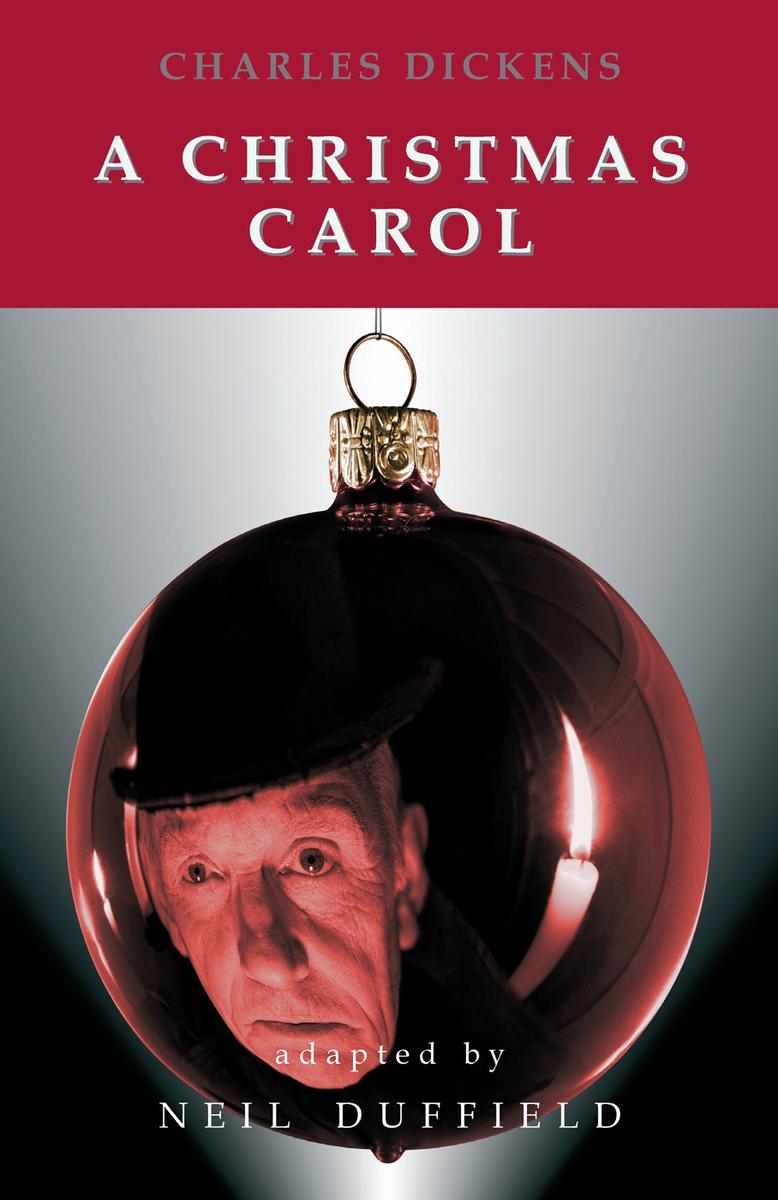
A Christmas Carol
¥40.79
Charles Dickens’ timeless story is brought to life in this vibrant new version by the award-winning playwright Neil Duffield. Christmas, the most wonderful time of the year! Well, it is for everyone except the miserable Scrooge. He prefers to spend Christmas all alone in his large house, instead of celebrating with mistletoe and merriment. Bah, humbug! But one cold, dark Christmas Eve Scrooge is surprised by the ghost of Marley, his former business partner. Marley warns Scrooge that he will be called upon by three spirits – each will take him on a mysterious and magical journey to show him the error of his ways… Can Scrooge discover the true wonder and meaning of Christmas before it’s too late?
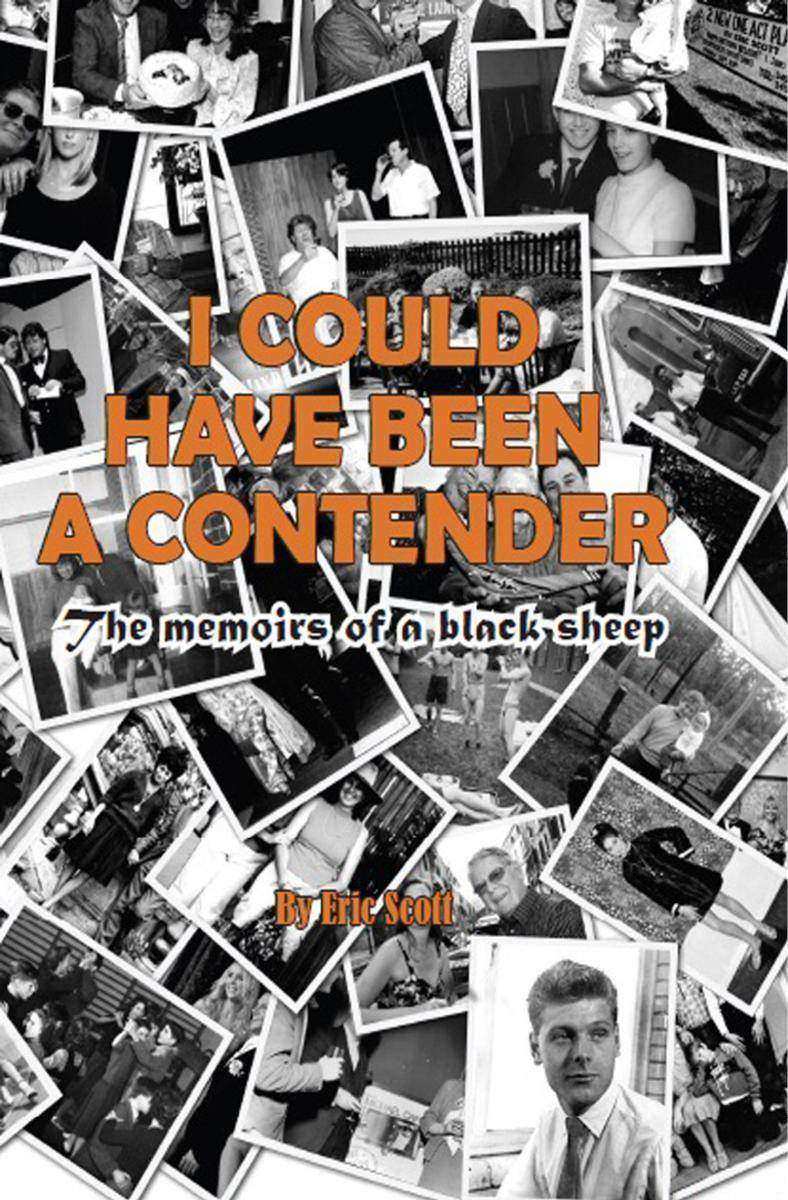
I Could Have Been a Contender
¥29.33
It's 1971 and rock and roll was at its height. Small-time Australian agent Wayne Zemmerman scored an unimaginable coup when he signs British supergroup Andromeda for a nationwide tour. Showbiz reporter Scottie McPherson smells a rat and starts his investigation. The Sound Mixers is a dramatic expose of the rock industry: fiction that reads like fact. A gripping story that moves at breathtaking pace to a devastating climax, Performers, promoters, manipulators, illusion creators - the characters which inhabit the world of rock'n'roll are ruthlessly dissected in an intricate plot full of shocks and suspense. Big business is the name of the game; a game in which the tough survive... but even then not always.He clears up some old mysteries too - like what really happened on the night when American TV star Michael Cole swore on live TV at the Australian Logie Awards and how the Beatles came by their trademark haircut.But it is not all showbiz; the memoirs take us through the childhood fun and games of World War II in the UK, the miseries of teen hood and the horrors and fun of National Service, not to mention the personal traumas of five marriages and break-ups.The stories from a great raconteur run through eight decades, from 1939 through to 1970 in the UK and from then on in Australia. The book gives a shrewd insight to the changing lifestyles through those decades and through the eyes of a professional observer.
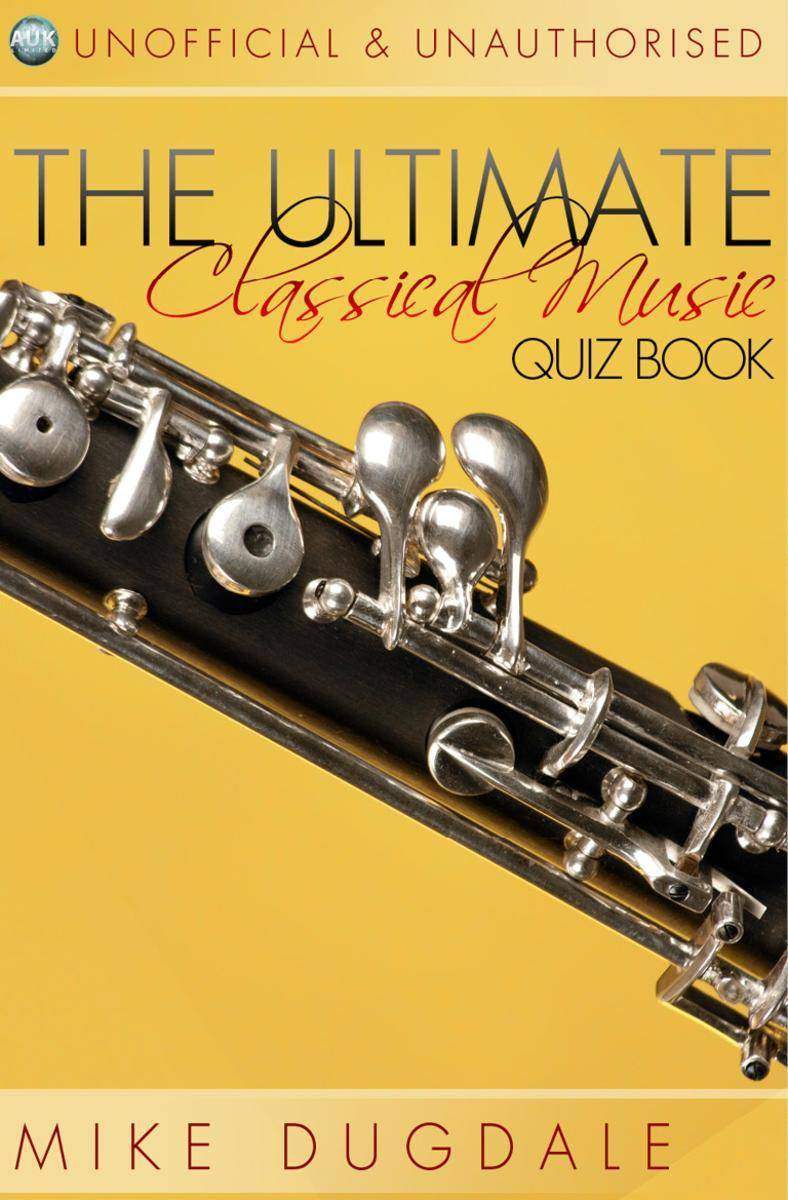
Ultimate Classical Music Quiz Book
¥19.52
The 'The Ultimate Classical Music Quiz Book' is a fun selection of original questions (and answers!), comprehensively covering all facets of classical music between 1730 and 1820! As a quiz game it will separate the Mozart's from the Salineri, the Beethoven's from the Luchesi's and is a fantastic way to enjoy classical music even more.
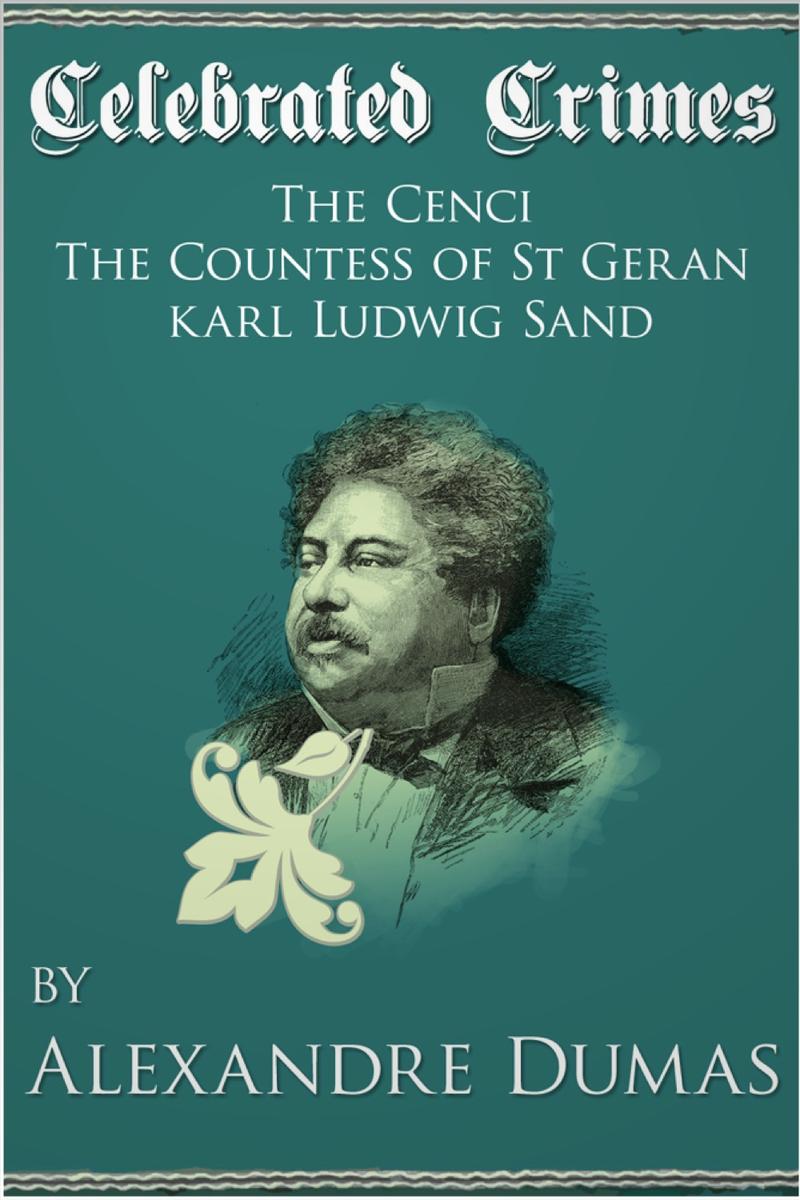
Celebrated Crimes 'The Cenci', 'The Countess of St Geran' and 'Karl Ludwig Sand'
¥19.52
This text was taken from 'Celebrated Crimes', a series of essays on famous criminals and crimes by the author of 'The Count of Monte Cristo' and 'The Three Musketeers', Alexandre Dumas, and contains the text from three of the books in the series. This volume contains books on Beatrice Cenci, an Italian noblewoman committed of murder in the 16th century. The Countess of Saint-Geran Karl Ludwig Sand, convicted of murder in the early 19th century

Benedict Cumberbatch, Transition Completed
¥58.76
Star Trek: Into Darkness, The Fifth Estate, 12 Years a Slave, August: Osage County, The Hobbit: The Desolation of Smaug-these would be milestones in most actors' entire career. For Benedict Cumberbatch, roles in these films are merely a year's additions to his already-vast resume. 2013 proved to be the final step in Cumberbatch's transition from respected working actor to bona fide worldwide celebrity and recipient of BAFTA Los Angeles' Britannia Award for British Artist of the Year. Like its predecessor, Benedict Cumberbatch, In Transition (MX Publishing, 2013), Benedict Cumberbatch, Transition Completed: Films, Fame, Fans explores the nature of Cumberbatch's fame and fandom while analysing his most recent roles. This in-depth performance biography does more than critique the actor's radio, stage, film, and television performances-especially his star turn in the long-awaited yet controversial third series of Sherlock. It also analyses how and why the actor's work is so memorable in each role, a perspective unique to this performance biography. Cumberbatch's role in popular culture, as much as his acting in multiple media, is well worth such scrutiny to illustrate that Benedict Cumberbatch represents both the best of acting and of the power of celebrity.
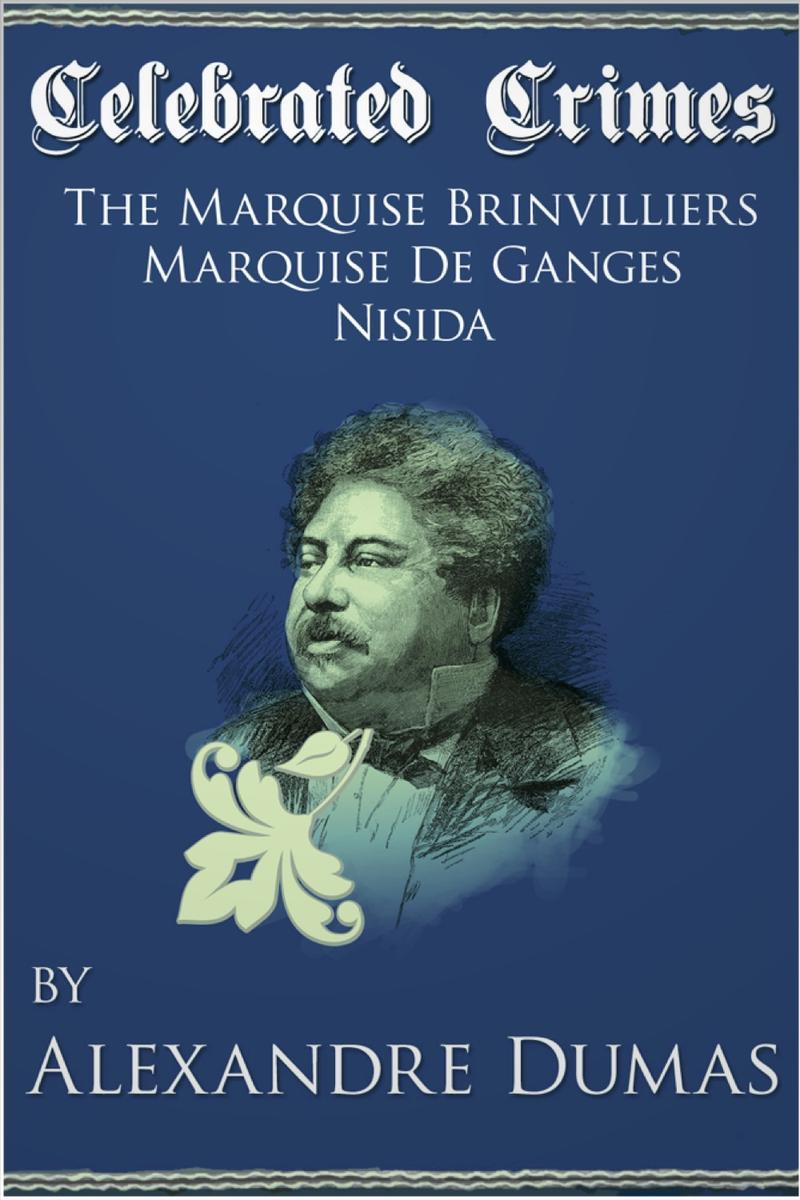
Celebrated Crimes 'Marquise de Brinvilliers', 'Marquise de Ganges' and 'Nisida'
¥19.52
Three writings taken from 'Celebrated Crimes', a series of essays on famous criminals and crimes by the author of 'The Count of Monte Cristo' and 'The Three Musketeers', Alexandre Dumas.

Vamps Quiz Book
¥24.43
Are you a fan of British band The Vamps? Have you recently discovered this exciting new group or seen them perform as supporting artists? Can you name all the tracks on their debut album? If you think you know about Bradley, Connor, James and Tristan or would like to find out more, you are certain to enjoy The Vamps Quiz Book. Which boy band did The Vamps support in the UK and Ireland on their 'Word of Mouth' world tour? In what year was the band's debut single released? Which American actress and singer featured on the band's song 'Somebody to You'? The answers to these and similar questions can all be found inside. This book contains100 brain-teasers about The Vamps and includes singles, debut album, tour dates and awards as well as many personal details about each band member. If The Vamps is currently your favourite band you won't want to be without this quiz book detailing the early days of the band's promising career in pop.


