


 购物车
购物车 个人中心
个人中心
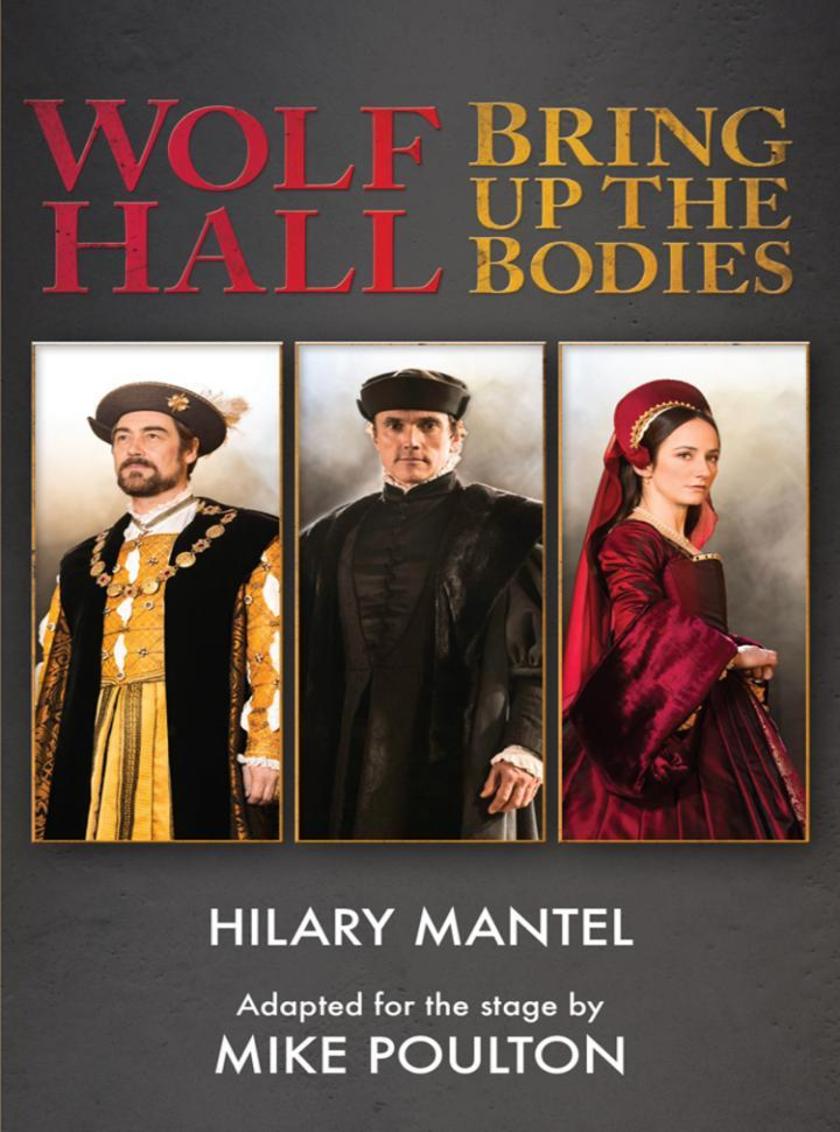
Wolf Hall & Bring Up the Bodies: RSC Stage Adaptation - Revised Edition
¥70.34
A new, revised edition for the London transfer of Mike Poulton’s expertly adapted two-part adaptation of Hilary Mantel’s hugely acclaimed novels, featuring a substantial set of character notes by Hilary Mantel. Mike Poulton’s ‘expertly adapted’ (Evening Standard) two-part adaptation of Hilary Mantel’s acclaimed novels ‘Wolf Hall’ and ‘Bring Up the Bodies’ is a gripping piece of narrative theatre … history made manifest’ (Guardian). The plays were premiered to great acclaim by the Royal Shakespeare Company in Stratford-upon-Avon in 2013, before transferring to the Aldwych Theatre in London’s West End in May 2014. ‘Wolf Hall’ begins in England in 1527. Henry has been King for almost twenty years and is desperate for a male heir; but Cardinal Wolsey is unable to deliver the divorce he craves. Yet for a man with the right talents this crisis could be an opportunity. Thomas Cromwell is a commoner who has risen in Wolsey’s household – and he will stop at nothing to secure the King’s desires and advance his own ambitions. In ‘Bring Up the Bodies’, the volatile Anne Boleyn is now Queen, her career seemingly entwined with that of Cromwell. But when the King begins to fall in love with self-effacing Jane Seymour, the ever-pragmatic Cromwell must negotiate within an increasingly perilous Court to satisfy Henry, defend the nation and, above all, to secure his own rise in the world. Hilary Mantel’s novels are the most formidable literary achievements of recent times, both recipients of the Man Booker Prize. This volume contains both plays and a substantial set of notes by Hilary Mantel on each of the principal characters, offering a unique insight into the adaptations and an invaluable resource to any theatre companies wishing to stage them.
Grammar Secrets (Collins Little Books)
¥44.24
Let’s admit it, we all struggle with Grammar. There, they’re or their? Who’s or whose? Me or I? Fewer or less? Inside this little book one of Britain’s top Grammar Gurus reveals all you need to know about Grammar but were afraid to ask. Worry no more, Caroline is here to take the grind out of grammar in easy bite-sized chunks. With insights into hyphens and the dreaded apostrophe, comparatives and superlatives and whether England is singular or plural, she offers clear but light-hearted advice on getting things right when it matters – and relaxing just a little when it doesn’t. Beautifully produced, this little book is a treasure in itself and makes a perfect gift. Be careful who you give it to though; you never know who is going to start picking you up on your misplaced modifiers.
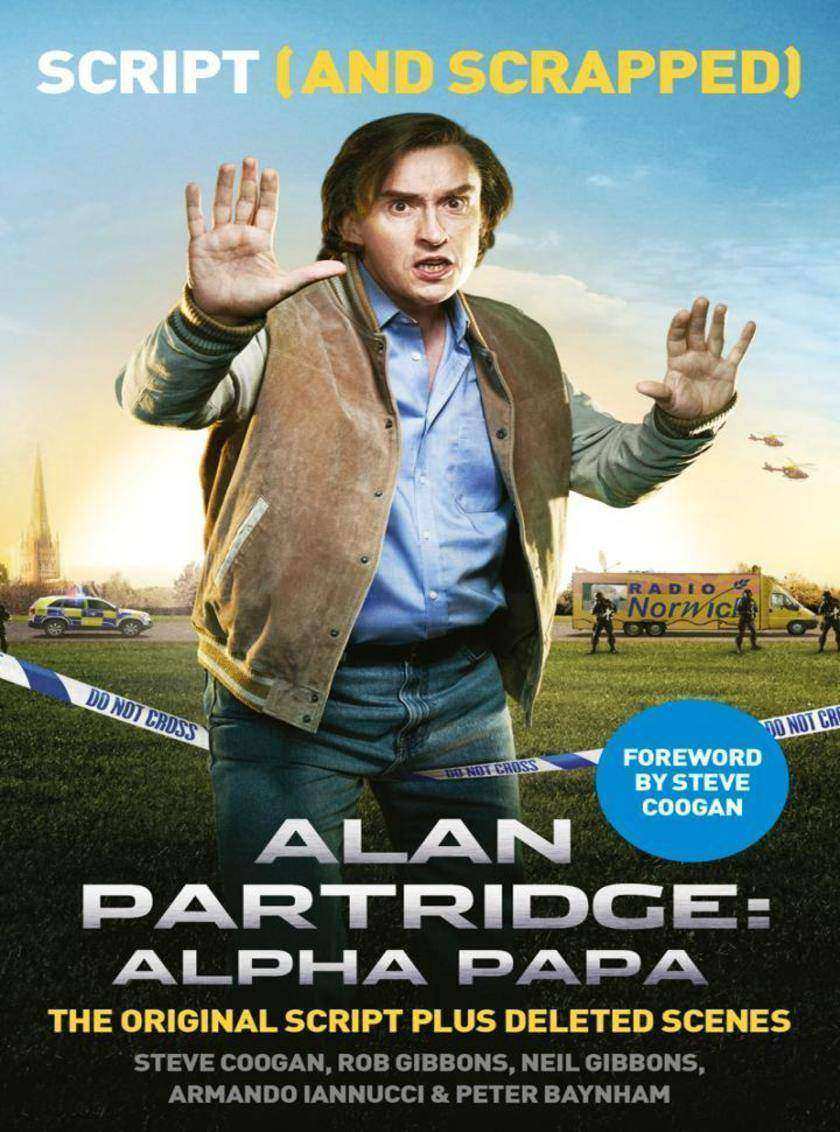
Alan Partridge: Alpha Papa: Script (and Scrapped)
¥95.75
The official * for the box-office smash movie, featuring every ruddy word (and stage direction) of Alan’s seamless transformation from natural-born broadcaster into fully fledged and occasionally fully dressed hostage negotiator. Contains deleted scenes and an exclusive Foreword by Steve Coogan. With a television career behind him and a much-coveted breakfast slot in his spiritual home, regional digital radio, there was only one place left for Alan Partridge to turn: Hollywood! Or rather, an Anglo-French funded co-production for the big screen. Alan Partridge: Alpha Papa sees Alan face his biggest challenge since he spent six months in a travel tavern, and is almost certainly the first time he has handled a loaded gun since he was a prime-time BBC2 presenter. When his beloved income-source North Norfolk Digital is taken over by a faceless media conglomerate, Alan’s inimitable instinct for self-preservation leads to a violent and bloody siege on the radio station by an unhinged, nay mentalist, DJ, and a hostage crisis for which there can be only one man with the chat to diffuse it … Featuring a cast of old and new Partridge favourites, including Sidekick Simon, assistant Lynn and Michael the Geordie, Alpha Papa is proof that while the jury’s out on whether you can keep a good man down, it’s an outright fact that you can’t keep a good regional broadcaster off the airwaves.
Sorry, But Has There Been a Coup:and other great unanswered questions of the Cam
¥9.71
Topical satire from the authors of Is it Just Me or is Everything Shit? ‘Is the Cameron government a coup?’ This is the question under discussion in this witty and topical article from the bestselling authors of ‘Is it Just Me or is Everything Shit’. This question, and 44 other questions, orbiting this central question like satellites of love. Such as, ‘Will Cameron kill Clegg?’ and ‘Did Sam Cam invent trip-hop?’ You know, important stuff. Like, ‘Is it wise to put Sir Toby Young in charge of all the schools?’ and ‘What is the socio-political significance of Pippa Middleton’s buns?’ Also, ‘Is there a link between the Big Society and the occult?’
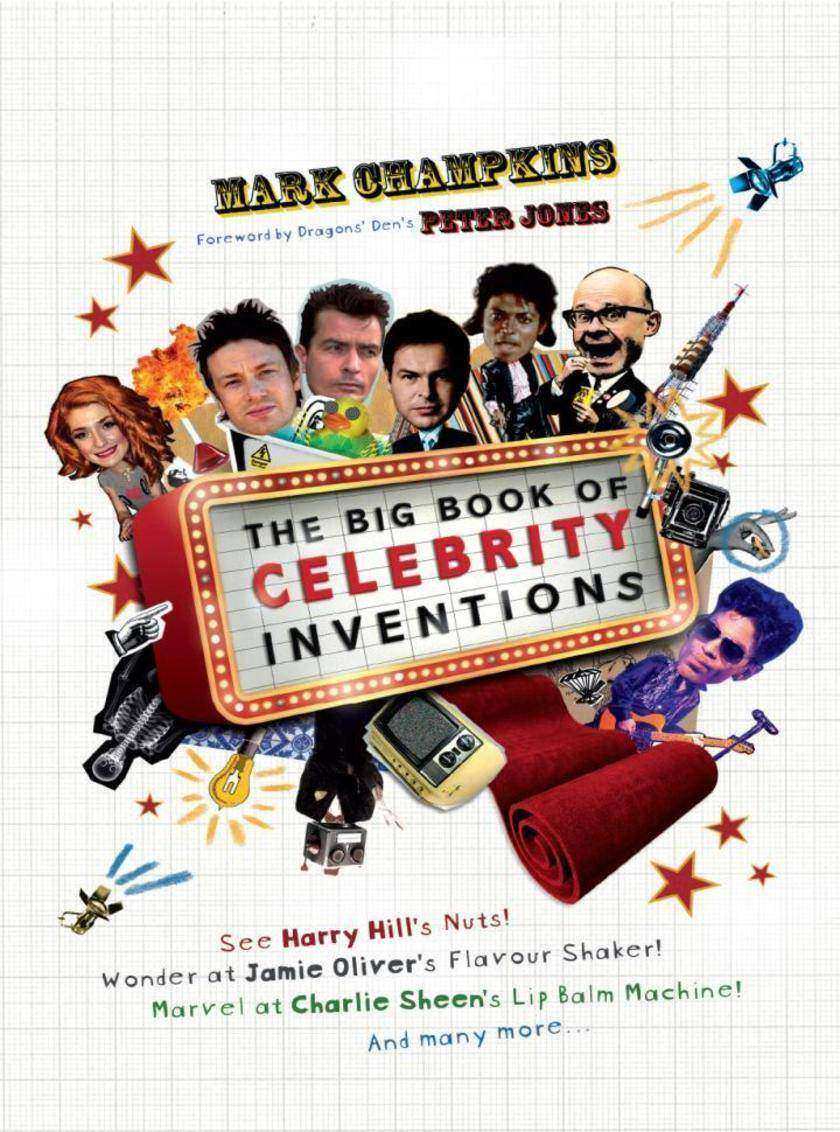
The Big Book of Celebrity Inventions
¥95.75
Due to the complicated layout, this ebook is best viewed on a tablet. Ever wanted to see Harry Hill’s nuts? Fancy a cuppa with Karl Pilkington and his Clippable Coasters? Ever wondered how Michael Jackson defied gravity with his dance moves? Then read on! Our nation’s best-loved celebrities, from Jamie Oliver to Harry Hill, the Stig to Sherrie Hewson, Karl Pilkington to Peter Jones, Ruby Wax and beyond, have been scratching their heads to come up with logic-defying, bizarre and random inventions to improve our lives. From shrink rays to teleporters, foldable skis to airbags for clothes and a vacuum-cleaner that sucks away your wrinkles, you’ll be amazed by what these celebs have been dreaming up in their spare time! The Big Book of Celebrity Inventions offers a fascinating, hilarious and utterly unique look at the extraordinary business of inventing, seen through the eyes of our favourite stars. And there are even ones that work! For example: ? Did you know that Margaret Thatcher invented soft-scoop ice cream? ? That Prince invented a space-age musical keyboard? ? Or that Roald Dahl helped advances in neurosurgery? From the ridiculous to the sublime and those that fail magnificently, one thing’s for certain: The Big Book of Celebrity Inventions is the ultimate celebration of oddness, originality and ingenuity, sure to fascinate, baffle and inspire you!
364 Days of Tedium: or What Santa Gets up to on his Days Off
¥66.22
Ever wondered what Santa gets up to the rest of the year? You’ll wish you hadn’t! For 364 days of the year Santa has bugger all to do. The elves do all the manual labour and these days he orders all the presents online. All he has to do is deliver them. So, for the rest of the time he is bored out of his tiny mind. Dave Cornmell’s brilliant and inspired comic strip is an irreverent and incredibly rude look at Santa’s real life featuring an hilarious cast of characters including Mrs Claus, the elves, reindeer, a variety of arctic wildlife, Santa’s bath toys and some maggots. Find our where Santa goes on holiday, what he does with his bin bags, what he watches on telly, how he copes when his wife goes away and whether or not the rumours are true about him and Vixen. Whatever your idealised image of Santa may be, the truth is that he’s just a bored fat bloke who hates his job. Get used to it.
Idle Worship (Text Only Edition)
¥46.11
SO I’VE JUST GOT UP THE STAIRS with my piping hot fish and chips and the phone’s ringing. I put my fish and chips on top of the stove, which hasn’t worked for eighteen months, and think: this better be quick. ‘Yeah?’ I snarl with all the hostility I can muster.
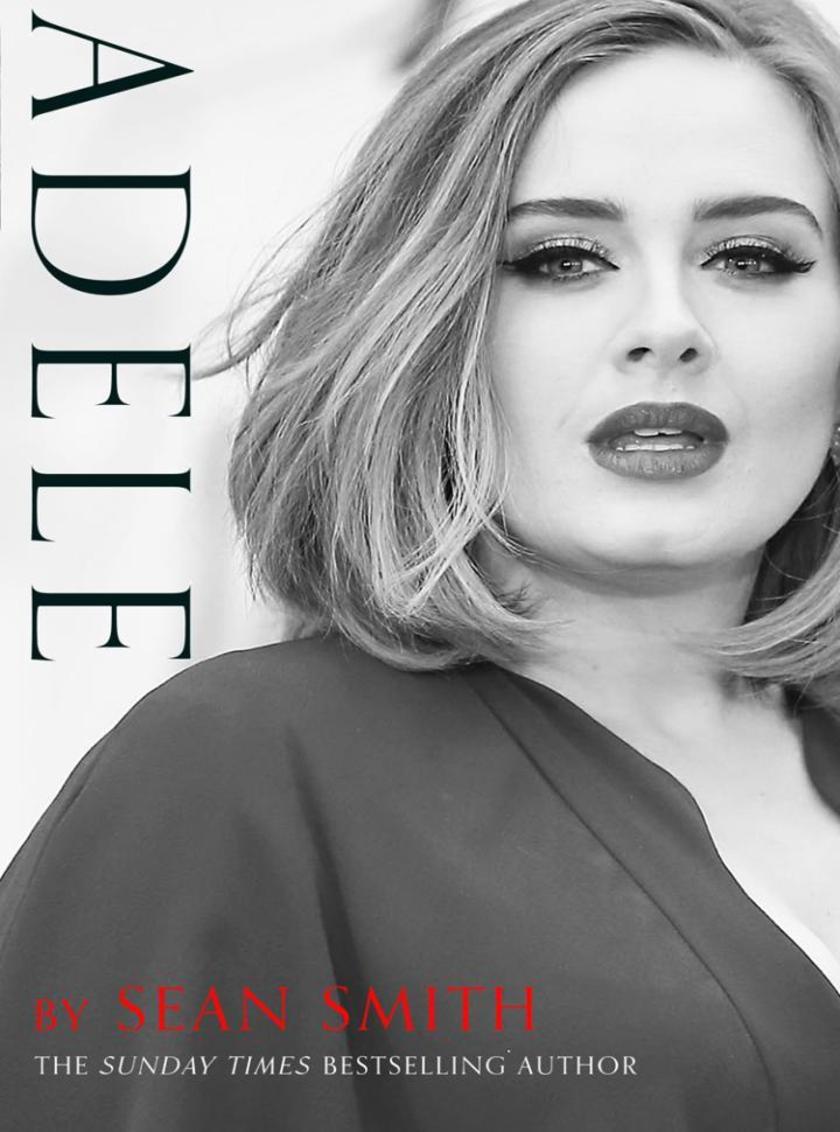
Adele
¥66.22
Sean Smith is the UK’s leading celebrity biographer and the author of six Sunday Times bestsellers, with his titles being translated throughout the world. Described by the Independent as a ‘fearless chronicler’, he specialises in meticulous research, going ‘on the road’ to find the real person behind the star image.
Hotel California: Singer-songwriters and Cocaine Cowboys in the L.A. Canyons 196
¥85.74
Rock historian Barney Hoskyns is the author of nine books and has written about music and pop culture for numerous publications including NME, The Times, Guardian, Vogue and Mojo, of which he was Associate Editor. He lives in London.
Magic Tricks (Collins Gem)
¥38.36
According to Arthur Conan Doyle’s famous detective Sherlock Holmes, ‘We see but we do not observe.’ In many ways this describes the reaction a magic performer is trying to instill in his (or her) audience. The performer wants the spectator to see what is happening, but not observe what is going on behind the scenes.
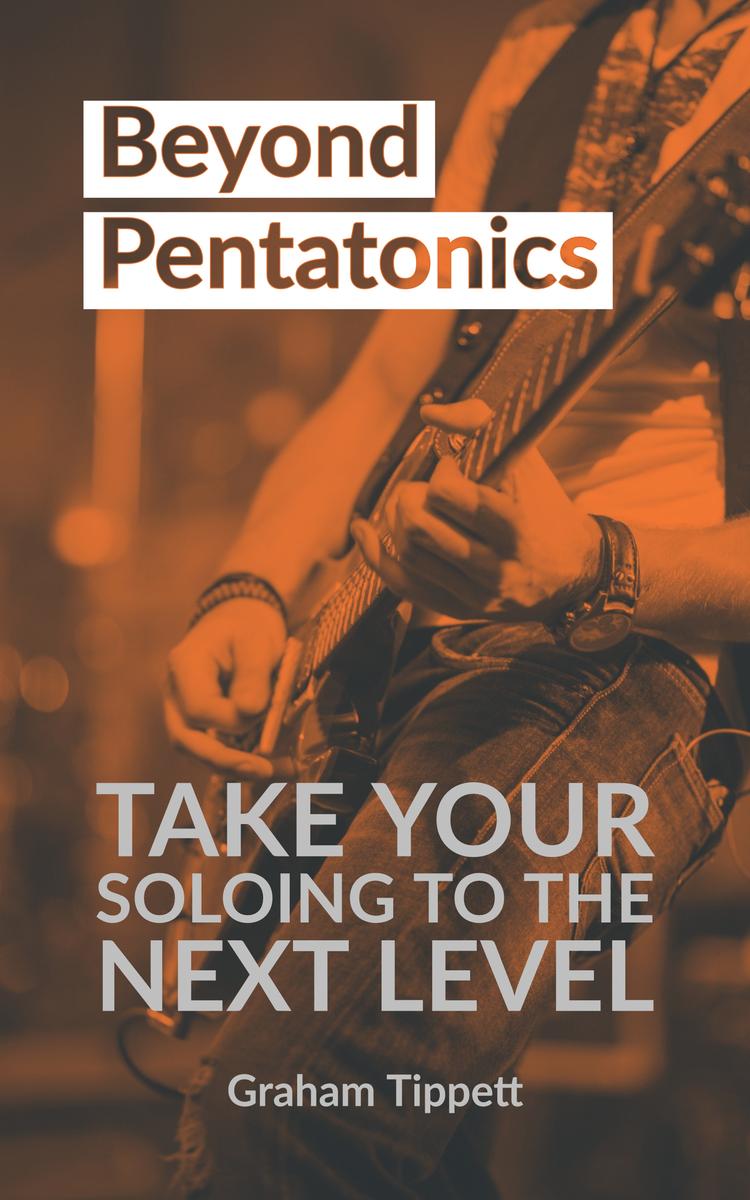
Beyond Pentatonics
¥40.79
Beyond Pentatonics
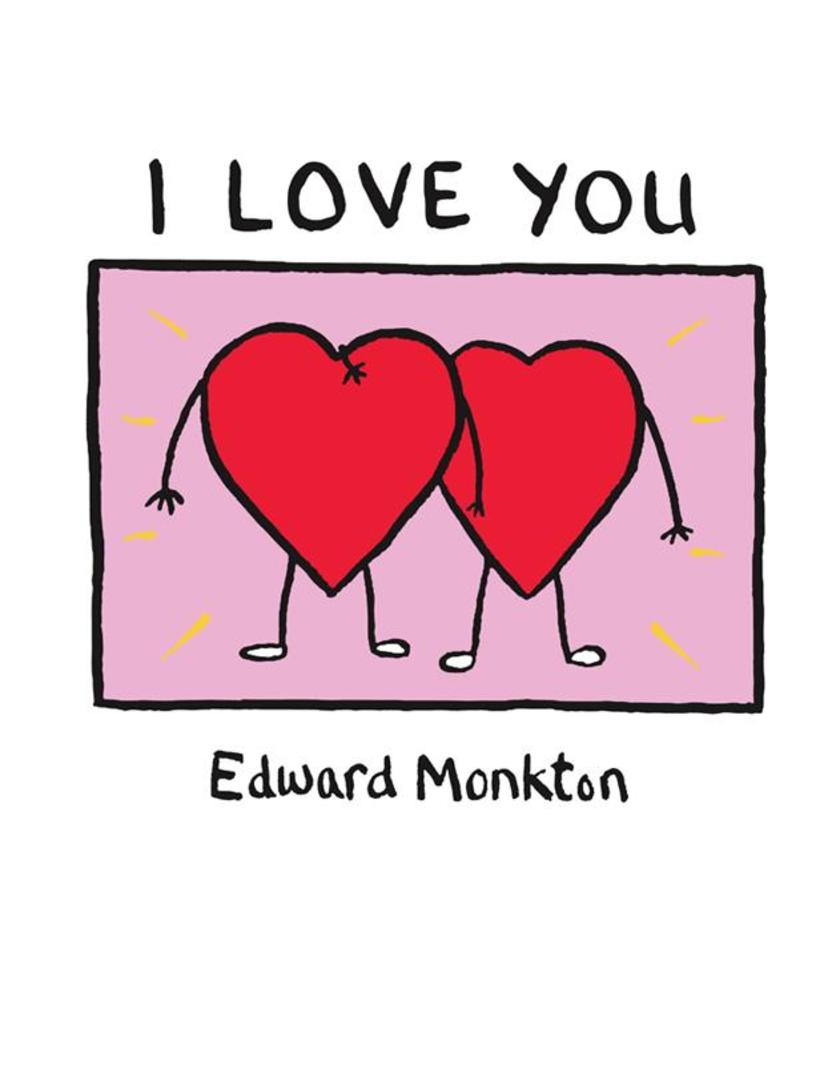
I Love You
¥44.24
Bestselling artist Edward Monkton's profound and funny musings on LOVE and RELATIONSHIPS are both funny and profound, making this collection the perfect gift for lovers everywhere. You are a Chocolate Button of LOVELINESS on the great Caramel Pudding of LIFE Following the phenomenal success of such stylish and original books as The Lady and the Chocolate, The Pig of Happiness, The Shoes of Salvation, Love and The Penguin of Death, Edward Monkton now assembles his funny, sometimes surreal and suprisingly philisophical drawings and thoughts on love. Edward Monkton’s surprisingly philosophical take on all aspects of love, life and happiness have made Monkton’s drawings cherished collectors’ items and a mark of good taste year in, year out.

How to predict the weather with a cup of coffee: And other techniques for surviv
¥69.26
How to predict the weather with a cup of coffee and other essential techniques for surviving the 9-5 A smart, spoof survival guide – to the 9-5. Ray Mears’ and Bruce Parry’s advice is all very well if you’re stuck up the Amazon without a paddle, but what about finding your way to a seat on a crowded bus, predicting the weather with a coffee in Starbucks or getting rid of cold callers with a microwave? Urban Bushcraft shows how to dust off your native survival instincts and update them for the modern world – whether it’s negotiating the car park at Ikea, anti-interrogation techniques at customer service desks, or navigating by electricity pylon. Harnessing the laws of science, nature and human behaviour, this book revisits and reinvents the tricks that got us through our savage past and updates them for the 21st century. It arms you with a caveman’s toolkit for survival wherever you may be – Starbucks, the office, or a crowded tube on a Friday night – and tells you all you need to know to transform your daily grind into a non-stop adventure (you don’t even have to wear khaki).
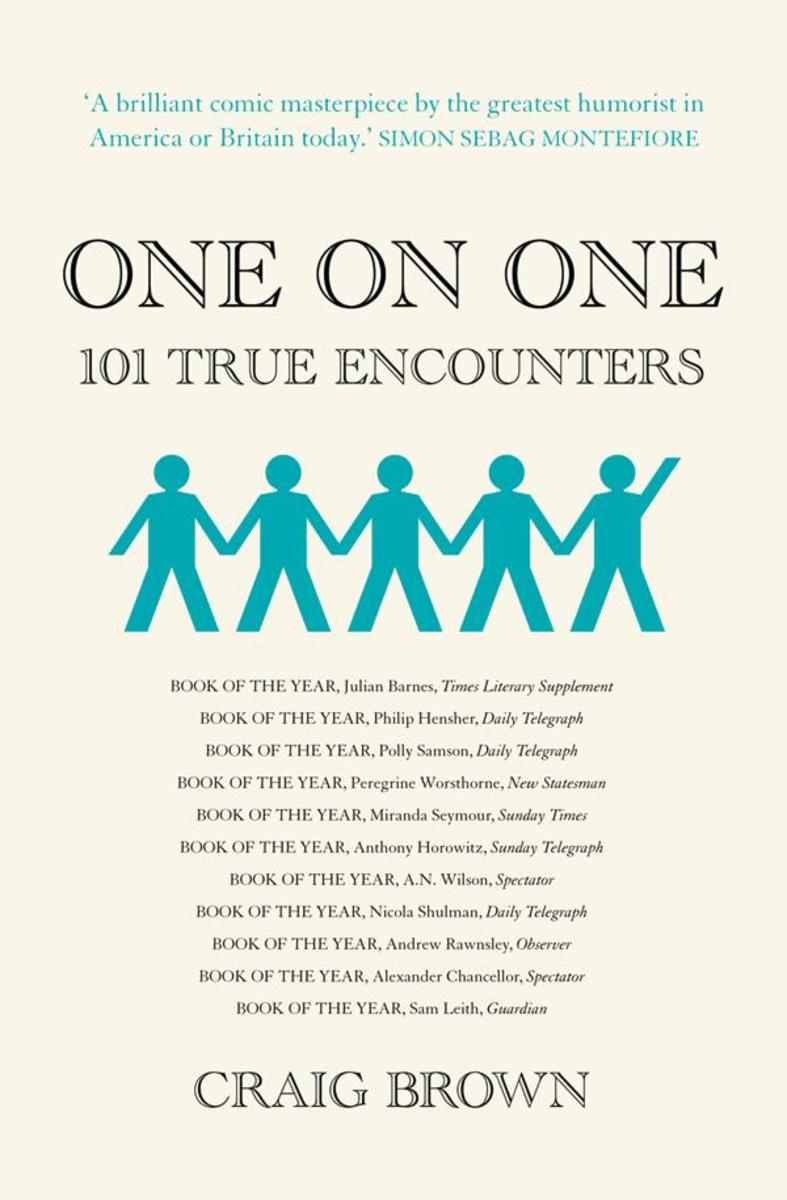
One on One
¥68.67
101 chance meetings, juxtaposing the famous and the infamous, the artistic and the philistine, the pompous and the comical, the snobbish and the vulgar, told by Britain’s funniest writer. Life is made up of humans meeting one another. They speak, or don’t speak. They get on, or fall out. They laugh, they cry, are excited, are indifferent. One on One is a chain of 101 extraordinary but true encounters, from Tolstoy rumbling Tchaikovsky in 1876 to George Galloway baiting Michael Barrymore in 2006. The Royal Family giggle at T.S. Eliot, Walter Sickert draws the curtains on the carol-singing Edward Heath, Youssoupoff assassinates Rasputin, Marilyn Monroe commissions Frank Lloyd Wright. Circular in its construction, panoramic in its breadth, One on One is a book like no other. ‘Brown’s glorious book is an original and a complete delight’ Miranda Seymour, Sunday Times, Books of the Year

Dad’s Army (The Best of British Comedy)
¥50.62
People shout the "Don't tell him, Pike!" line at me regularly - and I didn't even say it!' Philip Madoc.In the annals of British television, no finer example of classic comedy exists than in the shape of Dad's Army, the Home Guard-based sitcom written by veteran writers Jimmy Perry and David Croft. Although they penned many other sterling programmes, including Hi-De-Hi! and the underrated You Rang, M'Lord?, they'll forever be remembered for their brilliant wartime comedy spotlighting the antics of the Walmington-on-Sea Home Guard, led by the irascible and pompous Captain Mainwaring.Between 1968 and '77, nine series and three Christmas Specials - totalling 80 instalments - were screened, much to the delight of the millions of fans who tuned in; but the show's popularity has continued unabated and even today, four decades since the platoon marched onto the scene, it remains one of the golden offerings from the sitcom genre.With the 40th anniversary of Dad's Army in 2008, what better time to celebrate the magic of this show.The Best of British Comedy - Dad's Army includes:”? The History: an overview of how Dad's Army was born and developed”? Gags and Catchphrases: a collection of classic quotes from the programme”? Did You Know?: snippets of info about the show, cast, etc.”? Favourite scenes: the most memorable scenes in full”? A Dad's Army quizEpisode: 'Something Nasty in the Vault'Mainwaring and Wilson are stuck in the bank's strong room. There has been an air raid and they've ended up holding an unexploded bomb. Pike arrives.Pike: Uncle Arthur?Wilson: Oh, what it is, Frank?Pike: Do you think I ought to phone mum and tell her you're holding a bomb?Wilson: No!Pike: But she might get cross if she found out that you'd been holding a bomb and she wasn't told about it.
The Way of the Rose
¥0.01
The Way of the Rose
En las hojas que de pronto me sobraron
¥0.01
En las hojas que de pronto me sobraron

Stress Relieving Mandala+Zentangle Designs: A Printable and Mindfulness Adult Co
¥32.62
Stress Relieving Mandala+Zentangle Designs: A Printable and Mindfulness Adult Coloring Book
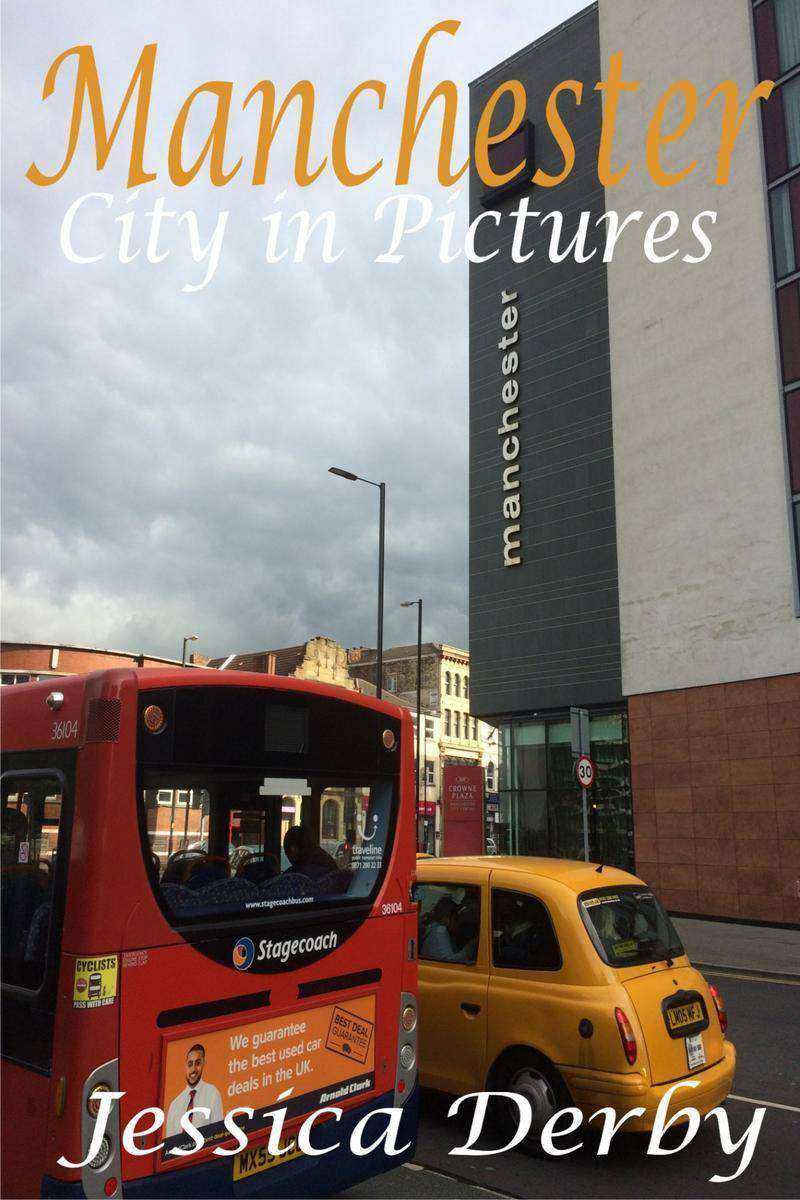
Manchester City in Pictures
¥24.44
Manchester City in Pictures
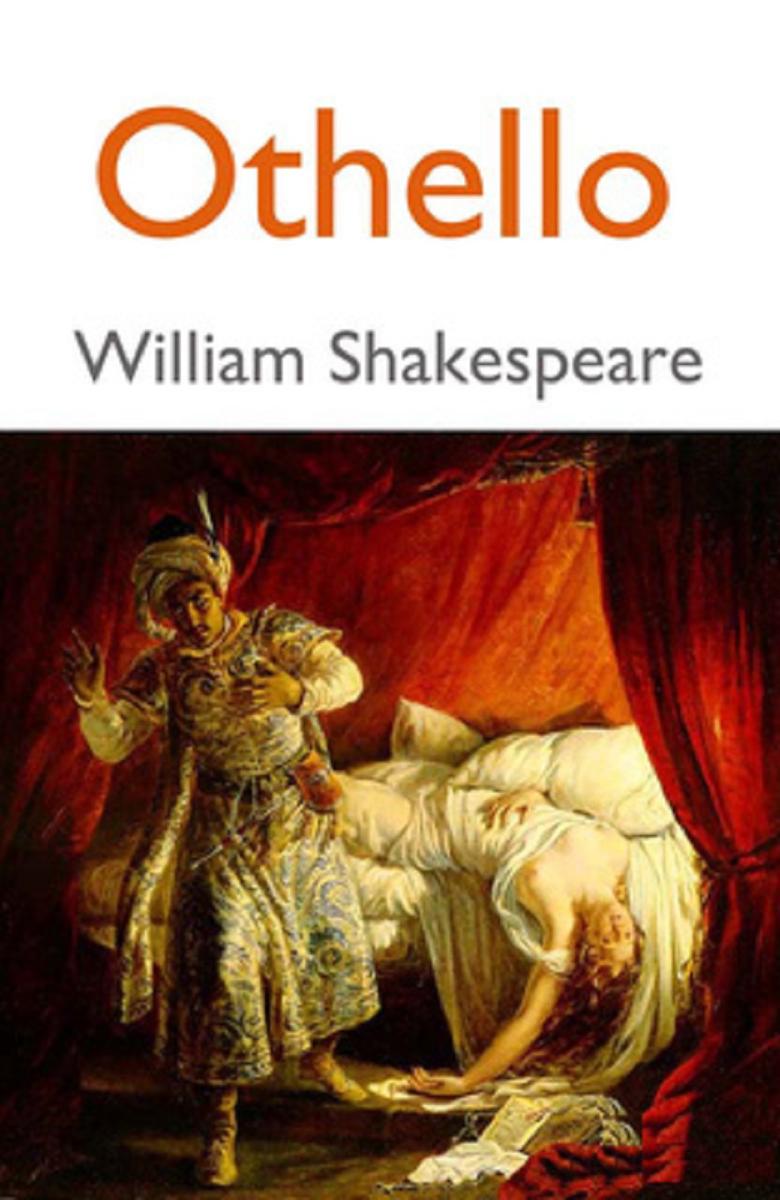
Othello
¥24.44
Othello
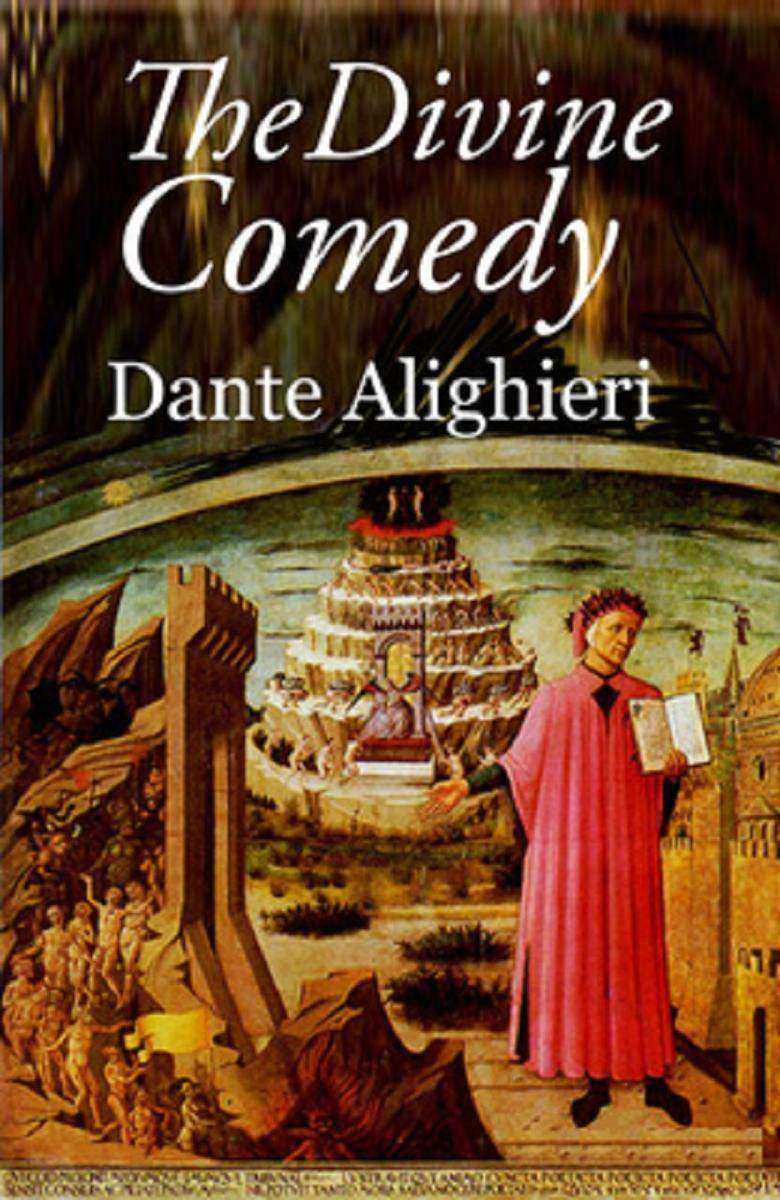
The Divine Comedy
¥16.27
The Divine Comedy


