


 购物车
购物车 个人中心
个人中心

La Songe d'une Nuit de'Ete (A Midsummer Night's Dream in French)
¥8.09
Comédie de Shakespeare, traduite en fran?ais par Fran?ois Pierre Guillaume Guizot (1787 - 1874), historien fran?ais et homme d'?tat. Publié en 1862. Selon Wikipedia: "Un Songe d'une nuit d'été est une pièce écrite par William Shakespeare, qui aurait été écrite entre 1590 et 1596. Elle décrit les événements entourant le mariage du duc d'Athènes, Thésée, et la Reine des Amazones, Hippolyta, dont les aventures de quatre jeunes amants athéniens et d'un groupe de six comédiens amateurs manipulés par les fées qui peuplent la forêt où se déroule la plus grande partie de la pièce. Les ?uvres les plus populaires de Shakespeare pour la scène et sont largement jouées à travers le monde. "
Julius Caesar, with line numbers
¥8.09
The classic tragedy. According to Wikipedia: "Julius Caesar is a tragedy by William Shakespeare, believed to have been written in 1599. It portrays the conspiracy against the Roman dictator of the same name, his assassination and its aftermath. It is one of several Roman plays that he wrote, based on true events from Roman history, which also include Coriolanus and Antony and Cleopatra. Although the title of the play is Julius Caesar, Caesar is not the main character in its action; he appears in only three scenes, and is killed at the beginning of the third act. The protagonist of the play is Marcus Brutus, and the central psychological drama is his struggle between the conflicting demands of honor, patriotism, and friendship. The play reflected the general anxiety of England over succession of leadership. At the time of its creation and first performance, Queen Elizabeth, a strong ruler, was elderly and had refused to name a successor, leading to worries that a civil war similar to that of Rome might break out after her death."

Love in the Moon
¥52.32
Times have been tough for young Lady Canèda Lang and her brother Harry and they neither seek not expect help from the aristocratic French family that ostracised their mother Clémentine de Bant?me in their outrage at her running away to marry their father, Gerald Lang, whom they considered beneath her. Worse still, the couple incurred the wrath of the much older and powerful Duc de Saumac, to whom Clémentine was betrothed and so a bitter vendetta began. Then, overnight, Harry discovers that he is now an Earl! He has unexpectedly inherited the Earldom of Langstone with an ancestral Castle and a large and prosperous estate. Hearing the news, their French grandmother invites them to stay – evidently the de Bant?mes have fallen on hard times themselves and now have the nerve to ask for help. Apparently their vines have contracted the deadly phylloxera disease that is ravaging vineyards all over Europe and has badly damaged the family’s finances. Harry is determined to refuse the invitation, but Canèda is set on journeying to the Dordogne to meet the family and the Duc de Saumac – and to wreak her revenge on them for all the years of misery they have caused.. But on arrival it is not hatred but love that she finds in beautiful Périgord!

Love Danced in
¥41.86
The beautiful Joanna West’s parents had been killed in a very nasty road accident and as she is the only child she inherits her father and mother’s house in the County of Huntingdonshire. ???????? When she sees the condition of her house, she realises at once that it will need a great deal of money to be spent on it to make it as warm and cosy as her mother had done. ???????? Wondering what she could do to acquire the money that she so badly needs, Joanna remembers the big and impressive Castle nearby and wonders if she could use the spacious ballroom to give dancing lessons to earn her some money. ???????? When she approaches the charming and handsome Earl of Hollington, who has recently inherited the ancient Castle as well as his title, he too is desperately in need of money as The Castle had been badly neglected by his predecessors and is looking decidedly dilapidated and shoddy. ???????? He agrees to hire out the ballroom to Joanna for her dancing lessons after she has redecorated it and at her suggestion to let other members of the County rent rooms from him, providing that they pay to have those rooms restored. ???????? It is then that Lady Carisford, who the Earl only met on board the Liner when he was returning to England, arrives at The Castle unexpectedly. ???????? She is determined to capture the Earl as she realises that by marrying him she will own an important title and this will open wide the doors of High Society which she longs to shine in ???????? What happens when Lady Carisford tells Joanna that the Earl has asked her to marry him and how she and the Earl finds true happiness is all told in this romantic novel by BARBARA CARTLAND.

Liebe im Hochland
¥52.57
Vollkommen isoliert von der Au?enwelt, lebt Alita Lang auf dem Schlo? ihres Onkels, des Duke of Langstone. Doch Alita führt nicht das Leben einer jungen Dame, sondern widmet sich vor allem der Dressur der Pferde. Clint Wilbur, ein Amerikaner, der das Nachbargut erworben hat, begegnet Alita auf einem Ausritt. Fasziniert von der eigenwilligen jungen Frau, beschlie?t er, ihr Geheimnis zu lüften...

Opfer der Gefühle
¥52.40
Sorildas lebt bei ihrem Onkel und der Stieftante, die kaum ?lter ist als sie selbst und m?chtig eifersüchtig auf Sorildas Sch?nheit. Obwohl sie verheiratet ist, stellt sie heimlich dem benachbarten Graf von Winsford nach und l?dt ihn zu einem Stelldichein ein als der Herzog nach London reist. Doch einem Hinweis folgend kehrt er unerwartet zurück – und findet den Grafen in Sorildas Schlafzimmer wieder, wo er sich vor dem Gatten der Geliebten versteckte. Um die Ehre beider Namen zu wahren, muss er Sorilda heiraten, doch kann daraus Glück erwachsen?
The Reign of King Edward III
¥8.09
Elizabethan play, sometimes attributed in part to Shakespeare. According to Wikipedia: "William Shakespeare (baptised 26 April 1564 – died 23 April 1616) was an English poet and playwright, widely regarded as the greatest writer in the English language and the world's pre-eminent dramatist. He is often called England's national poet and the "Bard of Avon" (or simply "The Bard"). His surviving works consist of 38 plays, 154 sonnets, two long narrative poems, and several other poems. His plays have been translated into every major living language, and are performed more often than those of any other playwright."
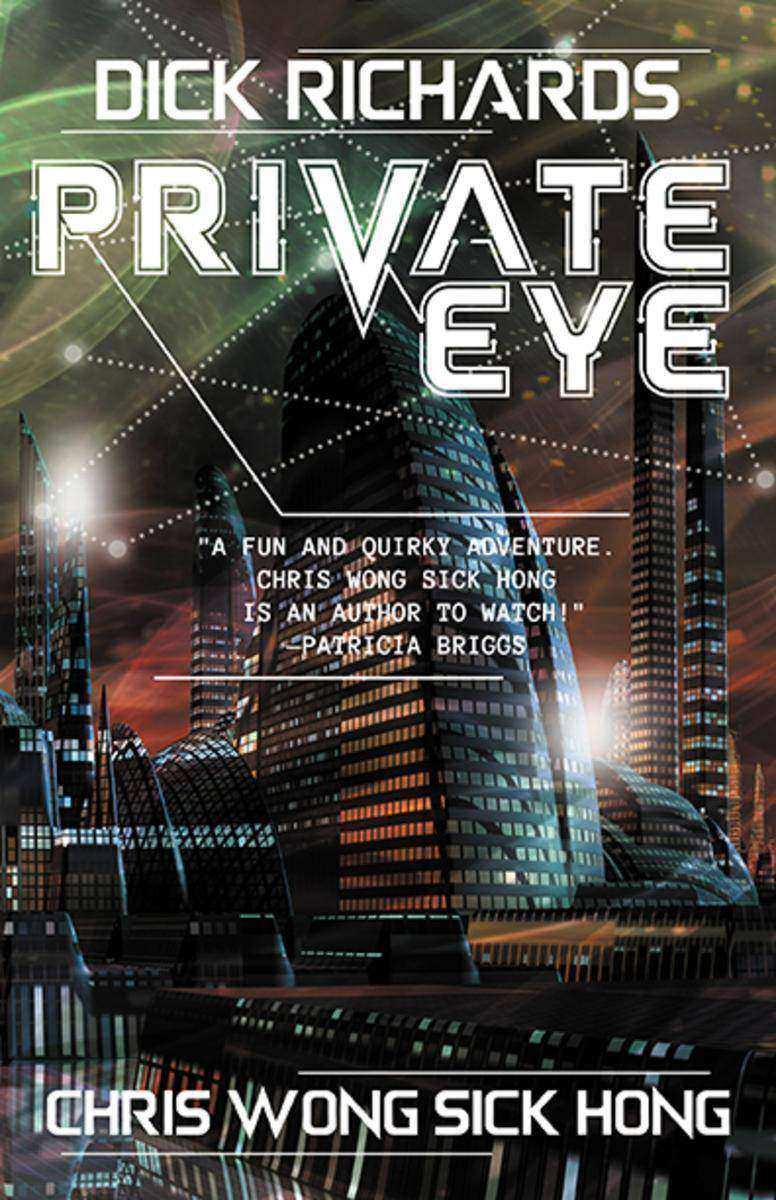
Dick Richards: Private Eye
¥23.14
"A fun and quirky adventure. Chris Sick Hong is an author to watch!" - Patricia Briggs Dick Richards lives and breathes a world full to bursting with technology and magic, wonder and whimsy. Skyscrapers kiss the edge of space, the magical races are quietly mixing back into thronging humanity, and itinerant superheroes are one step ahead of the law. Dick is at home in the seamy underbelly of this world—if you wrung his coat, it would drip cynicism. But when his latest case endangers his friends...?it becomes personal. ____________________________________________________________ Join Dick Richards on his next adventure! The 2nd part of the series,? Dick Richards: Planeswalker is now available as an ebook.?? Readers' reviews “ Chris Sick Hong knows his craft well and strikes a daring pose with DICK RICHARDS, PRIVATE EYE. Entertaining, informed and informing, humor and action driven, this Noir Cyberpunk adventure is sure to thrill and entertain. With tinges of Harrison’s Stainless Steel Rat and Gibson’s Burning Chrome, DICK RICHARDS forges a unique alloy of fantasy, magic, and science into an engaging and entertaining story. ”?- Kevin Noel Olson, author of TOCSIN CODEX " This is such a fun, quirky book. So many authors do the noir style badly, but Chris absolutely nails it. In a futuristic world that's like Blade Runner with elves, a jaded private detective gets drawn into a case that becomes increasingly dangerous...and increasingly personal. " - 5 star review on Goodreads? "I loved this book from start to finish. The world is engaging, the characters are colorful and interesting. The plot is engaging and dynamic. If you are a fan of the sci-fi genre, this is a great book to read. " - 5 star review on Amazon " I definitely recommend this to anyone looking for a fresh take on the traditional detective/mystery story. " - 4 star review on Amazon

My Brother’s War
¥38.62
It’s 1914 – the biggest war the world has known has just broken out in Europe. Far away in New Zealand, William is keen to join up and fight the Germans but his younger brother, Edmund, is totally against the war and refuses to fight. While William trains to be a soldier, Edmund is arrested for being a ‘conchie’ and locked up in prison. Then he too is made to work for the army. What happens on the terrible battlefields in France? Will either brother live to fight another day? This book is a triple award-winner by acclaimed New Zealand writer of YA fiction, David Hill.

Woman of Flowers
¥40.79
Rose cannot remember what came before the house at the edge of the forest. Gwynne says he magicked her out of the flowers, but she’s not so sure. She has played the part of the perfect farmer’s wife for Lewis, who is kept firmly in place by his uncle Gwynne, and accepted her lonely existence. Then a stranger is seen in the forest. What lengths will she go to, to escape the life chosen for her? A contemporary tale of desire, beauty, betrayal and revenge. Award-winning Kaite O’Reilly has written for National Theatre Wales and the London 2012 Cultural Olympiad. Her work has been produced across the UK and internationally. Her awards include the Peggy Ramsay Award, and the Ted Hughes prize for New Works in Poetry.
The Seagull: A play in four acts
¥40.79
A masterpiece of modern drama, The Seagull dramatises the romantic and artistic conflicts between four characters: the ingenue Nina, the fading actress Irina, her son the symbolist playwright Konstantin, and the famous middlebrow story writer Trigorin.
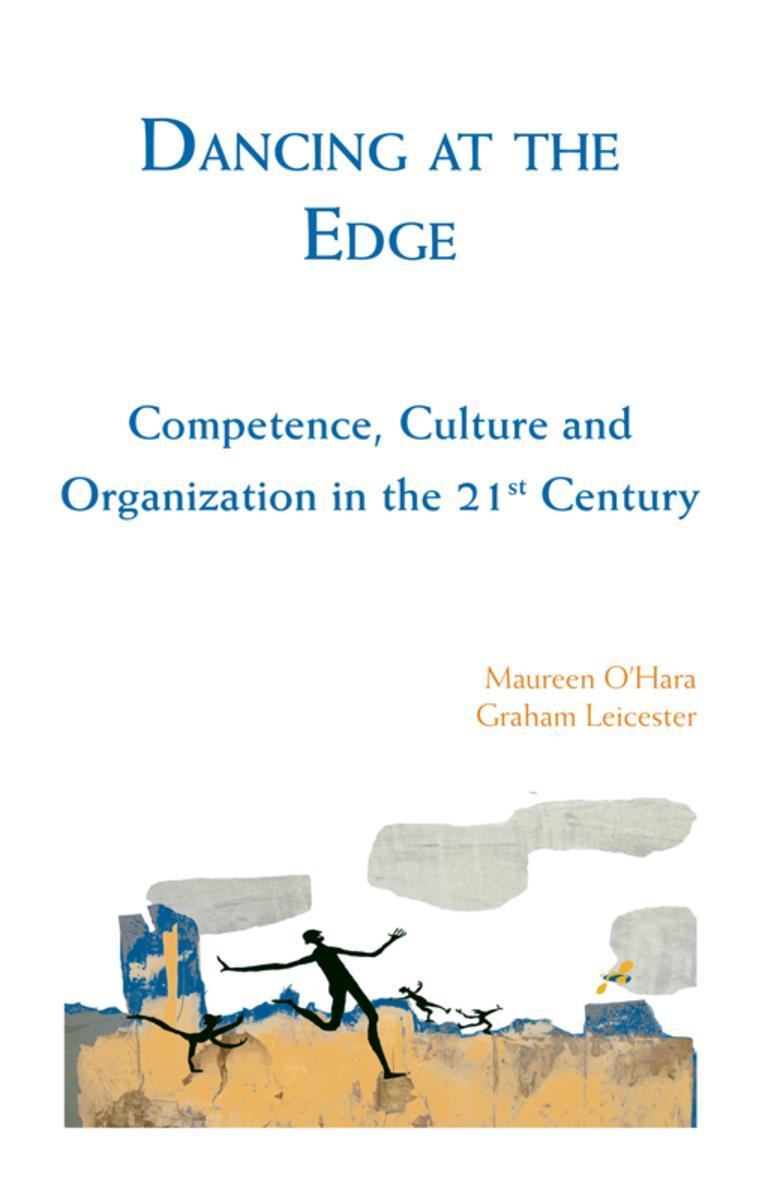
Dancing at the Edge: Competence, Culture and Organization in the 21st Century
¥88.37
In his 1980 essay,? The World of Tomorrow and the Person of Tomorrow , the psychologist Carl Rogers contemplated the future. He described those who would usher in this new era as people with the capacity to understand, bring about and absorb a paradigm shift. He added: "I have an uneasy feeling about this chapter… It is a beginning, an outline, a suggestion… I believe that what I am saying here will some day be fleshed out much more fully, either by me or someone else." Maureen O’Hara and Graham Leicester are uniquely qualified to flesh out Carl Rogers’s vision (Maureen worked closely with Rogers for many years). Here they explore the competencies – the ways of being, doing, knowing and organising - that can help us navigate in complex and powerful times. They argue that these competencies are innate and within reach of all of us – given the right setting, plenty of practice and some gentle guidance. But they are seldom seen because they are routinely undervalued in today’s culture. That must change, the authors insist, and this book is intended to begin that change. The book is based on the authors’ extensive research and their practical experience observing the qualities demonstrated by some of today’s most successful cultural, political and business leaders.?

The Eastern Front 1914–1920: From Tannenberg to the Russo-Polish War
¥81.67
The length of the front in the East was much longer than in the West. The theater of war was roughly delimited by the Baltic Sea in the West and Moscow in the East, a distance of 1,200 kilometers, and Saint Petersburg in the North and the Black Sea in the South, a distance of more than 1,600 kilometers. This had a drastic effect on the nature of the warfare. While World War I on the Western Front developed into trench warfare, the battle lines on the Eastern Front were much more fluid and trenches never truly developed. This was because the greater length of the front ensured that the density of soldiers in the line was lower so the line was easier to break. Once broken, the sparse communication networks made it difficult for the defender to rush reinforcements to the rupture in the line to mount a rapid counteroffensive and seal off a breakthrough. There was also the fact that the terrain in the Eastern European theater was quite solid, often making it near impossible to construct anything resembling the complicated trench systems on the Western Front, which tended to have muddier and much more workable terrain. In short, on the Eastern front the side defending did not have the overwhelming advantages it had on the Western front. Because of this, front lines in the East kept on shifting throughout the conflict, and not just near the beginning and end of the fighting, as was the case in the West. In fact the greatest advance of the whole war was made in the East by the German Army in the summer of 1915. With the aid of numerous black and white and color photographs, many previously unpublished, the World War I series recreates the battles and campaigns that raged across the surface of the globe, on land, at sea and in the air. The text is complemented by full-color maps that guide the reader through specific actions and campaigns.
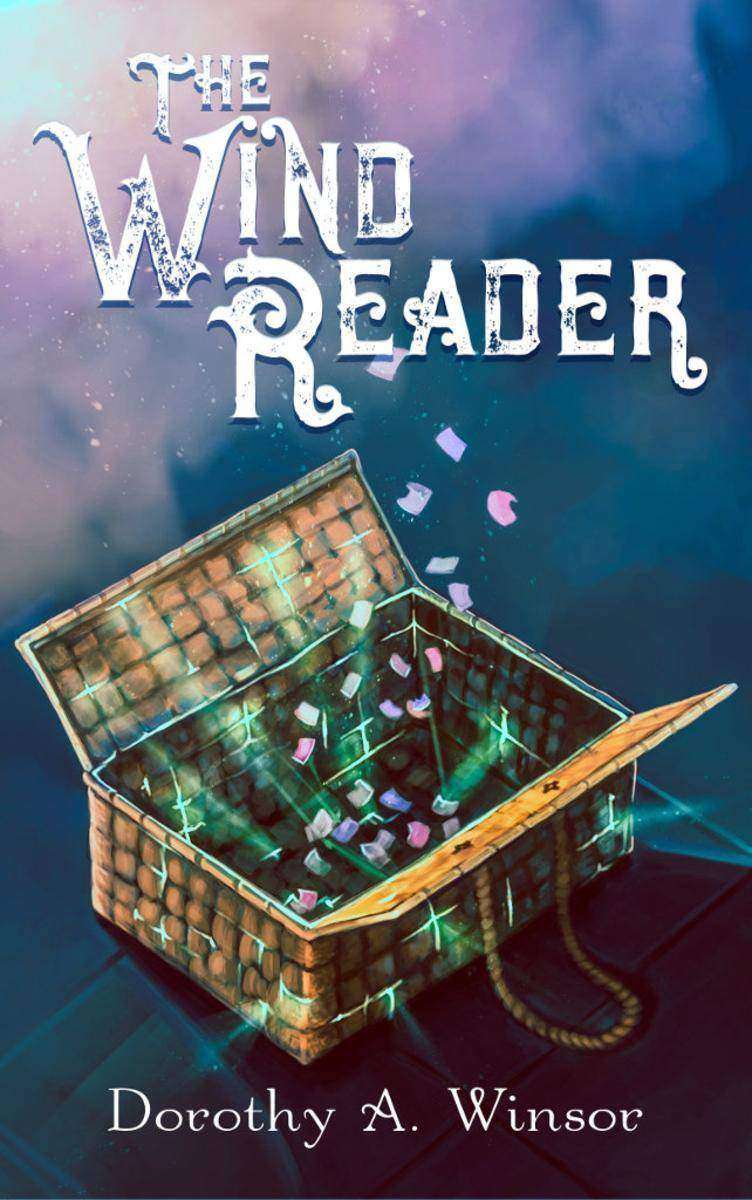
The Wind Reader
¥32.62
Stuck in a city far from home, street kid Doniver fakes telling fortunes so he can earn a few coins to feed himself and his friends. Then the divine Powers smile on him when he accidentally delivers a true prediction for the prince. Concerned about rumors of treason, the prince demands that Doniver use his "magic" to prevent harm from coming to the king, and so Doniver is taken--dragged?--into the castle to be the royal fortune teller. Now Doniver must decide where the boundaries of honor lie, as he struggles to work convincing magic, fend off whoever is trying to shut him up, and stop an assassin, assuming he can even figure out who the would-be assassin is. All he wants is to survive long enough to go home to the Uplands, but it's starting to look as if that might be too much to ask.

Direct Selling Success
¥103.82
Practical know-how to get you to the top of your company. This is a book with generic hands-on advice that you can implement immediately into your business. Yogeeta will share with you important factors and principles that are crucial to helping you with strategy and mindset for Direct Selling Success. The information is current, it's fresh, it's generic to whichever company you are involved with, and you will find that some of it will resonate within you to help you understand and run your Direct Selling business to a better degree.

The Survival Handbook: Learn the survival skills of the world's elite forces
¥40.79
The Survival Handbook takes you through all the things you need to know about surviving disasters and staying alive in the wild, such as where to find water in the desert; how to build shelters from locally-available materials that will keep out the wind and rain but will also be ventilated; what plants are safe to eat and what are deadly poisonous; and what animals will pose a threat in survival situations. Packed with tips from the world's elite special forces and other survival specialists, this is a handy reference to surviving in the wild. [This is a text-only ebook edition.]

Delphi Complete Works of Sir Walter Scott (Illustrated)
¥24.44
Sir Walter Scott, the Scottish novelist, poet, historian and biographer, is often regarded as the inventor of the historical novel, who produced a wide body of literary works, having a profound impact on world literature. This comprehensive eBook presents Scott’s complete fictional works, with numerous illustrations, rare texts appearing in digital print for the first time, informative introductions and the usual Delphi bonus material. (Version 7) * Beautifully illustrated with images relating to Scott’s life and works * Concise introductions to the novels and other texts * ALL 26 novels, with individual contents tables * Rare novels and shorter fiction often missed out of collections * Images of how the books were first published, giving your eReader a taste of the original texts * Excellent formatting of the texts * Famous works such as WAVERLEY, ROB ROY and IVANHOE are fully illustrated with their original artwork * Special chronological and alphabetical contents tables for the poetry * Easily locate the poems you want to read * Includes Scott’s rare poetry collections and plays – available in no other collection * Includes a wide selection of Scott’s non-fiction – spend hours exploring the author’s varied works * Special criticism section with essays by writers such as Henry James, Leslie Stephen and Charles Dickens examining Scott's literary achievements * Features two biographies – discover Scott’s literary life * Scholarly ordering of texts into chronological order and literary genres * UPDATED with entirely revised texts, new formatting, rare plays and new introductions Please visit www.delphiclassics.com to browse through our range of exciting titles CONTENTS: The Novels WAVERLEY GUY MANNERING THE ANTIQUARY BLACK DWARF OLD MORTALITY ROB ROY THE HEART OF MIDLOTHIAN THE BRIDE OF LAMMERMOOR A LEGEND OF MONTROSE IVANHOE THE MONASTERY THE ABBOT KENILWORTH THE PIRATE THE FORTUNES OF NIGEL PEVERIL OF THE PEAK QUENTIN DURWARD ST. RONAN’S WELL REDGAUNTLET THE BETROTHED THE TALISMAN WOODSTOCK THE FAIR MAID OF PERTH ANNE OF GEIERSTEIN COUNT ROBERT OF PARIS CASTLE DANGEROUS The Shorter Fiction CHRONICLES OF THE CANONGATE MY AUNT MARGARET’S MIRROR THE TAPESTRIED CHAMBER DEATH OF THE LAIRD’S JOCK. MISCELLANEOUS SHORT PIECES The Plays GOETZ VON BERLICHINGEN HALIDON HILL MACDUFF’S CROSS THE DOOM OF DEVORGOIL AUCHINDRANE THE HOUSE OF ASPEN The Poetry Collections TRANSLATIONS AND IMITATIONS FROM GERMAN BALLADS THE MINSTRELSY OF THE SCOTTISH BORDER THE LAY OF THE LAST MINSTREL BALLADS AND LYRICAL PIECES MARMION THE LADY OF THE LAKE THE VISION OF DON RODERICK THE BRIDAL OF TRIERMAIN ROKEBY THE FIELD OF WATERLOO THE LORD OF THE ISLES HAROLD THE DAUNTLESS MISCELLANEOUS POEMS The Poems LIST OF POEMS IN CHRONOLOGICAL ORDER LIST OF POEMS IN ALPHABETICAL ORDER The Non-Fiction THE LIFE OF JOHN DRYDEN PAUL’S LETTERS TO HIS KINSFOLK THE JOURNAL OF SIR WALTER SCOTT THE LETTERS OF MALACHI MALAGROWTHER THE LIFE OF NAPOLEON BUONAPARTE TALES OF A GRANDFATHER LETTERS ON DEMONOLOGY AND WITCHCRAFT TRIAL OF DUNCAN TERIG, ALIAS CLERK, AND ALEXANDER BANE MACDONALD MISCELLANEOUS PROSE WORKS The Criticism SIR WALTER SCOTT by William Hazlitt SIR WALTER SCOTT by Leslie Stephen THE POEMS OF SIR WALTER SCOTT by Andrew Lang LETTERS TO DEAD AUTHORS by Andrew Lang SIR WALTER SCOTT AND THE BORDER MINSTRELSY by Andrew Lang SIR WALTER SCOTT AS A CRITIC OF LITERATURE by Margaret Ball SIR WALTER SCOTT: A LECTURE by William Ker SIR WALTER SCOTT by Henry James MEMORIES AND PORTRAITS by Robert Louis Stevenson SCOTT AND HIS PUBLISHERS by Charles Dickens SIR WALTER SCOTT AND LADY MORGAN by Victor Hugo The Biographies SIR WALTER SCOTT by Richard H. Hutton SIR WALTER SCOTT by George Saintsbury Please visit www.delphiclassics.com to browse through our range of exciting titles or to purchase this eBook as a Parts Edition of individual eBooks
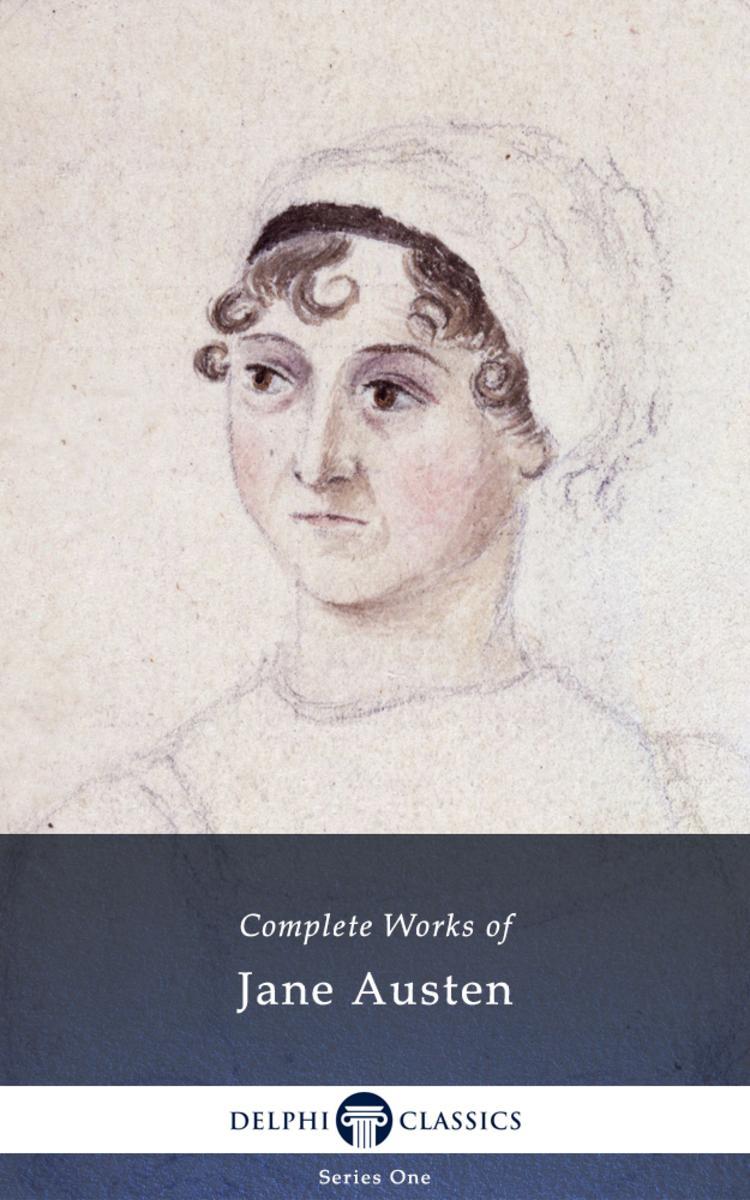
Delphi Complete Works of Jane Austen (Illustrated)
¥16.27
Offering hundreds of beautiful images, this is the perfect Austen collection. All the novels, each and every short story, poem, play and letter with much, much more! This edition is simply outstanding for admirers of literature's finest female writer. (Current version: 3) Features: * ALL of the novels are fully illustrated with original artwork enjoy the true flavour of the Regency/Georgian texts on your Kobo! * Pride & Prejudice and Sense & Sensibility have multiple sources of illustrations, bringing these great classics visually alive * Even the rare unfinished novels The Watsons and Sanditon are included * brief but informative introductions to the novels and other texts * the COMPLETE letters * countless images related to Austen, her works and the beautiful Hampshire places she lived in * ALL of the Juvenilia works are included * scholarly ordering of texts into chronological order and literary genres * special images linking to the famous film and TV adaptations of Austens works The eBook also includes a front no-nonsense table of contents to allow easy navigation around Austens oeuvre. With this eBook you will need no other text of Jane Austen. Please visit www.delphiclassics.com to browse our other titles CONTENTS: The Novels SENSE AND SENSIBILITY PRIDE AND PREJUDICE MANSFIELD PARK EMMA NORTHANGER ABBEY PERSUASION LADY SUSAN The Unfinished Novels THE WATSONS SANDITON The Shorter Fiction LOVE AND FRIENDSHIP LESLEY CASTLE CATHARINE EVELYN FREDERIC & ELFRIDA JACK & ALICE EDGAR AND EMMA HENRY AND ELIZA THE ADVENTURES OF MR. HARLEY SIR WILLIAM MOUNTAGUE MEMOIRS OF MR. CLIFFORD THE BEAUTIFUL CASSANDRA AMELIA WEBSTER THE THREE SISTERS THE MYSTERY THE HISTORY OF ENGLAND A FRAGMENT THE GENEROUS CURATE A TALE. THE FIRST ACT OF A COMEDY ODE TO PITY The Complete Letters A COLLECTION OF LETTERS LETTER THE FIRST LETTER THE SECOND LETTER THE THIRD LETTER THE FOURTH LETTER THE FIFTH TO MISS JANE ANNA ELIZABETH AUSTEN SCRAPS THE FEMALE PHILOSOPHER A LETTER FROM A YOUNG LADY A TOUR THROUGH WALES Please visit www.delphiclassics.com to browse our other titles
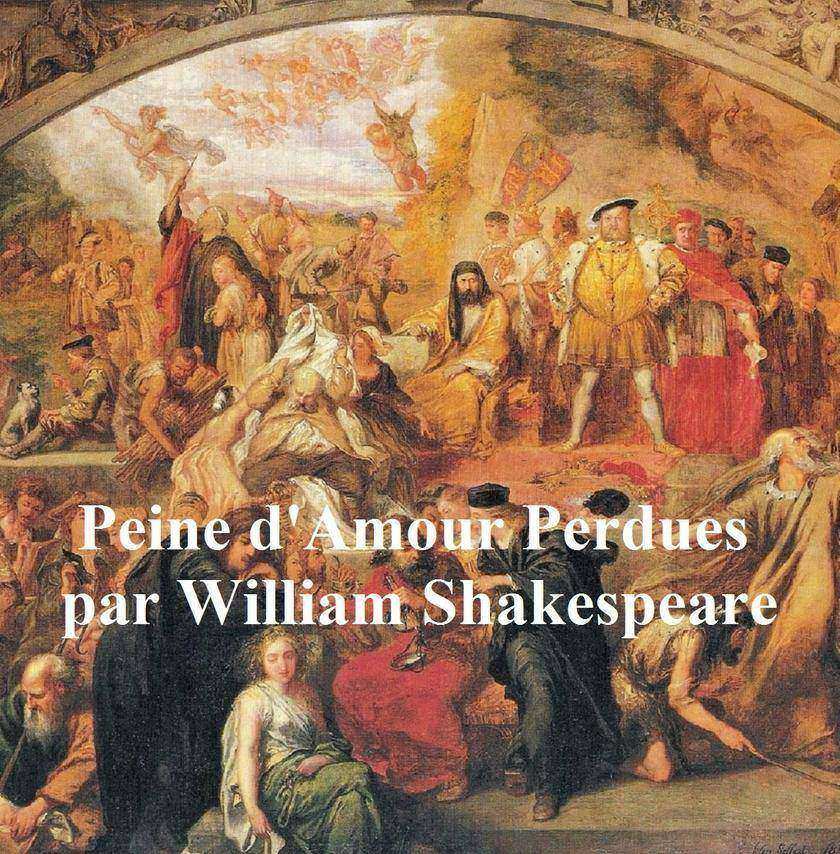
Peines d'Amour Perdues (Love's Labour's Lost in French)
¥8.09
Comédie de Shakespeare, traduite en fran?ais par Fran?ois Pierre Guillaume Guizot (1787 - 1874), historien fran?ais et homme d'?tat. Publié en 1862. Selon Wikipedia: "Love's Labor's Lost est l'une des premières comédies de William Shakespeare, qui aurait été écrite au milieu des années 1590 et publiée pour la première fois en 1598".
The Merchant of Venice; Der Kaufmann von Venedig: Bilingual edition
¥8.09
Bilingual, English and German. Shakespeare comedy in English with line numbers and translated to German. According to Wikipedia: "The Merchant of Venice is a tragic comedy by William Shakespeare, believed to have been written between 1596 and 1598. Though classified as a comedy in the First Folio and sharing certain aspects with Shakespeare's other romantic comedies, the play is perhaps most remembered for its dramatic scenes, and is best known for Shylock and the famous 'Hath not a Jew eyes' speech. Also notable is Portia's speech about the 'quality of mercy'" Zweisprachig, Englisch und Deutsch. Shakespeare-Kom?die in Englisch mit Zeilennummern und ins Deutsche übersetzt. Laut Wikipedia: "The Merchant of Venice" ist eine tragische Kom?die von William Shakespeare, die vermutlich zwischen 1596 und 1598 entstanden ist. Obwohl sie im First Folio als Kom?die klassifiziert wurde und gewisse Aspekte mit Shakespeares anderen romantischen Kom?dien teilt, ist das Stück vielleicht Die meisten werden für ihre dramatischen Szenen in Erinnerung bleiben und sind am besten für Shylock und die berühmte 'Hath not a Jewy eyes' Rede bekannt. Bemerkenswert ist auch Portias Rede über die 'Qualit?t der Barmherzigkeit'. "

Henri IV, Deuxieme Partie, (Henry IV Part II in French)
¥8.09
Pièce d'histoire de Shakespeare, Henry IV, Deuxième partie, en traduction fran?aise. Selon Wikipédia: "Henry IV, Part 2 est une pièce d'histoire de William Shakespeare, crue écrite entre 1596 et 1599. C'est la troisième partie d'une tétralogie, précédée par Richard II et Henri IV, partie 1 et succédée par Henry V. "


