


 购物车
购物车 个人中心
个人中心
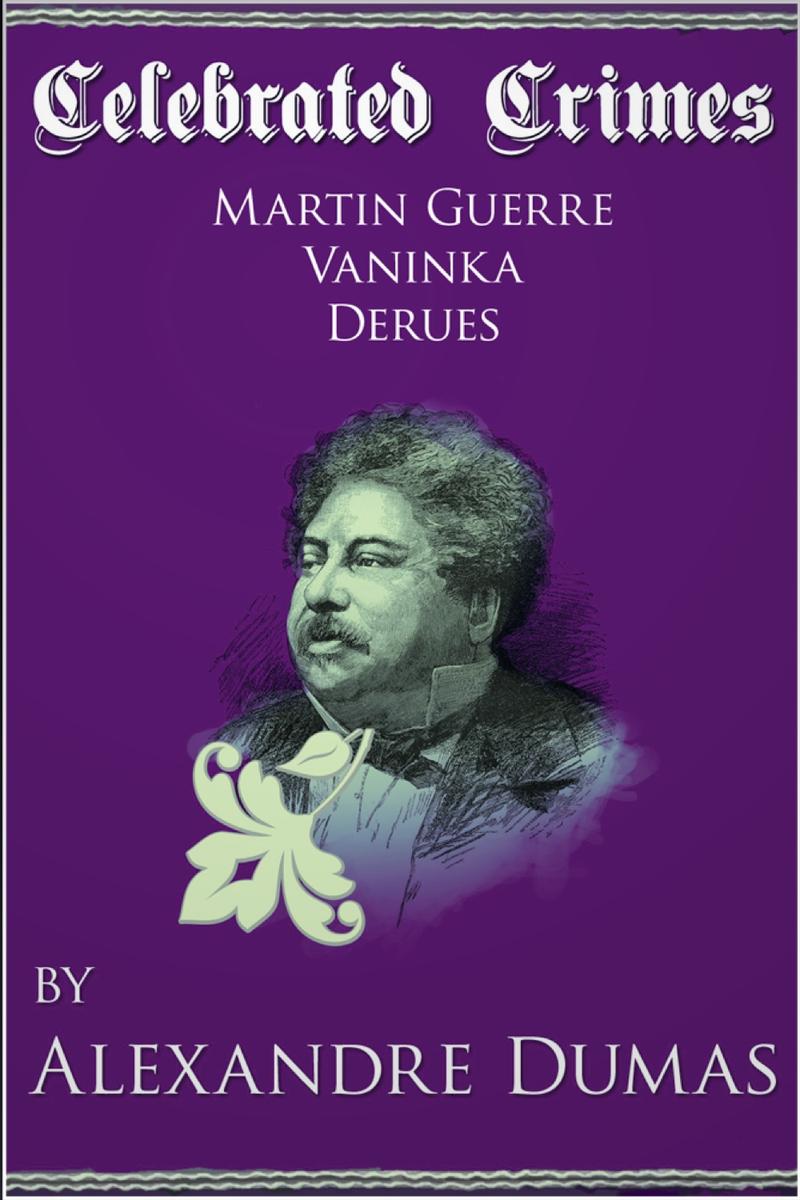
Celebrated Crimes 'Martin Guerre', 'Vaninka' and 'Derues'
¥19.52
Three writings taken from 'Celebrated Crimes', a series of essays on famous criminals and crimes by the author of 'The Count of Monte Cristo' and 'The Three Musketeers', Alexandre Dumas.
101 Amazing Kim Kardashian Facts
¥19.52
Are you the world's biggest Kim Kardashian Fan? Do you know everything there is to know about today's greatest style icon and reality TV star? Then this is the book for you! In this easy-to-digest eBook are 101 facts about your favourite celebrity - do you know all of them?Test yourself and your friends with these handily-packaged facts easily organised into categories for maximum enjoyment. Sections include Kim's TV work, her fashion, and some crazy facts about her life. Show everyone that you are the master of Kardashian Knowledge!

101 Amazing Andy Williams Facts
¥19.52
Are you a fan of the king of Easy listening (and Mr Christmas) Andy Williams? Do you know everything there is to know about the late, great singer? Then this is the book for you! In this easy-to-digest eBook are 101 facts about your favourite artist - do you know all of them?Test yourself and your friends with these handily-packaged facts easily organised into categories for maximum enjoyment. Sections include his early life, his music, his theater and much more.
Ultimate Pop Music Quiz Book
¥48.95
Are you an expert on music from the 1960s through to the present day, whilst stopping off at Motown and knowing all about Christmas songs? Then this excellent quiz book is perfect for you! It will test you, your friends and families with your total knowledge of pop music.Split into sections covering the 60s, 70s, 80s, 90s, 2000s, Motown, and Christmas, the book has 725 questions covering all genres of pop music. The answers are also split into the same sections at the rear of the book.
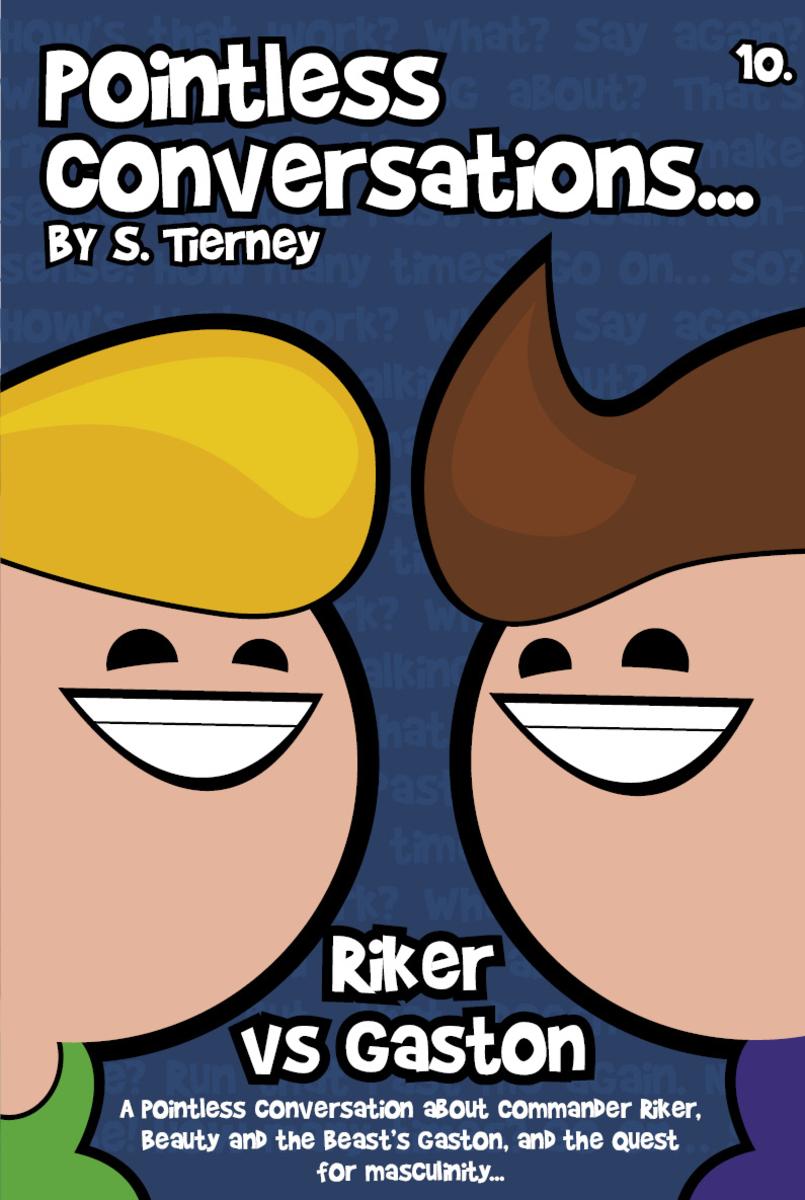
Pointless Conversations
¥19.52
Pointless conversations: a selection of daft, ridiculous and utterly pointless meanderings from the mind of Scott Tierney. If you've ever wanted to know the answers to why Superman is a coward, why Spiderman should technically be deformed, and if Superdog caused the death of Krypton, then these bite-sized comics will reveal all. The discussions may be insane, and most of what is said is rambling, but despite this, you may find yourself agreeing with most of what is said. It's a fair point: where does Spiderman store all that web?
101 Amazing Facts about Paris Hilton
¥19.52
Are you the world's biggest Paris Hilton fan? Or do you want to know everything there is to know about the socialite, model, singer, actress and DJ?If so, then this is the book for you! Contained within are 101 amazing facts about everything, from her privileged upbringing to her extensive charity work, from her films to her music and so much more. The book is easily organised into sections so you can find the information you want fast and is perfect for all ages!
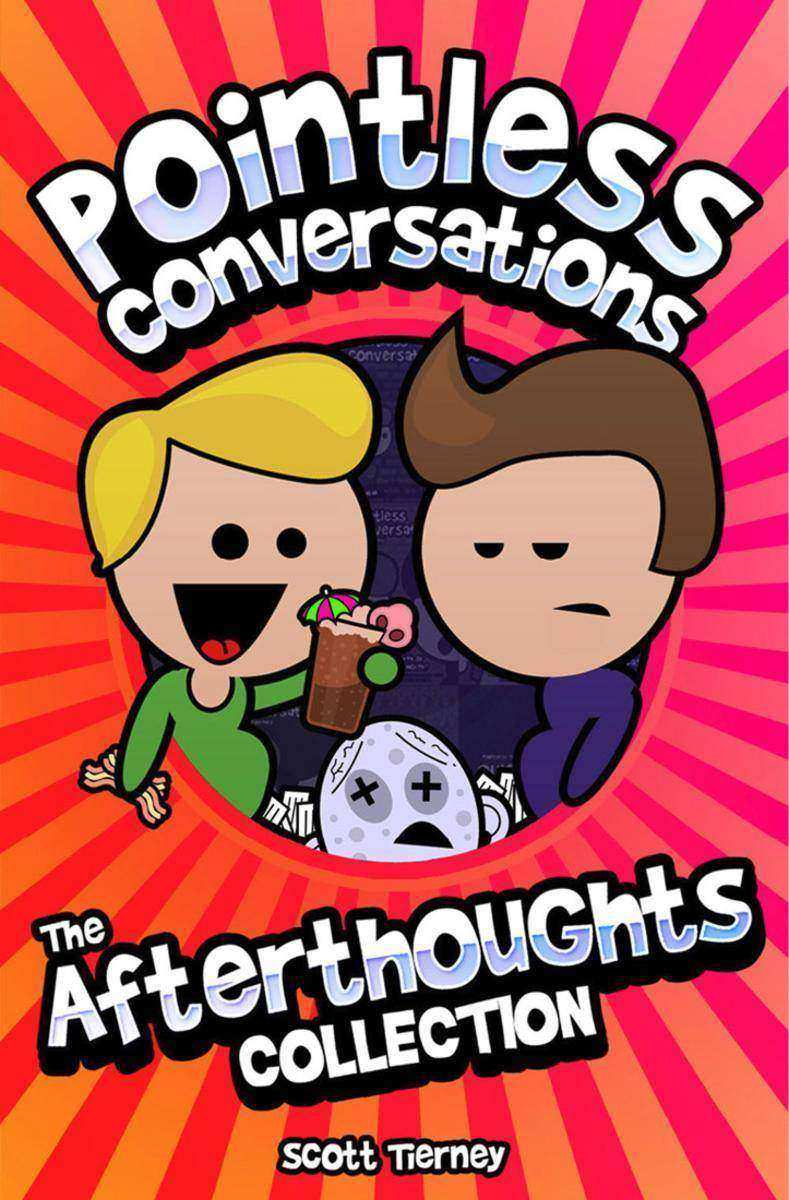
Pointless Conversations - The Afterthoughts Collection
¥19.52
In this latest selection of Pointless Conversations, the previous 12 eBooks and their diverse, eclectic and unequivocally stupid topics are discussed and reassessed once more. Is Superman still a cowardly extraterrestrial? Are Holodecks more of a danger to our bowels than we once thought? Is it wrong to steal Bacon from Liam Neeson, and are some breakfast cereals racist? All these truly essential questions and more are answered...or at least attempted...in Pointless Conversations: The Afterthoughts Collection.
101 Amazing Facts about Ariana Grande
¥19.52
Are you the world's biggest Ariana Grande fan? Or do you want to find out everything there is to know about the actress, singer and songwriter? If so, then this is the book for you! Contained within are over one hundred facts about Ariana, from her childhood and first acting roles through to her emergence as a world-renowned singer with a vocal range to rival Mariah Carey. The book is easily organised into sections so you can find the information you want fast... and is an unmissable addition to any fan's bookshelf!
Pointless Conversations - The Green Collection
¥19.52
Pointless conversations: a selection of daft, ridiculous and utterly pointless meanderings from the mind of Scott Tierney. If you've ever wanted to know the answers to why Superman is a coward; why Spiderman should technically be deformed; and if Superdog caused the death of Krypton, then these bite-sized comics will reveal all. The discussions may be inane, and most of what is said is rambling, but despite this, you may find yourself agreeing with most of what is said. In this collection of short (but still pointless) conversations, we learn about fonts, the best part of a chicken, eating alien eggs, bargain DVDs and much more...

101 Amazing Benedict Cumberbatch Facts
¥19.52
101 Amazing Benedict Cumberbatch Facts
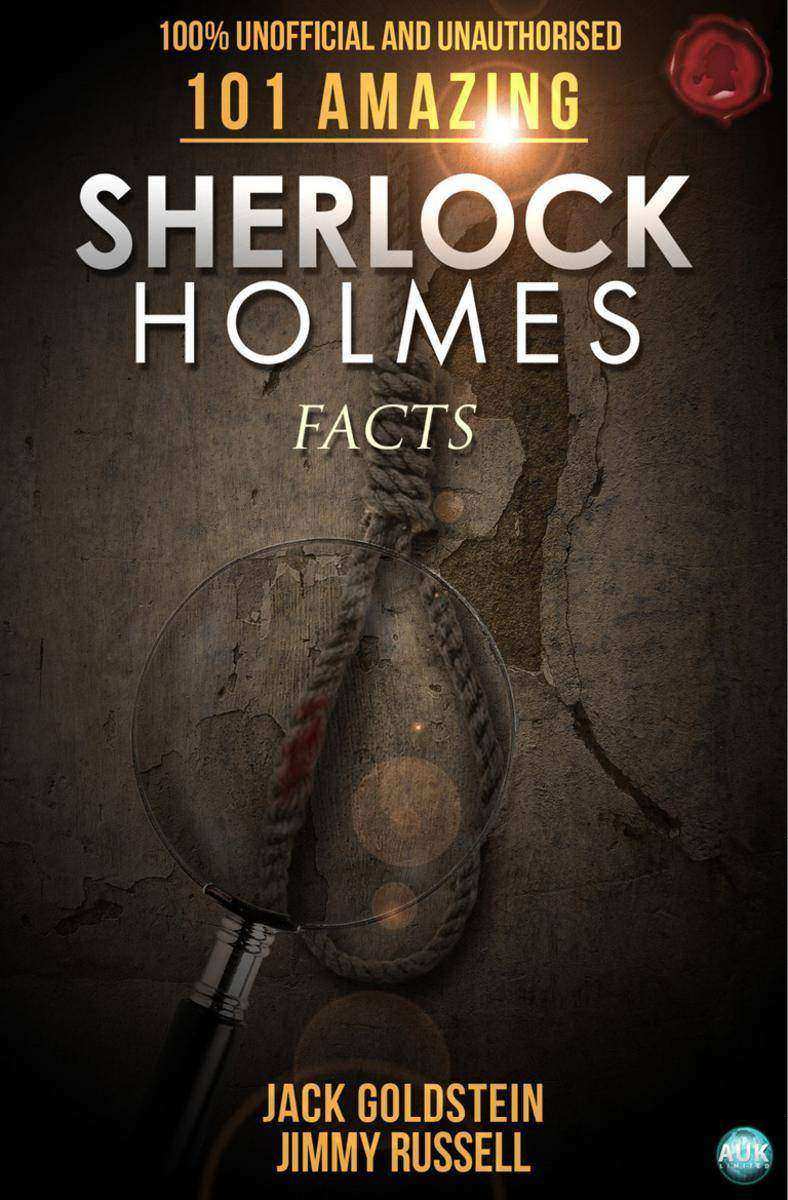
101 Amazing Sherlock Holmes Facts
¥19.52
Are you a fan of Sherlock Holmes? Do you want to know some incredible trivia about the world's greatest detective? Whether it is Benedict Cumberbatch in the BBC's Sherlock that you enjoy, or Robert Downey Junior's portrayal in the film series that piques your interest, this fantastic book of facts from Jack Goldstein and Jimmy Russell is sure to be an excellent addition to your bookshelf. With sections covering adaptations of the stories, Sir Arthur Conan Doyle and of course the most amazing and unbelievable facts, this is the perfect way to find out more about the best-selling hero.
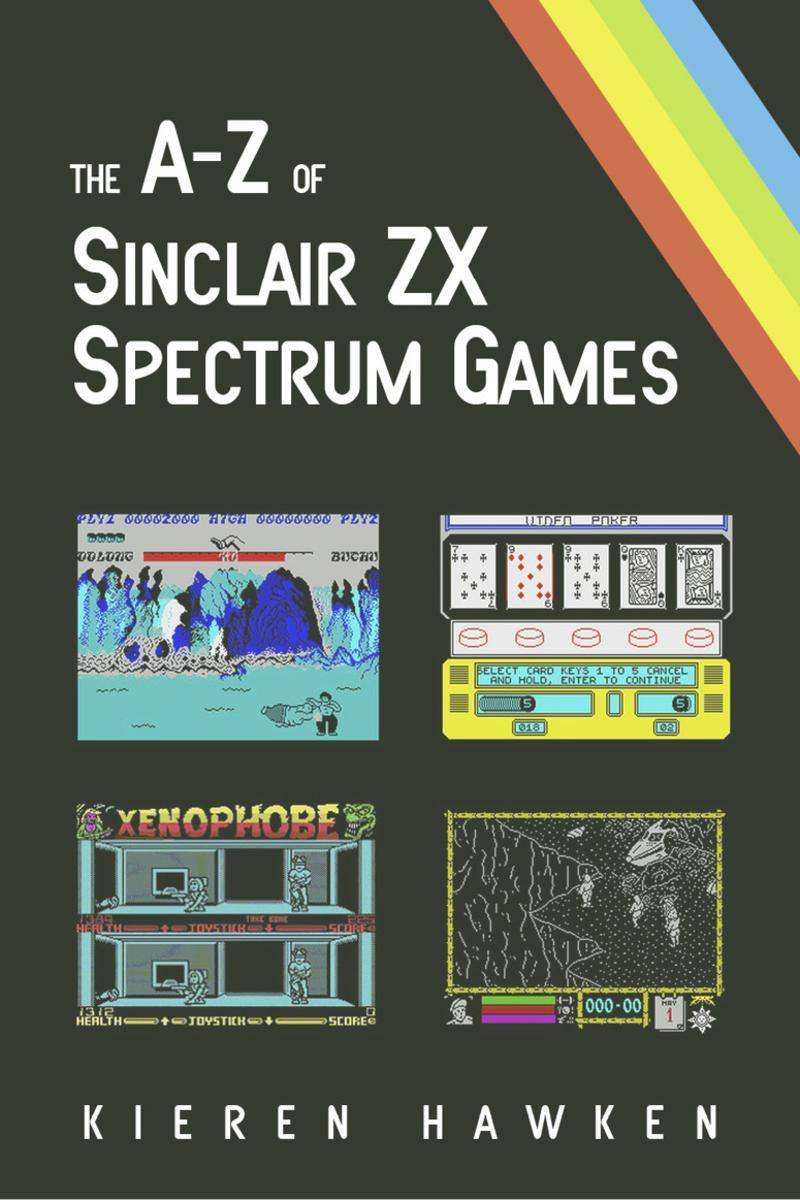
A-Z of Sinclair ZX Spectrum Games - Volume 1
¥19.52
The A-Z of Sinclair ZX Spectrum Games: Volume 1 features reviews of three different games for each letter of the alphabet. The games range from the very earliest releases at the start of the eighties to the modern homebrew games of today. This book shows you just how diverse the library of titles is for the ZX Spectrum and how it became one of the popular computers of all time.
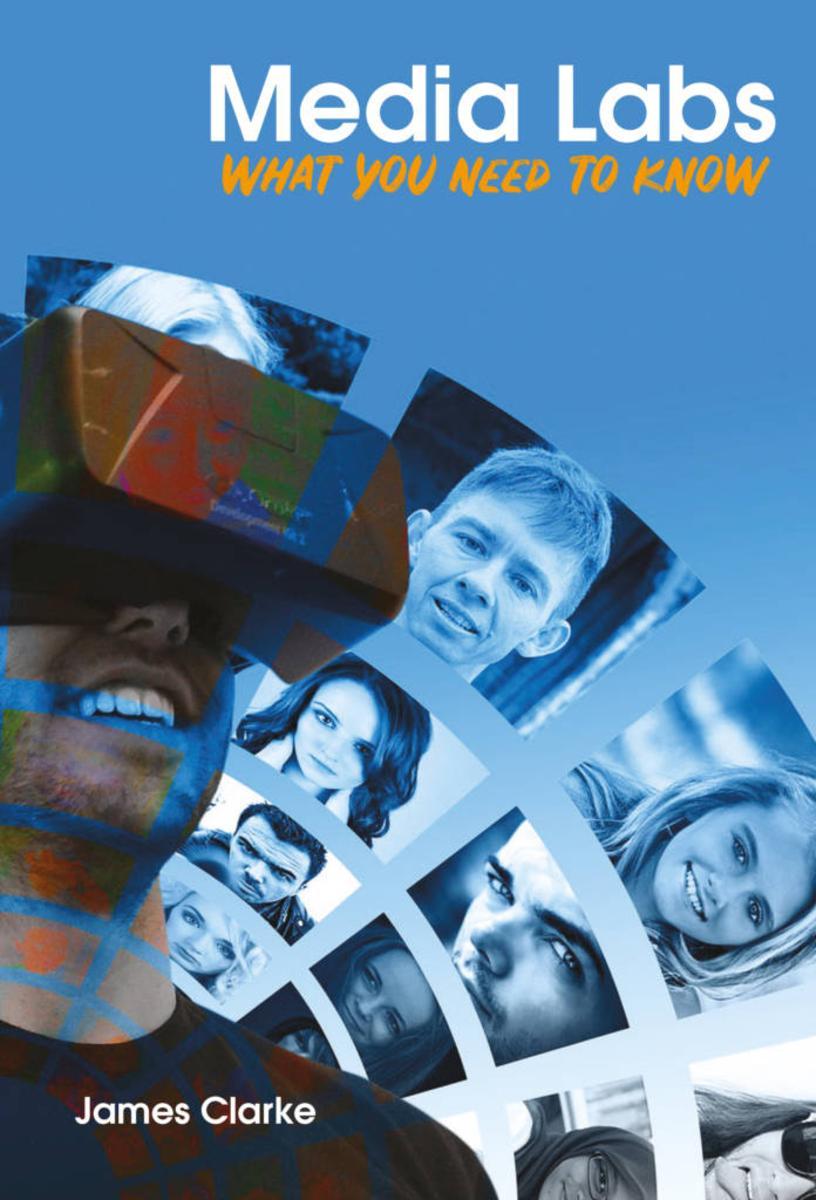
Media Labs: what you need to know
¥40.79
SHORTLISTED FOR PEOPLE'S BOOK PRIZE This is an essential guide to the evolving and dynamic world of digital media. Explains how the media lab as a place (actual or virtual) encourages, nurtures and provides tangible support for creative talents and their projects. While the focus of the book is on filmmaking and gaming, the author also delves into the ‘brave new worlds’ of Virtual Reality and Augmented Reality. Providing an overview of the range of media labs on offer in both academia and festivals, the book is enriched by interviews with contemporary practitioners working in digital media culture around the world. Reviews “... an inspirational and timely new resource, packed with contacts, leading edge initiatives, tips from seasoned media practitioners …. It can’t fail to help you get new creative content made, and seen, around the world.”– Nic Millington, CEO Rural Media “With digital technologies and the blurring of creative boundaries changing the way that content is made and seen, this book proves an invaluable guide for those looking to successfully navigate this constantly evolving landscape.” – Nikki Baughan, Film Industry Journalist About the author James Clarke?has written for the magazines?3D Artist, 3DWorld, Moviescope?and?Empire. His work has also featured in?The Guardian, on BBC Radio 3 and for the BFI. As an educator he is a Fellow of the Higher Education Academy and has taught at the University of Gloucestershire, Hereford College of Arts and the University of Warwick. James is currently a Visiting Lecturer at the London Film School. ?James’s books include the recently published?Through Her Lens: The Stories Behind the Photography of Eva Sereny?(ACC Books),?The Year of the Geek?(Aurum Press) and?Bodies in Heroic Motion: The Cinema of James Cameron?(Columbia University Press). James also writes A Level Film Studies resources for Edusites and has been a consultant to the British Council, writing and producing content on the subject of various literary icons.
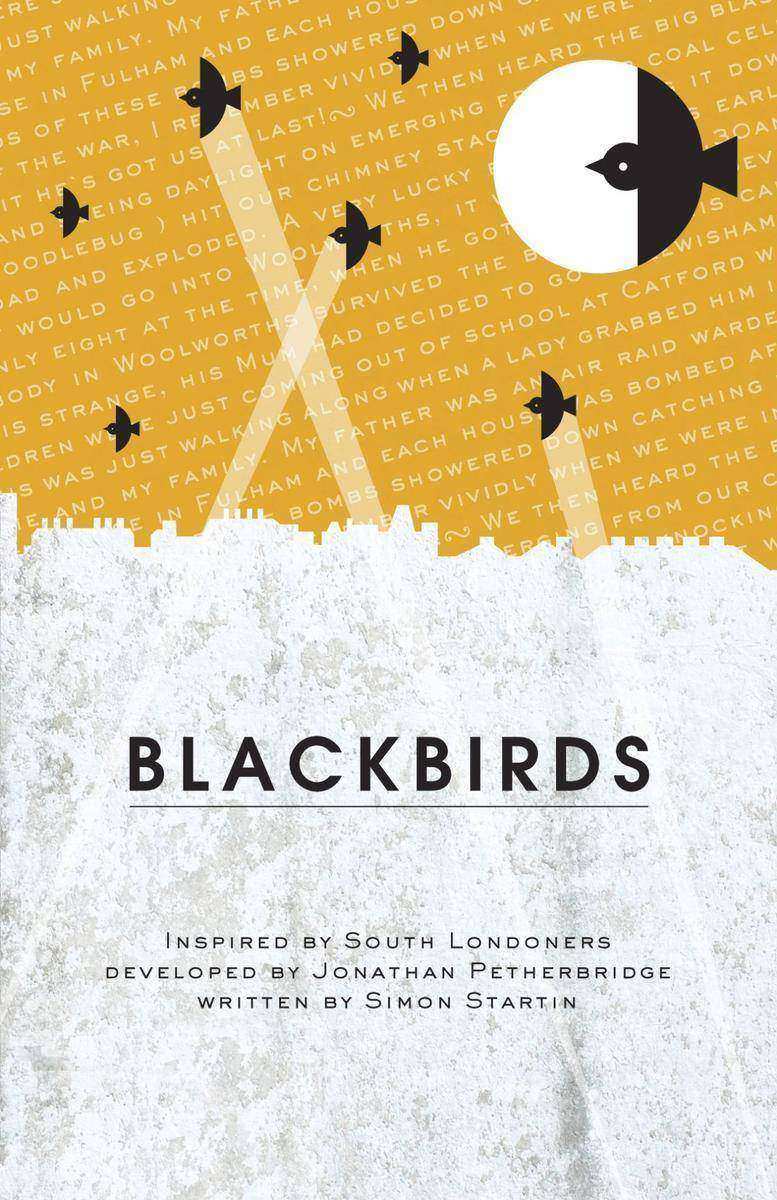
Blackbirds
¥40.79
Mayflower Street runs between Jamaica Road and the Thames in Bermondsey, South London. In 1939, 34 houses and 121 residents occupied the street. Between 1940 and 1941 bombs fell on 7 of these houses and at the end of war, the street – with its corner shop, was demolished. Using personal testimony, physical theatre and the combined skills of a cast of contemporary Londoners the project aims to share some of the experiences and events that made our city into the place we know today. Blackbirds is the play that emerged from the London Bubble Theatre's research and interviews of South Londoners who lived through the Blitz between 1940 and 1941.
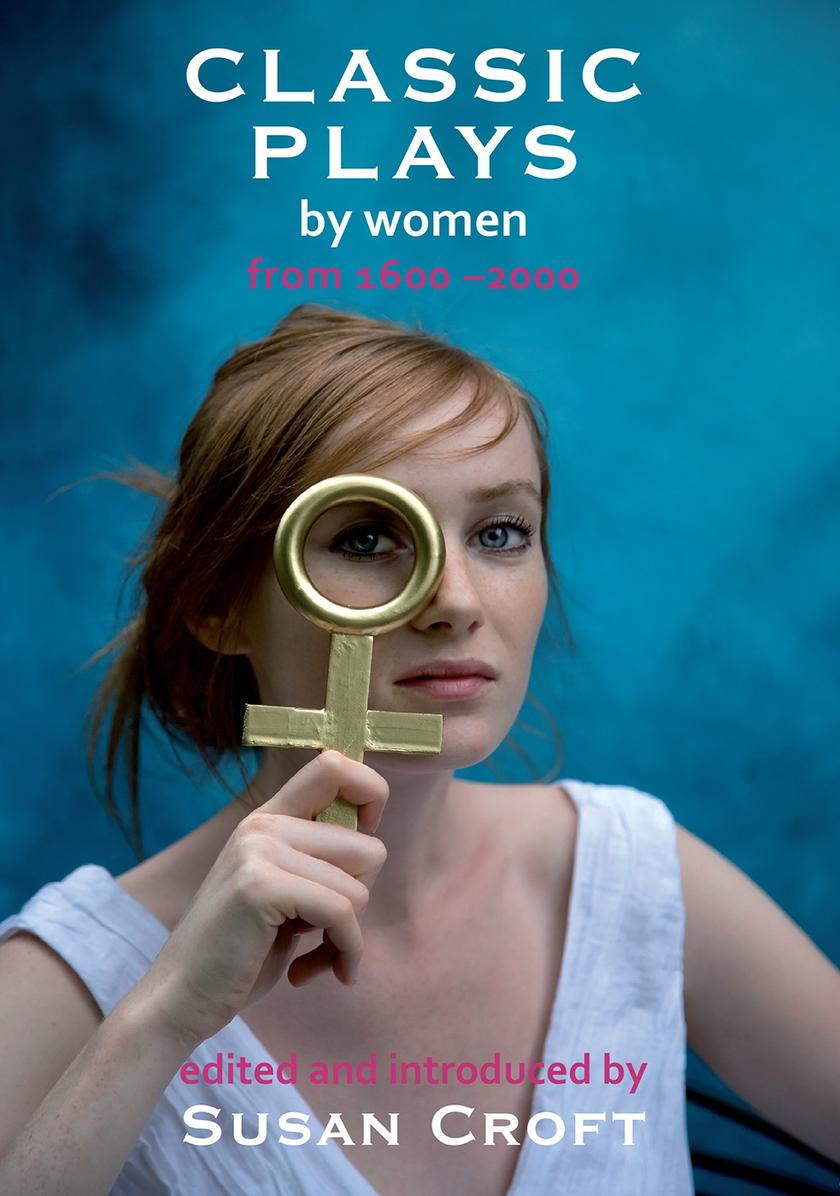
Classic Plays by Women: From 1600 to 2000
¥40.79
Classic Plays by Women: an anthology of the best plays by female dramatists from 1600-2000 Staged in theatres by successive generations and proving relevant to contemporary audiences, the plays demonstrate the wit, theatrical skill and innovation of their creators in exploring timeless topics from marriage, morality and money to class conflict, rage and sexual desire. An essential resource for students, playwrights, colleges, universities and libraries, this collection also provides theatres with the opportunity to programme a range of theatrical classics by women. Plays from: Hroswitha’s Paphnutius (extract); Elizabeth Cary’s The Tragedy of Mariam(extract); Aphra Behn’s The Rover; Susanna Centlivre’s A Bold Stroke For A Wife; Joanna Baillie’s De Montfort; Githa Sowerby’s Rutherford and Son; Enid Bagnold’s The Chalk Garden; Caryl Churchill’s Top Girls (extract); Marie Jones’ Stones in his Pockets. ?

New South African Plays
¥40.79
A collection of six plays dealing with the new South Africa, published in 2006 to celebrate 10 years of democracy post-apartheid. Plays about racial conflict, the impact of AIDS, power and corruption, the legacy of the past and female identity. Reprinted 2012, 2019. ? The Plays The Playground?by Beverly Naidoo “…it floats on a haunting, echoing raft of traditional South African harmonies that make watching it a joyful experience as well as a thought-provoking one…”?Time Out Critics’ Choice – Pick of the Year Taxi?by Sibusiso Mamba: Edinburgh fringe first winner “a superbly written and produced play… A fine piece of work that’s refreshingly free of cliches.”?Daily Mail, Pick of the Week Green Man Flashing?by Mike Van Graan “…This finely crafted drama tears at the heart and soul of our democracy, and rips at the underbelly of corruption and political power through its astute writing…”?Star Tonight Rejoice?by James Whylie “… the cruellest irony of all is left until the end… the same one which has spelled the death of Rejoice… And millions more.”?Friends of BBC Radio 3 What the Water Gave Me?by Rehane Abrahams “tales that retrieve ancient magics and reveal contemporary terrors…”?Cape Times To House?by Ashwin Singh: Finalist in the 2003 PANSA (Performing Arts Network of SA) Festival of Reading of New Writing (the country’s foremost playwriting contest) “To House is an important piece of theatre; in it people voice opinions that are uncomfortable and edgy. The cathartic and therapeutic value of hearing these things said aloud in a public place is part of our essential healing process and proves, once again, that art has the ability to go where angels fear to tread.”?Daily News, Durban

Dornen im Wind: Facette eines Narzissten
¥90.03
Buchbeschreibung: Jo Liebling erz?hlt die ungew?hnliche Liebesgeschichte zwischen Evelyn und Martin, die romantisch und z?rtlich beginnt und als Alptraum endet. Martin entpuppt sich als Narzisst. Evelyn begibt sich in eine ungesunde Opferhaltung und bringt sich damit in eine gef?hrliche Lage. Evelyn verliert ihr Ged?chtnis. Martin wird tot aufgefunden, fast nackt, mit einem String gekleidet und einem Eispickel im Hals. Die Spannung steigt. Es ist pur, auf den Punkt gebracht - Romantik, Erkenntnis, Dramatik und Mordaufkl?rung in einem Buch. Es lohnt sich!? www.echt-lieblich-verlag.de , kontakt@echt-lieblich-verlag.de.
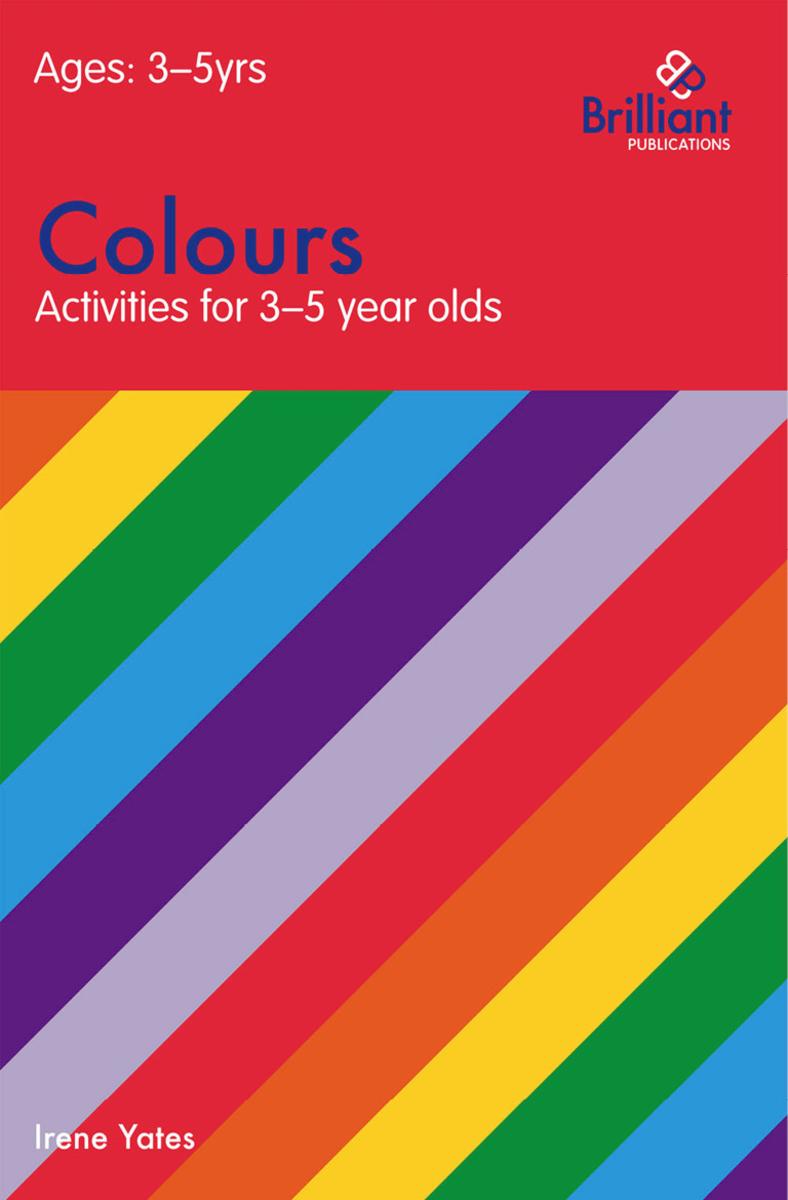
Colours (Activities for 3-5 Year Olds)
¥39.14
Colours: Activities for 3-5 Year Olds contains enjoyable activities to help develop children's essential skills. Recognizing, identifying and being able to name colours are essential steps in the early education of all children. Colour knowledge is an important means of helping children to make comparisons and observe and explore their environment. The practical activities in Colours include: Fun ways of teaching colour recognition and identification, Sorting and matching games, Unusual art and craft ideas and Suggestions for exploring colours in the environment. All the books in the Activities for 3-5 Year Olds Series contain tried-and-tested activities, linked to the six key areas of learning. They are an invaluable resource of fun, easy-to-use ideas for all early years settings, from preschools and nurseries to reception classes and day nurseries.
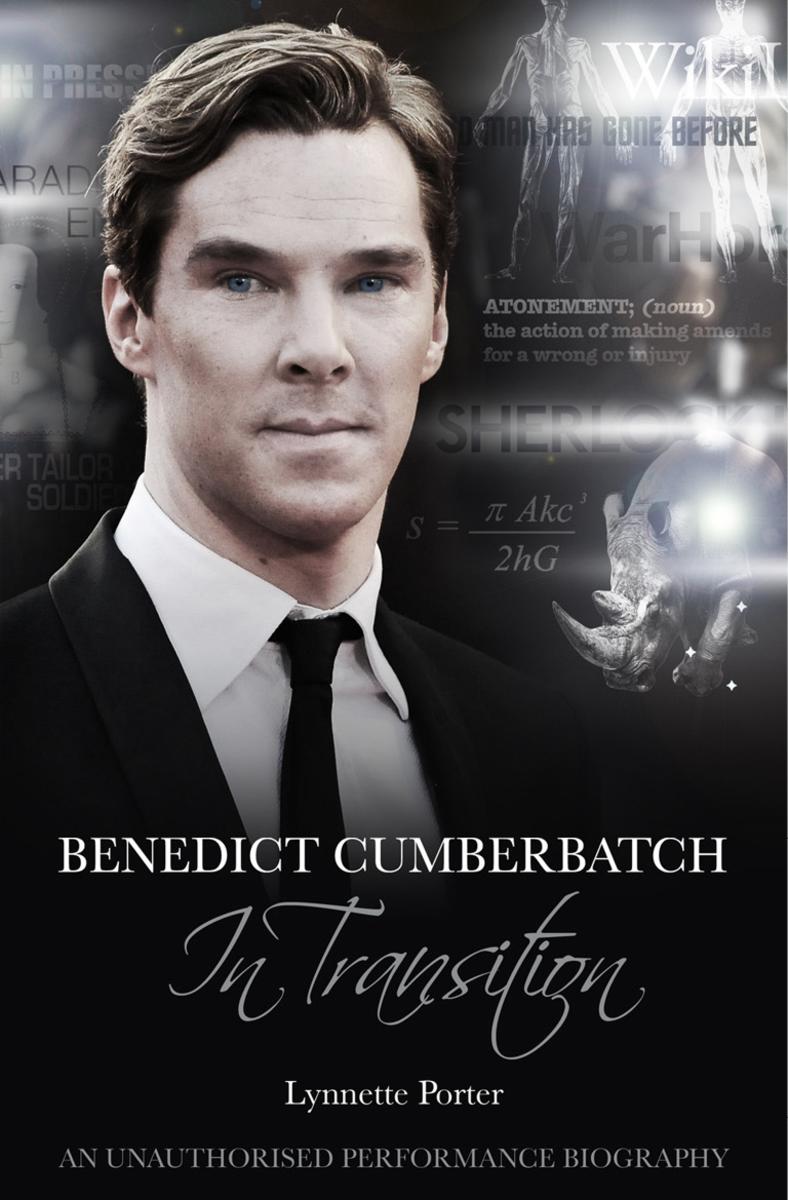
Benedict Cumberbatch, In Transition
¥58.76
Tinker Tailor Soldier Spy, War Horse, Star Trek: Into Darkness, The Hobbit trilogy, Twelve Years a Slave, August: Osage County, The Fifth Estate; Hedda Gabler, After the Dance, Frankenstein; Hawking, To the Ends of the Earth, The Last Enemy, Parade's End, and, of course, Sherlock. For most actors, these stellar cinematic, theatrical, and television events would be the highlights of a lifetime's work. On Benedict Cumberbatch's resume they are only a few of many entries. Especially since 2010, his performances have garnered a plethora of best actor awards, both in the theatre (Evening Standard Theatre Award, Critics Circle Theatre Award, and Olivier Award), by playing the dual roles of Victor Frankenstein and the Creature in the National Theatre's Frankenstein, and on television (Broadcasting Press Guild Award, Critics Choice Television Award, Crime Thriller Award, and TV Choice Award), by starring as the titular Holmes in the BBC's Sherlock. Add these and other recent accolades to nearly a decade's nominations and awards (such as the Golden Nymph as best actor in Hawking), and it's easy to see why Benedict Cumberbatch is often hailed as the actor of his generation. Cumberbatch's body of work further includes indie films, radio plays and series, television documentaries, live dramatic readings, multimedia advertisements, and even the occasional stint as a fashion model. He often shares an intriguing perspective on his profession, as evidenced in sometimes controversial interviews. He has become so much in demand that online box offices crash when tickets for his performances go on sale, and, before a Cheltenham Literature Festival Q&A session, fans overwhelmed Twitter when so many responded immediately to a call for questions. Cumberbatch consistently is a top name on lists ranging from sex appeal to global influence. In 2012 he beat David Beckham in the former and U.S. President Barack Obama in the latter. Increasingly, part of Cumberbatch's job involves the role of celebrity. Benedict Cumberbatch is at a pivotal point in his profession, and his career trajectory especially as documented in entertainment media permits a closer examination of just what it means to be a celebrity or star in Britain or the U.S. and how an actor may be perceived very differently in London or Hollywood. This performance biography is an analysis of a man in transition from working actor to multimedia star, as well as the balance between actor and celebrity. It looks at what makes this actor so well suited to play one of popular culture's iconic characters, Sherlock Holmes, and how Sherlock is so well suited to propel Cumberbatch toward greater global fame.
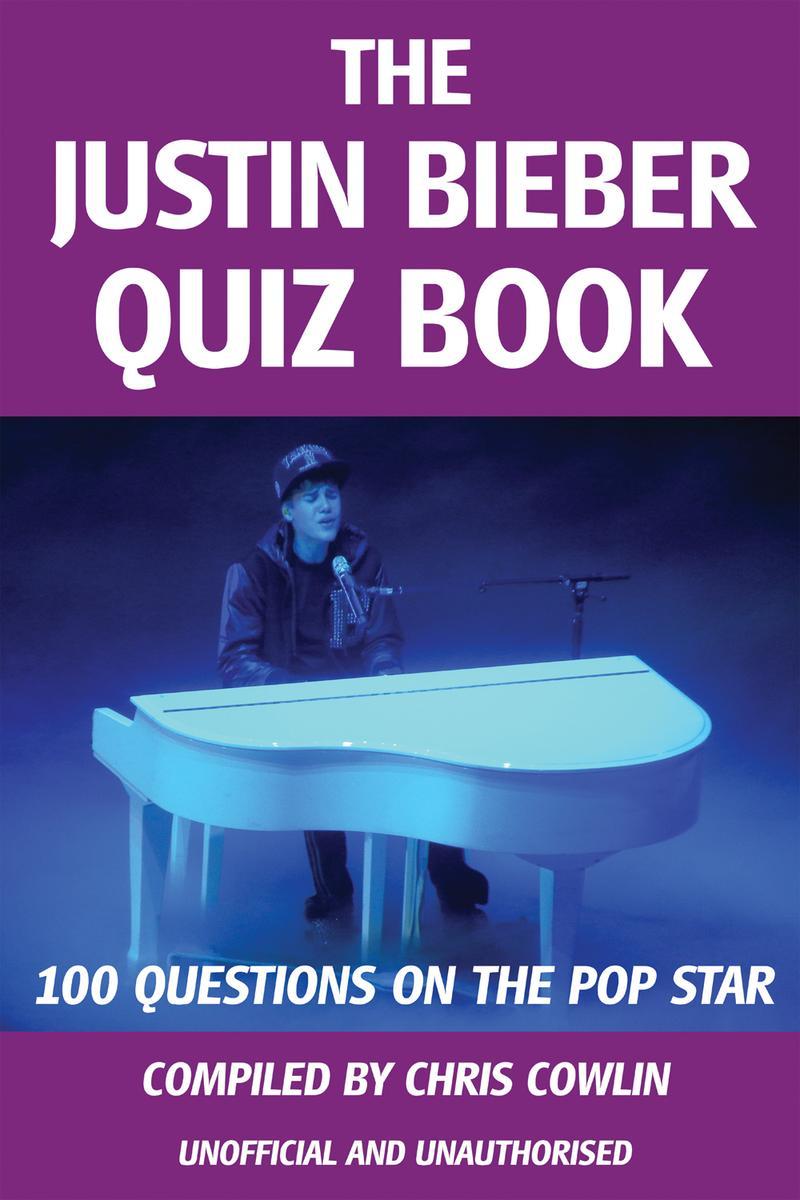
Justin Bieber Quiz Book
¥24.43
Are you Justin Bieber's number one fan? Have you charted the Canadian teenager's meteoric rise to fame from YouTube discovery to global megastar? Do you think you know everything there is to know about the worldwide phenomenon that is Justin Bieber? If so, this quiz book will soon find out if there are any gaps in your knowledge. Do you know Justin's favourite food and drink, his super power wish or the name of the person who discovered him in 2008? Can you name all the instruments that he can play or reel off of the many awards Justin has won? The answers to all these questions and more can be found in this quiz book. With 100 fascinating facts about your favourite pop star, including many personal details such as his height and shoe size, you are bound to discover something new. This tribute to Justin Bieber is as informative as it is entertaining and is a must-have reference guide for all fans of the multi-talented teen idol.
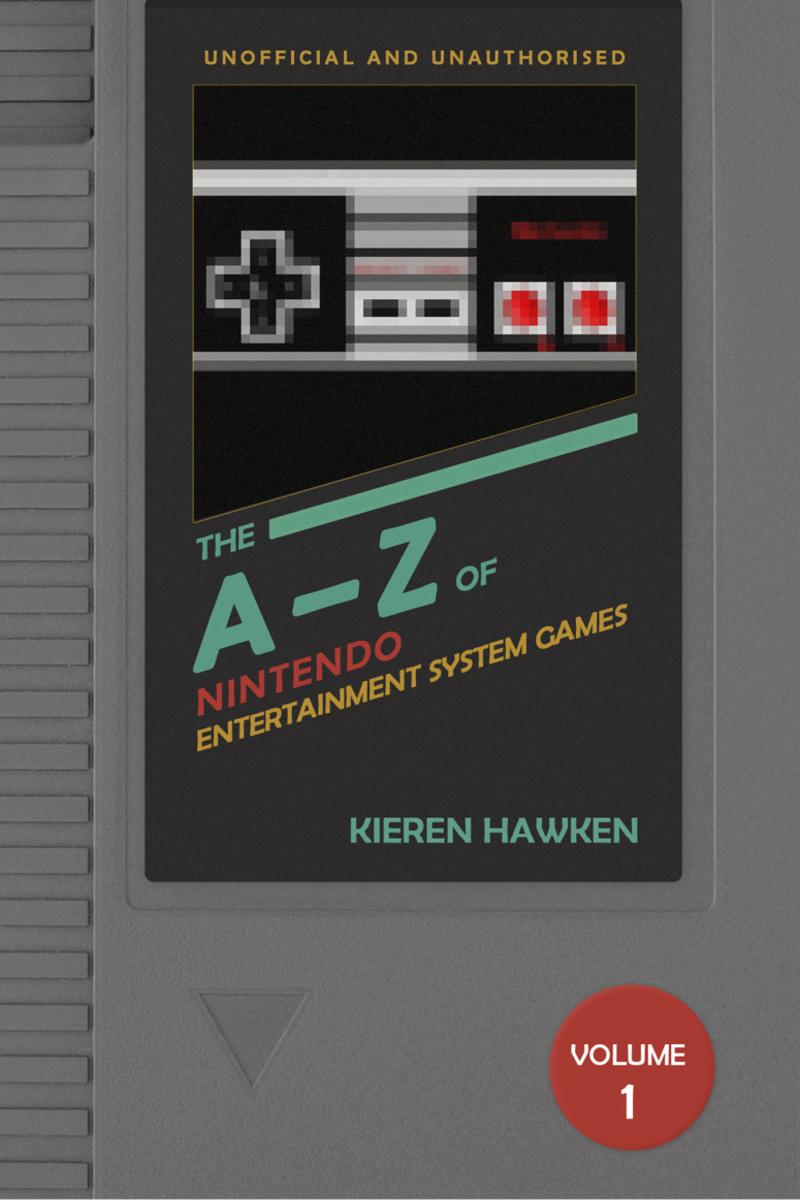
A-Z of NES Games
¥19.52
The A-Z of NES Games: Volume 1 features reviews of three different games for each letter of the alphabet. The games range from the very earliest releases in the mid-eighties to the modern homebrew games of today. This book shows you just how diverse the library of titles is for the Nintendo NES and how it became one of the most popular consoles of all-time.


