101 Amazing Facts about Clowns
¥19.52
From ancient Egypt to the modern-day circus, the role of the clown can be traced throughout history. But how much do you really know about the profession that takes comedy very seriously? This fascinating book takes the reader on a journey through the ages, explaining how clowns such as the whiteface and auguste came to be. You'll read about history's best-loved performers such as Joseph Grimaldi, the father of modern clowning, and learn about the origin of terms used today such as the 'clown alley'. If you want to know why blue make-up is supposed to bring bad luck, and who the literary world's first ever killer clown was, then this is the book for you.
A-Z of Sinclair ZX Spectrum Games - Volume 1
¥19.52
The A-Z of Sinclair ZX Spectrum Games: Volume 1 features reviews of three different games for each letter of the alphabet. The games range from the very earliest releases at the start of the eighties to the modern homebrew games of today. This book shows you just how diverse the library of titles is for the ZX Spectrum and how it became one of the popular computers of all time.
A-Z of Sinclair ZX Spectrum Games
¥19.52
The A-Z of Sinclair ZX Spectrum Games: Volume 2 features reviews of three different games for each letter of the alphabet. The games range from the very earliest releases at the start of the eighties to the modern homebrew games of today. This book shows you just how diverse the library of titles is for the ZX Spectrum and how it became one of the popular computers of all time.
Study in Sherbet
¥19.52
In this humorous Sherlock Holmes spoof, our hero is once again joined by his friend and colleague, Dr. John H. Watson and together they set out to try and solve the mystery of the extraordinary sugar disappearances sweeping the United Kingdom. Sound boring? Well, yes it does actually, but things are not always what they seem and in this newly-discovered narrative discovered in a dispatch box from the vaults of Cox & Co., London, we find Holmes at his deductive best. Dr. Watson chips in every now and then and Mrs. Hudson displays her true colours. Along the way there are cameo appearances by Inspector Lestrade and Wiggins of the Irregulars and of course it would not be complete without Holmes' arch-nemesis, Professor James Moriarty showing up. A hardboiled, sugar-free detective tale of adventure and intrigue.
Beszterce ostroma
¥23.30
Rejtély, amelyet másfél száz éve próbálnak írók, irodalomt?rténészek, színházi szakemberek, esztéták, filozófusok megfejteni. Mese? ?rgirus királyfi és Tündér Ilona csodásan valószer?tlen t?rténete számtalan változatban létezik a magyar népmesekincsben, s olasz k?zvetít? forrásokon át g?r?g, s?t egyiptomi gy?kerekig nyúlik vissza az aranyalmát term? fa s a két szerelmes t?rténete. Szerelmi románc? Nem fontos a kor, a táj, a t?rténelmi háttér, csak az érzelmeiben egymásba gabalyodott két ember – itt és most: Csongor és Tünde – lángolása, viharzása, minden eléjük tornyosuló akadályt leromboló akarása, szerelmi szárnyalása. Színdarab? Karakteres, jó szerepek – ?rd?g?k, boszorkányok, b?lcsek, ledérek – forgataga zegzugos cselekmény, váratlan fordulatok, lehet?ség mindenféle színpadi csoda semmi nem korlátozva megvalósítására: sok alakra bomló, egy személybe olvadó boszorkány, leveg?ben r?pk?d?, láthatatlanná váló ?rd?gfiak, f?ld mélyér?l szemünk láttára kiemelked?, fényárban úszó tündérpalota. Minden pillanatban tátva maradhat a szánk. Filozófiai traktátus? ?letutak: Kalmáré a kincs, Fejedelemé a hatalom, Tudósé a b?lcsesség; Csongoré a szerelem. A kincs elpereg, a hatalom elkopik, a tudás semmivé porlad. A szerelem ?r?k. Drámai k?ltemény? ?jfélt?l éjfélig élünk: hajnalodik, felragyog az ég, dél van, alkonyodik, beesteledik, már f?lénk borul az éjszaka. Reményekkel telten, harcra készen kezdjük hajnalban, küszk?dünk reggel, boldogok vagyunk délben, szorongunk alkonyatkor, s?tétedéskor belenyugszunk az elmúlásba. De másnap újra f?lkel a nap. V?r?smarty Mihály 1830-ban fejezte be m?vét, a cím alá azt írta: színjáték ?t felvonásban. Már csak boldogan sajgó, rejtve rejtett szomorú emlék szívében reménytelen szerelme, Perczel Etelka. Mindennapi életében legf?képpen arra büszke, hogy sok kínnal keletkezett nagy m?vét, a Zalán futását a várva várt nemzeti eposzként ünneplik. Tagja az éppen szület? Magyar Tudományos Akadémiának, a legismertebb, legfontosabb szépirodalmi és m?vészeti lapok ?dolgozótársa”, szívét melenget? jóérzés: Széchenyi István a barátja. Igaz, a pénztárcája t?bbnyire lapos, gyakran kínosan lapos, de ismert és népszer? ember. Harminc éves. Férfi. Kincse nincs, hatalomra nem vágyik, a tudásról azt gondolja: valójában senki nem tudja, mennyit ér s mire jó. De Csongor boldog, amikor megpillantja Tündét, boldog, amikor át?leli, boldog, amikor elveszíti, mert hiszi, tudja: nem ?r?kre veszítette el. Küzd, harcol, verekszik: keresi a boldogságot. S boldog, amikor embert próbáló kalandok után végre megtalálja Tündét, s f?ldi létükben ?r?kre ?sszeforrnak. Csongor és Tünde számára a szerelem a kincs, a hatalom, a tudás. El nem veszíthet? kincs, ?r?kre er?t adó hatalom, b?lcsességgé párlódott tudás. ?gy lesznek halandók halhatatlanok. ?s másnap újra f?lkel a nap.
Akli Miklós
¥17.49
sszevissza csereberéldik egy ikerpár, lóvátesznek egy felfuvalkodott trtett, tmérdek móka, dal, vidámság szvi át két, nagy nehezen egymásra találó szerelmespár trténetét. Oly' darab ez, amint a kznség szeret, kíván, óhajt – ami nektek kell”, mondta Szász Károly errl a vígjátékról, amelynek már a címe is jókedvre derít.
K?nyvkett?: A k?nyv, az írás és az irodalom j?v?jér?l
¥34.99
A Hamlet (1601), talán legismertebb, legt?bbet játszott m?ve Shakespeare-nek. K?zéppontjában az élet kínálta, s mindenkiben f?lmerül? kérdés áll: "Lenni vagy - nem lenni?", és ha lenni - hogyan? Mi az emberi cselekvés végs? határa a vélt vagy valós hiba, netán b?n helyrehozatalához? Egyáltalán van-e igazi létezés, s ha van, az mennyire lehet veszélyes a létez?re? Vívódó, t?preng? alkotás a dráma, miként a f?szerepl? maga. Hamlet késleltetett bosszúját hosszas ?nmarcangoló kérdéselvetések, bizonyságkéresésék el?zik meg. Végül igazságot szolgáltat, de ? is belepusztul. T?rni vagy ellenszegülni? A reneszánsz ember dilemmája ?r?kérvény?! Mert a cselekvés erk?lcsileg legvitathatóbb pontja az emberi élet kioltása. Van-e joga valakinek - ha oka van is - ?lni? K?vetkezmények nélkül semmi sem vállalható, kül?n?sen nem a pusztítás. De van-e joga az embernek vélt vagy valós igaza tudatában nem cselekedni, nem vállalni a tett kockázatát? Mennyire tartozunk felel?sséggel a külvilág és saját lelkiismeretünk el?tt? Hamlet tettével válaszol a kérdésekre, ám az egész dráma nem ad egyértelm? feleletet. Nem is adhat. Remekm?vek; géniuszok és a természet sajátossága a talányosság... Nem beszélve arról, hogy a mindennapok kisebb-nagyobb d?ntéseit mindenkinek magának kell meghoznia.
Macbeth
¥8.67
Demagóg, ?rült, gazember? Népvezér, próféta, mártír? E két véglet k?z?tt ingadozott Szálasi Ferenc megítélése kortársai szemében. Az utókor azonban k?zel sem ilyen megosztott személyét illet?en, Szálasi a 20. századi magyar t?rténelem talán legelutasítottabb alakja. K?tetünkben arra keressük a választ, miként vált azzá. Miért lépett egyáltalán a politika színpadára otthagyva ezzel a biztos karriert kínáló katonaságot? Milyen célok vezették? Mit gondolt és mit tett politikusként? Szálasi életútjának állomásairól számos egykori dokumentum vall, ami lehet?séget ad, hogy t?bb, olykor lényegesen eltér? néz?pontokból vizsgálhassuk ugyanazt az eseményt. K?nyvünkben megkíséreljük a sok esetben részrehajló – vagy éppen elfogult – kortársak írásai alapján áttekinteni Szálasi életútját: a katonáét, az ideológusét, a politikusét – gyermekkorától egészen haláláig. Végül pedig azt is bemutatjuk, miként viszonyul hozzá az utókor. A k?tetet életrajzi kronológia, válogatott bibliográfia, valamint térképek teszik teljessé. PAKSA RUDOLF 1981-ben született Ajkán, az ELTE-n doktorált t?rténelemb?l és 2009 októberét?l az MTA BTK T?rténettudományi Intézetének a munkatársa. ?rdekl?dési területe a modern kori magyar t?rténelem; kutatásai súlypontja a 19–20. századi historiográfia, a régi E?tv?s Collegium, valamint a Horthy-kori széls?jobboldali irányzatok.
Calitatea democra?iei ?i cultura politic? ?n Rom?nia
¥38.50
So?ia mea, pe c?te cred, mi-a fost Cinstit?. Poate acum e necinstit?. Te cred om drept… dar nu mi-e dovedit? P?rerea despre ea ?i despre tine. Avea un nume f?r? de ru?ine ?i chipul ei cu al Dianei sem?na. Cum pot s? cred c? s-ar putea schimba Deodat? ?ntr un chip ?ntunecat, Cum este acel cu care-s ?nzestrat? By the world, I think my wife be honest and think she is not; I think that thou art just and think thou art not. I’ll have some proof. Her name, that was as fresh As Dian’s visage, is now begrimed and black As mine own face
Az ego az ellenség: Pusztítsd el az egódat. Miel?tt ? pusztít el téged.
¥56.57
Antológiánk magyar zsidó t?rténelemr?l szóló tanulmányok gy?jteménye. ?sszeállításunk azonban mind témájában, mind módszertanában kül?nb?zik az eddig megszokott ábrázolástól. A magyar (azaz a t?rténelmi Magyar Királyság területén él?) zsidóságot a t?rténetírók leginkább a modern eszmékhez lelkesen csatlakozó és asszimilációra t?rekv? k?z?sségként ábrázolták, amelyet csupán az antiszemitizmus id?szakos fellángolásai akadályoztak meg végs? céljuk elérésében. Sokszor még az is el?fordult, hogy a magyar zsidókat a legsikeresebben asszimilálódott európai zsidóságként jellemezték, ami már nyilvánvaló túlzás. Valójában a magyar zsidóság sajátos jellege sokkal inkább a jelent?s létszámú ortodox réteg határozott asszimiláció-ellenességéb?l fakadt. Az itt k?tetbe gy?jt?tt ?t tanulmány a magyar ortodoxia t?rténetével, ezzel a mostanáig igen kevés figyelemre méltatott területtel foglalkozik.
Povestea unui startup. Leadership prin experimentare
¥73.49
Lord Ronald Gower (1845 ù1916) was a British aristocrat, Liberal politician, sculptor and writer. Besides being a sculpture he wrote biographies of Marie Antoinette and Joan of Arc, and a history of the Tower of London. Joan of Arc was a15th century French heroine. She was born a peasant girl in eastern France who grew up to lead the French army to several important victories during the Hundred Years' War. She was captured by the Burgundians, sold to the English, tried by an ecclesiastical court, and burned at the stake when she was nineteen years old.
The Mysterious Island
¥8.67
Hard Times – For These Times (commonly known as "Hard Times") is the tenth novel by Charles Dickens, first published in 1854. The book appraises English society and highlights the social and economic pressures of the times. Hard Times is unusual in several respects. It is by far the shortest of Dickens' novels, barely a quarter of the length of those written immediately before and after it. Also, unlike all but one of his other novels, Hard Times has neither a preface nor illustrations. Moreover, it is his only novel not to have scenes set in London. Instead the story is set in the fictitious Victorian industrial Coketown, a generic Northern English mill-town, in some ways similar to Manchester, though smaller. Coketown may be partially based on 19th-century Preston. One of Dickens's reasons for writing Hard Times was that sales of his weekly periodical, Household Words, were low, and it was hoped the novel's publication in instalments would boost circulation – as indeed proved to be the case. Since publication it has received a mixed response from critics. Critics such as George Bernard Shaw and Thomas Macaulay have mainly focused on Dickens's treatment of trade unions and his post–Industrial Revolution pessimism regarding the divide between capitalist mill owners and undervalued workers during the Victorian era. F. R. Leavis, a great admirer of the book, included it—but not Dickens' work as a whole—as part of his Great Tradition of English novels. ***‘Now, what I want is, Facts. Teach these boys and girls nothing but Facts. Facts alone are wanted in life. Plant nothing else, and root out everything else. You can only form the minds of reasoning animals upon Facts: nothing else will ever be of any service to them. This is the principle on which I bring up my own children, and this is the principle on which I bring up these children. Stick to Facts, sir!’ ? ?The scene was a plain, bare, monotonous vault of a school-room, and the speaker’s square forefinger emphasized his observations by underscoring every sentence with a line on the schoolmaster’s sleeve. The emphasis was helped by the speaker’s square wall of a forehead, which had his eyebrows for its base, while his eyes found commodious cellarage in two dark caves, overshadowed by the wall. The emphasis was helped by the speaker’s mouth, which was wide, thin, and hard set. The emphasis was helped by the speaker’s voice, which was inflexible, dry, and dictatorial. The emphasis was helped by the speaker’s hair, which bristled on the skirts of his bald head, a plantation of firs to keep the wind from its shining surface, all covered with knobs, like the crust of a plum pie, as if the head had scarcely warehouse-room for the hard facts stored inside. The speaker’s obstinate carriage, square coat, square legs, square shoulders,—nay, his very neckcloth, trained to take him by the throat with an unaccommodating grasp, like a stubborn fact, as it was,—all helped the emphasis. ‘In this life, we want nothing but Facts, sir; nothing but Facts!’The speaker, and the schoolmaster, and the third grown person present, all backed a little, and swept with their eyes the inclined plane of little vessels then and there arranged in order, ready to have imperial gallons of facts poured into them until they were full to the brim.
Un c?ur de petite grenouille. Plume dorée, ange ou bourreau? Volume I
¥57.14
„Într-o pres? care nu prea mai pune pre? pe reportaje, Liliana Nicolae persevereaz? cu inteligen?? ?i har. La radio ?i în Dilema veche, subiectele ?i cuvintele ei bine m?surate reconstituie lumea din frînturi, în toat? normalitatea ei. Ascultate sau citite, reportajele sale ne pun pe gînduri în fa?a Vie?ii pe care, gr?bi?i, uit?m uneori s-o contempl?m ori s-o în?elegem.“ – Mircea Vasilescu (Dilema veche)
Agatha nyomoz - A rejtélyes bengáliai eset
¥38.18
A meg?zvegyült Szilvai professzornak az a terve, hogy a gyámsága alá tartozó unoka?ccséhez feleségül adja titokban nevelt gyámleányát, Mariskát. A fiú k?zben a professzor tudta nélkül Liliomfi néven vándorszínésznek áll, és meghódítja Mariska szívét. A professzor ellenzi a házasságot, éppen attól a férfit?l félti a lányt, akihez egyébként feleségül szeretné adni. Liliomfi pedig azt hiszi, hogy a nagybátyja hitvesének akarja Mariskát. A h? barát és színésztárs, Szellemfi segít Szilvai megtévesztésében, Liliomfinak adva ki magát. Egy másik - társadalmi kül?nbségek miatti - reménytelennek látszó szerelem (Gyuri, a pincér és Erzsi, a gazdag Kányai fogadós uram lánya) t?rténete ?sszefonódik Liliomfi és Mariska sorsával.
Cseresznyés ábránd
¥56.98
RUINS OF ANCIENT CITIES, WITH GENERAL AND PARTICULAR ACCOUNTS OF THEIR RISE, FALL, AND PRESENT CONDITION. - BY CHARLES BUCKE This Volume contain these cities;Messene, Mycen?, Miletus, Nauplia, Nemea, Nineveh, The Destruction of Sennacherib, Numantia, Olympia, Puteoli, Palmyra (Tadmor), Patr?, Pella, Pergamus, Persepolis, Petra (Wady Mousa), Phigalia, Plat?a, P?stum, Pompeii, Rama, Rome, Saguntum, Hannibal’s Speech to His Soldiers, Sais, Samaria, Sapphura, Sardis, Seleucia, Selinus, Or Selinuntum, Sicyon, Sidon, Smyrna, Spalatro, Stratonice, Susa, Sybaris, Syene, Syracuse, Thebes, Troja, And Other Cities of the Troas, Tyre, Veii Fallen, fallen, a silent heap; their heroes allSunk in their urns:—Behold the pride of pomp,The throne of nations fallen; obscured in dustEven yet majestical.—The solemn sceneElates the soul! ? ?{DYER} The reader is requested to observe, that, though the plan of this work is entirely his own, the compiler of it does not put it forth as in any way original in respect to language or description. It is, in fact, a much better book, than if it had been what is strictly called original, (which, indeed, must have involved an utter impossibility:) for it is a selection of some of the best materials the British Museum could furnish; sometimes worked up in his own language; and sometimes—and, indeed, very frequently—in that of others: the compiler having, at an humble distance and with unequal steps, followed the plan which M. Rollin proposed to himself, when he composed his celebrated history of ancient times.—"To adorn and enrich my own," says that celebrated writer, "I will be so ingenuous as to confess, that I do not scruple, nor am ashamed, to rifle whereever I come; and that I often do not cite the authors from whom I transcribe, because of the liberty I take to make some slight alterations. I have made the best use in my power of the solid reflections that occur in the Bishop of Meaux's Universal History, which is one of the most beautiful and most useful books in our language. I have also received great assistance from the learned Dean Prideaux's 'Connexion of the Old and New Testament,' in which he has traced and cleared up, in an admirable manner, the particulars relating to ancient history. I shall take the same liberty with whatever comes in my way, that may suit my design, and contribute to its perfection. I am very sensible, that it is not so much for a person's reputation to make use of other men's labours, and that it is in a manner renouncing the name and quality of author. But I am not over-fond of that title, and shall be extremely well pleased, and think myself very happy, if I can but deserve the name of a good compiler; and supply my readers with a tolerable history, who will not be over-solicitous to inquire what hand it comes from, provided they are but pleased with it."Having followed this example,—the compiler wishes he could say with equal effect,—he will be fully satisfied, should judicious readers feel inclined to concede, that he has shown some judgment in selecting his materials, and some taste in binding "the beads of the chain," that connects them together. He disclaims, in fact, (as, in the present instance, he is bound to do), all the "divine honours" of authorship; satisfied with those of a selecter, adapter, and compiler; and happy in the hope that he has here, by means of the superior writers, whose labours he has used, furnished his readers with an useful, accurate, and amusing work.? ? ? ? ? C. B.
Mansfield Park
¥28.04
It is believed that the scene of this tale, and most of the information necessary to understand its allusions, are rendered sufficiently obvious to the reader in the text itself, or in the accompanying notes. Still there is so much obscurity in the Indian traditions, and so much confusion in the Indian names, as to render some explanation useful. Few men exhibit greater diversity, or, if we may so express it, greater antithesis of character, than the native warrior of North America. In war, he is daring, boastful, cunning, ruthless, self-denying, and self-devoted; in peace, just, generous, hospitable, revengeful, superstitious, modest, and commonly chaste. These are qualities, it is true, which do not distinguish all alike; but they are so far the predominating traits of these remarkable people as to be characteristic. It is generally believed that the Aborigines of the American continent have an Asiatic origin. There are many physical as well as moral facts which corroborate this opinion, and some few that would seem to weigh against it. The color of the Indian, the writer believes, is peculiar to himself, and while his cheek-bones have a very striking indication of a Tartar origin, his eyes have not. Climate may have had great influence on the former, but it is difficult to see how it can have produced the substantial difference which exists in the latter. The imagery of the Indian, both in his poetry and in his oratory, is oriental; chastened, and perhaps improved, by the limited range of his practical knowledge. He draws his metaphors from the clouds, the seasons, the birds, the beasts, and the vegetable world. In this, perhaps, he does no more than any other energetic and imaginative race would do, being compelled to set bounds to fancy by experience; but the North American Indian clothes his ideas in a dress which is different from that of the African, and is oriental in itself. His language has the richness and sententious fullness of the Chinese. Philologists have said that there are but two or three languages, among all the numerous tribes which formerly occupied the country that now composes the United States. They ascribe the known difficulty one people have to understand another to corruptions and dialects. The writer remembers to have been present at an interview between two chiefs of the Great Prairies west of the Mississippi, and when an interpreter was in attendance who spoke both their languages. The warriors appeared to be on the most friendly terms, and seemingly conversed much together; yet, according to the account of the interpreter, each was absolutely ignorant of what the other said. They were of hostile tribes, brought together by the influence of the American government; and it is worthy of remark, that a common policy led them both to adopt the same subject. They mutually exhorted each other to be of use in the event of the chances of war throwing either of the parties into the hands of his enemies. Whatever may be the truth, as respects the root and the genius of the Indian tongues, it is quite certain they are now so distinct in their words as to possess most of the disadvantages of strange languages; hence much of the embarrassment that has arisen in learning their histories, and most of the uncertainty which exists in their traditions. Like nations of higher pretensions, the American Indian gives a very different account of his own tribe or race from that which is given by other people. He is much addicted to overestimating his own perfections, and to undervaluing those of his rival or his enemy; a trait which may possibly be thought corroborative of the Mosaic account of the creation. The whites have assisted greatly in rendering the traditions of the Aborigines more obscure by their own manner of corrupting names. Thus, the term used in the title of this book has undergone the changes of Mahicanni, Mohicans, and Mohegans; the latter being the word commonly used by the whites.
Symbolic Logic: {Complete & Illustrated}
¥28.04
The excellence of the following Treatise is so well known to all in any tolerable degree conversant with the Art of Painting, that it would be almost superfluous to say any thing respecting it, were it not that it here appears under the form of a new translation, of which fome account may be expected. Of the original Work, which is in reality a selection from the voluminous manuscript collections of the Author, both in Solio and Quarto, of all such passages as related to Painting, no edition appeared in print till 1651. Though its Author died so long before as the year 1519; and it is owing to the circumstance of a manuscript copy of these extracts in the original Italian, having fallen into the hands of “Raphael” that in the former of these years it was published at Paris in a thin folio volume in that language, accompanied with a set of cuts from the drawings of Niccolo Pouissin, and Alberti, the former having designed and defined the human figures, the latter the geometrical and other representations.. The first translation of this Treatise into English, appeared in the year 1721. It does not declare by whom it was made; but though it prosesses to have been done from the original Italian, it is evident, upon a comparison, that more use was made of the revised edition of the French translation. Indifferent, however, as it is, it had become fo scarce, and risen to a price fo extravagant, that, to supply the demand, it was found necessary, in the year 1796, to reprint it as it stood, with all its errors on its head, no opportunity then offering of procuring a french translation. This last impression, however, being now alfo disposed of, and a new one again called for, the present Translator was induced to step forward, and undertake the office of frenh translating it, on finding, by comparing the former versions both in French and English with the original, many passages which he thought might at once be more concisely and more faithfully rendered. ABOUT AUTHOR: Leonardo di ser Piero da Vinci (15 April 1452 – 2 May 1519) was an Italian painter, sculptor, architect, musician, mathematician, engineer, inventor, anatomist, geologist, cartographer, botanist, and writer. He is widely considered to be one of the greatest polymaths of all time and perhaps the most diversely talented person ever to have lived. His genius, perhaps more than that of any other figure, epitomized the Renaissance humanist ideal. Leonardo has often been described as the archetype of the Renaissance Man, a man of "unquenchable curiosity" and "feverishly inventive imagination". Marco Rosci states that while there is much speculation about Leonardo, his vision of the world is essentially logical rather than mysterious, and that the empirical methods he employed were unusual for his time. Born out of wedlock to a notary, Piero da Vinci, and a peasant woman, Caterina, in Vinci in the region of Florence, Leonardo was educated in the studio of the renowned Florentine painter Verrocchio. Much of his earlier working life was spent in the service of Ludovico il Moro in Milan. He later worked in Rome, Bologna and Venice, and he spent his last years in France at the home awarded him by Francis I. Leonardo was, and is, renowned as one of the greatest painters of all time. Among his works, the Mona Lisa is the most famous and most parodied portrait and The Last Supper the most reproduced religious painting of all time, with their fame approached only by Michelangelo's The Creation of Adam. Leonardo's drawing of the Vitruvian Man is also regarded as a cultural icon, being reproduced on items as varied as the euro coin, textbooks, and T-shirts. Perhaps fifteen of his paintings have survived, the small number because of his constant, and frequently disastrous, experimentation with new techniques, and his chronic procrastination. Nevertheless, these few works, together with his notebooks, which contain drawings, scientific diagrams, and his thoughts on the nature of painting, compose a contribution to later generations of artists rivalled only by that of his contemporary, Michelangelo. Leonardo is revered for his technological ingenuity. He conceptualised flying machines, an armoured vehicle, concentrated solar power, an adding machine, and the double hull, also outlining a rudimentary theory of plate tectonics.
Cinnet ve Ask: "Bir Felsefe & Sosyoloji Kurami"
¥28.04
Milyen lenyomatot hagyott bennünk 1956? T?rténelem alulnézetb?l, avagy családi emlékek, személyes t?rténetek az ominózus ?szr?l, ami után minden más lett. Hogyan lesz egy 17 éves gyárimunkás fiúból néhány nap leforgása alatt forradalmár? Mi t?rtént Erdélyben 56-ban? Mikor eszmél rá a hatéves kislány, hogy a nagyapja Magyarország legfontosabb embere? Hogyan él tovább az, akinek a menyasszonya ?r?kre elhagyta az országot? Hogyan válik a távoli kultúrából érkez? idegen október 23. szellemiségét átérz? emberré? Ilyen és ezekhez hasonló kérdésekre válaszol t?bbek k?z?tt Horgas Eszter, Varga Miklós, Kiss Zoltán Zéro, Tordai Teri, Vámos Miklós, Bornai Tibor és sokan mások. A kül?n?s, szívszorító vagy kalandos emlékekb?l megismerhetjük az ezerarcú forradalom néhány emberi mozzanatát. Naszvadi Judith családi érintettsége okán is kezdte el feltenni a kérdéseket el?bb sz?kebb, majd tágabb k?rnyezetében. A 60. évfordulóra így, ezekb?l az interjúkból állt ?ssze A mi '56-unk.
When the World Shook
¥8.01
A sorozat és ami m?g?tte van I. Szulejmán szultán 1494-ben született, és 1566-ban Szigetvár alatt vesztette életét. 1520-tól haláláig az Oszmán Birodalom ikonikus uralkodójaként hódított. A magyar t?rténelmet ismer?k biztosan nem rajongtak érte soha. Miután 2013-ban az egyik kereskedelmi csatorna megvásárolta az életér?l szóló Szulejmán cím? sorozatot, a szultán negatív megítélése sokat változott. A néz?k megkedvelték a Halit Ergen? által alakított Fényességest. A sorozatban ábrázolt t?rténelmi események, személyek azonban nem minden esetben egyeznek a valósággal. Ezt az alkotók is megjegyzik: a m? t?rténelmi ihletés? - ami nem azonos a t?rténelmi h?séggel. R. Kelényi Angelika tisztázza a valós t?rténelmi eseményeket. ?sszegy?jt?tt érdekességeken keresztül oszlatja el a félreértéseket, mik?zben szórakoztatja az olvasót.
A kabaré regénye
¥27.71
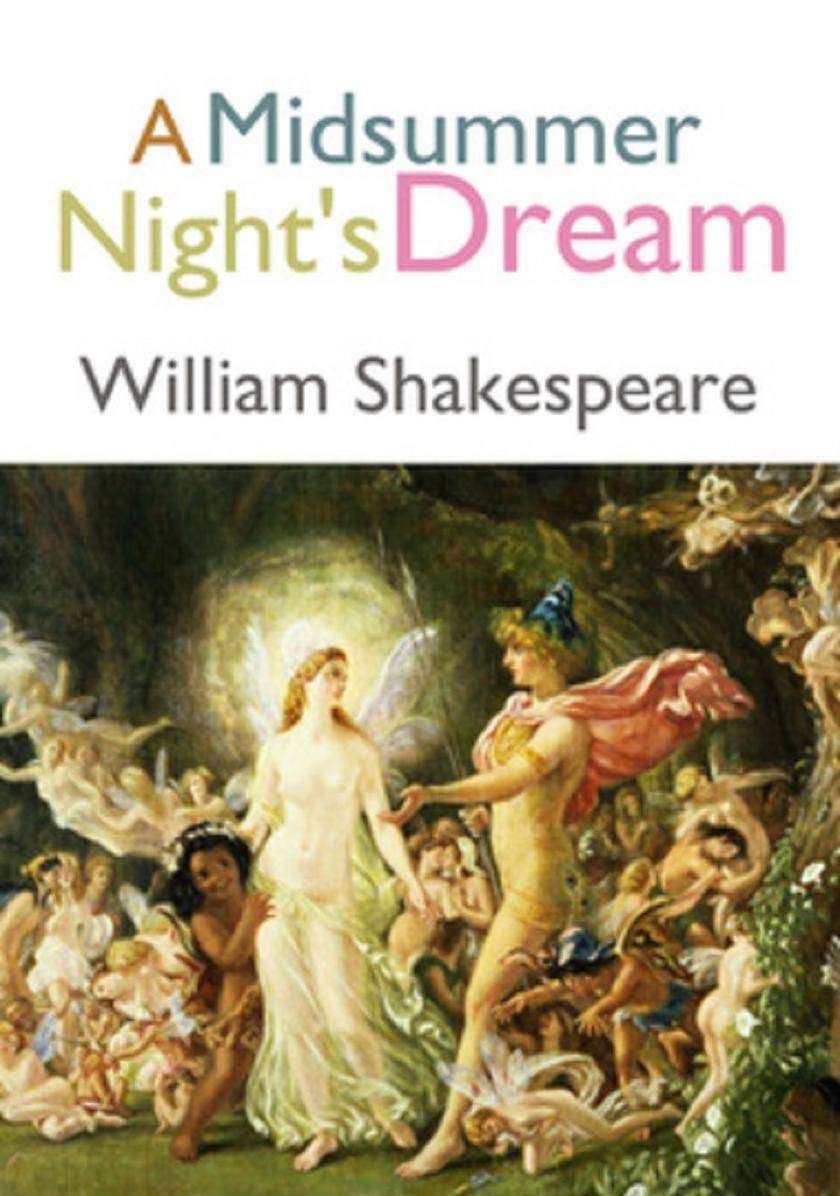
E tündérjátékról úgy tartják, egy f?úri esküv? alkalmából íródott. Err?l szól maga a darab is, a szerelemr?l, a házasságról, a szenvedélyr?l, az akadályok legy?zésér?l. A Szentivánéj egyetlen hatalmas nászéjszaka. Puck, a csúfondáros apród, aki miatt kit?r a háborúság a tündérkirály és tündérkirályn? k?z?tt, minden kerget?z?, egymást ?z? szerelmesnek jelképe lehet, akik szüntelen váltakozásban gerjednek egyért s taszítják el a másikat. Mintha a való életben is Puck gonosz varázslatára fordulna meg minden, majd jótékony varázslatára az éj végére valahogy mégis ?sszerendez?djék. Tündéri álomvilág cívódással, féltéssel, ellenállhatatlan vágyakkal.
Párizs, 1913
¥27.71
William Shakespeare egyik legnagyobb m?ve a Macbeth, a hatalomvágytól megszállott gyenge ember drámája. Macbethnek egyszer azt j?vend?lik, hogy király lesz. Felesége ?szt?nzésére és segítségével, hogy beteljesedjék a jóslat, álmában meg?lik a náluk vendégesked? királyt. Tettüket a leitatott ?r?kre fogják, akiknek nincs is idejük tiltakozásra a hamis vád ellen, mert Macbeth sz?rny? ?felindultságában” meg?li ?ket. A hatalmat, a rangot azonban nem tudják élvezni…

购物车
个人中心