


 购物车
购物车 个人中心
个人中心
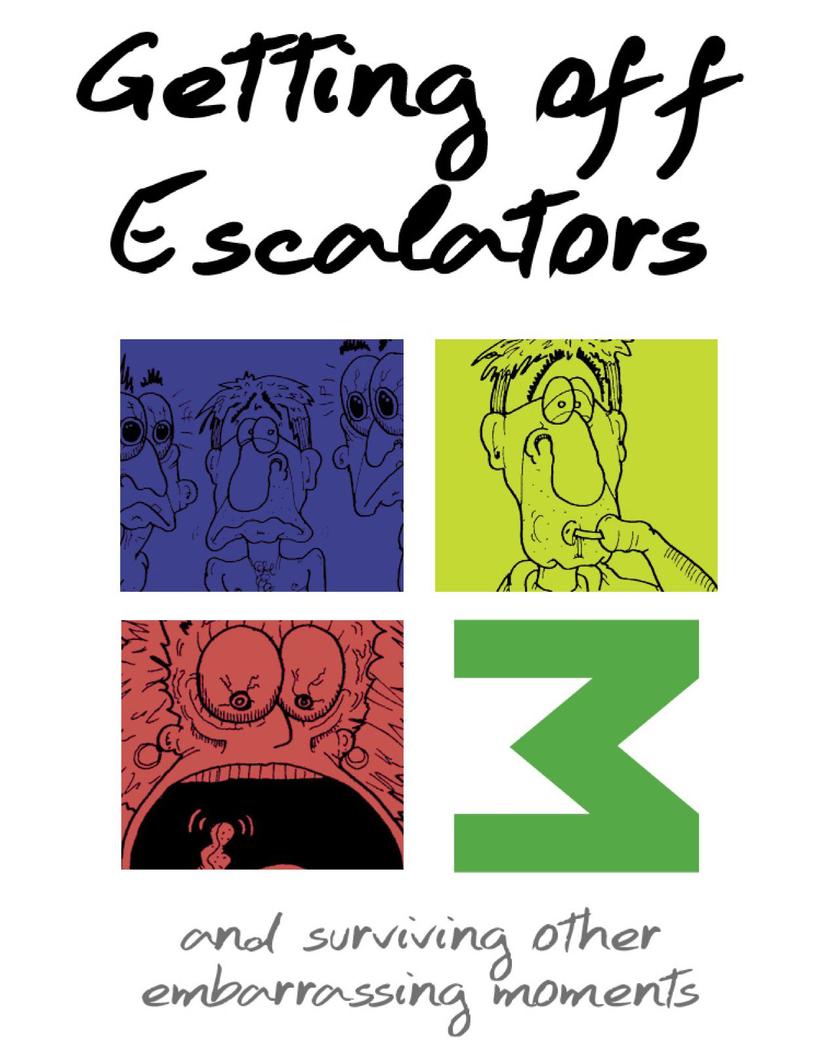
Getting Off Escalators - Volume 3
¥29.33
Getting Off Escalators and surviving other embarrassing moments: Do you struggle to find the confidence to talk in public, without melting into a puddle of pathetic hopelessness? Are you having panic attacks when riding an escalator, or you don't feel manly enough to hold a pint with any authority of pride? Then you, sir, need this guide... or medical help... yes, medical help is probably a safer bet. But comics are funnier, so choose this. About the author: Scott Tierney is a nervous, awkward, confidence-lacking and stress-ridden writer, who produces self-help comics that provide very little guidance for those who read them. Luckily, these comics are extremely funny, so when the reader does loss their reason to live, they go out with a smile.

101 Amazing Facts about Clowns
¥19.52
From ancient Egypt to the modern-day circus, the role of the clown can be traced throughout history. But how much do you really know about the profession that takes comedy very seriously? This fascinating book takes the reader on a journey through the ages, explaining how clowns such as the whiteface and auguste came to be. You'll read about history's best-loved performers such as Joseph Grimaldi, the father of modern clowning, and learn about the origin of terms used today such as the 'clown alley'. If you want to know why blue make-up is supposed to bring bad luck, and who the literary world's first ever killer clown was, then this is the book for you.
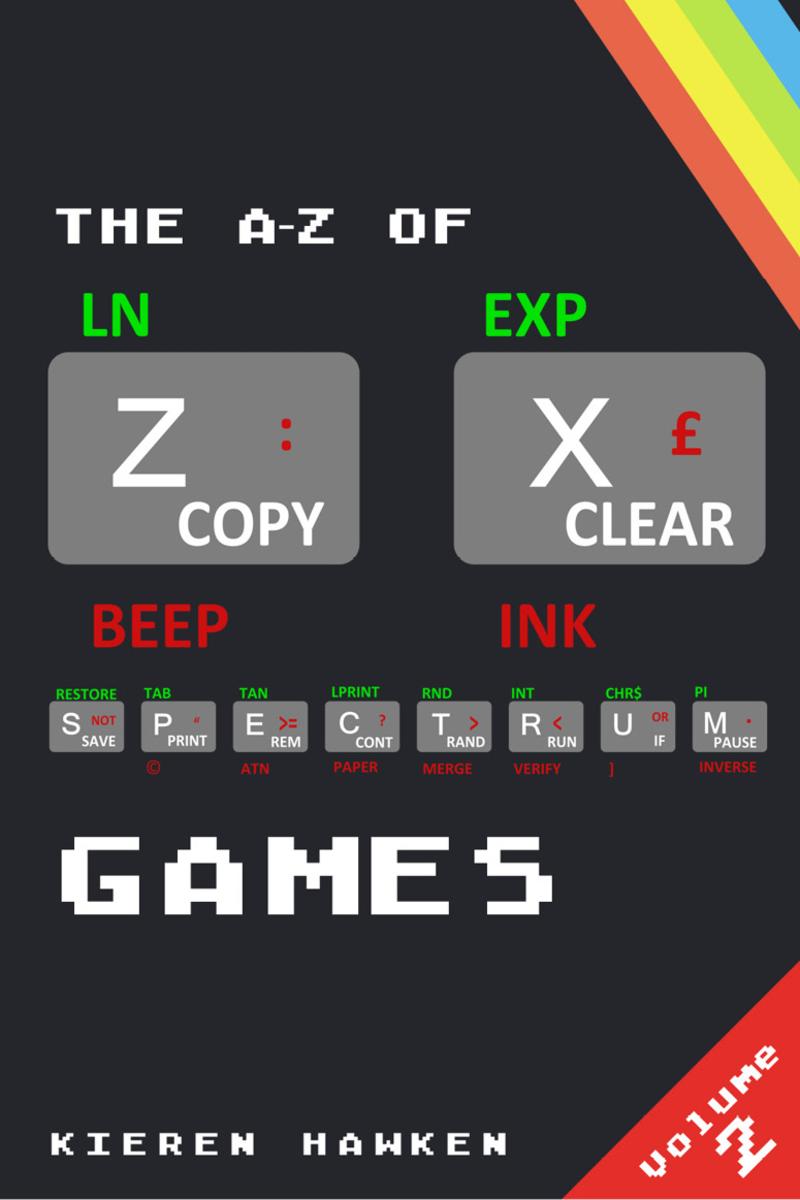
A-Z of Sinclair ZX Spectrum Games
¥19.52
The A-Z of Sinclair ZX Spectrum Games: Volume 2 features reviews of three different games for each letter of the alphabet. The games range from the very earliest releases at the start of the eighties to the modern homebrew games of today. This book shows you just how diverse the library of titles is for the ZX Spectrum and how it became one of the popular computers of all time.
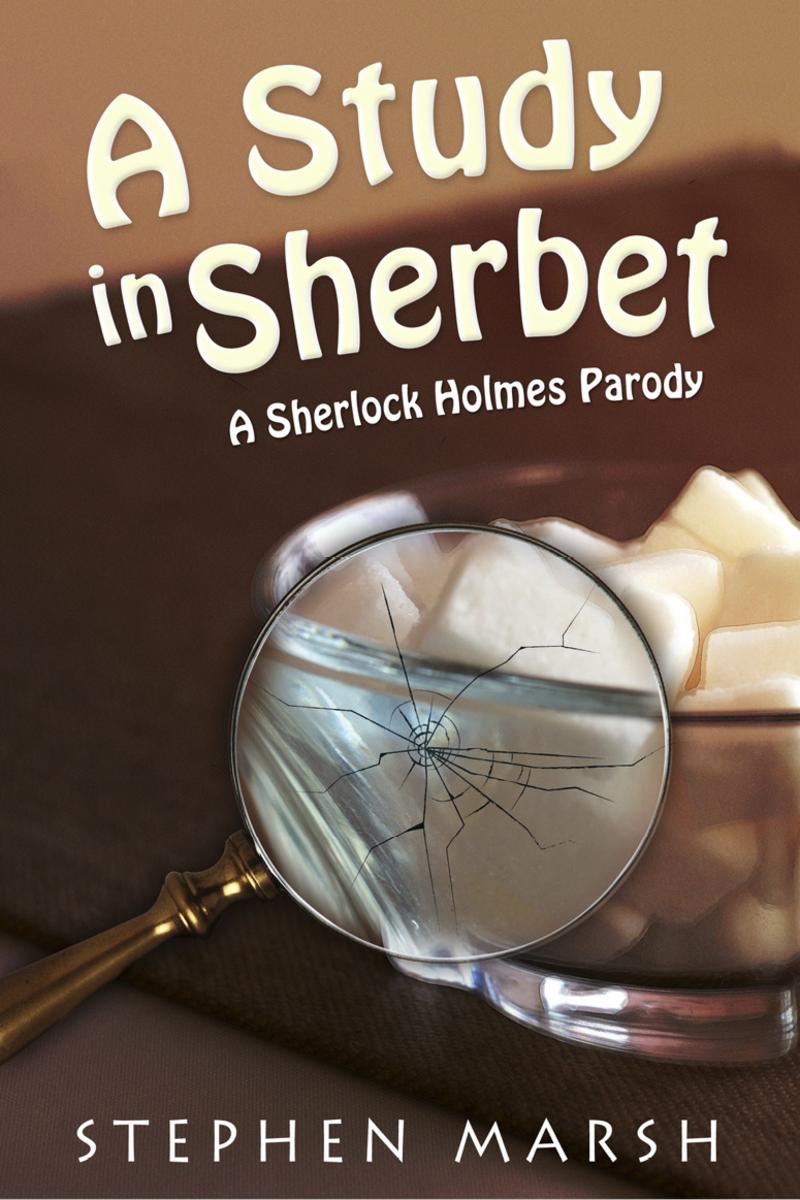
Study in Sherbet
¥19.52
In this humorous Sherlock Holmes spoof, our hero is once again joined by his friend and colleague, Dr. John H. Watson and together they set out to try and solve the mystery of the extraordinary sugar disappearances sweeping the United Kingdom. Sound boring? Well, yes it does actually, but things are not always what they seem and in this newly-discovered narrative discovered in a dispatch box from the vaults of Cox & Co., London, we find Holmes at his deductive best. Dr. Watson chips in every now and then and Mrs. Hudson displays her true colours. Along the way there are cameo appearances by Inspector Lestrade and Wiggins of the Irregulars and of course it would not be complete without Holmes' arch-nemesis, Professor James Moriarty showing up. A hardboiled, sugar-free detective tale of adventure and intrigue.

Life Starts Now
¥88.19
Maria Lawson rose to fame on the hit TV show The X Factor in 2005 but had already enjoyed some success as a singer/songwriter prior to this, having secured a recording and publishing contract through her own efforts and determination to break into the music industry. Life Starts Now follows Maria's journey from hopeful unknown, through the audition process and beyond to her appearance on a major national television show, taking the reader behind the scenes to find out what really goes on inside the hit show. This fascinating autobiography documents Maria's early life and explains how this ambitious young girl from a humble background fulfilled her dream of TV stardom and recording success. In this honest and heart warming account, Maria explains how she coped with the transition from obscurity to a life in the limelight only to come close to losing everything she worked so hard to achieve. More recently, Maria has emerged stronger than ever, having overcome past setbacks to release an exciting second album Emotional Rollercoaster and has secured a record deal with a new label. The birth of her son has meant that she now has to fit her busy schedule around her most important role as a mother. This book is not only an inspirational story, proving that it is possible for anyone to achieve their dreams, it is also a practical self help guide offering pregnancy and life skills advice based on Maria's own experiences as an artist, businesswoman and new mum.
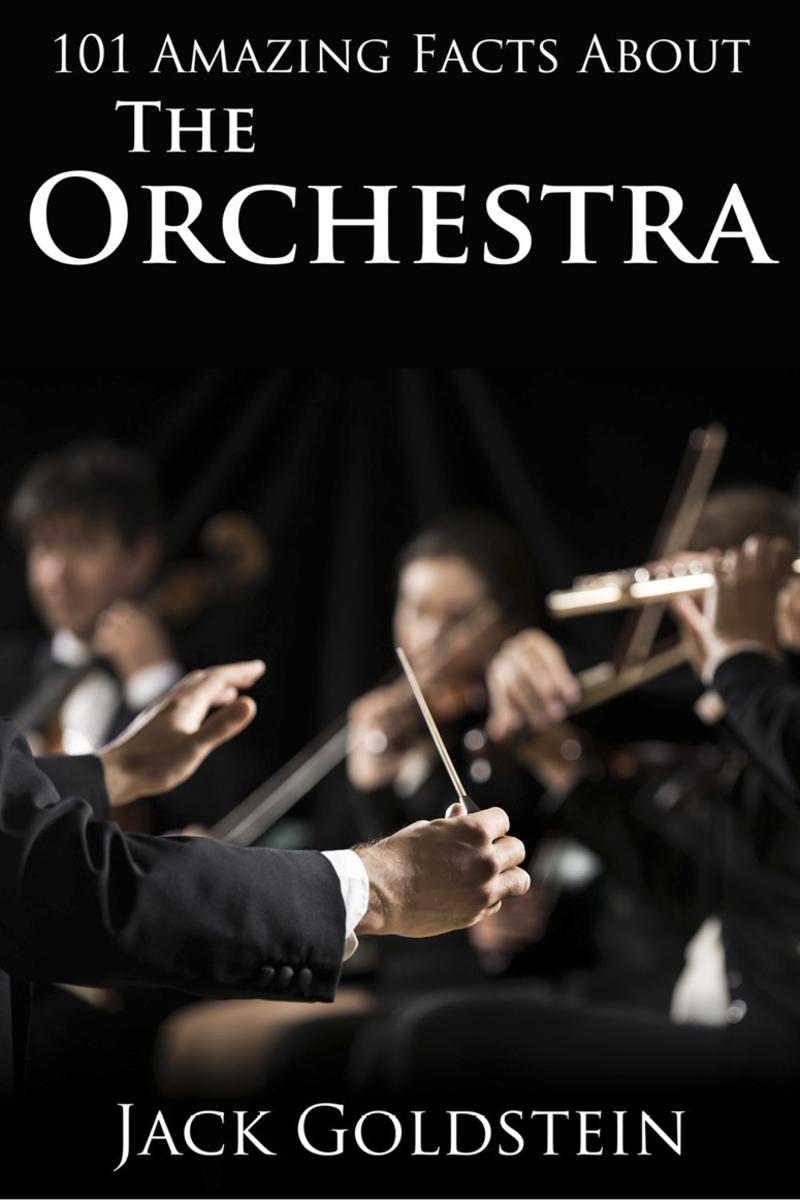
101 Amazing Facts about The Orchestra
¥19.52
What is special about the double bass compared to all other string instruments? What is the difference between a xylophone and a glockenspiel? How long is the tubing that makes up a trumpet? And what is the name of the world's oldest surviving violin? All of these questions and more are answered in this introductory guide to the instruments featured in the modern symphony orchestra. With sections covering strings, brass, woodwind, percussion and keyboard instruments, as well as additional information about the history and structure of the orchestra, this is a fascinating book for children and adults alike.
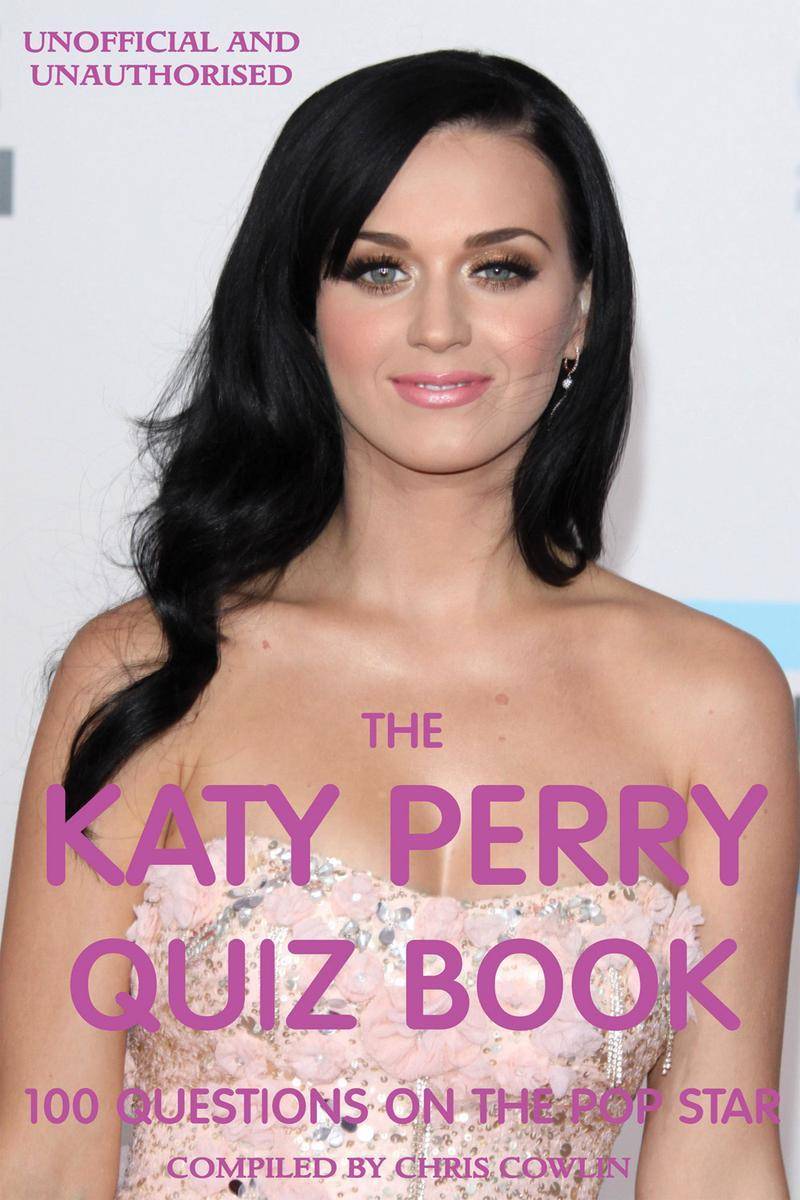
Katy Perry Quiz Book
¥24.43
Are you Katy Perry's number one fan? Have you followed her incredible journey from teenage songster to global megastar? Do you know everything there is to know about the singer-songwriter from the influences behind her music and the origins of her unconventional dress style to the name of her famous husband? If so, this quiz book is just what you need to test your knowledge. The 100 thought provoking questions in this quiz book are sure to uncover some new fact about the charismatic pop star. Packed with information about all aspects of Katy's life from her greatest hits, awards and nominations, tours and TV appearances as well as many personal details, The Katy Perry Quiz Book is guaranteed to get you thinking. This fitting tribute to the hugely successful chart topping artist is a fun and entertaining way to find out more about your favourite celebrity. If you are a fan of the one and only Katy Perry, this is the must-have book for you.
Celebrities' Favourite Books
¥58.76
Dementia, including Alzheimer's disease, characterised by mental deterioration and degeneration of the brain, is distressing for both sufferers and those who care for them, and Celebrities' Favourite Books is dedicated to those affected.Containing around 100 letters from well-known people nominating their all-time favourite reads and explaining their choice, this book is designed both to stimulate an interest in reading novels and also to raise awareness of Alzheimer's disease.With a fitting foreword by Princess Alexandra, the aim of the book is to highlight the plight of sufferers and raise awareness of, and funds for, the valuable work carried out by the Alzheimer's Society.
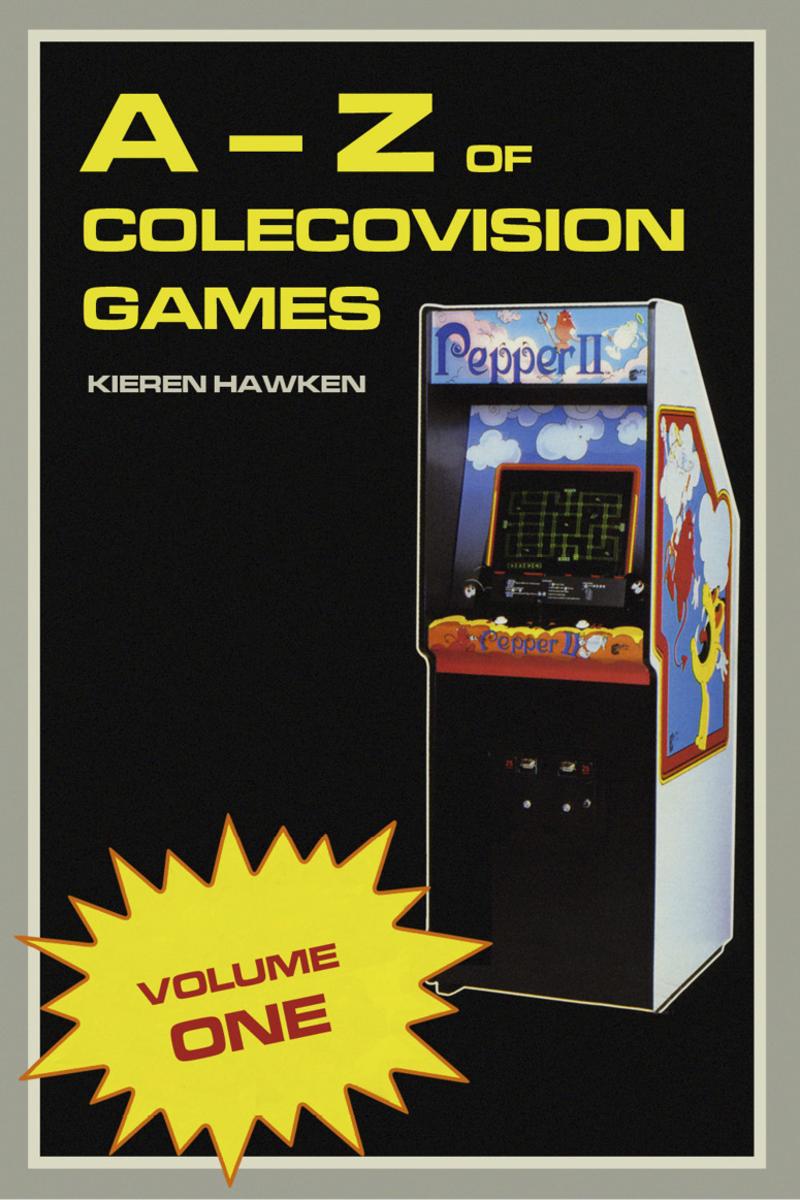
A-Z of Colecovision Games - Volume 1
¥19.52
The A-Z of ColecoVision Games features reviews of three different games for each letter of the alphabet. The games range from the very earliest releases in the mid-eighties to the modern homebrew games of today. This book shows you just how diverse the library of titles is for the ColecoVision and how it's become one of the most collectable consoles out there.
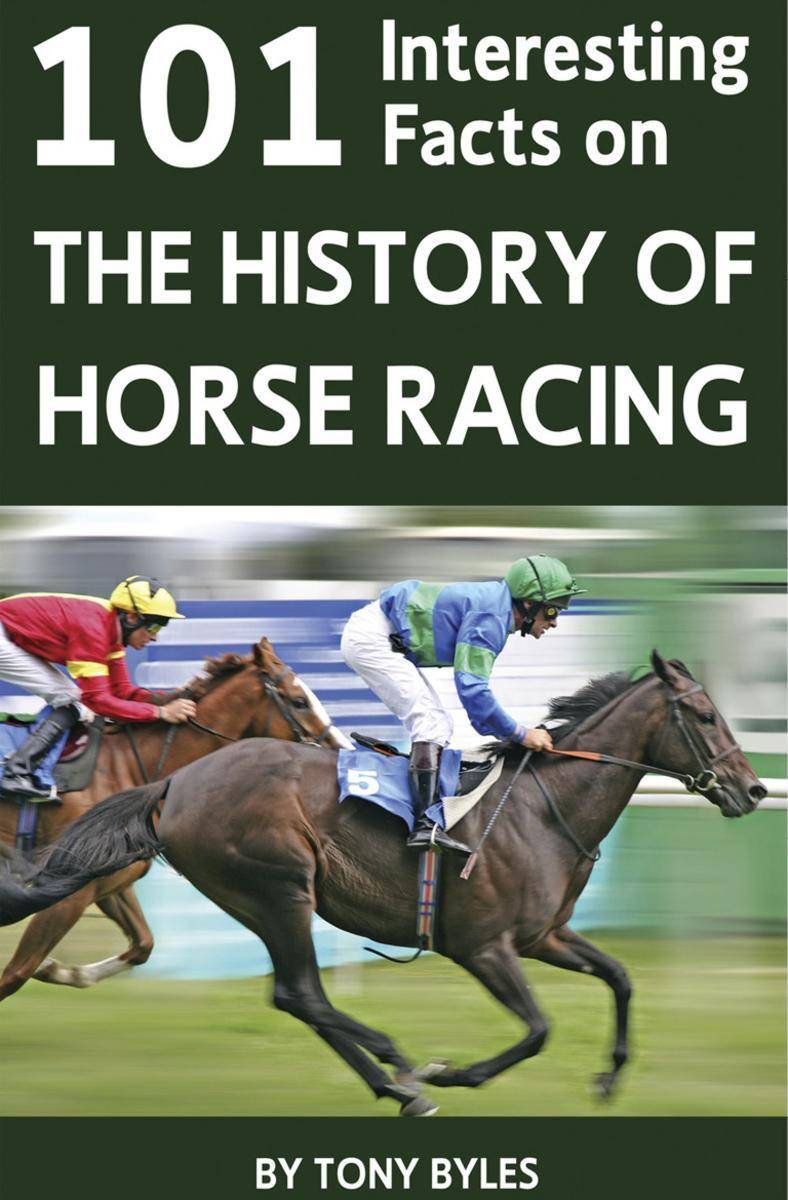
101 Interesting Facts on the History of Horse Racing
¥24.43
Are you a fan of horse racing? Do the origins of this action-packed sport intrigue you? Would you like to find out more about the horses, riders and trainers involved in the famous races? If so, you are certain to enjoy 101 Interesting Facts on the History of Horse Racing. It's a chronological journey from the earliest days of racing. Read about racing before the days of the thoroughbred; the first recorders of racing; the mystery of the foundation stallions; the origin of grey horses; twins; the early bookmakers and other Turf personalities; the American Godolphin Arabian; the truth behind the origins of the Grand National and who was the real winner of the 1880 Derby. The answers can all be found in this informative new book along with many more fascinating facts about the history of racing. This book is packed with carefully researched, detailed information about all aspects of racing including famous runners, breeders, owners, jockeys and much more, so that you can't fail to learn something new. This is a must-have book for anyone with an interest in racing.
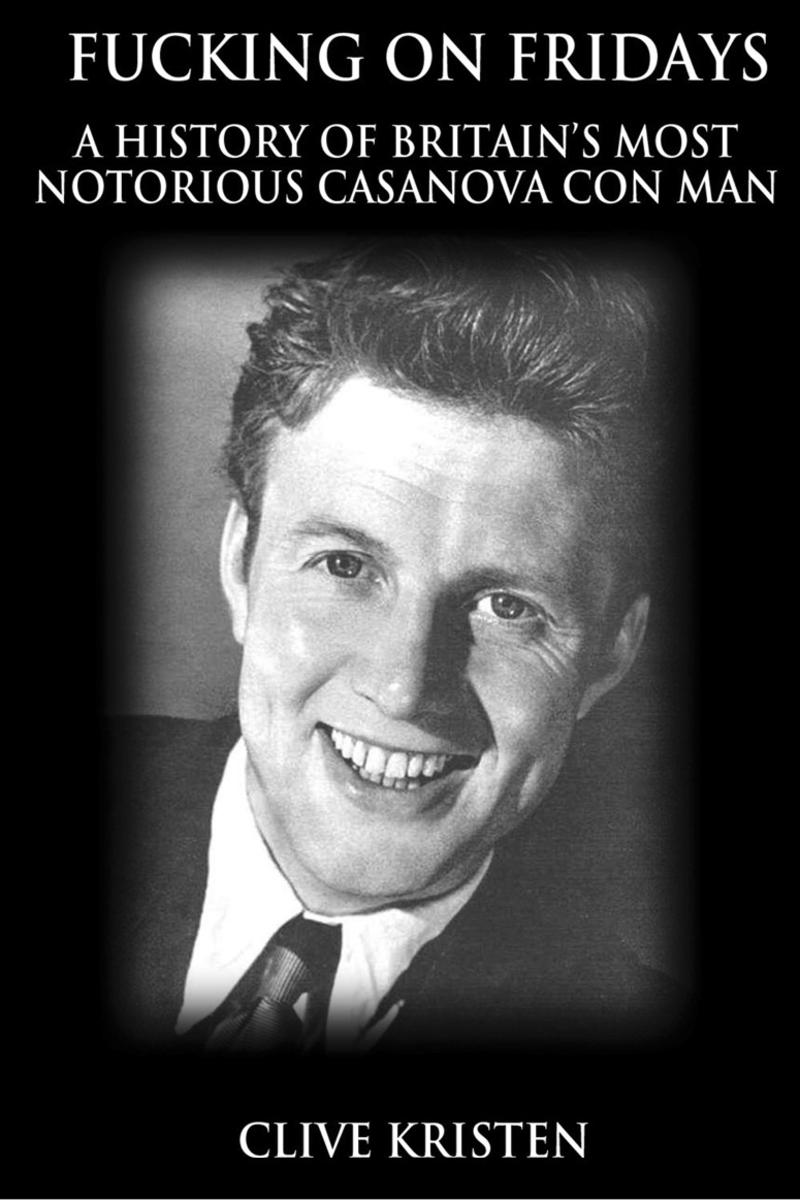
Fucking On Fridays
¥29.33
Dennis Loraine died in self-imposed obscurity in South London. During the last three decades of his life he slept with a revolver under his pillow. Dennis's childhood in a Bristol orphanage gave him a thirst for success. The University of Life, however, made him cabin boy, code-breaker and actor. By his early thirties he had married four times and fathered a dozen children. He maintained a lavish lifestyle by preying on older women. He became a trusted friend of the famous and wanted to be like them. With his partner, screen idol and Oscar winner George Sanders, he created the Company of Cads which was to become the driving force behind the greatest financial scandal of the 1960's. Celebrity investors, who included world famous author Graham Greene and silent movie legend Charlie Chaplin, had their careers compromised. The Cads also took millions from the public purse. When the company collapsed Dennis went underground as a US Secret Service mole and was instrumental in bringing to justice those behind the biggest counterfeiting operation in US history. As a consequence of this, and a possible attempt to embarrass a future Prime Minister, the Cads scandal was whitewashed and none of the principals were brought to justice in the UK. As Dennis Loraine's oldest son, I am uniquely placed to tell his story. The intention throughout is to excavate the truth and to reveal something of the world in which my father lived and moved. Significant events are corroborated by solid documentary evidence.

Landscapes in Watercolour (Collins 30-Minute Painting)
¥57.00
This practical and inspirational guide, in a handy sketchbook format, is aimed at the practised beginner and shows how to achieve successful watercolour landscapes in just 30 minutes – ideal for the busy amateur artist who doesn't have much time to paint. Many people think they don't have enough time to paint, but in this attractive guide Paul Talbot-Greaves encourages quick and simple painting. By working with just a few materials and focusing on the key techniques it is possible to achieve successful, realistic landscape paintings in no more than half an hour. And for those artists who already have a little painting experience, learning to work more quickly enables them to free up their style and paint more spontaneously. All the key topics are covered, from watercolour techniques, colour and tone to learning about creating distance, composing pictures and selecting scenes.
Clips From A Life
¥72.40
Classic stills from the life of one of Britain's most cherished entertainers. This is the extraordinary life story of comic legend Denis Norden, told in momentary snapshots by the master British comedian himself. Containing reminiscences of a career stretching back to the golden age of the radio, through the heyday of cinema and the early pioneering days of television comedy, ‘Clips From a Life’ showcases Denis Norden's creative genius at its very best. Told with Denis' hallmark flashes of brilliant humour and sharp observation, the extraordinary life of this enduring humorist is unravelled through his private recollections of the ways things used to be, back then. Denis' school-day musings, dry witticisms, and old-time sayings unearthed from days gone by, combined with remembrances of collaborations with famous figures of the day, from Eric Sykes to Bill Fraser, will sweep you back instantaneously to the magical gags, lively characters and laughter of the past. Flitting between Denis' East End childhood and early career in Variety as a cinema manager for the Hyams Brothers, to his post-war work as a *writer on the groundbreaking radio shows ‘Take It From Here’ and ‘In All Directions’, to the phenomenally successful television comedy ‘Whack-O!’ (all written with long-term collaborator Frank Muir), to his years as a solo writer, performer, and presenter on programmes such as the much-loved ‘It'll Be Alright on the Night’, it is easy to see how Denis' comic appeal has endured for decades, to make him one of the greatest British writers and performers to date. Brimming with Denis's unique wit and personal warmth, this is a rich and compelling mix of anecdote and autobiography from a very special entertainer.

50 Quick Doctor Who Facts
¥9.71
Do you love Dr Who? Are you a new fan of the show? This 50 Quick facts guide is ideal for both new and young fans who want an introduction to the show!

50 More Quick Facts about 5 Seconds of Summer
¥9.71
Do you love 5 Seconds of Summer, are you a fan of 5SOS, then you need these 50 More Quick facts about the band! With 50 MORE quick facts for fans!

101 Amazing Facts about 5 Seconds of Summer
¥19.52
Are you a longstanding member of the 5SOS Family? Or do you want to know everything there is to know about Luke, Michael, Calum and Ashton? If so, then this is the book for you! Contained within are 101 amazing facts about everything, from how the boys got started in the music business to some funny random facts, their favourite things and much, much more. The book is easily organised into sections so you can find the information you want fast and is perfect for all ages!

101 Amazing Facts about Nicole Richie
¥19.52
Are you the world's biggest Nicole Richie fan? Or do you want to know everything there is to know about the fashion designer, author and reality TV star? If so, then this is the book for you! Contained within are over one hundred facts about everything, from her unusual upbringing to her on/off friendship with Paris Hilton, her relationships, fashion lines and much, much more. The book is easily organised into sections so you can find the information you want fast and is perfect for all ages!
Un filosof r?t?cit ?n agora
¥40.79
Fire?te c?, de la schimbarea de paradigm? numit? apari?ia genurilor rock ?i folk (precedate de jazz, dar mai cu seam? de blues... ?i ?n m?sur? cov?r?itoare de explozia beat!), ?n Rom?nia comunist? (?ncerc?nd mereu s? fie sincron? cu voga occidental?), lucrurile n-au fost tocmai roz. Unii chiar se bat ?n piept c? de la ei ?ncoace se poate vorbi de...; al?ii (implica?i direct) sunt sc?rbi?i de ceea ce se ?nt?mpl?, mai cu seam? ?n lipsa unei istorii oficiale ?i documentate, ?i ??i v?d de treab?. ?n era net/Wikipedia, oricine se poate da ?n stamb?, se poate lua la tr?nt? (sub pav?za anonimatului, implicit a nesim?irii) cu orice; cum anticipa parc? Andy Warhol, a venit vremea ?n care oricine va fi fost vedet? 15 minute.Dar au existat ?i vedete reale, grei ai genurilor a?a-zis u?oare, mon?tri sacri! Celor acum ?n umbr? (cite?te underground) le este dedicat acest volum. M?rturii orale puse cap la cap despre aceia care au trecut ?i – iat? – se ?ntorc ?n Clubul Arhitecturii. Dac? un Cenaclu ?Flac?ra“, la ?nceput genial ?n scopuri, a fost mai apoi r?st?lm?cit ideologic ?i impus aproape cu for?a p?n? la implozie, clubul – recte pivni?a – din strada Bl?nari nr. 14 a rezistat peste decenii intrinsec; pe temelia solidificat? de la o zi la alta, de la un artist la altul, de la o bere la alta... Din student ?n student (dar nu numai prin ei), ?tafeta a tot fost preluat? de genera?iile care s-au perindat, iar ast?zi ne-am trezit cu o ?ntreag? istorie care apas? pe funda?iile cl?dirii vechi..., dar f?r? bulin? ro?ie! Nu, Club A nu va c?dea, a?a cum va exista ?n continuare ?i Casa Studen?ilor din Bucure?ti (ca ?i cele din Timi?oara, Ia?i, Cluj...), ?i Radioul, ?i Televiziunea, ?i Electrecordul...Din cuprins: Amintiri ? Clubul de pariuri muzicale sau Cu... v?nt ?nainte... din pupa! ? A fost o dat?... din 1969 ? Primul Festival Na?ional de Muzic? Pop ?Club A“ (16–22 decembrie 1969) ? Ro?u ?i Negru ? Romanticii ? Chromatic Grup ? Sideral (Modal Quartet) ? Olympic ‘64 ? Phoenix ? Coral... ?i Adrian Ivani?chi ? Al doilea Festival Na?ional de Muzic? Pop ?Club A“ (10–17 mai 1971) ? Modern Grup ? Metronom ? Mondial ? Timi?oara, la vest de Rom?nia ? Carusel ? Post-scriptum la al doilea festival ? Folk ?n Club A ? Mihai Munteanu ?Michone“ ? Dorin Liviu Zaharia ?Chubby“ ? Mircea ?Ciocu“ Vintil? ? Florian ?Mo?u“ Pitti? ? Doru St?nculescu ? Sorin Minghiat ? Dan Oprina ?i Mircea Valeriu Popa ? Nicu Vladimir ? Marcela Saftiuc ? Adriana Ausch ? Anda C?lug?reanu ? Zoia Alecu ? Catena ? FFN ? Valeriu Sterian (?i Compania de Sunet) ? Mircea Bodolan ? Curtea Veche nr. 43 ? Al treilea Festival ?Club A“ (5–8 iunie 1979) ? Metropol ? Academica ? Experimental Q ? Modal Q ? Mircea Florian (din Transilvania) ? Al patrulea Festival ?Club A“ (16–19 martie 1981) ? Dan Andrei Aldea ?i Sfinx ? Pro Musica ? Accent ? Redivivus ? Basorelief ? Gramophon/Post Scriptum ?i... Mircea Baniciu ? Semnal M ? Sorin Chifiriuc ?i Domino/Roata ? Grup ‘74 ? Club A – 15 ani (12–17 martie 1984) ? Nicu Alifantis ? Iris ? Liviu Tudan & Ro?u ?i Negru ? Al cincilea Festival ?Club A“ (28 februarie–1 martie 1990) ? Compact ? Holograf ? Celelalte Cuvinte ? Gala ?Club A – 30 de ani“ (18 iunie 1999)?/ ?Club A – 34 de ani“ (4 iunie 2003) ? Sfinx (Experience) ? Alexandru Andrie? ? Cargo ? Timpuri Noi ? Sfatul ?b?tr?nilor“ ? Al ?aptelea Festival ?Club A“ (13–18 mai 2011) ? Imagini ?necenzurate“
LIBERT? & POTERE. Saggio sull'arte di strisciare ad uso dei cortigiani
¥55.75
Exila?i este singura pies? scris? de Joyce, unde ??i face manifest?, prin regulile speciei, predilec?ia pentru m??tile puse fiec?rui personaj. Citit? ca o trecere ?n ordine cronologic? de la Portret al artistului ?n tinere?e la Ulise, piesa con?ine m?rci clare ale obsesiilor scriitorului ?i urme vizibile ale experien?ei omului James Joyce. Rela?iile de dragoste, parentale sau de prietenie sunt cele care dezechilibreaz? personajele, exilul temporar ?n Italia fiind doar o alt? form? a ?nstr?in?rii din Irlanda natal?.
Beszterce ostroma
¥23.30
Rejtély, amelyet másfél száz éve próbálnak írók, irodalomt?rténészek, színházi szakemberek, esztéták, filozófusok megfejteni. Mese? ?rgirus királyfi és Tündér Ilona csodásan valószer?tlen t?rténete számtalan változatban létezik a magyar népmesekincsben, s olasz k?zvetít? forrásokon át g?r?g, s?t egyiptomi gy?kerekig nyúlik vissza az aranyalmát term? fa s a két szerelmes t?rténete. Szerelmi románc? Nem fontos a kor, a táj, a t?rténelmi háttér, csak az érzelmeiben egymásba gabalyodott két ember – itt és most: Csongor és Tünde – lángolása, viharzása, minden eléjük tornyosuló akadályt leromboló akarása, szerelmi szárnyalása. Színdarab? Karakteres, jó szerepek – ?rd?g?k, boszorkányok, b?lcsek, ledérek – forgataga zegzugos cselekmény, váratlan fordulatok, lehet?ség mindenféle színpadi csoda semmi nem korlátozva megvalósítására: sok alakra bomló, egy személybe olvadó boszorkány, leveg?ben r?pk?d?, láthatatlanná váló ?rd?gfiak, f?ld mélyér?l szemünk láttára kiemelked?, fényárban úszó tündérpalota. Minden pillanatban tátva maradhat a szánk. Filozófiai traktátus? ?letutak: Kalmáré a kincs, Fejedelemé a hatalom, Tudósé a b?lcsesség; Csongoré a szerelem. A kincs elpereg, a hatalom elkopik, a tudás semmivé porlad. A szerelem ?r?k. Drámai k?ltemény? ?jfélt?l éjfélig élünk: hajnalodik, felragyog az ég, dél van, alkonyodik, beesteledik, már f?lénk borul az éjszaka. Reményekkel telten, harcra készen kezdjük hajnalban, küszk?dünk reggel, boldogok vagyunk délben, szorongunk alkonyatkor, s?tétedéskor belenyugszunk az elmúlásba. De másnap újra f?lkel a nap. V?r?smarty Mihály 1830-ban fejezte be m?vét, a cím alá azt írta: színjáték ?t felvonásban. Már csak boldogan sajgó, rejtve rejtett szomorú emlék szívében reménytelen szerelme, Perczel Etelka. Mindennapi életében legf?képpen arra büszke, hogy sok kínnal keletkezett nagy m?vét, a Zalán futását a várva várt nemzeti eposzként ünneplik. Tagja az éppen szület? Magyar Tudományos Akadémiának, a legismertebb, legfontosabb szépirodalmi és m?vészeti lapok ?dolgozótársa”, szívét melenget? jóérzés: Széchenyi István a barátja. Igaz, a pénztárcája t?bbnyire lapos, gyakran kínosan lapos, de ismert és népszer? ember. Harminc éves. Férfi. Kincse nincs, hatalomra nem vágyik, a tudásról azt gondolja: valójában senki nem tudja, mennyit ér s mire jó. De Csongor boldog, amikor megpillantja Tündét, boldog, amikor át?leli, boldog, amikor elveszíti, mert hiszi, tudja: nem ?r?kre veszítette el. Küzd, harcol, verekszik: keresi a boldogságot. S boldog, amikor embert próbáló kalandok után végre megtalálja Tündét, s f?ldi létükben ?r?kre ?sszeforrnak. Csongor és Tünde számára a szerelem a kincs, a hatalom, a tudás. El nem veszíthet? kincs, ?r?kre er?t adó hatalom, b?lcsességgé párlódott tudás. ?gy lesznek halandók halhatatlanok. ?s másnap újra f?lkel a nap.
Akli Miklós
¥17.49
sszevissza csereberéldik egy ikerpár, lóvátesznek egy felfuvalkodott trtett, tmérdek móka, dal, vidámság szvi át két, nagy nehezen egymásra találó szerelmespár trténetét. Oly' darab ez, amint a kznség szeret, kíván, óhajt – ami nektek kell”, mondta Szász Károly errl a vígjátékról, amelynek már a címe is jókedvre derít.


