


 购物车
 个人中心

The Last of the Mohicans
¥18.74
ROMANCE and the HISTORY of walled cities are inseparable. Who has not felt this to be so at the sight of hoary ruins lichen-clad and ivy-mantled, that proudly rear their battered crests despite the ravages of time and man’s destructive instincts. It is within walled cities that the life of civilized man began: the walls guarded him against barbarian foes, behind their shelter he found the security necessary to his cultural development, in their defence he showed his finest qualities. And such a city—and such a history is that of Ancient Byzantium, the City of Constantine, the Castle of C?sar. What wonder then that man should endeavour to express by pen and pencil his sense of the greatness and beauty, the Romance of a Walled City such as Constantinople. The more so that a movement is on foot to remove these ancient landmarks of the history of Europe and Asia. True there are other works on this same subject, works by men deeply learned in the history of this fair city, works that bid fair to outlive the city walls if the fell intent of destroying them is carried into execution, and from these men and their works I derived inspiration and information, and so wish to chronicle my gratitude to them—Sir Edwin Pears and Professor van Millingen of Robert College, Constantinople. There are many others too in Constantinople to whom my thanks are due—His Majesty’s Vice-Consul, my host, his colleagues, now my friends, and many others too numerous to mention. They all have helped me in this work, and I am grateful for the opportunity offered me of here recording my thankfulness for their kind offices.B. Granville Baker.
Fejt?l s lábtól
¥73.25
1974-ben az Emmanuelle meghódította a francia mozikat, és r?vid id?n belül az egész világon hatalmas sikert aratott. A korabeli plakátokról egy húsz év k?rüli, r?vid hajú, félmeztelen szépség nézett kihívóan egy fonott karosszékéb?l. Ekkor még senki sem sejtette, hogy SYLVIA KRISTEL, ez az akkor még ismeretlen holland lány hamarosan a szexuális forradalom egyik emblematikus alakjává válik. A hírnévt?l és a sikert?l megrészegült színészn? egy csapásra a nemzetk?zi filmvilág ünnepelt sztárja lett, azonban nem kapott elég id?t, hogy feldolgozza a hirtelen j?tt népszer?séget, sem pedig a gyermekkorában ?t ért sérelmeket. A sztárok fény?z? és gondtalan életét élte, udvarlók seregei hevertek a lába el?tt, bejáratos volt a legcsillogóbb hollywoodi fogadásokra. Magánéletében azonban már k?zel sem volt ilyen szerencsés. Házasságai zátonyra futottak, a sorozatos sorscsapások és a múlt démonai el?l az alkoholba és drogokba menekült. Kicsapongásainak végül egy súlyos betegség vetett véget. Visszaemlékezéseiben ?szintén tárja elénk egy olyan asszony felemel? és megrendít? t?rténetét, akinek nem csak meztelen teste érdemel figyelmet.
Az ?sfák fiainak lombjai alatt
¥36.54
A rock and roll nem csupán egy zenei m?faj, ?nem egy tánc”: maga az ?r?k fiatalság. Alkotás és feloldódás, amit nem magányos farkasoknak találtak ki. Csapatmunka, melyben zenész és hallgatósága egyaránt részt vesz. ?Mindenki itt van?” – kiáltja a sztár a színpadról, a t?meg pedig harsogva feleli: ?Mindenki!” Mert ahhoz, hogy egy dal megszülessen, hogy ezernyi torok visszhangozza az énekes mágikus szavait, valóban mindenkire szükség van. Az Azok a régi csibészek a hazai pop és rock legendáinak arcképcsarnoka. Csatári Bence t?rténész és Poós Zoltán író faggatja a popkultúra olyan ikonikus alakjait és nagyágyúit, mint Bródy János, Nagy Feró, Sz?rényi Levente, T?r?k ?dám, Pataky Attila, Zalatnay Sarolta és még sokan mások. Az interjúkból kirajzolódik a magyarországi rock and roll els? negyedszázadának íve Nógrádver?cét?l Londonig. A megszólalók mesélnek és mesélnek – a legvidámabb barakk k?nny?zenei szcénájáról, ?rületes bulikról, rend?rpofonokról és persze a rock and roll iránti olthatatlan szerelemr?l...
Samson and Delilah
¥8.01
Ervin, ?va és Csaba t?rténete folytatódik. A F?pap és a praetoriánusok serege már nem fenyegetik ?ket, helyettük azonban egy gyilkos klán, egy természetimádó szekta és egy minden dimenziót uralni akaró entitás háborújának frontvonalában találják magukat. A tét pedig nem kevesebb, mint a F?ld j?v?je. Vajon az emberiség ki tud lépni a saját árnyékából, vagy végleg elenyészik? H?seink meg tudnak birkózni a rájuk váró akadályokkal? Bízhatnak-e az új sz?vetségeseikben? ?s egymásban??rmány, árulás, átalakulás és áldozathozatal. A világunk sorsa most d?l el!
Mashi, and Other Stories
¥18.74
L'art pour tous was written in the year 1862 by Stéphane Mallarmé. This book is one of the most popular novels of Stéphane Mallarmé, and has been translated into several other languages around the world.This book is published by Booklassic which brings young readers closer to classic literature globally.
The Life and Adventures of Nicholas Nickleby
¥28.04
The Winter's Tale is a play by William Shakespeare, originally published in the First Folio of 1623. Although it was grouped among the comedies, some modern editors have relabelled the play as one of Shakespeare's late romances. Some critics consider it to be one of Shakespeare's "problem plays", because the first three acts are filled with intense psychological drama, while the last two acts are comedic and supply a happy ending. The play has been intermittently popular, revived in productions in various forms and adaptations by some of the leading theatre practitioners in Shakespearean performance history, beginning after a long interval with David Garrick in his adaptation called Florizel and Perdita (first performed in 1754 and published in 1756). The Winter's Tale was revived again in the 19th century, when the third "pastoral" act was widely popular. In the second half of the 20th century The Winter's Tale in its entirety, and drawn largely from the First Folio text, was often performed, with varying degrees of success. Short Summary of the Tale: John Fawcett as Autolycus in "The Winter's Tale" (1828) by Thomas Charles WagemanFollowing a brief setup scene the play begins with the appearance of two childhood friends: Leontes, King of Sicilia, and Polixenes, the King of Bohemia. Polixenes is visiting the kingdom of Sicilia, and is enjoying catching up with his old friend. However, after nine months, Polixenes yearns to return to his own kingdom to tend to affairs and see his son. Leontes desperately attempts to get Polixenes to stay longer, but is unsuccessful. Leontes then decides to send his wife, Queen Hermione, to try to convince Polixenes. Hermione agrees and with three short speeches is successful. Leontes is puzzled as to how Hermione convinced Polixenes so easily, and Leontes suddenly goes insane and suspects that his pregnant wife has been having an affair with Polixenes and that the child is a bastard. Leontes orders Camillo, a Sicilian Lord, to poison Polixenes. Camillo instead warns Polixenes and they both flee to Bohemia. Furious at their escape, Leontes now publicly accuses his wife of infidelity, and declares that the child she is bearing must be illegitimate. He throws her in prison, over the protests of his nobles, and sends two of his lords, Cleomenes and Dion, to the Oracle at Delphi for what he is sure will be confirmation of his suspicions. Meanwhile, the queen gives birth to a girl, and her loyal friend Paulina takes the baby to the king, in the hopes that the sight of the child will soften his heart. He grows angrier, however, and orders Paulina's husband, Lord Antigonus, to take the child and abandon it in a desolate place. Cleomenes and Dion return from Delphi with word from the Oracle and find Hermione publicly and humiliatingly put on trial before the king. She asserts her innocence, and asks for the word of the Oracle to be read before the court. The Oracle states categorically that Hermione and Polixenes are innocent, Camillo an honest man, and that Leontes will have no heir until his lost daughter is found. Leontes shuns the news, refusing to believe it as the truth. As this news is revealed, word comes that Leontes' son, Mamillius, has died of a wasting sickness brought on by the accusations against his mother. Hermione, meanwhile, falls in a swoon, and is carried away by Paulina, who subsequently reports the queen's death to her heartbroken and repentant husband. Leontes vows to spend the rest of his days atoning for the loss of his son and his queen.

Vesztegzár a Grand Hotelben
¥14.39
1944. május k?zepét?l sz?k két hónap leforgása alatt a magyar csend?r?k, rend?r?k és hivatalnokok hatékony k?zrem?k?désével t?bb mint 430 ezer, zsidónak min?sített magyar állampolgárt deportáltak. Túlnyomó t?bbségüket Auschwitz-Birkenauba vitték és meg?lték. Vajon az események milyen láncolata vezetett ehhez a holokauszt t?rténetében is példátlan méret? és gyorsaságú akcióhoz? Hol határoztak a magyarországi ?végs? megoldásról”? Berlinben vagy Budapesten? Kik, mikor és milyen k?rülmények k?z?tt hoztak végs? d?ntést a magyar zsidók deportálásáról? K?D?R G?BOR és V?GI ZOLT?N az etnikai tisztogatásokat és népirtásokat, valamint a világháborús német és magyar d?ntéshozatali mechanizmust elemezve keres válaszokat a kérdésekre. ?gy vélik, hogy a tragédia hátterében két er?, két szándék találkozása állt. Az egyik a német népirtási program volt, amelynek gy?kerei Hitler és a nácik radikális antiszemitizmusában, fajhigiéniai és etnopolitikai elképzeléseiben lelhet?k fel. A másik pedig az a mára szinte elfelejtett magyar t?rténeti attit?d, amely évszázadok óta az ?idegennek” tekintett népcsoportok beolvasztására, kiszorítására és el?zésére t?rekedett, és amely rabul ejtette a hazai fajvéd?k és a politikai elit gondolkodását. A t?rténészpáros szerint 1944-ben e két t?rekvést leginkább megszemélyesít? szerepl?k, a német Adolf Eichmann és a magyar Endre László végzetes találkozása radikalizálta tovább azt a folyamatot, amely az európai zsidóüld?zés egyik leggyilkosabb d?ntéséhez vezetett.
The Arabian Nights: "The Orient Magic"
¥27.55
AUTHOR OF "POOR BOYS WHO BECAME FAMOUS," "GIRLS WHO BECAME FAMOUS," "STORIES FROM LIFE," "FAMOUS AMERICAN AUTHORS," "FAMOUS AMERICAN STATESMEN," "SOCIAL STUDIES IN?ENGLAND," "FROM HEART AND NATURE,"?"FAMOUS MEN OF SCIENCE," ETC. "Do not act as if you had ten thousand years to throw away. Death stands at your elbow. Be good for something while you live, and it is in your power." —Marcus Aurelius. "Every line, every road, every gable, every tower, has some story of the past present in it. Every tocsin that sounds is a chronicle; every bridge that unites the two banks of the river, unites also the crowds of the living with the heroism of the dead."The beauty of the past goes with you at every step in Florence. Buy eggs in the market, and you buy them where Donatello bought those which fell down in a broken heap before the wonder of the crucifix. Pause in a narrow by-street in a crowd, and it shall be that Borgo Allegri, which the people so baptized for love of the old painter and the new-born art. Stray into a great dark church at evening time, where peasants tell their beads in the vast marble silence, and you are where the whole city flocked, weeping, at midnight, to look their last upon the dead face of their Michael Angelo. Buy a knot of March anemones or April arum lilies, and you may bear them with you through the same city ward in which the child Ghirlandaio once played amidst the gold and silver garlands that his father fashioned for the young heads of the Renaissance. Ask for a shoemaker, and you shall find the cobbler sitting with his board in the same old twisting, shadowy street-way where the old man Toscanelli drew his charts that served a fair-haired sailor of Genoa, called Columbus." Florence, Shelley's "Smokeless City," was the ardently loved home of Michael Angelo. He was born March 6, 1475, or, according to some authorities, 1474, the Florentines reckoning time from the incarnation of Christ, instead of his birth. Lodovico Buonarotti, the father of Michael Angelo, had been appointed governor of Caprese and Chiusi, and had moved from Florence to the Castle of Caprese, where this boy, his second child, was born. The mother, Francesca, was, like her husband, of noble family, and but little more than half his age, being nineteen and he thirty-one. After two years they returned to Florence, leaving the child at Settignano, three miles from the city, on an estate of the Buonarottis'. He was intrusted to the care of a stone-mason's wife, as nurse. Living among the quarrymen and sculptors of this picturesque region, he began to draw as soon as he could use his hands. He took delight in the work of the masons, and they in turn loved the bright, active child. On the walls of the stone-mason's house he made charcoal sketches, which were doubtless praised by the foster-parents.
The Colonists
¥9.24
Leonardo Da Vinci, the many-sided genius of the Italian Renaissance, was born, as his name implies, at the little town of Vinci, which is about six miles from Empoli and twenty miles west of Florence. Vinci is still very inaccessible, and the only means of conveyance is the cart of a general carrier and postman, who sets out on his journey from Empoli at sunrise and sunset. Outside a house in the middle of the main street of Vinci to-day a modern and white-washed bust of the great artist is pointed to with much pride by the inhabitants. Leonardo's traditional birthplace on the outskirts of the town still exists, and serves now as the headquarters of a farmer and small wine exporter.Leonardo di Ser Piero d'Antonio di Ser Piero di Ser Guido da Vinci—for that was his full legal name—was the natural and first-born son of Ser Piero, a country notary, who, like his father, grandfather, and great-grandfather, followed that honourable vocation with distinction and success, and who subsequently—when Leonardo was a youth—was appointed notary to the Signoria of Florence. Leonardo's mother was one Caterina, who afterwards married Accabriga di Piero del Vaccha of Vinci. His BirthLeonardo Da Vinci, the many-sided genius of the Italian Renaissance, was born, as his name implies, at the little town of Vinci, which is about six miles from Empoli and twenty miles west of Florence. Vinci is still very inaccessible, and the only means of conveyance is the cart of a general carrier and postman, who sets out on his journey from Empoli at sunrise and sunset. Outside a house in the middle of the main street of Vinci to-day a modern and white-washed bust of the great artist is pointed to with much pride by the inhabitants. Leonardo's traditional birthplace on the outskirts of the town still exists, and serves now as the headquarters of a farmer and small wine exporter. His ArtLeonardo, whose birth antedates that of Michelangelo and Raphael by twenty three and thirty-one years respectively, was thus in the forefront of the Florentine Renaissance, his life coinciding almost exactly with the best period of Tuscan painting.Leonardo was the first to investigate scientifically and to apply to art the laws of light and shade, though the preliminary investigations of Piero della Francesca deserve to be recorded.He observed with strict accuracy the subtleties of chiaroscuro—light and shade apart from colour; but, as one critic has pointed out, his gift of chiaroscuro cost the colour-life of many a noble picture. Leonardo was "a tonist, not a colourist," before whom the whole book of nature lay open. His MindWe can readily believe the statements of Benvenuto Cellini, the sixteenth-century Goldsmith, that Francis I. "did not believe that any other man had come into the world who had attained so great a knowledge as Leonardo, and that not only as sculptor, painter, and architect, for beyond that he was a profound philosopher." Leonardo anticipated many eminent scientists and inventors in the methods of investigation which they adopted to solve the many problems with which their names are coupled. Among these may be cited Copernicus' theory of the earth's movement, Lamarck's classification of vertebrate and invertebrate animals, the laws of friction, the laws of combustion and respiration, the elevation of the continents, the laws of gravitation, the undulatory theory of light and heat, steam as a motive power in navigation, flying machines, the invention of the camera obscura, magnetic attraction, the use of the stone saw, the system of canalisation, breech loading cannon, the construction of fortifications, the circulation of the blood, the swimming belt, the wheelbarrow, the composition of explosives, the invention of paddle wheels, the smoke stack, the mincing machine! It is, therefore, easy to see why he called "Mechanics the Paradise of the Sciences."Leonardo was a SUPERMAN.

Невидимець. Машина часу
¥5.72
A obra encadeia associa??es entre os valores técnicos da língua e os valores estéticos da literatura. Realiza, ent?o, duas abordagens complementares, defi nida a unidade língua/literatura como uma díade com polos inseparáveis – a língua sustentando um código limitativo e prescritivo; a literatura alimentando a reprodu??o artística do sistema linguístico –, da fus?o de ambas resultando um efeito de sentido.
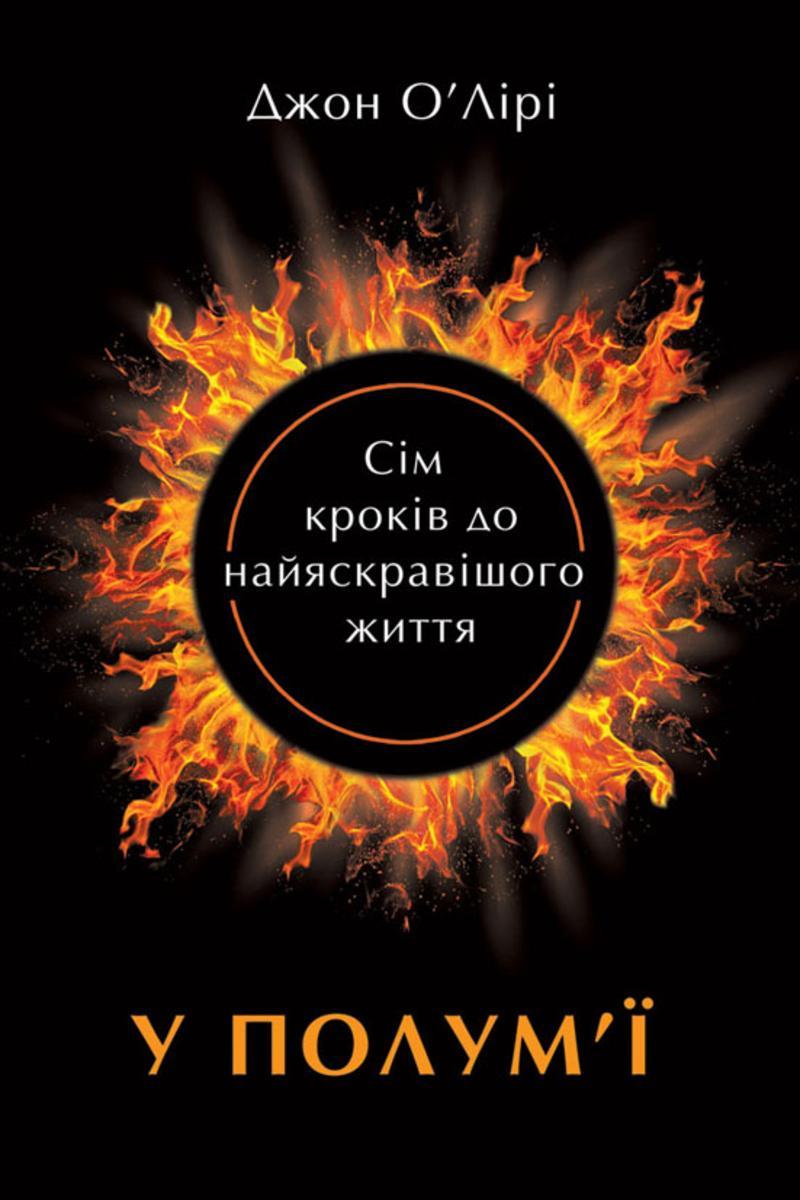
У полум’?: 7 крок?в до найяскрав?шого життя
¥22.74
Aganetha Smart, a 104 éves egykori olimpikon futón? elfeledve él egy nyugdíjasotthonban. Gy?zelmével annak idején mindenkit leny?g?z?tt: a kanadai versenyz? abban az évben nyert aranyat, amikor el?sz?r szerepelhettek n?i atléták az olimpián. Sorsát azonban legalább ennyire meghatározták az els? világháború komor évei, valamint vágya, hogy szembeszálljon korának konvencióival. Egy napon két idegen keresi fel, akik dokumentumfilmet készítenek a régi id?k n?i sportolóiról. A múlt eseményeit megismerve lassan megértjük, miként segített az aranyérem Aganethának megszabadulni a titkokkal terhelt családi ház béklyóitól. ?m a hajdani bajnokn?nek még egy kihívással szembe kell néznie: a filmesek talán nem is azok, mint akiknek mutatják magukat… Carrie Snydert valós t?rténelmi helyzetek inspirálták, hogy megírja fordulatokban gazdag regényét, a becsvágy és a n?i emancipáció t?rténetét, amelyb?l kiderül, hogyan képes határait átlépve a saját életét élni egy n?.

Hard Times: - play adaptation
¥40.79
Brilliant adaptation of Charles Dickens biting novel H ard Times . Dominated by Gradgrind and Bounderby, Coketown’s prosperity is built on the cotton mills where thousands of men and women slave away for long hours and little pay. Gradgrind’s obsession with material progress damages his children Louisa and Tom, leading to scandal and disaster. ‘Hard Times’ celebrates the importance of the human heart in an age obsessed with materialism. Circus, music, and dark comedy all go into the rich mix of this truly Dickensian theatrical tale. Charles Way has written over 50 plays, specializing in writing for children, young people and family audiences. His plays are performed worldwide. He has won several major awards - A Spell of Cold Weather won the Writers Guild best children's play award in 2001 and in 2004 his play Red Red Shoes won the English Arts Council best children's play award. In Germany, his play Missing won the Children's Theatre prize and in the USA? he was nominated for a Helen Hayes Award. He was commissioned by the National Theatre to write Alice In The News , which children all over Britain have performed. He has also written many plays for radio, and a TV poem for BBC 2, No Borders , set in the Welsh borders, where he lives and has spent most of his creative life. ? " A stellar adaptation by Charles Way, moving, thoughtful and wonderfully drawn’.??????????????????????? What’s on Stage ***** ‘Way gives real depth to characters, replaces Dickens’ sentimentality with warmth and his censoriousness with moral indignation’. ?????????????????????????? The Independent ***** ‘daringly restructures Dickens’ plot, yet sticks to the motto of his lisping ringmaster Mr Sleary: “People mutht be amuthed.”’ ????????????????????????????????????????????The Observer ?

Big Foot: …And Tiny Little Heartstrings
¥40.79
With grime music and Guyanese folk stories, Joseph Barnes-Phillip's semi-autobiographical story is a comic, tragic and honest portrayal of becoming a man. The story follows Rayleigh as he negotiates the tensions of growing up and taking responsibility – to his pregnant girlfriend, to his sick mother, to his church, to the multi-cultural community he grew up in and somewhere in the mix to himself. When the euphoric highs of teenage life in south London collide with his mum's terminal illness, all Rayleigh wants to do it watch anime in his pants and eat indomie. Love, life and masculinity meet head-on as Rayleigh tries to find his feet, torn between the new girl in his life and being there for his mum, while trying not to make the same mistakes as his dad.
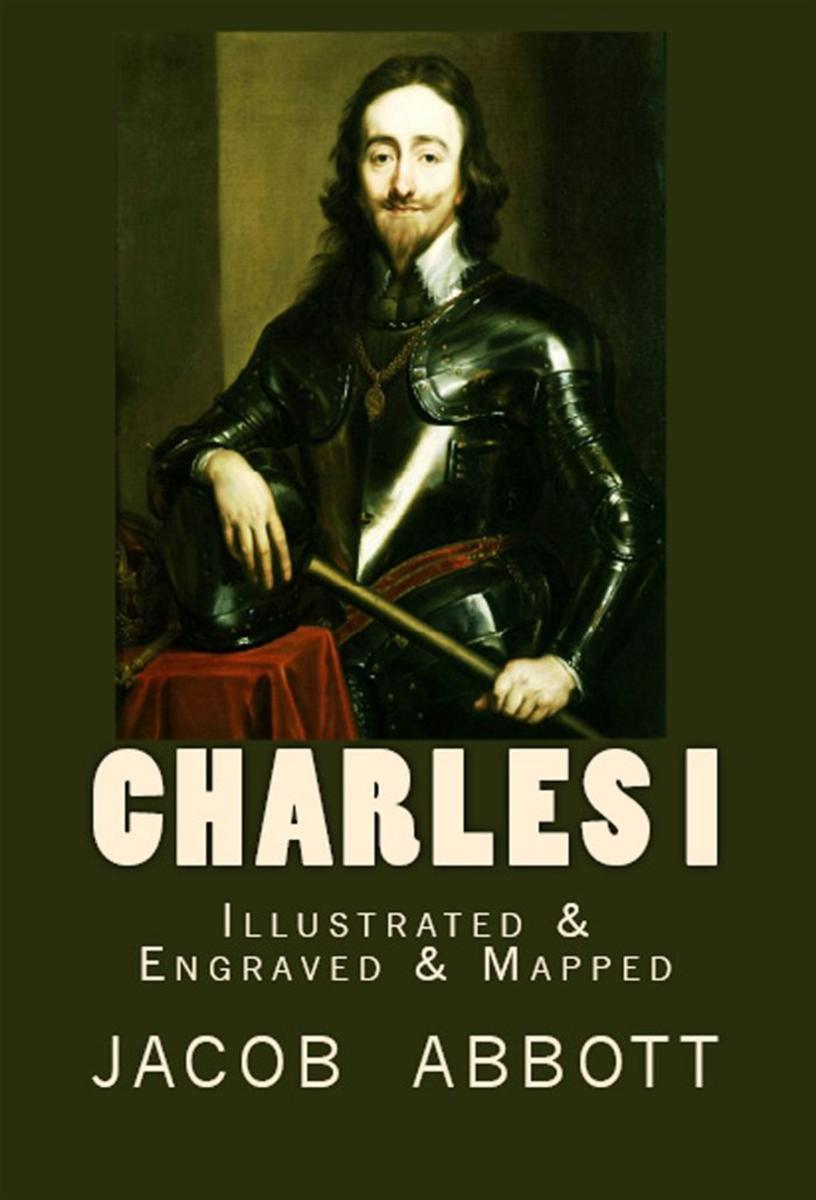
Charles I
¥18.56
KING CHARLES THE FIRST was born in Scotland. It may perhaps surprise the reader that an English king should be born in Scotland. The explanation is this:??They who have read the history of Mary Queen of Scots, will remember that it was the great end and aim of her life to unite the crowns of England and Scotland in her own family. Queen Elizabeth was then Queen of England. She lived and died unmarried. Queen Mary and a young man named Lord Darnley were the next heirs. It was uncertain which of the two had the strongest claim. To prevent a dispute, by uniting these claims, Mary made Darnley her husband. ??They had it son, who, after the death of his father and mother, was acknowledged to be the heir to the English throne, whenever Elizabeth's life should end. In the meantime he remained King of Scotland. His name was James. He married a princess of Denmark; and his child, who afterward was King Charles the First of England, was born before he left his native realm.

TRI KNJIGE O SOFIJI
¥80.93
O istorie politico-sentimental? a capitalei noastre. De ce o istorie politico-sentimental?? Pentru c?, ?n evolu?ia Bucure?tiului, de-alungul secolelor, afacerile politice s-au ?mpletit adesea, inevitabil, cu b?t?ile inimii. Chiar prima perioad? a cet??ii, ca ?i capital? domneasc?, tutelat? de figu ra dominant? a doamnei Chiajna, poate fi b?nuit? de un senzualism crud care a deschis drum acelui fenomen pe care Ionescu-Gion ?l numea at?t de plastic ?ginecolatrie“, adic? ascultarea dovedit? de domnitorii valahi fa?? de so?iile lor.
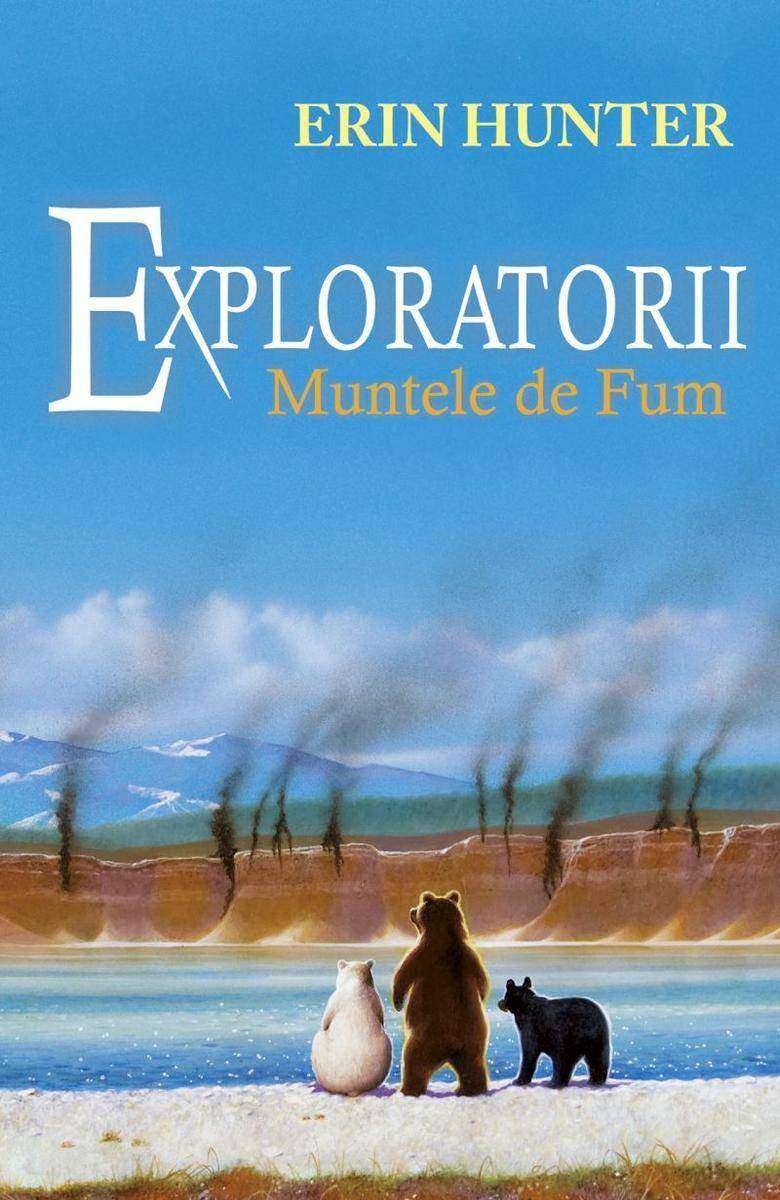
Exploratorii. Cartea a III-a - Muntele de fum
¥73.49
Cartea t?n?rului universitar Mihai-Bogdan Marian consacrat? analizei conflictelor interna?ionale este o invita?ie la luciditate, la reflec?ie autonom?, dezinhibat?, la cercetare aplicat?, f?r? prejudec??i ?i partizanate apriorice. Autorul este un analist pentru care exerci?iul ?n sine al disec?rii cauzelor ?i ?mprejur?rilor ce favorizeaz? apari?ia ?i acutizarea conflictelor interna?ionale nu este unul fortuit sau gratuit. Ideea sa tutelar? este c? orice astfel de conflict poate fi pre?nt?mpinat. Iar dac?, fatalmente, el s-a declan?at ?i s-a dezvoltat, sc?p?nd poate de sub control, poate fi dezamorsat, factorii angrena?i ?n acest proces av?nd la ?ndem?n? algoritmi ?i proceduri standard care nu trebuie s? fac? obiectul unei ac?iuni in extremis, care s? justifice de fapt prin e?ec escaladarea ?n continuare a conflictului ca atare. (Mihai Milca)
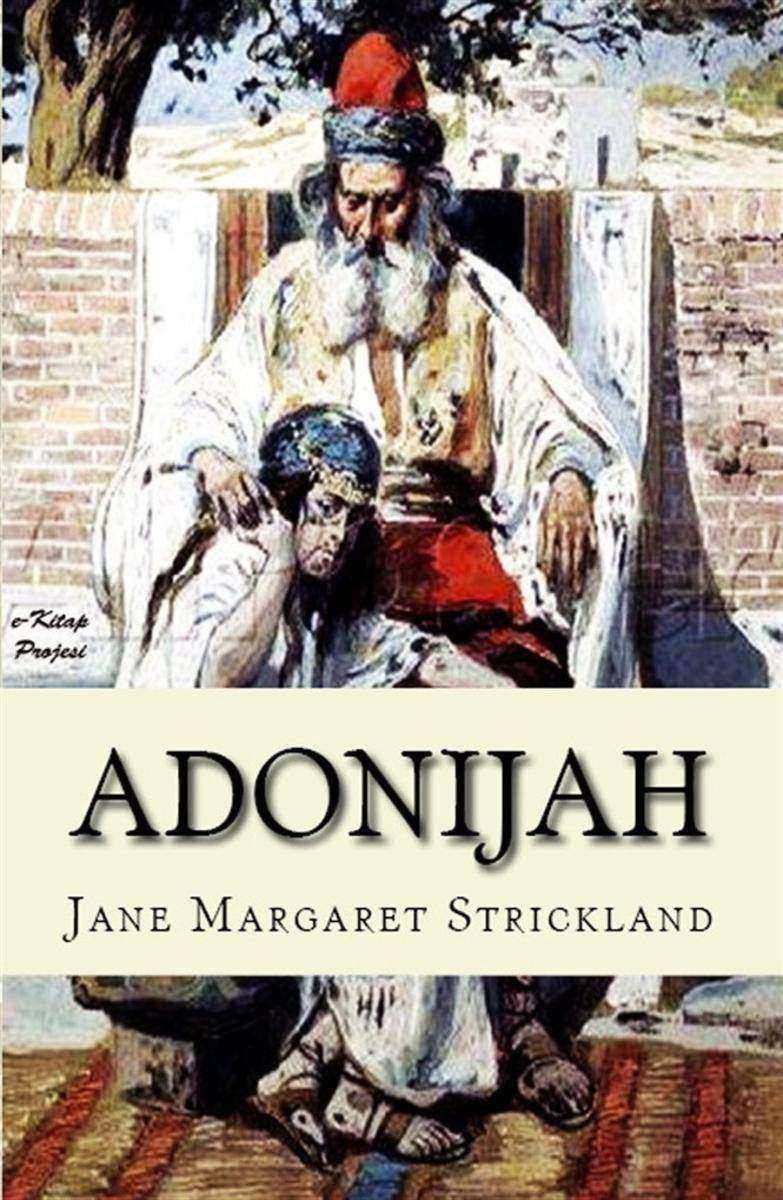
Adonijah: "A Tale of the Jewish Dispersion"
¥23.22
The period included in the reigns of Nero, Galba, Otho, Vitellius, and Vespasian, was remarkable for two memorable events in the annals of ecclesiastical history; the first persecution of the Christian Church by the sixth Roman sovereign, and the dissolution of the Jewish polity by Titus. The destruction of Jerusalem was stupendous, not only as an act of divine wrath, but as being the proximate cause of the dispersion of a whole nation, upon which a long series of sorrow, spoliation, and oppression lighted, in consequence of the curse the Jews had invoked, when in reply to the remonstrances of Pilate they had cried out, “His blood be upon us and our children.” The church below, represented in Scripture as a type of the heavenly Jerusalem above, and having its seat then in the doomed city, was not to continue there, lest the native Jews composing it should gather round them a people of their own nation, in a place destined to remain desolate till the time when the dispersed of Israel should be converted, and rebuild their city and temple. The city bearing the ancient name of Jerusalem does not indeed occupy the same site, being built round the sacred spot where the garden once stood, in which a mortal sepulchre received the lifeless form of the Saviour of the world. But happier times seem dawning on the dispersed of Judea. Our own days have seen the foundations of a Jewish Christian church laid in Jerusalem; our Queen Victoria and the King of Prussia united to commence a work of love, thereby fulfilling in part the promise made to the Jews of old, “And kings shall be thy nursing fathers, and queens thy nursing mothers.” To those readers who feel interested in the dispersed of Israel and Judea, these pages may afford, perhaps, information on an important subject as well as amusement.
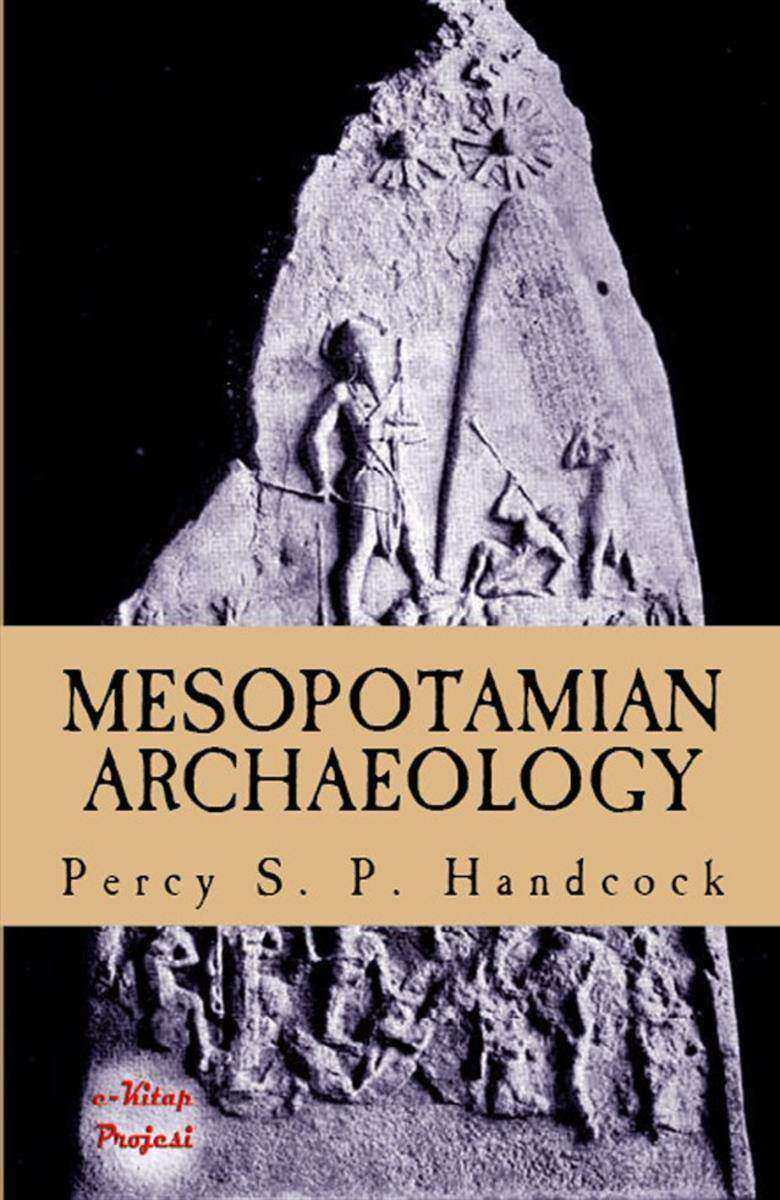
Mesopotamian Archaeology
¥37.20
THE Mesopotamian civilization shares with the Egyptian civilization the honour of being one of the two earliest civilizations in the world, and although M. J. de Morgan’s excavations at Susa the ruined capital of ancient Elam, have brought to light the elements of an advanced civilization which perhaps even antedates that of Mesopotamia, it must be remembered that the Sumerians who, so far as our present knowledge goes, were the first to introduce the arts of life and all that they bring with them, into the low-lying valley of the Tigris and Euphrates, probably themselves emigrated from the Elamite plateau on the east of the Tigris; at all events the Sumerians expressed both “mountain” and “country” by the same writing-sign, the two apparently being synonymous from their point of view; in support of this theory of a mountain-home for the Sumerians, we may perhaps further explain the temple-towers, the characteristic feature of most of the religious edifices in Mesopotamia, as a conscious or unconscious imitation in bricks and mortar of the hills and ridges of their native-land, due to an innate aversion to the dead-level monotony of the Babylonian plain, while it is also a significant fact that in the earliest period Shamash the Sun-god is represented with one foot resting on a mountain, or else standing between two mountains. However this may be, the history of the Elamites was intimately wrapped up with that of the dwellers on the other side of the Tigris, from the earliest times down to the sack of Susa by Ashur-bani-pal, king of Assyria, in the seventh century. Both peoples adopted the cuneiform system of writing, so-called owing to the wedge-shaped formation of the characters, the wedges being due to the material used in later times for all writing purposes—the clay of their native soil—: both spoke an agglutinative, as opposed to an inflexional language like our own, and both inherited a similar culture. A further, and in its way a more convincing argument in support of the mountain-origin theory is afforded by the early art of the Sumerians. On the most primitive seal cylinders1 we find trees and animals whose home is in the mountains, and which certainly were not native to the low-lying plain of Babylonia. The cypress and the cedar-tree are only found in mountainous districts, but a tree which must be identified with one or the other of them is represented on the early seal cylinders; it is of course true that ancient Sumerian rulers fetched cedar wood from the mountains for their building operations, and therefore the presence of such a tree on cylinder seals merely argues a certain acquaintance with the tree, but Ceteris paribus it is more reasonable to suppose that the material earthly objects depicted, were those with which the people were entirely familiar and not those with which they were merely casually acquainted. Again, on the early cylinders the mountain bull, known as the Bison bonasus, assumes the r?le played in later times by the lowland water-buffalo. This occurs with such persistent regularity that the inference that the home of the Sumerians in those days was in the mountains is almost inevitable. Again, as Ward points out, the composite man-bull Ea-bani, the companion of Gilgamesh, has always the body of a bison, never that of a buffalo. So too the frequent occurrence of the ibex, the oryx, and the deer with branching horns, all argues in the same direction, for the natural home of all these animals lay in the mountains.
The Wealth of Nations
¥8.82
Adam Smith's masterpiece, first published in 1776, is the foundation of modern economic thought and remains the single most important account of the rise of, and the principles behind, modern capitalism. Written in clear and incisive prose, The Wealth of Nations articulates the concepts indispensable to an understanding of contemporary society.
The Federalist Papers by Publius Unabridged 1787 Original Version
¥8.82
The Federalist Papers are a series of 85 articles advocating the ratification of the United States Constitution. Seventy-seven of the essays were published serially in The Independent Journal and The New York Packet between October 1787 and August 1788. A compilation of these and eight others, called The Federalist, was published in 1788 by J. and A. McLean. The Federalist Papers serve as a primary source for interpretation of the Constitution, as they outline the philosophy and motivation of the proposed system of government. The authors of the Federalist Papers wanted to both influence the vote in favor of ratification and shape future interpretations of the Constitution. According to historian Richard B. Morris, they are an "incomparable exposition of the Constitution, a classic in political science unsurpassed in both breadth and depth by the product of any later American writer."
Raul sub soare
¥51.50
n vara anului 1914, cea mai mare parte a Europei s-a prbuit ntr-un rzboi att de catastrofal nct a zdruncinat politica i nsui sistemul de credine al continentului ntr-un mod fundamental. Dezastrul i-a nspimntat pe supravieuitori i a ocat o civilizaie care i asumase total rolul de model pentru restul lumii. Totul s-a prbuit ntr-un haos de o slbticie aflat dincolo de orice termen de comparaie. n 1939, europenii aveau s nceap un al doilea conflict care a reuit s fie chiar i mai teribil – un rzboi n care uciderea civililor a ocupat scena central i care a culminat cu Holocaustul. Drumul spre iadne spune aceast poveste cu nelegere, fler i originalitate. Kershaw reia evenimentele ntr-o naraiune fascinant, dar abordeaz i problemele cele mai dificile pe care le ridic aceste ntmplri din trecut – ce au nsemnat ele pentru europenii care le-au declanat i care le-au trit i ce nseamn pentru noi. Istorie la dimensiuni epice... ar trebui s figureze n lista lecturilor obligatorii. –The New York Times Ne aflm n prezena unui istoric emerit.– Spectator Magistral.– The Economist


