


 购物车
 个人中心

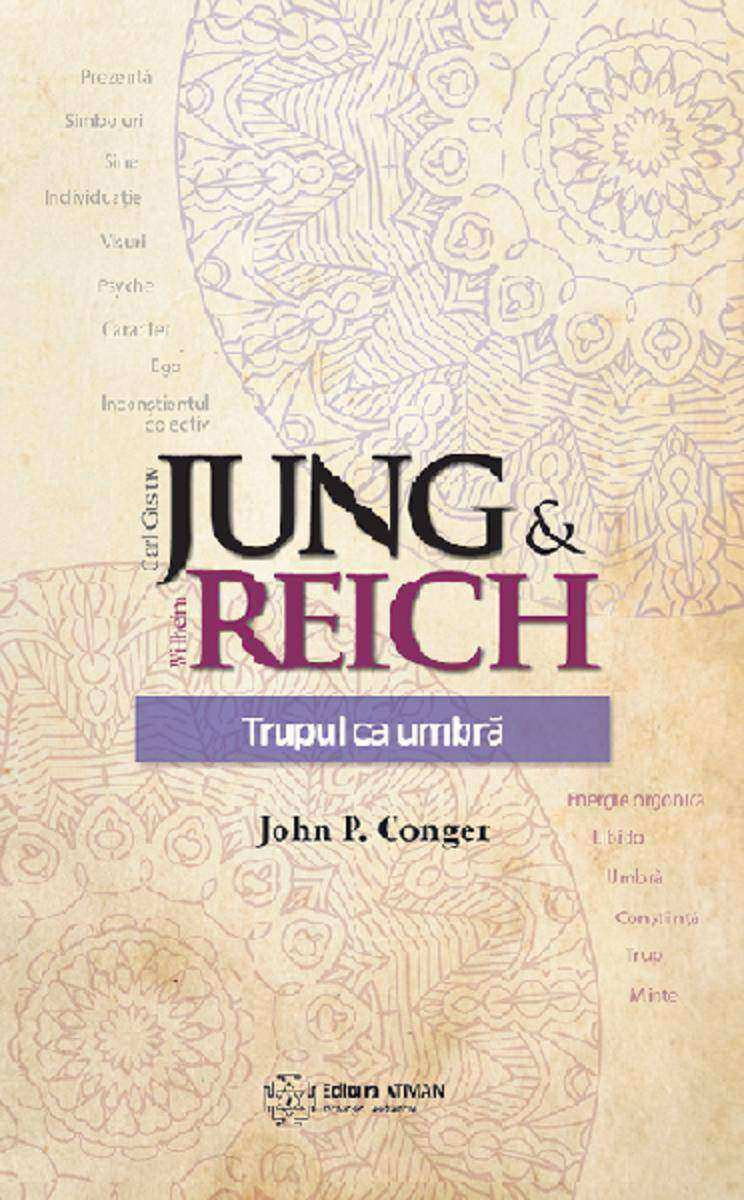
Jung & Reich. Trupul ca o umbr?
¥57.14
L?sa?i atunci trufia la o parte, C?ci de b?rba?i trufia ne desparte. ?i m?inile, duioase ?i supuse, ?n slujba lor pe veci s? fie puse. ?i so?ul meu, de ?ndat? ce ar vrea, ?n m?na lui mi a? pune m?na mea. Then vail your stomachs, for it is no boot,And place your hands below your husband’s foot: In token of which duty, if he please, My hand is ready; may it do him ease.
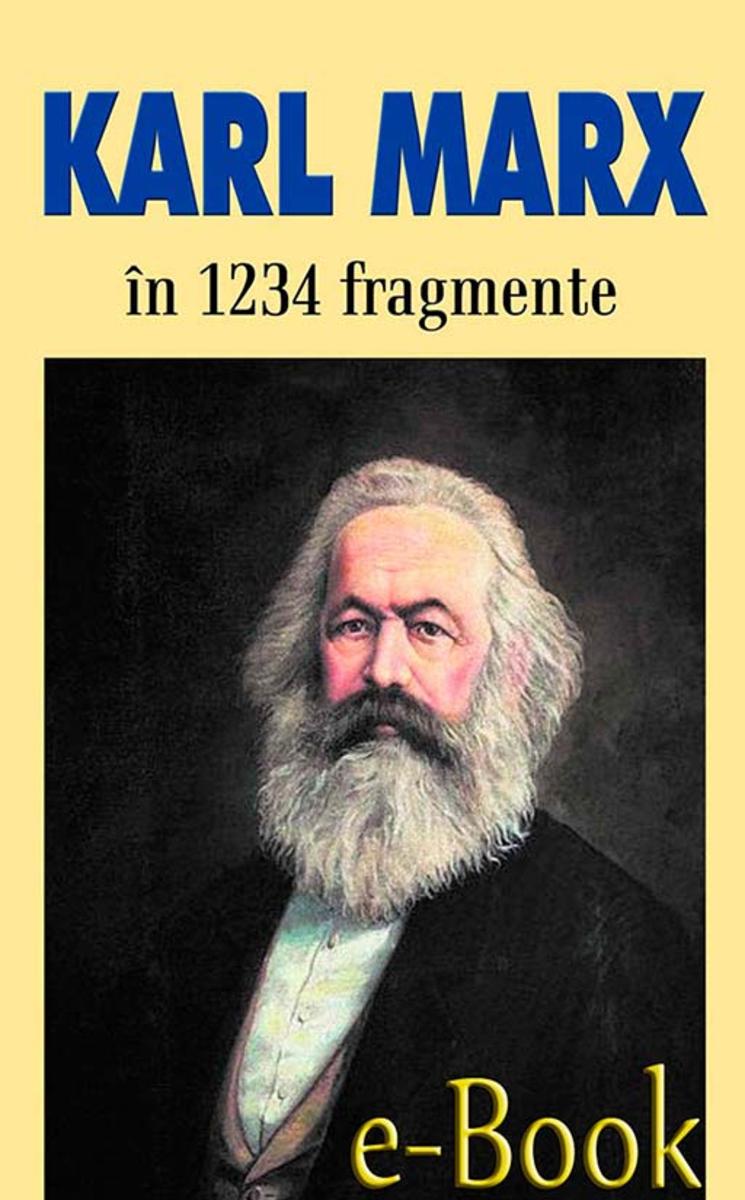
Karl Marx ?n 1234 de fragmente alese de Ion Iano?i
¥65.32
Volumul cuprinde un amplu studiu introductiv (aprox. 50 pag.) si o selectie – pe tema stabilita in titlu – de 200 documente inedite descoperite in arhivele britanice, americane, franceze, germane si foste sovietice.

Marea amiaz?. Studii ?i eseuri despre Nietzsche
¥40.79
The work represents a synthesis published and printed in two volumes (the 1st volume in 2002, the second one, in 2004) under the aegis of Mica Valahie Publishing House in Bucharest. Being elaborated on the basis of some documents discovered in the Romanian and foreign archives, the two volumes cover the period up to 1929 in the first volume and the period from 1929 to 2005 in the second one. The paper reveals the role and place of Romanian oil in the evolution of the national and worldwide history, especially during the World War between 1939 and 1945 and in the development of the so-called “cold war”. The book insists upon the prospects of the specific “black gold” evolution.In the addendum there are to be found some interesting documents and the complete bibliography of oil.

Eliberarea de jocurile min?ii
¥32.62
Indezirabilii, publicat sub egida Institutului de Istorie ?George Bari?iu“ al Academiei Rom?ne, scoate la lumin? informa?ii pu?in cunoscute despre exodul etnicilor evrei, rom?ni, ru?i ?i ucraineni din URSS ?n Rom?nia.Cauzele, mijloacele emigr?rii, reac?ia autorit??ilor, a popula?iei autohtone ?i a organiza?iilor interna?ionale, fenomenele conexe sunt relevate ?n contextul profundelor transform?ri sociale ?i politice din perioada 1919-1939. Prezentarea unor texte scrise de ?i despre emigran?i ofer? detalii asupra atrocit??ilor comise de regimul sovietic, a modului ?n care au fost percepu?i ?i a celui ?n care au perceput indezirabilii statul na?ional unitar rom?n.Fragment din subsec?iunea ?Trecerea Nistrului ?n ambele sensuri: motive ?i consecin?e“Unul din efectele masacrelor de la Nistru din lunile februarie-martie 1932 ?i ale noului val de refugia?i din RASS Moldoveneasc? asupra opiniei publice din Rom?nia a constat ?n exprimarea pozi?iei fa?? de evenimentele tragice ?n publica?ii. Jurnali?tii ?i cercet?torii nu s-au limitat la analiza evenimentelor, ci au publicat o serie ?ntreag? de materiale despre istoria regiunii transnistrene ?i a rom?nilor de acolo. De exemplu, potrivit lui Pamfil ?eicaru, amplificarea represiunilor din URSS reprezenta unul din aspectele luptei ?mpotriva tradi?iei (familia, p?m?ntul, religia), iar rom?nii transnistreni – un bastion de ?nd?r?tnic? rezisten?? a tradi?iei. ?n fapt, purificarea regiunii transnistrene, echivala cu desfiin?area pseudo-autonomiei moldovene?ti, iar dispari?ia entit??ii intra ?n linia necesit??ilor de via?? ale centraliz?rii Moscovei, trec?nd peste particularit??ile provinciale. Motivele extermin?rii sunt rezumate ?n finalul analizei: ?Moldovenii n-au fost buni, n-au slujit scopurilor pentru care li se d?duse chiar ?i titlul de Republic? Moldoveneasc?, dispari?ia lor a ap?rut ca o porunc? nivelatoare a standardului na?ional conceput de Stalin. ?i de pe p?m?nturile unde tr?iesc de veacuri, de pe malurile Nistrului, sunt porni?i ?n dep?rt?rile pustii ?i ?nghe?ate ale Siberiei. Drumul lung ?i greu, foamea, bolile, le va tot ?mpu?ina num?rul, p?n? ce nu va mai r?m?ne niciunul din neamul blestemat al moldovenilor, ace?ti ?nd?r?tnici adversari ai uniformiz?rii staliniste. De-a lungul Rusiei ro?ii (tot at?t de milostiv? ca ?i Rusia ?arist?) mormintele lor vor ?nsemna drumul crucific?rii moldave. ?i ieri ?i azi Pohod na Sibir! Numai imbecilii ??i ?nchipuie c? esen?a na?iilor se schimb? prin revolu?ii“. La 23 martie 1932, sub impresia cazurilor, individuale sau de grup, aproape zilnice, de ?mpu?care a ??ranilor rom?ni care ?ncercau s? p?trund? din Transnistria ?n Rom?nia, Pamfil ?eicaru dezvolta ideea de standardizare spiritual? prin represiune masiv?, exterminatorie, ?ntr-un articol cu accente directe antiminoritare ?i indirecte antiguvernamentale. Raportat la incapacitatea sau imposibilitatea opririi crimelor de la frontiera sovieto-rom?n?, directorul Curentului propunea efectuarea unui schimb de popula?ie cu URSS, mediat de Societatea Na?iunilor: ?[…] exact ?n propor?ia numeric? a moldovenilor de peste Nistru ce ni s-ar trimite, am expedia comuni?ti ruteni, oameni converti?i ce nu ar mai necesita at?ta trud? uciga?? c?te sunt constr?nse autorit??ile sovietice s? fac?“. O critic? explicit? viza rolul activ pe care ar fi trebuit s?-l joace Societatea Na?iunilor: ?Un mijloc foarte simplu de a curma un asasinat, un semn de prezen?? uman? a institu?iei de asisten?? a popoarelor, de activ? prezen?? a Societ??ii Na?iunilor“. Trebuie men?ionat ?ns? faptul c?, ?ntr-un articol ulterior, se consemna sprijinul acordat de A. ?ulghin, reprezentantul ucrainean la Geneva, delega?iei Rom?niei, care a cerut condamnarea masacrelor de la Nistru ?n format multilateral. Mai mult dec?t at?t, putem observa c? ucrainenii sunt men?iona?i pe l?ng? etnicii rom?ni ca victime ale atrocit??ilor: ?Masacrele s-au repetat, ??ranii au fost ?mpu?ca?i f?r? mil?, rom?ni ?i ucraineni laolalt?“.

Mother and the Tiger
¥65.32
In 1969 the small Asian nation of Cambodia was under attack: first by US bombers as the Vietnam war spilled over the border, and then by the Khmer Rouge as they began their brutal reign of terror. Under the rule of Pol Pot, ordinary city folk were driven from their homes and banished to labour camps that eventually saw two million people die. Darkness descended and "Year Zero" had begun. Mother and the Tiger is the story of one small girl, who struggled to survive one of the most ruthless regimes in human history. Six-year-old Hui Lim was trapped by the madness around her and cast into a seemingly endless nightmare. Her family was cursed as a member of a hated ethnic minority and targeted by the murderous Khmer Rouge. To survive where so many others died, Hui had to tap an inner strength that she never knew she possessed. Despite her youth she was determined to find her scattered family, no matter the odds. Her memoir of that brutal regime proves that even amidst the blackest depths of human depravity, hope can endure.

Mame ?i fiice. Pove?ti adev?rate. Vol. 5
¥11.04
Fiecare zi a anului are o poveste de spus. Cine a fost asasinat, cine a urcat pe tron, cine a fugit din ?ar?? Cine s-a n?scut? Ce armat? a fost ?nvins? ?n mod nea?teptat?Autorii prezint?, structurate pe zilele anului, evenimente cu impact asupra epocii ?n care s-au petrecut (?i poate chiar asupra epocii noastre) – na?teri, decese, c?s?torii, ?ncoron?ri, asasin?ri, scandaluri, execu?ii, b?t?lii, dueluri ?i tratate. Adeseori, evenimentele au ?n centrul lor c?te o personalitate marcant?, precum Horatio Nelson sau Lorenzo Magnificul, Robespierre sau Dante. Ve?i citi despre ziua ?n care Rommel, Vulpea De?ertului, s-a sinucis, cea ?n care Napoleon a evadat din exilul de pe insula Elba, cea ?n care Galileo Galilei a fost condamnat pentru erezie ?i despre multe altele.Un compendiu fascinant, pentru to?i cei interesa?i de marile evenimente care au marcat istoria sau de sl?biciunile oamenilor mari din toate epocile.

Viitoare mame. Pove?ti adev?rate. Vol. 6
¥11.04
n 1960, Adolf Eichmann, artizanul soluiei finale“, era capturat n Argentina de un comando al Mossadului i adus n Israel pentru a fi judecat. Avea s fie doar una dintre rsuntoarele operaiuni ale temutului serviciu secret israelian. Au ieit la iveal multe altele – eradicarea gruprii Septembrie Negru (responsabil de atentatul sngeros de la München, din 1972), distrugerea facilitilor nucleare siriene, eliminarea savanilor iranieni implicai n proiectul nuclear, lichidarea unor lideri teroriti extrem de periculoi etc.Despre misiunile Mossadului s-a scris puin, n comparaie cu alte servicii secrete de elit (KGB, CIA sau MI5). Cu att mai fascinant este cartea autorilor Michael Bar-Zohar i Nissim Mishal, care ne introduce n culisele spionajului israelian, de la nfiinarea acestuia pn n prezent. Metodele pe care le folosete, de la otrav la virui informatici i drone, par desprinse din filmele cu spioni, de o complexitate i o eficien incredibile. Nu este de mirare c Mossadul a cptat, n timp, o aur de legend, fiind considerat n prezent cel mai eficient serviciu de spionaj din lume.Aceast carte ne spune ceea ce ar fi trebuit s fie tiut i nu este – c fora ascuns a Israelului este la fel de formidabil ca puterea lui fizic recunoscut.“ – Shimon Peres, preedinte al statului Israel
Maidanul cu dragoste
¥0.01
Organizarea, activitatea ?i orientarea ?n coresponden?? diplomatic? rom?n? ?i note ale SSIVolumul are ca subiect principal organizarea, activitatea ?i orientarea emigra?iei politice din fostul Imperiu Rus ?n Europa, considerat? ca un pericol permanent la adresa regimului comunist, emigra?ie ai c?rei lideri au f?cut obiectul ?ncerc?rilor permanente de terorizare, lichidare sau discreditare.Documentele selectate, ?n cea mai mare parte, din Arhiva Diplomatic?, reprezint? rapoarte ale lega?iilor ?i oficiilor consulare rom?ne din Atena, Belgrad, Berlin, Berna, Bratislava, Budapesta, Istanbul, Lisabona, Madrid, Paris, Praga, Roma, Rusciuk, Skopje, Sofia, Stockholm, Vichy sau Zagreb, precum ?i note ale Serviciului Special de Informa?ii, c?tre Ministerul Afacerilor Str?ine, ?n timpul campaniei germano-rom?ne ?mpotriva Uniunii Sovietice. Sursele reflect? nu doar starea de fapt ?i de spirit a emigran?ilor, for?a?i s? aleag? ?ntre regimul totalitar comunist ?i cel nazist, dar ?i pozi?ia Bucure?tiului fa?? de problemele rus? ?i ucrainean?, cu profunde implica?ii geopolitice.

Mo? Teac?
¥0.01
Publica?ii, documente, scrisori ?i fotografii?n anul 1920, ?ntr-o lupt? inegal? cu trupele bol?evice, ?n fruntea Brig?zii a 2-a de Mitraliere a Armatei Na?ionale Ucrainene, locotenent-colonelul Hnat Porohivski s-a retras pe malul drept al Nistrului. Participant la Primul R?zboi Mondial, lider al emigran?ilor ucraineni care s-au salvat din fostul Imperiu Rus ?n Rom?nia, ?n anul 1931 absolv? ?coala Superioar? de ?tiin?e Administrative din Bucure?ti, iar ?n 1940 devine comisar al guvernului ucrainean ?n exil pentru statele balcanice.Din anul 1930 lucreaz? pentru Serviciul Secret de Informa?ii al Armatei Rom?ne, sub numele conspirativ Ciobanu, loialitatea sa fiind determinat? nu doar de orientarea antisovietic?, dar ?i de ospitalitatea oferit?. Lu?nd parte la lupte din primele zile ale r?zboiului rom?no-sovietic, sub numele conspirativ Dobrescu, ?n calitate de ofi?er superior al Agenturii Frontului de Est, a condus Biroul de Studii, Documentare ?i Centralizare.Volumul reprezint? un prim pas de recuperare a memoriei celui c?ruia i se datoreaz?, ?n mare parte, renumele de care s-a bucurat emigra?ia politic? ucrainean? din Rom?nia, rezisten?a acesteia ?n fa?a asaltului de distrugere ?i divizare, men?inerea pozi?iei de ostilitate fa?? de comunism ?i de imperialism.
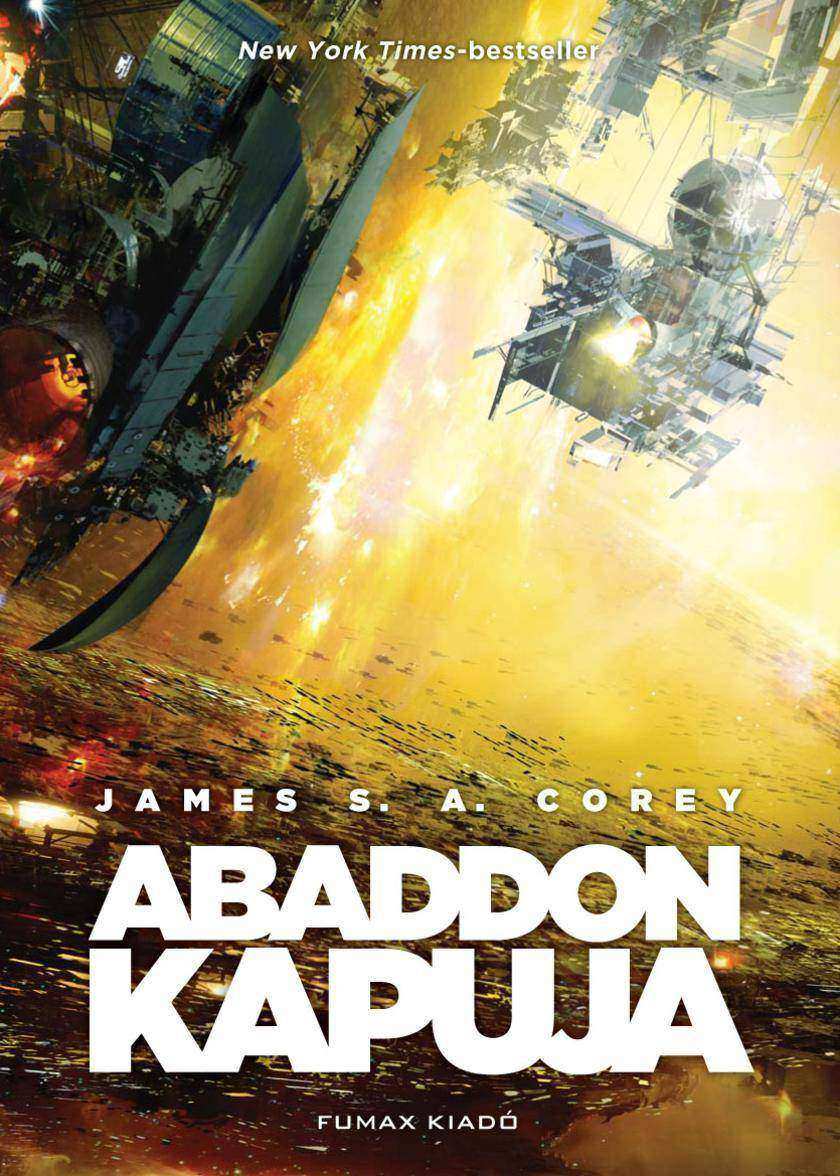
Abaddon kapuja
¥73.49
ARCHITECTURE seems to me to be the most wonderful of all the arts. We may not love it as much as others, when we are young perhaps we cannot do so, because it is so great and so grand; but at any time of life one can see that in Architecture some of the most marvellous achievements of men are displayed. The principal reason for saying this is that Architecture is not an imitative art, like Painting and Sculpture. The first picture that was ever painted was a portrait or an imitation of something that the painter had seen. So in Sculpture, the first statue or bas-relief was an attempt to reproduce some being or object that the sculptor had seen, or to make a work which combined portions of several things that he had observed; but in Architecture this was not true. No temples or tombs or palaces existed until they had first taken form in the mind and imagination of the builders, and were created out of space and nothingness, so to speak. Thus Painting and Sculpture are imitative arts, but Architecture is a constructive art; and while one may love pictures or statues more than the work of the architect, it seems to me that one must wonder most at the last. We do not know how long the earth has existed, and in studying the most ancient times of which we have any accurate knowledge, we come upon facts which prove that men must have lived and died long before the dates of which we can speak exactly. The earliest nations of whose Architecture we can give an account are called heathen nations, and their art is called Ancient or Heathen Art, and this comes down to the time when the Roman Emperor Constantine was converted to Christianity, and changed the Roman Capitol from Rome to Constantinople in the year of our Lord 328. The buildings and the ruins which still remain from these ancient times are in Egypt, Assyria, Persia, Judea, Asia Minor, Greece, Etruria, and Rome. Many of these have been excavated or uncovered, as, during the ages that have passed since their erection, they had been buried away from sight by the accumulation of earth about them. These excavations are always going on in various countries, and men are ever striving to learn more about the wonders of ancient days; and we may hope that in the future as marvellous things may be revealed to us as have been shown in the past. EGYPT: As we consider the Architecture of Egypt, the Great Pyramid first attracts attention on account of its antiquity and its importance. This was built by Cheops, who is also called Suphis, about 3000 years before Christ. At that distant day the Egyptians seem to have been a nation of pyramid-builders, for even now, after all the years that have rolled between them and us, we know of more than sixty of these mysterious monuments which have been opened and explored. Of all these the three pyramids at Ghizeh are best known, and that of Cheops is the most remarkable among them. Those of you who have studied the history of the wars of Napoleon I. will remember that it was near this spot that he fought the so-called Battle of the Pyramids, and that in addressing his soldiers he reminded them that here the ages looked down upon them, thus referring to the many years during which this great pyramid had stood on the border of the desert, as if watching the flight of Time and calmly waiting to see what would happen on the final day of all earthly things. There have been much speculation and many opinions as to the use for which these pyramids were made, but the most general belief is that they were intended for the tombs of the powerful kings who reigned in Egypt and caused them to be built.The pyramid of Cheops was four hundred and eighty feet and nine inches high, and its base was seven hundred and sixty-four feet square. It is so difficult to understand. CLARA ERSKINE CLEMENTAUTHOR OF "HANDBOOK OF LEGENDARY AND MYTHOLOGICAL ART," "PAINTERS, SCULPTORS, ENGRAVERS, ARCHITECTS AND THEIR WORKS," "ARTISTS OF THE NINETEENTH CENTURY"
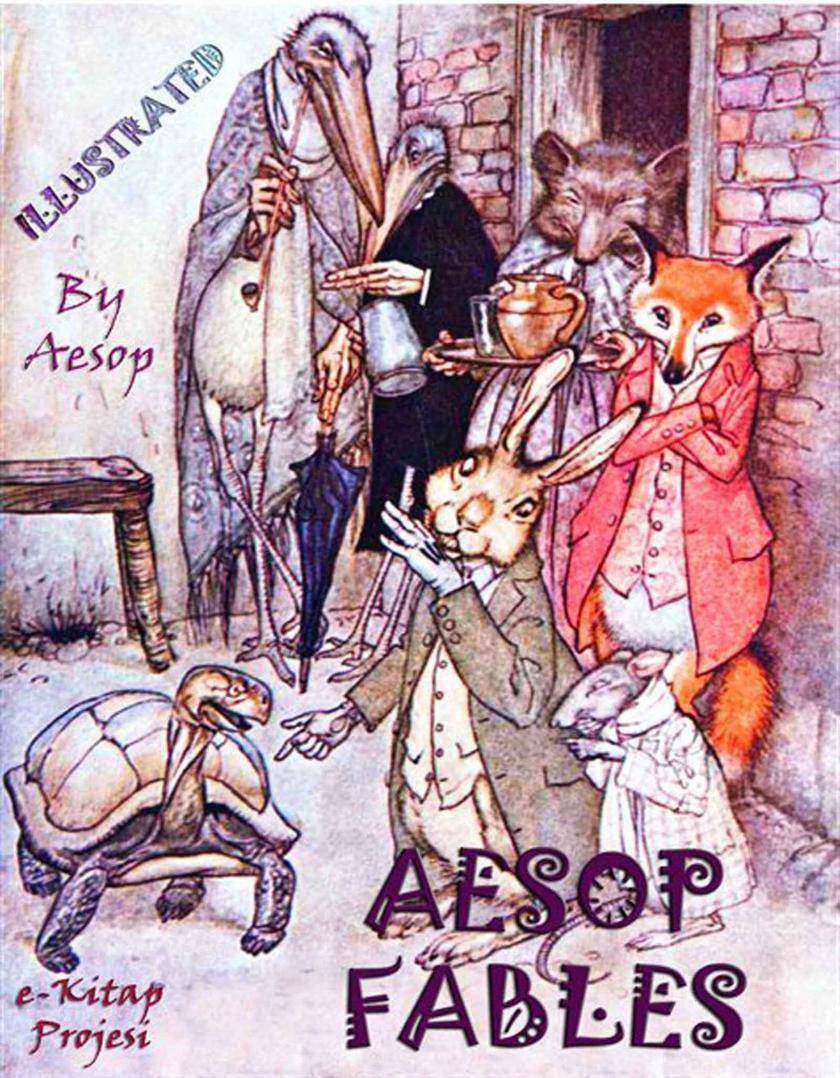
Aesop Fables: {Illustrated}
¥24.44
This book, re-edited and illustrated by e-kitap projesi and published again in ebook format. In this book, telling that Boyhood stories of the Most famous persons in the world, and so These 21 famous persons lay out from Christopher Colombus –The pre-founder of the America- to Otto von Bismarc. For example: “When he was sixteen Napoleon and his best friend, a boy named Desmazis, were ordered to join the regiment of La Fère which was then quartered in the south of France. Napoleon was glad of this change which brought him nearer to his island home, and he also felt that he would now learn something of actual warfare. The two boys were taken to their regiment in charge of an officer who stayed with them from the time they left Paris until the carriage set them down at the garrison town. The regiment of La Fère was one of the best in the French army, and the boy immediately took a great liking to everything connected with it. He found the officers well educated and anxious to help him. He declared the blue uniform with red facings to be the most beautiful uniform in the world. He had to work hard, still studying mathematics, chemistry, and the laws of fortification, mounting guard with the other subalterns, and looking after his own company of men. He seemed very young to be put in charge of grown soldiers, but his great ability had brought about this extraordinarily rapid promotion. He had a room in a boarding-house kept by an old maid, but took his meals at the Inn of the Three Pigeons. Now that he was an officer he began to be more interested in making a good appearance before people. He took dancing lessons and suddenly blossomed out into much popularity among the garrison. Older people could not help but see his great strength of character, and time and again it was predicted that he would rise high in the army.”
Ceasul r?u pe strada Hickory
¥33.03
Cartea de fa?? vrea s? relateze succint, dar temeinic, evenimentele petrecute în cei dou?zeci de ani de insecuritate ?i criz? ce au urmat Marelui R?zboi. Indiferent cât de puternice sau de durat? au fost for?ele ce au dus la izbucnirea celui de-al Doilea R?zboi Mondial, a existat un moment când principalii actori pe scena istoriei s-au v?zut nevoi?i s? se confrunte cu aceste for?e ?i s? ia anumite decizii. Marile evenimente ale istoriei î?i genereaz? o dinamic? ?i o desf??urare proprii. Din perspectiva noastr?, a celor de acum, al Doilea R?zboi Mondial pare s? fi izbucnit din cauza crizei interna?ionale provocate de Germania lui Hitler. Îns? nimic din ce se întâmpl? în istorie nu este inevitabil, dup? cum va încerca s? demonstreze acest volum. Dialogul straniu între sistem ?i actorii lui se afl? la baza relat?rii istorice. Evenimentele înse?i pot fi, în acela?i timp, cauz? ?i efect – la fel cum s-a întâmplat ?
The Trespasser
¥8.01
Egy t?kéletes férfi és egy kül?nleges lány. Vajon mit rejthet a hibátlan álca? William, a milliárdos üzletember Seattle-be utazik, hogy megtalálja elhunyt nevel?apja egyetlen vér szerinti gyermekét, akit ténylegesen megillet a férfira hagyott ?r?kség. Mik?zben piszkos módszereivel a valódi ?r?k?s után kutat, ?sszehozza a sors egy dacos, szemtelen, fiatal lánnyal, aki egyedi szépségével azonnal megbabonázza ?t. William felrúgva saját szabályait, enged Jessica csábításának. Ahogy egyre k?zelebb kerülnek egymáshoz, William ráj?n, hogy Jessica nem egy átlagos lány, a múltját s?tét titkok rejtik, ami után a férfi hiába nyomoz, folyton zsákutcába fut.Mer?ben eltér? személyiségük, életvitelük és a k?ztük lév? korkül?nbség nehéz d?ntés elé állítja ?ket. Megéri ennyit szenvedni egy boldog kapcsolat lehet?sége miatt? Ha fény derül minden titokra, képesek lesznek ugyanúgy nézni egymásra, mint azel?tt?Lilly Shade t?rténete nemcsak arra bizonyíték, hogy nincsenek véletlenek, de arra is, hogy a sors sem mindig kegyes. A t?kéletes nem valódi, és ami annak látszik, csupán álca. Az ilyen álcák pedig a legs?tétebb titkokat rejtegetik.

Démoni doki
¥65.97
Németh Miklós és Pozsgay Imre egy k?tetben! Mellettük pedig Mayer Péter, Markovics Ferenc, Arató István, Kajli Béla, Kerezsi István és még sokan mások. Ismert, k?zismert és kevésbé ismert nevek egy beszélget?k?nyvben, amely a munkás?rség t?rténetét ?leli fel. A szerz?k megfogalmazásában: t?bb szempontból sem hagyományos interjúk?tetet készítettünk, vállalva ennek el?nyeit és hátrányait egyaránt. K?sz?nhet? volt ez annak is, hogy a k?nyv megírását megel?zte egy, a testület teljes t?rténetét feldolgozó kétrészes, ?sszesen k?zel egyórás dokumentumfilm elkészítése a Munkás?rség - Egy párthadsereg t?rténete címmel. A munkás?r?k nehéz ládát cipelnek. Amikor letették, hogy megpihenjenek, épp arra j?n János bácsi, a téesz juhásza és megkérdi: Mit cipelnek fiaim? Hadititok!, feleli az egyik munkás?r. ?s nagyon nehéz a láda? Már hogyne lenne nehéz, mikor tele van kézigránáttal?, válaszol az egyik munkás?r. A korabeli viccben és t?bbek emlékezetében is úgy él a Munkás?rség, mint egy kissé esetlen, sokszor id?s embereknek a gy?jt?helye vagy klubja. De a valóságban ez egyáltalán nem így volt. Az '56-os forradalom leverését k?vet?en létrehozott szervezet feladata sokáig kizárólag a rend(szer) védelmének a biztosítása volt. A kádári állam kiépülését k?vet?en kidolgozták háborús, határ?rizeti és polgári védelmi feladataikat is. A kezdetben harminc-, majd hatvanezer f?s párthadsereg létszámát tekintve a korabeli Magyar Néphadseregéhez képest is jelent?s volt! A rendszerváltás során a hatalom részér?l felmerült a testület átmentése is, de erre végül nem került sor. A Munkás?rség felszámolását 1989-ben a teljes ellenzék k?vetelte, leszerelésük jelent?s izgalommal t?lt?tte el a magyar társadalmat. De hogy látták mindezt a korabeli vezet? politikusok, katonák, és nem utolsó sorban maguk a munkás?r?k? Az interjúk?tet erre próbál választ találni.
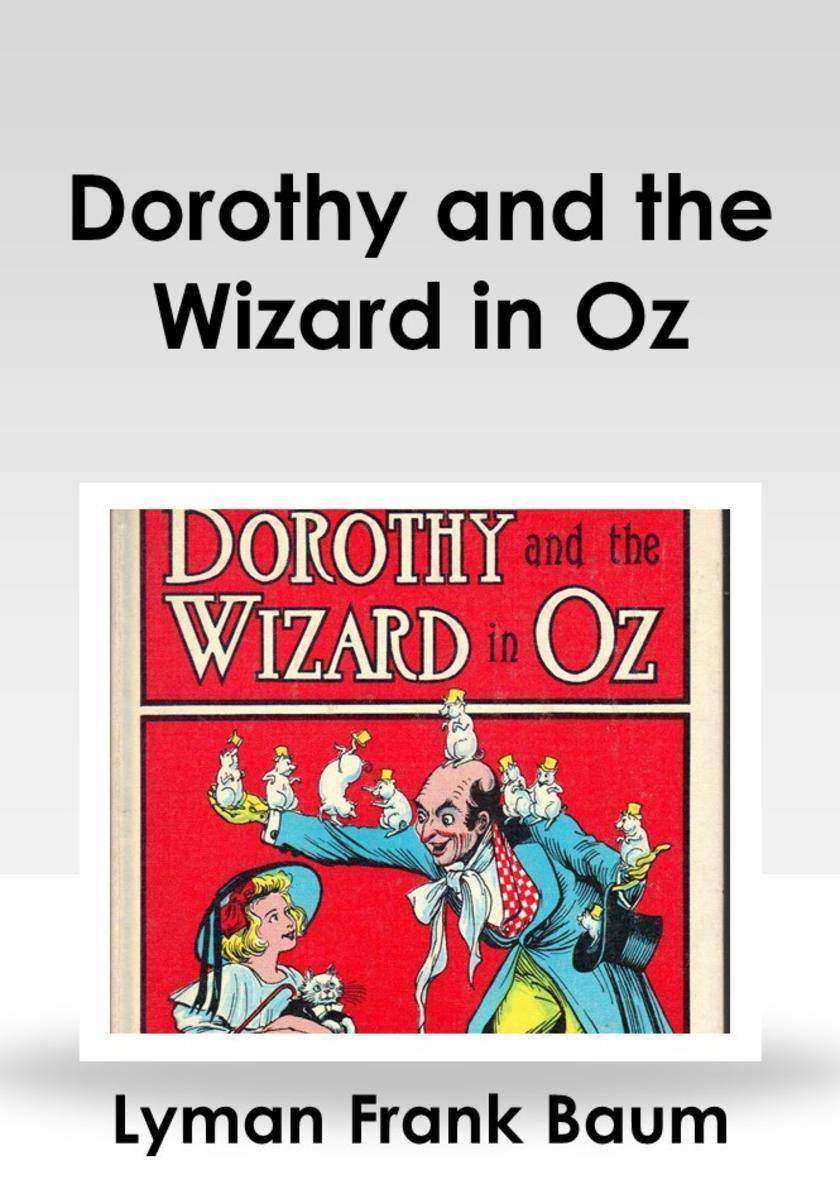
Dorothy and the Wizard in Oz
¥8.67
Kijárat az Adriára cím? nagysiker? munkája után Lovas Ildikó újabb regénye a mai divatos n?irodalommal száll szembe, a test, az érzékiség nyelvét nem radikalizálja tovább, hanem ?visszavesz” bel?le, mivel rendkívüli tudatossággal újra és újra az ártatlanság nyelvén akar szólni. A Spanyol menyasszony az erotikus krimi és a klasszikus lányregény mesteri ?tv?zete. A regény két síkon játszódik, az egyik az én-elbeszél? kiskamaszkoráig vezet vissza, míg a másik a neves orvos-író Csáth Géza feleségének, Jónás Olgának az utolsó napját beszéli el, abból próbálja megfejteni az író és felesége kegyetlenül túlf?t?tt, és tragédiába torkolló kapcsolatát.

K?zel a t?zh?z
¥71.69
This book, in affectionate tribute to the gallant courage, rugged indepen-dence and wonderful endurance of those adventurous souls who formed the vanguard of civilization in the early history of the Territory of Arizona and the remainder of the Great West, is DEDICATED TO JOHN H. CADY and?BASIL D. WOON ?/ ?PATAGONIA, ARIZONA, NINETEEN-FIFTEEN. When I first broached the matter of writing his autobiography to John H. Cady, two things had struck me particularly. One was that of all the literature about Arizona there was little that attempted to give a straight, chronological and intimate description of events that occurred during the early life of the Territory, and, second, that of all the men I knew, Cady was best fitted, by reason of his extraordinary experiences, remarkable memory for names and dates, and seniority in pioneership, to supply the work that I felt lacking. Some years ago, when I first came West, I happened to be sitting on the observation platform of a train bound for the orange groves of Southern California. A lady with whom I had held some slight conversation on the journey turned to me after we had left Tucson and had started on the long and somewhat dreary journey across the desert that stretches from the "Old Pueblo" to "San Berdoo," and said: "Do you know, I actually used to believe all those stories about the 'wildness of the West.' I see how badly I was mistaken." She had taken a half-hour stroll about Tucson while the train changed crews and had been impressed by the—to the casual observer—sleepiness of the ancient town. She told me that never again would she look on a "wild West" moving picture without wanting to laugh. She would not believe that there had ever been a "wild West"—at least, not in Arizona. And yet it is history that the old Territory of Arizona in days gone by was the "wildest and woolliest" of all the West, as any old settler will testify.
Bernard Brooks' Adventures: Illustrated
¥4.58
The dominant motives in Calderon's dramas are characteristically national: fervid loyalty to Church and King, and a sense of honor heightened almost to the point of the fantastic. Though his plays are laid in a great variety of scenes and ages, the sentiment and the characters remain essentially Spanish; and this intensely local quality has probably lessened the vogue of Calderon in other countries. In the construction and conduct of his plots he showed great skill, yet the ingenuity expended in the management of the story did not restrain the fiery emotion and opulent imagination which mark his finest speeches and give them a lyric quality which some critics regard as his greatest distinction. Of all Calderon's works, "Life is a Dream" may be regarded as the most universal in its theme. It seeks to teach a lesson that may be learned from the philosophers and religious thinkers of many ages—that the world of our senses is a mere shadow, and that the only reality is to be found in the invisible and eternal. The story which forms its basis is Oriental in origin, and in the form of the legend of "Barlaam and Josaphat" was familiar in all the literatures of the Middle Ages. Combined with this in the plot is the tale of Abou Hassan from the "Arabian Nights," the main situations in which are turned to farcical purposes in the Induction to the Shakespearean "Taming of the Shrew." But with Calderon the theme is lifted altogether out of the atmosphere of comedy, and is worked up with poetic sentiment and a touch of mysticism into a symbolic drama of profound and universal philosophical significance. LIFE IS A DREAM DRAMATIS PERSONAE Basilio King of Poland.Segismund his Son.Astolfo his Nephew.Estrella his Niece.Clotaldo a General in Basilio's Service.Rosaura a Muscovite Lady.Fife her Attendant. Chamberlain, Lords in Waiting, Officers,Soldiers, etc., in Basilio's Service. The Scene of the first and third Acts lies on the Polish frontier: of the second Act, in Warsaw. As this version of Calderon's drama is not for acting, a higher and wider mountain-scene than practicable may be imagined for Rosaura's descent in the first Act and the soldiers' ascent in the last. The bad watch kept by the sentinels who guarded their state-prisoner, together with much else (not all!) that defies sober sense in this wild drama, I must leave Calderon to answer for; whose audience were not critical of detail and probability, so long as a good story, with strong, rapid, and picturesque action and situation, was set before them. about author: Pedro Calderon de la Barca was born in Madrid, January 17, 1600, of good family. He was educated at the Jesuit College in Madrid and at the University of Salamanca; and a doubtful tradition says that he began to write plays at the age of thirteen. His literary activity was interrupted for ten years, 1625-1635, by military service in Italy and the Low Countries, and again for a year or more in Catalonia. In 1637 he became a Knight of the Order of Santiago, and in 1651 he entered the priesthood, rising to the dignity of Superior of the Brotherhood of San Pedro in Madrid. He held various offices in the court of Philip IV, who rewarded his services with pensions, and had his plays produced with great splendor. He died May 5, 1681. At the time when Calderon began to compose for the stage, the Spanish drama was at its height. Lope de Vega, the most prolific and, with Calderon, the greatest, of Spanish dramatists, was still alive; and by his applause gave encouragement to the beginner whose fame was to rival his own. The national type of drama which Lope had established was maintained in its essential characteristics by Calderon, and he produced abundant specimens of all its varieties. Of regular plays he has left a hundred and twenty; of "Autos Sacramentales," the peculiar Spanish allegorical development of the medieval mystery, we have seventy-three; besides a considerable number of farces.

Vigyázz, mit kívánsz!
¥45.53
RUINS OF ANCIENT CITIES, WITH GENERAL AND PARTICULAR ACCOUNTS OF THEIR RISE, FALL, AND PRESENT CONDITION. - BY CHARLES BUCKE This Volume contain these cities; Abydos, Abydus, ?gesta, ?ina, Agrigentum, Alba Longa, Alcantara, Alexandria, Amisus, Antioch, Argos, Ariammene, Arsinoe, Artaxata, Artemita, Athens, Babylon, Balbec, Byzantium, Cairo (Old), Cann?, Capua, Carthage, Catanea, Chalcedon, Ch?ronea, Corduba, Corcyra (Corfu), Corinth, Ctesiphon, Delphos, Ecbatana, Eleusis, Elis, Ephesus, Gerasa (Djerash), Granada, Gnidos, Heliopolis, Herculaneum, Hierapolis, Isfahan, Italica, Jerusalem, Laced?mon, Or Sparta, Laodicea, Leuctra, Magnesia, Mantinea, Marathon, Megalopolis, Megara, Memphis. Of chance or change, oh! let not man complain;Else shall he never, never, cease to wail;For from the imperial dome, to where the swainRears his lone cottage in the silent dale,All feel the assault of fortune's fickle gale.Art, empire, earth itself, to change are doom'd;Earthquakes have raised to heaven the humble vale;And gulfs the mountains' mighty mass entomb'd;And where the Atlantic rolls wide continents have bloom'd. {BEATTIE.} The reader is requested to observe, that, though the plan of this work is entirely his own, the compiler of it does not put it forth as in any way original in respect to language or description. It is, in fact, a much better book, than if it had been what is strictly called original, (which, indeed, must have involved an utter impossibility:) for it is a selection of some of the best materials the British Museum could furnish; sometimes worked up in his own language; and sometimes—and, indeed, very frequently—in that of others: the compiler having, at an humble distance and with unequal steps, followed the plan which M. Rollin proposed to himself, when he composed his celebrated history of ancient times.—"To adorn and enrich my own," says that celebrated writer, "I will be so ingenuous as to confess, that I do not scruple, nor am ashamed, to rifle whereever I come; and that I often do not cite the authors from whom I transcribe, because of the liberty I take to make some slight alterations. I have made the best use in my power of the solid reflections that occur in the Bishop of Meaux's Universal History, which is one of the most beautiful and most useful books in our language. I have also received great assistance from the learned Dean Prideaux's 'Connexion of the Old and New Testament,' in which he has traced and cleared up, in an admirable manner, the particulars relating to ancient history. I shall take the same liberty with whatever comes in my way, that may suit my design, and contribute to its perfection. I am very sensible, that it is not so much for a person's reputation to make use of other men's labours, and that it is in a manner renouncing the name and quality of author. But I am not over-fond of that title, and shall be extremely well pleased, and think myself very happy, if I can but deserve the name of a good compiler; and supply my readers with a tolerable history, who will not be over-solicitous to inquire what hand it comes from, provided they are but pleased with it."
Hints for Lovers: "The Secret Nature and Psychology of Love"
¥18.74
The Aeneid is widely considered Virgil's finest work and one of the most important poems in the history of western literature. Virgil worked on the Aeneid during the last eleven years of his life (29–19 BC), commissioned, according to Propertius, by Augustus. The epic poem consists of 12 books in dactylic hexameter verse which describe the journey of Aeneas, a warrior fleeing the sack of Troy, to Italy, his battle with the Italian prince Turnus, and the foundation of a city from which Rome would emerge. The Aeneid's first six books describe the journey of Aeneas from Troy to Rome. Virgil made use of several models in the composition of his epic; Homer the preeminent classical epicist is everywhere present, but Virgil also makes especial use of the Latin poet Ennius and the Hellenistic poet Apollonius of Rhodes among the various other writers to which he alludes. Although the Aeneid casts itself firmly into the epic mode, it often seeks to expand the genre by including elements of other genres such as tragedy and aetiological poetry. Ancient commentators noted that Virgil seems to divide the Aeneid into two sections based on the poetry of Homer; the first six books were viewed as employing the Odyssey as a model while the last six were connected to the Iliad. Book 1 (at the head of the Odyssean section) opens with a storm which Juno, Aeneas' enemy throughout the poem, stirs up against the fleet. The storm drives the hero to the coast of Carthage, which historically was Rome's deadliest foe. The queen, Dido, welcomes the ancestor of the Romans, and under the influence of the gods falls deeply in love with him. At a banquet in Book 2, Aeneas tells the story of the sack of Troy, the death of his wife, and his escape, to the enthralled Carthaginians, while in Book 3 he recounts to them his wanderings over the Mediterranean in search of a suitable new home. Jupiter in Book 4 recalls the lingering Aeneas to his duty to found a new city, and he slips away from Carthage, leaving Dido to commit suicide, cursing Aeneas and calling down revenge in a symbolic anticipation of the fierce wars between Carthage and Rome. In Book 5, Aeneas' father Anchises dies and funeral games are celebrated for him. On reaching Cumae, in Italy in Book 6, Aeneas consults the Cumaean Sibyl, who conducts him through theUnderworld where Aeneas meets the dead Anchises who reveals Rome's destiny to his son. Book 7 (beginning the Iliadic half) opens with an address to the muse and recounts Aeneas' arrival in Italy and betrothal to Lavinia, daughter of King Latinus. Lavinia had already been promised to Turnus, the king of the Rutulians, who is roused to war by the Fury Allecto, and Amata Lavinia's mother. In Book 8, Aeneas allies with King Evander, who occupies the future site of Rome, and is given new armor and a shield depicting Roman history. Book 9 records an assault by Nisus and Euryalus on the Rutulians, Book 10, the death of Evander's young son Pallas, and 11 the death of the Volscian warrior princess Camilla and the decision to settle the war with a duel between Aeneas and Turnus. The Aeneid ends in Book 12 with the taking of Latinus' city, the death of Amata, and Aeneas' defeat and killing of Turnus, whose pleas for mercy are spurned. The final book ends with the image of Turnus' soul lamenting as it flees to the underworld.
Приют. Похитители костей (Prijut. Pohititeli kostej)
¥26.65
Йшов четвертий р?к св?тово? в?йни. Втомлений под?ями генерал-лейтенант рос?йсько? ?мператорсько? арм?? Павло Петрович Скоропадський, нащадок старовинно? старшинсько? фам?л??, ще не знав, що стане гетьманом незалежно? Укра?нсько? Держави.??Епоха зм?н, яку самовбивчо наближали революц?онери вс?х мастей, перетворилася на апокал?псис, в?йну вс?х проти вс?х, але Скоропадському стало духу взяти на себе невдячну ношу державного буд?вництва. Спроба зак?нчилася ц?лковитим ? оч?куваним провалом, але окрем? починання гетьмана дотривали до наших дн?в: саме йому Укра?на завдячу?, наприклад, Академ??ю наук.

The Eyes Have It
¥4.58
MODERN scientific publications, although they may in some or even many cases equal in their scientific quality the memoirs of earlier workers, do not, on the average, reach a high standard as regards illustration. For instance, in Great Britain botany is pre-eminent in its morphological aspects; it should therefore follow that the illustrations, which form so important a part of such papers, should be beyond reproach. This is not always so, a fact which must be patent to anyone with the slightest critical knowledge who looks through a typical journal. This is a fact much to be regretted, since many of the earlier scientists were accomplished draughtsmen and, indeed, often artists; in this connection the Hookers and Pro-fessor Daniel Oliver may be mentioned. The implication is not intended that there are no good amateur draughtsmen nowadays; there are, and in some cases pos-sessed of great ability. The beautiful work of Church in his Floral Mechanisms may be cited as an example. It may, of course, be argued that any picture which serves to illustrate the particu-lar feature is good enough; this is the contention of one who takes an insufficient pride in his work. A feature worthy of an illustration deserves the best the author can produce, more especially as a literary form is still, fortunately, preserved or, at any rate, aimed at.The reason for indifferent illustrations is primarily due to bad or mediocre draw-ings, or to their unsuitability for the kind of reproduction in view. With regard to the first point: this lack of draughtsmanship often obtains; when education entirely replaces mere instruction, it is to be hoped that all students of science will be trained in the rudiments of drawing. Meanwhile the difficulty can be partly overcome, as will be seen later on, by the simple means of drawing on an enlarged scale, in order that in reproduction reduction can be made. The second reason, the onus of which also falls on the authors, is a lack of knowledge regarding the kind of drawing suitable for the different modes of re-production; this is a very important point, for "technical conditions govern even genius itself."Authors, however, are not always to blame; it would appear that even editors sometimes are wanting in the requisite knowledge, for we have known straight-forward line drawings reproduced by half-tone; in other cases the paper used is unsuitable for the reproduction and, at other times, the printers are at fault. With a view to remedying, at any rate in part, these deficiencies, a course of lec-tures, arranged by the Board of Studies in Botany of the University of London, was delivered in the Lent term of 1913 in the Department of Botany of University College, London. In gratifying the wish expressed by some that these lectures should be given a more permanent dress, the author feels that some apology is necessary, for he can lay no claim to authoritative knowledge of much of the subject-matter; questions relating to the graphic arts and to illustrations, however, have always been of in-terest to him, so that he has tried various experiments, often with disastrous re-sults, and thus has gained some experience. In these matters the author has benefited much through his association with Pro-fessor F. W. Oliver, who, characteristically, has been ever ready to discuss these problems with, and to place his knowledge and experience at the disposal of the author.


