


 购物车
购物车 个人中心
个人中心
Macbeth, with line numbers
¥8.09
The classic tragedy. According to Wikipedia: "Macbeth is a tragedy by William Shakespeare about a regicide and its aftermath. It is Shakespeare's shortest tragedy, and is believed to have been written some time between 1603 and 1606 with 1607 being the very latest possible date. The earliest account of a performance of what was likely Shakespeare's play is April 1611, when Simon Forman recorded seeing such a play at the Globe Theatre. It was first published in the Folio of 1623, possibly from a prompt book for a specific performance. Shakespeare's principal sources for the tragedy are the accounts of Kings Duff and Duncan in Holinshed's Chronicles (1587), a history of England, Scotland and Ireland familiar to Shakespeare and his contemporaries."
The Inspector General
¥8.09
Classic satiric play. According to Wikipedia: "Nikolai Vasilievich Gogol ( 1809 - 1852) was a Russian writer of Ukrainian ethnicity. Although his early works were heavily influenced by his Ukrainian upbringing and identity, he wrote in Russian and his works belong to the tradition of Russian literature; often called the "father of modern Russian realism," he was one of the first Russian authors to criticize his country's way of life. The novels Taras Bul'ba (1835; 1842 [revised edition]), Dead Souls (1842), the play The Inspector-General (1836, 1842), and the short story The Overcoat (1842) are among his masterpieces."
The Taming of the Shrew, with line numbers
¥8.09
Classic Shakespearean comedy, with line numbers. According to Wikipedia: "The Taming of the Shrew is an early comedy by William Shakespeare believed to have been written between 1590 and 1594. The play begins with a framing device, often referred to as the Induction, in which a drunken tinker named Sly is tricked into thinking he is a nobleman by a mischievous Lord. The Lord has a play performed for Sly's amusement with a primary and sub-plot. The main plot depicts the courting of Petruchio, a gentleman of Verona, and Katherina, the headstrong, obdurate, and eponymous shrew. Katherina is at first an unwilling participant in the relationship but Petruchio tempers her with various psychological torments - the "taming" - until she is an obedient bride. The sub-plot features a competition between the suitors of Katherina's less intractable sister, Bianca."
Battle-Pieces and Aspects of the War
¥8.09
Poems by the author of Moby Dick. He explains, "With few exceptions, the Pieces in this volume originated in an impulse imparted by the fall of Richmond. They were composed without reference to collective arrangement, but being brought together in review, naturally fall into the order assumed. The events and incidents of the conflict--making up a whole, in varied amplitude, corresponding with the geographical area covered by the war--from these but a few themes have been taken, such as for any cause chanced to imprint themselves upon the mind. The aspects which the strife as a memory assumes are as manifold as are the moods of involuntary meditation--moods variable, and at times widely at variance. Yielding instinctively, one after another, to feelings not inspired from any one source exclusively, and unmindful, without purposing to be, of consistency..."
Underwoods
¥8.09
Poetry. According to Wikipedia: "Robert Louis (Balfour) Stevenson ( 1850 - 1894), was a Scottish novelist, poet, and travel writer, and a leading representative of Neo-romanticism in English literature. He was the man who "seemed to pick the right word up on the point of his pen, like a man playing spillikins", as G. K. Chesterton put it. He was also greatly admired by many authors, including Jorge Luis Borges, Ernest Hemingway, Rudyard Kipling, Vladimir Nabokov, and J. M. Barrie. Most modernist writers dismissed him, however, because he was popular and did not write within their definition of modernism. It is only recently that critics have begun to look beyond Stevenson's popularity and allow him a place in the canon."
Pericles, Prince of Tyre, with line numbers
¥8.09
The classic Shakespeare play, with line numbers. According to Wikipedia: "Pericles, Prince of Tyre is a Jacobean play written at least in part by William Shakespeare and included in modern editions of his collected works despite questions over its authorship, as it was not included in the First Folio. Modern editors generally agree that Shakespeare is responsible for almost exactly half the play—827 lines—the main portion after scene 9 that follows the story of Pericles and Marina.[1][2][3][4] Modern textual studies indicate that the first two acts of 835 lines detailing the many voyages of Pericles were written by a mediocre collaborator, which strong evidence suggests to have been the victualler, pander, dramatist and pamphleteer George Wilkins.
Homer's Odyssey
¥8.09
Prose translation. According to Wikipedia: "Homer is a legendary ancient Greek epic poet, traditionally said to be the author of the epic poems the Iliad and the Odyssey. The ancient Greeks generally believed that Homer was a historical individual, but modern scholars are skeptical: no reliable biographical information has been handed down from classical antiquity, and the poems themselves manifestly represent the culmination of many centuries of oral story-telling and a well-developed "formulaic" system of poetic composition."
Browning's Shorter Poems
¥8.09
Selected and edited by Franklin Baker. According to Wikipedia: "Robert Browning (1812 – 1889) was an English poet and playwright whose mastery of dramatic verse, especially dramatic monologues, made him one of the foremost Victorian poets."
As You Like It/ Wie Es Euch Gefallt: Bilingual edition
¥8.09
Bilingual, English and German. Shakespeare comedy in English with line numbers and translated to German. According to Wikipedia: "As You Like It is a pastoral comedy by William Shakespeare believed to have been written in 1599 or early 1600 and first published in the First Folio, 1623. The play's first performance is uncertain, though a performance at Wilton House in 1603 has been suggested as a possibility. As You Like It follows its heroine Rosalind as she flees persecution in her uncle's court, accompanied by her cousin Celia and Touchstone the court jester, to find safety and eventually love in the Forest of Arden. " Zweisprachig, Englisch und Deutsch. Shakespeare-Kom?die in Englisch mit Zeilennummern und ins Deutsche übersetzt. Laut Wikipedia: "As You Like It" handelt es sich um eine Pastoralkom?die von William Shakespeare, die vermutlich im Jahr 1599 oder Anfang 1600 geschrieben und erstmals im First Folio 1623 ver?ffentlicht wurde. Die erste Aufführung des Stücks ist ungewiss, obwohl eine Aufführung im Wilton House in 1603 wurde als eine M?glichkeit vorgeschlagen, wie Sie es m?gen, folgt seine Heldin Rosalind, wie sie Verfolgung in Hof ihres Onkels flieht, begleitet von ihrer Cousine Celia und Touchstone der Hofnarr, um Sicherheit und schlie?lich Liebe im Wald von Arden zu finden.
Sept pièces
¥8.09
Ce fichier comprend: Don Juan ou Le Festin de Pierre (1663); L'Avare (1667); L'?tourdi ou Les Contre-Temps (1653-1658); Le Mariage Forcé (1664); Le Médecin Malgré Lui (1666); Les Précieuses Ridicules (1659); et Sganarelle ou Le Cocu Imaginaire (1660); Selon Wikipedia: "Jean-Baptiste Poquelin, connu surtout sous son nom de scène Molière (15 janvier 1622 - 17 février 1673) était un dramaturge et acteur fran?ais considéré comme l'un des plus grands ma?tres de la comédie dans la littérature occidentale. Les drames les plus connus de Molière sont Le Misanthrope (Le Misanthrope), L'?cole des femmes, Tartuffe ou L'Imposteur, Tartuffe ou l'Hypocrite, L'Avare ou L'?cole du Mensonge. Le Malade imaginaire, et Le Bourgeois gentilhomme, issu d'une famille prospère et ayant étudié au Collège de Clermont (aujourd'hui le Lycée Louis-le-Grand), Molière était bien placé pour débuter une La vie au thé?tre Treize ans en tant qu'acteur itinérant l'ont aidé à peaufiner ses capacités comiques en commen?ant à écrire, en combinant les éléments de la Commedia dell'Arte avec la comédie fran?aise, plus raffinée.
Judith, a Play in Three Acts: Founded on the Apocryphal Book of Judith
¥8.09
Dodo Collections brings you another classic from Arnold Bennett, ‘"Judith, a Play in Three Acts; Founded on the Apocryphal Book of Judith."’ ? Enoch Arnold Bennett (always known as Arnold Bennett) was one of the most remarkable literary figures of his time, a product of the English Potteries that he made famous as the Five Towns. Yet he could hardly wait to escape his home town, and he did so by the sheer force of his ambition to succeed as an author. In his time he turned his hand to every kind of writing, but he will be remembered for such novels as The Old Wives' Tale, the Clayhanger trilogy (Clayhanger, Hilda Lessways, and These Twain), and The Card. He also wrote such intriguing self-improvement books as Literary Taste, How To Live on 24 Hours a Day, The Human Machine, etc. ? After a local education Bennett finished his education at the University of London and for a time was editor of Woman magazine. After 1900 he devoted himself entirely to writing; dramatic criticism was one of his foremost interests. Bennett is best known, however, for his novels, several of which were written during his residence in France. ? Bennett's infancy was spent in genteel poverty, which gave way to prosperity as his father succeeded as a solicitor. From this provincial background he became a novelist. His enduring fame is as a Chronicler of the Potteries towns, the setting and inspiration of some of his most famous and enduring literary work and the place where he grew up.
Henri IV, Premiere Partie, (Henry IV Part I in French)
¥8.09
Pièce d'histoire de Shakespeare, Henry IV Part One, en traduction fran?aise. Selon Wikipédia: "Henry IV, Part 1 est une pièce d'histoire de William Shakespeare, qui aurait été écrite au plus tard en 1597. C'est la deuxième pièce de la tétralogie de Shakespeare traitant des règnes successifs de Richard II, Henri IV (deux pièces ), et Henry V. Henry IV, partie 1 dépeint une période de l'histoire qui commence avec la bataille de Hotspur à Homildon contre le Douglas à la fin de 1402 et se termine avec la défaite des rebelles à Shrewsbury au milieu de 1403. Dès le début il a été un jeu extrêmement populaire à la fois avec le public et les critiques. "
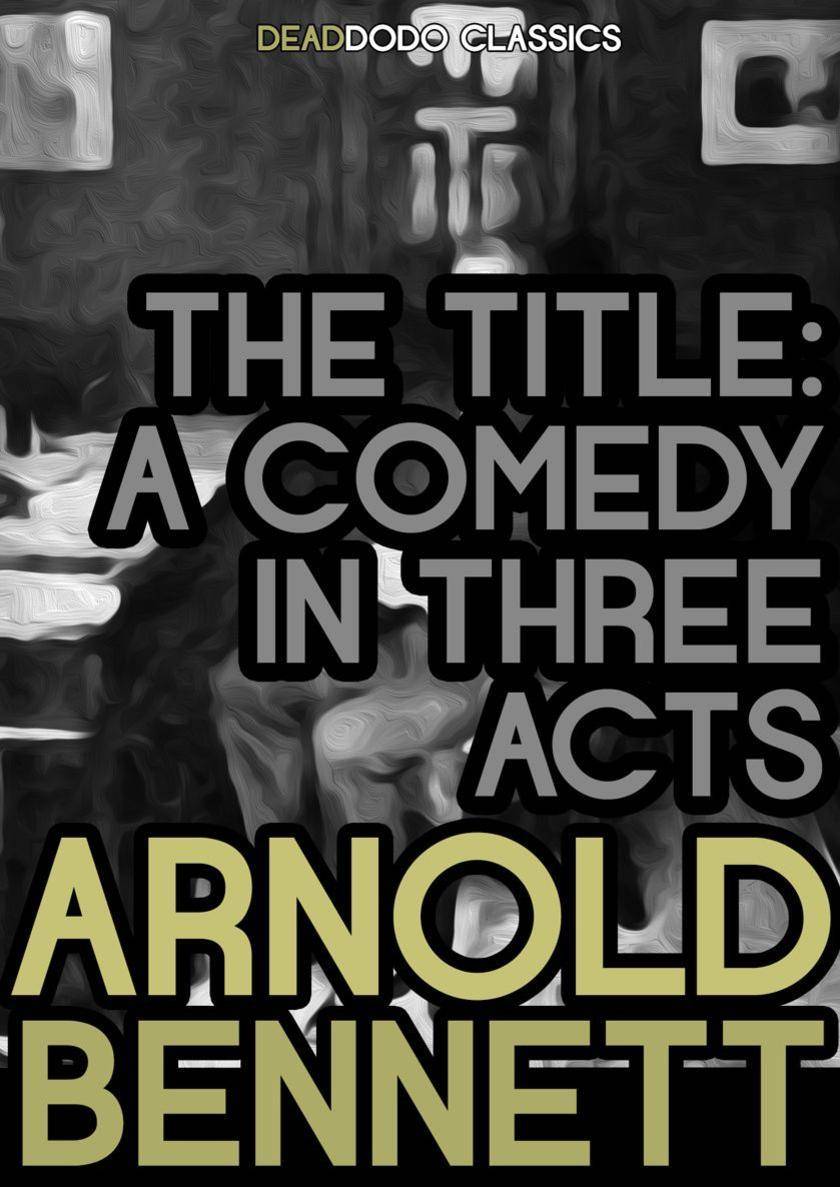
The Title: A Comedy in Three Acts
¥8.09
Dodo Collections brings you another classic from Arnold Bennett, ‘"The Title: A Comedy in Three Acts."’ ? Set against the backdrop of World War I, this play is a rollicking send-up of Britain's class system and its growing absurdity in the heady period of democratization that began to transpire in the early twentieth century. When mild-mannered protagonist Culver finds out that he is entitled to a formal honor (i.e., a title), he begins to reconsider the age-old hierarchy and all that it entails. ? Enoch Arnold Bennett (always known as Arnold Bennett) was one of the most remarkable literary figures of his time, a product of the English Potteries that he made famous as the Five Towns. Yet he could hardly wait to escape his home town, and he did so by the sheer force of his ambition to succeed as an author. In his time he turned his hand to every kind of writing, but he will be remembered for such novels as The Old Wives' Tale, the Clayhanger trilogy (Clayhanger, Hilda Lessways, and These Twain), and The Card. He also wrote such intriguing self-improvement books as Literary Taste, How To Live on 24 Hours a Day, The Human Machine, etc. ? After a local education Bennett finished his education at the University of London and for a time was editor of Woman magazine. After 1900 he devoted himself entirely to writing; dramatic criticism was one of his foremost interests. Bennett is best known, however, for his novels, several of which were written during his residence in France. ? Bennett's infancy was spent in genteel poverty, which gave way to prosperity as his father succeeded as a solicitor. From this provincial background he became a novelist. His enduring fame is as a Chronicler of the Potteries towns, the setting and inspiration of some of his most famous and enduring literary work and the place where he grew up.
Richard III in French
¥8.09
Lecture de l'histoire de Shakespeare, Richard III, en traduction fran?aise. Selon Wikipédia: "Richard III est une pièce d'histoire de William Shakespeare, qui aurait été écrite vers 1591. Elle décrit l'accession au pouvoir machiavélique et le court règne de Richard III d'Angleterre. Le premier folio est le plus souvent classé comme tel, mais de temps à autre, comme dans l'édition quarto, il s'agit d'une tragédie: Richard III conclut la première tétralogie de Shakespeare (qui contient aussi Henry VI, parties 1-3).
Shakespeare's Pericles in French
¥8.09
Le classique Shakespeare joue en traduction fran?aise. Selon Wikipédia: "Périclès, prince de Tyr est une pièce jacobéenne écrite au moins en partie par William Shakespeare et incluse dans les éditions modernes de ses ?uvres rassemblées malgré des questions sur sa paternité, car elle n'était pas incluse dans le premier folio. conviennent que Shakespeare est responsable de presque exactement la moitié du jeu - 827 lignes - la partie principale après la scène 9 qui suit l'histoire de Périclès et Marina.Les études textuelles modernes indiquent que les deux premiers actes de 835 lignes détaillant les nombreux voyages de Périclès ont été écrits par un collaborateur médiocre, qui suggère fortement d'avoir été l'aviateur, pander, dramaturge et pamphlétaire George Wilkins.

The Burglar's Christmas
¥40.79
A beautiful Christmas story of love, forgiveness and uneasy life. Set in Chicago on a bitterly cold Christmas night, William, considers stealing both to satisfy his hunger and to find excitement in his dull life, but when a woman drops a parcel he gives it to her instead of running off with it. He feels as if he is a failed thief, in the same manner as he has failed at everything - college, journalism, real estate, performing. He then walks into a house in an attempt to steal the jewellery, and his own mother finds him there.
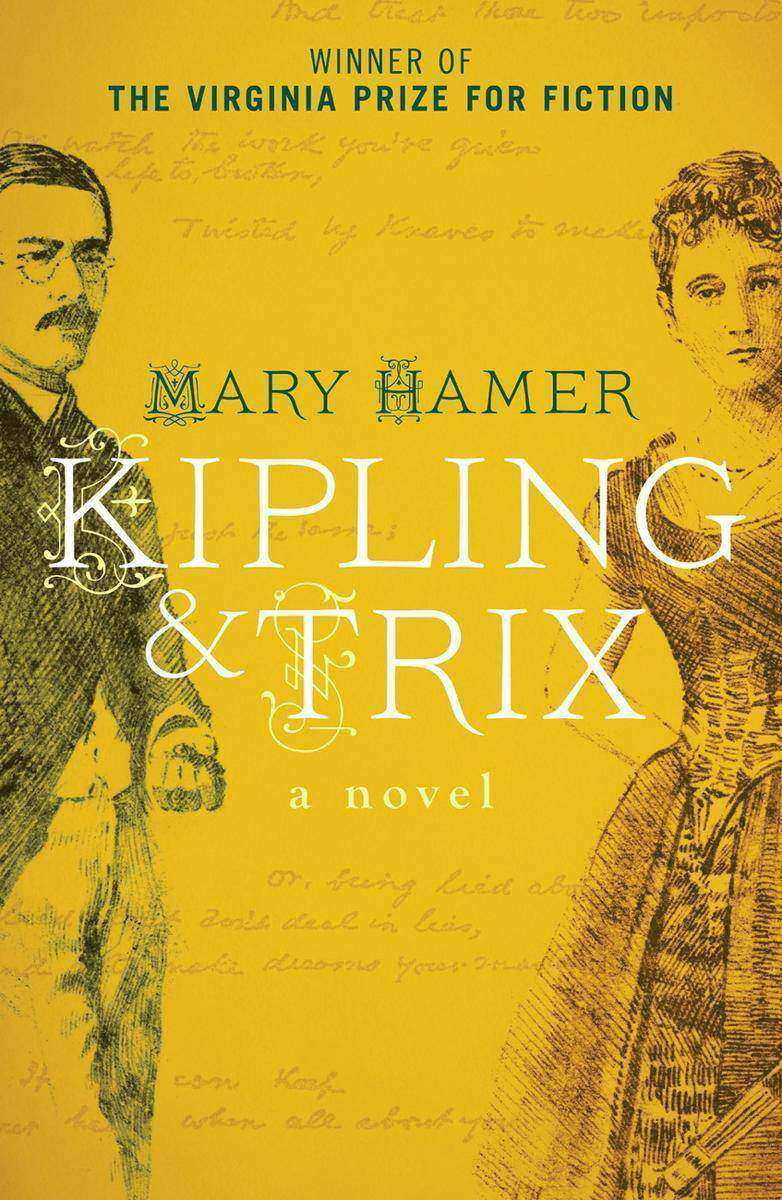
Kipling & Trix
¥40.79
As young children, Rudyard and his sister ‘Trix’ flourished in the brilliant warmth and colour of India. Their happiness ended abruptly when they were sent back to England to live with a strict and god-fearing foster family. Both became writers, although one lived in the shadow of the other’s extraordinary success. The name Rudyard Kipling is known to millions, but what became of his talented younger sister? She was careful to hide her secret life even from those closest to her. Mary Hamer’s fascinating novel brings both Kipling and Trix vividly to life. In this fictionalised account of their lives, she goes to the heart of the relationship between a difficult brother and his troubled sister. Hamer peels back the historical record to reveal the obsessions which fuelled Kipling and his sister. Was he really better equipped to deal with conflict, heartbreak and loss than his beloved Trix?

Themba: a boy called Hope
¥40.79
Growing up in rural South Africa, Themba dreams of becoming a famous footballer. One day he leaves his village and travels with his sister in search of their mother. Life is a struggle in the city and Themba has to grow up fast. A lucky break gives him the chance to train as a footballer in the premier league. Finally he’s playing professionally and everyone wants to know about the rising young star – but Themba has a secret – should he tell the truth about his HIV and risk everything he’s ever dreamed of?

The Divided Laing: Or The Two Ronnies
¥38.62
London 1970: Experimental psychiatrist R.D. Laing is facing eviction from his pioneering asylum in the East End’s Kingsley Hall. Local residents are up in arms – and to make matters worse, Ronnie’s revolutionary colleague David Cooper is flipping out on the roof… With his personal life going down the pan and his mental state heading the same way, Ronnie takes an acid trip to the future. His mission is to save his therapeutic collective The Philadelphia Association and secure his professional legacy. Will it be a one-way ticket to madness – or can breakdown sometimes mean breakthrough?

Who Do We Think We Are?
¥38.62
A kaleidoscope of stories about war, displacement, revolution and liberation taking us on an emotional journey across three continents. Based on the actors’ personal and family experiences, the stories interweave and overlap, exploring moments of joy, sadness and laughter set against key historical events over the last hundred years. Poignant, moving, funny, inspiring, this is the first piece of work created by the Visible Ensemble, dedicated to putting older performers and their rich lives centre stage.
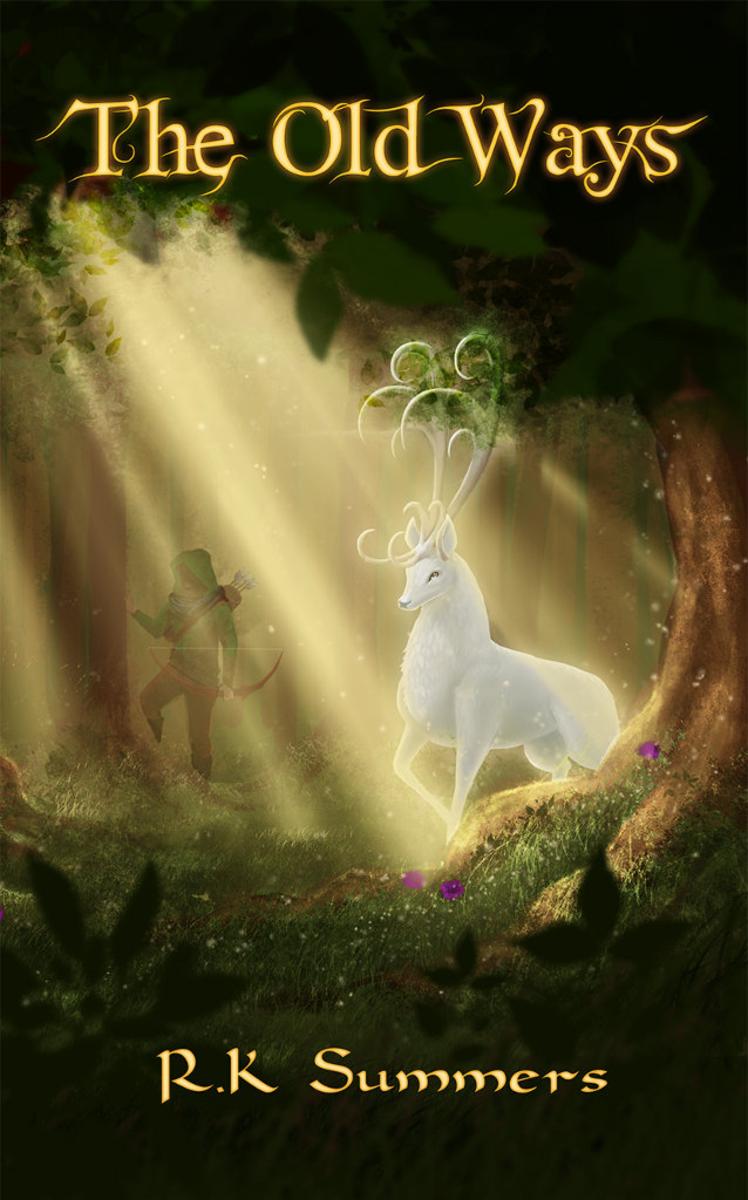
The Old Ways
¥32.62
Something snapped. He let the arrow fly. The night Thomas Rhymer’s young sister is stolen away by shadows and smoke, he discovers there’s more to life than the fields and forests he knows so well. If he has any hope of rescuing Alissa, he must first cross into a realm where magic is lifeblood, and where shadows dance with dragonfire. With the help of the seelie faery Thistledown, Thomas embarks on a treacherous quest, deep into the heart of war-raved Albion. But getting his sister back means pledging aid to Mab, the usurped Queen of the Old Ways, against the tyranny of the Dark Prince. Yet danger and deceit lie around every corner, and some secrets are better left untold.


