


 购物车
购物车 个人中心
个人中心
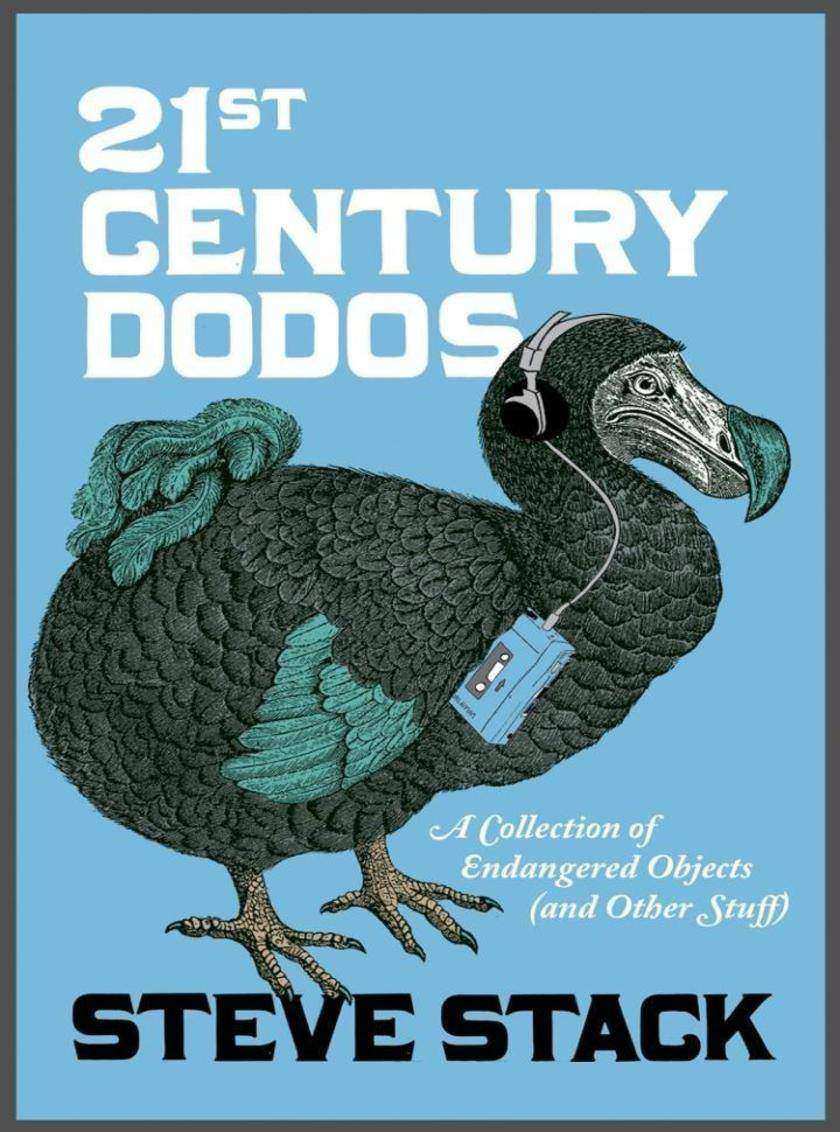
21st Century Dodos: A Collection of Endangered Objects (and Other Stuff)
¥39.04
A REVISED AND UPDATED EBOOK EDITION WITH ALL NEW READERS’ DODOS! We’ve all heard of the list of endangered animals, but no one has ever pulled together a list of endangered inanimate objects. Until now, that is. Steve Stack has catalogued well over one hundred objects, traditions, cultural icons and, well, other stuff that is at risk of extinction. Some of them have vanished already. Cassette tapes, rotary dial phones, half-day closing, milk bottle deliveries, Concorde, handwritten letters, typewriters, countries that no longer exist, white dog poo… …all these and many more are big a fond farewell in this nostalgic, and sometimes irreverent, trip down memory lane.
Talk to the Hand
¥66.22
A battle-cry for civilised behaviour from the author of the multi-million selling Eats, Shoots and Leaves. "Talk to the hand 'cause the face ain't listening," the saying goes. When did the world get to be so rude? When did society become so inconsiderate? It's a topic that has been simmering for years, and Lynne Truss says that it has now reached boiling point. Taking on the boorish behaviour that has become a point of pride for some, Talk to the Hand is a rallying cry for courtesy. Like Eats, Shoots and Leaves, Talk to the Hand is a spirited conversation, not a stuffy guidebook. It is not about forks, for a start. Why hasn't your nephew ever thanked you for that perfect Christmas present? What makes your builder think he can treat you like dirt in your own home? When you phone a utility with a complaint (and have negotiated the switchboard), why can't you ever speak to a person who is authorised to apologise? What accounts for the appalling treatment you receive in shops? Most important, what will it take to roll back a culture that applauds rudeness and finds it so amusing? For anyone who's fed up with the brutality inflicted by modern manners (and is naturally too scared to confront the actual yobs), Talk to the Hand is a colourful call to arms from the wittiest defender of the civilised world.
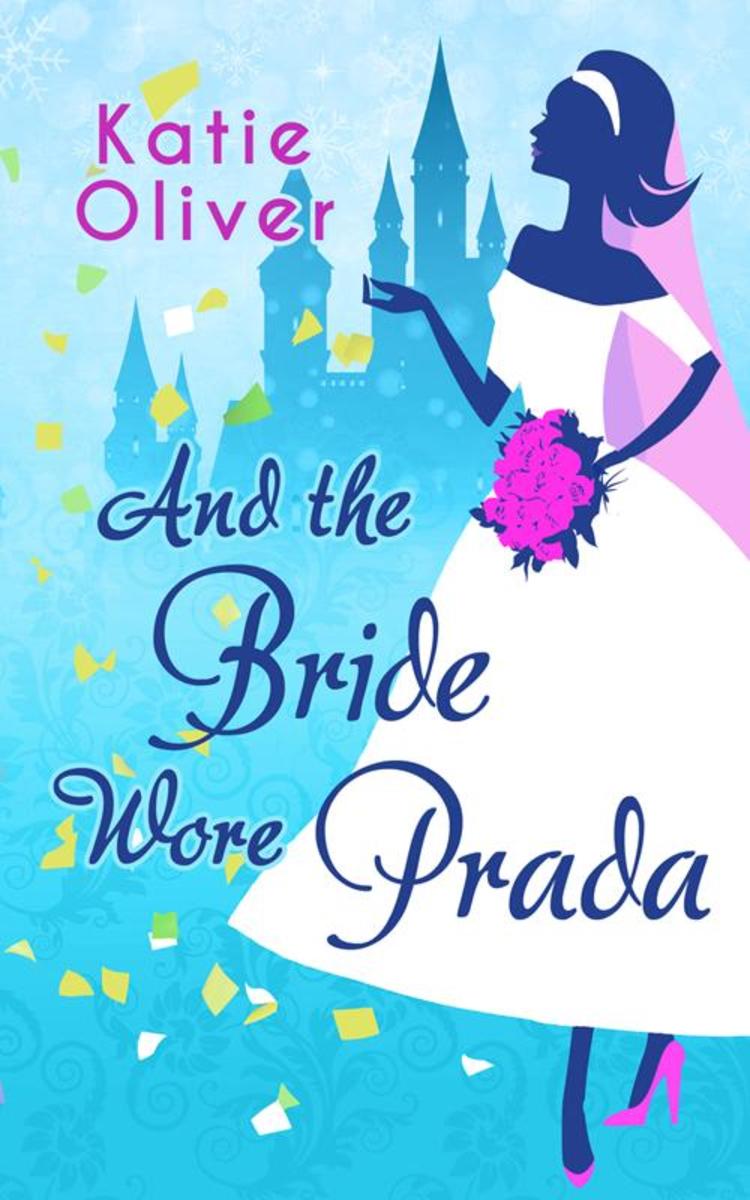
And The Bride Wore Prada (Marrying Mr Darcy, Book 1)
¥39.24
She’s dated Mr Darcy… After being hounded by the paparazzi ever since news of their engagement got out, Gemma and Dominic are flying to Scotland for a much-needed romantic getaway. But they didn’t expect to find Dominic’s ex, Natalie, and her husband Rhys, on the very same flight! Landing in a torrential blizzard and with only one hire car (let alone a limo!) between them, the four share a lift….but as the snowdrifts move in, stranding them in an isolated castle, it seems they’ll be reunited for longer than planned! Now it’s time to say ‘I do!’ In the face of adversity, Gemma does what any self-respecting celebrity fiancée would do: starts planning a last-minute wedding while she has Dominic to herself! After all, where better for a discreetly decadent wedding than in the middle of nowhere, miles from the nearest celebrity news desk? But marrying an A-lister away from prying eyes was never going to be easy. Will Gemma make it up the aisle? And, more importantly, now she’s miles away from Vera Wang, what is this fashionista going to wear?! And the Bride Wore Prada is the sensational first book in Katie Oliver’s long-awaited ‘Marrying Mr Darcy’ series, the follow-up to her best-selling ‘Dating Mr Darcy’ trilogy. Also by Katie Oliver: Prada and Prejudice Love and Liability Mansfield Lark and, coming soon: Love, Lies and Louboutins Manolos in Manhattan
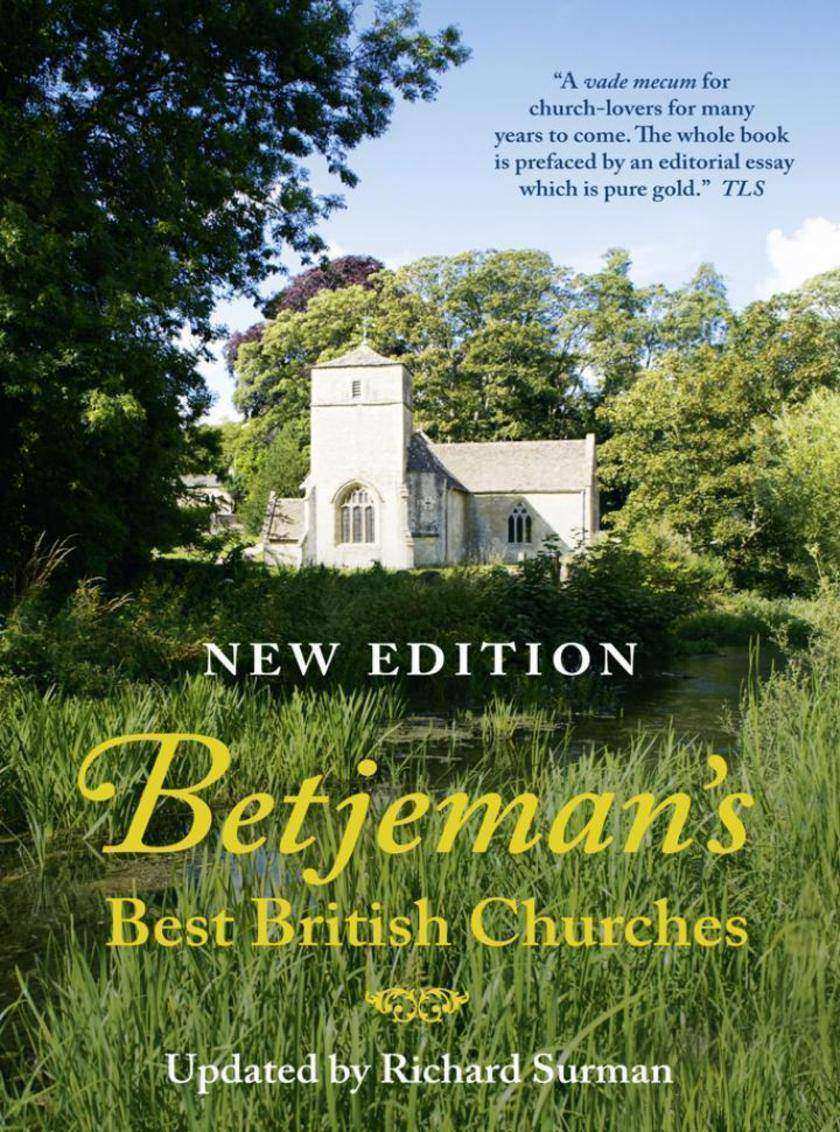
Betjeman’s Best British Churches
¥154.02
A beautiful and practical up-to-date guide to over two thousand of Britain’s best parish churches. Although now most famous for his poetry, Sir John Betjeman’s great passion was churches. For over fifty years his guide, regularly updated, has been the eminent authority and the most distinguished guide to the best churches to visit. This edition, in full colour throughout and illustrated with over 350 specially commissioned photographs, covers over 2,500 of the very best churches in England, Scotland and Wales. Fully updated by bestselling author Richard Surman, this is the most complete and up to date guide to Britain’s church heritage.

The Organic Garden
¥100.06
The Organic Garden redefines what it means to be an organic gardener. This practical and thought-provoking handbook is both a manual of organic practice and a starting point for ethical living. The meaning of 'organic' is changing fast, becoming more and more an umbrella term for all things environmental: from ethical consumerism, waste recycling and self-sufficiency to new trends in wildlife-friendly, sustainable and forest gardening. The Organic Garden shows how these popular new areas of green living are relevant to the ordinary gardener and demonstrates simple, achievable ways in which you can use these ideas to transform your garden. Includes: ? Essentials of organic practice ? Gardening for wildlife and ornament ? Gardening for food ? Ethical choices at the garden centre ? Shed’s Dead – how to create an ecological shed and explore alternatives for outdoor living ? Gardening beyond the garden – allotments, conservation volunteering, community gardening ? Climate change and today’s gardener

It’s Not Me, It’s You!: Impossible perfectionist, 27, seeks very very very tidy
¥69.26
‘I loved Jon’s book. It’s even better than the real thing because you can’t hear his voice.’ Michael McIntyre A control freak looks for love (women who leave wet teaspoons in sugar bowls need not apply). ‘I haven’t woken up with a cup of tea by the bed for seven years. It seems such a small thing but it’s one of a thousand things I miss about having someone around to take care of me. I have spent my entire adult life getting things the way I want them and all I want now is someone to give it all up for.’ Is your filing faultless? Your CDs, apostrophes, cutlery all in the right places? Can you eat a biscuit in the correct way? Then Jon Richardson (single for seven years and counting) could be your ideal man… Living alone in a one bedroom flat in Swindon, Jon has had far too much time on his hands to think. In fact to obsess. About almost everything. Jon’s obssessive compulsive personality disorder has seen him arrange the coins in his pockets in ascending size and colour code his bookshelves. It takes him less than 90 seconds to locate a receipt for a pair of shoes he bought in 1997. Over to the filing cabinet and R for receipts, S for shoes. But Jon doesn’t want to be like this, in fact he would quite like to share his life with someone. But who could that someone be? Someone like himself, a quarrelsome perfectionist only with breasts and less body hair? Absolutely not. But who exactly is Jon looking for and where will he find her? Faced with a loveless future filled with his own peculiar quirks and perfectionism, Jon sets about his search for The One. The question is, will he mind her keeping the knives to the left of the forks in the cutlery drawer or organising the CDs by genre and not alphabetically?
Sew and Save
¥63.27
An excellent, nostalgic gift from a bygone era when hard times were no excuse for shabby dressing. Contains practical tips to repair and improve clothes to save money. Travel back to the forties when a war-torn Europe was still no excuse to dress shabbily and the one thing you didn't ration was fashion. In this exclusive reproduction of a genuine archive copy, retro domestic goddess Joanna Chase prescribes ways to avoid fashion fauz pax in money-tight scenarios - whether the cause is a lack of coupons - or a credit crunch. In this book you will learn: o How to make the most out of every last inch of fabric o How to transform old skirts into brand spanking new outfits o How to make clothes out of old furnishings o How to turn your old dresses into ones that fit for your children o How to plan a whole families wardrobe in demand With this book, repackaged in a charming, nostalgic cover, as much a fashion accessory as a practical advice guide, you will learn all this and much much more. Uniform with this guide: Food Facts for the Kitchen Front o Make your Garden Feed You o The archive collection- because good advice never goes out of date.
Collins Complete Photography Course
¥110.46
A practical, affordable and accessible home photography tutor. This inspiring project-based course book covers everything from basic composition to the latest digital darkroom techniques. Learn at your own pace as this practical, comprehensive course helps you develop your key photographic techniques. Contents include: step-by-step projects on exposure, aperture, lenses, light, filters, colour, black and white and image enhancement; plus professional secrets and stunning shots from around the world. The fully interactive and project-based approach of Collins Complete Photography Course will help you to raise both your camera confidence and your level of photography.
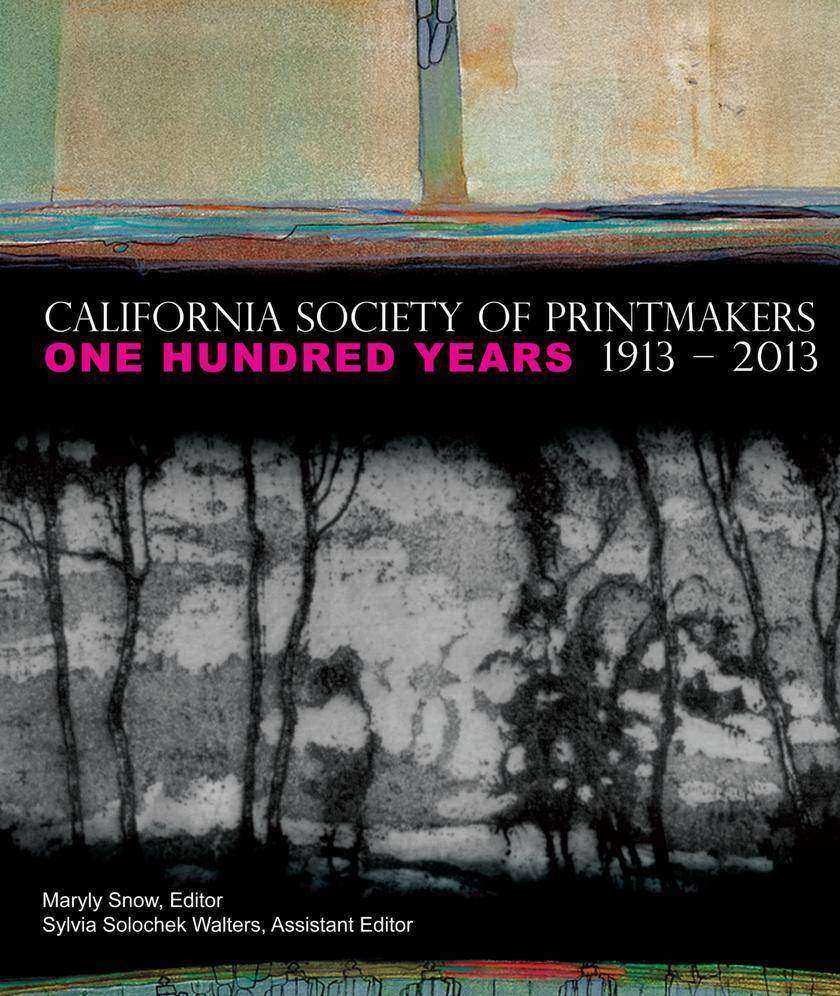
California Society of Printmakers: One Hundred Years, 1913-2013
¥204.29
California Society of Printmakers: One Hundred Years, 1913-2013
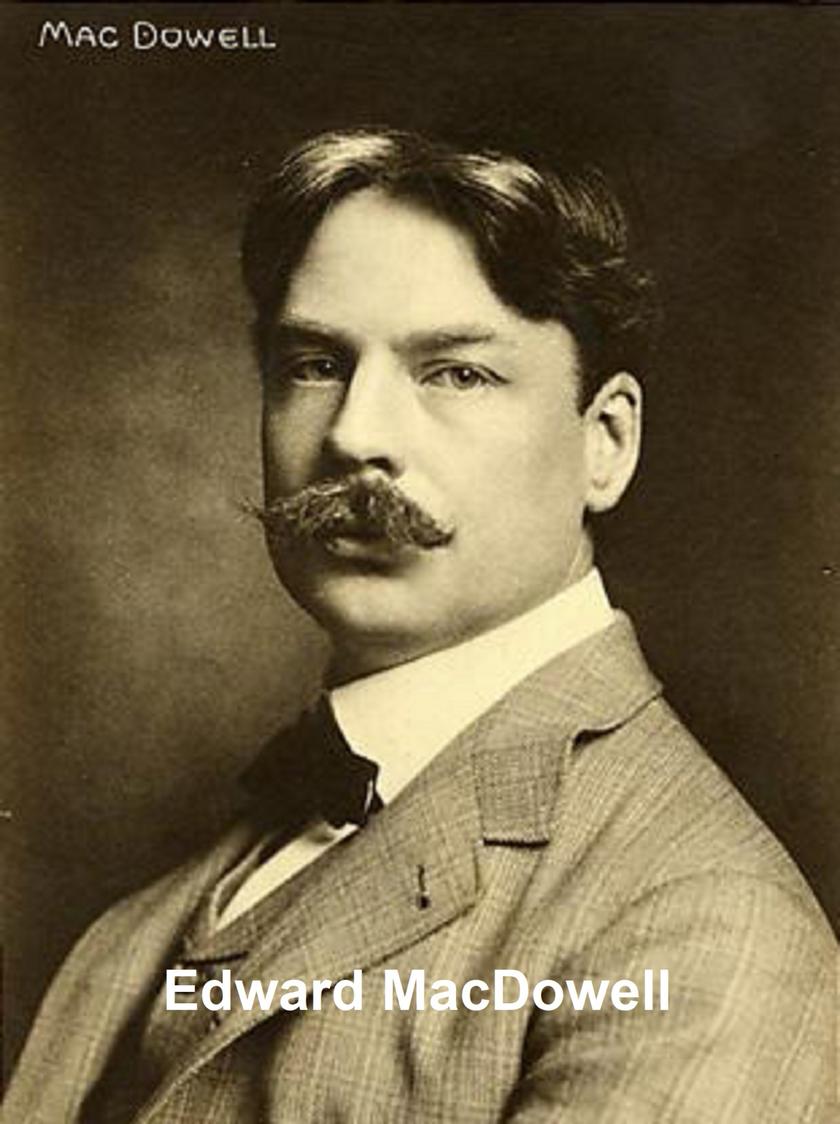
Edward MacDowell
¥8.09
Edward MacDowell
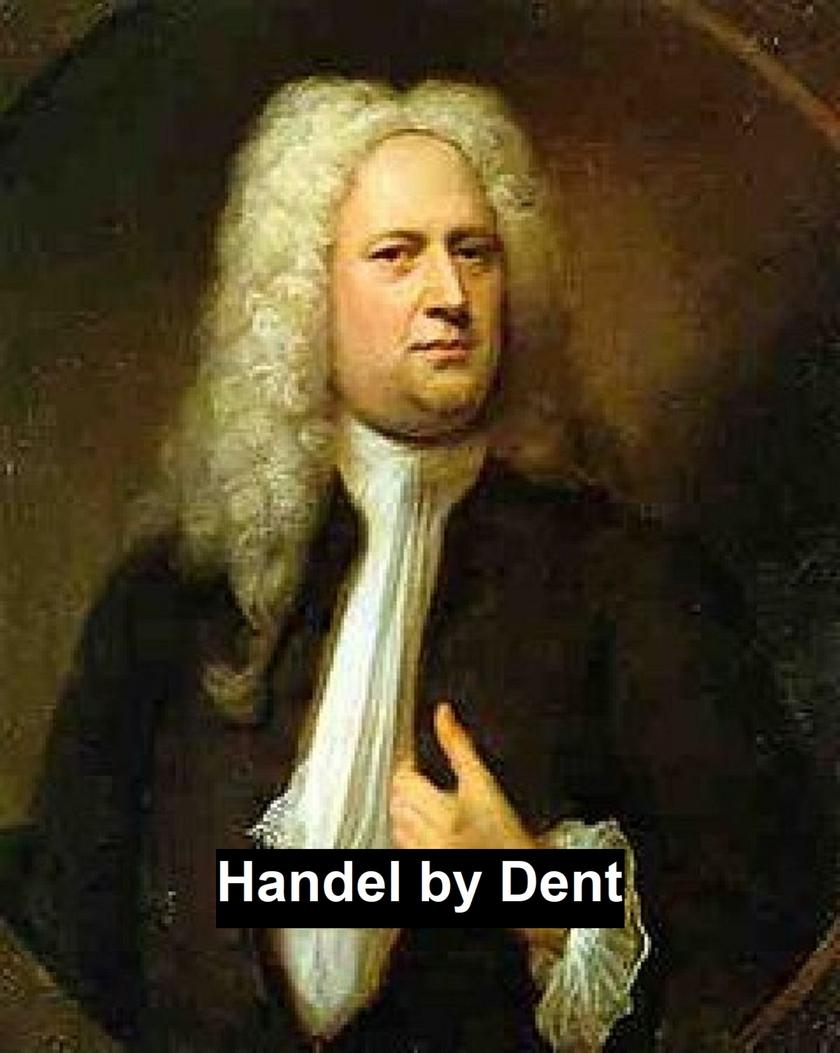
Handel
¥8.09
Handel
The Art of the StoryTeller
¥24.44
The Art of the StoryTeller

Vigyázz, mit kívánsz!
¥45.53
RUINS OF ANCIENT CITIES, WITH GENERAL AND PARTICULAR ACCOUNTS OF THEIR RISE, FALL, AND PRESENT CONDITION. - BY CHARLES BUCKE This Volume contain these cities; Abydos, Abydus, ?gesta, ?ina, Agrigentum, Alba Longa, Alcantara, Alexandria, Amisus, Antioch, Argos, Ariammene, Arsinoe, Artaxata, Artemita, Athens, Babylon, Balbec, Byzantium, Cairo (Old), Cann?, Capua, Carthage, Catanea, Chalcedon, Ch?ronea, Corduba, Corcyra (Corfu), Corinth, Ctesiphon, Delphos, Ecbatana, Eleusis, Elis, Ephesus, Gerasa (Djerash), Granada, Gnidos, Heliopolis, Herculaneum, Hierapolis, Isfahan, Italica, Jerusalem, Laced?mon, Or Sparta, Laodicea, Leuctra, Magnesia, Mantinea, Marathon, Megalopolis, Megara, Memphis. Of chance or change, oh! let not man complain;Else shall he never, never, cease to wail;For from the imperial dome, to where the swainRears his lone cottage in the silent dale,All feel the assault of fortune's fickle gale.Art, empire, earth itself, to change are doom'd;Earthquakes have raised to heaven the humble vale;And gulfs the mountains' mighty mass entomb'd;And where the Atlantic rolls wide continents have bloom'd. {BEATTIE.} The reader is requested to observe, that, though the plan of this work is entirely his own, the compiler of it does not put it forth as in any way original in respect to language or description. It is, in fact, a much better book, than if it had been what is strictly called original, (which, indeed, must have involved an utter impossibility:) for it is a selection of some of the best materials the British Museum could furnish; sometimes worked up in his own language; and sometimes—and, indeed, very frequently—in that of others: the compiler having, at an humble distance and with unequal steps, followed the plan which M. Rollin proposed to himself, when he composed his celebrated history of ancient times.—"To adorn and enrich my own," says that celebrated writer, "I will be so ingenuous as to confess, that I do not scruple, nor am ashamed, to rifle whereever I come; and that I often do not cite the authors from whom I transcribe, because of the liberty I take to make some slight alterations. I have made the best use in my power of the solid reflections that occur in the Bishop of Meaux's Universal History, which is one of the most beautiful and most useful books in our language. I have also received great assistance from the learned Dean Prideaux's 'Connexion of the Old and New Testament,' in which he has traced and cleared up, in an admirable manner, the particulars relating to ancient history. I shall take the same liberty with whatever comes in my way, that may suit my design, and contribute to its perfection. I am very sensible, that it is not so much for a person's reputation to make use of other men's labours, and that it is in a manner renouncing the name and quality of author. But I am not over-fond of that title, and shall be extremely well pleased, and think myself very happy, if I can but deserve the name of a good compiler; and supply my readers with a tolerable history, who will not be over-solicitous to inquire what hand it comes from, provided they are but pleased with it."
Hints for Lovers: "The Secret Nature and Psychology of Love"
¥18.74
The Aeneid is widely considered Virgil's finest work and one of the most important poems in the history of western literature. Virgil worked on the Aeneid during the last eleven years of his life (29–19 BC), commissioned, according to Propertius, by Augustus. The epic poem consists of 12 books in dactylic hexameter verse which describe the journey of Aeneas, a warrior fleeing the sack of Troy, to Italy, his battle with the Italian prince Turnus, and the foundation of a city from which Rome would emerge. The Aeneid's first six books describe the journey of Aeneas from Troy to Rome. Virgil made use of several models in the composition of his epic; Homer the preeminent classical epicist is everywhere present, but Virgil also makes especial use of the Latin poet Ennius and the Hellenistic poet Apollonius of Rhodes among the various other writers to which he alludes. Although the Aeneid casts itself firmly into the epic mode, it often seeks to expand the genre by including elements of other genres such as tragedy and aetiological poetry. Ancient commentators noted that Virgil seems to divide the Aeneid into two sections based on the poetry of Homer; the first six books were viewed as employing the Odyssey as a model while the last six were connected to the Iliad. Book 1 (at the head of the Odyssean section) opens with a storm which Juno, Aeneas' enemy throughout the poem, stirs up against the fleet. The storm drives the hero to the coast of Carthage, which historically was Rome's deadliest foe. The queen, Dido, welcomes the ancestor of the Romans, and under the influence of the gods falls deeply in love with him. At a banquet in Book 2, Aeneas tells the story of the sack of Troy, the death of his wife, and his escape, to the enthralled Carthaginians, while in Book 3 he recounts to them his wanderings over the Mediterranean in search of a suitable new home. Jupiter in Book 4 recalls the lingering Aeneas to his duty to found a new city, and he slips away from Carthage, leaving Dido to commit suicide, cursing Aeneas and calling down revenge in a symbolic anticipation of the fierce wars between Carthage and Rome. In Book 5, Aeneas' father Anchises dies and funeral games are celebrated for him. On reaching Cumae, in Italy in Book 6, Aeneas consults the Cumaean Sibyl, who conducts him through theUnderworld where Aeneas meets the dead Anchises who reveals Rome's destiny to his son. Book 7 (beginning the Iliadic half) opens with an address to the muse and recounts Aeneas' arrival in Italy and betrothal to Lavinia, daughter of King Latinus. Lavinia had already been promised to Turnus, the king of the Rutulians, who is roused to war by the Fury Allecto, and Amata Lavinia's mother. In Book 8, Aeneas allies with King Evander, who occupies the future site of Rome, and is given new armor and a shield depicting Roman history. Book 9 records an assault by Nisus and Euryalus on the Rutulians, Book 10, the death of Evander's young son Pallas, and 11 the death of the Volscian warrior princess Camilla and the decision to settle the war with a duel between Aeneas and Turnus. The Aeneid ends in Book 12 with the taking of Latinus' city, the death of Amata, and Aeneas' defeat and killing of Turnus, whose pleas for mercy are spurned. The final book ends with the image of Turnus' soul lamenting as it flees to the underworld.
Приют. Похитители костей (Prijut. Pohititeli kostej)
¥26.65
Йшов четвертий р?к св?тово? в?йни. Втомлений под?ями генерал-лейтенант рос?йсько? ?мператорсько? арм?? Павло Петрович Скоропадський, нащадок старовинно? старшинсько? фам?л??, ще не знав, що стане гетьманом незалежно? Укра?нсько? Держави.??Епоха зм?н, яку самовбивчо наближали революц?онери вс?х мастей, перетворилася на апокал?псис, в?йну вс?х проти вс?х, але Скоропадському стало духу взяти на себе невдячну ношу державного буд?вництва. Спроба зак?нчилася ц?лковитим ? оч?куваним провалом, але окрем? починання гетьмана дотривали до наших дн?в: саме йому Укра?на завдячу?, наприклад, Академ??ю наук.
The Eyes Have It
¥4.58
MODERN scientific publications, although they may in some or even many cases equal in their scientific quality the memoirs of earlier workers, do not, on the average, reach a high standard as regards illustration. For instance, in Great Britain botany is pre-eminent in its morphological aspects; it should therefore follow that the illustrations, which form so important a part of such papers, should be beyond reproach. This is not always so, a fact which must be patent to anyone with the slightest critical knowledge who looks through a typical journal. This is a fact much to be regretted, since many of the earlier scientists were accomplished draughtsmen and, indeed, often artists; in this connection the Hookers and Pro-fessor Daniel Oliver may be mentioned. The implication is not intended that there are no good amateur draughtsmen nowadays; there are, and in some cases pos-sessed of great ability. The beautiful work of Church in his Floral Mechanisms may be cited as an example. It may, of course, be argued that any picture which serves to illustrate the particu-lar feature is good enough; this is the contention of one who takes an insufficient pride in his work. A feature worthy of an illustration deserves the best the author can produce, more especially as a literary form is still, fortunately, preserved or, at any rate, aimed at.The reason for indifferent illustrations is primarily due to bad or mediocre draw-ings, or to their unsuitability for the kind of reproduction in view. With regard to the first point: this lack of draughtsmanship often obtains; when education entirely replaces mere instruction, it is to be hoped that all students of science will be trained in the rudiments of drawing. Meanwhile the difficulty can be partly overcome, as will be seen later on, by the simple means of drawing on an enlarged scale, in order that in reproduction reduction can be made. The second reason, the onus of which also falls on the authors, is a lack of knowledge regarding the kind of drawing suitable for the different modes of re-production; this is a very important point, for "technical conditions govern even genius itself."Authors, however, are not always to blame; it would appear that even editors sometimes are wanting in the requisite knowledge, for we have known straight-forward line drawings reproduced by half-tone; in other cases the paper used is unsuitable for the reproduction and, at other times, the printers are at fault. With a view to remedying, at any rate in part, these deficiencies, a course of lec-tures, arranged by the Board of Studies in Botany of the University of London, was delivered in the Lent term of 1913 in the Department of Botany of University College, London. In gratifying the wish expressed by some that these lectures should be given a more permanent dress, the author feels that some apology is necessary, for he can lay no claim to authoritative knowledge of much of the subject-matter; questions relating to the graphic arts and to illustrations, however, have always been of in-terest to him, so that he has tried various experiments, often with disastrous re-sults, and thus has gained some experience. In these matters the author has benefited much through his association with Pro-fessor F. W. Oliver, who, characteristically, has been ever ready to discuss these problems with, and to place his knowledge and experience at the disposal of the author.
The Last of the Mohicans
¥18.74
ROMANCE and the HISTORY of walled cities are inseparable. Who has not felt this to be so at the sight of hoary ruins lichen-clad and ivy-mantled, that proudly rear their battered crests despite the ravages of time and man’s destructive instincts. It is within walled cities that the life of civilized man began: the walls guarded him against barbarian foes, behind their shelter he found the security necessary to his cultural development, in their defence he showed his finest qualities. And such a city—and such a history is that of Ancient Byzantium, the City of Constantine, the Castle of C?sar. What wonder then that man should endeavour to express by pen and pencil his sense of the greatness and beauty, the Romance of a Walled City such as Constantinople. The more so that a movement is on foot to remove these ancient landmarks of the history of Europe and Asia. True there are other works on this same subject, works by men deeply learned in the history of this fair city, works that bid fair to outlive the city walls if the fell intent of destroying them is carried into execution, and from these men and their works I derived inspiration and information, and so wish to chronicle my gratitude to them—Sir Edwin Pears and Professor van Millingen of Robert College, Constantinople. There are many others too in Constantinople to whom my thanks are due—His Majesty’s Vice-Consul, my host, his colleagues, now my friends, and many others too numerous to mention. They all have helped me in this work, and I am grateful for the opportunity offered me of here recording my thankfulness for their kind offices.B. Granville Baker.

K?zel a t?zh?z
¥71.69
This book, in affectionate tribute to the gallant courage, rugged indepen-dence and wonderful endurance of those adventurous souls who formed the vanguard of civilization in the early history of the Territory of Arizona and the remainder of the Great West, is DEDICATED TO JOHN H. CADY and?BASIL D. WOON ?/ ?PATAGONIA, ARIZONA, NINETEEN-FIFTEEN. When I first broached the matter of writing his autobiography to John H. Cady, two things had struck me particularly. One was that of all the literature about Arizona there was little that attempted to give a straight, chronological and intimate description of events that occurred during the early life of the Territory, and, second, that of all the men I knew, Cady was best fitted, by reason of his extraordinary experiences, remarkable memory for names and dates, and seniority in pioneership, to supply the work that I felt lacking. Some years ago, when I first came West, I happened to be sitting on the observation platform of a train bound for the orange groves of Southern California. A lady with whom I had held some slight conversation on the journey turned to me after we had left Tucson and had started on the long and somewhat dreary journey across the desert that stretches from the "Old Pueblo" to "San Berdoo," and said: "Do you know, I actually used to believe all those stories about the 'wildness of the West.' I see how badly I was mistaken." She had taken a half-hour stroll about Tucson while the train changed crews and had been impressed by the—to the casual observer—sleepiness of the ancient town. She told me that never again would she look on a "wild West" moving picture without wanting to laugh. She would not believe that there had ever been a "wild West"—at least, not in Arizona. And yet it is history that the old Territory of Arizona in days gone by was the "wildest and woolliest" of all the West, as any old settler will testify.
Bernard Brooks' Adventures: Illustrated
¥4.58
The dominant motives in Calderon's dramas are characteristically national: fervid loyalty to Church and King, and a sense of honor heightened almost to the point of the fantastic. Though his plays are laid in a great variety of scenes and ages, the sentiment and the characters remain essentially Spanish; and this intensely local quality has probably lessened the vogue of Calderon in other countries. In the construction and conduct of his plots he showed great skill, yet the ingenuity expended in the management of the story did not restrain the fiery emotion and opulent imagination which mark his finest speeches and give them a lyric quality which some critics regard as his greatest distinction. Of all Calderon's works, "Life is a Dream" may be regarded as the most universal in its theme. It seeks to teach a lesson that may be learned from the philosophers and religious thinkers of many ages—that the world of our senses is a mere shadow, and that the only reality is to be found in the invisible and eternal. The story which forms its basis is Oriental in origin, and in the form of the legend of "Barlaam and Josaphat" was familiar in all the literatures of the Middle Ages. Combined with this in the plot is the tale of Abou Hassan from the "Arabian Nights," the main situations in which are turned to farcical purposes in the Induction to the Shakespearean "Taming of the Shrew." But with Calderon the theme is lifted altogether out of the atmosphere of comedy, and is worked up with poetic sentiment and a touch of mysticism into a symbolic drama of profound and universal philosophical significance. LIFE IS A DREAM DRAMATIS PERSONAE Basilio King of Poland.Segismund his Son.Astolfo his Nephew.Estrella his Niece.Clotaldo a General in Basilio's Service.Rosaura a Muscovite Lady.Fife her Attendant. Chamberlain, Lords in Waiting, Officers,Soldiers, etc., in Basilio's Service. The Scene of the first and third Acts lies on the Polish frontier: of the second Act, in Warsaw. As this version of Calderon's drama is not for acting, a higher and wider mountain-scene than practicable may be imagined for Rosaura's descent in the first Act and the soldiers' ascent in the last. The bad watch kept by the sentinels who guarded their state-prisoner, together with much else (not all!) that defies sober sense in this wild drama, I must leave Calderon to answer for; whose audience were not critical of detail and probability, so long as a good story, with strong, rapid, and picturesque action and situation, was set before them. about author: Pedro Calderon de la Barca was born in Madrid, January 17, 1600, of good family. He was educated at the Jesuit College in Madrid and at the University of Salamanca; and a doubtful tradition says that he began to write plays at the age of thirteen. His literary activity was interrupted for ten years, 1625-1635, by military service in Italy and the Low Countries, and again for a year or more in Catalonia. In 1637 he became a Knight of the Order of Santiago, and in 1651 he entered the priesthood, rising to the dignity of Superior of the Brotherhood of San Pedro in Madrid. He held various offices in the court of Philip IV, who rewarded his services with pensions, and had his plays produced with great splendor. He died May 5, 1681. At the time when Calderon began to compose for the stage, the Spanish drama was at its height. Lope de Vega, the most prolific and, with Calderon, the greatest, of Spanish dramatists, was still alive; and by his applause gave encouragement to the beginner whose fame was to rival his own. The national type of drama which Lope had established was maintained in its essential characteristics by Calderon, and he produced abundant specimens of all its varieties. Of regular plays he has left a hundred and twenty; of "Autos Sacramentales," the peculiar Spanish allegorical development of the medieval mystery, we have seventy-three; besides a considerable number of farces.
Rinkitink in Oz by L. Frank Baum - Delphi Classics (Illustrated)
¥8.09
This eBook features the unabridged text of ‘Rinkitink in Oz by L. Frank Baum - Delphi Classics (Illustrated)’ from the bestselling edition of ‘The Complete Works of L. Frank Baum’. Having established their name as the leading publisher of classic literature and art, Delphi Classics produce publications that are individually crafted with superior formatting, while introducing many rare texts for the first time in digital print. The Delphi Classics edition of Baum includes original annotations and illustrations relating to the life and works of the author, as well as individual tables of contents, allowing you to navigate eBooks quickly and easily. eBook features: * The complete unabridged text of ‘Rinkitink in Oz by L. Frank Baum - Delphi Classics (Illustrated)’ * Beautifully illustrated with images related to Baum’s works * Individual contents table, allowing easy navigation around the eBook * Excellent formatting of the text Please visit www.delphiclassics.com to learn more about our wide range of titles
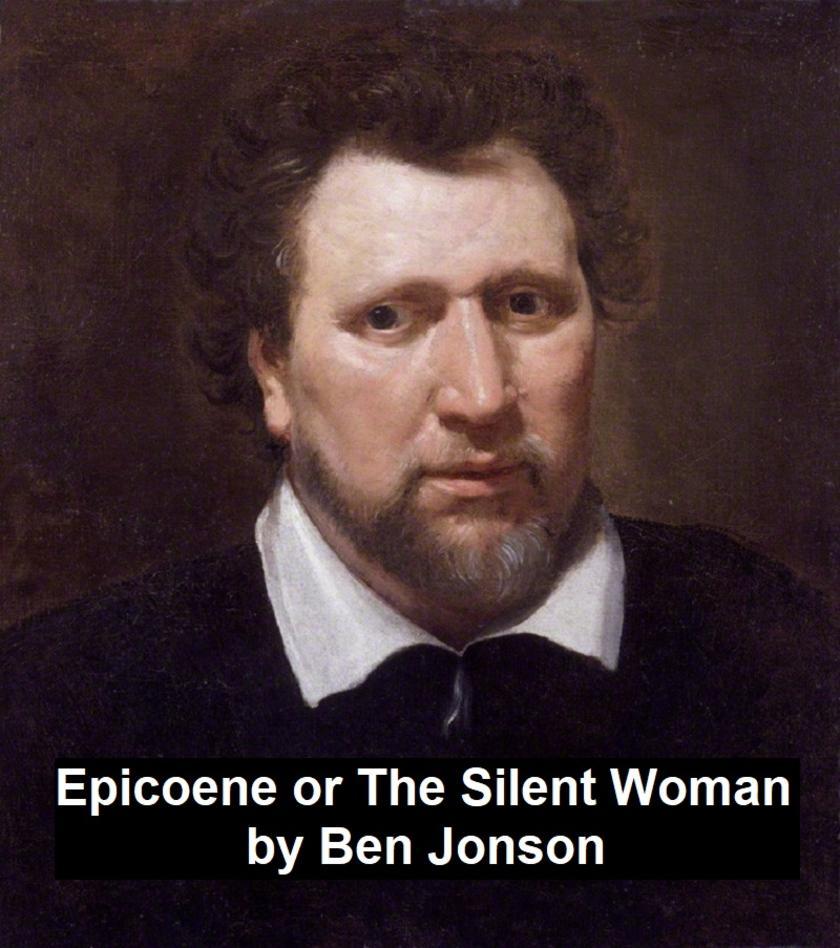
Epicoene, Or the Silent Woman
¥8.09
Classic Elizabethan play. According to Prof. Felix Schelling in his introduction to the Complete Plays of Ben Jonson: "THE greatest of English dramatists except Shakespeare, the first literary dictator and poet-laureate, a writer of verse, prose, satire, and criticism who most potently of all the men of his time affected the subsequent course of English letters: such was Ben Jonson, and as such his strong personality assumes an interest to us almost unparalleled, at least in his age." According to Wikipedia: "Benjamin Jonson (c. 11 June 1572 – 6 August 1637) was an English Renaissance dramatist, poet and actor. A contemporary of William Shakespeare, he is best known for his satirical plays, particularly Volpone, The Alchemist, and Bartholomew Fair, which are considered his best, and his lyric poems. A man of vast reading and a seemingly insatiable appetite for controversy, Jonson had an unparalleled breadth of influence on Jacobean and Caroline playwrights and poets"


