


 购物车
购物车 个人中心
个人中心
Building Hybrid Clouds with Azure Stack
¥80.65
Bring the power of Microsoft Azure Hybrid Cloud technology to your datacenter. About This Book ? Build and deploy software-defined infrastructures and deliver Azure-based IaaS and Paas services in your datacenter ? Use Azure Stack to leverage your current infrastructure with Microsoft Hybrid Cloud and get the best of both worlds ? Unlock greater levels of performance and flexibility and save your organization money, time, and resources Who This Book Is For The book is for administrators and architects who are planning to implement or administer a hybrid cloud infrastructure using Microsoft Cloud Technology. This book is ideal for those who are looking forward to implement and run a hybrid cloud infrastructure with PaaS, SaaS and IaaS services. What You Will Learn ? Gain a clear understanding of Azure Stack design ? Set up storage, network and compute services in Azure Stack ? Implement and run a hybrid cloud infrastructure with PaaS, SaaS, and IaaS services ? Get an overview of the automation options in Azure Stack ? Integrate Azure public services such as multi-factor authentication and Azure AD with Azure Stack ? Learn about the services available in the future In Detail Azure Stack is all about creating fewer gaps between on-premise and public cloud application deployment. Azure Stack is the next logical evolution of Microsoft Cloud Services to create a true Hybrid Cloud-ready application. This book provides an introduction to Microsoft Azure Stack and the Cloud First Approach. Starting with an introduction to Microsoft Azure Stack Architecture, the book will help you plan and deploy your Microsoft Azure Stack. Next, you will learn about the Network and Storage option in Microsoft Azure Stack and you'll create your own private cloud solution. Finally, you will understand how to integrate Public Cloud Services with Microsoft Azure Stack and extend it using the 3rd Party Resource Provider. After reading the book, you will have a good understanding of an end-to-end process for designing, implementing, offering, and supporting cloud solutions for enterprises or service providers. Style and approach This book is a practical guide to help you unlock a hybrid cloud stack using Azure Stack. Using a straight forward and easy to implement approach, this book guides you through the basic planning for a hybrid cloud stack, describes the infrastructure technologies Azure Stack is based on, and explains how to deploy and administer an Azure Stack-based infrastructure.
MATLAB for Machine Learning
¥90.46
Extract patterns and knowledge from your data in easy way using MATLAB About This Book ? Get your first steps into machine learning with the help of this easy-to-follow guide ? Learn regression, clustering, classification, predictive analytics, artificial neural networks and more with MATLAB ? Understand how your data works and identify hidden layers in the data with the power of machine learning. Who This Book Is For This book is for data analysts, data scientists, students, or anyone who is looking to get started with machine learning and want to build efficient data processing and predicting applications. A mathematical and statistical background will really help in following this book well. What You Will Learn ? Learn the introductory concepts of machine learning. ? Discover different ways to transform data using SAS XPORT, import and export tools, ? Explore the different types of regression techniques such as simple & multiple linear regression, ordinary least squares estimation, correlations and how to apply them to your data. ? Discover the basics of classification methods and how to implement Naive Bayes algorithm and Decision Trees in the Matlab environment. ? Uncover how to use clustering methods like hierarchical clustering to grouping data using the similarity measures. ? Know how to perform data fitting, pattern recognition, and clustering analysis with the help of MATLAB Neural Network Toolbox. ? Learn feature selection and extraction for dimensionality reduction leading to improved performance. In Detail MATLAB is the language of choice for many researchers and mathematics experts for machine learning. This book will help you build a foundation in machine learning using MATLAB for beginners. You’ll start by getting your system ready with t he MATLAB environment for machine learning and you’ll see how to easily interact with the Matlab workspace. We’ll then move on to data cleansing, mining and analyzing various data types in machine learning and you’ll see how to display data values on a plot. Next, you’ll get to know about the different types of regression techniques and how to apply them to your data using the MATLAB functions. You’ll understand the basic concepts of neural networks and perform data fitting, pattern recognition, and clustering analysis. Finally, you’ll explore feature selection and extraction techniques for dimensionality reduction for performance improvement. At the end of the book, you will learn to put it all together into real-world cases covering major machine learning algorithms and be comfortable in performing machine learning with MATLAB. Style and approach The book takes a very comprehensive approach to enhance your understanding of machine learning using MATLAB. Sufficient real-world examples and use cases are included in the book to help you grasp the concepts quickly and apply them easily in your day-to-day work.
Matplotlib 2.x By Example
¥80.65
Unlock deeper insights into visualization in form of 2D and 3D graphs using Matplotlib 2.x About This Book ? Create and customize live graphs, by adding style, color, font to make appealing graphs. ? A complete guide with insightful use cases and examples to perform data visualizations with Matplotlib's extensive toolkits. ? Create timestamp data visualizations on 2D and 3D graphs in form of plots, histogram, bar charts, scatterplots and more. Who This Book Is For This book is for anyone interested in data visualization, to get insights from big data with Python and Matplotlib 2.x. With this book you will be able to extend your knowledge and learn how to use python code in order to visualize your data with Matplotlib. Basic knowledge of Python is expected. What You Will Learn ? Familiarize with the latest features in Matplotlib 2.x ? Create data visualizations on 2D and 3D charts in the form of bar charts, bubble charts, heat maps, histograms, scatter plots, stacked area charts, swarm plots and many more. ? Make clear and appealing figures for scientific publications. ? Create interactive charts and animation. ? Extend the functionalities of Matplotlib with third-party packages, such as Basemap, GeoPandas, Mplot3d, Pandas, Scikit-learn, and Seaborn. ? Design intuitive infographics for effective storytelling. In Detail Big data analytics are driving innovations in scientific research, digital marketing, policy-making and much more. Matplotlib offers simple but powerful plotting interface, versatile plot types and robust customization. Matplotlib 2.x By Example illustrates the methods and applications of various plot types through real world examples. It begins by giving readers the basic know-how on how to create and customize plots by Matplotlib. It further covers how to plot different types of economic data in the form of 2D and 3D graphs, which give insights from a deluge of data from public repositories, such as Quandl Finance. You will learn to visualize geographical data on maps and implement interactive charts. By the end of this book, you will become well versed with Matplotlib in your day-to-day work to perform advanced data visualization. This book will guide you to prepare high quality figures for manu*s and presentations. You will learn to create intuitive info-graphics and reshaping your message crisply understandable. Style and approach Step by step comprehensive guide filled with real world examples.
Mastering Android Studio 3
¥80.65
Unleash the power of Android Studio 3 to develop mobile applications faster and efficiently. About This Book ? Use Android Studio not just as an IDE but as a complete testing and build solution ? Produce customized APKs with Gradle to suit various versions of an app, such as test versions and free versions of an otherwise paid app. ? Explore all aspects of UI development and testing using working XML and Java examples. ? Learn seamless migration from Eclipse and other development platforms to Android Studio. Who This Book Is For This book targets developers, with experience of developing for Android, who are new to Android Studio or wish to migrate from another IDE such as Eclipse. This book will show you how to get the utmost from this powerful tool. What You Will Learn ? Create styles, themes, and material designs ? Set up, configure, and run virtual devices using the AVD manager ? Improve the design of your application using support libraries ? Learn about GitHub libraries ? Use emulators to design layouts for a wide variety of devices, including wearables. ? Improve application performance in terms of memory, speed, and power usage In Detail Android Studio is an Integrated Development Environment (IDE) designed for developing Android apps. As with most development processes, Android keeps resources and logic nicely separated, and so this book covers the management of imagery and other resources, and the development and testing tools provided by the IDE. After introducing the software, the book moves straight into UI development using the sophisticated, WYSIWYG layout editor and XML code to design and test complex interfaces for a wide variety of screen configurations. With activity design covered, the book continues to guide the reader through application logic development, exploring the latest APIs provided by the SDK. Each topic will be demonstrated by working code samples that can be run on a device or emulator. One of Android Studio's greatest features is the large number of third-party plugins available for it, and throughout the book we will be exploring the most useful of these, along with samples and libraries that can be found on GitHub. The final module of the book deals with the final stages of development: building and distribution. The book concludes by taking the reader through the registration and publication processes required by Google. By the time you have finished the book, you will be able to build faster, smoother, and error-free Android applications, in less time and with fewer complications than you ever thought possible. Style and approach This is a step-by-step guide with examples demonstrating how Android Studio can be used as a complete solution for developing, testing, and deploying apps from start to finish.
Learning Redux
¥90.46
Build consistent web apps with Redux by easily centralizing the state of your application. About This Book ? Write applications that behave consistently, run in different environments (client, server and native), and are easy to test ? Take your web apps to the next level by combining the power of Redux with other frameworks such as React and Angular ? Uncover the best practices and hidden features of Redux to build applications that are powerful, consistent, and maintainable Who This Book Is For This book targets developers who are already fluent in JavaScript but want to extend their web development skills to develop and maintain bigger applications. What You Will Learn ? Understand why and how Redux works ? Implement the basic elements of Redux ? Use Redux in combination with React/Angular to develop a web application ? Debug a Redux application ? Interface with external APIs with Redux ? Implement user authentication with Redux ? Write tests for all elements of a Redux application ? Implement simple and more advanced routing with Redux ? Learn about server-side rendering with Redux and React ? Create higher-order reducers for Redux ? Extend the Redux store via middleware In Detail The book starts with a short introduction to the principles and the ecosystem of Redux, then moves on to show how to implement the basic elements of Redux and put them together. Afterward, you are going to learn how to integrate Redux with other frameworks, such as React and Angular. Along the way, you are going to develop a blog application. To practice developing growing applications with Redux, we are going to start from nothing and keep adding features to our application throughout the book. You are going to learn how to integrate and use Redux DevTools to debug applications, and access external APIs with Redux. You are also going to get acquainted with writing tests for all elements of a Redux application. Furthermore, we are going to cover important concepts in web development, such as routing, user authentication, and communication with a backend server After explaining how to use Redux and how powerful its ecosystem can be, the book teaches you how to make your own abstractions on top of Redux, such as higher-order reducers and middleware. By the end of the book, you are going to be able to develop and maintain Redux applications with ease. In addition to learning about Redux, you are going be familiar with its ecosystem, and learn a lot about JavaScript itself, including best practices and patterns. Style and approach This practical guide will teach you how to develop a complex, data-intensive application leveraging the capabilities of the Redux framework.

Perl 6 Deep Dive
¥80.65
Learn Perl 6 effortlessly to solve everyday problems About This Book ? Filled with practical examples, this comprehensive guide explores all aspects of Perl 6. ? Leverage the power of Perl 6 concurrency to develop responsive and high-performant software. ? Delves into various programming paradigms (such as Object Oriented, functional, and reactive) that can be adopted by Perl 6 developers to write effective code. Who This Book Is For This book is for developers who would like to learn the Perl programming language. A basic knowledge of programming is assumed. What You Will Learn ? Learn the background from which Perl 6 appeared and how it developed. ? How to use Rakudo to run your programs. ? Various Perl 6 built-in types and details about their behavior ? Understand how scalar variables, hash variables, and arrays work ? Create meta operators and hyper operators ? How classes work and how to build software based on the Object Oriented Paradigm ? How Perl 6 provides support for concurrency, functional programming, and reactive programming. In Detail Perl is a family of high-level, general-purpose, interpreted, dynamic programming languages consisting of Perl 5 and Perl 6. Perl 6 helps developers write concise and declarative code that is easy to maintain. This book is an end-to-end guide that will help non-Perl developers get to grips with the language and use it to solve real-world problems. Beginning with a brief introduction to Perl 6, the first module in the book will teach you how to write and execute basic programs. The second module delves into language constructs, where you will learn about the built-in data types, variables, operators, modules, subroutines, and so on available in Perl 6. Here the book also delves deeply into data manipulation (for example, strings and text files) and you will learn how to create safe and correct Perl 6 modules. You will learn to create software in Perl by following the Object Oriented Paradigm. The final module explains in detail the incredible concurrency support provided by Perl 6. Here you will also learn about regexes, functional programming, and reactive programming in Perl 6. By the end of the book, with the help of a number of examples that you can follow and immediately run, modify, and use in practice, you will be fully conversant with the benefits of Perl 6. Style and approach This book will take you through essential Perl 6 concepts so you can implement them immediately
Intelligent IoT Projects in 7 Days
¥71.93
Discover how to build your own Intelligent Internet of Things projects and bring a new degree of interconnectivity to your world. About This Book ? Build intelligent and unusual IoT projects in just 7 days, ? Create home automation, smart home, and robotic projects and allow your devices to do smart work ? Build IoT skills through enticing projects and leverage revolutionary computing hardware through the RPi and Arduino. Who This Book Is For If you're a developer, IoT enthusiast, or just someone curious about Internet of Things, then this book is for you. A basic understanding of electronic hardware, networking, and basic programming skills would do wonders. What You Will Learn ? Learn how to get started with intelligent IoT projects ? Explore various pattern recognition and machine learning algorithms to make IoT projects smarter. ? Make decisions on which devices to use based on the kind of project to build. ? Create a simple machine learning application and implement decision system concepts ? Build a smart parking system using Arduino and Raspberry Pi ? Learn how to work with Amazon Echo and to build your own smart speaker machine ? Build multi-robot cooperation using swarm intelligence. In Detail Intelligent IoT Projects in 7 days is about creating smart IoT projects in just 7 days. This book will help you to overcome the challenge of analyzing data from physical devices. This book aims to help you put together some of the most exciting IoT projects in a short span of time. You'll be able to use these in achieving or automating everyday tasks—one project per day. We will start with a simple smart gardening system and move on to a smart parking system, and then we will make our own vending machine, a smart digital advertising dashboard, a smart speaker machine, an autonomous fire fighter robot, and finally look at a multi-robot cooperation using swarm intelligence Style and approach A clear step-by-step instruction guide to completing fully-fledged projects in just 7 days
Puppet 5 Essentials - Third Edition
¥80.65
A Guide to managing servers and automation About This Book ? Breeze through Puppet's key features and performance improvements to bring real advantages to your IT infrastructure ? Discover Puppet best practices to help you avoid common mistakes and pitfalls ? Examples to help you get to grips with Puppet and succeed with everyday IT automation Who This Book Is For This book targets experienced IT professionals and new Puppet uses, who will learn all they need to know to go from installation to advanced automation. Get a rapid introduction to the essential topics and learn how to build best practices for advanced automation with Puppet. What You Will Learn ? Understand declarative configuration management ? Make use of GIT-based deployment workflows ? Extend Factor with secure elements ? Create modular and reusable Puppet code ? Extend your code base with publicly available Puppet modules ? Separate logic from data by using Hiera ? Understand and develop Puppet Roles and Profiles In Detail Puppet is a configuration management tool that allows you to automate all your IT configurations, giving you control over what you do to each Puppet Agent in a network, and when and how you do it. In this age of digital delivery and ubiquitous Internet presence, it's becoming increasingly important to implement scaleable and portable solutions, not only in terms of software, but also the system that runs it. This book gets you started quickly with Puppet and its tools in the right way. It highlights improvements in Puppet and provides solutions for upgrading. It starts with a quick introduction to Puppet in order to quickly get your IT automation platform in place. Then you learn about the Puppet Agent and its installation and configuration along with Puppet Server and its scaling options. The book adopts an innovative structure and approach, and Puppet is explained with flexible use cases that empower you to manage complex infrastructures easily. Finally, the book will take readers through Puppet and its companion tools such as Facter, Hiera, and R10k and how to make use of tool chains. Style and approach This book aims to impart all the knowledge required to tap into not only the basics of Puppet, but also its core. The basic ideas and principles of Puppet-based designs are explored and explained. Sophisticated tools are presented to enable you to use Puppet efficiently and productively.
Python Machine Learning - Second Edition
¥71.93
Unlock modern machine learning and deep learning techniques with Python by using the latest cutting-edge open source Python libraries. About This Book ? Second edition of the bestselling book on Machine Learning ? A practical approach to key frameworks in data science, machine learning, and deep learning ? Use the most powerful Python libraries to implement machine learning and deep learning ? Get to know the best practices to improve and optimize your machine learning systems and algorithms Who This Book Is For If you know some Python and you want to use machine learning and deep learning, pick up this book. Whether you want to start from scratch or extend your machine learning knowledge, this is an essential and unmissable resource. Written for developers and data scientists who want to create practical machine learning and deep learning code, this book is ideal for developers and data scientists who want to teach computers how to learn from data. What You Will Learn ? Understand the key frameworks in data science, machine learning, and deep learning ? Harness the power of the latest Python open source libraries in machine learning ? Explore machine learning techniques using challenging real-world data ? Master deep neural network implementation using the TensorFlow library ? Learn the mechanics of classification algorithms to implement the best tool for the job ? Predict continuous target outcomes using regression analysis ? Uncover hidden patterns and structures in data with clustering ? Delve deeper into textual and social media data using sentiment analysis In Detail Machine learning is eating the software world, and now deep learning is extending machine learning. Understand and work at the cutting edge of machine learning, neural networks, and deep learning with this second edition of Sebastian Raschka’s bestselling book, Python Machine Learning. Thoroughly updated using the latest Python open source libraries, this book offers the practical knowledge and techniques you need to create and contribute to machine learning, deep learning, and modern data analysis. Fully extended and modernized, Python Machine Learning Second Edition now includes the popular TensorFlow deep learning library. The scikit-learn code has also been fully updated to include recent improvements and additions to this versatile machine learning library. Sebastian Raschka and Vahid Mirjalili’s unique insight and expertise introduce you to machine learning and deep learning algorithms from scratch, and show you how to apply them to practical industry challenges using realistic and interesting examples. By the end of the book, you’ll be ready to meet the new data analysis opportunities in today’s world. If you’ve read the first edition of this book, you’ll be delighted to find a new balance of classical ideas and modern insights into machine learning. Every chapter has been critically updated, and there are new chapters on key technologies. You’ll be able to learn and work with TensorFlow more deeply than ever before, and get essential coverage of the Keras neural network library, along with the most recent updates to scikit-learn. Style and Approach Python Machine Learning Second Edition takes a practical, hands-on coding approach so you can learn about machine learning by coding with Python. This book moves fluently between the theoretical principles of machine learning and the practical details of implementation with Python.
Data Analysis with IBM SPSS Statistics
¥107.90
Master data management & analysis techniques with IBM SPSS Statistics 24 About This Book ? Leverage the power of IBM SPSS Statistics to perform efficient statistical analysis of your data ? Choose the right statistical technique to analyze different types of data and build efficient models from your data with ease ? Overcome any hurdle that you might come across while learning the different SPSS Statistics concepts with clear instructions, tips and tricks Who This Book Is For This book is designed for analysts and researchers who need to work with data to discover meaningful patterns but do not have the time (or inclination) to become programmers. We assume a foundational understanding of statistics such as one would learn in a basic course or two on statistical techniques and methods. What You Will Learn ? Install and set up SPSS to create a working environment for analytics ? Techniques for exploring data visually and statistically, assessing data quality and addressing issues related to missing data ? How to import different kinds of data and work with it ? Organize data for analytical purposes (create new data elements, sampling, weighting, subsetting, and restructure your data) ? Discover basic relationships among data elements (bivariate data patterns, differences in means, correlations) ? Explore multivariate relationships ? Leverage the offerings to draw accurate insights from your research, and benefit your decision-making In Detail SPSS Statistics is a software package used for logical batched and non-batched statistical analysis. Analytical tools such as SPSS can readily provide even a novice user with an overwhelming amount of information and a broad range of options for analyzing patterns in the data. The journey starts with installing and configuring SPSS Statistics for first use and exploring the data to understand its potential (as well as its limitations). Use the right statistical analysis technique such as regression, classification and more, and analyze your data in the best possible manner. Work with graphs and charts to visualize your findings. With this information in hand, the discovery of patterns within the data can be undertaken. Finally, the high level objective of developing predictive models that can be applied to other situations will be addressed. By the end of this book, you will have a firm understanding of the various statistical analysis techniques offered by SPSS Statistics, and be able to master its use for data analysis with ease. Style and approach Provides a practical orientation to understanding a set of data and examining the key relationships among the data elements. Shows useful visualizations to enhance understanding and interpretation. Outlines a roadmap that focuses the process so decision regarding how to proceed can be made easily.
Microsoft Power BI Cookbook
¥107.90
Get more out of Microsoft Power BI turning your data into actionable insights About This Book ? From connecting to your data sources to developing and deploying immersive, mobile-ready dashboards and visualizations, this book covers it all ? Over 90 hands-on, technical recipes, tips, and use cases from across the Power BI platform including the Power BI Service and Mobile Applications ? Proven development techniques and guidance for implementing custom solutions with DAX and M languages Who This Book Is For This book is for BI professionals who wish to enhance their knowledge of Power BI beyond and to enhance the value of the Power BI solutions they deliver to business users. Those who are looking at quick solutions to common problems while using Power BI will also find this book to be a very useful resource .Some experience with Power BI will be useful. What You Will Learn ? Cleanse, stage, and integrate your data sources with Power BI ? Abstract data complexities and provide users with intuitive, self-service BI capabilities ? Build business logic and analysis into your solutions via the DAX programming language and dynamic, dashboard-ready calculations ? Take advantage of the analytics and predictive capabilities of Power BI ? Make your solutions more dynamic and user specific and/or defined including use cases of parameters, functions, and row level security ? Understand the differences and implications of DirectQuery, Live Connections, and Import-Mode Power BI datasets and how to deploy content to the Power BI Service and schedule refreshes ? Integrate other Microsoft data tools such as Excel and SQL Server Reporting Services into your Power BI solution In Detail Microsoft Power BI is a business intelligence and analytics platform consisting of applications and services designed to provide coherent, visual and interactive insights of data. This book will provide thorough, technical examples of using all primary Power BI tools and features as well as demonstrate high impact end-to-end solutions that leverage and integrate these technologies and services. Get familiar with Power BI development tools and services, go deep into the data connectivity and transformation, modeling, visualization and analytical capabilities of Power BI, and see Power BI’s functional programming languages of DAX and M come alive to deliver powerful solutions to address common, challenging scenarios in business intelligence. This book will excite and empower you to get more out of Power BI via detailed recipes, advanced design and development tips, and guidance on enhancing existing Power BI projects. Style and approach This book consists of practical recipes on Power BI that target novices as well as intermediate Power BI users. It goes deep into the technical issues, covers additional protocols, and many more real-live examples.
Swift 4 Programming Cookbook
¥80.65
Over 50 recipes to help you quickly and efficiently build applications with Swift 4 and Xcode 9 About This Book ? Write robust and efficient code and avoid common pitfalls using Swift 4 ? Get a comprehensive coverage of the tools and techniques needed to create multi-platform apps with Swift 4 ? Packed with easy-to-follow recipes, this book will help you develop code using the latest version of Swift Who This Book Is For If you are looking for a book to help you learn about the diverse features offered by Swift 4 along with tips and tricks to efficiently code and build applications, then this book is for you. Basic knowledge of Swift or general programming concepts will be beneficial. What You Will Learn ? Explore basic to advanced concepts in Swift 4 Programming ? Unleash advanced features of Apple's Xcode 9 IDE and Swift Playgrounds ? Learn about the conditional statements, loops, and how to handle errors in Swift ? Define flexible classes and structs using Generics, and learn about the advanced operators, and create custom operators ? Explore functionalities outside of the standard libraries of Swift ? Import your own custom functionality into Swift Playgrounds ? Run Swift on Linux and investigate server-side programming with the server side framework Vapor In Detail Swift 4 is an exciting, multi-platform, general-purpose programming language. Being open source, modern and easy to use has made Swift one of the fastest growing programming languages. If you interested in exploring it, then this book is what you need. The book begins with an introduction to the basic building blocks of Swift 4, its syntax and the functionalities of Swift constructs. Then, introduces you to Apple's Xcode 9 IDE and Swift Playgrounds, which provide an ideal platform to write, execute, and debug the codes thus initiating your development process. Next, you'll learn to bundle variables into tuples, set order to your data with an array, store key-value pairs with dictionaries and you'll learn how to use the property observers. Later, explore the decision-making and control structures in Swift and learn how to handle errors in Swift 4. Then you'll, examine the advanced features of Swift, generics and operators, and then explore the functionalities outside of the standard library, provided by frameworks such as Foundation and UIKit. Also, you'll explore advanced features of Swift Playgrounds. At the end of the book, you'll learn server-side programming aspect of Swift 4 and see how to run Swift on Linux and then investigate Vapor, one of the most popular server-side frameworks for Swift. Style and approach Each recipe addresses a specific problem, with a detailed discussion that explains the solution and offers insight into how it works.
SharePoint Development with the SharePoint Framework
¥80.65
Design and create beautiful solutions using modern development tools for SharePoint Online About This Book ? Get the best out of the latest Sharepoint Framework and leverage the Sharepoint RESTful and JSOM APIs. ? Develop efficient client side applications with JavaScript injection and Sharepoint Addins. ? Get the best tips and tricks on designing your website flawlessly. Who This Book Is For This book targets current SharePoint developers, as well as people starting their journey on SharePoint development. The reader must have basic web development programming knowledge, including JavaScript and CSS. The reader should have familiarity using and managing SharePoint-based collaboration sites. What You Will Learn ? Understand what the SharePoint Framework is ? Create modern solutions using the new tools, approaches and frameworks ? Learn how to use Visual Studio Code for effective SharePoint development ? Package and deploy your code, using automation as needed ? Work with content and data stored in SharePoint ? Benefit from third party frameworks without having to build your own frameworks ? Debug and troubleshoot your code with ease ? Configure security in your application In Detail SharePoint is one of Microsoft's best known web platforms. A loyal audience of developers, IT Pros and power users use it to build line of business solutions. The SharePoint Framework (SPFx) is a great new option for developing SharePoint solutions. Many developers are creating full-trust based solutions or add-in solutions, while also figuring out where and how SPFx fits in the big picture. This book shows you how design, build, deploy and manage SPFx based solutions for SharePoint Online and SharePoint 2016. The book starts by getting you familiar with the basic capabilities of SPFx. After that, we will walk through the tool-chain on how to best create production-ready solutions that can be easily deployed manually or fully automated throughout your target Office 365 tenants. We describe how to configure and use Visual Studio Code, the de facto development environment for SPFx-based solutions. Next, we provide guidance and a solid approach to packaging and deploying your code. We also present a straightforward approach to troubleshooting and debugging your code an environment where business applications run on the client side instead of the server side. Style and approach The approach will be that of a practical tutorial which will take you through every topic using code samples and working examples.
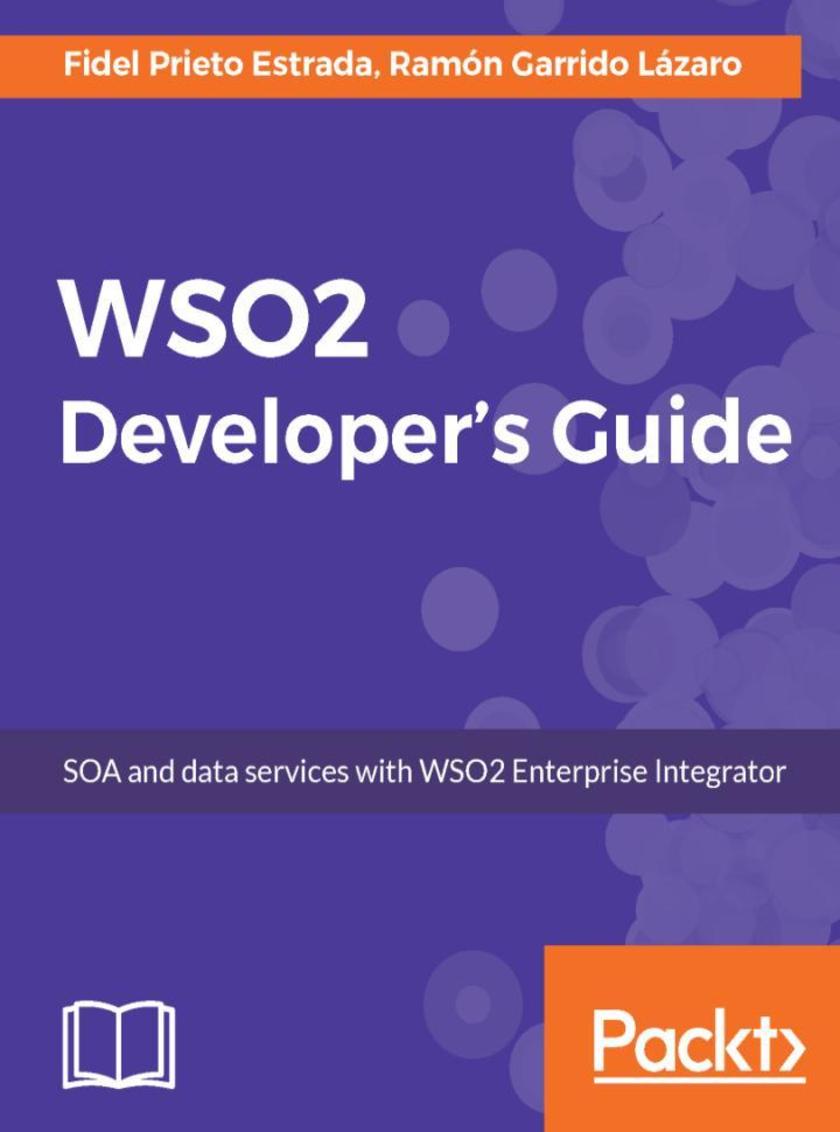
WSO2 Developer’s Guide
¥80.65
WSO2 Made Simple – dive deep into the core concepts of WSO2 to overcome the challenges faced while using the Enterprise Integrator About This Book ? Design, create, and publish services in the WSO2 technology ? Integrate the WSO2 Enterprise Integrator with other components and servers ? Log and test deployed services Who This Book Is For If you are a Java solutions architect or developer and are keen to understand how to build enterprise applications with WSO2, this book is for you. No prior knowledge of WSO2 is expected. What You Will Learn ? Configure WSO2 Enterprise Integrator server in a production environment ? Create SOAP Proxies and REST APIs ? Interact with WSO2 Message Broker ? Write services using the new language: Ballerina ? Schedule automatic tasks for the services you create ? Manage log messages depending on the log level of the system ? Integrate with social networks such as Twitter, Facebook, Instagram, and Yammer ? Test SOAP Services using the Tryit feature and SoapUI tool ? Work with Quality of Services In Detail WSO2 Enterprise Integrator brings together the most powerful servers provided by the WSO2 company for your SOA infrastructure. As an Enterprise Service Bus (ESB), WSO2 Enterprise Integrator provides greater flexibility and agility to meet growing enterprise demands, whereas, as a Data Services Server (DSS), it provides an easy-to-use platform for integrating data stores, creating composite views across different data sources, and hosting data services. Using real-world scenarios, this book helps you build a solid foundation in developing enterprise applications with powerful data integration capabilities using the WSO2 servers. The book gets you started by brushing up your knowledge about SOA architecture and how it can be implemented through WSO2. It will help build your expertise with the core concepts of ESB such as building proxies, sequences, endpoints, and how to work with these in WSO2. Going further, you will also get well-acquainted with DSS data service concepts such as configuring data services, tasks, events, testing, and much more. The book will also cover API management techniques. Along with ESB and DSS, you will also learn about business process servers, the rules server and other components that together provide the control and robustness your enterprise applications will need. With practical use cases, the book covers typical daily scenarios you will come across while using these servers to give you hands-on experience. Style and approach The book is a complete guide and helps you get the right start—from understanding SOA architectures to getting valuable experience with two important integration servers such as ESB and DSS. It will include some real-world practical scenarios to help you master the best practices followed right across the industry and overcome the challenges you're likely to face on a daily basis.
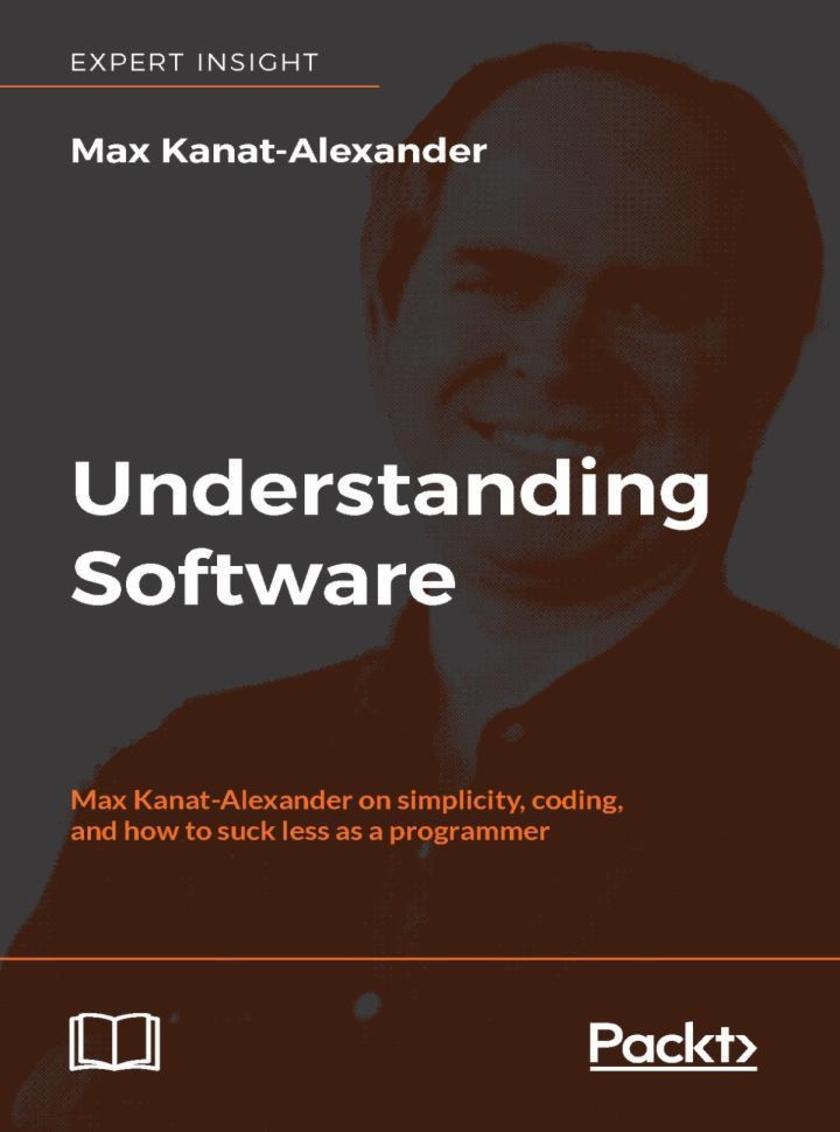
Understanding Software
¥54.49
Software legend Max Kanat-Alexander shows you how to succeed as a developer by embracing simplicity, with forty-three essays that will help you really understand the software you work with. About This Book ? Read and enjoy the superlative writing and insights of the legendary Max Kanat-Alexander ? Learn and reflect with Max on how to bring simplicity to your software design principles ? Discover the secrets of rockstar programmers and how to also just suck less as a programmer Who This Book Is For Understanding Software is for every programmer, or anyone who works with programmers. If life is feeling more complex than it should be, and you need to touch base with some clear thinking again, this book is for you. If you need some inspiration and a reminder of how to approach your work as a programmer by embracing some simplicity in your work again, this book is for you. If you’re one of Max’s followers already, this book is a collection of Max’s thoughts selected and curated for you to enjoy and reflect on. If you’re new to Max’s work, and ready to connect with the power of simplicity again, this book is for you! What You Will Learn ? See how to bring simplicity and success to your programming world ? Clues to complexity - and how to build excellent software ? Simplicity and software design ? Principles for programmers ? The secrets of rockstar programmers ? Max’s views and interpretation of the Software industry ? Why Programmers suck and how to suck less as a programmer ? Software design in two sentences ? What is a bug? Go deep into debugging In Detail In Understanding Software, Max Kanat-Alexander, Technical Lead for Code Health at Google, shows you how to bring simplicity back to computer programming. Max explains to you why programmers suck, and how to suck less as a programmer. There’s just too much complex stuff in the world. Complex stuff can’t be used, and it breaks too easily. Complexity is stupid. Simplicity is smart. Understanding Software covers many areas of programming, from how to write simple code to profound insights into programming, and then how to suck less at what you do! You'll discover the problems with software complexity, the root of its causes, and how to use simplicity to create great software. You'll examine debugging like you've never done before, and how to get a handle on being happy while working in teams. Max brings a selection of carefully crafted essays, thoughts, and advice about working and succeeding in the software industry, from his legendary blog Code Simplicity. Max has crafted forty-three essays which have the power to help you avoid complexity and embrace simplicity, so you can be a happier and more successful developer. Max's technical knowledge, insight, and kindness, has earned him code guru status, and his ideas will inspire you and help refresh your approach to the challenges of being a developer. Style and approach Understanding Software is a new selection of carefully chosen and crafted essays from Max Kanat-Alexander's legendary blog call Code Simplicity. Max’s writing and thoughts are great to sit and read cover to cover, or if you prefer you can drop in and see what you discover new every single time!
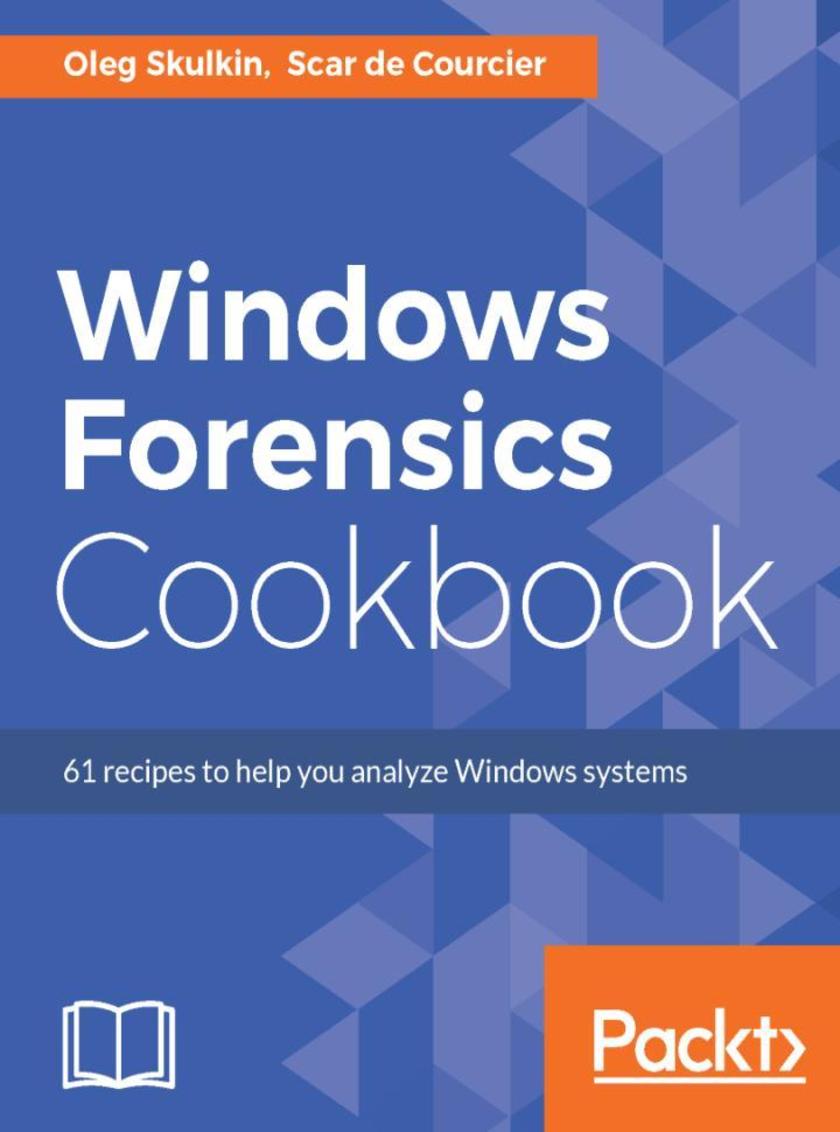
Windows Forensics Cookbook
¥80.65
Maximize the power of Windows Forensics to perform highly effective forensic investigations About This Book ? Prepare and perform investigations using powerful tools for Windows, ? Collect and validate evidence from suspects and computers and uncover clues that are otherwise difficult ? Packed with powerful recipes to perform highly effective field investigations Who This Book Is For If you are a forensic analyst or incident response professional who wants to perform computer forensics investigations for the Windows platform and expand your took kit, then this book is for you. What You Will Learn ? Understand the challenges of acquiring evidence from Windows systems and overcome them ? Acquire and analyze Windows memory and drive data with modern forensic tools. ? Extract and analyze data from Windows file systems, shadow copies and the registry ? Understand the main Windows system artifacts and learn how to parse data from them using forensic tools ? See a forensic analysis of common web browsers, mailboxes, and instant messenger services ? Discover how Windows 10 differs from previous versions and how to overcome the specific challenges it presents ? Create a graphical timeline and visualize data, which can then be incorporated into the final report ? Troubleshoot issues that arise while performing Windows forensics In Detail Windows Forensics Cookbook provides recipes to overcome forensic challenges and helps you carry out effective investigations easily on a Windows platform. You will begin with a refresher on digital forensics and evidence acquisition, which will help you to understand the challenges faced while acquiring evidence from Windows systems. Next you will learn to acquire Windows memory data and analyze Windows systems with modern forensic tools. We also cover some more in-depth elements of forensic analysis, such as how to analyze data from Windows system artifacts, parse data from the most commonly-used web browsers and email services, and effectively report on digital forensic investigations. You will see how Windows 10 is different from previous versions and how you can overcome the specific challenges it brings. Finally, you will learn to troubleshoot issues that arise while performing digital forensic investigations. By the end of the book, you will be able to carry out forensics investigations efficiently. Style and approach This practical guide filled with hands-on, actionable recipes to detect, capture, and recover digital artifacts and deliver impeccable forensic outcomes.
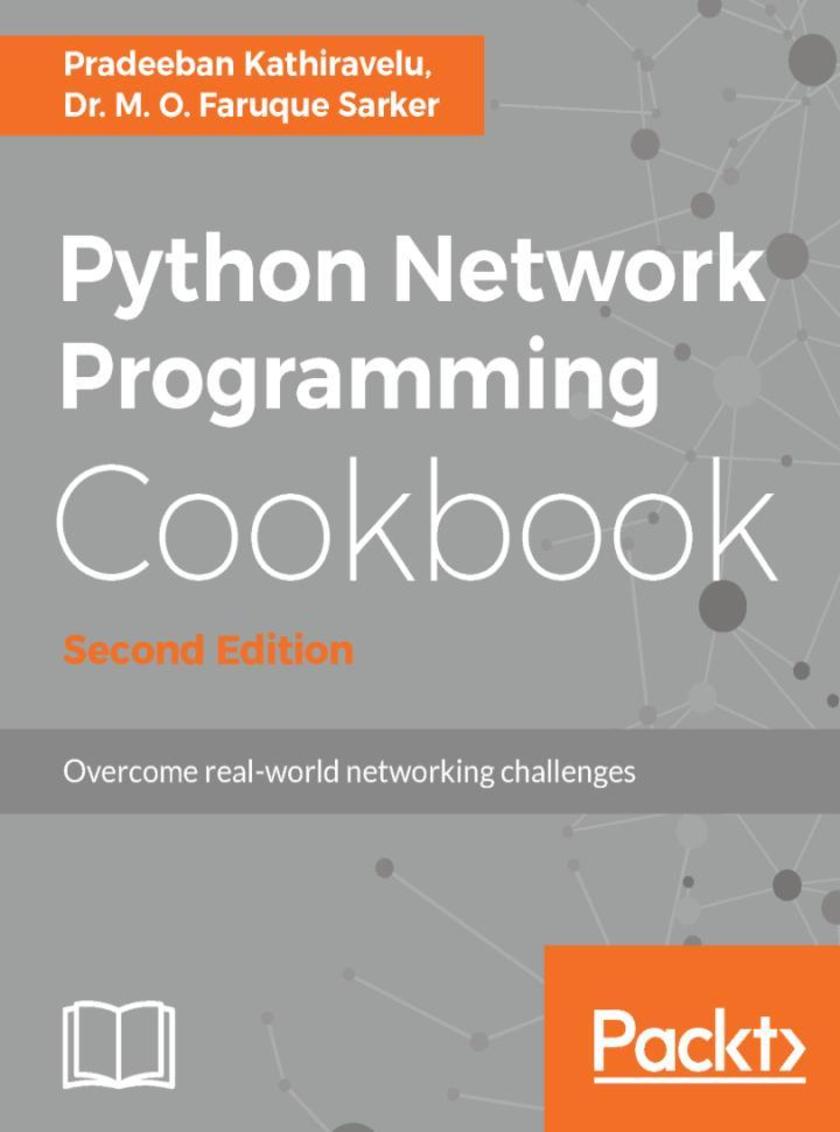
Python Network Programming Cookbook - Second Edition
¥90.46
Discover practical solutions for a wide range of real-world network programming tasks About This Book ? Solve real-world tasks in the area of network programming, system/networking administration, network monitoring, and more. ? Familiarize yourself with the fundamentals and functionalities of SDN ? Improve your skills to become the next-gen network engineer by learning the various facets of Python programming Who This Book Is For This book is for network engineers, system/network administrators, network programmers, and even web application developers who want to solve everyday network-related problems. If you are a novice, you will develop an understanding of the concepts as you progress with this book. What You Will Learn ? Develop TCP/IP networking client/server applications ? Administer local machines' IPv4/IPv6 network interfaces ? Write multi-purpose efficient web clients for HTTP and HTTPS protocols ? Perform remote system administration tasks over Telnet and SSH connections ? Interact with popular websites via web services such as XML-RPC, SOAP, and REST APIs ? Monitor and analyze major common network security vulnerabilities ? Develop Software-Defined Networks with Ryu, OpenDaylight, Floodlight, ONOS, and POX Controllers ? Emulate simple and complex networks with Mininet and its extensions for network and systems emulations ? Learn to configure and build network systems and Virtual Network Functions (VNF) in heterogeneous deployment environments ? Explore various Python modules to program the Internet In Detail Python Network Programming Cookbook - Second Edition highlights the major aspects of network programming in Python, starting from writing simple networking clients to developing and deploying complex Software-Defined Networking (SDN) and Network Functions Virtualization (NFV) systems. It creates the building blocks for many practical web and networking applications that rely on various networking protocols. It presents the power and beauty of Python to solve numerous real-world tasks in the area of network programming, network and system administration, network monitoring, and web-application development. In this edition, you will also be introduced to network modelling to build your own cloud network. You will learn about the concepts and fundamentals of SDN and then extend your network with Mininet. Next, you’ll find recipes on Authentication, Authorization, and Accounting (AAA) and open and proprietary SDN approaches and frameworks. You will also learn to configure the Linux Foundation networking ecosystem and deploy and automate your networks with Python in the cloud and the Internet scale. By the end of this book, you will be able to analyze your network security vulnerabilities using advanced network packet capture and analysis techniques. Style and approach This book follows a practical approach and covers major aspects of network programming in Python. It provides hands-on recipes combined with short and concise explanations on code snippets. This book will serve as a supplementary material to develop hands-on skills in any academic course on network programming. This book further elaborates network softwarization, including Software-Defined Networking (SDN), Network Functions Virtualization (NFV), and orchestration. We learn to configure and deploy enterprise network platforms, develop applications on top of them with Python.
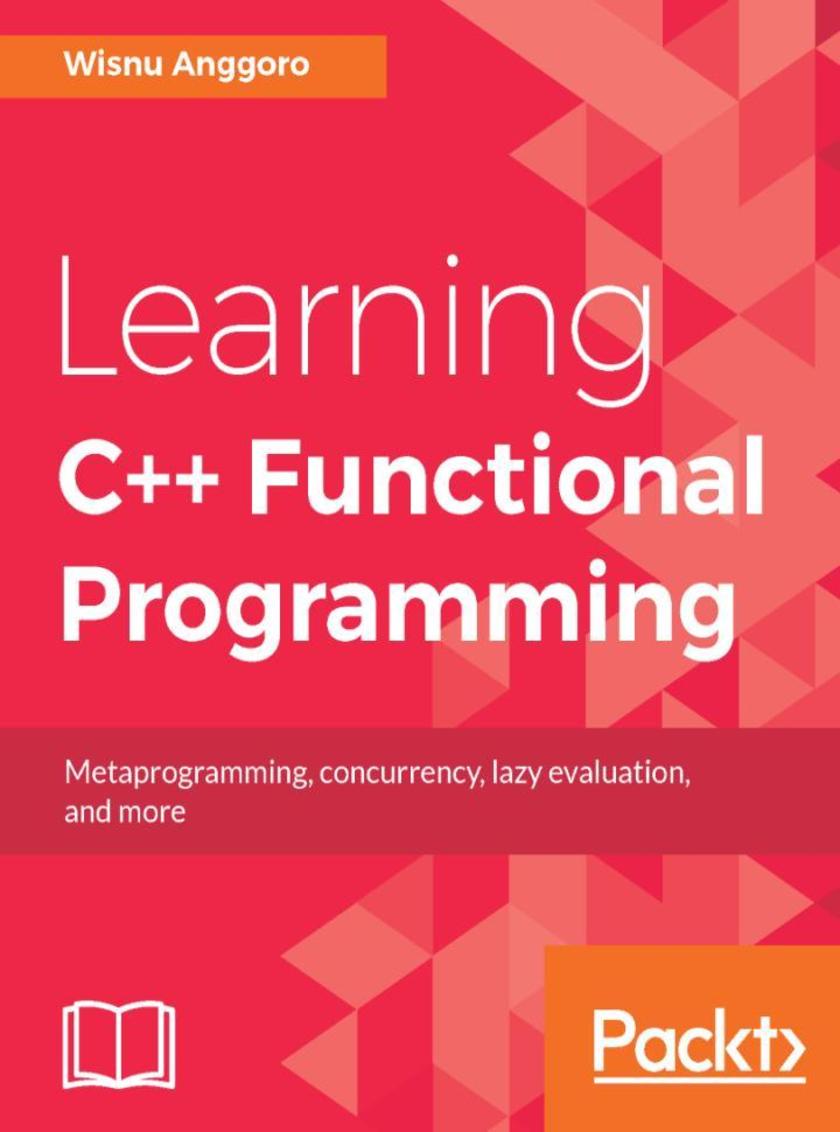
Learning C++ Functional Programming
¥90.46
Apply Functional Programming techniques to C++ to build highly modular, testable, and reusable code About This Book ? Modularize your applications and make them highly reusable and testable ? Get familiar with complex concepts such as metaprogramming, concurrency, and immutability ? A highly practical guide to building functional code in C++ filled with lots of examples and real-world use cases Who This Book Is For This book is for C++ developers comfortable with OOP who are interested in learning how to apply the functional paradigm to create robust and testable apps. What You Will Learn ? Get to know the difference between imperative and functional approaches ? See the use of first-class functions and pure functions in a functional style ? Discover various techniques to apply immutable state to avoid side effects ? Design a recursive algorithm effectively ? Create faster programs using lazy evaluation ? Structure code using design patterns to make the design process easier ? Use concurrency techniques to develop responsive software ? Learn how to use the C++ Standard Template Library and metaprogramming in a functional way to improve code optimization In Detail Functional programming allows developers to divide programs into smaller, reusable components that ease the creation, testing, and maintenance of software as a whole. Combined with the power of C++, you can develop robust and scalable applications that fulfill modern day software requirements. This book will help you discover all the C++ 17 features that can be applied to build software in a functional way. The book is divided into three modules—the first introduces the fundamentals of functional programming and how it is supported by modern C++. The second module explains how to efficiently implement C++ features such as pure functions and immutable states to build robust applications. The last module describes how to achieve concurrency and apply design patterns to enhance your application’s performance. Here, you will also learn to optimize code using metaprogramming in a functional way. By the end of the book, you will be familiar with the functional approach of programming and will be able to use these techniques on a daily basis. Style and approach This book uses a module-based approach, where each module will cover important aspects of functional programming in C++ and will help you develop efficient and robust applications through gaining a practical understanding.
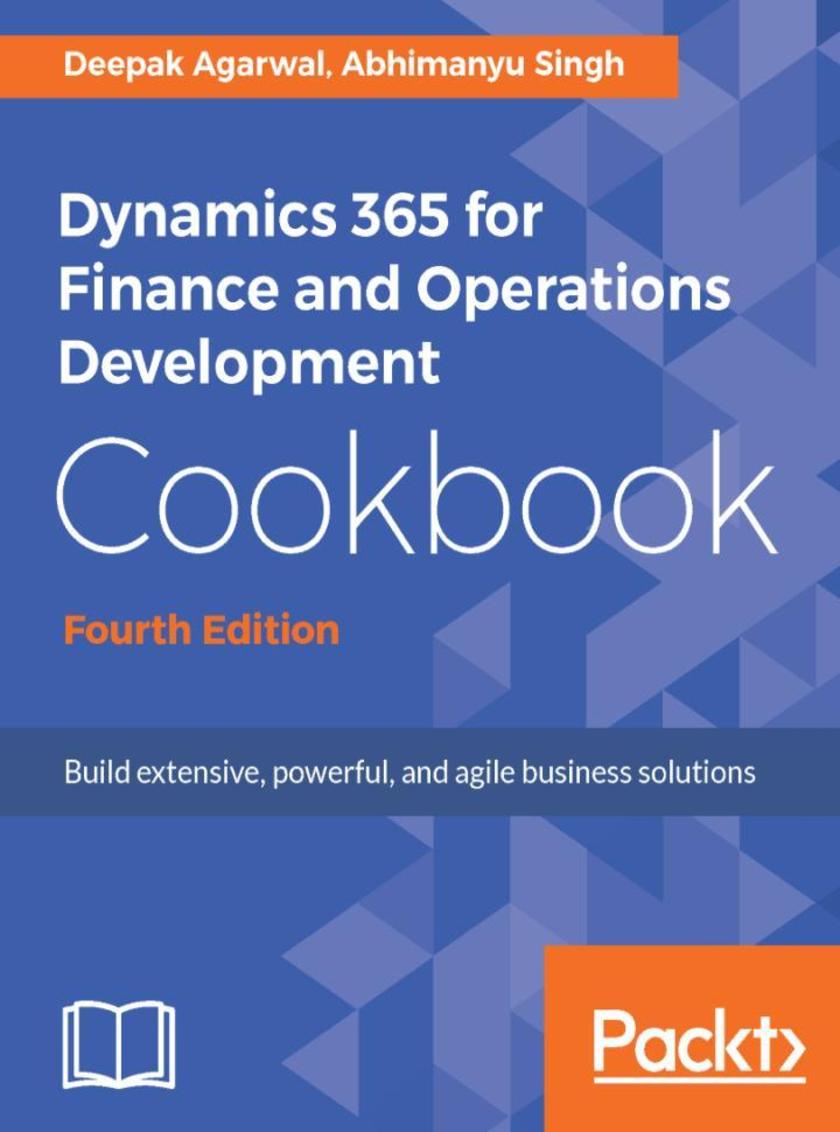
Dynamics 365 for Finance and Operations Development Cookbook - Fourth Edition
¥107.90
Over 80 effective recipes to help you solve real-world Microsoft Dynamics 365 for Finance and Operations development problems About This Book ? Learn all about the enhanced functionalities of Dynamics 365 for Finance and Operations and master development best practices ? Develop powerful projects using new tools and features ? Work through easy-to-understand recipes with step-by-step instructions and useful screenshots Who This Book Is For If you are a Dynamics AX developer primarily focused on delivering time-proven applications, then this book is for you. This book is also ideal for people who want to raise their programming skills above the beginner level, and at the same time learn the functional aspects of Dynamics 365 for Finance and Operations. Some X++ coding experience is expected. What You Will Learn ? Explore data manipulation concepts in Dynamics 365 for Operations ? Build *s to assist data migration processes ? Organize data in Dynamics 365 for Operations forms ? Make custom lookups using AOT forms and dynamically generate them from X++ code ? Create a custom electronic payment format and process a vendor payment using it ? Integrate your application with Microsoft Office Suite and other external systems using various approaches ? Export and import business data for further distribution or analysis ? Improve your development efficiency and performance In Detail Microsoft Dynamics 365 for Finance and Operations has a lot to offer developers. It allows them to customize and tailor their implementations to meet their organization’s needs. This Development Cookbook will help you manage your company or customer ERP information and operations efficiently. We start off by exploring the concept of data manipulation in Dynamics 365 for Operations. This will also help you build *s to assist data migration, and show you how to organize data in forms. You will learn how to create custom lookups using Application Object Tree forms and generate them dynamically. We will also show you how you can enhance your application by using advanced form controls, and integrate your system with other external systems. We will help you * and enhance your user interface using UI elements. This book will help you look at application development from a business process perspective, and develop enhanced ERP solutions by learning and implementing the best practices and techniques. Style and approach The book follows a practical recipe-based approach, focusing on real-world scenarios and giving you all the information you need to build a strong Dynamics 365 for Finance and Operations implementation.
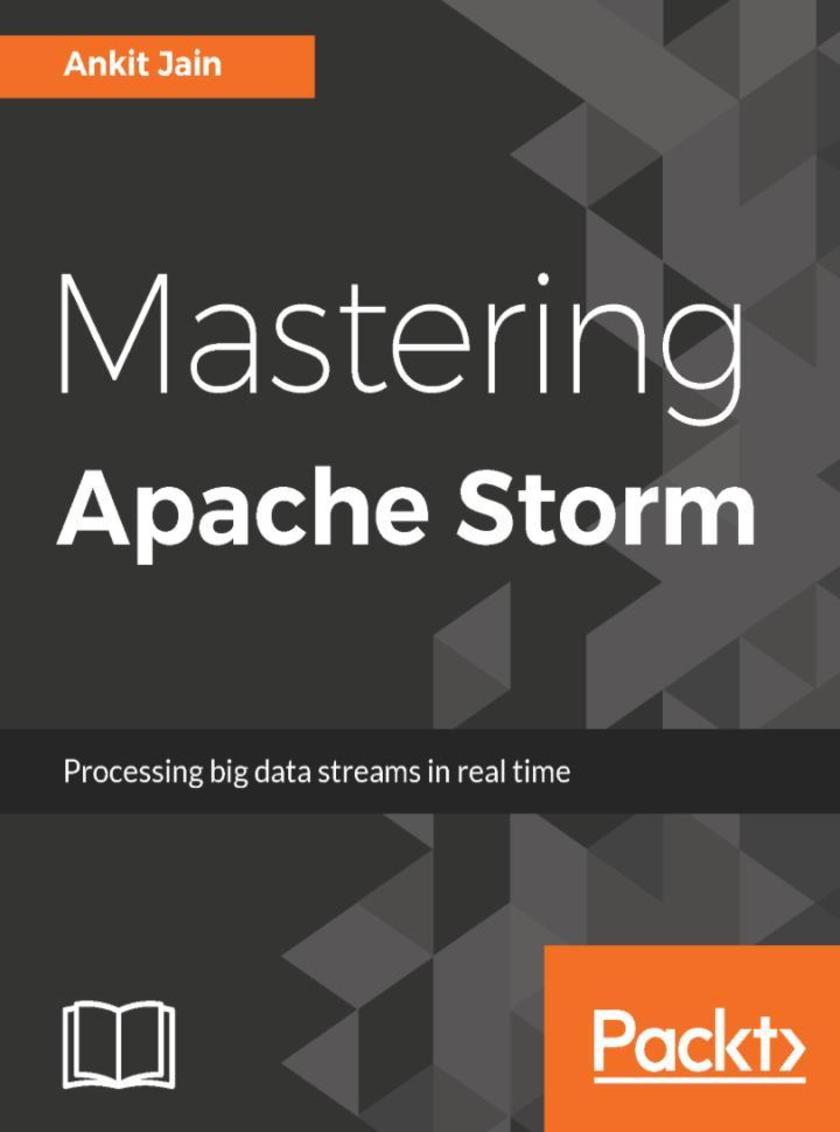
Mastering Apache Storm
¥90.46
Master the intricacies of Apache Storm and develop real-time stream processing applications with ease About This Book ? Exploit the various real-time processing functionalities offered by Apache Storm such as parallelism, data partitioning, and more ? Integrate Storm with other Big Data technologies like Hadoop, HBase, and Apache Kafka ? An easy-to-understand guide to effortlessly create distributed applications with Storm Who This Book Is For If you are a Java developer who wants to enter into the world of real-time stream processing applications using Apache Storm, then this book is for you. No previous experience in Storm is required as this book starts from the basics. After finishing this book, you will be able to develop not-so-complex Storm applications. What You Will Learn ? Understand the core concepts of Apache Storm and real-time processing ? Follow the steps to deploy multiple nodes of Storm Cluster ? Create Trident topologies to support various message-processing semantics ? Make your cluster sharing effective using Storm scheduling ? Integrate Apache Storm with other Big Data technologies such as Hadoop, HBase, Kafka, and more ? Monitor the health of your Storm cluster In Detail Apache Storm is a real-time Big Data processing framework that processes large amounts of data reliably, guaranteeing that every message will be processed. Storm allows you to scale your data as it grows, making it an excellent platform to solve your big data problems. This extensive guide will help you understand right from the basics to the advanced topics of Storm. The book begins with a detailed introduction to real-time processing and where Storm fits in to solve these problems. You’ll get an understanding of deploying Storm on clusters by writing a basic Storm Hello World example. Next we’ll introduce you to Trident and you’ll get a clear understanding of how you can develop and deploy a trident topology. We cover topics such as monitoring, Storm Parallelism, scheduler and log processing, in a very easy to understand manner. You will also learn how to integrate Storm with other well-known Big Data technologies such as HBase, Redis, Kafka, and Hadoop to realize the full potential of Storm. With real-world examples and clear explanations, this book will ensure you will have a thorough mastery of Apache Storm. You will be able to use this knowledge to develop efficient, distributed real-time applications to cater to your business needs. Style and approach This easy-to-follow guide is full of examples and real-world applications to help you get an in-depth understanding of Apache Storm. This book covers the basics thoroughly and also delves into the intermediate and slightly advanced concepts of application development with Apache Storm.
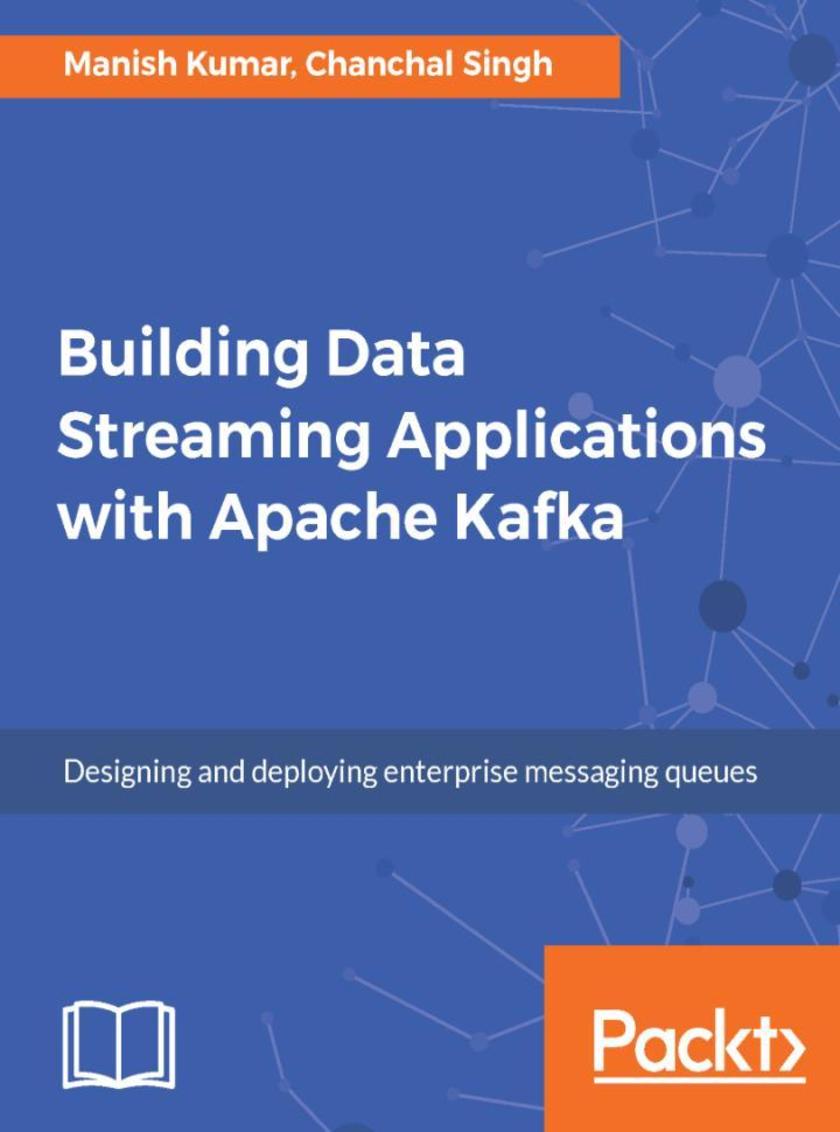
Building Data Streaming Applications with Apache Kafka
¥80.65
Design and administer fast, reliable enterprise messaging systems with Apache Kafka About This Book ? Build efficient real-time streaming applications in Apache Kafka to process data streams of data ? Master the core Kafka APIs to set up Apache Kafka clusters and start writing message producers and consumers ? A comprehensive guide to help you get a solid grasp of the Apache Kafka concepts in Apache Kafka with pracitcalpractical examples Who This Book Is For If you want to learn how to use Apache Kafka and the different tools in the Kafka ecosystem in the easiest possible manner, this book is for you. Some programming experience with Java is required to get the most out of this book What You Will Learn ? Learn the basics of Apache Kafka from scratch ? Use the basic building blocks of a streaming application ? Design effective streaming applications with Kafka using Spark, Storm &, and Heron ? Understand the importance of a low -latency , high- throughput, and fault-tolerant messaging system ? Make effective capacity planning while deploying your Kafka Application ? Understand and implement the best security practices In Detail Apache Kafka is a popular distributed streaming platform that acts as a messaging queue or an enterprise messaging system. It lets you publish and subscribe to a stream of records, and process them in a fault-tolerant way as they occur. This book is a comprehensive guide to designing and architecting enterprise-grade streaming applications using Apache Kafka and other big data tools. It includes best practices for building such applications, and tackles some common challenges such as how to use Kafka efficiently and handle high data volumes with ease. This book first takes you through understanding the type messaging system and then provides a thorough introduction to Apache Kafka and its internal details. The second part of the book takes you through designing streaming application using various frameworks and tools such as Apache Spark, Apache Storm, and more. Once you grasp the basics, we will take you through more advanced concepts in Apache Kafka such as capacity planning and security. By the end of this book, you will have all the information you need to be comfortable with using Apache Kafka, and to design efficient streaming data applications with it. Style and approach A step-by –step, comprehensive guide filled with practical and real- world examples


