


 购物车
 个人中心

Internet of Things Programming with JavaScript
¥71.93
Learn the art of bringing the Internet of Things into your projects with the power of JavaScript About This Book This is a practical guide to help you configure and build a complete distributed IoT system from scratch using JavaScript Utilize the power of Node and HTML5 to develop web services and a centralized web server, enabling high-level communication between connected devices Control all your connected devices from the browser by setting up a common dashboard Who This Book Is For This book is for developers who are interested in learning how to communicate with connected devices in JavaScript to set up an IoT system. Some basic knowledge of JavaScript is expected. Hobbyists who want to explore the potential of IoT in JavaScript will also find this book useful. What You Will Learn Develop the skills to connected devices prepared the field to interact with the devices in a network system Internet of Things Find out how to connect sensors and actuators to the devices Send data to a web server connected devices Understand Internet of things using web services and database Configure a dashboard using HTML5 and JavaScript Control devices connected from a dashboard Monitor different devices from the dashboard Build an app for a smartphone to control different devices In Detail The Internet of Things (IoT) is an entirely new platform for developers and engineers, but one thing that remains consistent as we move into this new world, are the programming languages. JavaScript is the most widely used language over the Internet, and with IoT gaining momentum, you will learn how to harness the power of JavaScript to interact with connected devices. This book will teach you how to interact with endpoint devices by developing web services in JavaScript and also set up an interface to control all connected devices. This book begins with setting up a centralized web server that serves as a hub for all connected devices. The book then progresses further towards building web services to facilitate high-level communication between connected devices. Using Arduino and Raspberry Pi Zero as endpoint devices, the book will show you how devices can communicate with each other, perform a wide range of tasks, and also be controlled from a centralized location using JavaScript. The book ends with creating a hybrid app to control the devices that can be run from a browser or installed on a smartphone. Style and approach This book offers step-by-step guidance on how to set up a distributed IoT system using JavaScript. It will teach you how to interact with endpoint devices by developing web services in JavaScript and also set up an interface for controlling all connected devices.
Mastering Elasticsearch 5.x - Third Edition
¥90.46
Master the intricacies of Elasticsearch 5 and use it to create flexible and scalable search solutions About This Book Master the searching, indexing, and aggregation features in ElasticSearch Improve users’ search experience with Elasticsearch’s functionalities and develop your own Elasticsearch plugins A comprehensive, step-by-step guide to master the intricacies of ElasticSearch with ease Who This Book Is For If you have some prior working experience with Elasticsearch and want to take your knowledge to the next level, this book will be the perfect resource for you.If you are a developer who wants to implement scalable search solutions with Elasticsearch, this book will also help you. Some basic knowledge of the query DSL and data indexing is required to make the best use of this book. What You Will Learn Understand Apache Lucene and Elasticsearch 5’s design and architecture Use and configure the new and improved default text scoring mechanism in Apache Lucene 6 Know how to overcome the pitfalls while handling relational data in Elasticsearch Learn about choosing the right queries according to the use cases and master the *ing module including new default *ing language, painlessly Explore the right way of scaling production clusters to improve the performance of Elasticsearch Master the searching, indexing, and aggregation features in Elasticsearch Develop your own Elasticsearch plugins to extend the functionalities of Elasticsearch In Detail Elasticsearch is a modern, fast, distributed, scalable, fault tolerant, and open source search and analytics engine. Elasticsearch leverages the capabilities of Apache Lucene, and provides a new level of control over how you can index and search even huge sets of data. This book will give you a brief recap of the basics and also introduce you to the new features of Elasticsearch 5. We will guide you through the intermediate and advanced functionalities of Elasticsearch, such as querying, indexing, searching, and modifying data. We’ll also explore advanced concepts, including aggregation, index control, sharding, replication, and clustering. We’ll show you the modules of monitoring and administration available in Elasticsearch, and will also cover backup and recovery. You will get an understanding of how you can scale your Elasticsearch cluster to contextualize it and improve its performance. We’ll also show you how you can create your own analysis plugin in Elasticsearch. By the end of the book, you will have all the knowledge necessary to master Elasticsearch and put it to efficient use. Style and approach This comprehensive guide covers intermediate and advanced concepts in Elasticsearch as well as their implementation. An easy-to-follow approach means you’ll be able to master even advanced querying, searching, and administration tasks with ease.
Go Design Patterns
¥90.46
Learn idiomatic, efficient, clean, and extensible Go design and concurrency patterns by using TDD About This Book A highly practical guide filled with numerous examples unleashing the power of design patterns with Go. Discover an introduction of the CSP concurrency model by explaining GoRoutines and channels. Get a full explanation, including comprehensive text and examples, of all known GoF design patterns in Go. Who This Book Is For The target audience is both beginner- and advanced-level developers in the Go programming language. No knowledge of design patterns is expected. What You Will Learn All basic syntax and tools needed to start coding in Go Encapsulate the creation of complex objects in an idiomatic way in Go Create unique instances that cannot be duplicated within a program Understand the importance of object encapsulation to provide clarity and maintainability Prepare cost-effective actions so that different parts of the program aren’t affected by expensive tasks Deal with channels and GoRoutines within the Go context to build concurrent application in Go in an idiomatic way In Detail Go is a multi-paradigm programming language that has built-in facilities to create concurrent applications. Design patterns allow developers to efficiently address common problems faced during developing applications. Go Design Patterns will provide readers with a reference point to software design patterns and CSP concurrency design patterns to help them build applications in a more idiomatic, robust, and convenient way in Go. The book starts with a brief introduction to Go programming essentials and quickly moves on to explain the idea behind the creation of design patterns and how they appeared in the 90’s as a common "language" between developers to solve common tasks in object-oriented programming languages. You will then learn how to apply the 23 Gang of Four (GoF) design patterns in Go and also learn about CSP concurrency patterns, the "killer feature" in Go that has helped Google develop software to maintain thousands of servers. With all of this the book will enable you to understand and apply design patterns in an idiomatic way that will produce concise, readable, and maintainable software. Style and approach This book will teach widely used design patterns and best practices with Go in a step-by-step manner. The code will have detailed examples, to allow programmers to apply design patterns in their day-to-day coding.
Modular Programming with JavaScript
¥80.65
Modularize your JavaScript code for better readability, greater maintainability, and enhanced testability About This Book Design and build fully modular, modern JavaScript applications using modular design concepts Improve code portability, maintainability, and integrity while creating highly scalable and responsive web applications Implement your own loosely coupled code blocks that can power highly maintainable and powerful applications in a flexible and highly responsive modular architecture Who This Book Is For If you are an intermediate to advanced JavaScript developer who has experience of writing JavaScript code but probably not in a modular, portable manner, or you are looking to develop enterprise level JavaScript applications, then this book is for you. A basic understanding of JavaScript concepts such as OOP, prototypal inheritance, and closures is expected. What You Will Learn Understand the important concepts of OOP in JavaScript, such as scope, objects, inheritance, event delegation, and more Find out how the module design pattern is used in OOP in JavaScript Design and augment modules using both tight augmentation and loose augmentation Extend the capabilities of modules by creating sub-modules using techniques such as cloning and inheritance Move from isolated module pieces to a cohesive, well integrated application modules that can interact and work together without being tightly coupled See how SandBoxing is used to create a medium for all the modules to talk to each other as well as to the core Use the concepts of modular application design to handle dependencies and load modules asynchronously Become familiar with AMD and CommonJS utilities and discover what the future of JavaScript holds for modular programming and architecture In Detail Programming in the modular manner is always encouraged for bigger systems—it is easier to achieve scalability with modular programming. Even JavaScript developers are now interested in building programs in a modular pattern. Modules help people who aren’t yet familiar with code to find what they are looking for and also makes it easier for programmers to keep things that are related close together. Designing and implementing applications in a modular manner is highly encouraged and desirable in both simple and enterprise level applications. This book covers some real-life examples of modules and how we can translate that into our world of programming and application design. After getting an overview of JavaScript object-oriented programming (OOP) concepts and their practical usage, you should be able to write your own object definitions using the module pattern. You will then learn to design and augment modules and will explore the concepts of cloning, inheritance, sub-modules, and code extensibility. You will also learn about SandBoxing, application design, and architecture based on modular design concepts. Become familiar with AMD and CommonJS utilities. By the end of the book, you will be able to build spectacular modular applications in JavaScript. Style and approach This in-depth step-by-step guide will teach you modular programming with JavaScript. Starting from the basics, it will cover advanced modular patterns that can be used in sophisticated JavaScript applications.
Mastering Ubuntu Server
¥90.46
Get up to date with the finer points of Ubuntu Server using this comprehensive guide About This Book Get well-versed with newly-added features in Ubuntu 16.04 Master the art of installing, managing, and troubleshooting Ubuntu Server A practical easy-to-understand book that will help you enhance your existing skills. Who This Book Is For This book is intended for readers with intermediate or advanced-beginner skills with Linux, who would like to learn all about setting up servers with Ubuntu Server. This book assumes that the reader knows the basics of Linux, such as editing configuration files and running basic commands. What You Will Learn Learn how to manage users, groups, and permissions Encrypt and decrypt disks with Linux Unified Key Setup /Luks Setup SSH for remote access, and connect it to other nodes Understand how to add, remove, and search for packages Use NFS and Samba to share directories with other users Get to know techniques for managing Apache and MariaDB Explore best practices and troubleshooting techniques In Detail Ubuntu is a Debian-based Linux operating system, and has various versions targeted at servers, desktops, phones, tablets and televisions. The Ubuntu Server Edition, also called Ubuntu Server, offers support for several common configurations, and also simplifies common Linux server deployment processes. With this book as their guide, readers will be able to configure and deploy Ubuntu Servers using Ubuntu Server 16.04, with all the skills necessary to manage real servers. The book begins with the concept of user management, group management, as well as file-system permissions. To manage your storage on Ubuntu Server systems, you will learn how to add and format storage and view disk usage. Later, you will also learn how to configure network interfaces, manage IP addresses, deploy Network Manager in order to connect to networks, and manage network interfaces. Furthermore, you will understand how to start and stop services so that you can manage running processes on Linux servers. The book will then demonstrate how to access and share files to or from Ubuntu Servers. You will learn how to create and manage databases using MariaDB and share web content with Apache. To virtualize hosts and applications, you will be shown how to set up KVM/Qemu and Docker and manage virtual machines with virt-manager. Lastly, you will explore best practices and troubleshooting techniques when working with Ubuntu Servers. By the end of the book, you will be an expert Ubuntu Server user well-versed in its advanced concepts. Style and Approach This book is an advanced guide that will show readers how to administer, manage, and deploy Ubuntu server and will also provide expert-level knowledge on advanced security and backup techniques.
C# Programming Cookbook
¥90.46
Quick fixes to your common C# programming problems, with a focus on C# 6.0 About This Book Unique recipes for C#, that places it in its real-world context. You will be able to get yourself out of any coding-corner youve backed yourself into. All code samples available through GitHub to bring C#. In line with modern development workflows, written to the latest specification of C# 6.0. Who This Book Is For The book is aimed at developers who have basic familiarity with C# programming and will know the VS 2015 environment. What You Will Learn Write better and less code to achieve the same result as in previous versions of C#. Generate tests from the Code Contracts for mission critical methods. Integrate code in Visual Studio with GitHub. Create a web application in Azure. Design and build a microservice architecture Demystify the Rx library using Reactive extensions Write high performing codes in C# and understanding multi-threading. Security and Debugging. Implement Code Contracts on code in Visual Studio. In Detail During your application development workflow, there is always a moment when you need to get out of a tight spot. Through a recipe-based approach, this book will help you overcome common programming problems and get your applications ready to face the modern world. We start with C# 6, giving you hands-on experience with the new language features. Next, we work through the tasks that you perform on a daily basis such as working with strings, generics, and lots more. Gradually, we move on to more advanced topics such as the concept of object-oriented programming, asynchronous programming, reactive extensions, and code contracts. You will learn responsive high performance programming in C# and how to create applications with Azure. Next, we will review the choices available when choosing a source control solution. At the end of the book, we will show you how to create secure and robust code, and will help you ramp up your skills when using the new version of C# 6 and Visual Studio Style and Approach Unique recipe-based guide that will help you gain a solid understanding of the new concepts in C# 6 and Visual Studio Enterprise 2015 in a concise and technically correct manner.
Mastering NGINX - Second Edition
¥90.46
An in-depth guide to configuring NGINX for your everyday server needs About This Book Get tips, tricks, and master insight to help you configure NGINX for any server situation Integrate NGINX into your applications architecture with is, using hands-on guidance and practical code samples that are free to use Troubleshoot configuration problems before and as they arise, for a seamless NGINX server experience Who This Book Is For This book is for system administrators and engineers who want to personalize NGINX, and design a robust configuration module to solve their hosting problems. Some knowledge of NGINX is a plus, but is not a prerequisite. What You Will Learn Compile the right third-party module to meet your needs Write an authentication server to use with the mail proxy module Create your own SSL certificates to encrypt connections Use try_files to solve your file-existence check problems Cache and compress responses to get speedier user interaction Integrate popular PHP frameworks with the FastCGI module Construct useful logging configurations In Detail NGINX is a high-performance HTTP server and mail proxy designed to use very few system resources. But despite its power it is often a challenge to properly configure NGINX to meet your expectations. Mastering Nginx is the solution – an insider’s guide that will clarify the murky waters of NGINX’s configuration. Tune NGINX for various situations, improve your NGINX experience with some of the more obscure configuration directives, and discover how to design and personalize a configuration to match your needs. To begin with, quickly brush up on installing and setting up the NGINX server on the OS and its integration with third-party modules. From here, move on to explain NGINX's mail proxy module and its authentication, and reverse proxy to solve scaling issues. Then see how to integrate NGINX with your applications to perform tasks. The latter part of the book focuses on working through techniques to solve common web issues and the know-hows using NGINX modules. Finally, we will also explore different configurations that will help you troubleshoot NGINX server and assist with performance tuning. Style and approach This is a mastering guide where you will follow an instructional, conversational approach working through problems and their solutions.
Advanced Machine Learning with Python
¥80.65
Solve challenging data science problems by mastering cutting-edge machine learning techniques in Python About This Book Resolve complex machine learning problems and explore deep learning Learn to use Python code for implementing a range of machine learning algorithms and techniques A practical tutorial that tackles real-world computing problems through a rigorous and effective approach Who This Book Is For This title is for Python developers and analysts or data scientists who are looking to add to their existing skills by accessing some of the most powerful recent trends in data science. If you’ve ever considered building your own image or text-tagging solution, or of entering a Kaggle contest for instance, this book is for you! Prior experience of Python and grounding in some of the core concepts of machine learning would be helpful. What You Will Learn Compete with top data scientists by gaining a practical and theoretical understanding of cutting-edge deep learning algorithms Apply your new found skills to solve real problems, through clearly-explained code for every technique and test Automate large sets of complex data and overcome time-consuming practical challenges Improve the accuracy of models and your existing input data using powerful feature engineering techniques Use multiple learning techniques together to improve the consistency of results Understand the hidden structure of datasets using a range of unsupervised techniques Gain insight into how the experts solve challenging data problems with an effective, iterative, and validation-focused approach Improve the effectiveness of your deep learning models further by using powerful ensembling techniques to strap multiple models together In Detail Designed to take you on a guided tour of the most relevant and powerful machine learning techniques in use today by top data scientists, this book is just what you need to push your Python algorithms to maximum potential. Clear examples and detailed code samples demonstrate deep learning techniques, semi-supervised learning, and more - all whilst working with real-world applications that include image, music, text, and financial data. The machine learning techniques covered in this book are at the forefront of commercial practice. They are applicable now for the first time in contexts such as image recognition, NLP and web search, computational creativity, and commercial/financial data modeling. Deep Learning algorithms and ensembles of models are in use by data scientists at top tech and digital companies, but the skills needed to apply them successfully, while in high demand, are still scarce. This book is designed to take the reader on a guided tour of the most relevant and powerful machine learning techniques. Clear de*ions of how techniques work and detailed code examples demonstrate deep learning techniques, semi-supervised learning and more, in real world applications. We will also learn about NumPy and Theano. By this end of this book, you will learn a set of advanced Machine Learning techniques and acquire a broad set of powerful skills in the area of feature selection & feature engineering. Style and approach This book focuses on clarifying the theory and code behind complex algorithms to make them practical, useable, and well-understood. Each topic is described with real-world applications, providing both broad contextual coverage and detailed guidance.
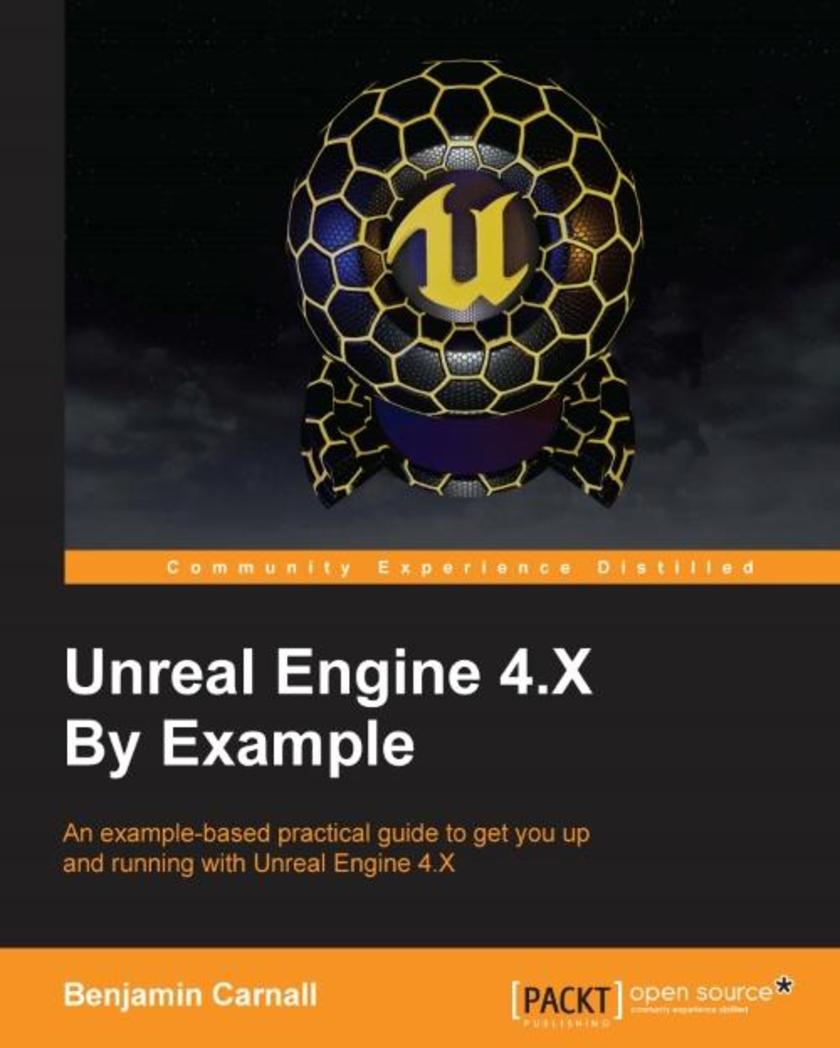
Unreal Engine 4.X By Example
¥90.46
An example-based practical guide to get you up and running with Unreal Engine 4.X About This Book A unique resource on Unreal with an interactive example based approach that is sure to get you up and running immediately Will feature four unique game projects that increase in complexity which will enable readers to build their game development skills using Unreal Engine 4 and the C++ programming language Will be the most up to date book in the market on Unreal with full coverage of the new features of UE4 Who This Book Is For Unreal Engine 4.X by Example was written for keen developers who wish to learn how to fully utilise Unreal Engine 4 to make awesome and engrossing game titles. Whether you are brand new to game development or a seasoned expert, you will be able to make use of the engine with C++. Experience with both C++ and other game engines is preferred before embarking on the Unreal by Example journey, but with a little external research into the basics of C++ programming, this book can take a complete game development novice to an Unreal Engine Developer! What You Will Learn Use C++ with Unreal Engine to boost the development potential of any Unreal Engine project Vastly improve workflow and content creation with the visual *ing system blueprint Design, test, and implement interesting game worlds using Unreal Engines built-in editor Build a networked, feature-rich first person shooter that you can play with others over LAN Build design-centric game worlds that play to needs of your game ideas Paint your game worlds via the creation and modification of visual shaders called materials Gain knowledge of other game development disciplines through the use of the Animation and Material tool sets Create feature-rich game projects with a sophisticated visual quality and feature set In Detail With Unreal Engine 4 being made free to use, for any keen game developer it is quickly becoming the most popular game engine in today’s development industry. The engine offers a rich feature set that can be customized and built upon through the use of C++. This book will cover how to work with Unreal Engine’s tool set all the way from the basics of the editor and the visual *ing system blueprint to the in-depth low-level creation of content using C++. This book will provide you with the skills you need to create feature-rich, captivating, and refined game titles with Unreal Engine 4. This book will take you through the creation of four unique game projects, designed so that you will be ready to apply the engine’s rich development capabilities. You will learn not only to take advantage of the visual tools of the engine, but also the vast and powerful programming feature set of Unreal Engine 4. Style and approach The best resource that any beginner level game developer can dream of with examples on leveraging the amazing graphics engine, beautiful character animation and game world generations etc. by means of exciting real world game generation.This book would be a very unique resource for any game developer who wants to get up and running with Unreal. The unique example-driven approach will take you through the most basic games towards the more complex ones and will gradually build your skill level.
Metasploit for Beginners
¥63.21
An easy to digest practical guide to Metasploit covering all aspects of the framework from installation, configuration, and vulnerability hunting to advanced client side attacks and anti-forensics. About This Book ? Carry out penetration testing in highly-secured environments with Metasploit ? Learn to bypass different defenses to gain access into different systems. ? A step-by-step guide that will quickly enhance your penetration testing skills. Who This Book Is For If you are a penetration tester, ethical hacker, or security consultant who wants to quickly learn the Metasploit framework to carry out elementary penetration testing in highly secured environments then, this book is for you. What You Will Learn ? Get to know the absolute basics of the Metasploit framework so you have a strong foundation for advanced attacks ? Integrate and use various supporting tools to make Metasploit even more powerful and precise ? Set up the Metasploit environment along with your own virtual testing lab ? Use Metasploit for information gathering and enumeration before planning the blueprint for the attack on the target system ? Get your hands dirty by firing up Metasploit in your own virtual lab and hunt down real vulnerabilities ? Discover the clever features of the Metasploit framework for launching sophisticated and deceptive client-side attacks that bypass the perimeter security ? Leverage Metasploit capabilities to perform Web application security scanning In Detail This book will begin by introducing you to Metasploit and its functionality. Next, you will learn how to set up and configure Metasploit on various platforms to create a virtual test environment. You will also get your hands on various tools and components used by Metasploit. Further on in the book, you will learn how to find weaknesses in the target system and hunt for vulnerabilities using Metasploit and its supporting tools. Next, you'll get hands-on experience carrying out client-side attacks. Moving on, you'll learn about web application security scanning and bypassing anti-virus and clearing traces on the target system post compromise. This book will also keep you updated with the latest security techniques and methods that can be directly applied to scan, test, hack, and secure networks and systems with Metasploit. By the end of this book, you'll get the hang of bypassing different defenses, after which you'll learn how hackers use the network to gain access into different systems. Style and approach This tutorial is packed with step-by-step instructions that are useful for those getting started with Metasploit. This is an easy-to-read guide to learning Metasploit from scratch that explains simply and clearly all you need to know to use this essential IT power tool.
Cloud Native Python
¥90.46
Build cloud native applications in Python About This Book ? This is the only reliable resource that showcases the tools and techniques you need build robust and resilient cloud native applications in Python ? Learn how to architect your application on both, the AWS and Azure clouds for high availability ? Assess, monitor, and troubleshoot your applications in the cloud Who This Book Is For This book is ideal for developers with a basic knowledge of Python who want to learn to build, test, and scale their Python-based applications. No prior experience of writing microservices in Python is required. What You Will Learn ? Get to know “the way of the cloud”, including why developing good cloud software is fundamentally about mindset and discipline ? Know what microservices are and how to design them ? Create reactive applications in the cloud with third-party messaging providers ? Build massive-scale, user-friendly GUIs with React and Flux ? Secure cloud-based web applications: the do’s, don’ts, and options ? Plan cloud apps that support continuous delivery and deployment In Detail Businesses today are evolving so rapidly that having their own infrastructure to support their expansion is not feasible. As a result, they have been resorting to the elasticity of the cloud to provide a platform to build and deploy their highly scalable applications. This book will be the one stop for you to learn all about building cloud-native architectures in Python. It will begin by introducing you to cloud-native architecture and will help break it down for you. Then you’ll learn how to build microservices in Python using REST APIs in an event driven approach and you will build the web layer. Next, you’ll learn about Interacting data services and building Web views with React, after which we will take a detailed look at application security and performance. Then, you’ll also learn how to Dockerize your services. And finally, you’ll learn how to deploy the application on the AWS and Azure platforms. We will end the book by discussing some concepts and techniques around troubleshooting problems that might occur with your applications after you’ve deployed them. This book will teach you how to craft applications that are built as small standard units, using all the proven best practices and avoiding the usual traps. It's a practical book: we're going to build everything using Python 3 and its amazing tooling ecosystem. The book will take you on a journey, the destination of which, is the creation of a complete Python application based on microservices over the cloud platform Style and approach Filled with examples, this book takes a step-by-step approach to teach you each and every configuration you need to make your application highly available and fault tolerant.
Machine Learning Algorithms
¥90.46
Build strong foundation for entering the world of Machine Learning and data science with the help of this comprehensive guide About This Book ? Get started in the field of Machine Learning with the help of this solid, concept-rich, yet highly practical guide. ? Your one-stop solution for everything that matters in mastering the whats and whys of Machine Learning algorithms and their implementation. ? Get a solid foundation for your entry into Machine Learning by strengthening your roots (algorithms) with this comprehensive guide. Who This Book Is For This book is for IT professionals who want to enter the field of data science and are very new to Machine Learning. Familiarity with languages such as R and Python will be invaluable here. What You Will Learn ? Acquaint yourself with important elements of Machine Learning ? Understand the feature selection and feature engineering process ? Assess performance and error trade-offs for Linear Regression ? Build a data model and understand how it works by using different types of algorithm ? Learn to tune the parameters of Support Vector machines ? Implement clusters to a dataset ? Explore the concept of Natural Processing Language and Recommendation Systems ? Create a ML architecture from scratch. In Detail As the amount of data continues to grow at an almost incomprehensible rate, being able to understand and process data is becoming a key differentiator for competitive organizations. Machine learning applications are everywhere, from self-driving cars, spam detection, document search, and trading strategies, to speech recognition. This makes machine learning well-suited to the present-day era of Big Data and Data Science. The main challenge is how to transform data into actionable knowledge. In this book you will learn all the important Machine Learning algorithms that are commonly used in the field of data science. These algorithms can be used for supervised as well as unsupervised learning, reinforcement learning, and semi-supervised learning. A few famous algorithms that are covered in this book are Linear regression, Logistic Regression, SVM, Naive Bayes, K-Means, Random Forest, TensorFlow, and Feature engineering. In this book you will also learn how these algorithms work and their practical implementation to resolve your problems. This book will also introduce you to the Natural Processing Language and Recommendation systems, which help you run multiple algorithms simultaneously. On completion of the book you will have mastered selecting Machine Learning algorithms for clustering, classification, or regression based on for your problem. Style and approach An easy-to-follow, step-by-step guide that will help you get to grips with real -world applications of Algorithms for Machine Learning.
Analytics for the Internet of Things (IoT)
¥80.65
Break through the hype and learn how to extract actionable intelligence from the flood of IoT data About This Book ? Make better business decisions and acquire greater control of your IoT infrastructure ? Learn techniques to solve unique problems associated with IoT and examine and analyze data from your IoT devices ? Uncover the business potential generated by data from IoT devices and bring down business costs Who This Book Is For This book targets developers, IoT professionals, and those in the field of data science who are trying to solve business problems through IoT devices and would like to analyze IoT data. IoT enthusiasts, managers, and entrepreneurs who would like to make the most of IoT will find this equally useful. A prior knowledge of IoT would be helpful but is not necessary. Some prior programming experience would be useful What You Will Learn ? Overcome the challenges IoT data brings to analytics ? Understand the variety of transmission protocols for IoT along with their strengths and weaknesses ? Learn how data flows from the IoT device to the final data set ? Develop techniques to wring value from IoT data ? Apply geospatial analytics to IoT data ? Use machine learning as a predictive method on IoT data ? Implement best strategies to get the most from IoT analytics ? Master the economics of IoT analytics in order to optimize business value In Detail We start with the perplexing task of extracting value from huge amounts of barely intelligible data. The data takes a convoluted route just to be on the servers for analysis, but insights can emerge through visualization and statistical modeling techniques. You will learn to extract value from IoT big data using multiple analytic techniques. Next we review how IoT devices generate data and how the information travels over networks. You’ll get to know strategies to collect and store the data to optimize the potential for analytics, and strategies to handle data quality concerns. Cloud resources are a great match for IoT analytics, so Amazon Web Services, Microsoft Azure, and PTC ThingWorx are reviewed in detail next. Geospatial analytics is then introduced as a way to leverage location information. Combining IoT data with environmental data is also discussed as a way to enhance predictive capability. We’ll also review the economics of IoT analytics and you’ll discover ways to optimize business value. By the end of the book, you’ll know how to handle scale for both data storage and analytics, how Apache Spark can be leveraged to handle scalability, and how R and Python can be used for analytic modeling. Style and approach This book follows a step-by-step, practical approach to combine the power of analytics and IoT and help you get results quickly
Java 9 Regular Expressions
¥63.21
Solve real world problems using Regex in Java. About This Book ? Discover regular expressions and how they work ? Implement regular expressions with Java to your code base ? Learn to use regular expressions in emails, URLs, paths, and IP addresses Who This Book Is For This book is for Java developers who would like to understand and use regular expressions. A basic knowledge of Java is assumed. What You Will Learn ? Understand the semantics, rules, and core concepts of writing Java code involving regular expressions ? Learn about the java.util.Regex package using the Pattern class, Matcher class, code snippets, and more ? Match and capture text in regex and use back-references to the captured groups ? Explore Regex using Java String methods and regex capabilities in the Java Scanner API ? Use zero-width assertions and lookarounds in regex ? Test and optimize a poorly performing regex and various other performance tips In Detail Regular expressions are a powerful tool in the programmer's toolbox and allow pattern matching. They are also used for manipulating text and data. This book will provide you with the know-how (and practical examples) to solve real-world problems using regex in Java. You will begin by discovering what regular expressions are and how they work with Java. This easy-to-follow guide is a great place from which to familiarize yourself with the core concepts of regular expressions and to master its implementation with the features of Java 9. You will learn how to match, extract, and transform text by matching specific words, characters, and patterns. You will learn when and where to apply the methods for finding patterns in digits, letters, Unicode characters, and string literals. Going forward, you will learn to use zero-length assertions and lookarounds, parsing the source code, and processing the log files. Finally, you will master tips, tricks, and best practices in regex with Java. Style and approach This book will take readers through this learning journey using simple, easy-to-understand, step-by-step instructions and hands-on examples at every stage.
Microsoft System Center 2016 Orchestrator Cookbook - Second Edition
¥107.90
Over 30 recipes to automate your mission-critical tasks using the new and powerful Microsoft System Center 2016 Orchestrator About This Book ? Create powerful runbooks for the entire System Center 2016 product line ? Explore System Center 2016 Orchestrator to manage and automate your datacenter ? A recipe-based guide to using SCO efficiently Who This Book Is For If you are a system administrator and want to simplify the process of automating system administration tasks using System Center Orchestrator 2016 then this book is for you. A basic knowledge of SCO is expected What You Will Learn ? Create Runbooks for IT Service Management processes ? Design and create Runbooks for System Center Confguration Manager and Virtual Machine Manager ? Set up System Center Orchestrator, making it highly available ? Create branching, looping, and child Runbooks to completely master System Center 2016 Orchestrator ? Implement a security model for your System Center Orchestrator deployment and to execute Runbooks ? Manage and automate your Datacenter with powerful Runbooks ? Automate your System Center environment In Detail With Microsoft System Center 2016 Orchestrator Cookbook, you will start by learning how to efficiently install and secure System Center Orchestrator. You will then learn how you can create configuration files for SCO 2016. After initial installation and configuration, you will soon be planning and creating functional and fault-tolerant System Center runbooks to automate daily tasks and routine operations. Next you will delve into runbooks; you will learn how to create powerful and advanced runbooks such as Building your Runbook without a Dead End. You will also learn to create simple and advanced runbooks for your daily tasks. Towards the end of the book, you will learn to use SCO for other interesting tasks and also learn to maintain and perform SCO health checks. By the end of the book, you will be able to automate your administrative tasks successfully with SCO. Style and approach This book is written in a practical, cookbook style with numerous chapters and recipes focusing on creating runbooks to automate mission-critical and everyday administration tasks.
Java 9 Programming Blueprints
¥90.46
Build a variety of real-world applications by taking advantage of the newest features of Java 9 About This Book ? See some of the new features of Java 9 and be introduced to parts of the Java SDK ? This book provides a set of diverse, interesting projects that range in complexity from fairly simple to advanced and cover HTTP 2.0 ? Take advantage of Java's new modularity features to write real-world applications that solve a variety of problems Who This Book Is For This book is for Java developers who are already familiar with the language. Familiarity with more advanced topics, such as network programming and threads, would be helpful, but is not assumed. What You Will Learn ? Learn how to package Java applications as modules by using the Java Platform Module System ? Implement process management in Java by using the all-new process handling API ? Integrate your applications with third-party services in the cloud ? Interact with mail servers using JavaMail to build an application that filters spam messages ? Learn to use JavaFX to build rich GUI based applications, which are an essential element of application development ? Write microservices in Java using platform libraries and third-party frameworks ? Integrate a Java application with MongoDB to build a cloud-based note taking application In Detail Java is a powerful language that has applications in a wide variety of fields. From playing games on your computer to performing banking transactions, Java is at the heart of everything. The book starts by unveiling the new features of Java 9 and quickly walks you through the building blocks that form the basis of writing applications. There are 10 comprehensive projects in the book that will showcase the various features of Java 9. You will learn to build an email filter that separates spam messages from all your inboxes, a social media aggregator app that will help you efficiently track various feeds, and a microservice for a client/server note application, to name a few. The book covers various libraries and frameworks in these projects, and also introduces a few more frameworks that complement and extend the Java SDK. Through the course of building applications, this book will not only help you get to grips with the various features of Java 9, but will also teach you how to design and prototype professional-grade applications with performance and security considerations. Style and approach This is a learn-as-you-build practical guide to building full-fledged applications using Java 9. With a project-based approach, we’ll improve your Java skills. You will experience a variety of solutions to problems with Java.
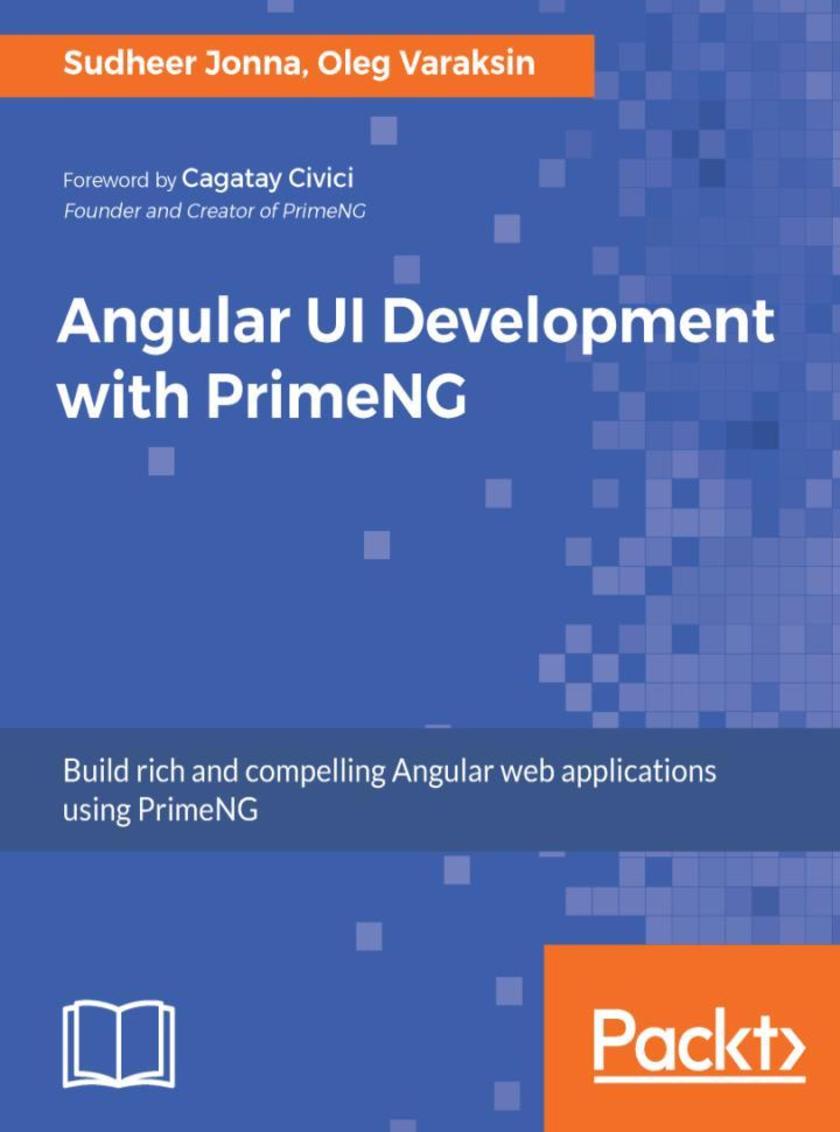
Angular UI Development with PrimeNG
¥80.65
Unleash the power of PrimeNG components to design compelling user interface for your Angular applications About This Book ? Detailed insights into PrimeNG concepts, components and features with examples to help you make excellent User Interfaces for Angular web apps. ? Get familiar with themes, layouts and customization in real world applications. ? Develop Angular applications rapidly using advance tools and standards with best practices. Who This Book Is For This book is for everybody who would like to learn or create modern Angular based single page applications using PrimeNG component library. This book is a good choice for beginners to advanced users who are serious to learn modern Angular applications. The prerequisites for this book are some basic knowledge on the Angular 2+ version with TypeScript and CSS skills. What You Will Learn ? Setup PrimeNG projects with SystemJS, Webpack, and Angular CLI. ? Use theming concepts and layouts with grid systems and Bootstrap. ? Work with enhanced input, select, button and panel components. ? Apply countless DataTable features: sorting, filtering, grouping, and templating. ? Meet data iteration components: DataList, DataGrid, Tree, and so on. ? Build endless menu variations: SlideMenu, TieredMenu, MegaMenu, and so on. ? Visualize your data representations with PrimeNG charts and GMap components. ? Adopt best practices such as state management with @ngrx/store. ? Write unit and end-to-end tests with Jasmine, Karma, and Protractor. In Detail PrimeNG is a leading UI component library for Angular applications with 80+ rich UI components. PrimeNG was a huge success in the Angular world and very quickly. It is a rapidly evolving library that is aligned with the last Angular release. In comparison with competitors, PrimeNG was created with enterprise applications in mind. This book provides a head-start to help readers develop real–world, single-page applications using the popular development stack. This book consists of 10 chapters and starts with a short introduction to single-page applications. TypeScript and Angular fundamentals are important first steps for subsequent PrimeNG topics. Later we discuss how to set up and configure a PrimeNG application in different ways as a kick-start. Once the environment is ready then it is time to learn PrimeNG development, starting from theming concepts and responsive layouts. Readers will learn enhanced input, select, button components followed by the various panels, data iteration, overlays, messages and menu components. The validation of form elements will be covered too. An extra chapter demonstrates how to create map and chart components for real-world applications. Apart from built-in UI components and their features, the readers will learn how to customize components to meet their requirements. Miscellaneous use cases are discussed in a separate chapter, including: file uploading, drag and drop, blocking page pieces during AJAX calls, CRUD sample implementations, and more. This chapter goes beyond common topics, implements a custom component, and discusses a popular state management with @ngrx/store. The final chapter describes unit and end-to-end testing. To make sure Angular and PrimeNG development are flawless, we explain full-fledged testing frameworks with systematic examples. Tips for speeding up unit testing and debugging Angular applications end this book. The book is also focused on how to avoid some common pitfalls, and shows best practices with tips and tricks for efficient Angular and PrimeNG development. At the end of this book, the readers will know the ins and outs of how to use PrimeNG in Angular applications and will be ready to create real- world Angular applications using rich PrimeNG components. Style and approach Step-by-step practical approach
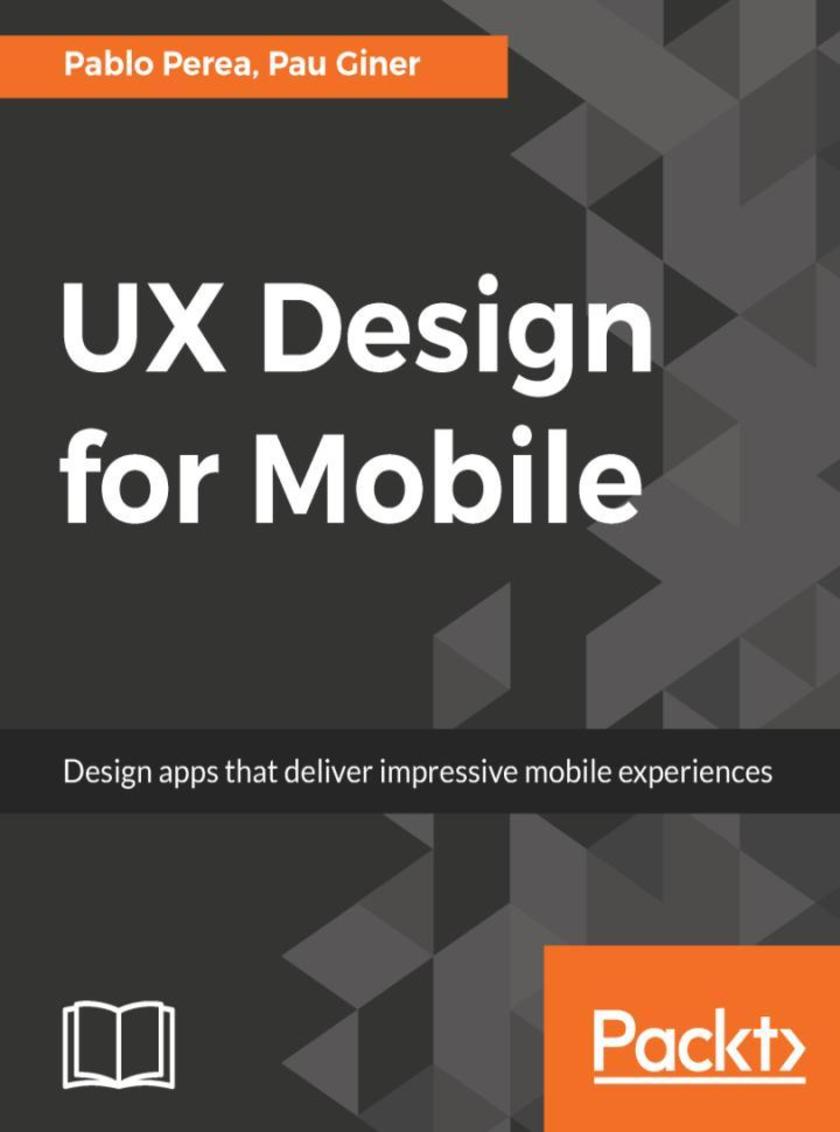
UX Design for Mobile
¥71.93
Get proficient in building beautiful and appealing mobile interfaces (UI) with this complete mobile user experience (UX) design guide. About This Book ? Quickly explore innovative design solutions based on the real needs of your users. ? Create low and high fidelity prototypes using some of the best tools. ? Master a pragmatic design process to create successful products. ? Plan an app design from scratch to final test, with real users. Who This Book Is For This book is for designers, developers and product managers interested in creating successful apps. Readers will be provided with a process to produce, test and improve designs based on best practices. What You Will Learn ? Plan an app design from scratch to final test, with real users. ? Learn from leading companies and find working patterns. ? Apply best UX design practices to your design process. ? Create low and high fidelity prototypes using some of the best tools. ? Follow a step by step examples for Tumult Hype and Framer Studio. ? Test your designs with real users, early in the process. ? Integrate the UX Designer profile into a working team. In Detail User experience (UX) design provides techniques to analyze the real needs of your users and respond to them with products that are delightful to use. This requires you to think differently compared to traditional development processes, but also to act differently. In this book, you will be introduced to a pragmatic approach to exploring and creating mobile app solutions, reducing risks and saving time during their construction. This book will show you a working process to quickly iterate product ideas with low and high fidelity prototypes, based on professional tools from different software brands. You will be able to quickly test your ideas early in the process with the most adequate prototyping approach. You will understand the pros and cons of each approach, when you should use each of them, and what you can learn in each step of the testing process. You will also explore basic testing approaches and some more advanced techniques to connect and learn from your users. Each chapter will focus on one of the general steps needed to design a successful product according to the organization goals and the user needs. To achieve this, the book will provide detailed hands-on pragmatic techniques to design innovative and easy to use products. You will learn how to test your ideas in the early steps of the design process, picking up the best ideas that truly work with your users, rethinking those that need further refinement, and discarding those that don’t work properly in tests made with real users. By the end of the book, you will learn how to start exploring and testing your design ideas, regardless the size of the design budget. Style and approach A quick and simple guide to design and test a mobile application from the UX design point of view
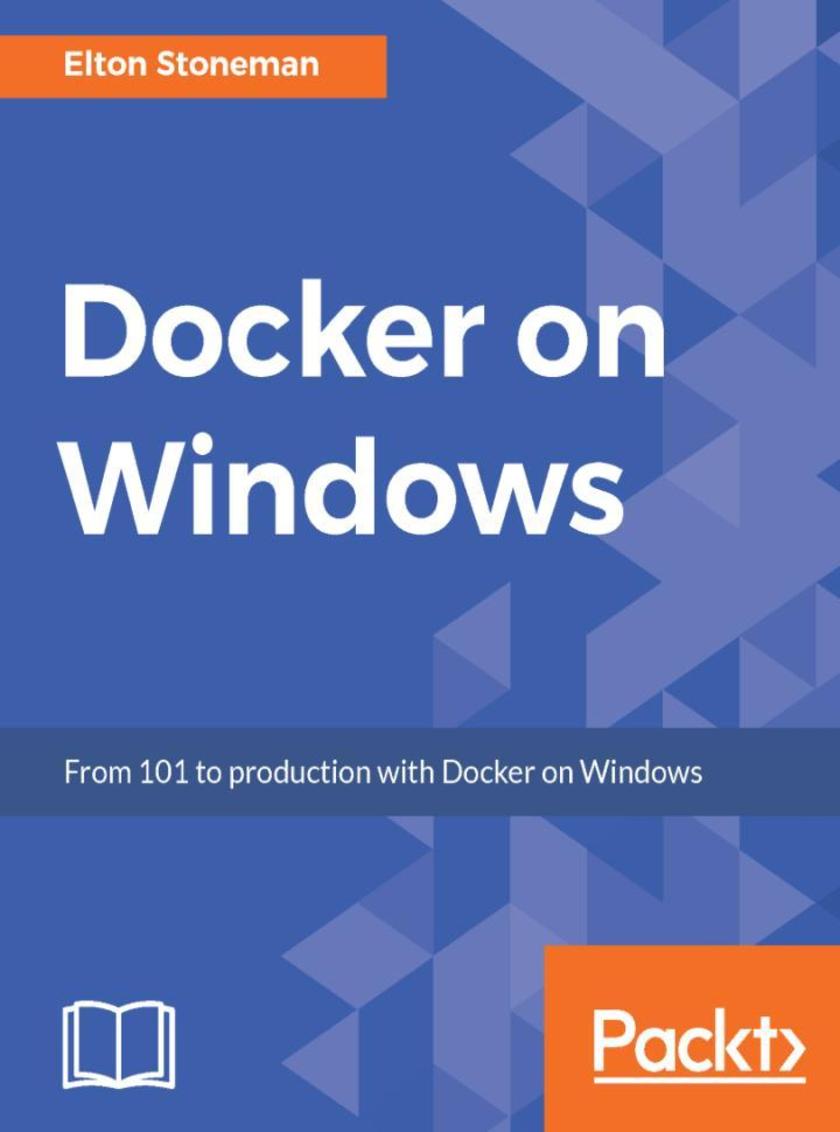
Docker on Windows
¥90.46
Learn how to run new and old Windows applications in Docker containers. About This Book ? Package traditional .NET Frameworks apps and new .NET Core apps as Docker images, and run them in containers for increased efficiency, portability, and security ? Design and implement distributed applications that run across connected containers, using enterprise-grade open source software from public Docker images ? Build a full Continuous Deployment pipeline for a .NET Framework application, and deploy it to a highly-available Docker swarm running in the cloud Who This Book Is For If you want to modernize an old monolithic application without rewriting it, smooth the deployment to production, or move to DevOps or the cloud, then Docker is the enabler for you. This book gives you a solid grounding in Docker so you can confidently approach all of these scenarios. What You Will Learn ? Comprehend key Docker concepts: images, containers, registries, and swarms ? Run Docker on Windows 10, Windows Server 2016, and in the cloud ? Deploy and monitor distributed solutions across multiple Docker containers ? Run containers with high availability and fail-over with Docker Swarm ? Master security in-depth with the Docker platform, making your apps more secure ? Build a Continuous Deployment pipeline by running Jenkins in Docker ? Debug applications running in Docker containers using Visual Studio ? Plan the adoption of Docker in your own organization In Detail Docker is a platform for running server applications in lightweight units called containers. You can run Docker on Windows Server 2016 and Windows 10, and run your existing apps in containers to get significant improvements in efficiency, security, and portability. This book teaches you all you need to know about Docker on Windows, from 101 to deploying highly-available workloads in production. This book takes you on a Docker journey, starting with the key concepts and simple examples of how to run .NET Framework and .NET Core apps in Windows Docker containers. Then it moves on to more complex examples—using Docker to modernize the architecture and development of traditional ASP.NET and SQL Server apps. The examples show you how to break up monoliths into distributed apps and deploy them to a clustered environment in the cloud, using the exact same artifacts you use to run them locally. To help you move confidently to production, it then explains Docker security, and the management and support options. The book finishes with guidance on getting started with Docker in your own projects, together with some real-world case studies for Docker implementations, from small-scale on-premises apps to very large-scale apps running on Azure. Style and approach Using a step-by-step approach, this book shows you how to use Docker on Windows. It includes practical examples and real-world technical and business scenarios that will help you effectively implement Docker in your environment.There are over 50 examples of Dockerized applications, using C# .NET projects as the source and packaging them into Docker images.
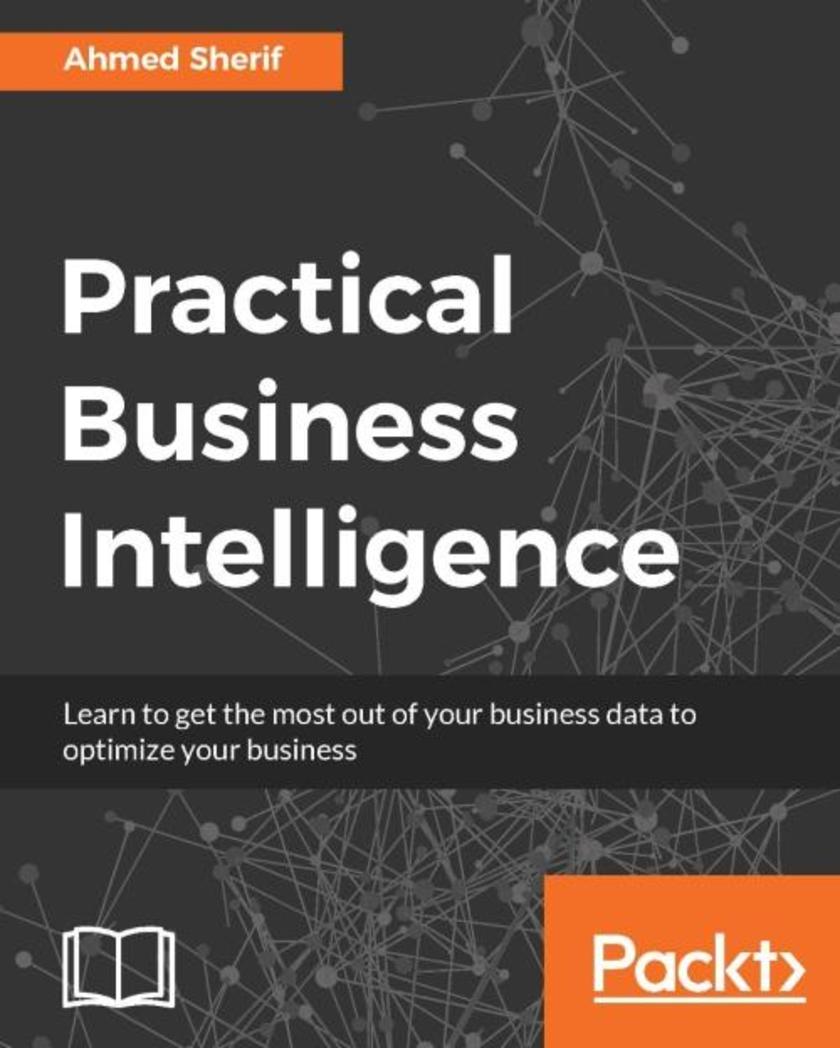
Practical Business Intelligence
¥90.46
Learn to get the most out of your business data to optimize your business About This Book This book will enable and empower you to break free of the shackles of spreadsheets Learn to make informed decisions using the data at hand with this highly practical, comprehensive guide This book includes real-world use cases that teach you how analytics can be put to work to optimize your business Using a fictional transactional dataset in raw form, you’ll work your way up to ultimately creating a fully-functional warehouse and a fleshed-out BI platform Who This Book Is For This book is for anyone who has wrangled with data to try to perform automated data analysis through visualizations for themselves or their customers. This highly-customized guide is for developers who know a bit about analytics but don't know how to make use of it in the field of business intelligence. What You Will Learn Create a BI environment that enables self-service reporting Understand SQL and the aggregation of data Develop a data model suitable for analytical reporting Connect a data warehouse to the analytic reporting tools Understand the specific benefits behind visualizations with D3.js, R, Tableau, QlikView, and Python Get to know the best practices to develop various reports and applications when using BI tools Explore the field of data analysis with all the data we will use for reporting In Detail Business Intelligence (BI) is at the crux of revolutionizing enterprise. Everyone wants to minimize losses and maximize profits. Thanks to Big Data and improved methodologies to analyze data, Data Analysts and Data Scientists are increasingly using data to make informed decisions. Just knowing how to analyze data is not enough, you need to start thinking how to use data as a business asset and then perform the right analysis to build an insightful BI solution. Efficient BI strives to achieve the automation of data for ease of reporting and analysis. Through this book, you will develop the ability to think along the right lines and use more than one tool to perform analysis depending on the needs of your business. We start off by preparing you for data analytics. We then move on to teach you a range of techniques to fetch important information from various databases, which can be used to optimize your business. The book aims to provide a full end-to-end solution for an environment setup that can help you make informed business decisions and deliver efficient and automated BI solutions to any company. It is a complete guide for implementing Business intelligence with the help of the most powerful tools like D3.js, R, Tableau, Qlikview and Python that are available on the market. Style and approach Packed with real-world examples, this pragmatic guide helps you polish your data and make informed decisions for your business. We cover both business and data analysis perspectives, blending theory and practical hands-on work so that you perceive data as a business asset.
Android Design Patterns and Best Practice
¥80.65
Create reliable, robust, and efficient Android apps with industry-standard design patterns About This Book Create efficient object interaction patterns for faster and more efficient Android development Get into efficient and fast app development and start making money from your android apps Implement industry-standard design patterns and best practices to reduce your app development time drastically Who This Book Is For This book is intended for Android developers who have some basic android development experience. Basic Java programming knowledge is a must to get the most out of this book. What You Will Learn Build a simple app and run it on real and emulated devices Explore the WYSIWYG and XML approaches to material design provided within Android Studio Detect user activities by using touch screen listeners, gesture detection, and reading sensors Apply transitions and shared elements to employ elegant animations and efficiently use the minimal screen space of mobile devices Develop apps that automatically apply the best layouts for different devices by using designated directories Socialize in the digital word by connecting your app to social media Make your apps available to the largest possible audience with the AppCompat support library In Detail Are you an Android developer with some experience under your beltAre you wondering how the experts create efficient and good-looking appsThen your wait will end with this book! We will teach you about different Android development patterns that will enable you to write clean code and make your app stand out from the crowd. The book starts by introducing the Android development environment and exploring the support libraries. You will gradually explore the different design and layout patterns and get to know the best practices of how to use them together. Then you’ll then develop an application that will help you grasp activities, services, and broadcasts and their roles in Android development. Moving on, you will add user-detecting classes and APIs such as gesture detection, touch screen listeners, and sensors to your app. You will also learn to adapt your app to run on tablets and other devices and platforms, including Android Wear, auto, and TV. Finally, you will see how to connect your app to social media and explore deployment patterns as well as the best publishing and monetizing practices. The book will start by introducing the Android development environment and exploring the support libraries. You will gradually explore the different Design and layout patterns and learn the best practices on how to use them together. You will then develop an application that will help you grasp Activities, Services and Broadcasts and their roles in Android development. Moving on, you will add user detecting classes and APIs such as at gesture detection, touch screen listeners and sensors to our app. You will also learn to adapt your app to run on tablets and other devices and platforms, including Android Wear, Auto, and TV. Finally, you will learn to connect your app to social media and explore deployment patterns and best publishing and monetizing practices. Style and approach This book takes a step-by-step approach. The steps are explained using real-world practical examples. Each chapter uses case studies where we show you how using design patterns will help in your development process.


