


 购物车
购物车 个人中心
个人中心
Microsoft Dynamics NAV 7 Programming Cookbook
¥99.18
Written in the style of a cookbook. Microsoft Dynamics NAV 7 Programming Cookbook is full of recipes to help you get the job done.If you are a junior / entry-level NAV developer then the first half of the book is designed primarily for you. You may or may not have any experience programming. It focuses on the basics of NAV programming.If you are a mid-level NAV developer, you will find these chapters explain how to think outside of the NAV box when building solutions. There are also recipes that senior developers will find useful.
Building UIs with Wijmo
¥54.49
Written with an example-based approach, Building UIs with Wijmo leads you step by step through the implementation and customization of each library component and its associated resources. Reference tables of each configuration option, method, and event for each component are provided, alongside detailed explanations of how each widget is used.Building UIs with Wijmo is targeted at readers who are familiar with HTML, CSS, JavaScript, and jQuery, and have a basic understanding of web development. Although knowledge of jQuery UI is not mandatory, it would be a bonus as it is quite similar to Wijmo. Only the last chapter of the book on extending Wijmo requires advanced CSS and JavaScript knowledge.
Twilio Cookbook
¥90.46
This book is a practical, hands-on guide that provides the reader with a number of clear, step-by-step exercises.This book is great for developers who already have knowledge of PHP and MySQL and who want to learn about integrating Twilio’s API into their websites for telephone solutions.
Learning QGIS 2.0
¥45.77
A short book with a lot of hands-on examples to help you learn in a practical way.This book is great for users, developers, and consultants who know the basic functions and processes of a GIS but want to know how to use QGIS to achieve the results they are used to a full-fledged GIS.

Oracle GoldenGate 11g Implementer's guide
¥99.18
More than just a step-by-step guide, this book offers examples, tips, and tricks that are all discussed in detail, providing the reader with the knowledge and confidence to implement them. Supporting diagrams, illustrations, and screenshots promote understanding and enhance the overall reading experience. The author's onsite experience in implementing Oracle GoldenGate in the financial sector is thoroughly reflected in this book. This book is for Solution Architects and Database Architects who wish to learn about the functionality and efforts required in implementing a data replication, migration or integration solution using GoldenGate. It is also designed for System Administrators and Database Administrators who want to implement, or those who have already implemented, Goldengate and who want to explore its advanced features. An intermediate understanding of Oracle database technology is assumed.
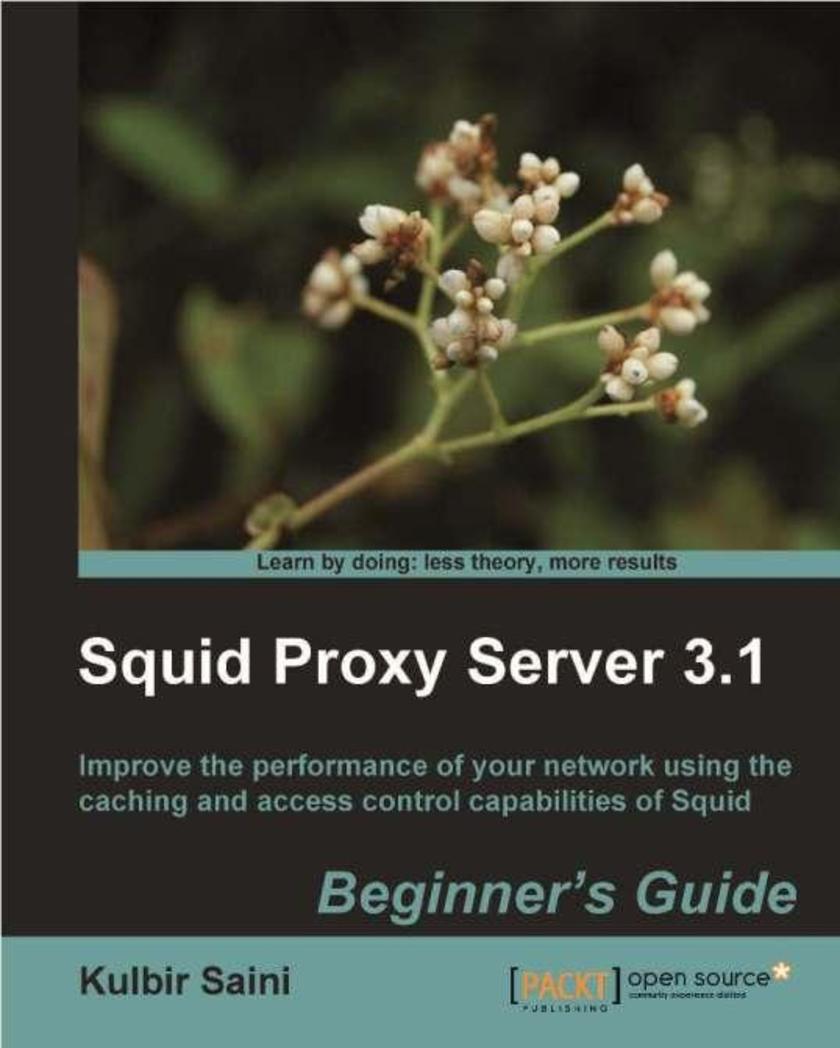
Squid Proxy Server 3.1: Beginner's Guide
¥80.65
Part of Packt's Beginner's Guide Series, this book has lots of screenshots and step-by-step instructions to help you get to grips with the techniques as quickly as possible. Each chapter is dedicated to a different aspect of the Squid proxy server, so you will have a thorough understanding of how everything works and how it is connected by the end of the book. If you are a Linux or Unix system administrator and you want to enhance the performance of your network or you are a web developer and want to enhance the performance of your website, this book is for you. You are expected to have some basic knowledge of networking concepts, but may not have used caching systems or proxy servers before now.
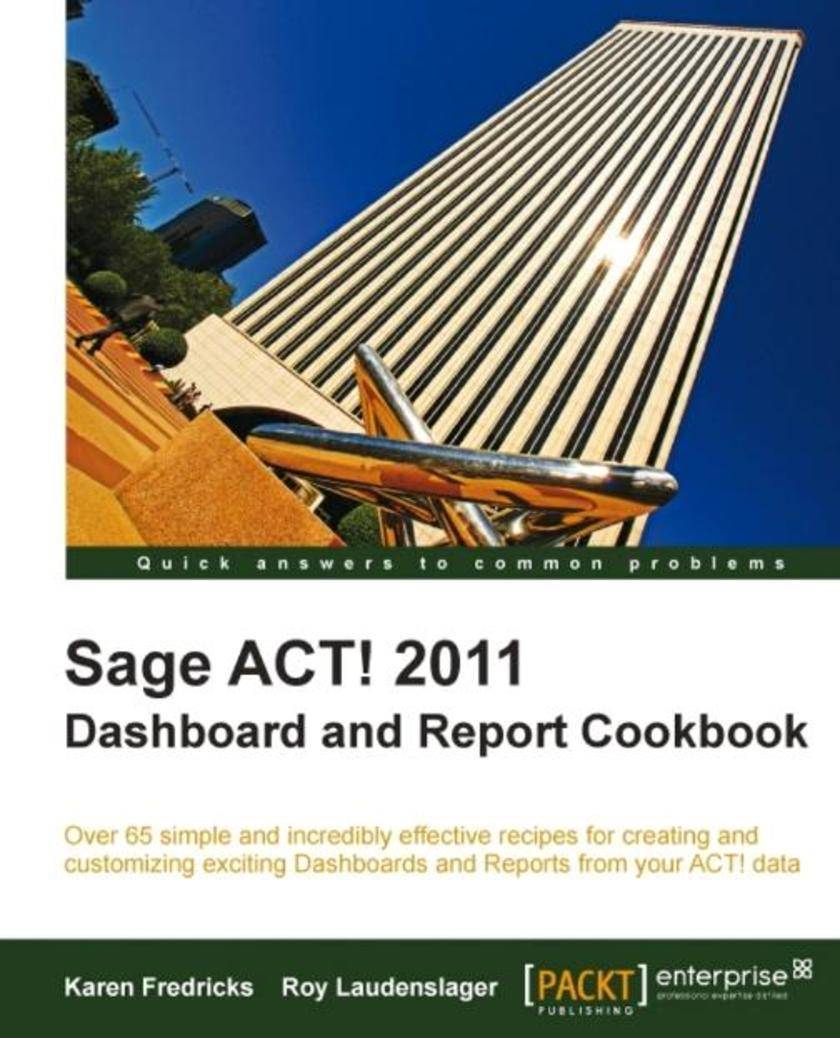
Sage ACT! 2011 Dashboard and Report Cookbook
¥71.93
This is a cookbook of easy-to-follow recipes about ACT! 2011 dashboard and report practices. If you are an ACT! end user who wants to learn about the existing reports and dashboards available in ACT! 2009, 2010, and 2011, then this book is for you. If you are an ACT! administrator who wants to make changes to ACT!'s dashboard and reporting features or a sales manager who needs to measure the effectiveness of his sales force, you will also find this book helpful. New CRM users will learn how to measure the success of their database. Prior knowledge of ACT! is not essential; however, you'll find it helpful to have good working knowledge of how to add data to ACT!, or to work with an ACT! database that has already been populated with data.
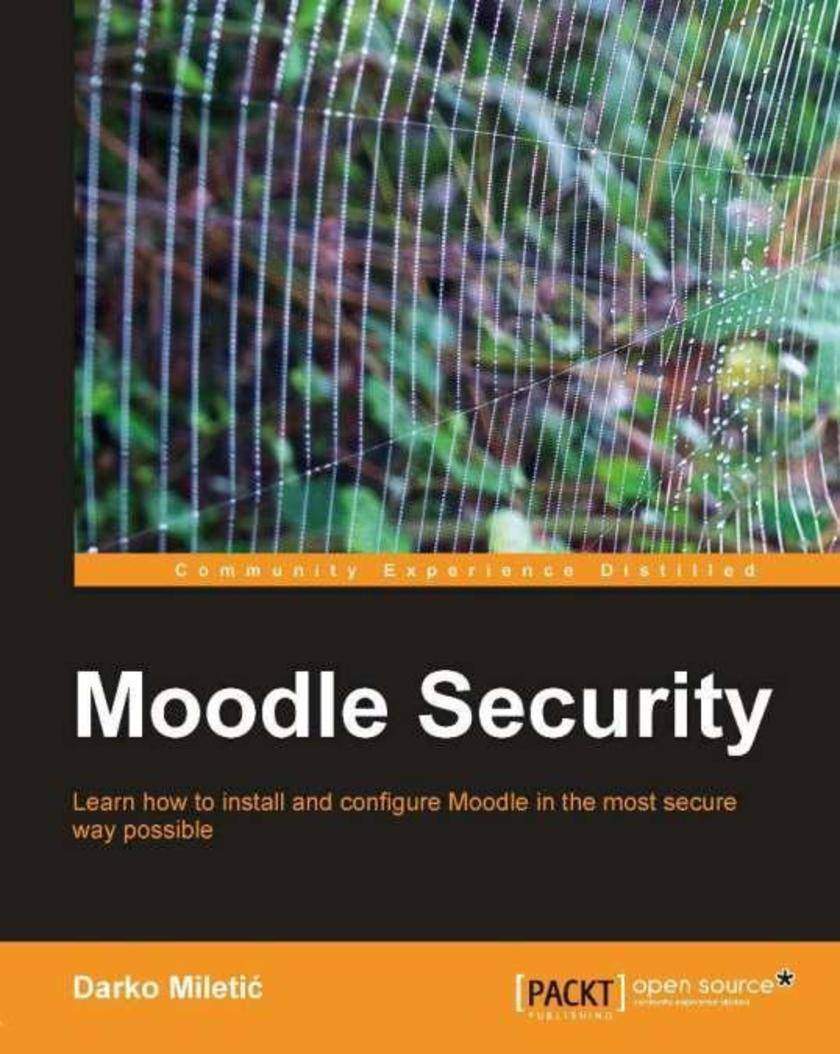
Moodle Security
¥80.65
Moodle Security is packed with practical examples, which guide you through optimizing the protection of your Moodle site. Each chapter covers a different security threat and how to secure your site against it. You will also find recommendations for what is best for your particular system and usage. If you are in charge of Moodle – whether you are an administrator or lead teacher – then securing it is one of the most important things that you can do. You need to know the basics of working with Moodle, but no previous experience of system administration is required.
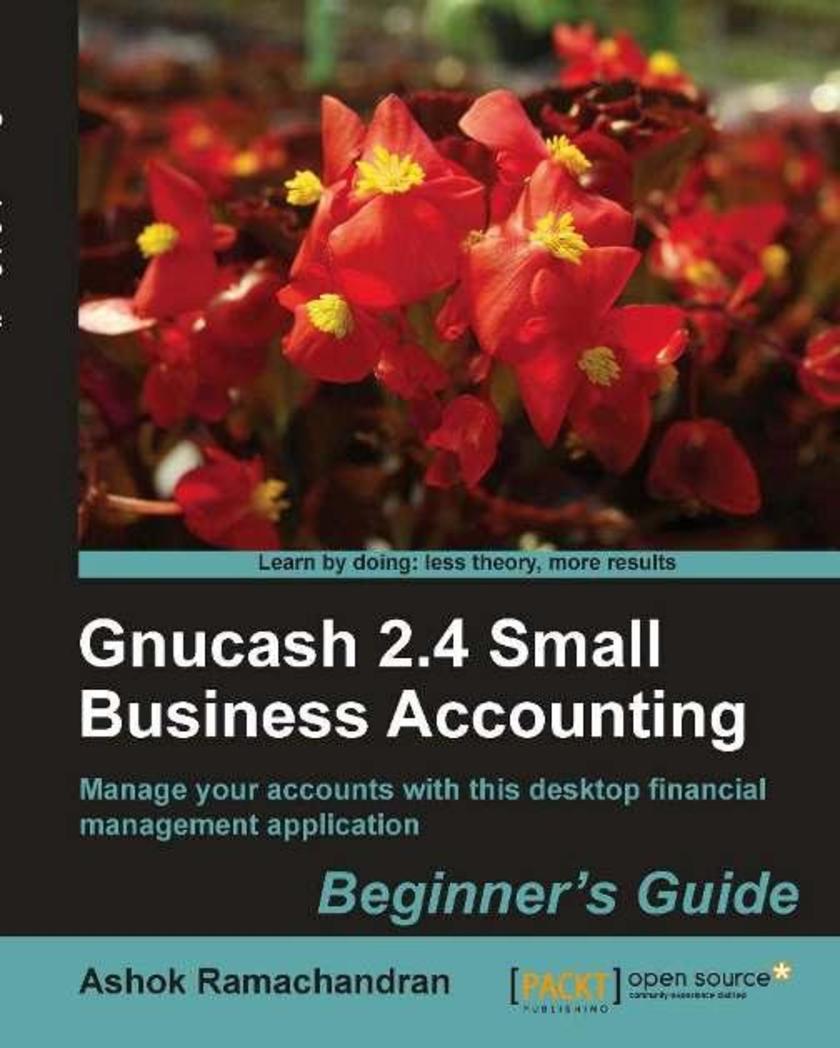
Gnucash 2.4 Small Business Accounting: Beginner's Guide
¥80.65
This book is a comprehensive beginner's guide that teaches you to use GnuCash from scratch with jargon-free step-by-step tutorials packed with tips. There are multiple choice questions to make learning more interesting and additional challenges thrown at the more adventurous user for a deep grasp of the topic. This book is written for you – the self-employed, the owner, partner or leader of micro-enterprises, home businesses, Small Office/Home Office (SOHO), and other small businesses – to help you maintain your books of accounts using GnuCash. This book is also for you – office-bearers of non-profits and students who want to learn accounting hands-on. If you are using a spreadsheet to maintain your business books and are wasting time, or you are handing over a shoe box of receipts to your high-priced accountant or are using another accounting application that is overkill for small business, get this book and download GnuCash.
Microsoft Dynamics AX 2009 Administration
¥90.46
A practical tutorial, this book shows you how to set up and configure Dynamics AX 2009 and then how to improve and maintain its performance with clear step-by-step instructions, enabling Dynamics AX to fit your company's needs. If you are a network administrator or IT personnel charged with setting up and configuring Dynamics AX 2009 in your company, then this book is for you. A basic knowledge of Dynamics AX 2009 and general Windows Server Administration is required and familiarity with maintaining a SQL Server database server. Additionally, if you are a VAR tasked with implementing Dynamics AX into companies, then this book will provide you with a good overview and details of the whole Dynamics AX 2009 system.
Microsoft SharePoint 2010 Administration Cookbook
¥80.65
Microsoft SharePoint 2010 Administration Cookbook contains step-by-step instructions for SharePoint administrators to gain control of their SharePoint environment. The book is designed so that you can refer to it chapter by chapter, or you can look at the list of recipes and read those that interest you in no particular order. If you are a SharePoint Administrator looking for solutions to the many problems faced while managing SharePoint, then this book is for you. It is written for SharePoint administrators who are either already working on SharePoint, or have recently started working and eager to learn more about SharePoint administration. You need to have some basic knowledge of SharePoint in order to follow the recipes in this book.
Microsoft Dynamics Sure Step 2010
¥107.90
A focused tutorial, this book is much more than just another step-by-step guide into project management. This book shows you how to implement Microsoft Dynamics Sure Step business solutions, with Microsoft Dynamics Sure Step providing the basis. This book will also help you to plan, align, and orchestrate your sales activities. It will orient you to tactics required to be efficient, proactive, goal driven and flexible in your Microsoft Dynamics engagements. If you are a Dynamics consultant, developer, or in a customer resources or sales role that requires guidance and knowledge of the ERP/CRM business solutions space or to deliver business solutions that meet or exceed the expectations of your organization, then this book is ideal for you.
PHP jQuery Cookbook
¥71.93
Written in Packt's cookbook style, this book presents numerous practical examples that you can use directly in your applications. The book covers most of the essential issues you will face while developing your web applications and gives solutions to them. Recipes in the book are written in a manner that will rapidly take you from a beginner to expert level. If you want to use PHP and jQuery together to create web applications this book is for you. It provides a large number of examples in each chapter that will take you from a basic developer to a pro by giving step-by-step instructions for each task in developing web applications using PHP and jQUery. All you need are JavaScript basics and you are on your way to building power web applications, with this book in hand.
Microsoft Azure: Enterprise Application Development
¥80.65
This fast-paced guide enables developers to design and build Enterprise applications for the cloud. You will find it easy to follow this book, as the authors use an actual online portal application for the case study. Throughout the development of the sample application there is discussion of important considerations for moving an application into the cloud. If you provide technological leadership to their enterprise—senior developers, architects, CIO/CTO and you want or need to guide your enterprise's application design to Azure, this is the perfect book for you! Since the examples are in .NET, the book will skew to MS-oriented developers. But a lot of what is discussed will be applicable to anyone wanting to work with Azure. No matter what language you use, you provision the application fabric the same way, and all the underlying concepts will be the same. You will need experience with Visual Studio, and some basic SQL Server knowledge.
Drupal 7 First Look
¥71.93
This hands-on guide takes a look at the main functional areas of Drupal that have significant new features. It explains these new features and how to use them, drawing attention to significant differences from how things used to behave, and giving the reader an idea of the kind of consequences these changes will bring to them. Drupal 7 First Look is written for site administrators, themers, and developers who have some experience with Drupal 6 (or even Drupal 5) and want to upgrade their sites, themes, or modules to Drupal 7 or just learn more about Drupal 7. No programming experience is required, but several code examples are covered for readers that want more in-depth information about building themes and modules.
OmniGraffle 5 Diagramming Essentials
¥80.65
This is a very visual book with more than 750 illustrations and screenshots, never leaving any intermediate steps out from the tutorials. It contains precise tutorials that explain the various tools, how to use them, and the visual results. The examples used in the book are an excellent starting point for your own diagrams, both as ideas and as true diagrams – all the diagrams in the book can be downloaded for your own use. This book is written for both beginners and seasoned users of OmniGraffle. If you are new to the software, then this book will teach you everything you need to know to make stunning diagrams. For seasoned OmniGraffle users, this book contains a lot of tricks and techniques that will save their work and time.
Microsoft Windows Communication Foundation 4.0 Cookbook for Developing SOA Appli
¥90.46
The recipes in this book are easy to understand and follow as the author discusses real-world scenarios. The range of topics covered in this book will bring out the forward-thinking WCF developer in you. It is not a comprehensive reference to the whole of WCF, but a practical guide that boosts proficiency when working with the various features of WCF. The examples are supported by relevant background information for ease of understanding. If you work with Windows Communication Foundation 4.0 and you want to be efficient when working with WCF features such as interoperability, proxy generation, and security, you will find this book very useful. With this book you will be able to find quick and handy solutions for various kinds of service development scenarios using Microsoft Windows Communication Foundation 4.0. To follow the recipes you will need to be comfortable with .NET Framework, C# programming, and the basics of SOA and how to develop them.
Microsoft Dynamics NAV 2009 Programming Cookbook
¥107.90
You won't find any fluff here. This book is written in a direct, to-the-point style to help you get what you need and continue working in NAV. At the same time it provides enough explanation so that you understand what we are doing and why it is necessary. In many programming books you will find yourself searching through paragraph after paragraph to try to find what you are looking for. That's not the case here. Each recipe starts with a short de*ion of what it will teach. It is immediately followed with directions, usually with illustrations, of how to perform the task. You will find the explanation of the code at the end, along with some advice for further reading or other tasks you might be interested in. If you are a junior / entry-level NAV developer then the first half of the book is designed primarily for you. You may or may not have any experience programming. It focuses on the basics of NAV programming. It would be best if you have gone through a brief introduction to the NAV client. If you are a mid-level NAV developer, you will find the second half more useful. These chapters explain how to think outside of the NAV box when building solutions. There are also recipes here and there that senior developers will find useful.
Moodle 2.0 First Look
¥71.93
The book looks at the main functional areas of Moodle that have significant new features, explains the new features and how to use them. It draws attention to significant differences from how things used to behave, and gives the reader an idea of the kind of consequences these changes will bring to them. If you are an existing Moodle user, tutor, or administrator, then this book is for you. You are expected to be familiar with the operation of Moodle.
OpenStreetMap
¥71.93
This book introduces the OSM project, its aims and objectives, and its history, then guides you through the process of gathering, editing, and using OpenStreetMap data using a series of real-world examples. This book is the perfect aid for geographic-information professionals interested in using OpenStreetMap in their work and web designers and developers who want to include mapping in their sites, and want a distinctive style. It is for you if you have a need to use maps and geographic data for work or leisure, and want accurate, up-to-date maps showing the information you're interested in, without details you don't need. If you want to use maps for navigation and want more or less detail than traditional printed maps give this book is perfect for you.
IBM Lotus Sametime 8 Essentials: A User's Guide
¥80.65
As a user, you will learn, using real-world scenarios and tasks, exactly how to use all the features of Sametime. Beginning with how to install Sametime, we've included step-by-step de*ions and screen prints for each topic area in a clear easy-to-follow format. Each chapter builds on what you learn in earlier chapters and guides you into using the more advanced features of Sametime, but if you only want to develop your skills in one particular area, each chapter acts as a stand-alone module. If you want to learn how to use IBM Lotus Sametime, then this book is for you. No matter if you're new to Sametime or want to become a Sametime power user, this book contains something for you. The focus is on using Sametime as a user and does not include information about development or administration of a Sametime environment; but any user of Sametime in an organization will be able to take this book, sit down at their computer, and learn how to use each feature of Sametime from start to finish.


