


 购物车
购物车 个人中心
个人中心
Practical Test-Driven Development using C# 7
¥90.46
Develop applications for the real world with a thorough software testing approach About This Book ? Develop a thorough understanding of TDD and how it can help you develop simpler applications with no defects using C# and JavaScript ? Adapt to the mindset of writing tests before code by incorporating business goals, code manageability, and other factors ? Make all your software units and modules pass tests by analyzing failed tests and refactoring code as and when required Who This Book Is For This book is for software developers with a basic knowledge of Test Driven Development (TDD) who want a thorough understanding of how TDD can benefit them and the applications they produce. The examples in this book are in C#, and you will need a basic understanding of C# to work through these examples. What You Will Learn ? The core concepts of TDD ? Testing in action with a real-world case study in C# and JavaScript using React ? Writing proper Unit Tests and testable code for your application ? Using different types of test double such as stubs, spies, and mocks ? Growing an application guided by tests ? Exploring new developments on a green-field application ? Mitigating the problems associated with writing tests for legacy applications ? Modifying a legacy application to make it testable In Detail Test-Driven Development (TDD) is a methodology that helps you to write as little as code as possible to satisfy software requirements, and ensures that what you've written does what it's supposed to do. If you're looking for a practical resource on Test-Driven Development this is the book for you. You've found a practical end-to-end guide that will help you implement Test-Driven Techniques for your software development projects. You will learn from industry standard patterns and practices, and shift from a conventional approach to a modern and efficient software testing approach in C# and JavaScript. This book starts with the basics of TDD and the components of a simple unit test. Then we look at setting up the testing framework so that you can easily run your tests in your development environment. You will then see the importance of defining and testing boundaries, abstracting away third-party code (including the .NET Framework), and working with different types of test double such as spies, mocks, and fakes. Moving on, you will learn how to think like a TDD developer when it comes to application development. Next, you'll focus on writing tests for new/changing requirements and covering newly discovered bugs, along with how to test JavaScript applications and perform integration testing. You’ll also learn how to identify code that is inherently un-testable, and identify some of the major problems with legacy applications that weren’t written with testability in mind. By the end of the book, you’ll have all the TDD skills you'll need and you’ll be able to re-enter the world as a TDD expert! Style and approach A practical step-by-step approach with real-world case studies.
Functional Kotlin
¥90.46
Learn how to apply Functional Programming with Kotlin to real-life projects with popular libraries like Arrow. About This Book ? Focus on the functional aspects of Kotlin and identify the advantages that functional programming brings to the table and the associated coding benefits, ? Implement common functional programming design patterns and techniques. ? Learn to combine OOP and Reactive Programming with Functional Programming and how RxKotlin and funkTionale can help you implementing Functional Programming in Kotlin Who This Book Is For Kotlin developers who have no functional programming experience, will benefit from this book. What You Will Learn ? Learn the Concepts of Functional Programming with Kotlin ? Discover the Coroutines in Kotlin ? Uncover Using funkTionale plugin ? Learn Monads, Functiors and Applicatives ? Combine Functional Programming with OOP and Reactive Programming ? Uncover Using Monads with funkTionale ? Discover Stream Processing In Detail Functional programming makes your application faster, improves performance, and increases your productivity. Kotlin supports many of the popular and advanced functional features of functional languages. This book will cover the A-Z of functional programming in Kotlin. This book bridges the language gap for Kotlin developers by showing you how to create and consume functional constructs in Kotlin. We also bridge the domain gap by showing how functional constructs can be applied in business scenarios. We’ll take you through lambdas, pattern matching, immutability, and help you develop a deep understanding of the concepts and practices of functional programming. If you want learn to address problems using Recursion, Koltin has support for it as well. You’ll also learn how to use the funKtionale library to perform currying and lazy programming and more. Finally, you’ll learn functional design patterns and techniques that will make you a better programmer.By the end of the book, you will be more confident in your functional programming skills and will be able to apply them while programming in Kotlin. Style and approach Loaded with numerous code examples and real life projects, this book helps you dive deep into Functional Programming with Kotlin as well as applying it with help of Functional Programming Plugins like funkTionale and RxKotlin.
Java 9: Building Robust Modular Applications
¥63.21
Mastering advanced features of Java and implement them to build amazing projects About This Book ? Take advantage of Java's new modularity features to write real-world applications that solve a variety of problems ? Explore the major concepts introduced with Java 9, including modular programming, HTTP 2.0, API changes, and more ? Get to grips with tools, techniques and best practices to enhance application development Who This Book Is For This learning path is for Java developers who are looking to move a level up and learn how to build robust applications in the latest version of Java. What You Will Learn ? Package Java applications as modules using the Java Platform Module System ? Implement process management in Java using the all-new process handling API ? Integrate your applications with third-party services in the cloud ? Interact with mail servers, using JavaMail to build an application that filters spam messages ? Use JavaFX to build rich GUI-based applications, which are an essential element of application development ? Leverage the possibilities provided by the newly introduced Java shell ? Test your application's effectiveness with the JVM harness ? See how Java 9 provides support for the HTTP 2.0 standard In Detail Java 9 and its new features add to the richness of the language; Java is one of the languages most used by developers to build robust software applications. Java 9 comes with a special emphasis on modularity with its integration with Jigsaw. This course is your one-stop guide to mastering the language. You'll be provided with an overview and explanation of the new features introduced in Java 9 and the importance of the new APIs and enhancements. Some new features of Java 9 are ground-breaking; if you are an experienced programmer, you will be able to make your enterprise applications leaner by learning these new features. You'll be provided with practical guidance in applying your newly acquired knowledge of Java 9 and further information on future developments of the Java platform. This course will improve your productivity, making your applications faster. Next, you'll go on to implement everything you've learned by building 10 cool projects. You will learn to build an email filter that separates spam messages from all your inboxes, a social media aggregator app that will help you efficiently track various feeds, and a microservice for a client/server note application, to name just a few. By the end of this course, you will be well acquainted with Java 9 features and able to build your own applications and projects. This Learning Path contains the best content from the following two recently published Packt products: ? Mastering Java 9 ? Java 9 Programming Blueprints Style and approach This practical guide is filled with real-world examples. Its projects will help you get acquainted with concepts in depth.
Google Cloud Platform Cookbook
¥81.74
Practical recipes to implement cost-effective and scalable cloud solutions for your organization About This Book ? Implement Google Cloud services in your organization ? Leverage Google Cloud components to secure your organization’s data ? A recipe-based guide that promises hands-on experience in deploying a highly scalable and available environment Who This Book Is For This book is for IT professionals, engineers, and developers looking at implementing Google Cloud in their organizations. Administrators and architects planning to make their organization more efficient with Google Cloud will also find this book useful. Basic understanding of Cloud services and the Google Cloud platform is necessary. What You Will Learn ? Host a Python application on Google Compute Engine ? Host an application using Google Cloud Functions ? Migrate a MySQL DB to Cloud Spanner ? Configure a network for a highly available application on GCP ? Learn simple image processing using Storage and Cloud Functions ? Automate security checks using Policy Scanner ? Understand tools for monitoring a production environment in GCP ? Learn to manage multiple projects using service accounts In Detail Google Cloud Platform is a cloud computing platform that offers products and services to host applications using state-of-the art infrastructure and technology. You can build and host applications and websites, store data, and analyze data on Google's scalable infrastructure. This book follows a recipe-based approach, giving you hands-on experience to make the most of Google Cloud services. This book starts with practical recipes that explain how to utilize Google Cloud's common services. Then, you'll see how to make full use of Google Cloud components such as networking, security, management, and developer tools. Next, we'll deep dive into implementing core Google Cloud services into your organization, with practical recipes on App Engine, Compute Engine microservices with Cloud Functions, virtual networks, and Cloud Storage. Later, we'll provide recipes on implementing authentication and security, Cloud APIs, command-line management, deployment management, and the Cloud SDK. Finally, we'll cover administration troubleshooting tasks with the Compute and Container Engines and we'll show how to monitor your organization's efficiency with best practices. By the end of this book, you'll have a complete understanding of how to implement Google Cloud services in your organization with ease. Style and approach This book will quickly get you started with using Google Cloud Services.
Seven NoSQL Databases in a Week
¥63.21
A beginner's guide to get you up and running with Cassandra, DynamoDB, HBase, InfluxDB, MongoDB, Neo4j, and Redis About This Book ? Covers the basics of 7 NoSQL databases and how they are used in the enterprises ? Quick introduction to MongoDB, DynamoDB, Redis, Cassandra, Neo4j, InfluxDB, and Hbase ? Includes effective techniques for database querying and management Who This Book Is For If you are a budding DBA or a developer who wants to get started with the fundamentals of NoSQL databases, this book is for you. Relational DBAs who want to get insights into the various offerings of popular NoSQL databases will also find this book to be very useful. What You Will Learn ? Understand how MongoDB provides high-performance, high-availability, and automatic scaling ? Interact with your Neo4j instances via database queries, Python scripts, and Java application code ? Get familiar with common querying and programming methods to interact with Redis ? Study the different types of problems Cassandra can solve ? Work with HBase components to support common operations such as creating tables and reading/writing data ? Discover data models and work with CRUD operations using DynamoDB ? Discover what makes InfluxDB a great choice for working with time-series data In Detail This is the golden age of open source NoSQL databases. With enterprises having to work with large amounts of unstructured data and moving away from expensive monolithic architecture, the adoption of NoSQL databases is rapidly increasing. Being familiar with the popular NoSQL databases and knowing how to use them is a must for budding DBAs and developers. This book introduces you to the different types of NoSQL databases and gets you started with seven of the most popular NoSQL databases used by enterprises today. We start off with a brief overview of what NoSQL databases are, followed by an explanation of why and when to use them. The book then covers the seven most popular databases in each of these categories: MongoDB, Amazon DynamoDB, Redis, HBase, Cassandra, InfluxDB, and Neo4j. The book doesn't go into too much detail about each database but teaches you enough to get started with them. By the end of this book, you will have a thorough understanding of the different NoSQL databases and their functionalities, empowering you to select and use the right database according to your needs. Style and approach This book is a quick-start guide with short and simple introductory content on the seven popular databases.
Rust Standard Library Cookbook
¥81.74
Explore the Rust Standard library and compose algorithms with minimal dependency on external libraries About This Book ? Develop high-quality, fast, and portable applications by leveraging the power of Rust's Standard library. ? Practical recipes that will help you work with the Standard library to boost your productivity as a Rust developer. ? Learn about most relevant external crates to be used along with the Standard library. Who This Book Is For This book is for developers who would like to explore the power of Rust and learn to use the STL for various functionalities. A basic Rust programming knowledge is assumed. What You Will Learn ? How to use the basic modules of the library: strings, command line access, and more. ? Implement collections and folding of collections using vectors, Deque, linked lists, and more. ? Handle various file types , compressing and decompressing data. ? Search for files with glob patterns. ? Implement parsing through various formats such as CSV, TOML, and JSON. ? Utilize drop trait , the Rust version of destructor. ? Resource locking with Bilocks. In Detail Mozilla’s Rust is gaining much attention with amazing features and a powerful library. This book will take you through varied recipes to teach you how to leverage the Standard library to implement efficient solutions. The book begins with a brief look at the basic modules of the Standard library and collections. From here, the recipes will cover packages that support file/directory handling and interaction through parsing. You will learn about packages related to advanced data structures, error handling, and networking. You will also learn to work with futures and experimental nightly features. The book also covers the most relevant external crates in Rust. By the end of the book, you will be proficient at using the Rust Standard library. Style and approach This recipe-based practical guide presents each topic with step-by-step instructions on how you can create fast and efficient applications utilizing Rust's Standard library packages.
Mastering Microsoft Power BI
¥90.46
Design, create and manage robust Power BI solutions to gain meaningful business insights About This Book ? Master all the dashboarding and reporting features of Microsoft Power BI ? Combine data from multiple sources, create stunning visualizations and publish your reports across multiple platforms ? A comprehensive guide with real-world use cases and examples demonstrating how you can get the best out of Microsoft Power BI Who This Book Is For Business Intelligence professionals and existing Power BI users looking to master Power BI for all their data visualization and dashboarding needs will find this book to be useful. While understanding of the basic BI concepts is required, some exposure to Microsoft Power BI will be helpful. What You Will Learn ? Build efficient data retrieval and transformation processes with the Power Query M Language ? Design scalable, user-friendly DirectQuery and Import Data Models ? Develop visually rich, immersive, and interactive reports and dashboards ? Maintain version control and stage deployments across development, test, and production environments ? Manage and monitor the Power BI Service and the On-premises data gateway ? Develop a fully on-premise solution with the Power BI Report Server ? Scale up a Power BI solution via Power BI Premium capacity and migration to Azure Analysis Services or SQL Server Analysis Services In Detail This book is intended for business intelligence professionals responsible for the design and development of Power BI content as well as managers, architects and administrators who oversee Power BI projects and deployments. The chapters flow from the planning of a Power BI project through the development and distribution of content to the administration of Power BI for an organization. BI developers will learn how to create sustainable and impactful Power BI datasets, reports, and dashboards. This includes connecting to data sources, shaping and enhancing source data, and developing an analytical data model. Additionally, top report and dashboard design practices are described using features such as Bookmarks and the Power KPI visual. BI managers will learn how Power BI’s tools work together such as with the On-premises data gateway and how content can be staged and securely distributed via Apps. Additionally, both the Power BI Report Server and Power BI Premium are reviewed. By the end of this book, you will be confident in creating effective charts, tables, reports or dashboards for any kind of data using the tools and techniques in Microsoft PowerBI. Style and approach This book consists of real-world examples on Power BI that target novices as well as intermediate Power BI users. It goes deep into the technical issues, covers additional protocols, and many more real-live examples.
Splunk 7 Essentials - Third Edition
¥73.02
Transform machine data into powerful analytical intelligence using Splunk About This Book ? Analyze and visualize machine data to step into the world of Splunk! ? Leverage the exceptional analysis and visualization capabilities to make informed decisions for your business ? This easy-to-follow, practical book can be used by anyone - even if you have never managed data before Who This Book Is For This book is for the beginners who want to get well versed in the services offered by Splunk 7. If you want to be a data/business analyst or want to be a system administrator, this book is what you want. No prior knowledge of Splunk is required. What You Will Learn ? Install and configure Splunk for personal use ? Store event data in Splunk indexes, classify events into sources, and add data fields ? Learn essential Splunk Search Processing Language commands and best practices ? Create powerful real-time or user-input dashboards ? Be proactive by implementing alerts and scheduled reports ? Tips from the Fez: best practices using Splunk features and add-ons ? Understand security and deployment considerations for taking Splunk to an organizational level In Detail Splunk is a search, reporting, and analytics software platform for machine data, which has an ever-growing market adoption rate. More organizations than ever are adopting Splunk to make informed decisions in areas such as IT operations, information security, and the Internet of Things. The first two chapters of the book will get you started with a simple Splunk installation and set up of a sample machine data generator, called Eventgen. After this, you will learn to create various reports, dashboards, and alerts. You will also explore Splunk's Pivot functionality to model data for business users. You will then have the opportunity to test-drive Splunk's powerful HTTP Event Collector. After covering the core Splunk functionality, you'll be provided with some real-world best practices for using Splunk, and information on how to build upon what you've learned in this book. Throughout the book, there will be additional comments and best practice recommendations from a member of the SplunkTrust Community, called "Tips from the Fez". Style and approach This fast-paced, example-rich guide will help you analyze and visualize machine data with Splunk through simple, practical instructions and recommendations.
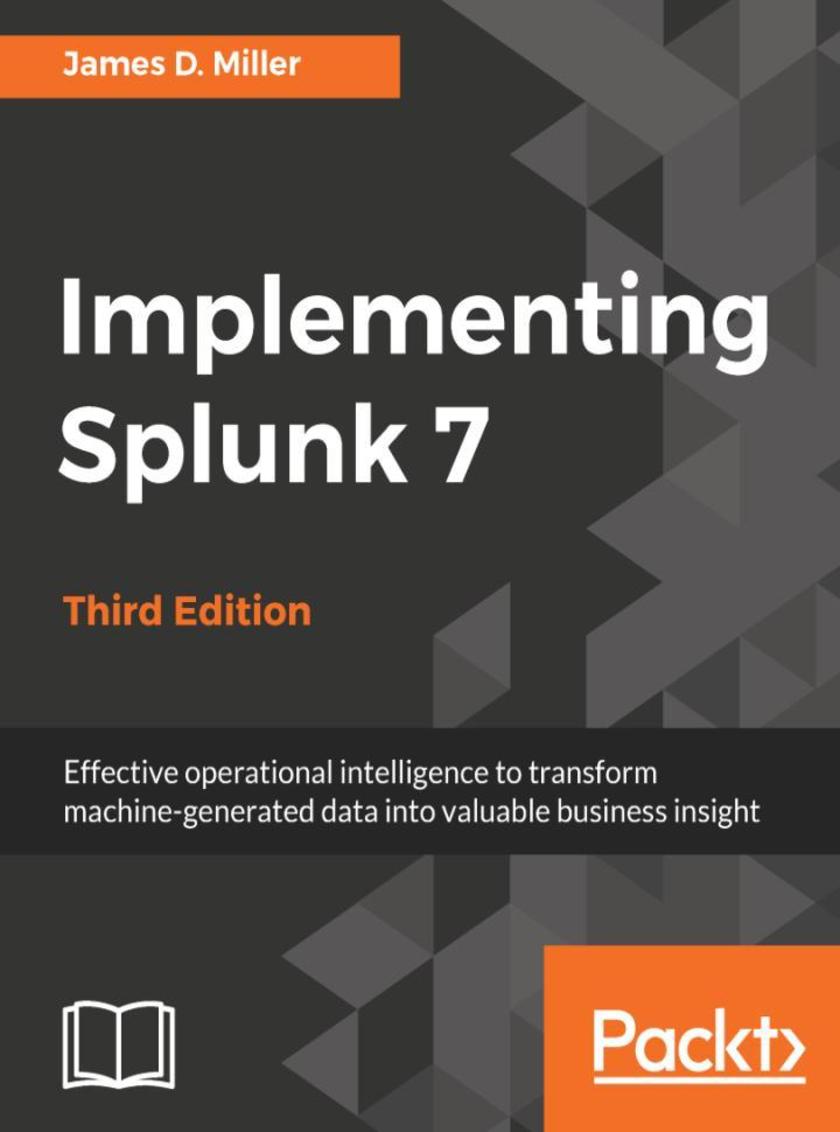
Implementing Splunk 7 - Third Edition
¥90.46
A comprehensive guide to making machine data accessible across the organization using advanced dashboards About This Book ? Enrich machine-generated data and transform it into useful, meaningful insights ? Perform search operations and configurations, build dashboards, and manage logs ? Extend Splunk services with scripts and advanced configurations to process optimal results Who This Book Is For This book is intended for data analysts, business analysts, and IT administrators who want to make the best use of big data, operational intelligence, log management, and monitoring within their organization. Some knowledge of Splunk services will help you get the most out of the book What You Will Learn ? Focus on the new features of the latest version of Splunk Enterprise 7 ? Master the new offerings in Splunk: Splunk Cloud and the Machine Learning Toolkit ? Create efficient and effective searches within the organization ? Master the use of Splunk tables, charts, and graph enhancements ? Use Splunk data models and pivots with faster data model acceleration ? Master all aspects of Splunk XML dashboards with hands-on applications ? Create and deploy advanced Splunk dashboards to share valuable business insights with peers In Detail Splunk is the leading platform that fosters an efficient methodology and delivers ways to search, monitor, and analyze growing amounts of big data. This book will allow you to implement new services and utilize them to quickly and efficiently process machine-generated big data. We introduce you to all the new features, improvements, and offerings of Splunk 7. We cover the new modules of Splunk: Splunk Cloud and the Machine Learning Toolkit to ease data usage. Furthermore, you will learn to use search terms effectively with Boolean and grouping operators. You will learn not only how to modify your search to make your searches fast but also how to use wildcards efficiently. Later you will learn how to use stats to aggregate values, a chart to turn data, and a time chart to show values over time; you'll also work with fields and chart enhancements and learn how to create a data model with faster data model acceleration. Once this is done, you will learn about XML Dashboards, working with apps, building advanced dashboards, configuring and extending Splunk, advanced deployments, and more. Finally, we teach you how to use the Machine Learning Toolkit and best practices and tips to help you implement Splunk services effectively and efficiently. By the end of this book, you will have learned about the Splunk software as a whole and implemented Splunk services in your tasks at projects Style and approach An easy-to-follow, step-by-step guide to help you get to grips with real-world applications of Splunk 7.
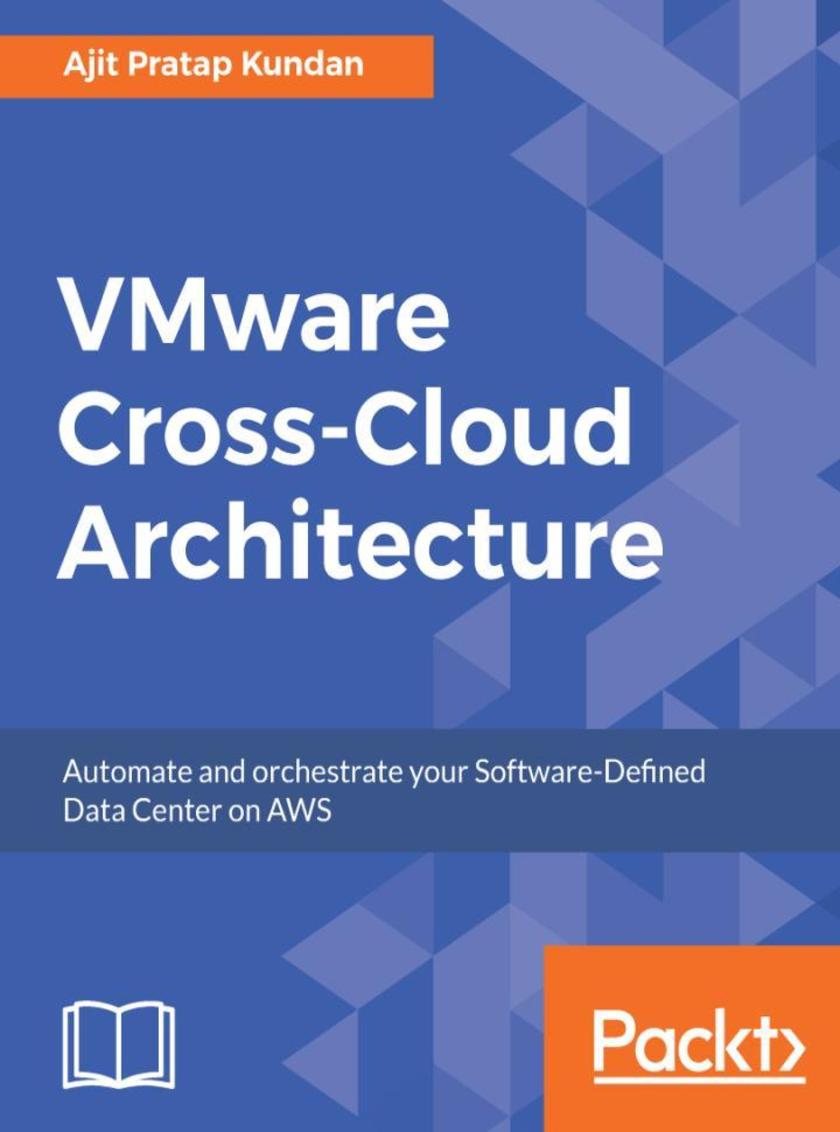
VMware Cross-Cloud Architecture
¥90.46
Enhance your virtualization skills by mastering storage and network virtualization with automation across different Clouds About This Book ? Migrate and build your applications in Hybrid Cloud with VMware Cross Cloud components and services ? Gain in-depth configuration insights of VMware Cross Cloud architecture ? Learn to migrate applications from VMware to AWS and IBM Cloud Who This Book Is For This book is for administrators, Cloud architects and network engineers who want to globalize their infrastructure using VMware and AWS services. An initial setup of workloads and data center is beneficial. What You Will Learn ? Install and configure the Cloud foundation with Cross-Cloud services ? Configure vSphere high availability with the vCenter redundancy setup ? Architect and configure VMware with AWS Cloud ? Deploy VMware components in IBM Soft Layer ? Extend your DR setup with VMware to consume DRaaS ? Design and configure software-defined networking ? Implement compliance regulations to fix violations In Detail Over the past two decades, VMware vSphere has been known as the most trusted and reliable virtualization platform. VMware Cross-Cloud Architecture shows you how to design and configure Cross Cloud Architecture by using VMware Cloud Foundation and vRealize Suite with various use cases across private, public, and hybrid Cloud. This book takes you through everything from a basic understanding of virtualization to advanced aspects of storage and network virtualization, clustering, automation, and management. This book will be your guide to designing all aspects of Cloud. We start with the challenges faced by a traditional data center, define problem statements for you, and then brief you on respective solutions. Moving on, all kinds of virtualization and Cloud offerings from AWS and IBM Soft Layer are introduced and discussed in detail. Then, you'll learn how to design IT infrastructures for new and existing applications with a combination of Cloud Foundation, vRealize Suite, and vSphere enabled with VSAN and NSX. Furthermore, you'll learn how to design and configure high availability, disaster recovery, and apply an appropriate compliance matrix. Toward the end of the book, you will learn how to calculate the TCO/ROI, along with the VMware products packaging and licensing in detail. Style and approach This book follows a step-by-step, practical approach which will help you to have a better understanding of the cloud technology and the steps required to quickly reap its benefits while at the same time lowering your IT implementation risk and cost.
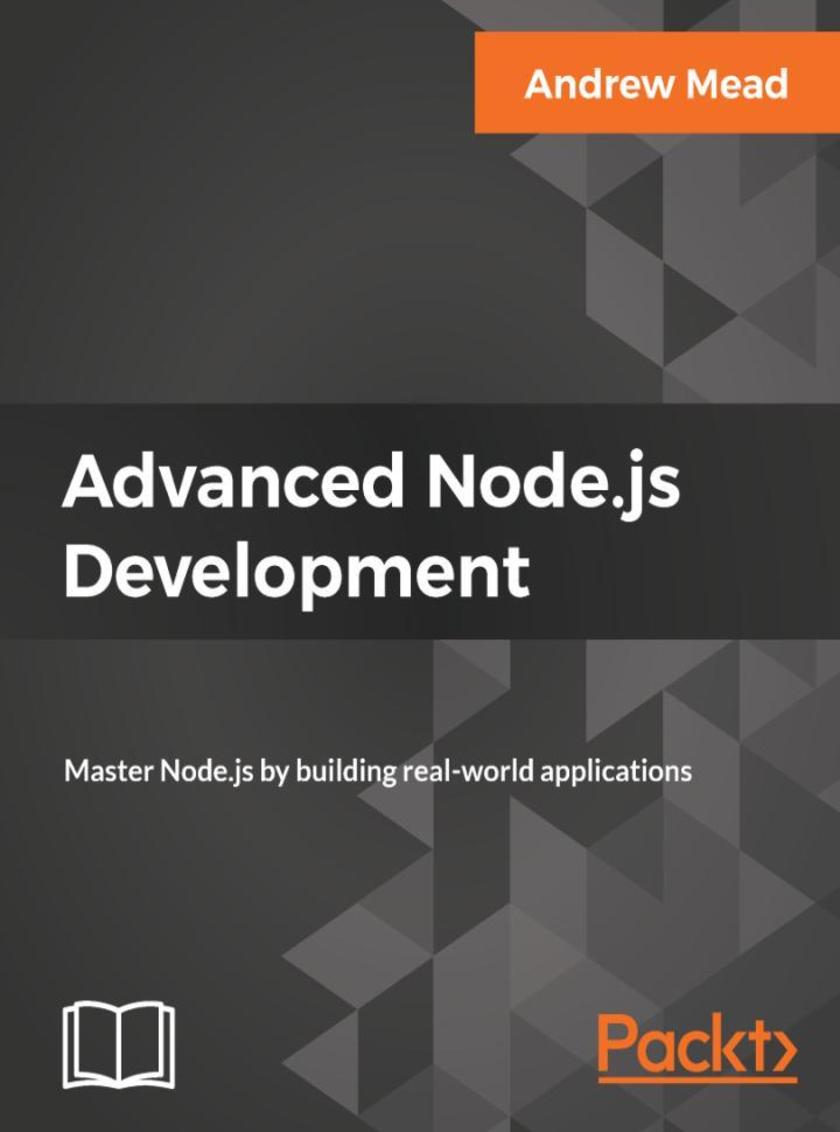
Advanced Node.js Development
¥73.02
Takes you through creating your own API, building a full real-time web app, securing your Node systems, and practical applications of the latest Async and Await technologies. It maps out everything in a comprehensive, easy-to-follow package designed to get you up and running quickly. About This Book ? Entirely project-based and practical ? Explains the "why" of Node.js features, not just the "how", providing with a deep understanding and enabling you to easily apply concepts in your own applications ? Covers the full range of technologies around Node.js – npm, MongoDB, version control with Git, and many more Who This Book Is For This book is for anyone looking to launch their own Node applications, switch careers, or freelance as a Node developer. You should have a basic understanding of JavaScript in order to follow this book. This book follows directly on from Learning Node.js Development, but more advanced readers can benefit from this book without having read the first part. What You Will Learn ? Develop, test, and deploy real-world Node.js applications ? Master Node.js by building practical, working examples ? Use awesome third-party Node modules such as MongoDB, Mongoose, Socket.io, and Express ? Create real-time web applications ? Explore async and await in ES7 In Detail Advanced Node.js Development is a practical, project-based book that provides you with all you need to progress as a Node.js developer. Node is a ubiquitous technology on the modern web, and an essential part of any web developer’s toolkit. If you're looking to create real-world Node applications, or you want to switch careers or launch a side-project to generate some extra income, then you're in the right place. This book was written around a single goal: turning you into a professional Node developer capable of developing, testing, and deploying real-world production applications. There's no better time to dive in. According to the 2018 Stack Overflow Survey, Node is in the top ten for back-end popularity and back-end salary. This book is built from the ground up around the latest version of Node.js (version 9.x.x). You'll be learning all the cutting-edge features available only in the latest software versions. This book delivers advanced skills that you need to become a professional Node developer. Along this journey you'll create your own API, you'll build a full real-time web app and create projects that apply the latest Async and Await technologies. Andrew Mead maps everything out for you in this book so that you can learn how to build powerful Node.js projects in a comprehensive, easy-to-follow package designed to get you up and running quickly. Style and approach This book is entirely project-based. From the very beginning, you'll be programming every single app and completing various challenges designed to help test and reinforce what you've learned. There's no copying-and-pasting here. This book is about writing code and building projects.
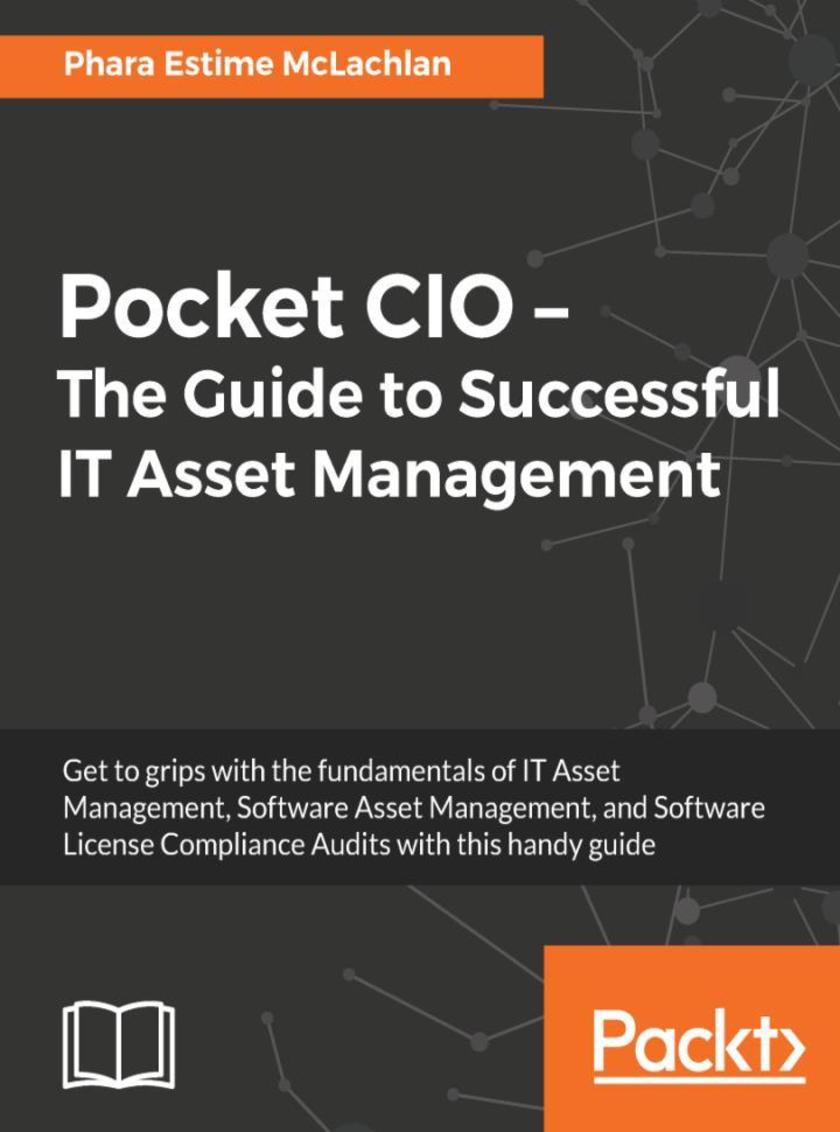
Pocket CIO – The Guide to Successful IT Asset Management
¥73.02
Create and manage a clear working IT asset management strategy with this unique guide About This Book ? A detailed IT Asset Management (ITAM) guidebook with real-world templates that can be converted into working ITAM documents. ? Includes in-depth discussion on how risk management has changed and the possible solutions needed to address the new normal ? A step-by-step ITAM manual for newbies as well as seasoned ITAM veterans Who This Book Is For This book is intended for CIOs, VPs and CTOs of mid to large-sized enterprises and organizations. If you are dealing with changes such as mergers, acquisitions, divestitures, new products or services, cyber security, mandated regulations, expansion, and much more, this book will help you too. What You Will Learn ? Close the hidden risk gaps created by IT assets (hardware and software) ? Create and manage a clear working proactive ITAM and SAM program and policy ? A clear, concise explanation of what IT Asset Management is, the benefits, and results ? A clear, concise explanation of what Software Asset Management is, the benefits, and results ? The best ways to manage a software audit and how to be prepared for one ? Considerations for selecting the best technology for a specific company including what questions should be asked at the onset. ? Increasing ITAM program and project success with change management In Detail IT Asset Management (ITAM) supports life cycle management and strategic decision making for an IT environment. This book is a detailed IT Asset Management (ITAM) guidebook with real-world templates that can be converted into working ITAM documents. It is a step-by-step IT asset management manual for the newbies as well as the seasoned ITAM veterans, providing a unique insight into asset management. It discusses how risk management has changed over time and the possible solutions needed to address the new normal. The book also includes considerations for selecting the best technology for a specific company including what questions should be asked at the onset, as well as the best ways to manage a software audit and how to be prepared for one. This book is your perfect guide to create holistic IT asset management and Software asset management programs that close the risk gaps, increases productivity and results in cost efficiencies. It allows the IT Asset Managers, Software Asset Managers, and/or the full IT Asset Management (ITAM) ITAM/SAM program team to take a deep dive by using the templates offered in the guidebook. You will be aware of the specific roles and responsibilities for every aspect of IT asset management, software asset management, and software license compliance audit response. By the end of this book, you will be well aware of what IT and Software Asset Management is all about and the different steps, processes, and roles required to truly master it. By the end of this book, you will be well aware of what IT Asset Management is all about and the different skills required to truly master it. Style and approach Packed with important discussion points, examples, case studies, templates, and checklists.
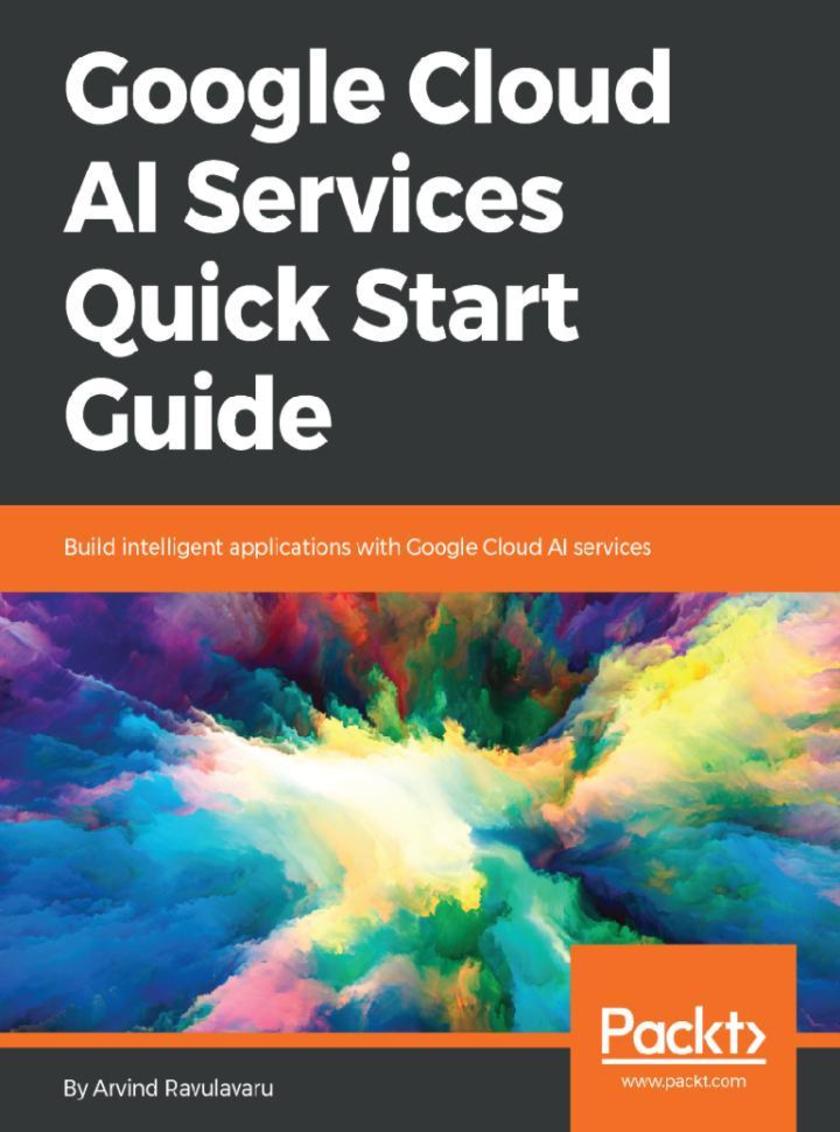
Google Cloud AI Services Quick Start Guide
¥54.49
Leverage the power of various Google Cloud AI Services by building a smart web application using MEAN Stack About This Book ? Start working with the Google Cloud Platform and the AI services it offers ? Build smart web applications by combining the power of Google Cloud AI services and the MEAN stack ? Build a web-based dashboard of smart applications that perform language processing, translation, and computer vision on the cloud Who This Book Is For This book is ideal for data professionals and web developers who want to use the power of Google Cloud AI services in their projects, without the going through the pain of mastering machine learning for images, videos and text. Some familiarity with the Google Cloud Platform will be helpful. What You Will Learn ? Understand Google Cloud Platform and its Cloud AI services ? Explore the Google ML Services ? Work with an Angular 5 MEAN stack application ? Integrate Vision API, Video Intelligence API for computer vision ? Be ready for conversational experiences with the Speech Recognition API, Cloud Language Process and Cloud Translation API services ? Build a smart web application that uses the power of Google Cloud AI services to make apps smarter In Detail Cognitive services are the new way of adding intelligence to applications and services. Now we can use Artificial Intelligence as a service that can be consumed by any application or other service, to add smartness and make the end result more practical and useful. Google Cloud AI enables you to consume Artificial Intelligence within your applications, from a REST API.? Text, video and speech analysis are among the powerful machine learning features that can be used. This book is the easiest way to get started with the Google Cloud AI services suite and open up the world of smarter applications. This book will help you build a Smart Exchange, a forum application that will let you upload videos, images and perform text to speech conversions and translation services. You will use the power of Google Cloud AI Services to make our simple forum application smart by validating the images, videos, and text provided by users to Google Cloud AI Services and make sure the content which is uploaded follows the forum standards, without a human curator involvement. You will learn how to work with the Vision API, Video Intelligence API, Speech Recognition API, Cloud Language Process, and Cloud Translation API services to make your application smarter. By the end of this book, you will have a strong understanding of working with Google Cloud AI Services, and be well on the way to building smarter applications. Style and approach We follow a project-based approach where we build a public forum application ifor uploading images or videos, posting and translating text messages. We incrementally add features by integrating each API as we go.
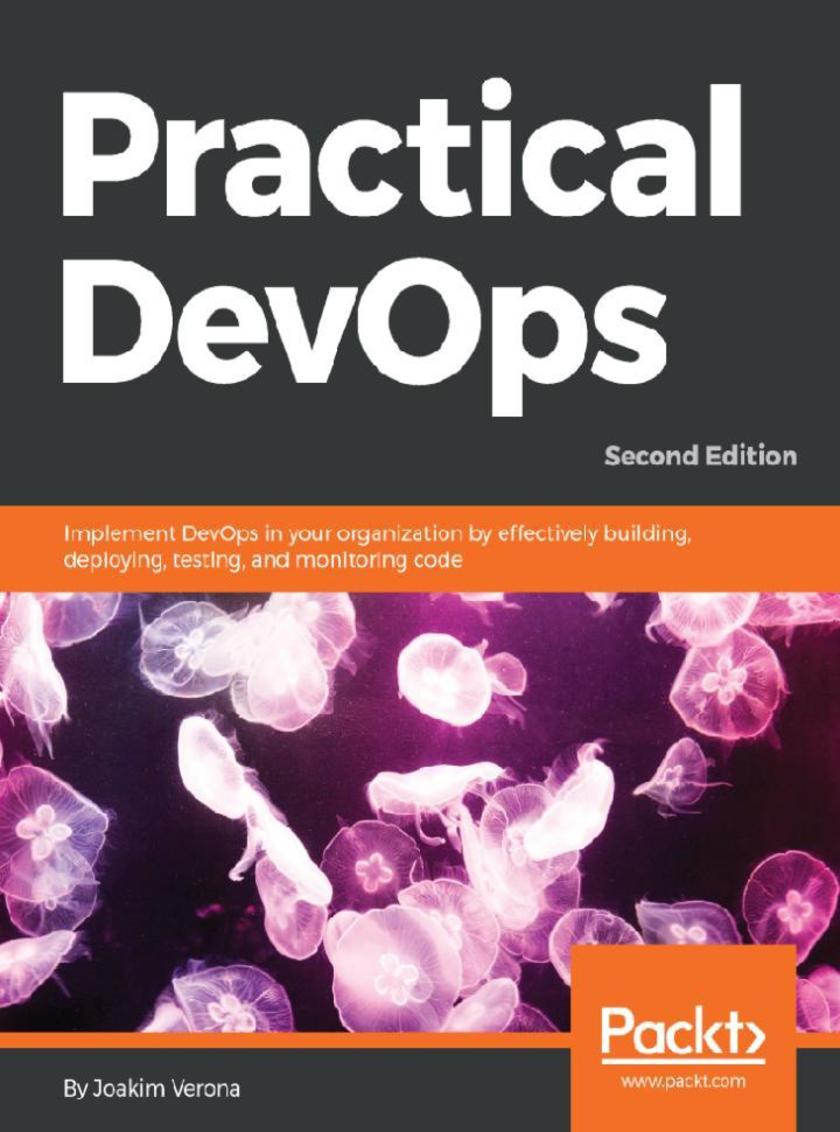
Practical DevOps
¥81.74
Understand the benefits of DevOps and continuous delivery and see how they support the agile software development process About This Book ? Learn how DevOps can accelerate your entire software development life cycle ? Improve your organization's performance to ensure the smooth production of software and services ? Get hands-on experience in using efficient DevOps tools to better effect Who This Book Is For If you're a developer or system administrator looking to take on larger responsibilities and understand how the infrastructure that builds today's enterprises works, this is the book for you. This book will also help you greatly if you're an operations worker who would like to better support developers. You do not need any previous knowledge of DevOps to understand the concepts in this book. What You Will Learn ? Understand how all deployment systems fit together to form a larger system ? Set up and familiarize yourself with all the tools you need to be efficient with DevOps ? Design an application suitable for continuous deployment systems with DevOps in mind ? Store and manage your code effectively using Git, Gerrit, Gitlab, and more ? Configure a job to build a sample CRUD application ? Test your code using automated regression testing with Jenkins Selenium ? Deploy your code using tools such as Puppet, Ansible, Palletops, Chef, and Vagrant In Detail DevOps is a practical field that focuses on delivering business value as efficiently as possible. DevOps encompasses all code workflows from testing environments to production environments. It stresses cooperation between different roles, and how they can work together more closely, as the roots of the word imply—Development and Operations. Practical DevOps begins with a quick refresher on DevOps and continuous delivery and quickly moves on to show you how DevOps affects software architectures. You'll create a sample enterprise Java application that you’'ll continue to work with through the remaining chapters. Following this, you will explore various code storage and build server options. You will then learn how to test your code with a few tools and deploy your test successfully. In addition to this, you will also see how to monitor code for any anomalies and make sure that it runs as expected. Finally, you will discover how to handle logs and keep track of the issues that affect different processes. By the end of the book, you will be familiar with all the tools needed to deploy, integrate, and deliver efficiently with DevOps. Style and approach This book is primarily a technical guide to DevOps with practical examples suitable for people who like to learn by implementing concrete working code.
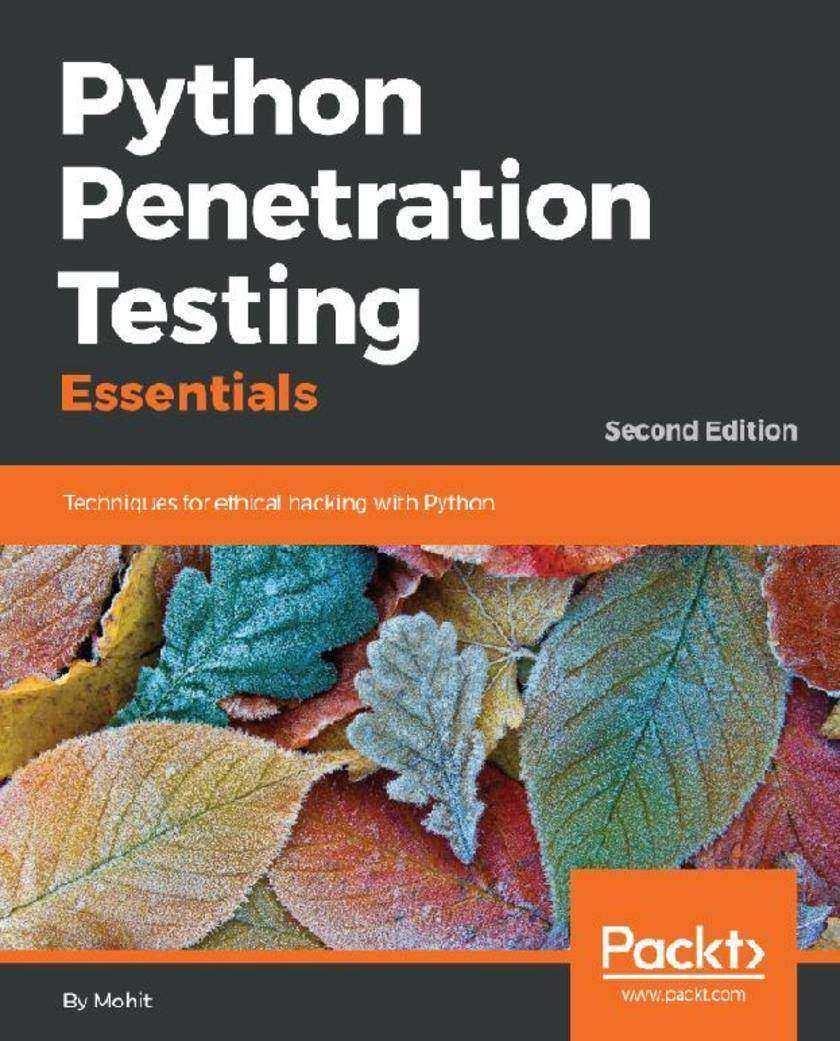
Python Penetration Testing Essentials
¥54.49
This book gives you the skills you need to use Python for penetration testing, with the help of detailed code examples. This book has been updated for Python 3.6.3 and Kali Linux 2018.1. About This Book ? Detect and avoid various attack types that put the privacy of a system at risk ? Leverage Python to build efficient code and eventually build a robust environment ? Learn about securing wireless applications and information gathering on a web server Who This Book Is For If you are a Python programmer, a security researcher, or an ethical hacker and are interested in penetration testing with the help of Python, then this book is for you. Even if you are new to the field of ethical hacking, this book can help you find the vulnerabilities in your system so that you are ready to tackle any kind of attack or intrusion. What You Will Learn ? The basics of network pentesting including network scanning and sniffing ? Wireless, wired attacks, and building traps for attack and torrent detection ? Web server footprinting and web application attacks, including the XSS and SQL injection attack ? Wireless frames and how to obtain information such as SSID, BSSID, and the channel number from a wireless frame using a Python script ? The importance of web server signatures, email gathering, and why knowing the server signature is the first step in hacking In Detail This book gives you the skills you need to use Python for penetration testing (pentesting), with the help of detailed code examples. We start by exploring the basics of networking with Python and then proceed to network hacking. Then, you will delve into exploring Python libraries to perform various types of pentesting and ethical hacking techniques. Next, we delve into hacking the application layer, where we start by gathering information from a website. We then move on to concepts related to website hacking—such as parameter tampering, DDoS, XSS, and SQL injection. By reading this book, you will learn different techniques and methodologies that will familiarize you with Python pentesting techniques, how to protect yourself, and how to create automated programs to find the admin console, SQL injection, and XSS attacks. Style and approach The book starts at a basic level and moves to a higher level of network and web security. The execution and performance of code are both taken into account.
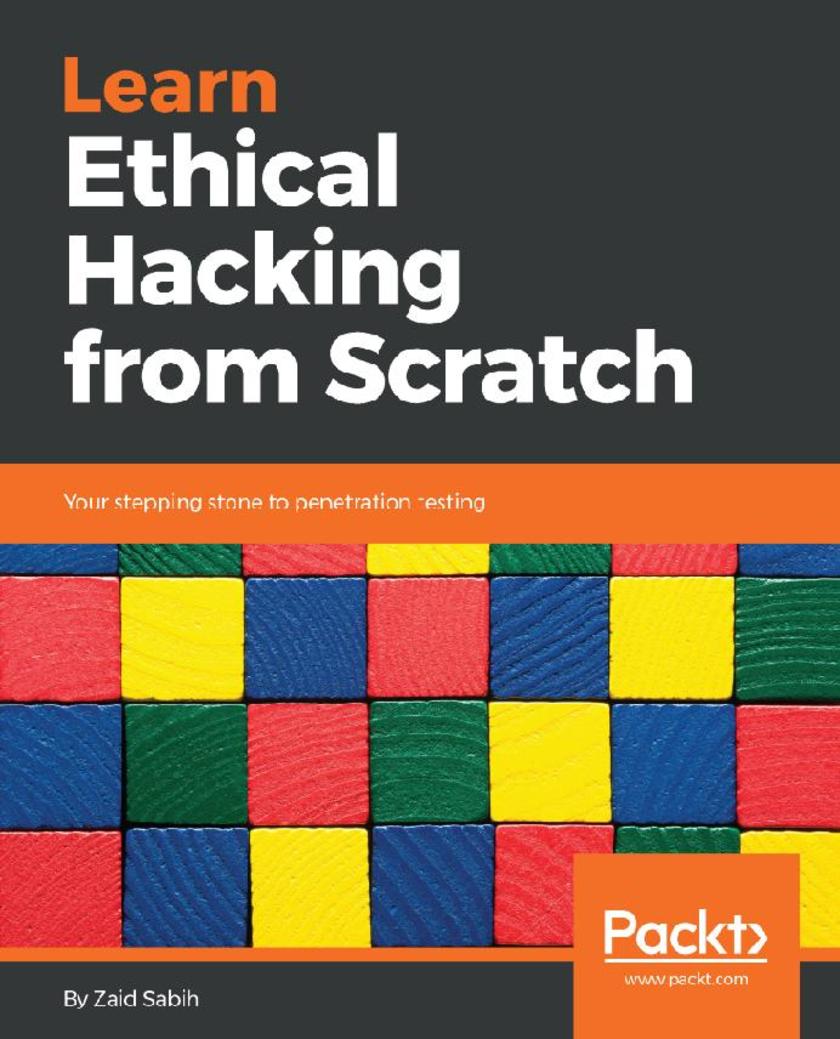
Learn Ethical Hacking from Scratch
¥78.47
Install, Configure and Setup different connections with pfSense Key Features *Build firewall and routing solutions with PfSense. *Learn how to create captive portals, how to connect Pfsense to your https environment and so on. *Practical approach towards building firewall solutions for your organization Book Description As computer networks become ubiquitous, it has become increasingly important to both secure and optimize our networks. pfSense, an open-source router/firewall, provides an easy, cost-effective way of achieving this – and this book explains how to install and configure pfSense in such a way that even a networking beginner can successfully deploy and use pfSense. This book begins by covering networking fundamentals, deployment scenarios, and hardware sizing guidelines, as well as how to install pfSense. The book then covers configuration of basic services such as DHCP, DNS, and captive portal and VLAN configuration. Careful consideration is given to the core firewall functionality of pfSense, and how to set up firewall rules and traffic shaping. Finally, the book covers the basics of VPNs, multi-WAN setups, routing and bridging, and how to perform diagnostics and troubleshooting on a network. What you will learn *Install pfSense *Configure additional interfaces, and enable and configure DHCP *Understand Captive portal *Understand firewalls and NAT, and traffic shaping *Learn in detail about VPNs *Understand Multi-WAN *Learn about routing and bridging in detail *Understand the basics of diagnostics and troubleshooting networks Who this book is for This book is towards any network security professionals who want to get introduced to the world of firewalls and network configurations using Pfsense. No knowledge of PfSense is required
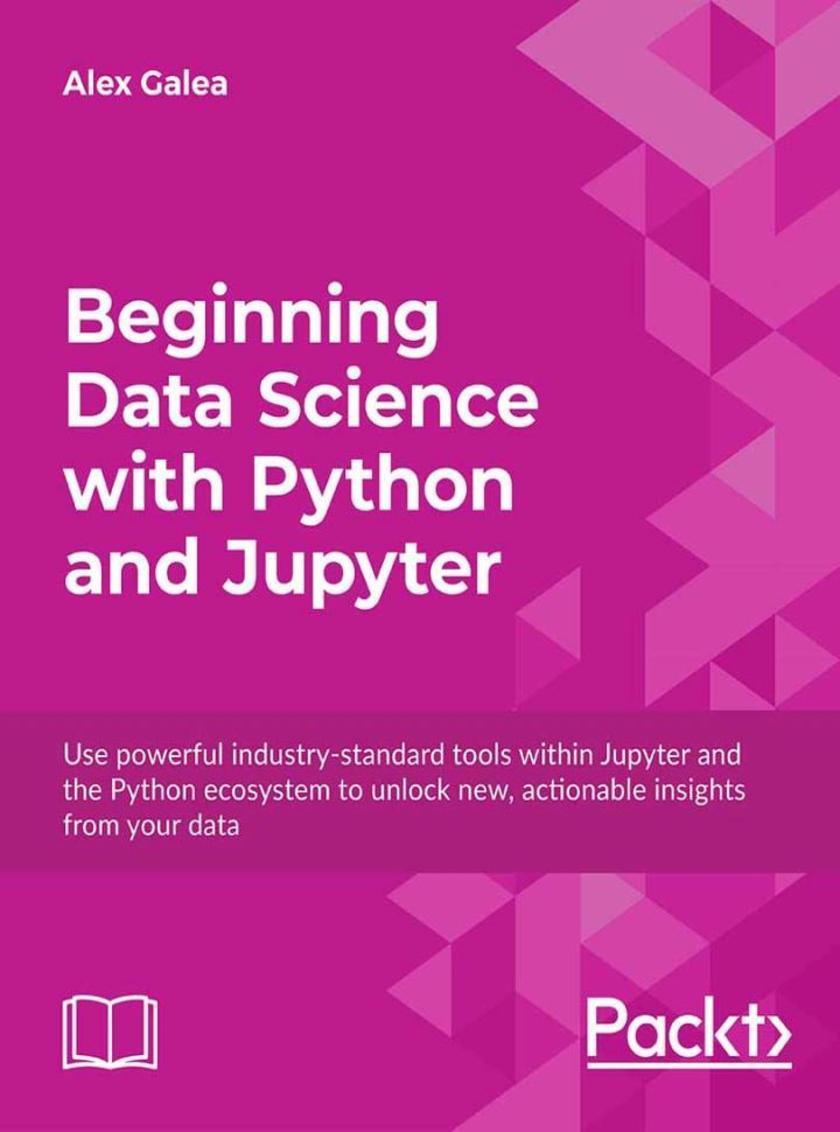
Beginning Data Science with Python and Jupyter
¥90.46
Getting started with data science doesn't have to be an uphill battle. This step-by-step guide is ideal for beginners who know a little Python and are looking for a quick, fast-paced introduction. About This Book ? Get up and running with the Jupyter ecosystem and some example datasets ? Learn about key machine learning concepts like SVM, KNN classifiers and Random Forests ? Discover how you can use web scraping to gather and parse your own bespoke datasets Who This Book Is For This book is ideal for professionals with a variety of job descriptions across large range of industries, given the rising popularity and accessibility of data science. You'll need some prior experience with Python, with any prior work with libraries like Pandas, Matplotlib and Pandas providing you a useful head start. What You Will Learn ? Identify potential areas of investigation and perform exploratory data analysis ? Plan a machine learning classification strategy and train classification models ? Use validation curves and dimensionality reduction to tune and enhance your models ? Scrape tabular data from web pages and transform it into Pandas DataFrames ? Create interactive, web-friendly visualizations to clearly communicate your findings In Detail Get to grips with the skills you need for entry-level data science in this hands-on Python and Jupyter course. You'll learn about some of the most commonly used libraries that are part of the Anaconda distribution, and then explore machine learning models with real datasets to give you the skills and exposure you need for the real world. We'll finish up by showing you how easy it can be to scrape and gather your own data from the open web, so that you can apply your new skills in an actionable context. Style and approach This book covers every aspect of the standard data-workflow process within a day, along with theory, practical hands-on coding, and relatable illustrations.
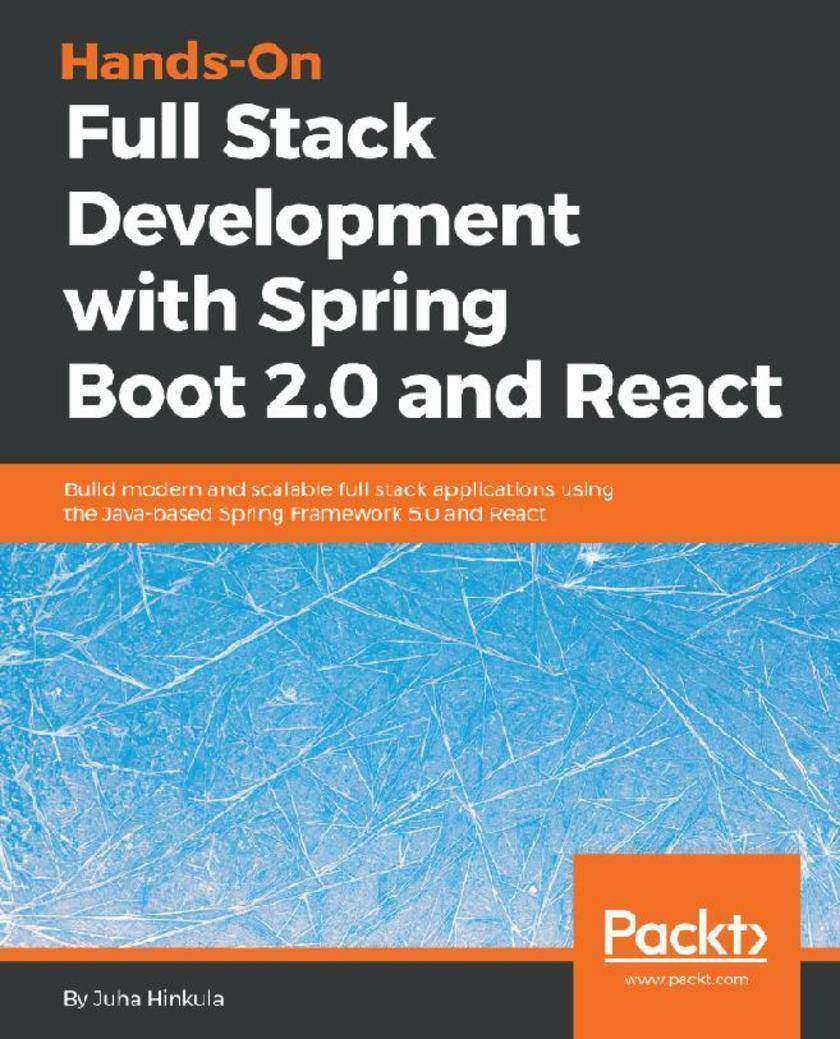
Hands-On Full Stack Development with Spring Boot 2.0 and React
¥74.11
Develop efficient and modern full-stack applications using Spring Boot and React 16 About This Book ? Develop resourceful backends using Spring Boot and faultless frontends using React. ? Explore the techniques involved in creating a full-stack app by going through a methodical approach. ? Learn to add CRUD functionalities and use Material UI in the user interface to make it more user-friendly. Who This Book Is For Java developers who are familiar with Spring, but have not yet built full-stack applications What You Will Learn ? Create a RESTful web service with Spring Boot ? Understand how to use React for frontend programming ? Gain knowledge of how to create unit tests using JUnit ? Discover the techniques that go into securing the backend using Spring Security ? Learn how to use Material UI in the user interface to make it more user-friendly ? Create a React app by using the Create React App starter kit made by Facebook In Detail Apart from knowing how to write frontend and backend code, a full-stack engineer has to tackle all the problems that are encountered in the application development life cycle, starting from a simple idea to UI design, the technical design, and all the way to implementing, testing, production, deployment, and monitoring. This book covers the full set of technologies that you need to know to become a full-stack web developer with Spring Boot for the backend and React for the frontend. This comprehensive guide demonstrates how to build a modern full-stack application in practice. This book will teach you how to build RESTful API endpoints and work with the data access Layer of Spring, using Hibernate as the ORM. As we move ahead, you will be introduced to the other components of Spring, such as Spring Security, which will teach you how to secure the backend. Then, we will move on to the frontend, where you will be introduced to React, a modern JavaScript library for building fast and reliable user interfaces, and its app development environment and components. You will also create a Docker container for your application. Finally, the book will lay out the best practices that underpin professional full-stack web development. Style and approach A step-by-step guide to building full-stack applications along with best practices to make your Full-stack development journey easier
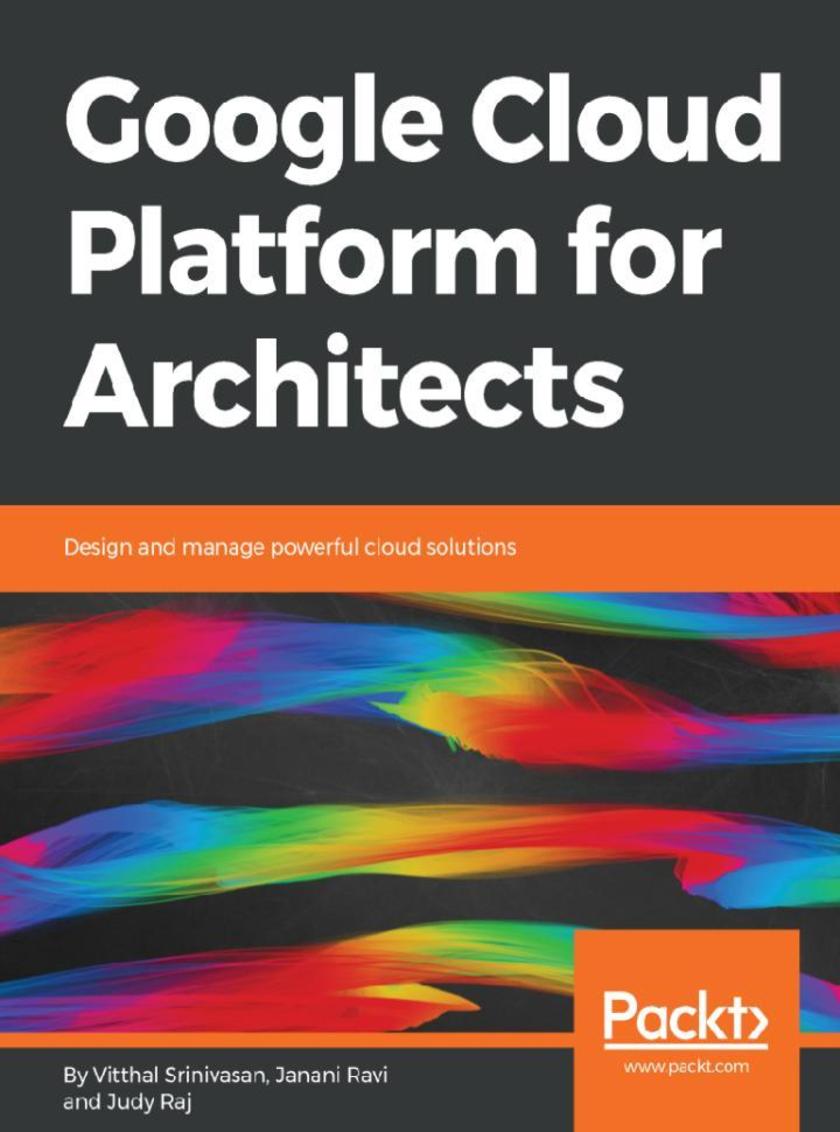
Google Cloud Platform for Architects
¥81.74
Get acquainted with GCP and manage robust, highly available, and dynamic solutions to drive business objective About This Book ? Identify the strengths, weaknesses and ideal use-cases for individual services offered on the Google Cloud Platform ? Make intelligent choices about which cloud technology works best for your use-case ? Leverage Google Cloud Platform to analyze and optimize technical and business processes Who This Book Is For If you are a Cloud architect who is responsible to design and manage robust cloud solutions with Google Cloud Platform, then this book is for you. System engineers and Enterprise architects will also find this book useful. A basic understanding of distributed applications would be helpful, although not strictly necessary. Some working experience on other public cloud platforms would help too. What You Will Learn ? Set up GCP account and utilize GCP services using the cloud shell, web console, and client APIs ? Harness the power of App Engine, Compute Engine, Containers on the Kubernetes Engine, and Cloud Functions ? Pick the right managed service for your data needs, choosing intelligently between Datastore, BigTable, and BigQuery ? Migrate existing Hadoop, Spark, and Pig workloads with minimal disruption to your existing data infrastructure, by using Dataproc intelligently ? Derive insights about the health, performance, and availability of cloud-powered applications with the help of monitoring, logging, and diagnostic tools in Stackdriver In Detail Using a public cloud platform was considered risky a decade ago, and unconventional even just a few years ago. Today, however, use of the public cloud is completely mainstream - the norm, rather than the exception. Several leading technology firms, including Google, have built sophisticated cloud platforms, and are locked in a fierce competition for market share. The main goal of this book is to enable you to get the best out of the GCP, and to use it with confidence and competence. You will learn why cloud architectures take the forms that they do, and this will help you become a skilled high-level cloud architect. You will also learn how individual cloud services are configured and used, so that you are never intimidated at having to build it yourself. You will also learn the right way and the right situation in which to use the important GCP services. By the end of this book, you will be able to make the most out of Google Cloud Platform design. Style and approach A clear, concise, and straightforward book which will enable to develop and manage optimum solutions for your infrastructure
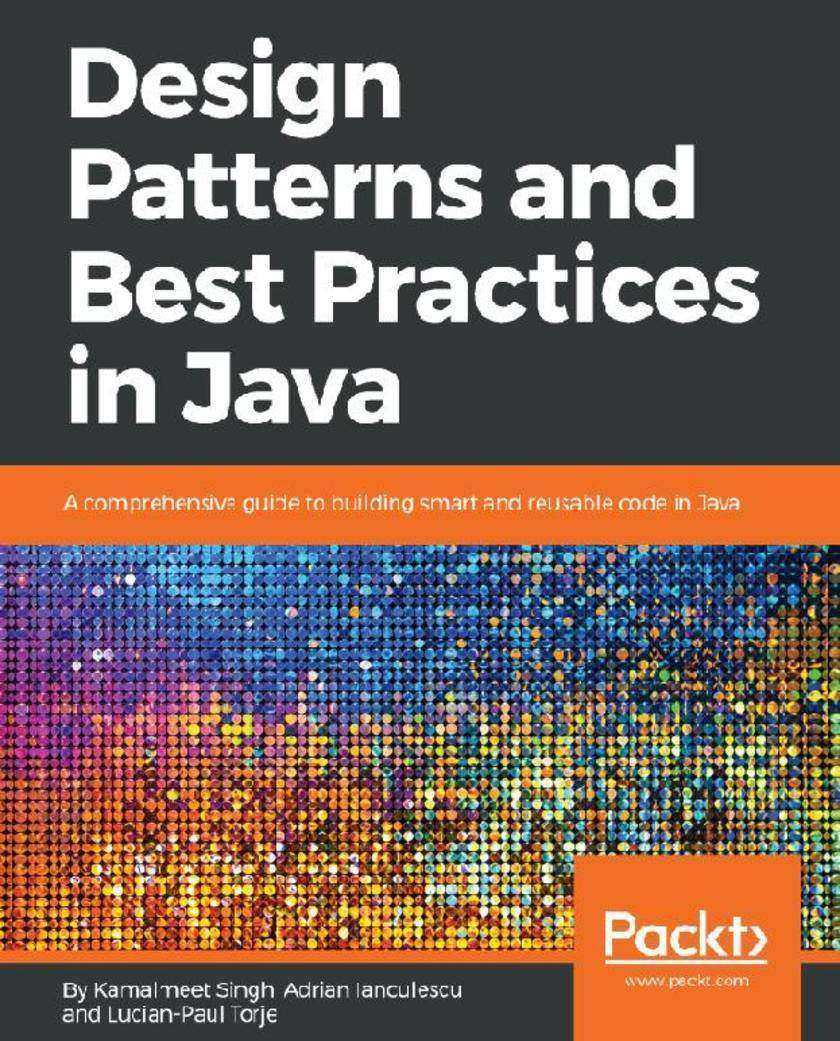
Design Patterns and Best Practices in Java
¥74.11
Create various design patterns to master the art of solving problems using Java About This Book ? This book demonstrates the shift from OOP to functional programming and covers reactive and functional patterns in a clear and step-by-step manner ? All the design patterns come with a practical use case as part of the explanation, which will improve your productivity ? Tackle all kinds of performance-related issues and streamline your development Who This Book Is For This book is for those who are familiar with Java development and want to be in the driver’s seat when it comes to modern development techniques. Basic OOP Java programming experience and elementary familiarity with Java is expected. What You Will Learn ? Understand the OOP and FP paradigms ? Explore the traditional Java design patterns ? Get to know the new functional features of Java ? See how design patterns are changed and affected by the new features ? Discover what reactive programming is and why is it the natural augmentation of FP ? Work with reactive design patterns and find the best ways to solve common problems using them ? See the latest trends in architecture and the shift from MVC to serverless applications ? Use best practices when working with the new features In Detail Having a knowledge of design patterns enables you, as a developer, to improve your code base, promote code reuse, and make the architecture more robust. As languages evolve, new features take time to fully understand before they are adopted en masse. The mission of this book is to ease the adoption of the latest trends and provide good practices for programmers. We focus on showing you the practical aspects of smarter coding in Java. We'll start off by going over object-oriented (OOP) and functional programming (FP) paradigms, moving on to describe the most frequently used design patterns in their classical format and explain how Java’s functional programming features are changing them. You will learn to enhance implementations by mixing OOP and FP, and finally get to know about the reactive programming model, where FP and OOP are used in conjunction with a view to writing better code. Gradually, the book will show you the latest trends in architecture, moving from MVC to microservices and serverless architecture. We will finish off by highlighting the new Java features and best practices. By the end of the book, you will be able to efficiently address common problems faced while developing applications and be comfortable working on scalable and maintainable projects of any size. Style and approach This book explains design patterns in a step-by-step manner with clear and concise code explanations.
Mastering Machine Learning for Penetration Testing
¥66.58
Become a master at penetration testing using machine learning with Python About This Book ? Identify ambiguities and breach intelligent security systems ? Perform unique cyber attacks to breach robust systems ? Learn to leverage machine learning algorithms Who This Book Is For This book is for pen testers and security professionals who are interested in learning techniques to break an intelligent security system. Basic knowledge of Python is needed, but no prior knowledge of machine learning is necessary. What You Will Learn ? Take an in-depth look at machine learning ? Get to know natural language processing (NLP) ? Understand malware feature engineering ? Build generative adversarial networks using Python libraries ? Work on threat hunting with machine learning and the ELK stack ? Explore the best practices for machine learning In Detail Cyber security is crucial for both businesses and individuals. As systems are getting smarter, we now see machine learning interrupting computer security. With the adoption of machine learning in upcoming security products, it’s important for pentesters and security researchers to understand how these systems work, and to breach them for testing purposes. This book begins with the basics of machine learning and the algorithms used to build robust systems. Once you’ve gained a fair understanding of how security products leverage machine learning, you'll dive into the core concepts of breaching such systems. Through practical use cases, you’ll see how to find loopholes and surpass a self-learning security system. As you make your way through the chapters, you’ll focus on topics such as network intrusion detection and AV and IDS evasion. We’ll also cover the best practices when identifying ambiguities, and extensive techniques to breach an intelligent system. By the end of this book, you will be well-versed with identifying loopholes in a self-learning security system and will be able to efficiently breach a machine learning system. Style and approach This book takes a step-by-step approach to identify the loop holes in a self-learning security system. You will be able to efficiently breach a machine learning system with the help of best practices towards the end of the book.


