


 购物车
购物车 个人中心
个人中心
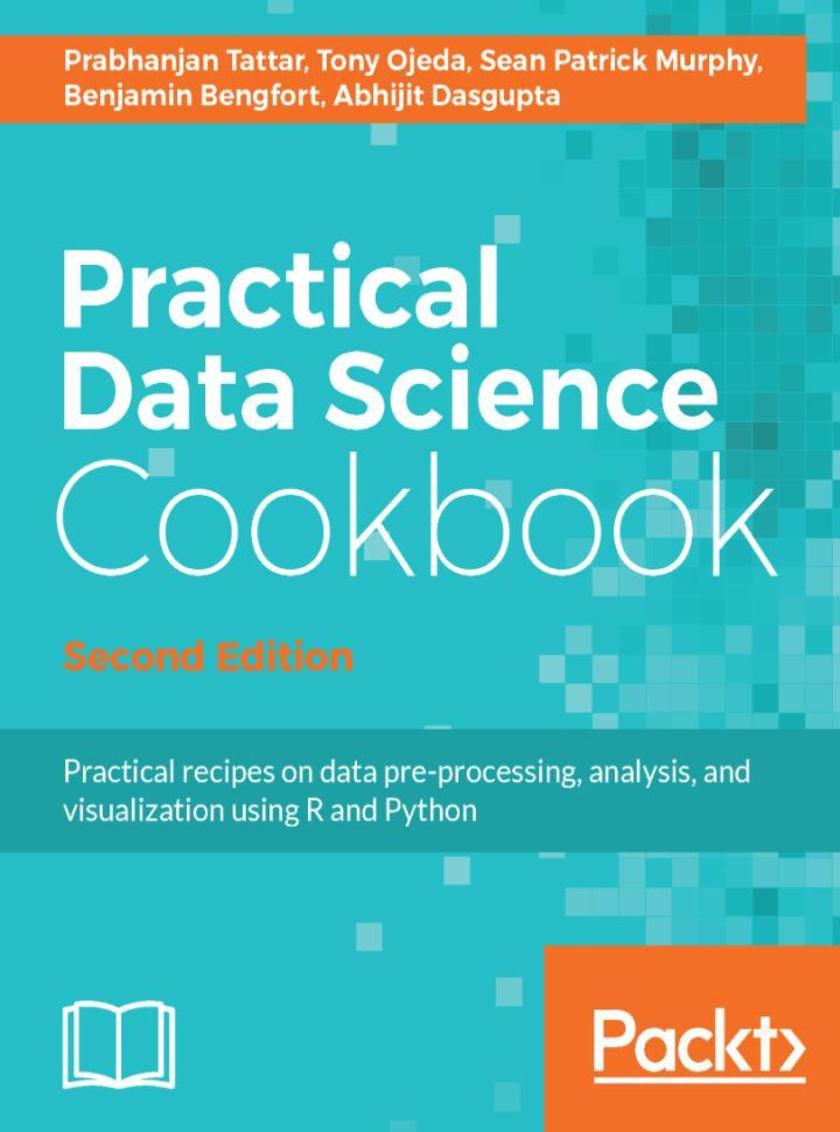
Practical Data Science Cookbook - Second Edition
¥80.65
Over 85 recipes to help you complete real-world data science projects in R and Python About This Book ? Tackle every step in the data science pipeline and use it to acquire, clean, analyze, and visualize your data ? Get beyond the theory and implement real-world projects in data science using R and Python ? Easy-to-follow recipes will help you understand and implement the numerical computing concepts Who This Book Is For If you are an aspiring data scientist who wants to learn data science and numerical programming concepts through hands-on, real-world project examples, this is the book for you. Whether you are brand new to data science or you are a seasoned expert, you will benefit from learning about the structure of real-world data science projects and the programming examples in R and Python. What You Will Learn ? Learn and understand the installation procedure and environment required for R and Python on various platforms ? Prepare data for analysis by implement various data science concepts such as acquisition, cleaning and munging through R and Python ? Build a predictive model and an exploratory model ? Analyze the results of your model and create reports on the acquired data ? Build various tree-based methods and Build random forest In Detail As increasing amounts of data are generated each year, the need to analyze and create value out of it is more important than ever. Companies that know what to do with their data and how to do it well will have a competitive advantage over companies that don’t. Because of this, there will be an increasing demand for people that possess both the analytical and technical abilities to extract valuable insights from data and create valuable solutions that put those insights to use. Starting with the basics, this book covers how to set up your numerical programming environment, introduces you to the data science pipeline, and guides you through several data projects in a step-by-step format. By sequentially working through the steps in each chapter, you will quickly familiarize yourself with the process and learn how to apply it to a variety of situations with examples using the two most popular programming languages for data analysis—R and Python. Style and approach This step-by-step guide to data science is full of hands-on examples of real-world data science tasks. Each recipe focuses on a particular task involved in the data science pipeline, ranging from readying the dataset to analytics and visualization
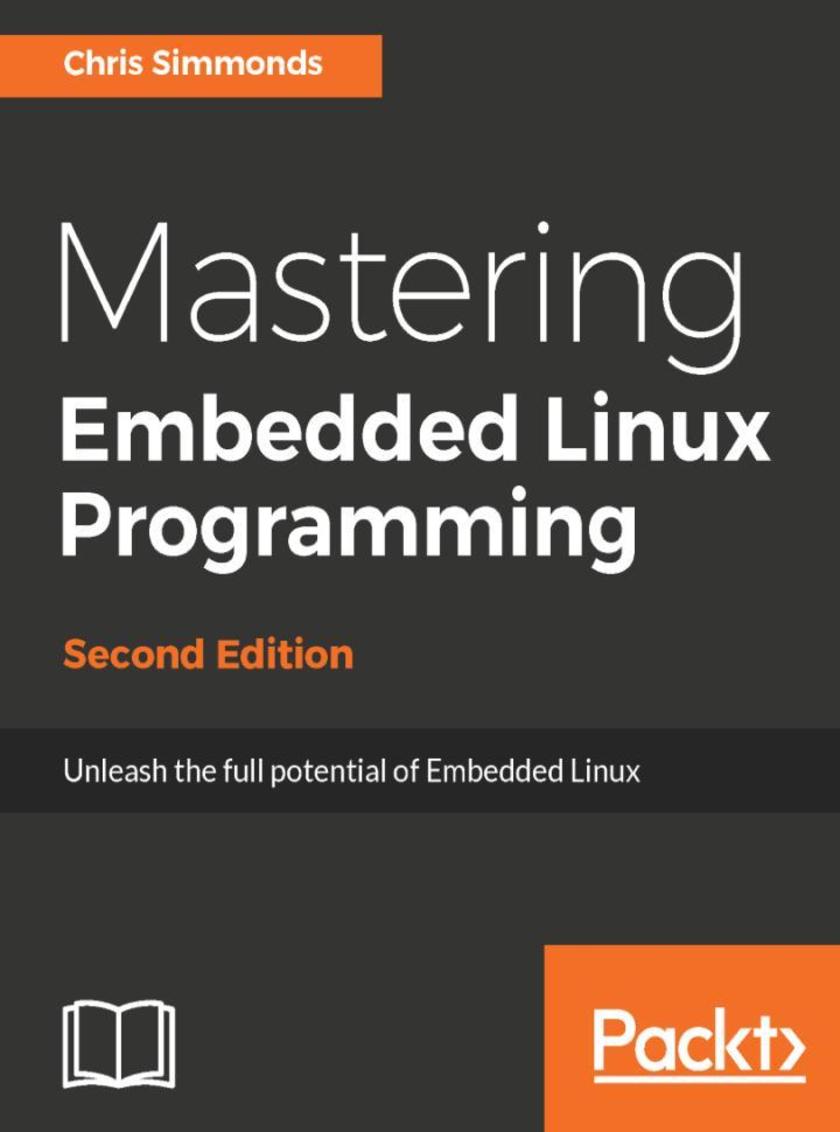
Mastering Embedded Linux Programming - Second Edition
¥90.46
Master the techniques needed to build great, efficient embedded devices on Linux About This Book ? Discover how to build and configure reliable embedded Linux devices ? This book has been updated to include Linux 4.9 and Yocto Project 2.2 (Morty) ? This comprehensive guide covers the remote update of devices in the field and power management Who This Book Is For If you are an engineer who wishes to understand and use Linux in embedded devices, this book is for you. It is also for Linux developers and system programmers who are familiar with embedded systems and want to learn and program the best in class devices. It is appropriate for students studying embedded techniques, for developers implementing embedded Linux devices, and engineers supporting existing Linux devices. What You Will Learn ? Evaluate the Board Support Packages offered by most manufacturers of a system on chip or embedded module ? Use Buildroot and the Yocto Project to create embedded Linux systems quickly and efficiently ? Update IoT devices in the field without compromising security ? Reduce the power budget of devices to make batteries last longer ? Interact with the hardware without having to write kernel device drivers ? Debug devices remotely using GDB, and see how to measure the performance of the systems using powerful tools such as perk, ftrace, and valgrind ? Find out how to configure Linux as a real-time operating system In Detail Embedded Linux runs many of the devices we use every day, from smart TVs to WiFi routers, test equipment to industrial controllers - all of them have Linux at their heart. Linux is a core technology in the implementation of the inter-connected world of the Internet of Things. The comprehensive guide shows you the technologies and techniques required to build Linux into embedded systems. You will begin by learning about the fundamental elements that underpin all embedded Linux projects: the toolchain, the bootloader, the kernel, and the root filesystem. You’ll see how to create each of these elements from scratch, and how to automate the process using Buildroot and the Yocto Project. Moving on, you’ll find out how to implement an effective storage strategy for flash memory chips, and how to install updates to the device remotely once it is deployed. You’ll also get to know the key aspects of writing code for embedded Linux, such as how to access hardware from applications, the implications of writing multi-threaded code, and techniques to manage memory in an efficient way. The final chapters show you how to debug your code, both in applications and in the Linux kernel, and how to profile the system so that you can look out for performance bottlenecks. By the end of the book, you will have a complete overview of the steps required to create a successful embedded Linux system. Style and approach This book is an easy-to-follow and pragmatic guide with in-depth analysis of the implementation of embedded devices. It follows the life cycle of a project from inception through to completion, at each stage giving both the theory that underlies the topic and practical step-by-step walkthroughs of an example implementation.
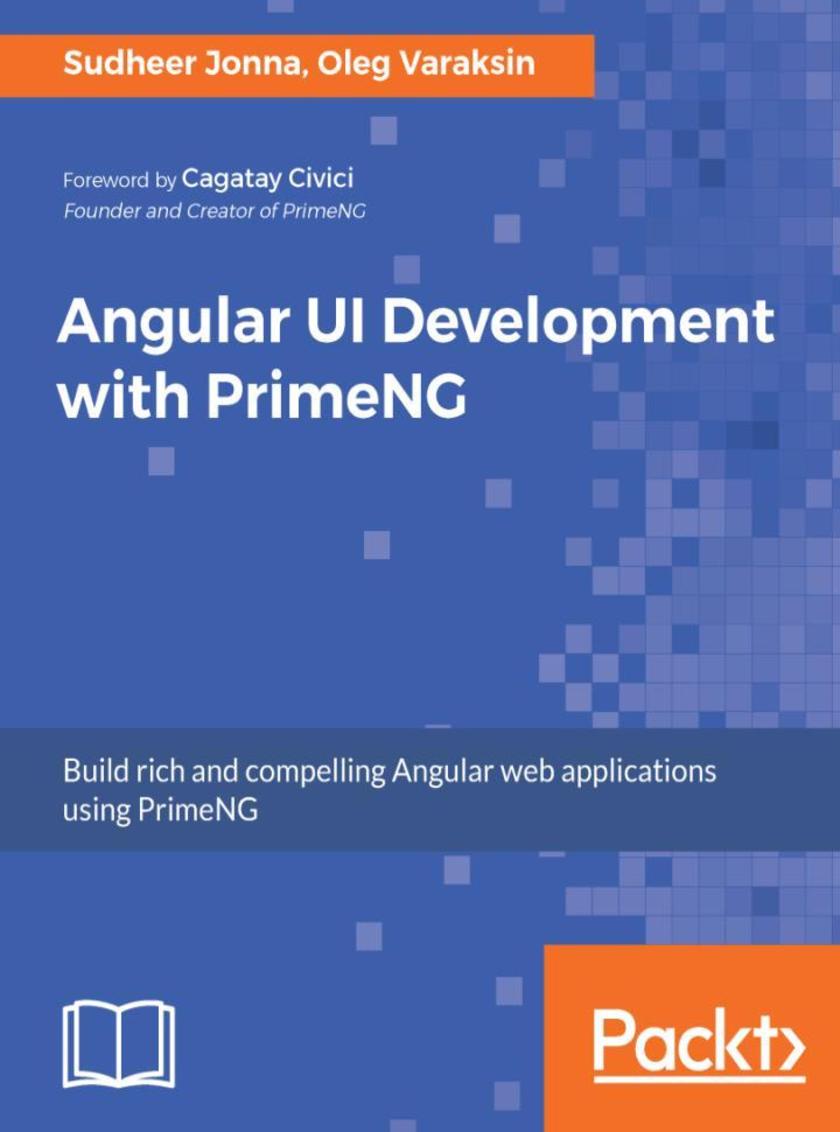
Angular UI Development with PrimeNG
¥80.65
Unleash the power of PrimeNG components to design compelling user interface for your Angular applications About This Book ? Detailed insights into PrimeNG concepts, components and features with examples to help you make excellent User Interfaces for Angular web apps. ? Get familiar with themes, layouts and customization in real world applications. ? Develop Angular applications rapidly using advance tools and standards with best practices. Who This Book Is For This book is for everybody who would like to learn or create modern Angular based single page applications using PrimeNG component library. This book is a good choice for beginners to advanced users who are serious to learn modern Angular applications. The prerequisites for this book are some basic knowledge on the Angular 2+ version with TypeScript and CSS skills. What You Will Learn ? Setup PrimeNG projects with SystemJS, Webpack, and Angular CLI. ? Use theming concepts and layouts with grid systems and Bootstrap. ? Work with enhanced input, select, button and panel components. ? Apply countless DataTable features: sorting, filtering, grouping, and templating. ? Meet data iteration components: DataList, DataGrid, Tree, and so on. ? Build endless menu variations: SlideMenu, TieredMenu, MegaMenu, and so on. ? Visualize your data representations with PrimeNG charts and GMap components. ? Adopt best practices such as state management with @ngrx/store. ? Write unit and end-to-end tests with Jasmine, Karma, and Protractor. In Detail PrimeNG is a leading UI component library for Angular applications with 80+ rich UI components. PrimeNG was a huge success in the Angular world and very quickly. It is a rapidly evolving library that is aligned with the last Angular release. In comparison with competitors, PrimeNG was created with enterprise applications in mind. This book provides a head-start to help readers develop real–world, single-page applications using the popular development stack. This book consists of 10 chapters and starts with a short introduction to single-page applications. TypeScript and Angular fundamentals are important first steps for subsequent PrimeNG topics. Later we discuss how to set up and configure a PrimeNG application in different ways as a kick-start. Once the environment is ready then it is time to learn PrimeNG development, starting from theming concepts and responsive layouts. Readers will learn enhanced input, select, button components followed by the various panels, data iteration, overlays, messages and menu components. The validation of form elements will be covered too. An extra chapter demonstrates how to create map and chart components for real-world applications. Apart from built-in UI components and their features, the readers will learn how to customize components to meet their requirements. Miscellaneous use cases are discussed in a separate chapter, including: file uploading, drag and drop, blocking page pieces during AJAX calls, CRUD sample implementations, and more. This chapter goes beyond common topics, implements a custom component, and discusses a popular state management with @ngrx/store. The final chapter describes unit and end-to-end testing. To make sure Angular and PrimeNG development are flawless, we explain full-fledged testing frameworks with systematic examples. Tips for speeding up unit testing and debugging Angular applications end this book. The book is also focused on how to avoid some common pitfalls, and shows best practices with tips and tricks for efficient Angular and PrimeNG development. At the end of this book, the readers will know the ins and outs of how to use PrimeNG in Angular applications and will be ready to create real- world Angular applications using rich PrimeNG components. Style and approach Step-by-step practical approach
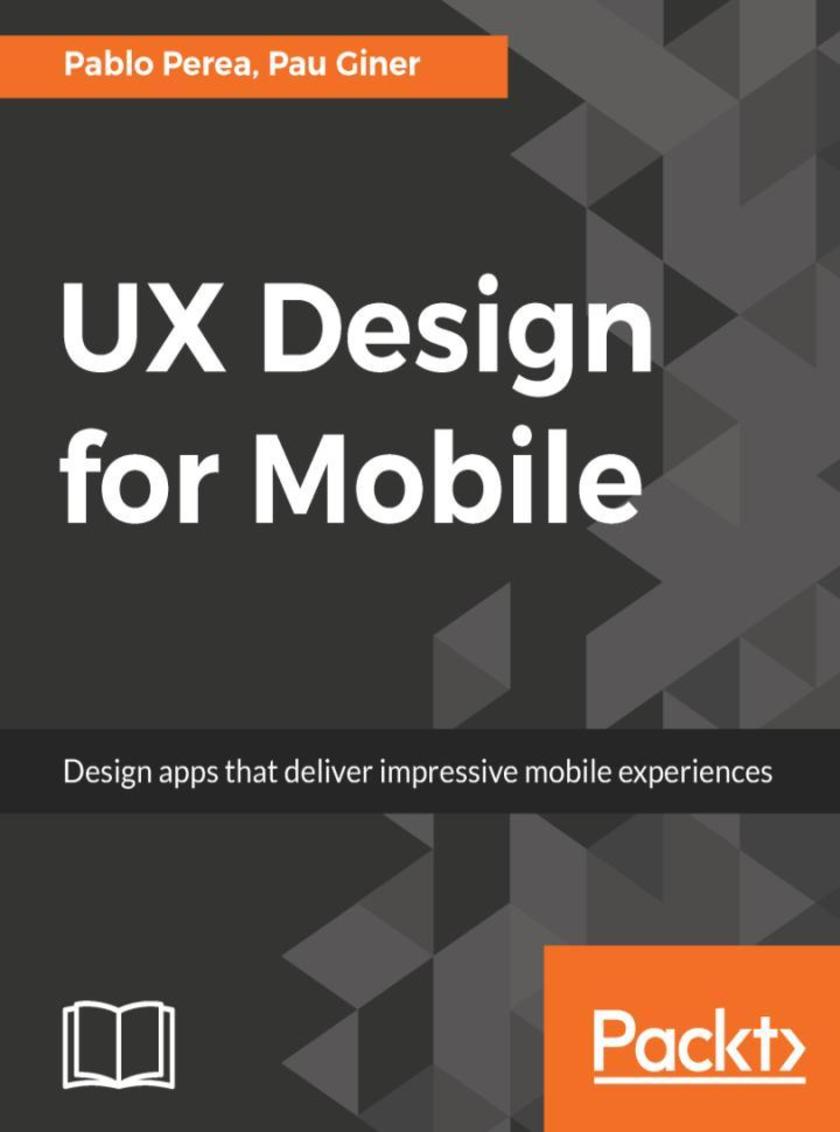
UX Design for Mobile
¥71.93
Get proficient in building beautiful and appealing mobile interfaces (UI) with this complete mobile user experience (UX) design guide. About This Book ? Quickly explore innovative design solutions based on the real needs of your users. ? Create low and high fidelity prototypes using some of the best tools. ? Master a pragmatic design process to create successful products. ? Plan an app design from scratch to final test, with real users. Who This Book Is For This book is for designers, developers and product managers interested in creating successful apps. Readers will be provided with a process to produce, test and improve designs based on best practices. What You Will Learn ? Plan an app design from scratch to final test, with real users. ? Learn from leading companies and find working patterns. ? Apply best UX design practices to your design process. ? Create low and high fidelity prototypes using some of the best tools. ? Follow a step by step examples for Tumult Hype and Framer Studio. ? Test your designs with real users, early in the process. ? Integrate the UX Designer profile into a working team. In Detail User experience (UX) design provides techniques to analyze the real needs of your users and respond to them with products that are delightful to use. This requires you to think differently compared to traditional development processes, but also to act differently. In this book, you will be introduced to a pragmatic approach to exploring and creating mobile app solutions, reducing risks and saving time during their construction. This book will show you a working process to quickly iterate product ideas with low and high fidelity prototypes, based on professional tools from different software brands. You will be able to quickly test your ideas early in the process with the most adequate prototyping approach. You will understand the pros and cons of each approach, when you should use each of them, and what you can learn in each step of the testing process. You will also explore basic testing approaches and some more advanced techniques to connect and learn from your users. Each chapter will focus on one of the general steps needed to design a successful product according to the organization goals and the user needs. To achieve this, the book will provide detailed hands-on pragmatic techniques to design innovative and easy to use products. You will learn how to test your ideas in the early steps of the design process, picking up the best ideas that truly work with your users, rethinking those that need further refinement, and discarding those that don’t work properly in tests made with real users. By the end of the book, you will learn how to start exploring and testing your design ideas, regardless the size of the design budget. Style and approach A quick and simple guide to design and test a mobile application from the UX design point of view
Effective DevOps with AWS
¥80.65
Scale gracefully and maintain outstanding performance with your AWS-based infrastructure using DevOps principles About This Book ? Implement DevOps principles to take full advantage of the AWS stack and services ? Take expert look at solving problems faced by real developers and operation teams and learn to overcome them ? Learn from expert insights of the author who has worked with Silicon Valley’s most high-profile companies Who This Book Is For This book is for developers, DevOps engineers and teams who want to build and use AWS for their software infrastructure. Basic computer science knowledge is required for this book. What You Will Learn ? Find out what it means to practice DevOps and what its principles are ? Build repeatable infrastructures using templates and configuration management ? Deploy multiple times a day by implementing continuous integration and continuous deployment pipelines ? Use the latest technologies, including containers and serverless computing, to scale your infrastructure ? Collect metrics and logs and implement an alerting strategy ? Make your system robust and secure In Detail The DevOps movement has transformed the way modern tech companies work. AWS which has been on the forefront of the Cloud computing revolution has also been a key contributor of this DevOps movement creating a huge range of managed services that help you implement the DevOps principles. In this book, you’ll see how the most successful tech start-ups launch and scale their services on AWS and how you can too. Written by a lead member of Mediums DevOps team, this book explains how to treat infrastructure as code, meaning you can bring resources online and offline as necessary with the code as easily as you control your software. You will also build a continuous integration and continuous deployment pipeline to keep your app up to date. You’ll find out how to scale your applications to offer maximum performance to users anywhere in the world, even when traffic spikes with the latest technologies, such as containers and serverless computing. You will also take a deep dive into monitoring and alerting to make sure your users have the best experience when using your service. Finally, you’ll get to grips with ensuring the security of your platform and data. Style and approach This is a practical, hands-on, comprehensive guide to AWS, helping readers understand AWS in a step by step manner.
Mastering Linux Security and Hardening
¥81.74
A comprehensive guide to mastering the art of preventing your Linux system from getting compromised. About This Book ? Leverage this guide to confidently deliver a system that reduces the risk of being hacked ? Perform a number of advanced Linux security techniques such as network service detection, user authentication, controlling special permissions, encrypting file systems, and much more ? Master the art of securing a Linux environment with this end-to-end practical guide Who This Book Is For If you are a systems administrator or a network engineer interested in making your Linux environment more secure, then this book is for you. Security consultants wanting to enhance their Linux security skills will also benefit from this book. Prior knowledge of Linux is mandatory. What You Will Learn ? Use various techniques to prevent intruders from accessing sensitive data ? Prevent intruders from planting malware, and detect whether malware has been planted ? Prevent insiders from accessing data that they aren’t authorized to access ? Do quick checks to see whether a computer is running network services that it doesn’t need to run ? Learn security techniques that are common to all Linux distros, and some that are distro-specific In Detail This book has extensive coverage of techniques that will help prevent attackers from breaching your system, by building a much more secure Linux environment. You will learn various security techniques such as SSH hardening, network service detection, setting up firewalls, encrypting file systems, protecting user accounts, authentication processes, and so on. Moving forward, you will also develop hands-on skills with advanced Linux permissions, access control, special modes, and more. Lastly, this book will also cover best practices and troubleshooting techniques to get your work done efficiently. By the end of this book, you will be confident in delivering a system that will be much harder to compromise. Style and approach An advanced-level guide filled with real-world examples that will help you secure your Linux system
Odoo 11 Development Cookbook - Second Edition
¥90.46
Create fast and efficient server-side applications using the latest features of Odoo v11 About This Book ? Get the most up-to-date guide on Odoo 11 to create custom and reusable modules ? Interconnect your application with other systems by implementing web APIs ? Understand the mechanisms powering the Odoo framework to build robust enterprises Who This Book Is For If you're a Python developer and want to develop highly efficient business applications with the latest Odoo framework (or if you just want a hands on problem solution book for all your Odoo Development related issues), this book is for you! Some experience with the JavaScript programming language and web development is required to get the most out of this book. What You Will Learn ? Install and manage Odoo environments and instances ? Use models to define your application's data structures ? Add business logic to your applications ? Add automated tests and learn how to debug Odoo apps ? Learn about the access security model and internationalization features ? Customize websites built with Odoo, by writing your own templates and providing new snippets for use in the website builder ? Extend the web client with new widgets and make RPC calls to the server In Detail Odoo is a full-featured open source ERP with a focus on extensibility. The flexibility and sustainability of open source are also a key selling point of Odoo. It is built on a powerful framework for rapid application development, both for back-end applications and front-end websites. Version 11 offers better usability and speed: a new design (as compared to the current Odoo Enterprise version) and a mobile interface. The book starts by covering Odoo installation and administration and Odoo Server deployment. It then delves into the implementation of Odoo modules, the different inheritance models available in Odoo. You will then learn how to define access rules for your data; how to make your application available in different languages; how to expose your data models to end users on the back end and on the front end; and how to create beautiful PDF versions of your data. By the end of the book, you will have a thorough knowledge of Odoo and will be able to build effective applications by applying Odoo development best practices Style and Approach This recipe-based practical guide presents each topic with step-by-step instructions on how you can create fast and efficient server-side applications using the latest features of Odoo v11
Feature Engineering Made Easy
¥73.02
A perfect guide to speed up the predicting power of machine learning algorithms About This Book ? Design, discover, and create dynamic, efficient features for your machine learning application ? Understand your data in-depth and derive astonishing data insights with the help of this Guide ? Grasp powerful feature-engineering techniques and build machine learning systems Who This Book Is For If you are a data science professional or a machine learning engineer looking to strengthen your predictive analytics model, then this book is a perfect guide for you. Some basic understanding of the machine learning concepts and Python *ing would be enough to get started with this book. What You Will Learn ? Identify and leverage different feature types ? Clean features in data to improve predictive power ? Understand why and how to perform feature selection, and model error analysis ? Leverage domain knowledge to construct new features ? Deliver features based on mathematical insights ? Use machine-learning algorithms to construct features ? Master feature engineering and optimization ? Harness feature engineering for real world applications through a structured case study In Detail Feature engineering is the most important step in creating powerful machine learning systems. This book will take you through the entire feature-engineering journey to make your machine learning much more systematic and effective. You will start with understanding your data—often the success of your ML models depends on how you leverage different feature types, such as continuous, categorical, and more, You will learn when to include a feature, when to omit it, and why, all by understanding error analysis and the acceptability of your models. You will learn to convert a problem statement into useful new features. You will learn to deliver features driven by business needs as well as mathematical insights. You'll also learn how to use machine learning on your machines, automatically learning amazing features for your data. By the end of the book, you will become proficient in Feature Selection, Feature Learning, and Feature Optimization. Style and approach This step-by-step guide with use cases, examples, and illustrations will help you master the concepts of feature engineering. Along with explaining the fundamentals, the book will also introduce you to slightly advanced concepts later on and will help you implement these techniques in the real world.
Mastering TensorFlow 1.x
¥63.21
Build, scale, and deploy deep neural network models using the star libraries in Python About This Book ? Delve into advanced machine learning and deep learning use cases using Tensorflow and Keras ? Build, deploy, and scale end-to-end deep neural network models in a production environment ? Learn to deploy TensorFlow on mobile, and distributed TensorFlow on GPU, Clusters, and Kubernetes Who This Book Is For This book is for data scientists, machine learning engineers, artificial intelligence engineers, and for all TensorFlow users who wish to upgrade their TensorFlow knowledge and work on various machine learning and deep learning problems. If you are looking for an easy-to-follow guide that underlines the intricacies and complex use cases of machine learning, you will find this book extremely useful. Some basic understanding of TensorFlow is required to get the most out of the book. What You Will Learn ? Master advanced concepts of deep learning such as transfer learning, reinforcement learning, generative models and more, using TensorFlow and Keras ? Perform supervised (classification and regression) and unsupervised (clustering) learning to solve machine learning tasks ? Build end-to-end deep learning (CNN, RNN, and Autoencoders) models with TensorFlow ? Scale and deploy production models with distributed and high-performance computing on GPU and clusters ? Build TensorFlow models to work with multilayer perceptrons using Keras, TFLearn, and R ? Learn the functionalities of smart apps by building and deploying TensorFlow models on iOS and Android devices ? Supercharge TensorFlow with distributed training and deployment on Kubernetes and TensorFlow Clusters In Detail TensorFlow is the most popular numerical computation library built from the ground up for distributed, cloud, and mobile environments. TensorFlow represents the data as tensors and the computation as graphs. This book is a comprehensive guide that lets you explore the advanced features of TensorFlow 1.x. Gain insight into TensorFlow Core, Keras, TF Estimators, TFLearn, TF Slim, Pretty Tensor, and Sonnet. Leverage the power of TensorFlow and Keras to build deep learning models, using concepts such as transfer learning, generative adversarial networks, and deep reinforcement learning. Throughout the book, you will obtain hands-on experience with varied datasets, such as MNIST, CIFAR-10, PTB, text8, and COCO-Images. You will learn the advanced features of TensorFlow1.x, such as distributed TensorFlow with TF Clusters, deploy production models with TensorFlow Serving, and build and deploy TensorFlow models for mobile and embedded devices on Android and iOS platforms. You will see how to call TensorFlow and Keras API within the R statistical software, and learn the required techniques for debugging when the TensorFlow API-based code does not work as expected. The book helps you obtain in-depth knowledge of TensorFlow, making you the go-to person for solving artificial intelligence problems. By the end of this guide, you will have mastered the offerings of TensorFlow and Keras, and gained the skills you need to build smarter, faster, and efficient machine learning and deep learning systems. Style and approach Step-by-step comprehensive guide filled with advanced, real-world examples to help you master Tensorflow 1.x
Django RESTful Web Services
¥73.02
Design, build and test RESTful web services with the Django framework and Python About This Book ? Create efficient real-world RESTful web services with the latest Django framework ? Authenticate, secure, and integrate third-party packages efficiently in your Web Services ? Leverage the power of Python for faster Web Service development Who This Book Is For This book is for Python developers who want to create RESTful web services with Django; you need to have a basic working knowledge of Django but no previous experience with RESTful web services is required. What You Will Learn ? The best way to build a RESTful Web Service or API with Django and the Django REST Framework ? Develop complex RESTful APIs from scratch with Django and the Django REST Framework ? Work with either SQL or NoSQL data sources ? Design RESTful Web Services based on application requirements ? Use third-party packages and extensions to perform common tasks ? Create automated tests for RESTful web services ? Debug, test, and profile RESTful web services with Django and the Django REST Framework In Detail Django is a Python web framework that makes the web development process very easy. It reduces the amount of trivial code, which simplifies the creation of web applications and results in faster development. It is very powerful and a great choice for creating RESTful web services. If you are a Python developer and want to efficiently create RESTful web services with Django for your apps, then this is the right book for you. The book starts off by showing you how to install and configure the environment, required software, and tools to create RESTful web services with Django and the Django REST framework. We then move on to working with advanced serialization and migrations to interact with SQLite and non-SQL data sources. We will use the features included in the Django REST framework to improve our simple web service. Further, we will create API views to process diverse HTTP requests on objects, go through relationships and hyperlinked API management, and then discover the necessary steps to include security and permissions related to data models and APIs. We will also apply throttling rules and run tests to check that versioning works as expected. Next we will run automated tests to improve code coverage. By the end of the book, you will be able to build RESTful web services with Django." Style and approach The book takes a straightforward approach, giving you the techniques and best use cases to build great web services with Django and Python
Hands-On Microservices with Kotlin
¥81.74
Build smart, efficient, and fast enterprise-grade web implementation of the microservices architecture that can be easily scaled. About This Book ? Write easy-to-maintain lean and clean code with Kotlin for developing better microservices ? Scale your Microserivces in your own cloud with Docker and Docker Swarm ? Explore Spring 5 functional reactive web programming with Spring WebFlux Who This Book Is For If you are a Kotlin developer with a basic knowledge of microservice architectures and now want to effectively implement these services on enterprise-level web applications, then this book is for you What You Will Learn ? Understand microservice architectures and principles ? Build microservices in Kotlin using Spring Boot 2.0 and Spring Framework 5.0 ? Create reactive microservices that perform non-blocking operations with Spring WebFlux ? Use Spring Data to get data reactively from MongoDB ? Test effectively with JUnit and Kotlin ? Create cloud-native microservices with Spring Cloud ? Build and publish Docker images of your microservices ? Scaling microservices with Docker Swarm ? Monitor microservices with JMX ? Deploy microservices in OpenShift Online In Detail With Google's inclusion of first-class support for Kotlin in their Android ecosystem, Kotlin's future as a mainstream language is assured. Microservices help design scalable, easy-to-maintain web applications; Kotlin allows us to take advantage of modern idioms to simplify our development and create high-quality services. With 100% interoperability with the JVM, Kotlin makes working with existing Java code easier. Well-known Java systems such as Spring, Jackson, and Reactor have included Kotlin modules to exploit its language features. This book guides the reader in designing and implementing services, and producing production-ready, testable, lean code that's shorter and simpler than a traditional Java implementation. Reap the benefits of using the reactive paradigm and take advantage of non-blocking techniques to take your services to the next level in terms of industry standards. You will consume NoSQL databases reactively to allow you to create high-throughput microservices. Create cloud-native microservices that can run on a wide range of cloud providers, and monitor them. You will create Docker containers for your microservices and scale them. Finally, you will deploy your microservices in OpenShift Online. Style and approach This book guides the reader in designing and implementing services, achieving production- ready, testable, easy-to-maintain, lean code that's shorter and simpler than a traditional Java implementation.
Practical AWS Networking
¥73.02
Your one step guide to learn all about AWS networking. About This Book ? Master your networking skills on Public Cloud. ? Gain hands-on experience of using Amazon VPC, Elastic Load Balancing, Direct Connect and other AWS products. ? Implement troubleshooting skills and best practices for security on AWS network. Who This Book Is For This book is targeted towards cloud architects, cloud solution providers, or any stakeholders dealing with networking on AWS Cloud. A prior idea of Amazon Web Services will be an added advantage. What You Will Learn ? Overview of all networking services available in AWS. ? Gain Work with load balance application across different regions. ? Learn auto scale instance based on the increase and decrease of the traffic. ? Deploy application in highly available and fault tolerant manner. ? Configure Route 53 for a web application. ? Troubleshooting tips and best practices at the end In Detail Amazon Web Services (AWS) dominates the public cloud market by a huge margin and it continues to be the first choice for many organizations. Networking has been an area of focus for all the leading cloud service providers. AWS has a suite of network-related products that help to perform network-related task in AWS. This book initially covers the basics of networking in AWS. Then we use AWS VPC to create an isolated virtual cloud for performing network-related tasks. We then provide an overview of AWS Direct Connect after taking a deep dive into scalability and load balancing using Auto scaling feature, Elastic Load Balancing, and Amazon Route S3. Toward the end of the book, we cover some troubleshooting tips and security best practices for your network. By the end of this book, you will have hands-on experience of working with network tasks on AWS. Style and approach A step by step practical guide that helps you use all networking services available in AWS effectively.
Internet of Things for Architects
¥81.74
Learn to design, implement and secure your IoT infrastructure About This Book ? Build a complete IoT system that is the best fit for your organization ? Learn about different concepts, technologies, and tradeoffs in the IoT architectural stack ? Understand the theory, concepts, and implementation of each element that comprises IoT design—from sensors to the cloud ? Implement best practices to ensure the reliability, scalability, robust communication systems, security, and data analysis in your IoT infrastructure Who This Book Is For This book is for architects, system designers, technologists, and technology managers who want to understand the IoT ecosphere, various technologies, and tradeoffs and develop a 50,000-foot view of IoT architecture. What You Will Learn ? Understand the role and scope of architecting a successful IoT deployment, from sensors to the cloud ? Scan the landscape of IoT technologies that span everything from sensors to the cloud and everything in between ? See the trade-offs in choices of protocols and communications in IoT deployments ? Build a repertoire of skills and the vernacular necessary to work in the IoT space ? Broaden your skills in multiple engineering domains necessary for the IoT architect In Detail The Internet of Things (IoT) is the fastest growing technology market. Industries are embracing IoT technologies to improve operational expenses, product life, and people's well-being. An architectural guide is necessary if you want to traverse the spectrum of technologies needed to build a successful IoT system, whether that's a single device or millions of devices. This book encompasses the entire spectrum of IoT solutions, from sensors to the cloud. We start by examining modern sensor systems and focus on their power and functionality. After that, we dive deep into communication theory, paying close attention to near-range PAN, including the new Bluetooth? 5.0 specification and mesh networks. Then, we explore IP-based communication in LAN and WAN, including 802.11ah, 5G LTE cellular, SigFox, and LoRaWAN. Next, we cover edge routing and gateways and their role in fog computing, as well as the messaging protocols of MQTT and CoAP. With the data now in internet form, you'll get an understanding of cloud and fog architectures, including the OpenFog standards. We wrap up the analytics portion of the book with the application of statistical analysis, complex event processing, and deep learning models. Finally, we conclude by providing a holistic view of the IoT security stack and the anatomical details of IoT exploits while countering them with software defined perimeters and blockchains. Style and approach This hands-on guide combines theory and application to the Internet of Things. This book covers the entire architectural stack of components and engineering domains from sensors to power analysis, communication systems, information theory, networking and routing, data security, protocols, software stacks, cloud mechanics, and data analytics with deep learning.
Deep Learning for Computer Vision
¥73.02
Learn how to model and train advanced neural networks to implement a variety of Computer Vision tasks About This Book ? Train different kinds of deep learning model from scratch to solve specific problems in Computer Vision ? Combine the power of Python, Keras, and TensorFlow to build deep learning models for object detection, image classification, similarity learning, image captioning, and more ? Includes tips on optimizing and improving the performance of your models under various constraints Who This Book Is For This book is targeted at data scientists and Computer Vision practitioners who wish to apply the concepts of Deep Learning to overcome any problem related to Computer Vision. A basic knowledge of programming in Python—and some understanding of machine learning concepts—is required to get the best out of this book. What You Will Learn ? Set up an environment for deep learning with Python, TensorFlow, and Keras ? Define and train a model for image and video classification ? Use features from a pre-trained Convolutional Neural Network model for image retrieval ? Understand and implement object detection using the real-world Pedestrian Detection scenario ? Learn about various problems in image captioning and how to overcome them by training images and text together ? Implement similarity matching and train a model for face recognition ? Understand the concept of generative models and use them for image generation ? Deploy your deep learning models and optimize them for high performance In Detail Deep learning has shown its power in several application areas of Artificial Intelligence, especially in Computer Vision. Computer Vision is the science of understanding and manipulating images, and finds enormous applications in the areas of robotics, automation, and so on. This book will also show you, with practical examples, how to develop Computer Vision applications by leveraging the power of deep learning. In this book, you will learn different techniques related to object classification, object detection, image segmentation, captioning, image generation, face analysis, and more. You will also explore their applications using popular Python libraries such as TensorFlow and Keras. This book will help you master state-of-the-art, deep learning algorithms and their implementation. Style and approach This book will teach advanced techniques for Computer Vision, applying the deep learning model in reference to various datasets.
MySQL 8 Cookbook
¥90.46
Design and administer enterprise-grade MySQL 8 solutions About This Book ? Store, retrieve, and manipulate your data using the latest MySQL 8 features ? Practical recipes on effective administration in MySQL, with a focus on security, performance tuning, troubleshooting, and more ? Contains tips, tricks, and best practices for designing, developing, and administering your MySQL 8 database solution without any hassle Who This Book Is For If you are a MySQL developer or administrator looking for quick, handy solutions to solve the most common and not-so-common problems in MySQL, this book is for you. MySQL DBAs looking to get up-to-speed with the latest MySQL 8 development and administration features will also find this book very useful. Prior knowledge of Linux and RDBMS is desirable. What You Will Learn ? Install and configure your MySQL 8 instance without any hassle ? Get to grips with new features of MySQL 8 like CTE, Window functions and many more ? Perform backup tasks, recover data and set up various replication topologies for your database ? Maximize performance by using new features of MySQL 8 like descending indexes, controlling query optimizer and resource groups ? Learn how to use general table space to suit the SaaS or multi-tenant applications ? Analyze slow queries using performance schema, sys schema and third party tools ? Manage and monitor your MySQL instance and implement efficient performance-tuning tasks In Detail MySQL is one of the most popular and widely used relational databases in the World today. The recently released MySQL 8 version promises to be better and more efficient than ever before. This book contains everything you need to know to be the go-to person in your organization when it comes to MySQL. Starting with a quick installation and configuration of your MySQL instance, the book quickly jumps into the querying aspects of MySQL. It shows you the newest improvements in MySQL 8 and gives you hands-on experience in managing high-transaction and real-time datasets. If you've already worked with MySQL before and are looking to migrate your application to MySQL 8, this book will also show you how to do that. The book also contains recipes on efficient MySQL administration, with tips on effective user management, data recovery, security, database monitoring, performance tuning, troubleshooting, and more. With quick solutions to common and not-so-common problems you might encounter while working with MySQL 8, the book contains practical tips and tricks to give you the edge over others in designing, developing, and administering your database effectively. Style and approach This book takes a recipe-based approach to tackling the pain points of SQL developers. It is a comprehensive book full of solutions to common problems faced by SQL administrators and developers alike.
Java EE 8 High Performance
¥90.46
Get more control of your applications performances in development and production and know how to meet your Service Level Agreement on critical microservices. About This Book ? Learn how to write a JavaEE application with performance constraints (Service Level Agreement—SLA) leveraging the platform ? Learn how to identify bottlenecks and hotspots in your application to fix them ? Ensure that you are able to continuously control your performance in production and during development Who This Book Is For If you're a Java developer looking to improve the performance of your code or simply wanting to take your skills up to the next level, then this book is perfect for you. What You Will Learn ? Identify performance bottlenecks in an application ? Locate application hotspots using performance tools ? Understand the work done under the hood by EE containers and its impact on performance ? Identify common patterns to integrate with Java EE applications ? Implement transparent caching on your applications ? Extract more information from your applications using Java EE without modifying existing code ? Ensure constant performance and eliminate regression In Detail The ease with which we write applications has been increasing, but with this comes the need to address their performance. A balancing act between easily implementing complex applications and keeping their performance optimal is a present-day need. In this book, we explore how to achieve this crucial balance while developing and deploying applications with Java EE 8. The book starts by analyzing various Java EE specifications to identify those potentially affecting performance adversely. Then, we move on to monitoring techniques that enable us to identify performance bottlenecks and optimize performance metrics. Next, we look at techniques that help us achieve high performance: memory optimization, concurrency, multi-threading, scaling, and caching. We also look at fault tolerance solutions and the importance of logging. Lastly, you will learn to benchmark your application and also implement solutions for continuous performance evaluation. By the end of the book, you will have gained insights into various techniques and solutions that will help create high-performance applications in the Java EE 8 environment. Style and approach This book will cover vital concepts implemented through a sample application built throughout the book. This will enable you to apply these concepts to suit your software requirements.
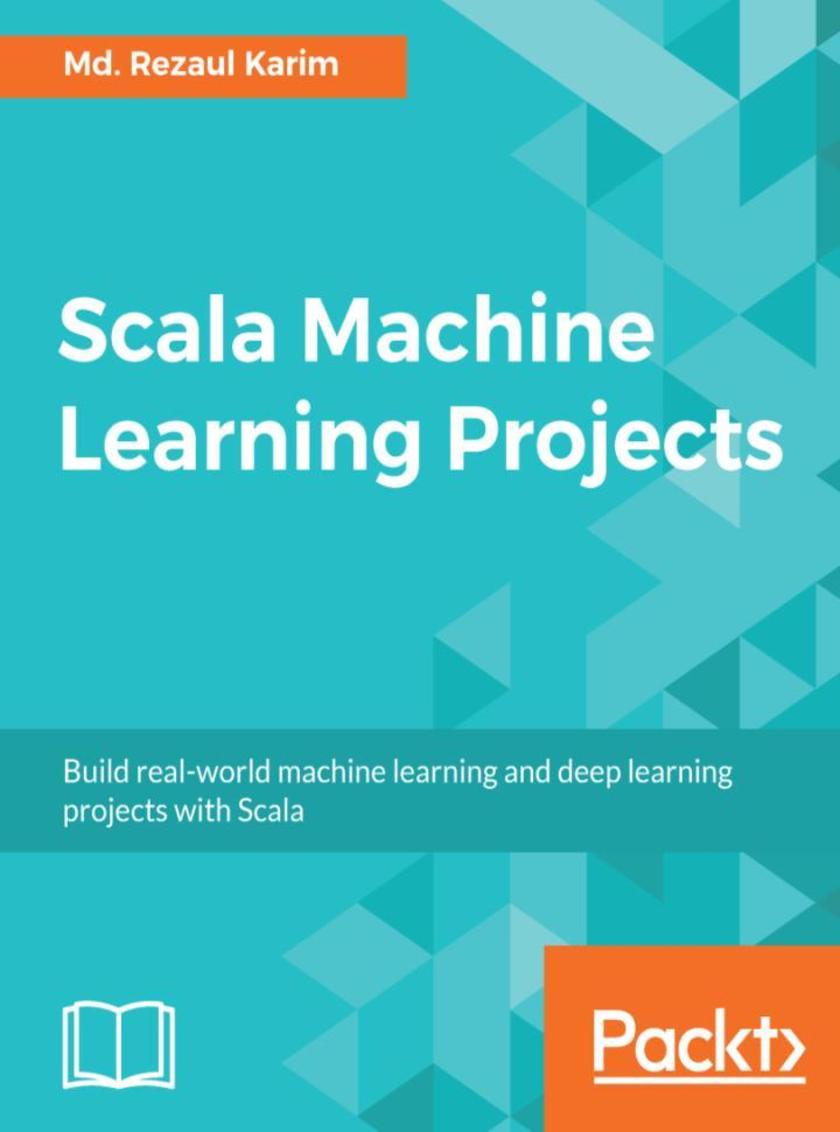
Scala Machine Learning Projects
¥81.74
Powerful smart applications using deep learning algorithms to dominate numerical computing, deep learning, and functional programming. About This Book ? Explore machine learning techniques with prominent open source Scala libraries such as Spark ML, H2O, MXNet, Zeppelin, and DeepLearning4j ? Solve real-world machine learning problems by delving complex numerical computing with Scala functional programming in a scalable and faster way ? Cover all key aspects such as collection, storing, processing, analyzing, and evaluation required to build and deploy machine models on computing clusters using Scala Play framework. Who This Book Is For If you want to leverage the power of both Scala and Spark to make sense of Big Data, then this book is for you. If you are well versed with machine learning concepts and wants to expand your knowledge by delving into the practical implementation using the power of Scala, then this book is what you need! Strong understanding of Scala Programming language is recommended. Basic familiarity with machine Learning techniques will be more helpful. What You Will Learn ? Apply advanced regression techniques to boost the performance of predictive models ? Use different classification algorithms for business analytics ? Generate trading strategies for Bitcoin and stock trading using ensemble techniques ? Train Deep Neural Networks (DNN) using H2O and Spark ML ? Utilize NLP to build scalable machine learning models ? Learn how to apply reinforcement learning algorithms such as Q-learning for developing ML application ? Learn how to use autoencoders to develop a fraud detection application ? Implement LSTM and CNN models using DeepLearning4j and MXNet In Detail Machine learning has had a huge impact on academia and industry by turning data into actionable information. Scala has seen a steady rise in adoption over the past few years, especially in the fields of data science and analytics. This book is for data scientists, data engineers, and deep learning enthusiasts who have a background in complex numerical computing and want to know more hands-on machine learning application development. If you're well versed in machine learning concepts and want to expand your knowledge by delving into the practical implementation of these concepts using the power of Scala, then this book is what you need! Through 11 end-to-end projects, you will be acquainted with popular machine learning libraries such as Spark ML, H2O, DeepLearning4j, and MXNet. At the end, you will be able to use numerical computing and functional programming to carry out complex numerical tasks to develop, build, and deploy research or commercial projects in a production-ready environment. Style and approach Leverage the power of machine learning and deep learning in different domains, giving best practices and tips from a real world case studies and help you to avoid pitfalls and fallacies towards decision making based on predictive analytics with ML models.
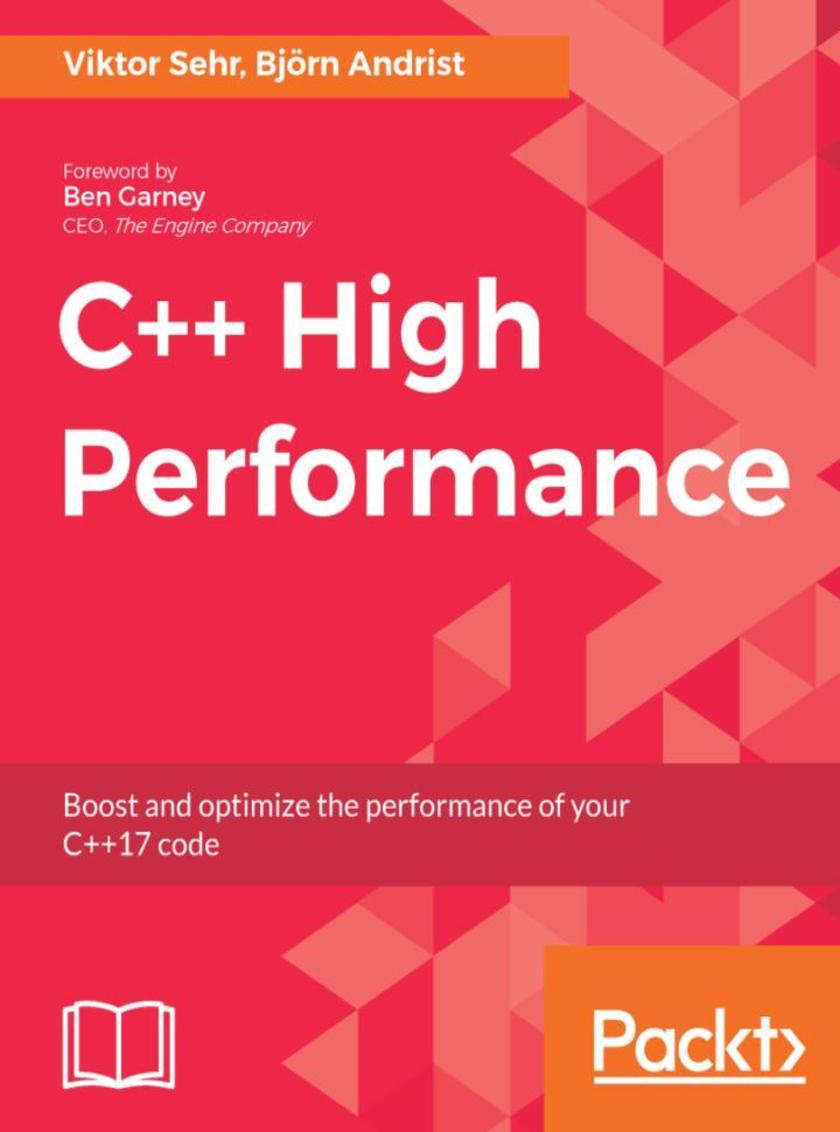
C++ High Performance
¥81.74
Write code that scales across CPU registers, multi-core, and machine clusters About This Book ? Explore concurrent programming in C++ ? Identify memory management problems ? Use SIMD and STL containers for performance improvement Who This Book Is For If you're a C++ developer looking to improve the speed of your code or simply wanting to take your skills up to the next level, then this book is perfect for you. What You Will Learn ? Find out how to use exciting new tools that will help you improve your code ? Identify bottlenecks to optimize your code ? Develop applications that utilize GPU computation ? Reap the benefits of concurrent programming ? Write code that can protect against application errors using error handling ? Use STL containers and algorithms effciently ? Extend your toolbox with Boost containers ? Achieve effcient memory management by using custom memory allocators In Detail C++ is a highly portable language and can be used to write complex applications and performance-critical code. It has evolved over the last few years to become a modern and expressive language. This book will guide you through optimizing the performance of your C++ apps by allowing them to run faster and consume fewer resources on the device they're running on. The book begins by helping you to identify the bottlenecks in C++. It then moves on to measuring performance, and you'll see how this affects the way you write code. Next, you'll see the importance of data structure optimization and how it can be used efficiently. After that, you'll see which algorithm should be used to achieve faster execution, followed by how to use STL containers. Moving on, you'll learn how to improve memory management in C++. You'll get hands on experience making use of multiple cores to enable more efficient and faster execution. The book ends with a brief overview of utilizing the capabilities of your GPU by using Boost Compute and OpenCL. Style and approach This easy-to-follow guide is full of examples and self-sufficient code snippets that help you with high performance programming with C++. You’ll get your hands dirty with this all-inclusive guide that uncovers hidden performance improvement areas for any C++ code.
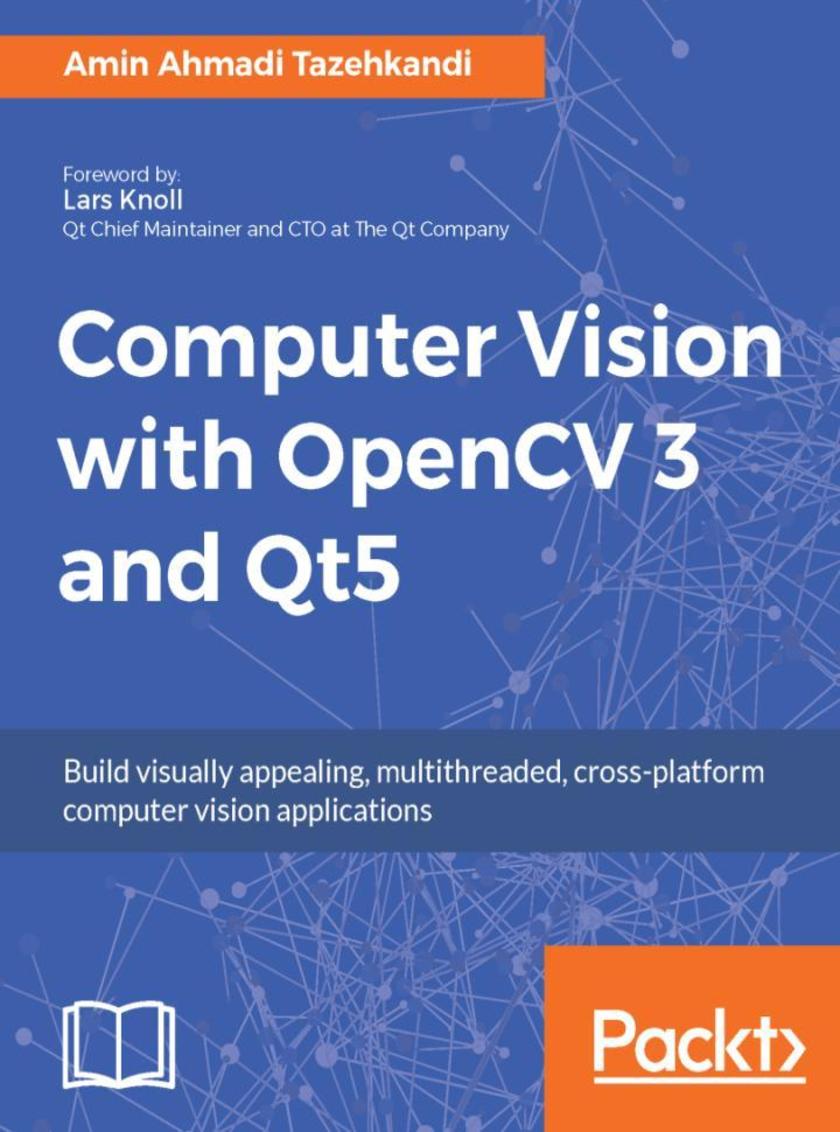
Computer Vision with OpenCV 3 and Qt5
¥90.46
Blend the power of Qt with OpenCV to build cross-platform computer vision applications About This Book ? Start creating robust applications with the power of OpenCV and Qt combined ? Learn from scratch how to develop cross-platform computer vision applications ? Accentuate your OpenCV applications by developing them with Qt Who This Book Is For This book is for readers interested in building computer vision applications. Intermediate knowledge of C++ programming is expected. Even though no knowledge of Qt5 and OpenCV 3 is assumed, if you’re familiar with these frameworks, you’ll benefit. What You Will Learn ? Get an introduction to Qt IDE and SDK ? Be introduced to OpenCV and see how to communicate between OpenCV and Qt ? Understand how to create UI using Qt Widgets ? Know to develop cross-platform applications using OpenCV 3 and Qt 5 ? Explore the multithreaded application development features of Qt5 ? Improve OpenCV 3 application development using Qt5 ? Build, test, and deploy Qt and OpenCV apps, either dynamically or statically ? See Computer Vision technologies such as filtering and transformation of images, detecting and matching objects, template matching, object tracking, video and motion analysis, and much more ? Be introduced to QML and Qt Quick for iOS and Android application development In Detail Developers have been using OpenCV library to develop computer vision applications for a long time. However, they now need a more effective tool to get the job done and in a much better and modern way. Qt is one of the major frameworks available for this task at the moment. This book will teach you to develop applications with the combination of OpenCV 3 and Qt5. This book will teach you to create cross-platform computer vision applications. We’ll begin by introducing Qt, its IDE, and its SDK. Next you’ll learn how to use the OpenCV API to integrate both tools, and see how to configure Qt to use OpenCV. You’ll go on to build a full-fledged computer vision application throughout the book. Later, you’ll create a stunning UI application using the Qt widgets technology, where you’ll display the images after they are processed in an efficient way. At the end of the book, you’ll learn how to convert OpenCV Mat to Qt QImage. You’ll also see how to efficiently process images to filter them, transform them, detect or track objects as well as analyze video. You’ll become better at developing OpenCV applications. Style and approach This book will help you understand and create cross-platform and multithreaded computer vision applications with the help of OpenCV 3 and Qt5, using a plugin-based and modular application development approach.
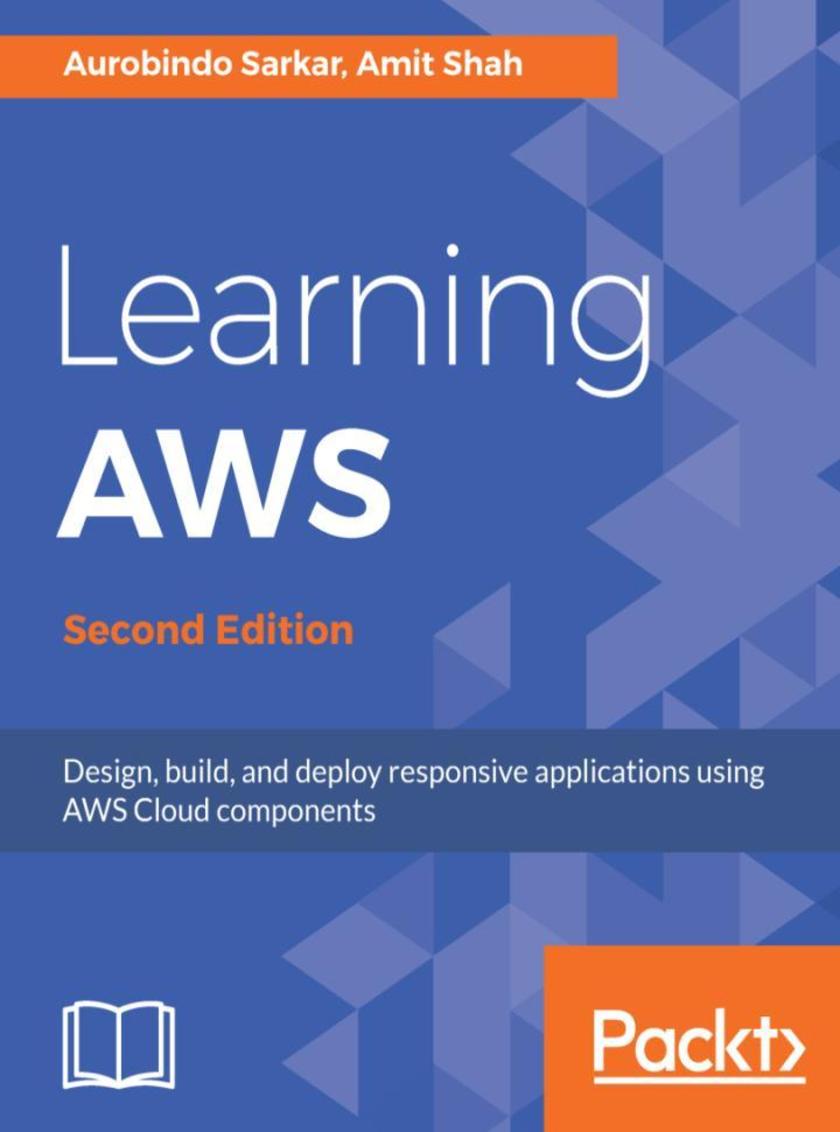
Learning AWS - Second Edition
¥81.74
Discover techniques and tools for building serverless applications with AWS About This Book ? Get well-versed with building and deploying serverless APIs with microservices ? Learn to build distributed applications and microservices with AWS Step Functions ? A step-by-step guide that will get you up and running with building and managing applications on the AWS platform Who This Book Is For If you are an I.T. professional or a system architect who wants to improve infrastructure using AWS, then this book is for you. It is also for programmers who are new to AWS and want to build highly efficient, scalable applications. What You Will Learn ? Set up your AWS account and get started with the basic concepts of AWS ? Learn about AWS terminology and identity access management ? Acquaint yourself with important elements of the cloud with features such as computing, ELB, and VPC ? Back up your database and ensure high availability by having an understanding of database-related services in the AWS cloud ? Integrate AWS services with your application to meet and exceed non-functional requirements ? Create and automate infrastructure to design cost-effective, highly available applications In Detail Amazon Web Services (AWS) is the most popular and widely-used cloud platform. Administering and deploying application on AWS makes the applications resilient and robust. The main focus of the book is to cover the basic concepts of cloud-based development followed by running solutions in AWS Cloud, which will help the solutions run at scale. This book not only guides you through the trade-offs and ideas behind efficient cloud applications, but is a comprehensive guide to getting the most out of AWS. In the first section, you will begin by looking at the key concepts of AWS, setting up your AWS account, and operating it. This guide also covers cloud service models, which will help you build highly scalable and secure applications on the AWS platform. We will then dive deep into concepts of cloud computing with S3 storage, RDS and EC2. Next, this book will walk you through VPC, building realtime serverless environments, and deploying serverless APIs with microservices. Finally, this book will teach you to monitor your applications, and automate your infrastructure and deploy with CloudFormation. By the end of this book, you will be well-versed with the various services that AWS provides and will be able to leverage AWS infrastructure to accelerate the development process. Style and approach ? Learn to write, run, and deploy applications in the AWS cloud ? Make the most of AWS to build scalable and cost-efficient systems ? A practical guide to developing serverless services and make the applications run faster
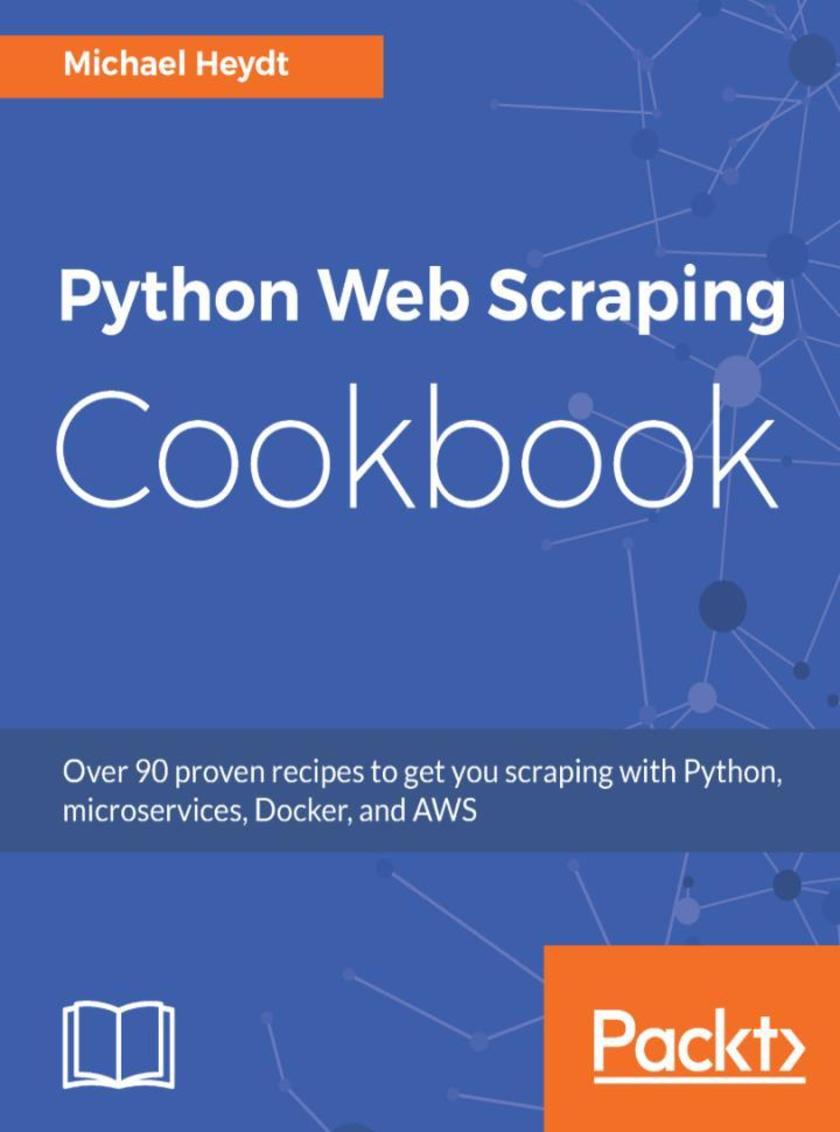
Python Web Scraping Cookbook
¥73.02
Untangle your web scraping complexities and access web data with ease using Python *s About This Book ? Hands-on recipes for advancing your web scraping skills to expert level. ? One-Stop Solution Guide to address complex and challenging web scraping tasks using Python. ? Understand the web page structure and collect meaningful data from the website with ease Who This Book Is For This book is ideal for Python programmers, web administrators, security professionals or someone who wants to perform web analytics would find this book relevant and useful. Familiarity with Python and basic understanding of web scraping would be useful to take full advantage of this book. What You Will Learn ? Use a wide variety of tools to scrape any website and data—including BeautifulSoup, Scrapy, Selenium, and many more ? Master expression languages such as XPath, CSS, and regular expressions to extract web data ? Deal with scraping traps such as hidden form fields, throttling, pagination, and different status codes ? Build robust scraping pipelines with SQS and RabbitMQ ? Scrape assets such as images media and know what to do when Scraper fails to run ? Explore ETL techniques of build a customized crawler, parser, and convert structured and unstructured data from websites ? Deploy and run your scraper-as-aservice in AWS Elastic Container Service In Detail Python Web Scraping Cookbook is a solution-focused book that will teach you techniques to develop high-performance scrapers and deal with crawlers, sitemaps, forms automation, Ajax-based sites, caches, and more.You'll explore a number of real-world scenarios where every part of the development/product life cycle will be fully covered. You will not only develop the skills to design and develop reliable, performance data flows, but also deploy your codebase to an AWS. If you are involved in software engineering, product development, or data mining (or are interested in building data-driven products), you will find this book useful as each recipe has a clear purpose and objective. Right from extracting data from the websites to writing a sophisticated web crawler, the book's independent recipes will be a godsend on the job. This book covers Python libraries, requests, and BeautifulSoup. You will learn about crawling, web spidering, working with AJAX websites, paginated items, and more. You will also learn to tackle problems such as 403 errors, working with proxy, scraping images, LXML, and more. By the end of this book, you will be able to scrape websites more efficiently and to be able to deploy and operate your scraper in the cloud. Style and approach This book is a rich collection of recipes that will come in handy when you are scraping a website using Python. Addressing your common and not-so-common pain points while scraping website, this is a book that you must have on the shelf.


