


 购物车
购物车 个人中心
个人中心
Metamorphosis: {Illustrated}
¥9.24
The third novel, The Vicomte de Bragelonne (serialized October, 1847—January, 1850), has enjoyed a strange history in its English translation. It has been split into three, four, or five volumes at various points in its history. The five-volume edition generally does not give titles to the smaller portions, but the others do. In the three-volume edition, the novels are entitled The Vicomte de Bragelonne, Louise de la Valliere, and The Man in the Iron Mask. For the purposes of this etext, I have chosen to split the novel as the four-volume edition does, with these titles: The Vicomte de Bragelonne, Ten Years Later, Louise de la Valliere, and The Man in the Iron Mask. In the first three etexts: The Vicomte de Bragelonne (Etext 2609): It is the year 1660, and D'Artagnan, after thirty-five years of loyal service, has become disgusted with serving King Louis XIV while the real power resides with the Cardinal Mazarin, and has tendered his resignation. He embarks on his own project, that of restoring Charles II to the throne of England, and, with the help of Athos, succeeds, earning himself quite a fortune in the process. D'Artagnan returns to Paris to live the life of a rich citizen, and Athos, after negotiating the marriage of Philip, the king's brother, to Princess Henrietta of England, likewise retires to his own estate, La Fere. Meanwhile, Mazarin has finally died, and left Louis to assume the reigns of power, with the assistance of M. Colbert, formerly Mazarin's trusted clerk. Colbert has an intense hatred for M. Fouquet, the king's superintendent of finances, and has resolved to use any means necessary to bring about his fall. With the new rank of intendant bestowed on him by Louis, Colbert succeeds in having two of Fouquet's loyal friends tried and executed. He then brings to the king's attention that Fouquet is fortifying the island of Belle-Ile-en-Mer, and could possibly be planning to use it as a base for some military operation against the king. Louis calls D'Artagnan out of retirement and sends him to investigate the island, promising him a tremendous salary and his long-promised promotion to captain of the musketeers upon his return. At Belle-Isle, D'Artagnan discovers that the engineer of the fortifications is, in fact, Porthos, now the Baron du Vallon, and that's not all. The blueprints for the island, although in Porthos's handwriting, show evidence of another script that has been erased, that of Aramis. D'Artagnan later discovers that Aramis has become the bishop of Vannes, which is, coincidentally, a parish belonging to M. Fouquet. Suspecting that D'Artagnan has arrived on the king's behalf to investigate, Aramis tricks D'Artagnan into wandering around Vannes in search of Porthos, and sends Porthos on an heroic ride back to Paris to warn Fouquet of the danger. Fouquet rushes to the king, and gives him Belle-Isle as a present, thus allaying any suspicion, and at the same time humiliating Colbert, just minutes before the usher announces someone else seeking an audience with the king. Ten Years Later (Etext 2681): As 1661 approaches, Princess Henrietta of England arrives for her marriage, and throws the court of France into complete disorder. The jealousy of the Duke of Buckingham, who is in love with her, nearly occasions a war on the streets of Le Havre, thankfully prevented by Raoul's timely and tactful intervention. After the marriage, though, Monsieur Philip becomes horribly jealous of Buckingham, and has him exiled. Before leaving, however, the duke fights a duel with M. de Wardes at Calais. De Wardes is a malicious and spiteful man, the sworn enemy of D'Artagnan, and, by the same token, that of Athos, Aramis, Porthos, and Raoul as well. Both men are seriously wounded, and the duke is taken back to England to recover. Raoul's friend, the Comte de Guiche, is the next to succumb to Henrietta's charms, and Monsieur obtains his exile as well, though De Guiche soon effects a reconciliation.

Умный виноградник без хлопот (Umnyj vinogradnik bez hlopot)
¥17.74
Кра?на стр?мко летить у пр?рву: моторошна криза охоплю? вс? царини людського життя. Псевдовчен? наполегливо пропагують: мислення – це ?люз?я, пошук будь-якого сенсу – абсурд, ? зрештою уряд оголошу? моратор?й на розум. Талано- вит? п?дпри?мц? безсл?дно зникають, кидаючи сво? виробництво напризволяще або знищуючи його. Головн? геро? роману – Да?н? Та??арт ? Генк Р?арден – в?дчайдушно намагаються в?двернути катастрофу. Да?н? переконана, що в кра?н? з’явився та?м- ничий Руйн?вник, ц?ль якого – крах економ?ки ? тотальна деградац?я людей. Ж?нка не покида? над?? в?дтворити досконалий двигун, але перспективний молодий нау- ковець, який погодився допомогти ?й, в?дмовля?ться працювати на благо нев?глас?в. Да?н? не хоче в?дмовлятися в?д свого задуму, тож ?де на зустр?ч з? знев?реним до- сл?дником, а в дороз? знайомиться з волоцюгою. Свого часу в?н працював там, де й зародилося ?чисте зло?, яке зараз пожира? кра?ну… Друга частина роману м?стить блискуч? св?тоглядн? монологи, вкладен? в уста Франциско Д’Анкон?? та Генка Р?ардена.
Notes from the Underground: "Illustrated"
¥18.74
In 1888 a client, Mary Morstan, comes with two puzzles for Holmes. The first is the disappearance of her father Captain Arthur Morstan in December 1878 and the second is that she has received 6 pearls in the mail from an anonymous benefactor once a year since 1882, since she answered an anonymous newspaper query inquiring for her. With the last pearl she has received a letter remarking that she has been a wronged woman and asks for meeting. Holmes takes the case and soon discovers that Major Sholto — Morstan's only friend who had denied seeing Morstan — had died in 1882 and that within a short span of time Mary began to receive the pearls, implying a connection. The only clue Mary can give Holmes is a map of a fortress with the names of Jonathan Small and three Sikhs, who are named Dost Akbar, Abdullah Khan, and Mahomet Singh. Holmes, Watson, and Mary meet Thaddeus Sholto, the son of the late Major Sholto and Capt Morstan's Army friend who has sent her the pearls. Thaddeus remarks that his father had a paranoid fear of one-legged men and confirms that Mary's father had seen the Major the night he died. That night, in a quarrel about an Agra Treasure, Morstan — who was in weak health — suffered a heart attack. Not wanting to bring attention to the object of the quarrel to public notice, Sholto disposed of the body and hid the treasure. However his own health became worse when he received a letter from India. Dying, he called his two sons and confessed to Morstan's death and was about to divulge the location of the treasure when he suddenly cried "Keep him out!". The puzzled sons glimpsed a face in the window but the only trace was a single footstep in the dirt. On their father's body is a note reading "The Sign of Four". Both brothers quarreled over whether a legacy should be left to Mary Morstan and Thaddeus left his brother Bartholomew, taking a chaplet and sending its pearls to Mary. The reason he sent the letter is that Bartholomew has found the treasure and possibly Thaddeus and Mary might confront him for a division of it. Bartholomew is found dead in his home from a poison dart and the treasure is missing. While the police wrongly take Thaddeus in as a suspect Holmes deduces that there are two persons involved in the murder: a one-legged man, Jonathan Small, as well as another "small" accomplice. He traces them to a boat landing where Small has hired a launch named the Aurora. With the help of his Baker Street Irregulars and his own disguise Holmes traces the launch. In a Police launch Holmes and Watson chase the Aurora and capture it but in the process end up killing the "small" companion after he attempts to kill Holmes with a poisoned dart shot from a blow-pipe. Small tries to escape but is captured. However the iron treasure box is empty; Small claims to have dumped the treasure over the side during the chase.
Zárt ajtók m?g?tt
¥119.27
jvári Hanna a tinik megszokott életét élte egészen egy évvel ezelttig, egy családi tragédia azonban mindent megváltoztatott. Most apukájával kettesben tlti a hétkznapokat, és rég nem a korosztályának átlagos problémái foglalkoztatják. Miután átveszi a tizenegyedikes bizonyítványát, az évzáró után váratlan felkérést kap az igazgatótól: részt vehet egy iskolai versenyen, ahol kiváló matekosként fleg a logikai feladatok megoldásában számítanak rá. Hanna krnyezete ragaszkodik hozzá, hogy elmenjen a megmérettetésre, így a Szirtes Gimnázium négyfs csapata elindul az Iskolák Országos Versenyén.

Holló, a hollónak
¥81.34
Rejt? Jen? 1941 táján írhatta életm?vének eme kevéssé ismert darabját. Az Afrikában játszódó kisregény f?h?se egy orvos-kalandor: az abszurdba hajló alaphelyzet, illetve Morbicer és a bennszül?ttek kulturális kül?nbségei számos komikus helyzetet eredményeznek. Az elbeszélés azonban jóval mélyebb üzenetet is hordoz: a humoron túl a hagyományos életrend és a modern civilizáció ütk?zésének tragédiájáról is szól. Mindez nem meglep?, hisz a II. világháború idején Rejt? maga is megtapasztalhatta a 20. század technikai fejl?désének zsákutcáit, a szilárdnak hitt értékek amortizálódását, a morális értékek morzsálódását (fegyverkezés, az államhatalom túlburjánzása, jogfosztottság stb.). A nyersanyag-lel?helyeket hajszoló, szerelmi csalódásában verg?d?, a bennszül?ttek szemében mitikus lénnyé váló Morbicer azonban gyógyít is - teszi ezt annak dacára, hogy nem jár érte k?sz?net. Figuráját Rejt? részben Albert Schweitzerr?l mintázta: a világhír? orvos és humanista afrikai kórházépítésér?l és gyógyító tevékenységér?l szóló k?nyve magyarul is olvasható volt, Rejt? innét vette az alap?tletet. A kisregény 75 évig lappangott az író szétzilált hagyatékában: annak idején vélhet?en az elbeszélésb?l kiolvasható háborúellenesség miatt nem jelenhetett meg. Kül?nleges annyiban is, hogy számos, egymástól markánsan eltér? változatban maradt f?nn, miáltal szinte egyedülálló módon nyílik rálátás a rejt?i sz?vegalakítás dzsungelkonyhájára, az általa teremtett figurák alakulására. A kisregény most el?sz?r jelenik meg ?nálló k?tetben - ráadásul r?gt?n 3 változatban! - Konzílium j?n. Nekünk kell megállapítani, hogy mi baja van a f?n?knek. - De uram, akkor csak róla állapítsuk meg a betegség okát. Rólam az egész világ tudja, hogy még sohasem loptam. - Bejártam az egész világot, és mindenütt tisztában vannak azzal, hogy te vagy a legnagyobb tolvaj. - Uram, te nemcsak rossz szív? vagy, hanem okos is, de most megtévesztett az egész világ. Kül?nben sem értem, hogy egy konzíliumon miért kell az én betegségeimr?l beszélni, hála Balongának, nem fáj semmim, tehát nem fontos, hogy loptam-e. Ha reméljük, r?videsen meghalsz, ezt a konzílium nev? gyógyítást én nem fogom csinálni. - Te is orvos vagy, tehát tudnod kell szintén, hogy vannak ragályos betegségek, ami azt jelenti, hogyha az egyik ember lop, akkor a másiknak sokszor olyan lesz a gyomra, mint a nadrág. - Vagy a b?r lábszárvéd?. Ezzel tisztában vagyok. De itt senki se beteg, csak a f?n?k. - Mi, orvosok tudjuk jól, hiszen magunk k?z?tt vagyunk, T?kász: hogy vannak úgynevezett bacilusgazdák, ez annyit jelent, hogy valaki lop, nem lesz semmi baja, és egy másiknak a k?zelében olyan lesz a gyomra, mint a b?r lábszárvéd?. Ezért te mint a t?rzs varázslója elmondod, hogy kit?l és mit loptatok, addig nem tudom meggyógyítani a f?n?k?t, mert gondolhatod, hogy más betegség lesz, ha valaki egy négert?l ellopja a halászózsákját, vagy egy misszionáriustól a hosszú cs?vet, amin keresztül befolynak a távoli fák és hegyek, egészen az ember szemébe. Vagy más betegsége lesz valakinek, akit megrúgok, mert elvitte házam el?l a f?lf?z?tt szárított húst...
A jó palócok
¥8.67
Vészesen apad a Tó. Vajon miért? Rév Fül?p, a lovaglegény a Litéri sárkány hátára pattan, hogy kiderítse. A nyomok Nagylapály birodalmába vezetnek, ahol találkozunk Nyár L?rinccel, Zivatarzug lovagjaival, H?t?dik H?b?r?d?tt királlyal, és a világ legpimaszabb leányzójával, akire nem lehet haragudni. Kiderül, mi van a Mély Kút mélyén, és hogy miért nincs tó, ha van.
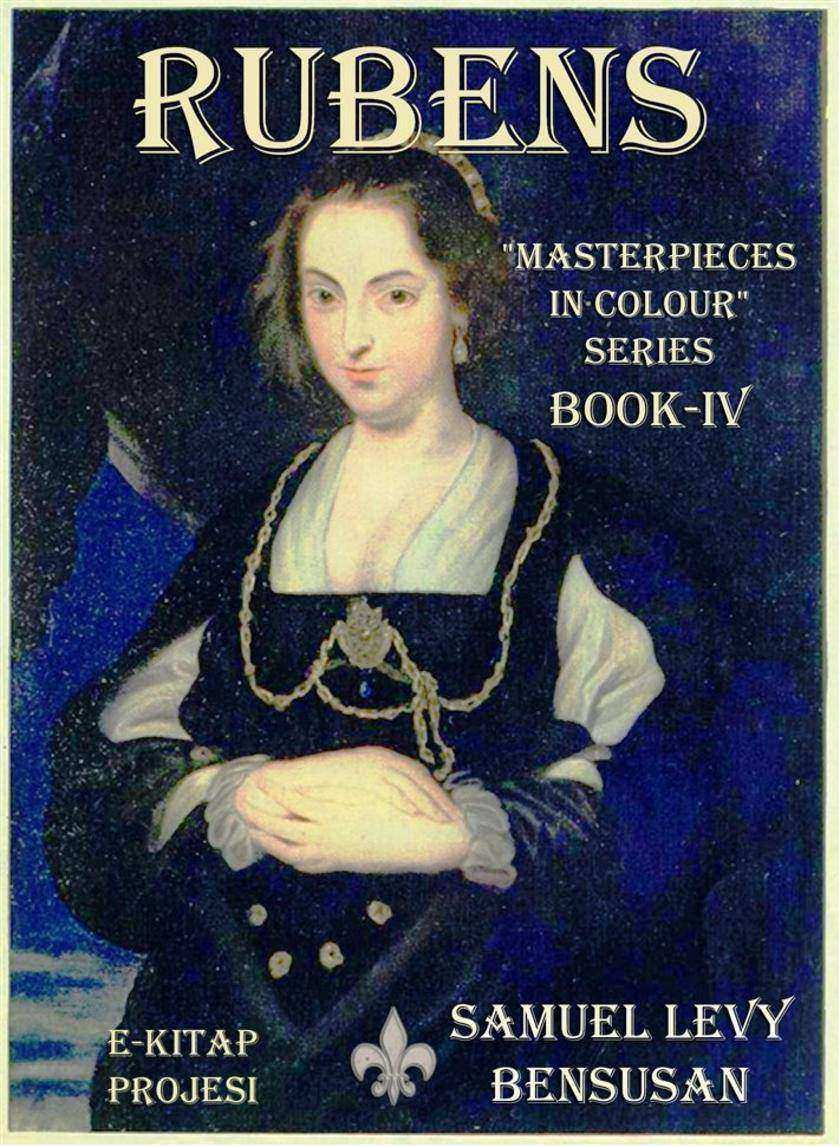
Rubens: "Masterpieces in Colour" Series: Book-IV
¥28.04
In “True Ghost Stories,” Mr. Carrington presents a number of startling cases of this character; but they are not the ordinary “ghost stories”—based on pure fiction, and having no foundation in reality. Here we have a well-arranged collection of incidents, all thoroughly investigated and vouched for, and the testimony obtained first-hand and corroborated by others. The chapter on “Haunted Houses” is particularly striking. The first chapter deals with the interesting question, “What is a Ghost?” and attempts to answer this question in the light of the latest scientific theories which have been advanced to explain these supernatural happenings and visitants. It is a book of absorbing interest, and cannot fail to grip and hold the attention of every reader—no matter whether he be a student of these questions, or one merely in search of hair-raising anecdotes and stories. He will find them here a-plenty! The following little book endeavors to bring together a number of “ghost stories” of the more startling and dramatic type,—but stories, nevertheless, which seem to be well authenticated; and which have been obtained, in most instances, at first hand, from the original witnesses; and often contain corroborative testimony from others who also experienced the ghostly phenomena. Some of these incidents, indeed, rise to the dignity of scientific evidence; others are less well authenticated cases,—but interesting for all that. These have been grouped in various Chapters, according to their evidential value. Chapters II. and III. contain well-evidenced cases, some of which have been taken from the Proceedings and Journals of the Society for Psychical Research (S. P. R.), or from Phantasms of the Living, or from other scientific books, in which narratives of this character receive serious consideration. Chapter V., on the contrary, contains a number of incidents which,—striking and dramatic as they are,—cannot be included in the two earlier Chapters, as presenting real evidence of Ghosts; but are published rather as startling and interesting ghost stories. Chapter IV., devoted to “Haunted Houses,” contains brief accounts of the most famous Haunted Houses, and of the phenomena which have been witnessed within them. Appendix A gives a list of a few of the important “Historical Ghosts,” Appendix B describes the “Phantom Armies” lately seen by the Allied troops in France—while Appendix C lists a number of books of Ghost Stories which the interested reader may care to peruse. A short Glossary, at the beginning of the book, explains the meaning of certain terms used,—which are not, perhaps, ordinarily met with in books of this character. In the Introductory Chapter, I have endeavored to explain, very briefly, the nature and character of Ghosts; what they are; and the various scientific theories which have been brought forward, of late years, to explain Ghosts. I hope that this may prove of interest to the reader; in case it does not do so, he is invited to “skip” directly to Chapter II., which begins our account of “True Ghost Stories.” I wish to express my thanks in this place to the Council of the English S. P. R. for special permission to quote and to summarize several striking cases here reproduced; also to Miss Estelle Stead, for permission to utilize several cases previously printed at length in Mr. Wm. T. Stead’s collections of Ghost Stories. H. C. [Author]
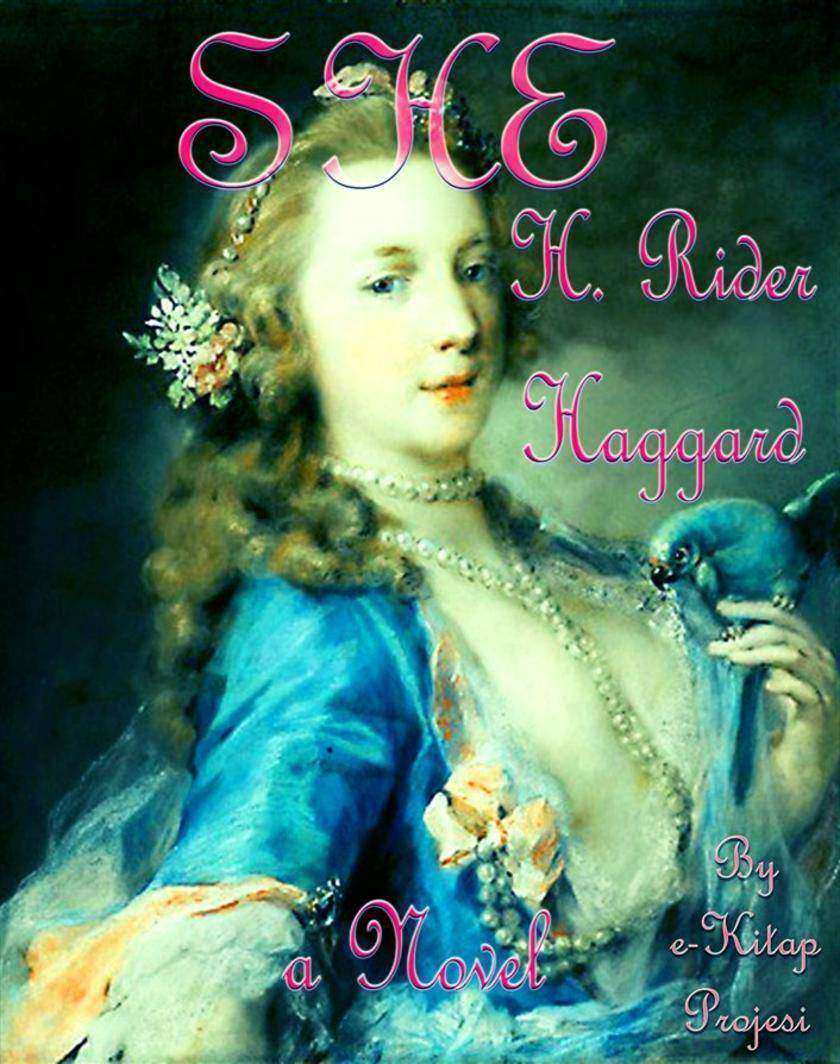
She
¥18.74
The War of the Worlds is a military science fiction novel by H. G. Wells. It first appeared in serialized form in 1897, published simultaneously in Pearson's Magazine in the UK and Cosmopolitan magazine in the US. The first appearance in book form was published by William Heinemann of London in 1898. It is the first-person narrative of the adventures of an unnamed protagonist and his brother in Surrey and London as Earth is invaded by Martians. Written between 1895 and 1897, it is one of the earliest stories that detail a conflict between mankind and an extraterrestrial race. The novel is one of the most commented-on works in the science fiction canon. The War of the Worlds has two parts, Book One: The Coming of the Martians and Book Two: The Earth under the Martians. The narrator, a philosophically-inclined author, struggles to return to his wife while seeing the Martians lay waste to southern England. Book One also imparts the experience of his brother, also unnamed, who describes events in the capital and escapes the Martians by boarding a ship near Tillingham, on the Essex coast. The plot has been related to invasion literature of the time. The novel has been variously interpreted as a commentary on evolutionary theory, British Imperialism, and generally Victorian superstitions, fears and prejudices. At the time of publication it was classified as a scientific romance, like his earlier novel The Time Machine. The War of the Worlds has been both popular (having never gone out of print) and influential, spawning half a dozen feature films, radio dramas, a record album, various comic book adaptations, a television series, and sequels or parallel stories by other authors. It has even influenced the work of scientists, notably Robert Hutchings Goddard. Plot SummaryYet across the gulf of space, minds that are to our minds as ours are to those of the beasts that perish, intellects vast and cool and unsympathetic, regarded this earth with envious eyes, and slowly and surely drew their plans against us.— H. G. Wells (1898), The War of the Worlds The Coming of the MartiansThe narrative opens in an astronomical observatory at Ottershaw where explosions are seen on the surface of the planet Mars, creating much interest in the scientific community. Later a "meteor" lands on Horsell Common, near the narrator's home in Woking, Surrey. He is among the first to discover that the object is an artificial cylinder that opens, disgorging Martians who are "big" and "greyish" with "oily brown skin," "the size, perhaps, of a bear," with "two large dark-coloured eyes," and a lipless "V-shaped mouth" surrounded by "Gorgon groups of tentacles." The narrator finds them "at once vital, intense, inhuman, crippled and monstrous." They briefly emerge, have difficulty in coping with the Earth's atmosphere, and rapidly retreat into the cylinder. A human deputation (which includes the astronomer Ogilvy) approaches the cylinder with a white flag, but the Martians incinerate them and others nearby with a heat-ray before beginning to assemble their machinery. Military forces arrive that night to surround the common, including Maxim guns. The population of Woking and the surrounding villages are reassured by the presence of the military. A tense day begins, with much anticipation of military action by the narrator.
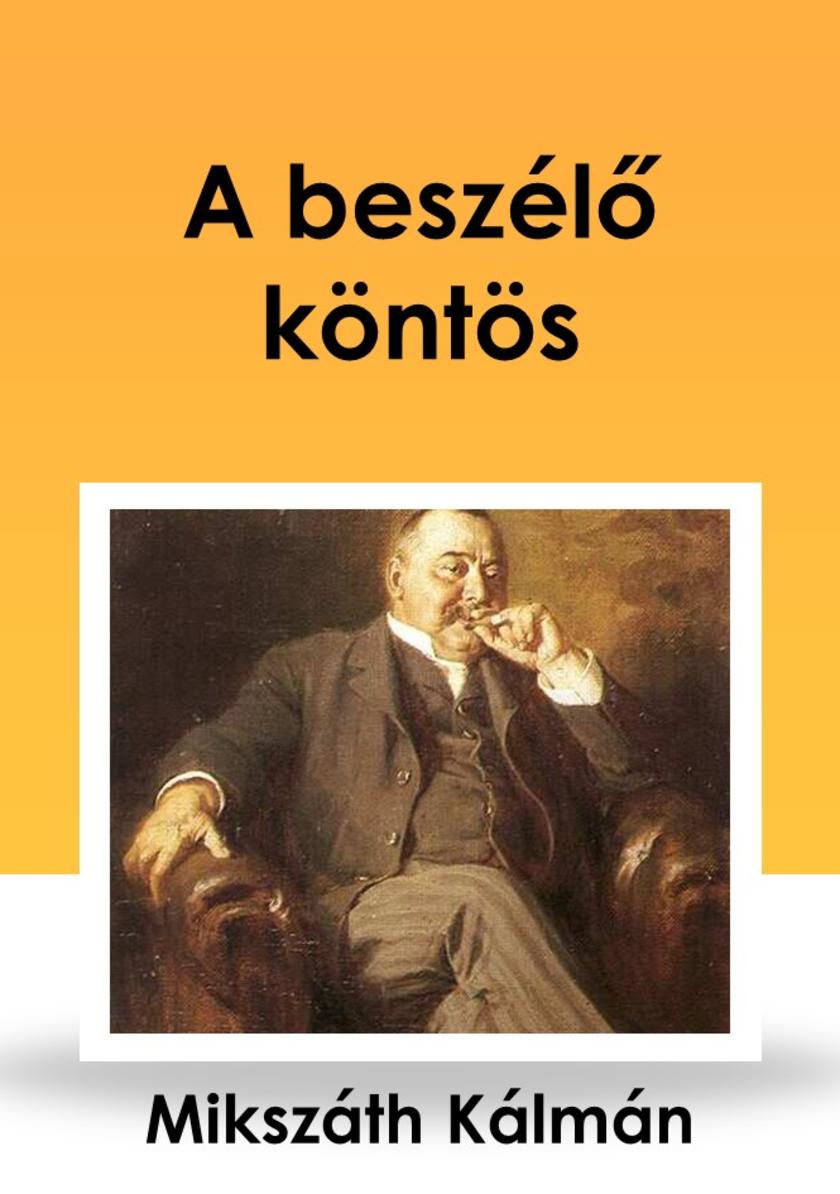
A beszél? k?nt?s
¥8.67
Pali kilencéves. Magányos otthon és az iskolában is. Egyik téli reggel aztán a mogorva újságárus csodálatos üveggolyót ad neki. Délutánra a konyhában felt?nik egy Egér, az ablakban megtelepszik egy Pók, egy Légy és egy Katica. Kik ezek és mit akarnak Palitól? Talán a rejtélyekre is fény derül, mikor egy picike kislány magával rántja a fiút a tük?rbe…

Biografia
¥65.32
The friends of Mr. Sherlock Holmes will be glad to learn that he is still alive and well, though somewhat crippled by occasional attacks of rheumatism. He has, for many years, lived in a small farm upon the downs five miles from Eastbourne, where his time is divided between philosophy and agriculture.
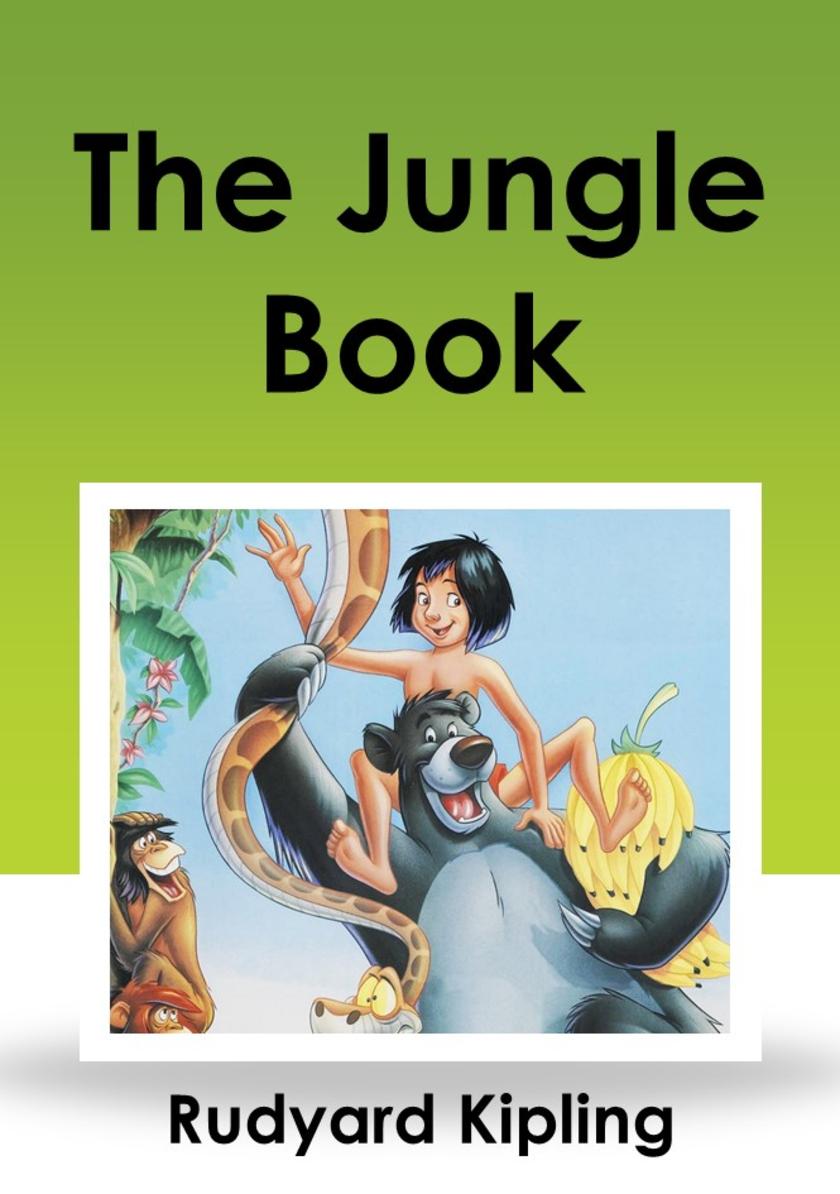
The Jungle Book
¥8.67
A Torzonborz, a rabló és a Torzonborz újabb gaztettei után itt a trilógia befejez? darabja, a Torzonborz megjavul. Otfried Preu?ler legeslegutolsó paprikajancsis és vitézlászlós t?rténete. ?jra felbukkan Torzonborz, a rabló. ?s ez bizony megrémíti Paprika Jancsit, Vitéz Lászlót, Nagymamát, s?t még ?st?llési századost is. De akkor ijednek meg csak igazán, mikor Torzonborz bejelenti: sz?gre akasztja széles karimájú kalapját és felhagy a rablómesterséggel. Vajon mihez kezd ezután az egykori hétt?r?s gazember...? Az életkori besorolás 6+

Cum s? cre?ti un copil fericit. Strategii pozitive de educa?ie parental?
¥57.14
How he put his fist through the oak-panel of the game-room door; how, when Long Merridew was carrying the ball, he caught up Merridew, ball and all, and ran swiftly past every opponent to the goal. It did not seem fit to us that such a one as he should trouble his head about spondees and dactyls, or care to know who signed Magna Charta. When he said in open class that King Alfred was the man, we little boys all felt that very likely it was so, and that perhaps Jim knew more about it than the man who wrote the book. Well, it was this business of the burglar that drew his attention to me; for he patted me on my head, and said that I was a spunky little devil, which blew me out with pride for a week on end. For two years we were close friends, for all the gap that the years had made between us, and though in passion or in want of thought he did many a thing that galled me, yet I loved him like a brother, and wept as much as would have filled an ink bottle when at last he went off to Edinburgh to study his father's profession. Five years after that did I bide at Birtwhistle's, and when I left I had become cock myself, for I was as wiry and as tough as whalebone, though I never ran to weight and sinew like my great predecessor. It was in Jubilee Year that I left Birtwhistle's, and then for three years I stayed at home learning the ways of the cattle; but still the ships and the armies were wrestling, and still the great shadow of Bonaparte lay across the country. How could I guess that I too should have a hand in lifting that shadow forever from our people?
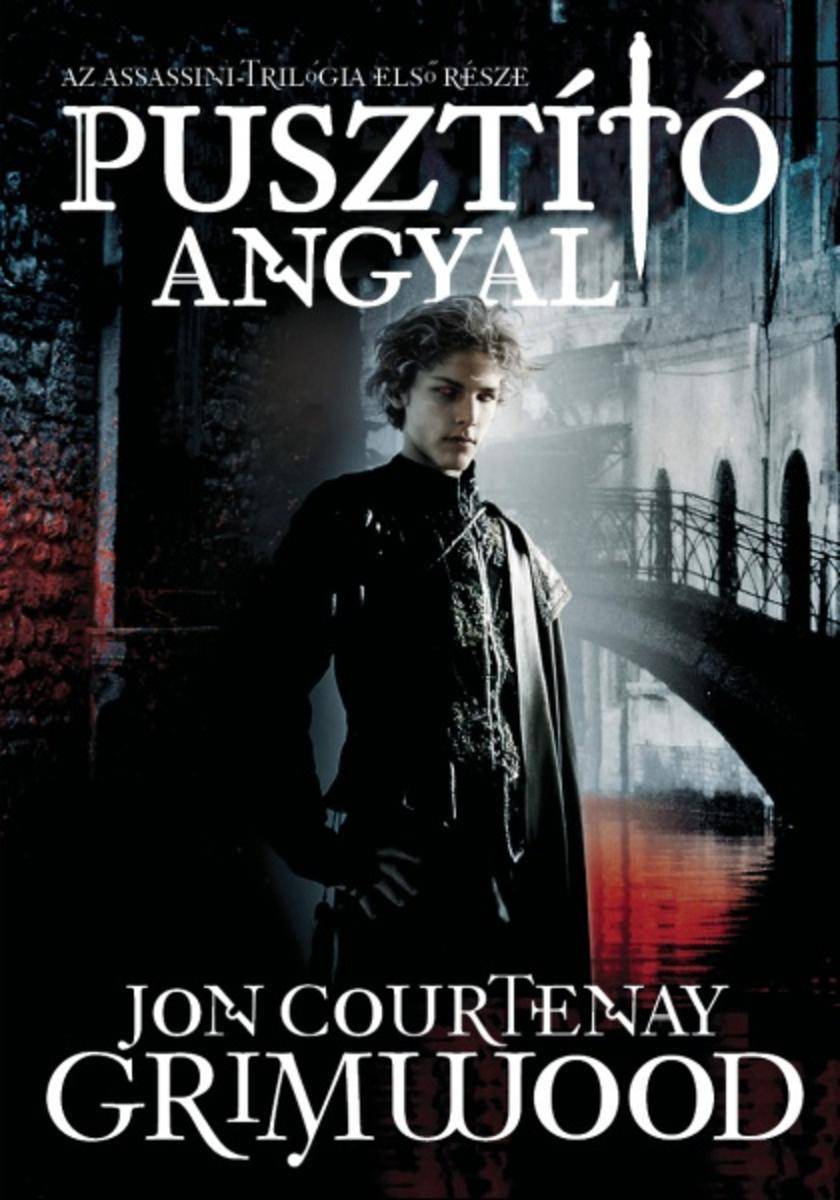
Pusztító angyal
¥57.31
“BOSSZ?T ?LLOK MINDAZOKON, KIK EL?RULT?K CSAL?DOMAT. NEVEM: EZIO AUDITORE DA FIRENZE. ORGYILKOS VAGYOK…” Egy bosszúra szomjas fiatalember eposzi méret? küldetésre indul, miután Itália uralkodó dinasztiái elárulták ?t. ?m ahhoz, hogy visszaállítsa családja becsületét, és véget vessen hazája romlásnak, ki kell tanulnia az orgyilkosok mesterségét. Mik?zben a szabadságért és igazságért harcol, Ezio útját olyan kiváló elmék segítik, mint Leonardo da Vinci és Niccoló Machiavelli, akik – mint koruk legb?lcsebb gondolkodói – beavatják a túlélés fortélyaiba. Társai el?tt Ezio fogja megtestesíteni az er?t, mely els?pri a régit, és újat hoz a helyébe. Ellenségei számára pedig fenyeget? jelképpé válik, kinek rendeltetése, hogy eltiporja a zsarnokságot, mely Itália népét sanyargatja. Kezd?djék a hatalom, az ?sszeesküvés és a bosszú ?r?k színjátékának reneszánsz krónikája… …HISZEN AZ IGAZS?GOT V?RREL ?RJ?K. (Az Ubisoft nagysiker? videojátéka alapján)
Adrenalin
¥57.31
A fváros eleshet, a hadsereg széteshet, de a gyzelmet nem adjuk.” Tamás tábornagy sikeresen visszaérkezik szeretett hazájába, ám a fváros, Adró, trténetében elszr idegen megszállók kezére került. Egyetlen fia eltnt, szvetségeseit képtelen megkülnbztetni az ellenségeitl, az ersítés pedig csak hetek múlva érkezhet. A továbbra is a Kez támadásait nyg, vezet nélkül maradt adrói hadsereg végül nmaga ellen fordul. Adamat felügyel ebbe a konfliktusba keveredik elrabolt fia keresése kzben. Kétlvet Tániel, akit saját katonái üldznek, igyekszik megóvni az egyetlen reményt arra, hogy Adró pusztulás nélkül vészelje át a háborút… Az SZI KZTRSASG a Lpormágus-trilógia eposzi zárása.

T?rékeny vonzer?
¥57.55
S, mint sokk. Alex élete egyetlen pillanat alatt romba d?l, amikor autóbalesetben elveszti a szüleit. A lány ügyvédje ráadásul felkavaró hírrel szolgál: van egy eltitkolt n?vére. O, mint otthon. Dory sosem ismerte a szüleit és ?r?kbefogadó családja másodrend? gyerekként nevelte fel. Amikor a család imádott, vér szerinti gyereke gyilkosság áldozata lesz, a gyanú Dory-ra terel?dik. S, mint sors. Harminc év után Alex és Dory el?sz?r találkozik. Alexnek nemsokára sz?rny? kérdéssel kell szembesülnie: lehet, hogy élete legnagyobb hibája volt, hogy megkereste az eddig eltitkolt n?vérét? Ki akarhat most Alex életére t?rni? ?Az utolsó lapig nem találod ki a megoldást." - Publishers Weekly. ?Sokkolóan fordulatos t?rténet. " - Booklist. Patricia MacDonald amerikai bestsellerszerz? okos, csavaros krimijei egyaránt magával ragadják a pszichothriller és a klasszikus detektívregények rajongóit. Szinte irodalmi min?ség? sztorikat talál ki, viszont - mint egykori televíziós szappanopera-szerkeszt? - lebilincsel?en p?rg?sre, fordulatosra írja meg.

Gondold újra
¥51.83
Rachel Jenner csak egy pillanatra engedett, csak egy pillanatra fordult el, és ennyi elég volt, hogy nyolc éves fia, Ben elt?nj?n. Vajon mi t?rténhetett azon a szürke, es?s délutánon ott az erd?ben, ahova csak a szokásos kutyasétáltatásra mentek. Végzetes hibát vétett Rachel? Vagy bárkivel megeshetett volna? Az anya legrettenetesebb rémálmát éli át, és még a k?zvélemény is ellene fordul. Nem bízhat meg sem a volt férjében, sem a n?vérében, sem a barátn?jében. Egyedül maradt. Nincs kivel megossza gondolatait, kétségeit, egyre er?s?d? félelmét, vajon hol lehet Ben, mi lehet vele, egyáltalán él-e még. A rend?rség nyomoz, de ott is emberek dolgoznak… Az óra pedig ketyeg… Ebben a regényben semmi és senki nem az, mint aminek hiszed. Akaratlanul is elgondolkodsz: talán te sem? Szívbemarkoló, letehetetlenül izgalmas regény, téged sem hagy majd nyugodni a gondolat, mi lett a kisfiúval. Fej?s ?va
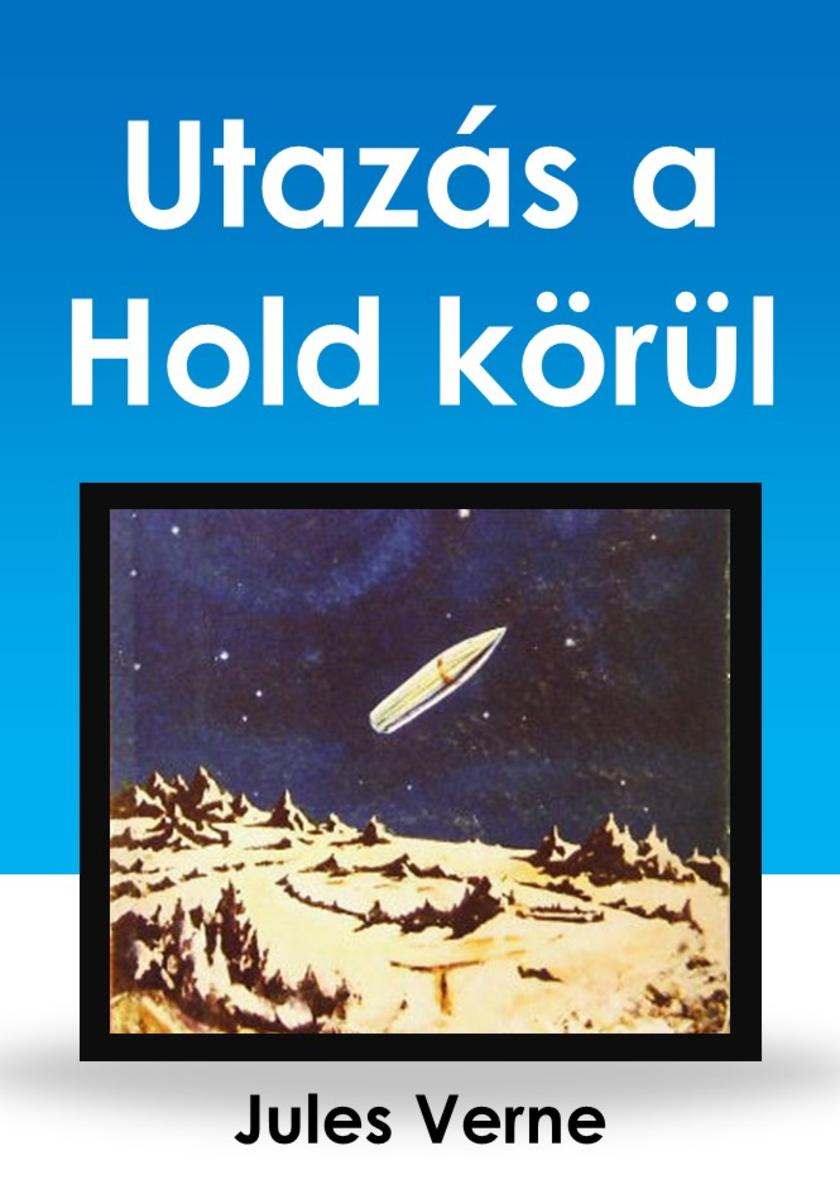
Utazás a Hold k?rül
¥8.67
Szívszaggató t?rténet a minden akadályt leküzd? szerelemr?l, és a legnehezebb d?ntésr?l, amit életünkben hozhatunk. "Lucy, minden házasság tánchoz hasonló: id?nként bonyolult, máskor csodás, ám az id? túlnyomó részében igencsak eseménytelen. Mickey-vel viszont lesznek id?k, amikor üvegszilánkokon táncoltok majd. Fájni fog. Két lehet?séged van: vagy elmenekülsz ez el?l a fájdalom el?l, vagy szorosan ?sszekapaszkodtok, és együtt táncoltok át a k?vetkez? biztos helyre." Lucy Houstonnak és Mickey Chandlernek nem lett volna szabad egymásba szeretniük, még kevésbé ?sszeházasodniuk. Mindkettejüket hibás génekkel sújtotta ugyanis a sors: a férfi bipoláris személyiségzavarral küzd, a n? családjában a mellrák szedi áldozatait. ?m amikor Lucy huszonnegyedik születésnapján útjaik ?sszetalálkoznak, fellángol a szikra, és t?bbé le sem tagadhatják az egymás iránti vonzalmukat. Elt?kélten és megfontoltan küzdenek azért, hogy a kapcsolatuk m?k?dhessen, ezért írásba foglalják ígéreteiket. Mickey szedi a gyógyszereit. Lucy nem hibáztatja azért, ami felett nincs hatalma. A férfi ?szinteséget fogad. A n? türelmet. Mint bármely házasságban, nekik is vannak jó, rossz és néha nagyon rossz napjaik. Annak érdekében, hogy megbirkózhassanak az egyedülálló kihívásokkal, szívszaggató d?ntést hoznak: nem vállalnak gyermeket. Amikor azonban Lucy megjelenik egy rutin orvosi vizsgálaton, olyan meglepetés éri, ami mindent megváltoztat. Mindent. Egy pillanat alatt értelmüket vesztik a szabályok, és ?k ketten kénytelenek újradefiniálni a szerelem valódi lényegét. A K?nyvjelz? magazin 2015. szeptemberi számában megjelent cikk: Harc a szerelemért
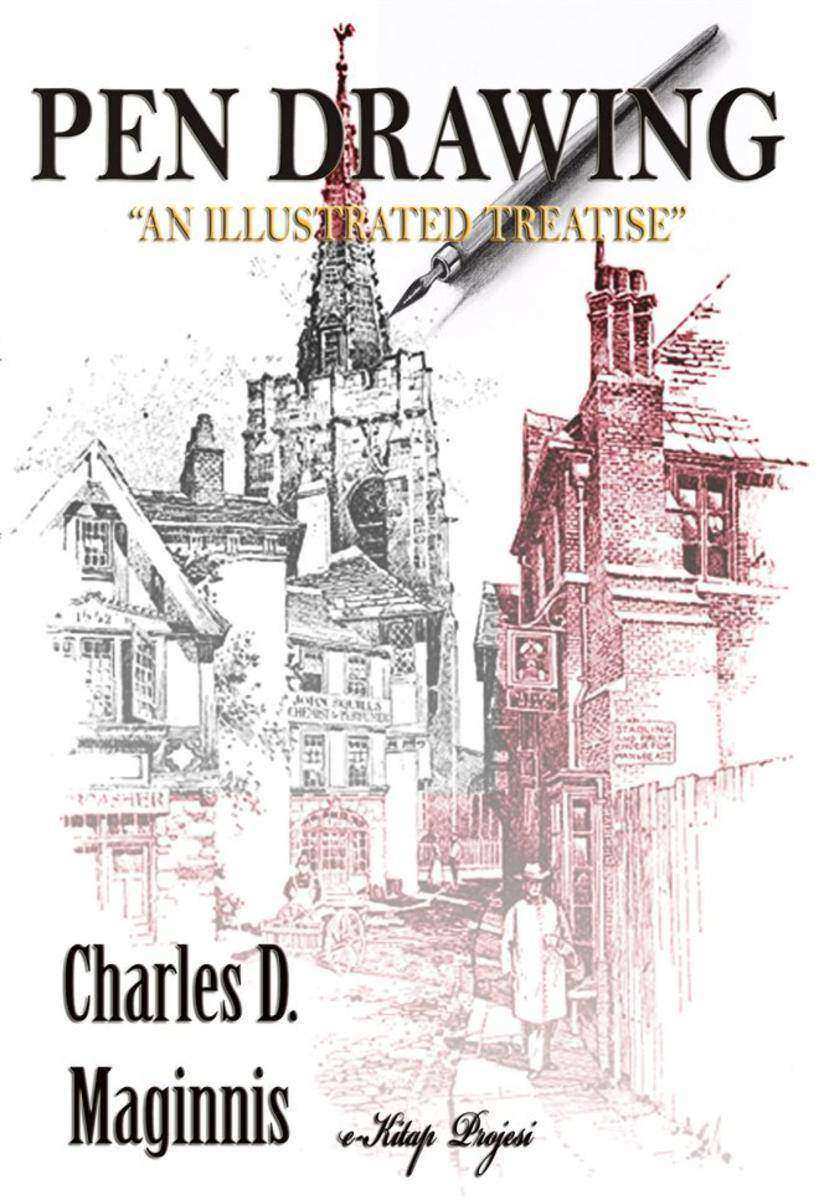
Pen Drawing: "An Illustrated Treatise"
¥18.74
The book's protagonist is an English scientist and gentleman inventor living in Richmond, Surrey in Victorian England, and identified by a narrator simply as the Time Traveller. The narrator recounts the Traveller's lecture to his weekly dinner guests that time is simply a fourth dimension, and his demonstration of a tabletop model machine for travelling through it. He reveals that he has built a machine capable of carrying a person, and returns at dinner the following week to recount a remarkable tale, becoming the new narrator.In the new narrative, the Time Traveller tests his device with a journey that takes him to A.D. 802,701, where he meets the Eloi, a society of small, elegant, childlike adults. They live in small communities within large and futuristic yet slowly deteriorating buildings, doing no work and having a frugivorous diet. His efforts to communicate with them are hampered by their lack of curiosity or discipline, and he speculates that they are a peaceful communist society, the result of humanity conquering nature with technology, and subsequently evolving to adapt to an environment in which strength and intellect are no longer advantageous to survival. Returning to the site where he arrived, the Time Traveller is shocked to find his time machine missing, and eventually works out that it has been dragged by some unknown party into a nearby structure with heavy doors, locked from the inside, which resembles a Sphinx. Later in the dark, he is approached menacingly by the Morlocks, ape-like troglodytes who live in darkness underground and surface only at night. Within their dwellings he discovers the machinery and industry that makes the above-ground paradise possible. He alters his theory, speculating that the human race has evolved into two species: the leisured classes have become the ineffectual Eloi, and the downtrodden working classes have become the brutish light-fearing Morlocks. Deducing that the Morlocks have taken his time machine, he explores the Morlock tunnels, learning that they feed on the Eloi. His revised analysis is that their relationship is not one of lords and servants but of livestock and ranchers. The Time Traveller theorizes that intelligence is the result of and response to danger; with no real challenges facing the Eloi, they have lost the spirit, intelligence, and physical fitness of humanity at its peak. Meanwhile, he saves an Eloi named Weena from drowning as none of the other Eloi take any notice of her plight, and they develop an innocently affectionate relationship over the course of several days. He takes Weena with him on an expedition to a distant structure that turns out to be the remains of a museum, where he finds a fresh supply of matches and fashions a crude weapon against Morlocks, whom he fears he must fight to get back his machine. He plans to take Weena back to his own time. Because the long and tiring journey back to Weena's home is too much for them, they stop in the forest, and they are then overcome by Morlocks in the night, and Weena faints. The Traveller escapes only when a small fire he had left behind them to distract the Morlocks catches up to them as a forest fire; Weena is presumably lost in the fire, as are the Morlocks. The Morlocks use the time machine as bait to ensnare the Traveller, not understanding that he will use it to escape. He travels further ahead to roughly 30 million years from his own time. There he sees some of the last living things on a dying Earth, menacing reddish crab-like creatures slowly wandering the blood-red beaches chasing butterflies in a world covered in simple lichenous vegetation. He continues to make short jumps through time, seeing Earth's rotation gradually cease and the sun grow larger, redder, and dimmer, and the world falling silent and freezing as the last degenerate living things die out.
Prodigal Village: "A Christmas Tale"
¥18.74
Through the Looking-Glass, and What Alice Found There (1871) is a novel by Lewis Carroll (Charles Lutwidge Dodgson), the sequel to Alice's Adventures in Wonderland (1865). The themes and settings of Through the Looking-Glass make it a kind of mirror image of Wonderland: the first book begins outdoors, in the warm month of May (4 May), uses frequent changes in size as a plot device, and draws on the imagery of playing cards; the second opens indoors on a snowy, wintry night exactly six months later, on 4 November (the day before Guy Fawkes Night), uses frequent changes in time and spatial directions as a plot device, and draws on the imagery of chess. In it, there are many mirror themes, including opposites, time running backwards, and so on. Short Summary: Alice is playing with a white kitten (whom she calls "Snowdrop") and a black kitten (whom she calls "Kitty")—the offspring of Dinah, Alice's cat in Alice's Adventures in Wonderland—when she ponders what the world is like on the other side of a mirror's reflection. Climbing up on the fireplace mantel, she pokes at the wall-hung mirror behind the fireplace and discovers, to her surprise, that she is able to step through it to an alternative world. In this reflected version of her own house, she finds a book with looking-glass poetry, "Jabberwocky", whose reversed printing she can read only by holding it up to the mirror. She also observes that the chess pieces have come to life, though they remain small enough for her to pick up. Upon leaving the house (where it had been a cold, snowy night), she enters a sunny spring garden where the flowers have the power of human speech; they perceive Alice as being a "flower that can move about." Elsewhere in the garden, Alice meets the Red Queen, who is now human-sized, and who impresses Alice with her ability to run at breathtaking speeds. This is a reference to the chess rule that queens are able to move any number of vacant squares at once, in any direction, which makes them the most "agile" of pieces. The Red Queen reveals to Alice that the entire countryside is laid out in squares, like a gigantic chessboard, and offers to make Alice a queen if she can move all the way to the eighth rank/row in a chess match. This is a reference to the chess rule of Promotion. Alice is placed in the second rank as one of the White Queen's pawns, and begins her journey across the chessboard by boarding a train that literally jumps over the third row and directly into the fourth rank, thus acting on the rule that pawns can advance two spaces on their first move.
The Three Musketeers
¥8.67
gy tnik, Analfa nem hajlandó beletrdni a vereségbe. A szigligeti Alkotóházban egyre külnsebb dolgok trténnek, és a konyhás nénik is olyan furcsák… Szerencsére az írón segítségére siet a kzelben táborozó 5. d. De ebbl vajon mi lesz! Ha szeretitek a kalandot, a humort, a Balcsit, ha izgalmas olvasmányra vágytok, ez a ti knyvetek! Ajánlom lányoknak és fiúknak. Gyereknek és felnttnek. Ez a knyv boszorkányosan tündéres. Vagy tündéresen boszorkányos De tudjátok, mit Dntsétek el magatok!” – Nagy Judit, aszódi okleveles Tündérknyvtáros Nem szeretsz olvasni Hiszen most is olvasol! Ráadásul pont az én ajánlómat. Ha már elkezdted, kérlek, olvasd végig… lehetleg a teljes Tündérboszorkány-trilógiát. Meglátod, nem fogod megbánni! Tündérknyvtárosi becsületszavam adom rá!” – Paraginé Tóth Edina, zákányszéki okleveles Tündérknyvtáros Analfa, add fel! A Jóhegyi Lacik és a Tündérknyvtárosok nyerésre állnak. Szerintünk mindenképp!” – Kolibri Kiadó

Autoanaliza
¥57.14
A nagy író kezében arannyá válik, amihez hozzányul. Gárdonyi egy-egy ritka kirándulása a színm? területére páratlan remekm?vekben jut kifejezésre. Az Annuska vidéki t?rténet. Egyszer?, természetes, vonzó, csupa der?, csupa napsugár és emellett mélyen emberi.


