


 购物车
购物车 个人中心
个人中心

Védelemben
¥39.81
"Amerika z?r?s hely volt a hatvanas-hetvenes években: diáklázadások, hippik és polgárjogi mozgalmak, na meg persze szex, drog és rock&roll minden mennyiségben. Skip Gibbs és barátn?je, Robin Abbott kezdett?l fogva benne volt a legkeményebb balhékban, csak épp nem virággal harcoltak a rendszer ellen, hanem dinamittal. Nem csoda, hogy az FBI jó pár évre kivonta ?ket a forgalomból...Robin - akinek volt ideje t?prengeni a sitten - kiszabadulva végül arra a k?vetkeztetésre jut: nincs értelme a kapitalizmus ellen harcolni, elég megsarcolni azokat, akiknek amúgy is túl sok pénzük van. Választása a dúsgazdag Ricks testvérekre esik, els?sorban azért, mert úgy sejti, Woody és az ?ccse, Mark nyomták fel ?ket annak idején a sz?vetségieknél. Robin ?rd?gi tervet eszel ki, hogy elégtételt vegyen a b?rt?nben elvesztegetett évekért. Ha kell, akár dinamittal is.A páros csak egy valakivel nem számol: a volt bombaszakért? Chris Mankowskival, aki épp Woody Ricks után nyomoz a szexi Greta Wyatt meger?szakolása ügyében. Az id?zít? ketyeg, a kérdés már csak az, mikor robban a bomba!"

?ndreptar pentru zei?e. Inspira?ii zilnice despre Supremul Spirit Feminin
¥40.79
Mai mult dec?t psihoz? este un roman psihologic. Ac?iunea se desf??oar? pe mai multe planuri, plec?nd de la jurnalul eroinei principale, Ynonne Daphne, care, suferind de dou? boli psihice, ?ncearc? s? fac? fa?? neajunsurilor bolii. Fundalul c?r?ii este unul al spitalului, prezent?ndu-se realitatea dur? a bolii. ?n aceast? atmosfer? se desf??oar? ac?iunea real? care se suprapune cu lumile din mintea lui Yvonne. Faptul c? Yvonne cre?te prin spitale o determina s? vad? ?n medicii reali – p?rin?i, dezvolt?nd psihopatii ?i fantasme care o vor urm?ri ?i ?n timpul facult??ii. Traseul psihologic este bine g?ndit ?i analizat de autoare, pun?nd-o pe eroin?, succesiv, ?n mijlocul vie?ii reale c?reia trebuie s?-i fac? fa??. Yvonne este ?ns?, psihologic vorbind, un copil, iar reac?iile ei vor fi de fiecare dat? tulbur?toare, nea?teptate. Scenariul c?r?ii va fi ancorat prin diferite medii, prin spitale, prin universit??i, la conferin?e, printre scriitori, pentru c? Yvonne ajunge scriitoare. Planul real cu cel imaginar se ?mplete?te cu fine?e, aduc?ndu-se ?n planul ?nt?i o discu?ie imaginar? la care particip? principalii scriitori ai lumii, mas? la care va participa ?i Yvonne. Fragilitatea existen?ei umane o va determina pe Yvone s? comit? o tentativ? de suicid c?reia ?i supravie?uie?te. ?n final, cel care o va face s? ?n?eleag? c? ?n lume nimic nu conteaz? mai mult dec?t prietenia, prietenia adev?rat? dintre oameni, este medicul Hermann, pentru mintea lui Yvonne tata Hermann.
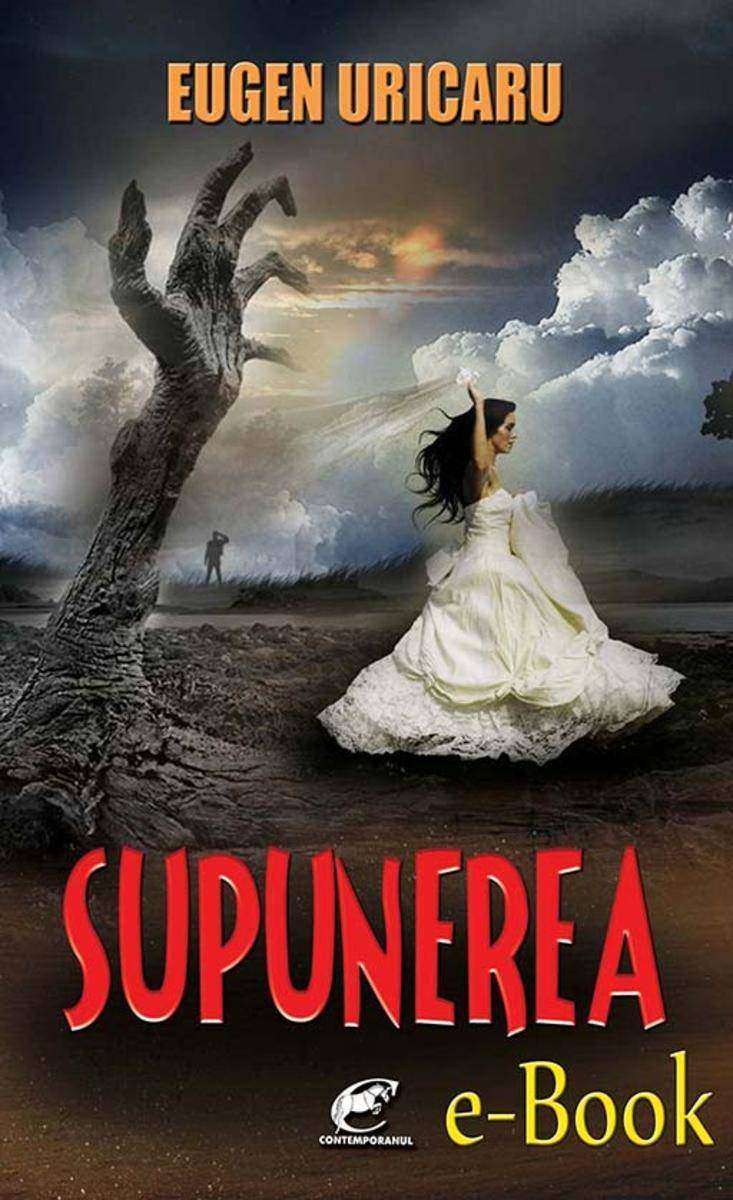
Supunerea
¥98.02
Florin Logreteanu propune noul su roman intitulat Casa cu iedera. Aciunea lui se desfoar pe fundalul evenimentelor care au premers conflictului balcanic dintre srbi i albanezi din ultimul deceniu al mileniului trecut. L-am citit n manuscris i sunt n msur s spun c e vorba de un excelent romn al psihozei colective, care lumineaz subsolurile contiinei umane.“ – Eugen Negrici
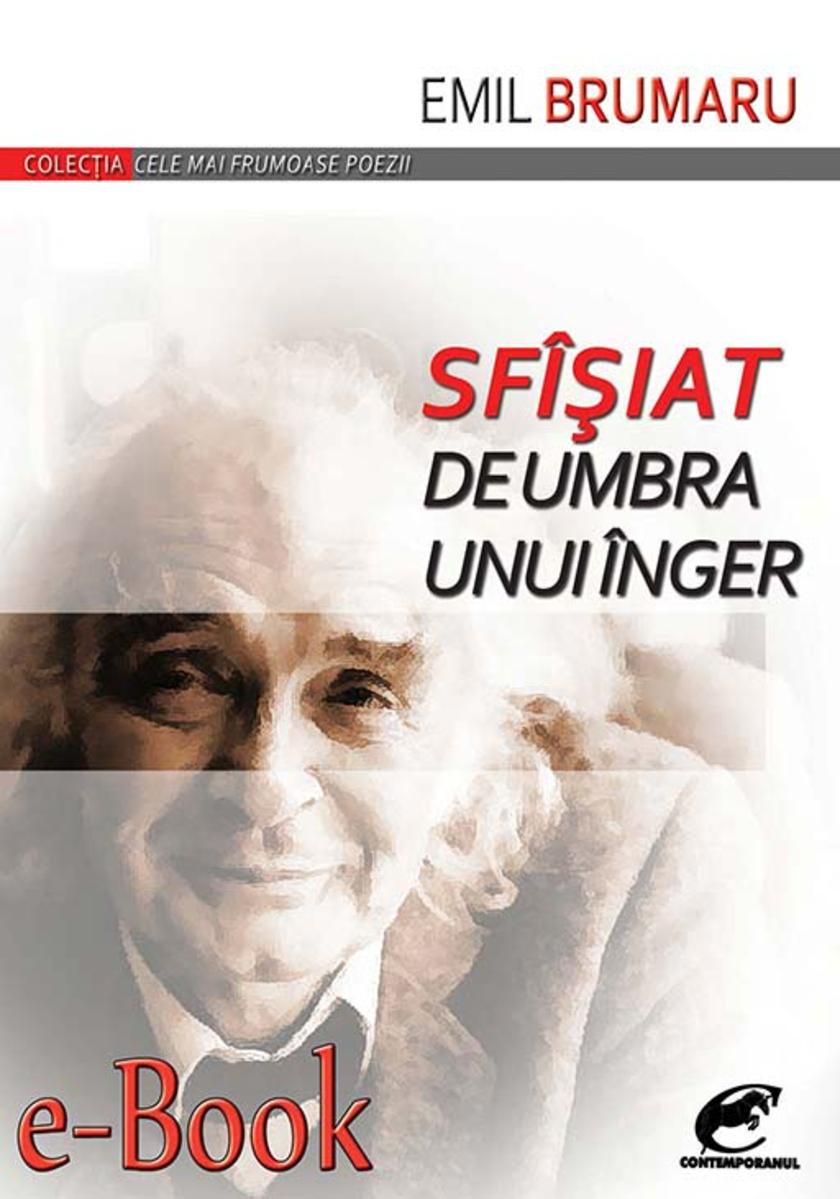
Sf??iat de umbra unui ?nger
¥40.79
Ore de diminea?? ?ntr-o nou? edi?ie. F?r? ?ndoial? un eveniment. Este cartea care arunc? ?n aer bariera dintre pacostea proletcultist? ?i dreptul elementar de a g?ndi ?i a scrie liber. Cu discre?ie dar f?r? mil? prietenul meu Platon reu?e?te s? p?trund? natura uman? ?i s? simt? r?ul acolo unde nimeni n-ar fi crezut c? se poate ascunde. Ore de diminea?? este o carte despre timpul care i-a fost lui dat. Cartea asta vine din trecut dar apar?ine ?n aceea?i m?sur? prezentului ?i, poate, timpurilor care vor veni. O carte pentru cei ce nu scot din context prezentul pe care nu ei l-au ales. ?n aceia?i m?sur?, un text pentru cei (pu?ini?!) ?n stare s? priceap? c? a trimite ca pe o cer?etoare hoa?? istoria la tribunal este, dac? nu demagogie, atunci o prostie incurabil?. Citi?i Ore de diminea??. Scris? ?i tiparit? ?n anii '70. Este cartea unui autor de seam?. G. B?l?i???
Geniu Pustiu
¥16.35
Exist? ?n activitatea publicistic? a lui Eminescu trei perioade distincte ?n cadrul c?rora putem fixa ?i c?teva momente mai semnificative pentru o problem? sau alta. Criteriul de baz? pe care ne ?ntemeiem ?n periodizarea noastr? ?l constituie schimb?rile intervenite ?n statutul personal al poetului ?n cursul activit??ii sale scriitorice?ti, schimb?ri care hot?r?sc ?n fond orientarea ?i caracterul ei. Publicistica eminescian? din prima perioad? se circumscrie ?ntre ianuarie 1870, c?nd public? primul articol, O scriere critic? ?n Albina din Pesta ?i mai 1876, c?nd intr? ?n redac?ia Curierului de Ia?i, foaia ie?ean?. Vom distinge aici o publicistic? a epocii studiilor universitare la Viena, c?nd Eminescu colaboreaz? la publica?iile rom?nilor din Imperiul austro-ungar ?i se situeaz? pe pozi?iile acestora ?n ap?rarea institu?iilor culturale, critic? dualismul ?i se afirm? ca un exponent al "tinerilor" ?n lupta pentru ?nf?ptuirea idealului de unitate na?ional? a poporului rom?n. Eminescu se manifest? ?n direc?ii multiple, de la articolul pe teme culturale la editorialul de orientare politic? ?i lansarea de apeluri c?tre public pentru solidaritatea na?ional?. Pozi?ia sa este a t?n?rului intelectual rom?n, ?nsufle?it de lupta poporului s?u ?i acest av?nt tineresc se reflect? ?i ?n publicistica sa. Acestei prime perioade se impune s?-i al?tur?m ?i un al doilea moment care coincide cu activitatea de bibliotecar la Biblioteca Central? din Ia?i. Activitatea publicistic? de acum este redus? ca extindere ?i are, ?n chip evident, caracter c?rtur?resc. Eminescu ?ine, tot acum, ?i conferin?a Influen?a austriac? asupra rom?nilor din Principate, ?n care sintetizeaz? ideile din articolele anterioare ?i din ?nsemn?rile din manuscrise ?i schi?eaz? un program pentru viitoarea sa activitate publicistic?. Perioada a doua a gazet?riei lui Eminescu o ?nscriem ?ntre 19 mai 1876, c?nd avem date sigure c? poetul intr? ca redactor la Curierul de Ia?i, ?i ultima s?pt?m?n? din octombrie 1877, c?nd p?r?se?te redac?ia foii ie?ene. Se produce acum o schimbare fundamental? ?n statutul personal al poetului, ?n sensul c? devine ziarist profesionist. Foaia ie?ean? era, pe de alt? parte, o publica?ie oficial?, cu o apari?ie de trei ori pe s?pt?m?n? ?i care rezerv? p?r?ii neoficiale, din cele patru pagini, una singur?. Concep?ia lui Eminescu despre menirea ziarelor este cea a ?nainta?ilor s?i Asachi, Kog?lniceanu, Alecsandri, Negruzzi, care f?ceau din publica?iile lor organe de pres? cu caracter enciclopedic. Pe acest drum merge ?i Eminescu ?i ?n acea singur? pagin? o unei foi oficiale face cronic? de politic? extern?, cronic? de politic? intern?, cronic? cultural?, cronic? dramatic? ?i artistic?. Nic?ieri ?n gazet?ria lui Eminescu nu se vede mai bine ca la Curierul de Ia?i ce poate realiza geniul cu mijloace materiale reduse ?i ?ntr-un spa?iu tipografic restr?ns. Activitatea publicistic? a poetului surprinde prin diversitatea problemelor abordate, prin seriozitatea ?i buna informare ?i prin modul de-a polemiza ?n chestiunile controversate. Aici, la Curierul de Ia?i – ?i nu la Timpul – ?l g?sim pe Eminescu cronicarul de politic? extern?, cronicarul cultural ?i cronicarul dramatic. Perioada a treia a gazet?riei lui Eminescu este cuprins? ?ntre octombrie 1877, data intr?rii ?n redac?ia Timpului, cotidianul bucure?tean, ?i iunie 1883, pr?bu?irea sa intelectual?. Aparent nu se schimb? nimic ?n statutul personal al poetului, de vreme ce trece ca ziarist profesionist de la foaia ie?ean? la cotidianul bucure?tean. ?i totu?i situa?ia nu se prezint? a?a. Poetul intr? ?n redac?ia Timpului, ca simplu redactor, cum era ?i I. Slavici, la chemarea c?ruia p?r?se?te foaia ie?ean?, trece apoi ?n fruntea ziarului, ca redactor-?ef, ca s? ocupe, ?n final, postul de prim-redactor. Eminescu ??i asum? sarcina, la intrarea ?n redac?ia Timpului, s? fac? cronica de politic? intern? ?i se ocup? cu intermiten?e de evenimentele interna?ionale ?i de mi?carea cultural?. Publicistica sa cunoa?te, sub aspectul diversit??ii, o ?ngustare evident? ?n raport cu cea de la foaia ie?ean?. Dar dac? la cotidianul bucure?tean nu ne ?nt?mpin? peisajul caleidoscopic din foaia ie?ean?, se impune aten?iei ?nc? din primele articole amplificarea discursului critic ?i verva polemic?. Publicistica eminescian? cunoa?te desf??urarea cea mai larg? ?ntre februarie 1880 ?i decembrie 1881. Acum Eminescu este redactor-?ef al cotidianului bucure?tean ?i ?l transform? ?n organ de pres? al orient?rii sale politice. Poetul sus?ine, ?n zeci de articole, primatul muncii ?n promovarea ?n ierarhia social?, ia ap?rarea "claselor pozitive" ?i critic? ?n termeni necru??tori "p?tura superpus?" ?i demagogia din via?a politic?. Eminescu p?r?se?te conducerea Timpului ?n ianuarie 1882, ca urmare a apropierii "sincerilor conservatori" de "sincerii liberali" ?i a form?rii "opozi?iei coalizate". Poetul trece r?spunderea conducerii ziarului lui Grigore G. P?ucescu, membru marcant al "opozi?iei coalizate" ?i r?m?ne prim-redac
Amintiri
¥16.35
Cu totul nea?teptat, Susan Morrow prime?te manuscrisul unui roman scris de Edward, so?ul de care a divor?at ?n urm? cu dou?zeci ?i cinci de ani. Pe m?sur? ce cite?te, Susan ?i, odat? cu ea, cititorul ?nsu?i p?trund din ce ?n ce mai ad?nc ?n via?a personajului principal al romanului din roman, profesorul de matematic? Tony Hastings, care c?l?tore?te ?mpreun? cu so?ia ?i fiica lui spre casa lor de vacan??. ?n vreme ce via?a obi?nuit?, civilizat?, a familiei Hastings cade prada violen?ei ?i crimei, o sumedenie de amintiri tulbur?toare o arunc? pe Susan ?napoi ?n trecut, provoc?nd-o s? se confrunte cu tenebrele propriei vie?i ?i cu teama care ?i amenin?? viitorul. Un thriller cutremur?tor se ?mbin? astfel cu o poveste despre team? ?i regret, despre r?zbunare ?i ?mb?tr?nire, despre c?s?torie ?i creativitate.Cu un talent literar unic, Austin Wright ilustreaz? fascinant? experien?? a lecturii, prin rela?iile pe care le creeaz? at?t ?ntre cititor ?i oper?, c?t ?i ?ntre autor ?i cititor, ?ntr-o scriere surprinz?toare ?i pasionant?.
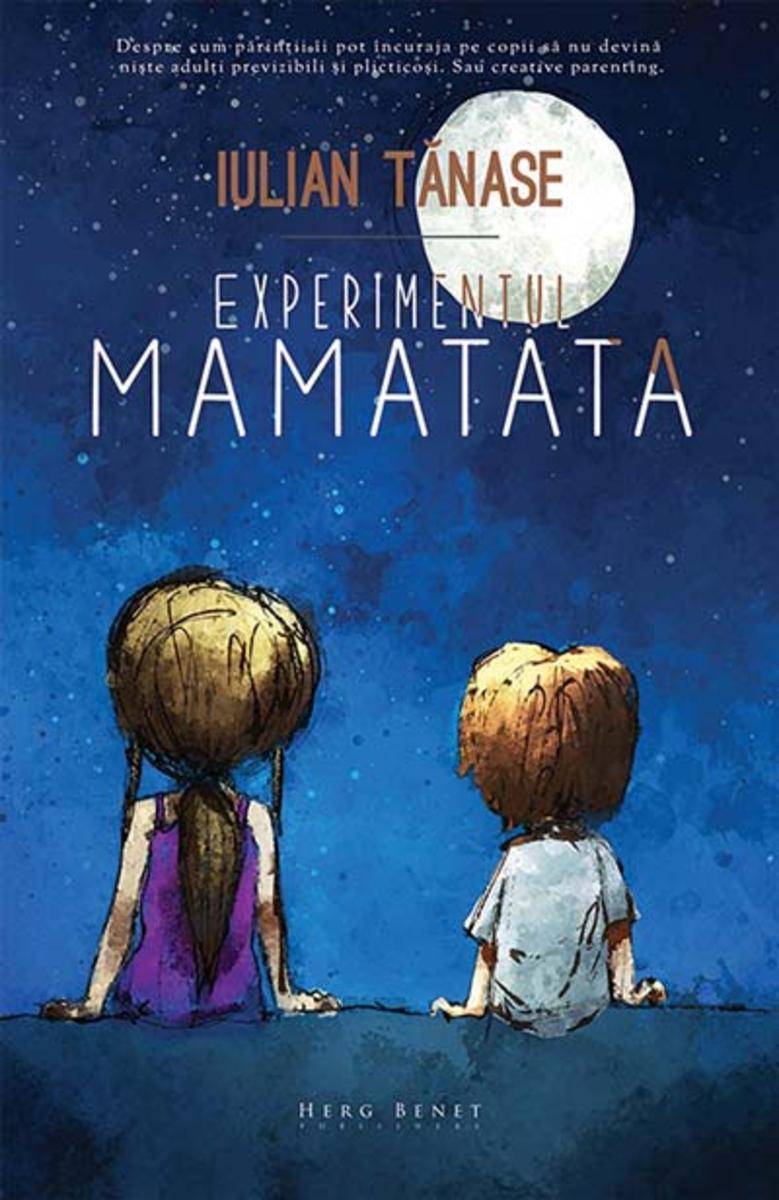
Experimentul MAMATATA
¥57.14
Alexandra, o adolescent? rebel?, este trimis? de p?rin?i s? ??i petreac? vacan?a de var? ?ntr-un sat din Transilvania, pentru a fi ?ndep?rtat? de o iubire considerat? imoral?. Odat? ajuns? ?n V., ea este atras? de pove?tile localnicilor legate de o crim? s?v?r?it? ?n urm? cu mai mult de un veac: contesa Aneke fusese acuzat? de incest ?i vr?jitorie ?i ucis? ?n p?dure. Alexandra porne?te pe urmele contesei, hot?r?t? s? afle ce s-a ?nt?mplat cu adev?rat. Castelul ascunde mistere la fiecare col?… Pe m?sur? ce fapte ?i personaje stranii ies la iveal?, Alexandra ??i d? seama c? are ?n comun cu frumoasa vr?jitoare mai mult dec?t ?i-ar fi imaginat, inclusiv iubirea ei secret? ?i interzis?. Va reu?i Alexandra s? salveze aceast? iubire ?i ?n final propria via??, sau va avea soarta tragic? a Anekei? Dou? lumi distincte se ?ntrep?trund: lumea adolescen?ilor de azi, cu Facebook, concerte rock, tatuaje ?i pierce-uri, ?i lumea contesei disp?rute, cu intrigi de curte ?i pove?ti uitate. Un mistery romance ?n tonuri ?ntunecate despre incest, supersti?ii, tr?d?ri, secrete, legende transmise peste veacuri
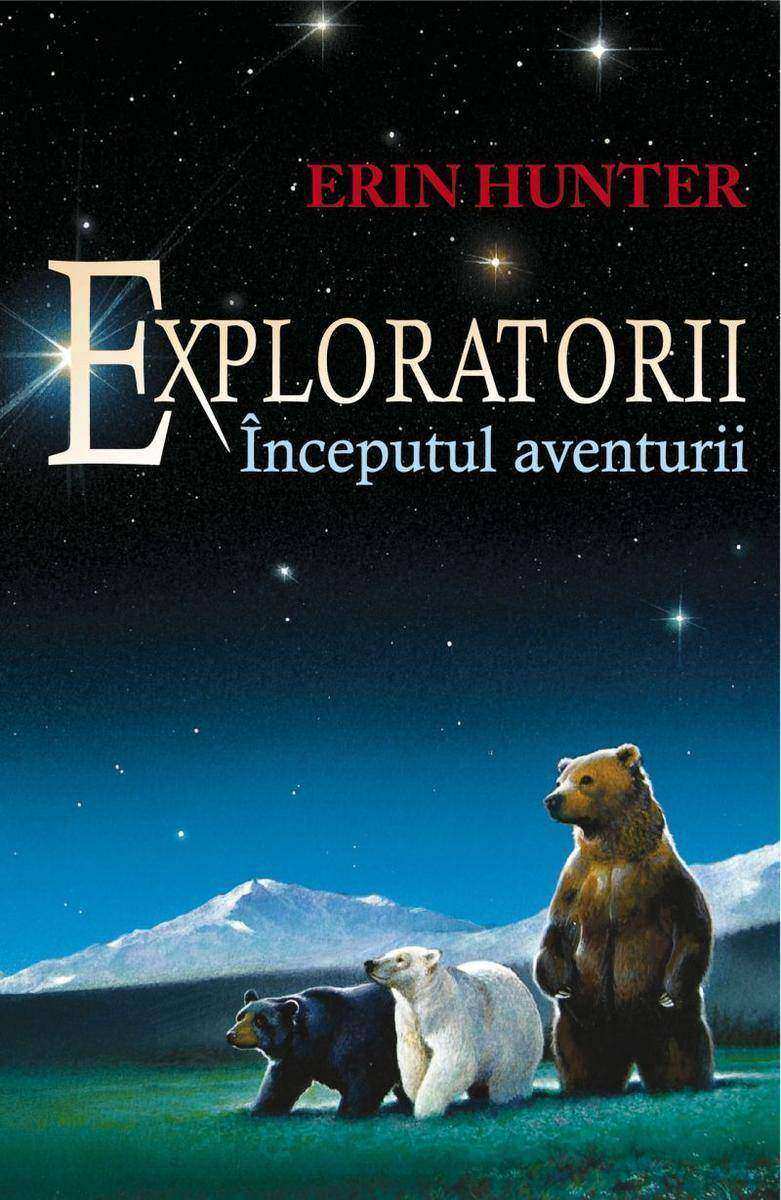
Exploratorii. Cartea I - ?nceputul aventurii
¥65.32
Nora ar trebui s? ?tie c? via?a ei este departe de a fi perfect?. De?i cu ajutorul lui Patch, iubitul ?i ?ngerul ei p?zitor, a sc?pat cu via?? dintr-o serie de incidente cu totul neobi?nuite, primejdia e departe de a fi trecut. Rela?ia cu Patch nu este ?n cel mai bun moment al ei, iar Marcie Millar pare mai hot?r?t? ca oric?nd s?-i fac? Norei via?a un co?mar. De parc? nu ar fi de-ajuns, un nou du?man ?ncearc? s? o distrug?, iar moartea tat?lui ei r?m?ne ?n continuare un mister. Cum Patch nu numai c? nu ?i r?spunde la ?ntreb?ri, dar pare chiar s?-i stea ?n cale, Nora se vede nevoit? s? afle r?spunsuri de una singur?. Nu se anun?? o var? prea tihnit?, nu-i a?a?Continuarea bestsellerului ?ngerul nop?ii de Becca Fitzpatrick.Roman publicat ?n 35 de ??ri
Razboi civil
¥48.97
O misiune himeric?, un echipaj condus de un nes?buit, un pasager clandestin cu o mare problem? ?i o mare speran??. ?i ?n jur o lume de ghea?? a c?rei splendoare nu e egalat? dec?t de cruzimea cu care respinge via?a uman?. La 1850, vasul Impetus porne?te spre nord vest, din Groenlanda, ?n c?utarea expedi?iei pierdute a lui Franklin. Cu ?nt?rziere – sezonul propice navig?rii se apropie de final. ?nainteaz?, totu?i, cu ?nver?unare, ?n ciuda tuturor semnelor potrivnice. P?n? c?nd vasul r?m?ne captiv ?n imensul pustiu arctic, f?r? nici o posibilitate de mi?care, nici ?nainte, nici ?napoi. Femeia ?ns?rcinat? care se ascunsese la bord va na?te aici, iar copilul va deveni noul centru de greutate al vasului prins ?n ghea??. Ie?irea la suprafa??, cea de a doua carte a t?n?rului scriitor irlandez Cormac James, este romanul unei expedi?ii la cap?tul lumii, dar ?i al unei aventuri domestice: paternitatea. O carte f?r? nici un cuv?nt ?n plus.

Vecinul
¥66.22
Dup? Aurul spartanilor ?i Imperiul pierdut, so?ii Sam ?i Remi Fargo se ?ntorc ?ntr-o nou? aventur? extraordinar?.Mae?tri ai v?n?torilor de comori, Sam ?i Remi Fargo nu sunt deloc obi?nui?i cu v?n?toarea de oameni. Dar un baron texan al petrolului apeleaz? la ei cu o rug?minte personal?: un detectiv particular angajat s?-i g?seasc? tat?l disp?rut s-a pierdut f?r? urm? ?i el. Dat fiind c? detectivul le este prieten, ar fi dispu?i Sam ?i Remi s?-i caute pe am?ndoi? ?n ciuda suspiciunilor, cei doi accept? noua provocare, iar ceea ce vor descoperi va fi mai mult dec?t ?i-ar fi putut imagina. ?n c?l?toria care ?i poart? prin Tibet, Nepal, Bulgaria, India ?i China, Sam ?i Remi Fargo se trezesc implica?i ?n traficul cu fosile de pe pia?a neagr?, descoper? un cuf?r vechi de secole, un regat tibetan disp?rut, un dirijabil inventat cu secole ?naintea vremii sale… ?i un schelet care ar putea transforma complet ?ntreaga istorie a evolu?iei umane.Plin de imagina?ie ?i cu un suspans care-?i taie r?suflarea, Regatul dovede?te ?nc? o dat? de ce Clive Cussler este considerat ?unul dintre cei mai buni autori contemporani de thriller“. – New York PostRomanele lui Cussler sunt publicate ?n peste 40 de limbi, ?n mai bine de o sut? de ??ri ale lumii.

Exploratorii. Cartea a II a - Lacul Marelui Urs
¥65.32
N?scut ?ntr-o clopotni??, ?ntr-un sat din Alpii Elve?ieni, Moses, fiul unei s?rmane surdo-mute este ?nzestrat cu un auz remarcabil ?i cu o voce la fel de limpede precum sunetul uria?elor clopote sub care a v?zut lumina zilei. Sunetele ?i vor fi harta cea mai de ?ncredere pe parcursul vie?ii sale marcate de muzic?, la ?nceput ?n corul unei m?n?stiri ?i, ?n cele din urm?, pe scenele celor mai de seama teatre din Viena ?i din Vene?ia. Binecuv?ntare, dar ?i blestem, vocea sa angelic? este vocea unui musico, castrat ?mpotriva propriei voin?e, pentru a-i p?stra puritatea ?i limpezimea. Moses ??i va tr?i iubirea pentru o t?n?r? nobil? din Sankt Gallen cu intensitate fidel? ?i tragism, p?n? la cap?t, asemenea lui Orfeu, ?n opera cu care ??i face nea?teptat debutul pe scena, la premiera dirijat? de celebrul Gluck.Adev?ruri sf??ietoare, frumuse?e, arta, ur?, conspira?ii, z?mbete printre lacrimi ?i mai ales sunete care s? exprime emo?ii ?ntr-un limbaj universal… romanul lui Harvell ?nf??i?eaz? o poveste str?lucitoare ?i grav?, c? b?taia ?n amurg a marelui Pummerin, din Catedrala Sf?ntul ?tefan.Roman publicat ?n 12 ??ri.
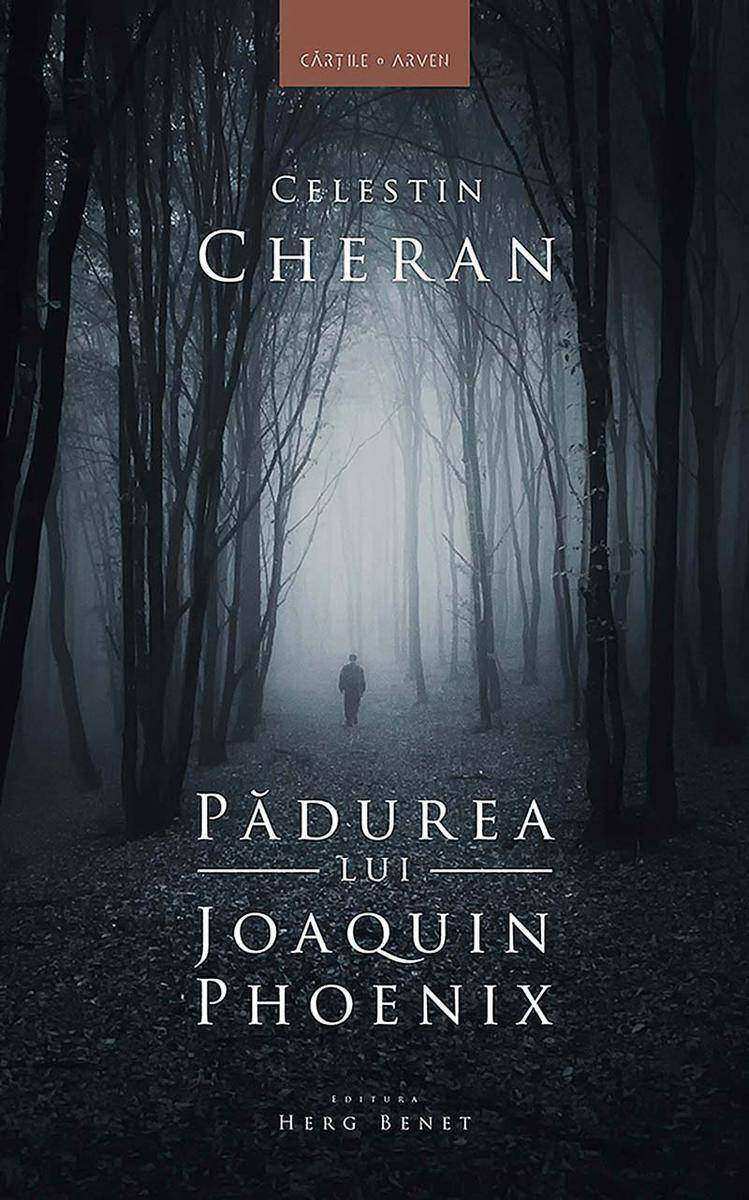
P?durea lui Joaquin Phoenix
¥57.14
Prin?i ?ntr?o capcan?, un pu? ?n mijlocul p?durii, doi copii, fratele cel Mare ?i fratele cel Mic, ?ncearc? s? supravie?uiasc? ?i s? g?seasc? o cale de salvare. Timp de s?pt?m?ni ?ntregi, asupra lor se abat suferin?e greu de imaginat: foame, sete, frig, spaim?, o lent? degradare a s?n?t??ii fizice ?i a celei mintale. Limbajul urmeaz? traiectoria acestei degrad?ri, pornind de la concizia rece a ?ocului ini?ial ?i ajung?nd la completa destr?mare a sensului caracteristic? delirului, la poezie desc?tu?at?, la strig?t pur ?n numele tuturor celor prin?i ?n capcan?. Eliberarea din capcan? este prilejul unei izbucniri de violen?? care aduce ?i lumin? asupra situa?iei ini?iale, r?mas? neexplicat? pe tot parcursul calvarului ?ndurat de cei doi copii, dar ?i o bre?? spre realitatea lumii ?n care tr?im. ?– C?nd ie?im afar?, facem o petrecere. – O petrecere? – Da. – Din?aia cu baloane, cu lumini ?i cu pr?jituri? – Nu, din?aia cu pietre, cu tor?e ?i cu e?afoade.“
?tefan cel Mare ?i Sf?nt. 500 de ani de nemurire
¥16.35
15 iulie 1988. Emma ?i Dexter se ?nt?lnesc ?n noaptea de dup? absolvirea universit??ii. A doua zi, fiecare va porni pe propriul drum. Unde vor fi ?n aceast? zi peste un an? Dar peste doi? ?i ?n fiecare an care va urma?Em ?i Dex, Dex ?i Em – speran?e ?i oportunit??i ratate, z?mbete ?i lacrimi, certuri ?i ?mp?c?ri, succese ?i e?ecuri – o rela?ie dezv?luit? prin fr?nturi de via?? surprinse ?n aceea?i zi de 15 iulie.Dou?zeci de ani, doi oameni. O ZI.

Albastru de safir. Culorile dragostei
¥66.22
B?iatul vrea adev?rul…Criminalul vrea s? se distreze…Steven Lamb, un b?iat de doisprezece ani, sap? gropi ?n Parcul Na?ional Exmoor, ?n c?utarea cadavrului unchiului s?u, necunoscut, disp?rut la v?rsta de unsprezece ani. Bunica lui Steven este convins? c? fiul ei nu e mort ?i ?nc? ?l mai a?teapt? s? se ?ntoarc? acas?, ?n timp ce familia se destram? ?n jurul ei. Iar Steven este hot?r?t ca, aduc?nd bunicii oasele fiului ucis, s? refac? leg?turile dintre ei ?i s? dea un sens lumii din jurul s?u.O scrisoare trimis? de copil presupusului uciga? al unchiului s?u declan?eaz? un joc periculos ?ntre un copil disperat ?i un criminal ?n serie aflat ?n ?nchisoare, care se plictise?te. Un joc care va avea mult mai multe consecin?e terifiante dec?t ??i putuse imagina Steven vreodat?…“Bauer dovede?te un talent remarcabil ?n crearea ritmului, a intrigii ?i, cel mai important, reu?e?te s? intre chiar ?i ?n pielea celor mai resping?toare personaje ale sale.“ – Kirkus Reviews“Original, fluid ?i plin de atmosfer?, este un debut care ??i taie respira?ia.“ – Val McDermidPremiul Gold Dagger, 2010Roman publicat ?n 17 ??ri

Ultima vrajitoare din Transilvania - Vol. 1: Contesa Aneke
¥73.49
Romanul Raucho istorise?te povestea t?n?rului cu acela?i nume. Raucho cre?te ?n pampas, admir?ndu?i pe gauchos ?i n?zuind s? ?mp?rt??easc? via?a lor dur? ?i pitoreasc?. Este un copil rebel, c?ruia nu?i place ?coala, dar care descoper? mai t?rziu pl?cerea lecturii ?i ?ncepe s? viseze la Paris, ca to?i tinerii din vremea sa. Fascina?ia este irezistibil? ?i ?n cele din urm? ??i convinge tat?l s??l lase s? plece. Raucho are inima ?mp?r?it? ?ntre dou? pasiuni: pe de o parte ??i dore?te s? duc? o via?? de gaucho ?n mijlocul naturii, iar pe de alt? parte ar vrea s? fie un b?rbat la mod? ?n capitala Fran?ei, cufund?ndu?se ?n vicii care umplu nop?ile albe. ?n pampas viseaz? la Paris, iar la Paris duce dorul meleagurilor natale. Femeile pe care le cunoa?te fac s??i fie ?i mai greu s? ia o hot?r?re.

Umbra nop?ii
¥66.22
O noapte ploioas?, ?n Londra. Un ritual de ini?iere din cadrul unei bande se sf?r?e?te cu focuri de arm? ?ntr-o ma?in? care vireaz? brusc pe trotuar ?i plonjeaz? ?ntr-o sta?ie de autobuz. Totul duce la moartea unei victime nevinovate. Dar realitatea este mult mai teribil?…O via?? este distrus? ?i alte trei sunt marcate pentru totdeauna: a t?n?rului care a ap?sat pe tr?gaci, a unui b?tr?n gangster care pl?nuia o r?zbunare mortal? ?i a femeii ?ns?rcinate care se lupt? cu disperare s? descopere adev?rul. Cum se va descurca ea, cu numai dou? s?pt?m?ni ?nainte de a na?te, ?ntr-o lume ?n care moartea este un risc profesional??ntr-un ora? ?n care violen?a poate fi ?nt?mpl?toare sau meticulos planificat?, ?n care bandele de adolescen?i intr? ?n conflict cu cele ale infractorilor de carier? ?i ?n care loialitatea se pl?te?te cu s?nge, orice este posibil.
Basica Lumii si a ne'Lumii
¥81.67
Aventura lui Arn Magnusson continu?. Al doilea volum al Trilogiei Cruciadelor este o combina?ie incitant? ?ntre adev?r istoric ?i fic?iune, ?ntre riscurile misiunii unui b?rbat ?i peniten?a unei femei, r?scump?r?nd am?ndoi acela?i p?cat. Un amestec de ur? politic? ?i religioas?, pe de o parte, ?i prietenie n?scut? din recuno?tin??, pe de alt? parte.

Jurnal de librar
¥57.14
T?n?rul austriac Oskar Voxlauer ?ncearc? s? scape de ororile r?zboiului. ?n Primul R?zboi Mondial dezerteaz?. Dup? nou?sprezece ani petrecu?i ?n Ucraina, se ?ntoarce acas?, dar nimere?te ?n plin? ascensiune a nazi?tilor, iar r?zboiul ?l ajunge din urm?. Nici ?n p?dure nu poate sc?pa, nici iubirea nu este un refugiu posibil.

Disparitia din Silver Water
¥65.32
Autorul bestsellerurilor interna?ionale CAP?TUL CERCULUI ?i PAZNICII LEG?M?NTULUI ?n 1970, Silvana, fiica lui Giovanni Nobile, profesor de teologie la Vatican, este r?pit? din ordinul unei secte religioase ?i ?ncuiat? ?ntr-un sicriu. Dac? Nobile nu le pred? un pergament vechi de mii de ani, numit Manuscrisul lui Lucifer, r?pitorii amenin?? c? o vor l?sa pe Silvana ?n co?ciug p?n? la moarte. Patruzeci de ani mai t?rziu, arheologul Bj?rn Belt? descoper? ceea ce pare s? fie un fragment din misteriosul manuscris ?i se treze?te din nou ?inta unor atacuri inexplicabile. Singura cale de a sc?pa de urm?ritori este s? dezlege taina manuscrisului ?i s? aduc? la lumin? un secret uluitor, p?zit cu str??nicie de mai bine de patru milenii. ?Scriu c?r?ile pe care mi-ar pl?cea s? le citesc – c?r?i care m? intrig?, m? entuziasmeaz?, m? provoac?, m? ?nva?? lucruri noi, dar ?i c?r?i care m? sperie...“ Tom Egeland ?Manuscrisele str?vechi, miturile din jurul lor ?i impactul pe care l-au avut asupra omenirii ar p?rea de interes numai pentru erudi?i, dar ?n m?inile lui Egeland iau foc ca praful de pu?c?.“ Dagsavisen ?Romanul creeaz? suspans nu numai la suprafa?a evenimentelor, ci ?i ?n ad?ncime, prin viziunea tulbur?toare pe care o propune asupra ?ngerilor, a demonilor, a lui Dumnezeu ?i a Satanei.“ Aftenposten

Dear Darlin'. Namor
¥32.62
E la mijloc un mister negru. erpuitor. Cu femei puternice, regsindu-se n albia nopilor. Cu brbai pierdui n hiurile existenei. Cu adolesceni care asist gur-casc la felul n care morii dau buzna n existena de zi cu zi. Sunt pagini dense, pe mari poriuni memorabile, de un erotism subtil, nvalnic, mpuns de botul fraged al morii care-este-pretutindeni. Madeleine Davidsohn are lejeritatea i familiaritatea lucrurilor artate la lumina zilei de creatorii obiectelor artizanale, confecionate cu o art motenit din tat n fiu, ce-i transmit reciproc secretele meseriei, trucurile tiute exclusiv de membrii clanului de meseriai.“ – Aura Christi

Regulile creierului
¥65.32
Un nou bestseller interna?ional de la creatorii seriei ?Pisicile r?zboinice” Lumea nu va mai fi niciodat? la fel dup? Marele M?r?it - a?a s-ar numi un cutremur devastator v?zut prin ochii unui c??el. P?m?ntul s-a despicat pe de-a ?ntregul ?i au disp?rut toate labele-lungi – a?a s-ar numi semin?ia omeneasc? prin ochii aceluia?i c??el. Hrana a devenit aproape imposibil de g?sit, apa este otr?vit?, iar du?manii mi?un? la tot pasul. ?n aceast? situa?ie, c?inii se v?d nevoi?i s? deprind? toate aptitudinile unor supravie?uitori. A venit vremea lor s? domine lumea. Norocel, un C?ine Singuratic obi?nuit s? tr?iasc? pe cont propriu, s-a integrat ?n Haita C?inilor Lega?i pentru a face fa?? condi?iilor dure de via?? de dup? Marele M?r?it. C?nd un atac puternic ?i pune ?n pericol nu numai pe C?inii Lega?i, ci ?i pe inamicii lor, C?inii S?lbatici, Norocel ??i d? seama c? singura lor ?ans? de supravie?uire este s? se uneasc?. Tocmai aceast? decizie ?i va provoca probleme, iar ?n cele din urm? va fi alungat din haita unit?. Cartea a IV-a prilejuie?te ?mp?carea dintre Norocel ?i Alfa, conduc?torul Haitei S?lbatice. Dar ?ntre ei r?m?ne ?n continuare o tensiune mocnit?: Alfa las? de ?n?eles c? nu va fi niciodat? dispus s? accepte compania anumitor c?ini. Haita recent unit? se afl? ?n c?utarea unui nou c?min, c?t mai ?ndep?rtat de Tab?ra C?inilor Fioro?i. C?inii descoper? treptat c? niciun teritoriu nu este complet lipsit de pericole. Atunci c?nd ?nt?lnesc un alt grup de c?ini care a supravie?uit Marelui M?r?it, Norocel sper? ca cele dou? haite s? se alieze. ?ns?, aceast? nou? Hait?, condus? de Teroare, laba dreapt? a C?inelui-Spaim?, s-ar putea s? se transforme ?n cel mai periculos inamic pe care l-au ?nt?lnit vreodat?... ?O carte plin? de ?nt?mpl?ri palpitante ?i minunate.“ - Kirkus Reviews ?Tinerii cititori vor g?si o mul?ime de lucruri fascinante ?n aceast? carte de aventuri, de la intriga palpitant? p?n? la caracteriz?rile fiec?rui c??el ?n parte. O lectur? ideal? pentru fanii ?Pisicilor r?zboinice?.” – Booklist ?S? vezi lumea prin ochii unui c??el ??i poate schimba viziunea asupra vie?ii. Ac?iunea ?i pericolul ?i vor ?ine pe cititori ?n suspans, iar finalul pe muchie de cu?it ?i va determina s? deschid? ner?bd?tori urm?toarea carte din serie.” - Jennifer Rummel, VOYA Din aceea?i serie: Supravie?uitorii. Cartea I - Ora?ul pustiu Supravie?uitorii. Cartea a II-a - Du?manul ascuns Supravie?uitorii. Cartea a III-a – C?derea ?ntunericului


