


 购物车
购物车 个人中心
个人中心

The Faces Of Strangers
¥46.01
The highly acclaimed author of Where Earth Meets Water returns with an arresting exploration of family and culture. When native New Yorker Nicholas Grand applies for an international student exchange program, he thinks it's an opportunity to broaden his horizons and meet some interesting people. He never imagines that a single year would have repercussions that would follow him throughout his lifetime. Nicholas is sent to Estonia, where he meets shy, sensitive Paavo, his beautiful sister Mari and their gruff father Leo – a family grappling with the challenges of life in a small country struggling to assert its post-Soviet identity. Nicholas sets off on an unforgettable journey through a foreign landscape that ultimately teaches him that some bonds can never be broken.

The Wedding Date
¥49.65
A laugh-out-loud, feel-good romantic comedy perfect for fans of Jane Costello and Mandy Baggot! Will you…date me? Delilah James, singleton and smoothie-addict, has six months to find a date for her oldest friend’s wedding. Oh, and to prove to her ex, best man Ben, that she has totally moved on since he dumped her out-of-the-blue nine months, eight days and seventeen hours ago… So, with her two BFFs playing Cupid, Delilah launches herself into the high-tech, fast-paced and frankly terrifying world of dating. Luckily there’s the hot new guy at work, Adam Sinclair, to practice her flirting on – even if, as a colleague, he’s strictly off-limits! Yet time’s running out and date after disastrous date forces Delilah to tell a little white lie – and invent a fake boyfriend! But will her secret crush on Adam ruin everything? Does she even care about Ben anymore? And is it too late to untangle her web of lies and take a real date to the wedding…?
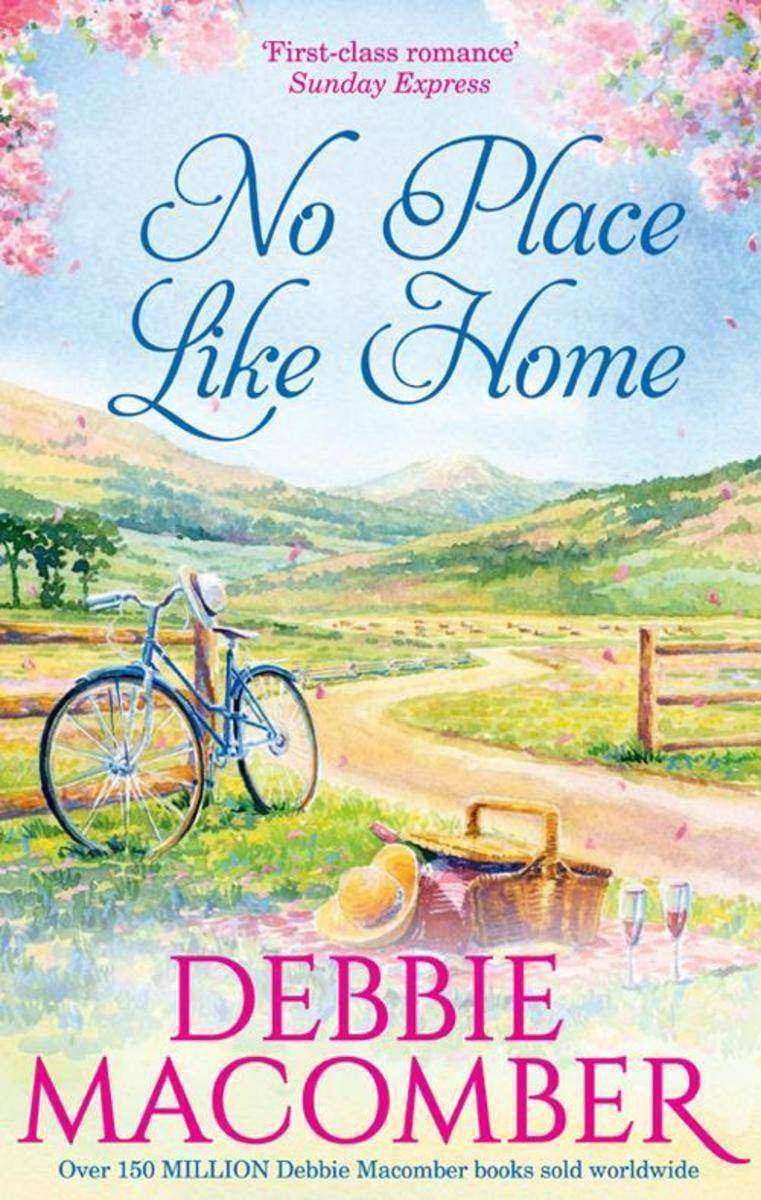
No Place Like Home
¥59.35
Home really is where the heart is… When Molly receives a call telling her that her grandfather is ill, she hurries home to Sweetgrass, Montana. She doesn’t give the stranger on the phone a second thought…until she arrives at her grandfather’s ranch to find that Sam Dakota is virtually impossible to avoid. Molly isn’t the only one with questions about Sam’s presence in Sweetgrass, where strangers are few and far between. Yet, despite the warning signs, Molly can’t deny her attraction to her grandfather’s enigmatic ranch hand. That is, until her grandfather announces that Molly must marry Sam! Moving home was one thing…matrimony is quite another! But Molly’s grandfather has always known what’s best for her…hasn’t he? Make time for friends. Make time for Debbie Macomber. ‘Just what the doctor ordered for the feel-good factor’ - Sunday Express

A Baby For The Rancher (Mills & Boon Love Inspired) (Lone Star Cowboy League, Bo
¥33.84
The Cowboy’s Unexpected Family Awakening from a months-long coma, Ben Stillwater is met with a big surprise: the footloose bachelor cowboy is a father! Ben tries to adjust to life with baby Cody and decides what the child really needs is a mom. Sheriff Lucy Benson does not seem a likely candidate—she already has her hands full closing in on the thieves who have been targeting the ranches of Little Horn, Texas. But the closer Ben gets to Lucy—and the closer they get to solving the mystery—the more it seems the free-spirited rancher and the determined officer could be the perfect match.
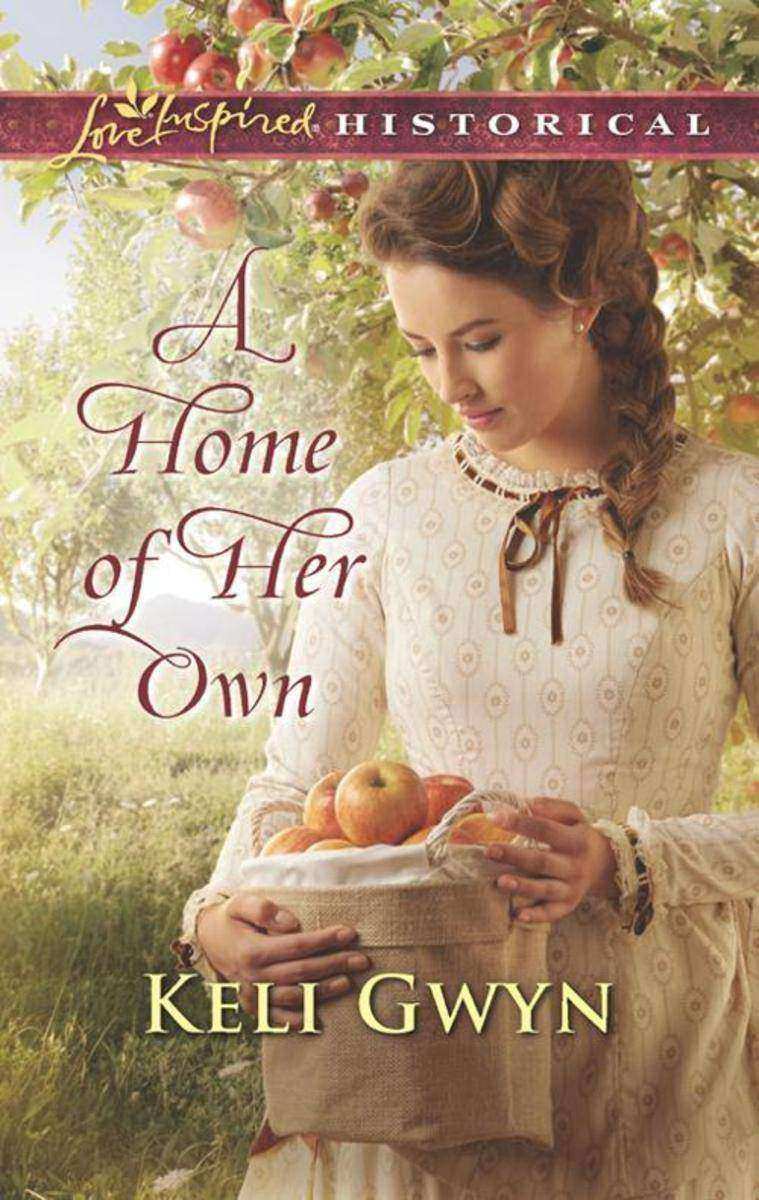
A Home Of Her Own (Mills & Boon Love Inspired Historical)
¥33.84
A Blossoming Love Becky Martin knows that she can't stay at James O'Brien's apple farm forever, but she wishes she could. After her brother framed her for arson, she flees Chicago, travelling cross country to California and finding work caring for James's ailing mother. Beneath the apple blossoms, it's almost like she has a real family…but her secret won't stay buried forever. James, scarred from an explosion, didn't expect to connect to the pretty young traveler. Could she really love someone damaged like him? He knows she's hiding something. If only she'd trust him. Can she let go of her past and believe in the possibility of a future amidst the apple trees?
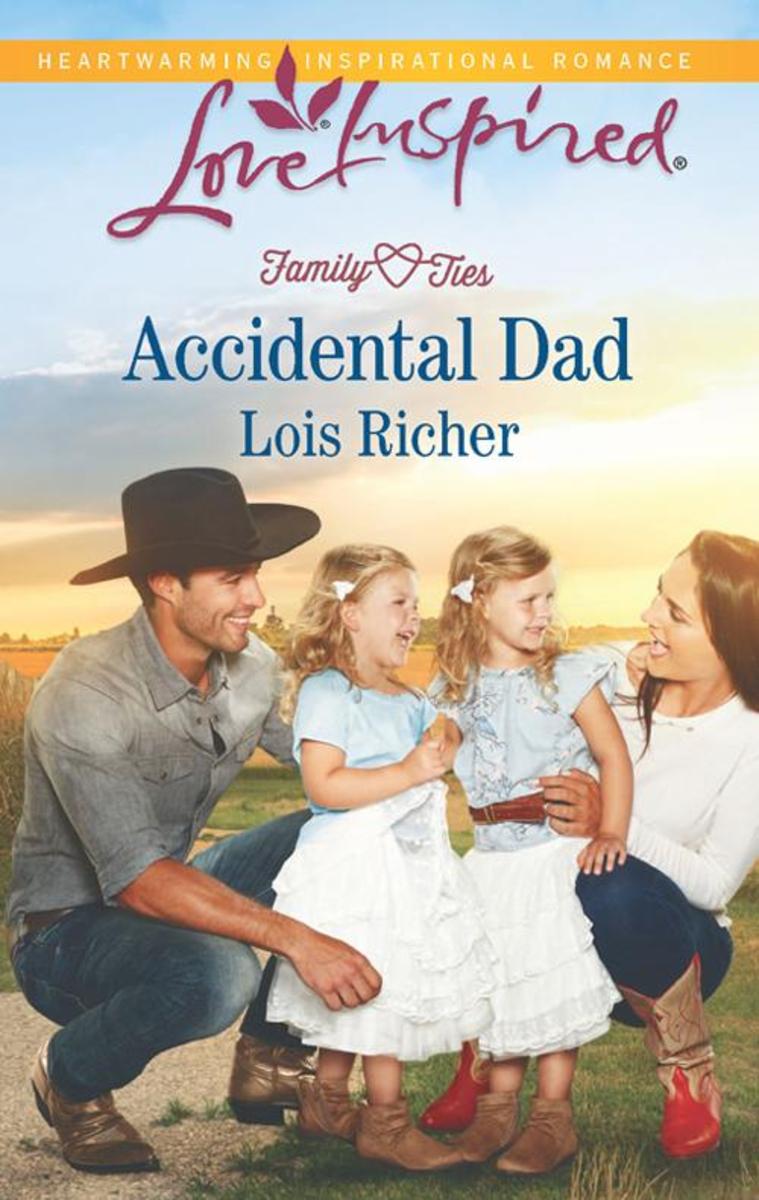
Accidental Dad (Mills & Boon Love Inspired) (Family Ties (Love Inspired), Book 4
¥33.84
A Family for the Rancher In a heartbreaking instant, rancher Sam Denver becomes guardian to his baby nephew and the young foster twins his late brother and sister-in-law hoped to adopt. With the Triple D ranch to run and two sets of grandparents to look after, the guarded cowboy is desperate for help. But when the children’s maternal aunt finally returns home to Buffalo Gap, Kelly Krause’s difficult past prevents her from believing she has much to offer Sam or the little ones. Yet when custody of the twins is in jeopardy, Sam discovers just how much his makeshift family needs Kelly…if only she’ll stay.
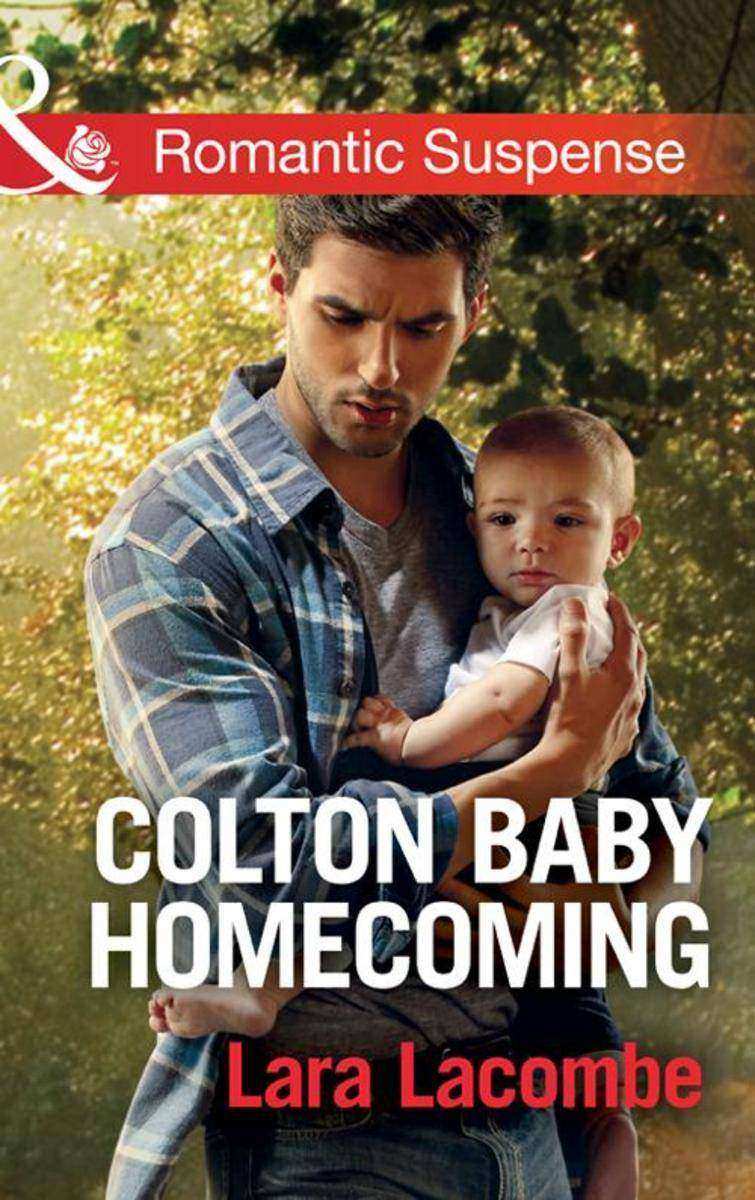
Colton Baby Homecoming (Mills & Boon Romantic Suspense) (The Coltons of Texas, B
¥30.61
A Baby to Protect Someone has left a baby on the porch of search-and-rescue expert Ridge Colton’s log cabin. Who? And why? A loner, Ridge knows nothing about caring for an infant. But when the woman who broke his heart years ago shows up to help, he’s reminded of everything he once almost had… From a wealthy family, Dr Darcy Marrow was dissuaded from loving the man whose name meant one thing in town: shame. But with a dangerous thug trying to kidnap the baby, Ridge discovers how far he’ll go to protect the little one, Darcy – and his long-guarded heart.

Cowboy At Arms (Mills & Boon Romantic Suspense) (Cowboys of Holiday Ranch, Book
¥7.26
A Cowboy to the Rescue When single mum Trisha Cahill fled her deadly ex, she never expected to feel safe again. Yet Dusty Crawford is the protector she’s always yearned for. She can’t deny her attraction to the rugged cowboy, but how can she start a new beginning with evil lurking in her past? Dusty has been intrigued by Trisha since she and her infant son arrived in Bitterroot, Oklahoma. When her life is threatened by a stalker, he won’t hesitate to act as guardian. Trisha may be running from more than her past, but Dusty will go to any extreme to keep her safe…

Her Secret Spy (Mills & Boon Romantic Suspense) (Code: Warrior SEALs, Book 2)
¥31.10
From New York Times bestselling author Cindy Dees – a thrilling new romance with a sinister edge. Lover. Trickster. Villain. Hero. Which of these is undercover spy Max Kuznetsov? Despite her psychic gifts, Lissa Clearmont isn't sure. All she knows is the gorgeous guy saved her life outside her New Orleans curio shop. And now they're fighting brutal Russian mobsters…and feeling extra-sensual passion. Although he’s protecting her, Lissa knows Max keeps his darkest self—and true mission—hidden. It pains her when Max doubts the powers that have already cost her a normal life. But when Lissa foretells inescapable danger, Max and his team of SEALS must believe in her…or the dead people she sees will be all of them.

His Secretary's Surprise Fiancé (Mills & Boon Desire) (Bayou Billionaires, Book
¥31.10
Her boss wants her in his office—and as his bride! Adelaide Thibodeaux grew up with Dempsey Reynaud, and she's worked for him for years. But when the billionaire football coach springs a surprise engagement to keep her from resigning, it's a low blow. Just as she's ready to strike out on her own, she's stuck in a fake relationship with her boss, biding her time… But soon Adelaide faces a second blow: she's actually falling for the man! Can a relationship founded on a lie become the real deal? Or will they fumble before the end zone—and stay in the friend zone?

Love By Association (Mills & Boon Superromance) (Where Secrets are Safe, Book 7)
¥33.84
Love isn't part of the job… A tough-as-nails cop, Chantel Harris faces whatever life throws at her, and then some. As part of Santa Raquel's High Risk team—created by the town's women's shelter, The Lemonade Stand—she goes undercover to expose one of the community's elite as an abuser. Looking the part is easy, but gaining acceptance into upper society circles is a different matter. That’s where gorgeous and successful lawyer Colin Fairbanks comes in. But Colin is so much more than Chantel could have dreamed. Wanting him is dangerous. Falling for him could ruin everything…

Married For Their Miracle Baby (Mills & Boon Cherish)
¥33.84
From one night…to millionaire’s wife! Ex-ballerina Saffron Wells is swept off her feet for one magical night by tycoon Blake Goldsmith, but she doesn’t expect it to end with a convenient proposal to help him secure a business deal! Since discovering she couldn’t have children, dancing was Saffron’s only dream. An injury forced her to quit but as Blake’s bride, he promises her the treatment she needs to recover. Except soon Saffron discovers that another secret dream has come true – she’s pregnant! So what does this mean for their fake marriage…?
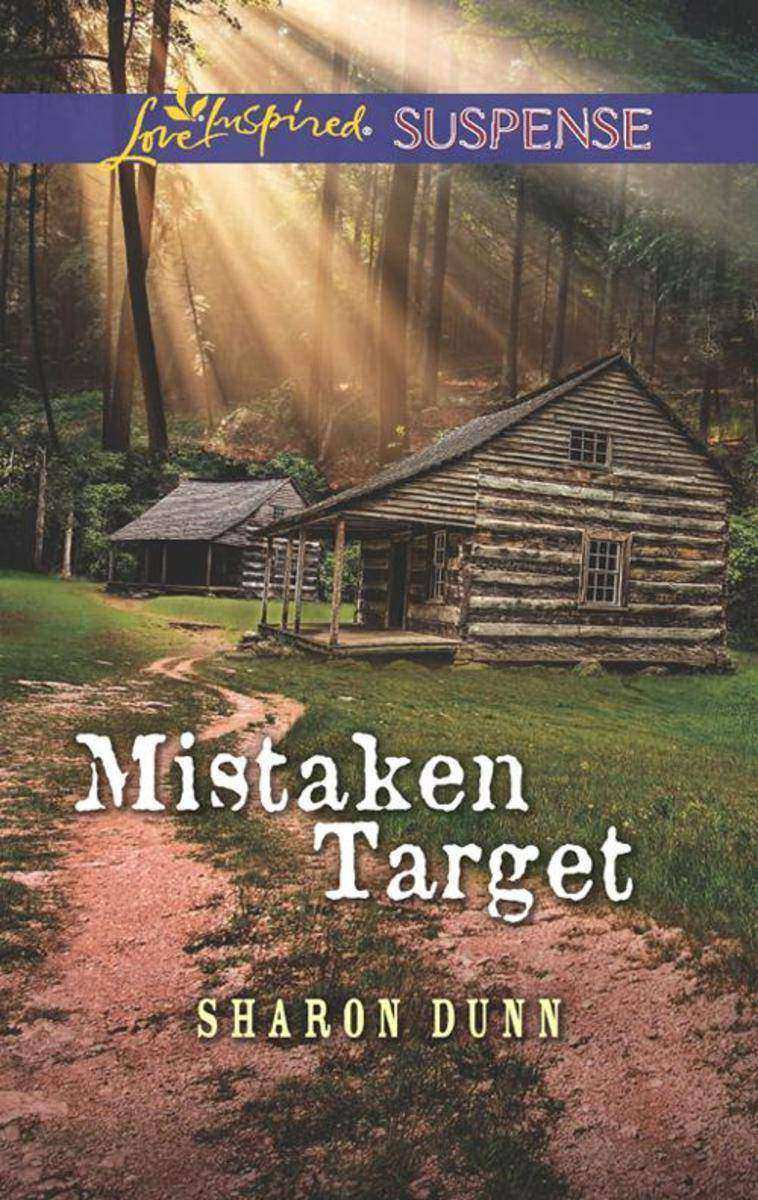
Mistaken Target (Mills & Boon Love Inspired Suspense)
¥33.84
MIDNIGHT INTRUDER The isolated island retreat was the last place anyone would look for former socialite Samantha James. Yet danger finds her anyway—accidentally. The assassin who breaks into her room doesn’t realize that she and Diego Cruz—his real target—switched cabins. But it doesn’t matter that she’s not who he came to attack. She’s seen his face…so she’s his new target. Blaming himself for her situation, Diego will do anything to keep Samantha safe. After years working undercover as an FBI informant, he’s accustomed to danger. But he’s not used to having a beautiful woman’s life resting in his hands…or a killer with everything to lose closing in on his heels.

One Life-Changing Night (Mills & Boon Medical)
¥25.21
A kiss to mean for ever? For A&E nurse Naomi Bloom, a handsome man only spells bad news. So when she’s forced to move in with her gorgeous new boss, Dr Tom Williams, she is certain he’s strictly off-limits! Tom swore he’d never love again after losing his wife. But Naomi’s presence is a breath of fresh air and Tom finds his long-held vow challenged. Will he be ready to embrace the risk when one kiss leads to a night these two will never forget?

Allegiances (Mills & Boon Intrigue) (The Battling McGuire Boys, Book 6)
¥33.84
An old enemy returns…with a new victim in the conclusion of The Battling McGuire Boys by New York Times Bestselling Author Cynthia Eden Private Investigator Sullivan “Sully” McGuire has a reputation for danger. He’s spent most of his life tracking the men who murdered his parents. The one woman who sees past Sully’s predatorial pursuit is the wife he abandoned years ago. But Celia James has returned, this time with a target on her back. In order to save Celia, Sully is forced to resurrect old demons. New dangers—and dormant desires—bring Sully and Celia close…and old enemies even closer.

English Rose In The Outback (Mills & Boon Medical) (Outback Surgeons, Book 1)
¥27.86
The lady and the surgeon! Lady Daisy Forsythe-York left the army hoping for a new adventure as a doctor in the Outback. She never expected to find it by fainting into the arms of handsome surgeon Oscar Price on her first day! Oscar isn’t looking for love, but there’s something about Daisy! And when they spend an unexpected night together, the Outback surgeon ignites all her desires…Could Oscar’s re-awakening of buttoned-up Daisy lead to more than these two guarded hearts ever expected? Outback Surgeons These Outback heroes aren’t looking for love, but in the caring country town of Meeraji Lake…it’s catching!

Every Time We Say Goodbye (Mills & Boon Heartwarming)
¥33.84
He had her at hello again… After the prom night accident that had stolen the innocence of his small lakeside hometown, Jack Llewellyn had run. The guilt—especially facing his high school sweetheart Arlie Gallagher—had been too much. Now he had no choice. He was back in town, and on Arlie’s radar. Arlie couldn’t believe that after all these years, she still had him under her skin. He was such a changed man…a responsible business owner, a single parent. Would he understand the changes she’d gone through, the secrets she lived with? She was ready to forgive him but was he ready to forgive himself? And did they have to say goodbye this time?

Greek's Pride: The Stephanos Marriage / A Passionate Surrender / The Greek Bride
¥44.24
These Greek men are… ? powerful ? passionate ? prepared to marry! Aleksi–at least until she had his wedding ring on her finger… Ana had secretly hoped her marriage of convenience to Luc Dimitriades would turn into the real thing, yet one year after taking their vows he still seemed susceptible to his mistress. Ana knew she had to leave and fought to resist his passion but Luc knew she was carrying his child… Hot-blooded tycoon Jace Dimitriades knows that women find him irresistible–and Rebekah's no exception. So how come all he's getting from her is the cold shoulder? Jace will show Rebekah that he's different, but it seems the only way is to play his ace–and propose!

In Pursuit Of His Wife (Mills & Boon Desire) (Texas Cattleman's Club: Lies and L
¥33.84
They married for convenience. Will they stay together for the baby…or for love? Nasira Edwards has come to Royal, Texas, to escape her past and stop her brother from making a terrible mistake. But her own marital mistake has tracked her down. Her husband, shipping magnate Sebastian Edwards, has followed her across the ocean and he refuses to leave Texas without his wife. Sebastian knows their convenient marriage isn’t about love. That’s the way it has to be. But the passion between them is as hot as ever. And he’s come west to coax the beauty back into his bed—while keeping his emotions in check. Then Nasira reveals she’s pregnant….

Rafael's Contract Bride (Mills & Boon Cherish)
¥33.84
A proposal of convenience! Rafael Martinez is determined to prove his worth to the aristocratic family who disowned him. He’s one step away from a business deal that will seal his success, but first he needs an aristocratic wife! Cora Brookes knows exactly how much family disapproval can hurt—and accepting Rafael’s unexpected proposal is her chance to finally redeem herself. It was only supposed to be a paper marriage, but as Rafael helps Cora step out of the shadows, suddenly it seems possible their wedding vows could last a lifetime…

The Marshal's Justice (Mills & Boon Intrigue) (Appaloosa Pass Ranch, Book 4)
¥33.84
A Texas lawman will move heaven and earth to keep his former lover and their infant daughter safe A shoot-out on the banks of Appaloosa Creek is the last place Marshal Chase Crockett expects to find his ex-lover. Former criminal informant April Landis is supposed to be in WITSEC, awaiting the birth of their child. But the desperate woman caught in the crossfire isn’t pregnant. Telling Chase he was a father–two months early–wasn’t an option with murderous thugs targeting April and their infant daughter. Despite the violence that divides them, her only prayer is to trust the Texas lawman sworn to protect his family. Until desire ambushes them again, leaving April and Chase at the mercy of a past with no promise of a future.


