


 购物车
购物车 个人中心
个人中心
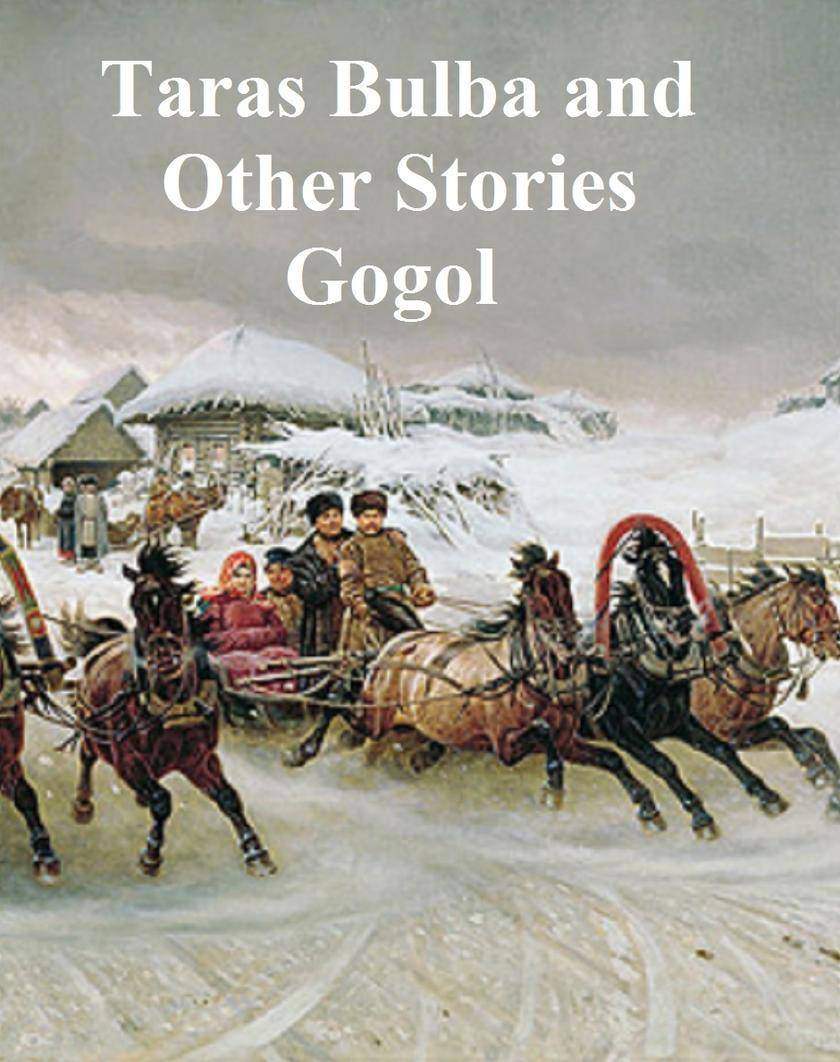
Taras Bulba and Other Tales
¥8.09
This collection includes: Taras Bulba, St. John's Eve, The Cloak, How the Two Ivans Quarrelled, The Mysterious Portrait, and The Calash. According to Wikipedia: "Nikolai Vasilievich Gogol ( 1809 - 1852) was a Russian writer of Ukrainian ethnicity. Although his early works were heavily influenced by his Ukrainian upbringing and identity, he wrote in Russian and his works belong to the tradition of Russian literature; often called the "father of modern Russian realism," he was one of the first Russian authors to criticize his country's way of life. The novels Taras Bul'ba (1835; 1842 [revised edition]), Dead Souls (1842), the play The Inspector-General (1836, 1842), and the short story The Overcoat (1842) are among his masterpieces."

The Schoolmistress and Other Stories
¥8.09
This collection includes: THE SCHOOLMISTRESS, A NERVOUS BREAKDOWN, MISERY, CHAMPAGNE, AFTER THE THEATRE, A LADY'S STORY, IN EXILE, THE CATTLE-DEALERS, SORROW, ON OFFICIAL DUTY, THE FIRST-CLASS PASSENGER, A TRAGIC ACTOR, A TRANSGRESSION, SMALL FRY, THE REQUIEM, IN THE COACH-HOUSE, PANIC FEARS, THE BET, THE HEAD-GARDENER'S STORY, THE BEAUTIES, and THE SHOEMAKER AND THE DEVIL. According to Wikipedia: "Anton Pavlovich Chekhov (1860 – 1904) was a Russian short-story writer, playwright and physician, considered to be one of the greatest short-story writers in world literature. His career as a dramatist produced four classics and his best short stories are held in high esteem by writers and critics Chekhov practised as a doctor throughout most of his literary career: "Medicine is my lawful wife," he once said, "and literature is my mistress." Chekhov renounced the theatre after the disastrous reception of The Seagull in 1896; but the play was revived to acclaim in 1898 by Constantin Stanislavski's Moscow Art Theatre, which subsequently also produced Uncle Vanya and premiered Chekhov’s last two plays, Three Sisters and The Cherry Orchard. These four works present a special challenge to the acting ensemble as well as to audiences, because in place of conventional action Chekhov offers a "theatre of mood" and a "submerged life in the text." Chekhov had at first written stories only for the money, but as his artistic ambition grew, he made formal innovations which have influenced the evolution of the modern short story. His originality consists in an early use of the stream-of-consciousness technique, later adopted by James Joyce and other modernists, combined with a disavowal of the moral finality of traditional story structure He made no apologies for the difficulties this posed to readers, insisting that the role of an artist was to ask questions, not to answer them."

The Basket Woman
¥8.09
First published in 1904. According to Wikipedia: "Mary Hunter Austin (September 9, 1868 – August 13, 1934) was an American writer. One of the early nature writers of the American Southwest, her classic The Land of Little Rain (1903) describes the fauna, flora and people – as well as evoking the mysticism and spirituality – of the region between the High Sierra and the Mojave Desert of southern California."

Ghostly Tales
¥8.09
This file includes the classic ghost stories: Schalken the Painter (1851), An Account of Some Strange Disturbances in Aungier Street (1853), An Authentic Narrative of a Haunted House (1862), Ultor De Lacy: A Legend of Cappercullen (1861) , The Haunted Baronet (1871), Ghost Stories of Chapelizod (1851), The Drunkard's Dream (1838), The Ghost and the Bone-setter (1838), The Mysterious Lodger (1850) , LAURA SILVER BELL (1872), WICKED CAPTAIN WALSHAWE, OF WAULING (1869), THE CHILD THAT WENT WITH THE FAIRIES (1870), STORIES OF LOUGH GUIR (1870), *The Magician Earl, *Moll Rial's Adventure, *The Banshee, *The Governess's Dream, *The Earl's Hall, THE VISION OF TOM CHUFF (1870), and DICKON THE DEVIL (1872) .
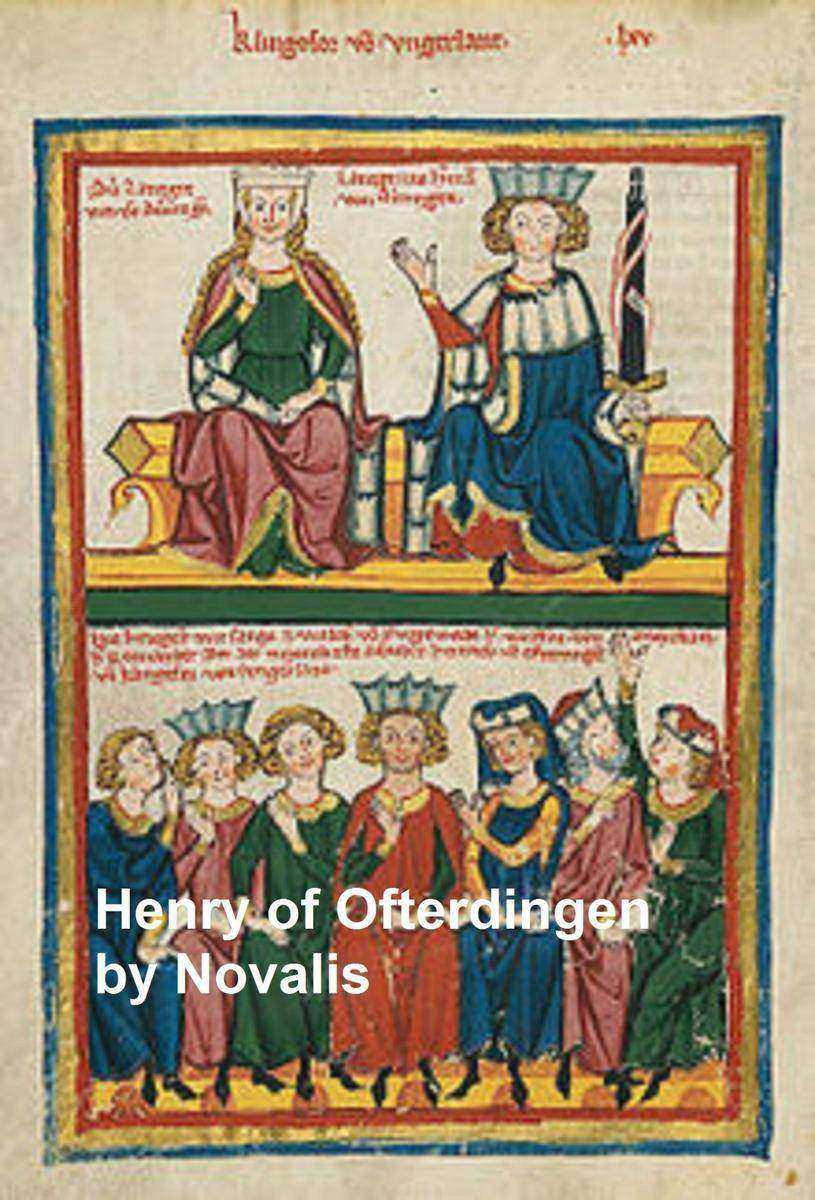
Henry of Ofterdingen
¥8.09
This translation first published in 1842. According to Wikipedia: "Novalis was the pseudonym of Georg Philipp Friedrich Freiherr von Hardenberg (May 2, 1772 – March 25, 1801), a poet, an author and philosopher of early German Romanticism... The novel fragments Heinrich von Ofterdingen and Die Lehrlinge zu Sais (The Novices of Sais) reflect the idea of describing a universal world harmony with the help of poetry. The novel 'Heinrich von Ofterdingen' contains the "blue flower", a symbol that became an emblem for the whole of German Romanticism. Originally the novel was supposed to be an answer to Goethe’s Wilhelm Meister, a work that Novalis had read with enthusiasm but later on judged as being highly unpoetical. He disliked the victory of the economical over the poetic."
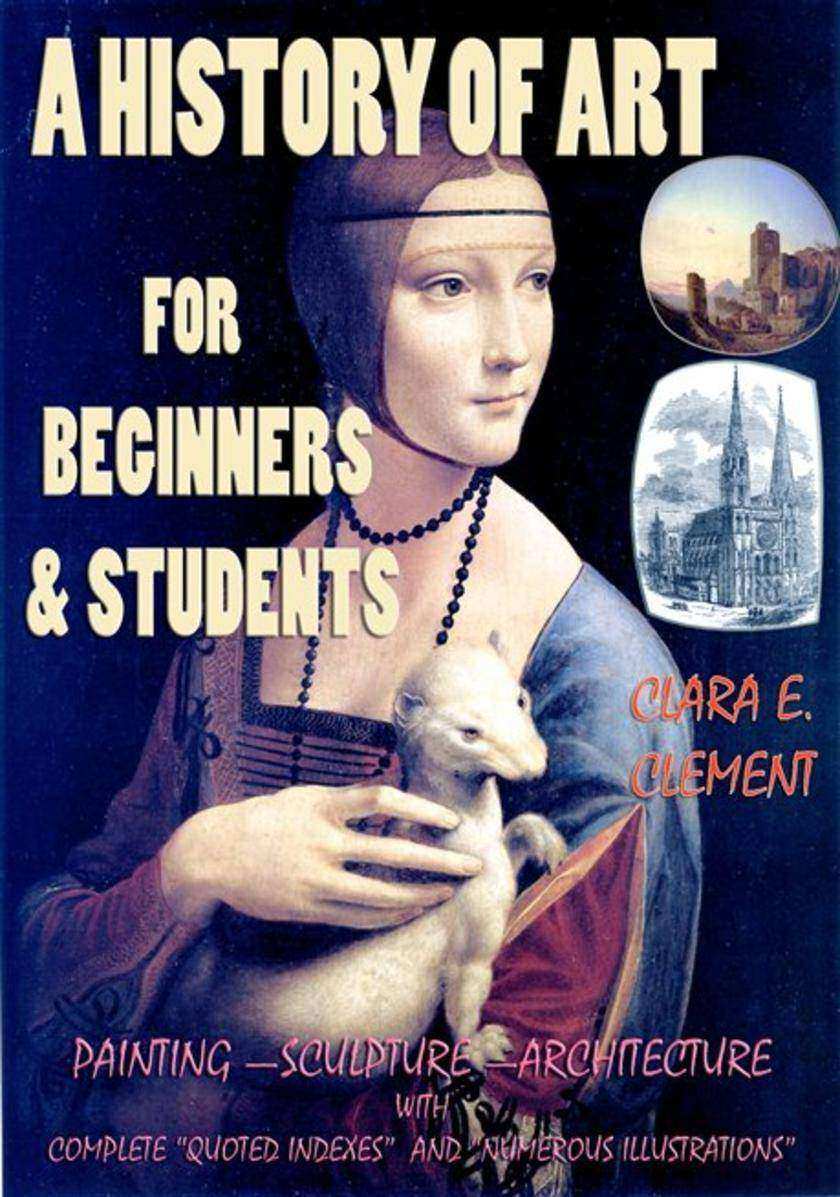
A History of Art for Beginners and Students
¥24.44
A kis szellem minden éjjel pontban éjfélkor f?lébred. Vígan járja Bagolyk? várának ?sszes termét, és meglátogatja ?reg barátját, Uhu bácsit. De k?zben arról ábrándozik, milyen jó lenne nappal látni a világot! Csupán egyetlenegyszer… Addig nem nyugszik, míg egy ver?fényes napon a kívánsága váratlanul nem teljesül. Ekkor izgalmas kalandok sora veszi kezdetét, és nemcsak a kis szellem számára… A Kolibri Klasszikusok sorozatban a Torzonborz-t?rténetek után egy újabb Otfried Preussler meseh?s, a kis szellem válhat generációk kedvencévé.
A Dialogue in Hades: "Illustrated"
¥8.09
t lány, t nézpont, t knyv. Cherry trténete, a Cseresznyés ábránd az els. Cherry Costello élete hamarosan rkre megváltozik. Somersetbe kltzik az apukájával, ahol egy új anyuka és egy csomó vadiúj testvér vár rá. Rgtn az els napon megismeri Shay Fletchert, aki annyira szívdgleszt, hogy az már kzveszélyes. Csakhogy Shay foglalt: Cherry új mostohatestvérével, Honey-val jár. Cherry pontosan tudja, milyen kockázatos Shayjel barátkoznia – hiszen ezzel mindent tnkretehet. Csakhogy ez még nem jelenti azt, hogy távol is tudja tartani magát tle… Csajok és csokik. Egy knyvsorozat, melyben minden testvérnek megvan a maga trténete… Neked melyik lány lesz a kedvenced Talán a Cseresznyés ábránd fhse, Cherry Az a lány, akinek tejeskávé szín a bre, stétbarna szeme pedig mandulavágású. Akinek élénk a képzelete, szórakoztató a társaságában lenni, és aki mindig kiáll magáért. Cathy Cassidy nyolc-kilencéves korában írta meg els képesknyvét kisccsének, és azóta ontja magából a trténeteket. Magyarul elsként a Csajok és csokik-sorozata (a Cseresznyés ábránd az 1. ktet) jelenik meg, melynek a vagány Tanberry-nvérek a fhsei, de mellettük feltnik néhány szupermen srác is, valamint Cathy egyik legnagyobb szerelme, a csokoládé is fontos szerepet kap. Cathy Skóciában él a családjával. Az sszes munka kzül, amivel valaha megpróbálkozott, az írást szereti a legjobban – hiszen amikor ír, mást sem kell csinálnia, mint ébren álmodozni egész álló nap.

?szintén hazudva
¥58.04
36 тижн?в у списку бестселер?в The New York Times! Евел?н пережива? глибоку особисту кризу. Вона знайомиться з? старенькою Н?нн?, яка, попри важку долю, не втрача? жаги до життя. Н?нн? розпов?да? Евел?н ?стор?? ?хнього м?стечка: про д?вчину, яка п?сля загибел? брата знаходить сили жити дал?; про розбите серце красун? Рут; про мандр?вного роб?тника, який закохався в Рут; про безроб?тних, яких у кафе ?Зупинка? годували безкоштовно... Ц? ?стор?? мають таку силу, що зм?нюють на краще життя тих, хто ?х чита?. 36 tizhn?v u spisku bestseler?v The New York Times! Evel?n perezhiva? gliboku osobistu krizu. Vona znajomit'sja z? staren'koju N?nn?, jaka, popri vazhku dolju, ne vtracha? zhagi do zhittja. N?nn? rozpov?da? Evel?n ?stor?? ?hn'ogo m?stechka: pro d?vchinu, jaka p?slja zagibel? brata znahodit' sili zhiti dal?; pro rozbite serce krasun? Rut; pro mandr?vnogo rob?tnika, jakij zakohavsja v Rut; pro bezrob?tnih, jakih u kafe ?Zupinka? goduvali bezkoshtovno... C? ?stor?? majut' taku silu, shho zm?njujut' na krashhe zhittja tih, hto ?h chita?.

A Thousand Years of Jewish History: Illustrated
¥32.62
Minden bonyodalom azzal kezd?dik, hogy Ríviai Geralt kardjainak rejtélyes módon lába kél. Ezt k?veti egy démonidéz? rejtélye, egy furcsa hajóút és egy meglehet?sen fordulatos királyi esküv?. A régi barát, K?k?rcsin szokás szerint most is Geralt ?segítségére siet”, akár akarja a vaják, akár nem. Felbukkan egy varázslón? is, aki megpróbálja irányítani Geraltot, szokás szerint. ?s ismét akadnak olyanok, akik a vaják útjába állnak, szokás szerint. Ez a k?tet Sapkowski utolsó regénye a Vaják-világban, és a sagához csak k?nny? szállal kapcsolódik, de a szerz? nem okoz csalódást: ismét egyszerre szembesülünk népek sorsával és az egyes ember drámájával, de mindezt ismét olyan gazdag képzeletvilággal ?tv?zve és olyan humorral tálalva, ami letehetetlenné teszi a k?tetet. Szokás szerint.

Egy milliomos b?rében
¥2.94
Видано 45 мовами! Донна Тартт — лауреат Пул?тцер?всько? прем?? № 1 у списку 100 видатних книжок за верс??ю The New York Times Отямившись п?сля вибуху в музе?, тринадцятир?чний Тео ще не розум??, що там, п?д уламками, залишилися його мат?р ? його дитинство. Пробираючись до виходу, повз кам?ння та т?ла, в?н п?дбира? безц?нну картину фламандського майстра, яку так любила його мати. Дивний старий, вмираючи, в?дда? йому свого персня та просить винести картину зв?дси... Тео буде кидати ?з родини в родину, ?з Нью-Йорка до Амстердама, ?з глибин в?дчаю до ейфор??. Викрадений ?Щиголь? стане його прокляттям та над??ю на порятунок... Vidano 45 movami! Donna Tartt — laureat Pul?tcer?vs'ko? prem?? № 1 u spisku 100 vidatnih knizhok za vers??ju The New York Times Otjamivshis' p?slja vibuhu v muze?, trinadcjatir?chnij Teo shhe ne rozum??, shho tam, p?d ulamkami, zalishilisja jogo mat?r ? jogo ditinstvo. Probirajuchis' do vihodu, povz kam?nnja ta t?la, v?n p?dbira? bezc?nnu kartinu flamands'kogo majstra, jaku tak ljubila jogo mati. Divnij starij, vmirajuchi, v?dda? jomu svogo persnja ta prosit' vinesti kartinu zv?dsi... Teo bude kidati ?z rodini v rodinu, ?z N'ju-Jorka do Amsterdama, ?z glibin v?dchaju do ejfor??. Vikradenij ?Shhigol'? stane jogo prokljattjam ta nad??ju na porjatunok...
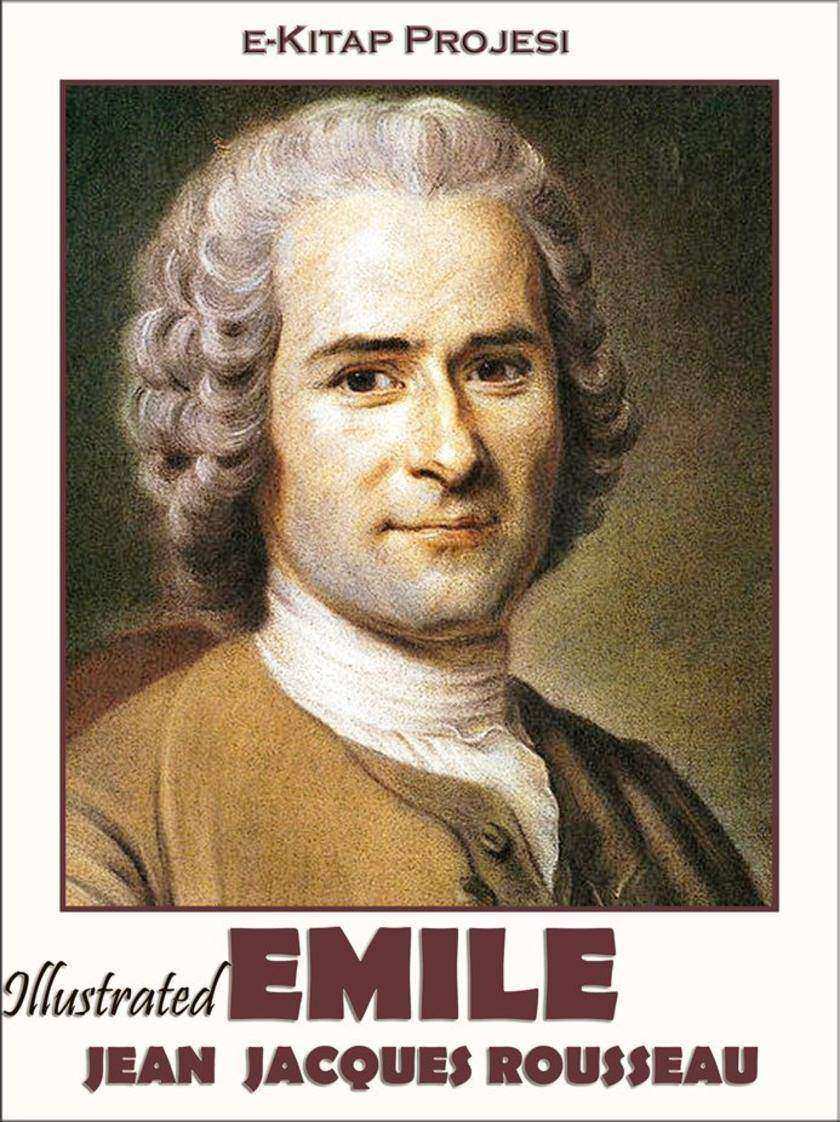
Emile
¥28.04
Underground* *The author of the diary and the diary itself are, of course, imaginary. Nevertheless it is clear that such persons as the writer of these notes not only may, but positively must, exist in our society, when we consider the circumstances in the midst of which our society is formed. I have tried to expose to the view of the public more distinctly than is commonly done, one of the characters of the recent past. He is one of the representatives of a generation still living. In this fragment, entitled "Underground," this person introduces himself and his views, and, as it were, tries to explain the causes owing to which he has made his appearance and was bound to make his appearance in our midst. In the second fragment there are added the actual notes of this person concerning certain events in his life.--AUTHOR'S NOTE. II am a sick man.... I am a spiteful man. I am an unattractive man. I believe my liver is diseased. However, I know nothing at all about my disease, and do not know for certain what ails me. I don't consult a doctor for it, and never have, though I have a respect for medicine and doctors. Besides, I am extremely superstitious, sufficiently so to respect medicine, anyway (I am well-educated enough not to be superstitious, but I am superstitious). No, I refuse to consult a doctor from spite. That you probably will not understand. Well, I understand it, though. Of course, I can't explain who it is precisely that I am mortifying in this case by my spite: I am perfectly well aware that I cannot "pay out" the doctors by not consulting them; I know better than anyone that by all this I am only injuring myself and no one else. But still, if I don't consult a doctor it is from spite. My liver is bad, well--let it get worse! I have been going on like that for a long time--twenty years. Now I am forty. I used to be in the government service, but am no longer. I was a spiteful official. I was rude and took pleasure in being so. I did not take bribes, you see, so I was bound to find a recompense in that, at least. (A poor jest, but I will not scratch it out. I wrote it thinking it would sound very witty; but now that I have seen myself that I only wanted to show off in a despicable way, I will not scratch it out on purpose!) When petitioners used to come for information to the table at which I sat, I used to grind my teeth at them, and felt intense enjoyment when I succeeded in making anybody unhappy. I almost did succeed. For the most part they were all timid people--of course, they were petitioners. But of the uppish ones there was one officer in particular I could not endure. He simply would not be humble, and clanked his sword in a disgusting way. I carried on a feud with him for eighteen months over that sword. At last I got the better of him. He left off clanking it. That happened in my youth, though. But do you know, gentlemen, what was the chief point about my spite? Why, the whole point, the real sting of it lay in the fact that continually, even in the moment of the acutest spleen, I was inwardly conscious with shame that I was not only not a spiteful but not even an embittered man, that I was simply scaring sparrows at random and amusing myself by it. I might foam at the mouth, but bring me a doll to play with, give me a cup of tea with sugar in it, and maybe I should be appeased. I might even be genuinely touched, though probably I should grind my teeth at myself afterwards and lie awake at night with shame for months after. That was my way.

Evolution of Love
¥18.74
In these times of ours, though concerning the exact year there is no need to be precise, a boat of dirty and disreputable appearance, with two figures in it, floated on the Thames, between Southwark bridge which is of iron, and London Bridge which is of stone, as an autumn evening was closing in. The figures in this boat were those of a strong man with ragged grizzled hair and a sun-browned face, and a dark girl of nineteen or twenty, sufficiently like him to be recognizable as his daughter. The girl rowed, pulling a pair of sculls very easily; the man, with the rudder-lines slack in his hands, and his hands loose in his waistband, kept an eager look out. He had no net, hook, or line, and he could not be a fisherman; his boat had no cushion for a sitter, no paint, no inscription, no appliance beyond a rusty boathook and a coil of rope, and he could not be a waterman; his boat was too crazy and too small to take in cargo for delivery, and he could not be a lighterman or river-carrier; there was no clue to what he looked for, but he looked for something, with a most intent and searching gaze. The tide, which had turned an hour before, was running down, and his eyes watched every little race and eddy in its broad sweep, as the boat made slight head-way against it, or drove stern foremost before it, according as he directed his daughter by a movement of his head. She watched his face as earnestly as he watched the river. But, in the intensity of her look there was a touch of dread or horror. Allied to the bottom of the river rather than the surface, by reason of the slime and ooze with which it was covered, and its sodden state, this boat and the two figures in it obviously were doing something that they often did, and were seeking what they often sought. Half savage as the man showed, with no covering on his matted head, with his brown arms bare to between the elbow and the shoulder, with the loose knot of a looser kerchief lying low on his bare breast in a wilderness of beard and whisker, with such dress as he wore seeming to be made out of the mud that begrimed his boat, still there was a business-like usage in his steady gaze. So with every lithe action of the girl, with every turn of her wrist, perhaps most of all with her look of dread or horror; they were things of usage. 'Keep her out, Lizzie. Tide runs strong here. Keep her well afore the sweep of it.' Trusting to the girl's skill and making no use of the rudder, he eyed the coming tide with an absorbed attention. So the girl eyed him. But, it happened now, that a slant of light from the setting sun glanced into the bottom of the boat, and, touching a rotten stain there which bore some resemblance to the outline of a muffled human form, coloured it as though with diluted blood. This caught the girl's eye, and she shivered. 'What ails you?' said the man, immediately aware of it, though so intent on the advancing waters; 'I see nothing afloat.' The red light was gone, the shudder was gone, and his gaze, which had come back to the boat for a moment, travelled away again. Wheresoever the strong tide met with an impediment, his gaze paused for an instant. At every mooring-chain and rope, at every stationery boat or barge that split the current into a broad-arrowhead, at the offsets from the piers of Southwark Bridge, at the paddles of the river steamboats as they beat the filthy water, at the floating logs of timber lashed together lying off certain wharves, his shining eyes darted a hungry look. After a darkening hour or so, suddenly the rudder-lines tightened in his hold, and he steered hard towards the Surrey shore. Always watching his face, the girl instantly answered to the action in her sculling; presently the boat swung round, quivered as from a sudden jerk, and the upper half of the man was stretched out over the stern.

PlanetX
¥8.50
Чортова дванадцятка — досить змстовна й влучна характеристика збрки жахв за редакцю неперевершеного Ствена Джонса! Пд одню обкладинкою збран 12 гостроцкавих оповдань менитих майстрв горору. Дж. Гаррс, К. Ньюман, М. рей, Р. Кемпбелл та нш гарантують вам безсонну нч в атмосфер тамничост й мстики… Подейкують, що в паризькому Театр Жаху влаштовують кривав вистави. Тридцятидвохрчна Кейт Рд пдбралася надто близько до розгадки… (Гньоль) Вдомий актор Даррен Ловр на пку популярност… був, аж доки не розгнвав вдьму! (Забуття)Chortova dvanadcjatka — dosit' zmstovna j vluchna harakteristika zbrki zhahv za redakcju neperevershenogo Stvena Dzhonsa! Pd odnju obkladinkoju zbran 12 gostrockavih opovdan' menitih majstrv gororu. Dzh. Garrs, K. N'juman, M. rej, R. Kempbell ta nsh garantujut' vam bezsonnu nch v atmosfer tamnichost j mstiki… Podejkujut', shho v pariz'komu Teatr Zhahu vlashtovujut' krivav vistavi. Tridcjatidvohrchna Kejt Rd pdbralasja nadto bliz'ko do rozgadki… (Gn'ol') Vdomij aktor Darren Lovr na pku populjarnost… buv, azh doki ne rozgnvav vd'mu! (Zabuttja)

Tündevér
¥57.80
In 1861 Captain Grant succeeded Captain Burgess on Matinicus, taking his son with him as assistant. The old keeper left Abby on the rock to instruct the newcomers in their duties, and she performed the task so well that young Grant fell in love with her, and asked her to become his wife. Soon after their marriage she was appointed an assistant keeper. A few years later the husband was made keeper and the wife assistant keeper of White Head, another light on the Maine coast. There they remained until the spring of 1890, when they removed to Middleborough, Mass., intending to pass the balance of their days beyond sight and hearing of the rocks and the waves. But the hunger which the sea breeds in its adopted children was still strong within them, and the fall of 1892 found them again on the coast of Maine, this time at Portland, where the husband again entered the lighthouse establishment, working in the engineers' department of the first lighthouse district. With them until his death lived Captain Grant, who in the closing months of 1890, being then aged eighty-five, retired from the position of keeper of Matinicus light, which he had held for nearly thirty years. Not less lonely, but far more perilous than the life of the keepers of a light like that on Matinicus is the lot of the crew of the South Shoal lightship, whose position twenty-six miles off Sankaty Head, Nantucket Island, makes it the most exposed light-station in the world. Anchored so far out at sea, it is only during the months of summer and autumn that the lighthouse tender ventures to visit it, and its crew from December to May of each year are wholly cut off from communication with the land. It is this, however, that makes the South Shoal lightship a veritable protecting angel of the deep, for it stands guard not only over the treacherous New South Shoal, near which it is anchored, but over twenty-six miles of rips and reefs between it and the Nantucket shore—a wide-reaching ocean graveyard, where bleach the bones of more than a half thousand wrecked and forgotten vessels. The lightship is a stanchly built two-hulled schooner of 275 tons burden, 103 feet long over all, equipped with fore-and-aft lantern masts 71 feet high, and with two masts for sails, each 42 feet high. The lanterns are octagons of glass in copper frames, so arranged that they can be lowered into houses built around the masts. In the forward part of the ship is a huge fog bell, swung ten feet above the deck, which, when foggy weather prevails, as it frequently does for weeks at a time, is kept tolling day and night. A two-inch chain fastened to a "mushroom" anchor weighing upward of three tons holds the vessel in eighteen fathoms of water, but this, so fiercely do the waves beat against it in winter, has not prevented her from going adrift many times. She was two weeks at sea on one of these occasions, and on another she came to anchor in New York Harbor. Life on the South Shoal lightship is at all times a hard and trying one, and, as a matter of fact, the crew are instructed not to expose themselves to danger outside their special line of duty. This, however, does not deter them from frequently risking their lives in rescuing others, and when, several years ago, the City of Newcastle went ashore on one of the shoals near the lightship, all hands, twenty-seven in number, were saved by the South Shoal crew and kept aboard of her over two weeks, until the story of the wreck was signalled to a passing vessel. Isaac H. Grant holds a silver medal given him by the Government for rescuing two men from drowning while he was keeper at White Head; while Frederick Hatch, keeper of the Breakwater station at Cleveland was awarded the gold bar. The last mentioned badge of honor is granted only to one who has twice distinguished himself by a special act of bravery. It was given Hatch in the winter of 1898.

Учебник по выживанию в экстремальных ситуациях
¥17.99
Жасмин, двадцатичетырехлетняя красавица-американка, приезжает в Англию на Рождество погостить у родственников. Герцог Харли подарил ей жеребца, и она решает прокатится верхом. Но из-за разыгравшейся метели ее едва не сбивает машина, за рулем которой сидел граф Сомертон. Через некоторое время, волею судьбы, Жасмин опять встретится с графом, который приютит ее в своем замке после падения с лошади… Эта встреча навсегда изменит их жизнь и подарит им настоящую любовь… Zhasmin, dvadcatichetyrehletnjaja krasavica-amerikanka, priezzhaet v Angliju na Rozhdestvo pogostit' u rodstvennikov. Gercog Harli podaril ej zherebca, i ona reshaet prokatitsja verhom. No iz-za razygravshejsja meteli ee edva ne sbivaet mashina, za rulem kotoroj sidel graf Somerton. Cherez nekotoroe vremja, voleju sud'by, Zhasmin opjat' vstretitsja s grafom, kotoryj prijutit ee v svoem zamke posle padenija s loshadi… Jeta vstrecha navsegda izmenit ih zhizn' i podarit im nastojashhuju ljubov'…

Один под парусами вокруг света, т.10
¥17.74
Mon Agent Андрея М. Мелехова – третий роман об Аналитике. Как и предыдущие книги серии – Malaria и Analyste – Mon Agent представляет из себя необычную комбинацию приключенческого романа и мистического триллера. Он предлагает читателю не только получить удовольствие от весьма неожиданных поворотов нескольких сюжетных линий, но и задуматься над широким кругом философских, религиозных и мировоззренческих проблем, волнующих современного человека.Действие романа происходит в Лондоне и Москве, в Раю и в Преисподней. Его персонажами являются террористы и агенты спецслужб, герои Библии и герои тайных операций, великие пророки прошлого и политики настоящего, ангелы Божьи и слуги Сатаны, люди и говорящие животные. В произведении нашлось место большой любви и большой ненависти, острой политической сатире и тонкому юмору. Как и все книги Мелехова, Mon Agent написан для тех, кто способен подвергнуть сомнению догмы, стереотипы и предубеждения, кто может рассмеяться, говоря даже о весьма серьёзных вещах. Если вы хотите узнать, чем простые (и непростые!) смертные смогли помочь вдруг начавшим стареть и умирать обитателям Рая и как отнеслись бы сегодня люди к новому пришествию Христа – эта книга для вас, читатель! Вам предлагается новая редакция романа.
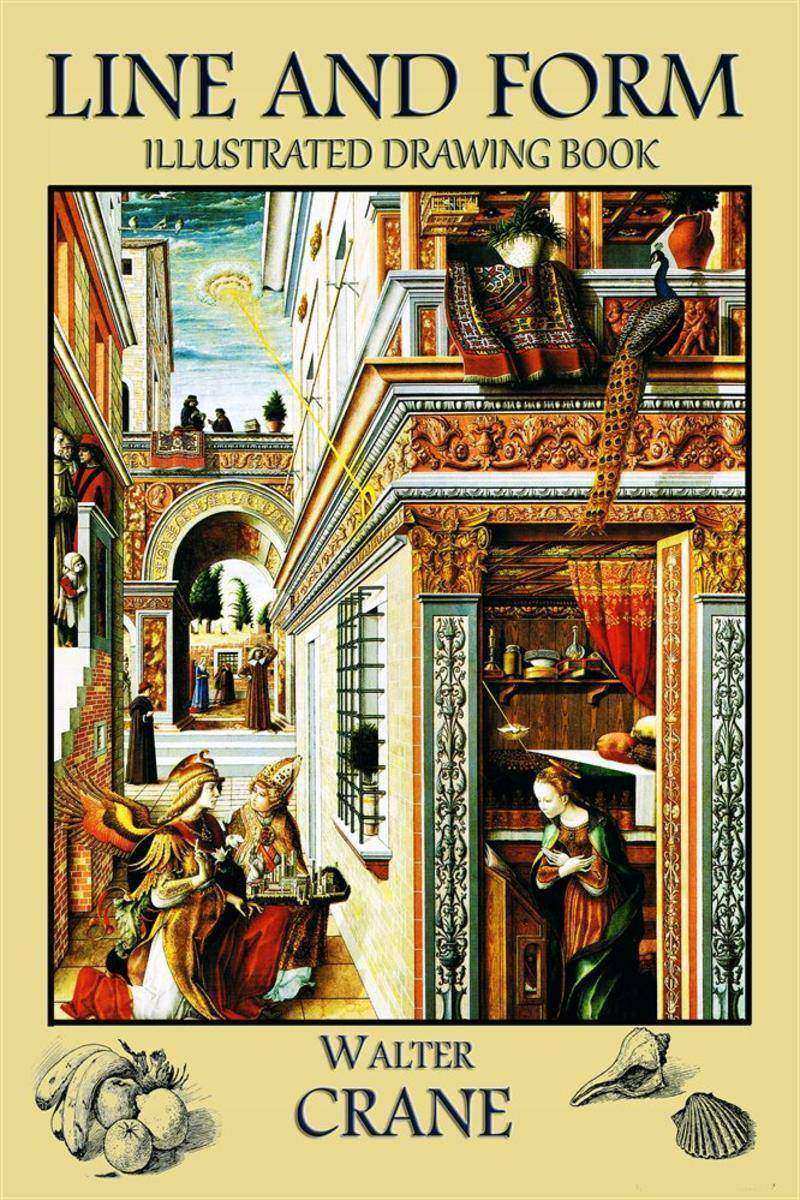
Line and Form: "Illustrated Drawing Book"
¥28.04
Daylight sometimes hides secrets that darkness will reveal—the Martian's glowing eyes, for instance. But darkness has other dangers.... Joseph Heidel looked slowly around the dinner table at the five men, hiding his examination by a thin screen of smoke from his cigar. He was a large man with thick blond-gray hair cut close to his head. In three more months he would be fifty-two, but his face and body had the vital look of a man fifteen years younger. He was the President of the Superior Council, and he had been in that post—the highest post on the occupied planet of Mars—four of the six years he had lived here. As his eyes flicked from one face to another his fingers unconsciously tapped the table, making a sound like a miniature drum roll. One. Two. Three. Four. Five. Five top officials, selected, tested, screened on Earth to form the nucleus of governmental rule on Mars.Heidel's bright narrow eyes flicked, his fingers drummed. Which one? Who was the imposter, the ringer? Who was the Martian?Sadler's dry voice cut through the silence: "This is not just an ordinary meeting then, Mr. President?" Heidel's cigar came up and was clamped between his teeth. He stared into Sadler's eyes. "No, Sadler, it isn't. This is a very special meeting." He grinned around the cigar. "This is where we take the clothes off the sheep and find the wolf."

М?зер? (M?zer?)
¥27.06
нод дитяч мр збуваються. Дан Таарт керу найбльшою в кран залзницею. Генк Рарден запроваджу революцйну технологю в металург. Еллс Ваятт перетворю Богом забуту землю на промисловий рай. У хнх руках — наймогутнш корпорац, що вд них залежить доля крани. Вони — сучасн атланти. хня релгя — економка, хня вдповдальнсть — тягар усього свту. Колись вони мряли змнити життя суспльства, а тепер м доводиться чути, що вся хня праця лише помножу несправедливсть. Що всм людям потрбн однаков права можливост. Спершу атланти лише знизували плечима. Але настане той день, коли м остаточно набридне тримати цей свт на свох плечах. вони пдуть.
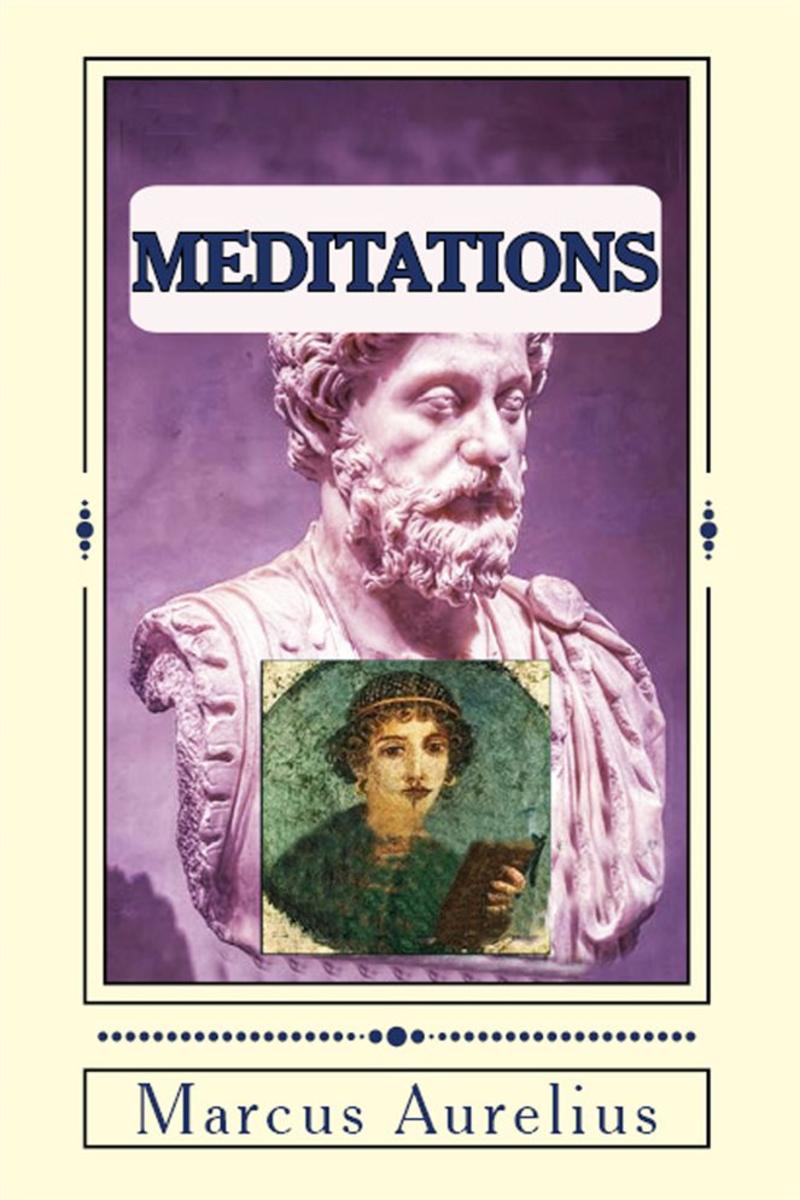
Meditations
¥18.23
Mr. Hungerton, her father, really was the most tactless person upon earth,—a fluffy, feathery, untidy cockatoo of a man, perfectly good-natured, but absolutely centered upon his own silly self. If anything could have driven me from Gladys, it would have been the thought of such a father-in-law. I am convinced that he really believed in his heart that I came round to the Chestnuts three days a week for the pleasure of his company, and very especially to hear his views upon bimetallism, a subject upon which he was by way of being an authority. For an hour or more that evening I listened to his monotonous chirrup about bad money driving out good, the token value of silver, the depreciation of the rupee, and the true standards of exchange. "Suppose," he cried with feeble violence, "that all the debts in the world were called up simultaneously, and immediate payment insisted upon,—what under our present conditions would happen then?" I gave the self-evident answer that I should be a ruined man, upon which he jumped from his chair, reproved me for my habitual levity, which made it impossible for him to discuss any reasonable subject in my presence, and bounced off out of the room to dress for a Masonic meeting. At last I was alone with Gladys, and the moment of Fate had come! All that evening I had felt like the soldier who awaits the signal which will send him on a forlorn hope; hope of victory and fear of repulse alternating in his mind. She sat with that proud, delicate profile of hers outlined against the red curtain. How beautiful she was! And yet how aloof! We had been friends, quite good friends; but never could I get beyond the same comradeship which I might have established with one of my fellow-reporters upon the Gazette,—perfectly frank, perfectly kindly, and perfectly unsexual. My instincts are all against a woman being too frank and at her ease with me. It is no compliment to a man. Where the real sex feeling begins, timidity and distrust are its companions, heritage from old wicked days when love and violence went often hand in hand. The bent head, the averted eye, the faltering voice, the wincing figure—these, and not the unshrinking gaze and frank reply, are the true signals of passion. Even in my short life I had learned as much as that—or had inherited it in that race memory which we call instinct. Gladys was full of every womanly quality. Some judged her to be cold and hard; but such a thought was treason. That delicately bronzed skin, almost oriental in its coloring, that raven hair, the large liquid eyes, the full but exquisite lips,—all the stigmata of passion were there. But I was sadly conscious that up to now I had never found the secret of drawing it forth. However, come what might, I should have done with suspense and bring matters to a head to-night. She could but refuse me, and better be a repulsed lover than an accepted brother. So far my thoughts had carried me, and I was about to break the long and uneasy silence, when two critical, dark eyes looked round at me, and the proud head was shaken in smiling reproof. "I have a presentiment that you are going to propose, Ned. I do wish you wouldn't; for things are so much nicer as they are." I drew my chair a little nearer. "Now, how did you know that I was going to propose?" I asked in genuine wonder."Don't women always know? Do you suppose any woman in the world was ever taken unawares? But—oh, Ned, our friendship has been so good and so pleasant! What a pity to spoil it! Don't you feel how splendid it is that a young man and a young woman should be able to talk face to face as we have talked?" "I don't know, Gladys. You see, I can talk face to face with—with the station-master." I can't imagine how that official came into the matter; but in he trotted, and set us both laughing. "That does not satisfy me in the least. I want my arms round you, and your head on my breast, and—oh, Gladys, I want——"

Metamorphosis: {Illustrated}
¥9.24
The third novel, The Vicomte de Bragelonne (serialized October, 1847—January, 1850), has enjoyed a strange history in its English translation. It has been split into three, four, or five volumes at various points in its history. The five-volume edition generally does not give titles to the smaller portions, but the others do. In the three-volume edition, the novels are entitled The Vicomte de Bragelonne, Louise de la Valliere, and The Man in the Iron Mask. For the purposes of this etext, I have chosen to split the novel as the four-volume edition does, with these titles: The Vicomte de Bragelonne, Ten Years Later, Louise de la Valliere, and The Man in the Iron Mask. In the first three etexts: The Vicomte de Bragelonne (Etext 2609): It is the year 1660, and D'Artagnan, after thirty-five years of loyal service, has become disgusted with serving King Louis XIV while the real power resides with the Cardinal Mazarin, and has tendered his resignation. He embarks on his own project, that of restoring Charles II to the throne of England, and, with the help of Athos, succeeds, earning himself quite a fortune in the process. D'Artagnan returns to Paris to live the life of a rich citizen, and Athos, after negotiating the marriage of Philip, the king's brother, to Princess Henrietta of England, likewise retires to his own estate, La Fere. Meanwhile, Mazarin has finally died, and left Louis to assume the reigns of power, with the assistance of M. Colbert, formerly Mazarin's trusted clerk. Colbert has an intense hatred for M. Fouquet, the king's superintendent of finances, and has resolved to use any means necessary to bring about his fall. With the new rank of intendant bestowed on him by Louis, Colbert succeeds in having two of Fouquet's loyal friends tried and executed. He then brings to the king's attention that Fouquet is fortifying the island of Belle-Ile-en-Mer, and could possibly be planning to use it as a base for some military operation against the king. Louis calls D'Artagnan out of retirement and sends him to investigate the island, promising him a tremendous salary and his long-promised promotion to captain of the musketeers upon his return. At Belle-Isle, D'Artagnan discovers that the engineer of the fortifications is, in fact, Porthos, now the Baron du Vallon, and that's not all. The blueprints for the island, although in Porthos's handwriting, show evidence of another script that has been erased, that of Aramis. D'Artagnan later discovers that Aramis has become the bishop of Vannes, which is, coincidentally, a parish belonging to M. Fouquet. Suspecting that D'Artagnan has arrived on the king's behalf to investigate, Aramis tricks D'Artagnan into wandering around Vannes in search of Porthos, and sends Porthos on an heroic ride back to Paris to warn Fouquet of the danger. Fouquet rushes to the king, and gives him Belle-Isle as a present, thus allaying any suspicion, and at the same time humiliating Colbert, just minutes before the usher announces someone else seeking an audience with the king. Ten Years Later (Etext 2681): As 1661 approaches, Princess Henrietta of England arrives for her marriage, and throws the court of France into complete disorder. The jealousy of the Duke of Buckingham, who is in love with her, nearly occasions a war on the streets of Le Havre, thankfully prevented by Raoul's timely and tactful intervention. After the marriage, though, Monsieur Philip becomes horribly jealous of Buckingham, and has him exiled. Before leaving, however, the duke fights a duel with M. de Wardes at Calais. De Wardes is a malicious and spiteful man, the sworn enemy of D'Artagnan, and, by the same token, that of Athos, Aramis, Porthos, and Raoul as well. Both men are seriously wounded, and the duke is taken back to England to recover. Raoul's friend, the Comte de Guiche, is the next to succumb to Henrietta's charms, and Monsieur obtains his exile as well, though De Guiche soon effects a reconciliation.

Умный виноградник без хлопот (Umnyj vinogradnik bez hlopot)
¥17.74
Кра?на стр?мко летить у пр?рву: моторошна криза охоплю? вс? царини людського життя. Псевдовчен? наполегливо пропагують: мислення – це ?люз?я, пошук будь-якого сенсу – абсурд, ? зрештою уряд оголошу? моратор?й на розум. Талано- вит? п?дпри?мц? безсл?дно зникають, кидаючи сво? виробництво напризволяще або знищуючи його. Головн? геро? роману – Да?н? Та??арт ? Генк Р?арден – в?дчайдушно намагаються в?двернути катастрофу. Да?н? переконана, що в кра?н? з’явився та?м- ничий Руйн?вник, ц?ль якого – крах економ?ки ? тотальна деградац?я людей. Ж?нка не покида? над?? в?дтворити досконалий двигун, але перспективний молодий нау- ковець, який погодився допомогти ?й, в?дмовля?ться працювати на благо нев?глас?в. Да?н? не хоче в?дмовлятися в?д свого задуму, тож ?де на зустр?ч з? знев?реним до- сл?дником, а в дороз? знайомиться з волоцюгою. Свого часу в?н працював там, де й зародилося ?чисте зло?, яке зараз пожира? кра?ну… Друга частина роману м?стить блискуч? св?тоглядн? монологи, вкладен? в уста Франциско Д’Анкон?? та Генка Р?ардена.


