


 购物车
购物车 个人中心
个人中心
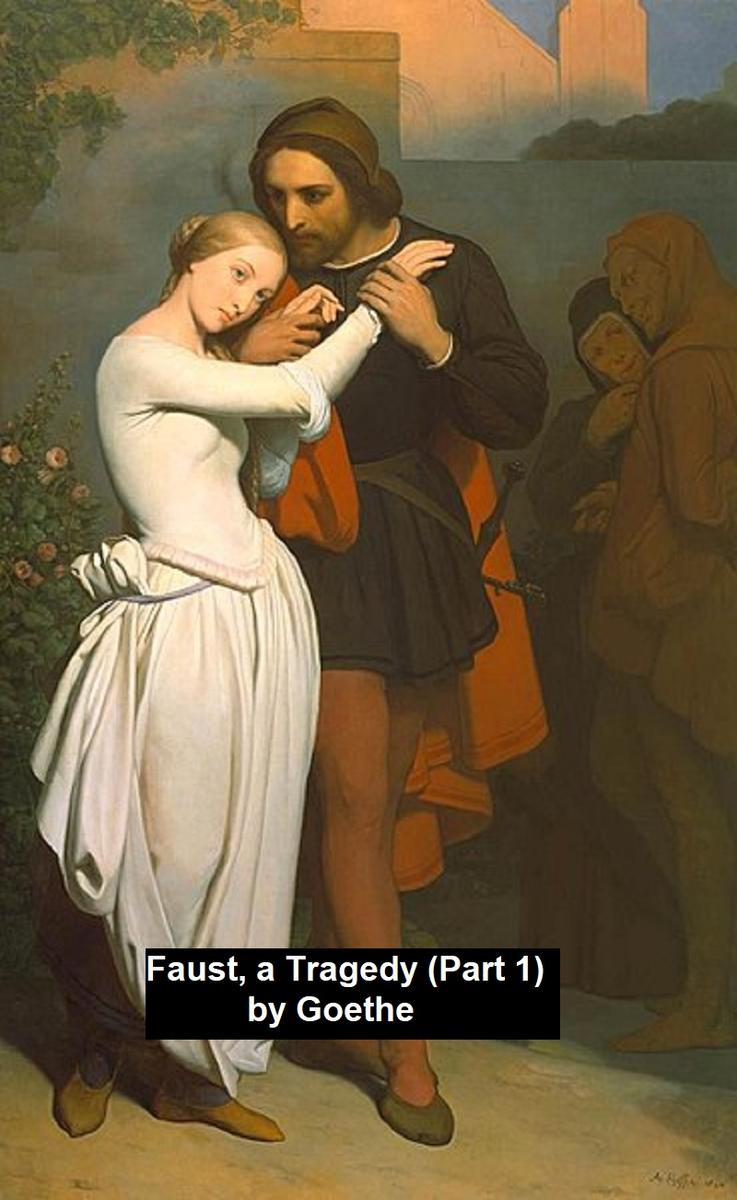
Faust, a Tragedy (Part 1)
¥8.09
The classic drama about a deal with the devil, in English translation. According to Wikipedia: "Johann Wolfgang von Goethe's Faust is a tragic play in two parts... Faust is Goethe's most famous work and considered by many to be one of the greatest works of German literature. Goethe completed a preliminary version of Part One in 1806. The 1808 publication was followed by the revised 1828–29 edition, which was the last to be edited by Goethe himself... Goethe finished writing Faust Part Two in 1831. In contrast to Faust Part One, the focus here is no longer on the soul of Faust, which has been sold to the devil, but rather on social phenomena such as psychology, history and politics, in addition to mystical and philosophical topics. The second part formed the principal occupation of Goethe's last years. It appeared only posthumously in 1832."
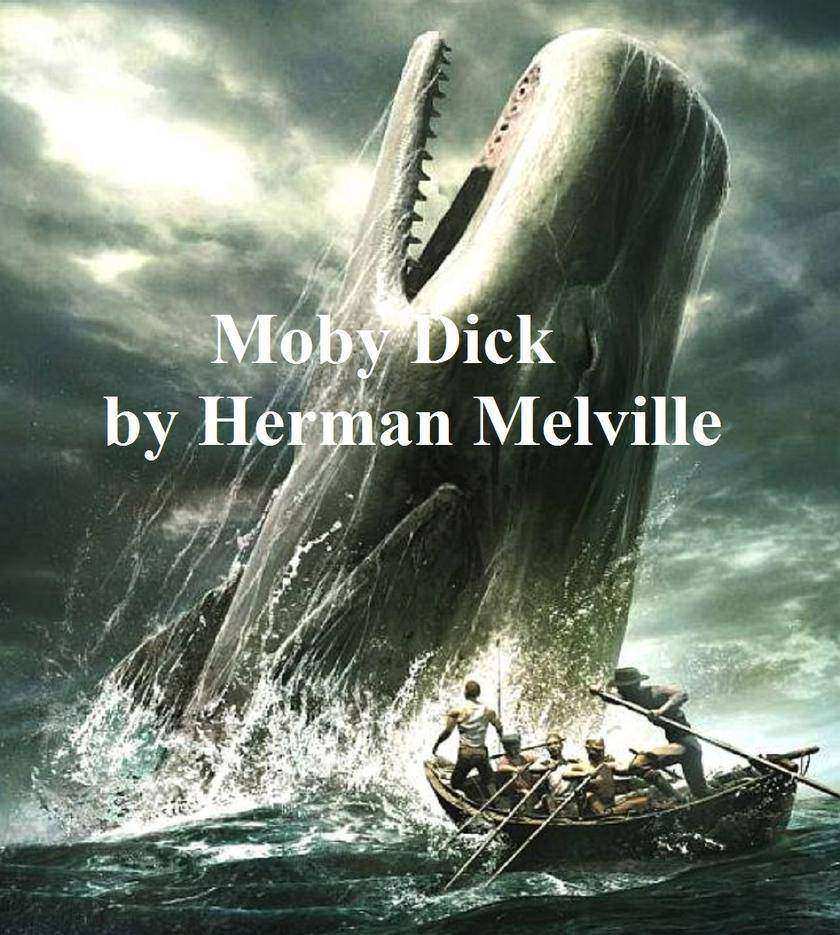
Moby Dick: Or the Whale
¥8.09
The classic novel. According to Wikipedia: "Herman Melville (August 1, 1819 – September 28, 1891) was an American novelist, short story writer, essayist and poet. His first two books gained much attention, though they were not bestsellers, and his popularity declined precipitously after only a few years. By the time of his death he had been almost completely forgotten, but his longest novel, Moby-Dick — largely considered a failure during his lifetime, and most responsible for Melville's fall from favor with the reading public — was recognized in the 20th century as one of the chief literary masterpieces of both American and world literature."
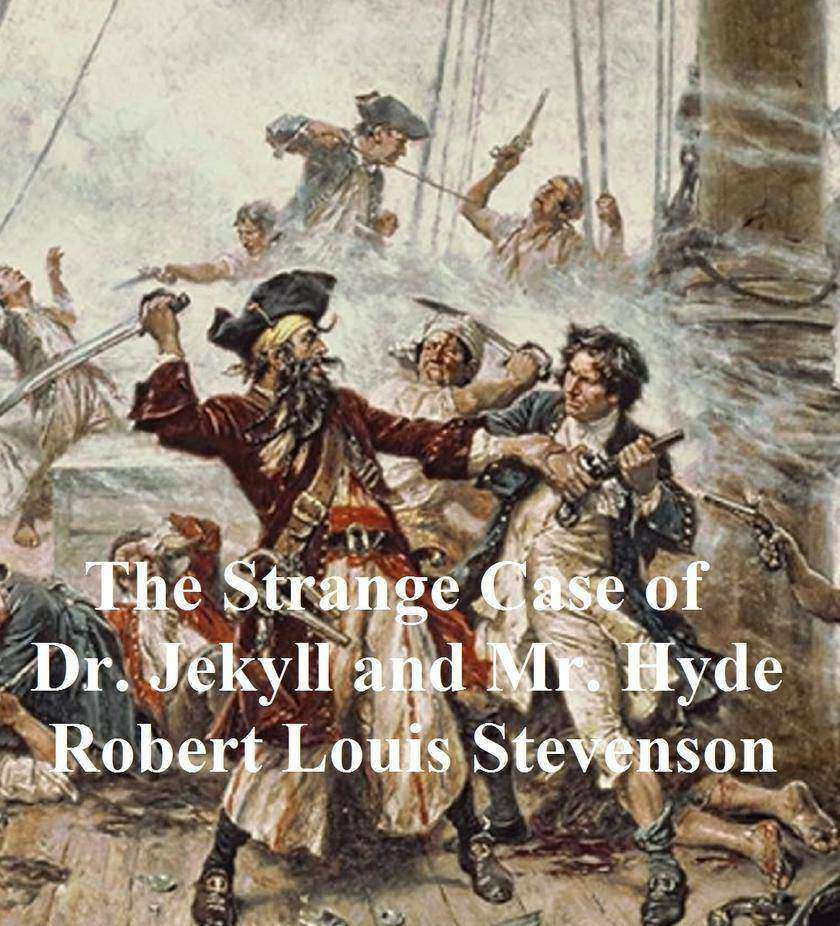
The Strange Case of Dr. Jekyll and Mr. Hyde
¥8.09
The classic psychological mystery. According to Wikipedia: "Robert Louis Balfour Stevenson (13 November 1850–3 December 1894), was a Scottish novelist, poet, essayist and travel writer. He was the man who "seemed to pick the right word up on the point of his pen, like a man playing spillikins", as G. K. Chesterton put it."
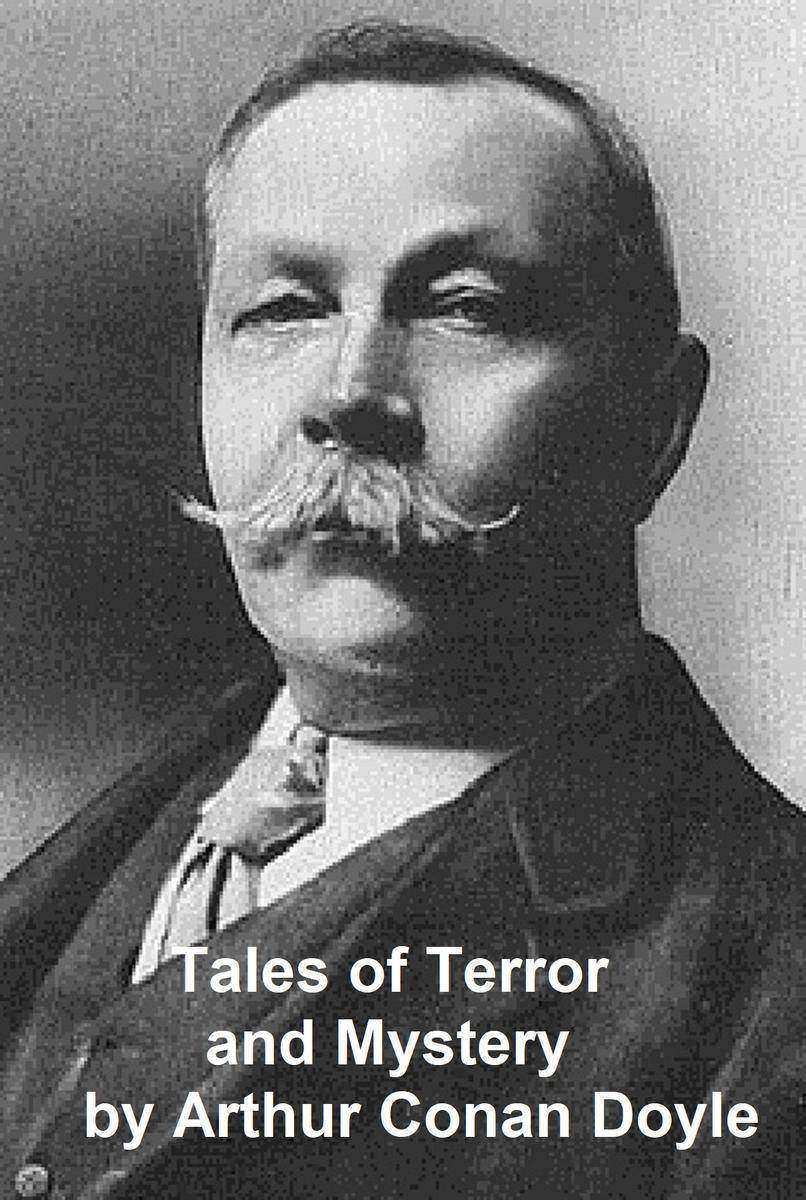
Tales of Terror and Mystery
¥8.09
Collection of stories. According to Wikipedia: "Sir Arthur Ignatius Conan Doyle DL (22 May 1859 – 7 July 1930) was a Scottish physician and writer, most noted for his stories about the detective Sherlock Holmes, generally considered a milestone in the field of crime fiction, and for the adventures of Professor Challenger. He was a prolific writer whose other works include science fiction stories, plays, romances, poetry, non-fiction and historical novels."
Robinson Crusoe
¥8.09
The classic tale of survival on a deserted island. The story begins: "I WAS born in the year 1632, in the city of York, of a good family, though not of that country, my father being a foreigner of Bremen, who settled first at Hull. He got a good estate by merchandise, and leaving off his trade, lived afterwards at York, from whence he had married my mother, whose relations were named Robinson, a very good family in that country, and from whom I was called Robinson Kreutznaer; but, by the usual corruption of words in England, we are now called - nay we call ourselves and write our name - Crusoe; and so my companions always called me." According to Wikipedia: Daniel Defoe (1659/1661 [?] — 1731), born Daniel Foe, was an English writer, journalist, and pamphleteer, who gained enduring fame for his novel Robinson Crusoe. Defoe is notable for being one of the earliest practitioners of the novel, as he helped to popularise the form in Britain, and is even referred to by some as one of the founders of the English novel. A prolific and versatile writer, he wrote more than five hundred books, pamphlets, and journals on various topics (including politics, crime, religion, marriage, psychology and the supernatural). He was also a pioneer of economic journalism.
Birds in the Calendar
¥8.09
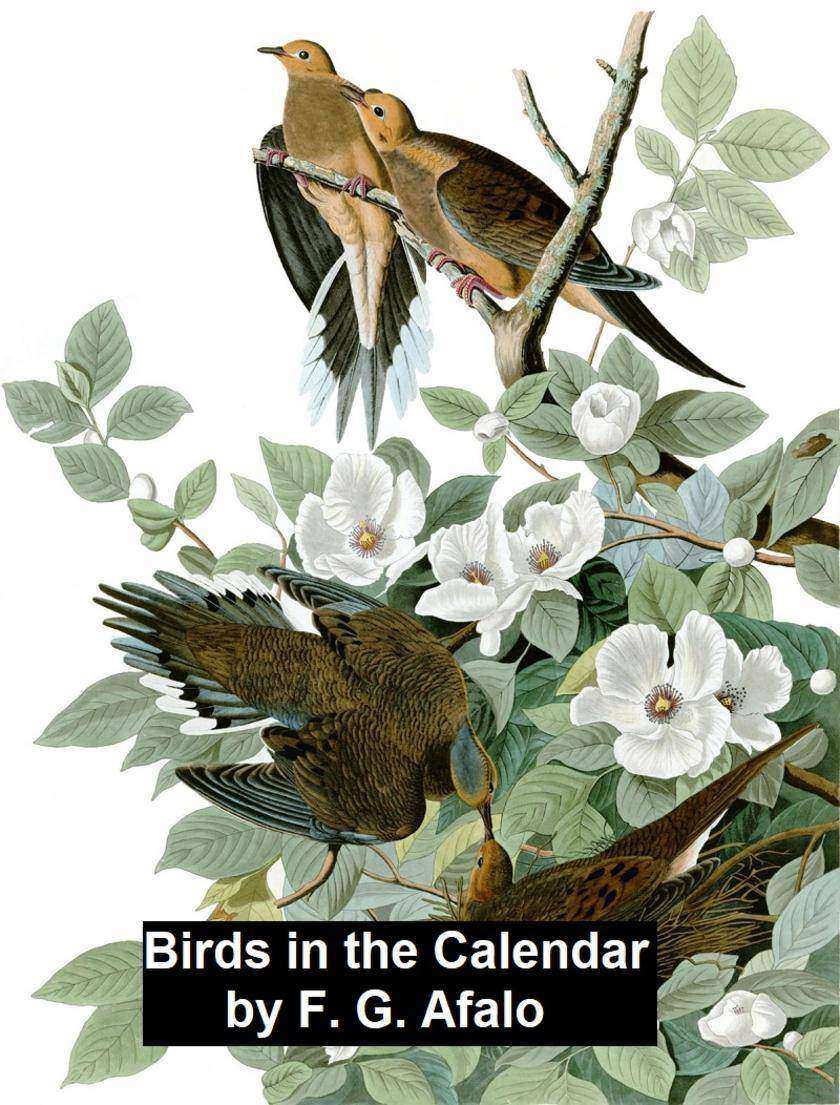
Descriptions of birds, organized by month, first published in 1914. It includes pheasant, woodcock, woodpigeon, cuckoo, swift, swallow, martin, seagull, moping owl, waterfowl, and robin redbreast.
Four Books
¥8.09
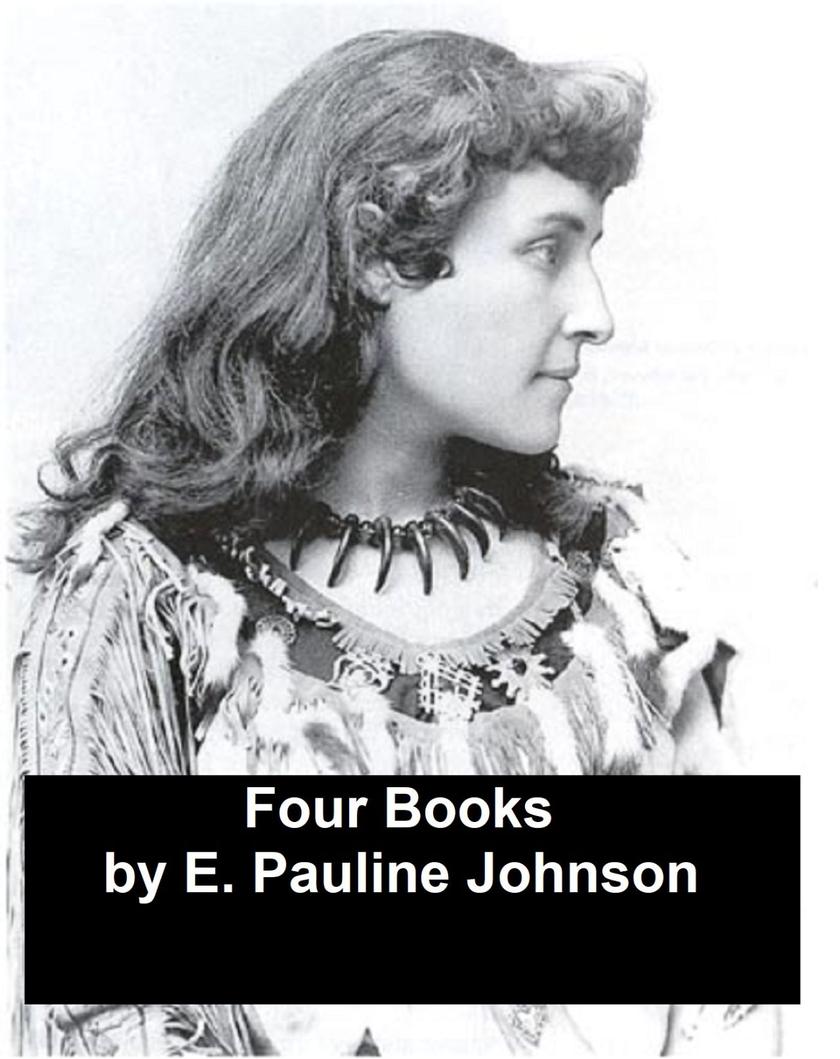
Classic fiction and poetry. This file includes: Flint and Feather, Legends of Vancouver, The Moccasin Maker, and The Shagganappi. According to Wikipedia: "Emily Pauline Johnson (also known in Mohawk as Tekahionwak, literally: 'double-life') (10 March 1861 – 7 March 1913), commonly known as E. Pauline Johnson or just Pauline Johnson, was a Canadian writer and performer popular in the late 19th century. Johnson was notable for her poems and performances that celebrated her First Nations heritage; her father was a Mohawk chief of mixed ancestry, and her mother an English immigrant. One such poem is the frequently anthologized "The Song My Paddle Sings". Her poetry was published in Canada, the United States and Great Britain. Johnson was one of a generation of widely read writers who began to define a Canadian literature."
The Mocassin Maker
¥8.09
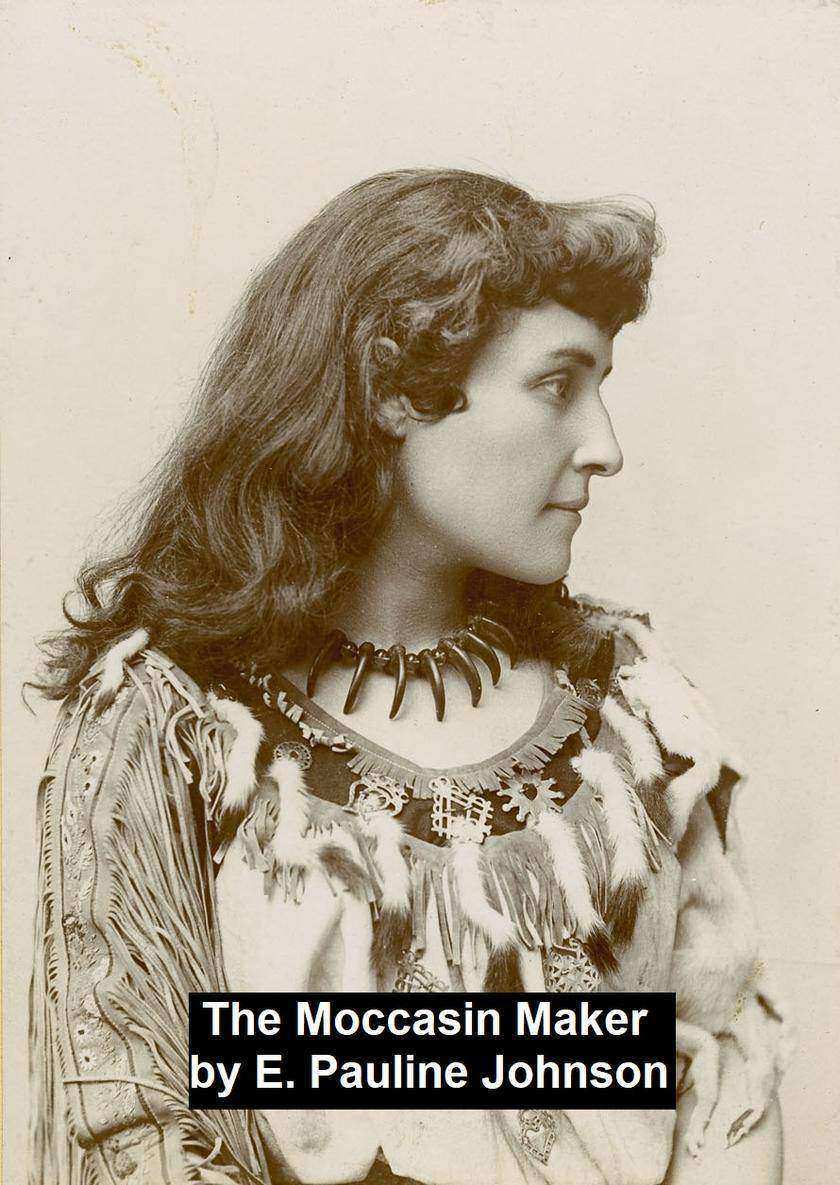
Classic fiction. According to Wikipedia: "Emily Pauline Johnson (also known in Mohawk as Tekahionwake, literally: 'double-life') (10 March 1861 – 7 March 1913), commonly known as E. Pauline Johnson or just Pauline Johnson, was a Canadian writer and performer popular in the late 19th century. Johnson was notable for her poems and performances that celebrated her First Nations heritage; her father was a Mohawk chief of mixed ancestry, and her mother an English immigrant. One such poem is the frequently anthologized "The Song My Paddle Sings". Her poetry was published in Canada, the United States and Great Britain. Johnson was one of a generation of widely read writers who began to define a Canadian literature.

Regeneration
¥8.09
Dodo Collections brings you another classic from H. Rider Haggard, ‘Regeneration’ ? In Regeneration, Haggard talks of the work of the Salvation Army in Great Britain. Haggard sums up the Salvation Army by saying, "the religious Organization founded by this man and his wife is now established and, in most instances, firmly rooted in 56 Countries and Colonies, where it preaches the Gospel in 33 separate languages: that it has over 16,000 Officers wholly employed in its service, and publishes 74 periodicals in 20 tongues, with a total circulation of nearly 1,000,000 copies per issue: that it accommodates over 28,000 poor people nightly in its Institutions, maintaining 229 Food Depots and Shelters for men, women, and children, and 157 Labour Factories where destitute or characterless people are employed: that it has 17 Homes for ex-criminals, 37 Homes for children, 116 Industrial Homes for the rescue of women, 16 Land Colonies, 149 Slum Stations for the visitation and assistance of the poor, 60 Labour Bureaux for helping the unemployed, and 521 Day Schools for children: that, in addition to all these, it has Criminal and General Investigation Departments, Inebriate Homes for men and women, Inquiry Offices for tracing lost and missing people, Maternity Hospitals, 37 Homes for training Officers, Prison-visitation Staffs, and so on almost ad infinitum.” ? Sir Henry Rider Haggard was an English writer of adventure novels set in exotic locations, predominantly Africa, and the creator of the Lost World literary genre. His stories, situated at the lighter end of the scale of Victorian literature, continue to be popular and influential. He was also involved in agricultural reform and improvement in the British Empire. ? His breakout novel was King Solomon's Mines (1885), which was to be the first in a series telling of the multitudinous adventures of its protagonist, Allan Quatermain. ? Haggard was made a Knight Bachelor in 1912 and a Knight Commander of the Order of the British Empire in 1919. He stood unsuccessfully for Parliament as a Conservative candidate for the Eastern division of Norfolk in 1895. The locality of Rider, British Columbia, was named in his memory.

Chess Strategy
¥8.09
Classic chess guide, first published in 1915. According to Wikipedia: "Edward Lasker (December 3, 1885 – March 25, 1981) was a leading German-American chess and Go player. He was awarded the title of International Master of chess by FIDE. Lasker was an engineer by profession, and an author."

Triumph of the Egg and Other Stories
¥8.09
Dodo Collections brings you another classic from Sherwood Anderson, ‘"Triumph of the Egg and Other Stories".’ ? This collection of short stories solidified the author's reputation as a major American writer. Despite their narrative simplicity (similar in style to the work of Hemingway, who was highly influenced by Anderson's technique), these stories explore intriguing psychological depths, redolent with personal epiphanies, erotic undercurrents, and sudden eruptions of passion among seemingly repressed, inarticulate Midwesterners. ? Anderson was born on Sept. 13, 1876, in Camden, Ohio. He never finished high school because he had to work to support his family. By 1912, he was the successful manager of a paint factory in Elyria, Ohio, and the father of three children by the first of his four wives. In 1912, Anderson deserted his family and job. In early 1913, he moved to Chicago, where he devoted more time to his imaginative writing. He became a heroic model for younger writers because he broke with what they considered to be American materialism and convention to commit himself to art.
Kai Lung's Golden Hours
¥8.09
Dodo Collections brings you another classic from Bramah Ernest, ‘Kai Lung's Golden Hours.’ ? As with other Kai Lung novels, the main plot serves primarily as a vehicle for the presentation of the gem-like, aphorism-laden stories told by the protagonist Kai Lung, an itinerant story-teller of ancient China. In?Kai Lung's Golden Hours?he is brought before the court of the Mandarin Shan Tien on charges of treason by the Mandarin's confidential agent Ming-shu. In a unique defense, Kai Lung recites his beguiling tales to the Mandarin, successfully postponing his conviction time after time until he is finally set free. In the process he attains the love and hand of the maiden Hwa-Mei. ? Bramah was a reclusive soul, who shared few details of his private life with his reading public. His full name was Ernest Bramah Smith. It is known that he dropped out of Manchester Grammar School at the age of 16, after displaying poor aptitude as a student and thereafter went into farming, and began writing vignettes for the local newspaper. Bramah's father was a wealthy man who rose from factory hand to a very wealthy man in a short time, and who supported his son in his various career attempts.? Bramah went to Fleet Street after the farming failure and became a secretary to Jerome K. Jerome, rising to a position as editor of one of Jerome's magazines. At some point, he appears to have married Mattie.
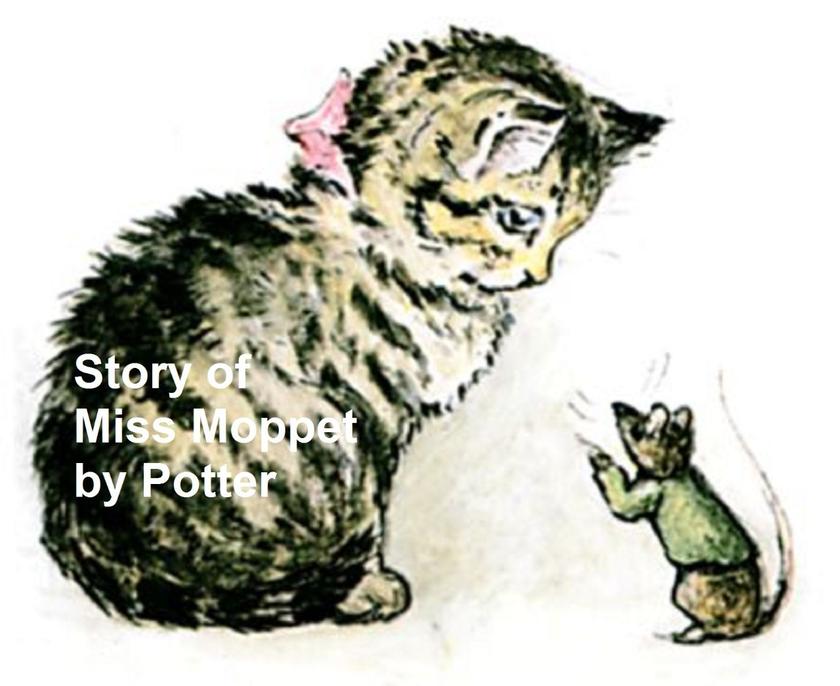
The Story of Miss Moppet
¥8.09
Classic children's picture book, with the 15 original color illustrations. According to Wikipedia: "Helen Beatrix Potter (28 July 1866 – 22 December 1943) was an English author, illustrator, natural scientist and conservationist best known for her imaginative children’s books featuring animals such as those in The Tale of Peter Rabbit which celebrated the British landscape and country life."
Hilda Lessways
¥8.09
Dodo Collections brings you another classic from Arnold Bennett, ‘"Hilda Lessways”. ? In the second volume of the trilogy, events in Clayhanger are retold from the perspective of Hilda Lessways, who is embarking upon a relationship with George Cannon, a charismatic entrepreneur, whose success has taken him from the Five Towns to Brighton. A disastrous bigamous marriage and pregnancy result. Finally, however, she is reconciled with Edwin Clayhanger and one of Bennett’s most lively heroines must face up to her conflicting emotions, and the reality of her hopes and tragedies. ? Enoch Arnold Bennett (always known as Arnold Bennett) was one of the most remarkable literary figures of his time, a product of the English Potteries that he made famous as the Five Towns. Yet he could hardly wait to escape his home town, and he did so by the sheer force of his ambition to succeed as an author. In his time he turned his hand to every kind of writing, but he will be remembered for such novels as The Old Wives' Tale, the Clayhanger trilogy (Clayhanger, Hilda Lessways, and These Twain), and The Card. He also wrote such intriguing self-improvement books as Literary Taste, How To Live on 24 Hours a Day, The Human Machine, etc. ? After a local education Bennett finished his education at the University of London and for a time was editor of Woman magazine. After 1900 he devoted himself entirely to writing; dramatic criticism was one of his foremost interests. Bennett is best known, however, for his novels, several of which were written during his residence in France. ? Bennett's infancy was spent in genteel poverty, which gave way to prosperity as his father succeeded as a solicitor. From this provincial background he became a novelist. ? His enduring fame is as a Chronicler of the Potteries towns, the setting and inspiration of some of his most famous and enduring literary work and the place where he grew up.
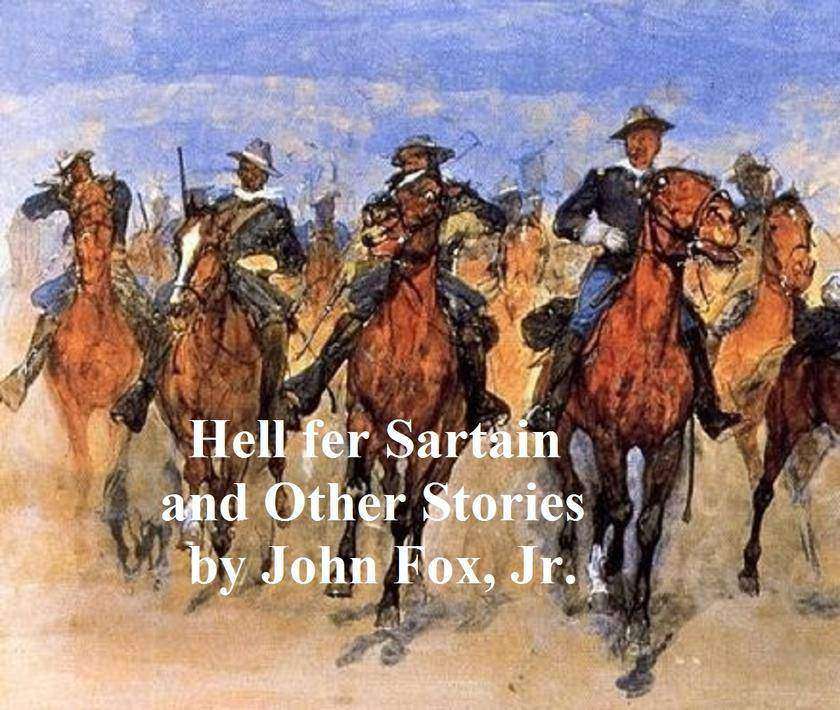
Hell fer Sartain and Other Stories
¥8.09
The stories include: ON HELL-FER-SARTAIN CREEK, THROUGH THE GAP, A TRICK O' TRADE, GRAYSON'S BABY, COURTIN' ON CUTSHIN, THE MESSAGE IN THE SAND, THE SENATOR'S LAST TRADE, PREACHIN' ON KINGDOM-COME, THE PASSING OF ABRAHAM SHIVERS, and A PURPLE RHODODENDRON. According to Wikipedia: "Born in Stony Point, Kentucky to John William Fox, Sr., and Minerva Worth Carr, Fox studied English at Harvard University. He graduated in 1883 before becoming a reporter in New York City. After working for both New York Times and the New York Sun, he published a successful serialization of his first novel, A Mountain Europa, in Century magazine in 1892. Two moderately successful short story collections followed, as well as his first conventional novel, The Kentuckians in 1898. Fox gained a following as a war correspondent, working for Harper's Weekly in Cuba during the Spanish-American War of 1898, where he served with the "Rough Riders." Six years later he traveled to Asia to report on the Russo-Japanese War for Scribner's magazine. Though he occasionally wrote for periodicals, after 1904, Fox dedicated much of his attention to fiction. The Little Shepherd of Kingdom Come (published in 1903) and The Trail of the Lonesome Pine (published in 1908) are arguably his most well known and successful works, entering the New York Times top ten list of bestselling novels for 1903, 1904, 1908, and 1909 respectively. Many of his works reflected the naturalist style, his childhood in Kentucky's Bluegrass region, and his life among the coal miners of Big Stone Gap, Virginia. Many of his novels were historical romances or period dramas set in that region."
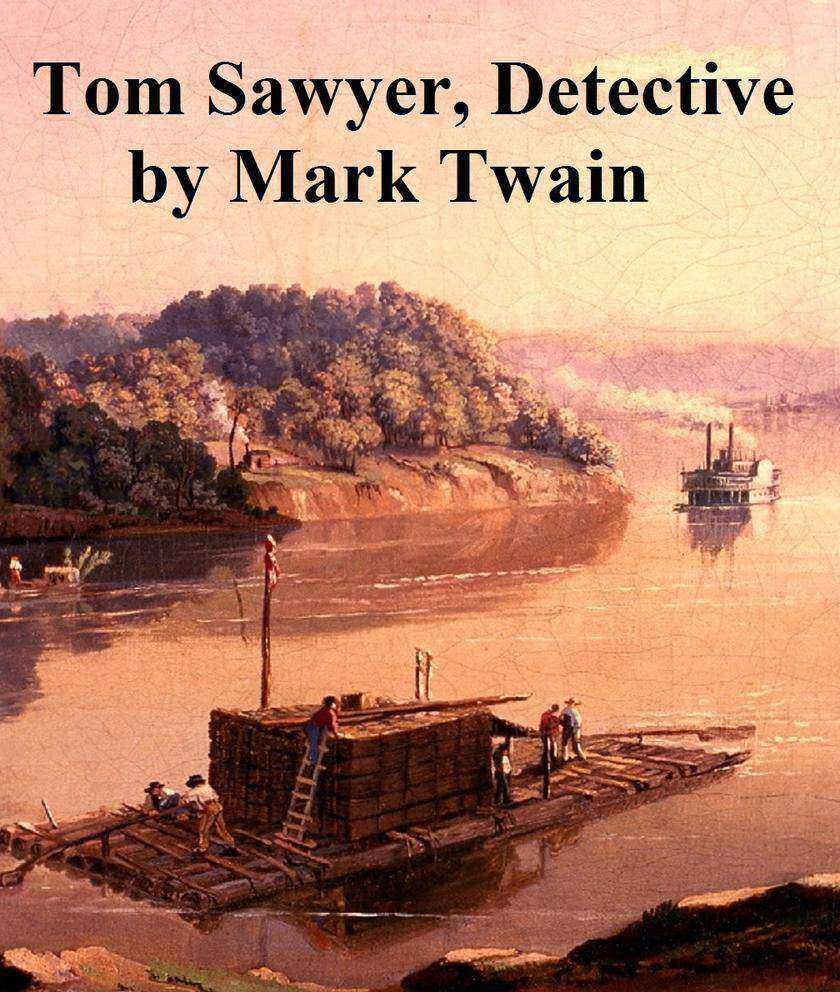
Tom Sawyer Detective
¥8.09
Sequel to the Adventures of Tom Sawyer. Short novel. According to Wikipedia: "Samuel Langhorne Clemens (November 30, 1835 - April 21, 1910), better known by the pen name Mark Twain, was a humorist, satirist, lecturer and writer from the United States of America. Twain is most noted for his novels Adventures of Huckleberry Finn, which has since been called the Great American Novel, and The Adventures of Tom Sawyer. He is also known for his quotations. During his lifetime, Twain became a friend to presidents, artists, leading industrialists and European royalty. Twain enjoyed immense public popularity, and his keen wit and incisive satire earned him praise from both critics and peers. American author William Faulkner called Twain 'the father of American literature.'"
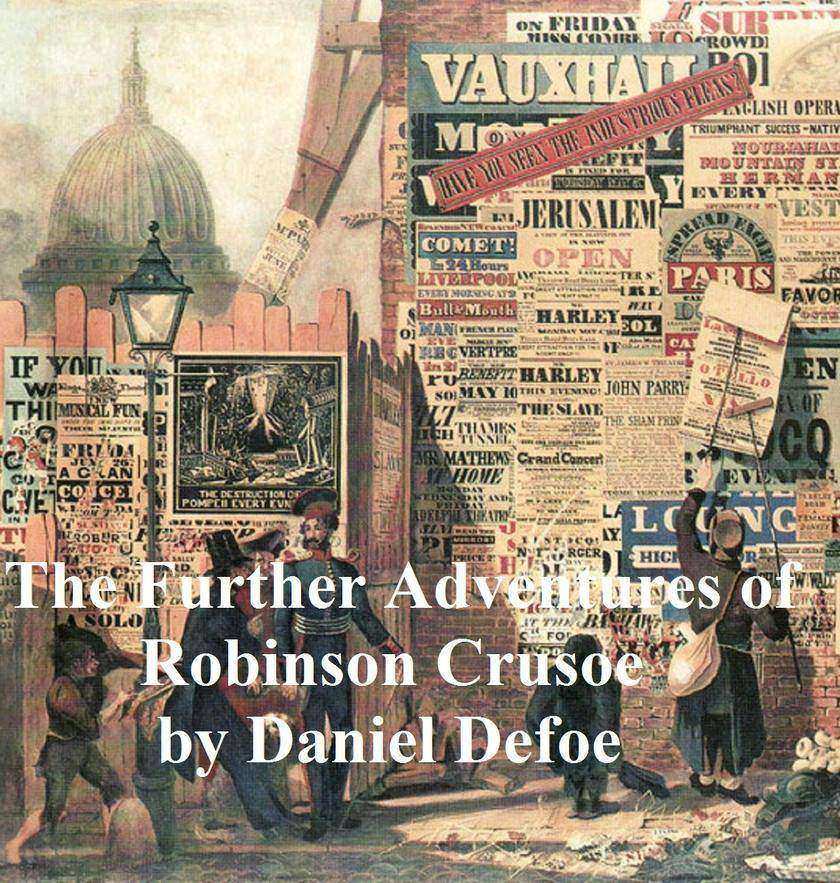
The Further Adventures of Robinson Crusoe
¥8.09
Sequel to the well-known classic. The story begins: "THAT homely proverb, used on so many occasions in England, viz. "That what is bred in the bone will not go out of the flesh," was never more verified than in the story of my Life. Any one would think that after thirty-five years' affliction, and a variety of unhappy circumstances, which few men, if any, ever went through before, and after near seven years of peace and enjoyment in the fulness of all things; grown old, and when, if ever, it might be allowed me to have had experience of every state of middle life, and to know which was most adapted to make a man completely happy; I say, after all this, any one would have thought that the native propensity to rambling which I gave an account of in my first setting out in the world to have been so predominant in my thoughts, should be worn out, and I might, at sixty one years of age, have been a little inclined to stay at home, and have done venturing life and fortune any more." According to Wikipedia: Daniel Defoe (1659/1661 [?] — 1731), born Daniel Foe, was an English writer, journalist, and pamphleteer, who gained enduring fame for his novel Robinson Crusoe. Defoe is notable for being one of the earliest practitioners of the novel, as he helped to popularise the form in Britain, and is even referred to by some as one of the founders of the English novel. A prolific and versatile writer, he wrote more than five hundred books, pamphlets, and journals on various topics (including politics, crime, religion, marriage, psychology and the supernatural). He was also a pioneer of economic journalism."
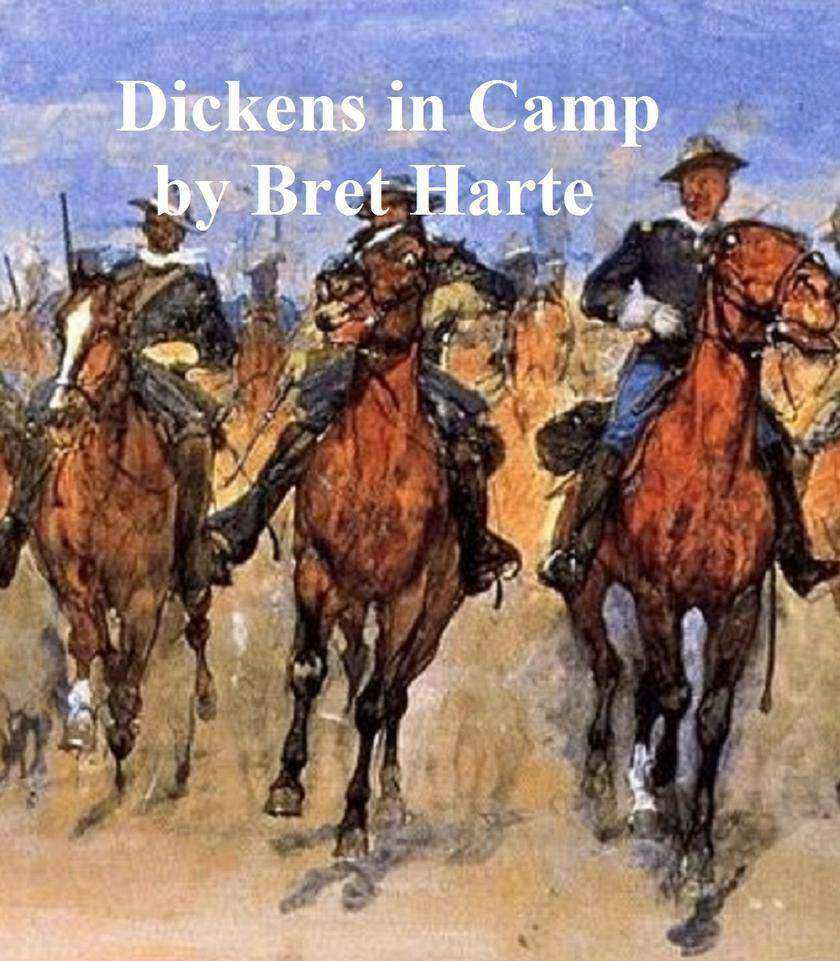
Dickens in Camp
¥8.09
Short poem, considered Harte's verse masterpiece. According to Wikipedia: "Bret Harte (August 25, 1836[2] – May 6, 1902) was an American author and poet, best remembered for his accounts of pioneering life in California. He was born in Albany, New York. ... He moved to California in 1853, later working there in a number of capacities, including miner, teacher, messenger, and journalist. He spent part of his life in the northern California coast town now known as Arcata, then just a mining camp on Humboldt Bay. His first literary efforts, including poetry and prose, appeared in The Californian, an early literary journal edited by Charles Henry Webb. In 1868 he became editor of The Overland Monthly, another new literary magazine, but this one more in tune with the pioneering spirit of excitement in California. His story, "The Luck of Roaring Camp," appeared in the magazine's second edition, propelling Harte to nationwide fame... Determined to pursue his literary career, in 1871 he and his family traveled back East, to New York and eventually to Boston, where he contracted with the publisher of The Atlantic Monthly for an annual salary of $10,000, "an unprecedented sum at the time." His popularity waned, however, and by the end of 1872 he was without a publishing contract and increasingly desperate. He spent the next few years struggling to publish new work (or republish old), delivering lectures about the gold rush, and even selling an advertising jingle to a soap company. In 1878 Harte was appointed to the position of United States Consul in the town of Krefeld, Germany and then to Glasgow in 1880. In 1885 he settled in London. During the thirty years he spent in Europe, he never abandoned writing, and maintained a prodigious output of stories that retained the freshness of his earlier work. He died in England in 1902 of throat cancer and is buried at Frimley."

Woman in White
¥8.09
According to Wikipedia: "The Woman in White is an epistolary novel written by Wilkie Collins in 1859, serialized in 1859–1860, and first published in book form in 1860. It is considered to be among the first mystery novels and is widely regarded as one of the first (and finest) in the genre of 'sensation novels'. The story is considered an early example of detective fiction with the hero, Walter Hartright, employing many of the sleuthing techniques of later private detectives."
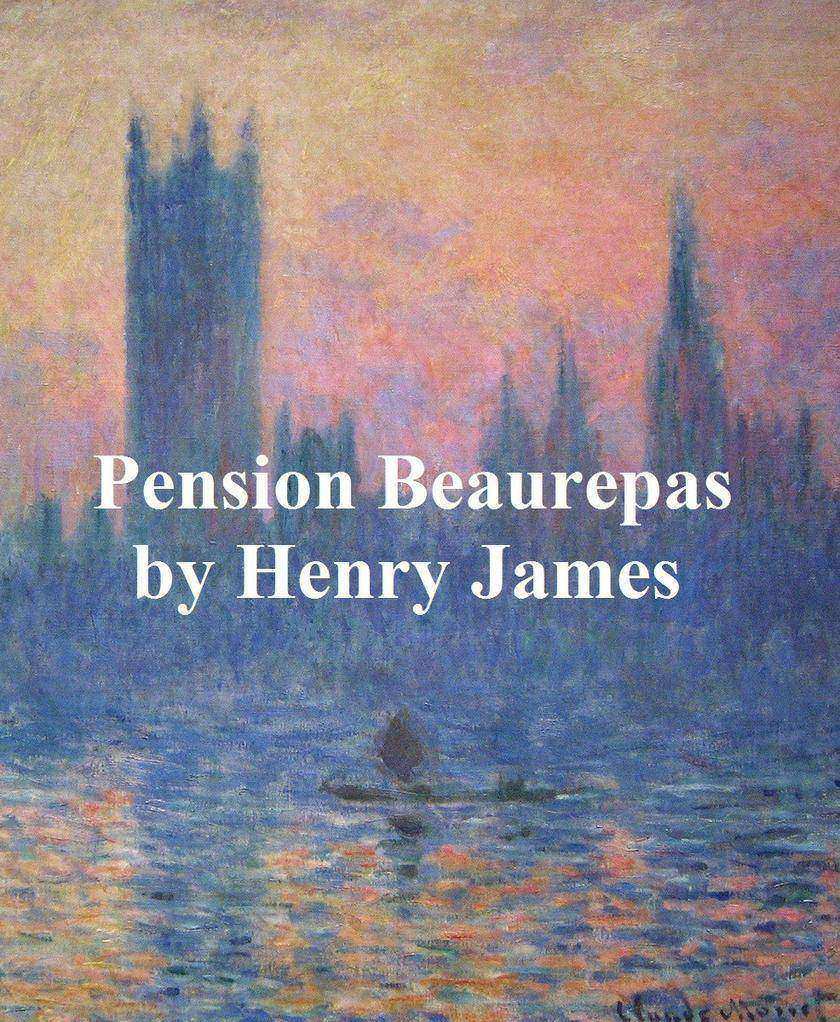
The Pension Beaurepas
¥8.09
Classic Henry James short story. According to Wikipedia: "Henry James, (1843 – 1916), son of theologian Henry James Sr., brother of the philosopher and psychologist William James and diarist Alice James, was an American-born British author. He is one of the key figures of 19th century literary realism; the fine art of his writing has led many academics to consider him the greatest master of the novel and novella form. He spent much of his life in England and became a British subject shortly before his death. He is primarily known for a series of major novels in which he portrayed the encounter of America with Europe. His plots centered on personal relationships, the proper exercise of power in such relationships, and other moral questions. His method of writing from the point of view of a character within a tale allowed him to explore the phenomena of consciousness and perception, and his style in later works has been compared to impressionist painting."
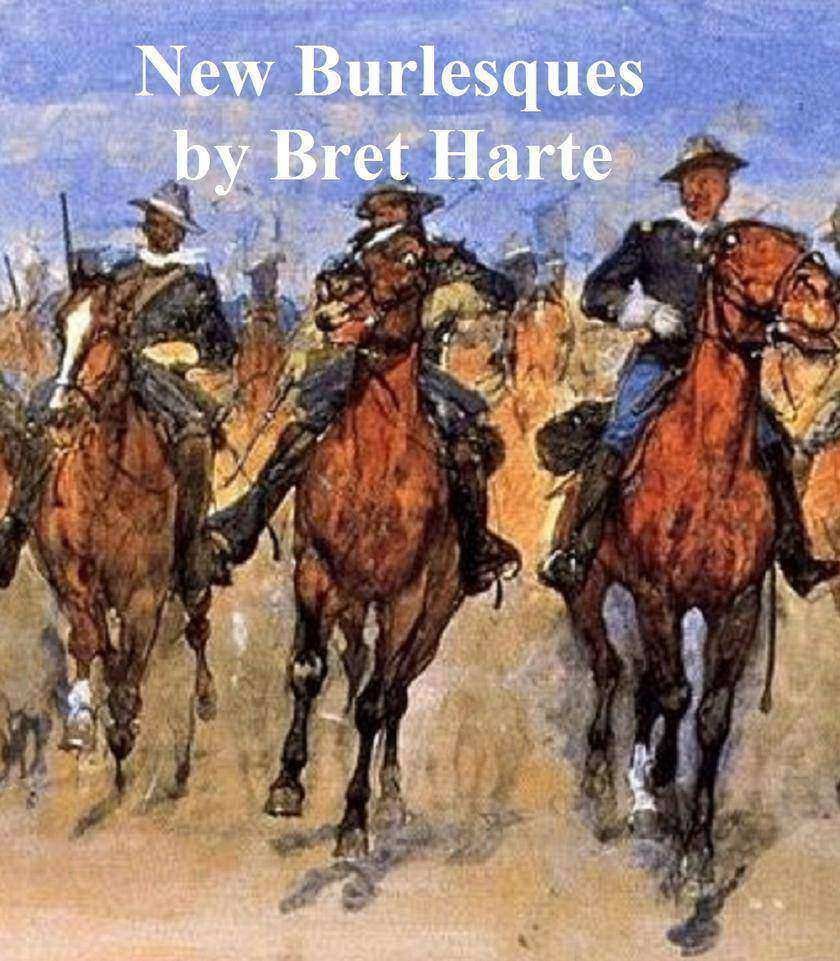
New Burlesques
¥8.09
Parodies, including: Rupert the Resembler, The Stolen Cigar Case, Golly and the Christian, The Adventures of John Longbowe, Don'l Borem, Stories Three, and "Zut-Ski" the Problem of a Wicked Feme Sole. According to Wikipedia: "Bret Harte (August 25, 1836[2] – May 6, 1902) was an American author and poet, best remembered for his accounts of pioneering life in California. He was born in Albany, New York. ... He moved to California in 1853, later working there in a number of capacities, including miner, teacher, messenger, and journalist. He spent part of his life in the northern California coast town now known as Arcata, then just a mining camp on Humboldt Bay. His first literary efforts, including poetry and prose, appeared in The Californian, an early literary journal edited by Charles Henry Webb. In 1868 he became editor of The Overland Monthly, another new literary magazine, but this one more in tune with the pioneering spirit of excitement in California. His story, "The Luck of Roaring Camp," appeared in the magazine's second edition, propelling Harte to nationwide fame... Determined to pursue his literary career, in 1871 he and his family traveled back East, to New York and eventually to Boston, where he contracted with the publisher of The Atlantic Monthly for an annual salary of $10,000, "an unprecedented sum at the time." His popularity waned, however, and by the end of 1872 he was without a publishing contract and increasingly desperate. He spent the next few years struggling to publish new work (or republish old), delivering lectures about the gold rush, and even selling an advertising jingle to a soap company. In 1878 Harte was appointed to the position of United States Consul in the town of Krefeld, Germany and then to Glasgow in 1880. In 1885 he settled in London. During the thirty years he spent in Europe, he never abandoned writing, and maintained a prodigious output of stories that retained the freshness of his earlier work. He died in England in 1902 of throat cancer and is buried at Frimley."


