


 购物车
购物车 个人中心
个人中心
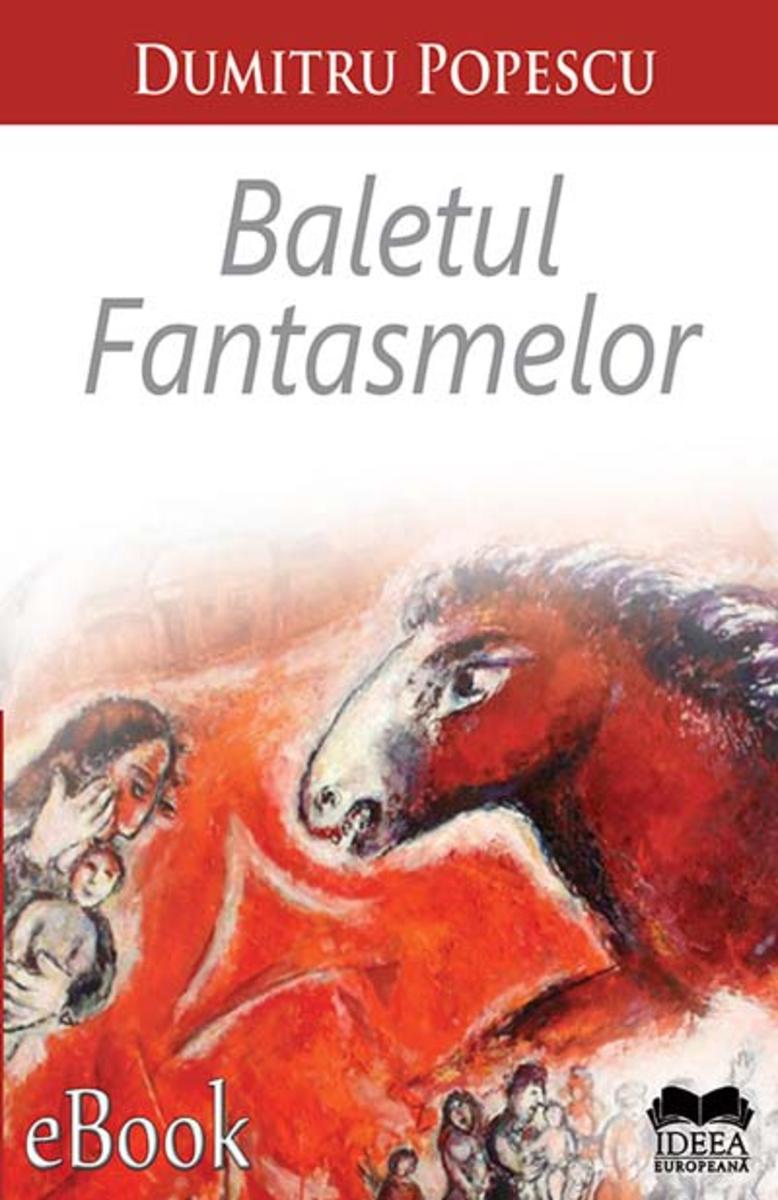
Baletul fantasmelor
¥47.01
Un nou gen de proz? literar?? A?a s-ar p?rea, dac? pornim de la separarea ?n con?tient ?i incon?tient a sinelui uman, aprofundat? magistral de marele psihiatru elve?ian C.G. Jung ?n celebra ?i monumentala sa Carte Ro?ie. Dumitru Popescu are o bogat? oper? literar?-fic?ional? ?i nonfic?ional? – inspirat? din yona con?tientului. Baletul fantasmelor ne propune sondarea cu mijloace literare a celeilalte zone a spiritului, cu origini ?i mecanisme ?nc? greu decelabile ?i care deschide o alt? fabuloas? perspectiv? a l?untricului omenesc.
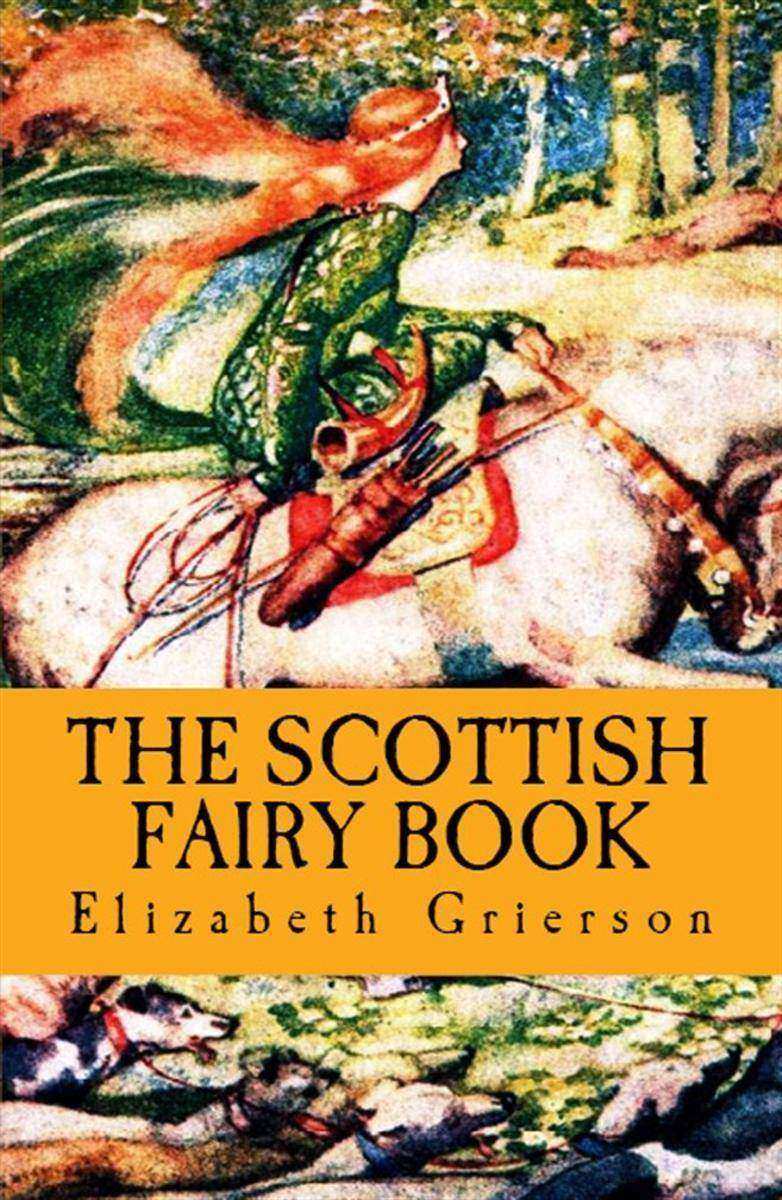
The Scottish Fairy Book
¥18.80
There are, roughly speaking, two distinct types of Scottish Fairy Tales. There are what may be called "Celtic Stories," which were handed down for centuries by word of mouth by professional story-tellers, who went about from clachan to clachan in the "High-lands and Islands," earning a night's shelter by giving a night's entertainment, and which have now been collected and classified for us by Campbell of Isla and others.??These stories, which are also common to the North of Ireland, are wild and fantastic, and very often somewhat monotonous, and their themes are strangely alike. They almost always tell of some hero or heroine who sets out on some dangerous quest, and who is met by giants, generally three in number, who appear one after the other; with whom they hold quaint dialogues, and whom eventually they slay. Most of them are fairly long, and although they have a peculiar fascination of their own, they are quite distinct from the ordinary Fairy Tale.
Momente ?i schi?e. Nuvele ?i povestiri
¥16.35
Caragiale a delimitat si impus teritoriul dramaturgiei romanesti cu numai cinci piese patru comedii si o drama scrise pe durata a doar unsprezece ani. Timp de un secol si peste trei decenii cat a trecut pana astazi de la prima lectura publica a Noptii furtunoase cea dintai dintre marile lui piese perimetrul problematic de viziune stilistic si tipologic al teatrului romanesc atat in registrul comediei cat si in cel al dramei fie aceasta ?de idei“ fantastica ori mitologizanta a ramas cel stabilit de Caragiale. Pentru literatura dramatica romaneasca el a avut si are acelasi rol ca in literatura franceza Corneille Racine si Molière laolalta. I-a fixat pentru eternitate probabil tiparele si ?ntinderea specificul si frontierele. MIRCEA IORGULESCU
Proz?
¥16.35
Tr?ind de azi pe m?ine ?ntr-un Bucure?ti plin de tenta?ii, dar consumator de resurse, studentul la Drept Mihnea B?iatu nu ?i-a dat examenele, iar ob?inerea licen?ei ?ncepe s? semene cu un vis imposibil. A ?nv??at ?ns? cum s? c??tige ?ncrederea cet??enilor s?raci cu duhul – ?i nu e pu?in lucru. Plasat ?ntr-un decor suburban, cu personaje caragialiene, Mihnea B?iatu se ?nscrie ?ns?, f?r? doar ?i poate, ?n tipologia eroilor lui Gib I. Mih?escu, urm?ri?i de idealul femeii absolute. Expert ?n practicile ?amorului democrat“ ?i ?n escrocarea cu sistem – erotic? ?i financiar? – a propriet?reselor de mahala, eternul student d? nas ?n nas pe culoarele universit??ii cu femeia perfect?, care-l scruteaz? ?i ea, cu acela?i interes, prin lentila unui lornion de aur…
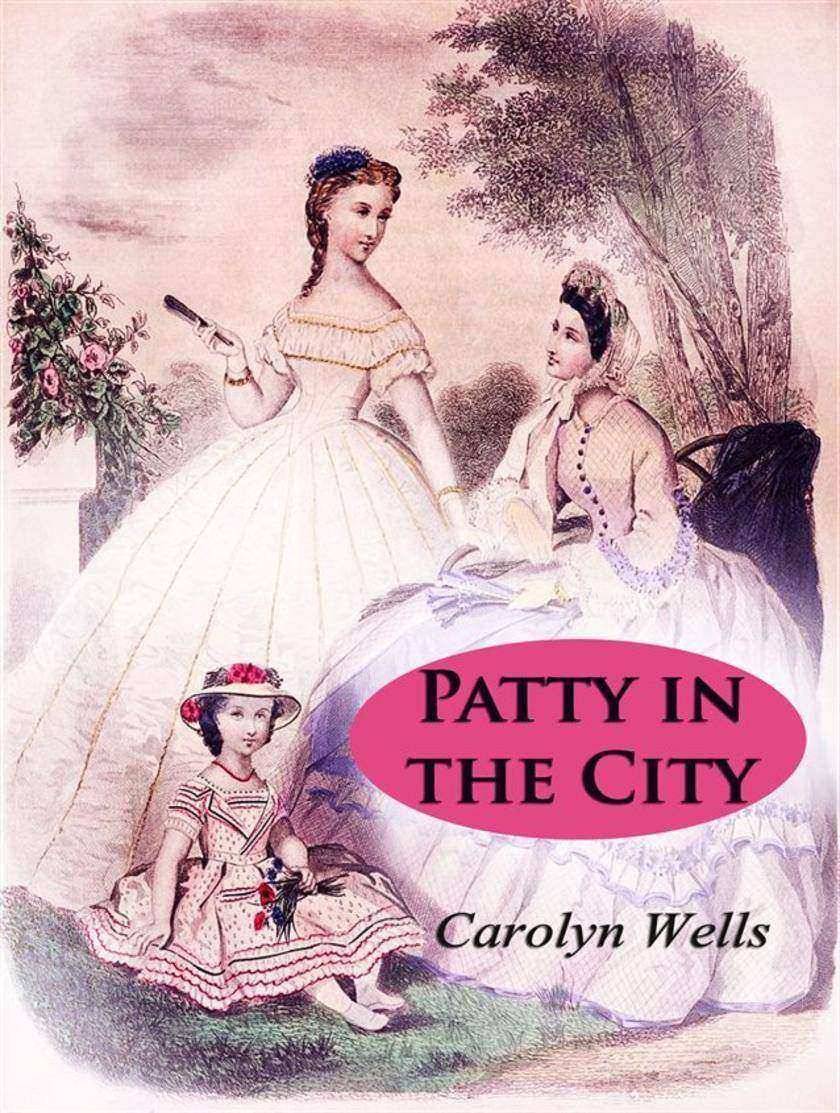
Patty in the City
¥28.29
It was the third week in September when the Fairfields left the seashore and returned to their Vernondale home.??“Now, my child,” said Mr. Fairfield, as they sat on the veranda after dinner, “I will unfold to you my plans for the coming winter, and you may accept, or reject, or amend them as you please.”??“Proceed,” said Patty, settling herself comfortably in her wicker chair; “I feel in an amiable mood this evening, and will probably agree to anything you may suggest.”??“I’ve been thinking for some time,” went on her father, “that I don’t want to spend the coming winter in Vernondale. I would much rather be in New York.”??“Reason number one—Nan,” said Patty, checking it off on her forefinger and smiling at her father.?“Yes,” he responded, with an answering smile, “she is reason number one, but there are others.”?To readers who are unfamiliar with Patty’s earlier history we may say right here that her mother had died when Patty was but three years old. ??At present she lived with her father in their little home in Vernondale, an establishment of which Patty greatly prided herself on her management.?Recently Mr. Fairfield had become engaged to Miss Nan Allen, a young lady who lived in Philadelphia, and who was a dear friend of Patty’s.
Adela
¥16.35
n finalul romanului Donna Alba mtile personajelor cad. Mihai Aspru a vrut doar s-o stpneasc“ pe trufaa aristocrat, mbrcndu-i dorina n podoabe strlucitoare luate din cri. n schimb, Georges Radu erban, soul nelat, boier rigid taxat maliios de ctre narator, se dovedete un veritabil erou tragic, sinucigndu-se din dragoste, ca personajul lui Dostoievski.Ct o privete pe Alba, obiectul obsesiei ndelung elaborate, ea e un personaj de film din anii ‘30: femeia fatal, provocatoare de nenorociri pentru brbaii care o iubesc. Intriga dinamic, colorat de suspans, ajunge la o rezolvare cu happy end, care ar fi putut prea facil dac naratorul n-ar fi introdus un accent original de autoironie i umor negru, chiar n legtur cu ultima apariie a Albei. Foarte frumoas n valurile negre de mare doliu, dar deloc ndurerat, ea i apare brbatului ca un nger al morii, promindu-i o primejdioas fericire.
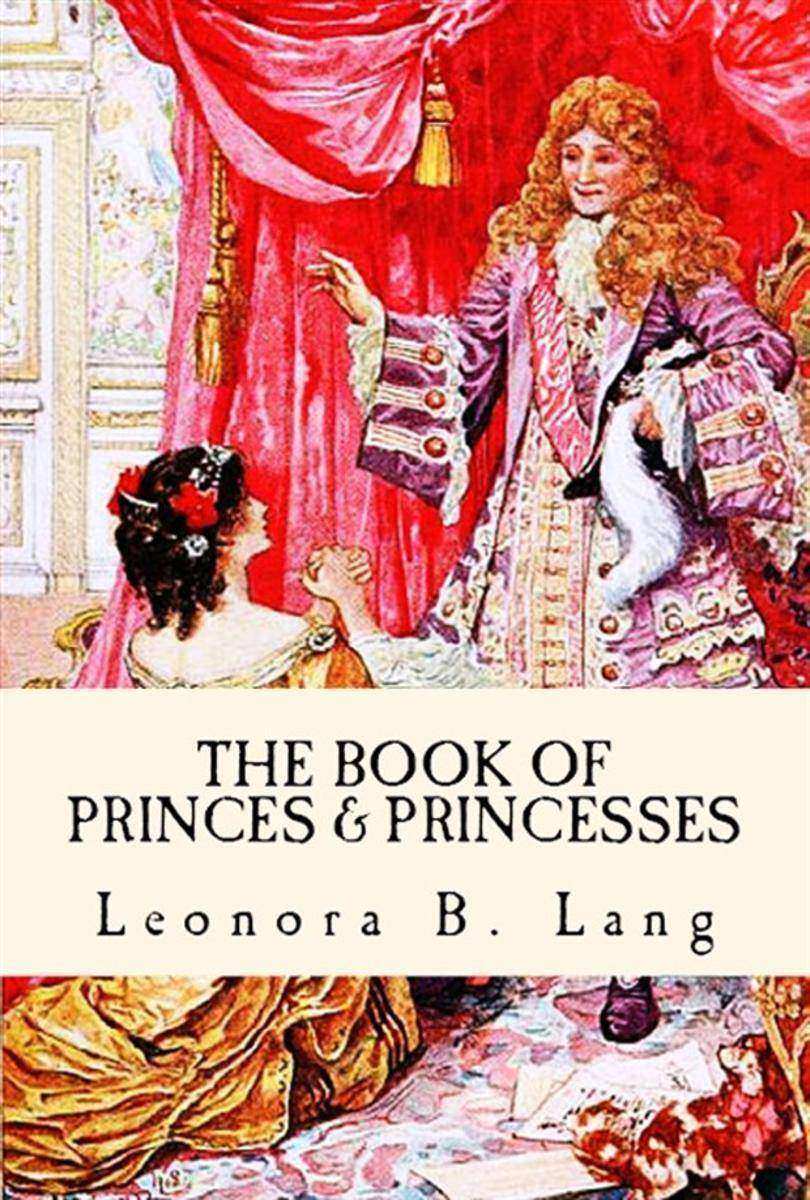
The Book of Princes and Princesses: "Developer Tales for Kids"
¥18.80
PREFACE?All the stories about Princes and Princesses in this book are true stories, and were written by Mrs. Lang, out of old books of history. There are some children who make life difficult by saying, first that stories about fairies are true, and that they like fairies; and next that they do not like true stories about real people, who lived long ago. I am quite ready to grant that there really are such things as fairies, because, though I never saw a fairy, any more than I have seen the little animals which lecturers call molecules and ions, still I have seen people who have seen fairies—truthful people. ??This book about Princes and Princesses is not one which a child is obliged to read. Indeed the stories are not put in order, beginning with the princes who lived longest ago and coming down gradually to people who lived nearest our own time. The book opens with the great Napoleon Bonaparte, who died when some very old people still living were alive. Napoleon was not born a prince, far from it; his father was only a poor gentleman on a wild rough little island. But he made himself not merely a king, but the greatest of all emperors and generals in war. He is not held up as a person whom every boy should try to imitate, but it is a truth that Napoleon always remained a boy in his heart. He liked to make up stories of himself, doing wonderful things which even he was unable to do. When he was a boy he played at being a general, making snow fortresses and besieging them, just as many boys do. And when he was a man he dreamed of conquering all the East, Asia, and India, and Australia; and he tried to do all that, but it was too much even for him.
![The Grey Fairy Book: [Illustrated Edition]](https://platform-permanent.ddimg.cn/pt-media-info-soa-resource/digital/product/52/35/1901165235_ii_cover.jpg?version=ff28e23f-fa41-4bd5-b46e-e85fb6dc1d7b)
The Grey Fairy Book: [Illustrated Edition]
¥28.37
The tales in the Grey Fairy Book are derived from many countries: ”Lithuania, various parts of Africa, Germany, France, Greece, and other regions of the world. They have been translated and adapted by Mrs. Dent, Mrs. Lang, Miss Eleanor Sellar, Miss Blackley, and Miss Lang. 'The Three Sons of Hali' is from the last century 'Cabinet des Faces,' a very large collection. The French author may have had some Oriental original before him in parts; at all events he copied the Eastern method of putting tale within tale, like the Eastern balls of carved ivory. ??The stories, as usual, illustrate the method of popular fiction. A certain number of incidents are shaken into many varying combinations, like the fragments of coloured glass in the kaleidoscope. Probably the possible combinations, like possible musical combinations, are not unlimited in number, but children may be less sensitive in the matter of fairies than Mr. John Stuart Mill was as regards music.
Legendele sau basmele rom?nilor
¥16.35
Cel mai vechi dintre cltorii romantici, Grigore Alexandrescu, n paginile consacrate vizitei sale la mnstirile olteneti (1842), ne ofer… destul de puin. Impresiile sale privesc mai degrab tradiiile istorice ale locurilor pe care le viziteaz sau unele particulariti ale ornduirii lor actuale. Cadrul natural este abia indicat. Cnd ajunge la Cozia, o simpl nsemnare topografic i este de ajuns… n faa Mnstirii Dintr-un Lemn descrierea este ceva mai bogat, dar fr elemente sensibile propriu-zise. Autorul descrie o configuraie, nu un peisagiu… Petera de la Polovraci l impresioneaz mai mult, dar spiritul de observaie rmne, chiar n faa acestui spectacol, inferior fanteziei constructive, creia i se pare a vedea, n grupul stalactitelor, siluete de copii sau de fantasmagorice fiine combinate din oameni i fiare, dac nu simple chipuri slbatice "c doi tlhari, care, cu armele gata, ateapt s atace un trector". Abia, ultima pagin a Memorialului jertfete esteticii timpului, zugrvind un motiv tipic-rasarirea lunii deasupra unei pduri… Pagina merit a fi reinut. Este acea prin care natura, ca obiect al descrierii literare, intr n operele prozatorilor romni, sub forma magiei lunare. Scriitorul nelege ce poate fi dulceag sau convenional n zugrvirea strlucirii nentinate a lunii i de aceea ntregete tabloul sau din contraste punnd alturi de lumin selenar, rspndit pe ziduri, pe stnci i poteci, masa ntunecat a pdurii rmase n umbr. Rsrirea lunii la Tismana rmne oricum o excepie n paginile de proz ale lui Grigore Alexandrescu.“Tudor Vianu, Arta prozatorilor romni, Chiinu, Casa de editura Litera, 1997, p. 69-70.
Istoria ??rii Rom?ne?ti
¥16.35
Mare poet clasic, Co?buc ?i-a asigurat locul printre marii creatori: Eminescu, Creang?, Caragiale, Slavici, prin con?inutul na?ional al operei sale, prin cultivarea ?i frecventarea clasicilor, prin puritatea expresiei ?i claritatea stilului, prin promovarea idealului de frumuse?e echilibrat?, ?n general prin ?nnoirea limbii poetice. Co?buc este – unanim recunoscut – un mare clasic al versului rom?nesc. Poet al naturii ?i al omului de la ?ar?, al exuberan?ei juvenile, al iubirii, al revoltei ?i luptei, al b?rb??iei, Co?buc ?nscrie una din cele mai pre?ioase experien?e ale literelor rom?ne?ti, ?ntr-un moment de r?scruce, c?nd, prin scrierile unei pletore de pseudoeminescieni, se crease ?n poezia noastr? o stare deprimant?, maladiv?, din care se p?rea c? nu exist? perspective de ie?ire spre un liman s?n?tos. ?n acest climat de mal de siecle, de Wetschmerz r?sare nea?teptat de viguros ?i nou George Co?buc, redres?nd poezia rom?neasc?, aduc?nd noi orizonturi, noi sensuri, noi valori artistice.
C?ntece de vitejie
¥16.35
Pove?tile lui Creang? sunt delectabile deopotriv? pentru copii ?i pentru adul?i. ?ns? numai cei din urm? le pot gusta pe deplin savoarea. Creanga pare a nu-?i fi b?tut capul s? inventeze pove?ti: avea de?tul material la ?ndem?n? ca s? mai fie nevoie de a?a ceva. C?t datoreaz? el crea?iei folclorice anonime ?i c?t ?i este aceasta tributar? dup? publicarea pove?tilor ?i absorb?ia – sau re?ntoarcerea – acestora ?n circuitul oralit??ii e o chestiune ce poate interesa mig?loase cercet?ri erudite. Farmecul pove?tilor lui Creang? nu st? ?n inven?ie – cel mult, aici ?i-a spus cuv?ntul selec?ia f?cut? de scriitor dintr-un inventar disponibil at?t de bogat. Ceea ce atrage ?i cucere?te, ?n primul r?nd, e ?punerea ?n scen?“ – nemaivorbind de darul rostirii plastice, suculen?e, at?t de mult comentat ?i analizat.LIVIU PAPADIMA
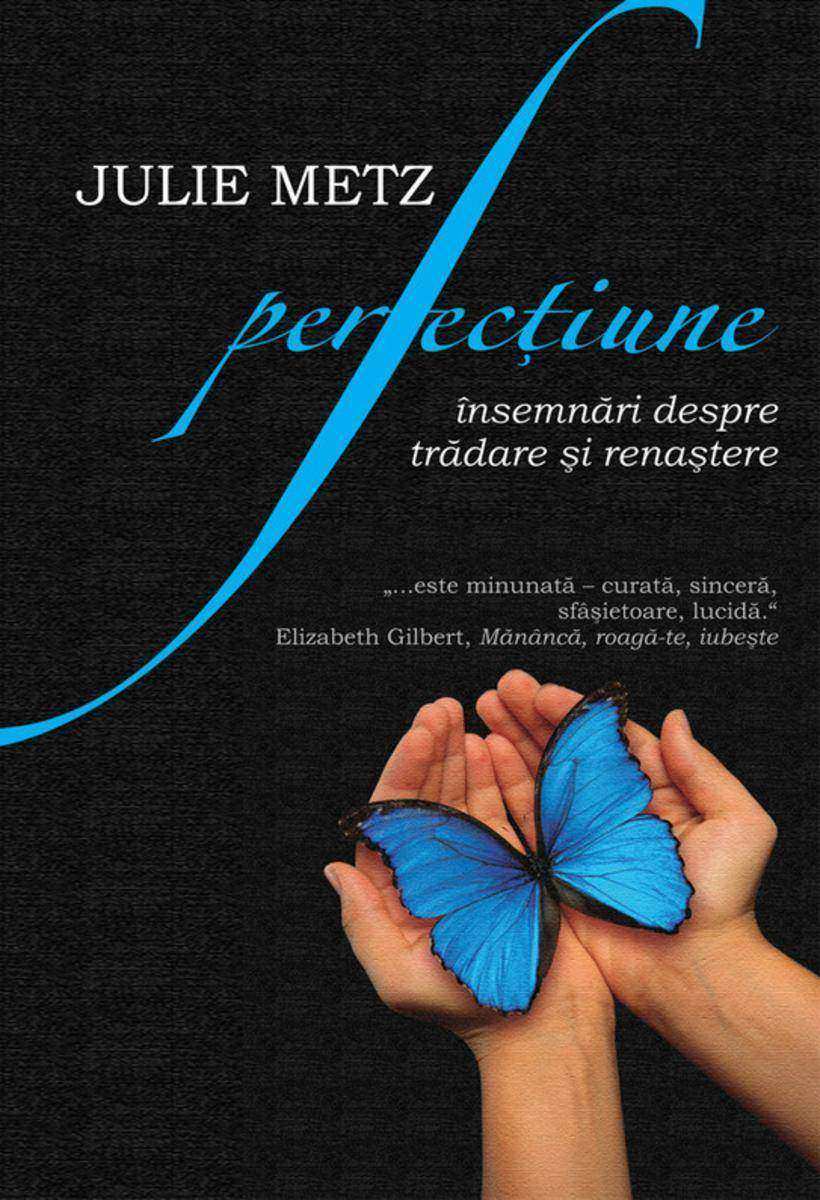
Perfec?iune. ?nsemn?ri despre tr?dare ?i rena?tere
¥57.96
n vrst de 11 ani, Ivy Manx locuiete n inutul Caux, al crui conductor este teribilul Rege Mtrgun i unde legea trmului este otrvete sau fii otrvit“. Fr un degusttor de ncredere acreditat de Breasl care s-i stea mereu aproape, urmtoarea ta mas ar putea fi i ultima.Chiar mai ru, unchiul mult iubit al fetiei – ultimul farmacopat vindector din Caux – a disprut fr urm, lsnd-o pe Ivy cu trusa lui cu leacuri secrete, cu o cioar zgomotoas pe nume H i cu un degusttor nepriceput i mrav, cu nclinaie pentru picoteal.Nu mai e timp de pierdut! Ivy trebuie s-i pun n aplicare teribilul plan! mpreun cu un tnr degusttor pe nume Rowan – aflat pe fug dup otrvirea accidental a douzeci dintre grzile regelui –, fata pornete n cutarea unchiului ei. n aceste vremuri dominate de corupie i de uneltiri – n acest, pn nu demult, minunat loc strvechi –, cei doi copii, devenii acum dumanii ntregului regat, au un sprijin de ndejde.Dar ce vor oare urmritorii lor S fie nestemata de-o inegalabil frumusee ce pare – dei asta este practic imposibil – a fi scobit Sau o fi elixirul pe care ea nsi l-a creat i care are misterioase puteri vindectoare Sau oare poate fi vorba despre Ivy nsiSpus pe un ton uor ironic i de o prospeime irezistibil, primul volum al trilogiei Otrvurile din Caux“, Nestemata Scobit este o uimitoare poveste despre ierburi i magie, degusttori i otrvuri.
C?ntec sf?nt
¥16.35
Ceea ce putem spune ?i ceea ce se cuvine spus este c? literatura noastr? modern? ?l revendic? cu hot?r?re pe Panait Istrati, pe fiul pierdut ?i revenit ca ?i Ulise al versului francez, dup? o miraculoas? c?l?torie. C?ci opera lui Panait Istrati ?ntrege?te peisajul literaturii rom?ne?ti din ultimii dou?zeci de ani, deoarece, dimpreun? cu Mihail Sadoveanu ?i cu Liviu Rebreanu, autorul Chirei Chiralina alc?tuie?te treimea cea de o fiin?? a celei mai unitare substan?e epice. C? ?i ace?tia – ?i poate c? nu stric? s? amintim cum c?te?itrei purced la ?mplinirea operei lor, cam ?n acela?i timp (?ntreg Sadoveanu de dup? Cocost?rcul albastru, doar de la trecutul r?zboi ?ncepe) c? ?i ace?tia, Panait Istrati este dintre to?i ceilal?i scriitori ai no?tri, acela care aduce cele mai multe probleme, cei mai mul?i eroi ?i cea mai puternic? individualitate. — Perpessicius
Excelsior
¥16.35
Dup? cum din Golanii nu se putea prevedea Ion, tot a?a nici din La Grandiflora nu se putea prevedea Rusoaica sau Donna Alba, cu toat? prezen?a elementelor prezumtive ale talentului lui Gib I. Mih?escu. Scriitorul a ?tiut s? se organizeze ?n crea?ii de care critica e bucuroas? s? ?in? seama, ca de produc?ii reprezentative ale literaturii noastre ultime. (Eugen Lovinescu)
Minunile Sf Sisoe
¥16.35
Iubire sete de via?? Tu e?ti puterea creatoare Sub care inimile noastre Renasc ca ???orile ?n soare ??i ?mb?tate de-al t?u farmec Ce peste lume se a?terne ?n tremurarea lor de-o clip? Viseaz? fericiri eterne. Din haos ?i din ?ntuneric Te-ai smuls fecund? ?i senin?: Al t?u sur?s de alma parens Fu prima raz? de lumin?. ??i de c?ldura ta plane?ii Treptat se dezmor?esc ?nvie... Pe to?i ca ?ntr-o mreaj?-i leag? Universala simpatie. Tu faci s? circule ?n lume Puterea ta de z?mislire. ??i miliardele de forme De-a lungul vremii s? se-n?ire. Alexandru Vlahuta - Iubire
Despot Voda. Sanziana si Pepelea
¥16.35
Prin culegerea de fa?? punem la dispozi?ia tineretului studios (?i nu numai) o seam? de opere importante ale lui Vasile Alecsandri, opere reprezentative pentru dramaturgia ?i proza scriitorului, ?n primul r?nd cele prev?zute de programele ?colare ?n vigoare.
Valea Alb?
¥16.35
Biblioteca colarului“ cuprinde cele mai preuite opere ale scriitorilor clasici ai literaturii romne din programa colar. Crile de neuitat ale copilriei sunt disponibile astzi si in format e-book.
Via?a lumii
¥16.35
Si intr-adevar Vlaicu-Voda intruneste toate cerintele unei drame menite sa ramana calitati literare si calitati dramatice. Autorul acestei drame e un adevarat poet care prin imagini noi si bogate prin cuvinte expresive stie sa zugraveasca oameni fapte locuri timpuri. Limba lui e o comoara pe care doar la Odobescu o mai intalnim imperecherea neologismelor cu arhaismele da o culoare delicata si in acelasi timp da putere de expresivitate frazei imperecherile acestea desigur le gasim si in Odobescu dar dl Davila a stiut sa le inmulteasca si sa le rafineze. Un patetism sincer firesc inalta parca si valoarea cuvintelor si a frazelor. Tiradele chiar cele mai lungi sunt cladite cu o arta de compozitie deplina cu o putere de convingere rara asa ca efectul lor e puternic inaltator. Emotia artistica cuprinde pe spectator si-l tine toata vremea cat aude vorbele intelepte/romanesti ale figurilor de pe scena. si pe urma sentintele cuminti neaose care sunt presarate aproape in fiecare replica. [...] Cu toate observatiile mai mult sau mai putin insemnate Vlaicu-Voda ramane o podoaba a literaturii noastre dramatice prin patetismul cald si comunicativ prin frumusetea limbii si a versurilor prin puterea de evocare a unei epoci framantate prin maiestria de amanunt cu care e construita prin efectele dramatice si prin patriotismul cald si cuminte ce transpira dintr-insa. Ca atare Vlaicu-Voda nu numai merita dar trebuie sa figureze totdeauna in repertoriul Teatrului National alaturi de dramele lui Alecsandri Caragiale Hasdeu si ale dlui Delavrancea – Liviu Rebreanu
Ispr?vile lui P?cal?
¥16.35
Iubite cititor. Multe prostii vei citit, de cnd eti. Citete, rogute, i aceste i pe undei vedea c nui vin la socoteal, ia pana n mn i d i tu altceva mai bun la iveal, cci eu atta mam priceput i atta am fcut." Autorul
Stejarul din Borze?ti
¥16.35
Franta avu multi fabulisti nici unul insa nu ajunse pe La Fontaine si sa va spun eu pentru ce? Pentru ca fabula nu sufera secatura si umplutura; ea cere pe langa talent o armonie un stil simplu; ea e datoare sa spuna numai ce trebuie nici o silaba mai mult. Si cine avea mai multa armonie decat Donici! In bordei ca si in palat fabulele lui sunt citite si intelese. – Costache Negruzzi
Fabule ?i Satire
¥16.35
In ampla structura a vitalului dincolo si mai adanc decat omul marunt si decat cel elementar Garleanu gaseste o noua forma a vietii sprijinind si incluzand pe toate celelalte mai inaintate si mai complexe forma umila a vitalitatii expresia ei cea mai simpla si cea mai generala. Povestitorul ii imbratiseaza destinul cu pietate panteista si inveselindu-se sau varsand o lacrima pe seama ei plange si rade de sine insusi de toti oamenii laolalta si poate chiar de zei. Este aci o atitudine tipica a naturalismului modern adica a acelei indrumari literare formate in scoala interpretarii stiintifice a vietii care se calauzeste de convingerea ca umanul se rezolva in biologie si ca spiritul nu are alte legi decat acele ale vietii in general. Unitatea vietii permite aflarea talcurilor ei generale in acele din formele ei care fiind mai simple sunt in acelasi timp mai limpezi...“ – Tudor Vianu Arta prozatorilor romani


