


 购物车
 个人中心

Kai Lung's Golden Hours
¥8.09
Dodo Collections brings you another classic from Bramah Ernest, ‘Kai Lung's Golden Hours.’ ? As with other Kai Lung novels, the main plot serves primarily as a vehicle for the presentation of the gem-like, aphorism-laden stories told by the protagonist Kai Lung, an itinerant story-teller of ancient China. In?Kai Lung's Golden Hours?he is brought before the court of the Mandarin Shan Tien on charges of treason by the Mandarin's confidential agent Ming-shu. In a unique defense, Kai Lung recites his beguiling tales to the Mandarin, successfully postponing his conviction time after time until he is finally set free. In the process he attains the love and hand of the maiden Hwa-Mei. ? Bramah was a reclusive soul, who shared few details of his private life with his reading public. His full name was Ernest Bramah Smith. It is known that he dropped out of Manchester Grammar School at the age of 16, after displaying poor aptitude as a student and thereafter went into farming, and began writing vignettes for the local newspaper. Bramah's father was a wealthy man who rose from factory hand to a very wealthy man in a short time, and who supported his son in his various career attempts.? Bramah went to Fleet Street after the farming failure and became a secretary to Jerome K. Jerome, rising to a position as editor of one of Jerome's magazines. At some point, he appears to have married Mattie.
The Mirror of Kong Ho
¥8.09
Dodo Collections brings you another classic from Bramah Ernest, ‘The Mirror of Kong Ho.’ ? This lively and amusing set of stories, constructed as a series of letters dealing with the oddities and eccentricities of the West, are purportedly by Kong Ho, a Chinese man visiting early 20th century London. These letters, addressed to his homeland, refer to the Westerners in London as barbarians and reinterpret many elements of modern life (such as the motor car and the piano) with the wit, wisdom and wry sense of humor that suffuses the best of Bramah's Oriental works. Bramah was a reclusive soul, who shared few details of his private life with his reading public. His full name was Ernest Bramah Smith. It is known that he dropped out of Manchester Grammar School at the age of 16, after displaying poor aptitude as a student and thereafter went into farming, and began writing vignettes for the local newspaper. Bramah's father was a wealthy man who rose from factory hand to a very wealthy man in a short time, and who supported his son in his various career attempts. ? Bramah went to Fleet Street after the farming failure and became a secretary to Jerome K. Jerome, rising to a position as editor of one of Jerome's magazines. At some point, he appears to have married Mattie.
Affinities and Other Stories
¥8.09
According to Wikipedia: "Mary Roberts Rinehart (August 12, 1876-September 22, 1958) was a prolific author often called the American Agatha Christie.[1] She is considered the source of the phrase "The butler did it", although she did not actually use the phrase herself, and also considered to have invented the "Had-I-But-Known" school of mystery writing.... Rinehart wrote hundreds of short stories, poems, travelogues and special articles. Many of her books and plays, such as The Bat (1920) were adapted for movies, such as The Bat (1926), The Bat Whispers (1930), and The Bat (1959). While many of her books were best-sellers, critics were most appreciative of her murder mysteries. Rinehart, in The Circular Staircase (1908), is credited with inventing the "Had-I-But-Known" school of mystery writing. The Circular Staircase is a novel in which "a middle-aged spinster is persuaded by her niece and nephew to rent a country house for the summer. The house they choose belonged to a bank defaulter who had hidden stolen securities in the walls. The gentle, peace-loving trio is plunged into a series of crimes solved with the help of the aunt. This novel is credited with being the first in the "Had-I-But-Known" school."[3] The Had-I-But-Known mystery novel is one where the principal character (frequently female) does less than sensible things in connection with a crime which have the effect of prolonging the action of the novel. Ogden Nash parodied the school in his poem Don't Guess Let Me Tell You: "Sometimes the Had I But Known then what I know now I could have saved at least three lives by revealing to the Inspector the conversation I heard through that fortuitous hole in the floor." The phrase "The butler did it", which has become a cliché, came from Rinehart's novel The Door, in which the butler actually did do it, although that exact phrase does not actually appear in the work."
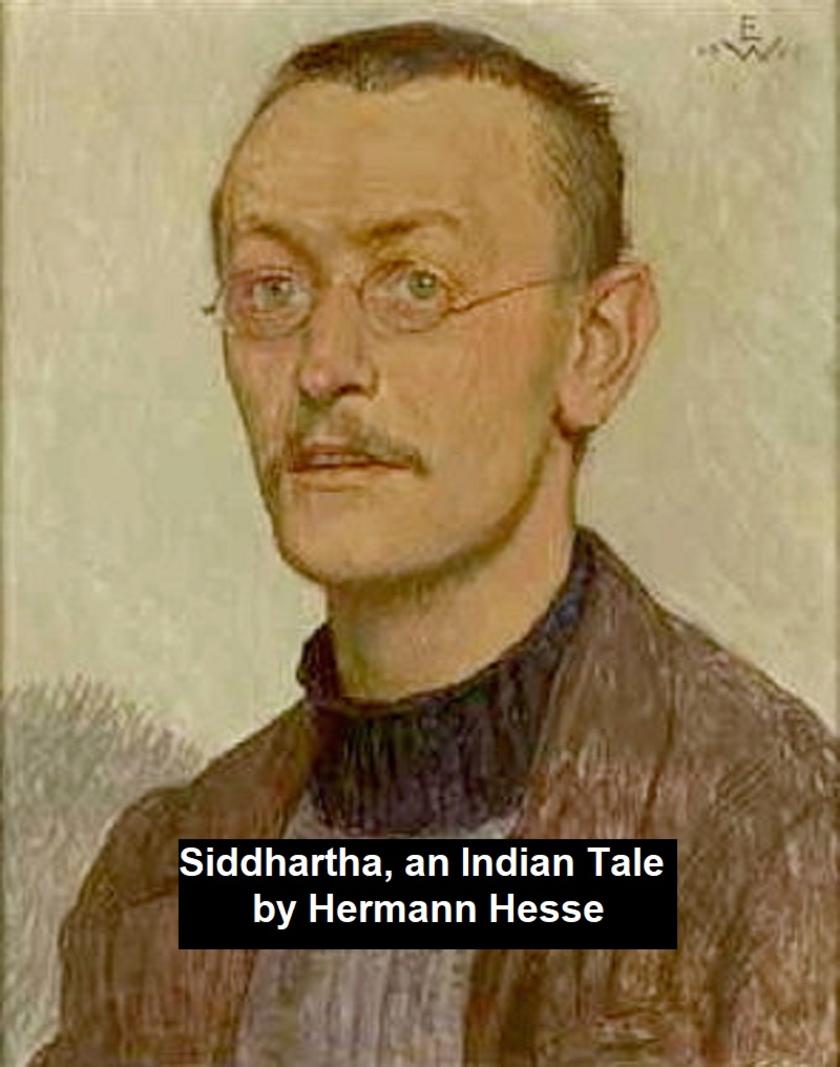
Siddhartha, an Indian Tale
¥8.09
Classic novel, first published in 1922. According to Wikipedia: "Siddhartha is a novel by Hermann Hesse that deals with the spiritual journey of a boy known as Siddhartha from the Indian subcontinent during the time of the Buddha. The book, Hesse's ninth novel, was written in German, in a simple yet powerful and lyrical style. It was published in the U.S. in 1951 and became influential during the 1960s. Hesse dedicated Siddhartha to Ninon Hesse, his wife. The word Siddhartha is made up of two words in the Sanskrit language, siddha (achieved) + artha (meaning or wealth). The two words together mean "he who has found meaning (of existence)" or "he who has attained his goals". The Buddha's name, before his renunciation, was Prince Siddhartha Gautama. In this book, the Buddha is referred to as "Gotama".
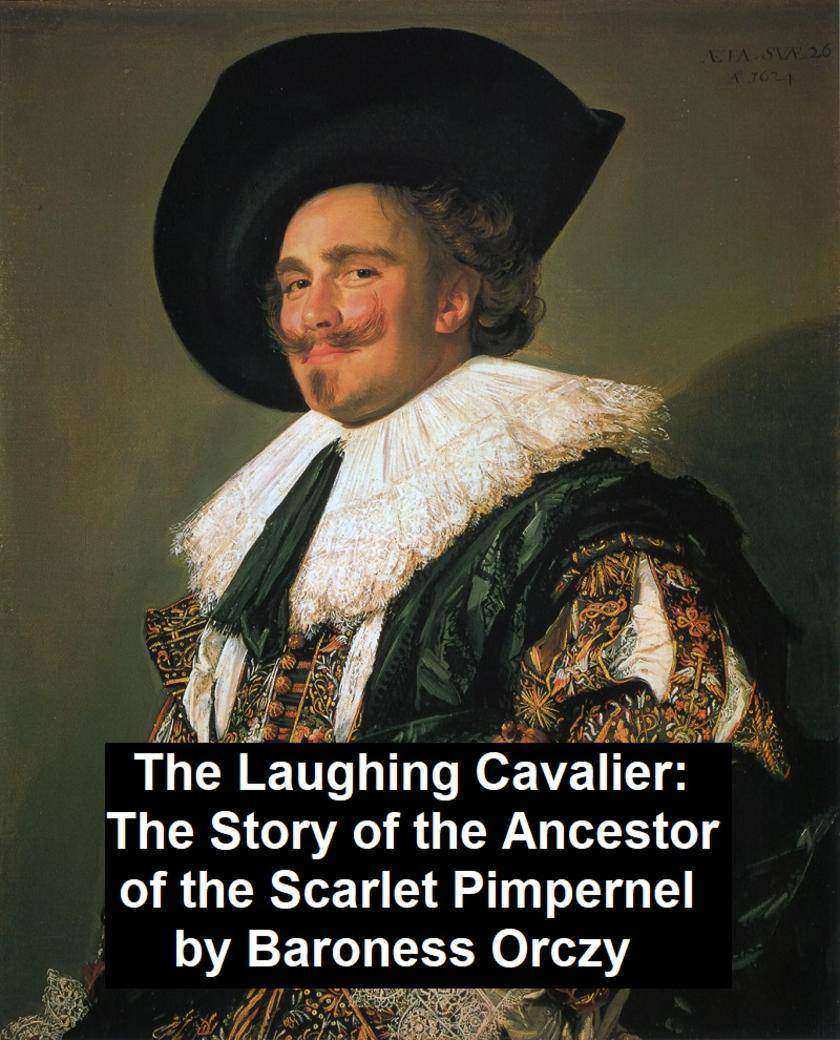
The Laughing Cavalier, the Story of the Ancestor of the Scarlet Pimpernel
¥8.09
Classic historical novel, set in the Netherlands in the 17th century, related to the Scarlet Pimpernel series. According to Wikipedia: "The Scarlet Pimpernel is a classic play and adventure novel by Baroness Emmuska Orczy, set during the Reign of Terror following the start of the French Revolution. The story is a precursor to the "disguised superhero" tales such as Zorro. The play was produced and adapted by Julia Neilson and Fred Terry. It first opened on 15 October 1903 at Nottingham’s Theatre Royal; it was not a success. Terry, however, had confidence in the play and, with a rewritten last act, took it to London where it opened at the New Theatre on 5 January 1905. The premier of the London production was enthusiastically received by the audience, but critics considered the play 'old-fashioned.' In spite of negative reviews, the play became a popular success, running 122 performances and enjoying numerous revivals. The Scarlet Pimpernel became a favourite of London audiences, playing more than 2,000 performances and becoming one of the most popular shows staged in England to that date. The novel was published soon after the play's opening and was an immediate success. Orczy gained a following of readers in Britain and throughout the world. The popularity of the novel encouraged her to write a number of sequels for her "reckless daredevil" over the next 35 years. The play was performed to great acclaim in France, Italy, Germany and Spain, while the novel was translated into 16 languages. Subsequently, the story has been adapted for television, film, a musical and other media. The international success of The Scarlet Pimpernel allowed Orczy and her husband to live out their lives in luxury. Over the years, they lived on an estate in Kent, a bustling London home and an opulent villa in Monte Carlo. Orczy wrote in her autobiography, Links in the Chain of Life: "I have so often been asked the question: "But how did you come to think of The Scarlet Pimpernel?" And my answer has always been: "It was God's will that I should." And to you moderns, who perhaps do not believe as I do, I will say, "In the chain of my life, there were so many links, all of which tended towards bringing me to the fulfillment of my destiny." According to Wikipedia: "Baroness Emma Magdolna Rozália Mária Jozefa Borbála "Emmuska" Orczy de Orczi (23 September 1865 – 12 November 1947) was a British novelist, playwright and artist of Hungarian noble origin. She was most notable for her series of novels featuring the Scarlet Pimpernel. Some of her paintings were exhibited at the Royal Academy in London."
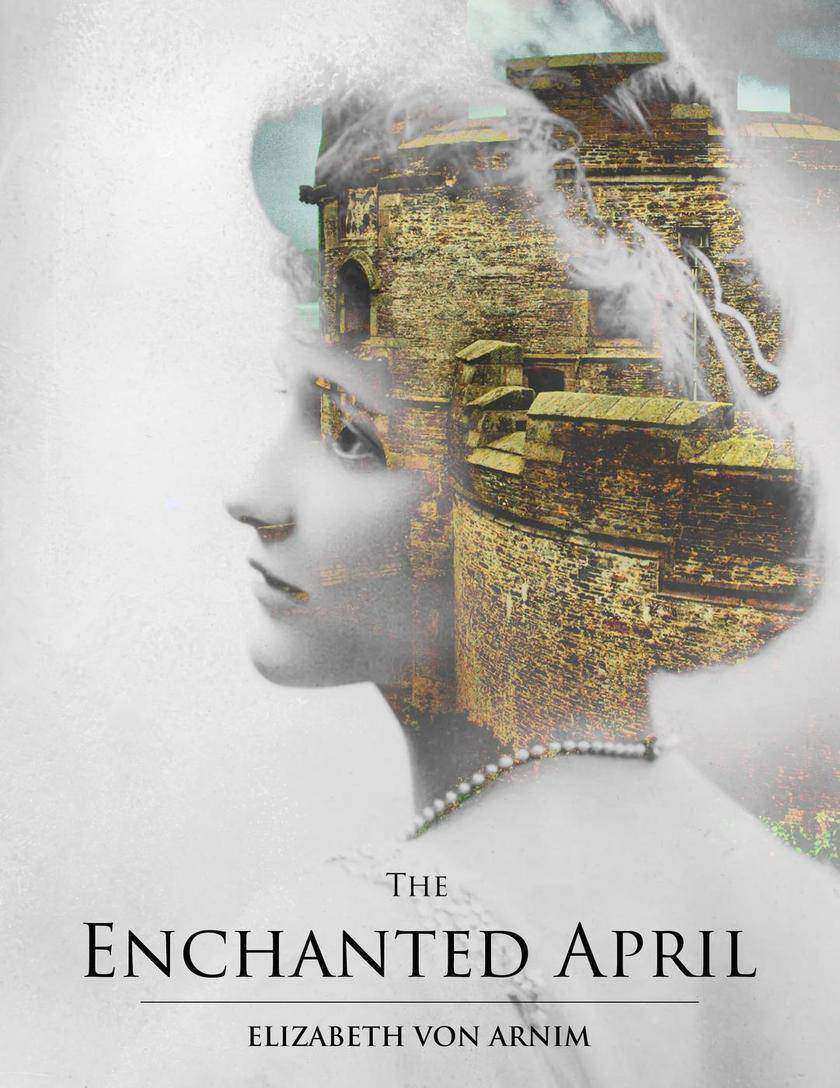
The Enchanted April
¥18.56
Elizabeth von Arnim's novel tells the story of four dissimilar women in 1920s England who leave their damp and rainy environments to go on a holiday to a secluded coastal castle in Italy. Mrs Arbuthnot and Mrs Wilkins, who belong to the same ladies' club, but have never spoken, become acquainted after reading a newspaper advertisement for a small medieval Italian castle on the shores of the Mediterranean to be let furnished for the month of April. They find some common ground in that both are struggling to make the best of unhappy marriages. Having decided to seek other ladies to help share expenses, they reluctantly take on the waspish, elderly Mrs Fisher and the stunning, but aloof, Lady Caroline Dester. The four women come together at the castle and find rejuvenation in the tranquil beauty of their surroundings, rediscovering hope and love.
Bliss, and Other Stories
¥18.56
Mansfield's Bliss, and Other Stories, published in 1920, secured the author's literary reputation. While readers and critics at the time generally lauded the short fiction collection, a few reviewers objected to its controversial subject matter - infidelities, discussions of sexuality, cruel and superficial characters. Today "Bliss" is one of Mansfield's most frequently anthologized stories and still resonates with modern readers.
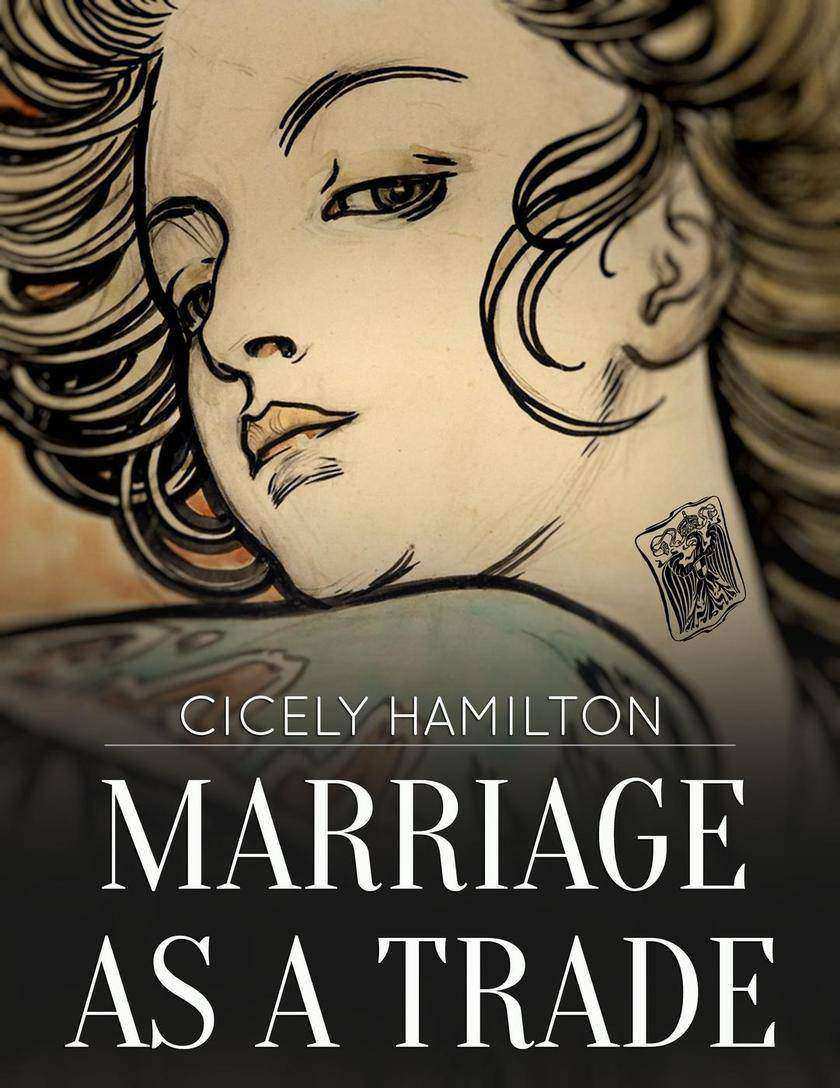
Marriage as a Trade
¥18.56
In "Marriage as a Trade" Hamilton asserts that "woman, as we know her to-day, is largely a manufactured product; that the particular qualities which are supposed to be inherent in her and characteristic of her sex are often enough nothing more than the characteristics of a repressed class and the entirely artificial result of her surroundings and training."
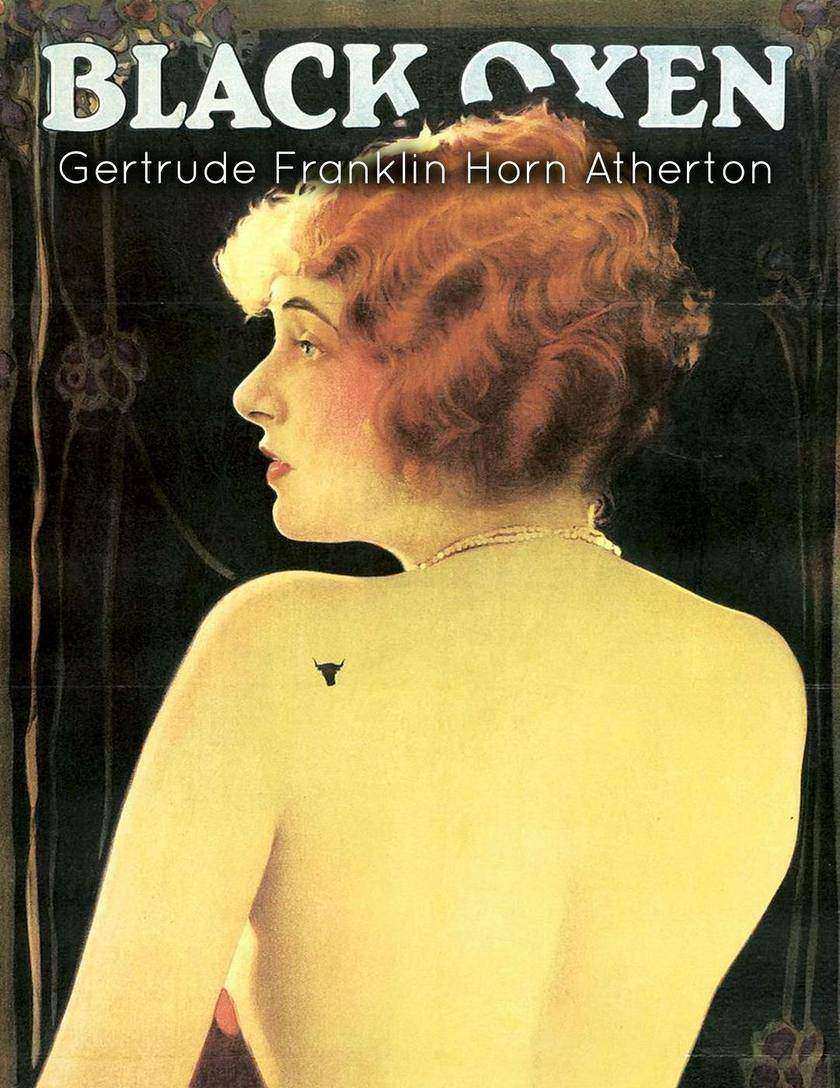
Black Oxen
¥18.56
This tale of scientific rejuvenation was the number one best seller of 1923. The story centers on the relationship between thirty-four year old columnist Lee Clavering, and Mary Zattiany, a 58 year old woman who, through modern science, has regained her youth. The story takes place within New York’s high society and there is much criticism of both the older and younger generations in the 1920s. The older generation is argued to be unreasonably caught up in convention while the younger generation is shown as being too eager to flout their straying from those same conventions.

A Fighting Man of Mars
¥18.56
A Fighting Man of Mars is the seventh book in the Mars series, originally published in six-parts in Blue Book Magazine, May to September 1930. It is an interesting and exciting novel filled with futuristic scientific inventions. There are five enemy cities or lands encountered in this tale with five wonderfully drawn villains: Xanator with the green men and white apes; Tjanath with Haj Osis and “The Death”; Ghasta with Ghron the “spider”; Jhama with Phor Tak the mad scientist; and U-Gor with the cannibals. It is a high adventure in the best tradition of Edgar Rice Burroughs.
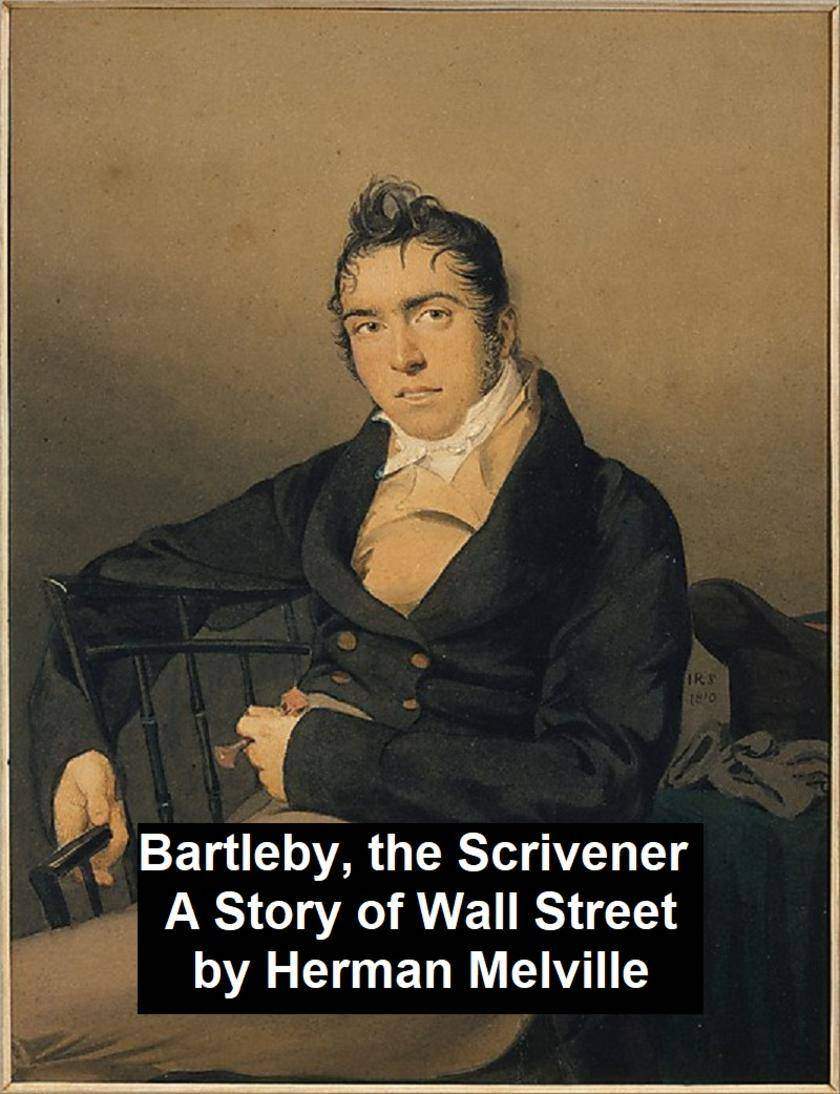
Bartleby, the Scrivener. A Story of Wall-Street
¥8.09
Accordingto Wikipedia: "Bartleby, the Scrivener: A Story of Wall Street is a novella by the American novelist Herman Melville (1819–1891). It first appeared anonymously in two parts in the November and December 1853 editions of Putnam's Magazine, and was reprinted with minor textual alterations in his The Piazza Tales in 1856. Herman Melville wrote the story as an emotional response to the fact that Pierre was published to bad reviews. Christopher Sten writes in "Bartleby, the Transcendentalist: Melville's Dead Letter to Emerson" Melville found inspiration in Ralph Waldo Emerson's essays, particularly "The Transcendentalist" which shows parallels to "Bartleby". Bartleby is a kind of clerk, a copyist, "who obstinately refuses to go on doing the sort of writing demanded of him." During the spring of 1851, Melville felt similarly about his work on Moby Dick. Thus, Bartleby can be seen to represent Melville’s frustration with his own situation as a writer, and the story itself is “about a writer that forsakes conventional modes because of an irresistible preoccupation with the most baffling philosophical questions... Though no great success at the time of publication, "Bartleby the Scrivener" is now among the most noted of American short stories."
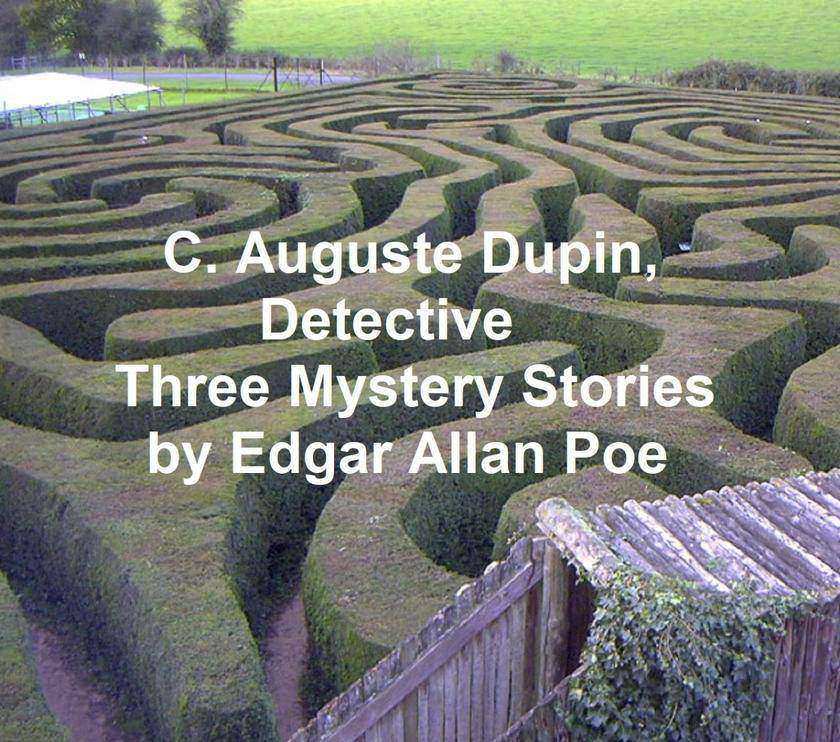
C. Auguste Dupin, Detective: Three Mystery Stories
¥8.09
This file includes all three of Edgar Allan Poe's mystery stories featuring Detective C. August Dupin: The Murders in the Rue Morgue, The Mystery of Marie Roget, and The Purloined Letter. According to Wikipedia: "Dupin is not a professional detective and his motivations for solving the mysteries change throughout the three stories. Using what Poe termed "ratiocination", Dupin combines his considerable intellect with creative imagination, even putting himself in the mind of the criminal. His talents are strong enough that he appears able to read the mind of his companion, the unnamed narrator of all three stories."

In Desert and Wilderness
¥18.56
In Desert and Wilderness is a popular novel for young people by Polish author and Nobel Prize-winning novelist Henryk Sienkiewicz, written in 1912. It is in fact the author's only novel written for children. It tells the story of two young friends, Sta? Tarkowski and Nel Rawlison, kidnapped by the rebels during Mahdi's rebellion in Sudan. It was adapted to cinema in 1973 and 2001.

Gunman's Reckoning
¥8.09
Dodo Collections brings you another classic from Max Brand, ‘Gunman's Reckoning.’ The fifty empty freights danced and rolled and rattled on the rough road bed and filled ?Jericho Pass with thunder; the big engine was laboring and grunting at the grade but five cars back the noise of the locomotive was lost. Yet there is a way to talk above the noise of a freight train just as there is a way to whistle into the teeth of a stiff wind. Frederick Schiller Faust (1892-1944) was an American fiction author known primarily for his thoughtful and literary Westerns. Faust wrote mostly under pen names, and today he is primarily known by one, Max Brand. Others include George Owen Baxter, Martin Dexter, Evin Evans, David Manning, Peter Dawson, John Frederick, and Pete Morland. Faust was born in Seattle. He grew up in central California and later worked as a cowhand on one of the many ranches of the San Joaquin Valley. Faust attended the University of California, Berkeley, where he began to write frequently. During the 1910s, Faust started to sell stories to the many emerging pulp magazines of the era. In the 1920s, Faust wrote furiously in many genres, achieving success and fame, first in the pulps and later in the upscale "slick" magazines. His love for mythology was, however, a constant source of inspiration for his fiction and his classical and literary inclinations. The classical influences are particularly noticeable in his first novel The Untamed (1919), which was also made into a motion picture starring Tom Mix in 1920.

The History of Samuel Titmarsh
¥8.09
Classic novel. According to Wikipedia: "Thackeray is most often compared to one other great novelist of Victorian literature, Charles Dickens. During the Victorian era, he was ranked second only to Dickens, but he is now much less read and is known almost exclusively for Vanity Fair. In that novel he was able to satirize whole swaths of humanity while retaining a light touch. It also features his most memorable character, the engagingly roguish Becky Sharp. As a result, unlike Thackeray's other novels, it remains popular with the general reading public; it is a standard fixture in university courses and has been repeatedly adapted for movies and television. In Thackeray's own day, some commentators, such as Anthony Trollope, ranked his History of Henry Esmond as his greatest work, perhaps because it expressed Victorian values of duty and earnestness, as did some of his other later novels. It is perhaps for this reason that they have not survived as well as Vanity Fair, which satirizes those values."

Nada the Lily
¥8.09
Dodo Collections brings you another classic from H. Rider Haggard, ‘Nada the Lily.’ ? “On the third day he asked Zweete how it was that his left hand was white and shriveled, and who were Umslopogaas and Nada, of whom he had let fall some words. Then the old man told him the tale that is set out here. Day by day he told some of it till it was finished. It was the past that spoke to his listener, telling of deeds long forgotten, of deeds that are no more known. And because the history of Nada the Lily and of those with whom her life was intertwined moved him strangely, and in many ways, he has done more, he has printed it that others may judge of it. . . .” ? Sir Henry Rider Haggard was an English writer of adventure novels set in exotic locations, predominantly Africa, and the creator of the Lost World literary genre. His stories, situated at the lighter end of the scale of Victorian literature, continue to be popular and influential. He was also involved in agricultural reform and improvement in the British Empire. ? His breakout novel was King Solomon's Mines (1885), which was to be the first in a series telling of the multitudinous adventures of its protagonist, Allan Quatermain. ? Haggard was made a Knight Bachelor in 1912 and a Knight Commander of the Order of the British Empire in 1919. He stood unsuccessfully for Parliament as a Conservative candidate for the Eastern division of Norfolk in 1895. The locality of Rider, British Columbia, was named in his memory.

When the World Shook
¥8.09
Dodo Collections brings you another classic from H. Rider Haggard, ‘When the World Shook.’ ? Out-of-print for many years, When the World Shook is a classic text, which tells of the terror of a ghost town. The streets were empty, and so were the buildings, this city could not have been more dead had it been on the moon. ? Sir Henry Rider Haggard was an English writer of adventure novels set in exotic locations, predominantly Africa, and the creator of the Lost World literary genre. His stories, situated at the lighter end of the scale of Victorian literature, continue to be popular and influential. He was also involved in agricultural reform and improvement in the British Empire. ? His breakout novel was King Solomon's Mines (1885), which was to be the first in a series telling of the multitudinous adventures of its protagonist, Allan Quatermain. ? Haggard was made a Knight Bachelor in 1912 and a Knight Commander of the Order of the British Empire in 1919. He stood unsuccessfully for Parliament as a Conservative candidate for the Eastern division of Norfolk in 1895. The locality of Rider, British Columbia, was named in his memory.
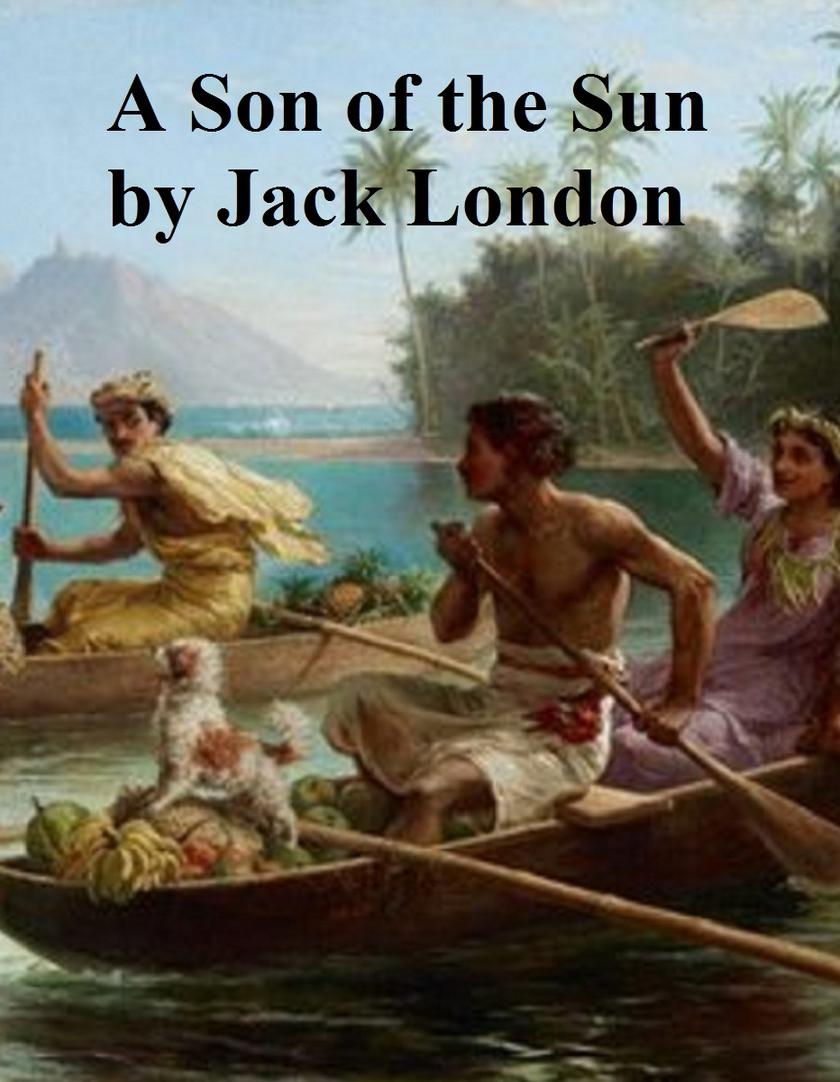
A Son of the Sun
¥8.09
Classic Jack London novel. According to Wikipedia: "Jack London (1876 – 1916) was an American author who wrote The Call of the Wild, White Fang, and The Sea Wolf along with many other popular books. A pioneer in the then-burgeoning world of commercial magazine fiction, he was one of the first Americans to make a lucrative career exclusively from writing."
The Night Horseman
¥8.09
Dodo Collections brings you another classic from Max Brand, ‘The Night Horseman.’ ? A man, a dog, and a horse. The call of the wild geese. A very smart doctor from the east who finds there is a lot to learn from these desert people. A woman loved by three men. A gunslinger who has a debt to settle. Max Brand brings them all together in another one of his over three hundred exciting western tales. Brand is not your typical western writer. ? Frederick Schiller Faust (1892-1944) was an American fiction author known primarily for his thoughtful and literary Westerns. Faust wrote mostly under pen names, and today he is primarily known by one, Max Brand. Others include George Owen Baxter, Martin Dexter, Evin Evans, David Manning, Peter Dawson, John Frederick, and Pete Morland. Faust was born in Seattle. He grew up in central California and later worked as a cowhand on one of the many ranches of the San Joaquin Valley. Faust attended the University of California, Berkeley, where he began to write frequently. During the 1910s, Faust started to sell stories to the many emerging pulp magazines of the era. In the 1920s, Faust wrote furiously in many genres, achieving success and fame, first in the pulps and later in the upscale "slick" magazines. His love for mythology was, however, a constant source of inspiration for his fiction and his classical and literary inclinations. The classical influences are particularly noticeable in his first novel The Untamed (1919), which was also made into a motion picture starring Tom Mix in 1920.
Lonesome Land
¥8.09
Classic western. According to Wikipedia: "Bertha Muzzy Sinclair or Sinclair-Cowan, née Muzzy (November 15, 1871 – July 23, 1940), best known by her pseudonym B. M. Bower, was an American novelist who wrote fictional stories about the American Old West... She wrote 57 Western novels, several of which were turned into films."
The Long Shadow
¥8.09
Classic western. "A vigorous Western story, sparkling with the free outdoor life of a mountain ranch. It is a fine love story." According to Wikipedia: "Bertha Muzzy Sinclair or Sinclair-Cowan, née Muzzy (November 15, 1871 – July 23, 1940), best known by her pseudonym B. M. Bower, was an American novelist who wrote fictional stories about the American Old West. Born... She wrote 57 Western novels, several of which were turned into films."


