


 购物车
购物车 个人中心
个人中心
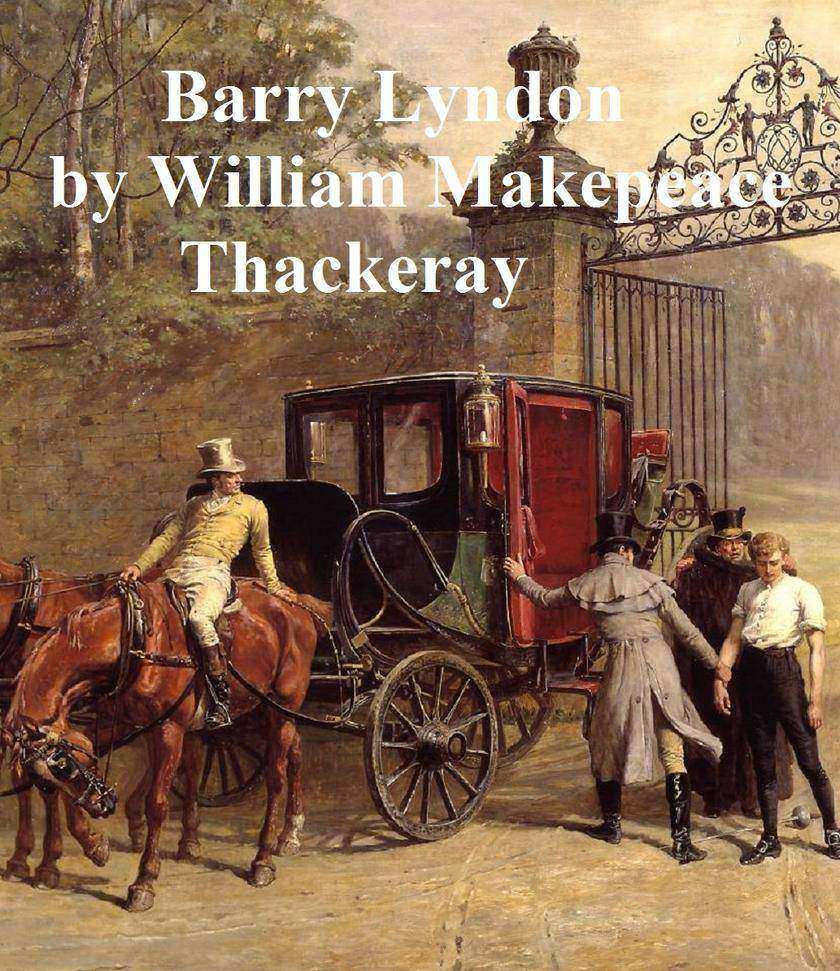
Barry Lyndon
¥8.09
The classic novel. According to Wikipedia: "Thackeray is most often compared to one other great novelist of Victorian literature, Charles Dickens. During the Victorian era, he was ranked second only to Dickens, but he is now much less read and is known almost exclusively for Vanity Fair. In that novel he was able to satirize whole swaths of humanity while retaining a light touch. It also features his most memorable character, the engagingly roguish Becky Sharp. As a result, unlike Thackeray's other novels, it remains popular with the general reading public; it is a standard fixture in university courses and has been repeatedly adapted for movies and television. In Thackeray's own day, some commentators, such as Anthony Trollope, ranked his History of Henry Esmond as his greatest work, perhaps because it expressed Victorian values of duty and earnestness, as did some of his other later novels. It is perhaps for this reason that they have not survived as well as Vanity Fair, which satirizes those values."
Satanstoe by James Fenimore Cooper - Delphi Classics (Illustrated)
¥8.09
This eBook features the unabridged text of ‘Satanstoe by James Fenimore Cooper - Delphi Classics (Illustrated)’ from the bestselling edition of ‘The Complete Works of James Fenimore Cooper’. Having established their name as the leading publisher of classic literature and art, Delphi Classics produce publications that are individually crafted with superior formatting, while introducing many rare texts for the first time in digital print. The Delphi Classics edition of Cooper includes original annotations and illustrations relating to the life and works of the author, as well as individual tables of contents, allowing you to navigate eBooks quickly and easily. eBook features: * The complete unabridged text of ‘Satanstoe by James Fenimore Cooper - Delphi Classics (Illustrated)’ * Beautifully illustrated with images related to Cooper’s works * Individual contents table, allowing easy navigation around the eBook * Excellent formatting of the text Please visit www.delphiclassics.com to learn more about our wide range of titles
Jack Tier by James Fenimore Cooper - Delphi Classics (Illustrated)
¥8.09
This eBook features the unabridged text of ‘Jack Tier by James Fenimore Cooper - Delphi Classics (Illustrated)’ from the bestselling edition of ‘The Complete Works of James Fenimore Cooper’. Having established their name as the leading publisher of classic literature and art, Delphi Classics produce publications that are individually crafted with superior formatting, while introducing many rare texts for the first time in digital print. The Delphi Classics edition of Cooper includes original annotations and illustrations relating to the life and works of the author, as well as individual tables of contents, allowing you to navigate eBooks quickly and easily. eBook features: * The complete unabridged text of ‘Jack Tier by James Fenimore Cooper - Delphi Classics (Illustrated)’ * Beautifully illustrated with images related to Cooper’s works * Individual contents table, allowing easy navigation around the eBook * Excellent formatting of the text Please visit www.delphiclassics.com to learn more about our wide range of titles
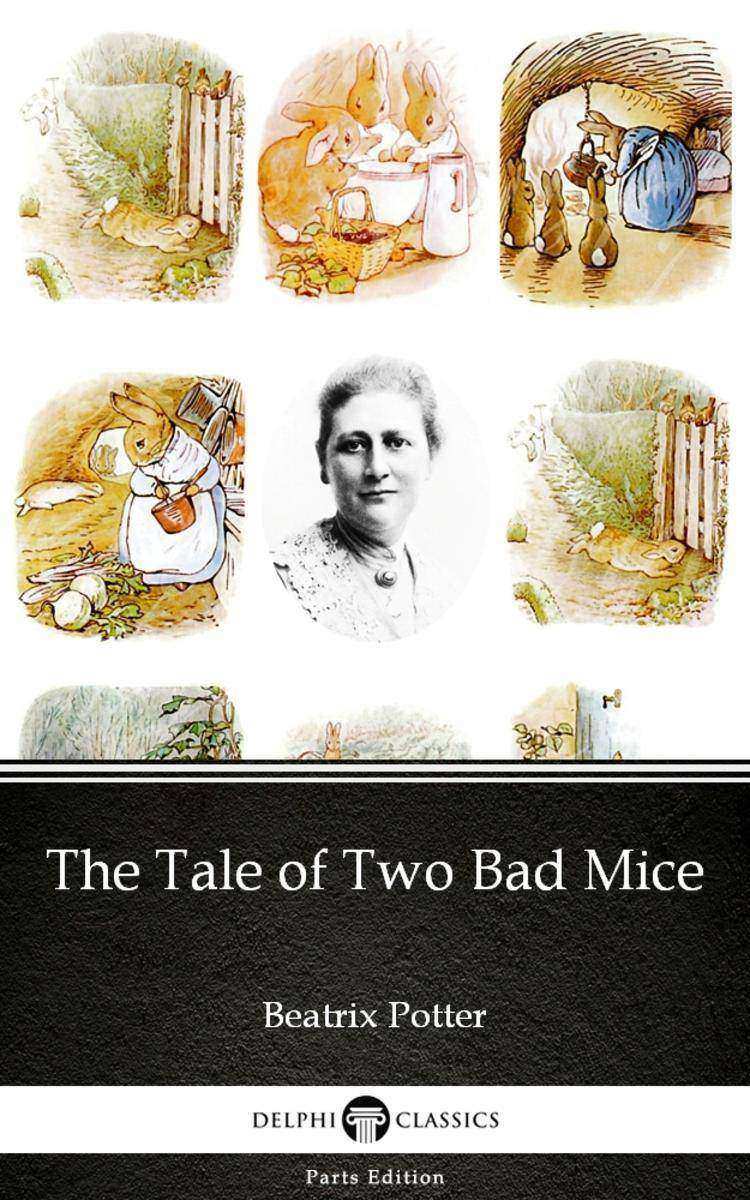
The Tale of Two Bad Mice by Beatrix Potter - Delphi Classics (Illustrated)
¥8.09
This eBook features the unabridged text of ‘The Tale of Two Bad Mice by Beatrix Potter - Delphi Classics (Illustrated)’ from the bestselling edition of ‘The Complete Works of Beatrix Potter’. Having established their name as the leading publisher of classic literature and art, Delphi Classics produce publications that are individually crafted with superior formatting, while introducing many rare texts for the first time in digital print. The Delphi Classics edition of Potter includes original annotations and illustrations relating to the life and works of the author, as well as individual tables of contents, allowing you to navigate eBooks quickly and easily. eBook features: * The complete unabridged text of ‘The Tale of Two Bad Mice by Beatrix Potter - Delphi Classics (Illustrated)’ * Beautifully illustrated with images related to Potter’s works * Individual contents table, allowing easy navigation around the eBook * Excellent formatting of the textPlease visit www.delphiclassics.com to learn more about our wide range of titles

The Story of a Fierce Bad Rabbit by Beatrix Potter - Delphi Classics (Illustrate
¥8.09
This eBook features the unabridged text of ‘The Story of a Fierce Bad Rabbit by Beatrix Potter - Delphi Classics (Illustrated)’ from the bestselling edition of ‘The Complete Works of Beatrix Potter’. Having established their name as the leading publisher of classic literature and art, Delphi Classics produce publications that are individually crafted with superior formatting, while introducing many rare texts for the first time in digital print. The Delphi Classics edition of Potter includes original annotations and illustrations relating to the life and works of the author, as well as individual tables of contents, allowing you to navigate eBooks quickly and easily. eBook features: * The complete unabridged text of ‘The Story of a Fierce Bad Rabbit by Beatrix Potter - Delphi Classics (Illustrated)’ * Beautifully illustrated with images related to Potter’s works * Individual contents table, allowing easy navigation around the eBook * Excellent formatting of the textPlease visit www.delphiclassics.com to learn more about our wide range of titles
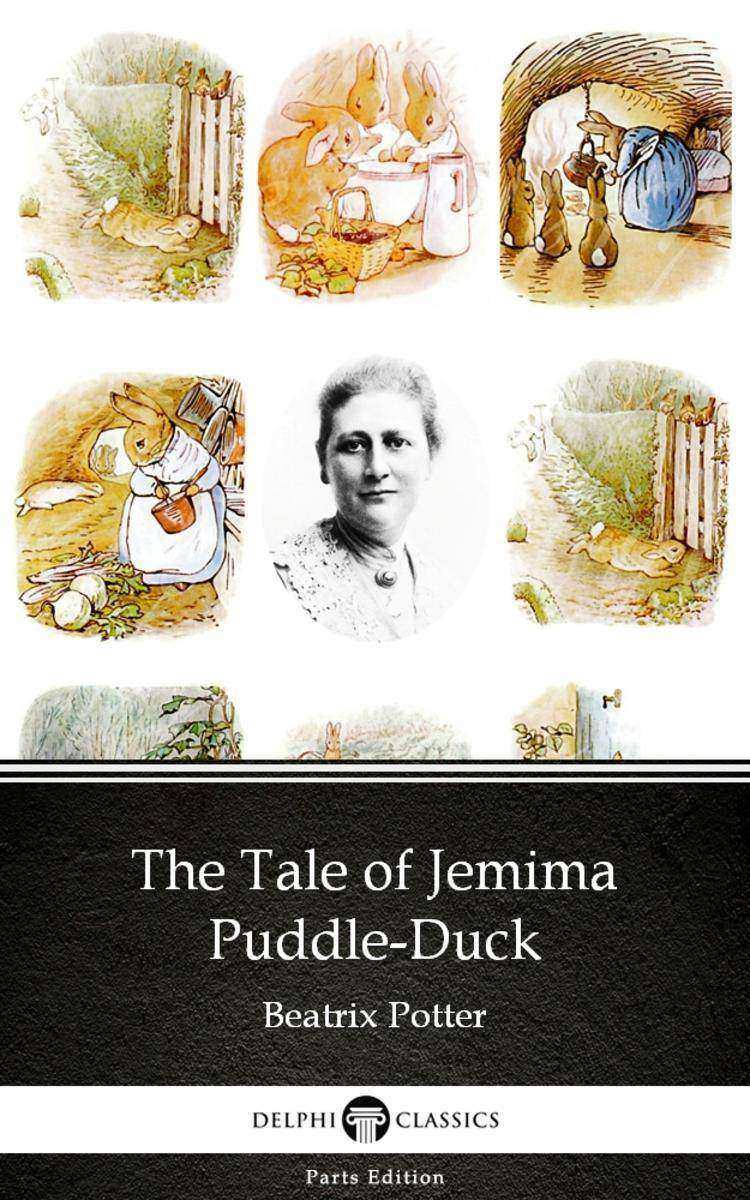
The Tale of Jemima Puddle-Duck by Beatrix Potter - Delphi Classics (Illustrated)
¥8.09
This eBook features the unabridged text of ‘The Tale of Jemima Puddle-Duck by Beatrix Potter' with the original high resolution illustrations, from the bestselling edition of ‘The Complete Works of Beatrix Potter’. Having established their name as the leading publisher of classic literature and art, Delphi Classics produce publications that are individually crafted with superior formatting, while introducing many rare texts for the first time in digital print. The Delphi Classics edition of Potter includes original annotations and illustrations relating to the life and works of the author, as well as individual tables of contents, allowing you to navigate eBooks quickly and easily. eBook features: * The complete unabridged text of ‘The Tale of Jemima Puddle-Duck by Beatrix Potter - Delphi Classics (Illustrated)’ * Beautifully illustrated with images related to Potter’s works * Individual contents table, allowing easy navigation around the eBook * Excellent formatting of the textPlease visit www.delphiclassics.com to learn more about our wide range of titles
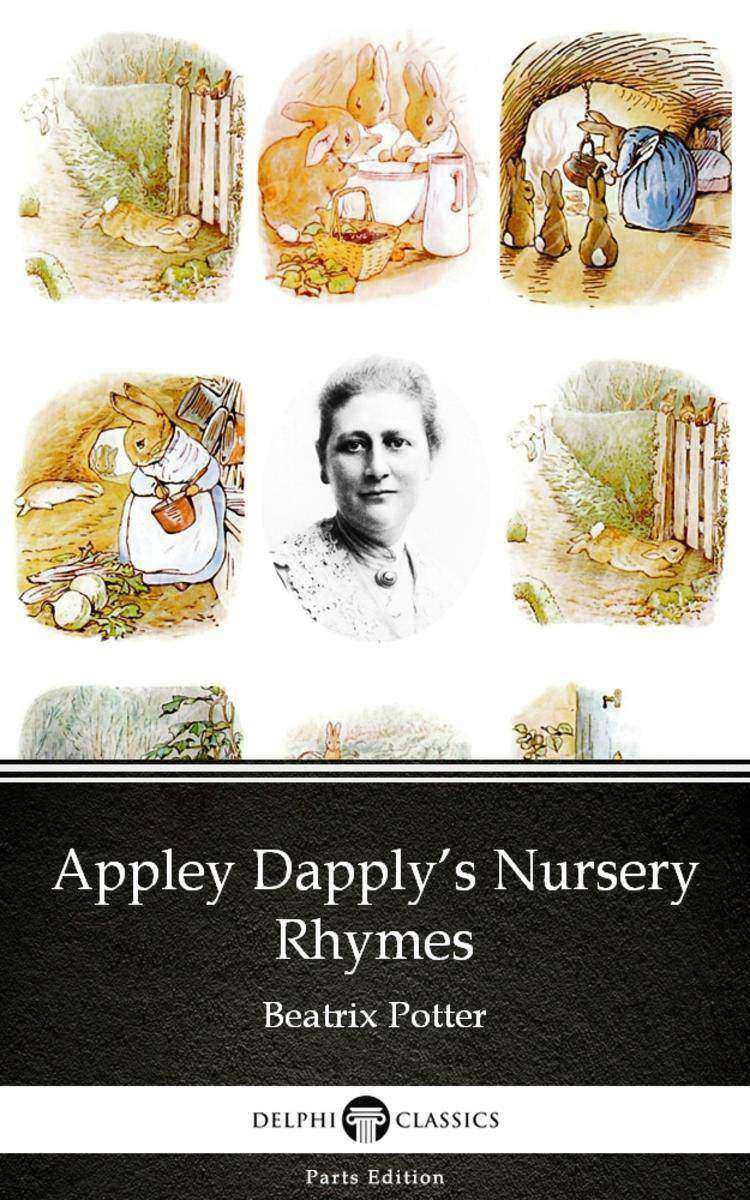
Appley Dapply’s Nursery Rhymes by Beatrix Potter - Delphi Classics (Illustrated)
¥8.09
This eBook features the unabridged text of ‘Appley Dapply’s Nursery Rhymes by Beatrix Potter - Delphi Classics (Illustrated)’ from the bestselling edition of ‘The Complete Works of Beatrix Potter’. Having established their name as the leading publisher of classic literature and art, Delphi Classics produce publications that are individually crafted with superior formatting, while introducing many rare texts for the first time in digital print. The Delphi Classics edition of Potter includes original annotations and illustrations relating to the life and works of the author, as well as individual tables of contents, allowing you to navigate eBooks quickly and easily. eBook features: * The complete unabridged text of ‘Appley Dapply’s Nursery Rhymes by Beatrix Potter - Delphi Classics (Illustrated)’ * Beautifully illustrated with images related to Potter’s works * Individual contents table, allowing easy navigation around the eBook * Excellent formatting of the textPlease visit www.delphiclassics.com to learn more about our wide range of titles
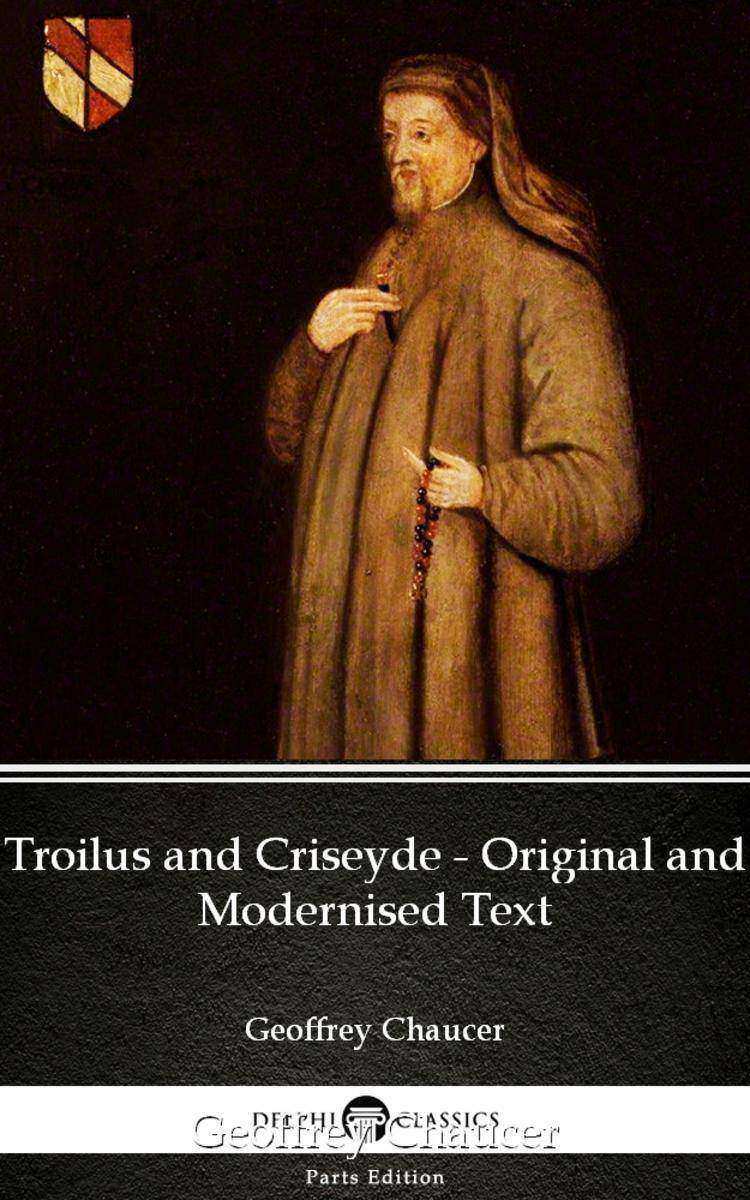
Troilus and Criseyde - Original and Modernised Text by Geoffrey Chaucer - Delphi
¥8.09
This eBook features the unabridged text of ‘Troilus and Criseyde' in the Original medieval text and a Modernised Text, from the bestselling edition of ‘The Complete Works of Geoffrey Chaucer’. Having established their name as the leading publisher of classic literature and art, Delphi Classics produce publications that are individually crafted with superior formatting, while introducing many rare texts for the first time in digital print. The Delphi Classics edition of Chaucer includes original annotations and illustrations relating to the life and works of the author, as well as individual tables of contents, allowing you to navigate eBooks quickly and easily. eBook features: * The complete unabridged text of ‘Troilus and Criseyde - Original and Modernised Text by Geoffrey Chaucer - Delphi Classics (Illustrated)’ * Beautifully illustrated with images related to Chaucer’s works * Individual contents table, allowing easy navigation around the eBook * Excellent formatting of the textPlease visit www.delphiclassics.com to learn more about our wide range of titles

Minor Poems by Geoffrey Chaucer - Delphi Classics (Illustrated)
¥8.09
This eBook features the unabridged text of ‘Minor Poems by Geoffrey Chaucer - Delphi Classics (Illustrated)’ from the bestselling edition of ‘The Complete Works of Geoffrey Chaucer’. Having established their name as the leading publisher of classic literature and art, Delphi Classics produce publications that are individually crafted with superior formatting, while introducing many rare texts for the first time in digital print. The Delphi Classics edition of Chaucer includes original annotations and illustrations relating to the life and works of the author, as well as individual tables of contents, allowing you to navigate eBooks quickly and easily. eBook features: * The complete unabridged text of ‘Minor Poems by Geoffrey Chaucer - Delphi Classics (Illustrated)’ * Beautifully illustrated with images related to Chaucer’s works * Individual contents table, allowing easy navigation around the eBook * Excellent formatting of the textPlease visit www.delphiclassics.com to learn more about our wide range of titles

The Apple-Tree Table and Other Sketches by Herman Melville - Delphi Classics (Il
¥8.09
This eBook features the unabridged text of ‘The Apple-Tree Table and Other Sketches by Herman Melville - Delphi Classics (Illustrated)’ from the bestselling edition of ‘The Complete Works of Herman Melville’. Having established their name as the leading publisher of classic literature and art, Delphi Classics produce publications that are individually crafted with superior formatting, while introducing many rare texts for the first time in digital print. The Delphi Classics edition of Melville includes original annotations and illustrations relating to the life and works of the author, as well as individual tables of contents, allowing you to navigate eBooks quickly and easily. eBook features: * The complete unabridged text of ‘The Apple-Tree Table and Other Sketches by Herman Melville - Delphi Classics (Illustrated)’ * Beautifully illustrated with images related to Melville’s works * Individual contents table, allowing easy navigation around the eBook * Excellent formatting of the text Please visit www.delphiclassics.com to learn more about our wide range of titles
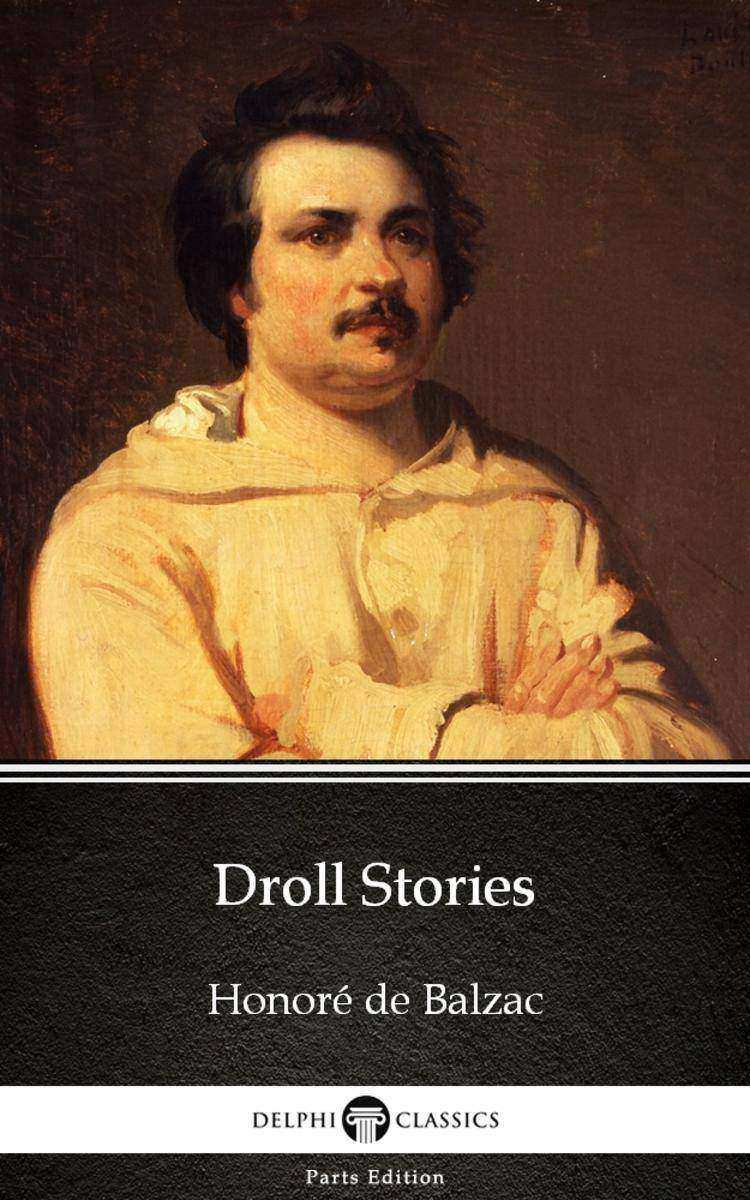
The Imaginary Mistress by Honoré de Balzac - Delphi Classics (Illustrated)
¥8.09
This eBook features the unabridged text of ‘The Imaginary Mistress by Honoré de Balzac - Delphi Classics (Illustrated)’ from the bestselling edition of ‘The Collected Works of Honoré de Balzac’. Having established their name as the leading publisher of classic literature and art, Delphi Classics produce publications that are individually crafted with superior formatting, while introducing many rare texts for the first time in digital print. The Delphi Classics edition of Balzac includes original annotations and illustrations relating to the life and works of the author, as well as individual tables of contents, allowing you to navigate eBooks quickly and easily. eBook features: * The complete unabridged text of ‘The Imaginary Mistress by Honoré de Balzac - Delphi Classics (Illustrated)’ * Beautifully illustrated with images related to Balzac’s works * Individual contents table, allowing easy navigation around the eBook * Excellent formatting of the text Please visit www.delphiclassics.com to learn more about our wide range of titles

A Daughter of Eve by Honoré de Balzac - Delphi Classics (Illustrated)
¥8.09
This eBook features the unabridged text of ‘A Daughter of Eve by Honoré de Balzac - Delphi Classics (Illustrated)’ from the bestselling edition of ‘The Collected Works of Honoré de Balzac’. Having established their name as the leading publisher of classic literature and art, Delphi Classics produce publications that are individually crafted with superior formatting, while introducing many rare texts for the first time in digital print. The Delphi Classics edition of Balzac includes original annotations and illustrations relating to the life and works of the author, as well as individual tables of contents, allowing you to navigate eBooks quickly and easily. eBook features: * The complete unabridged text of ‘A Daughter of Eve by Honoré de Balzac - Delphi Classics (Illustrated)’ * Beautifully illustrated with images related to Balzac’s works * Individual contents table, allowing easy navigation around the eBook * Excellent formatting of the text Please visit www.delphiclassics.com to learn more about our wide range of titles

Colonel Chabert by Honoré de Balzac - Delphi Classics (Illustrated)
¥8.09
This eBook features the unabridged text of ‘Colonel Chabert by Honoré de Balzac - Delphi Classics (Illustrated)’ from the bestselling edition of ‘The Collected Works of Honoré de Balzac’. Having established their name as the leading publisher of classic literature and art, Delphi Classics produce publications that are individually crafted with superior formatting, while introducing many rare texts for the first time in digital print. The Delphi Classics edition of Balzac includes original annotations and illustrations relating to the life and works of the author, as well as individual tables of contents, allowing you to navigate eBooks quickly and easily. eBook features: * The complete unabridged text of ‘Colonel Chabert by Honoré de Balzac - Delphi Classics (Illustrated)’ * Beautifully illustrated with images related to Balzac’s works * Individual contents table, allowing easy navigation around the eBook * Excellent formatting of the text Please visit www.delphiclassics.com to learn more about our wide range of titles

Tennessee's Partner
¥8.09
Western short story. According to Wikipedia: "Bret Harte (August 25, 1836[2] – May 6, 1902) was an American author and poet, best remembered for his accounts of pioneering life in California. He was born in Albany, New York. ... He moved to California in 1853, later working there in a number of capacities, including miner, teacher, messenger, and journalist. He spent part of his life in the northern California coast town now known as Arcata, then just a mining camp on Humboldt Bay. His first literary efforts, including poetry and prose, appeared in The Californian, an early literary journal edited by Charles Henry Webb. In 1868 he became editor of The Overland Monthly, another new literary magazine, but this one more in tune with the pioneering spirit of excitement in California. His story, "The Luck of Roaring Camp," appeared in the magazine's second edition, propelling Harte to nationwide fame... Determined to pursue his literary career, in 1871 he and his family traveled back East, to New York and eventually to Boston, where he contracted with the publisher of The Atlantic Monthly for an annual salary of $10,000, "an unprecedented sum at the time." His popularity waned, however, and by the end of 1872 he was without a publishing contract and increasingly desperate. He spent the next few years struggling to publish new work (or republish old), delivering lectures about the gold rush, and even selling an advertising jingle to a soap company. In 1878 Harte was appointed to the position of United States Consul in the town of Krefeld, Germany and then to Glasgow in 1880. In 1885 he settled in London. During the thirty years he spent in Europe, he never abandoned writing, and maintained a prodigious output of stories that retained the freshness of his earlier work. He died in England in 1902 of throat cancer and is buried at Frimley."

The Lizard of Oz
¥8.09
When an elementary class sets out on a quest to save the world from disenchantment, their adventures reveal paradoxes of the human mind and ways of awakening the magic within us. Library Journal -- "An intriguing and very entertaining little novel" Aspect -- "Carroll and Tolkien have a new companion" Lancaster (PA) Independent Press -- "a work so saturated that the mind is both stoned with pleasure and alive with wonder" Philadelphia Bulletin -- "A commentary on our times done delightfully"
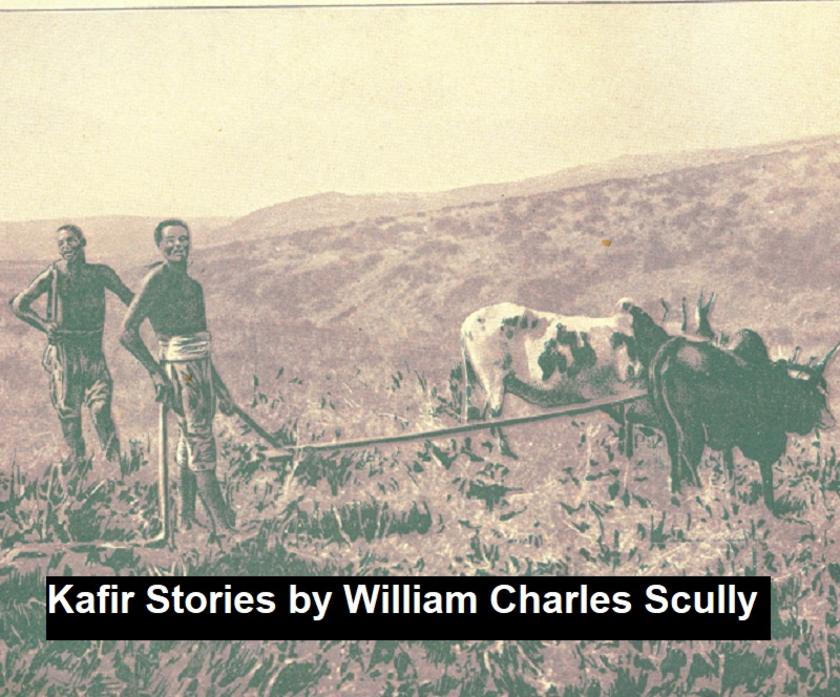
Kafir Stories
¥8.09
Seven short stories, first published in 1895. According to Wikipedia: "William Charles Scully (29 October 1855 – 25 August 1943) is one of South Africa's best-known authors, although little known outside South Africa. In addition to his work as an author, his paid work was principally as a magistrate in Springfontein, South Africa, as well as in Namaqualand and the Transkei. His last position before retirement was as Chief Magistrate of Port Elizabeth, one of South Africa's larger cities. He organised the building of "New Brighton", a township for aboriginal African people in Port Elizabeth. At the time it was regarded as very progressive—a pleasant place to live. Scully was born in Dublin, Ireland, raised in Cashel, County Tipperary, and then emigrated to southern Africa with his parents in 1867. During 1871 he prospected for diamonds with Cecil Rhodes in Africa. His daughter, Miriam Power (b. 1893), married Dr John A.Ryle; their children included Sir Martin Ryle, Nobel laureate and Astronomer Royal from 1972 to 1982. W.C.Scully died in Umbogintwini on Natal's coast in 1943, the same year as his wife Nora died. His novel Daniel Vananda describes the violence engendered by the ethnic legislation of the time. Similarly, Kafir Stories contains stories that are generally sympathetic with the aboriginal African peoples of South Africa."

Web Business Bootcamp
¥8.09
First published in 2002. The specific examples are dated, because business on the Internet changes rapidly. But the underlying principles and lessons hold true. "You're in basic training for the battle of your life. Your mission is to keep your company alive and to help it move forward quickly in unfamiliar territory. You must master the tools and techniques needed to serve customers and beat the competition into he strange and potentially hostile online business environment. This no-nonsense, tip-driven guide targets key activities that anyone can perform to truly achieve online business success. Internet marketing pioneer Richard Seltzer gets managers out of the boardroom and into the trenches for crucial hands-on Web experience -- which provides insight into how to win on the e-commerce battlefield. He also helps entrepreneurs develop a viable business model without depending on high-priced design services and consultants, as well as gives technology-oriented professionals a broad business perspective for tackling new online responsibilities."
The Wind in the Willows, Dream Days, The Golden Age
¥8.09
This file includes: The Wind in the Willows, Dream Days (with The Reluctant Dragon as one of the stories), and The Golden Age (retellings of Greek and Roman myths). According to Wikipedia: "Kenneth Grahame (July 20, 1859 – July 6, 1932) was a British writer, most famous for The Wind in the Willows (1908), one of the classics of children's literature. He also wrote The Reluctant Dragon, which was much later adapted into a Disney film."
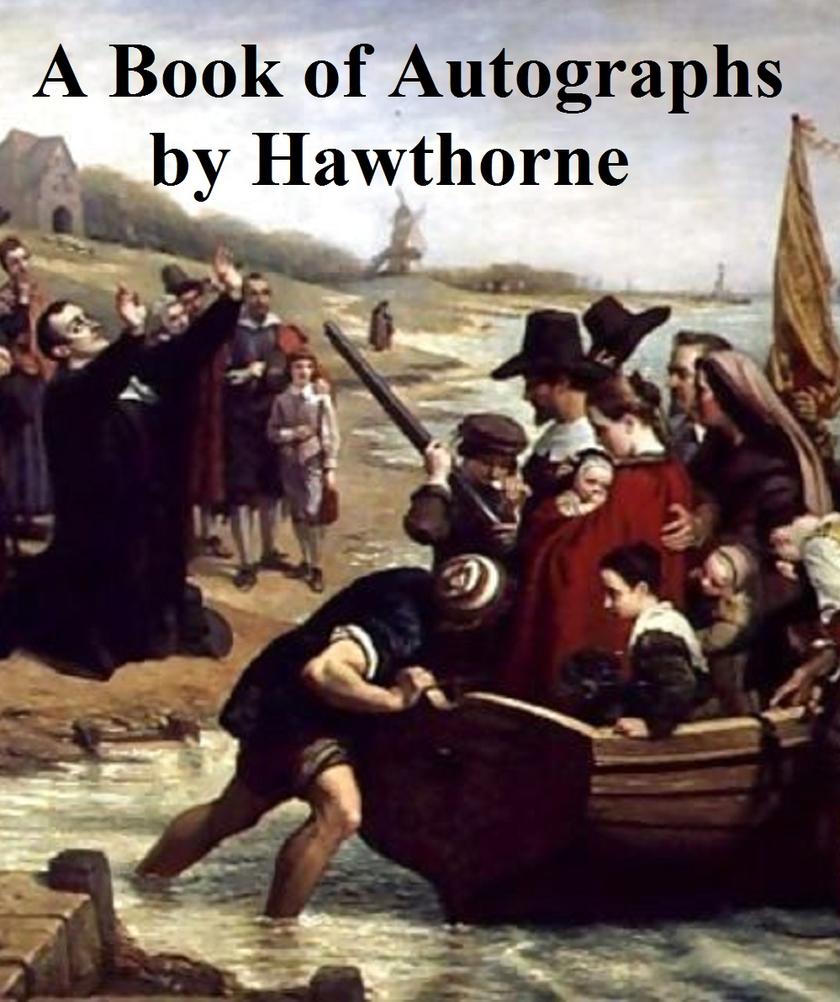
The Book of Autographs
¥8.09
A short fragment from The Dolliver Romance, an unfinished novel. According to Wikipedia: "Nathaniel Hawthorne (1804 –1864) was an American novelist and short story writer... Much of Hawthorne's writing centers around New England and many feature moral allegories with a Puritan inspiration. His fiction works are considered part of the Romantic movement and, more specifically, dark romanticism. His themes often center on the inherent evil and sin of humanity and his works often have moral messages and deep psychological complexity. His published works include novels, short stories, and a biography of his friend Franklin Pierce."
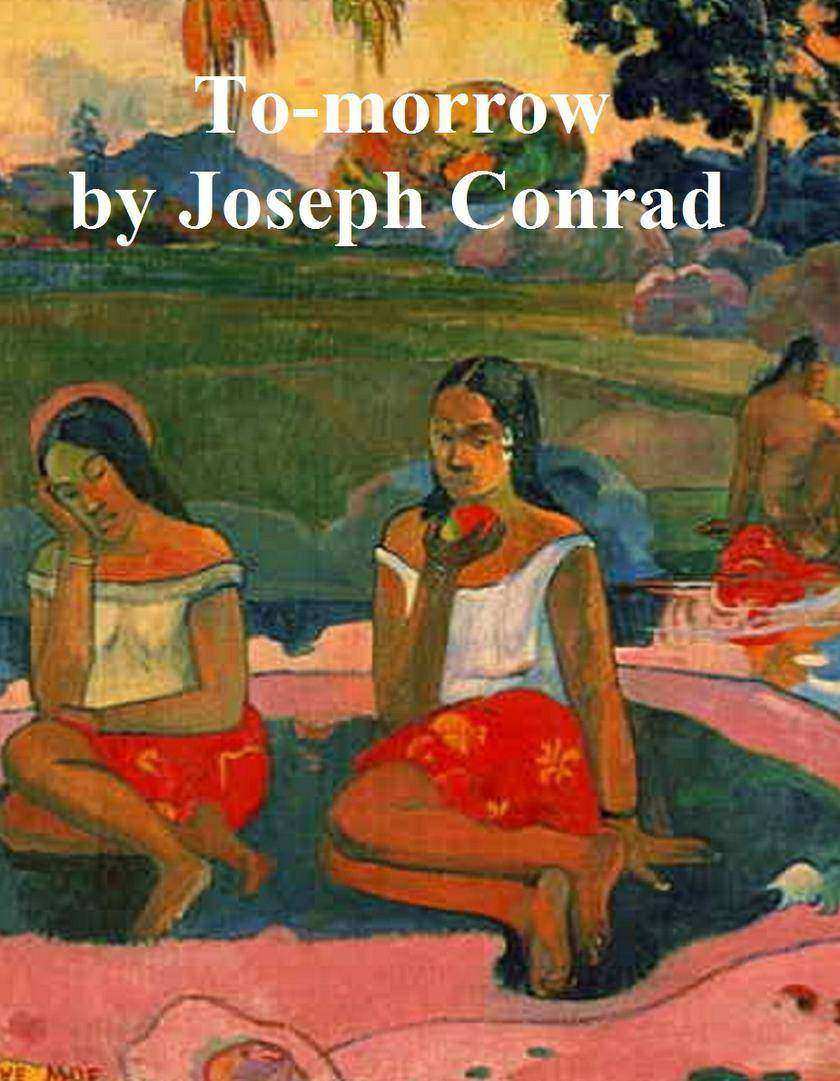
To-morrow
¥8.09
Classic Conrad short story. "What was known of Captain Hagberd in the little seaport of Colebrook was not exactly in his favour. He did not belong to the place. He had come to settle there under circumstances not at all myste- rious--he used to be very communicative about them at the time--but extremely morbid and un- reasonable. He was possessed of some little money evidently, because he bought a plot of ground, and had a pair of ugly yellow brick cottages run up very cheaply. He occupied one of them himself and let the other to Josiah Carvil--blind Carvil, the retired boat-builder--a man of evil repute as a domestic tyrant." According to Wikipedia: "Joseph Conrad (1857 – 1924) was a Polish-born English novelist. Many critics regard him as one of the greatest novelists in the English language—a fact that is remarkable, as he did not learn to speak English fluently until he was in his twenties (and always with a strong Polish accent). He became a naturalized British subject in 1886. Conrad is recognized as a master prose stylist. Some of his works have a strain of romanticism, but more importantly he is recognized as an important forerunner of modernist literature. His narrative style and anti-heroic characters have influenced many writers, including Ernest Hemingway, D. H. Lawrence, F. Scott Fitzgerald, Graham Greene, William S. Burroughs, Joseph Heller, V.S. Naipaul, Italo Calvino and J. M. Coetzee."
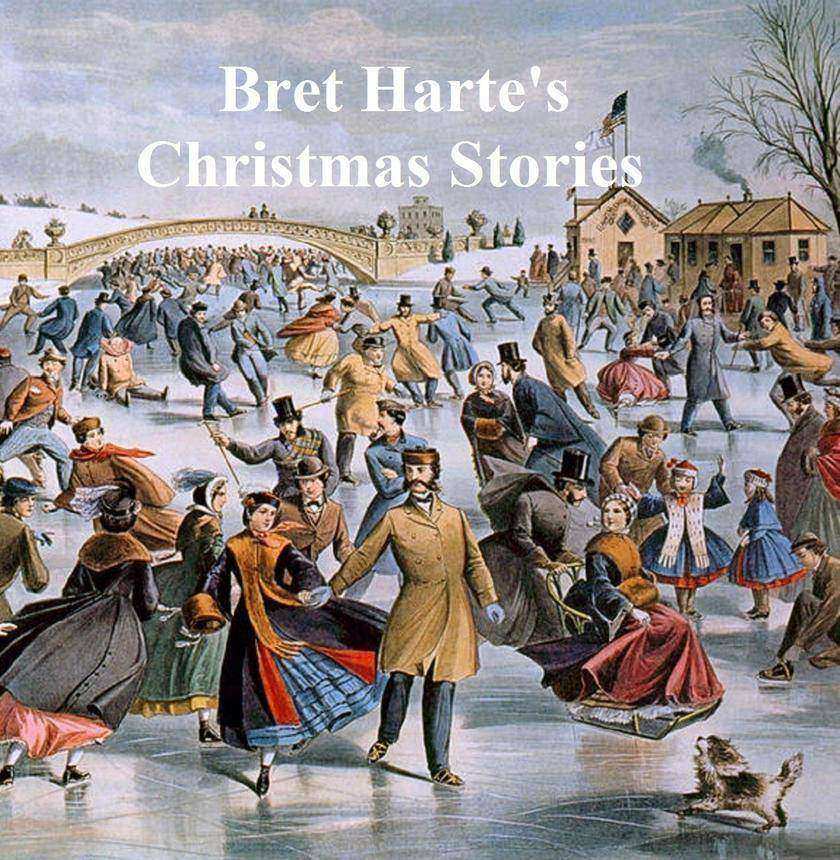
Bret Harte's Christmas Stories
¥8.09
Four Christmas stories by Bret Harte. The Christmas Gift that Came to Rupert, Dick Sppindler's Family Christmas, How Santa Claus Came to Simpson's Bar, and an Episode of Fiddletown. According to Wikipedia: "Bret Harte (August 25, 1836[2] – May 6, 1902) was an American author and poet, best remembered for his accounts of pioneering life in California. He was born in Albany, New York. ... He moved to California in 1853, later working there in a number of capacities, including miner, teacher, messenger, and journalist. He spent part of his life in the northern California coast town now known as Arcata, then just a mining camp on Humboldt Bay. His first literary efforts, including poetry and prose, appeared in The Californian, an early literary journal edited by Charles Henry Webb. In 1868 he became editor of The Overland Monthly, another new literary magazine, but this one more in tune with the pioneering spirit of excitement in California. His story, "The Luck of Roaring Camp," appeared in the magazine's second edition, propelling Harte to nationwide fame... Determined to pursue his literary career, in 1871 he and his family traveled back East, to New York and eventually to Boston, where he contracted with the publisher of The Atlantic Monthly for an annual salary of $10,000, "an unprecedented sum at the time." His popularity waned, however, and by the end of 1872 he was without a publishing contract and increasingly desperate. He spent the next few years struggling to publish new work (or republish old), delivering lectures about the gold rush, and even selling an advertising jingle to a soap company. In 1878 Harte was appointed to the position of United States Consul in the town of Krefeld, Germany and then to Glasgow in 1880. In 1885 he settled in London. During the thirty years he spent in Europe, he never abandoned writing, and maintained a prodigious output of stories that retained the freshness of his earlier work. He died in England in 1902 of throat cancer and is buried at Frimley."


