


 购物车
购物车 个人中心
个人中心

The Good Soldier by Ford Madox Ford - Delphi Classics (Illustrated)
¥8.09
This eBook features the unabridged text of ‘The Good Soldier by Ford Madox Ford - Delphi Classics (Illustrated)’ from the bestselling edition of ‘The Complete Works of Ford Madox Ford’. Having established their name as the leading publisher of classic literature and art, Delphi Classics produce publications that are individually crafted with superior formatting, while introducing many rare texts for the first time in digital print. The Delphi Classics edition of Ford includes original annotations and illustrations relating to the life and works of the author, as well as individual tables of contents, allowing you to navigate eBooks quickly and easily. eBook features: * The complete unabridged text of ‘The Good Soldier by Ford Madox Ford - Delphi Classics (Illustrated)’ * Beautifully illustrated with images related to Ford’s works * Individual contents table, allowing easy navigation around the eBook * Excellent formatting of the text Please visit www.delphiclassics.com to learn more about our wide range of titles
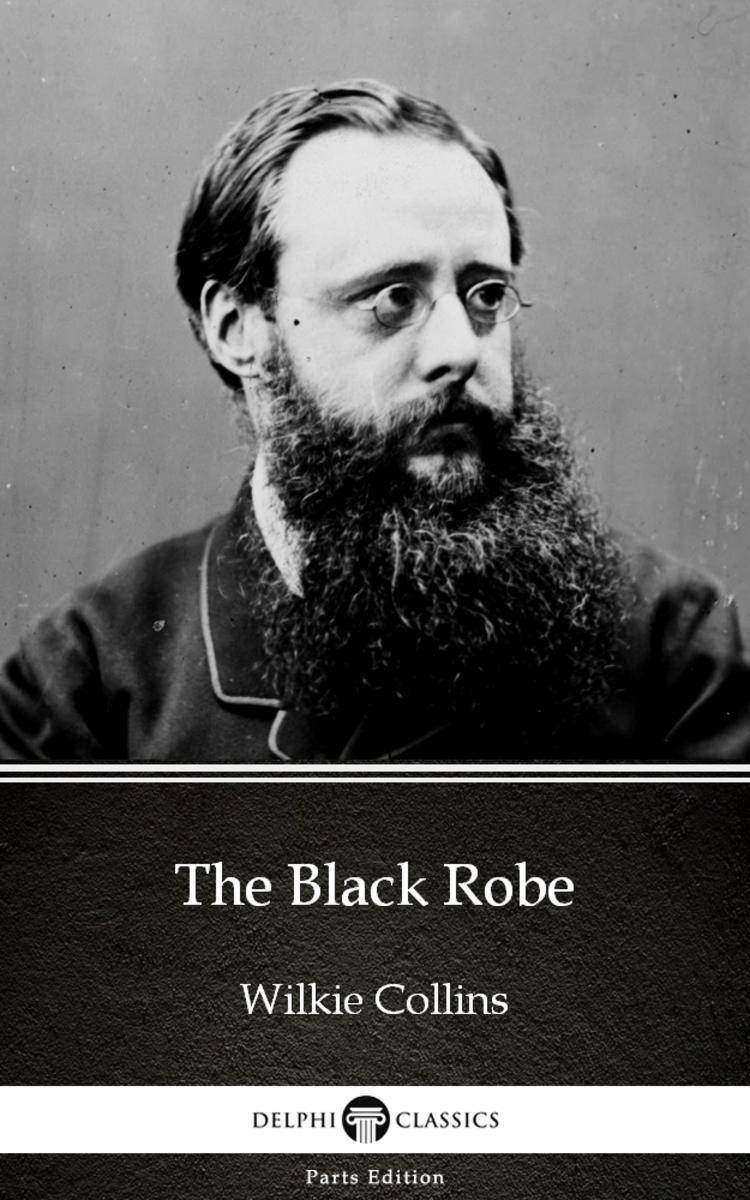
The Black Robe by Wilkie Collins - Delphi Classics (Illustrated)
¥8.09
This eBook features the unabridged text of ‘The Black Robe by Wilkie Collins - Delphi Classics (Illustrated)’ from the bestselling edition of ‘The Complete Works of Wilkie Collins’. Having established their name as the leading publisher of classic literature and art, Delphi Classics produce publications that are individually crafted with superior formatting, while introducing many rare texts for the first time in digital print. The Delphi Classics edition of Collins includes original annotations and illustrations relating to the life and works of the author, as well as individual tables of contents, allowing you to navigate eBooks quickly and easily. eBook features: * The complete unabridged text of ‘The Black Robe by Wilkie Collins - Delphi Classics (Illustrated)’ * Beautifully illustrated with images related to Collins’s works * Individual contents table, allowing easy navigation around the eBook * Excellent formatting of the text Please visit www.delphiclassics.com to learn more about our wide range of titles
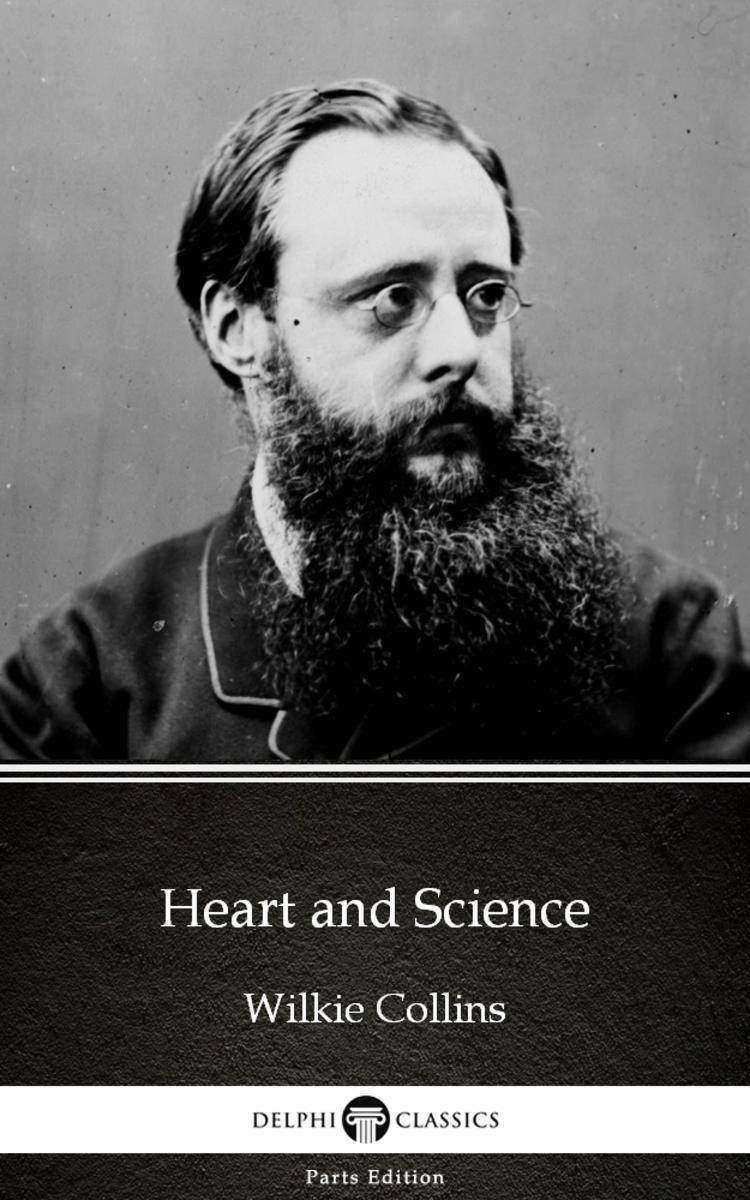
Heart and Science by Wilkie Collins - Delphi Classics (Illustrated)
¥8.09
This eBook features the unabridged text of ‘Heart and Science by Wilkie Collins - Delphi Classics (Illustrated)’ from the bestselling edition of ‘The Complete Works of Wilkie Collins’. Having established their name as the leading publisher of classic literature and art, Delphi Classics produce publications that are individually crafted with superior formatting, while introducing many rare texts for the first time in digital print. The Delphi Classics edition of Collins includes original annotations and illustrations relating to the life and works of the author, as well as individual tables of contents, allowing you to navigate eBooks quickly and easily. eBook features: * The complete unabridged text of ‘Heart and Science by Wilkie Collins - Delphi Classics (Illustrated)’ * Beautifully illustrated with images related to Collins’s works * Individual contents table, allowing easy navigation around the eBook * Excellent formatting of the text Please visit www.delphiclassics.com to learn more about our wide range of titles

A Man Could Stand Up by Ford Madox Ford - Delphi Classics (Illustrated)
¥8.09
This eBook features the unabridged text of ‘A Man Could Stand Up by Ford Madox Ford - Delphi Classics (Illustrated)’ from the bestselling edition of ‘The Complete Works of Ford Madox Ford’. Having established their name as the leading publisher of classic literature and art, Delphi Classics produce publications that are individually crafted with superior formatting, while introducing many rare texts for the first time in digital print. The Delphi Classics edition of Ford includes original annotations and illustrations relating to the life and works of the author, as well as individual tables of contents, allowing you to navigate eBooks quickly and easily. eBook features: * The complete unabridged text of ‘A Man Could Stand Up by Ford Madox Ford - Delphi Classics (Illustrated)’ * Beautifully illustrated with images related to Ford’s works * Individual contents table, allowing easy navigation around the eBook * Excellent formatting of the text Please visit www.delphiclassics.com to learn more about our wide range of titles

Last Post by Ford Madox Ford - Delphi Classics (Illustrated)
¥8.09
This eBook features the unabridged text of ‘Last Post by Ford Madox Ford - Delphi Classics (Illustrated)’ from the bestselling edition of ‘The Complete Works of Ford Madox Ford’. Having established their name as the leading publisher of classic literature and art, Delphi Classics produce publications that are individually crafted with superior formatting, while introducing many rare texts for the first time in digital print. The Delphi Classics edition of Ford includes original annotations and illustrations relating to the life and works of the author, as well as individual tables of contents, allowing you to navigate eBooks quickly and easily. eBook features: * The complete unabridged text of ‘Last Post by Ford Madox Ford - Delphi Classics (Illustrated)’ * Beautifully illustrated with images related to Ford’s works * Individual contents table, allowing easy navigation around the eBook * Excellent formatting of the text Please visit www.delphiclassics.com to learn more about our wide range of titles
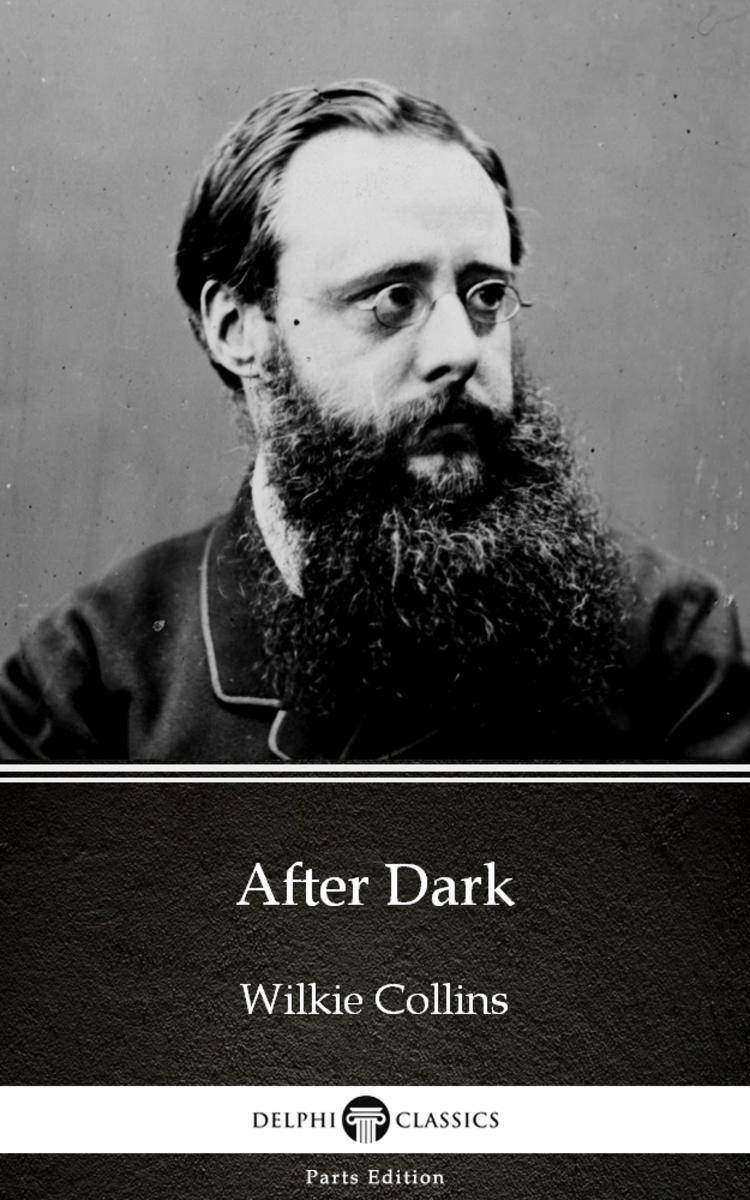
After Dark by Wilkie Collins - Delphi Classics (Illustrated)
¥8.09
This eBook features the unabridged text of ‘After Dark by Wilkie Collins - Delphi Classics (Illustrated)’ from the bestselling edition of ‘The Complete Works of Wilkie Collins’. Having established their name as the leading publisher of classic literature and art, Delphi Classics produce publications that are individually crafted with superior formatting, while introducing many rare texts for the first time in digital print. The Delphi Classics edition of Collins includes original annotations and illustrations relating to the life and works of the author, as well as individual tables of contents, allowing you to navigate eBooks quickly and easily. eBook features: * The complete unabridged text of ‘After Dark by Wilkie Collins - Delphi Classics (Illustrated)’ * Beautifully illustrated with images related to Collins’s works * Individual contents table, allowing easy navigation around the eBook * Excellent formatting of the text Please visit www.delphiclassics.com to learn more about our wide range of titles

The Spirit of the People by Ford Madox Ford - Delphi Classics (Illustrated)
¥8.09
This eBook features the unabridged text of ‘The Spirit of the People by Ford Madox Ford - Delphi Classics (Illustrated)’ from the bestselling edition of ‘The Complete Works of Ford Madox Ford’. Having established their name as the leading publisher of classic literature and art, Delphi Classics produce publications that are individually crafted with superior formatting, while introducing many rare texts for the first time in digital print. The Delphi Classics edition of Ford includes original annotations and illustrations relating to the life and works of the author, as well as individual tables of contents, allowing you to navigate eBooks quickly and easily. eBook features: * The complete unabridged text of ‘The Spirit of the People by Ford Madox Ford - Delphi Classics (Illustrated)’ * Beautifully illustrated with images related to Ford’s works * Individual contents table, allowing easy navigation around the eBook * Excellent formatting of the text Please visit www.delphiclassics.com to learn more about our wide range of titles
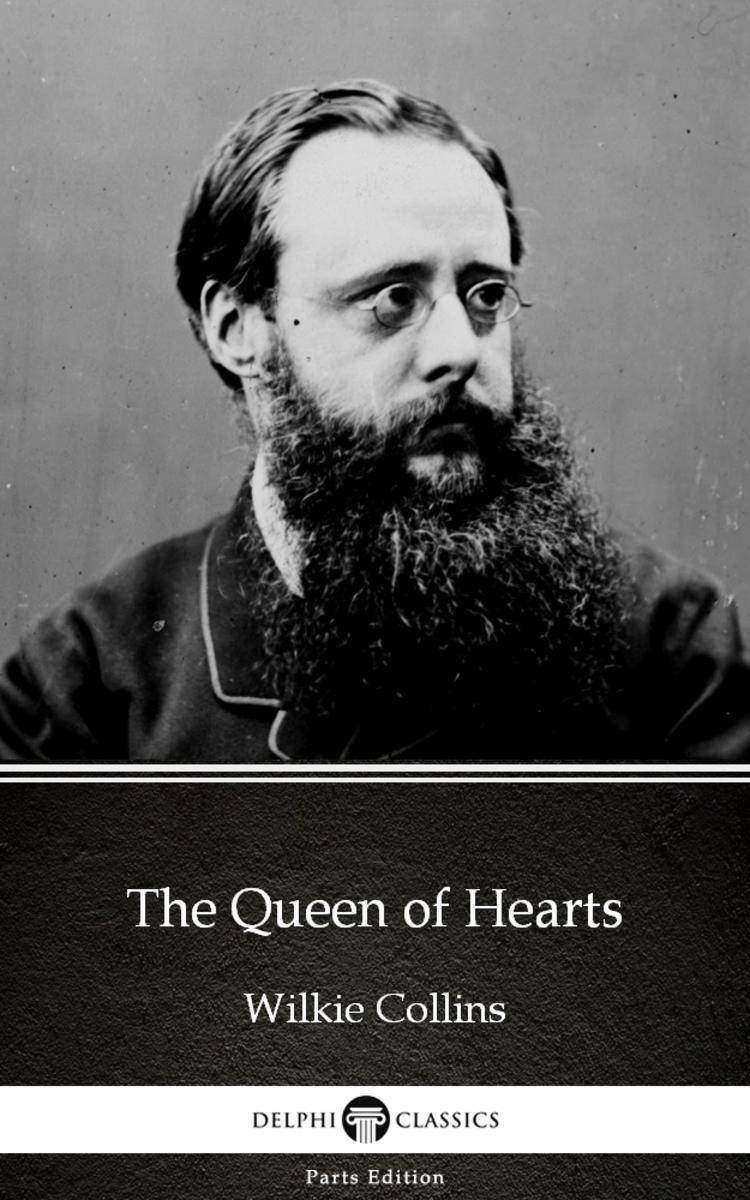
The Queen of Hearts by Wilkie Collins - Delphi Classics (Illustrated)
¥8.09
This eBook features the unabridged text of ‘The Queen of Hearts by Wilkie Collins - Delphi Classics (Illustrated)’ from the bestselling edition of ‘The Complete Works of Wilkie Collins’. Having established their name as the leading publisher of classic literature and art, Delphi Classics produce publications that are individually crafted with superior formatting, while introducing many rare texts for the first time in digital print. The Delphi Classics edition of Collins includes original annotations and illustrations relating to the life and works of the author, as well as individual tables of contents, allowing you to navigate eBooks quickly and easily. eBook features: * The complete unabridged text of ‘The Queen of Hearts by Wilkie Collins - Delphi Classics (Illustrated)’ * Beautifully illustrated with images related to Collins’s works * Individual contents table, allowing easy navigation around the eBook * Excellent formatting of the text Please visit www.delphiclassics.com to learn more about our wide range of titles

The Maine Woods by Henry David Thoreau - Delphi Classics (Illustrated)
¥8.09
This eBook features the unabridged text of ‘The Maine Woods by Henry David Thoreau - Delphi Classics (Illustrated)’ from the bestselling edition of ‘The Complete Works of Henry David Thoreau’. Having established their name as the leading publisher of classic literature and art, Delphi Classics produce publications that are individually crafted with superior formatting, while introducing many rare texts for the first time in digital print. The Delphi Classics edition of Thoreau includes original annotations and illustrations relating to the life and works of the author, as well as individual tables of contents, allowing you to navigate eBooks quickly and easily. eBook features: * The complete unabridged text of ‘The Maine Woods by Henry David Thoreau - Delphi Classics (Illustrated)’ * Beautifully illustrated with images related to Thoreau’s works * Individual contents table, allowing easy navigation around the eBook * Excellent formatting of the text Please visit www.delphiclassics.com to learn more about our wide range of titles
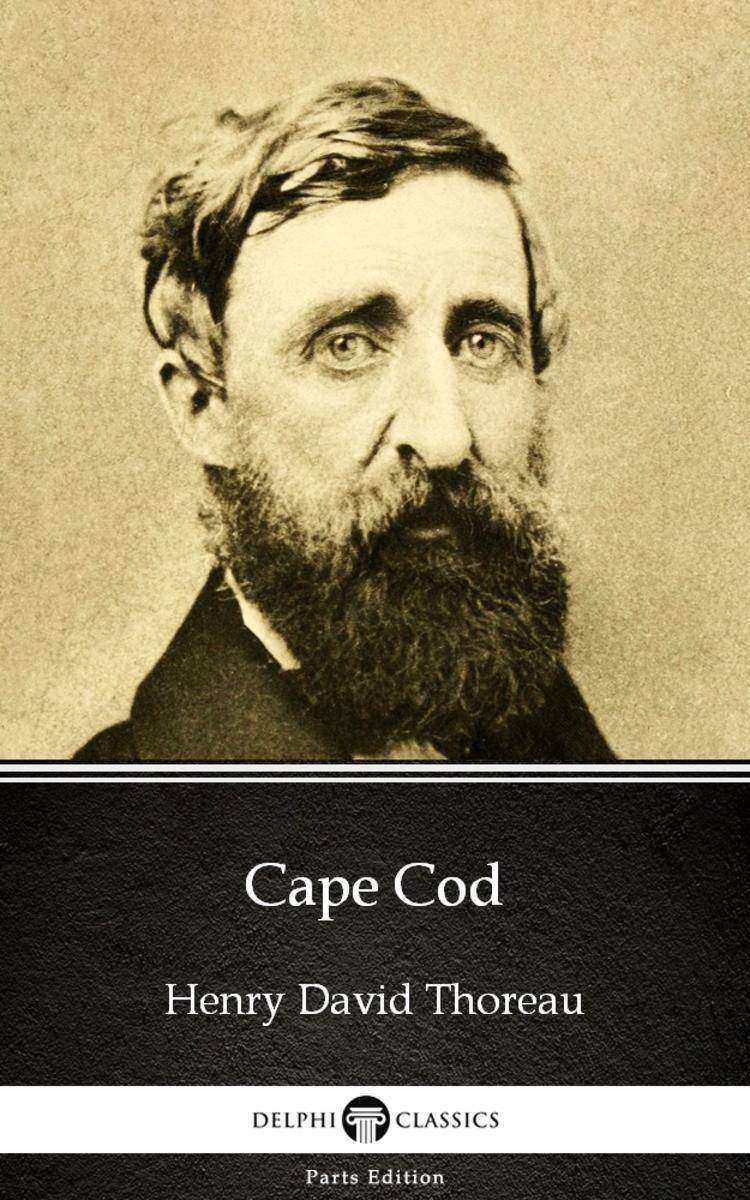
Cape Cod by Henry David Thoreau - Delphi Classics (Illustrated)
¥8.09
This eBook features the unabridged text of ‘Cape Cod by Henry David Thoreau - Delphi Classics (Illustrated)’ from the bestselling edition of ‘The Complete Works of Henry David Thoreau’. Having established their name as the leading publisher of classic literature and art, Delphi Classics produce publications that are individually crafted with superior formatting, while introducing many rare texts for the first time in digital print. The Delphi Classics edition of Thoreau includes original annotations and illustrations relating to the life and works of the author, as well as individual tables of contents, allowing you to navigate eBooks quickly and easily. eBook features: * The complete unabridged text of ‘Cape Cod by Henry David Thoreau - Delphi Classics (Illustrated)’ * Beautifully illustrated with images related to Thoreau’s works * Individual contents table, allowing easy navigation around the eBook * Excellent formatting of the text Please visit www.delphiclassics.com to learn more about our wide range of titles
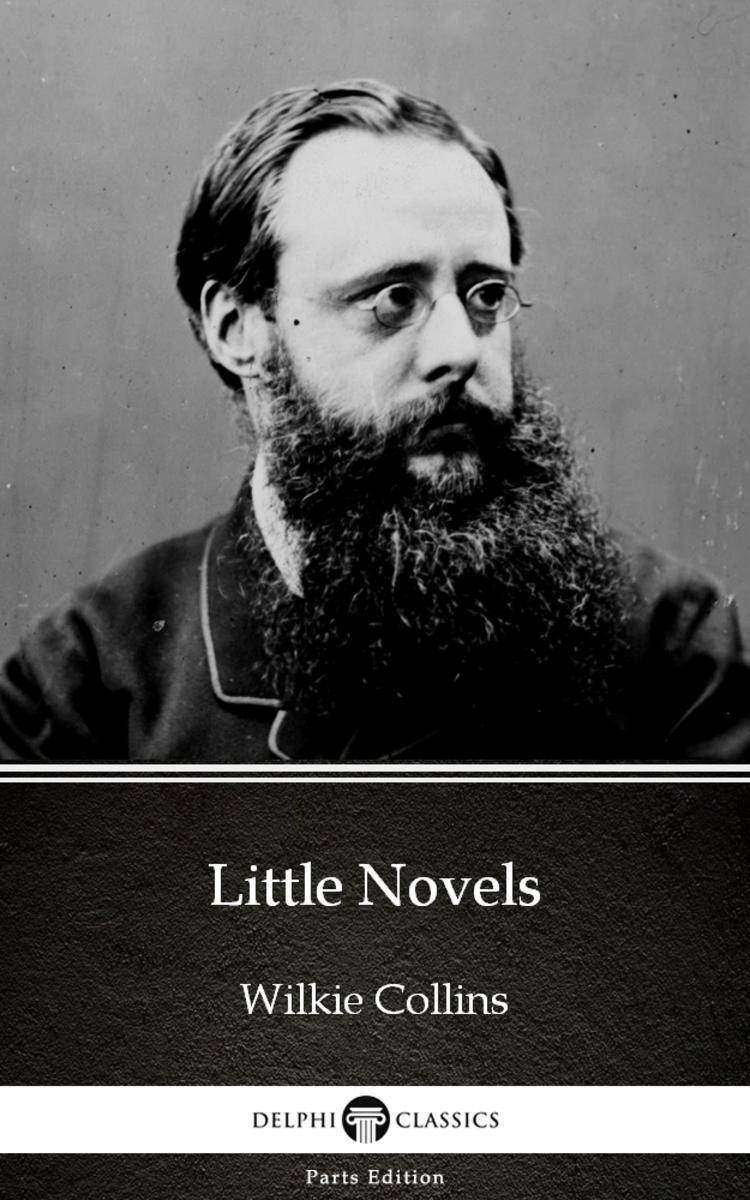
Little Novels by Wilkie Collins - Delphi Classics (Illustrated)
¥8.09
This eBook features the unabridged text of ‘Little Novels by Wilkie Collins - Delphi Classics (Illustrated)’ from the bestselling edition of ‘The Complete Works of Wilkie Collins’. Having established their name as the leading publisher of classic literature and art, Delphi Classics produce publications that are individually crafted with superior formatting, while introducing many rare texts for the first time in digital print. The Delphi Classics edition of Collins includes original annotations and illustrations relating to the life and works of the author, as well as individual tables of contents, allowing you to navigate eBooks quickly and easily. eBook features: * The complete unabridged text of ‘Little Novels by Wilkie Collins - Delphi Classics (Illustrated)’ * Beautifully illustrated with images related to Collins’s works * Individual contents table, allowing easy navigation around the eBook * Excellent formatting of the text Please visit www.delphiclassics.com to learn more about our wide range of titles

The Ivory Child
¥8.09
Dodo Collections brings you another classic from H. Rider Haggard, ‘The Ivory Child.’ ? The author writes, "It is enough to say that when Allan Quatermain, in the opening sentence of his narrative, speaks of this as 'one of the strangest of all the adventures which have befallen me in the course of a life, that so far can scarcely be called tame or humdrum,' he is well within the mark." ? Sir Henry Rider Haggard was an English writer of adventure novels set in exotic locations, predominantly Africa, and the creator of the Lost World literary genre. His stories, situated at the lighter end of the scale of Victorian literature, continue to be popular and influential. He was also involved in agricultural reform and improvement in the British Empire. ? His breakout novel was King Solomon's Mines( 1885), which was to be the first in a series telling of the multitudinous adventures of its protagonist, Allan Quatermain. ? Haggard was made a Knight Bachelor in 1912 and a Knight Commander of the Order of the British Empire in 1919. He stood unsuccessfully for Parliament as a Conservative candidate for the Eastern division of Norfolk in 1895. The locality of Rider, British Columbia, was named in his memory.

The Rangeland Avenger
¥8.09
Dodo Collections brings you another classic from Max Brand, ‘The Rangeland Avenger.’ If you enjoy a fast moving western dealing with vengeance and well-deserved payback, you'll like The Rangeland Avenger by Max Brand. A soft spoken but ruthless gunman cuts a path of deadly payback across the Wild West in this exciting adventure. ? Frederick Schiller Faust (1892-1944) was an American fiction author known primarily for his thoughtful and literary Westerns. Faust wrote mostly under pen names, and today he is primarily known by one, Max Brand. Others include George Owen Baxter, Martin Dexter, Evin Evans, David Manning, Peter Dawson, John Frederick, and Pete Morland. Faust was born in Seattle. He grew up in central California and later worked as a cowhand on one of the many ranches of the San Joaquin Valley. Faust attended the University of California, Berkeley, where he began to write frequently. During the 1910s, Faust started to sell stories to the many emerging pulp magazines of the era. In the 1920s, Faust wrote furiously in many genres, achieving success and fame, first in the pulps and later in the upscale "slick" magazines. His love for mythology was, however, a constant source of inspiration for his fiction and his classical and literary inclinations. The classical influences are particularly noticeable in his first novel The Untamed (1919), which was also made into a motion picture starring Tom Mix in 1920.

The Seventh Man
¥8.09
Dodo Collections brings you another classic from Max Brand, ‘The Seventh Man.’ ? This book tells part of the story of the larger-than-life western character, Dan Barry, known as “Whistling Dan,” and his alter-ego companions, Black Bart, the wolf-dog, and Satan, the indomitable black stallion. It’s also the story of Kate Cumberland and the incredible five-year-old daughter of Kate and Dan, Joan. We first see Dan as a gentle, caring man with a deep sense of fairness. But then, after six years of a peaceful life in their mountain cabin Dan, more feral than human, sets out to revenge an injustice by killing seven men. Ultimately, it is his devotion to his daughter and Kate’s love for the child that brings about the climax of the tale. ? Warning: don’t look for a typical cowboy story here – it’s far deeper and stronger than that. ? Frederick Schiller Faust (1892-1944) was an American fiction author known primarily for his thoughtful and literary Westerns. Faust wrote mostly under pen names, and today he is primarily known by one, Max Brand. Others include George Owen Baxter, Martin Dexter, Evin Evans, David Manning, Peter Dawson, John Frederick, and Pete Morland. Faust was born in Seattle. He grew up in central California and later worked as a cowhand on one of the many ranches of the San Joaquin Valley. Faust attended the University of California, Berkeley, where he began to write frequently. During the 1910s, Faust started to sell stories to the many emerging pulp magazines of the era. In the 1920s, Faust wrote furiously in many genres, achieving success and fame, first in the pulps and later in the upscale "slick" magazines. His love for mythology was, however, a constant source of inspiration for his fiction and his classical and literary inclinations. The classical influences are particularly noticeable in his first novel The Untamed (1919), which was also made into a motion picture starring Tom Mix in 1920.
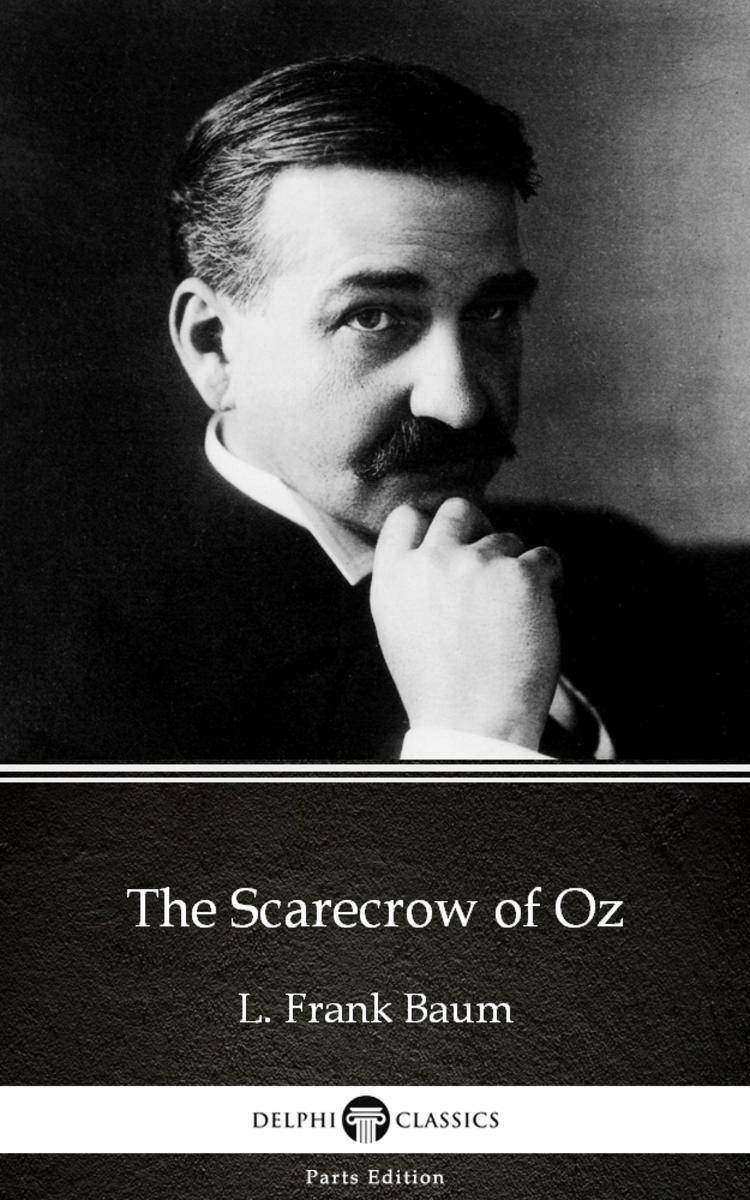
The Scarecrow of Oz by L. Frank Baum - Delphi Classics (Illustrated)
¥8.09
This eBook features the unabridged text of ‘The Scarecrow of Oz by L. Frank Baum - Delphi Classics (Illustrated)’ from the bestselling edition of ‘The Complete Works of L. Frank Baum’. Having established their name as the leading publisher of classic literature and art, Delphi Classics produce publications that are individually crafted with superior formatting, while introducing many rare texts for the first time in digital print. The Delphi Classics edition of Baum includes original annotations and illustrations relating to the life and works of the author, as well as individual tables of contents, allowing you to navigate eBooks quickly and easily. eBook features: * The complete unabridged text of ‘The Scarecrow of Oz by L. Frank Baum - Delphi Classics (Illustrated)’ * Beautifully illustrated with images related to Baum’s works * Individual contents table, allowing easy navigation around the eBook * Excellent formatting of the text Please visit www.delphiclassics.com to learn more about our wide range of titles

Tales of the Five Towns by Arnold Bennett - Delphi Classics (Illustrated)
¥8.09
This eBook features the unabridged text of ‘Tales of the Five Towns by Arnold Bennett - Delphi Classics (Illustrated)’ from the bestselling edition of ‘The Complete Works of Arnold Bennett’. Having established their name as the leading publisher of classic literature and art, Delphi Classics produce publications that are individually crafted with superior formatting, while introducing many rare texts for the first time in digital print. The Delphi Classics edition of Bennett includes original annotations and illustrations relating to the life and works of the author, as well as individual tables of contents, allowing you to navigate eBooks quickly and easily. eBook features: * The complete unabridged text of ‘Tales of the Five Towns by Arnold Bennett - Delphi Classics (Illustrated)’ * Beautifully illustrated with images related to Bennett’s works * Individual contents table, allowing easy navigation around the eBook * Excellent formatting of the text Please visit www.delphiclassics.com to learn more about our wide range of titles
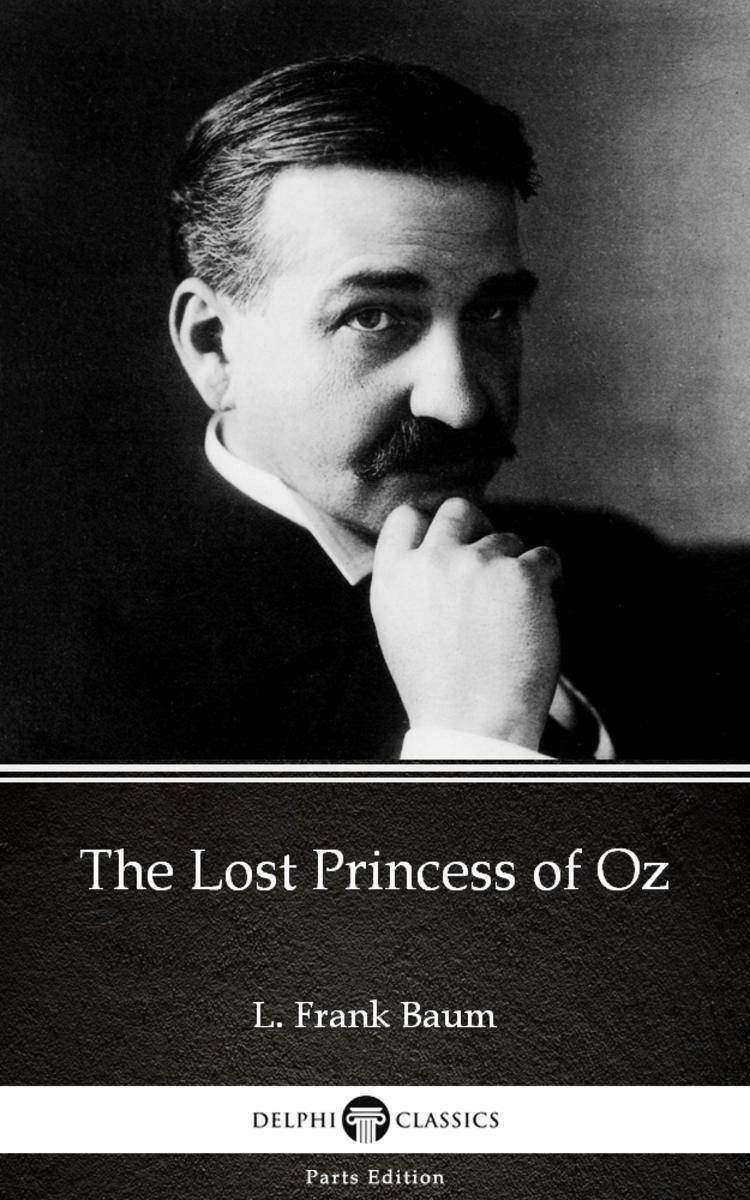
The Lost Princess of Oz by L. Frank Baum - Delphi Classics (Illustrated)
¥8.09
This eBook features the unabridged text of ‘The Lost Princess of Oz by L. Frank Baum - Delphi Classics (Illustrated)’ from the bestselling edition of ‘The Complete Works of L. Frank Baum’. Having established their name as the leading publisher of classic literature and art, Delphi Classics produce publications that are individually crafted with superior formatting, while introducing many rare texts for the first time in digital print. The Delphi Classics edition of Baum includes original annotations and illustrations relating to the life and works of the author, as well as individual tables of contents, allowing you to navigate eBooks quickly and easily. eBook features: * The complete unabridged text of ‘The Lost Princess of Oz by L. Frank Baum - Delphi Classics (Illustrated)’ * Beautifully illustrated with images related to Baum’s works * Individual contents table, allowing easy navigation around the eBook * Excellent formatting of the text Please visit www.delphiclassics.com to learn more about our wide range of titles

The Tin Woodman of Oz by L. Frank Baum - Delphi Classics (Illustrated)
¥8.09
This eBook features the unabridged text of ‘The Tin Woodman of Oz by L. Frank Baum - Delphi Classics (Illustrated)’ from the bestselling edition of ‘The Complete Works of L. Frank Baum’. Having established their name as the leading publisher of classic literature and art, Delphi Classics produce publications that are individually crafted with superior formatting, while introducing many rare texts for the first time in digital print. The Delphi Classics edition of Baum includes original annotations and illustrations relating to the life and works of the author, as well as individual tables of contents, allowing you to navigate eBooks quickly and easily. eBook features: * The complete unabridged text of ‘The Tin Woodman of Oz by L. Frank Baum - Delphi Classics (Illustrated)’ * Beautifully illustrated with images related to Baum’s works * Individual contents table, allowing easy navigation around the eBook * Excellent formatting of the text Please visit www.delphiclassics.com to learn more about our wide range of titles

The Last of the Plainsmen by Zane Grey - Delphi Classics (Illustrated)
¥8.09
This eBook features the unabridged text of ‘The Last of the Plainsmen by Zane Grey - Delphi Classics (Illustrated)’ from the bestselling edition of ‘The Collected Works of Zane Grey’. Having established their name as the leading publisher of classic literature and art, Delphi Classics produce publications that are individually crafted with superior formatting, while introducing many rare texts for the first time in digital print. The Delphi Classics edition of Grey includes original annotations and illustrations relating to the life and works of the author, as well as individual tables of contents, allowing you to navigate eBooks quickly and easily. eBook features: * The complete unabridged text of ‘The Last of the Plainsmen by Zane Grey - Delphi Classics (Illustrated)’ * Beautifully illustrated with images related to Grey’s works * Individual contents table, allowing easy navigation around the eBook * Excellent formatting of the text Please visit www.delphiclassics.com to learn more about our wide range of titles

Ken Ward in the Jungle by Zane Grey - Delphi Classics (Illustrated)
¥8.09
This eBook features the unabridged text of ‘Ken Ward in the Jungle by Zane Grey - Delphi Classics (Illustrated)’ from the bestselling edition of ‘The Collected Works of Zane Grey’. Having established their name as the leading publisher of classic literature and art, Delphi Classics produce publications that are individually crafted with superior formatting, while introducing many rare texts for the first time in digital print. The Delphi Classics edition of Grey includes original annotations and illustrations relating to the life and works of the author, as well as individual tables of contents, allowing you to navigate eBooks quickly and easily. eBook features: * The complete unabridged text of ‘Ken Ward in the Jungle by Zane Grey - Delphi Classics (Illustrated)’ * Beautifully illustrated with images related to Grey’s works * Individual contents table, allowing easy navigation around the eBook * Excellent formatting of the text Please visit www.delphiclassics.com to learn more about our wide range of titles

The Rainbow Trail by Zane Grey - Delphi Classics (Illustrated)
¥8.09
This eBook features the unabridged text of ‘The Rainbow Trail by Zane Grey - Delphi Classics (Illustrated)’ from the bestselling edition of ‘The Collected Works of Zane Grey’. Having established their name as the leading publisher of classic literature and art, Delphi Classics produce publications that are individually crafted with superior formatting, while introducing many rare texts for the first time in digital print. The Delphi Classics edition of Grey includes original annotations and illustrations relating to the life and works of the author, as well as individual tables of contents, allowing you to navigate eBooks quickly and easily. eBook features: * The complete unabridged text of ‘The Rainbow Trail by Zane Grey - Delphi Classics (Illustrated)’ * Beautifully illustrated with images related to Grey’s works * Individual contents table, allowing easy navigation around the eBook * Excellent formatting of the text Please visit www.delphiclassics.com to learn more about our wide range of titles


