


 购物车
购物车 个人中心
个人中心
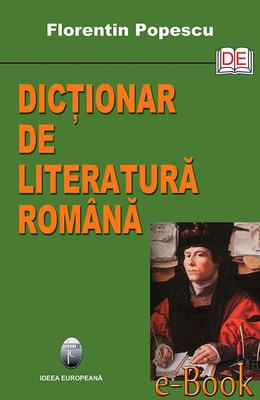
Dic?ionar de literatur? rom?n?
¥61.83
Editorul, criticul ?i istoricul literar clujean Irina Petra? propune lectorilor un studiu despre locurile favorite din literatura rom?n? ?i cea universal?, paginile de teorie literar? oferind nu pu?ine repere asupra predilec?iilor clasicilor autohtoni de la Eminescu ?i Creang? p?n? la Norman Manea ?i Marta Petreu. Cartea se adreseaz? elevilor, studen?ilor, precum ?i publicului larg de cititori.
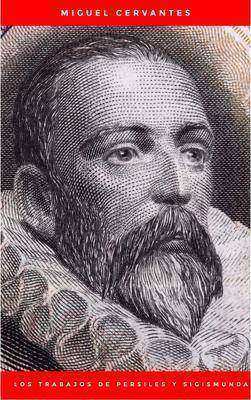
Los Trabajos de Persiles y Sigismunda
¥8.82
Los trabajos de Persiles y Sigismunda es la última obra de Miguel de Cervantes. Pertenece al subgénero de la novela bizantina. El propio autor la consideró su mejor obra; sin embargo la crítica da este título unánimemente a Don Quijote de la Mancha. En ella escribió la dedicatoria al Conde de Lemos el 19 de abril de 1616, cuatro días antes de morir, donde se despide de la vida citando estos versos: Puesto ya el pie en el estribo, con las ansias de la muerte, gran se?or, esta te escribo.
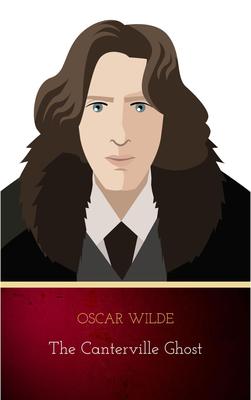
The Canterville Ghost
¥8.82
The Canterville Ghost is a popular 1887 novella by Oscar Wilde, widely adapted for the screen and stage. “The Canterville Ghost” is a parody featuring a dramatic spirit named Sir Simon and the United States minister (ambassador) to the Court of St. James's, Hiram B. Otis. Mr. Otis travels to England with his family and moves into a haunted country house. Lord Canterville, the previous owner of the house, warns Mr. Otis that the ghost of Sir Simon de Canterville has haunted it ever since he killed his wife, Eleonore, three centuries before. But Mr. Otis dismisses the ghost story as bunk and disregards Lord Canterville’s warnings. When the Otises learn that the house is indeed haunted, they succeed in victimizing the ghost and in disregarding age-old British traditions. What emerges is a satire of American materialism, a lampoon of traditional British values, and an amusing twist on the traditional gothic horror tale.
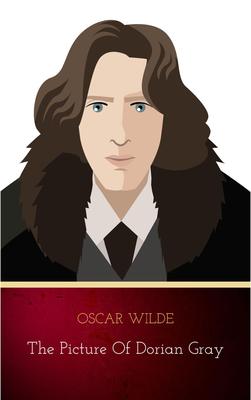
The Picture of Dorian Gray
¥8.82
Oscar Wilde's story of a fashionable young man who sells his soul for eternal youth and beauty is one of his most popular works. Written in Wilde's characteristically dazzling manner, full of stinging epigrams and shrewd observations, the tale of Dorian Gray's moral disintegration caused something of a scandal when it first appeared in 1890. Wilde was attacked for his decadence and corrupting influence, and a few years later the book and the aesthetic/moral dilemma it presented became issues in the trials occasioned by Wilde's homosexual liaisons, trials that resulted in his imprisonment. Of the book's value as autobiography, Wilde noted in a letter, "Basil Hallward is what I think I am: Lord Henry what the world thinks me: Dorian what I would like to be--in other ages, perhaps."
?nt?mpl?ri din p?dure
¥46.36
Lidia Lazu semneaz? o poezie delicat-confesiv?, parcelat? pe momente distincte, cu o structur? de jurnal. De?i termenul structur? e oarecum inadecvat acestei materii de fr?gezimi ce se transcriu ca atare, f?r? grija unei osaturi, a unui tipar ce i-ar st?njeni fluiditatea, evanescent?. Fiin?a respir? neconstr?ns? de nimic, supus? doar clipei, ?nc?nta?iei tranzitoriului. A?tept?rile sale sunt naiv-fabuloase, ?n continuitatea unei copil?rii care nu s-a epuizat, care-?i tr?ie?te intens uimirile, dezvolt?ndu-le fin imaginativ... O atare autoscopie fantezista este rodul unei virtuozit??i a simplit??ii. Coeziunea textului se produce ?n jurul acestei neputin?e de a accepta ordinea pragmatic?, meschin?ria, ?n numele unei candori funciare. La polul opus criticismului luciferic, poeta se d?ruie lumii nu doar prin contempla?ie, ci ?i printr-un soi de automatism existen?ial, l?s?ndu-se ?n voia lui, sublim lipsit? de voin??. Ceea ce e o moral? a extazului. (Gheorghe Grigurcu)
The Code of Hammurabi
¥8.82
The Code of Hammurabi (Codex Hammurabi) is a well-preserved ancient law code, created ca. 1790 BC (middle chronology) in ancient Babylon. It was enacted by the sixth Babylonian king, Hammurabi. One nearly complete example of the Code survives today, inscribed on a seven foot, four inch tall basalt stele in the Akkadian language in the cuneiform script. One of the first written codes of law in recorded history. These laws were written on a stone tablet standing over eight feet tall (2.4 meters) that was found in 1901.
Intrus ?n lumea umbrelor. Rebelul
¥116.01
Intrus n lumea umbrelor“ este un roman de sertar… care a fost scris ntre 1982-1986 i care a zcut ascuns n beci, ntr-o lad cu nisip pentru ptrunjei i morcovi de iarn, din 1986 pn n 1991. Apoi s-a mutat ntr-un sertar al biroului… pn astzi… Aciunea primului volum, CAPCANA“, se petrece n anii 1982 – 1983. Un scriitor aflat n slujba partidului comunist, un autor care semnase pactul cu diavolul“, pact n general negat, dar existent n realitate, care scria cri la comand“, dezerteaz. Un personaj deopotriv curajos i destul de la nct s fi semnat acest pact blestemat, vicios, drept i cinstit n acelai timp, afemeiat i pctos, ncpnat i realist, vntor i braconier, ducnd o via deanat, trit pe muchie de cuit, o via plin de femei i de infideliti conjugale, chefuri, prieteni la fel de vicioi, curajoi, nelinitii i realiti ca i el. Obosit de contiina care nu-l las sa adoarm, se refugiaz la ar, n nordul extrem al rii, ntre pduri i dealuri, pentru a scpa de oameni i de minciun. i descoper prieteni uitai i rude pe care n ultimii ani le ignorase. Dar, cutnd un adevr de care nc nu era contient, i descoper i dumanii. ntr-o goan parc nebun dup regsirea de sine, i rentlnete iubirile pierdute, femei care l-au iubit i pe care el le prsise cutnd mereu altceva, femei pe care le iubise i care l-au prsit, prieteni i dumani care nu l-au uitat, oameni trectori prin viaa sa. Cu incontiena omului brusc trezit la realitate, se las purtat de valul ntmplrii, aflnd adevruri mereu ntrezrite i bnuite, dar tinuite ntr-o lege a tcerii pe care n-o nelege nc. Tenace din fire i venic gata s rite totul pe o carte dintr-o nevoie aproape bolnvicioas de senzaii tari, ncepe s ntrebe, contient c fr ntrebri, nu exist nici rspunsuri. Iar ntrebrile lui trezesc brusc furia stpnilor si comuniti. Ameninrile acestora i ale securitii care, la ordin, i urmrea fiecare micare, trezete n el i curajul neamului din care se trage i care dormise n el n toi aceti ani. ncpnat i ncrncenat, ncepe s afle adevrul despre colectivizarea din nordul ndeprtat, att de apropiat sufletului su. Pas cu pas afl despre crimele, ororile, minciunile i teroarea ce se aflau n spatele mreelor realizri ale partidului cruia i slujea. Afl despre oameni pe care i cunoscuse i care erau altceva dect crezuse el ca sunt. Obosit de atta minciun, se decide sa spun, n sfrit, adevrul. Realizeaz ns c pe nevzute i negndite, czuse n CAPCANA… pentru ca ce altceva este pn la urma adevrul, dect capcana propriei tale contiine! Cnd te hotrti s spui adevrul, nu te poi ocoli pe tine nsui pentru a-l spune doar despre ceilali! Adevrul este doar unul singur, i te include i pe tine i faptele tale… alturi de ceilali i de faptele lor…
Codin
¥16.35
Kog??lniceanu ?n literatura istoric?? a Rom?niei ?i Alecsandri ?n literatura noastr?? poporan?? joac?? p?n?? la un punct rolul lui Columb ?n privin?a geografic??. – Bogdan P. Hasdeu Mihail Kog??lniceanu a fost una din acele naturi alese ce greu ?ncap c?teva al??turea ?n veac; pentru care timpul care l-a tr??it a fost prea scurt ?i spa?iul ?n care i-a fost ?nvoit s?? se mi?te prea ne?nc??p??tor spre a dezvolta uria?a putere a concep?iunilor cuget??rilor ?i n??zuin?ilor lui. – A.D. Xenopol
Goca Meryem
¥18.39
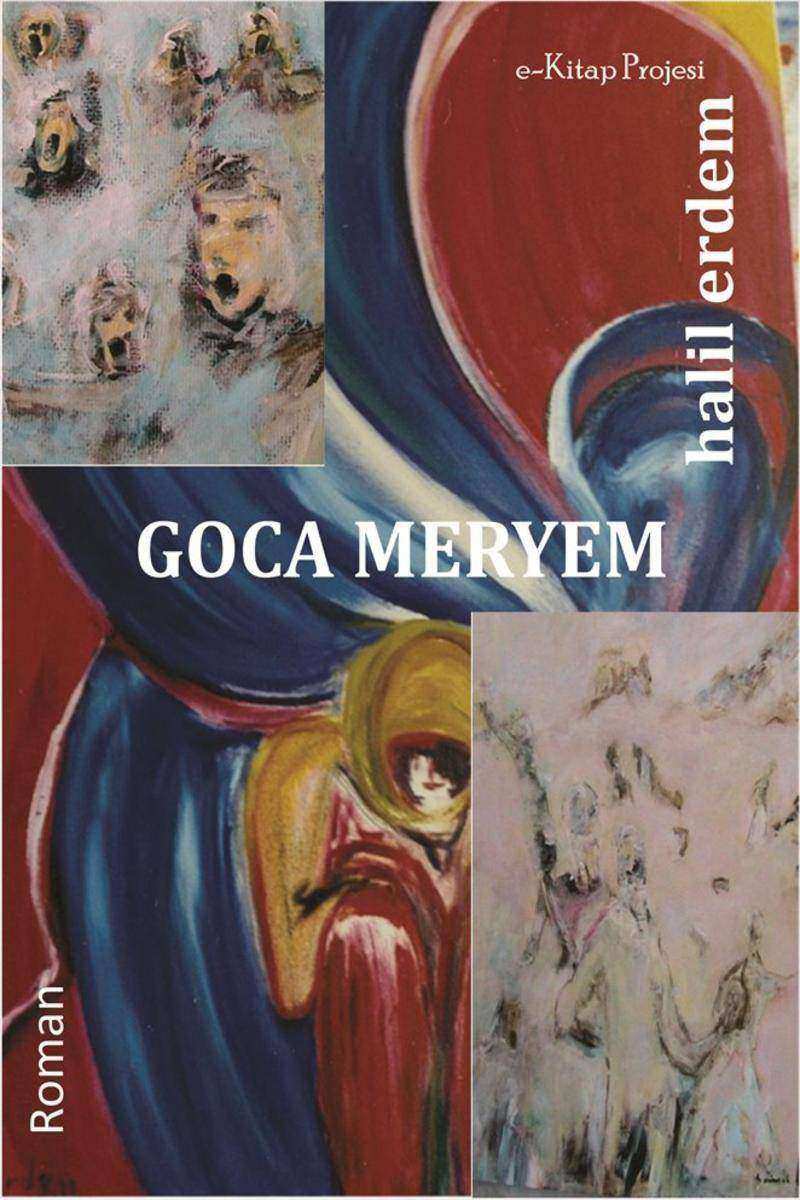
Birileri ?anakkale’de, Kurtulu? Sava??’nda sava??p tutsak olurken, ?ehit olurken baz? az?nl?klar ve a?a tak?m? geride kal?p mal mülk edinme pe?indedirler. Devlet y?netimindeki adamlar?n?n deste?iyle A?alar halk?n elindeki topra?a zorla el koyar. El koyduklar? yetmezmi? gibi halk? adeta k?le gibi ezer, s?mürür; ?nüne ??kan her engeli yok ederler.? Fakat Goca Meryem gibi bir kad?n ??kar ve kendili?inden olu?an hareketin ba??na ge?erek kanl? bir ba?kald?r? ger?ekle?tirir.? Sonras?nda ?smet ?n?nü deste?iyle Ziraat Bankas? kredi verir ve toprak reformu yap?l?r. ?Bu y?nüyle bu ?ykü ülkemizde ya?anm?? benzeri olmayan bir ?yküdür. ?Zulme ra?men romantizmi elden b?rakmayan, a?klar?n? koruyan insan ?ykülerini k?rk kaynak ki?inin anlat?m?na ba?l? olarak ger?ek kahraman ve yer adlar?yla yaz?lm?? bir an? romand?r Goca Meryem. K?y Ak da??n eteklerinde, kü?ük bir ovan?n k?y?s?nda duran tatl? iki tepeci?e yaslanm??t?. Ovalar?nda ahlat armutlar?, güz rengine boyanm?? meyvesiz a?a?lar, kü?ücük da? elmalar?, as?rl?k cevizler toprak daml? evleri sakl?yordu. K?y iki yakas? bir araya gelmemi?, zar zor ge?inen yoksul elli alt? haneden olu?uyordu. Her evin az ?ok ke?isi, koyunu; uysal ?küzleri, inekleri vard?. ???????? 1924 y?l?nda Cumhuriyetle birlikte ??rten k?yü Mu?la’dan al?n?p Burdur iline kat?ld?. Bu nedenle Mu?lal? birka? toprak sahibi topraklar?n? sat?p gitme karar? ald?. ?Bu teklif üzerine birka? kurnaz k?ylü toprak sahiplerine: ????????? “Bekleyin biz aram?zda g?rü?üp karar? size bildirece?iz,”dediler. Bir araya gelen Muhtar Karaca, Habip ve G?k ?akir, oturmu? bu konuyu tart???yorlard?: “Ta?lay?verelim gitsinler. Bu zamanda kim para bulmu? da toprak sat?n alacak. Satamazlar. Satamad??? topra?? ne yapacaklar? Gelip ekebilecekler mi? Sanm?yorum. ?ekip gidecekler, ?yle de?il mi?” dedi G?k ?akir. Habip: “Ta?layal?m vallahi, ta?land??? yere bir daha ad?mlar?n? atamazlar.” “Arkada?lar bu insanlarla y?llarca tarla kom?ulu?u yapm???z, birbirimizin lokmalar?n? yemi?iz, sonra babalar? da baba dostlar?d?r. Ay?p olmaz m? k?yden kuduz k?pek kovar gibi bu insanlar? ta?lamak!” G?k ?akir: “Ay?p diyorsun, ama toprak alacak para m? var?” “Oldu?u kadar veririz, gerisini harman kalk?m?ndan sonra deriz, olmad? taksit taksit ?deriz. Adamlar?n ba?ka bir se?ene?i g?rünmüyor gibi; kabul etmeyip de ne yapacaklar!” “??te ba?ka se?enekleri olmad??? i?in ta?layaca??z ya, ta?layal?m gitsinler!” deyip ?srar?n? sürdürdü G?k ?akir. “Hadi o zaman gazam?z mübarek olsun!”dedi onun silah arkada?? Habip. Zaten G?k ?akir ne derse ona uyard?. ?ünkü seferberlikte yaralan?p dü?tü?ünde kendisini omzuna al?p cephe gerisine ta??y?p kurtaran G?k ?akir’di. Ona bir can borcu vard?. O yüzden, o gün bu gün hep ayn? sibekten i?erlerdi. Karaca ne de olsa muhtard?. Bu i?e kar??mak istemiyordu. G?k ?akir ile Habip, birka? k?ylüyü yanlar?na ald?. Eli ta? tutan ne kadar ?oluk ?ocuk varsa toplad?lar. Mu?lal? toprak sahipleri, Karap?nar’?n ?nünde k?ylülerden gelecek haberi bekliyordu. K?ylüler, gizlendikleri yerden onlar? ta?a tuttular. Her bir yandan ya?mur gibi ta? ya??yordu. Toprak sahipleri neye u?rad?klar?n? anlayamad?lar. “Anam, yand?m! Can?n? seven ka?s?n!” “Hadi atla! “Tak tuk” Mu?lal?lar ka?arken ayaklar? k??lar?na yap???yordu. HAL?L ERDEM ?1961 Dirmil-Burdur do?umlu. Gazi ?niversitesi E?itim Fakültesi S?n?f ??retmenli?ini bitirdi. Türk?e B?lümünde lisans tamamlad?. Kar Ayd?nl??????? (Roman)?????? Fam Yay?nlar? 2014 Dirmil ?mürcüsü????? (Roman)?????? Fam Yay?nlar?2006- 2014 Goca Meryem? (Roman)?????? Fam Yay?nlar? 2014 Tokat??????????????? (?ocuk Roman?) Kendi Yay?n? 2013 Teke Y?resi Halk ?nan?lar? (Ara?t?rma - inceleme) Kendi Yay?n? 2008 Karacao?lan Gelene?inde Dirmil Güzellemeleri ve ?yküler (Ara?t?rma inceleme) 2011 Alter Yay. Gece Mavisinde A?k?????????????? (?iir)?????? Kendi Yay?n? 1998 Ve Al???ld? ?lüme???? (?iir )????? Temmuz Yay?nlar? 1990 Kardan Adam?? (?ocuk ?iirleri) Kendi Yay?n? 1998 I??k Avc?lar??????? (?ocuk ?iirleri) Kendi Yay?n?) 2013 ??pten ??rendi?im Hayat?? ?ocuk Kitab?????????? ????2015 G?l Hikayeleri?????????? (?ykü)???????????????????????????????????? 2015 ? ?iir ve yaz?lar?n? Bah?e, Mavi Umut, Bahar, ?al?, ??retmen Dünyas?, Dirmil, Noktam, Bezuvar, süje, Kar dergilerinde yay?nlad?. Beykonak E?itim ve Kültür Vakf? Yirce ?iir Yar??mas?nda. Ne-Var Yok ?iiriyle Birincilik ald?.(2004) Resim ?al??malar?n? da yürüten Halil ERDEM 3 ki?isel, 25 karma resim sergi etkinli?inde bulundu.

Tokat??: ?ocuk roman?
¥19.05
Bir ?ocu?un, ya?ad??? ?ehirden k?rsalda ya?ayan babaannesinin yan?nda gidip yaz tatilini ge?irirken ya?ad??? maceray? anlat?r Tokat??. 85 ya??ndaki babaannesinin dikti?i a?a?larla nas?l ya?ama ba?land???n?, kendi kedine eme?iyle nas?l ayakta kald???n? anlatan, ?ocuklar?n aya??n? yere bast?racak ger?ekli?in romand?r. Tokat?? karakteriyle g?revi k?tüye kullanman?n sonu?lar?n? ya?ayarak g?ren Bar?? bir atla ve ba? bek?isi k?z arkada??yla ge?irdikleri unutulmaz bir yaz maceras?n?n yan?nda bilgiye ula?may?, bilimselli?i ara?t?rma sonunda ??renen ?ocuklar?n ?yküsüdür Tokat??. ?AM KARDE?L??? ? Nisan sonlar?yd?. Hava ?oktan ?s?nm??, b?rtü b?cek hareketlenmi?ti. Toprakta bin bir tohum canlanm??, yeryüzünü ye?ile boyam??t?. Bademler, ?eftaliler, elma a?a?lar?, bütün do?a tomurcuk patlamas?yla ba? d?ndürücü bir güzelli?e bürünmü?tü. A?a?lar duva??n? takm?? gelin gibiydi. 23 Nisan co?kusu bütün ?ocuklar?n i?indeydi. Okullarda bayraklar, fenerler, ?e?it ?e?it el i?i süslemeler okul pencerelerinde ?ocuklara, gen?lere; hatta bütün ulusa k?van?la bak?yordu. Zil ?ald?. ?ocuklar ko?ullanm?? zil sesiyle bah?eyi bo?alt?p s?n?flara girdi. ?ocuklar?n sesleriyle yank?lanan bo?luk, ayak izlerini ta??yan bah?e, d??ar?da kald?. S?n?fa giren ??retmen: —?ocuklar, size güzel bir haberim var, Pamukkale’ye bir gezi yapaca??z, dedi. S?n?ftaki bütün ??renciler bir a??zdan: —Oley! diye sevin? ???l??? att?lar. Planlama ve haz?rl?klar yap?ld?. Yola ??k?ld?. May?s ay?n?n ilk haftas?yd?. Otobüs Antalya’dan ??k?p yükseklere do?ru yol ald?k?a, ?ocuklar havan?n serinledi?ini fark ettiler. ?? ?Denizli’ye girmeden mola verip piknik yapmak istiyorlard?. Her ?ocu?un geziden beklentileri ayr? ayr?yd?. Kimi ?i?eklerin i?inde oyunlar kuracakt?. Kimi a?a?lara t?rmanacakt?. Kimi de belgesellerde g?rdü?ü canl?larla kar??la?abileceklerini hayal ediyordu. ?imdilik onlara d?rt duvarl? s?n?ftan ??kmak bile yetmi?ti. ??? Otobüs, derin bir vadide bir süre ilerledikten sonra ?ay?r? ?imeni bol, ho? bir düzlükte durdu. ??retmen kap? a??lmadan gerekli uyar?lar? yapt?. Kap? a??ld?. ?ocuklar s?rayla indiler. Hava s?cakt?. Ku?lar?n, b?rtü b?ceklerin güzel sesleri bitmeyen bir ?ark? gibiydi. Yaban ?ilekleri, b??ürtlenler, al??lar, da? elmas?, ku?burnular hepsi ama hepsi ?i?eklerini ?oktan a?m??, yapraklar? tomurcuklanm??t?. ??? ?ocuklar, ?imenin yumu?akl???n? hissedince, ko?maktan kendini alam?yordu. K?zlar ?i?ekten ba?lar?na ta? yap?yor, ar?lar o ?i?ekten ?tekine u?u?urken, onlarla yar???rcas?na hoplay?p z?pl?yorlard?. ??? Bar??, g?züne kestirdi?i bir ?am a?ac?na y?nelip t?rmanmaya ba?lad?. Bar??’? g?ren ?ocuklar ??retmene g?sterdiler. ??retmen ?am a?ac?na bakt?: HAL?L ERDEM ? 1961 Dirmil-Burdur do?umlu. Gazi ?niversitesi E?itim Fakültesi S?n?f ??retmenli?ini bitirdi. Türk?e B?lümünde lisans tamamlad?. Kar Ayd?nl??????????? (Roman)?????? Fam Yay?nlar? 2014 Dirmil ?mürcüsü (Roman)?????? Fam Yay?nlar?2006- 2014 Goca Meryem????? (Roman)?????? Fam Yay?nlar? 2014 Tokat?????????????????????? (?ocuk Roman?) Kendi Yay?n? 2013 Teke Y?resi Halk ?nan?lar? (Ara?t?rma - inceleme) Kendi Yay?n? 2008 Karacao?lan Gelene?inde Dirmil Güzellemeleri ve ?yküler (Ara?t?rma inceleme) 2011 Alter Yay. Gece Mavisinde A?k???? (?iir)?????? Kendi Yay?n? 1998 Ve Al???ld? ?lüme?????????? (?iir )????? Temmuz Yay?nlar? 1990 Kardan Adam??????? (?ocuk ?iirleri) Kendi Yay?n? 1998 I??k Avc?lar???????????? (?ocuk ?iirleri) Kendi Yay?n?) 2013 ??pten ??rendi?im Hayat?? ?ocuk Kitab?????????????? 2015 G?l Hikayeleri?????????? (?ykü)???????????????????????????????????? 2015 ? ?iir ve yaz?lar?n? Bah?e, Mavi Umut, Bahar, ?al?, ??retmen Dünyas?, Dirmil, Noktam, Bezuvar, süje, Kar dergilerinde yay?nlad?. Beykonak E?itim ve Kültür Vakf? Yirce ?iir Yar??mas?nda. Ne-Var Yok ?iiriyle Birincilik ald?.(2004) Resim ?al??malar?n? da yürüten Halil ERDEM 3 ki?isel, 25 karma resim sergi etkinli?inde bulundu.
Limpezimi
¥16.35
Russo ni se dovedeste… in aceasta opera mai renumita a lui, posesorul unui ?simt muzical?, pe care, in acelasi fel si cu aceleasi caracteristici, proza romaneasca nu-l manifestase mai inainte… Multimea conjunctiei ?si? in Cantarea Romaniei lucreaza ca un ?legatto? muzical, menit sa elimine articulatia logica si oarecum spatiala a propozitiilor si sa sublinieze continuitatea lor metodica. Nimeni mai mult ca Russo n-a folosit in proza noastra acest vechi ?si? biblic, procedeu magic si incantatoriu…“ – Tudor Vianu
C?ntarea Rom?niei
¥16.35
Cu privire la G. Toprceanu se constat dou atitudini n sfera unei consideraii generale. Unii l preuiesc ca pe un poet mare alii ca pe un poet minor. Cea dinti opinie este greu de susinut. ns n starea poeziei de azi cnd adesea lipsete scriitorului ndreptirea nsi de a scrie expresia minor“ poate s fie ru interpretat. S spunem dar c Toprceanu e socotit ca un poet al universului mic. Dar unde se afl adevrata poezie Orict ncntare ne-ar produce Parodiile originale spiritul nostru critic ntmpin greutate s gseasc alt merit dect acela de observaie i virtuozitate n nite compuneri al cror punct de plecare este n poezia altora. O parodie este n definitiv o pasti exagerat ca spre a-i gsi iertarea n recunoaterea imitrii. Toprceanu nsui le numea pagini modeste de critic literar n pilde“. Totui se poate observa la el acel fenomen de uitare n model care e chiar semnul clasicei inspiraii...“ – G. Calinescu Istoria literaturii romne de la origini pn n prezent
The Little Princess of Tower Hill
¥18.56
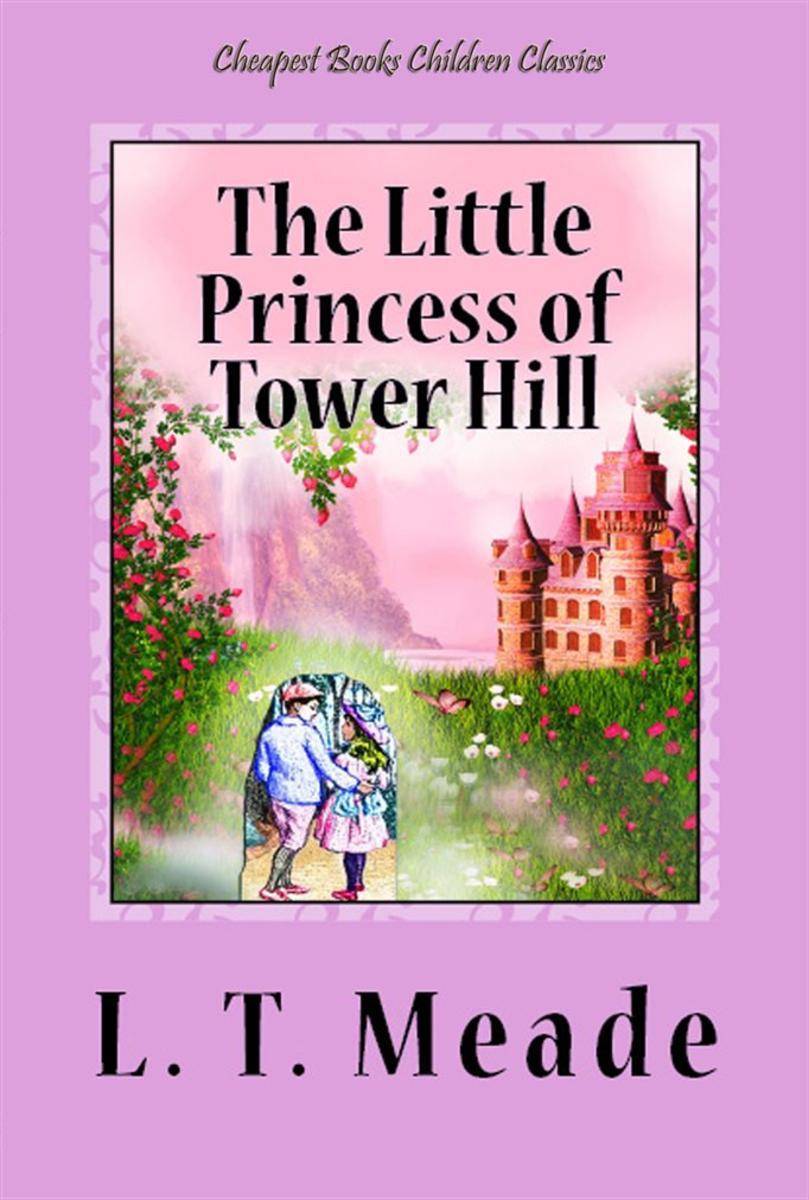
All the other children who knew her thought Maggie a wonderfully fortunate little girl. She was sometimes spoken about as the "Little Princess of Tower Hill," for Tower Hill was the name of her father's place, and Maggie was his only child. ??The children in the village close by spoke of her with great respect, and looked at her with a good deal of longing and also no slight degree of envy, for while they had to run about in darned and shabby frocks, Maggie could wear the gayest and daintiest little dresses, and while they had to trudge sometimes even on little bare feet, Maggie could sit by her mother's side and be carried rapidly over the ground in a most delicious and luxurious carriage, or, better still, she might ride on her white pony Snowball, followed by a groom. The poor children envied Maggie, and admired her vastly, and the children of those people who, compared to Sir John Ascot, Maggie's father, might be considered neither rich nor poor, also thought her one of the most fortunate little girls in existence. Mag-gie was nearly eight years old, and from her very earliest days there had been a great fuss made about her. At the time of her birth bonfires had been lit, and oxen killed and roasted whole to be given away to the poor people, and Sir John and Lady Ascot did not seem at all disappointed at their baby being a girl instead of a son and heir to the old title and the fine old place. ??There was a most extraordinary fuss made over Maggie while she was a baby; her mother was never tired of visiting her grand nurseries and watching her as she lay asleep, or smiling at her and kissing her when she opened her big, bright blue eyes.
![Borsaya Teknik Bak??: [A??klamal? Terimler ve Diyagramlarla]](https://platform-permanent.ddimg.cn/pt-media-info-soa-resource/digital/product/53/19/1901165319_ii_cover.jpg?version=14b54572-54c5-4d0d-94e7-6a83bd5cd642)
Borsaya Teknik Bak??: [A??klamal? Terimler ve Diyagramlarla]
¥37.11
NSZ / GR Ekonomik Analiz Hisse fiyatlar genel ekonomik koullardan etkilendiinden dolay ekonomik analiz temel analizin ilk aamasn oluturur. Hisse senetlerine yaplan bir yatrmn krla sonulanma olaslnn, gülü ve büyüyen ekonomilerde daha yüksek olduu bilinmektedir. Dolaysyla bu aamada hisse senedi yatrm iin genel ekonomik konjonktürün uygun olup olmad belirlenmeye allr. Zira ekonomik konjonktürdeki canlanma beklentisi hisse senedi yatrm iin uygun bir ortam iken, ekonomik konjonktürdeki daralma (resesyon) beklentisi hisse senedi yatrmlarndan klmas iin uygun bir ortama iaret eder. Ekonomik konjonktürdeki canlanma veya daralma beklentisi gstergelerden hareketle ekillenir. Ancak bu gstergeleri okuyabilmek ya da a deerlendirebilmek iin, nce genel olarak ekonomi ve ekonominin dinamikleri noktasnda bilgi sahibi olmak gerekir. Basite ifade edilmeye allan genel ekonomideki gelimeler ve sorunlar yakndan takip edilerek gelecek hakknda yaplan tahminler, yatrmclar asndan büyük nem tar. Ekonomik analizde ilk olarak dünyadaki ekonomik, sosyal ve politik gelimeler deerlendirilir. Daha sonra ise bu gelimelerin ülke ekonomisine olas etkileri deerlendirilir. Daha nce de ifade edildii üzere, bu tür deerlendirmeler ekonomik gstergelerden hareketle yaplr. Dolaysyla ekonomik analizde hangi ekonomik gstergelerin kullanlabilecei ve bu gstergelerin nasl deerlendirilecei konusu en nemli aamadr. Bu gstergeler ekonomik konjonktür hakknda bir fikir verecektir. Yazar Hakknda [Tarkan zhan, 1969-] RENM DURUMU: Trakya üniversitesi Blüm: Fen Fakultesi Kimyager MESLE: Borsac, Trader, Portfoy Ynetimi Aktif alma süresi; 25 yl
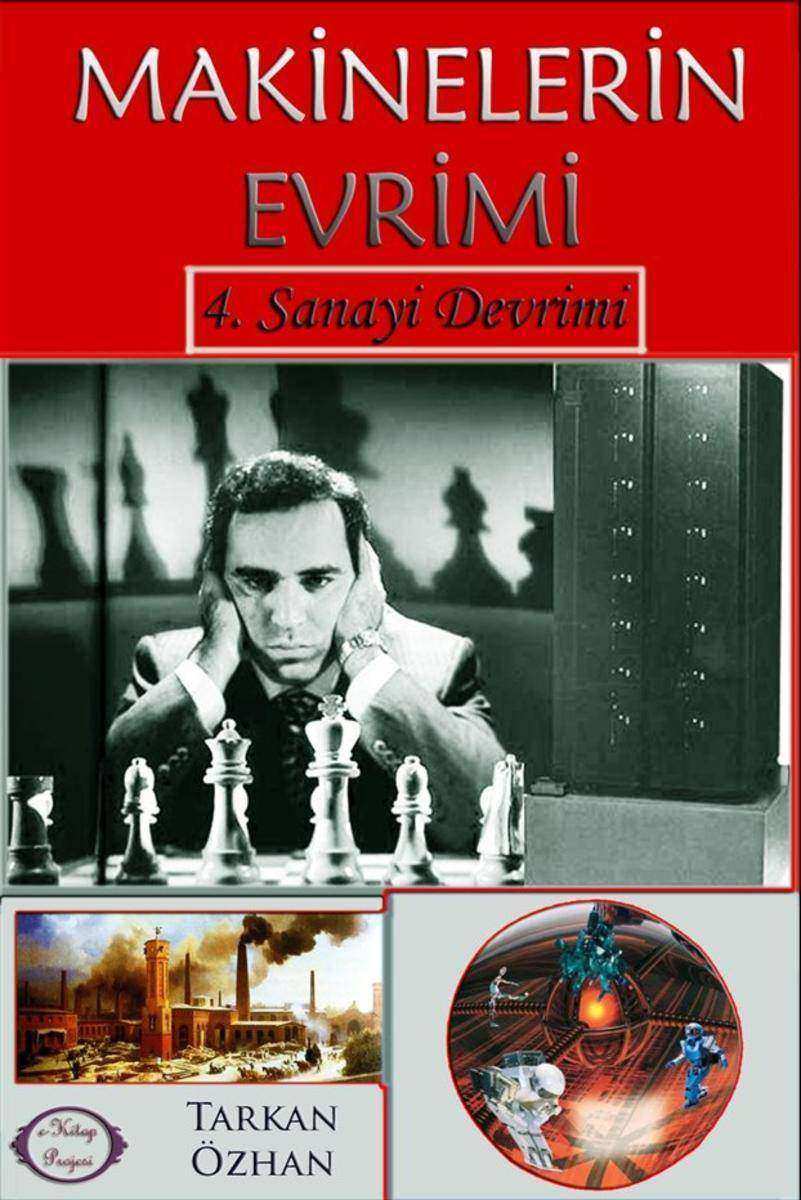
Makinelerin Evrimi: 4. Sanayi Devrimi
¥37.11
Endu?stri 4.0 d?nemi ile fabrikadaki u?retim ekipmanlar? birbirleriyle konu?up anla?acak ve gelecekte insans?z fabrikalar yayg?nla?acak. ?? kazalar? azalacak ve teknolojik verimlilik sa?lanacak. Yeni endu?stri devrimi hem enerji tasarrufu sa?layacak hem de maliyetleri du??u?recek. Alman Hu?ku?metinin u?retim su?re?lerini bilgisayarla?ma y?nu?nde te?vik etme ve yu?ksek teknolojiyle donatmas? projesi olarak kabul edilen Endu?stri 4.0, ayn? zamanda d?rdu?ncu? sanayi devrimi anlam?na geliyor. Endu?stri 4.0 ile tu?m yaz?l?m ve networklerde u?ru?n geli?tirme, u?retim ve servis su?re?lerinin ileti?imi, makinalar?n ve u?ru?nlerin ger?ek zamanl? bilgi al??veri?i, otonom kontrol ve optimizasyonu mu?mku?n olacak. 1784’te ortaya ??kan ilk sanayi devriminde, su ve buhar gu?cu?nu?n kullan?m?yla u?retim yap?lmas? hakim iken, 1870’lerde elektrik enerjisinin kullan?m?, ikinci sanayi devriminin de kap?lar?n? a?t?. Dijital devrim olarak da adland?r?labilecek u??u?ncu? sanayi devrimi ise, 1969’da elektronik ve bili?im teknolojilerinin kullan?m? ile ortaya ??kt?. 2013 y?l?na geldi?imizde ise internet uygulamalar?, yatay-dikey entegrasyonlu ve ger?ek zamanl? yeni de?er zincirleri, siber-fiziksel sistemler ve ak?ll? fabrikalar hayatlar?m?zdaki varl???n? gu??lendirdi. Yazar Hakk?nda [Tarkan ?zhan, 1969-] ???REN?M DURUMU: Trakya üniversitesi B?lüm: Fen Fakultesi Kimyager MESLE??: Borsac?, Trader, Portfoy Y?netimi Aktif ?al??ma süresi; 25 y?l

The Children of the Castle
¥23.14
"Hast thou seen that lordly castle,?That castle by the sea??Golden and red above it?The clouds float gorgeously." ??Do you remember Gratian—Gratian Conyfer, the godson of the four winds, the boy who lived at the old farmhouse up among the moors, where these strange beautiful sisters used to meet? Do you remember how full of fancies and stories Gratian's little head was, and how sometimes he put them into words to please Fergus, the lame child he loved so much? ??The story I am now going to tell you is one of these. I think it was their favourite one. I can not say that it is in the very words in which Gratian used to tell it, for it was not till long, long after those boyish days that it came to be written down. But all the same it is his story. About Author: Mary Louisa Molesworth, née Stewart (1839 – 1921) was an English writer of children's stories who wrote for children under the name of Mrs Molesworth. Her first novels, for adult readers, Lover and Husband (1869) to Cicely (1874), appeared under the pseudonym of Ennis Graham. She was born in Rotterdam, a daughter of Charles Augustus Stewart (1809–1873) who later became a rich merchant in Manchester and his wife Agnes Janet Wilson (1810–1883). Mary had three brothers and two sisters. She was educated in Great Britain and Switzerland: much of her girlhood was spent in Manchester. In 1861 she married Major R. Molesworth, nephew of Viscount Molesworth; they legally separated in 1879. Mrs Molesworth is best known as a writer of books for the young, such as Tell Me a Story (1875), Carrots (1876), The Cuckoo Clock (1877), The Tapestry Room (1879), and A Christmas Child (1880). She has been called "the Jane Austen of the nursery," while The Carved Lions (1895) "is probably her masterpiece." In the judgement of Roger Lancelyn Green: Mary Louisa Molesworth typified late Victorian writing for girls. Aimed at girls too old for fairies and princesses but too young for Austen and the Brontes, books by Molesworth had their share of amusement, but they also had a good deal of moral instruction. The girls reading Molesworth would grow up to be mothers; thus, the books emphasized Victorian notions of duty and self-sacrifice. Typical of the time, her young child characters often use a lisping style, and words may be misspelt to represent children's speech—"jography" for geography, for instance.She took an interest in supernatural fiction. In 1888, she published a collection of supernatural tales under the title Four Ghost Stories, and in 1896 a similar collection of six tales under the title Uncanny Stories. In addition to those, her volume Studies and Stories includes a ghost story entitled "Old Gervais" and her Summer Stories for Boys and Girls includes "Not exactly a ghost story." A new edition of The Cuckoo Clock was published in 1914.
Legea conspira?iei
¥66.22
Paris, iulie 1942: Sarah, o feti?? evreic? ?n v?rst? de zece ani, este arestat? ?n toiul nop?ii, ?mpreun? cu p?rin?ii ei, de poli?ia francez?, dar nu ?nainte de a-?i ?ncuia fratele ?n ascunz?toarea lor secret?, convins? fiind c? se va ?ntoarce dup? numai c?teva ore pentru a-l elibera.Paris, mai 2002: Julia, o jurnalist? american?, stabilit? de mul?i ani la Paris ?i m?ritat? cu un francez, trebuie s? scrie un articol despre razia de la Vel’ d’Hiv, cu ocazia comemor?rii a ?aizeci de ani de la acest eveniment de trist? amintire ?n istoria Fran?ei. ?n timpul investiga?iei sale, Julia descoper? ?nt?mpl?tor o serie de secrete de familie ad?nc ?ngropate, care o leag? de Sarah, ?i simte nevoia de a reconstitui destinul tragic al fetei. Pe m?sur? ce se ad?nce?te ?n trecutul ei, lucrurile pe care le afl? o tulbur? ?i o fac s?-?i pun? ?ntreb?ri cu privire la propria existen??.Se numea Sarah este povestea ?nduio??toare a dou? familii unite de un secret teribil, dar ?i o tulbur?toare pagin? de istorie: Tatiana de Rosnay descrie un episod real din Fran?a aflat? sub ocupa?ie ?i rupe t?cerea care ?nconjoar? un subiect dureros, uneori chiar tabu, din istoria francezilor.
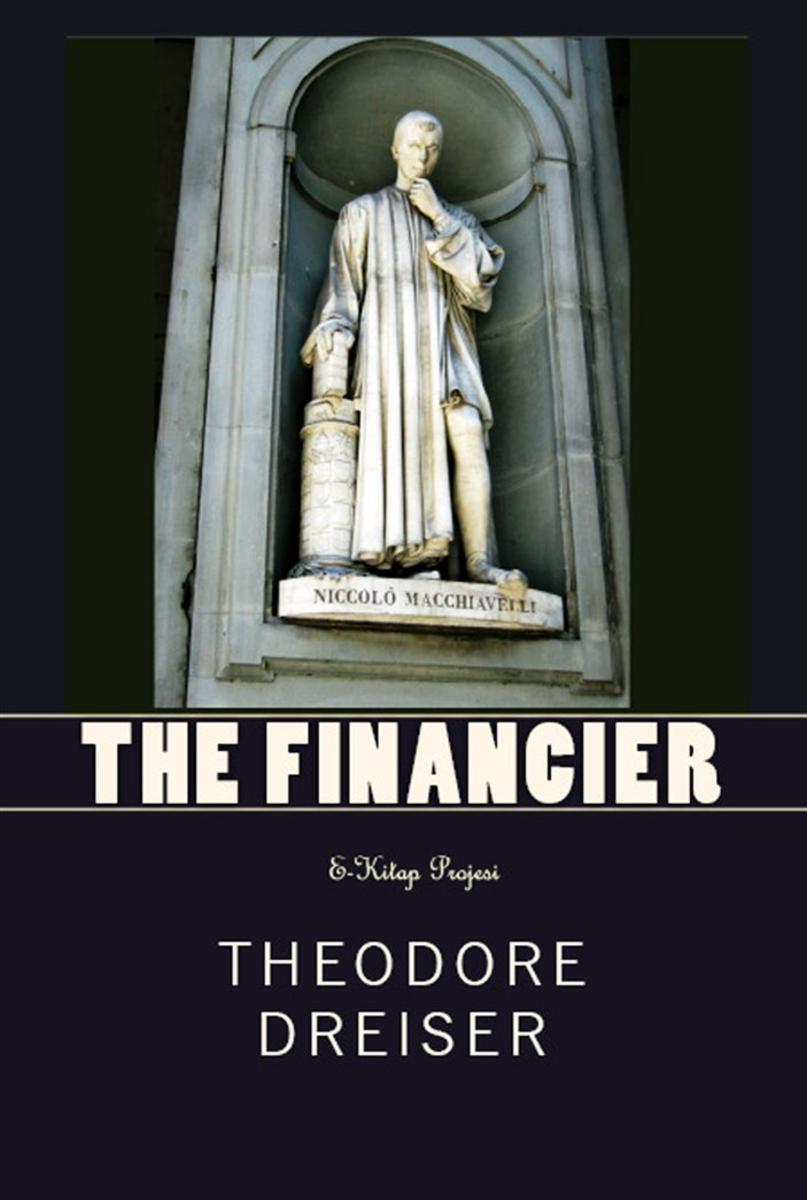
The Financier
¥27.88
The Financier, a novel by Theodore Dreiser Published in 1912, is the first volume of the Trilogy of Desire, which includes The Titan (1914) and The Stoic (1947).? ?? SUMMARY:?? In Philadelphia, Frank Cowperwood, whose father is a banker, makes his first money passing by an auction sale, he successfully bids for seven cases of Castile soap, which he sells to a grocer the same day with a profit of over 70 percent. Later, he gets a job in Henry Waterman & Company, and leaves it for Tighe & Company. He also marries an affluent widow, in spite of his young age. Over the years, he starts misusing municipal funds with the aid of the City Treasurer. ??? In 1871, the Great Chicago Fire redounds to a stock market crash, prompting him to be bankrupt and exposed. Although he attempts to browbeat his way out of being sentenced to jail by intimidating Mr Stener, politicians from the Republican Party use their influence to use him as a scapegoat for their own corrupt practices. Meanwhile, he has an affair with Aileen Butler, a young girl, subsequent to losing faith in his wife. She vows to wait for him after his jail sentence. Her father, Mr Butler dies; she grows apart from her family.
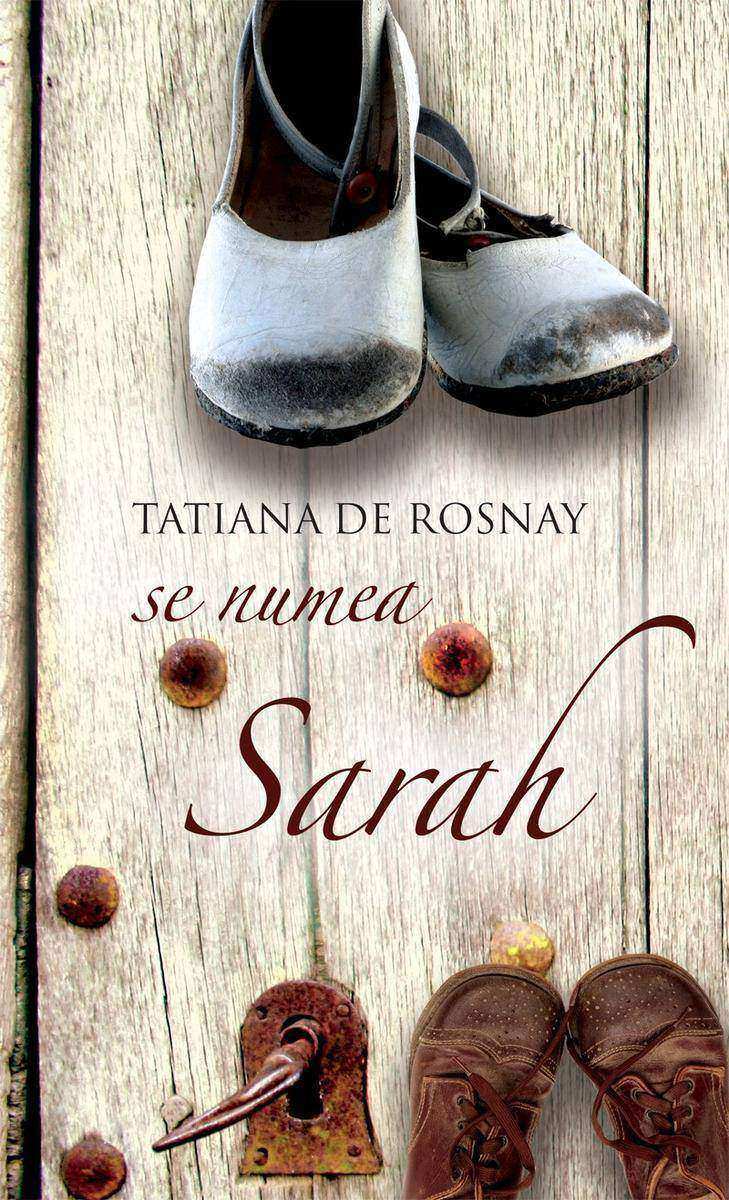
Se numea Sarah
¥66.22
Am mplinit, la 3 martie anul acesta, 81 de ani. O via de om, cu bune i mai puin bune. Am fost martor i actor al multor evenimente, dintre care unele au schimbat cursul istoriei. n cteva dintre aceste schimbri se poate gsi i contribuia mea.[…] Trecerea n revist a istoriei celor 21 de ani de la Revoluia din Decembrie 1989, cu reuite i nereuite, cu experiene pozitive i negative, cu bune i cu rele, trebuie s fie prilej de nvminte pentru toi, s ne inspire pentru a gsi cile cele mai potrivite de redresare i de cuplare a Romniei la procesul n curs de construcie european, n condiiile adncirii procesului amplu de globalizare a economiei i a vieii sociale, n beneficiul tuturor cetenilor rii.“Sunt un om de stnga, nu neg i nu-mi reneg trecutul. Mi-l asum, cu toate ale lui. Dar nimeni nu-mi poate reproa lipsa bunei-credine n ceea ce am fcut. i nici faptul c nu a fi evoluat, c nu a fi nvat din leciile pe care viaa i oamenii mi le-au dat.[…] Nu m-a interesat puterea n sine i nu am folosit puterea pe care am avut-o pentru a face ru sau n interes personal. Puterea devine interesant doar n momentul n care ai un proiect, i ea devine un instrument pentru materializarea lui.Nimic nu corupe mai mult dect puterea. i trebuie s fii, moral vorbind, extrem de puternic pentru a nu te lsa corupt de putere. mi place s cred c pe mine puterea nu m-a corupt. Muli au fost uimii de modul firesc n care s-a fcut transferul de putere n 1996, dup ce domnul Emil Constantinescu a ctigat alegerile prezideniale. Cei care se ateptau la altceva nu m cunosc. Nu mi-am dorit puterea, n 1989, ci mi-am asumat o responsabilitate. Era normal s fiu primul care s respecte regulile la structurarea crora lucrase.[…] Formal, suntem o ar cu toate instituiile i mecanismele unei ri europene, membr a Uniunii Europene. n realitate, lucrurile sunt departe de a fi normale. Am fost i sunt contient de faptul c acestea sunt marile noastre slbiciuni, cele care ne mpiedic s progresm. Nu tiu s existe o soluie miraculoas care s ne vindece de aceste pcate. Cred doar c libertatea de circulaie i dreptul romnilor de a munci n Europa vor permite, n timp, schimbarea profund a Romniei.“
The Titan
¥27.88
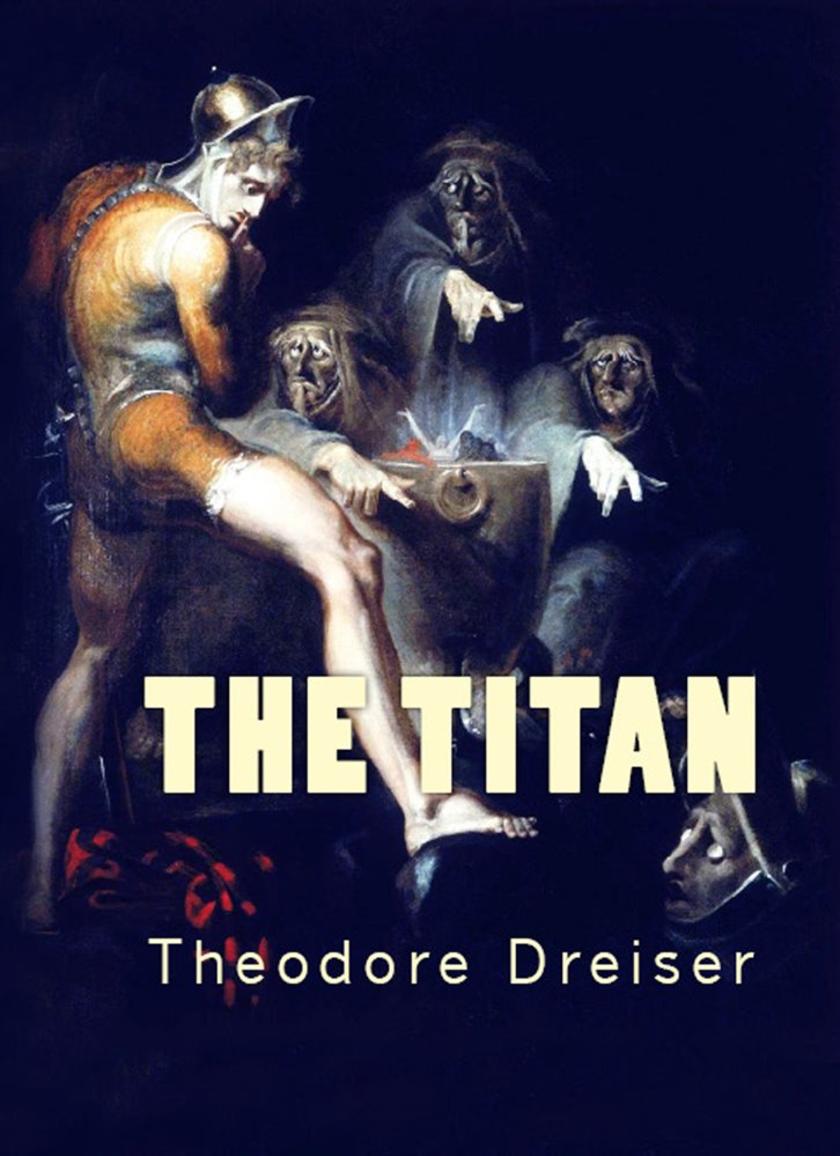
The Titan is a novel written by Theodore Dreiser in 1914. It is Dreiser's sequel to The Financier. Sometime after being released from prison, Frank invests in stocks subsequent to the Panic of 1873, and becomes a millionaire again. He decides to move out of Philadelphia and start a new life in the West. He moves to Chicago with Aileen and his attorney is finally able to persuade Lillian to agree to a divorce. Frank decides to take over the street-railway system. He bankrupts several opponents with the help of John J. McKenty and other political allies. Meanwhile, Chicago society finds out about his past in Philadelphia and the couple are no longer invited to dinner parties; after a while, the press turns on him too. Cowperwood is unfaithful many times. Aileen finds out about a certain Rita and beats her up. She gives up on him and has an affair with Polk Lynde, a man of privilege; she eventually loses faith in him. Meanwhile, Cowperwood meets young Berenice Fleming; by the end of the novel, he tells her he loves her and she consents to live with him. However, the ending is bittersweet as Cowperwood has not managed to obtain the fifty-year franchise for his railway schemes that he wanted.
Poemul de diminea??
¥24.44
Sonete n-ai s? sco?i b?t?nd pe taste?i complet?nd trei strofe ?i jumateCu vorbe-plevi, cu furca adunatePe aria rom?nei limbi prea vaste;Nu-?i ies nici cu ?epu?a pus?-n coaste,Nici cu-nghiontiri ?n prip?, pe la spate,Cum nu aduni senten?e, pe-nserateDin tigva celor ce-au tr?it la Oaste...C? ies din taste doar voroave proasteS?-mproa?te broa?te din b?ltoace-opace,Cum in?i peltici ?i babe prost?nace?ngaim? t?lcuri, cum c? via?a iaste...Nu ies sonetele lovind ?n clape.Sub ele Inefabilul nu-ncape.


