


 购物车
购物车 个人中心
个人中心

Chameleon: The Choosing
¥32.62
Book 2 of the Forest People Series – The Choosing Camryn Painter’s powers come at a steep price. It’s one thing to master her chameleon abilities in the ancient forest world she now calls home, but another to use her abilities wisely. With the life or death of an entire civilization in her hands, Camryn must bond with a thunder dragon and join a battle she has little chance of winning… unless she can face down her own inner demons without destroying those she loves.
Vulnerable: A Prequel to the Red Dog Conspiracy
¥7.66
In the far future domed city of Dickens, no mercy is given. So when Eleanora Bryce finds her husband dead at his own hand, she finds herself trapped between the truth and his mountain of debt. Eleanora faces debtor’s prison — or worse — unless she can find a way out of Dickens. But can she return to the city which ruined her husband and murdered her son? A 6,000 word short story.

A Sweetwater Canyon Holiday Trio
¥32.62
This holiday trio contains three stories featuring beloved characters from the Sweetwater Canyon series. Thanks for Love – A Thanksgiving Novella Is faith and forgiveness enough to make a family of four survive and thrive? After Sarah’s horrific ordeal with Amanda, all she wanted was to be in Tom’s arms forever. But now she’s not sure she is the best person to bring this family together. When it looks like the wedding is off, Connor and Grady put together a plan to get the family they’ve always wanted. A Thanksgiving Day wedding, with all of Broken Bow in attendance is in jeopardy. Can the boys get the bride to show up? Christmas Courage – A Christmas Novelette A week before Christmas, Kat’s father turns up on their doorstep and wants to be a part of her life. As far as Theresa is concerned, when Doug walked out fifteen years ago, leaving her with a two-year-old child and a mountain of debt, he forfeited all claims to Kat’s life. He does not get to waltz in like Santa Claus and re-claim her. Kat needs more than courage to navigate this Christmas season. She needs a miracle. The Hogmanay Stranger – A New Year’s Novelette The Sweetwater Canyon musicians celebrate Hogmanay in Scotland with Rachel’s father, Gavin Cullen. Since his wife’s death eight years ago, Gavin has never been the same. Running the bed and breakfast inn is what has kept him going. When a young, homeless stranger is given a room in the inn on New Year’s Eve, he’s met with great caution. Clearing the cobwebs of the past in order to begin anew is a tradition at Hogmanay, but can the Cullen family let go?

A Sweetwater Canyon Boxset: Books 1-3
¥65.32
The Sweetwater Canyon romantic women’s fiction boxset contains the first three books in the series: Undertones, Healing Notes, and Heart Strings. Join the all women Americana band as they travel on the road, enhance their careers, and try to find balance between their music, their home, and their hearts desire. Undertones – Michele’s Story Balancing a career and a relationship is never easy, and it’s even harder when you are on the road and everyone wants a piece of you. As a music major who sacrificed everything to become master of the upright bass, the last thing Michele Scott thought she’d be doing is touring with an Americana and Bluegrass band. But to tell the truth, she loves it. Not so much David Blackstone. Even though he’s irresistible, the thought of balancing her career, life on the road, and a long-distance relationship isn’t for her. Her music gives her life, yet her heart yearns for something more. A girl just can’t have it all… or can she? Trusting David is a risk that may give her everything she wants or it will close her heart forever. Healing Notes – Rachel’s Story Forgiving yourself is the first step, but helping others forgive may be just too hard. Each note Rachel Cullen plays on her violin comes straight from the heart. But life isn’t easy. A Scottish immigrant to America, she embraced the Celtic and Bluegrass communities. Unfortunately, divorce, rape and distrust leave her emotionally crippled. Can Noel Karshaw, an English teacher and poet with a young daughter, be the key to help her reconcile who she is, what she wants, and how to get there? It takes both music and words to make a love song. With Noel by her side, Rachel has a chance to be part of the family she’s always wanted—a chance to make love strong. Heart Strings – Sarah’s Story Faith is easy…living is hard. Sarah Cosgrave picked up the guitar at age sixteen as a way to escape her life with an alcoholic father. Sweetwater Canyon gave her a career and the best of friends. Now, called to her dying father’s bedside, Sarah is forced to leave her band–the one thing that saved her. With her music career on hold and her past threatening to silence her, Sarah must make choices she swore she’d never have to face again. Her faith in her path is true; but can she have faith in Tom Pawlak, the man who once betrayed her, in order to find the peace she desperately needs?
A Cruel Reckoning
¥38.62
Alexandra Lansing is looking forward to a vacation from her job as an operative with the Commonwealth’s counterterrorist task force.? She has three blissful weeks off, and plans to spend the entire time in France. After all, everyone needs a break from stress and worry. But when she’s snatched from the Left Bank in Paris she isn’t sure if her kidnapping is a case of being in the wrong place at the wrong time or a direct plot against the task force. When she discovers Praed has also been abducted, the vacation is officially over, and the possibility of an informer at task force headquarters becomes a very real, very frightening possibility. The pair manages to escape, and flees to Praed’s family home where they are forced to defend his brother’s wife and children from armed terrorists determined to recapture the operatives. With no clue as to who is behind the plot, or even a motive to explain why someone wants to take Praed and Alex prisoner, and the identity of the informant at HQ is a complete mystery. While Henry Davison races to eliminate suspects at headquarters, Praed offers himself as bait to draw out the kidnappers, hoping to discover the mastermind behind the plot. ? Alex is in hot pursuit, but will she be able to reach him before his captors extract the information they want and execute him?
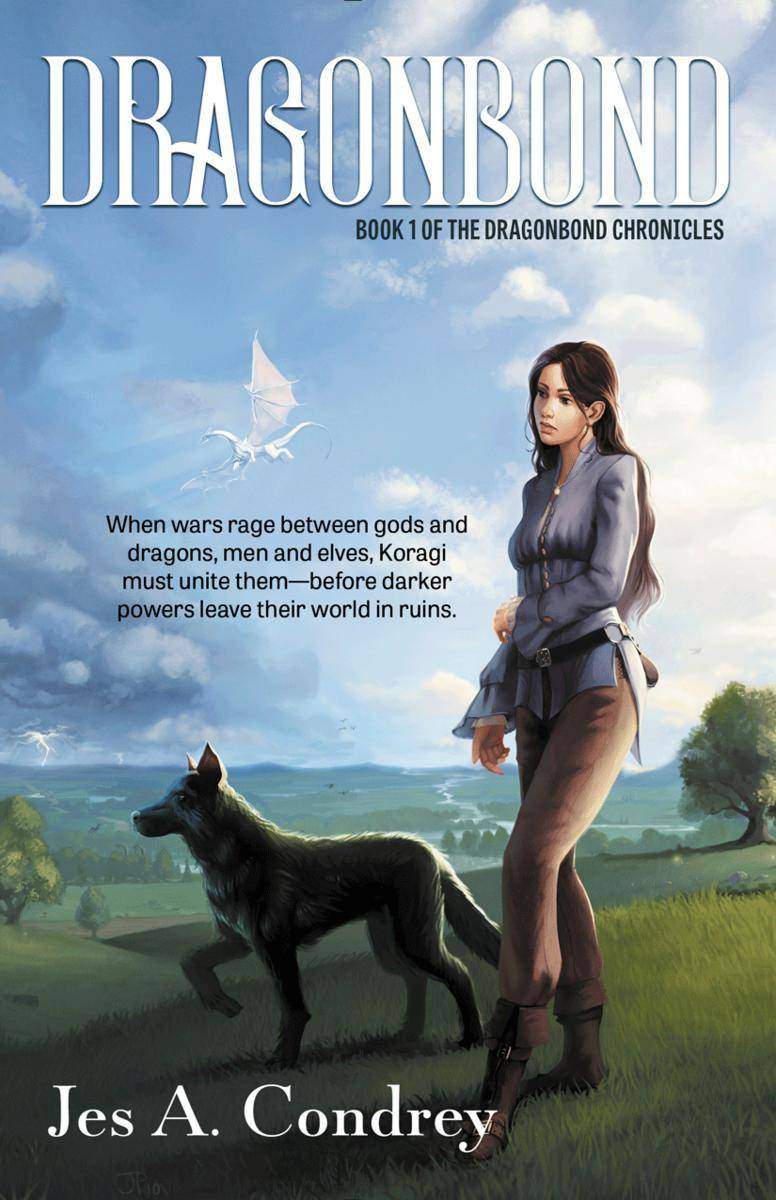
Dragonbond
¥40.79
Koragi is a promising young seamstress who longs to open her own tailoring shop in her home village of Cordak. Like most young girls in the village, she has an eye for Tebanis, the handsome militia captain with a crooked smile and a fierce sword arm. Hooded thugs attack Koragi during the annual harvest festival in the capital city of Eiskre. Tebanis mysteriously takes the form of a black dog to track and rescue her. He takes her away from the city on horseback, but they arrive in Cordak to find the village devastated. A massive golden dragon lies dead in the smoldering ruins. Tebanis reveals that Koragi is born of the gods, and she must cast aside her simple life to seek out three Pearls of Power in order to awaken the full capacity of her birthright. As she grieves the loss of her worldly mother and the deaths of countless villagers, Koragi is compelled to travel with Tebanis to Raitom, the City of Swords, in a desperate search for the strength to take retribution. Alongside Tebanis, Koragi battles agents of the dark goddess Ariana as she embarks on a quest to find her Pearls and gather allies and power enough to stand against the wicked goddess who plagues Camriiole. Facing treachery and the agony of loss, can Koragi overcome her own fears and pain to complete the impossible task which prophecy has placed before her?
Deceptions and Lies
¥23.14
One terrorist, six hostages, a single bombing…?nothing out of the ordinary for task force operatives Alexandra Lansing and Mark Praed. With one exception; this request comes from the High Council on Kyree. An appeal from Kyree for task force help is peculiar enough for a planet where non-violence is practiced by all its citizens, but the Council is very specific in their choice of task force personnel: Mark Praed. Praed is baffled by the request. This is the same planet where his birth to a well born Kyreen female caused a galactic scandal, forcing his human father to flee Kyree with his half-human infant. The operatives travel to Kyree and meet with the High Council’s leader, Dame Ruthanon. Her orders are clear: the hostages are to be released and the terrorist captured, all without the use of violence. Alex and Praed are soon caught up in something more devious than the straight-forward capture of a terrorist. Nothing is as it appears, and what should have been a simple operation turns into a tangled mess of falsehoods, secret associations and hidden agendas.
Intro to GDPR: A Plain English Guide to Compliance
¥192.11
Intro to GDPR is written by experienced data protection professional Punit Bhatia. Bhatia has served as the Privacy and Protection Officer in an EU-based bank and lecturer at the Solvay Brussels School of Economics and Management. He is Certified Information Privacy Professional ? Europe (CIPP-E), Certified Information Privacy Manager (CIPM), and Certified Outsourcing Professional (COP). Bhatia will lead you through the complex journey to the GDPR compliance with the simple language and many practical examples. Whether you are a complete beginner or experienced data protection practitioner this book is the right resource for you. Intro to GDPR is a complete guide to compliance. Bhatia uses the simple language, understandable to everyone in order to lead you from the introduction all the way to getting your organization GDPR compliant. In this book you will learn: 1. Which organisations need to be compliant with the GDPR? 2. Key terms in the GDPR. You will get familiarized with key terms that form the basis of the GDPR. You will learn definitions of terms: “Personal data”, “Special categories of personal data”, “Processing” difference between terms “Controller” and “Processor” and others. 3. Myths about the GDPR like “the GDPR is only applicable in the EU”, “The GDPR is about fines” and others. 4. Transparency through the privacy notice. As written in the book, “transparency is one of the key principles in the EU GDPR” so it is important to understand what is transparency and privacy notice but also what are the key requirements and contents of a privacy notice. 5. Data breaches. “GDPR requirements on data breaches are different for controllers and for processors” – this chapter will make you aware of data breach requirements and key actions that are required once a breach is detected. 6. What is the first thing to do to become compliant and what are the key factors to remain compliant with the GDPR, and much more. Written in plain English, with many practical examples, Intro to GDPR is the only book you need on the subject of GDPR.
Chasing the Wind
¥40.79
You should never fall in love with a flyer. You should only be in love with flight. ? That’s the rule that Roxy Loewen – aviatrix, and protégé of the great Amelia Earhart – always lives by. Until she falls hard for fellow pilot Jocco Zomack and he leads her into a whole heap of trouble. From African skies to a cellar in Madrid, from the Berlin Olympics to the last flight of the Hindenburg, from gun running to the heist of the century, Roxy is just one step ahead of the Nazis – and one loop-de-loop from disaster. ? “A barrel-rolling barn-burner of a book! Roxy's got a tender heart with a steel jacket, and the skill and courage to bring her in on a wing and a prayer.?A good thing, because this girl doesn't pack a parachute." —Diana Gabaldon

Plays for Today By Women
¥40.79
Plays for Today by Women A wide-ranging collection of plays by women dealing with contemporary subjects such as sexual abuse, recession, war, poverty and the complexity of modern women’s lives. Many roles for women and girls provided. Suitable for study or for performance or as part of courses in Women’s Studies or Feminist Theatre Studies. All the plays have been produced and performed in the UK to acclaim and are written by commissioned playwrights. ? “The expanse of subjects this short collection covers shows that women are not just writing about the kitchen sink, the claim so often levelled. This collection (provides) a snapshot of an exciting time for female writers” ? @17percent ? The Plays For A Button ?by Rachel Barnett: comic two hander about two friends and the lengths one will go to, to remain best friends. Yours Abundantly, From Zimbabwe ?by Gillian Plowman: a middle-aged woman decides to leave her comfy life in the UK and work in a school in Zimbabwe. Welcome To Ramallah ?by Sonja Linden and Adah Kay: two Jewish sisters are forced to confront the reality of what their forefathers have done to the Palestinians. From The Mouths Of Mothers ?by Amanda Stuart Fisher: a verbatim drama detailing the distressing stories of mothers who learned that their child has been abused. The Awkward Squad ?by Karen Young: a three-generational drama involving Northern women who are trying to live and work in recessionary Britain. Sweet Cider ?by Emteaz Hussain: In a rundown park, two teenage runaways Tazeem and Nosheen hang out, chatting to the boys and an old bag lady, trying to reconcile being British with their Pakistani cultural traditions. ? About the editors Cheryl Robson ?is an award-winning playwright and publisher who founded Aurora Metro Books over 20 years ago to develop and publish new writers in drama and fiction. She also established The Virginia Prize for Fiction in 2009 to promote emerging women novelists. Previously, she worked for the BBC, ran a theatre company and taught in higher education. Rebecca Gillieron ?is an editor and musician with various releases on independent labels in the US and UK. Keen to raise the profile of women and the arts, she has worked in publishing for fifteen years moving from Virgin and Penguin Books into independent publishing via The Womens Press, Marion Boyars and now Aurora Metro Books.? ? ? ?

Hungry Heart
¥32.62
Will one man change everything Caroline's ever thought about love? Caroline Lowther’s in a long-term open relationship with her boyfriend of nearly four years, Nathan MacMillan. For the past six months, Nathan’s had another girlfriend, Rissa, while Caroline has yet to find anyone else who interests her in a romantic way. That is until Benedict Grant, a local business man in an open-relationship of his own, approaches her at her favorite cafe and makes his own attraction clear. What follows is a whirlwind romance where two hearts fall fast for one another, secrets kept become desires revealed, and the shocking murder of someone close to Caroline leaves her world shattered and her heart broken. Picking up the pieces, Caroline must learn that life has immeasurable merit, love is worth holding on to even if it’s different from what she’s always thought, and every single moment leads her right where she needs to go.
Double Take
¥24.44
When Mandy’s car is stolen with her two young daughters inside, the police think it’s a car-jacking gone wrong, but she can’t forget the determined look in the man’s eyes as he drove away. Mandy and her husband, Nick, are on the verge of divorce and the kidnapping is a wake-up call. All of their differences and problems can’t stand in the way of a parent’s love. In order to find their children, they’ll have to forgive each other and learn to work together. But they don’t have years or even months to make this happen . . . according to the kidnapper, time is running out.? The first novella in the Silver Cascade Suspense series, Silver Cascade Secrets, is available when you sign up for Rachelle's VIP news. If you're interested, copy and paste this link into your browser http://rachellechristensen.com/free-book/

Air Fryer Cookbook
¥16.27
Cook delicious meals quickly! With Air Fryer You have ?more possibilities than ever to cook amazing healthy meals which everybody will love! Just download our new Air Fryer Cookbook. In? Air Fryer Cookbook , you'll get all the essentials you will need to cook great breakfast, lunch or dinner. Linda Croll has?tried more than 500 recipes and ?choose her favorite ?so now you don’t need to spend your time to find a new recipe, because best recipes are now in our Air Fryer Cookbook! You can use them every day or for special events because every recipe in ?this book is simple and healthy!

Endless Love
¥40.79
For once, Holly Scallanger has it all. After more than her fair share of ups and downs, fate intervened and changed her life the dayshe bumped back into Jake Peters’ life. Now her Now her future seems brighter than ever before.She’s training at the best hospital in Zurich, she shares a love with the man of her dreams—he type of love most women only ever dream of—and her little girl has everything her heart desires.But fate has other plans. When an old acquaintance crashes back into Holly’s life causing havoc at every turn, Holly’s perfect existence falls to pieces around her. Will the couple survive the turmoil entering the lives, or will their happily ever after come to an end?

Kurinji Flowers
¥40.79
Marriage to a man she barely knows. Exile to a country she doesn't know at all An emotional love story set in the last days of colonial India After an abusive relationship with a predatory older man, debutante Ginny Dunbar is publicly disgraced when her artist lover exhibits a nude painting of her in a smart London gallery. All her mother's hopes for a society wedding are dashed until she lowers her sights and pushes Ginny into a hasty marriage with a tea planter from South India. Colonial life doesn't sit well with Ginny. She finds the world of the expatriate community shallow and empty. Caught between fear of and fascination for India and its people, her world is shaken when she meets Jag Mistry, who opens her eyes and her heart. But just as she thinks she has found happiness, World War 2 intervenes. A poignant story of love, loss, betrayal and redemption set against the dying days of colonial India.

Loved (My Once and Future Love Revisited, #4)
¥32.62
After Beth’s car accident, the truth came out about why she pushed Jacob out of her life and she realized she made a terrible mistake. Jacob declared his love, Beth agreed to date, but this relationship has to be on her terms.? Beth witnessed Jacob’s bad side first-hand while working for him and trust needs to be rebuilt. Add to that the pressure of paparazzi, and she’s understandably gun-shy.? Jacob told Beth he loves her, but her feelings are still a mystery. Building a relationship requires something he’s never been good at—patience. Can he give her the time she needs to see he has changed, or will he push too hard for those three little words and drive her away? Loved is the fourth and last book in the My Once and Future Love Revisited series exploring Beth and Jacob’s relationship with all its joys, flaws, and heartache.? Contemporary Romance saga. This story is intended for readers over the age of 18 due to adult language, sexual content, and adult situations.
Dead of Night
¥8.09
In a dark and desolated After Earth, love still does exist, but the cost of bearing such a flaw is death. World War III has left Earth in utter turmoil. People’s beliefs are said to be the cause of the worldwide destruction. After The Clearing new laws are set about - to show certitude in anything besides the law is weak and chargeable as mutiny. To be illogical and have faith in religion is illegal, to be limitless is dangerous. And Illness is seen as a defect – all flaws that are inexcusable. But to love is the greatest betrayal of all man kind. It is a fault the world has long forgotten and punishable by death, a fatal risk Aecker and Opel are fully prepared to take - because in love there is freedom. But how far can they push back before it claims their lives and those they care about
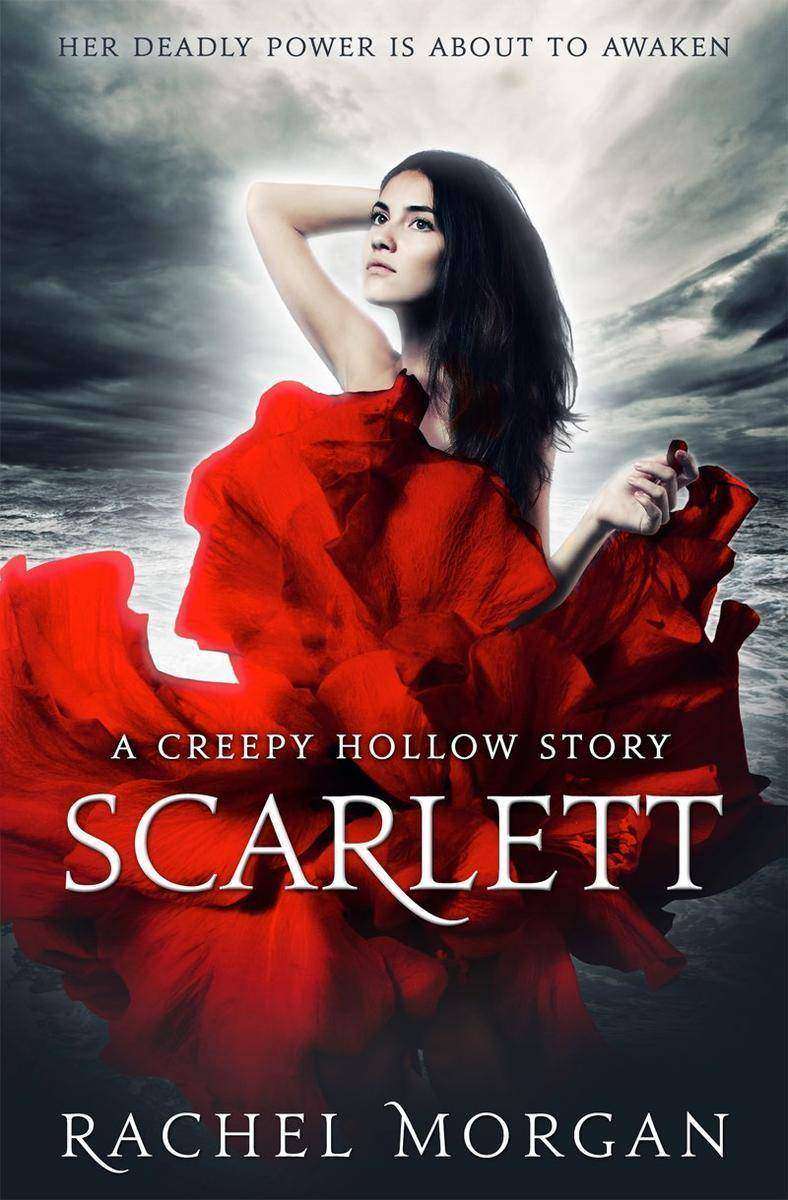
Scarlett: A Creepy Hollow Story
¥40.79
"Excellent as usual. This series is one of the best I ever read and I read a lot!" - 5-star customer review. Deadly power. Stunning beauty. She will not be controlled. Sixteen-year-old Beth’s ordinary life is shattered the night her dormant magic awakens and she almost kills her boyfriend. Horrified at what she’s done, she flees into the fae realm to find the siren mother who disowned her a decade ago. When it turns out her power cannot be controlled, she is once again cast out from the siren community. Alone and afraid, Beth winds up in the Dark North where a group of witches rescues her. They offer to help her gain control of her deadly magic—but at what price? Scarlett is a companion story to the bestselling YA fantasy Creepy Hollow series. Grab your copy today to taste a darker side of this captivating magical world! While this story is best enjoyed in conjunction with the rest of the Creepy Hollow series, it is a standalone story that can be read on its own. (Optimal reading position in series: after book 1, The Faerie Guardian) Readers' reviews:? "A fabulous addition to the Creepy Hollow series." "I haven't read books this good in a really long time. Rachel, please always keep writing!"

从北京人到耶路撒冷: 高效学记忆法
¥24.44
这是一本帮助你用超级记忆法来提高学习效率和学习能力的书。 本书介绍的记忆方法与我在复旦大学教过朋友们的方法完全一样。当时别人问我怎么可能仅仅用考前一个晚上时间,记住了汉语课上数百个新单词,而且还记住了它们在课本里出现的位置。我可以轻松运用复杂的数学公式,终在考试中获得了高分。经过短暂的练习,他们也获得了这种一开始看来似乎不可能拥有的技能。我告诉他们,我并没有特异功能或者超凡天赋:轻松地记忆大量信息的能力关乎态度,而不是运气;技巧胜于天赋。如果这是一个技巧的问题,那么任何人都可以学习并使用它。 这本书里,你会学到比尔盖茨如何记住所有员工的车牌号,传教士利玛窦如何过目不忘背诵中国诗词。你们也会学会怎样快速学习英文和其他语言,学会快速记下复杂数学公式并熟练运用。 这本书里,你会遇到一些有趣的角色。从几十万年前生活在东亚的北京猿人到一位生活在泰国能每天读一本新书的美国人,从北京即兴戏剧的女演员到古希腊时期的诗人。这些角色中的每一个都呈现了我们的记忆如何工作以及如何有效地使用我们的记忆。 对中小学生、大学生,以及教育工作者和家长来说,它是一本简单易懂并寓教于乐的超级记忆法教科书。对有意提升自己学习能力和拓展思维方模式的年轻人来说,这也是一本既有实用价值又开阔眼界的自我进修读物。

宅男大叔感情史: 我是第四人
¥8.09
回忆,有时候是一种苦涩中的甜蜜,明知道是回不去的过去; 但,还是会情不自禁慢慢地到那记忆深海里。 认识她的时间不是很久, 就只是那短短的数天…… 今天的她,却不再回应我了,这也发生在没多久之前,就在刚过去的一个星期前开始…..

Direct Descent
¥40.79
Earth has become a library planet for thousands of years, a bastion of both useful and useless knowledge—esoterica of all types, history, science, politics—gathered by teams of “pack rats” who scour the galaxy for any scrap of information. Knowledge is power, knowledge is wealth, and knowledge can be a weapon. As powerful dictators come and go over the course of history, the cadre of dedicated librarians is sworn to obey the lawful government . . . and use their wits to protect the treasure trove of knowledge they have collected over the millennia.


