


 购物车
购物车 个人中心
个人中心
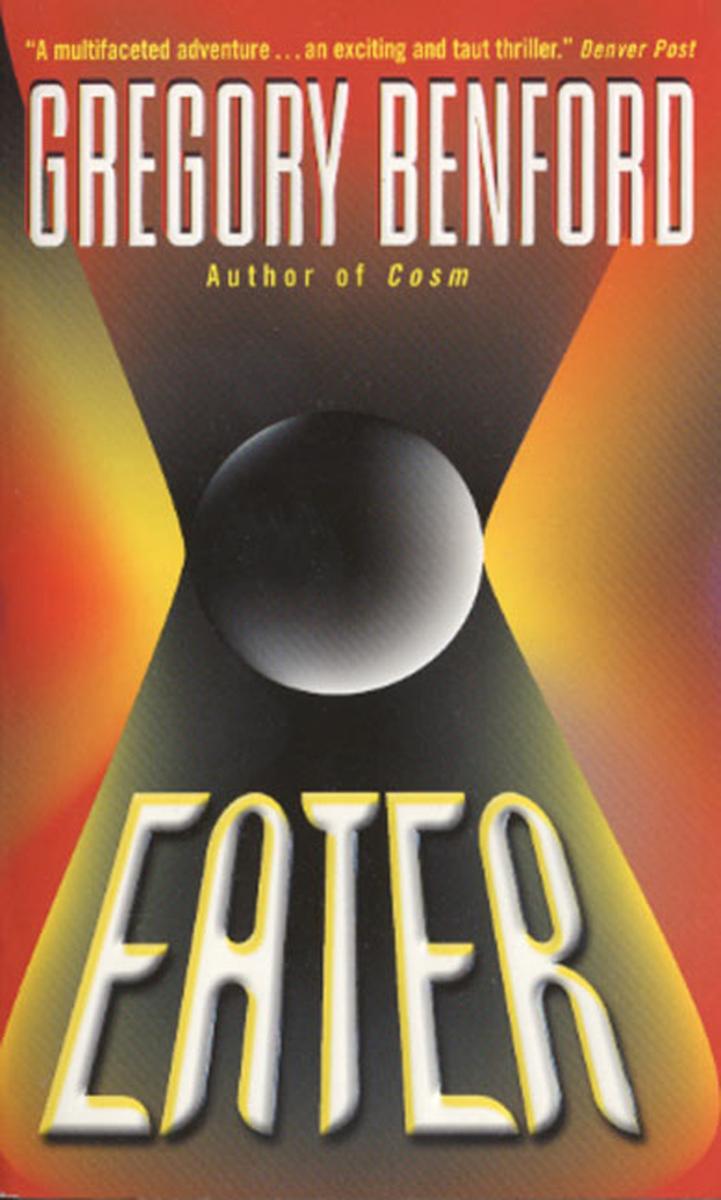
Eater
¥55.91
Impending personal tragedy is dimming the brilliant light of Dr. Benjamin Knowlton's world. On the threshold of their greatest achievement, the renowned astrophysicist's beloved wife and partner -- ex-astronaut-turned astronomer -- is dying.But something looms alarningly on the far edge of the solar system: at once a scientific find of unparalleled importance that could ensure the Knowltons' immortality, and a potential earth-shattering cataclysm that dwarfs their private one. For Benjamin and Channing have discovered "Eater," an eons-old black hole anomaly that devours stars and worlds. Yet its most awesome and devasting secrets are still to be revealed...and feared.

Memory of Fire
¥56.07
Lauren Dane discovers a doorway to another reality in Cat Creek, North Carolina -- and she crosses over, driven by a strange compulsion she can neither resist nor comprehend. Molly McColl is brought there against her will -- kidnapped from her trailer and carried into a realm that traps her, terrifies her...yet offers her a strange and wondrous escape.In an extraordinary universe of magic and monsters, two strangers sharing only pain and loss must now pursue the destiny that has united them. Because worlds are suddenly threatened by an evil beyond imagining -- the world they have entered...and the one the have left behind.
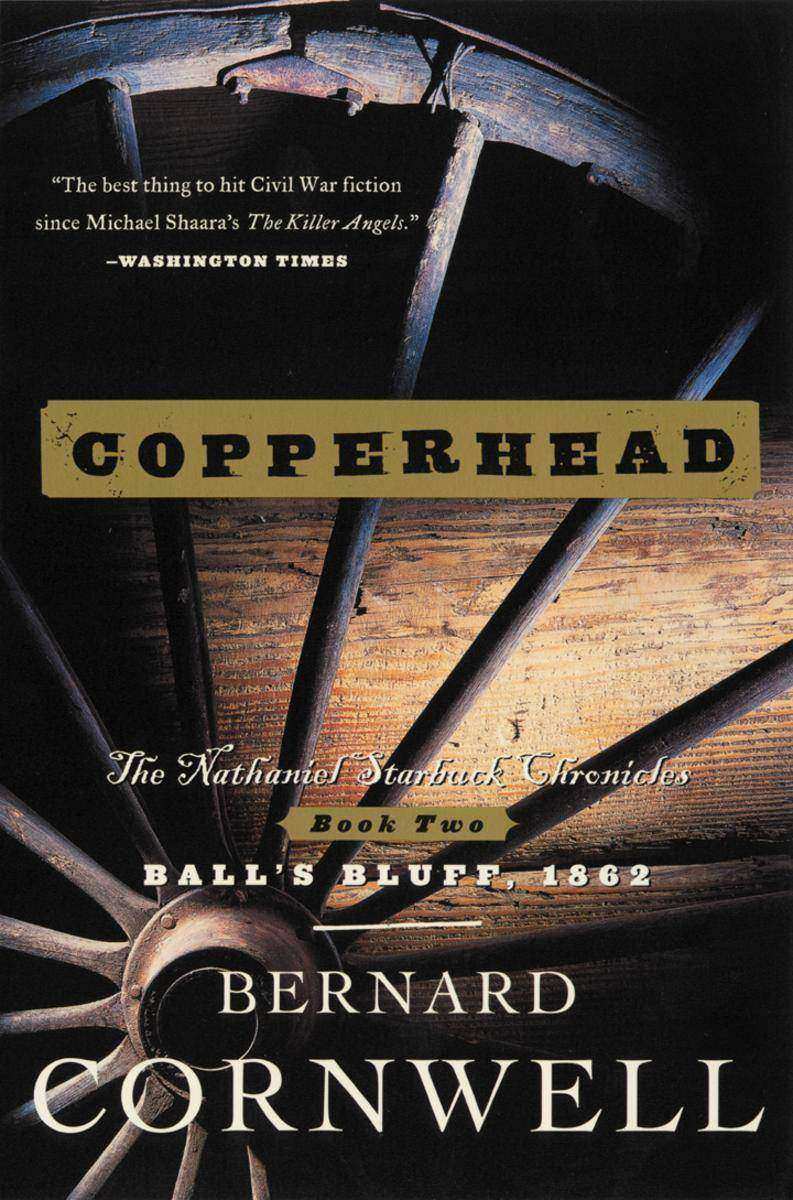
Copperhead
¥95.39
The beloved Confederate Captain Nate Starbuck returns to the front lines of the Civil War in this second installment of Bernard Cornwell's acclaimed Nathaniel Starbuck Chronicles. It is the summer of 1862, and Nate has been bloodied but victorious at the battles of Ball's Bluff and Seven Pines. But he can't escape his Northern roots, and it is only a matter of time until he's accused of being a Yankee spy, pursued, and brutally interrogated. To clear his name, he must find the real traitor—a search that will require extraordinary courage, endurance, and a perilous odyssey through enemy territory.
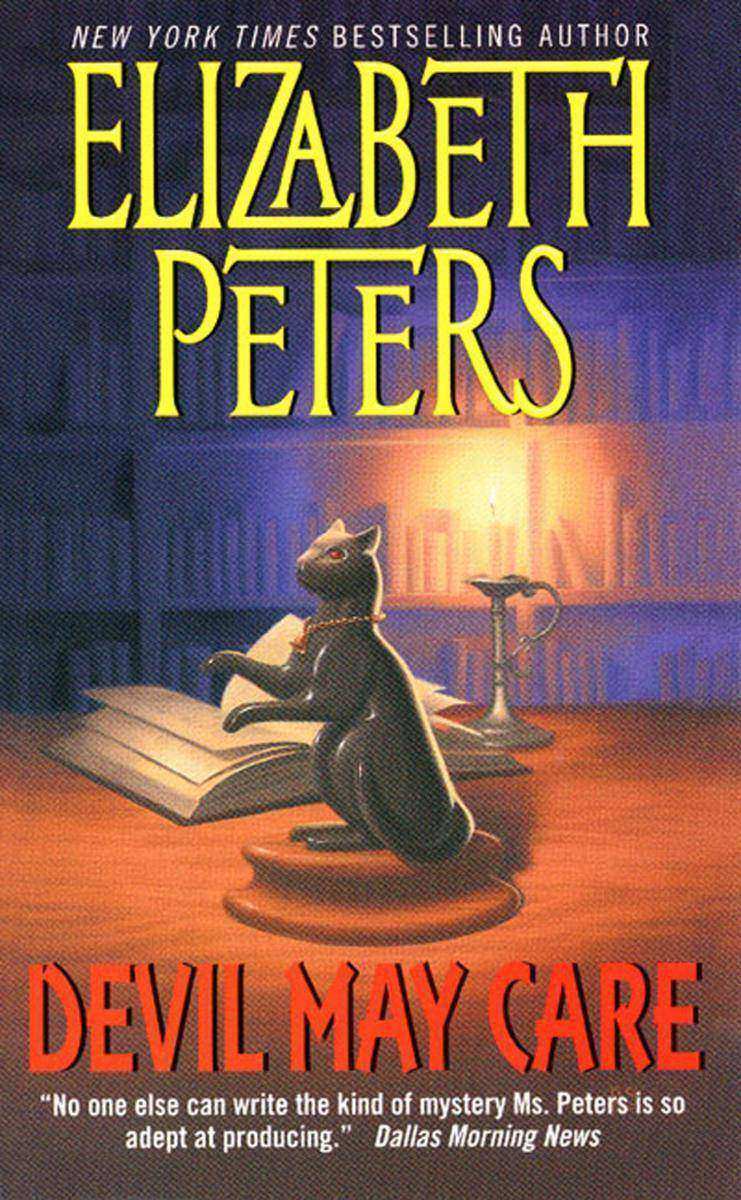
Devil May Care
¥69.16
Ellie is young, rich, engaged and in love. These are the carefree days before marriage and new responsibility, and anything goes -- including house-sitting at eccentric Aunt Kate's palatial estate in Burton, Virginia. Ellie feels right at home here with the nearly invisible housekeepers and the plethora of pets, but she soon realizes that there are disturbing secrets about the local aristocracy buried in a dusty old book she has carried into the mansion. And her sudden interest in the past is attracting a slew of unwelcome guests -- some of them living and some, perhaps not. And the terrible vegeance that Ellie and her friends seem to have aroused -- now aimed at them -- surely cannot be...satanic.
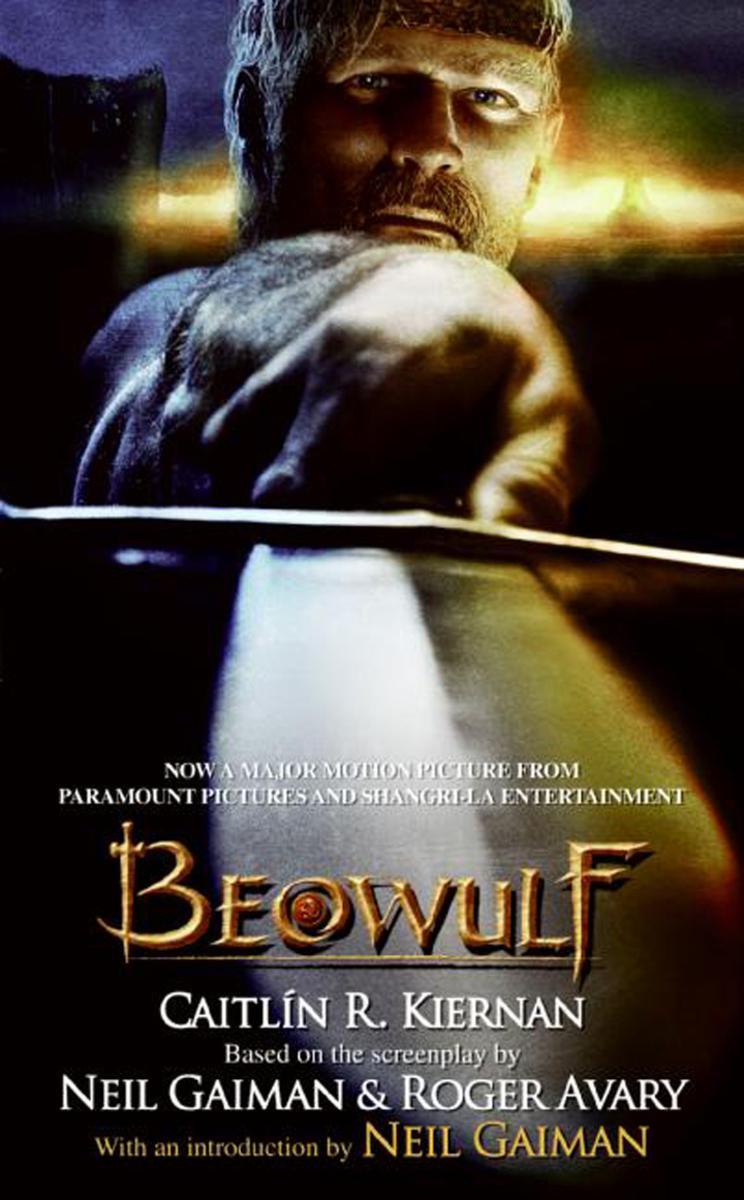
Beowulf
¥55.91
Who will come to the aid of beleaguered King Hrothgar, whose warriors have become the prey of the vengeful outcast monster Grendel?A grand and glorious story that has endured for centuries, the ageless classic adventure takes on a breathtaking new life in a remarkable new version for a modern era. Brilliantly reimagined by acclaimed, award-winning author Caitlín R. Kiernan, based on the screenplay by #1 New York Times bestseller Neil Gaiman and Academy Award?-winning screenwriter Roger Avary, it is the tale of a noble liege and a terrible creature who has cursed his kingdom with death, blood, and destruction—and of the great hero, Beowulf, who is called to a land of monsters to triumph where so many have failed . . . or to die as so many of the brave before him.
You: The Owner's Manual FAQs
¥53.85
Between your full-length mirror and high-school biology class, you probably think you know a lot about the human body. While it's true that we live in an age when we're as obsessed with our bodies as we are with celebrity hairstyles, the reality is that most of us know very little about what chugs, churns, and thumps throughout this miraculous, scientific, and artistic system of anatomy. Yes, you've owned your skin-covered shell for decades, but you probably know more about your cell-phone plan than you do about your own body. When it comes to your longevity and quality of life, understanding your internal systems gives you the power, authority, and ability to live a healthier, younger, and better life.The flagship book of the YOU series, which spawned three subsequent New York Times bestsellers, has now been expanded and updated to make you understand your body even better—perhaps too well.YOU: The Owner's Manual, Updated and Expanded Edition challenges your preconceived notions about how the human body works and ages, then takes you on a tour through all of the highways, back roads, and landmarks inside of you. In this update, the doctors have included a new chapter on the liver and pancreas, which will finally demystify the most exotic parts of our bodies; a new workout chapter that will finally get you moving; and nearly one hundred Q&As asked by you, the reader. It has also been updated throughout to give you up-to-the-minute know-how to not just understand what to do to keep fit, but also why and how. The book opens with a quiz, "How Well Do You Know Your Body?," which sets the stage for the following chapters. After taking the quiz, you'll learn about all of your blood-pumping, food-digesting, and keys-remembering systems and organs, including the heart, brain, lungs, immune system, bones, and sensory organs. Each chapter also contains common myths of the particular body part that the authors will debunk.Just as important, you'll get the facts and advice you need to keep your body running long and strong. You'll find out how diseases start and how they affect your body—as well as advice on how to prevent and beat conditions that threaten your quality of life. Complete with exercise tips, nutritional guidelines, simple lifestyle changes, and alternative approaches, YOU: The Owner's Manual, Updated and Expanded Edition gives you an easy, comprehensive, and life-changing how-to plan for fending off the gremlins of aging. To top it off, this new edition includes even more great-tasting and calorie-saving recipes as part of the Owner's Manual Diet—an eating plan that is designed with only one goal in mind: to help you live a younger life.Welcome to your body. Why don't you come on in and take a look around?
Sick Sense
¥53.85
Between your full-length mirror and high-school biology class, you probably think you know a lot about the human body. While it's true that we live in an age when we're as obsessed with our bodies as we are with celebrity hairstyles, the reality is that most of us know very little about what chugs, churns, and thumps throughout this miraculous, scientific, and artistic system of anatomy. Yes, you've owned your skin-covered shell for decades, but you probably know more about your cell-phone plan than you do about your own body. When it comes to your longevity and quality of life, understanding your internal systems gives you the power, authority, and ability to live a healthier, younger, and better life.The flagship book of the YOU series, which spawned three subsequent New York Times bestsellers, has now been expanded and updated to make you understand your body even better—perhaps too well.YOU: The Owner's Manual, Updated and Expanded Edition challenges your preconceived notions about how the human body works and ages, then takes you on a tour through all of the highways, back roads, and landmarks inside of you. In this update, the doctors have included a new chapter on the liver and pancreas, which will finally demystify the most exotic parts of our bodies; a new workout chapter that will finally get you moving; and nearly one hundred Q&As asked by you, the reader. It has also been updated throughout to give you up-to-the-minute know-how to not just understand what to do to keep fit, but also why and how. The book opens with a quiz, "How Well Do You Know Your Body?," which sets the stage for the following chapters. After taking the quiz, you'll learn about all of your blood-pumping, food-digesting, and keys-remembering systems and organs, including the heart, brain, lungs, immune system, bones, and sensory organs. Each chapter also contains common myths of the particular body part that the authors will debunk.Just as important, you'll get the facts and advice you need to keep your body running long and strong. You'll find out how diseases start and how they affect your body—as well as advice on how to prevent and beat conditions that threaten your quality of life. Complete with exercise tips, nutritional guidelines, simple lifestyle changes, and alternative approaches, YOU: The Owner's Manual, Updated and Expanded Edition gives you an easy, comprehensive, and life-changing how-to plan for fending off the gremlins of aging. To top it off, this new edition includes even more great-tasting and calorie-saving recipes as part of the Owner's Manual Diet—an eating plan that is designed with only one goal in mind: to help you live a younger life.Welcome to your body. Why don't you come on in and take a look around?

The Owner's Manual Diet
¥10.88
Between your full-length mirror and high-school biology class, you probably think you know a lot about the human body. While it's true that we live in an age when we're as obsessed with our bodies as we are with celebrity hairstyles, the reality is that most of us know very little about what chugs, churns, and thumps throughout this miraculous, scientific, and artistic system of anatomy. Yes, you've owned your skin-covered shell for decades, but you probably know more about your cell-phone plan than you do about your own body. When it comes to your longevity and quality of life, understanding your internal systems gives you the power, authority, and ability to live a healthier, younger, and better life.The flagship book of the YOU series, which spawned three subsequent New York Times bestsellers, has now been expanded and updated to make you understand your body even better—perhaps too well.YOU: The Owner's Manual, Updated and Expanded Edition challenges your preconceived notions about how the human body works and ages, then takes you on a tour through all of the highways, back roads, and landmarks inside of you. In this update, the doctors have included a new chapter on the liver and pancreas, which will finally demystify the most exotic parts of our bodies; a new workout chapter that will finally get you moving; and nearly one hundred Q&As asked by you, the reader. It has also been updated throughout to give you up-to-the-minute know-how to not just understand what to do to keep fit, but also why and how. The book opens with a quiz, "How Well Do You Know Your Body?," which sets the stage for the following chapters. After taking the quiz, you'll learn about all of your blood-pumping, food-digesting, and keys-remembering systems and organs, including the heart, brain, lungs, immune system, bones, and sensory organs. Each chapter also contains common myths of the particular body part that the authors will debunk.Just as important, you'll get the facts and advice you need to keep your body running long and strong. You'll find out how diseases start and how they affect your body—as well as advice on how to prevent and beat conditions that threaten your quality of life. Complete with exercise tips, nutritional guidelines, simple lifestyle changes, and alternative approaches, YOU: The Owner's Manual, Updated and Expanded Edition gives you an easy, comprehensive, and life-changing how-to plan for fending off the gremlins of aging. To top it off, this new edition includes even more great-tasting and calorie-saving recipes as part of the Owner's Manual Diet—an eating plan that is designed with only one goal in mind: to help you live a younger life.Welcome to your body. Why don't you come on in and take a look around?

Motion Control
¥53.85
Between your full-length mirror and high-school biology class, you probably think you know a lot about the human body. While it's true that we live in an age when we're as obsessed with our bodies as we are with celebrity hairstyles, the reality is that most of us know very little about what chugs, churns, and thumps throughout this miraculous, scientific, and artistic system of anatomy. Yes, you've owned your skin-covered shell for decades, but you probably know more about your cell-phone plan than you do about your own body. When it comes to your longevity and quality of life, understanding your internal systems gives you the power, authority, and ability to live a healthier, younger, and better life.The flagship book of the YOU series, which spawned three subsequent New York Times bestsellers, has now been expanded and updated to make you understand your body even better—perhaps too well.YOU: The Owner's Manual, Updated and Expanded Edition challenges your preconceived notions about how the human body works and ages, then takes you on a tour through all of the highways, back roads, and landmarks inside of you. In this update, the doctors have included a new chapter on the liver and pancreas, which will finally demystify the most exotic parts of our bodies; a new workout chapter that will finally get you moving; and nearly one hundred Q&As asked by you, the reader. It has also been updated throughout to give you up-to-the-minute know-how to not just understand what to do to keep fit, but also why and how. The book opens with a quiz, "How Well Do You Know Your Body?," which sets the stage for the following chapters. After taking the quiz, you'll learn about all of your blood-pumping, food-digesting, and keys-remembering systems and organs, including the heart, brain, lungs, immune system, bones, and sensory organs. Each chapter also contains common myths of the particular body part that the authors will debunk.Just as important, you'll get the facts and advice you need to keep your body running long and strong. You'll find out how diseases start and how they affect your body—as well as advice on how to prevent and beat conditions that threaten your quality of life. Complete with exercise tips, nutritional guidelines, simple lifestyle changes, and alternative approaches, YOU: The Owner's Manual, Updated and Expanded Edition gives you an easy, comprehensive, and life-changing how-to plan for fending off the gremlins of aging. To top it off, this new edition includes even more great-tasting and calorie-saving recipes as part of the Owner's Manual Diet—an eating plan that is designed with only one goal in mind: to help you live a younger life.Welcome to your body. Why don't you come on in and take a look around?
The Heart Manual
¥84.16
Follow world-renowned cardiologist Valentín Fuster's essential recommendations to a healthier heart and a longer life!Cardiovascular disease affects, and often cuts short, millions of lives every year—and very few doctors have had as much success as Dr. Valentín Fuster in treating this widespread scourge. For years, U.S. presidents and world leaders have sought Dr. Fuster's expertise and advice—and now he offers it to a wide audience.Dr. Fuster knows it isn't easy putting your health first—to reach and maintain an ideal weight, to quit smoking, and to conquer stress and depression . . . all the behaviors and alterations necessary to keep cardiovascular disease at bay. In The Heart Manual, the legendary physician gets to the core of many of today's most important health issues, and offers solid, easy-to-follow tips and advice on how to better the quality of your life and transform cardiovascular disease into a manageable ailment.
You Only Die Twice
¥55.31
What was the nude, recently slain body of Kaithlin Jordan doing spoiling the pristine turquoise waters of Miami Beach -- especially when the dead socialite's convicted killer husband is sitting on Death Row for having murdered her...ten years ago! Reporter Britt Montero lives for this kind of story. But she may die for this one as well. Because each question raises many others -- and every hard-won answer reveals secret passions and explosive truths that could doom an overly inquisitive journalist with a tendency to leap before she looks.
The Last Odd Day
¥84.16
From the Bestselling Author of Friendship Cake Comes a Remarkable Story of Love, Loss, Infidelity, and Forgiveness

Sky Hunters: X-Battalion
¥49.05
Bobby Autry is one of the best in the world at what he does. An elite combat chopper pilot, Autry has been tested under fire and always come out on top. But his new assigment might change all that. He's been tasked to lead a new unit of the elite Night Stalkers, a unit that can outfly the rest of the pilots in SOAR (Special Operations Air Regiment), outshoot the best gunners in the SEALs or Deltas, and operate as indepdently as the most lawless gureillas. The results: an experimental unit expected to fail: the X–Battalion. It won't be easy. The pilots he has at his command are the craziest, most dangerous, most unpredictable men in the military, men capable of thinking beyond rules and regulations, but men equally capable of breaking them. Autry will need every one of them if they are to survive their first mission. North Korean dictator Kim Il Sung had procurred a weapon of apocalyptic destruction, and all intelligence points to his willingness to use it within the next 48 hours. If he deploys the weapon, he will poison the entire planet with radioactive fallout. The only way to stop him is with a group that can move silently, strike powerfully, and not worry about breaking a few rules along the way. The only way to stop him: X–Battalion.
I Can't Keep My Own Secrets
¥50.33
One life. Six words. What's yoursTrue tales of love, loss, good friends, and bad hair days filled Not Quite What I Was Planning, the New York Times bestselling first book in the Six-Word Memoir series—and an international phenomenon. Some of the most compelling were by teens, so now SMITH Magazine has compiled a book written entirely by these bold, brash truth-tellers. From cancer to creativity, prom dates to promiscuity, and breaking hearts to breaking laws, the memoirs in this collection reveal that often the youngest writers have the most fascinating stories to tell.Met online; love before first sight.Hair's pink to piss you off.I fulfilled my awkwardness quota today.I'm seventeen, engaged, and not pregnant.My mom had my boyfriend deported.Late for school every single day.According to Facebook, we broke up.
Rock 'n' Roll Soldier
¥101.00
"During a time when none of us knew for sure if we would live or die, I came to know the true power of music."Dean Kohler is about to make it big—he's finally scored a national record deal! But his dreams are abruptly put on hold by the arrival of his draft notice. Now he's in Qui Nhon, Vietnam, serving as a military policeman. He keeps telling himself he's a musician, not a killer, and that he's lucky he's not fighting on the front lines. When Captain orders him to form a rock band, it's up to Dean to find instruments and players, pronto. Ingenuity and perseverance pay off and soon the band is traveling through treacherous jungle terrain to perform for troops in desperate need of an escape—even if it's only for three sets. And for Dean—who lives with death, violence, and the fear that anyone could be a potential spy (even his Vietnamese girlfriend)—the band becomes the one thing that gets him through the day. During one of the most controversial wars in recent American history, this incredible true story is about music and camaraderie in the midst of chaos.
Viola in Reel Life
¥50.33
I'm marooned.Abandoned.Left to rot in boarding school . . . Viola doesn't want to go to boarding school, but somehow she ends up at an all-girls school in South Bend, Indiana, far, far away from her home in Brooklyn, New York. Now Viola is stuck for a whole year in the sherbet-colored sweater capital of the world.Ick.There's no way Viola's going to survive the year—especially since she has to replace her best friend Andrew with three new roommates who, disturbingly, actually seem to like it there. She resorts to viewing the world (and hiding) behind the lens of her video camera.Boarding school, though, and her roommates and even the Midwest are nothing like she thought they would be, and soon Viola realizes she may be in for the most incredible year of her life.But first she has to put the camera down and let the world in.
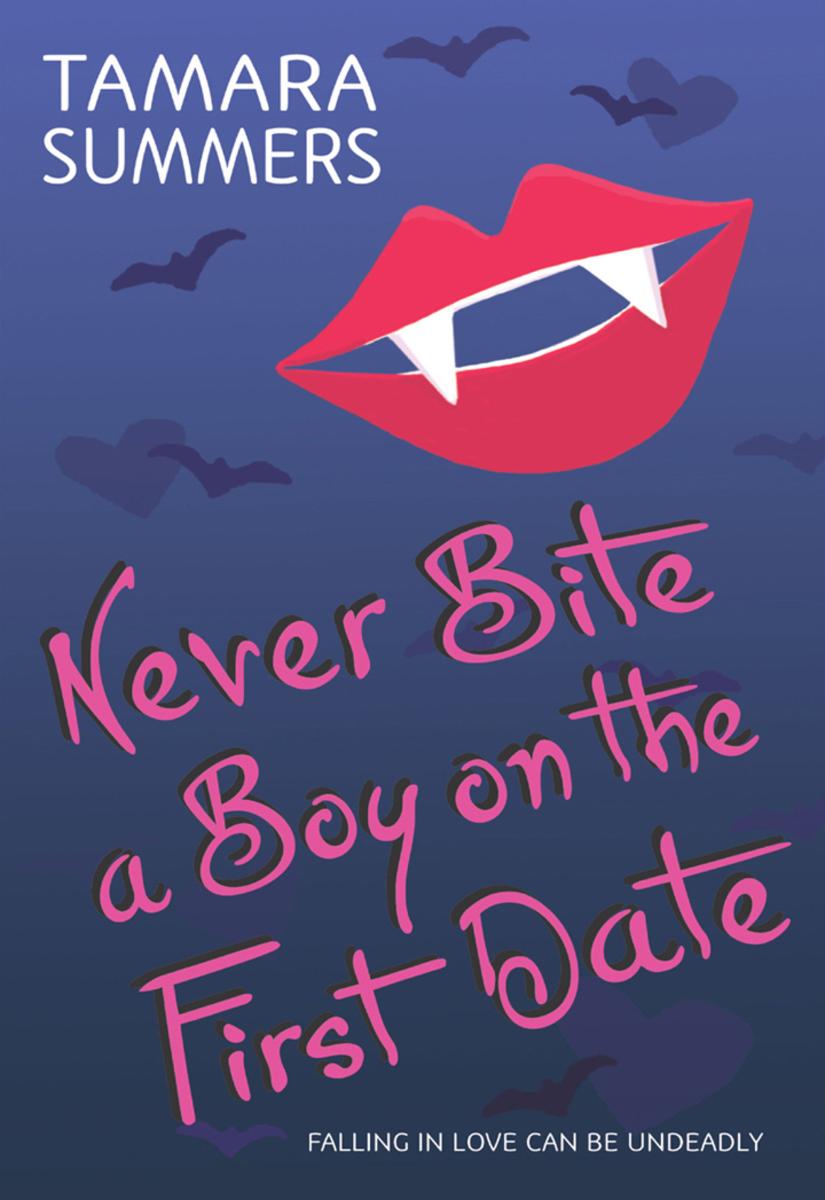
Never Bite a Boy on the First Date
¥33.99
I've got a few issues: I'm a vampire now. One of my classmates was found dead, with telltale fang marks. I didn't do it! (really!) Nobody believes me, so . . . I'm going to have to find the real killer. I've already got three suspects. (three very cute suspects.) One more problem: I am seriously falling for one of them . . . but what if he's the killer?
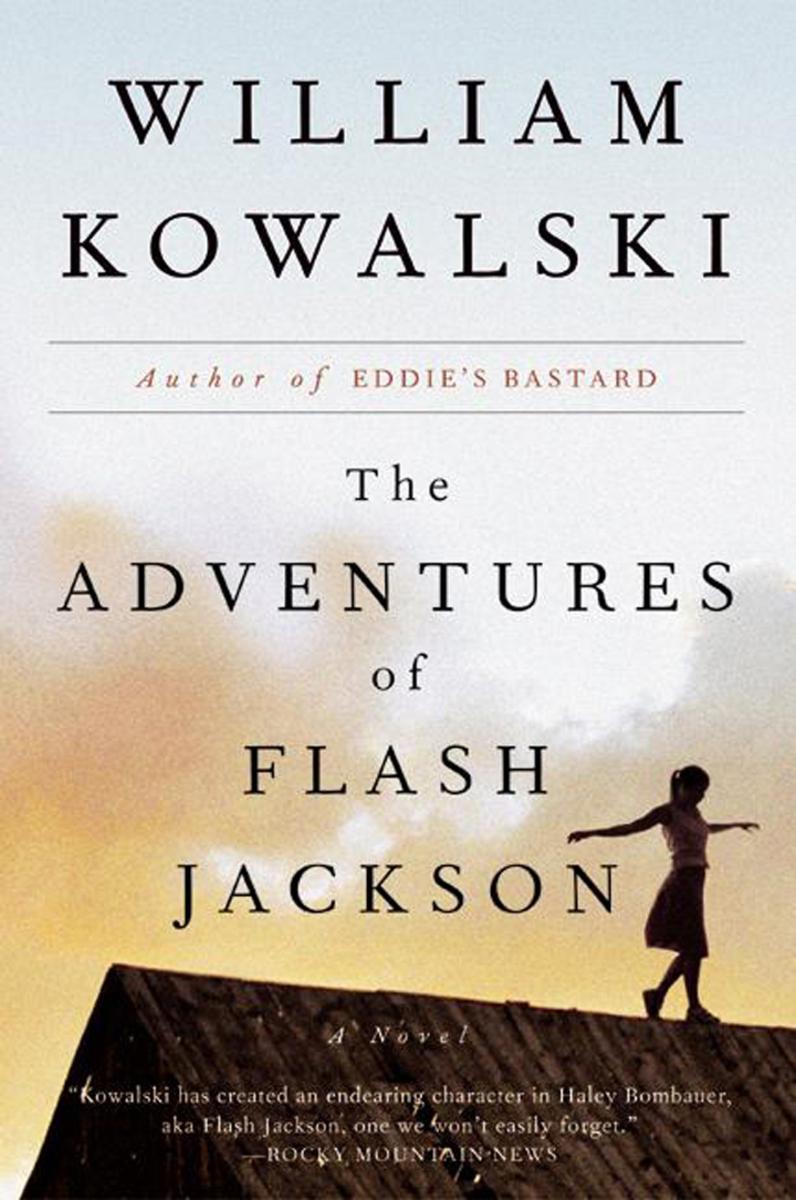
The Adventures of Flash Jackson
¥84.16
Haley Bombauer, aka Flash Jackson, confronts the summer of her seventeenth year with glorious anticipation. She envisions herself roaming the hillsides and forests on her beloved horse, venturing farther and farther away from her sleepy hometown and her overprotective mother. But when Haley falls through the rotted roof of the barn, she is destined to spend the summer in a thigh-high cast, stuck at home with her mother, enduring visits from her spooky grandmother, and pondering the error of her impulsive ways. The year that follows will, in fact, transform not only her life but also the lives of those around her. Set in Mannville, New York, William Kowalski's signature town, here is the story of one young woman's emergence into a world that, in her words, "was not designed with girls in mind" and her efforts to find a way to fit in without giving up her independence.
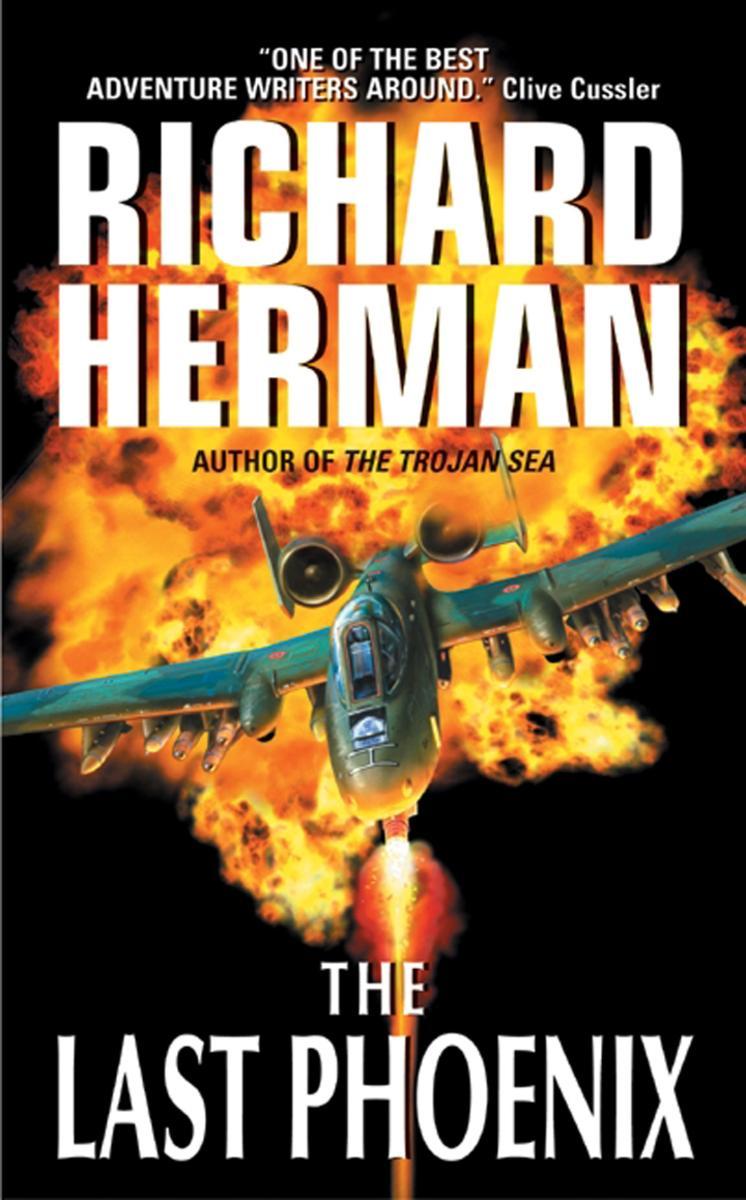
The Last Phoenix
¥55.31
America is caught in the lethal center of an unwinnable two-front war -- in this gripping and explosive thriller from the master of geopolitical intrigue . . . The war on terrorism has borne bitter fruit, as the radical Islamic states forge an unholy alliance with a surging China, aiming for total control of the Middle East's vast oil reserves and the strategic Strait of Malacca. As a new axis of world power simultaneously launches a devastating double-pronged conflict -- one a depleted American military cannot possibly win -- President Maddy Turner, the first woman ever to occupy the Oval Office, must react swiftly to a global crisis of world-altering proportions. And so she turns to the only man she can trust in the brutal snake pit of Beltway politics: Brigadier General Matt Pontowski. A brilliant flyer and military tactician, and the intimate confidant of the most powerful woman on Earth, he must now undertake a mission at once bold and extraordinary -- and potentially suicidal -- as a desperate nation confronts Armageddon, and its leader approaches what will be either her finest hour . . . or her most tragic mistake.

Food: Your Miracle Medicine
¥99.65
Food -- Your Miracle Medicine is the breakthrough book on food and health for the nineties. This comprehensive guide, based on more than 10,000 scientific studies, reveals how you can use the extraordinary powers of food to prevent and alleviate such common maladies as headaches and hay fever, as well as to ward off major killers, including heart disease and cancer. Jean Carper, the bestselling author of The Food Pharmacy, has now translated the amazing new discoveries about the medical powers of food into practical advice and information that you can use every day to conquer disease, increase your mental energy, and live longer.A carrot a day could slash your risk of stroke by 70 percent.Ginger can stop migraine headaches and nausea.Half an avocado a day can dramatically improve your blood cholesterol.Brazil nut may improve your mood.Brazil nuts may improve your mood.Tea helps prevent stroke, heart disease, and cancer.A food allergy may be the cause of your fatigue.

Stop Aging Now!
¥88.56
In Stop Aging Now!, Jean Carper -- winner of the 1995 Excellence in Journalism Award from the American Aging Association (the nation's leading group of scientists investigating the biomedical aspects of aging), nationally syndicated columnist and leading authority on health and nutrition -- documents how antioxidant vitamins, minerals, herbs and food chemicals are the magic youth potions humans have been seeking for centuries. Based on exciting new scientific findings from leading institutions, Stop Aging Now! reveals the stunning truth: Much of what we call aging is not inevitable, but is needless and can be prevented and reversed to a startling degree by supplements and foods. Indeed, aging is often due to unsuspected deficiencies that can be readily corrected, and even people in their sixties, seventies and eighties can turn back the clock and recover their youth. Leading scientists have found that: Vitamins can prevent and reverse memory loss and other signs of aging. Vitamins and minerals can rejuvenate immune functions, restoring youthful resistance to infections and cancer. Antioxidants in foods and supplements can help prevent clogged arteries, heart attacks and general bodily deterioration. Many unfamiliar but readily available food chemicals can prolong life and preserve your vitality.


