


 购物车
购物车 个人中心
个人中心
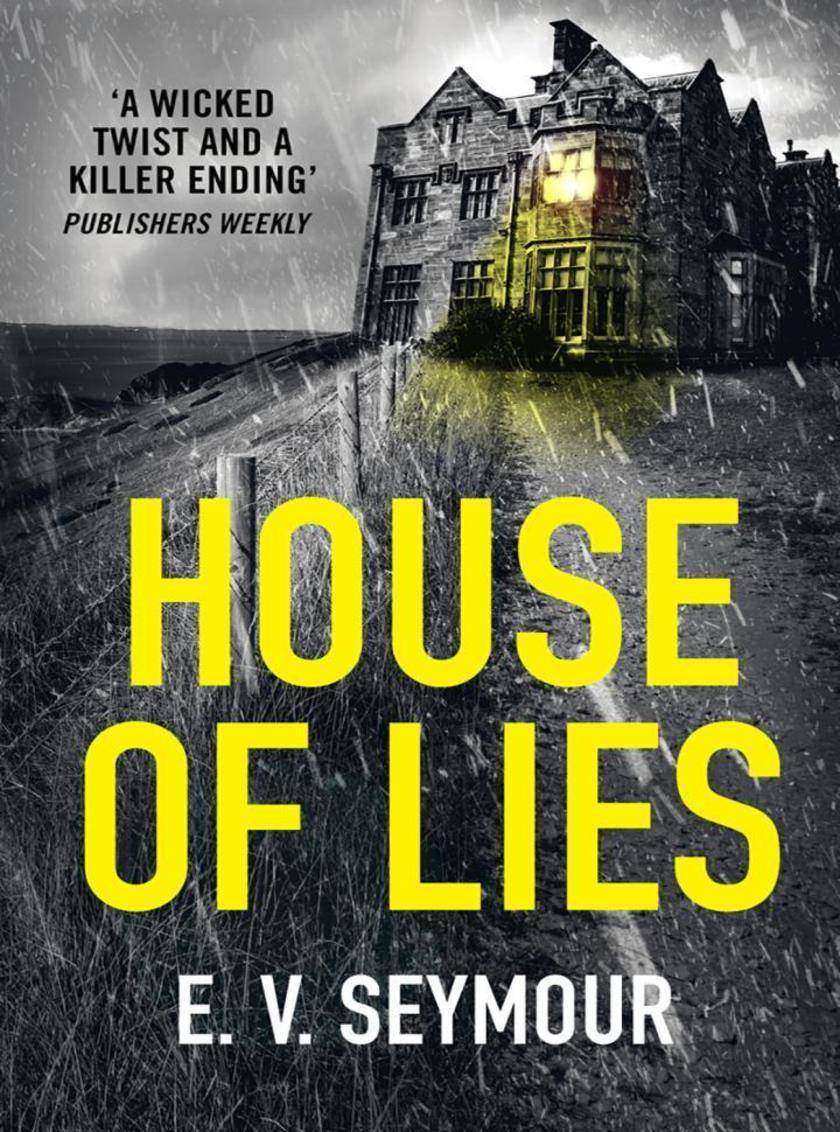
House of Lies: A gripping thriller with a shocking twist
¥22.27
‘A wicked twist and a killer ending’ Publishers Weekly Somewhere in Vixenhead, I’m certain the truth lies… A sudden disappearance… When Roz Outlaw's partner Tom mysteriously vanishes, she knows his life is in danger. Tom has been distracted lately, afraid, as though he is being hunted… A desperate search… With the police showing little interest Roz knows it falls to her to find Tom. But as Tom's secrets are uncovered nothing can prepare Roz for the dark lies and twisted truths she finds. She thought she loved Tom, but quickly realises she has been living with a stranger – a man with murder in his past. A house of evil. The key to unlocking Tom's past lies in his childhood home – Vixenhead. A house of wickedness that keeps its secrets well hidden. Can Roz find Tom before it's too late or will the evil within Vixenhead claim her too…
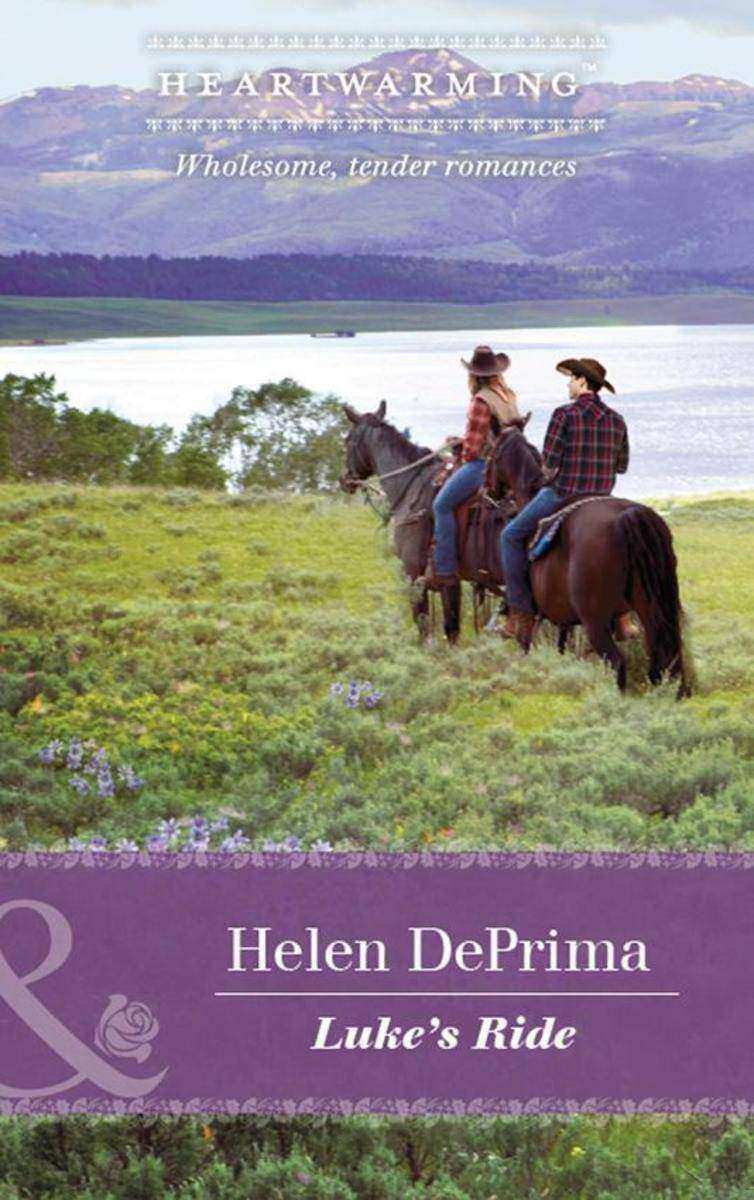
Luke’s Ride (Mills & Boon Heartwarming) (Cameron's Pride, Book 3)
¥39.63
The time has come for him to cowboy up… He’s spent fifteen years at the rodeo, protecting riders when they hit the dirt. But what exactly is a bullfighter after a bull takes him down in the arena and lands him in a wheelchair? That’s what Luke Cameron’s still struggling to figure out. And if Katie Garrison, in the middle of a controversial divorce, can help him find a new kind of life…well…he’s not one to turn her down! But she’s still a married woman and her husband isn’t going to let her go without a fight. Besides, Luke may never walk again. What kind of life can he give a woman like Katie?
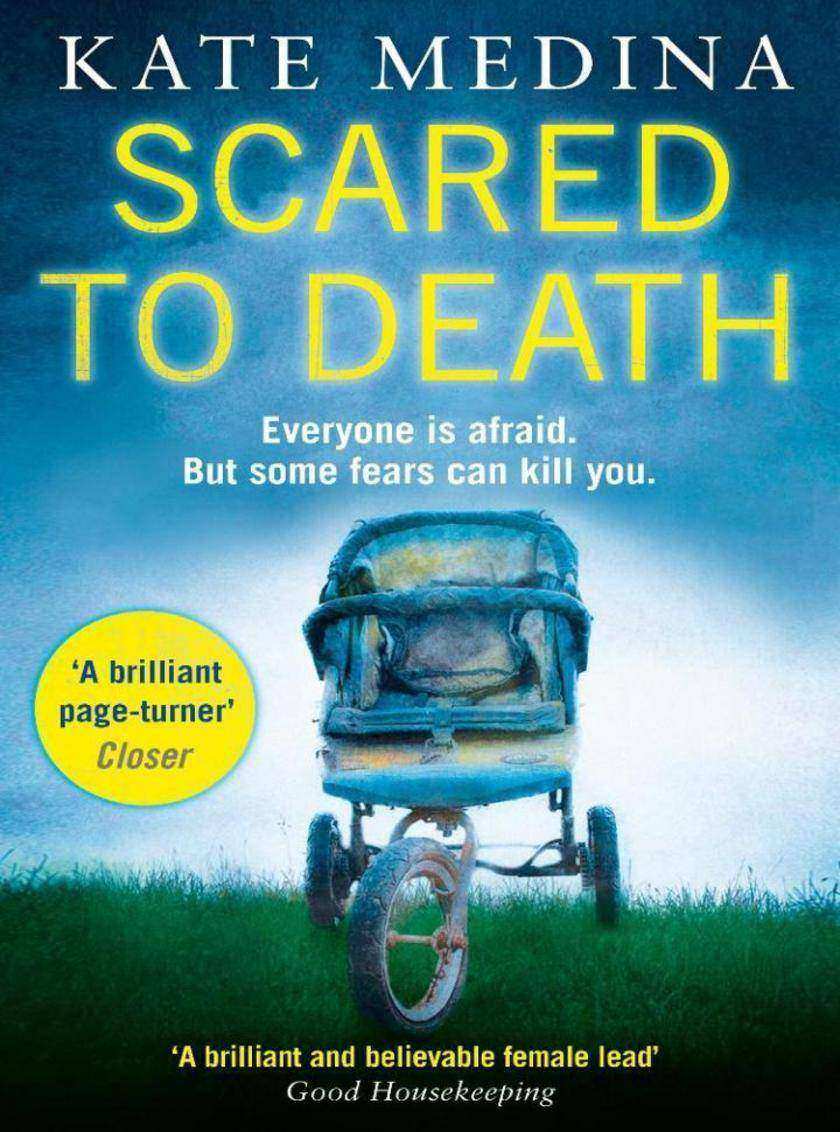
A gripping crime thriller you won’t be able to put down
¥66.22
‘It comes as no surprise that Medina has created a character of density and intricacy in Flynn’ DAILY MAIL The second book in an exciting new crime series featuring psychologist Dr Jessie Flynn – a brilliantly complex character who struggles with a dark past. Perfect for fans of Nicci French and Val McDermid. A baby is abandoned in the middle of the night at Royal Surrey County Hospital. DI Bobby ‘Marilyn’ Simmons suspects the father is planning to take his own life following the violent suicide of his eldest son Danny a year earlier. The race is on to find him. Captain Ben Callan is investigating a suspicious death. Just sixteen years old, Stephen Foster has been stabbed in the neck and abandoned in the woods. Someone tried to save his life – but who? And why haven’t they come forward? When psychologist Dr Jessie Flynn is called in to consult on both cases, she sees connections between the deaths of Danny and Stephen. And when she starts counselling a third traumatized young man, Jessie fears he faces the same fate…

The Triplets' Cowboy Daddy (Mills & Boon Western Romance) (Hope, Montana, Book 5
¥39.63
FROM CITY GIRL TO SINGLE MOM When Nora Carpenter becomes sole guardian of her triplet goddaughters, she needs backup—fast. So she heads home to the family ranch in Hope, Montana. But when she arrives, Nora learns that her great-grandparents’ house now belongs to Easton Ross. Easton and Nora used to be friends, back when Easton was a lanky ranch hand who was always there for her. Now he’s a rugged cowboy who hasn’t forgiven her for leaving town. Easton lets Nora and the triplets bunk with him and can’t help falling head over heels for the adorable babies. But Nora can’t stay. For the triplets, living in Hope would mean a lifetime of gossip. And Nora has to put her new daughters first, even if it breaks her own heart.
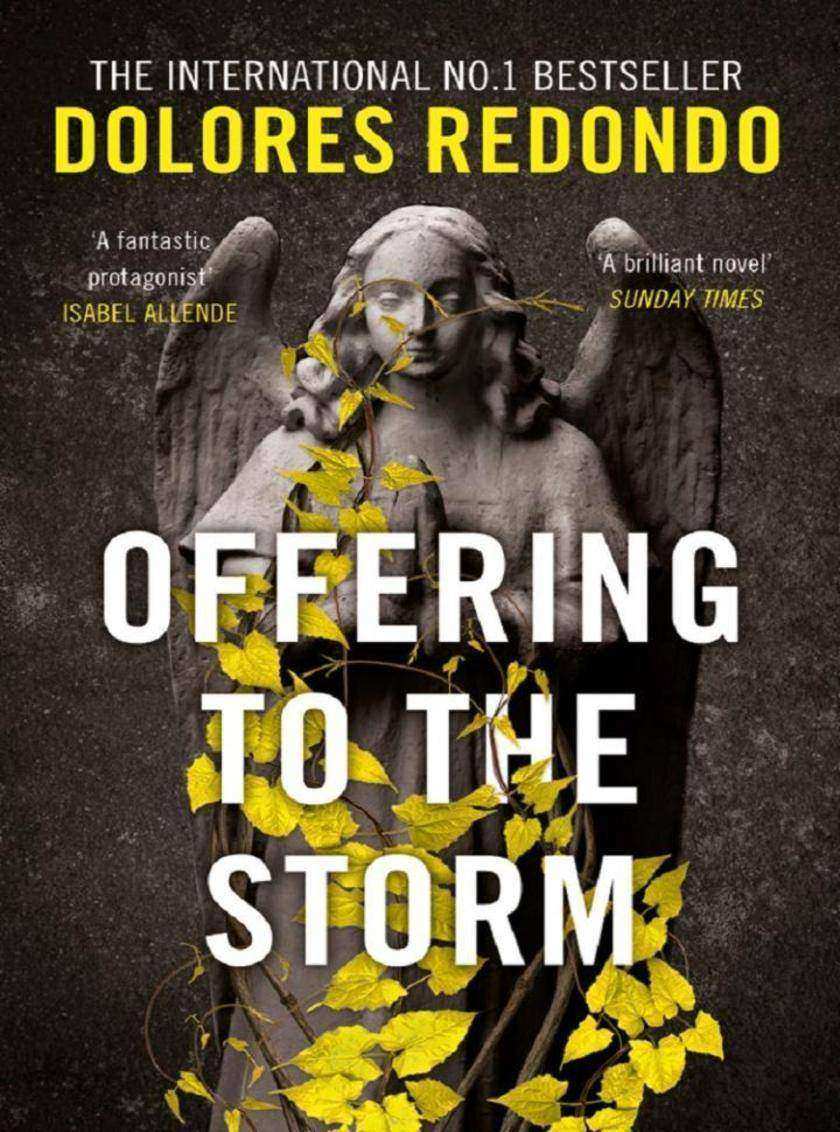
Offering to the Storm (The Baztan Trilogy, Book 3)
¥66.22
The final book in Dolores Redondo’s atmospheric Baztan trilogy, featuring Inspector Amaia Salazar. With masterful storytelling and a detective to rival Sarah Lund, this Spanish bestselling series has taken Europe by storm. It begins with a murdered child. It ends in a valley where nightmares are born. When Detective Inspector Amaia Salazar is called in to investigate the death of a baby girl, she finds a suspicious mark across the child’s face – an ominous sign that points to murder. The baby’s father was caught trying to run away with the body, whether from guilt or grief nobody can be sure. And when the girl’s grandmother tells the police that the ‘Inguma’ was responsible – an evil demon of Basque mythology that kills people in their sleep – Amaia is forced to return to the Baztán valley for answers. Back where it all began, in the depths of a blizzard, she comes face to face with a ghost from her past. And finally uncovers a devastating truth that has ravaged the valley for years.
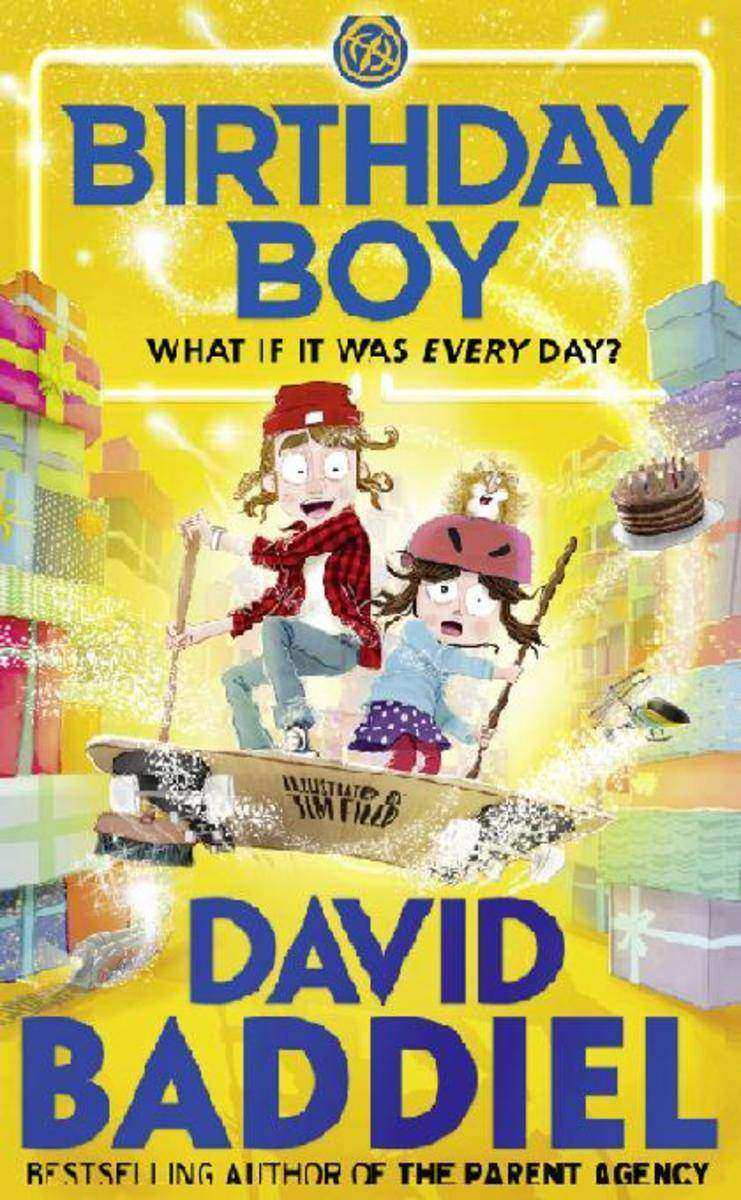
Birthday Boy
¥51.50
A hilarious rollercoaster ride of pure entertainment for 9+ readers everywhere, Birthday Boy is the new Baddiel Blockbuster: featuring David’s inimitable and award-winning combination of wish-fulfilment, heart and hilarity, all brought to life by regular collaborator Jim Field’s witty, stylish illustrations. What if it was every day? This is the story of Sam Green, who really, really, really loves birthdays. He loves the special breakfasts in bed. The presents. The themed parties. Blowing out the candles on his cake. Everything. He is so excited about his 11th birthday, in fact, that he wishes it was his birthday every day. So, at first, it’s quite exciting when his birthday happens again the next morning. And again. And again. And again… But it’s not long before things start to go wrong. Soon, disaster strikes, threatening something Sam loves even more than birthdays. Sometimes you have to be careful what you wish for…
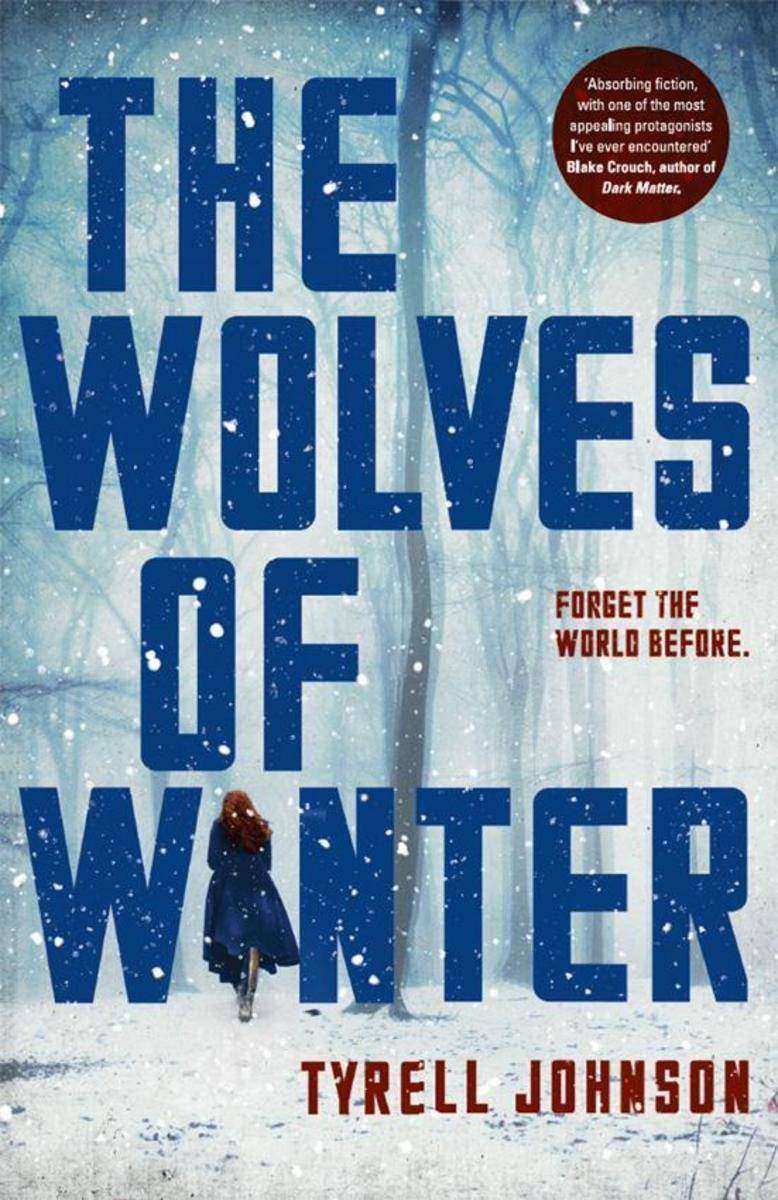
The Wolves of Winter
¥95.75
‘A cracking futuristic adventure, told with pace and panache and packed with vivid, shiver-inducing description’ Daily Mail ‘Read this in one sitting. DEEPLY satisfying.’ Lucy Mangan Forget the old days. Forget summer. Forget warmth. Forget anything that doesn’t help you survive Lynn McBride has learned much since society collapsed in the face of nuclear war and the relentless spread of disease. As memories of her old life haunt her, she has been forced to forge ahead in the snow-covered Canadian Yukon, learning how to hunt and trap to survive. But her fragile existence is about to be shattered. Shadows of the world before have found her tiny community―most prominently in the enigmatic figure of Jax, who sets in motion a chain of events that will force Lynn to fulfill a destiny she never imagined. Station Eleven meets The Girl With All The Gifts in a powerful speculative book club read.
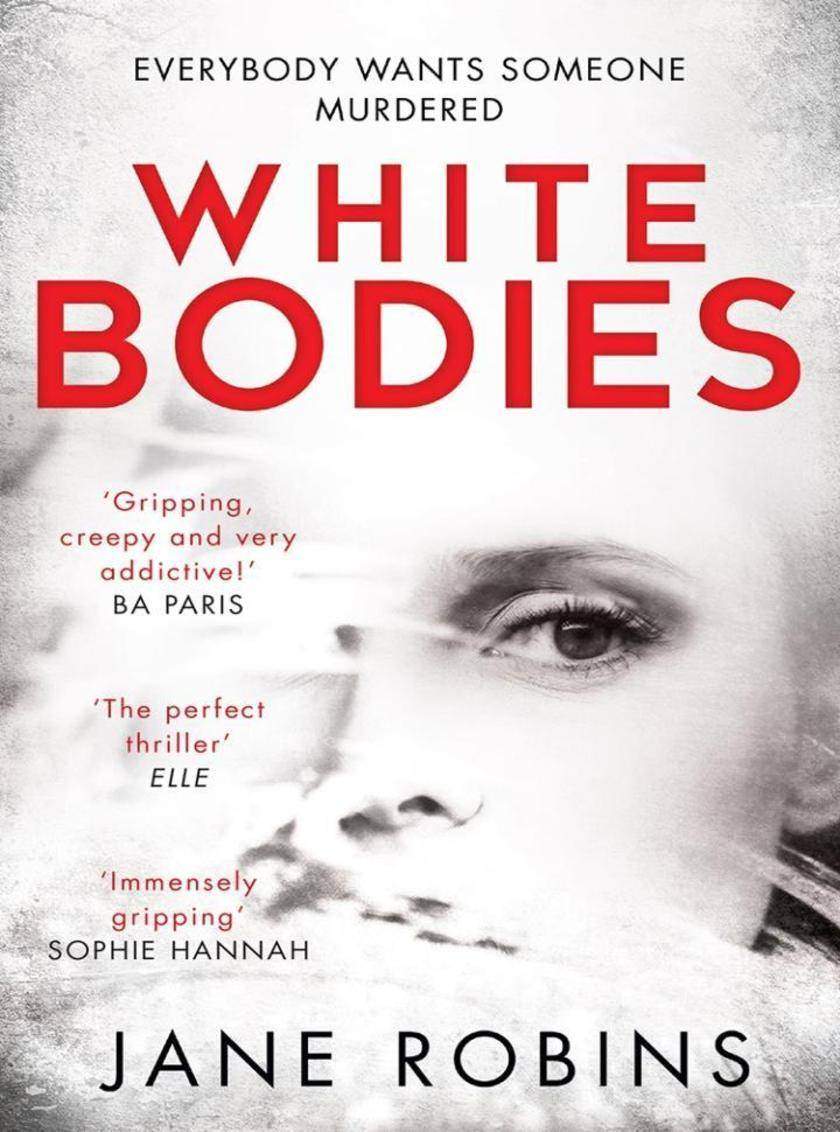
White Bodies
¥58.86
‘The perfect thriller’ Elle ‘Immensely gripping’ Sophie Hannah ‘Gripping, creepy and very addictive!’ BA Paris ‘He’s so handsome and clever and romantic. I just wished he hadn’t forced Tilda under the water and held her there so long.’ Callie loves Tilda. She’s her sister, after all. And she’s beautiful and successful. Tilda loves Felix. He’s her husband. Successful and charismatic, he is also controlling, suspicious and, possibly, dangerous. Still, Tilda loves Felix. And Callie loves Tilda. Very, very much. So she’s determined to save her. But the cost could destroy them all… Sometimes we love too much.

After the Snow
¥95.75
‘A modern day Nancy Mitford.’ Sir Elton John ‘Fans of Downton Abbey will love this.’ Davina McCall ** The #1 eBook bestseller! ** Christmas morning, 1969. All eleven-year-old Esme Munroe wants for Christmas is for her mother to be on one of her ‘good’ days – and, secretly, for a velvet riding hat. So when she finds an assortment of wet towels and dirty plates in her stocking, she’s just relieved Father Christmas remembered to stop at The Lodge this year. But later that day Esme’s mother disappears in the heavy snow. Even more mysteriously, only the Earl of Culcairn seems to know where she might have gone. Torn between protecting her mother and uncovering the secrets tumbling out of Culcairn Castle’s ornate closets, Esme realises that life will never be the same again after the snow… Susannah Constantine provides a rare glimpse into the secret lives of the scandalous upper classes. Perfect for fans of Downton Abbey and The Crown
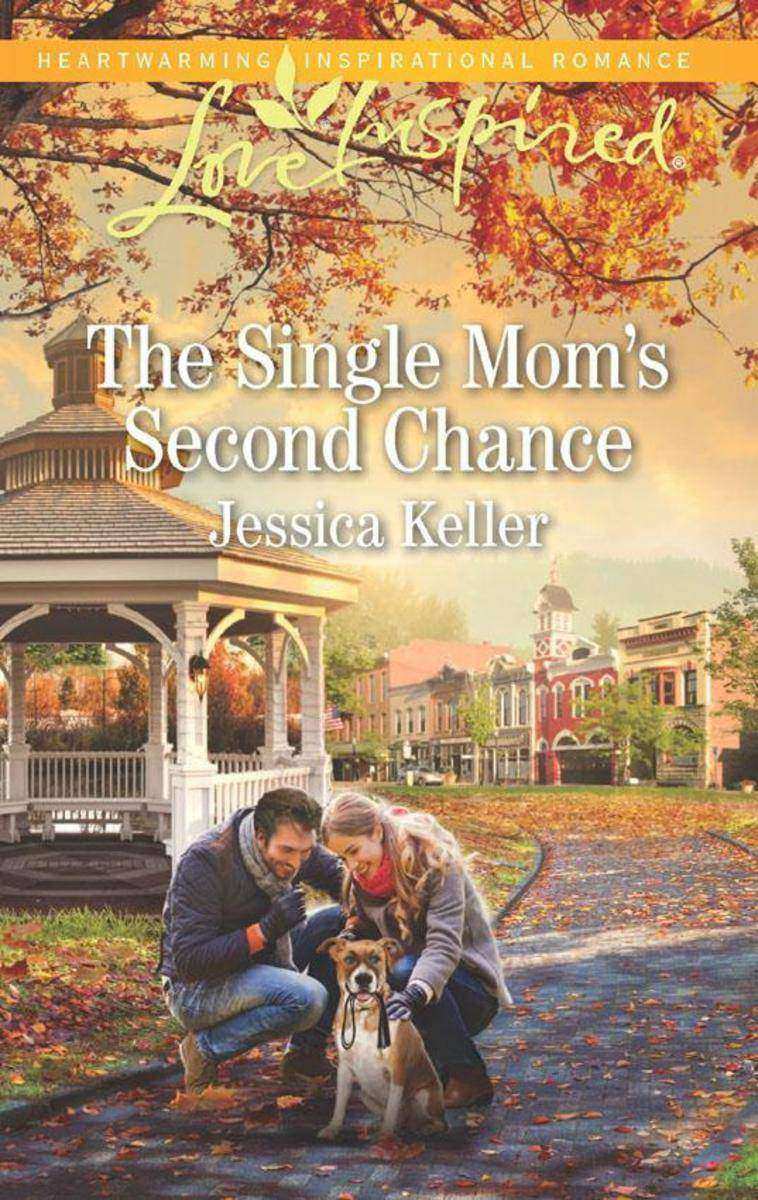
The Single Mom's Second Chance (Mills & Boon Love Inspired) (Goose Harbor, Book
¥39.63
Small-Town Reunion Claire Atwood is about to make all her dreams come true. With her newly adopted son, Claire's back in Goose Harbor, running for mayor and going toe-to-toe with Evan Daniels—the man who left her at the altar twelve years ago. But she refuses to let their history get in the way of her future. Evan's come a long way from the poor teenager Claire’s powerful father intimidated. And he can't help noticing Claire's grown into a beautiful woman and caring mother. A month from now, when the ballots are counted, Evan could be Mr. Mayor, but what he really wants is another title: daddy and husband.
Lancaster County Reckoning (Mills & Boon Love Inspired Suspense)
¥39.63
PLAIN PROTECTOR The father Darcy Simmons thought was dead is actually alive, but in a coma, and the men who attacked him are after her to produce what he was hiding. But she hasn’t spoken to her father in twenty years, since he entered witness protection and became Amish, and has no clue what the criminals want. Now the only person she can depend on is Amish farmer Thomas Nolt, her father’s neighbor and closest friend. Thomas knows nothing of his friend’s past, but he’s determined to save the fragile beauty the man shielded all these years with his silence. But with men willing to kill for stolen items her father was hiding, can Thomas and Darcy find them before their time runs out?
Hidden Legacy (Mills & Boon Love Inspired Suspense)
¥39.63
TO SAVE HER CHILD Arriving home with the baby she’s adopting, Caroline Harrison finds her house vandalized…and an intruder intent on shooting her. She’s saved when police sirens approach, but all signs point to the little boy as the true target—and the assailant won’t give up. Now she has to rely on Detective Jason Drake, the man who once broke her heart, to figure out why someone’s after her soon-to-be adoptive son. Reunited after thirteen years apart, Jason can’t help but hope their love might be rekindled, but Caroline and her son’s safety comes first. Because if he wants a chance at a future—and a family—with them, they have to outrun a hitman.
Mind Time: How ten mindful minutes can enhance your work, health and happiness
¥95.75
Michael Chaskalson Michael is one of the pioneers of mindfulness teaching and research in Europe. He is the author of the agenda-setting The Mindful Workplace and Mindfulness in Eight Weeks. Based on his 40 years of personal practice of mindfulness and related disciplines, Michael now shares his insights and research with audiences worldwide as a keynote speaker, coach, consultant, and teacher. Michael is founder and CEO of Mindfulness Works and a Professor of Practice at Ashridge Business School. Dr Megan Reitz Megan is Associate Professor of Leadership and Dialogue at Ashridge Business School where she speaks, researches, and consults on the intersection of leadership, change, dialogue and mindfulness. She has presented her research to audiences throughout the world and is the author of Dialogue in Organizations.
The Colour of Bee Larkham’s Murder
¥95.75
How do you solve a mystery when you can’t remember the clues? ’A rich tapestry… distinctive and compelling’ Observer ’A stunning whodunnit’ Mail on Sunday ‘A beautiful, original novel, at once funny and tragic and brave’ Sarah Pinborough There are three things you need to know about Jasper. 1. He sees the world completely differently. 2. He can’t recognise faces – not even his own. 3. He is the only witness to the murder of his neighbour, Bee Larkham. But it’s hard to catch a murderer when you can’t recognise their face… An extraordinary and compelling debut which will make you see the world in a way you’ve never seen it before

Stranded With The Secret Billionaire (Mills & Boon Cherish)
¥39.63
Rescued by a brooding stranger… Jilted heiress Penny Hindmarsh-Firth has set her broken heart on escaping high society city life. But she’s trapped by floods in the Outback, and a handsome stranger on horseback comes to her rescue! After a betrayal shattered his life Matt Fraser withdrew from the world—but he can’t deny Penny refuge. This secret billionaire is reluctantly intrigued as the society princess begins proving there’s more to her than meets the eye…
Fortune's Surprise Engagement (Mills & Boon Cherish)(Book 5)
¥39.63
MY BIG FAKE BOYFRIEND Olivia Fortune Robinson has done some crazy things in her life, but this has to be one of the craziest. She has just propositioned sexy Alejandro Mendoza to be her pretend boyfriend for a week. What's even crazier? He said yes! They're doing it all for Sophie--or so they think. Liv's cynical view of marriage accidentally convinced her little sister to call off her own wedding, and Liv has to fix things and quick. What better way than to "fall in love" herself? Tall, dark and alpha, Alejandro doesn't seem to mind having Liv on his arm--or in his bed. But when the two commitment-phobes suddenly become faux fiancés, Liv's traitorous heart starts to fall for real... Is Alejandro's far behind?

Falling For The Rebel Princess (Mills & Boon Cherish)
¥39.63
From princess to rockstar royalty! Self-proclaimed ‘black sheep’ Princess Charlie of Afland has worked long and hard to be taken seriously in the music industry, managing to keep her royal obligations, and her secret heartbreak, under the radar. Until one night in Vegas changes everything… Rockstar Joe Kavanagh gets more from his Vegas gig than he’d bargained for...a princess bride and a PR story to die for! As the initial attraction, which led them down the aisle, turns into something deeper, keeping their marriage strictly business proves increasingly difficult!

Behind The Billionaire's Guarded Heart (Mills & Boon Cherish)
¥39.63
RITA Award-winning author Leah Ashton never expected to write books. She grew up reading everything she could lay her hands on – from pony books to the back of cereal boxes at breakfast. One day she discovered the page-turning, happy-sigh-inducing world of romance novels… and one day, much later, wondered if maybe she could write one too. Leah now lives in Perth, Western Australia and writes happy ever afters for heroines who definitely don’t need saving. She has a gorgeous husband, two amazing daughters and the best intentions to meal plan and have an effortlessly tidy home. When she’s not writing, Leah loves all day breakfast, rambling conversations and laughing until she cries. She really hates cucumber. And scary movies.

A Bride, A Barn, And A Baby (Mills & Boon Cherish) (Celebration, TX, Book 2)
¥39.63
And the prince wore spurs! A bourbon-tinged evening turns into a night of spur-jangling passion. And wrapped in the arms of hunky cowboy Zane Phillips, Lucy Campbell feels like her dreams have come true all at once! But she knows Zane needs a chance to let their move from friends to lovers sink in. That is, until reality knocks…and Lucy discovers she's pregnant. This wasn't how Zane imagined daddy-hood would happen. And with pretty Lucy…his best friend's little sister! He wants to do right by her and the baby, but Lucy wants the fairy tale, not a marriage of obligation. And while this simple cowboy isn't sure he can measure up as her Prince Charming, the real magic is that he's had her heart all along…

The Mysterious Italian Houseguest (Mills & Boon Cherish) (Summer at Villa Rosa,
¥39.63
Falling for the enemy! Italian movie star Javier Russo needs to escape his Hollywood life. Isola dei Fiori is the perfect retreat—a lush island in the glittering Mediterranean. What he didn't expect was having to share his peaceful hideaway with the infuriatingly beautiful Portia Marlowe! Celebrity reporter Portia is intrigued by her unwelcome and mysterious visitor, and the secrets he's clearly holding back. Villa Rosa isn't big enough for both of them, and soon there's nowhere to hide from their simmering chemistry! Summer at Villa Rosa - Book 2 of 4
Everything to Lose: Part One, Chapters 1–5
免费
Part 1 of the heart-pounding new thriller from the co-author of five No. 1 James Patterson bestsellers including Judge and Jury and Lifeguard, and the Sunday Times bestsellers The Blue Zone and Reckless.


