


 购物车
购物车 个人中心
个人中心

Kiss Me, Sheriff! (Mills & Boon Cherish) (The Men of Thunder Ridge, Book 2)
¥22.07
It only took one kiss… Willa Holmes has one rule: Don't fall in love! Love brings ties and ties bring pain, and she's had enough of that. That's why the pastry chef fled to Thunder Ridge in the first place, to live privately and bake anonymously. But then she makes a big mistake: she kisses the local sheriff. The tall, dark, incredibly sexy sheriff…. No high-speed chase. That's Derek Neel's dating rule…till Willa. But the cowboy sheriff's hot pursuit hits a roadblock when he takes in an at-risk boy and Willa bucks like a frightened filly. Why is she so scared of the very things he wants most–love, family, forever? Derek isn't sure, but he knows this: Not even Willa can escape the loving arms of the law!

The Summer Theatre by the Sea: The feel-good holiday romance you need to read th
¥28.45
‘The Summer Theatre by the Sea is … a perfect summery read with sunshine, laughter and bucketloads of fizz – romantic comedy at its sparkling best.’ Rosanna Ley, bestselling author of The Villa and Her Mother’s Secret The Saunders sisters need a bit of Cornish magic this summer… Charlotte Saunders has always loved the buzz of city life. So, when she finds herself abruptly fired and dumped in one fell swoop, she’s devastated to have to swap her London home for the sleepy town of Penmullion, Cornwall, to move in with her estranged sister. But Lauren Saunders has problems of her own. A single mother to twins, the bills are piling up faster than she can pay them. And when what she thinks is a loan from a friend puts her deeper in debt than ever, things are starting to look impossible. In desperate need of a distraction, the two sisters turn to their community drama club. With bit of help from their new friends and lot of help from each other, can the Saunders sisters turn their luck around before the summer ends? The perfect summer read for fans of Lucy Diamond and Rachel Lucas. Praise for The Summer Theatre by the Sea ‘Refreshingly romantic.’ Helen Rolfe, author of the ‘A Year at the Cafe at the End of the Pier’ ‘Enchanting and captivating, I was hooked! An utterly gorgeous story!’ Christie Barlow, bestselling author of ‘A Home at Honeysuckle Farm’ ‘Sunshine in a book!’ The Book Trail ’Sunny, wonderful, entertaining and delightful.’ With Love For Books

A gorgeous summer romance and one of the top holiday reads for women!
¥28.45
A feel-good story that’s as scrumptious as your favourite slice of cake! Emma’s new café will be perfect, with its gorgeous strings of vintage bunting, mouth-wateringly gooey cakes, comforting pots of tea and quirky customers who think of each other as friends. It’s a long road to get there, but as her business fills with freelancing hipsters, stroppy teens, new mums and old neighbourhood residents, Emma realises that they’re not the only ones getting a second chance. She is too. But when someone commits bloomicide on their window boxes, their milk starts disappearing and their cake orders are mysteriously cancelled, it becomes clear that someone is determined to close them down. Will the café be their second chance after all? A deliciously laugh-out-loud story about friendship, second chances and surviving parenthood, perfect for fans of Carole Matthews, Milly Johnson and Holly Martin. Praise for Lilly Bartlett: ‘Fun, flirtatious and fresh’ Alex Brown, bestselling author The Secret of Orchard Cottage ‘Warm, witty, and wonderful – the perfect rom com’ Debbie Johnson, bestselling author of Summer at the Comfort Food Cafe ‘I loved the humour, the settings, the quirkiness, and ALL the characters’ Jane Linfoot, bestselling author of The Little Wedding Shop by the Sea ‘Absolutely wonderful romantic comedy that is guaranteed to lift your spirits’ Rachel’s Random Reads

Twin Secrets (Mills & Boon Desire) (The Rancher’s Heirs, Book 1)
¥22.07
This wealthy rancher is about to meet his match…and her two little secrets! Colt Elliott is as handsome as he is cunning. And he wants his neighbor's ranch. So when the owner's beautiful daughter begs him to save her family's home, he gives her a job so she can pay off her debt…and he becomes consumed with a new goal: seduce the fiery virgin. But Annabelle is the guardian of her infant twin nieces and all three ladies begin to pull at his heartstrings. Colt will go to any lengths to get what he wants—but will his hidden agenda cost him Annabelle?
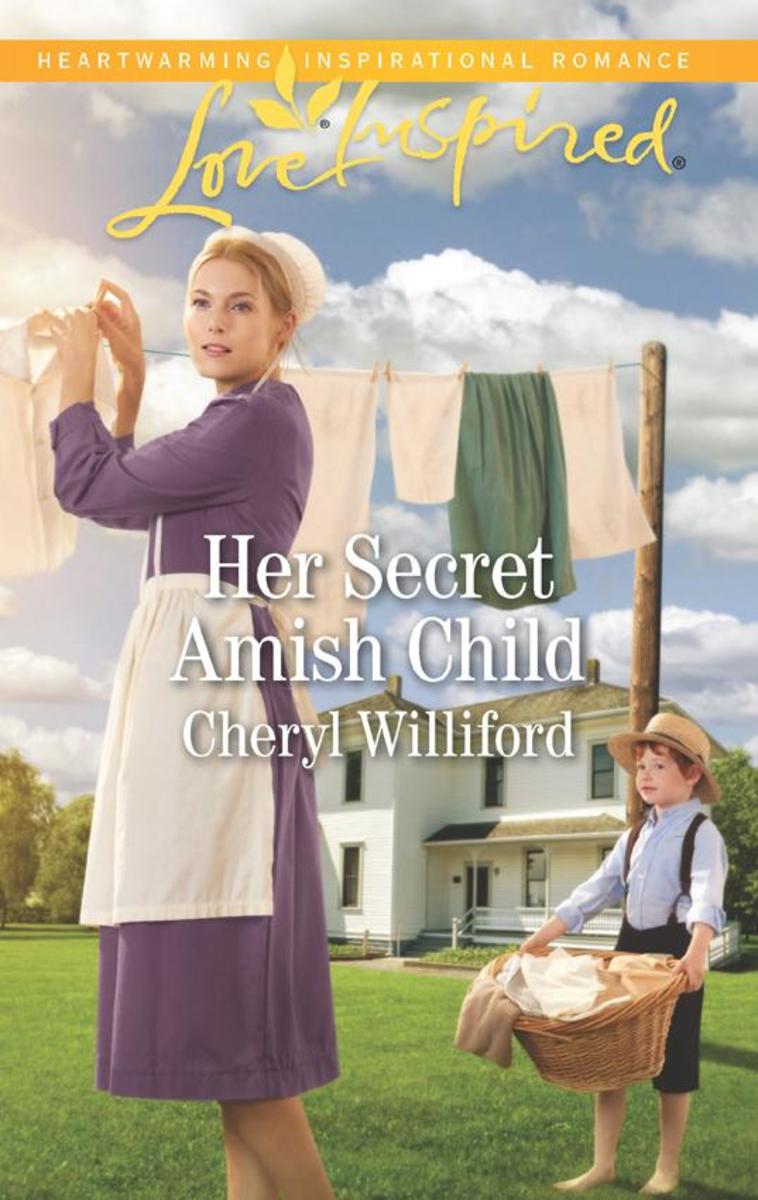
Her Secret Amish Child (Mills & Boon Love Inspired) (Pinecraft Homecomings, Book
¥39.63
An Amish Second Chance Newly-widowed Lizbeth Mullet has a secret: she’s never told anyone the true identity of her son’s father. Not even now that she’s come home to Pinecraft and the man in question is her new landlord. Fredrik Lapp may not know Benuel is his son, but the two soon form an unmistakable bond. And seeing Fredrik again stirs feelings Lizbeth had worked hard to bury. With Fredrick’s affections resurfacing too, the burden of Lizbeth’s secret is only getting heavier. Revealing the truth could mean a lifetime of happiness together—or the loss of her second chance at forever.

Wildfire Sweethearts (Mills & Boon Love Inspired) (Men of Wildfire, Book 2)
¥39.63
Reunion Under Fire Eight months after their broken engagement, Tessa Carpenter is reunited with the man she could never forget—in the same wildfire fighting unit and now as her boss. With the mystery of why he ended their relationship still between them, Tessa’s not looking forward to working under Sean Nash. Sean promised to take care of his late friend’s sister. That meant walking away, sparing Tessa from his guilt over the accident that killed her brother. But working beside Tessa reignites the embers of his memories, fanning them into love once again. And forcing Sean to decide: bolt again…or stay and fight for the woman of his dreams.

Their Second Chance Love (Mills & Boon Love Inspired) (Texas Sweethearts, Book 3
¥39.63
A Lone Star Reunion Hope Dillan thought she’d left the town of Braxton behind her—right along with the man she abandoned. But when her father falls ill, Hope anxiously flies home and finds former love Logan Cooper right where she left him. Being around Logan again feels like old times. The spark between them remains, but so does the secret that forced Hope to end things—one she knows will always keep them apart. When her father’s condition worsens, Hope feels the weight of everything she might lose. But how can she come clean to Logan without closing the door on their happily-ever-after again?
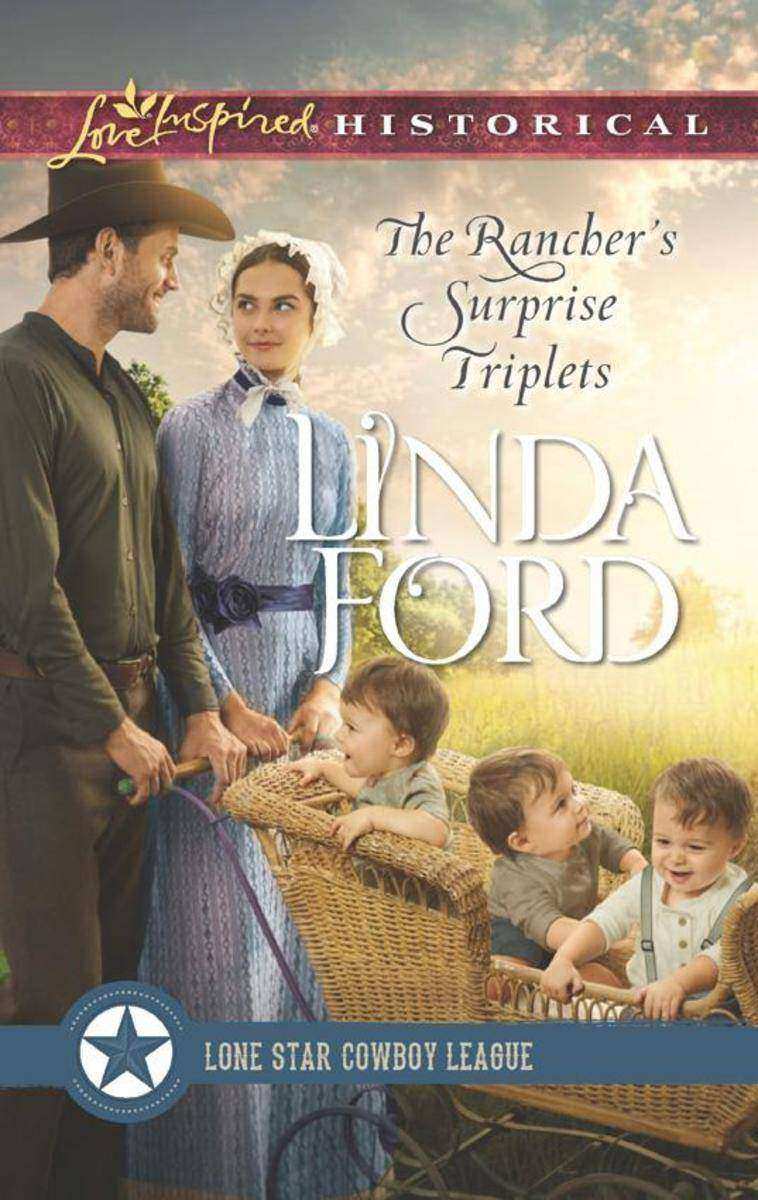
The Rancher’s Surprise Triplets (Mills & Boon Love Inspired Historical)(Book 1)
¥39.63
Three Little Matchmakers Rancher Bo Stillwater has no plans of becoming a husband or a father…but he can’t turn away from the three babies he finds at the county fair. After leaving the abandoned triplets in the care of the doctor’s daughter, Louisa Clark, his duty should be done. So why can’t he seem to stay away from the babies and their pretty caregiver? Watching the town’s most eligible bachelor with the little trio reawakens Louisa’s unmet dreams. She’s found satisfaction in spinsterhood and caring for others, convinced that motherhood passed her by. Do she and Bo only work so well together for the children’s sakes…or could they both find courage to make this sweet temporary arrangement something truly lasting?
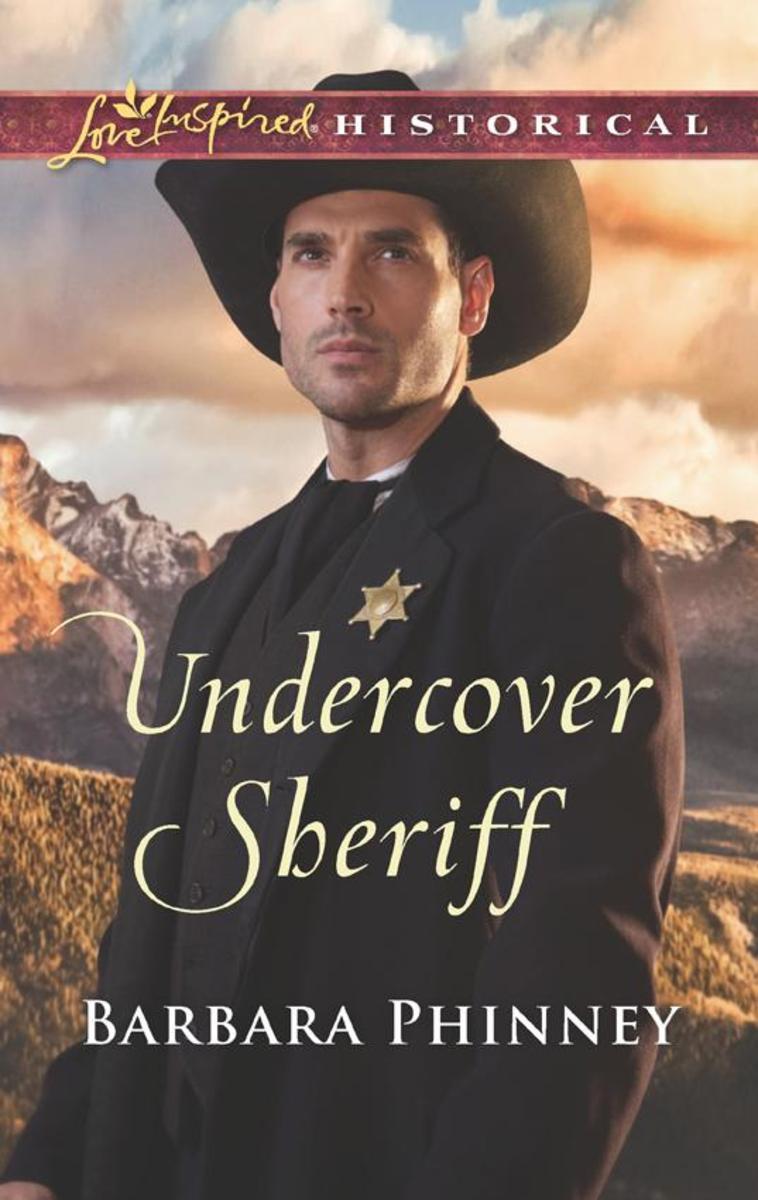
Undercover Sheriff (Mills & Boon Love Inspired Historical)
¥39.63
Look-Alike Lawman Former lawman Zane Robinson never thought he’d wear a badge again—but to locate his missing twin brother, Zane’s taking on his identity as sheriff of Proud Bend, Colorado. There he discovers heiress Rachel Smith conducting her own search, for a mother and child who’ve also disappeared from the small town. The cases could be connected, so Zane reluctantly agrees to team up with the feisty beauty. Rachel can’t afford to be seen getting too close to Zane—it could impact her ministry for misguided young women. But as the investigation continues, she’s hopelessly drawn to the gruff yet honorable lawman. Though trust doesn’t come easily to Rachel or Zane, in searching for the missing, will they risk losing their hearts?

The Nanny’s Temporary Triplets (Mills & Boon Love Inspired Historical)(Book 2)
¥39.63
A Family-to-Be Fleeing to Little Horn, Texas, after discovering her fiancé was a con man, Caroline Murray agrees to act as the temporary nanny for her brother’s handsome neighbor. Though caring for David McKay’s daughter and the orphaned infant triplets he’s fostering is just a charitable gesture, she’s falling for the children and their father. But if there’s one lesson Caroline won’t forget, it’s that her feelings can’t be trusted. With children to care for and a ranch to run, David definitely needs help—though he doesn’t want a new wife. But his affection for Caroline runs deeper than mere appreciation of her skills as a nanny. She was only supposed to be a temporary solution, but will Caroline find a permanent place in David’s heart?

False Security (Mills & Boon Love Inspired Suspense) (Wilderness, Inc., Book 3)
¥39.63
NO SAFE HAVEN Arriving at her secluded cabin to find her brother missing, Olivia Kendricks follows his trail into the woods—until two shooters take aim at her. She only escapes when ex-detective Zachary Long, her brother’s friend—and Olivia’s first love—comes to her rescue. Now as they run for their lives in the snowbound wilderness, they must search for her brother while figuring out why someone wants them dead. And though Zach’s police force training may be what will save them, it’s also what once drove them apart when he gave Olivia up to chase his dream. In a freezing landscape as deadly as it is beautiful, they’ll have to let go of the past…and face down powerful men willing to kill to keep secrets buried.

Calculated Vendetta (Mills & Boon Love Inspired Suspense)
¥39.63
KILLER STORY When army journalist Casey Jordan’s attacked, she’s convinced it’s a random mugging—until a killer comes after the military team she’s interviewing. But who’s the real target: Casey or her ex—Staff Sergeant Travis Heath. Despite an attraction that still lingers, Travis had pushed Casey away months ago, convinced military life leaves no room for attachments. But when the attacks grow increasingly personal, Travis begins to question his chosen path. As the targets of a killer’s vendetta, though, it could be too late to make up for lost time…because he and Casey may not have a future to share.

She's Far From Hollywood (Mills & Boon Superromance)
¥39.63
"You and me are a bad idea, Hollywood." She’s a former beauty queen, former reality TV star and the former wife of a former Sexiest Man Alive. And now Bree Mathews has been forced into hiding on this godforsaken farm in the middle of Nowhere, North Carolina,,,all because some deranged celebrity-stalker wants her dead. That grumpy farmer next door isn't enough to chase her back to Malibu, even with his dark and scary PTSD episodes from his Army days and his lack of respect for all things Hollywood. Always up to a challenge, she sets out to prove to Cole "Plowboy" Caldwell that you can never judge a celebrity-on-the-lam by her cover!

Wishes At First Light (Mills & Boon Superromance) (Heartache, TN, Book 5)
¥39.63
Starting over, one wish at a time… Gabriella Chance has devoted her life to helping others overcome traumatic events. Now it’s her turn. Gabby's come home to Heartache, Tennessee, to finally face her past. She finds solace in an unlikely ally, her high school crush, Clayton Travers. But while Clay wants to be Gabby’s refuge, he’s returned to Heartache to face his own demons. With so many painful secrets in their past, can they hope to wish for a happy future…together?

Holding Out For A Hero (Mills & Boon Heartwarming) (Safe in Sarasota Falls, Book
¥39.63
This is more than just a case… Every instinct Oscar Guzman honed in the military and the police academy, is telling him that Shelley Brubaker is hiding something. It’s not just a secret; he’s sure of that. It’s something darker, more dangerous. And the only way to protect her is to convince her to open up to him. But Shelley isn’t about to let him get that close. Oscar knows that with her con-man ex still at large and probably threatening her, Shelley is suspicious of everyone. But he also knows that at eight months pregnant with a toddler to raise, she’s in no shape to fight this battle alone. And he’s not about to let her!
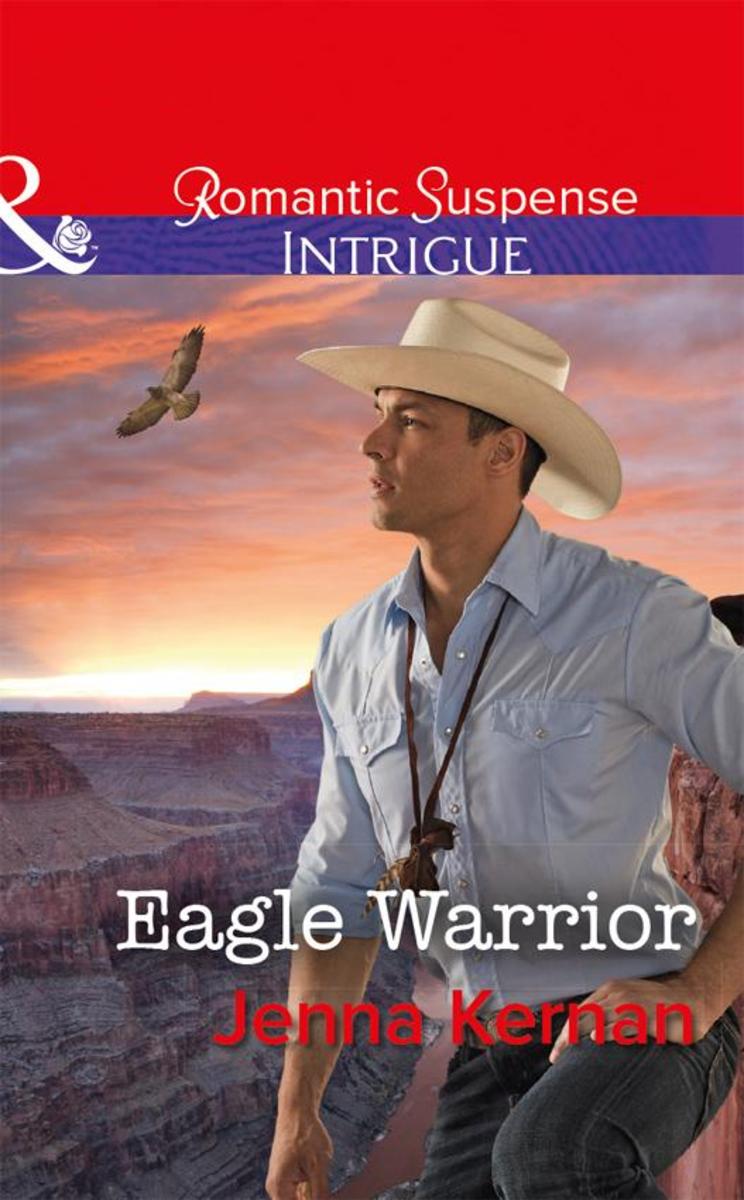
Eagle Warrior (Mills & Boon Intrigue)
¥35.61
Could protecting her mean protecting the enemy? As a former US Marine, Ray Strong is no stranger to high-risk situations. But when he is assigned to protect Morgan Hooke, Ray suspects there is more to his mission than meets the eye. Is Morgan an innocent bystander or the keeper of her father's secrets?

Last Chance Hero (Mills & Boon Romantic Suspense)
¥22.07
No. Not possible. It can't be him… Jordynn Flannigan was sure her fiancé was dead—along with all their dreams for a future together. But the stranger who just saved her from a kidnapper is none other than Donovan Grady, who supposedly died ten years ago. Now his enemies have found Jordynn, and he's not going anywhere without her by his side—and under his dangerously close protection… Donovan had to disappear to save those he loved. He can't ask for Jordynn's forgiveness, but he can keep her safe while they unravel an insidious conspiracy. As their reignited passion proves too hot to resist, the truth strikes devastatingly close to home. And their second chance might prove the most deadly trap of all.

A Stranger She Can Trust (Mills & Boon Romantic Suspense) (Escape Club Heroes, B
¥22.07
In USA TODAY bestseller Regan Black's new Escape Club Heroes thriller, a guarded man builds a future with a woman without a past… Outside of one of Philadelphia’s busiest nightclubs, a woman stumbles from her taxi. Beaten and bruised, Melissa Baxter is an amnesiac with a target on her back. Gun-shy, Melissa relies on a handsome hero to help her uncover who she really is. Carson Lane—a paramedic with his own dark history—can’t help but bring this beautiful, vulnerable woman under his wing. Still reeling from his partner’s murder, he's no stranger to risk. But as he and Melissa begin unraveling the mystery of who she really is, Carson realizes falling in love could be the biggest risk of all.
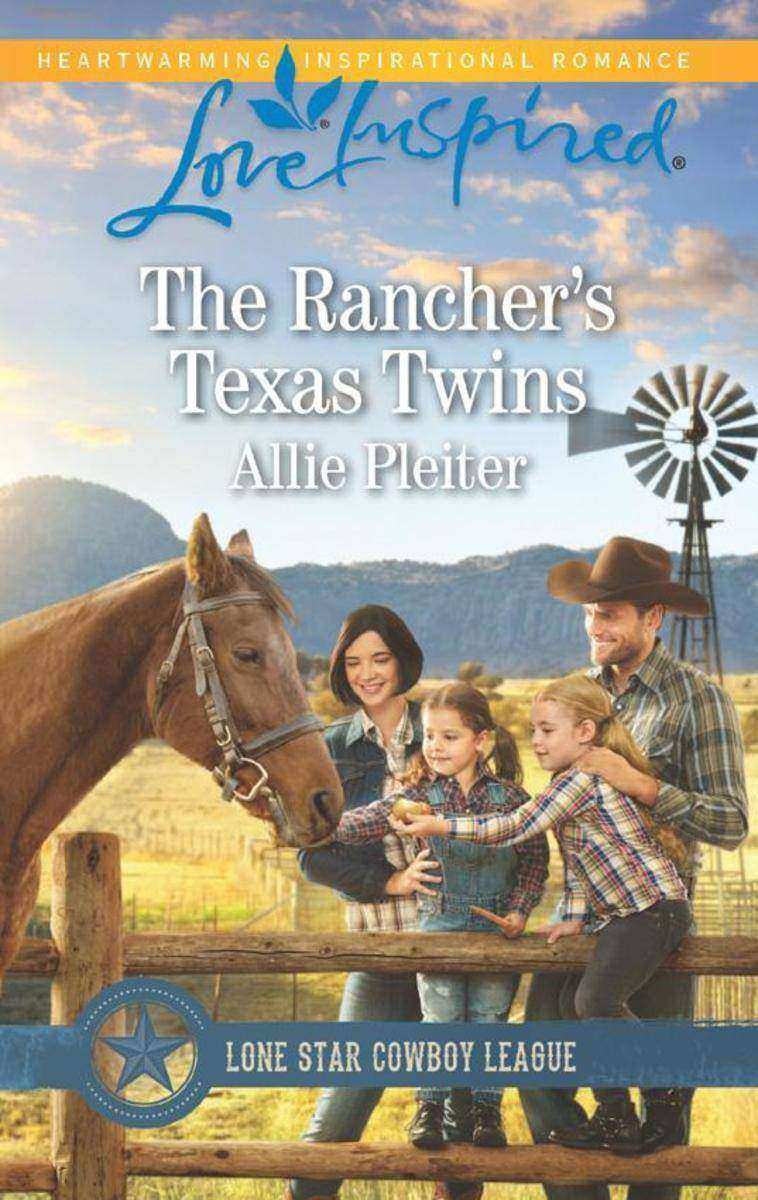
The Rancher's Texas Twins (Mills & Boon Love Inspired) (Lone Star Cowboy League:
¥22.07
Double Trouble Rancher Gabe Everett will do whatever it takes to keep Avery Culpepper in Texas until the end of the month. Even if it means inviting the beautiful single mom and her mischievous twin girls to stay on his property. Avery holds the key to saving Haven’s boys ranch, but Gabe won’t let his interest go beyond business. He’s not a family man, and Avery needs someone who will be there for her and her daughters. Yet as the girls overrun his orderly ranch with their tea parties and girly cuteness, Gabe finds himself softening just a little. Could a family to love be exactly what this solitary rancher needs? Lone Star Cowboy League: Boys Ranch Bighearted ranchers in small- town Texas
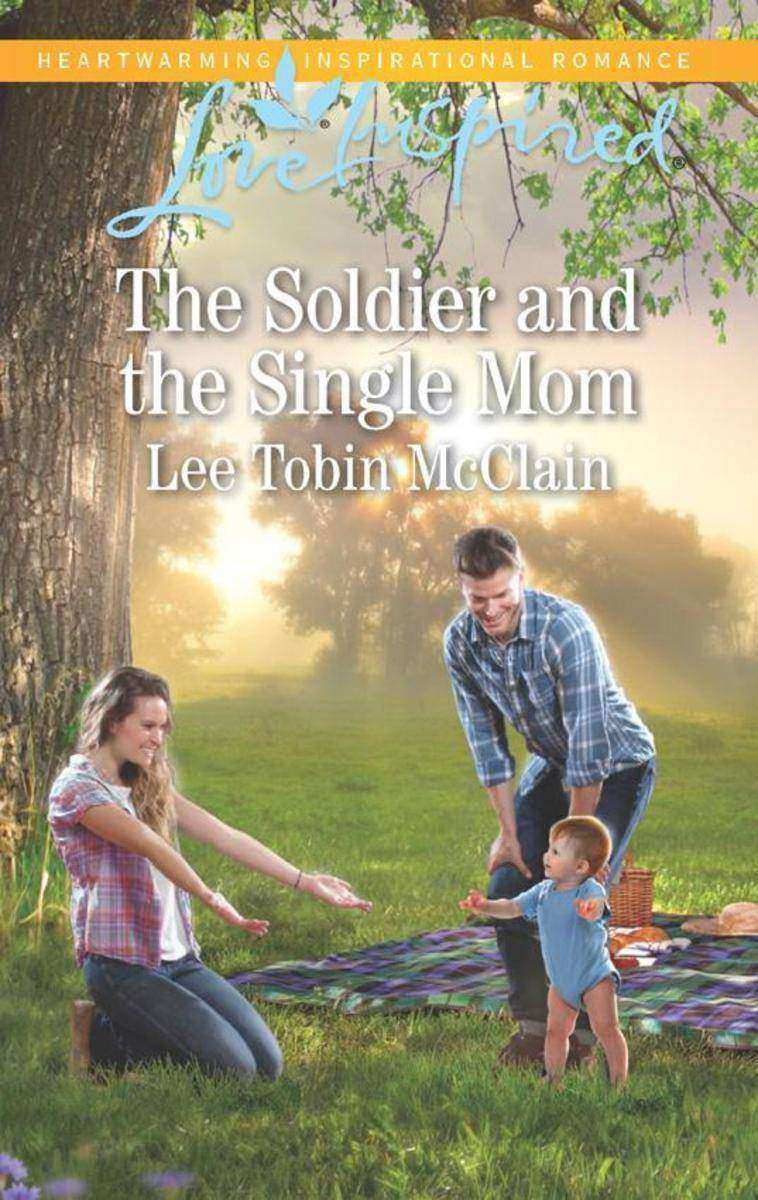
The Soldier And The Single Mom (Mills & Boon Love Inspired) (Rescue River, Book
¥22.07
A Second-Chance Family When Buck Armstrong rescues Gina Patterson and her baby from a dark country road outside of town, he intends to keep his distance. Gina and little Bobby remind the handsome veteran too much of all he’s lost. The vulnerable single mom seems equally wary of getting involved. But things change once Gina and her son settle into his sister’s boarding house. Being with Gina and Bobby makes Buck question his plans to leave town for a fresh start. Suddenly, he has dreams of forging a new family, even though it will mean risking his heart. But can he escape his past for a chance at a happy future? Rescue River: Making forever families
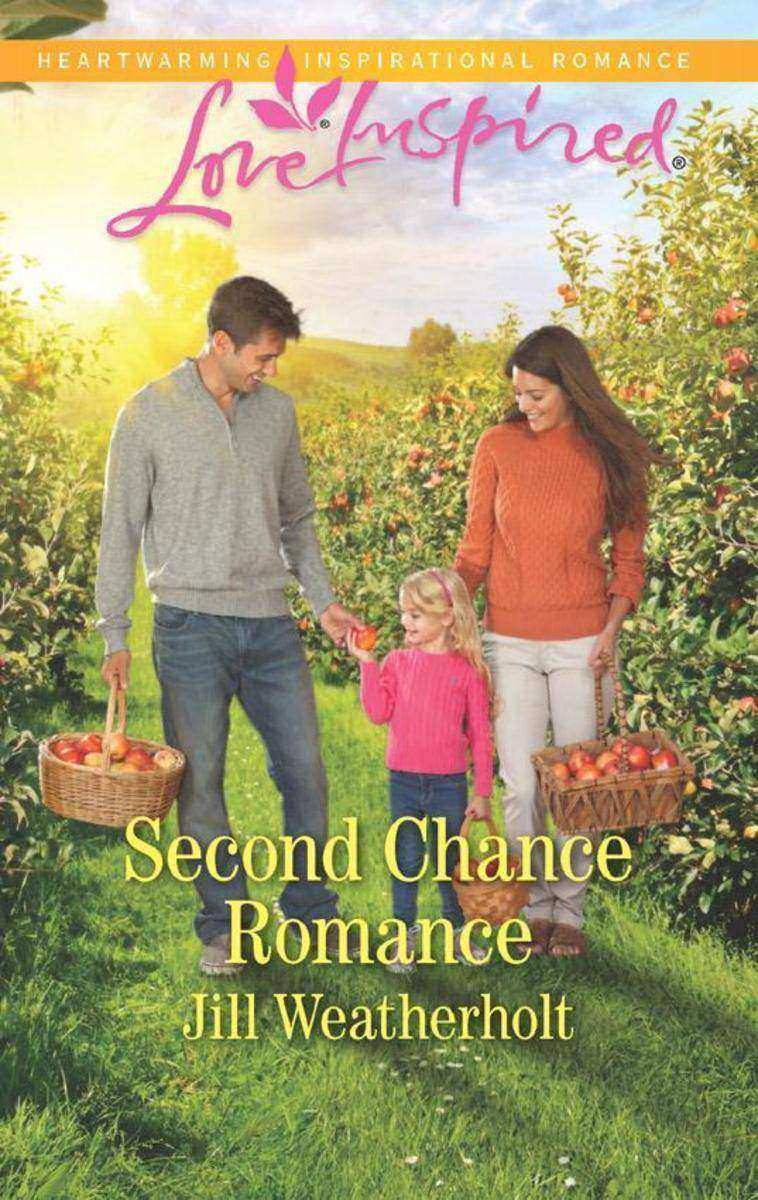
Second Chance Romance (Mills & Boon Love Inspired)
¥22.07
Small-Town Daddy Jackson Daughtry’s jobs as a paramedic and part-owner of a local café keep him busy—but the single dad’s number one priority is raising his little girl with love and small-town values. And when his business partner’s hot-shot lawyer niece comes to town, planning to disrupt their lives by moving her aunt away, Jackson has to set Melanie Harper straight. When circumstances forces them to work side-by-side in the coffee shop, Jackson slowly discovers what put the sadness in Melanie’s pretty brown eyes. Now, it’ll take all his faith—and a hopeful five year old—to show the city gal that she’s already home.


