


 购物车
购物车 个人中心
个人中心

I Owe You Nothing
¥38.36
The truth behind the spectacular rise and fall of a pop legend in his own words. For three years the Goss twins, Luke and Matt, had the world at their feet. Their records ripped to the top of the charts, they filled concert halls and were mobbed wherever they went. Their fall was as fast and spectacular as their rise. From being pop’s golden boys they became the band that everyone loved to hate, amidst spectacular rumours of bankruptcy and media manipulation. What went wrong? In this compelling book Luke Goss tells the whole incredible story, including: ? The million-point contract that left the band broke. ? The ‘weird unreality’ of going from unknown to superstar almost overnight. ? So-called ‘friends’ who turned their backs as soon as the bubble burst. It’s a cautionary tale for anyone aspiring to pop stardom, it is a saga of hurt and heartache, and, above all, it is a tribute to the family and friends – including Matt – who have stood by him through those frenetic years. It is, as Luke says, the laying to rest of a nightmare.
The Account
¥38.36
Julia Laing is a winner – beautiful, vivacious, publicity director of London’s top hotel. Robert Brand is charismatic, handsome – with his vast fortune he can work magic. Together they make a golden couple, the world at their feet. Together they can almost forget Robert’s unhappy marriage to Grace, a union bound by secrets a generation old … until, suddenly, Julia’s world is shattered by tragedy, and she begins to realise that her perfect life with Robert may have been built on a lie… Determined to uncover the facts, Julia hires private detective Guy Ravenel to track down the truth. his plan is daring and dangerous, but not even he can foresee the horrors they will uncover, or the ruthlessness of Julia’s enemies…
A Tree in Your Pocket
¥38.36
Jacqueline Memory Paterson is Archdruidess of Glastonbury and currently holds the Bardic Chair of Avebury. She put many years extensive research into Tree Wisdom
A Marriage Of Rogues (Mills & Boon Historical)
¥38.36
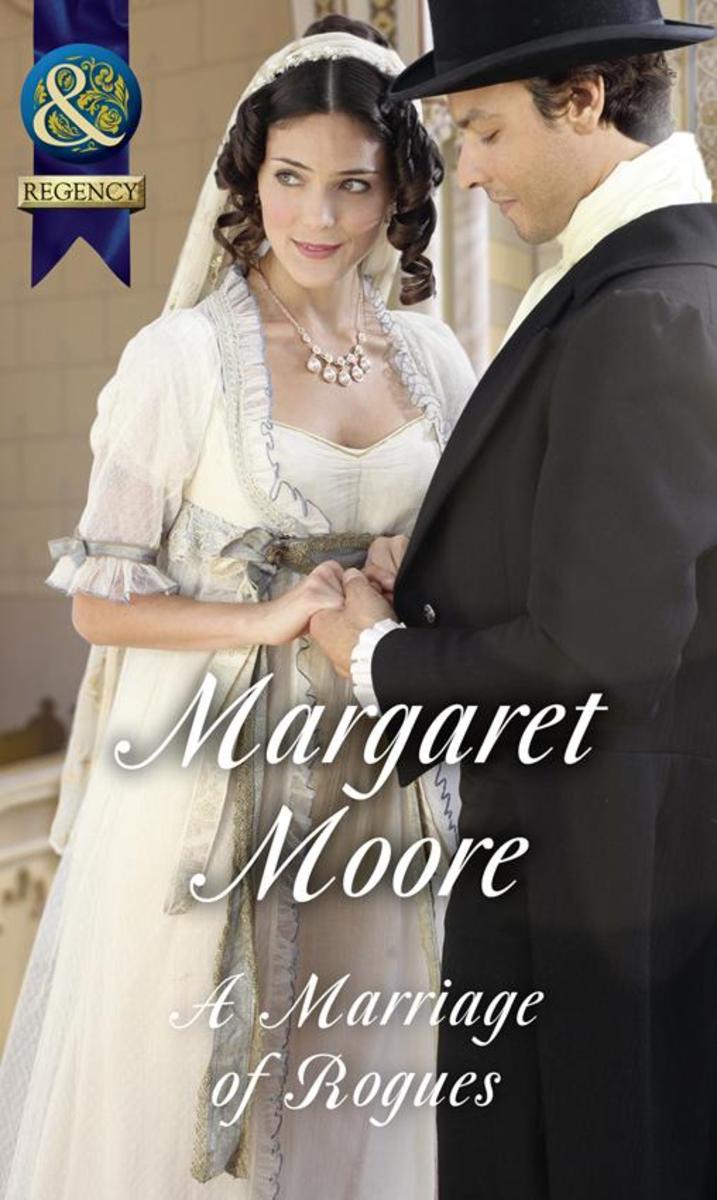
He made a dangerous wager…and won himself a wife Gambling hells are Sir Develin Dundrake’s forte. Hunting risk, craving victory, he’s surprised by nothing. Until the woman whose dowry Develin has claimed in a card game proposes the only solution that will rescue her from ruin: a wedding. Wicked Develin isn’t made for matrimony, but all Lady Theodora Markham demands is a convenient arrangement. He must avoid falling for his wife’s sensual charms – there are secrets hidden behind her beguiling gaze – yet neither can resist surrendering to the passion their marriage bed promises!
Bad Dad
¥95.75
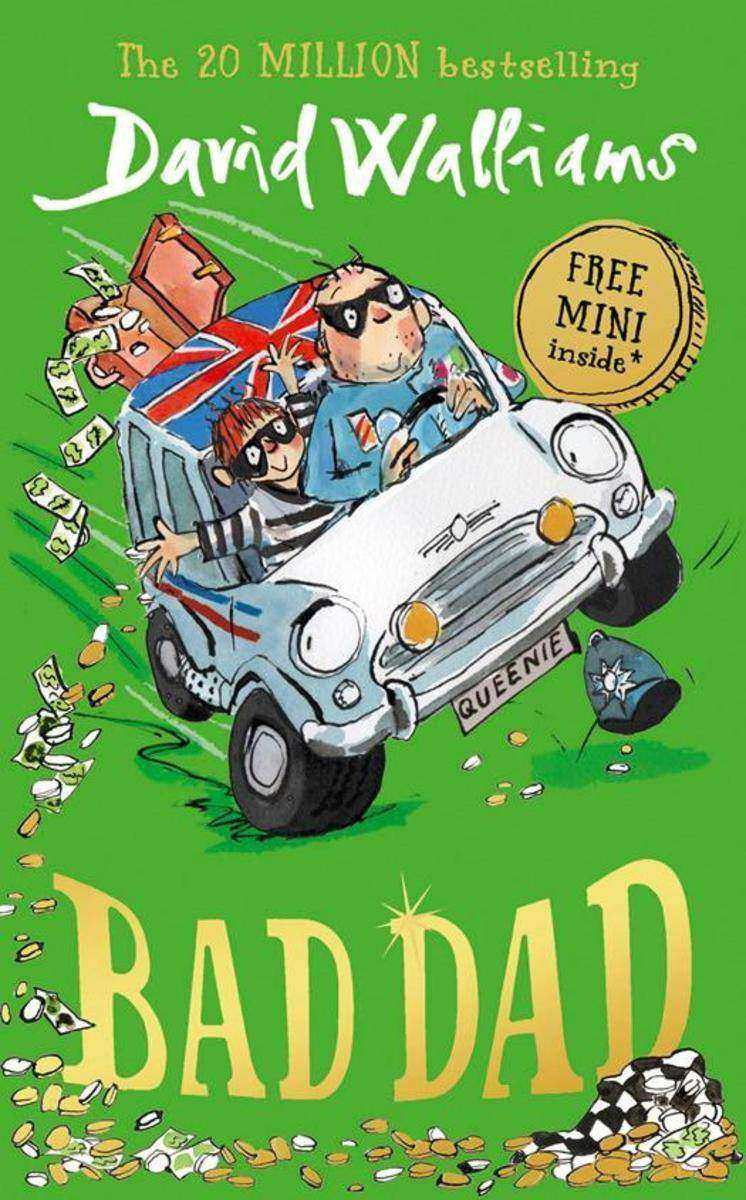
The new heart-warming and hilariously brilliant story from number one bestselling author David Walliams. Beautifully illustrated by artistic genius, Tony Ross. Dads come in all sorts of shapes and sizes. There are fat ones and thin ones, tall ones and short ones. There are young ones and old ones, clever ones and stupid ones. There are silly ones and serious ones, loud ones and quiet ones. Of course, there are good dads, and bad dads . . . A high-speed cops and robbers adventure with heart and soul about a father and son taking on the villainous Mr Big – and winning! This riches-to-rags story will have you on the edge of your seat and howling with laughter! Bad Dad is a fast and furious, heart-warming story of a father and son on an adventure – and a thrilling mission to break an innocent man into prison!

The Bull Rider's Homecoming (Mills & Boon Love Inspired) (Blue Thorn Ranch, Book
¥39.63
Healing The Cowboy’s Heart When Luke Buckton left Blue Thorn Ranch, he’d hoped to return in a blaze of rodeo glory—instead he’s limping home with a busted leg. To get back on the circuit he’ll need physical therapist Ruby Sheldon’s help. Six years ago, he left Ruby behind, convinced she was too innocent for such a public life. Now his high school sweetheart is stronger, tougher, and even more captivating. A high-profile success story like this could make Ruby’s career. All she has to do is rein in Luke’s bullheadedness, heal his injuries—and hope his reckless charm doesn’t trample her heart again…
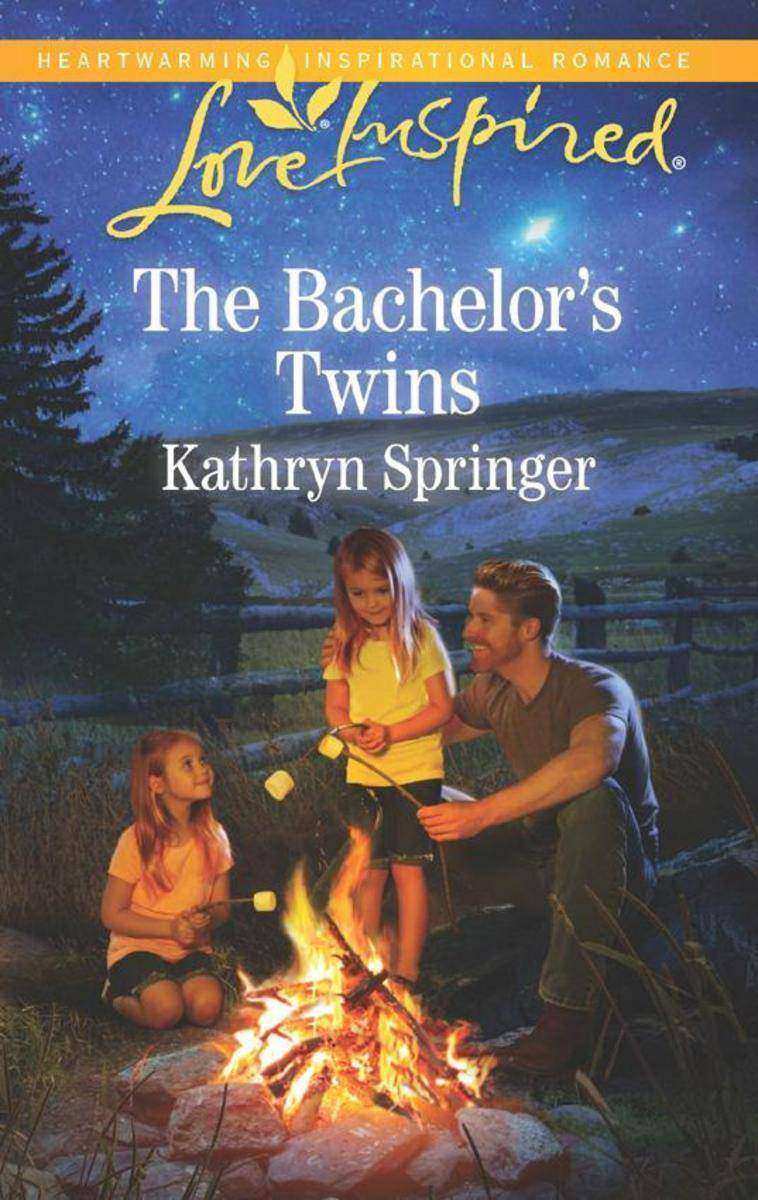
The Bachelor's Twins (Mills & Boon Love Inspired) (Castle Falls, Book 2)
¥39.63
Two Little Matchmakers Anna Leighton’s eight-year-old twin daughters think they've given their hardworking single mom the perfect birthday gift. But the family canoe trip with outdoorsman Liam Kane is far from relaxing. Their rocky shared past—and the secret Anna’s been keeping—means she’s given Liam a wide berth for ten years…until now. Liam may be bowled over by his former high school crush’s beauty, but these days he's a die-hard bachelor who's building a cabin for one. But the rugged Liam underestimates the power of an unstoppable force: two little girls who want a daddy.
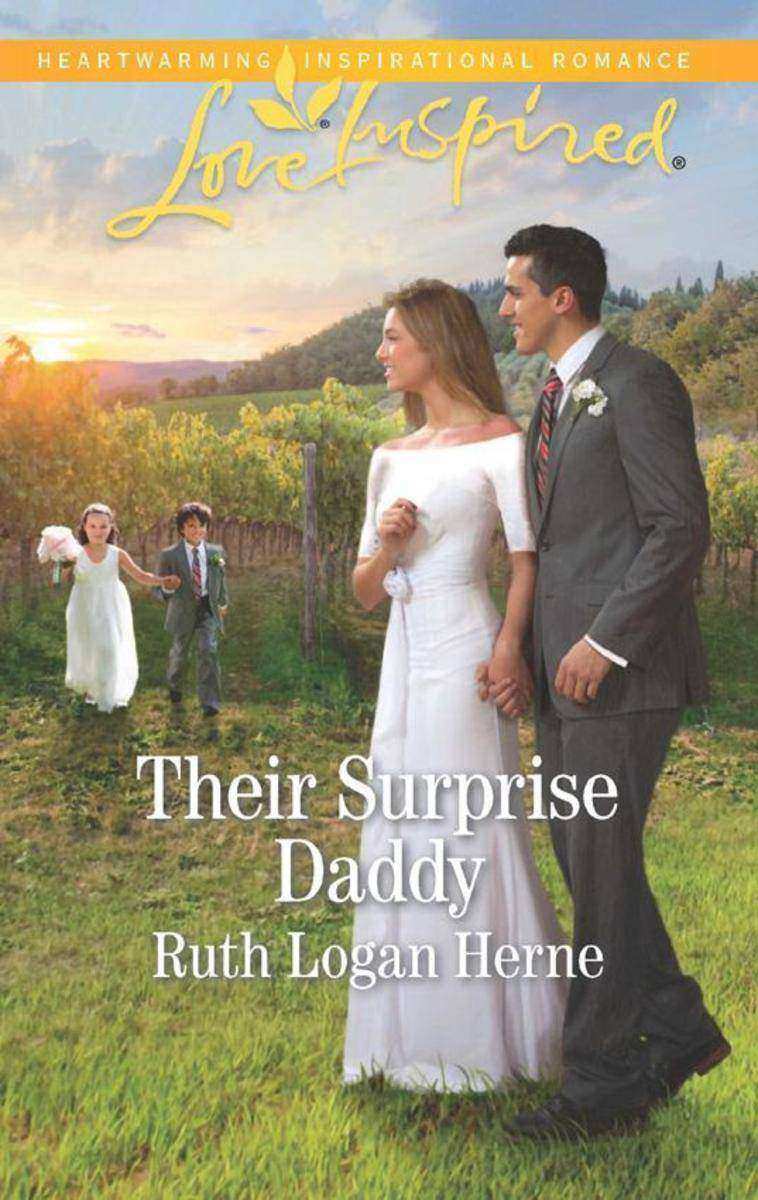
Their Surprise Daddy (Mills & Boon Love Inspired) (Grace Haven, Book 3)
¥39.63
Instant Family Cruz Maldonado has vowed to provide for his beloved cousin’s orphans. With his estranged mother’s health failing, they might soon be Cruz’s only family. But the kids’ immigration status brings complications. Mostly “Miss Rory”—their idealistic young teacher—and Cruz’s court-appointed co-guardian. Cruz has the means to give the kids a good home, yet Rory Gallagher wonders whether he has the heart. That is until she glimpses the sweet small-town boy inside the polished, handsome Wall Street exterior. Soon they both begin to wonder if this temporary partnership could turn into more—a chance to raise the children as husband and wife.
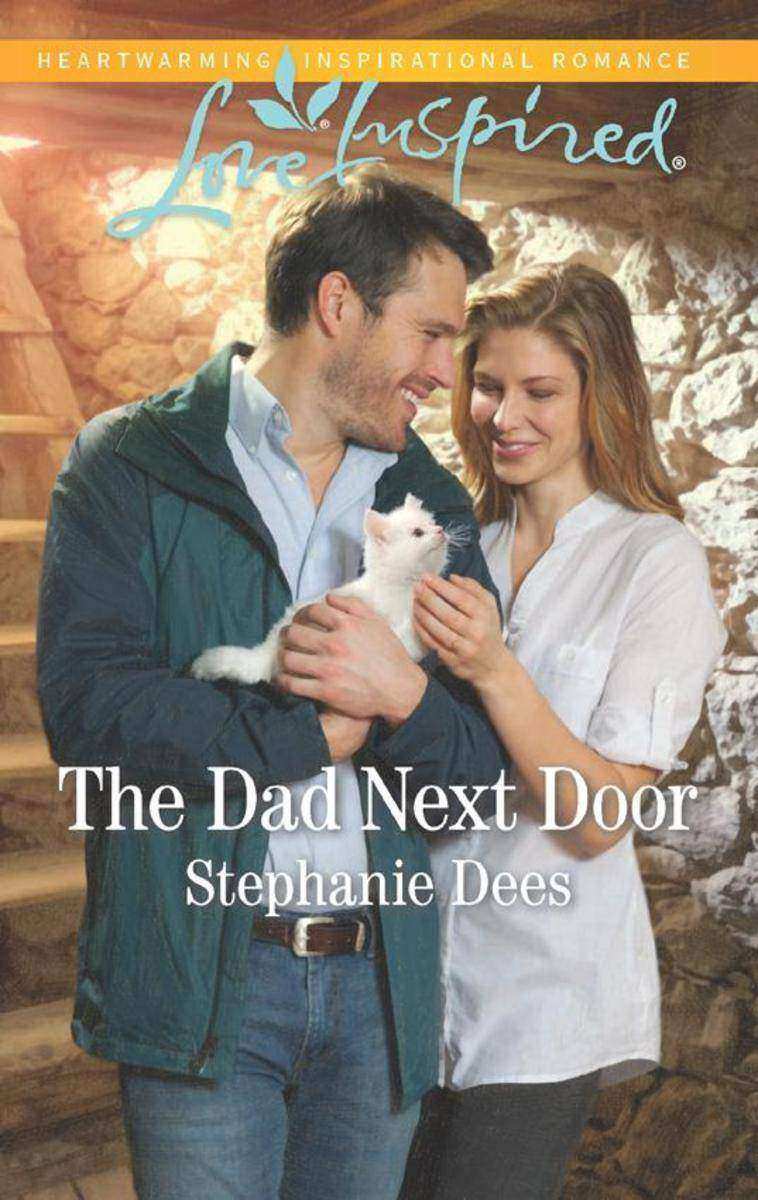
The Dad Next Door (Mills & Boon Love Inspired) (Family Blessings, Book 1)
¥39.63
A Place to Call Home Lawman Joe Sheehan is desperate to bond with the daughter he’s just discovered he has. But as a virtual stranger to twelve-year-old Amelia, the task seems impossible. Until Claire Conley moves to town. A social worker renovating a mansion into a foster home, Claire is the first person to get through to Amelia. Falling for the single dad was not on Claire’s to do list. But with Joe and Amelia around, the house finally starts to feel like home. Claire’s ready to fight to convince Joe that together they’ve done more than fix a house…they’ve built a family.
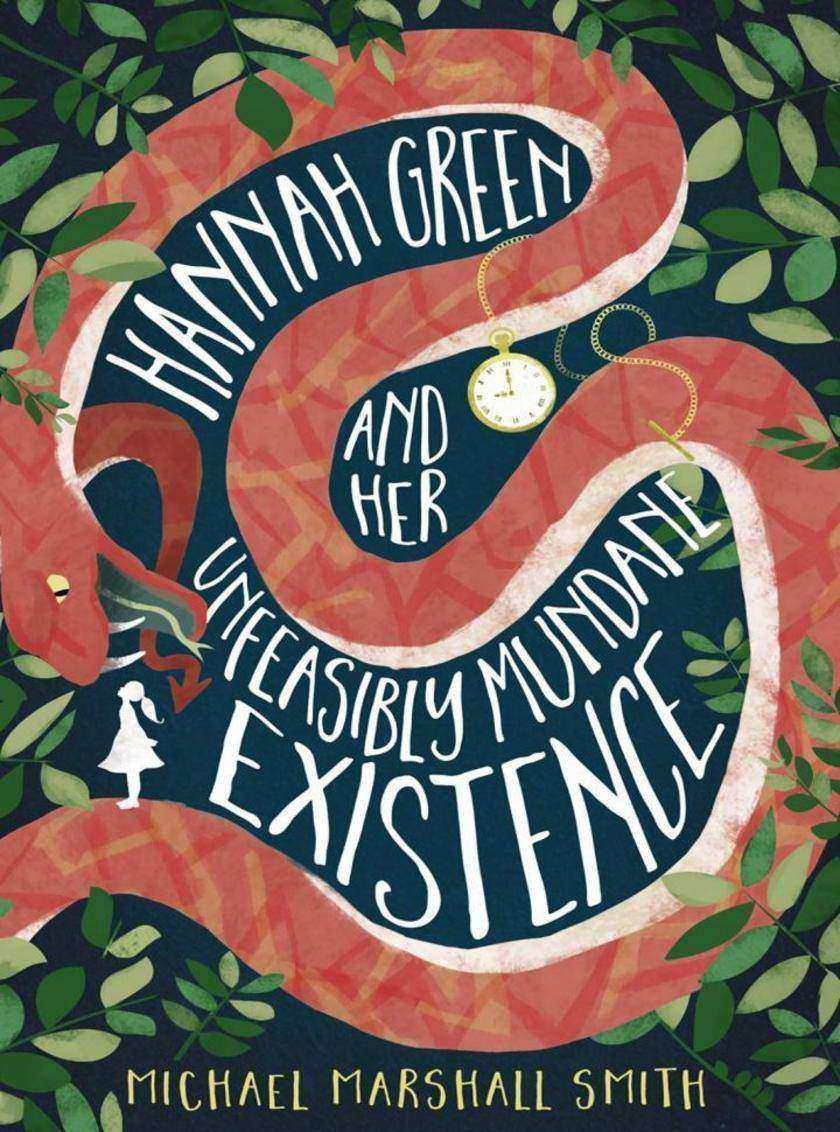
Hannah Green and Her Unfeasibly Mundane Existence
¥66.22
An unpredictable, poignant, and captivating tale for readers of all ages, by the critically acclaimed author of Only Forward. There are a million stories in the world. Most are perfectly ordinary. This one… isn’t. Hannah Green actually thinks her story is more mundane than most. But she’s about to discover that the shadows in her life have been hiding a world where nothing is as it seems: that there's an ancient and secret machine that converts evil deeds into energy, that some mushrooms can talk ― and that her grandfather has been friends with the Devil for over a hundred and fifty years, and now they need her help.
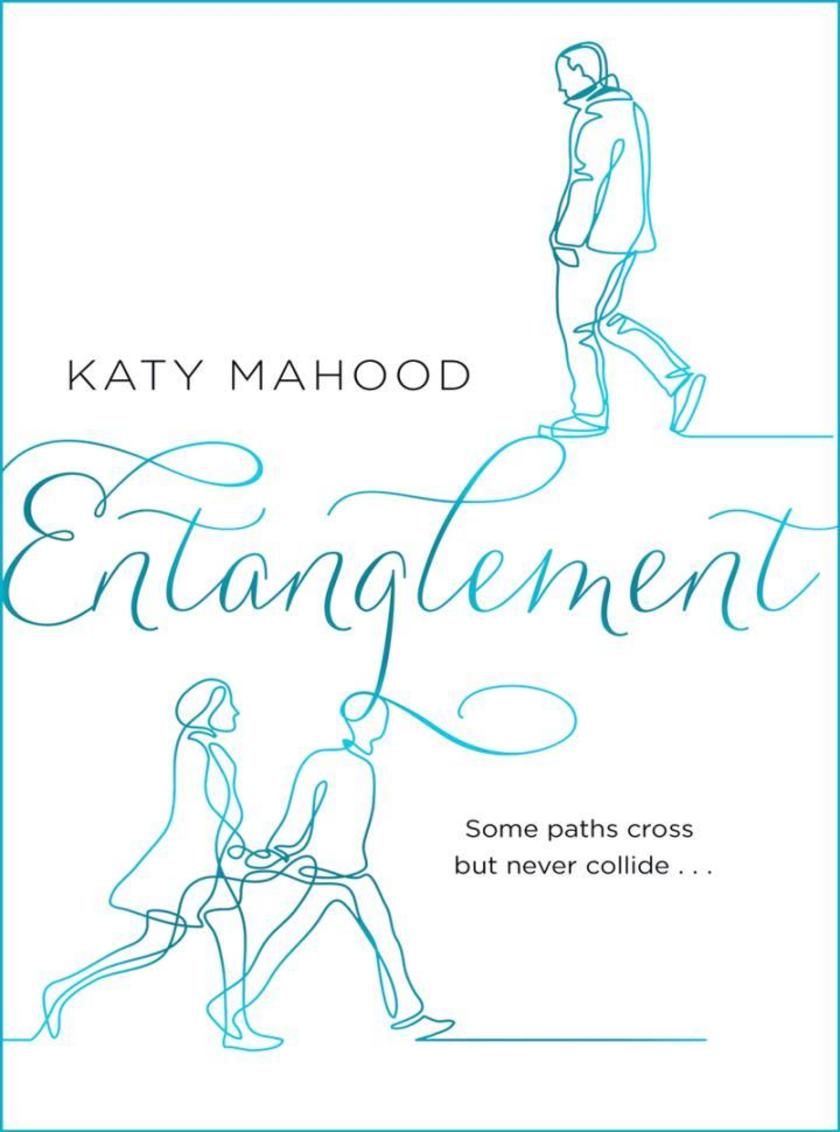
Entanglement
¥95.75
‘Dexterously structured … [a] wise debut’ Observer ‘A hugely impressive debut’ Stella Duffy ‘Beautifully written’ Hannah Beckerman ‘A really accomplished debut’ Red Magazine On a hot October day in a London park, Stella sits in her red wedding dress opposite John. Pregnant and lost in thoughts of the future, she has no idea that lying in the grass, a stone’s throw away, is a man called Charlie. From this moment, Stella and Charlie’s lives are bound together in ways they could never imagine. But all they have is a shared glance and a feeling: have we met before? Entanglement is a bewitching novel of love and sacrifice which explore show our choices can reverberate across the generations, and the sparks of hope they can ignite.
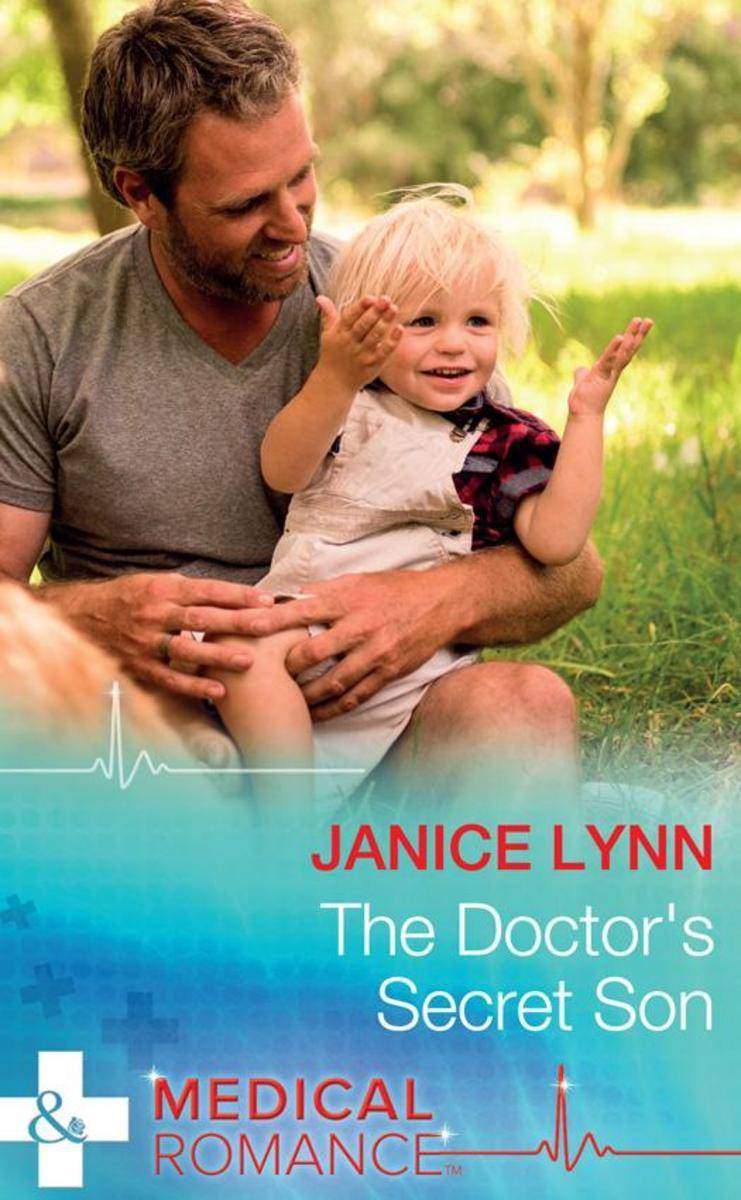
The Doctor's Secret Son (Mills & Boon Medical)
¥39.63
The truth about that night… Nurse Chrissie Tomberlain never thought she’d see the unforgettable Dr Trace Stevens, father of her little boy, again. She hasn’t heard from him in four years, but then he shows up at a charity event, and offers her another night of unbridled, no-strings passion! Driven by his own demons, nomadic Trace has been saving lives in the world’s most war-torn places. He’s never wanted to put down roots, but then beautiful Chrissie turns his whole life upside down with one incredible revelation…he’s a father!
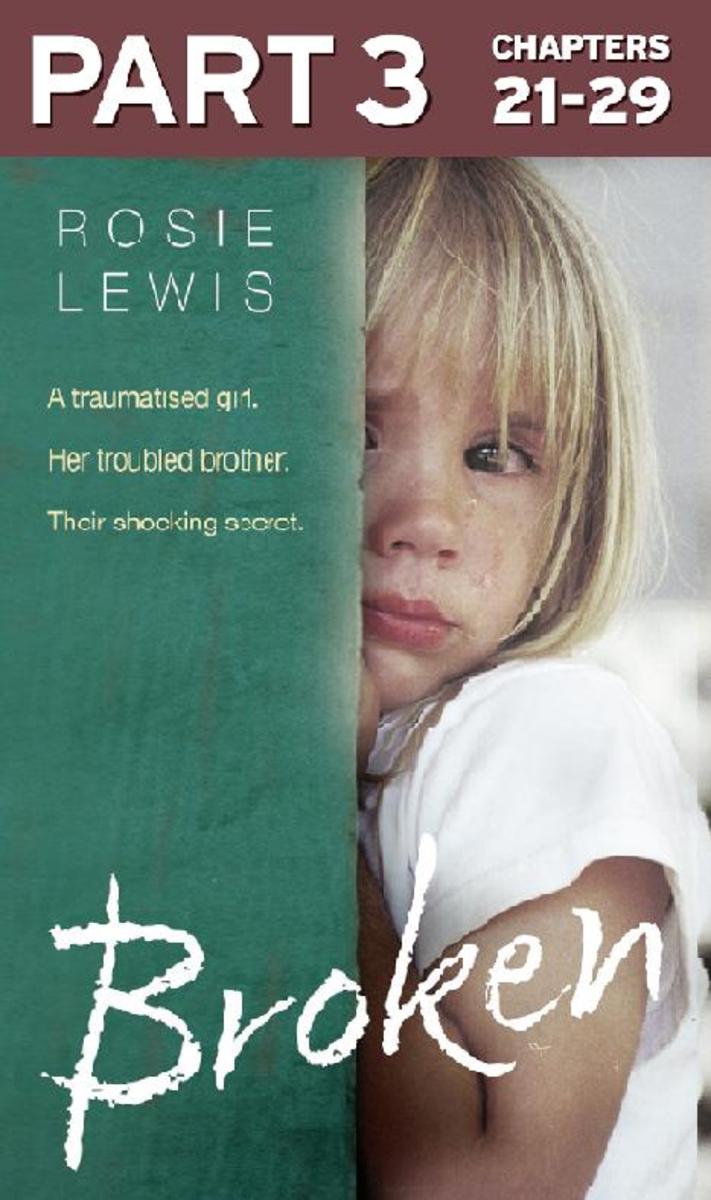
Broken: Part 3 of 3: A traumatised girl. Her troubled brother. Their shocking se
¥23.45
Rosie Lewis is a full-time foster carer. She has been working in this field for over a decade. Before that, she worked in the special units team in the police force.Based in northern England, Rosie writes under a pseudonym to protect the identities of the children she looks after.
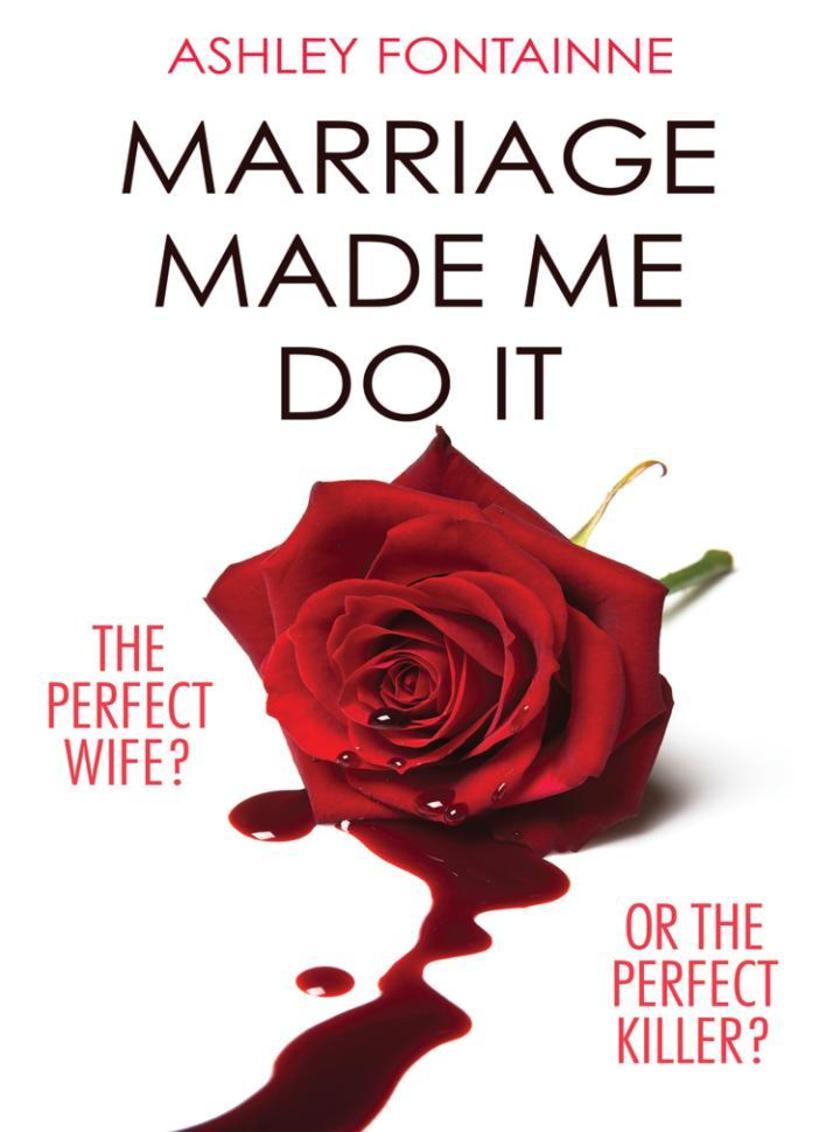
Marriage Made Me Do It: An addictive dark comedy you will devour in one sitting
¥28.45
An irreverent thriller about one housewife’s descent into madness. SO ADDICTIVE YOU WON’T BE ABLE TO PUT IT DOWN! It’s time to break the rules! My name is Roxy Davenport and I’m part of a dying breed: I’m the perfect housewife. My whole life, I’ve tried to follow the rules of previous, “wiser” generations. High school sweethearts must marry (check!), the wife must stay home to look after the children (check!), all married couples must procreate and raise 3.2 children (demerit – we only managed one – oops!). But it turns out all the while, my husband has been playing by his own rules…and playing around. So screw him! I’ve chucked the handbook out the window. He has no idea what’s coming for him. And my perfect neighborhood will never be the same again.
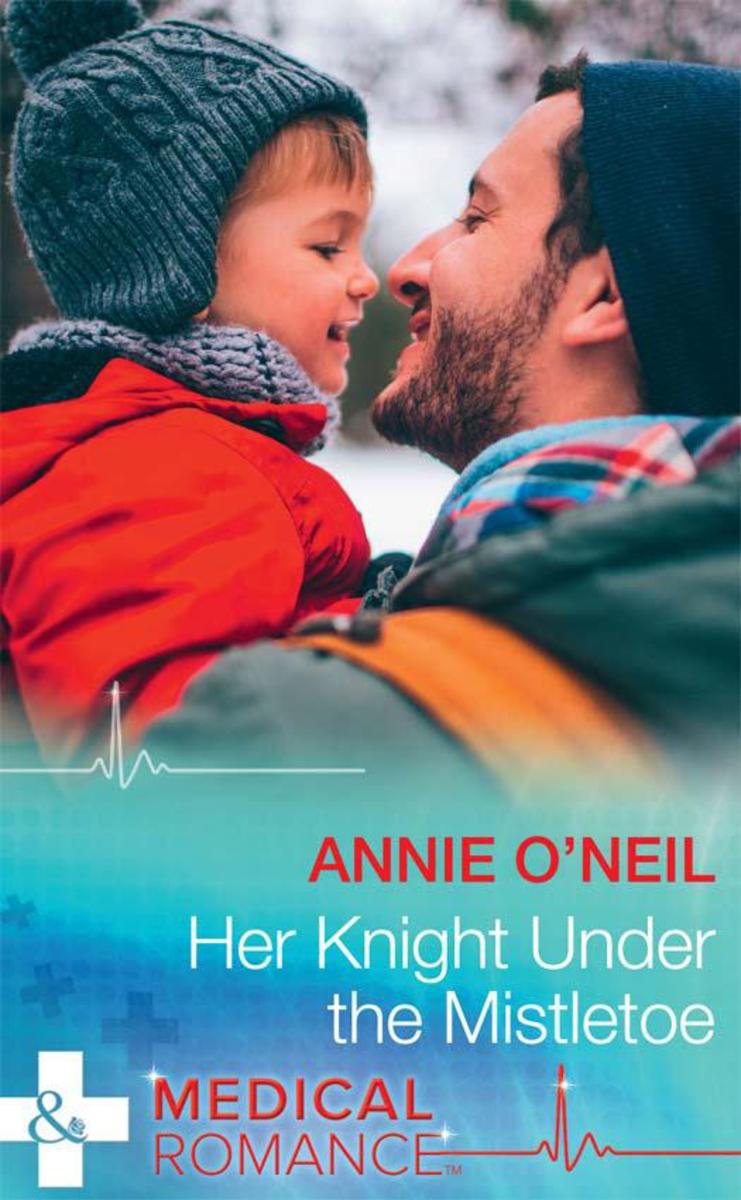
Her Knight Under The Mistletoe (Mills & Boon Medical)
¥39.63
All the single mum wants for Christmas… London A&E doctor, Matthew Chase, is shocked that his new role has become a job-share – with Dr Amanda Wakehurst – the last woman he expected to see again. Matthew is also unaware he’s the father of her little boy, until Tristan is critically injured. Yet Matthew is there to support Amanda in her hour of need, and proves how much he wants to be Tristan’s Dad. Dare she hope he still wants her too? Being together as a family this Christmas would be her ultimate gift…
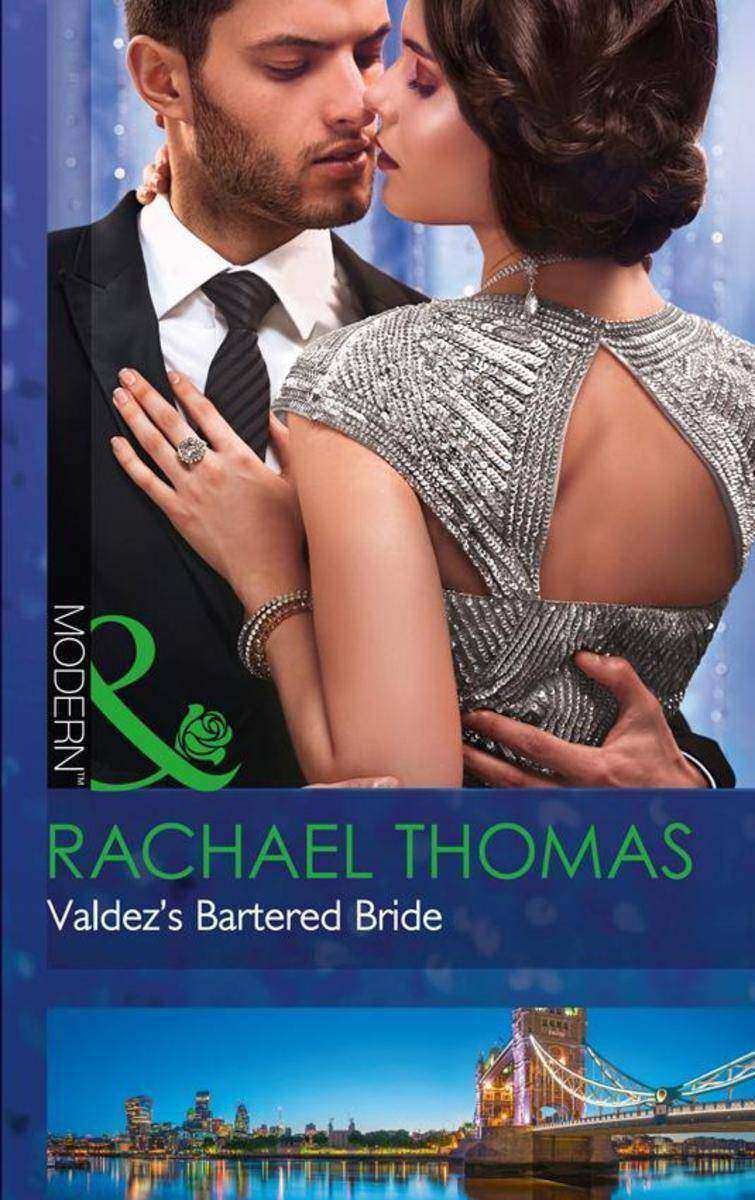
Valdez's Bartered Bride (Mills & Boon Modern) (Convenient Christmas Brides, Book
¥25.21
Blackmailed into marriage…by Christmas! Genealogist Lydia Carter-Wilson is horrified by the debts her father has run up in her name. Then magnate Raul Valdez approaches her with an outrageous proposition. If she helps him claim his inheritance, he’ll pay off her debts and save her tarnished reputation. But there’s a catch. If she fails, she will marry Raul on Christmas Eve! No matter their instant and electrifying attraction, Lydia knows Raul’s proposal amounts to blackmail. Yet faced with an impossible choice – risking ruin or becoming Raul’s bartered bride – Lydia finds she cannot resist her desire to make a deal with the dark-hearted billionaire…!

Carrying His Scandalous Heir (Mills & Boon Modern) (Mistress to Wife, Book 2)
¥30.61
Pregnant with the Italian’s child Aristocratically arrogant Cesare di Mondave dazzled Carla Charteris when he swept into her life. It wasn’t long before the brooding Italian stole her innocence, and her heart. Realising she’d never be more than a mistress was devastating, but Carla couldn’t deny herself one last night in Cesare’s arms… When Cesare discovers the shocking consequences, a thrill of possession runs through him. To claim his heir, it’s imperative Carla accepts his proposal―but she defiantly refuses! Now Cesare must use every sinfully seductive skill he has to convince Carla he wants her in the bedroom and at the altar!
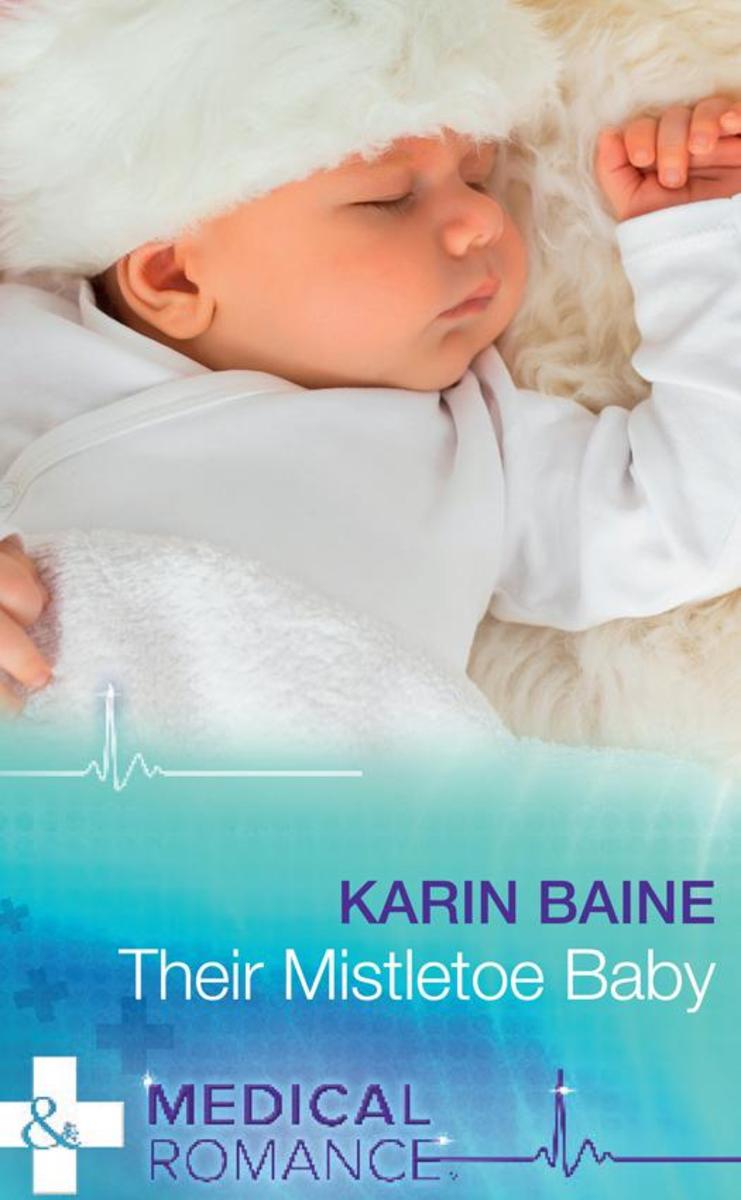
Their Mistletoe Baby (Mills & Boon Medical)
¥29.43
A Christmas dream come true When handsome paediatrician Lucas Brodie walked out on his wife Freya at Christmas, he left her heart and hopes for a family shattered. This year, nurse Freya is determined to put the pain behind her by volunteering on a trip to take sick children to Lapland. But then she discovers Lucas is coming too! As they begin to fall in love, again, Lucas wonders – could he give her a family after all? Can he put his past behind him? Perhaps an unexpected pregnancy could be the Christmas miracle to make Freya’s dreams come true…
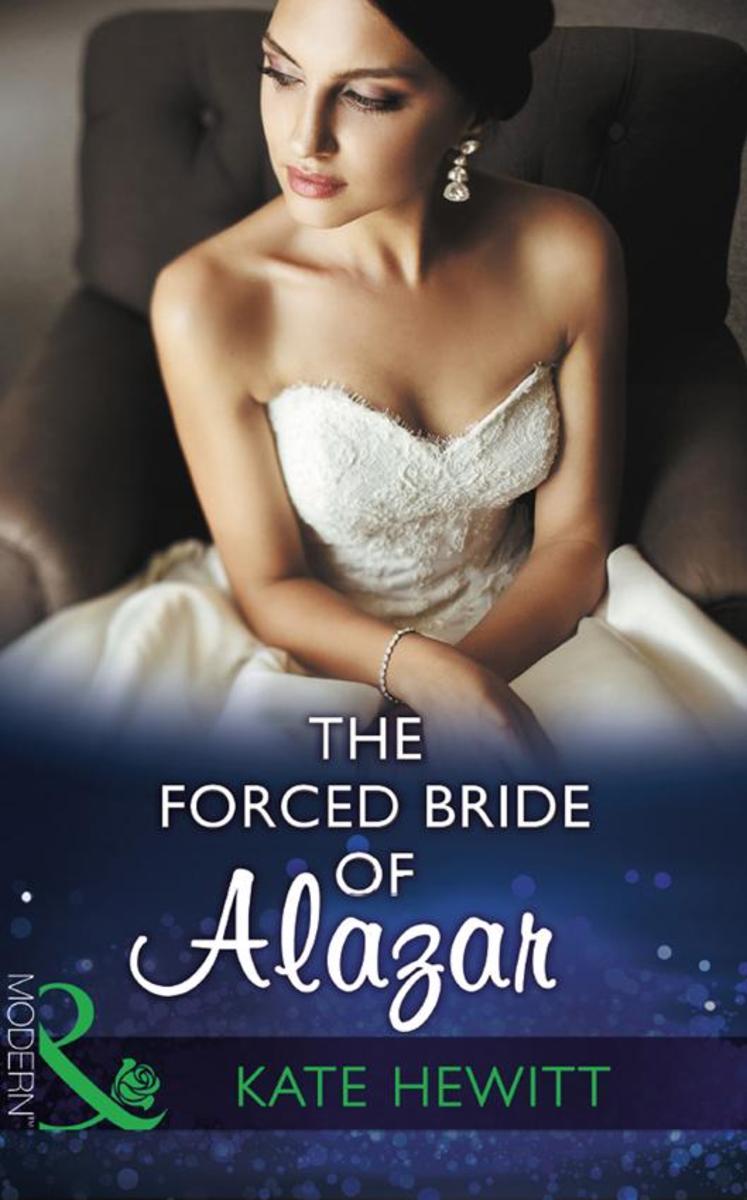
The Forced Bride Of Alazar (Mills & Boon Modern) (Seduced by a Sheikh, Book 2)
¥30.61
Kidnapped decades ago, Azim al Bahjat stuns the Kingdom of Alazar with his sudden return. To secure his position, the ruthless royal must claim the woman who was always intended to be his–even if sheltered yet beguiling Johara Behwar resists… No matter how secretly thrilling she finds the flashes of heat beneath Azim's icy exterior, Johara's every instinct is to run. But Azim will not be denied, and as he shows his virgin bride how intoxicating their wedding night could be, Johara soon finds herself enticed to surrender to the sultan!

The Secret Kept From The Greek (Mills & Boon Modern) (Secret Heirs of Billionair
¥29.43
Damon Gavros: commanding, Greek…and father of her child! When Damon Gavros steps into Lizzie Montgomery’s workplace, their searing desire cuts through the heat of the kitchen. Instantly, she’s swept back eleven years to the one exquisite night they shared! He may be the reason she once lost everything, but the irresistible connection between them blazes hotter than ever. Only there’s one thing Damon doesn’t know about Lizzie…yet. Damon is sure Lizzie is hiding something, and he’s determined to discover what. From London to Greece, his pursuit is relentless, until he finds out Lizzie’s secret has a name…Thea – and she’s his daughter!
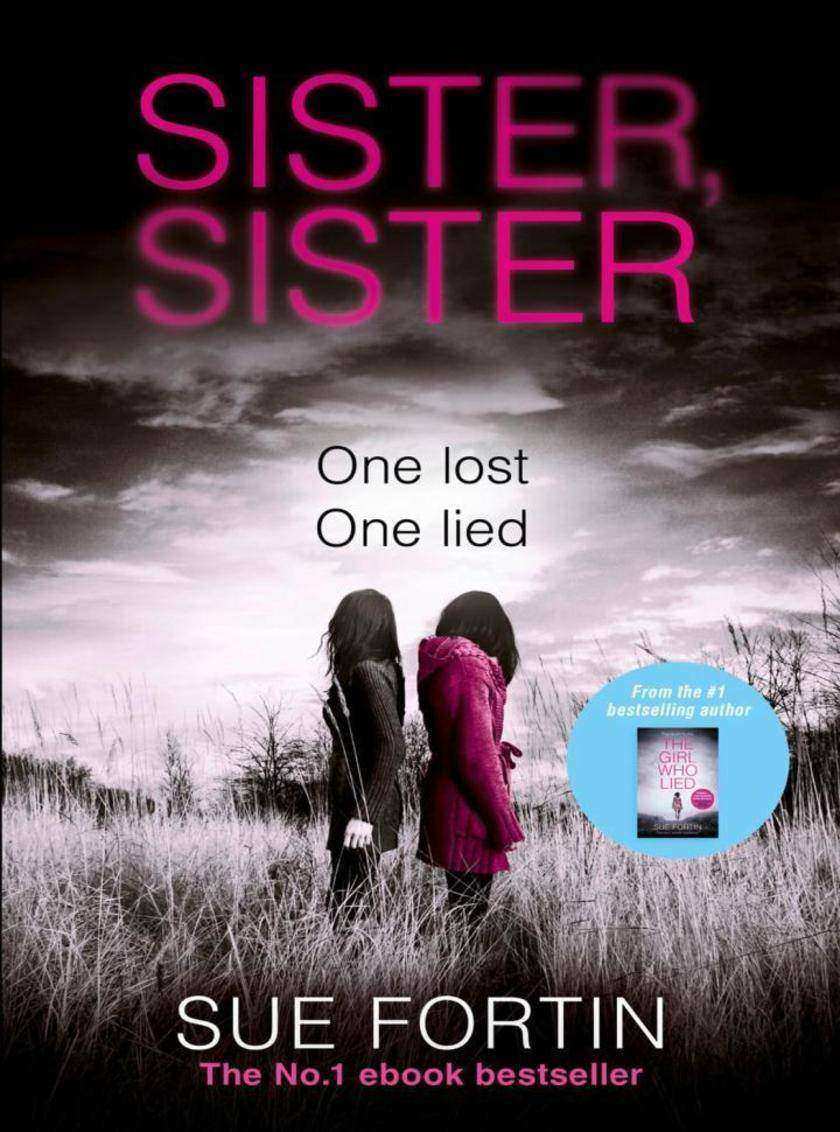
Sister Sister: A truly gripping psychological thriller
¥32.08
USA Today bestselling author of The Girl Who Lied ‘Gobsmacked…a thrilling finale’ Rachel’s Random Reads Alice: Beautiful, kind, manipulative, liar. Clare: Intelligent, loyal, paranoid, jealous. Clare thinks Alice is a manipulative liar who is trying to steal her life. Alice thinks Clare is jealous of her long-lost return and place in their family. One of them is telling the truth. The other is a maniac. Two sisters. One truth. What people are saying about SISTER SISTER: ‘I would definitely recommend this if you love psychological thrillers’ – Stardust Book Reviews ‘Sister Sister has everything – conflict, family secrets and betrayal, all of which go to make it thoroughly deserving of the five stars I’ve given it’ – Brook Cottage Books ‘A truly absorbing psychological thriller’ – Joan Hill, Reviewing Recommended Reads


