


 购物车
购物车 个人中心
个人中心

The Girl Next Door (Mills & Boon Intrigue) (Shadow Agents: Guts and Glory, Book
¥31.10
When Gabrielle Harper’s gutsy investigative reporting attracts a serial killer, her new neighbour begins keeping an eye on her. Cooper Marshall, an Elite Operations Division specialist, knows when the time comes he’ll protect Gabrielle – even if it means breaking his cover…
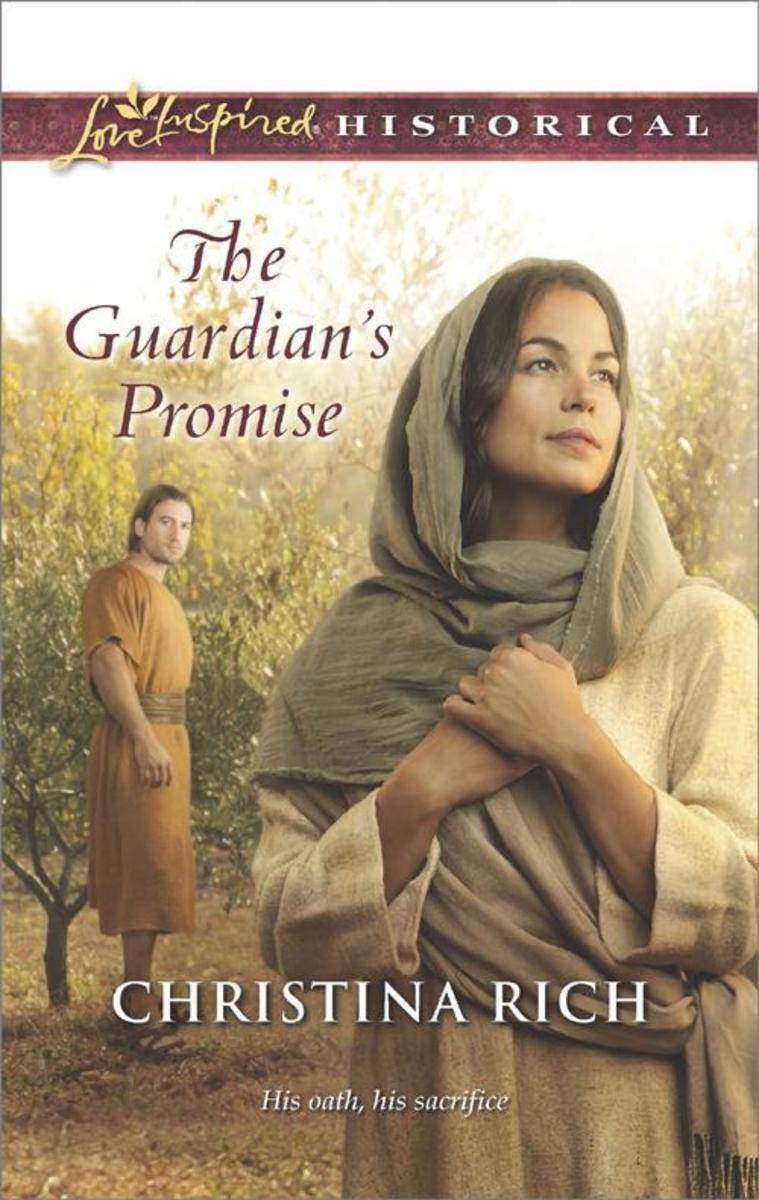
The Guardian's Promise (Mills & Boon Love Inspired Historical)
¥31.10
A KINGDOM IN JEOPARDY An evil queen and her royal guards will stop at nothing to find—and kill—the rightful heir to the throne of Judah. When their pursuit leads them to Mira’s village, only her father’s bondservant, Ari, a man shrouded in secrets, can keep Mira safe. Abandoning his life as a temple guard and becoming an indentured servant was the only way Ari could protect young Joash, the true King of Judah, from Queen Athaliah. But his sacred duty prevents him from confessing his feelings for his master’s daughter. With the future of their nation on the line, Ari and Mira will risk everything to save their people.

The Lawman's Honor (Mills & Boon Love Inspired) (Whisper Falls, Book 4)
¥31.10
Love’s Duty As assistant police chief, Heath Monroe never expected he’d ever need rescuing. But that’s exactly what Cassie Blackwell does when she pulls him out of a car wreckage. He’s surprised at the beautiful widow’s strength and joyous spirit. But he’s been burned before and is cautious to get involved. Especially since his investigation into the town’s drug operation might implicate Cassie’s late husband! Yet the more time he spends with her, the deeper he falls. Will he have to choose between duty and his growing love—or is there a way he can have both? Whisper Falls: Where every prayer is answered…

The Playboy Prince (Fast Fiction)
¥11.77
Fast Fiction Hot - short, sexy reads Ella Jamison would do almost anything for her job. After her boss, architect Chase Bryant, rescued her from a humiliating situation, Ella devoted herself to his firm. But now he's asking Ella to escort the Playboy Prince around New York City. Ella despises arrogant, self-centered men like Philippe Montvidant. But the firm needs his account, and the firm comes first. Philippe knows all about duty. His playboy act has given his tiny country much-needed publicity. Too bad the press and people like Ella only see the headlines, and never get to know the true man. And for some reason, Philippe desperately wants Ella to know the real him. But if he manages to open her eyes, will she like what she sees?
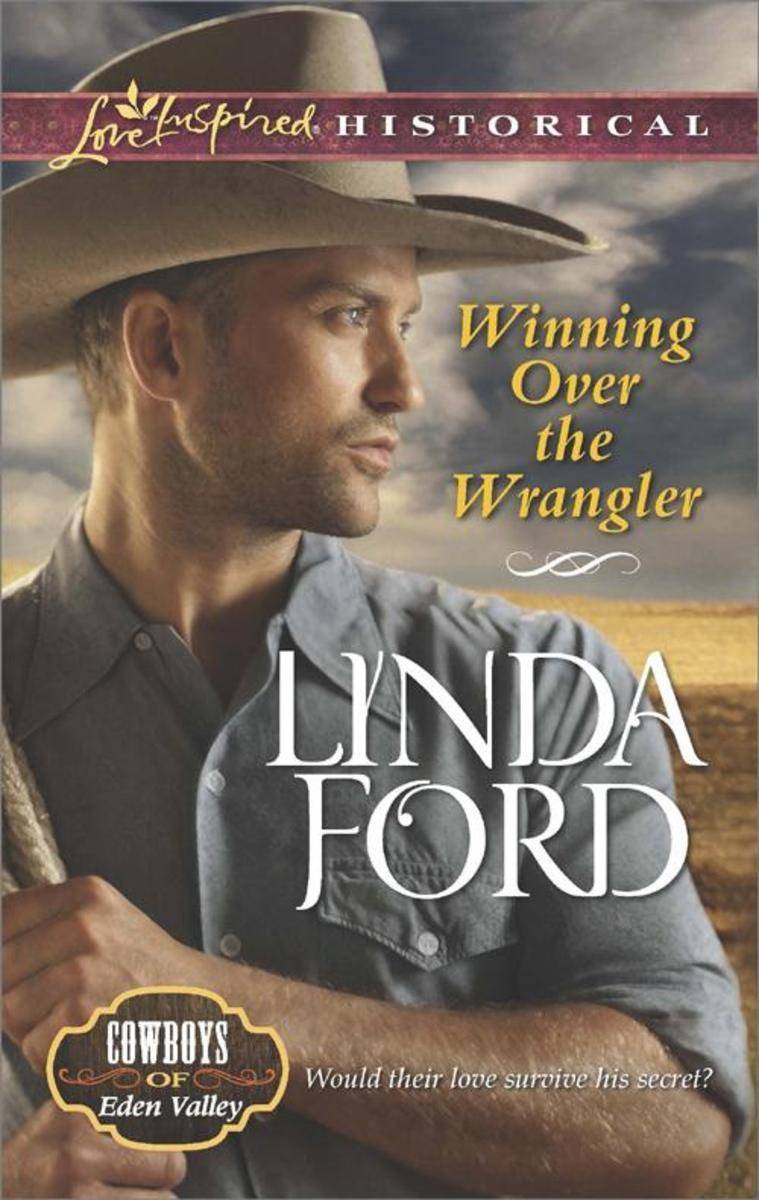
Winning Over the Wrangler (Mills & Boon Love Inspired Historical) (Cowboys of Ed
¥31.10
A COWBOY WITHOUT A NAME The only thing Brand Duggan’s outlaw kin ever gave him was an undeserved reputation. Once he’s through breaking horses, he’ll leave Eden Valley. Staying means risk—and heartache. And he has no business falling for a refined English miss like Sybil Bannerman. The rugged cowboy who rescues her from a stampede is just the kind of man Sybil Bannerman’s editor wants her to write about. Yet she has no idea how big a secret Brand Duggan carries, until her life is threatened. Despite the evidence against him, Sybil can’t walk away—for the man who lassoed her heart is the one she’ll love forever… Cowboys of Eden Valley: Forging a future in Canada’s west country
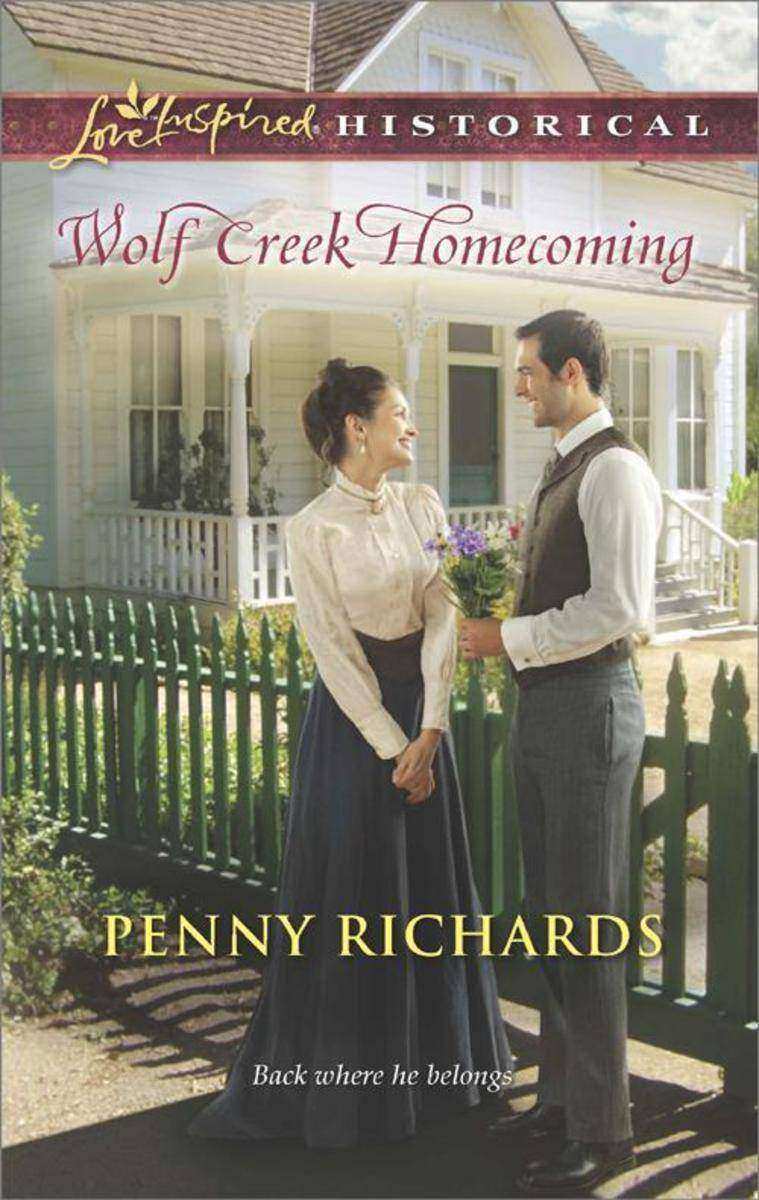
Wolf Creek Homecoming (Mills & Boon Love Inspired Historical)
¥31.10
ALL ROADS LEAD TO HOME Gabe Gentry used to live entirely in pursuit of carefree pleasure. It cost him his relationship with his brother, and with the one woman who believed in him. Now, with new-found faith, he’s coming home to Wolf Creek, Arkansas, hoping to find redemption and forgiveness, and maybe even a second chance at love. Physician Rachel Stone never thought she’d lay eyes on Gabe again. After their brief time together, Gabe disappeared, leaving Rachel devastated and secretly pregnant with his son. His return stirs up her bitterness…and her attraction. But Gabe’s already burned her once, how can she trust him again, now that her son’s heart is on the line as well?

Yours Forever (Mills & Boon Kimani) (Bayou Dreams, Book 3)
¥30.90
Can the sins of the past . . . Louisiana powerhouse attorney Matthew Gauthier has spent a lifetime safeguarding his prominent family’s scandalous history. So when Tamryn West makes it her mission to dig up the past, Matthew must do everything in his power to stop her. But his plan to distract the alluring history professor begins to send his own passions raging out of control. . . . Become the hope of the future? Tamryn came to the town of Gauthier to find the diary that could be the missing link to her grandmother and her enduring legacy. In the process, she stumbles on the secrets of another family—secrets Matt will protect at any cost. As his sensual touch awakens Tamryn’s deepest desires, will a revelation that could make her career cost Matt his political dreams–and their future together?
A Mom for Christmas (Mills & Boon M&B) (The Wilde Men, Book 3)
¥27.27
Ski patroller Aidan Wilde doesn't get too festive during the holiday season. Not since his wife, Charmaine, fell to her death off Whistler Mountain on Christmas Eve six years ago. Though the whole town had gossiped about his failure to save Charmaine, Aidan has been able to hide the horrifying circumstances of that day from his daughter, Emily. Until Charmaine's cousin, Nicola, returns home. While digging up the truth and finding some unexpected answers, Nicola works her way into Emily's heart and unexpectedly wins over Aidan, too. Might this single dad really be ready to let go of the past and give his daughter the one thing she really wants for Christmas–a mom?

Ask Anyone (A Trinity Harbor Novel, Book 2)
¥50.62
A merry-go-round horse and an armed guard in his front yard–along with half the town–is not what Bobby Spencer expects to wake up to. So with his quiet Sunday morning ruined, he isn't feeling very kindly toward the woman responsible. But Jenna Pennington Kennedy is desperate. She needs to capture Bobby's attention so he'll hire her to plan the town's new riverfront development. It's just the sort of thing that could prove to her father she's a responsible woman, not the reckless kid of old. The last thing Bobby wants in his life is a sexy single mom with grand ambitions. And Jenna doesn't need any more roller-coaster romances. But in Trinity Harbor, love has a way of defying expectations–ask anyone.
Courting Callie (Mills & Boon M&B) (Heart of the West, Book 2)
¥27.27
The Lost Springs Ranch for troubled boys is at stake, and it's a man's duty to give back… Bachelor #2 Name: Mase LeBow, 34 Occupation: Homicide detective, Denver Biggest Achievement: Living to adulthood after a too-wild adolescence Widower Mase LeBow figures Callie Thorne's remote equine therapy ranch is the best place to protect his son. So he's determined to charm her after she "buys" him for a date at the Lost Springs Bachelor Auction. But her insistence on helping his withdrawn boy gets past his defenses…and that can't happen. Falling in love with Callie when he's the star witness in a murder trial would be a huge mistake.
Deadly Silence (Mills & Boon M&B)
¥54.74
Lieutenant Matt Sinclaire has always loved fighting fires–until the fateful day when the flames came for his family. Arson took his wife and has left him alone with an eight-year-old daughter too traumatized to speak–and the ruins of his life are proving difficult to rebuild. When U.S. Forest Ranger Casey Cantrell is assigned to Jackson Hole, Wyoming, the last thing she expects to find is a wounded firefighter and his damaged daughter. But after a chance encounter in the woods, she finds herself becoming almost a mother to the girl. Now, two years after the fire, Matt feels on the verge of finally getting his little girl back, and even of finding love again. But can he protect them from the evil that stripped him of his life once before?
Emmett (Mills & Boon M&B) (Long, Tall Texans, Book 10)
¥27.27
Single dad Emmett Deverell thought moving to Jacobsville, Texas, would mean "quality time" with his children. Then he realized the truth–his kids were uncontrollable! He knew the three little rapscallions needed a woman's influence. But the only female available was Melody Cartman…and Emmett trusted her about as far as he could throw her. Melody's new charges were a force to be reckoned with. But it was their father who proved a handful. That sexy wink of his was enough to send a woman into orbit. She knew Emmett would never forgive her past, though, which was definitely a problem. Because being part of Emmett's family was a habit Melody didn't want to break.

The 13th Gift: Part One (HarperTrue Life – A Short Read)
¥9.71
A true Christmas story of a family suffering their darkest moments finding strength and love from a surprise Christmas miracle. December 1999: It was the Christmas season, but Joanne Smith was numb. She wished she could just go to sleep and wake up on December 26. No singing. No laughter. No shopping. She typically enjoyed the holidays, but this year she couldn’t celebrate. Her beloved husband of almost twenty years had died two months previously. What had once been a happy home was now devastated, leaving her and her three children drowning in grief. Until they were thrown a lifeline. Twelve days before Christmas, Jo was in the midst of rushing her kids to school, when she discovered a poinsettia sitting on her doorstep with a card, signed cryptically by her “true friends.” That seemingly small gift was the turning point for the Smith family, as over the course of the twelve days of Christmas, a new gift arrived daily. The mystery of the Christmas presents – specifically, the generosity and kindness behind them – worked its magic on the Smiths as the family knitted back together. They rose out of their grief and latched onto the hope they suddenly felt again: that with love, with community, and with family, even the most broken hearts can be mended.

Nelly Dean
¥58.86
‘Audacious’, ‘a page-turner’ and ‘ has the makings of a feminist classic’ INDEPENDENT A gripping and heartbreaking novel that reimagines life at Wuthering Heights through the eyes of the Earnshaws’ loyal servant, Nelly Dean. Young Nelly Dean has been Hindley’s closest companion for as long as she can remember, living freely at the great house, Wuthering Heights. But when the benevolence of the master brings a wild child into the house, Nelly must follow in her mother’s footsteps, be called servant and give herself to the family completely. But Nelly is not the only one who must serve. When a new heir is born, a reign of violence begins that will test Nelly’s spirit as she finds out what it is to know true sacrifice. Nelly Dean is a wonderment of storytelling, a heartbreaking accompaniment to Emily Bronte’s adored work. It is the story of a woman who is fated to bear the pain of a family she is unable to leave, and unable to save.

Paul Temple Intervenes (A Paul Temple Mystery)
¥62.59
Sir Graham Forbes of Scotland Yard often calls upon Paul Temple to help with his latest unfathomable case… In a small country lane, the well-known American, Myron Harwood, is found dead. The murder heralds the start of a spate of celebrity deaths – and each time the victim is found with a small white piece of cardboard, bearing the in*ion ‘The Marquis’. When a woman is pulled from the river with the same note attached to her dress, Paul Temple sends a note to Sir Graham Forbes. His message reads: ‘is it true what they say about Rita?’ Rita Cartwright was a private detective hired to investigate the Marquis murders – and now she is the eighth victim. The police are baffled and the Home Secretary is calling for Paul Temple to intervene…
Wyoming Promises (Mills & Boon Love Inspired Historical)
¥31.10
A Place to Call Home Traveling through the Wyoming wilderness, all Bridger Jamison wants is a job and a safe haven for his brother. Finding work with the lovely Lola Martin solves at least one of his problems. And the charming town of Quiver Creek seems like the perfect place to start a new life. A string of mysterious deaths has the town–and Lola–on edge. She isn't sure what to make of the new man in town. But she can't help trusting the handsome carpenter who shows such tenderness toward his brother. When secrets come to light, Lola must put her faith in the man who's stolen her heart, or risk letting a perfect love pass her by….
The Rancher and the Runaway Bride Part 1 (36 Hours, Book 19)
¥14.62
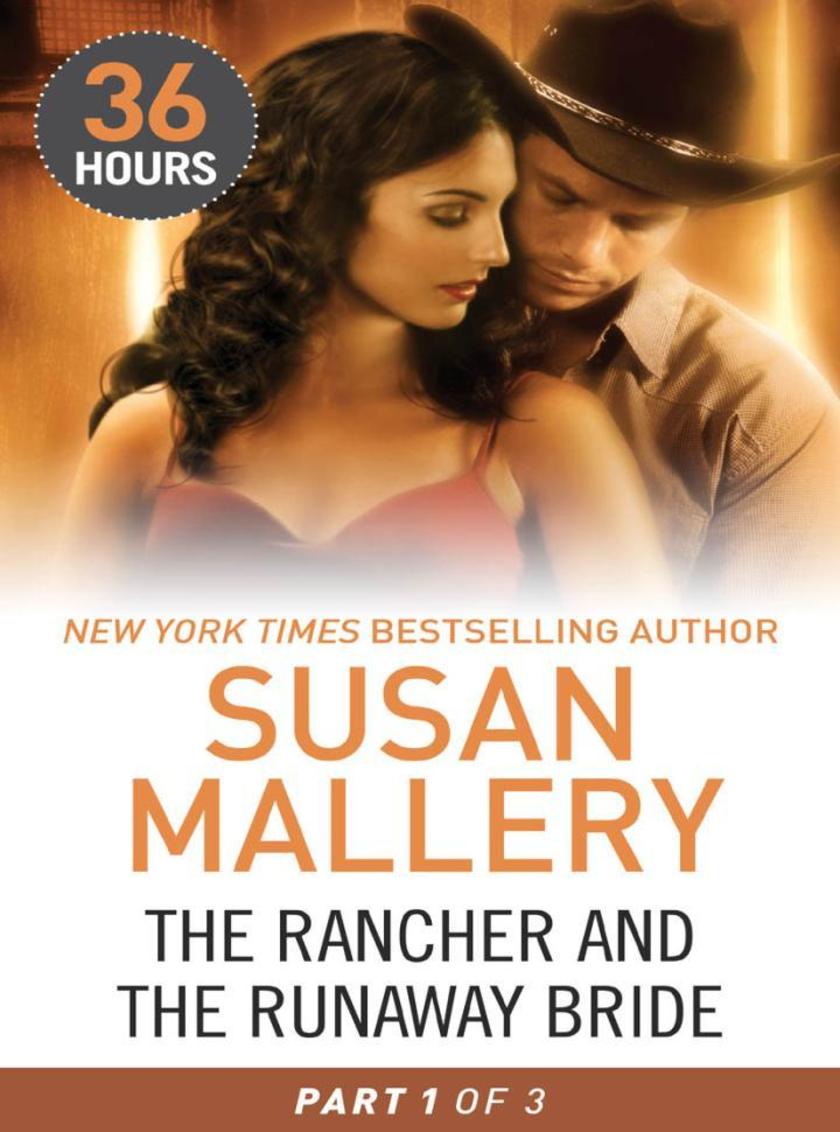
36 Hours Serial As a devastating summer storm hits Grand Springs, Colorado, the next thirty-six hours will change the town and its residents forever…. The Rancher and the Runaway Bride Part 1 Grand Springs is about to have it's most spectacular wedding–or it was, until the bride, Randi Howell, ran off. She took advantage of the power failure to sneak out of the lodge–only to overhear strange gunmen discussing a murder. Now she's on the run from a furious groom and ruthless killers. Fleeing halfway across the country to Texas, Randi arrives at Brady Jones's ranch. It's the perfect safe haven–big sky, horses and no questions. And since the handsome cowboy's willing to take a chance on her, she'll work hard and prove her worth while she's there. Brady has taken in enough misfits and strays to know trouble when he sees it, but something about the feisty girl with the raven curls is making him look the other way. He hopes he won't regret giving her a chance…. The story continues in The Rancher and the Runaway Bride Parts 2 and 3.
Father and Child Reunion Part 3 (36 Hours, Book 18)
¥11.77
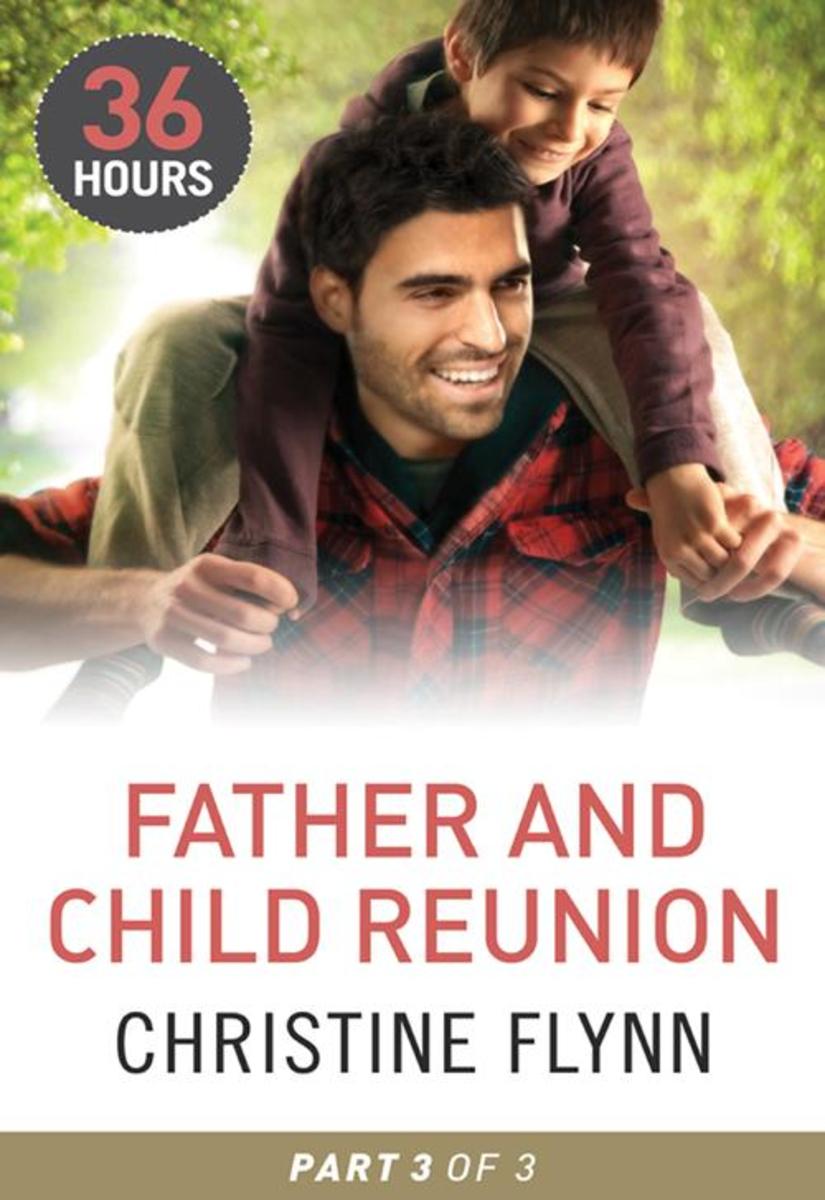
36 Hours Serial As a devastating summer storm hits Grand Springs, Colorado, the next thirty-six hours will change the town and its residents forever…. Father and Child Reunion Part 3 Investigative reporter Rio Redtree is digging into the mayor's murder. But the closer he gets to answers, the more signs are pointing to Hal Stuart–the son of the murdered mayor and brother to the woman Rio realizes he has never stopped loving. The only thing he wants more than to catch Olivia's killer is to be with Eve and her daughter, Molly. How will Eve trust him if he's willing to send her own brother to prison? Can Rio risk the family life he's always wanted to see justice done? Don't miss the next book in the continuing story of Grand Springs in The Rancher and the Runaway Bride by Susan Mallery.
Father and Child Reunion Part 2 (36 Hours, Book 17)
¥11.77
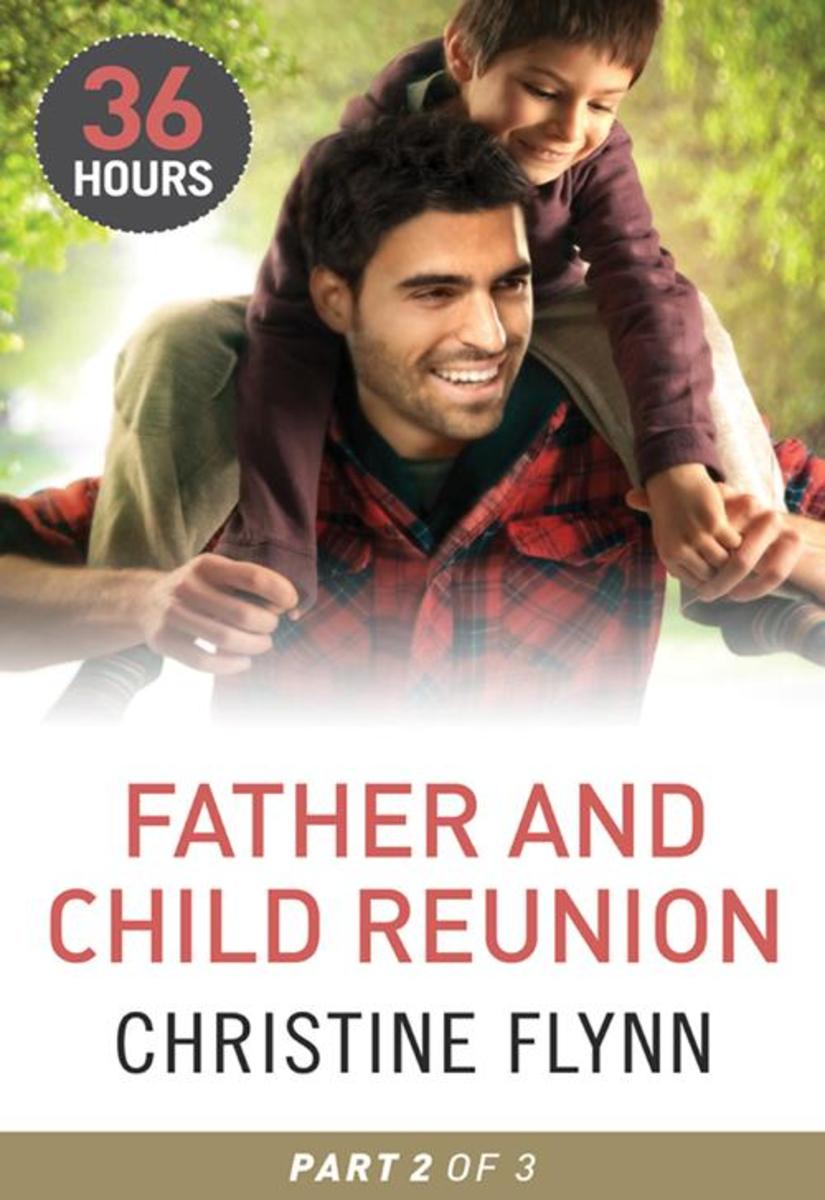
36 Hours Serial As a devastating summer storm hits Grand Springs, Colorado, the next thirty-six hours will change the town and its residents forever…. Father and Child Reunion Part 2 Eve expected a quick trip home to Grand Springs. But the night of the storm changed her carefully planned world. Her mother, Olivia, has been murdered, and Eve's sorting through her loss and confusion–and facing the feelings for Rio she ran away from years earlier. Rio thinks he's getting closer to finding Olivia's killer. But he's getting closer to Eve, too–and the little girl who looks so much like Rio himself. Solving the murder will make his career–but could destroy any hopes he has of making a life with Eve and Molly…. The story concludes in Father and Child Reunion Part 3.

Father and Child Reunion Part 1 (36 Hours, Book 16)
¥14.62
36 Hours Serial As a devastating summer storm hits Grand Springs, Colorado, the next thirty-six hours will change the town and its residents forever…. Father and Child Reunion Part 1 Eve Stuart thought a trip home for her brother Hal's wedding would be fun–and short enough to avoid seeing Rio Redtree. But that was before a storm cut power all over town, her brother's bride went missing and Eve's mother, Olivia, was tragically killed. Now Rio, an investigative reporter, is the only one with a lead on her mother's case. Eve's willing to answer his questions, as long as they don't involve her daughter, Molly. Six years ago, Rio made it clear he never wanted a child. How can Eve trust him to do the right thing if he finds out the truth about Molly? The story continues in Father and Child Reunion Parts 2 and 3.
The Last Straw (DCI Warren Jones, Book 1)
¥39.24
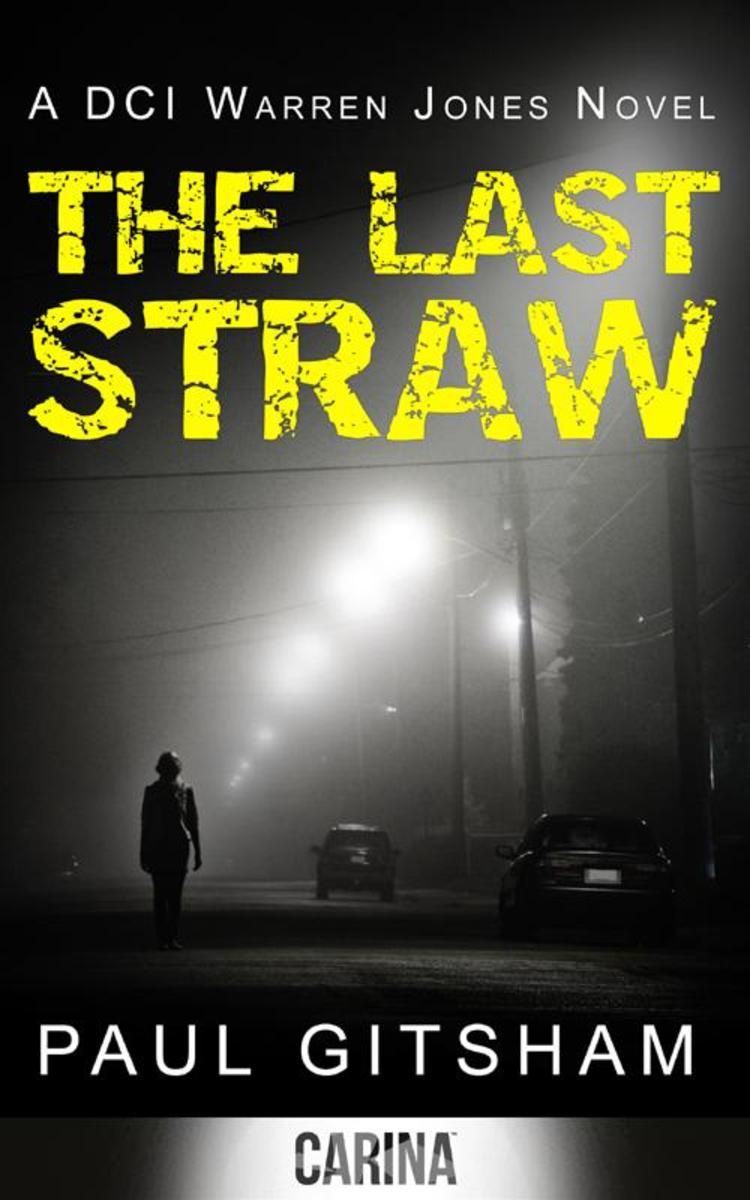
When Professor Alan Tunbridge is discovered in his office with his throat slashed, the suspects start queuing up. The brilliant but unpleasant microbiologist had a genius for making enemies.For Warren Jones, newly appointed Detective Chief Inspector to the Middlesbury force, a high-profile murder is the ideal opportunity. He's determined to run a thorough and professional investigation but political pressure to resolve the case quickly and tensions in the office and at home make life anything but easy. Everything seems to point to one vengeful man but the financial potential of the professor's pioneering research takes the inquiry in an intriguing and, for Jones and his team, dangerous direction. More DCI Warren Jones books by Paul Gitsham: No Smoke Without Fire Blood is Thicker Than Water Silent as the Grave Praise for Paul Gitsham:"A wonderfully classy crime novel. Fluent writing style, great pace to the action. What's not to like? I'll be reading number 2 as quickly as I can download it. Highly recommended. Crime Writing at its very best" - Kate Rhodes, author of Crossbones Yard and the Alice Quentin series


