


 购物车
购物车 个人中心
个人中心
Sugar Addicts’ Diet
¥61.51
Ex-sugar addict Nicki Waterman, the face of GMTV fitness, describes how and why she beat her sugar habit – and how you can too. The Sugar Addict's Diet is a brand new nutrition plan that will help you lose weight and eliminate ailments by eliminating sugar entirely from your diet and increasing your levels of good fats to bust those cravings. Nicki Waterman's struggle with her own sugar addiction introduces this excellent and topical diet book. Refined sugar is the big baddie in our lives – food companies and marketing executives are making the ‘cocaine of the food industry’ enormously difficult to avoid. Hidden sugars are everywhere and Nicki helps you to negotiate your way around the pitfalls on supermarket shelves. ? Discover if you are a sugar addict by checking your symptoms – are you overweight, lacking energy, suffering headaches, irritable…? ? Learn how sugar contributes to major health issues, including obesity, diabetes, cancer, depression, candida, acne and a host of other problems. ? Understand the physical and emotional aspects of your addiction and what the real cost to your well being is. ? Cope with ‘sugar dealers’ – people and situations that could set you on the wrong track. ? Lose weight and stop cravings by increasing your intake of the right fats – follow Nicki and Martha’s easy-to follow 14 day plan with delicious recipes. ? Win the sugar war with your kids by helping them choose healthier options – and defeat the marketing industry’s ever-present and invasive temptations.
Forever Baby: Jenny’s Story - A Mother’s Diary
¥54.65
“I have a darling baby. A patient placid baby who nuzzles warmly into her sheepskin and gives me a sleepy smile when I come in. She sits up, bounces happily and reaches out for a cuddle …” “I’ve had my darling baby for nearly twenty years now and unless something happens, I guess I’ll have her for another twenty years.” Praise for Forever Baby – “Mary’s writing has the quality of being both a participant and an observer. As a participant in a life and death voyage, she writes with emotional force. As an observer, there are some great passages of acute observation and stark – sometimes black – humour. “But the dominant emotion is love: love given by Mary and the Burbidge Family to their daughter Jenny; love given by Jenny to Mary and family. A special love for a special child, which we are privileged, through this book, to share.” The Hon. Joan Kirner, former Premier of Victoria “Some people just burn with a brighter flame, and Mary Burbidge, doctor, mother and fierce diarist, is one of them. When Mary gave birth over twenty years ago to a disabled baby girl, she began writing from the heart to make sense and meaning of her life. “I have quoted Mary’s experience in one of my own books, but I could never have suspected the dramatic turn of events that would conclude this story. The gritty, heart-bursting world of parenting is captured in a way that I have rarely met elsewhere, but the drama, transcendence and tragedy of raising a child with a disability takes this to a deeper plane still. “Jenny’s story and Mary’s telling of it, will grip the reader and change how they see the world around them for a very long time.” Steve Biddulph, psychologist and author

The Islands of Chaldea
¥51.50
The brand new and final novel from the magical pen of ‘the Godmother of Fantasy’, Diana Wynne Jones; co-authored with her sister Ursula Jones. Now in paperback. How are you supposed to turn into a Wise Woman if your powers just won’t show up? Aileen is convinced she’ll never become as magical as her Aunt Beck. Then one day her aunt is set a seemingly impossible mission. She must go to the island of Logra and rescue the kidnapped High Prince from the enemy, and Aileen must go with her. They set off along with Ivar, Aileen’s spoilt cousin, and Ogo his clophopping servant, recruiting on their way a huge and elusive cat, a monk with an uncannily wise parrot, and a boy inventor who keeps a pet lizard up his sleeve. But this is no band of mighty warriors, and the evil Lograns and their wizards have blocked their way with an invisible barrier in the sea. Aileen doubts that even with all the magic in the Islands of Chaldea, including Aunt Beck’s, they will be able to penetrate it. But Aileen is about to discover that she could be more important to the mission than she realises. Perhaps it is her, above all, who is being drawn to Logra, and for a very special purpose…

Fighter: The True Story of the Battle of Britain
¥66.22
Summer, 1940: western Europe has been conquered, and all that stands between Hitler and the invasion of England is the matter of air supremacy. And the RAF… Hitler’s top-secret Directive No. 16, July 1940: ‘The English air force must be beaten down to such an extent, that it can no longer muster any power of attack worth mentioning against the German advance.’ ‘Fighter’ is Len Deighton’s thrilling history of the ensuing Battle of Britain – the aerial combat between the RAF and the Luftwaffe that was fought over the summer of 1940. Ex-RAF pilot Deighton has written a balanced study of strategies and tactics that also expertly recounts the development of the aeroplanes that fought each other in the skies – the Spitfires and Messerschmitts – and of radar. Behind the strategies and tactics, and in the cockpits of the aeroplanes, are the men brought vividly to life by Deighton’s skill as a novelist.

Aztec Attack (Time Hunters, Book 12)
¥44.15
Join Tom on an incredible treasure hunt through time and battle history’s mightiest warriors. The twelfth book in an action-packed, time-travelling series – perfect for fans of Beast Quest. Travel through time with Tom as he battles the mightiest warriors of the past! When Tom bangs on a drum in a museum he releases an ancient curse. Now he must go back in time and track down six golden coins… On this adventure, Tom travels back to the ancient Aztec Empire where he must face the rain god Tlaloc! Can Tom outsmart a god and snatch the missing treasure before it’s too late?

The Complete Helen Forrester 4-Book Memoir
¥268.30
The complete four-volume collection of classic memoir recounting a poverty-stricken childhood in 1930s Liverpool that started with Twopence To Cross the Mersey. Twopence To Cross The Mersey – When Helen Forrester’s father went bankrupt in 1930 she and her six siblings were forced into dreadful poverty in Depression-ridden Liverpool. Managing the household and caring for the younger children all fell on twelve-year-old Helen. Written without self-pity, Forrester’s memoir of these grim days is as heart-warming as it is shocking. Liverpool Miss – Life remains extremely tough for fourteen-year-old Helen. Her continuing struggles against malnutrition, dirt and, above all, the selfish demands of her parents, are deeply shocking. But Helen’s fortitude in the most harrowing of situations makes this a story of amazing courage. By The Waters Of Liverpool – though her parents are as financially irresponsible as ever, wasting money while their children go without, for Helen the future is brightening. At seventeen, she has fought won some important battles with her parents and won, then she meets Harry… Lime Street At Two – It is 1940 and Helen, now twenty, is working at a welfare centre. Her wages are pitifully low and her mother claims the whole of them for housekeeping but she is still thrilled to be gaining some independence. As WWII rages, tragedy isn’t very far away, but Helen faces it with courage and determination.
The Life You Left
¥62.59
The life you lived. The life you loved. The life you left… For fans of Jojo Moyes and Cecelia Ahern. It started out like any other day for Sarah Lawler; getting the kids ready for school, making the pack lunches and juggling baby Ella’s feeds. There was no way of knowing that her husband, Paul, would leave for work that morning and simply not come home. Now the questions are piling up quicker than the unpaid bills and, unable to answer her children’s questions about where their Daddy is, Sarah is getting desperate. But it turns out she isn’t quite as alone as she thought she was. When her beloved childhood friend, Edward, comes back into her life, Sarah thinks she’s finally been thrown a life line. There’s just one problem with Edward: Sarah is the only person who can see him. “Carmel Harrington has done it again! Brilliantly written… it surpasses all expectations.” ChickLitClub
One Fine Day
¥45.42
Just a boy standing in front of a girl… Actor Steve Mason has it all … gorgeous looks, the perfect starlet girlfriend hanging on his arm and his name on every Hollywood producer’s lips. That is, until it turns out the ‘perfect girl’ is actually a perfect PR stunt! Dumped and with his name plastered across every tabloid headline, Steve decides to head home to England, questioning if he’ll ever find a woman who genuinely loves him for who he is, and not just his place on the Sexiest Man Alive list. It’s been fifteen long years since Ruby last saw her big brother – but the new LA version of Steve complete with designer wardrobe, California tan and an American accent is too much to bear – Ruby hardly recognises him and decides it’s time to get her brother back! With Ruby’s help, Steve goes undercover as he plays the part of a regular guy who leads a regular life. And then one perfectly fine, ordinary day he meets lovely, funny, down-to-earth Lydia. But when Hollywood comes calling, will Steve be able to leave both Lydia and his little sister behind?
Tana Ramsay’s Family Kitchen
¥80.25
Bestselling author, Tana Ramsay, knows the challenges of cooking for a demanding family – as a mother of four and the wife of Gordon Ramsay, she's certainly put to the test. Now, for the first time in paperback, Tana shares the delicious recipes, kitchen secrets and shortcuts she uses to satisfy the Ramsay family. Time-pressed parents will swear by Tana's simple and delicious recipes – although not in the traditional Gordon way. Tana has a tasty solution for every occasion, from lunch bites and tea-time treats to weekend lunches and party foods. She also offers personal tips on a wide range of issues all parents face, including how to adapt dishes to suit different ages and tastes and how to encourage children to experiment with food. Whether you only have minutes to rustle up Lime and Ginger Salmon Fillets or fancy a fun afternoon with the kids creating Gingerbread Lollies, this lavishly illustrated book is an adventure in the kitchen for adults and children alike.
Pirates (Collins Gem)
¥38.36
An entertaining and authoritative introduction to the world of piracy – history comes to life through a compelling factual narrative and enlightening illustrations.
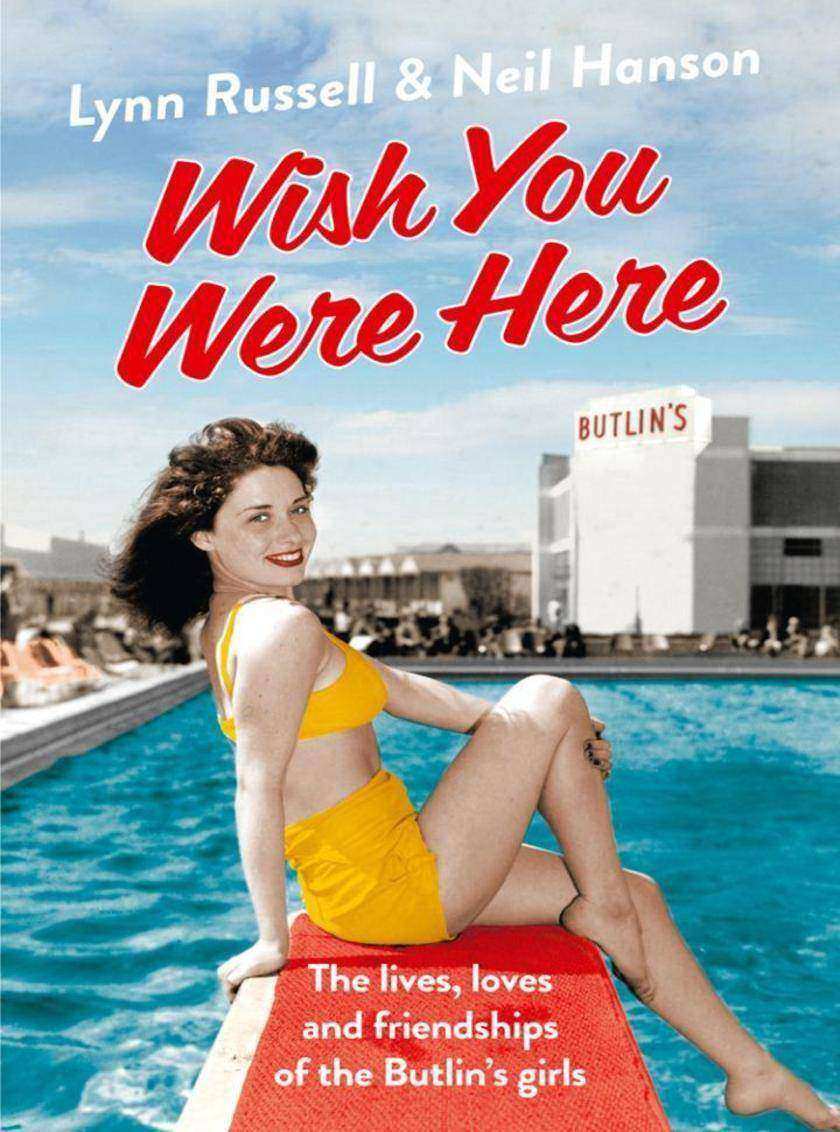
Wish You Were Here!
¥58.86
Touching true stories from the heyday of the Butlin’s holiday camps. ‘When I got to the camp I felt as if I’d suddenly walked into Utopia – it was so colourful, so warm, so friendly. There were lights across the roads, there were banners fluttering in the breeze… There seemed to be laughter coming from every building.’ With grey post-WWII skies hanging low over Britain, factories lining the streets and smoke stacks dotting the horizon, there was one way that ordinary families could escape: the ever-cheerful holiday camps of Butlin’s. When Billy Butlin founded his holiday camps in 1936, they were bastions of community spirit and havens of luxury. Here, for one week, wives and mothers were freed from the toil and drudgery of housework, children ran free through the grounds, fathers and husbands hung up their work clothes. Ever-helpful redcoats were on hand all hours of the day, dinner halls ready with plentiful food for old and young alike, bars stocked to quench any level of thirst, ballrooms waiting to be flooded with shiny shoes, rustling dresses and peals of laughter. And, as the sun went down on another exhausting, happy day, a chorus line was ready to sing holidaymakers back to their beds. Rich in period detail and highly evocative, Wish You Were Here! tells the story of seven women who worked as redcoats in Butlin’s Golden Age. It’s all here: Knobbly Knees and Glamourous Grannies, the laughter and tears, hardships and heartbreaks, loves and losses of their lives in and out of the holiday camps, and above all the lifelong friendships they formed with each other and those who also worked or holidayed there. Funny, moving and heartwarming, these are the timeless tales of a community spirit that burned brightly in a much-loved British institution.
Me and Mr Carrington: A Short Story
¥11.77
A short story from the author of Cupcakes at Carrington’s – and a prequel to Christmas at Carrington’s! Georgie Hart can’t believe her luck. It looks like Tom, the hunky boss of Carrington’s Department Store, in the picture-postcard town of Mulberry-on-Sea, is as hot for her as she is for him. After a romantic Italian get-together leaves her on Cloud Nine, Georgie is brought back down to earth with a bump when she has to get back behind the counter of the Luxury Handbags section. But when Georgie is left open-mouthed by a revelation from one of her well-heeled customers, it seems like Tom hasn’t been entirely honest with her. Has Georgie done her usual trick of adding two and two together to make five? Ever wondered what happened when Georgie first got together with Mr Carrington himself? This deliciously funny short story is perfect for anyone who loved Cupcakes at Carrington’s, and for those discovering the lovable Georgie Hart for the first time. The story also features an exclusive peek at the next book, Christmas at Carrington’s.

The Complete 2-Day Fasting Diet
¥57.09
From bestselling diet author Jacqueline Whitehart comes the only recipe book you’ll ever need for your 2-Day Diet. With the 2-Day Diet you’ll lose weight FAST, and with these deliciously simple recipes, tailored to suit your lifestyle throughout the year, cutting your calories couldn’t be easier. The 2-Day Diet – otherwise known as ‘intermittent fasting’ or the ‘5:2 Diet’ – has revolutionised the world’s approach to losing weight. Not only do dieters shed fat with amazing speed, they experience incredible health and psychological benefits too, which include lower risks of diabetes, cardiovascular diseases, Alzheimer’s and Parkinson’s as well as higher energy levels and an increased ability to concentrate. Now this definitive cookbook, with 140 carefully crafted, nutritious recipes for your fast days, gives you the freedom to work the diet around your lifestyle and taste all year round. It has never been easier to lose weight and be healthy. All of these mouthwatering recipes contain less than 400 calories and are tailored to the seasons. No longer will you be staring at an unappetizing salad or egg-white omelette: you’ll be feasting on courgette "pizza" bites, chicken tikka masala and dark chocolate soufflé. With this book, fasting will never feel a chore! INCLUDES: meal plans for every season, 140 nutritionally tested recipes, calorie counter, motivational tips to keep you on track, extensive list of kitchen-cupboard essentials.
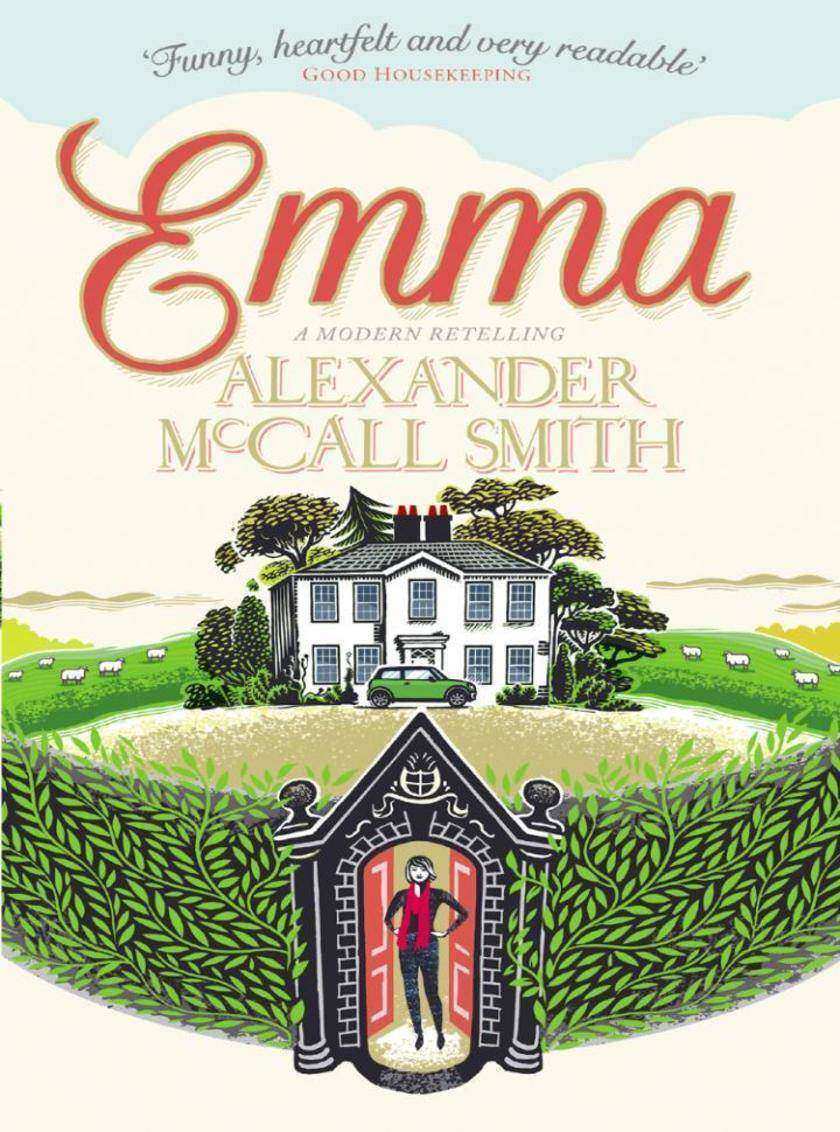
Emma
¥66.22
Jane Austen teased readers with the idea of a 'heroine whom no one but myself will much like', but Emma is irresistible. 'Handsome, clever, and rich', Emma is also an 'imaginist', 'on fire with speculation and foresight'. She sees the signs of romance all around her, but thinks she will never be married. Her matchmaking maps out relationships that Jane Austen ironically tweaks into a clearer perspective. Judgement and imagination are matched in games the reader too can enjoy, and the end is a triumph of understanding.

Falling: HarperImpulse Paranormal Romance (A Novella)
¥27.17
HarperImpulse Paranormal Romance Novella FALLING … Ceri thinks she sees angels … everywhere. Love is a powerful emotion, but can it change the course of someone's destiny? This is a romance story that explores the possibility of there being something more than just the 'here and now'. Ceri's journey has begun. Part 1 in the Angels Among Us series. Coming soon… Angels Among Us: Forbidden Angels Among Us: Forever
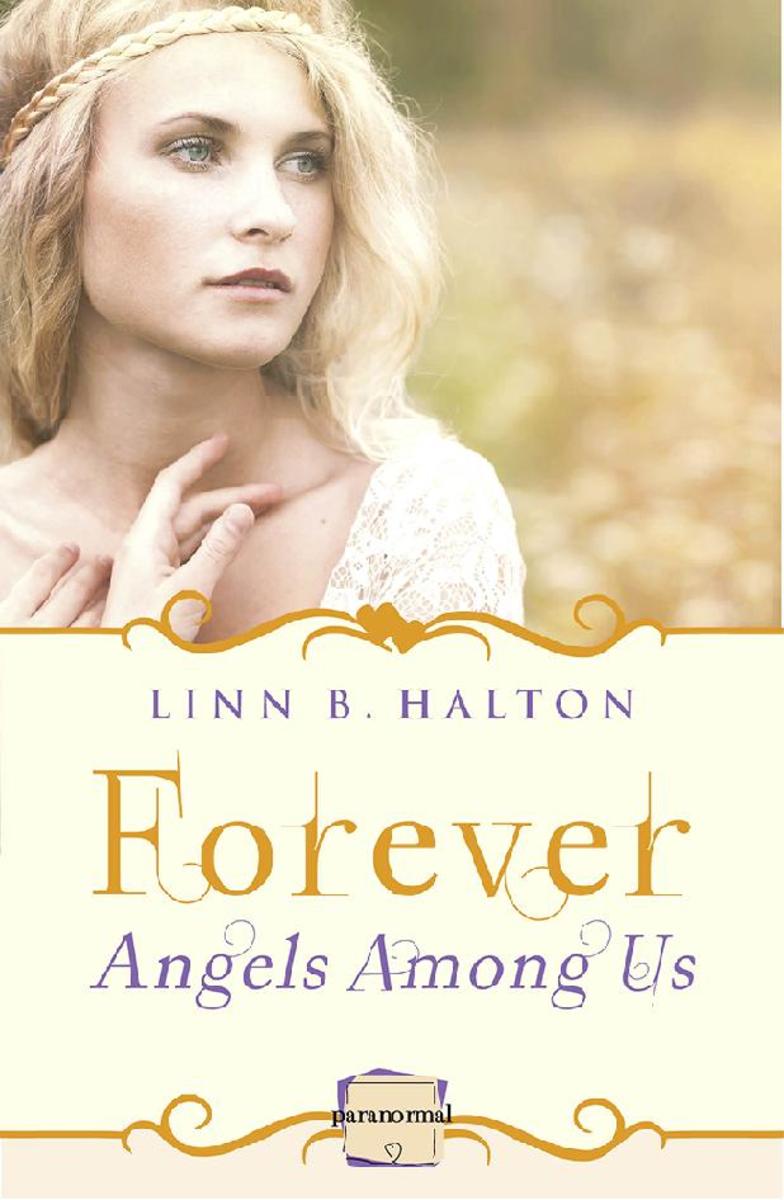
Forever: HarperImpulse Paranormal Romance (A Novella)
¥27.17
HarperImpulse Paranormal Romance Novella FOREVER Ceri is alone for a reason. She’s not meant to fall in love. She’s here for one purpose only. Love is a powerful emotion, but can it change the course of someone's destiny? This is a romance story that explores the possibility of there being something more than just the 'here and now'. Now, Ceri’s journey comes to an end in Forever - the final part of the Angels Among Us trilogy.
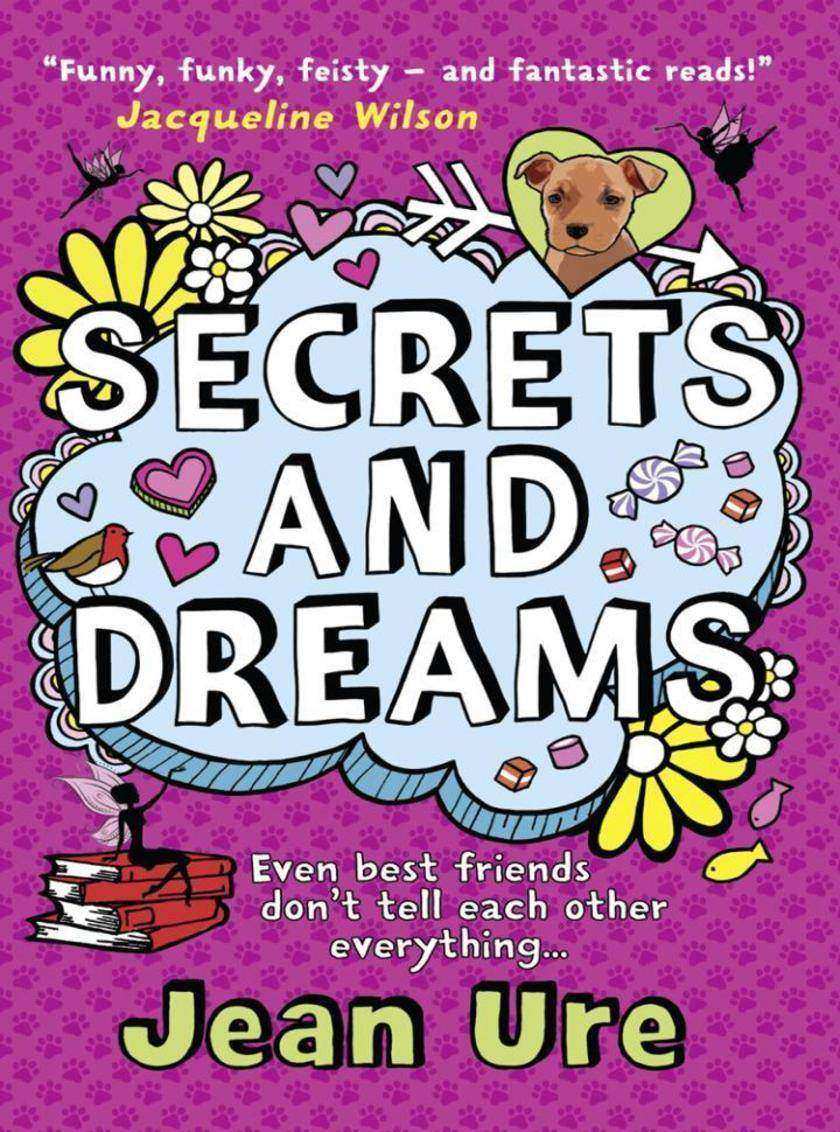
Secrets and Dreams
¥51.50
The latest novel from bestselling author Jean Ure - perfect for fans of Jacqueline Wilson and Cathy Cassidy When Zoe’s dream of going to boarding school becomes a reality, she can’t wait for her life there to begin – but sometimes things don’t turn out the way we expect, and when one of Zoe's new friends reveals a secret too big to share with the others in the group, Zoe finds herself caught in the middle. Will she be able to keep the Daisies together? Staying loyal while ‘fitting in’ has never seemed harder…
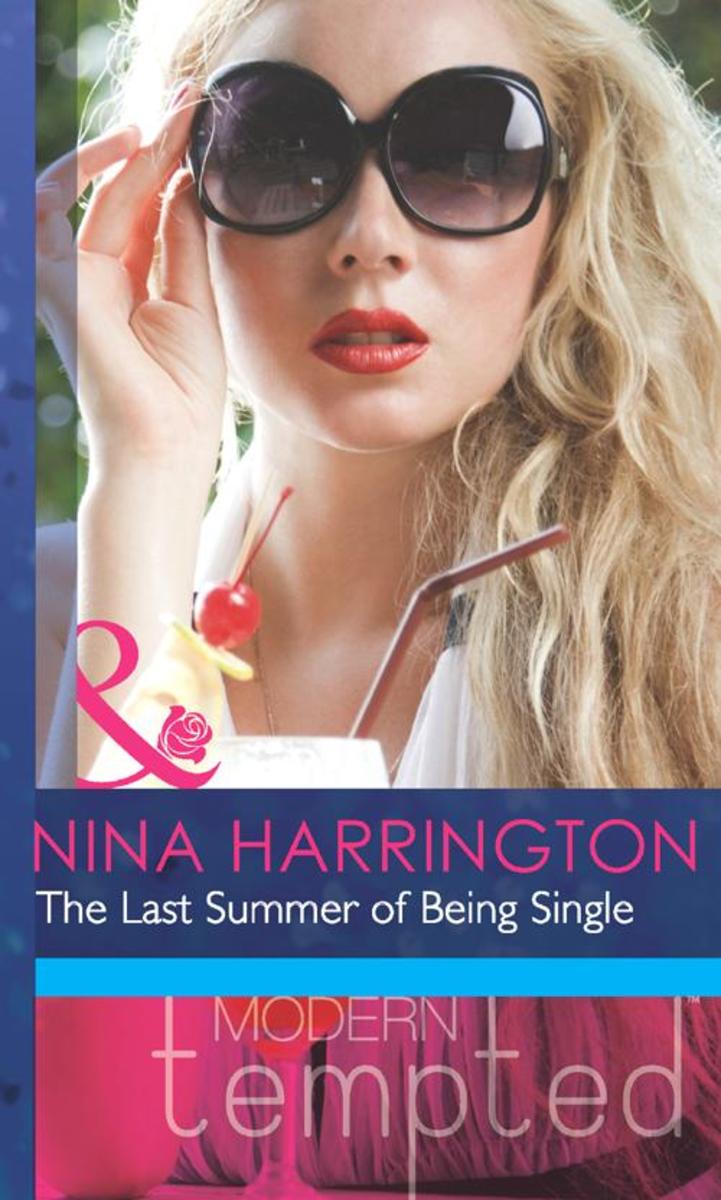
The Last Summer of Being Single (Mills & Boon Modern Heat)
¥30.61
Sydney entrepreneur Sebastien Castellano is used to women falling at his feet--not vice versa! But flat on his back, after an encounter with some overexcited hounds, he meets quirky housekeeper Ella Martinez.Ella's been dusting photos of Seb for years, and is skeptical about why he's suddenly arrived at his childhood home in France. But her little boy thinks Seb's cooler than his favorite superhero!Well, if superheroes have pinstripe suits and laptops Ella sees the similarity. But beneath his buttoned-up exterior, Seb has the power to sweep Ella off her feet and show her a summer she'll never forget!
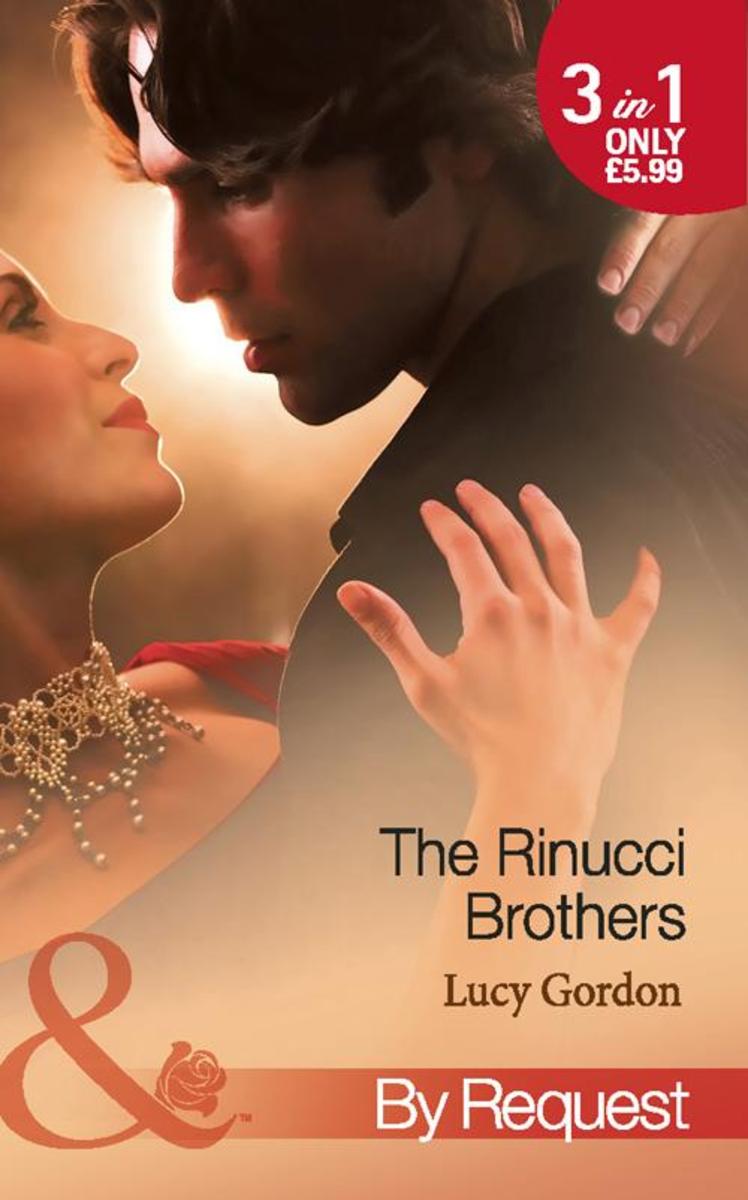
The Rinucci Brothers
¥37.96
The first three books in the Rinucci Brothers series. Wife and Mother Forever Evie Wharton is a free spirit – the complete opposite to millionaire Justin Dane – but she wants to help his troubled son. Against her better judgement, Evie soon begins to fall for dark and brooding Justin... Her Italian Boss’s Agenda Olympia Lincoln is so relieved when her new assistant shows up that she sets him to work immediately. What she doesn’t realize is that he is Primo Rinucci, her new Italian boss! The Wedding Arrangement Luke is startled to discover that the tenant of his Rome residenza, Minnie Pepino, is young, blonde and sensational! There is an immediate attraction between them, but despite her family’s plans to arrange the wedding of the year, Minnie holds back...
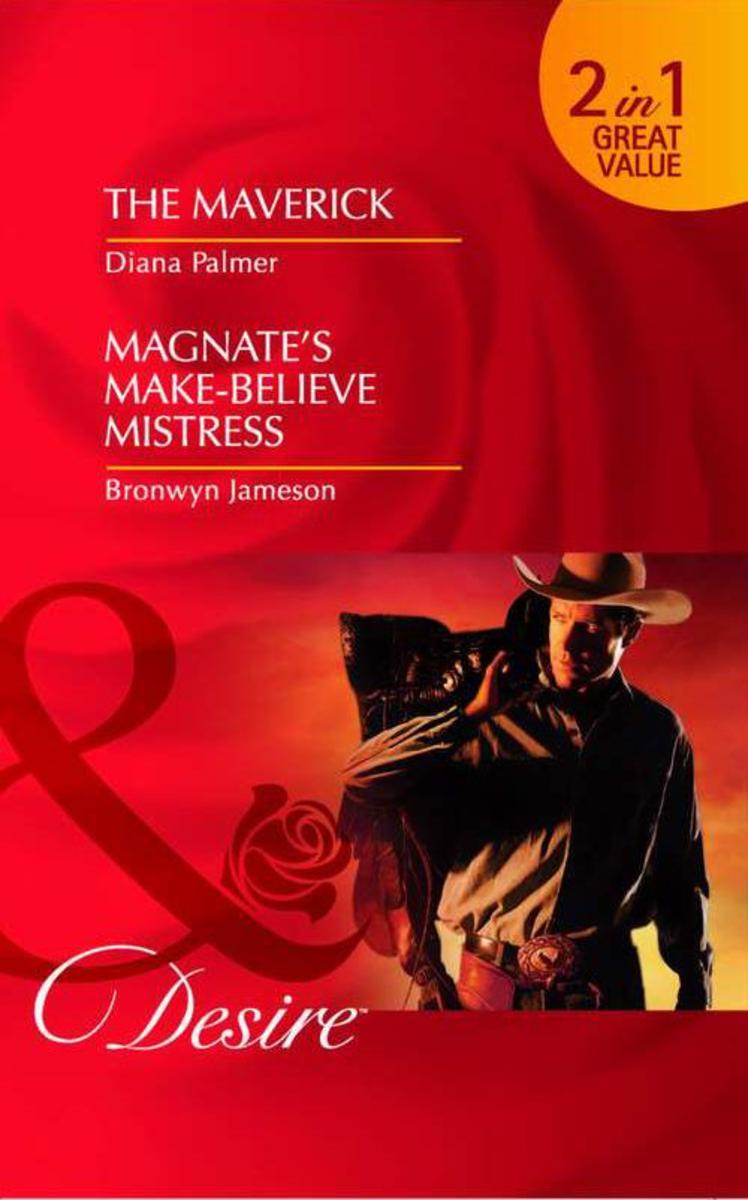
The Maverick:The Maverick , Magnate’s Make-Believe Mistress
¥40.81
The Maverick - Diana Palmer Always in the middle of trouble Harley Fowler emerges unscathed. Until he meets whirlwind, top-notch investigator Alice Jones, who’s trying to solve a murder involving the one family Harley doesn’t want to talk about – his own. Suddenly, all he can think about is protecting stubborn Alice. Is seduction the solution? Magnate’s Make-Believe Mistress - Bronwyn Jameson (British Billionaires, #1) Her new client was devilishly handsome, superbly charming…and absolutely hiding something. Why else would a man as rich and powerful as Cristo Verón have any interest in the cleaning services of lowly Isabelle Browne? Her suspicions were confirmed when she discovered his real reason for hiring her. And suddenly she was agreeing to a preposterous proposition…

A Marriageable Miss (Mills & Boon Historical)
¥29.23
When Miss Helena Wheatley's wealthy father decides she should marry nobility, only her ingenuity keeps her from being trapped in an unwelcome marriage! But with her father suddenly falling ill, she is forced to turn to one of her prospective suitors and beg for his help. Richard Standish, the Earl of Markfield, honorably agrees to aid Helena. He'll squire her around Town until her father recovers. Though when they are caught alone together, their temporary agreement suddenly looks set to become a lot more permanent....


