


 购物车
购物车 个人中心
个人中心
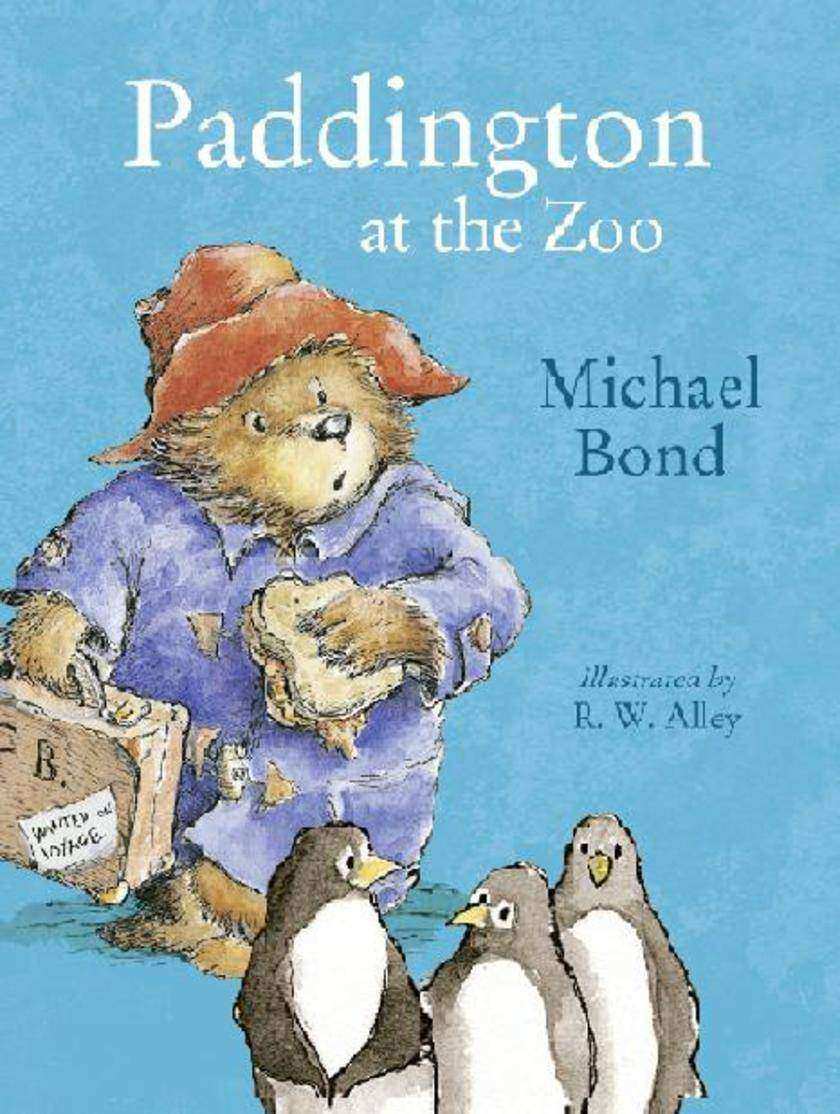
Paddington at the Zoo (Read Aloud)
¥45.42
Michael Bond was born in Newbury, Berkshire on 13 January 1926 and educated at Presentation College, Reading. He served in the Royal Air Force and the British Army before working as a cameraman for BBC TV for 19 years. In 2015, Michael was awarded a CBE for his services to children’s literature, to add to the OBE he received in 1997. Michael died in 2017, leaving behind one of the great literary legacies of our time.
Winter in July
¥46.11
Winner of the Nobel Prize for Literature 2007, Doris Lessing grew up in Africa – and returns to that troubled, misunderstood continent in this searing collection of short stories. ‘I believe that the chief gift from Africa to writers, white and black, is the continent itself, its presence which for some people is like an old fever, latent always in their blood; or like an old wound throbbing in the bones as the air changes. … Africa gives you the knowledge that man is a small creature, among other creatures, in a large landscape.’ Written with all the angry compassion of first-hand knowledge, these stores reveal Africa in the raw – an Africa unknown to the vast majority of Europeans. Here is a vivid, unforgettable evocation of its sounds and smells, its stark power and savage grandeur, its agony and ultimate tragedy.

He Died With a Felafel in His Hand
¥46.11
Here for the first time is the full horror and madness of sharing a house, told by someone who’s been there. Birmingham pulls no punches: from dead rats in the kitchen to tent-dwelling lodgers in the living room, you’ll run for the safety of living alone. ‘A rat died in the living room at King Street and we didn’t know. There was at least six inches of compacted rubbish between our feet and the floor. Old Ratty must have crawled in there and died of pleasure. A visitor uncovered him while groping around for a beer.’ Tales of debauchery, drugs, flatmates from hell and nasty things lurking in the kitchen sink abound in Rolling Stone journalist John Birmingham’s hilarious account of sharing houses in Melbourne and Brisbane. He Died with a Felafel in His Hand makes Withnail & I look like a lesson in clean living.
Stalkers
¥46.11
‘IT’S THE NIGHTS that are the worst. I don’t know where he is, but my imagination tells me he is close at hand. In daylight I can keep the fears down; at night I am alone with the terror that he has created. If he rings me every ten minutes I think I will go mad with it; if he does not ring I worry that he is outside, watching me.’

How to Win Arguments
¥37.96
The question seems unnecessary. After all, argument is a universal human activity in which we all engage as regularly and naturally as breathing. Even if we have never given much thought to the theory behind it, we have enough practical experience to recognize an argument the moment we become embroiled in one or hear others engaged in verbal conflict.
Dancing in Limbo
¥46.11
Oliver Cromwell McCoy, God’s man in Ulster, has stumbled into the radio age. With a crumbling transmitter left over from the Titanic he has taken to blasting the countryside with his inimitable brand of mendacious evangelism. His old adversary across the Shambles, Cardinal Schnozzle O’Shea, is determined to go one better. He needs a good-looking priest to anchor the great TV chat show he believes will get Ireland back on its knees. When his eye lights on young Frank Feely, authoritarianism and bigotry duly lock horns. But more elemental forces are at work too. Emboldened by a dimly recalled vision they once shared, the vision of an enigmatic Madonna who danced for them and for them alone, three young people began a movement to challenge the straitjacket of their destinies. But is theirs a dream of hope? Or are they about to unleash a nightmare of new and as yet unimagined terror? By turns deeply thought-provoking and wildly funny, Dancing in Limbo plunges the reader into the modern-medieval world created by the author in his hugely acclaimed first novel, Shambles Corner.

The Unauthorized History of Trek
¥46.11
Star Trek. These two simple words bring forth a vast web of mental associations to millions of people. For more than twenty-five years, a remarkable and widely varied group of characters has seemingly taken over a sizable portion of our collective consciousness and made it its own. Perhaps the late science fiction visionary Philip K. Dick saw this when he had a character in his novel A Scanner Darkly refer to the latest entertainment extravaganza as a “captainkirk.”
The Unauthorized Trekkers’ Guide to the Next Generation and Deep Space Nine
¥46.11
“Like Spain’s Francisco Franco, Star Trek has been fatally dead for a long time. Now and then the mortuary shoots an electric current through the corpse, and the resultant spasm releases yet another manual or quiz or convention or novel or book of fan fiction or whathaveyou, but after nearly a decade there’s little life left in the old cadaver.”

Safe in the Tycoon's Arms/The Tycoon and the Wedding Planner/Swept Away by the T
¥44.15
Claimed by the Tycoon… Safe in the Tycoon’s Arms by Jennifer Faye When billionaire Lucas Carrington returns to New York he is surprised to find Kate Whitely making herself at home. A woman in need, Lucas agrees to let her stay – temporarily! But, can this tycoon forgo his bachelor ways and give in to his heart? The Tycoon and the Wedding Planner by Kandy Shepherd Kate Parker has always been content watching others get married but when tall, dark and handsome tycoon Sam Lancaster arrives, her heart skips a beat. Sam doesn’t anticipate that a romantic wedding planner will arouse his desire… Swept Away by the Tycoon by Barbara Wallace Ian Black once ruled Manhattan, but now this former soldier is suffering through PTSD and Chloe Abrams is the one person who can save him. Chloe’s had enough rejection for one lifetime and needs Ian to woo her, to prove that there is such a thing as true love.

The Heir's Proposal/A Pregnancy, a Party & a Proposal/His Proposal, Their Foreve
¥37.96
The Heir’s Proposal by Raye Morgan Torie grew up as the butler's daughter on the Huntington estate and she's back to clear her family name – not to fall for billionaire Marc Huntington again! But she can’t deny the sparks flying between them. A Pregnancy, a Party & a Proposal by Teresa Carpenter Lauren Randall always has a plan. And falling pregnant after a fling with infamous Ray Donovan is not part of it – and neither is their fake engagement! But what happens if she falls for her baby’s father…? His Proposal, Their Forever by Melissa McClone When property mogul Justin McMillian tells artist Bailey Cole he’ll be demolishing her studio, she’s determined to stand her ground and resist the millionaire’s charms. But is Justin staking his claim on more than just her gallery?

The Capture (Guardians of Ga’Hoole, Book 1)
¥47.58
Introducing the newest heroes to children's fiction; the owls of Ga'Hoole. Meet Soren and his friends, the owls charged with keeping owldom safe. Based on Katherine Lasky's work with owls, this adventures series is bound to be a hit with kids. Join the heroic owls in the first of a series of mythic adventures. Out of the darkness a hero will rise… Soren the enthusiastic and young owl is busy learning the rituals of being a barn owl– First Meat Ceremony, how to fly and of course, about the legendary Guardians of Ga'Hoole. However, his life is quickly transformed when he abruptly falls from his parent's cosy nest to the bare and dangerous forest floor. Helpless, he is captured by evil chick snatching owls that bring him to St. Aegolius Academy for Orphaned Owls, where his identify disappears as he receives a number instead of a name. Soren quickly befriends another young owl Gylfie, with whom he works to withstand "moon blinking" (brainwashing), and instead develops plans to escape. But before long, Soren realizes that he in fact has already embarked on an extraordinary adventure with much more excitement in the future.
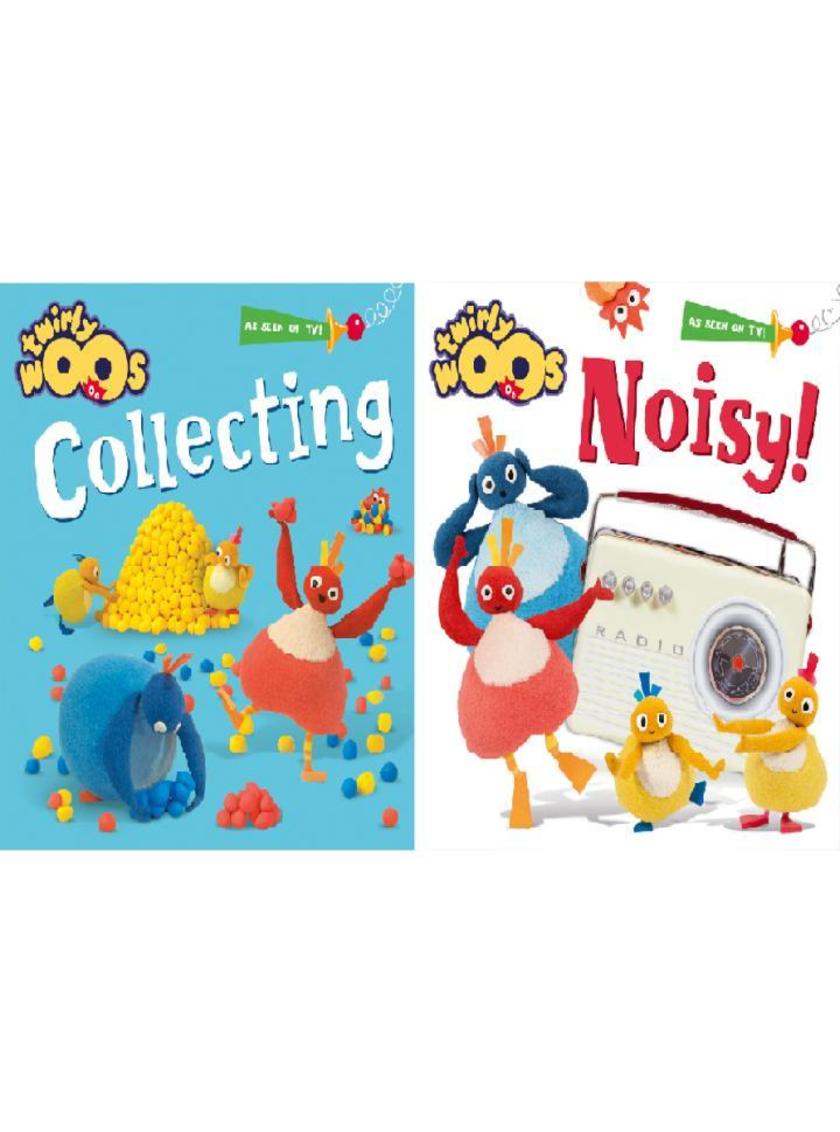
Collecting & Noisy (Twirlywoos)
¥47.58
A new-look picture book featuring the irrepressible little Twirlywoos and their elusive sidekick, Peekaboo.Join the Twirlywoos on their latest adventure as they explore the concept of ‘collecting’. First the Twirlywoos visit a hen yard where they see some children collecting eggs, and help them finish the job. Then they find lots of other examples of collecting in the outside world, before coming back to the Big Red Boat to discover a collection of brightly-coloured pebbles belonging to Peekaboo, which they have fun dividing into different colours.

The Woman Before You: The most shocking thriller you’ll read this year.
¥47.58
You never know what secrets people are hiding. Isabel: Beautiful. Talented. Bored. Mathew: Mysterious. Handsome. Dangerous. For Isabel Archer, dating is a way to pass the time in her otherwise comfortable life. She casts herself as the Perfect Girlfriend for every man she matches with, playing a different girl with a different back-story every night for months. It's innocent – one goodnight kiss before swiftly deleting each profile – until she goes too far. Mathew likes playing games too. Only the games he wants to play are the kind you don’t always walk away from. Dangerous Liaisons meets Maestra in the most shocking thriller you’ll read this year.
江户川乱步(中日双语) (日本推理小说鼻祖短篇精选)
¥1.99
本书是日本推理小说鼻祖江户川乱步脍炙人口的短篇小说选集。本书精选江户川乱步脍炙人口的4篇经典短篇小说,谜一般的推理、跌宕起伏的情节,带你领略光怪陆离的推理世界。推理小说研究者钱晓波献译导读。书中日文部分全文标注假名,中日对照排版,方便读者学习与朗读。超值精装有声典藏版,附赠日文全文朗读及中文广播剧。日文版由日籍专家倾情朗读,中文版由《琅琊榜》“誉王”配音献声朗读。并赠送精美书签。
Practical Big Data Analytics
¥81.74
Get command of your organizational Big Data using the power of data science and analytics About This Book ? A perfect companion to boost your Big Data storing, processing, analyzing skills to help you take informed business decisions ? Work with the best tools such as Apache Hadoop, R, Python, and Spark for NoSQL platforms to perform massive online analyses ? Get expert tips on statistical inference, machine learning, mathematical modeling, and data visualization for Big Data Who This Book Is For The book is intended for existing and aspiring Big Data professionals who wish to become the go-to person in their organization when it comes to Big Data architecture, analytics, and governance. While no prior knowledge of Big Data or related technologies is assumed, it will be helpful to have some programming experience. What You Will Learn ? Get a 360-degree view into the world of Big Data, data science and machine learning ? Broad range of technical and business Big Data analytics topics that caters to the interests of the technical experts as well as corporate IT executives ? Get hands-on experience with industry-standard Big Data and machine learning tools such as Hadoop, Spark, MongoDB, KDB+ and R ? Create production-grade machine learning BI Dashboards using R and R Shiny with step-by-step instructions ? Learn how to combine open-source Big Data, machine learning and BI Tools to create low-cost business analytics applications ? Understand corporate strategies for successful Big Data and data science projects ? Go beyond general-purpose analytics to develop cutting-edge Big Data applications using emerging technologies In Detail Big Data analytics relates to the strategies used by organizations to collect, organize and analyze large amounts of data to uncover valuable business insights that otherwise cannot be analyzed through traditional systems. Crafting an enterprise-scale cost-efficient Big Data and machine learning solution to uncover insights and value from your organization's data is a challenge. Today, with hundreds of new Big Data systems, machine learning packages and BI Tools, selecting the right combination of technologies is an even greater challenge. This book will help you do that. With the help of this guide, you will be able to bridge the gap between the theoretical world of technology with the practical ground reality of building corporate Big Data and data science platforms. You will get hands-on exposure to Hadoop and Spark, build machine learning dashboards using R and R Shiny, create web-based apps using NoSQL databases such as MongoDB and even learn how to write R code for neural networks. By the end of the book, you will have a very clear and concrete understanding of what Big Data analytics means, how it drives revenues for organizations, and how you can develop your own Big Data analytics solution using different tools and methods articulated in this book. Style and approach This book equips you with a knowledge of various NoSQL tools, R, Python programming, cloud platforms, and techniques so you can use them to store, analyze, and deliver meaningful insights from your data.
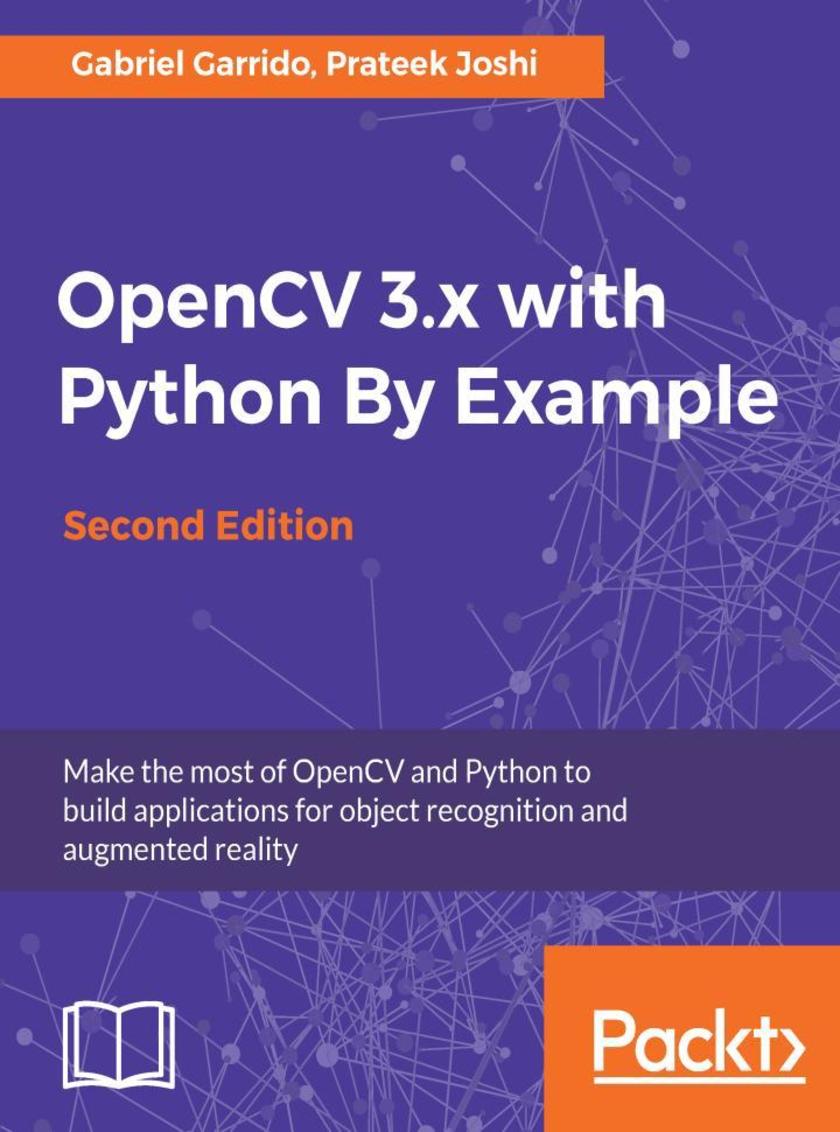
OpenCV 3.x with Python By Example - Second Edition
¥81.74
Learn the techniques for object recognition, 3D reconstruction, stereo imaging, and other computer vision applications using examples on different functions of OpenCV. About This Book ? Learn how to apply complex visual effects to images with OpenCV 3.x and Python ? Extract features from an image and use them to develop advanced applications ? Build algorithms to help you understand image content and perform visual searches ? Get to grips with advanced techniques in OpenCV such as machine learning, artificial neural network, 3D reconstruction, and augmented reality Who This Book Is For This book is intended for Python developers who are new to OpenCV and want to develop computer vision applications with OpenCV and Python. This book is also useful for generic software developers who want to deploy computer vision applications on the cloud. It would be helpful to have some familiarity with basic mathematical concepts such as vectors, matrices, and so on. What You Will Learn ? Detect shapes and edges from images and videos ? How to apply filters on images and videos ? Use different techniques to manipulate and improve images ? Extract and manipulate particular parts of images and videos ? Track objects or colors from videos ? Recognize specific object or faces from images and videos ? How to create Augmented Reality applications ? Apply artificial neural networks and machine learning to improve object recognition In Detail Computer vision is found everywhere in modern technology. OpenCV for Python enables us to run computer vision algorithms in real time. With the advent of powerful machines, we have more processing power to work with. Using this technology, we can seamlessly integrate our computer vision applications into the cloud. Focusing on OpenCV 3.x and Python 3.6, this book will walk you through all the building blocks needed to build amazing computer vision applications with ease. We start off by manipulating images using simple filtering and geometric transformations. We then discuss affine and projective transformations and see how we can use them to apply cool advanced manipulations to your photos like resizing them while keeping the content intact or smoothly removing undesired elements. We will then cover techniques of object tracking, body part recognition, and object recognition using advanced techniques of machine learning such as artificial neural network. 3D reconstruction and augmented reality techniques are also included. The book covers popular OpenCV libraries with the help of examples. This book is a practical tutorial that covers various examples at different levels, teaching you about the different functions of OpenCV and their actual implementation. By the end of this book, you will have acquired the skills to use OpenCV and Python to develop real-world computer vision applications. Style and approach The book is a practical tutorial that covers various examples at different levels, teaching you about the different functions of OpenCV and their actual implementation.
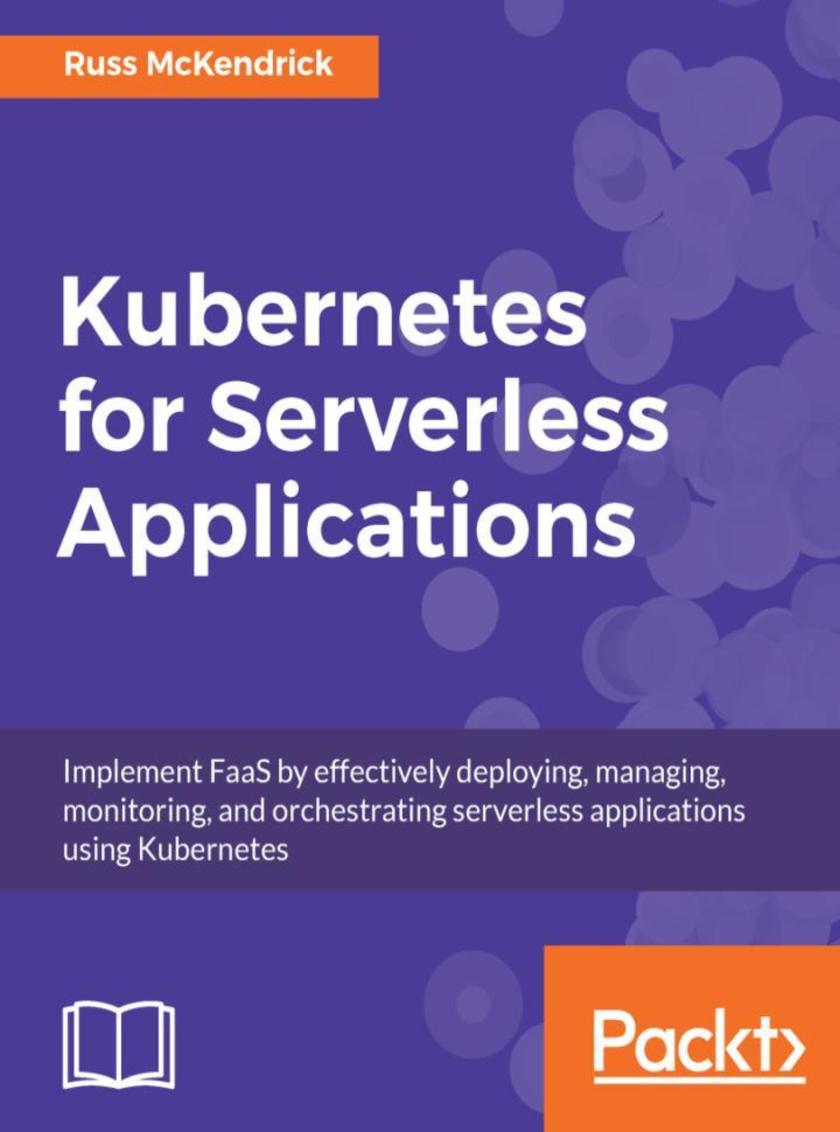
Kubernetes for Serverless Applications
¥81.74
Transform yourself into a Kubernetes specialist in serverless applications. About This Book ? Get hands-on experience in installing, configuring, and using services such as Kubeless, Funktion, OpenWhisk, and Fission ? Learn how to launch Kubernetes both locally and in public clouds ? Explore the differences between using services such as AWS Lambda and Azure Functions and running your own Who This Book Is For If you are a DevOps engineer, cloud architect, or a stakeholder keen to learn about serverless functions in Kubernetes environments, then this book is for you. What You Will Learn ? Get a detailed analysis of serverless/Functions as a Service ? Get hands-on with installing and running tasks in Kubernetes using Minikube ? Install Kubeless locally and launch your first function. ? Launch Kubernetes in the cloud and move your applications between your local machine and your cloud cluster ? Deploy applications on Kubernetes using Apache OpenWhisk ? Explore topics such as Funktion and Fission installation on the cloud followed by launching applications ? Monitor a serverless function and master security best practices and Kubernetes use cases In Detail Kubernetes has established itself as the standard platform for container management, orchestration, and deployment. It has been adopted by companies such as Google, its original developers, and Microsoft as an integral part of their public cloud platforms, so that you can develop for Kubernetes and not worry about being locked into a single vendor. This book will initially start by introducing serverless functions. Then you will configure tools such as Minikube to run Kubernetes. Once you are up-and-running, you will install and configure Kubeless, your first step towards running Function as a Service (FaaS) on Kubernetes. Then you will gradually move towards running Fission, a framework used for managing serverless functions on Kubernetes environments. Towards the end of the book, you will also work with Kubernetes functions on public and private clouds. By the end of this book, we will have mastered using Function as a Service on Kubernetes environments. Style and approach A clear, concise, and straightforward book that will empower you work with clusters and run serverless functions effectively.
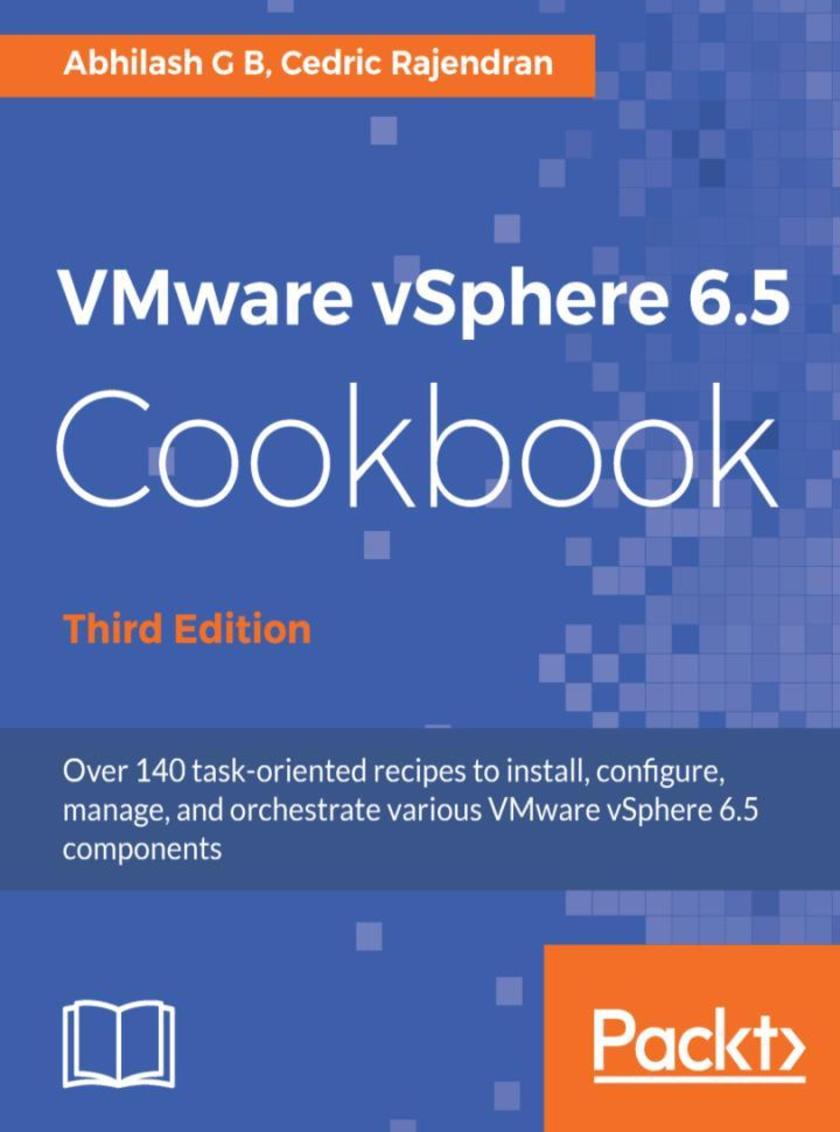
VMware vSphere 6.5 Cookbook - Third Edition
¥81.74
Deploy and manage VMware vSphere 6.5 components with ease. About This Book ? Simplified and to-the-point theory and practical recipes to deploy and manage vSphere 6.5 ? Discover the best ways to deploy stateless and stateful ESXi hosts and upgrade them ? Storage and network resource management ? Certificate management using VMCA ? Monitor the performance of a vSphere environment. Who This Book Is For If you are a system administrator, support professional, or anyone interested in learning how to install, configure, and manage a vSphere environment, then this book is for you. This task-oriented reference guide will also benefit consultants or infrastructure architects who design and deploy vSphere 6.5 environments. What You Will Learn ? Upgrade your existing vSphere environment or perform a fresh deployment. ? Automate the deployment and management of large sets of ESXi hosts in your vSphere Environment ? Configure and manage FC, iSCSI, and NAS storage, and get more control over how storage resources are allocated and managed ? Configure vSphere networking by deploying host-wide and data center-wide switches in your vSphere environment ? Configure high availability on a host cluster and learn how to enable the fair distribution and utilization of compute resources ? Patch and upgrade the vSphere environment ? Handle certificate request generation and renew component certificates ? Monitor performance of a vSphere environment In Detail VMware vSphere is a complete and robust virtualization product suite that helps transform data centers into simplified on-premises cloud infrastructures, providing for the automation and orchestration of workload deployment and life cycle management of the infrastructure. This book focuses on the latest release of VMware vSphere and follows a recipe-based approach, giving you hands-on instructions required to deploy and manage a vSphere environment. The book starts with the procedures involved in upgrading your existing vSphere infrastructure to vSphere 6.5, followed by deploying a new vSphere 6.5 environment. Then the book delves further into the procedures involved in managing storage and network access to the ESXi hosts and the virtual machines running on them. Moving on, the book covers high availability and fair distribution/utilization of clustered compute and storage resources. Finally, the book covers patching and upgrading the vSphere infrastructure using VUM, certificate management using VMCA, and finishes with a chapter covering the tools that can be used to monitor the performance of a vSphere infrastructure. Style and approach This book will quickly get you started with managing VMware components.
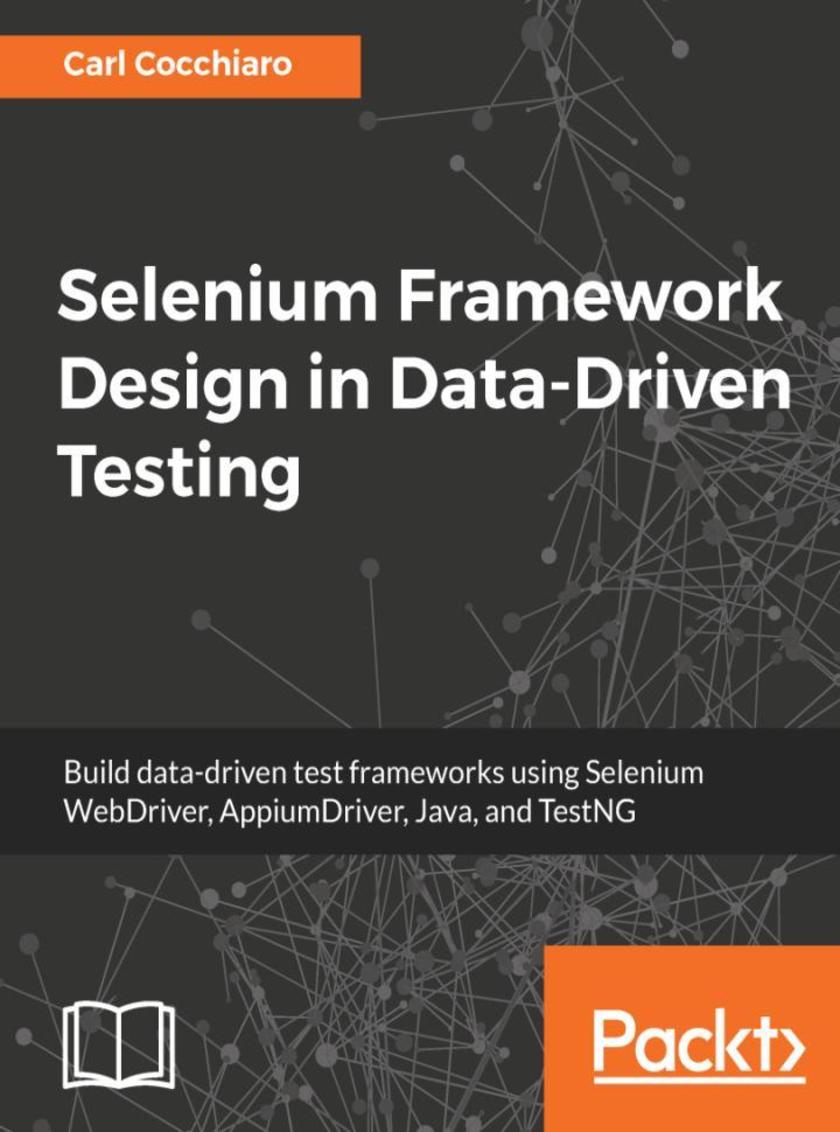
Selenium Framework Design in Data-Driven Testing
¥81.74
Take a deep dive into building data-driven test frameworks using Selenium WebDriver About This Book ? A comprehensive guide to designing data-driven test frameworks using the Selenium 3 WebDriver API, AppiumDriver API, Java-Bindings, and TestNG ? Learn how to use Selenium Page Object Design Patterns and D.R.Y. (Don’t Repeat Yourself) Approaches to software development in automated testing ? Discover the Selenium Grid Architecture and build your own grid for browser and mobile devices ? Use third party tools and services like ExtentReports for results processing, reporting, and SauceLabs for cloud-based test services Who This Book Is For This book is intended for software quality assurance/testing professionals, software project managers, or software developers with prior experience in using Selenium and Java to test web-based applications.This book is geared towards the quality assurance and development professionals responsible for designing and building enterprise-based testing frameworks.The user should have a working knowledge of the Java, TestNG, and Selenium technologies What You Will Learn ? Design the Selenium Driver Class for local, remote, and third party grid support ? Build Page Object Classes using the Selenium Page Object Model ? Develop Data-Driven Test Classes using the TestNG framework ? Encapsulate Data using the JSON Protocol ? Build a Selenium Grid for RemoteWebDriver Testing ? Construct Utility Classes for use in Synchronization, File I/O, Reporting and Test Listener Classes ? Run the sample framework and see the benefits of a live data-driven framework in real-time In Detail The Selenium WebDriver 3.x Technology is an open source API available to test both Browser and Mobile applications. It is completely platform independent in that tests built for one browser or mobile device, will also work on all other browsers and mobile devices. Selenium supports all major development languages which allow it to be tied directly into the technology used to develop the applications. This guide will provide a step-by-step approach to designing and building a data-driven test framework using Selenium WebDriver, Java, and TestNG. The book starts off by introducing users to the Selenium Page Object Design Patterns and D.R.Y Approaches to Software Development. In doing so, it covers designing and building a Selenium WebDriver framework that supports both Browser and Mobile Devices. It will lead the user through a journey of architecting their own framework with a scalable driver class, Java utility classes, JSON Data Provider, Data-Driven Test Classes, and support for third party tools and plugins. Users will learn how to design and build a Selenium Grid from scratch to allow the framework to scale and support different browsers, mobile devices, versions, and platforms, and how they can leverage third party grids in the Cloud like SauceLabs. Other topics covered include designing abstract base and sub-classes, inheritance, dual-driver support, parallel testing, testing multi-branded applications, best practices for using locators, and data encapsulation. Finally, you will be presented with a sample fully-functional framework to get them up and running with the Selenium WebDriver for browser testing. By the end of the book, you will be able to design your own automation testing framework and perform data-driven testing with Selenium WebDriver. Style and approach A comprehensive approach to designing data-driven test frameworks using the Selenium 3 WebDriver API, Java-Bindings, and TestNG Technologies
Kotlin Programming Cookbook
¥90.46
Discover Android programming and web development by understanding the concepts of Kotlin Programming About This Book ? Practical solutions to your common programming problems with Kotlin 1.1 ? Leverage the functional power of Kotlin to ease your Android application development ? Learn to use Java code in conjunction with Kotlin Who This Book Is For This book will appeal to Kotlin developers keen to find solutions for their common programming problems. Java programming knowledge would be an added advantage. What You Will Learn ? Understand the basics and object-oriented concepts of Kotlin Programming ? Explore the full potential of collection frameworks in Kotlin ? Work with SQLite databases in Android, make network calls, and fetch data over a network ? Use Kotlin's Anko library for efficient and quick Android development ? Uncover some of the best features of Kotlin: Lambdas and Delegates ? Set up web service development environments, write servlets, and build RESTful services with Kotlin ? Learn how to write unit tests, integration tests, and instrumentation/acceptance tests. In Detail The Android team has announced first-class support for Kotlin 1.1. This acts as an added boost to the language and more and more developers are now looking at Kotlin for their application development. This recipe-based book will be your guide to learning the Kotlin programming language. The recipes in this book build from simple language concepts to more complex applications of the language. After the fundamentals of the language, you will learn how to apply the object-oriented programming features of Kotlin 1.1. Programming with Lambdas will show you how to use the functional power of Kotlin. This book has recipes that will get you started with Android programming with Kotlin 1.1, providing quick solutions to common problems encountered during Android app development. You will also be taken through recipes that will teach you microservice and concurrent programming with Kotlin. Going forward, you will learn to test and secure your applications with Kotlin. Finally, this book supplies recipes that will help you migrate your Java code to Kotlin and will help ensure that it's interoperable with Java. Style and approach This book explains concepts related to Kotlin Programming using a practical approach and with the help of easy-to-follow recipes.
Microservices with Clojure
¥81.74
The common patterns and practices of the microservice architecture and their application using the Clojure programming language. About This Book ? Relevance of the microservice architecture and benefits of Clojure's functional and simple features to implement it. ? Learn best practices and common principles to avoid common pitfalls while developing microservices. ? Learn how to use Pedestal to build your next microservices, secure them using JWT, and monitor them using the ELK stack Who This Book Is For You should have a working knowledge of programming in Clojure. However, no knowledge of RESTful architecture, microservices, or web services is expected. If you are looking to apply techniques to your own projects, taking your first steps into microservice architecture, this book is for you. What You Will Learn ? Explore the pros and cons of monolithic and microservice architectures ? Use Clojure to effectively build a reallife application using Microservices ? Gain practical knowledge of the Clojure Pedestal framework and how to use it to build Microservices ? Explore various persistence patterns and learn how to use Apache Kafka to build event-driven microservice architectures ? Secure your Microservices using JWT ? Monitor Microservices at scale using the ELK stack ? Deploy Microservices at scale using container orchestration platforms such as Kubernetes In Detail The microservice architecture is sweeping the world as the de facto pattern with which to design and build scalable, easy-tomaintain web applications. This book will teach you common patterns and practices, and will show you how to apply these using the Clojure programming language. This book will teach you the fundamental concepts of architectural design and RESTful communication, and show you patterns that provide manageable code that is supportable in development and at scale in production. We will provide you with examples of how to put these concepts and patterns into practice with Clojure. This book will explain and illustrate, with practical examples, how teams of all sizes can start solving problems with microservices. You will learn the importance of writing code that is asynchronous and non-blocking and how Pedestal helps us do this. Later, the book explains how to build Reactive microservices in Clojure that adhere to the principles underlying the Reactive Manifesto. We finish off by showing you various ways to monitor, test, and secure your microservices. By the end, you will be fully capable of setting up, modifying, and deploying a microservice with Clojure and Pedestal. Style and approach This book highlights the merits of the microservice architecture and its implementation with Clojure. Learn to implement microservices by migrating a monolithic application to a microservice-based architecture.


