


 购物车
购物车 个人中心
个人中心

The Truth
¥167.88
This is not a journey that was undertaken for journalistic purposes. It is a painfully honest account of a life crisis that was forced on me by my own behavior and its consequences. As such, it requires sharing a lot of things I'm not proud of and a few things I feel like I should regret a whole lot more than I actually do. Because, unfortunately, I am not the hero in this tale. I am the villain. So begins Neil Strauss's long-awaited follow-up to The Game, the funny and slyly instructive work of immersive journalism that jump-started the international seduction community and made Strauss a household name revered or notorious among single men and women alike.In The Truth, Strauss takes on his greatest challenge yet: Relationships. And in this wild and highly entertaining ride, he explores the questions that men and women are asking themselves every day: Is it natural to be faithful to one person for lifeDo alternatives to monogamy lead to better relationships and greater happinessWhat draws us to the partners we chooseCan we keep passion and romance from fading over timeHis quest for answers takes him from Viagra-laden free-love orgies to sex addiction clinics, from cutting-edge science labs to modern-day harems, and, most terrifying of all, to his own mother.What he discovered changed everything he knew about love, sex, relationships, and, ultimately, himself.Searingly honest and compulsively readable, The Truth just may have the same effect on you.If The Game taught you how to meet members of the opposite sex, The Truth will teach you how to keep them.

Writing Screenplays That Sell, New Twentieth Anniversary Edition
¥123.10
For more than twenty years, Writing Screenplays That Sell has been hailed as the most complete guide available on the art, craft, and business of writing for movies and television. Now fully revised and updated to reflect the latest trends and *s, Hollywood story expert and * consultant Michael Hauge walks readers through every step of writing and selling successful screenplays. If you read only one book on the screenwriter's craft, this must be the one.
The Match
¥90.51
With the help of friends who recognized her extraordinary talent, Althea Gibson rose from a childhood of playing stickball on Harlem streets to claim victory at Wimbledon. It is widely recognized that her sacrifices along the way paved the road for the successes of Venus and Serena Williams. But Althea's was a victory hard fought and painfully won.She had no idea the turn her life would take when she met Angela Buxton at the French Indoor Championships. Despite her athletic prowess, Althea was shunned by the other female players. Her failing was her skin color. Angela, the granddaughter of Russian Jews, was also shunned. Her failing was her religion. Finding themselves without doubles partners, the pair decided to join forces, and together they triumphed, going on to win the 1956 championship at Wimbledon. The two women would become lifelong friends, and Angela would prove to be among Althea's greatest supports during her darkest times.Gibson died in 2003, but her life and her contributions to tennis and race relations in the United States are well preserved in this valuable book. Bruce Schoenfeld delivers not only the true story of Gibson's life but also an inspiring account of two underdogs who refused to let bigotry win -- both on and off the courts.
Discover the Wealth Within You
¥90.54
Achieve a Healthy, Balanced, and Richly Rewarding Life!Have your goals and dreams gotten lost in your daily struggle to earn and provide for your familyIf so, join Ric Edelman on a journey to self-discovery and personal fulfillment. In Discover the Wealth Within You, he shows you how to choose fun, enriching ... and rewarding goals and gives you a simple, straightforward plan for achieving them.You'll discover how easy it is to create wealth, once you're headed in the right direction. After using Ric's work sheets to help you get started, you'll embark on a detailed exploration of personal investing and discover Ric's formula for creating a plan to achieve your goals, build your financial future ... and finance your dream.

God Save the Fan
¥84.16
Arch and unrepentant, Will Leitch, founding editor of Deadspin.com, is the mouthpiece for all the frustrated fans who just want their games back from big money, bloated egos, and blathering sportscasters. Always a fan first and a sportswriter second, Leitch considers the perfection of fantasy leagues and the meaninglessness of the steroids debate as he exposes Olympic fetishes, parses Shaq's rap attack on Kobe, shares a brew with John Rocker and his surprising girlfriend, and reveals what ESPN and the beer companies really think about you. If you or a fan you love is suffering from a sense of listless dissatisfaction brought on by the leagues and networks, God Save the Fan is your new manifesto.

You've GOT to Read This Book!
¥94.10
There's nothing better than a book you can't put down or better yet, a book you'll never forget. This book puts the power of transformational reading into your hands. Jack Canfield, cocreator of the bestselling Chicken Soup for the Soul series, and self-actualization pioneer Gay Hendricks have invited notable people to share personal stories of books that changed their lives. What book shaped their outlook and habitsHelped them navigate rough seasSpurred them to satisfaction and successThe contributors include Dave Barry, Stephen Covey, Malachy McCourt, Jacquelyn Mitchard, Mark Victor Hansen, John Gray, Christiane Northrup, Bernie Siegel, Craig Newmark, Michael E. Gerber, Lou Holtz, and Pat Williams, to name just a few. Their richly varied stories are poignant, energizing, and entertaining.Author and actor Malachy McCourt tells how a tattered biography of Gandhi, stumbled on in his youth, offered a shining example of true humility and planted the seeds that would help support his sobriety decades later. Bestselling author and physician Bernie Siegel, M.D., tells how William Saroyan's The Human Comedy helped him realize that, in order to successfully treat his patients with life-threatening illnesses, "I had to help them live not just prevent them from dying."Actress Catherine Oxenberg reveals how, at a life crossroads and struggling with bulimia, a book taught her the transforming difference one person could make in the life of another and why that person for her was Richard Burton.Rafe Esquith, the award-winning teacher whose inner-city students have performed Shakespeare all over the world, recounts his deep self-doubt in the midst of his success and how reading To Kill a Mockingbird strengthened him to continue teaching.Beloved librarian and bestselling author Nancy Pearl writes how, at age ten, Robert Heinlein's science fiction book Space Cadet impressed on her the meaning of personal integrity and gave her a vision of world peace she'd never imagined possible. Two years later, she marched in her first civil rights demonstration and learned that there's always a way to make "a small contribution to intergalactic harmony."If you're looking for insight and illumination or simply for that next great book to read You've Got to Read This Book! has treasures in store for you.
Risk & Grow Rich
¥140.08
With her skill in selling real estate, her expertise in marketing, and her drive to succeed, Kendra Todd has mapped out an exciting and lucrative future for herself one that included taking the right kind of risks, profiting from them, and sharing her knowledge with others. Todd understands that the one thing that keeps people from making the big, bold moves that can improve their lives is a fear of risk, even more than lack of capital. The willingness to try new and different things, and the ability to keep your head on straight while your heart is pounding, is something that Todd knows well. Without risk, she doesn't have a business. Todd will address how men and women view risk from opposite sides of the galaxy, how anyone can become an entrepreneur, how you can set yourself up for success and what the ten steps are for turning risk into opportunity. With quizzes to test what kind of risk taker you are, and examples of successful risks that paid off, Todd is poised to become the hot voice of investment to her generation.

Parallel
¥56.08
A romantic, mind-bending novel about parallel worlds, soul mates, destiny, and the big-time consequences of even our smallest choices, perfect for fans of The Future of Us and Before I Fall.Abby Barnes had it all planned out—high school, college, career—but one decision made in her senior year of high school changed her carefully mapped-out future.When Abby wakes up the morning of her eighteenth birthday, it's as though her past has been rewritten. Abby discovers that a cosmic collision of parallel universes has erased her old reality. Now Abby is falling in love with a boy from her Parallel's memories—a boy she's never even met. She's living the life she always wanted, but what if living her Parallel's life means she loses her soul mate?
Agatha Christie's Secret Notebooks
¥94.10
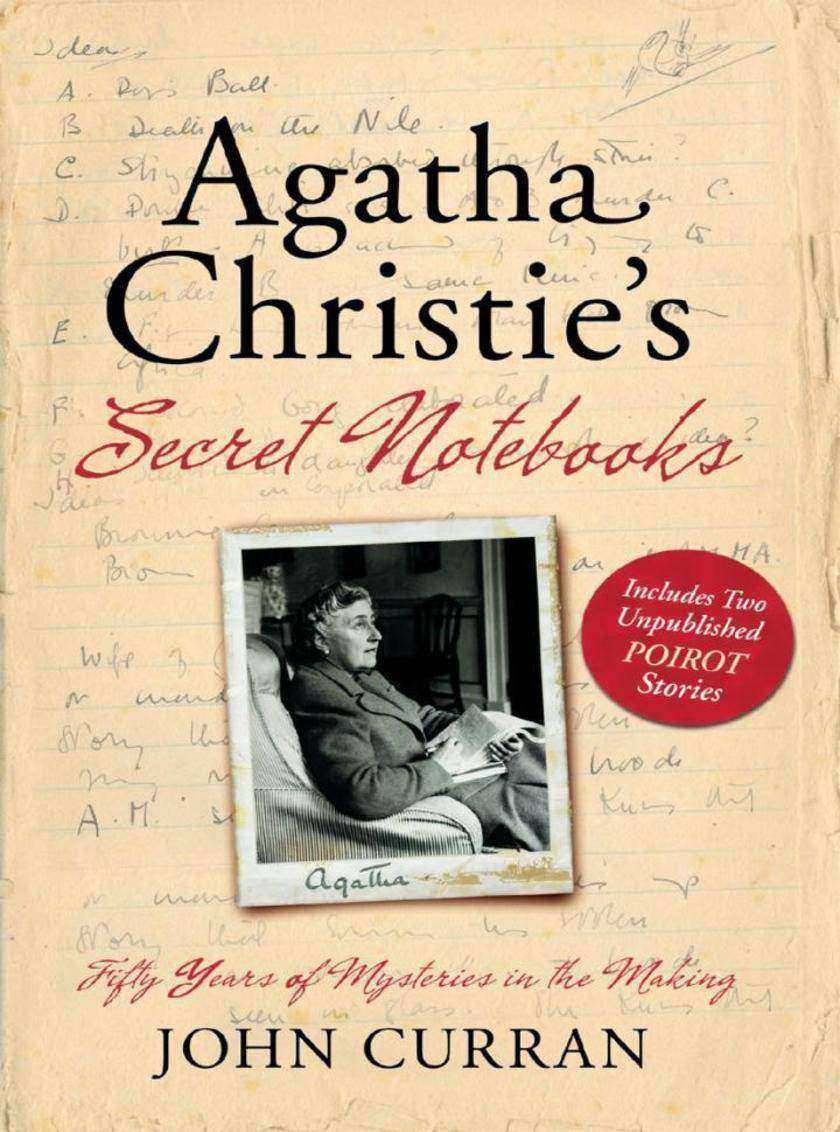
A fascinating exploration of the contents of Agatha Christie's seventy-three private notebooks, including illustrations and two unpublished Poirot stories When Agatha Christie died in 1976, at age eighty-five, she had become the world's most popular author. With sales of more than two billion copies worldwide, in more than one hundred countries, she had achieved the impossible more than one book every year since the 1920s, every one a bestseller.So prolific was Agatha Christie's output sixty-six crime novels, twenty plays, six romance novels under a pseudonym and more than one hundred and fifty short stories it was often claimed that she had a photographic memory. Was this trueOr did she resort over those fifty-five years to more mundane methods of working out her ingenious crimesFollowing the death of Agatha's daughter, Rosalind, at the end of 2004, a remarkable legacy was revealed. Unearthed among her affairs at the family home of Greenway were Agatha Christie's private notebooks, seventy-three handwritten volumes of notes, lists and drafts outlining all her plans for her many books, plays and stories. Buried in this treasure trove, all in her unmistakable handwriting, are revelations about her famous books that will fascinate anyone who has ever read or watched an Agatha Christie story.How did the infamous twist in The Murder of Roger Ackroyd really come aboutWhich very famous Poirot novel started life as an adventure for Miss MarpleWhich books were designed to have completely differ-ent endings, and what were theyWhat were the plot ideas that she considered but rejected?Full of details she was too modest to reveal in her own autobiography, this remarkable new book includes a wealth of excerpts and pages reproduced directly from the notebooks and her letters, plus, for the first time, two newly discovered complete Hercule Poirot short stories never before published.
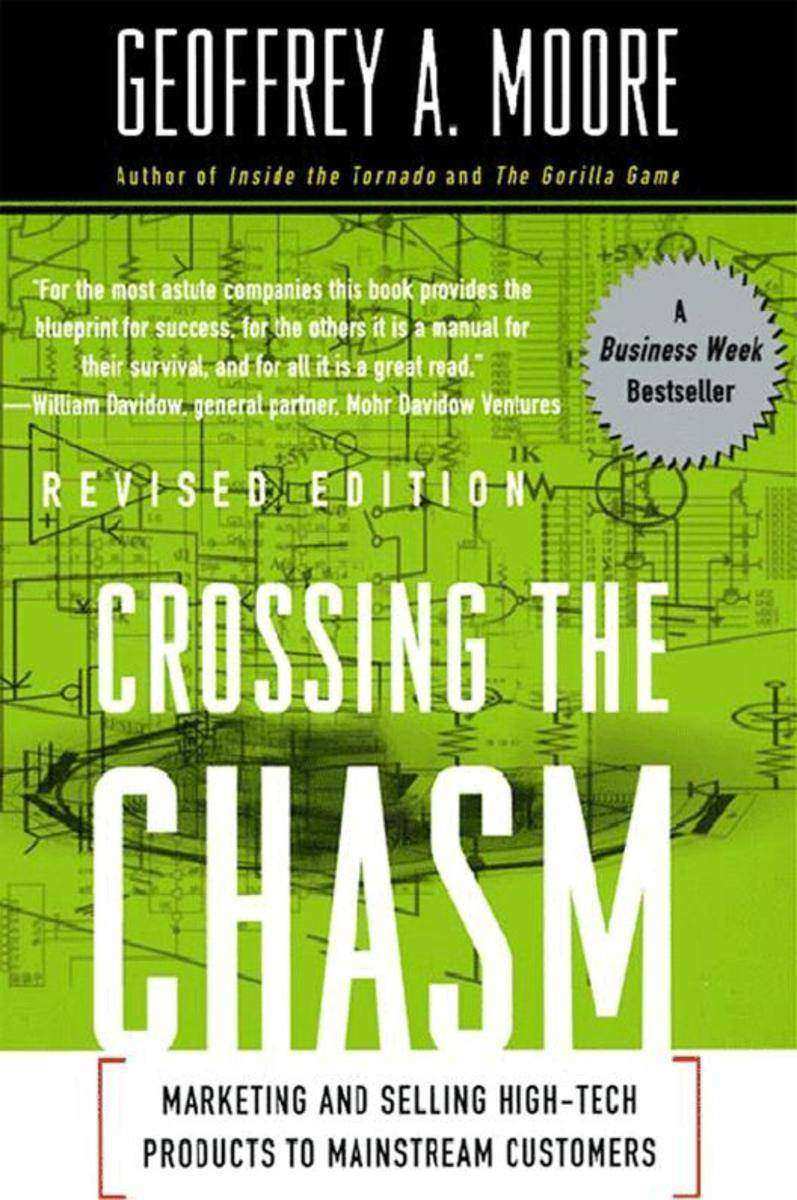
Crossing the Chasm
¥101.00
Here is the bestselling guide that created a new game plan for marketing in high-tech industries. Crossing the Chasm has become the bible for bringing cutting-edge products to progressively larger markets. This edition provides new insights into the realities of high-tech marketing, with special emphasis on the Internet. It's essential reading for anyone with a stake in the world's most exciting marketplace.
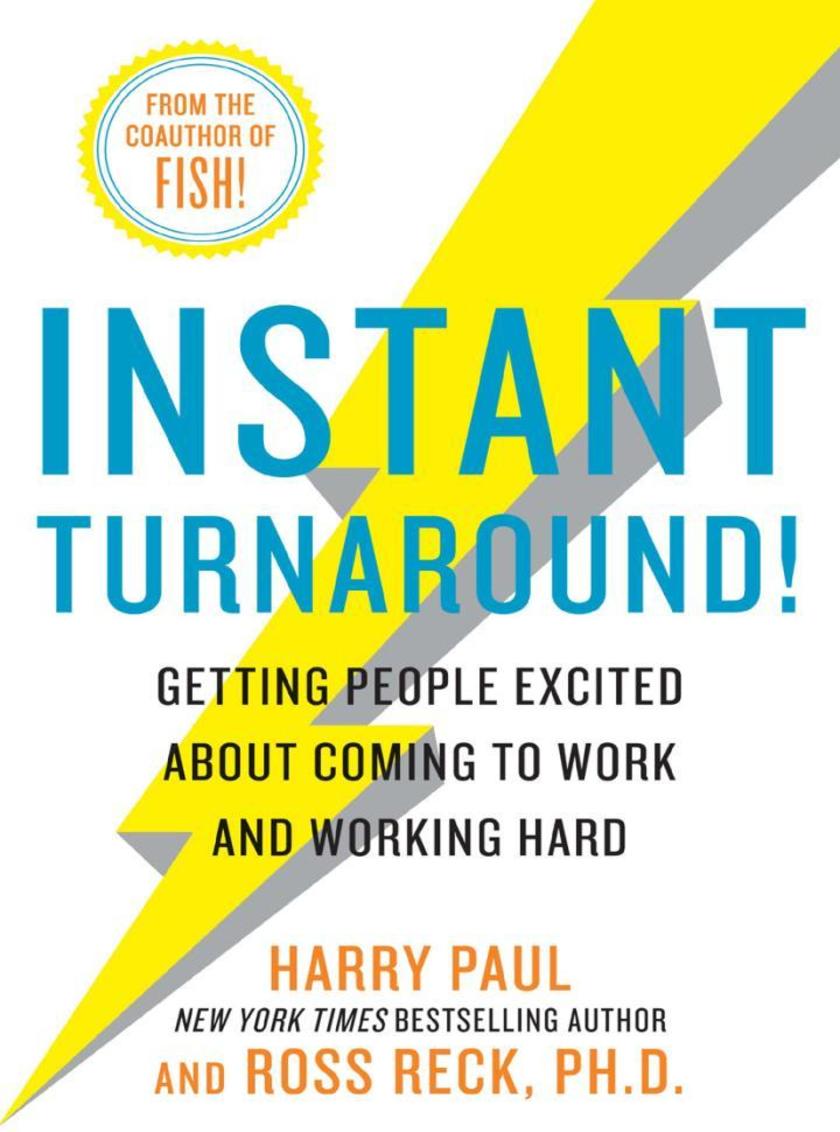
Instant Turnaround!
¥130.45
Transform Your Workplace!Imagine a company where people are excited about coming to work and giving their best efforts every day. In this innovative and engrossing business parable, Harry Paul and Ross Reck show managers at all levels how they can immediately and easily increase productivity by tapping into the discretionary effort of the people who work for them. Starting from the most basic aspect of business reality that people intentionally regulate the amount of effort they put into their jobs based upon how they feel they're being treated the authors point out that the most important part of the job of every manager, team leader, supervisor, and executive is to treat people in such a way that they become excited about applying all their discretionary effort toward performing their jobs.At the book's center is the story of Nancy Kim, a human resources director at a magazine that is struggling with all the problems associated with unhappy employees low productivity and morale along with high absenteeism and turnover. After she openly challenges the CEO's new management-by-the-numbers system, she's charged with turning the situation around immediately. Filled with real-world studies, Instant Turnaround! shows anyone how to turn the workplace into a destination a place where working hard feels like hardly working because it's engaging, enjoyable, and fulfilling.
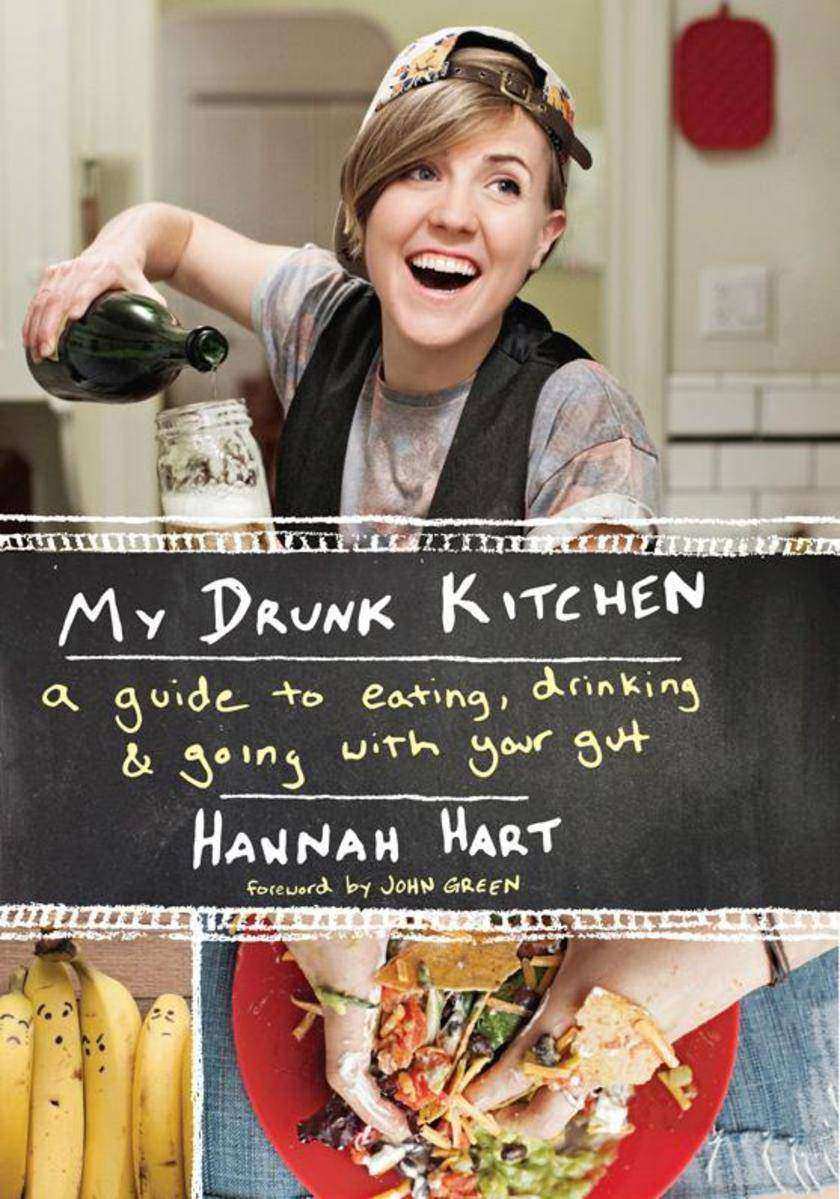
My Drunk Kitchen
¥129.07
One day, sad cubicle dweller and otherwise bored New York transplant Hannah Hart decided, as a joke, to make a fake cooking show for her friend back in California. She turned on the camera, pulled out some bread and cheese, and then, as one does, started drinking. (Doesn't everyone cook with a spoon in one hand and a bottle of wine in the other?) The video went viral and an online sensation was born. My Drunk Kitchen includes recipes, stories, full color photos, and drawings to inspire your own culinary adventures in tipsy cooking. It is also a showcase for Hannah Hart's great comedic voice. Hannah offers key drink recommendations, cooking tips (like, remember to turn the oven off when you go to bed) and shares never-before-seen recipes such as: ?The Hartwich (Knowledge is ingenuity! Learn from the past!) ?Can Bake (Inventing things is hard! You don't have to start from scratch!) ?Latke Shotkas (Plan ahead to avoid a night of dread!) ?Tiny Sandwiches (Size doesn't matter! Aim to satisfy.) ?Saltine Nachos (It's not about resources! It's about being resourceful.) This is a book for anyone who believes they have what it takes to make a soufflé for the holiday party and show up the person who apparently has nothing better to do than bake things from scratch. It also recommends the drink you'll need to accompany any endeavor of this magnitude. In the end, My Drunk Kitchen may not be your go-to guide for your next dinner party . . . but it will make you laugh and drink . . . I mean think . . . about life.
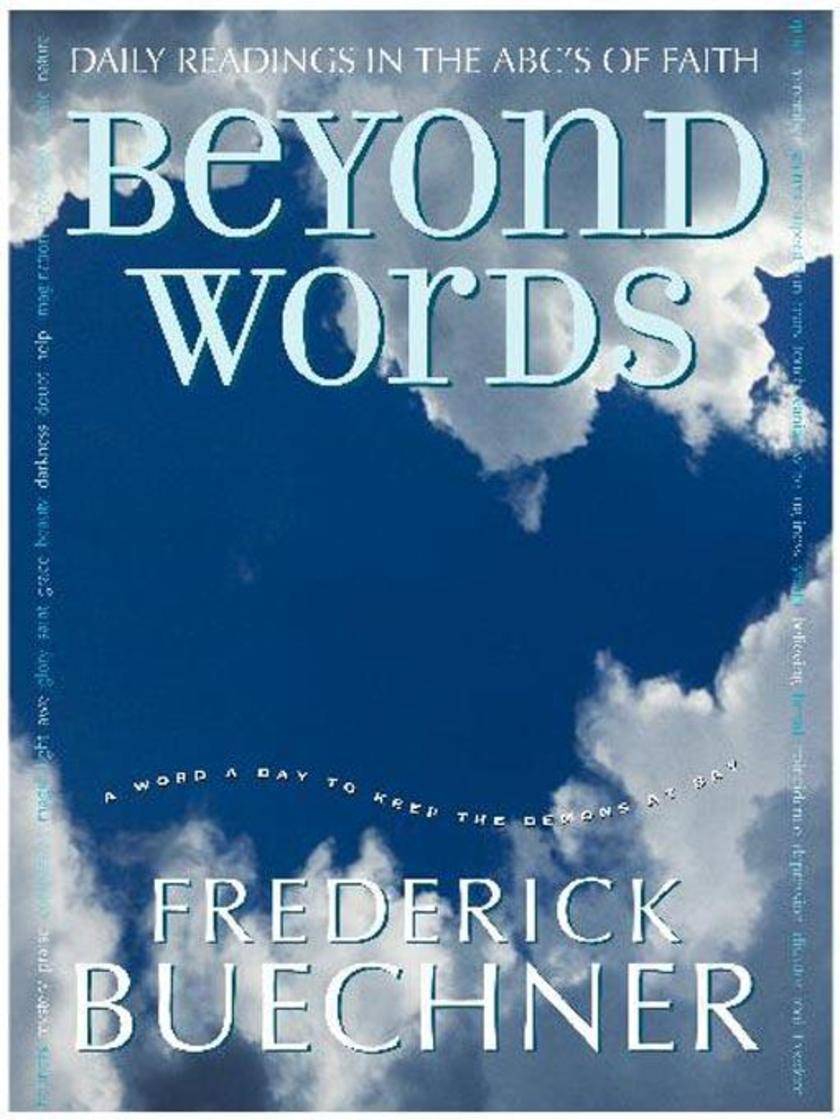
Beyond Words
¥139.90
Beyond Words n (1.) Terms or names that point to the realm of mystery and depth that lies beyond our ordinary experience. (2.) The reality that is beyond even the power of beyond words to convey, and that can be known only by experiencing it for yourself."A word a day to keep the demons at bay." This is how Frederick Buechner likes to describe this witty and incisive dictionary. A daily devotional from one of today's greatest spiritual writers, Beyond Words offers 366 entries from Buechner's three alphabet books, Wishful Thinking, Peculiar Treasures, and Whistling in the Dark, including a new Introduction and nineteen new entries.Providing definitions of both sacred and ordinary words, as well as biblical characters, Buechner unabashedly brings his fresh perspective to words, concepts, and characters we thought we understood. This is a great introduction to Buechner's work as well as a library staple for those already well versed in his writing. It is Buechner at his best. Whether readers find themselves tearful from a deeply moving insight or laughing out loud at an unexpected turn of phrase, they will always feel uplifted, illuminated, and enchanted by the wisdom of Frederick Buechner.
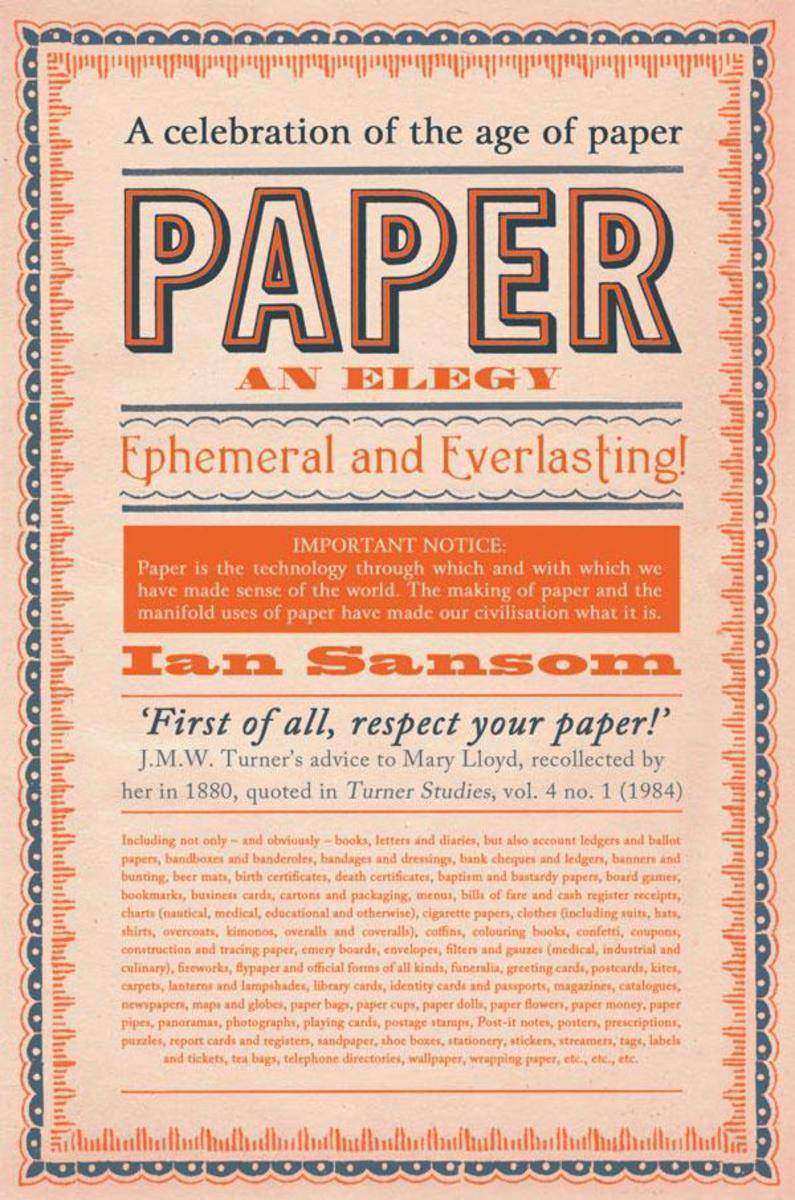
Paper
¥90.51
Let us suppose for a moment that paper were to disappear.Would anything be lost?Everything would be lost.aper surrounds us. Not only as books, letters and diaries, but as beer mats and birth certificates, board games and business cards, fireworks and flypaper, photographs and playing cards, tickets and tea bags. We are paper people.But the age of paper is coming to an end. E-books regularly outsell physical books. E-tickets replace the paper variety. Archives are digitized. The world we know was made from paper, and yet everywhere we look, paper is beginning to disappear. As we enter a world beyond paper, Ian Sansom explores the paradoxes of the greatest of man-made materials and shows how some kinds of paper, and the ghosts and shadows of paper, will always be with us.Paper: An Elegy is a history of paper in all its forms and functions. Both a cultural study and a series of personal reflections on the meaning of paper, this book is a timely meditation on the very paper it is printed on.
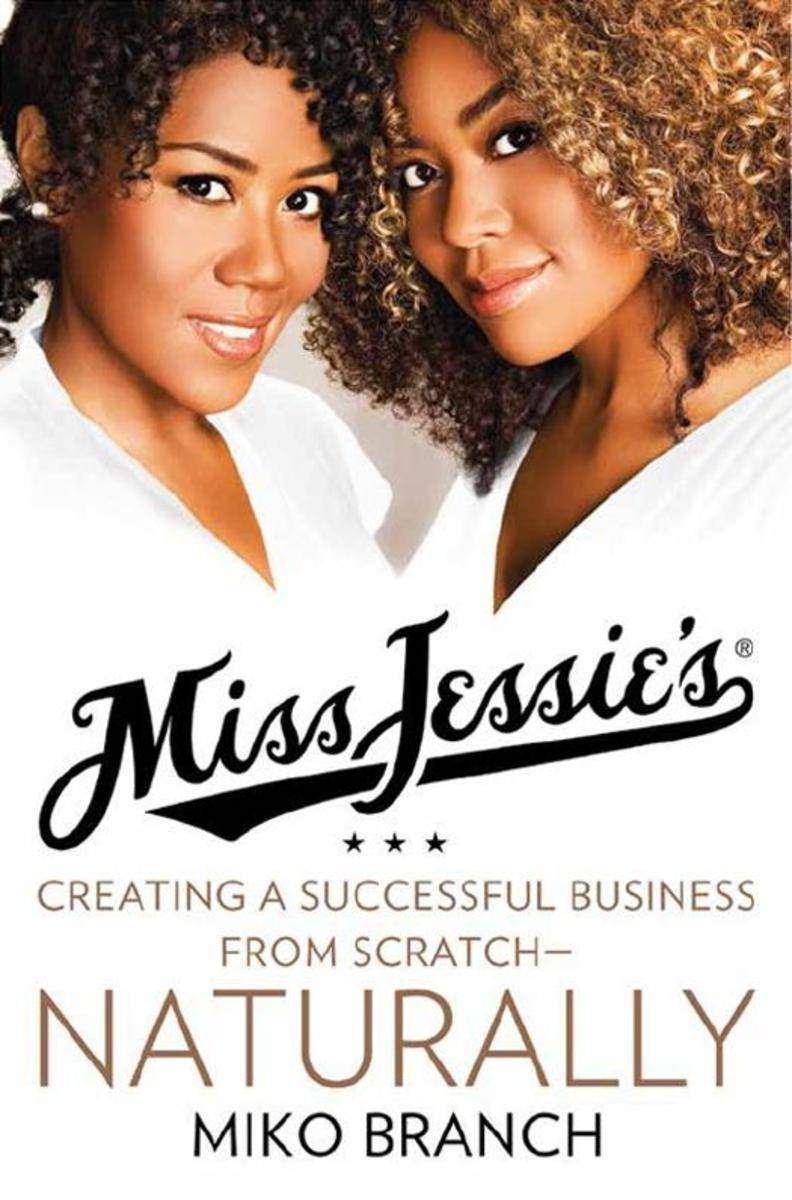
Miss Jessie's
¥88.56
Miss Jessie's is a memoir and business guide rich with inspirational life lessons and unique business advice from Miko Branch, the Chief Executive Officer of the dynamic Miss Jessie's the company that revolutionized the hair-care industry.When Miko and her sister, Titi, were children, their grandmother Miss Jessie taught them independence and showed them the value of being "do it yourself" women, all while whipping up homemade hair concoctions at her kitchen table. As a co-founder of Miss Jessie's, Miko reveals how she and Titi applied their grandmother's lessons to create a successful business from scratch. Miss Jessie's chronicles the Branch sisters' remarkable story. When they were children, their stern father encouraged them to become self-reliant and not to depend on their looks to get ahead. Taking this message to heart, they blossomed into business owners and leaders in their field, using ingenuity and without borrowing a dime. They soaked up the entrepreneurial and creative culture of the early hip-hop era on the streets of Brooklyn in the late 1990s, and in the high-end salons of Manhattan. They blended these inspirations to establish a business that has gone from their kitchen table to the shelves of major retailers around the globe, revolutionizing the hair-care industry. A charming and enlightening look at the women behind the brand, Miss Jessie's is chock-full of entertaining stories and invaluable instruction that can be applied to any business: an authentic expression that the American Dream is possible.
Tough Calls from the Corner Office
¥145.91
Thirty-nine of America's most successful business leaders share the most important decisions of their careers and the life and career lessons they hold for us all. When former CEO Harlan Steinbaum decided to buy back his retail drug chain with his partners, his life changed dramatically. The personal impact that this one business decision this "tough call" had on Steinbaum made him wonder if others had experienced similar kinds of defining moments in their own careers. To find out, he reached out to some of the most successful people in the country leaders from companies such as Verizon, Chrysler, ESPN, Ogilvy & Mather, Enterprise Rent-A-Car, WellPoint, and Panera Bread Company to pinpoint the career-defining decisions that were integral to their success. The result is Tough Calls from the Corner Office, a treasure trove of rich business wisdom, stories of tough decisions and hard-won victories, and lessons from a lifetime of achievement in the world of business.Tough Calls from the Corner Office offers inspiring stories, lessons, principles, strategies, ideas, and solutions drawn from every stage in a successful career, from early key choices to the final leave-taking from the world of work. Given unprecedented access to such visionaries as Union Square Hospitality Group's Danny Meyer, ESPN's Bill Rasmussen, Build-A-Bear's Maxine Clark, and Let's Make a Deal's Monty Hall, Steinbaum shares their experiences, told in their own words, so that others may learn from them. In a time when many people are at professional crossroads, Tough Calls from the Corner Office offers inspiration and the confidence to believe that tough decisions can be the first step to extraordinary success.
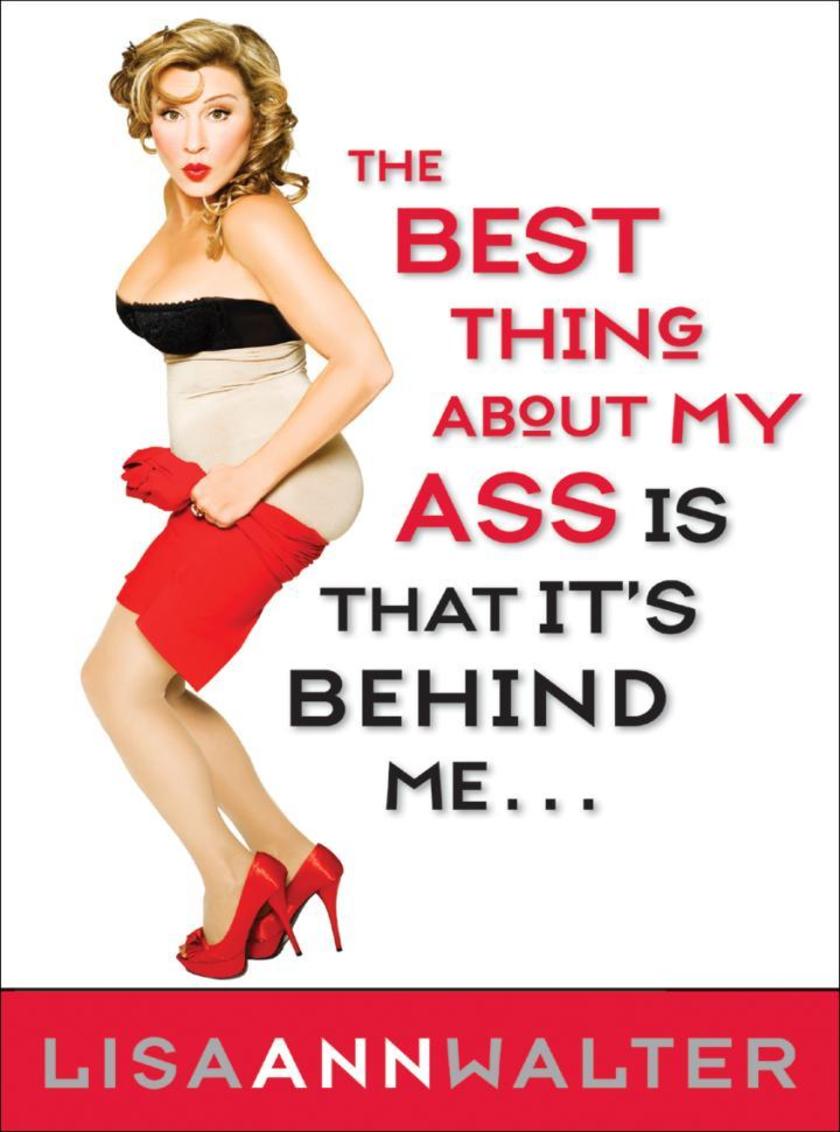
The Best Thing About My Ass Is That It's Behind Me
¥145.49
Follow one woman's bumpy, cellulite-riddled ride through size-0 Hollywood and learn how she went from body-dysmorphic to sassy-asstastic in only twenty-five short years of dieting, thousands of dollars in "procedures,". . . and one pair of industrial-strength Spanx.From the best girlfriend you didn't know you had comes this "I Can't Believe She Said That" guide to life in the real world. Actress and comic Lisa Ann Walter dishes about parenthood and the dangers of girl-on-girl snarking, explains why skinny actresses act crazy, and gives riotous advice on everything from the dating mistakes we all make to ten things you should subtract when you weigh yourself (self-tanner and dental work, for starters . . .).So what do you get when you drop a longtime self-loather into the glitz and glamour of HollywoodThis hysterical, and brutally honest, look at the impossible standard of perfection for which so many of us strive. Walter boldly shares her lifelong struggle with low self-esteem which, in her case, includes plenty of painful auditions, failed relationships, and awkward celebrity encounters, plus lots of impossible diets, questionable injectables, and dubious cosmetic procedures. Along the way, the "celebrity adjacent" Walter also tells her sometimes warm, often cringeworthy, and always funny Hollywood stories (including the reason she'd kill for Richard Gere). She also shares her sage advice by offering features such as ways to improve your self-esteem that won't cost you a dime:Four words:Push-up. Bra. Construction. Site. You don't even have to look good to get a response. Just wear sunglasses, square your shoulders, and toss your hair. Then count the whistles.Start frequenting your local gay bar. Both gays and lesbians are much more effusive about how fabulous you are! And you'll get free drinks! Always be seen with decrepit old men you'll look young and beautiful in comparison. Think how well this works for those Girls Next Door.
How to Draw Your Dragon
¥157.15
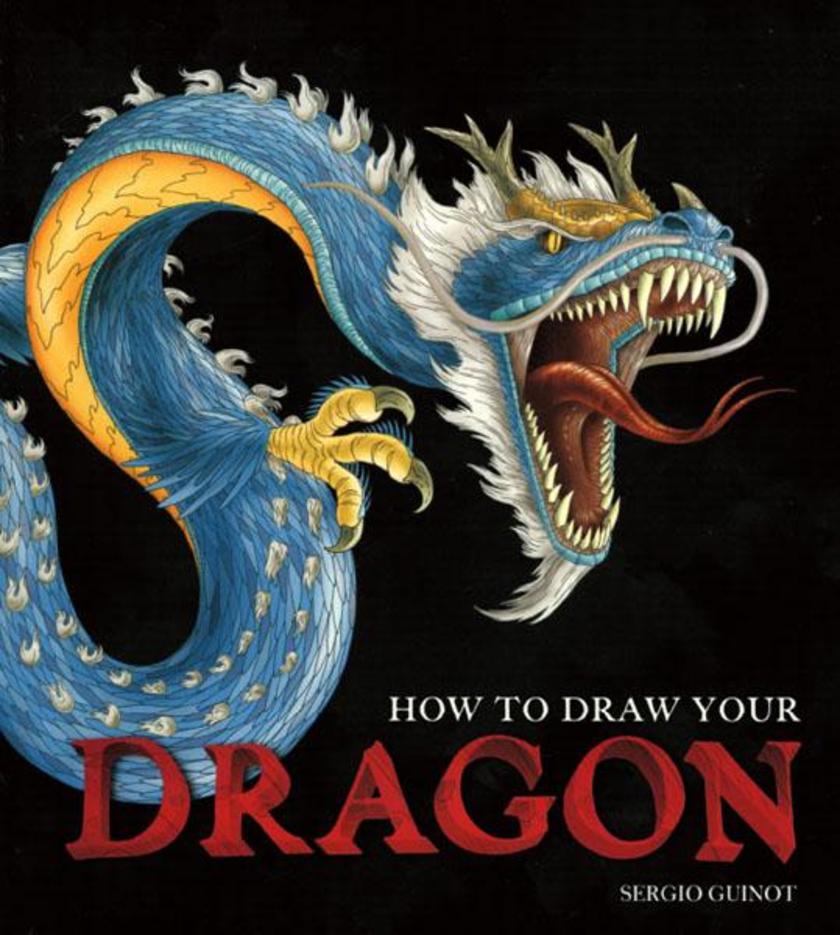
Massive fire-breathing dragons can be terrifying or kind, evil or accomplices of the hero, but they're never supporting characters, and all expert fantasy artists know how to depict them. Now, for the first time ever, a master dragon drawer reveals his secrets for doing this, taking you along for the ride as he meets these breathtaking creatures face-to-face.Inside you'll find: Easy to follow step-by-step instructions for creating realistic drawings of dragons. Dozens of different types of dragons, along with their unique anatomical and personality traits. An exploration of the digital and hand-drawing steps a dragon drawer must know.
iOS 9 Game Development Essentials
¥63.21
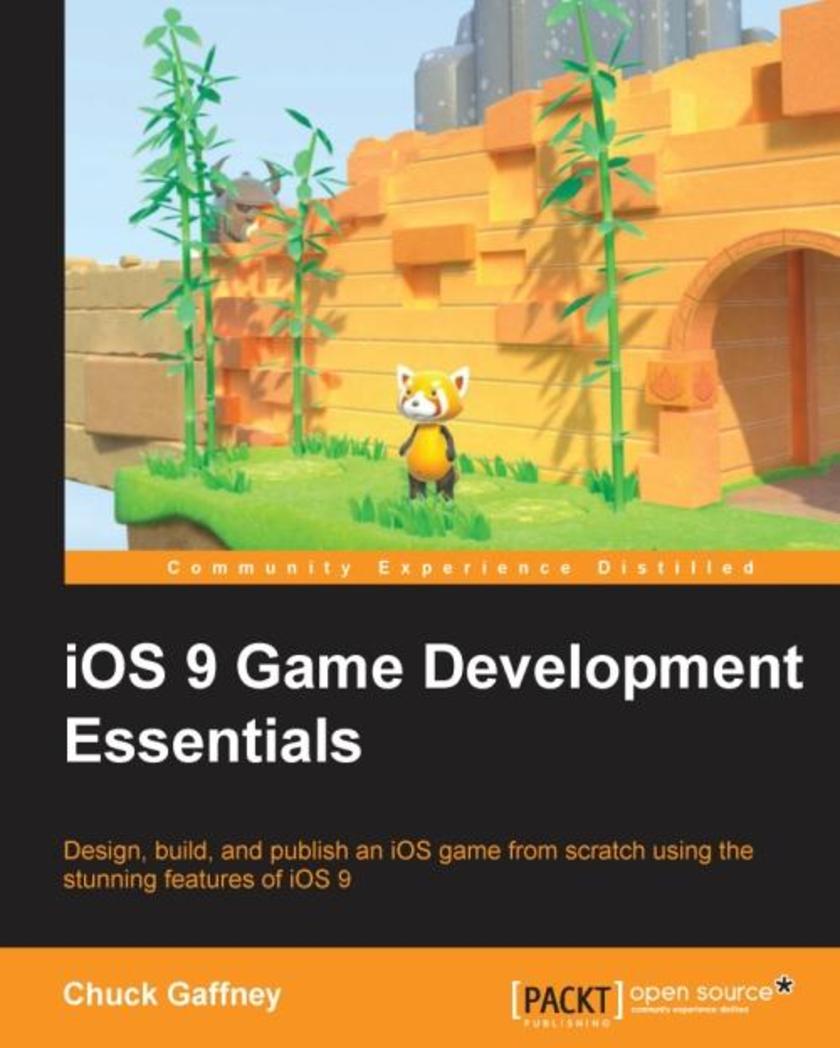
Design, build, and publish an iOS game from scratch using the stunning features of iOS 9 About This Book Create storyboards in Xcode from concept to code and designChalk out your game’s overall navigation and structureWork with 2D and 3D game development toolsWho This Book Is ForThis book is intended for game developers who wish to develop 2D and 3D games for iPhone and iPad. If you are a developer from another platform, or game engine such as Android or Unity, a current iOS developer wishing to learn more about Swift and the latest features of iOS 9, or even if you are new to game development, then this book is for you. Some prior programming knowledge is recommended, but not required.What You Will LearnFamiliarise yourself with both basic and advanced Swift game development codeUnderstand the structure and flow of a typical iOS appWork with the SpriteKit framework to make 2D games, sprites, and overlaysDiscover 3D game development with SceneKitVisually design levels and game assets with XCode 7’s latest featuresExplore the concept of component-based structuring with iOS 9’s GameplaykitBeta test and publish your game with iTunes ConnectIn DetailGame development has always been a combination of programming and art, and mobile game development is no exception to this rule. The iOS platform has been both a staple in the ever-growing mobile game market, as well as a launching point for many game developers (hobby and career-wise). The features and frameworks available in iOS 9 continue to cater to the synergy of design and computer engineering, using tools that allow developers to take a game idea from concept to application in record time.Whether you are new to iOS and game development as a whole, or are an experienced programmer wanting to learn the latest features of the platform, iOS 9 Game Development Essentials will provide you with crucial insight into this widely used platform.Starting with the Swift programming language, this book gets the ball rolling with code concepts and game-centric code samples right from the get-go, giving you get a solid understanding of Apple’s cutting-edge programming language. The book takes you through iOS game development concepts and introduces the various frameworks that allow you to develop robust, reusable, and intelligent game components in both 2D and 3D game environments.Style and approachThis book is a step-by-step guide into the code and concepts of iOS apps. Each chapter contains diagrams that showcase the features of the platform, along with code samples from Apple and code samples exclusive to this book.
Mastering SciPy
¥80.65
Implement state-of-the-art techniques to visualize solutions to challenging problems in scientific computing, with the use of the SciPy stackAbout This BookMaster the theory and algorithms behind numerical recipes and how they can be applied to real-world problemsLearn to combine the most appropriate built-in functions from the SciPy stack by understanding the connection between the sources of your problem, volume of data, or computer architectureA comprehensive coverage of all the mathematical techniques needed to solve the presented topics, with a discussion of the relevant algorithms built in the SciPy stackWho This Book Is ForIf you are a mathematician, engineer, or computer scientist with a proficiency in Python and familiarity with IPython, this is the book for you. Some basic knowledge of numerical methods in scientific computing would be helpful.What You Will LearnMaster relevant algorithms used in symbolic or numerical mathematics to address approximation, interpolation, differentiation, integration, root-finding, and optimization of scalar or multi-variate functionsDevelop different algorithms and strategies to efficiently store and manipulate large matrices of data, in particular to solve systems of linear equations, or compute their eigenvalues/eigenvectorsUnderstand how to model physical problems with systems of differential equations and distinguish the factors that dictate the strategies to solve themPerform statistical analysis, hypothesis test design and resolution, or data mining at a higher level, and apply them to real-life problems in the field of data analysisGain insights on the power of distances, Delaunay triangulations and Voronoi diagrams for Computational Geometry, and apply them to various engineering problemsFamiliarize yourself with different techniques in signal/image processing, including filtering audio, images, or video to extract information, features, or remove componentsIn DetailThe SciPy stack is a collection of open source libraries of the powerful *ing language Python, together with its interactive shells. This environment offers a cutting-edge platform for numerical computation, programming, visualization and publishing, and is used by some of the world’s leading mathematicians, scientists, and engineers. It works on any operating system that supports Python and is very easy to install, and completely free of charge! It can effectively transform into a data-processing and system-prototyping environment, directly rivalling MATLAB and Octave.This book goes beyond a mere de*ion of the different built-in functions coded in the libraries from the SciPy stack. It presents you with a solid mathematical and computational background to help you identify the right tools for each problem in scientific computing and visualization. You will gain an insight into the best practices with numerical methods depending on the amount or type of data, properties of the mathematical tools employed, or computer architecture, among other factors.The book kicks off with a concise exploration of the basics of numerical linear algebra and graph theory for the treatment of problems that handle large data sets or matrices. In the subsequent chapters, you will delve into the depths of algorithms in symbolic algebra and numerical analysis to address modeling/simulation of various real-world problems with functions (through interpolation, approximation, or creation of systems of differential equations), and extract their representing features (zeros, extrema, integration or differentiation).Lastly, you will move on to advanced concepts of data analysis, image/signal processing, and computational geometry.Style and approachPacked with real-world examples, this book explores the mathematical techniques needed to solve the presented topics, and focuses on the algorithms built in the SciPy stack.
B-I-N-G-O
¥24.44
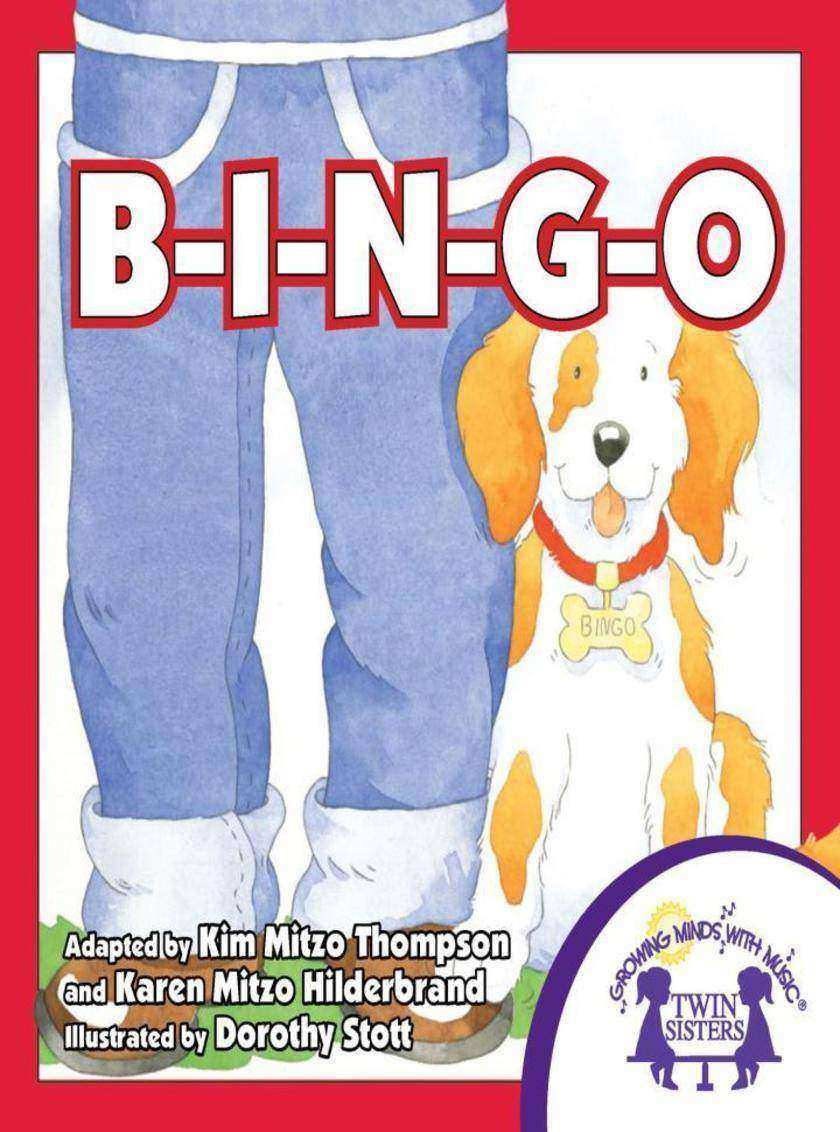
Young readers will love this classic tale about the farmer’s favorite dog. Based in Stow, Ohio, Twin Sisters Productions has been dedicated to producing quality educational and inspirational music resources for over 25 years. Fraternal twins Karen Mitzo Hilderbrand and Kim Mitzo Thompson founded the company when they realized Kim’s success teaching third grade math through her catchy multiplication song could help children beyond her classroom. From there, Twin Sisters expanded its product line to include e-books, digital music, CDs, read-along and sing-along books, floor puzzles and educational workbooks, all with the purpose of learning through music. These internationally sold products have received nearly 170 awards, including nine Record Industry Association of America (RIAA) certified Gold albums and one Platinum albu, over the years for excellence, creativity and amusement. With thousands of songs and 35 million albums sold, Twin Sisters positions itself as the leader in children’s educational music.


