


 购物车
购物车 个人中心
个人中心
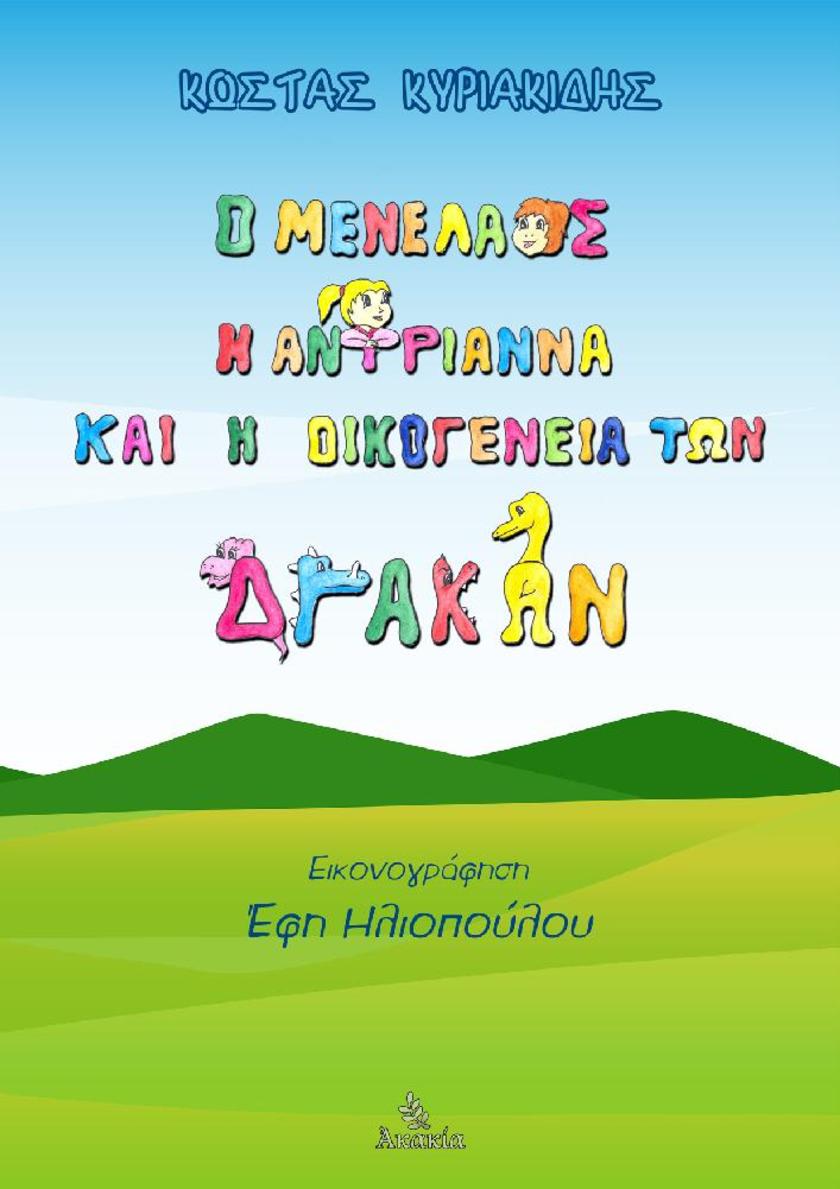
Ο Μεν?λαο?, η Αντρι?ννα και η Οικογ?νεια των Δρ?κων
¥31.56
"Μπαμπ? υπ?ρχουν δρ?κοι;" ρ?τησε το μικρ? αγ?ρι. "Δεν ξ?ρω παιδ? μου", απ?ντησε ο μπαμπ?? χωρ?? να γυρ?σει το βλ?μμα του απ’ την εφημερ?δα που δι?βαζε εκε?νη την στιγμ?. "Πε? μου μπαμπ?, αφο? εσ? ξ?ρει? τα π?ντα", επ?μεινε το αγ?ρι. "Δεν ξ?ρω σου ε?πα παιδ? μου", ξαναε?πε ο μπαμπ?? ξεφυσ?ντα?. "Δεν ?χω συναντ?σει π?ντω? καν?ναν σε ?λη μου την ζω? μ?χρι τ?ρα", συν?χισε απρ?θυμα. "Μπαμπ?, μ?πω? υπ?ρχαν παλι? δρ?κοι; Σαν του? δειν?σαυρου?;" ?ταν η φων? του μικρο? κοριτσιο? που ακο?στηκε τ?ρα. Το κορ?τσι δεν αρκ?στηκε ?μω? μ?νο στην ερ?τηση του αλλ? σκαρφ?λωσε και π?νω στην κοιλι? του μπαμπ?, στραπατσ?ροντα? την εφημερ?δα μια και καλ?. Ο μπαμπ?? κατ?λαβε γρ?γορα ?τι δεν υπ?ρχε περ?πτωση να συνεχ?σει το δι?βασμα αν δεν ξεκαθ?ριζε τι? απορ?ε? των δ?ο παιδι?ν. "Για ελ?τε εδ? να σα? πω μια ιστορ?α που ε?χα ακο?σει ?ταν ?μουν μικρ?? σαν και σα?", του? ε?πε. "Μου την ε?χε διηγηθε? ο μπαμπ?? μου, ο παππο?? σα?, ?ταν ?μουν στην ηλικ?α σα?". Τα δυο αδ?λφια αμ?σω? π?δηξαν στην αγκαλι? του και στρογγυλοκ?θισαν στον καναπ?, ο ?να? απ? τα αριστερ? και η ?λλη απ? τα δεξι? του. "Λοιπ?ν, μια φορ? κι ?να καιρ?, ξεκ?νησε να μιλ? ο μπαμπ??, πριν πολλ? πολλ? χρ?νια, στι? παρυφ?? του πιο ψηλο? βουνο? του κ?σμου, ζο?σε ο μεγ?λο? και τραν??, ο φοβερ?? και τρομερ?? Μπλε Δρ?κο?. ?ταν γιγ?ντιο?. Το μεγαλ?τερο πλ?σμα π?νω στην Γη. Περπατο?σε περ?φανα και το ?δαφο? ταρακουνι?ταν λε? και γιν?ταν σεισμ??"...
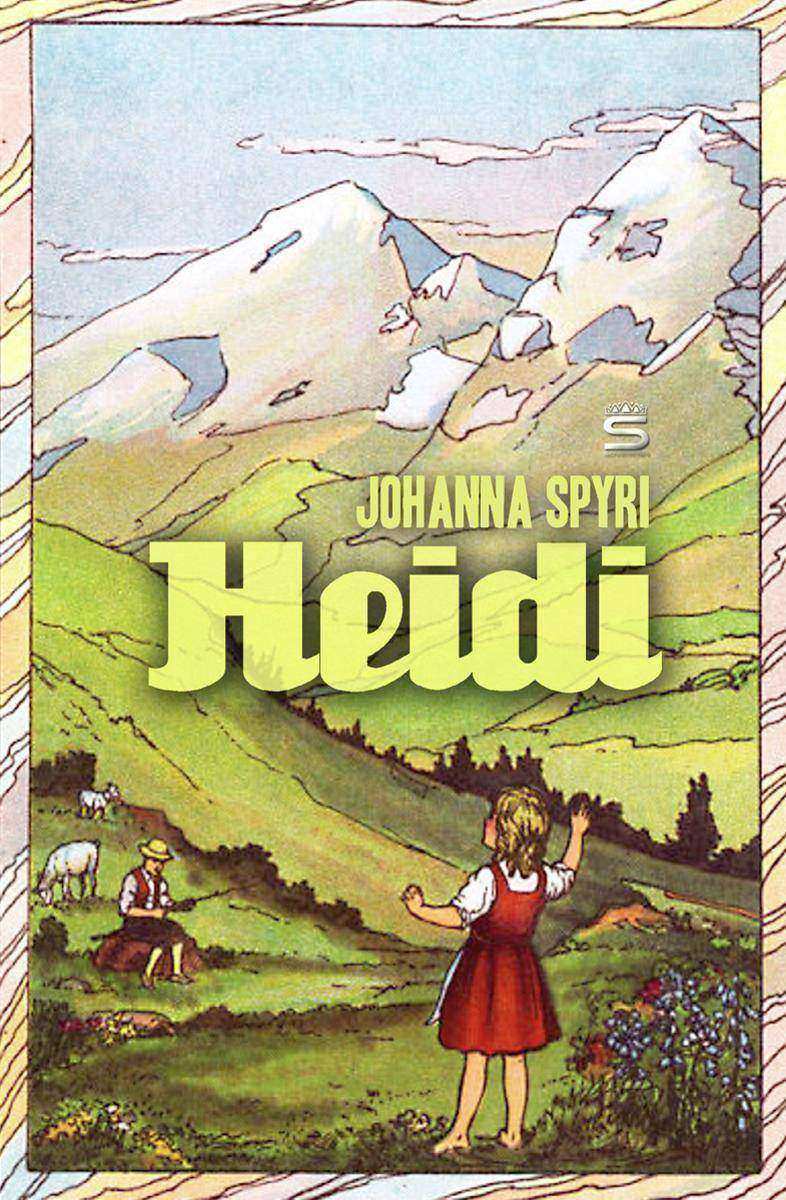
Heidi
¥40.79
Heidi is a delightful story of life in the Alps written by the Swiss authoress, Johanna Spyri. Her own sympathy with the instincts and longings of the child’s heart is shown in her picture of Heidi. The record of the early life of this Swiss child amid the beauties of her passionately loved mountain-home and during her exile in the great town has been for many years a favourite book of younger readers.
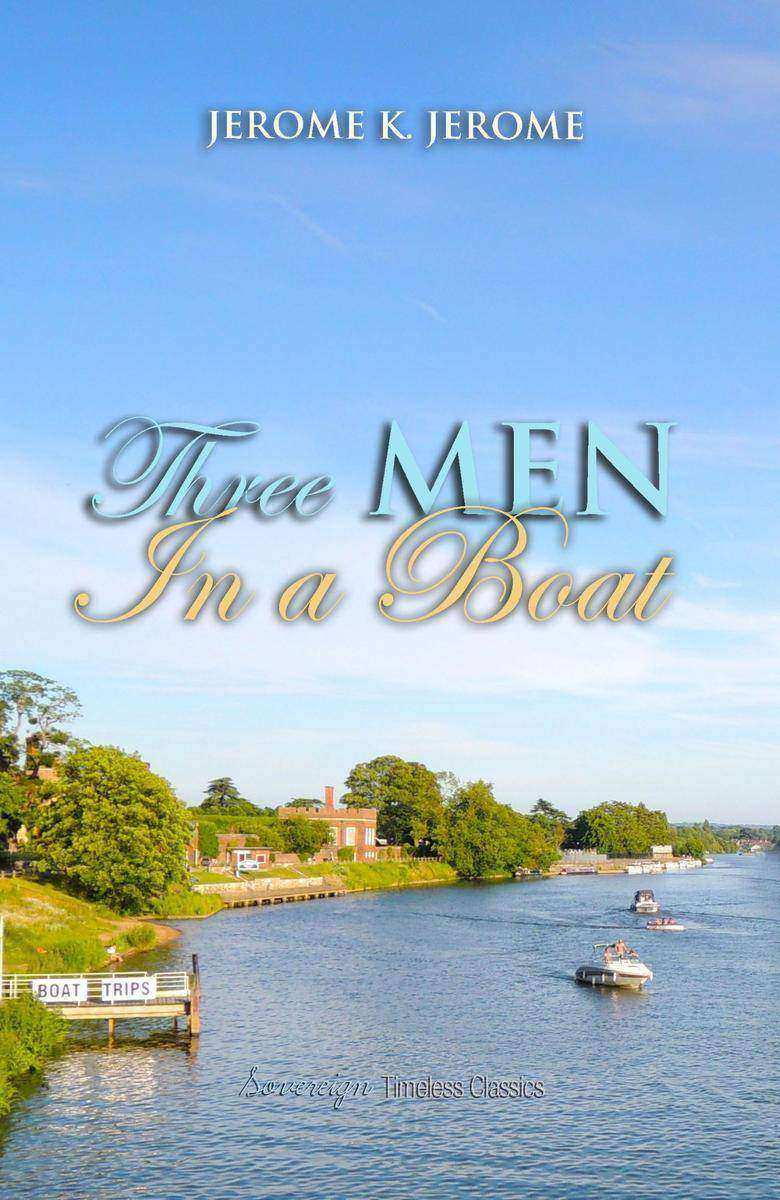
Three Men in a Boat
¥40.79
George, Harris, Jerome and Montmorency, a fox terrier, are spending an evening smoking and discussing illnesses they fancy they suffer from. They conclude they are all overworked and need a holiday. The three decide on a boating holiday up the River Thames. Initially intended to be a serious travel guide, with accounts of local history along the route, the humour and witty adventures transformed the story into once of the most admirable comic novels of all times.
As a Man Thinketh
¥24.44
Do Your Thoughts Really Create The World Around You?As a Man Thinketh is a literary essay and book by James Allen, published in 1903. It was described by Allen as "... [dealing] with the power of thought, and particularly with the use and application of thought to happy and beautiful issues. I have tried to make the book simple, so that all can easily grasp and follow its teaching, and put into practice the methods which it advises. It shows how, in his own thought—world, each man holds the key to every condition, good or bad, that enters into his life, and that, by working patiently and intelligently upon his thoughts, he may remake his life, and transform his circumstances. The price of the book is only one shilling, and it can be carried in the pocket." It was also described by Allen as "A book that will help you to help yourself", "A pocket companion for thoughtful people", and "A book on the power and right application of thought."The title is influenced by a verse in the Bible from the Book of Proverbs, chapter 23, verse 7: "As a man thinketh in his heart, so is he". The full passage, taken from the King James Version, is as follows:Eat thou not the bread of him that hath an evil eye, neither desire thou his dainty meats:For as he thinketh in his heart, so is he:Eat and drink, saith he to thee; but his heart is not with thee.The morsel which thou hast eaten shalt thou vomit up, and lose thy sweet words.While the passage suggests that one should consider the true motivations of a person who is being uncharacteristically generous before accepting his generosity, the title and content of Allen's work refer to the reader himself. (Wikipedia)Earl Nightingale and others have supported Allen's interpretation with numerous other quotes and popular writings, older and more recent. Obviously, your own thoughts and understanding will determine what you think Allen's words mean.About the Author:James Allen (28 November 1864 – 24 January 1912) was a British philosophical writer known for his inspirational books and poetry and as a pioneer of the self-help movement. His best known work, As a Man Thinketh, has been mass-produced since its publication in 1903. It has been a source of inspiration to motivational and self-help authors.In 1903 Allen published his third and most famous book As a Man Thinketh. Loosely based on the Biblical passage of Proverbs 23:7, "As a man thinketh in his heart, so is he," the small work eventually became read around the world and brought Allen posthumous fame as one of the pioneering figures of modern inspirational thought. The book's minor audience allowed Allen to quit his secretarial work and pursue his writing and editing career. In 1903, the Allen family retired to the town of Ilfracombe where Allen would spend the rest of his life. Continuing to publish the Epoch, Allen produced more than one book per year until his death in 1912. There he wrote for nine years, producing 19 works.

Japan Folklore Vol. 1 The Elixir of Life
¥8.09
Long, long ago there lived a man called Sentaro. His surname meant "Millionaire," but although he was not so rich as all that, he was still very far removed from being poor. He had inherited a small fortune from his father and lived on this, spending his time carelessly, without any serious thoughts of work, till he was about thirty-two years of age.One day, without any reason whatsoever, the thought of death and sickness came to him. The idea of falling ill or dying made him very wretched."I should like to live," he said to himself, "till I am five or six hundred years old at least, free from all sickness. The ordinary span of a man's life is very short."He wondered whether it were possible, by living simply and frugally henceforth, to prolong his life as long as he wished.He knew there were many stories in ancient history of emperors who had lived a thousand years, and there was a Princess of Yamato, who, it was said, lived to the age of five hundred This was the latest story of a very long life record.
Manon Lescaut
¥40.79
Set in France and Louisiana, this new edition from Egoist Press follows the story of Chevalier des Grieux, the protagonist and his lover, Manon Lescaut. Des Grieux comes from a noble and landed family, but forfeits his hereditary wealth and incurs the disappointment of his father by running away with Manon. In Paris, the young lovers enjoy a blissful cohabitation, while Des Grieux struggles to satisfy Manon's taste for luxury.
Hippolytus
¥40.79
Theseus, the king of Athens, is serving a year's voluntary exile after having murdered a local king and his sons. His illegitimate son Hippolytus, whose mother is the Amazon Hippolyta, has been trained here since childhood by the king of Troezen, Pittheus.
Tales From The Jazz Age
¥40.79
A collection of short stories by F. Scott Fitzgerald featuring some of his best work. The collection is divided into three sections: My Last Flappers, Fantasies, Unclassified Masterpieces. The author's initial intent was to use fantasies for his personal amusement. These have become most popular and include such classics as The Curious Case of Benjamin Button.

The Yoga of Wisdom: Lessons in Gnani Yoga
¥40.79
The Yoga of Wisdom, also known as Gnani Yoga deals with the scientific and intellectual knowing of the great questions regarding Life and what lies back of Life—the Riddle of the Universe. This training course consisting of twelve lessons offers a path for those wishing to develop by knowing—by studying the fundamental principles, and the wonderful truths underlying Life, the path of Gnani Yoga.

The Way of the World: A Comedy
¥40.79
Mirabell and Fainall have just finished playing cards. A footman comes and tells Mirabell that Waitwell and Foible were married that morning. Mirabell tells Fainall about his love of Millamant and is encouraged to marry her. Witwoud and Petulant appear and Mirabell is informed that should Lady Wishfort marry, he will lose ?6000 of Millamant's inheritance. He will only get this money if he can make Lady Wishfort consent to his and Millamant's marriage.

The Human Aura
¥40.79
The Human Aura is an insightful practical guide explaining relationships between astral colours and thought forms. Various aspects of auric magnetism and ways to building up a strong, positive aura are also covered in this guide. The author offers this knowledge as a way of building practical power and strength.
Lady Windermere's Fan
¥40.79
Lady Windermere suspects that her husband is having an affair with another woman. She confronts him with it but although he denies it, he invites the other woman, Mrs Erlynne, to his wife's birthday ball. Angered by her husband's supposed unfaithfulness, Lady Windermere decides to leave her husband for another lover. After discovering what has transpired, Mrs Erlynne follows Lady Windermere and attempts to persuade her to return to her husband and in the course of this, Mrs Erlynne is discovered in a compromising position.
The Nature and Practice of Yoga
¥40.79
A complete essential introduction to Yoga theory and practice designed as series of lessons covering all key elements such as nature, body, mind, spirituality, different schools of thought, yoga science, and yoga practice. The author is aiming to prepare the student to take up, for practical purposes, the Yoga sutras. The lessons, may, however, also give to the ordinary lay reader some idea of Yoga, and perhaps to allure a few towards its study.

Nicholas Nickleby
¥40.79
The first of Dickens’ romances, Nicholas Nickleby is one of his most popular novels. The story follows young Nicholas who has become the head of the family after his father’s death. Penniless and desperate, he turns to his uncle for help, but this only leads the family into even more of a mess.
Writers Editors Critics (WEC):Vol. 7, No. 2 (September 2017)
¥48.74
Writers Editors Critics (WEC) An International Biannual Refereed Journal of English Language and Literature Volume 7, Number 2 (September 2017) ISSN: 2231-198X RESEARCH ARTICLES Sharan Speaks: Colours of Resistance and Emancipation on the White Paper - Jaydeep Sarangi Kahlil Gibran's The Prophet: An Appraisal of Life Skills - S. Kumaran Analyzing Intertextuality in Paulo Coelho's Manuscript Found in Accra - Joji John Panicker Multicultural Ideologies in the Select Poems of K. V. Dominic: A Rendition of Poetic Insight - Parthajit Ghosh Confrontation of Democracy and Religion-Centred Politics Intriguing Khushwant Singh's India in The End of India - Sreedevi R and Raichel M. Sylus Pangs of Lacerated Psyche--An Analysis of Ramesh K. Srivastava's My Father's Bad Boy: An Autobiography - Smita Das Poetry and its impact on status quo: The case of poems by Ethiopian students in the 1960s - Tesfaye Dagnew Gebrehiwot Tracing Spirituality in a Feminist Context in Khushwant Singh's I Shall Not Hear the Nightingale - Kanchan Mehta A Study of the Radicalism of Daniel Defoe in the Novel Robinson Crusoe - Iman Abdullah Al Mahdi A Socio-Psychological Analysis of Anita Desai's Baumgartner's Bombay - Atul Rasika Moudgil Conflicts between the Conscious and Unconscious mind in Shashi Deshpande's Strangers to Ourselves - M. Durga Devi Bio-Diversity and Deep Commitment: A Deep-Ecological Study of Bengali Dalit Poetry - Sibasis Jana A Canadian Asset: Mavis Gallant Celebrated For Her Style and Technique - M. Revathi REVIEW ARTICLES T. V. Reddy's Insightful Survey of Indo-English Poetry - Manas Bakshi Effusion of Emotions in Manas Bakshi's Parnassus of Revival - S. Barathi An Economic Perspective of K V Dominic's Short Story "Who is Responsible?" - Mousumi Ghosh Seeing Beyond Seeing: Ecstatic Epiphanies, Uncanny Realizations and Ultimate Transformation in Alexander Raju's And Still Plays The Abyssinian Damsel on her Dulcimer - Kavitha Gopalakrishnan Jacinta: A Pioneer Tribal Poet in Hindi -Fr. Varghese Paul, SJ BOOK REVIEWS O. P. Arora's Heartbeats of Silence: A Collection of Poems - Anisha Ghosh (Paul) Natalia Molebatsi and Tiziana Pers, Elephant Woman Song - Jaydeep Sarangi Jaydeep Sarangi's To Whom I Return Each Day - Patricia Prime SHORT STORIES A Memorable Present - Ramesh K. Srivastava Vanity Fair - T. V. Reddy A Hartal Safari in God's Own Country - K. V. Dominic A Change for the Better - Chandramoni Narayanaswamy As You Sow - Manas Bakshi In the Light of Anamika's Thought - Sabita Chakrabarti Another dawn ... another day... 164 - Molly Joseph POEMS How to Tear away the Self - D. C. Chambial Sitas and Savitris - D. C. Chambial The Chameleon - O. P. Arora I Walked through the Forest - O. P. Arora When I Was Thirteen - O. P. Arora Taking it from Nature - Manas Bakshi Caution - Manas Bakshi In Search of New Hues - Ketaki Datta No Bullets for No Cause - Ketaki Datta Peace Bombed to Doom - Ketaki Datta Poetry - Rajiv Khandelwal Miser - Rajiv Khandelwal Standing Alone - Rajiv Khandelwal A Hymn - Ramesh Chandra Mukhopadhyaya Life Touches - Molly Joseph The Cart - Rita De A Seat - Rita De Learn more at www.ProfKVDominic.com
Hollywood is Dead
¥78.97
Hollywood is Dead is a collection of monologues which explore the life of a young actress, who discuses the psychological and thrilling impact of transforming into her film character, Amorette.
Delphi Complete Works of John Clare (Illustrated)
¥16.27
This groundbreaking edition of the 'Peasant Poet' presents the complete works of John Clare for the first time in publishing history. The Delphi Poets Series offers readers the works of literature's finest poets, with superior formatting, with beautiful illustrations and the usual Delphi bonus material. (Version 1) * Beautifully illustrated with images relating to Clare's life and works * Concise introductions to the poetry and other works * Images of how the poetry books were first printed, giving your eReader a taste of the original texts * Excellent formatting of the poems * Rare Asylum and Last poems, appearing here for the first time in digital print * Special chronological and alphabetical contents tables for the poetry * Easily locate the poems you want to read * Includes Clare's prose works, including the intriguing autobiography that he wrote for his children * Features two bonus biographies - discover Clare's literary life * Scholarly ordering of texts into chronological order and literary genres Please visit www.delphiclassics.com to browse through our range of exciting titles CONTENTS: The Poetry Collections POEMS DESCRIPTIVE OF RURAL LIFE AND SCENERY THE VILLAGE MINSTREL, AND OTHER POEMS THE SHEPHERD'S CALENDAR WITH VILLAGE STORIES AND OTHER POEMS THE RURAL MUSE MIDDLE PERIOD, 1824-1836 ASYLUM POEMS LAST POEMS The Poems LIST OF POEMS IN CHRONOLOGICAL ORDER LIST OF POEMS IN ALPHABETICAL ORDER The Prose LIST OF PROSE WORKS The Biographies THE LIFE OF JOHN CLARE by Frederick Martin BRIEF BIOGRAPHY OF JOHN CLARE by Edmund Blunden Please visit www.delphiclassics.com to browse through our range of exciting titles

Plays for Youth Theatres and Large Casts
¥40.79
Our first ever collection of plays with multiple roles for large casts. Suitable for schools, colleges, youth theatres, amateur dramatic societies and community groups to perform. This great collection of critically acclaimed plays has been produced internationally. ‘Twice Upon a Time’ – Somewhere in the distant future, a shape-changing creature known as the Cailleach deceives a young warrior into entering the Otherworld, a place where a single moment can equal an eternity. Can he find his way back to the girl he loves? ‘Small Fry’ – shortlisted for The Writers Guild Award for Best Children's Play. A play in which the small fry take on the mighty dragon, win the jackpot and outwit the scavengers and predators that usually prevail. ‘The Minotaur’ – A spell-binding version of the famous myth of Theseus and the Minotaur. ‘Talking with Angels’ – An original and highly imaginative retelling of the complex story of Joan of Arc.
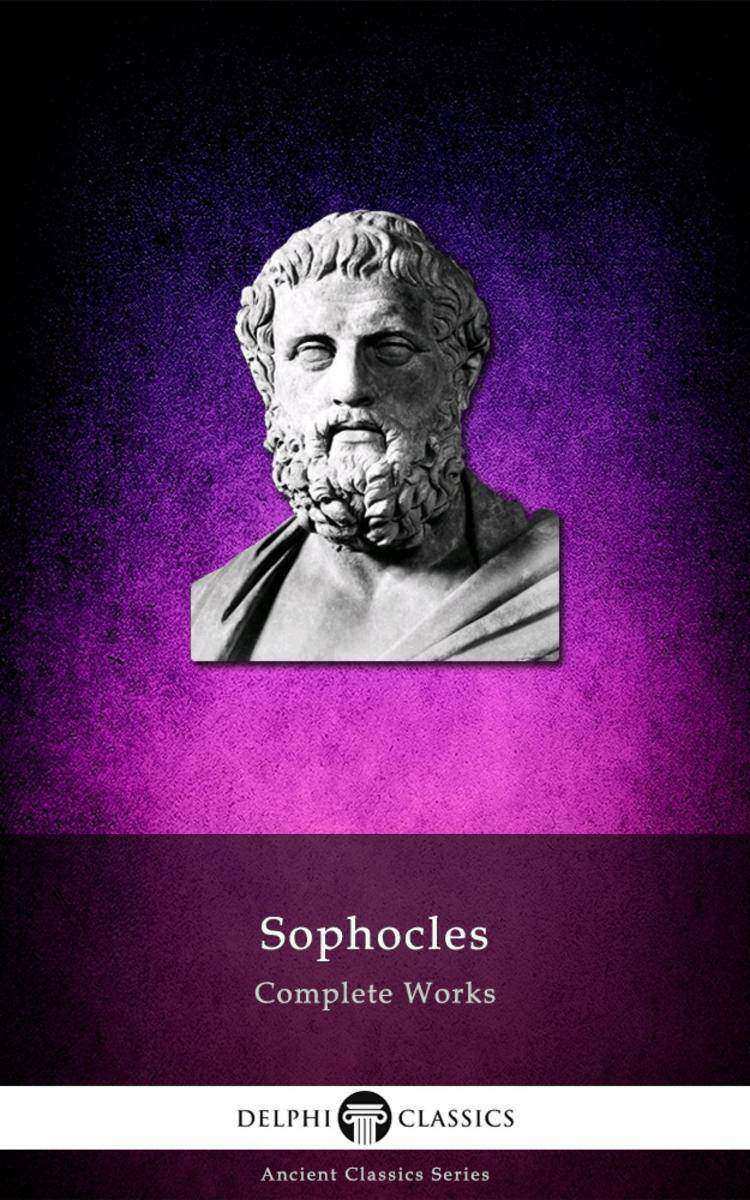
Delphi Complete Works of Sophocles (Illustrated)
¥16.27
The Ancient Classics series provides eReaders with the wisdom of the Classical world, with both English translations and the original Latin and Greek texts. This comprehensive eBook presents the complete works of Sophocles, with beautiful illustrations, informative introductions and the usual Delphi bonus material. (Version 1) * Beautifully illustrated with images relating to Sophocles' life and works * Features the complete extant works of Sophocles, in both English translation and the original Greek * Concise introductions to the plays * Provides rare fragments of Sophocles' lost plays * Includes translations previously appearing in Loeb Classical Library editions of Sophocles' works * Images of famous paintings that have been inspired by Sophocles' works * Excellent formatting of the texts * Easily locate the plays or fragments you want to read with individual contents tables * Features two bonus biographies - discover Sophocles' ancient world * Scholarly ordering of texts into chronological order and literary genres Please note: some EReader software programs cannot display Greek characters correctly, however they do display correctly on EReader devices. Please visit www.delphiclassics.com to browse through our range of exciting titles CONTENTS: The Translations AJAX ANTIGONE THE WOMEN OF TRACHIS OEDIPUS THE KING PHILOCTETES ELECTRA OEDIPUS AT COLONUS FRAGMENTS The Greek Texts LIST OF GREEK TEXTS The Biographies INTRODUCTION TO SOPHOCLES by F. Storr SOPHOCLES by T. W. Lumb Please visit www.delphiclassics.com to browse through our range of exciting titles
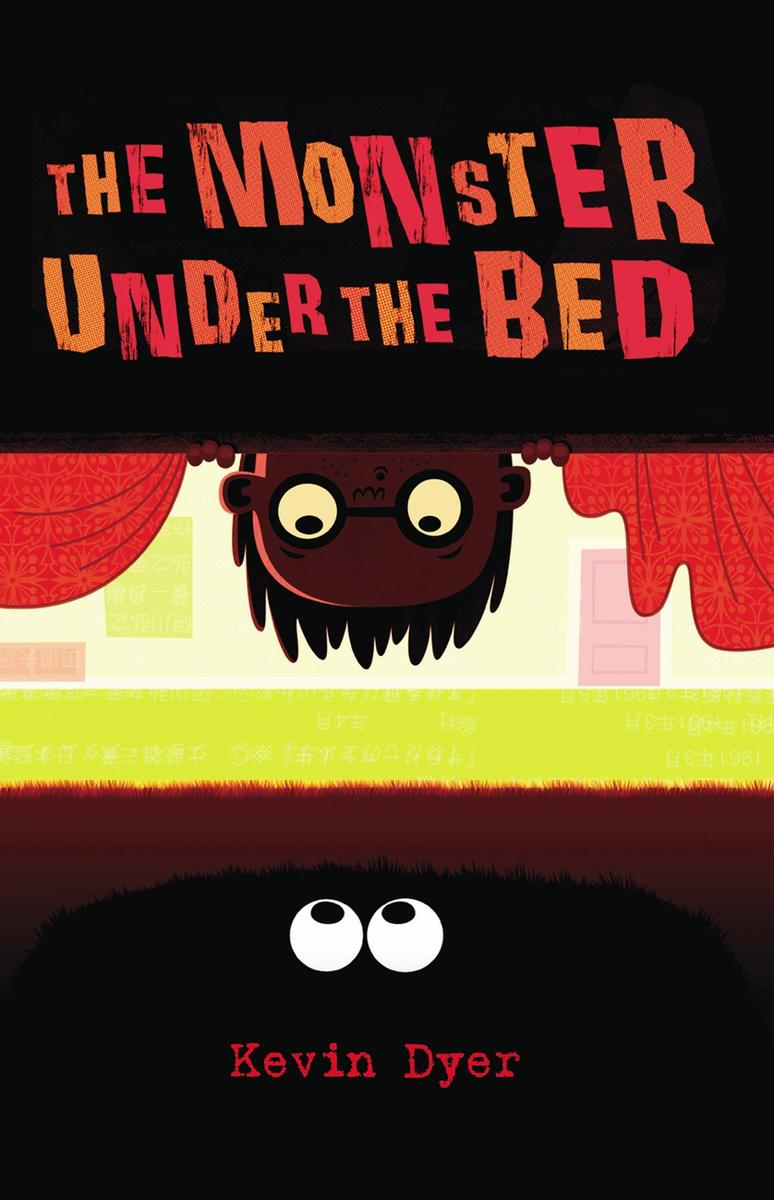
The Monster Under the Bed
¥38.62
The complete playtext for use in schools and youth theatres. Imagine swapping places with a monster for the day. Ben has a BIG problem. His mum is acting grumpy, his best friend Vince has stolen his precious binoculars and his Dad is far, far away… Oh, and there’s a monster under his bed. But when Ben swaps places with the underbed monster, Ben’s life – and his school – is turned inside out and upside down. A funny and thrilling play for children about friendship and facing up to your fears. Suitable for young performers. WINNER OF THE WRITERS’ GUILD BEST CHILDREN’S PLAY AWARD
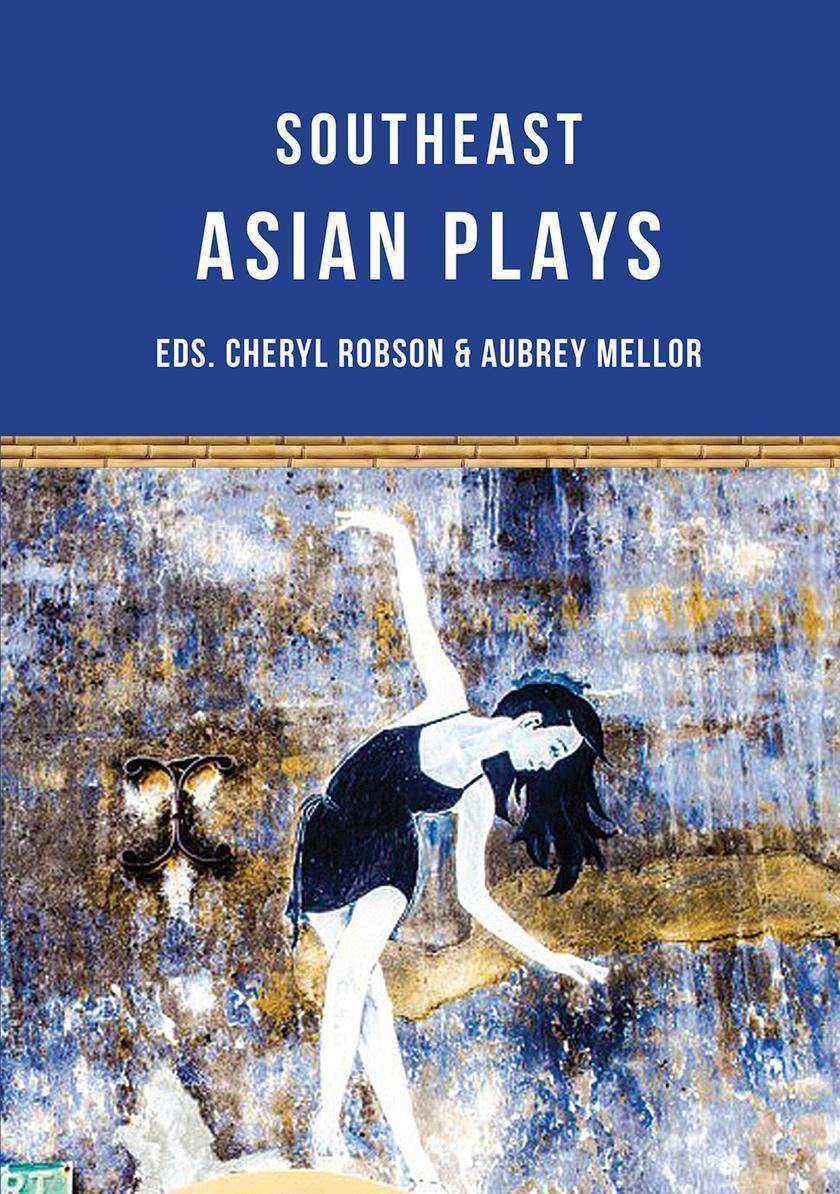
Southeast Asian Plays
¥38.62
The first ever comprehensive collection of plays ?in English from Southeast Asia. Features work by eight playwrights from seven countries in Southeast Asia, a region which is experiencing profound change:? Singapore , Vietnam , Malaysia , Thailand , the Philippines , Indonesia and Cambodia.? Southeast Asian Plays ?explores the rich variety of dramatic work that is only beginning to be translated into English. Theatre scripts are merely blueprints for productions, especially in this region. As elsewhere, second productions and revivals are rare, so publication is key to allowing play texts to find a wider international readership. Topics include the global financial crisis, sex workers, traditional v modern values, the role of faith in society, corruption in high places and journalistic ethics. The plays have been selected for performance. Plays: The Plunge by Jean Tay (Singapore) An Evening At the Opera by Floy Quintos (Philippines) Night of the Minotaur by Tew Bunnag (Thailand) Tarap Man by Ann Lee (Malaysia) Dark Rac e by Dang Chuong (Vietnam) Frangipani by Chhon Sina (Cambodia) Picnic by Joned Suryatmoko (Indonesia) Nadirah by Alfian Saat (Singapore) "The editors have done an excellent job of opening up our chances of reading and learning about plays from all over Southeast Asia. ...editorial choices are significant for opening up spaces to voices which are otherwise heard less often. All in all the plays are interesting for the ways in which they grapple with key concerns in their respective societies."? --The Asiatic


