


 购物车
购物车 个人中心
个人中心
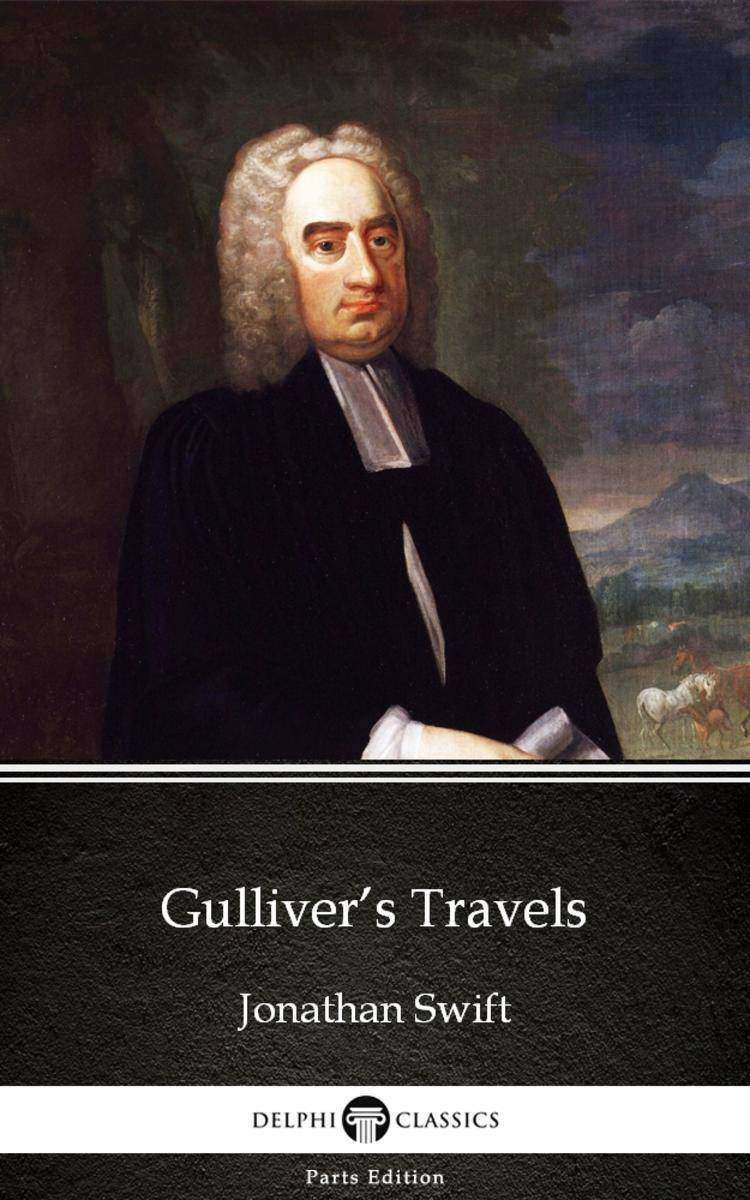
Gulliver’s Travels by Jonathan Swift - Delphi Classics (Illustrated)
¥8.09
This eBook features the unabridged text of ‘Gulliver’s Travels by Jonathan Swift - Delphi Classics (Illustrated)’ from the bestselling edition of ‘The Complete Works of Jonathan Swift’. Having established their name as the leading publisher of classic literature and art, Delphi Classics produce publications that are individually crafted with superior formatting, while introducing many rare texts for the first time in digital print. The Delphi Classics edition of Swift includes original annotations and illustrations relating to the life and works of the author, as well as individual tables of contents, allowing you to navigate eBooks quickly and easily. eBook features: * The complete unabridged text of ‘Gulliver’s Travels by Jonathan Swift - Delphi Classics (Illustrated)’ * Beautifully illustrated with images related to Swift’s works * Individual contents table, allowing easy navigation around the eBook * Excellent formatting of the text Please visit www.delphiclassics.com to learn more about our wide range of titles
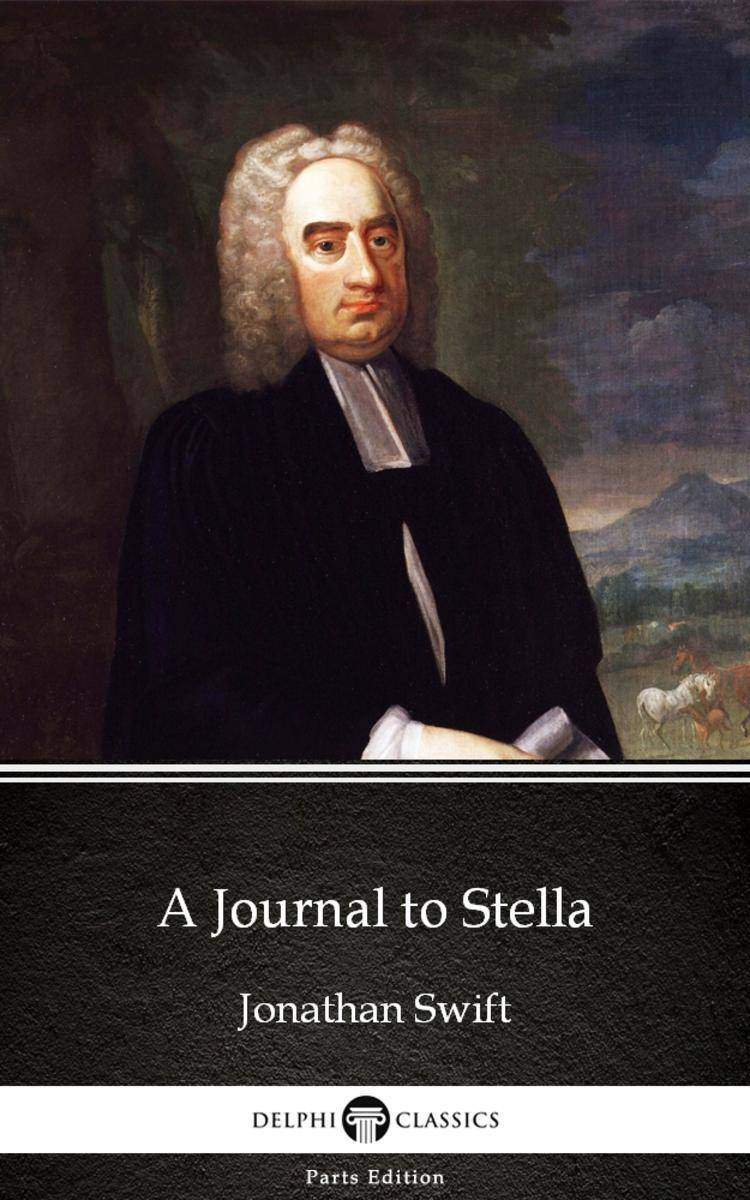
A Journal to Stella by Jonathan Swift - Delphi Classics (Illustrated)
¥8.09
This eBook features the unabridged text of ‘A Journal to Stella by Jonathan Swift - Delphi Classics (Illustrated)’ from the bestselling edition of ‘The Complete Works of Jonathan Swift’. Having established their name as the leading publisher of classic literature and art, Delphi Classics produce publications that are individually crafted with superior formatting, while introducing many rare texts for the first time in digital print. The Delphi Classics edition of Swift includes original annotations and illustrations relating to the life and works of the author, as well as individual tables of contents, allowing you to navigate eBooks quickly and easily. eBook features: * The complete unabridged text of ‘A Journal to Stella by Jonathan Swift - Delphi Classics (Illustrated)’ * Beautifully illustrated with images related to Swift’s works * Individual contents table, allowing easy navigation around the eBook * Excellent formatting of the text Please visit www.delphiclassics.com to learn more about our wide range of titles

February:A Screenplay
¥8.09
In FEBRUARY, together, Sergeant Femi Kolawole and investigative journalist Chioma Okafor solves Emeka's Valentine-day murder, and on doing so, Chioma is exposed to Femi's heroic personality, which makes her eventually fall in love with him.The Plot:Chioma Okafor, a young investigative journalist, is pressured by her over-ambitious mother into an unwanted romantic relationship with Uche, a young sophisticated university lecturer. Chioma yields to her mother’s pressure, hoping she would eventually fall in love with Uche as her mother assured, but she never did. On a Valentine date with Uche, Chioma gets a glimpse of what her relationship has been missing, as she feels love for the first time with Emeka, a handsome stranger who’s unfortunately expecting a baby with Amara, a girl who Uche used to date in university. Uche turns a relationship that he intended to blow up into an engagement on Valentine's day, into a blood bath before midnight. Chioma who survives the near-death experience, narrates her Valentine dilemma to Femi, a clever Police Sergeant. The Twist:Everybody thinks Uche died that night, but a strange text message sent from Chioma’s phone to Emeka, triggers a series of twisted events, which proves that the jealous and malicious Uche is still alive and in the wind, and that the life of Chioma is hanging down by a thin thread. The ultimate question is: 'Since Uche is alive, then who is the man laying lifeless in the mortuary?' Chioma is certainly not pleased with the answer. Femi forcefully becomes Chioma’s personal bodyguard, while he hunts down Uche, an innocent-looking man who Femi had met a day ago and poorly judged. Follow Femi as he uncovers this intriguing murder mystery that nobody even knew happened.The Play:The screenplay starts with a scene of a couple whose faces aren’t revealed to the screen, laying MOTIONLESS in a wrecked car, covered in their own blood, and ends in a conference room, as Chioma calls Femi to tell him how she feels about him.FEBRUARY is a unique blend of romance, comedy, suspense, and adventure. A beautifully crafted story of love, jealousy, betrayal, conspiracy, and ambition.
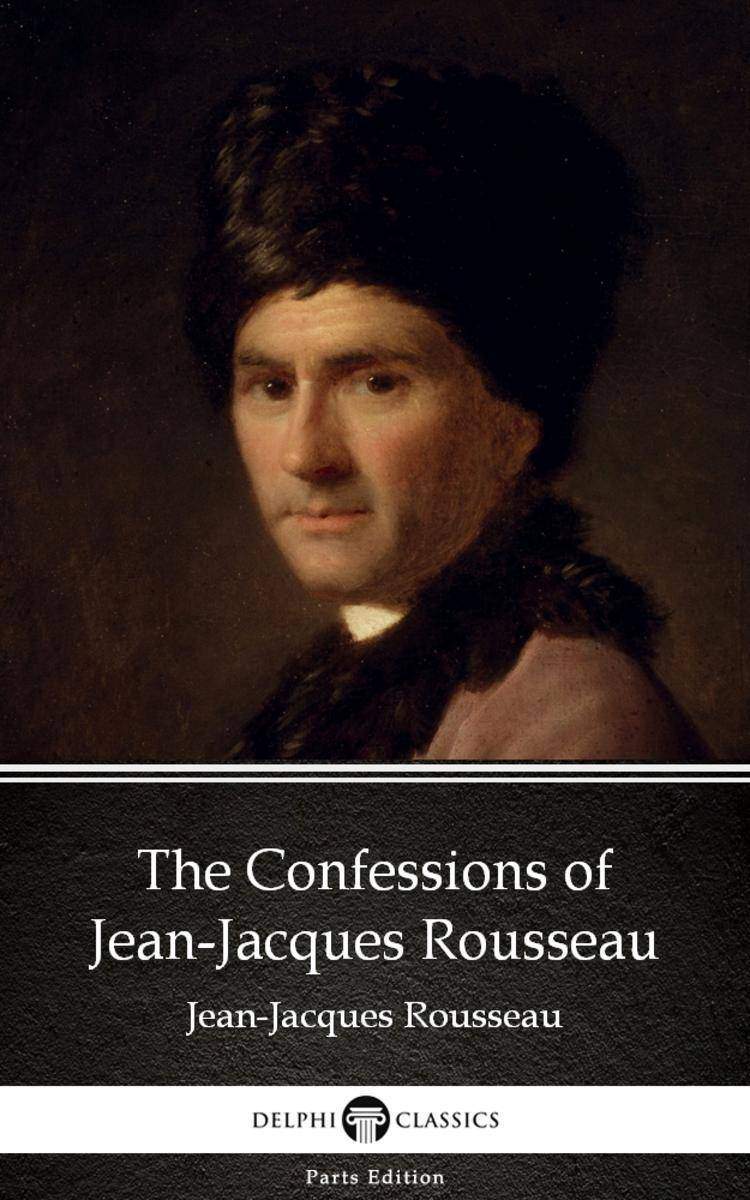
The Confessions of Jean-Jacques Rousseau by Jean-Jacques Rousseau (Illustrated)
¥8.09
This eBook features the unabridged text of ‘The Confessions of Jean-Jacques Rousseau’ from the bestselling edition of ‘The Collected Works of Jean-Jacques Rousseau’. Having established their name as the leading publisher of classic literature and art, Delphi Classics produce publications that are individually crafted with superior formatting, while introducing many rare texts for the first time in digital print. The Delphi Classics edition of Rousseau includes original annotations and illustrations relating to the life and works of the author, as well as individual tables of contents, allowing you to navigate eBooks quickly and easily.eBook features:* The complete unabridged text of ‘The Confessions of Jean-Jacques Rousseau’* Beautifully illustrated with images related to Rousseau’s works* Individual contents table, allowing easy navigation around the eBook* Excellent formatting of the textPlease visit www.delphiclassics.com to learn more about our wide range of titles

The Flying Inn by G. K. Chesterton (Illustrated)
¥8.09
This eBook features the unabridged text of ‘The Flying Inn’ from the bestselling edition of ‘The Complete Works of G. K. Chesterton’. Having established their name as the leading publisher of classic literature and art, Delphi Classics produce publications that are individually crafted with superior formatting, while introducing many rare texts for the first time in digital print. The Delphi Classics edition of Chesterton includes original annotations and illustrations relating to the life and works of the author, as well as individual tables of contents, allowing you to navigate eBooks quickly and easily.eBook features:* The complete unabridged text of ‘The Flying Inn’* Beautifully illustrated with images related to Chesterton’s works* Individual contents table, allowing easy navigation around the eBook* Excellent formatting of the textPlease visit www.delphiclassics.com to learn more about our wide range of titles

Kisah Hikayat Nabi Syits AS (Seth AS) Dalam Islam
¥8.09
Nabi Seth AS atau Nabi Syits AS atau Nabi Set AS adalah anak laki-laki dari Nabi Adam AS dan Hawa (Eve). Ia dilahirkan pada saat Adam berumur 130 tahun (Kejadian 5:3). Nabi Syits AS merupakan saudara muda dari Qabil dan Habil (Kain dan Habel). Menurut kitab Perjanjian Adam, mengisahkan bahwa Adam, ketika mengetahui bahwa ajalnya telah dekat, memanggil Set ke sisinya. Ia menyuruh Set kembali ke Taman Eden, masuk dan mengambil tiga benih dari buah Pohon Kehidupan. Adam kemudian meminta Seth kembali kepadanya dan menempatkan ketiga benih itu di mulutnya sebelum menguburkan jenazahnya. Nabi Seth AS melakukan apa yang diminta ayahnya dan pergi ke Taman Eden. Di gerbang taman itu berdirilah Penghulu Malaikat Mikail, yang menanyakan tujuan Set. Set memberitahukannya, dan Mikail mengizinkannya masuk, dan menunjukkan kepadanya pohon kehidupan itu. Set mengumpulkan tiga benih dari buah pohon itu dan kemudian kembali, melalui pintu gerbang, dan kembali ke ayahnya, yang saat ini telah meninggal. Ia menggali kuburan untuk Adam, dan menguburkannya, setelah menempatkan ketiga benih itu di mulutnya lalu menutup liang kuburnya. Dalam kitab Kejadian dari Kitab Suci Ibrani dan Alkitab, adalah salah satu anak (kemungkinan putra ketiga) dari Adam dan Hawa, dan merupakan adik laki-laki dari Kain dan Habel. Ia dilahirkan setelah Habel (Habil) dibunuh oleh Kain (Qabil). Nama Set disebut sepuluh kali dalam Alkitab, yaitu tujuh kali di kitab Kejadian, sekali di kitab Bilangan, Kitab 1 Tawarikh, dan Injil Lukas. Nabi Set AS bagi Nabi Adam AS adalah seorang anak yang "menurut rupa dan gambarnya". Set diberikan oleh Allah SWT sebagai pengganti Habel yang dibunuh. Ia mempunyai seorang anak yang bernama Enos pada usia 105 tahun dan hidup hingga mencapai usia 912 tahun. Melalui keturunan Set dilahirkanlah Nabi Nuh, Nabi Abraham, Nabi Daud, hingga akhirnya menurunkan Nabi Isa. Menurut kisah Islam, setelah kematian Habil, Adam sangatlah marah kepada Qabil. Kemudian Adam memiliki anak kembar kembali bernama Syits (Set/Seth) dan 'Azura. Syits memiliki arti "hadiah", karena Allah telah memberikan hadiah kepada Adam berupa seorang anak soleh, setelah kematian anaknya yang bernama Habil. Syits selain sebagai anak yang berbakti, ia diyakini sebagai seorang nabi dan rasulallah. Sebagai seorang nabi, Syits menerima perintah-perintah dari Allah yang ditulis dalam 50 suhuf/sahifah. Menurut keterangan Ibnu Abbas, ketika Nabi Syits AS dilahirkan, Nabi Adam AS? sudah berusia 930 tahun. Adam sengaja memilih Syits sebab anaknya yang satu ini memiliki kelebihan dari segi keilmuan, kecerdasan, ketakwaan dan kepatuhan dibandingkan dengan semua anaknya yang lain. Adam mengajarkan semua pengetahuan yang ia miliki kepada Syits. Ia mengajarkan bagaimana menyembah Allah dan beribadah yang lainnya. Setelah kematian Adam, Syits memimpin anak cucu Adam. Ia memimpin dengan peraturan dan hukum Allah, ia membawa persatuan diantara orang-orang disekitarnya. Wahab bin Munabbih mengatakan, ketika Nabi Adam AS wafat, Nabi Syits AS telah berusia 400 tahun. Syits telah diwasiati oleh Adam untuk memerangi saudaranya, Qabil. Dia pergi memerangi Qabil dan akhirnya perang itu pun berkecamuk. Itulah perang pertama yang terjadi antara anak-anak Adam di muka bumi. Dalam peperangan itu, Syits memperoleh kemenangan dan dia menawan Qabil. Nabi Syits AS kemudian memimpin anak cucu Adam dan ia memimpin dengan peraturan dan hukum Allah SWT, ia membawa persatuan dan perdamaian diantara orang-orang disekitarnya. Buku ini mengisahkan hikayat Nabi Syits AS (Seth AS) putra Nabi Adam AS bersumberkan dari Al-Quran & Al-Hadist.

Japan Folklore Vol. 1 The Elixir of Life
¥8.09
Long, long ago there lived a man called Sentaro. His surname meant "Millionaire," but although he was not so rich as all that, he was still very far removed from being poor. He had inherited a small fortune from his father and lived on this, spending his time carelessly, without any serious thoughts of work, till he was about thirty-two years of age.One day, without any reason whatsoever, the thought of death and sickness came to him. The idea of falling ill or dying made him very wretched."I should like to live," he said to himself, "till I am five or six hundred years old at least, free from all sickness. The ordinary span of a man's life is very short."He wondered whether it were possible, by living simply and frugally henceforth, to prolong his life as long as he wished.He knew there were many stories in ancient history of emperors who had lived a thousand years, and there was a Princess of Yamato, who, it was said, lived to the age of five hundred This was the latest story of a very long life record.

The Ambassadors
¥8.09
This Point Blank Classics edition includes the full original text as well as an easy to use interactive table of contents.

The Old Wives' Tale
¥8.09
This Housemartin Classics edition includes the full original text as well as an easy to use interactive table of contents.
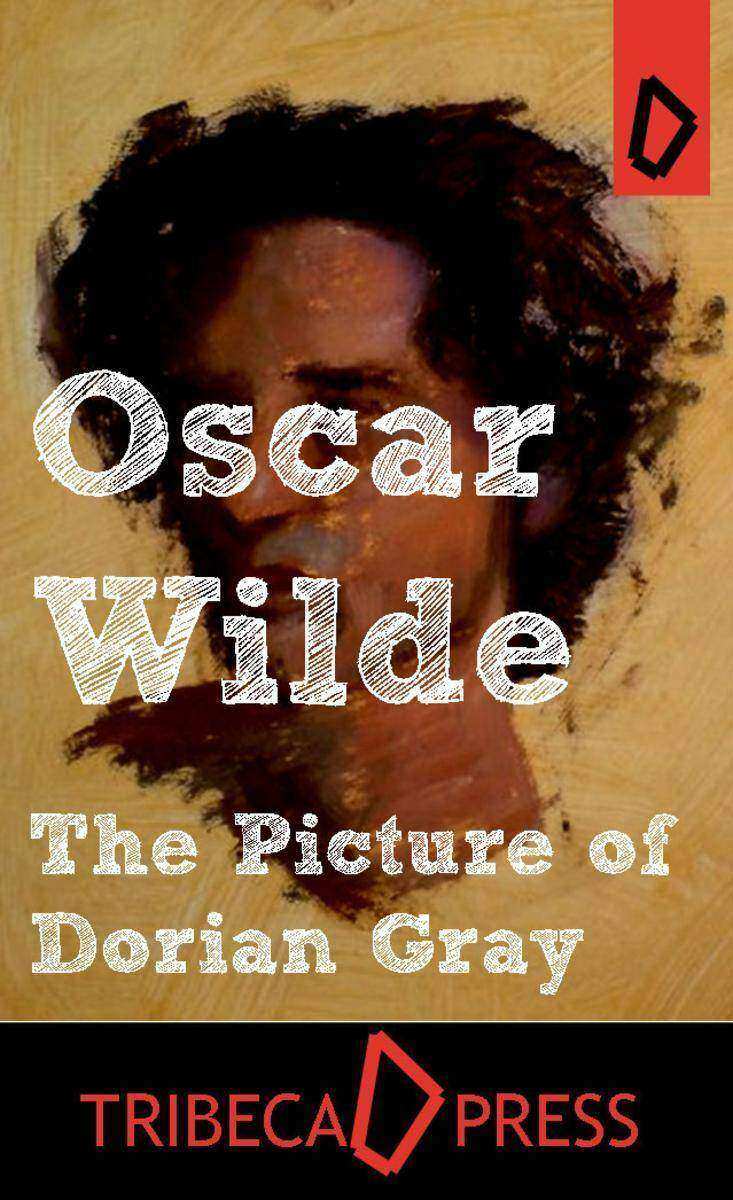
The Picture of Dorian Gray
¥8.09
This Tribeca Press edition includes the full original text as well as an easy to use interactive table of contents.
Treasure Island
¥8.09
This Housemartin Classics edition includes the full original text as well as an easy to use interactive table of contents.
The Importance of Being Earnest
¥8.09
Space and Time are pleased to bring you this classic presented as a wonderfully presented edition with a fully interactive table of contents.

The Lair of the White Worm
¥8.09
This Tribeca Press edition includes the full original text as well as an easy to use interactive table of contents.

Hard Times
¥8.09
This Tribeca Press edition includes the full original text as well as exclusive images exclusive to this edition and an easy to use interactive table of contents.
Latin for Beginners
¥8.09
This Tribeca Press edition includes the full original text as well as exclusive images exclusive to this edition and an easy to use interactive table of contents.
Finnegans Wake by James Joyce (Illustrated)
¥8.09
This eBook features the unabridged text of ‘Finnegans Wake’ from the bestselling edition of ‘The Complete Works of James Joyce’. Having established their name as the leading publisher of classic literature and art, Delphi Classics produce publications that are individually crafted with superior formatting, while introducing many rare texts for the first time in digital print. The Delphi Classics edition of Joyce includes original annotations and illustrations relating to the life and works of the author, as well as individual tables of contents, allowing you to navigate eBooks quickly and easily.eBook features:* The complete unabridged text of ‘Finnegans Wake’* Beautifully illustrated with images related to Joyce’s works* Individual contents table, allowing easy navigation around the eBook* Excellent formatting of the textPlease visit www.delphiclassics.com to learn more about our wide range of titles
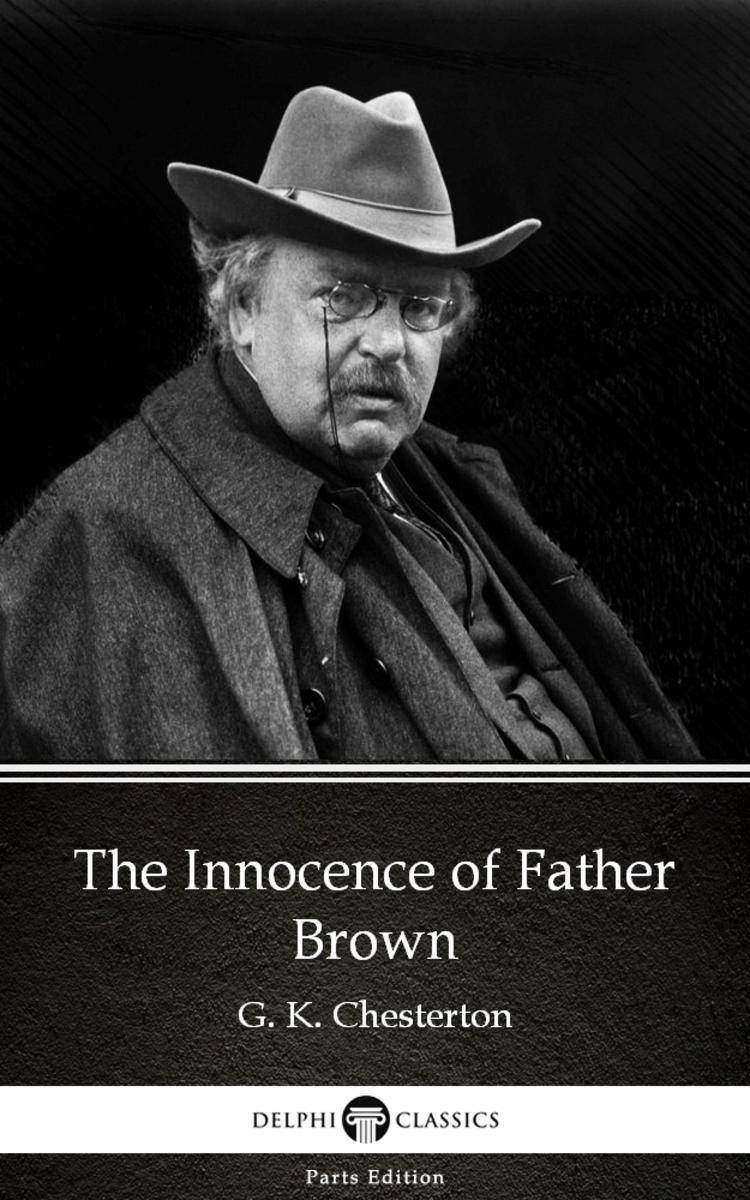
The Innocence of Father Brown by G. K. Chesterton (Illustrated)
¥8.09
This eBook features the unabridged text of ‘The Innocence of Father Brown’ from the bestselling edition of ‘The Complete Works of G. K. Chesterton’. Having established their name as the leading publisher of classic literature and art, Delphi Classics produce publications that are individually crafted with superior formatting, while introducing many rare texts for the first time in digital print. The Delphi Classics edition of Chesterton includes original annotations and illustrations relating to the life and works of the author, as well as individual tables of contents, allowing you to navigate eBooks quickly and easily.eBook features:* The complete unabridged text of ‘The Innocence of Father Brown’* Beautifully illustrated with images related to Chesterton’s works* Individual contents table, allowing easy navigation around the eBook* Excellent formatting of the textPlease visit www.delphiclassics.com to learn more about our wide range of titles

The Scandal of Father Brown by G. K. Chesterton (Illustrated)
¥8.09
This eBook features the unabridged text of ‘The Scandal of Father Brown’ from the bestselling edition of ‘The Complete Works of G. K. Chesterton’. Having established their name as the leading publisher of classic literature and art, Delphi Classics produce publications that are individually crafted with superior formatting, while introducing many rare texts for the first time in digital print. The Delphi Classics edition of Chesterton includes original annotations and illustrations relating to the life and works of the author, as well as individual tables of contents, allowing you to navigate eBooks quickly and easily.eBook features:* The complete unabridged text of ‘The Scandal of Father Brown’* Beautifully illustrated with images related to Chesterton’s works* Individual contents table, allowing easy navigation around the eBook* Excellent formatting of the textPlease visit www.delphiclassics.com to learn more about our wide range of titles
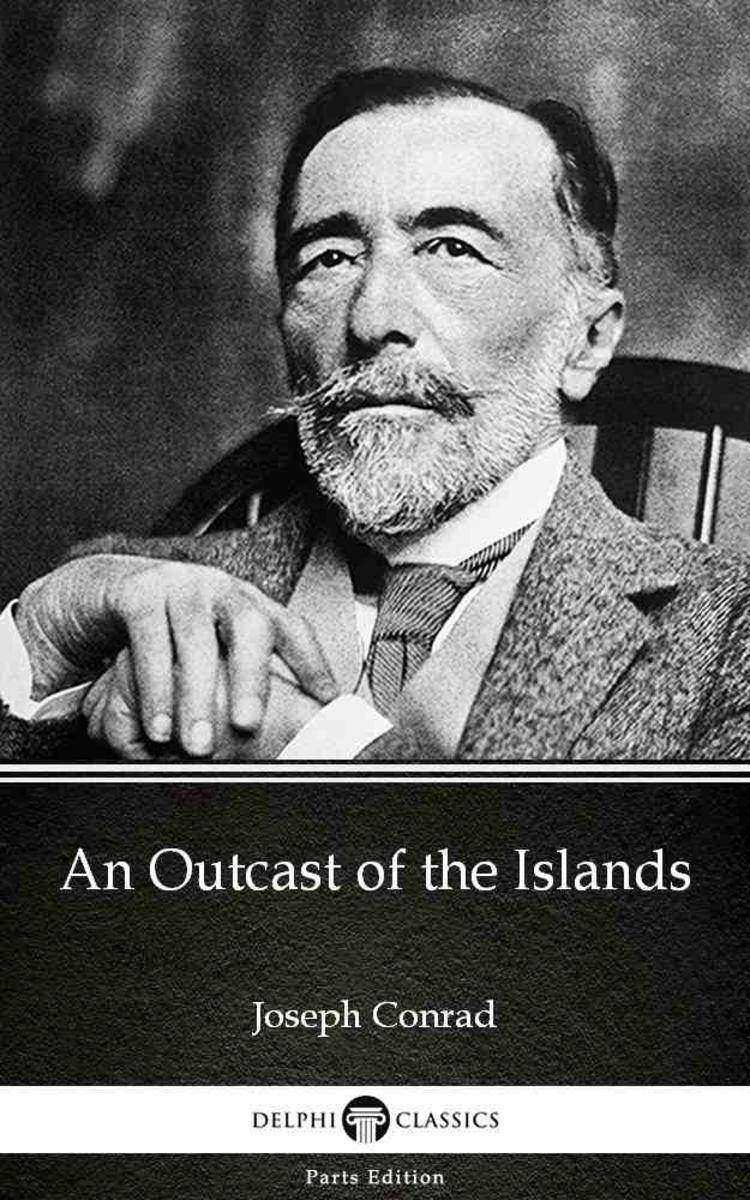
An Outcast of the Islands by Joseph Conrad (Illustrated)
¥8.09
This eBook features the unabridged text of ‘An Outcast of the Islands’ from the bestselling edition of ‘The Complete Works of Joseph Conrad’. Having established their name as the leading publisher of classic literature and art, Delphi Classics produce publications that are individually crafted with superior formatting, while introducing many rare texts for the first time in digital print. The Delphi Classics edition of Conrad includes original annotations and illustrations relating to the life and works of the author, as well as individual tables of contents, allowing you to navigate eBooks quickly and easily. eBook features:* The complete unabridged text of ‘An Outcast of the Islands’* Beautifully illustrated with images related to Conrad’s works* Individual contents table, allowing easy navigation around the eBook* Excellent formatting of the text Please visit www.delphiclassics.com to learn more about our wide range of titles

Nicholas Nickleby
¥8.09
This Tribeca Press edition includes the full original text as well as exclusive images exclusive to this edition and an easy to use interactive table of contents.
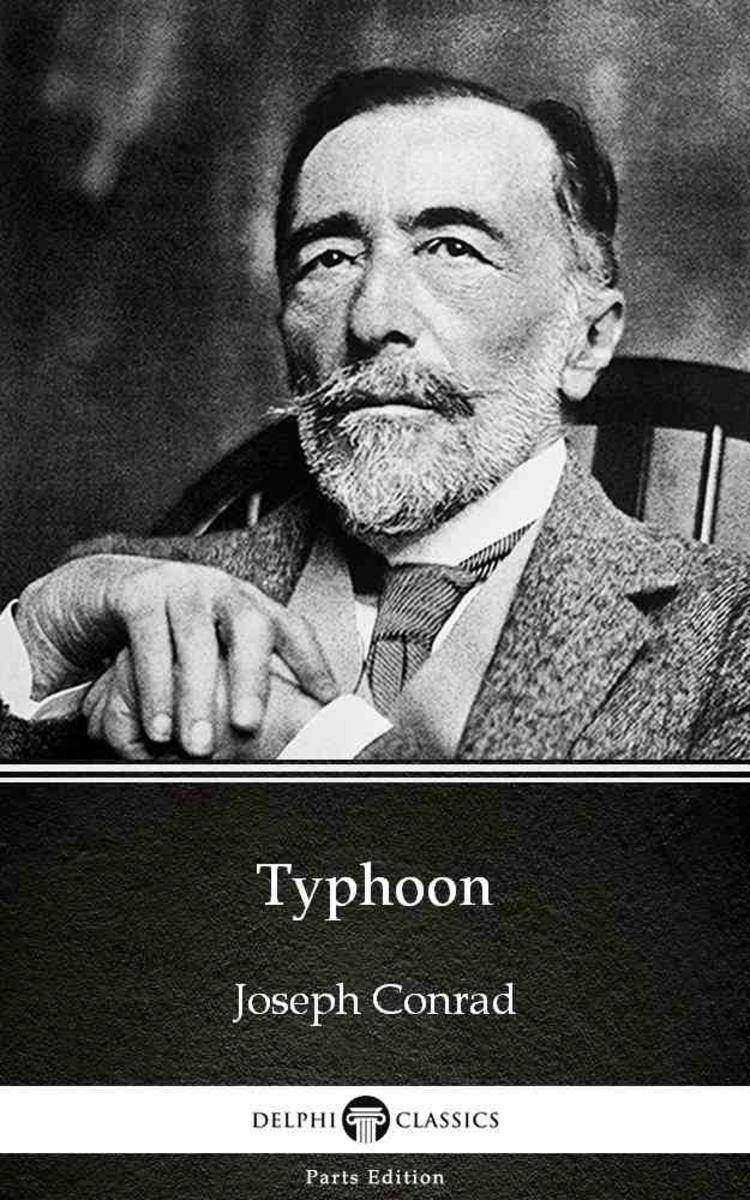
Typhoon by Joseph Conrad (Illustrated)
¥8.09
This eBook features the unabridged text of ‘Typhoon’ from the bestselling edition of ‘The Complete Works of Joseph Conrad’. Having established their name as the leading publisher of classic literature and art, Delphi Classics produce publications that are individually crafted with superior formatting, while introducing many rare texts for the first time in digital print. The Delphi Classics edition of Conrad includes original annotations and illustrations relating to the life and works of the author, as well as individual tables of contents, allowing you to navigate eBooks quickly and easily.eBook features:* The complete unabridged text of ‘Typhoon’* Beautifully illustrated with images related to Conrad’s works* Individual contents table, allowing easy navigation around the eBook* Excellent formatting of the textPlease visit www.delphiclassics.com to learn more about our wide range of titles


