


 购物车
购物车 个人中心
个人中心
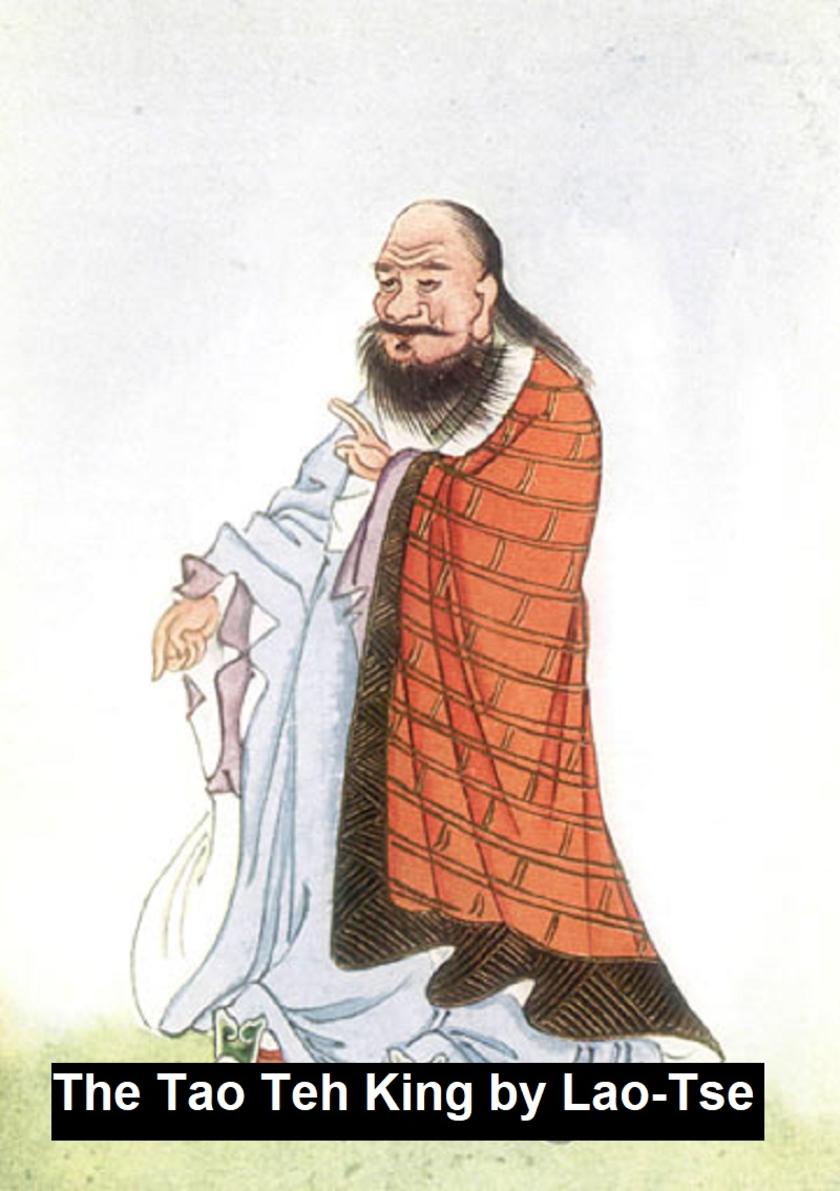
The Tao Teh King or The Tao
¥8.09
According to Wikipedia: "The Tao Te Ching, Dao De Jing, or Daodejing, also simply referred to as the Laozi, is a Chinese classic text. According to tradition, it was written around the 6th century BC by the sage Laozi (or Lao Tzu, "Old Master"), a record-keeper at the Zhou Dynasty court, by whose name the text is known in China. The text's true authorship and date of composition or compilation are still debated, although the oldest excavated text dates back to the late 4th century BC. The text is fundamental to both philosophical and religious Taoism and strongly influenced other schools, such as Legalism, Confucianism and Chinese Buddhism, which when first introduced into China was largely interpreted through the use of Daoist words and concepts. Many Chinese artists, including poets, painters, calligraphers, and even gardeners have used the Daodejing as a source of inspiration. Its influence has also spread widely outside East Asia, and is amongst the most translated works in world literature."
The Bobbsey Twins at Snow Lodge
¥8.09
According to Wikipedia: "Laura Lee Hope is a pseudonym used by the Stratemeyer Syndicate for the Bobbsey Twins and several other series of children's novels. Actual writers taking up the pen of Laura Lee Hope include Edward Stratemeyer, Howard and Lilian Garis, Elizabeth Ward, Harriet (Stratemeyer) Adams, and Nancy Axelrad. Laura Lee Hope was first used as a pseudonym in 1904 for the debut of the Bobbsey Twins. Series: The Bobbsey Twins (1904-), The Outdoor Girls (23 vols. 1913-1933), The Moving Picture Girls (7 vols. 1914-1916), Bunny Brown (20 vols. 1916-1931), Six Little Bunkers (14 vols. 1918-1930), Make Believe Stories (12 vols. c. 1920-1923), Blythe Girls (12 vols. 1925-1932)."
The Golden Road
¥8.09
Classic children's novel by the author of Anne of Green Gables. According to Wikipedia: "Lucy Maud Montgomery, (always called "Maud" by family and friends) and publicly known as L. M. Montgomery, (1874-1942) was a Canadian author, best known for a series of novels beginning with Anne of Green Gables, published in 1908. Anne of Green Gables was an immediate success. The central character, Anne, an orphaned girl, made Montgomery famous in her lifetime and gave her an international following. The first novel was followed by a series of sequels with Anne as the central character. The novels became the basis for the highly acclaimed 1985 CBC television miniseries, Anne of Green Gables and several other television movies and programs, including Road to Avonlea, which ran in Canada and the U.S. from 1990-1996."
Anne of the Island
¥8.09
Classic children's novel. According to Wikipedia: "Lucy Maud Montgomery, (always called "Maud" by family and friends) and publicly known as L. M. Montgomery, (1874-1942) was a Canadian author, best known for a series of novels beginning with Anne of Green Gables, published in 1908. Anne of Green Gables was an immediate success. The central character, Anne, an orphaned girl, made Montgomery famous in her lifetime and gave her an international following. The first novel was followed by a series of sequels with Anne as the central character. The novels became the basis for the highly acclaimed 1985 CBC television miniseries, Anne of Green Gables and several other television movies and programs, including Road to Avonlea, which ran in Canada and the U.S. from 1990-1996."
Anne's House of Dreams
¥8.09
Classic children's novel. According to Wikipedia: "Lucy Maud Montgomery, (always called "Maud" by family and friends) and publicly known as L. M. Montgomery, (1874-1942) was a Canadian author, best known for a series of novels beginning with Anne of Green Gables, published in 1908. Anne of Green Gables was an immediate success. The central character, Anne, an orphaned girl, made Montgomery famous in her lifetime and gave her an international following. The first novel was followed by a series of sequels with Anne as the central character. The novels became the basis for the highly acclaimed 1985 CBC television miniseries, Anne of Green Gables and several other television movies and programs, including Road to Avonlea, which ran in Canada and the U.S. from 1990-1996."
Heretics
¥8.09
Classic collection of essays. Introductory Remarks on the Importance of Orthodoxy, On the Negative Spirit, On Mr. Rudyard Kipling and Making the World Small, Mr. Bernard Shaw, Mr. H. G. Wells and the Giants, Christmas and the Esthetes, Omar and the Sacred Vine, The Mildness of the Yellow Press, The Moods of Mr. George Moore, On Sandals and Simplicity, Science and the Savages, Paganism and Mr. Lowes Dickinson, Celts and Celtophiles, On Certain Modern Writers and the Institution of the Family, and On Smart Novelists and the Smart Set, On Mr. McCabe and a Divine Frivolity, On the Wit of Whistler, The Fallacy of the Young Nation, Slum Novelists and the Slums, and Concluding Remarks on the Importance of Orthodoxy. According to Wikipedia: "Gilbert Keith Chesterton (29 May 1874 – 14 June 1936) was an influential English writer of the early 20th century. His prolific and diverse output included journalism, philosophy, poetry, biography, Christian apologetics, fantasy and detective fiction. Chesterton has been called the "prince of paradox." Time magazine, in a review of a biography of Chesterton, observed of his writing style: "Whenever possible Chesterton made his points with popular sayings, proverbs, allegories—first carefully turning them inside out."
All Things Considered
¥8.09
Classic collection of essays. According to Wikipedia: "Gilbert Keith Chesterton (1874 - 1936) was an influential English writer of the early 20th century. His prolific and diverse output included journalism, philosophy, poetry, biography, Christian apologetics, fantasy and detective fiction. Chesterton has been called the "prince of paradox." He wrote in an off-hand, whimsical prose studded with startling formulations. For example: "Thieves respect property. They merely wish the property to become their property that they may more perfectly respect it."[2] He is one of the few Christian thinkers who are equally admired and quoted by both liberal and conservative Christians, and indeed by many non-Christians. Chesterton's own theological and political views were far too nuanced to fit comfortably under the "liberal" or "conservative" banner."
A Thief in the Nght, A Book of Raffles' Adventures
¥8.09
Classic mystery/detective novel. According to Wikipedia: "Ernest William Hornung (June 7, 1866 – March 22, 1921)... was an English author, most famous for writing the Raffles series of novels about a gentleman thief in late Victorian London. Hornung was the third son of John Peter Hornung, a Hungarian, and was born in Middlesbrough, England. He was educated at Uppingham School during some of the later years of its great headmaster, Edward Thring. He spent most of his life in England and France, but in 1884 left for Australia and stayed for two years where he working as a tutor at Mossgiel station. Although his Australian experience had been so short, it coloured most of his literary work from A Bride from the Bush published in 1899, to Old Offenders and a few Old Scores, which appeared after his death. He returned from Australia in 1886, and married Constance ("Connie") Doyle (1868-1924), the sister of Sir Arthur Conan Doyle in 1893. Hornung published the poems Bond and Free and Wooden Crosses in The Times. The character of A. J. Raffles, a "gentleman thief", first appeared in Cassell's Magazine in 1898 and the stories were later collected as The Amateur Cracksman (1899). Other titles in the series include The Black Mask (1901), A Thief in the Night (1905), and the full-length novel Mr. Justice Raffles (1909). He also co-wrote the play Raffles, The Amateur Cracksman with Eugene Presbrey in 1903."
Pierre et Jean
¥8.09
Roman classique dans le fran?ais original. Selon Wikipédia: ?Henri René Albert Guy de Maupassant (5 ao?t 1850 - 6 juillet 1893) est un écrivain fran?ais populaire du XIXe siècle, l'un des pères de la nouvelle moderne, en tant que protégé de Flaubert. Ils sont caractérisés par leur économie de style et leur dénouement efficace et sans effort.Il a également écrit six courts romans.Un certain nombre de ses histoires dénotent souvent la futilité de la guerre et les civils innocents qui, pris, émergent changé - beaucoup sont mis en place pendant la période franco-prussienne Guerre des années 1870 ".
Le Dernier Jour d'un Condamne
¥8.09
Roman classique, d'abord publié en 1832, dans le fran?ais original. Selon Wikipedia: "Victor-Marie Hugo (26 février 1802 - 22 mai 1885) était un poète, dramaturge, romancier, essayiste, artiste visuel, homme d'?tat, militant des droits de l'homme et représentant du mouvement romantique en France. La renommée littéraire vient d'abord de sa poésie, mais repose aussi sur ses romans et ses réalisations dramatiques Parmi les nombreux volumes de poésie, Les Contemplations et La Légende des siècles sont particulièrement estimés et Hugo est parfois identifié comme le plus grand poète fran?ais. La France, ses ?uvres les plus connues sont les romans Les Misérables et Notre-Dame de Paris (connu aussi en anglais sous le titre de Le Bossu de Notre-Dame), bien que conservateur conservateur dans sa jeunesse, Hugo devint plus libéral au fil des décennies. il est devenu un partisan passionné du républicanisme et son travail touche à la plupart des questions politiques et sociales et aux tendances artistiques de son temps: il est enterré au Panthéon.
L'Homme Qui Rit
¥8.09
Roman classique, d'abord publié en 1869, dans le fran?ais original. Selon Wikipédia: "The Man Who Laughs" est un roman de Victor Hugo, publié en avril 1869 sous le titre fran?ais L'Homme qui rit, bien que, parmi les ?uvres les plus obscures d'Hugo, il fut adapté en un film populaire de 1928, réalisé par Paul Leni, avec Conrad Veidt, Mary Philbin et Olga Baclanova, a écrit The Man Who Laughs, ou l'homme qui rit, pendant une période de quinze mois alors qu'il vivait dans les ?les Anglo-Normandes, exilé de sa France natale en raison des controverses. Le titre de travail de Hugo pour ce livre était Sur le commandement du roi, mais un ami suggérait L'homme qui rit ... Victor-Marie Hugo (26 février 1802 - 22 mai 1885) était un poète, dramaturge fran?ais, romancier, essayiste, plasticien, homme d'?tat, militant des droits de l'homme et représentant du mouvement romantique en France, la renommée littéraire de Hugo vient en premier lieu de sa poésie, mais aussi de ses romans et de ses réalisations dramatiques. La poésie, Les Contemplations et La Légende des siècles sont particulièrement estimées et Hugo est parfois considéré comme le plus grand poète fran?ais. Hors de France, ses ?uvres les plus connues sont les romans Les Misérables et Notre-Dame de Paris (connus aussi en anglais sous le titre de Le Bossu de Notre-Dame). Bien que royaliste conservateur engagé lorsqu'il était jeune, Hugo devint plus libéral au fil des décennies; il est devenu un partisan passionné du républicanisme et son travail touche à la plupart des questions politiques et sociales et aux tendances artistiques de son temps. Il est enterré au Panthéon. "
Le Village Aerien
¥8.09
Roman classique, en fran?ais original. Selon Wikipédia: ?Jules Gabriel Verne (8 février 1828 - 24 mars 1905) est un auteur fran?ais qui a été le pionnier du genre de la science-fiction, notamment des romans comme Voyage au centre de la terre (1864), Vingt mille lieues sous la mer (1870) et autour du monde en quatre-vingts jours (1873) Verne a écrit sur l'espace, l'air et les voyages sous-marins avant que les voyages aériens et les sous-marins pratiques soient inventés. Selon Index Translationum, il est le troisième auteur le plus traduit au monde, certains de ses livres ont été transformés en films ... Verne, avec HG Wells, est souvent surnommé le ?père de la science-fiction?
Nord Contre Sud
¥8.09
Roman classique, mis en place pendant la guerre civile américaine, dans le fran?ais original. Selon Wikipédia: ?Jules Gabriel Verne (8 février 1828 - 24 mars 1905) est un auteur fran?ais qui a été le pionnier du genre de la science-fiction, notamment des romans comme Voyage au centre de la terre (1864), Vingt mille lieues sous la mer (1870) et autour du monde en quatre-vingts jours (1873) Verne a écrit sur l'espace, l'air et les voyages sous-marins avant que les voyages aériens et les sous-marins pratiques soient inventés. Selon Index Translationum, il est le troisième auteur le plus traduit au monde, certains de ses livres ont été transformés en films ... Verne, avec HG Wells, est souvent surnommé le ?père de la science-fiction?
Born in Exile
¥8.09
Classic novel. According to Wikipedia: "George Robert Gissing (November 22, 1857 – December 28, 1903) was an English novelist who wrote twenty-three novels between 1880 and 1903. From his early naturalistic works, he developed into one of the most accomplished realists of the late-Victorian era. ... In 1880 when his first novel, Workers in the Dawn, proved to be an abject failure, he became a private tutor to keep poverty from the door. In 1883, he separated from his wife, now an alcoholic, but gave her a weekly income on what little money he had until her death in 1888. In 1884 his second novel, The Unclassed, which saw a marked improvement in style and characterisation, met with moderate critical acclaim. After this Gissing published novels almost on a yearly basis, but so little money did they bring him, that for several more years he had to continue working as a tutor. Although notoriously exploited by his publishers, he was able to visit Italy in 1889 from the sale of the copyright of The Nether World, his most pessimistic book. Between 1891 and 1897 (his so-called middle period) Gissing produced his best works, which include New Grub Street, Born in Exile, The Odd Women, In the Year of Jubilee, and The Whirlpool. In advance of their time, they variously deal with the growing commercialism of the literary market, religious charlatanism, the situation of emancipated women in a male-dominated society, the poverty of the working classes, and marriage in a decadent world. During this period, having belatedly become aware of the financial rewards of writing short stories for the press, he produced almost seventy stories. As a result he was able to give up teaching. ... The middle years of the decade saw Gissing's reputation reach new heights: by some critics he is counted alongside George Meredith and Thomas Hardy as one of the best three novelists of his day. He also enjoyed new friendships with fellow writers such as Henry James, and H.G. Wells, and came into contact with many other up and coming writers such as Joseph Conrad and Stephen Crane. ... In 1903 Gissing published The Private Papers of Henry Ryecroft, which brought him much acclaim. This is his most autobiographical work. It is the memoir of the last happy years of a writer who had struggled much like Gissing, but thanks to a late legacy had been able to give up writing to retire to the countryside."
Eve's Ransom
¥8.09
Classic novel. According to Wikipedia: "George Robert Gissing (November 22, 1857 – December 28, 1903) was an English novelist who wrote twenty-three novels between 1880 and 1903. From his early naturalistic works, he developed into one of the most accomplished realists of the late-Victorian era. ... In 1880 when his first novel, Workers in the Dawn, proved to be an abject failure, he became a private tutor to keep poverty from the door. In 1883, he separated from his wife, now an alcoholic, but gave her a weekly income on what little money he had until her death in 1888. In 1884 his second novel, The Unclassed, which saw a marked improvement in style and characterisation, met with moderate critical acclaim. After this Gissing published novels almost on a yearly basis, but so little money did they bring him, that for several more years he had to continue working as a tutor. Although notoriously exploited by his publishers, he was able to visit Italy in 1889 from the sale of the copyright of The Nether World, his most pessimistic book. Between 1891 and 1897 (his so-called middle period) Gissing produced his best works, which include New Grub Street, Born in Exile, The Odd Women, In the Year of Jubilee, and The Whirlpool. In advance of their time, they variously deal with the growing commercialism of the literary market, religious charlatanism, the situation of emancipated women in a male-dominated society, the poverty of the working classes, and marriage in a decadent world. During this period, having belatedly become aware of the financial rewards of writing short stories for the press, he produced almost seventy stories. As a result he was able to give up teaching. ... The middle years of the decade saw Gissing's reputation reach new heights: by some critics he is counted alongside George Meredith and Thomas Hardy as one of the best three novelists of his day. He also enjoyed new friendships with fellow writers such as Henry James, and H.G. Wells, and came into contact with many other up and coming writers such as Joseph Conrad and Stephen Crane. ... In 1903 Gissing published The Private Papers of Henry Ryecroft, which brought him much acclaim. This is his most autobiographical work. It is the memoir of the last happy years of a writer who had struggled much like Gissing, but thanks to a late legacy had been able to give up writing to retire to the countryside."
Une Vie (in English)
¥8.09
Classic French short novel, in English translation. According to Wikipedia: "Henri Rene Albert Guy de Maupassant (5 August 1850 - 6 July 1893) was a popular 19th-century French writer. He is one of the fathers of the modern short story. As a protege of Flaubert, his short stories are characterized by their economy of style and their efficient effortless denouement. He also wrote six short novels. A number of his stories often denote the futility of war and the innocent civilians who, caught, emerge changed - many are set during the Franco-Prussian War of the 1870s."
The Mayor of Casterbridge
¥8.09
Classic Hardy novel. According to Wikipedia: "Thomas Hardy, (1840 – 1928) was an English author of the naturalist movement, though he regarded himself primarily as a poet and composed novels mainly for financial gain. The bulk of his work, set mainly in the semi-fictional land of Wessex, delineates characters struggling against their passions and circumstances. Hardy's poetry, first published in his 50s, has come to be as well regarded as his novels, especially after The Movement of the 1950s and 1960s."
Pandora
¥8.09
Classic Henry James long story. According to Wikipedia: "Henry James, (1843 – 1916), son of theologian Henry James Sr., brother of the philosopher and psychologist William James and diarist Alice James, was an American-born British author. He is one of the key figures of 19th century literary realism; the fine art of his writing has led many academics to consider him the greatest master of the novel and novella form. He spent much of his life in England and became a British subject shortly before his death. He is primarily known for a series of major novels in which he portrayed the encounter of America with Europe. His plots centered on personal relationships, the proper exercise of power in such relationships, and other moral questions. His method of writing from the point of view of a character within a tale allowed him to explore the phenomena of consciousness and perception, and his style in later works has been compared to impressionist painting."
The Point of View
¥8.09
Classic Henry James long story. According to Wikipedia: "Henry James, (1843 – 1916), son of theologian Henry James Sr., brother of the philosopher and psychologist William James and diarist Alice James, was an American-born British author. He is one of the key figures of 19th century literary realism; the fine art of his writing has led many academics to consider him the greatest master of the novel and novella form. He spent much of his life in England and became a British subject shortly before his death. He is primarily known for a series of major novels in which he portrayed the encounter of America with Europe. His plots centered on personal relationships, the proper exercise of power in such relationships, and other moral questions. His method of writing from the point of view of a character within a tale allowed him to explore the phenomena of consciousness and perception, and his style in later works has been compared to impressionist painting."
Washington Square
¥8.09
Classic Henry James novel. According to Wikipedia: "Henry James, (1843 – 1916), son of theologian Henry James Sr., brother of the philosopher and psychologist William James and diarist Alice James, was an American-born British author. He is one of the key figures of 19th century literary realism; the fine art of his writing has led many academics to consider him the greatest master of the novel and novella form. He spent much of his life in England and became a British subject shortly before his death. He is primarily known for a series of major novels in which he portrayed the encounter of America with Europe. His plots centered on personal relationships, the proper exercise of power in such relationships, and other moral questions. His method of writing from the point of view of a character within a tale allowed him to explore the phenomena of consciousness and perception, and his style in later works has been compared to impressionist painting."
At the Point of the Bayonet
¥8.09
Classic historical novel of British colonial war in India. According to Wikipedia: "George Alfred Henty (8 December 1832 - 16 November 1902), referred to as G. A. Henty, was a prolific English novelist, special correspondent, and Imperialist born in Trumpington, Cambridgeshire, England. He is best known for his historical adventure stories that were popular in the late 19th century. His works include Out on the Pampas (1871), The Young Buglers (1880), With Clive in India (1884) and Wulf the Saxon (1895)"


