


 购物车
购物车 个人中心
个人中心
Unexpected: A True Short Story
¥9.71
A dramatic and heartwarming story from foster carer, Rosie Lewis. Ellen, a 28-year-old office worker is so shocked by the sudden birth of her baby that she abandons the newborn in hospital. Foster carer Rosie Lewis begins visiting baby Hope in hospital, then a week later she is released into her care. At first Rosie struggles to understand how any mother could abandon a small baby, but when Ellen begins daily visits with Hope, Rosie sees a young woman traumatised by a dark secret. Rosie wants to help the young woman and the baby in her care and must fight to bring them together.
Solitaire: Part 1 of 3
免费
In case you’re wondering, this is not a love story. Chapters 1-7 of the astonishing debut novel, Solitaire. My name is Tori Spring. I like to sleep and I like to blog. Last year – before all that stuff with Charlie and before I had to face the harsh realities of A-Levels and university applications and the fact that one day I really will have to start talking to people – I had friends. Things were very different, I guess, but that’s all over now. Now there’s Solitaire. And Michael Holden. I don’t know what Solitaire are trying to do, and I don’t care about Michael Holden. I really don’t. This incredible debut novel by outstanding young author Alice Oseman is perfect for fans of John Green, Rainbow Rowell and all unflinchingly honest writers.

The Price of Blood (The Emma of Normandy Series, Book 2)
¥40.02
The second book in Bracewell’s outstanding Emma of Normandy series, set in 11-century England, when Vikings are on the brink of invasion. 1006 AD. Queen Emma, the Norman bride of England’s King ?thelred, has given birth to a son. Now her place as second wife to the king is safe and Edward marked as heir to the throne. But the royal bed is a cold place and the court a setting for betrayal and violence, as the ageing king struggles to retain his power over the realm. Emma can trust no one, not even the king’s eldest son Athelstan, the man she truly loves. Elsewhere Viking threats to the crown are gaining strength, and in the north the powerful nobleman ?lfhelm is striking an alliance with the Danes. His seductive daughter Elgiva, former mistress to the king, is forced to act as a pawn in his plan, and is given as wife to a Viking Lord. Can King ?thelred finally listen to Athelstan, whose plan to strengthen the kingdoms’ ties will put off the Viking threat once and for all? Emma must protect her only child without abandoning her noble position. And her inner conflict, between maternal instinct and royal duty, will be played out against the dramatic and bloody struggle for Britain’s rule.

A Hanging at Cinder Bottom
¥66.22
From the author of The Ballad of Trenchmouth Taggart and set in the boom years of the West Virginia coalmining industry, this is an epic story of personal ambition, exile and return, and a grand heist. Keystone, West Virginia, 1910 In the hot August rain the townspeople gather to witness the first public hanging in over a decade. At the gallows are none other than poker player, Abe Baach, and his lover, the madam of the town’s brothel, one Goldie Toothman. Abe split town seven years prior and has been playing cards up and down the coast ever since. But when he returns to Keystone to reunite with Goldie and to set the past right, he finds a brother dead and his father's saloon in shambles – and suspects the same men might be responsible for both. Only then, in facing his family's past, does the real swindle begin.

Listen to the Moon
¥51.50
The stunning novel set during World War One from Michael Morpurgo, the nation’s favourite storyteller and multi-million copy bestseller. May, 1915. Alfie and his fisherman father find a girl on an uninhabited island in the Scillies – injured, thirsty, lost… and with absolutely no memory of who she is, or how she came to be there. She can say only one word: Lucy. Where has she come from? Is she a mermaid, the victim of a German U-boat, or even – as some islanders suggest – a German spy…? Only one thing is for sure: she loves music and moonlight, and it is when she listens to the gramophone that the glimmers of the girl she once was begin to appear. WW1 is raging, suspicion and fear are growing, and Alfie and Lucy are ever more under threat. But as we begin to see the story of Merry, a girl boarding a great ship for a perilous journey across the ocean, another melody enters the great symphony – and the music begins to resolve… A beautiful tour de force of family, love, war and forgiveness, this is a major new novel from the author of PRIVATE PEACEFUL – in which what was once lost may sometimes be found, washed up again on the shore…

Emma: free sampler
¥9.71
A free sampler of beloved and bestselling author Alexander McCall Smith’s modern and delightful EMMA. Prepare to meet a young woman who thinks she knows everything. Fresh from university, Emma Woodhouse triumphantly arrives home in Norfolk ready to embark on adult life with a splash. Not only has her sister, Isabella, been whisked away on a motorcycle up to London, but her astute governess, Miss Taylor is at a loose end, abandoned in the giant family pile, Hartfield, alongside Emma’s anxiety-ridden father. Someone is needed to rule the roost and young Emma is more than happy to oblige. As she gets her fledging design business off the ground, there is plenty to delight her in the buzzing little village of Highbury. At the helm of her own dinner parties and instructing her new little protégée, Harriet Smith, Emma reigns forth. But there is only one person who can play with Emma’s indestructible confidence, her old friend and inscrutable neighbour George Knightley – this time has Emma finally met her match? You don’t have to be in London to go to parties, find amusement or make trouble. Not if you’re Emma, the very big fish in the rather small pond. But for a young woman who knows everything, Emma has a lot to learn about herself. Ever alive to the uproarious nuances of human behaviour, and both the pleasures and pitfalls of village life, beloved author Alexander McCall Smith’s Emma is the busybody we all know and love, and a true modern delight.

Captain in Calico
¥66.22
The first unpublished novel from the historical fiction legend, George Macdonald Fraser, featuring the unscrupulous and brilliantly entertaining pirate, Calico Jack Rackham. New Providence, 1720s. When infamous pirate Captain ‘Calico’ Jack Rackham returns from the high seas to ask Governor Woodes Rogers for a royal pardon, the Governor sees his chance to put his own devious plans into action. Their agreement sets off an adventure of betrayals, counter-betrayals, plots and escapes that see Rackham join forces with the scheming but seductively beautiful pirate, Anne Bonney. Captain in Calico is a wonderfully spirited and entertaining novel, which will delight fans of George MacDonald Fraser. The unscrupulous Captain Rackham is pure pleasure, and shows the author’s early penchant - and flair - for writing scoundrels of the highest order.

Hero Grown (Seeds of Destiny, Book 2)
¥66.22
The sequel to the epic HERO BORN Brann has come a long way since his days as a galley slave. At Lord Einarr’s side, he journeys to the capital of the Empire to warn the Emperor about Loku and his depraved cult. But Loku already has the Emperor in his thrall, and his scheming ensures that Brann is enslaved once more. He is put to work in the fighting pits deep below the city, where a man might escape with his life, but not his soul. Brann emerges bent on revenge, determined to stop Loku. But first he must fight to recover the man that he once was, to become the hero he is meant to be.
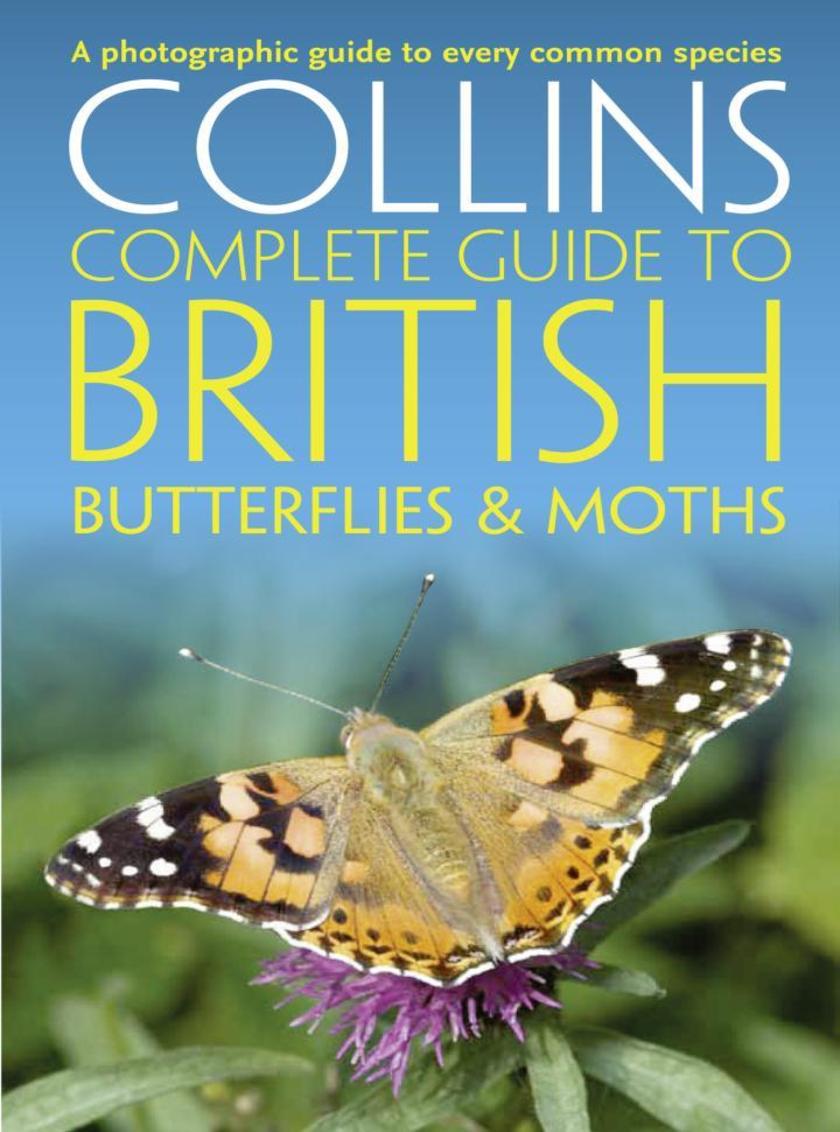
British Butterflies and Moths (Collins Complete Guides)
¥147.35
A comprehensive and fully illustrated guide, this book is the definitive photographic reference guide for anyone interested in butterflies and moths found in Britain and Ireland. Every species that occurs regularly in Britain and Ireland is included, along with a section dealing with the ‘rarest of the rare’ – extinct species or very rare immigrants. There follows the main section of the book, which covers our larger moths; every species that occurs regularly in Britain and Ireland is mentioned.

Trouble in Tinseltown (Summer Flings, Book 1)
¥9.71
"The perfect, girly summer read" Reviewed the Book "Action packed and fun" Shaun the Book Addict "I was ready to jump in their luggage after enjoying the pool and the party, eager to see what happens at the next destination of their adventure" Jane Hunt "Recommended for those times you just want to read something quickly, for fun and smiles." Bestselling author, Carmel Harrington Part 1 of Summer Flings - a fun, flirty and laugh out loud rom com series of short stories. Armed with a degree from Oxford that she doesn't have a clue what to do with, Ciara Bree convinces her two best friends, Elle and Gem to spend their first summer of freedom backpacking across the globe. Now it's time to shop, sunbathe, think about boys for a change, and party hard... First stop: LA! The girls hit Tinseltown for a few days of shopping, star spotting, and even a movie premiere! But their plan to sneak into an exclusive celeb party in West Hollywood backfires. Elle's gorgeous older cousin, Zack, is called to the rescue and despite knowing she should stay away, Ciara just can't seem to resist him. The ideal summer treat for those relaxing days soaking up the sun!

Deliver to Dublin...With Care (Summer Flings, Book 7)
¥9.71
"I am seriously gutted to have reached the end of this fantastic series. They have been the perfect tonic over the past few weeks" ~ Book Addict Shaun "As soon as I read Trouble in Tinseltown I knew I would love this series and I havent been disappointed. I have felt like a broken record as each novella has surpassed the previous one, but for me, it has just got better and better" ~ Jill Loves to Read "I'm going to miss reading one (or maybe two) of these daily. They have been a perfect way to relax in the evening and I'm sad this is the last one." ~ Lost to Books "Deliver Us to Dublin... With Care is the final instalment in what has been a brilliant summer series by Aimee Duffy. We've been brought plenty of laughs, romance and drama and in Dublin, after the fascinating way Flirting in Florence ended, there was a lot to be wrapped up. Having been with Ciara, Elle and Gem on their whole road trip journey, I really feel like I'll miss the characters but I thought the culmination to the series did their stories justice." ~ Reviewed the Book The final instalment of Summer Flings - a fun, flirty and laugh out loud rom com series of short stories. Miserable, lonely and broken hearted, Ciara returns to Dublin on a mission to sort out her life. A job is at the top of the list but a visit to the doctor has surprising repercussions. She refuses to drift apart from her friends now that real life has begun, struggles to fit new relationships into her life and still has to deal with everything else fate throws her way. But even Ciara should know that there's always something a little bit special to be found at the end of the rainbow... The ideal summer treat for those relaxing days soaking up the sun!

Call On Me (Loving on the Edge, Book 7)
¥92.61
The new Loving on the Edge novel by the New York Times bestselling author of Nothing Between Us and Need You Tonight Oakley Easton wants two things: to be a good mom to her daughter and to ditch her less than ideal night job. Hooking up with bad boy drummer Pike Ryland? Not on the agenda. She needs a promotion. Not sex, tattoos and rock n roll. Pike isn t about to let Ms. Prim and Proper shut him down so easily, especially when he stumbles upon Oakley s sexy night job. She s only playing a role on those late night calls with strangers, but when he gets her on the line, all bets are off. He won t stop until that sultry voice is calling his name for real. But as they move from anonymous fantasies in the dark to the flesh-on-hot-flesh reality of the bedroom, the risk of falling in love becomes all too high. And the safe, quiet world that Oakley s worked so hard to create is about to be exposed to the one person who could ruin it all."

Loving You Easy (Loving on the Edge, Book 8)
¥55.72
Three lovers really click in the latest from the New York Times bestselling author of Call on Me Cora has an amazing sex life. She s beautiful, daring, and the most popular submissive in Hayven. Too bad none of it s real... IT specialist Cora Benning has figured out the key to her formerly disastrous love life make it virtual. In the online world of Hayven, she s free of her geek girl image and can indulge her most private fantasies with a sexy, mysterious master without anyone in her life discovering her secrets. Until her information is hacked and she finds herself working to fix the breach under two very powerful men one who seems all too familiar... Best friends and business partners Ren Muroya and Hayes Fox were once revered dominants. Then Hayes was wrongfully sent to prison and everything changed. Ren wants to get back to who they were. Hayes can t risk it. But when they discover the new IT specialist is their online fascination, and that she s never felt a dominant s touch, the temptation to turn virtual into reality becomes all too great "
Playlist for the Dead
¥58.86
"A page-turner that combines genuine intrigue with heartbreak and desire." --Holly Goldberg Sloan, New York Times bestselling author of Counting by 7s There was a party. There was a fight. The next morning, Sam's best friend, Hayden, was dead. And all he left Sam was a playlist of songs and a suicide note: For Sam--listen and you'll understand. To figure out what happened, Sam has to rely on the playlist and his own memory. But the more he listens, the more he realizes that his memory isn't as reliable as he thought. And it might only be by taking out his earbuds and opening his eyes to the people around him that he'll finally be able to piece together his best friend's story. And maybe have a chance to change his own. Part mystery, part love story, and part coming-of-age tale in the vein of The Perks of Being a Wallflower and The Spectacular Now, Michelle Falkoff's debut novel is an honest and gut-wrenching first novel about loss, rage, and what if feels like to outgrow a friendship that's always defined you--and the struggle to redefine yourself.

No Pirates Nowadays: A Short Story
¥18.65
A classic tale of nautical adventure from the author of the acclaimed Aubrey/Maturin series, now published in eBook for the very first time to commemorate the Patrick O’Brian centenary. As their schooner inches through the dense yellow fog of the northern Pacific, Ross is beginning to regret agreeing to Sullivan's latest plan. Their search for the island of Sakhalien, to hunt for precious sea-otters, is leading them nowhere. The appearance of a fellow ship should be cause to lift their mood, yet the captain and swarthy Malay crew of the Santa Maria leave Ross feeling all the more uneasy. But when their paths cross once again it is Sullivan's nephew, Derrick, who has good cause to doubt that there are no pirates nowadays. First published under a pseudonym, this classic tale of nautical adventure will thrill every fan of Patrick O'Brian's Aubrey-Maturin series of Napoleonic sagas. Together with 'Noughts and Crosses' and 'Two's Company', it is also a captivating companion story to his novel, THE ROAD TO SAMARCAND, which also features Derrick, Sullivan and Ross.

Two More Sleeps
¥9.71
This is the heart-breaking tale of Angell, a young girl desperately loved but inadequately cared for by her troubled mother Nicki. Abandoned and left barely clothed beneath a park bench on a freezing cold day in winter, the bewildered child is rescued by police and passed into the loving and compassionate care of the Lewis family. But when foster carer Rosie takes Angell into her home and heart, she wonders whether Angell’s mother will ever return for her daughter? Or will Angell be destined to spend the rest of her childhood in care?

Beyond The Stars
¥51.50
A collection of short stories from a stellar line-up of Irish authors and illustrators, edited by bestselling author Sarah Webb. The anthology is completed by a final winter-themed tale from the winner of HarperCollins’ competition for young writers, which will be illustrated by Irish Children’s Laureate, Niamh Sharkey. 12 wintry tales of wonder, from the funny to the ghostly, from the heartfelt to the action-packed – there is something here for everyone to love… Written by some of the most outstanding talents in children’s fiction today, including Eoin Colfer, Roddy Doyle, Derek Landy and John Boyne, and with stunning illustrations from the likes of PJ Lynch, Chris Haughton and Niamh Sharkey, to name but a few. This is a gorgeous hardback that no family bookshelf should be without. All profits go to Fighting Words – the Irish Story Centre in support of Creative Writing for Children and Adults. Fighting Words was inspired by Dave Eggers’ 826 Valencia project in the USA, as have been creative writing centres all over the world since then, including Milan, Stockholm, London, Barcelona and Sydney. All of these creative writing centres are informally linked together – they communicate regularly, sharing ideas and experience.
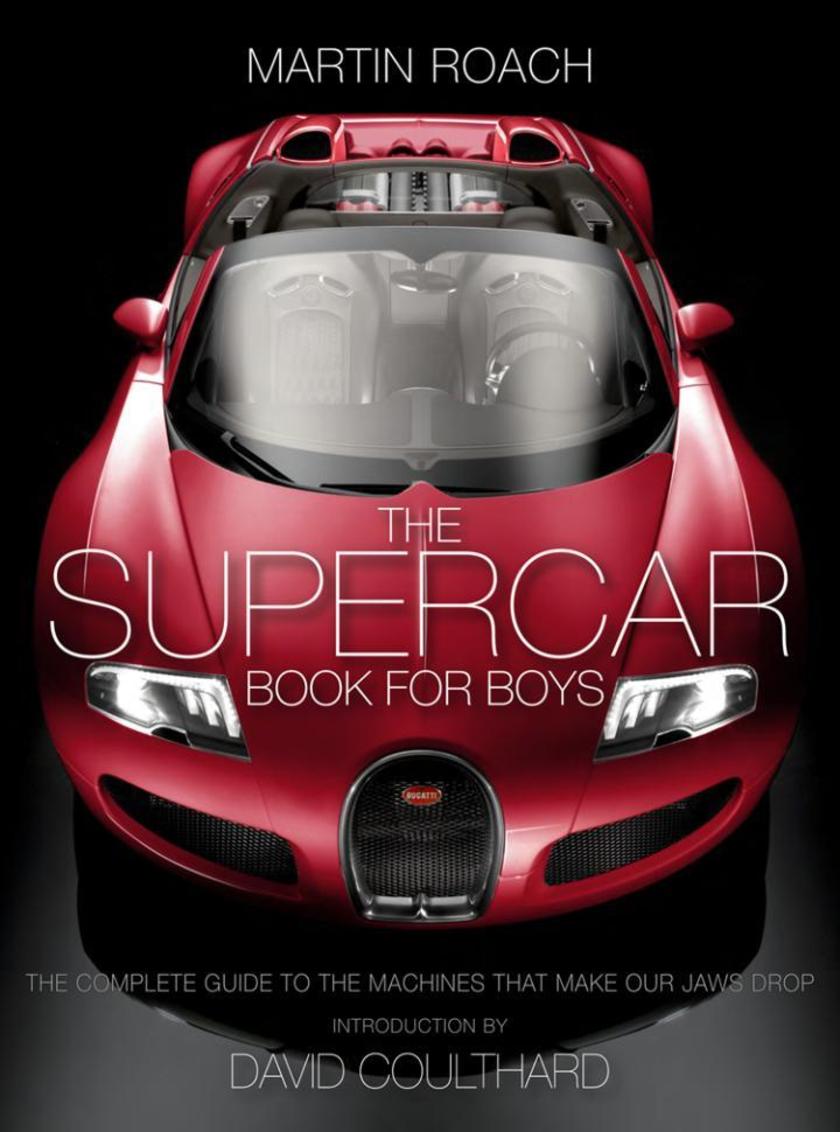
The Supercar Book for Boys
¥147.35
Fully illustrated throughout, The Supercar Book for Boys is a sumptuously designed guide full of everything you could ever want to know about the best supercars on the planet. From number-one bestselling author Martin Roach, The Supercar Book for Boys is a must-have for all boys and their dads (plus petrol-head girls and mums!) interested in fast cars. With an introduction from F1 racing legend David Coulthard, as well as contributions from the biggest names in the field, this tour de force starts with the iconic 1954 Mercedes Gullwing and races through each respective decade of supercar history, showcasing the very best and most important vehicles in this scintillating species. Featuring the landmark 10 game-changers that have defined the genre and highlighting dozens and dozens of supreme supercars from the likes of Ferrari, Lamborghini, Bugatti, Pagani, McLaren and Porsche, get ready to be blown away by the beauty and power of these incredible vehicles. With a pre-history of the genre plus an excursion into American muscle cars, this comprehensive book takes us underneath the bonnets and peels back the bodywork of these mind-blowing machines, as well as exploring how supercar technology has affected everyday cars. The Supercar Book for Boys is a tour de force of the fastest, the most powerful and the most drop-dead gorgeous vehicles in supercar history. Jam-packed with almost 200 full-colour photographs, awe-inspiring statistics and exclusive interviews with supercar experts, and featuring every landmark star of the genre, this book is the ultimate guide for every supercar fanatic.

The White Widow’s Revenge (Ferals, Book 3)
¥51.50
The thrilling conclusion to Ferals, a fantasy trilogy that's part Batman, part The Graveyard Book, and all high-stakes adventure. Caw has defeated the dreaded Spinning Man and vanquished the Mother of Flies. But a new feral has appeared--one who intends to uphold the Spinning Man's dark legacy. Known as the White Widow, this spider feral is determined to destroy Caw and bring Blackstone back into an era of crime and fear. Now everyone Caw holds dear is in danger. And this time Caw may not be able to protect them.

Far From Home: The sisters of Street Child (Street Child)
¥51.50
The sisters of STREET CHILD tell their story… A companion novel to bestselling story of orphan Jim Jarvis set in Victorian England. When Jim Jarvis is separated from his sisters, Lizzie and Emily, he thinks he will never see them again. Now for the first time, the bestselling author of STREET CHILD reveals what happened to his orphaned sisters. In Victorian London, Lizzie and Emily are left in the care of a cook but their story takes them to the mills of northern England. There, under the keen eyes of the mill owners, the girls are made to work in harsh conditions and any chance of escape is sorely tempting… An incredible new STREET CHILD story based on the true experiences of Victorian mill girls.
Eat. Nourish. Glow – Summer
¥9.71
The second of four seasonal e-shorts from London-based nutritional therapist Amelia Freer. Forget fad diets, now is the time to make a lasting change and develop a healthy, clean and sustainable relationship with food. Being healthy is a way of life, but it doesn’t have to be about denying yourself. Amelia Freer loves food and encourages a positive and realistic approach to healthy eating. In this book, she offers small changes to your diet and lifestyle to help you look and feel amazing by the time summer rolls around, with no need for last-minute bikini diets. Targeting seasonal problems and using seasonal ingredients, Amelia is on a mission – to wean us all off additive-crammed foods and help us rediscover the joys of cooking and eating fresh, healthy ingredients. Summer is a time to enjoy the sun, be more active, and delight in the fresh fruits and vegetables the season offers. Amelia believes that issues such as weight loss, lack of energy and stress can be helped by small lifestyle choices. With seven exclusive recipes, perfect for sharing with friends on sunny days and bursting with all the colours and flavours of summer, this title is focused on creating a healthy, sustainable and enjoyable lifestyle. Amelia Freer’s first full-length title offering her complete food philosophy will be published in January 2015.


