


 购物车
购物车 个人中心
个人中心

Villette
¥8.09
After an unspecified family disaster, the protagonist Lucy Snowe travels from England to the fictional French-speaking city of Villette to teach at a girls' school, where she is drawn into adventure and romance. ? Villette was Charlotte Bront?'s fourth novel. It was preceded by the posthumously published The Professor, her first, and then by Jane Eyre and Shirley. ? The novel is set in the English countryside, in London, and (mainly) in the fictional city of Villette (based upon Brussels) in the fictional Kingdom of Labassecour (based upon Belgium). "Labassecour" is French for farmyard. ? Villette begins with its famously passive protagonist, Lucy Snowe, age 14, staying at the home of her godmother Mrs. Bretton in "the clean and ancient town of Bretton", in England. Also in residence are Mrs. Bretton's son, John Graham Bretton (whom the family calls Graham), and a young visitor, Paulina Home (who is called Polly). Polly is a peculiar little girl who soon develops a deep devotion to Graham, who showers her with attention. But Polly's visit is cut short when her father arrives to take her away.
The Princess and the Goblin
¥8.09
The Princess and the Goblin is a children's fantasy novel by George MacDonald. It was published in 1872 by Strahan & Co. ? Anne Thaxter Eaton writes in A Critical History of Children's Literature that The Princess and the Goblin and its sequel “quietly suggest in every incident ideas of courage and honor." Jeffrey Holdaway, in the New Zealand Art Monthly, said that both books start out as “normal fairytales but slowly become stranger”, and that they contain layers of symbolism similar to that of Lewis Carroll’s work. ? Eight-year-old Princess Irene lives a lonely life in a castle in a wild, desolate, mountainous kingdom, with only her nursemaid "Lootie" for company. Her father the king is normally absent, and her mother is dead. Unknown to her, the nearby mines are inhabited by a race of goblins, long banished from the kingdom and now anxious to take revenge on their human neighbors. One rainy day, the princess explores the castle and discovers a beautiful, mysterious lady, who identifies herself as Irene's namesake and great-great-grandmother. The next day, Princess Irene persuades her nursemaid to take her outside. After dark they are chased by goblins and rescued by the young miner 'Curdie', whom Irene befriends. At work with the rest of the miners, Curdie overhears the goblins talking, and their conversation reveals to Curdie the secret weakness of goblin anatomy: they have very soft, vulnerable feet. Curdie sneaks into the Great Hall of the goblin palace to eavesdrop on their general meeting, and hears that the goblins intend to flood the mine if a certain other part of their plan should fail. He later conveys this news to his father. In the palace, Princess Irene injures her hand, which her great-great-grandmother heals. A week later Irene is about to see her great-great-grandmother again, but is frightened by a long-legged cat and escapes up the mountain; whereupon the light from her great-great-grandmother's tower leads her home, where her great-great-grandmother gives Irene a ring attached to a thread invisible except to herself, which thereafter connects her constantly to home.
The Tenant of Wildfell Hall
¥8.09
The Tenant of Wildfell Hall is the second and final novel by the English author Anne Bront?. It was first published in 1848 under the pseudonym Acton Bell. Probably the most shocking of the Bront?s' novels, it had an instant and phenomenal success, but after Anne's death her sister Charlotte prevented its re-publication. ? The novel is framed as a series of letters from Gilbert Markham to his friend and brother-in-law about the events leading to his meeting his wife. ? A mysterious young widow arrives at Wildfell Hall, an Elizabethan mansion which has been empty for many years, with her young son and servant. She lives there in strict seclusion under the assumed name Helen Graham and very soon finds herself the victim of local slander. Refusing to believe anything scandalous about her, Gilbert Markham, a young farmer, discovers her dark secrets. In her diary, Helen writes about her husband's physical and moral decline through alcohol, and the world of debauchery and cruelty from which she has fled. This novel of marital betrayal is set within a moral framework tempered by Anne's optimistic belief in universal salvation. ? The Tenant of Wildfell Hall is mainly considered to be one of the first sustained feminist novels. ? May Sinclair, in 1913, said that the slamming of Helen's bedroom door against her husband reverberated throughout Victorian England. In escaping her husband, Helen violates not only social conventions, but also English law.

Wieland:(The Transformation:An American Tale)
¥8.09
Wieland, is the first major work by Charles Brockden Brown. First published in 1798, it distinguishes the true beginning of his career as a writer. Wieland is the first – and most famous – American Gothic novel. It has often been linked to Caleb Williams by William Godwin. Godwin's influence is clear, but Brown's writing is unique in its style. Wieland is often categorized under several subgenres other than gothic fiction, including horror, psychological fiction and epistolary fiction. ? Set sometime between the French and Indian War and the American Revolutionary War, Wieland details the horrible events that befall Clara Wieland and her brother Theodore's family. Clara and Theodore's father was a German immigrant who founded his own religion; he came to America just before the American Revolution with the conviction to spread his religion to the indigenous people. When he fails at this task, he believes he has also failed his deity. One night, as he worships in his bare, reclusive temple, he seems to spontaneously combust, after which his health rapidly deteriorates and he dies. His children inherit his property, which is divided equally between them. Theodore marries their childhood friend, Catharine Pleyel, and they have four children. ? Soon, Theodore begins to hear voices and Catharine's brother-in-law, Henry Pleyel, begins to hear them, too. Though at first doubtful of the voices that the men claim to hear, Clara also begins to hear a strange voice. The mysterious Carwin appears on the scene, and suggests that the voices may be caused by human mimicry. ? Clara is secretly in love with Pleyel, and makes a plan to tell him so; however, her chance is ruined. When she returns home, she finds Carwin hiding in her closet. He admits he had been planning to rape Clara, but believing her to be under the protection of a supernatural force, leaves her. ? The next morning, Pleyel accuses Clara of having an affair with Carwin. He leaves quickly, without giving Clara enough time to defend herself. She decides to go to see Pleyel, to tell him he is mistaken, but he does not seem to believe her. On her way home, Clara stops to visit her friend Mrs. Baynton, where Clara finds a letter from Carwin waiting for her, which requests an audience with her.
The Essays or Counsels, Civil and Moral
¥8.09
Essays: Religious Meditations. Places of Perswasion and Disswasion. Seene and Allowed (1597) was the first published book by the philosopher, statesman and jurist Francis Bacon. The Essays are written in a wide range of styles, from the plain and unadorned to the epigrammatic. They cover topics drawn from both public and private life, and in each case the essays cover their topics systematically from a number of different angles, weighing one argument against another. A much-enlarged second edition appeared in 1612 with 38 essays. Another, under the title Essayes or Counsels, Civill and Morall, was published in 1625 with 58 essays. Translations into French and Italian appeared during Bacon's lifetime. ? Bacon's genius as a phrase-maker appears to great advantage in the later essays. In "Of Boldness" he wrote, "If the Hill will not come to Mahomet, Mahomet will go to the hill", which is the earliest known appearance of that proverb in print. The phrase "hostages to fortune" appears in the essay "Of Marriage and Single Life" – again the earliest known usage. Aldous Huxley's book Jesting Pilate took its epigraph, "What is Truth? said jesting Pilate; and would not stay for an answer", from Bacon's essay "Of Truth". The 1999 edition of The Oxford Dictionary of Quotations includes no fewer than 91 quotations from the Essays.
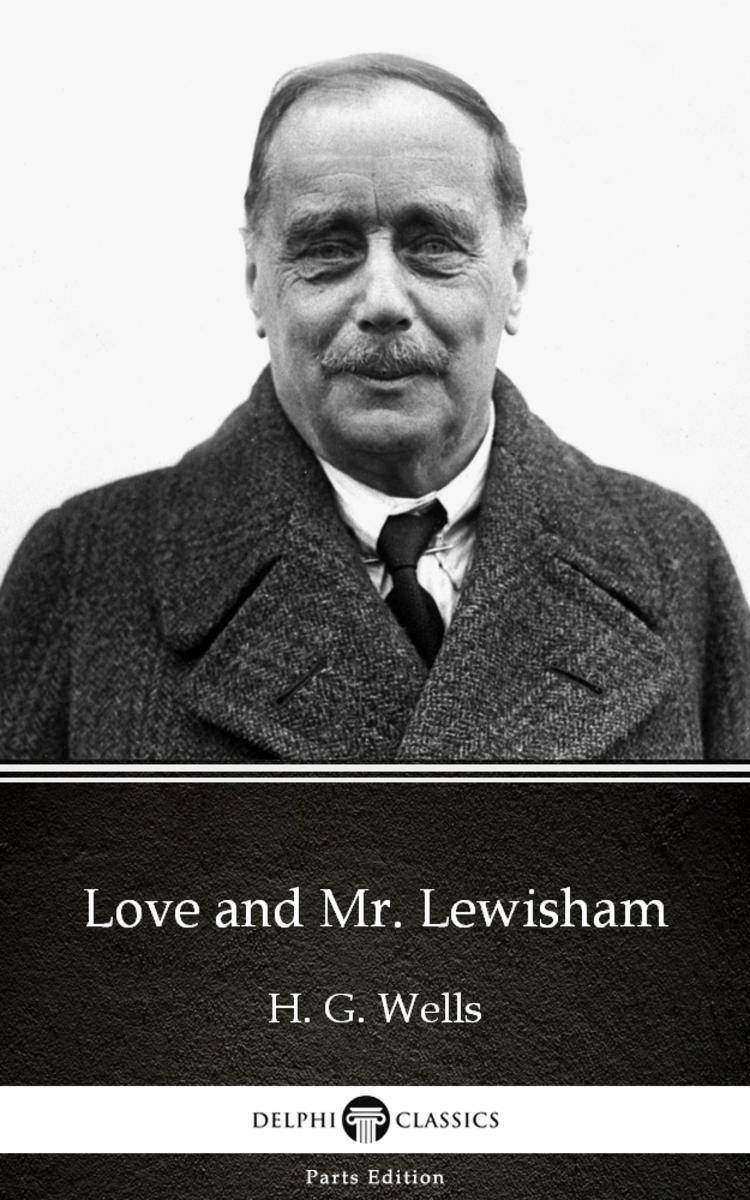
Love and Mr. Lewisham by H. G. Wells (Illustrated)
¥8.09
This eBook features the unabridged text of ‘Love and Mr. Lewisham’ from the bestselling edition of ‘The Complete Works of H. G. Wells’. Having established their name as the leading publisher of classic literature and art, Delphi Classics produce publications that are individually crafted with superior formatting, while introducing many rare texts for the first time in digital print. The Delphi Classics edition of Wells includes original annotations and illustrations relating to the life and works of the author, as well as individual tables of contents, allowing you to navigate eBooks quickly and easily.eBook features:* The complete unabridged text of ‘Love and Mr. Lewisham’* Beautifully illustrated with images related to Wells’s works* Individual contents table, allowing easy navigation around the eBook* Excellent formatting of the textPlease visit www.delphiclassics.com to learn more about our wide range of titles
A Modern Utopia by H. G. Wells (Illustrated)
¥8.09
This eBook features the unabridged text of ‘A Modern Utopia’ from the bestselling edition of ‘The Complete Works of H. G. Wells’. Having established their name as the leading publisher of classic literature and art, Delphi Classics produce publications that are individually crafted with superior formatting, while introducing many rare texts for the first time in digital print. The Delphi Classics edition of Wells includes original annotations and illustrations relating to the life and works of the author, as well as individual tables of contents, allowing you to navigate eBooks quickly and easily.eBook features:* The complete unabridged text of ‘A Modern Utopia’* Beautifully illustrated with images related to Wells’s works* Individual contents table, allowing easy navigation around the eBook* Excellent formatting of the textPlease visit www.delphiclassics.com to learn more about our wide range of titles
The World Set Free by H. G. Wells (Illustrated)
¥8.09
This eBook features the unabridged text of ‘The World Set Free’ from the bestselling edition of ‘The Complete Works of H. G. Wells’. Having established their name as the leading publisher of classic literature and art, Delphi Classics produce publications that are individually crafted with superior formatting, while introducing many rare texts for the first time in digital print. The Delphi Classics edition of Wells includes original annotations and illustrations relating to the life and works of the author, as well as individual tables of contents, allowing you to navigate eBooks quickly and easily.eBook features:* The complete unabridged text of ‘The World Set Free’* Beautifully illustrated with images related to Wells’s works* Individual contents table, allowing easy navigation around the eBook* Excellent formatting of the textPlease visit www.delphiclassics.com to learn more about our wide range of titles
Bealby:A Holiday by H. G. Wells (Illustrated)
¥8.09
This eBook features the unabridged text of ‘Bealby: A Holiday’ from the bestselling edition of ‘The Complete Works of H. G. Wells’. Having established their name as the leading publisher of classic literature and art, Delphi Classics produce publications that are individually crafted with superior formatting, while introducing many rare texts for the first time in digital print. The Delphi Classics edition of Wells includes original annotations and illustrations relating to the life and works of the author, as well as individual tables of contents, allowing you to navigate eBooks quickly and easily.eBook features:* The complete unabridged text of ‘Bealby: A Holiday’* Beautifully illustrated with images related to Wells’s works* Individual contents table, allowing easy navigation around the eBook* Excellent formatting of the textPlease visit www.delphiclassics.com to learn more about our wide range of titles
The Autocracy of Mr. Parham by H. G. Wells (Illustrated)
¥8.09
This eBook features the unabridged text of ‘The Autocracy of Mr. Parham’ from the bestselling edition of ‘The Complete Works of H. G. Wells’. Having established their name as the leading publisher of classic literature and art, Delphi Classics produce publications that are individually crafted with superior formatting, while introducing many rare texts for the first time in digital print. The Delphi Classics edition of Wells includes original annotations and illustrations relating to the life and works of the author, as well as individual tables of contents, allowing you to navigate eBooks quickly and easily.eBook features:* The complete unabridged text of ‘The Autocracy of Mr. Parham’* Beautifully illustrated with images related to Wells’s works* Individual contents table, allowing easy navigation around the eBook* Excellent formatting of the textPlease visit www.delphiclassics.com to learn more about our wide range of titles
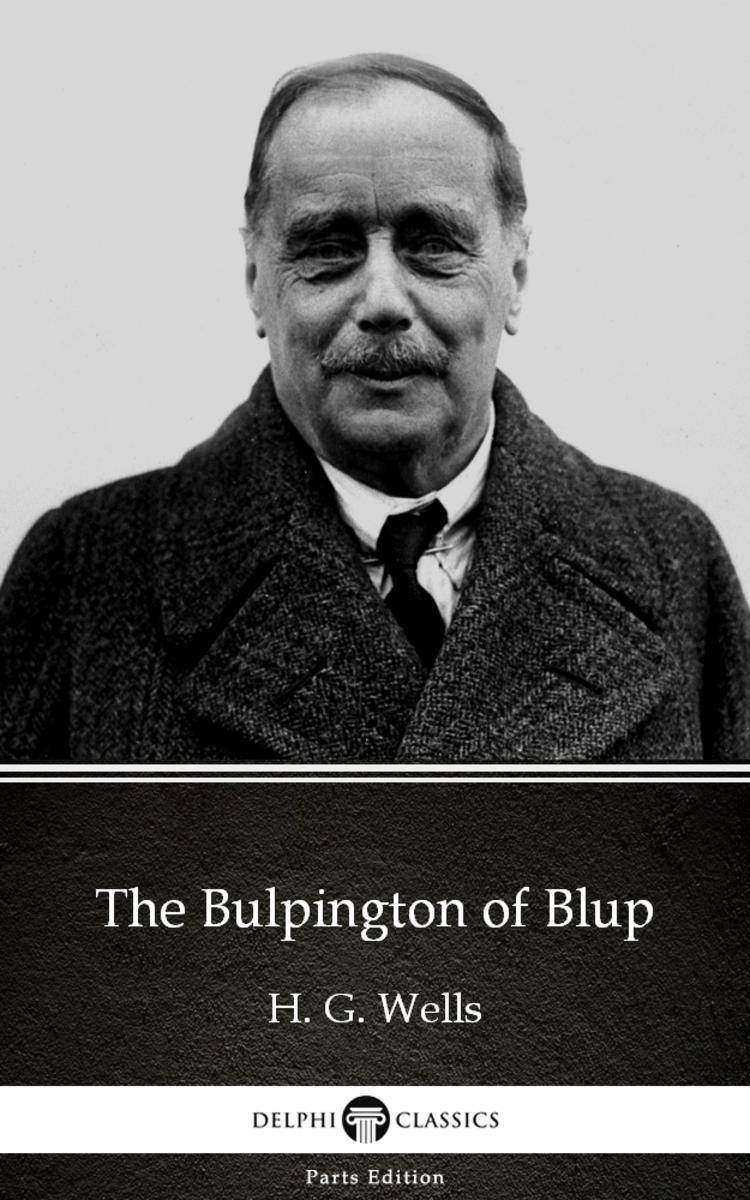
The Bulpington of Blup by H. G. Wells (Illustrated)
¥8.09
This eBook features the unabridged text of ‘The Bulpington of Blup’ from the bestselling edition of ‘The Complete Works of H. G. Wells’. Having established their name as the leading publisher of classic literature and art, Delphi Classics produce publications that are individually crafted with superior formatting, while introducing many rare texts for the first time in digital print. The Delphi Classics edition of Wells includes original annotations and illustrations relating to the life and works of the author, as well as individual tables of contents, allowing you to navigate eBooks quickly and easily.eBook features:* The complete unabridged text of ‘The Bulpington of Blup’* Beautifully illustrated with images related to Wells’s works* Individual contents table, allowing easy navigation around the eBook* Excellent formatting of the textPlease visit www.delphiclassics.com to learn more about our wide range of titles
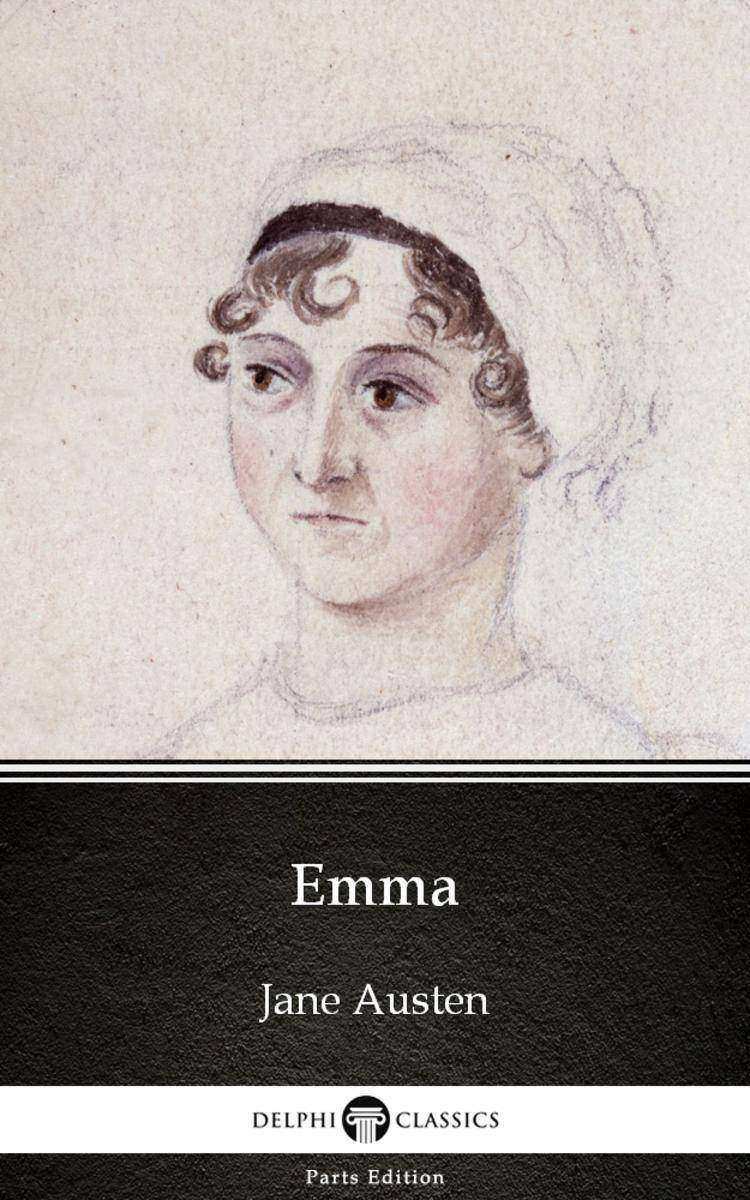
Emma by Jane Austen (Illustrated)
¥8.09
This eBook features the unabridged text of ‘Emma’ from the bestselling edition of ‘The Complete Works of Jane Austen’. Having established their name as the leading publisher of classic literature and art, Delphi Classics produce publications that are individually crafted with superior formatting, while introducing many rare texts for the first time in digital print. The Delphi Classics edition of Austen includes original annotations and illustrations relating to the life and works of the author, as well as individual tables of contents, allowing you to navigate eBooks quickly and easily.eBook features:* The complete unabridged text of ‘Emma’* Beautifully illustrated with images related to Austen’s works* Individual contents table, allowing easy navigation around the eBook* Excellent formatting of the textPlease visit www.delphiclassics.com to learn more about our wide range of titles
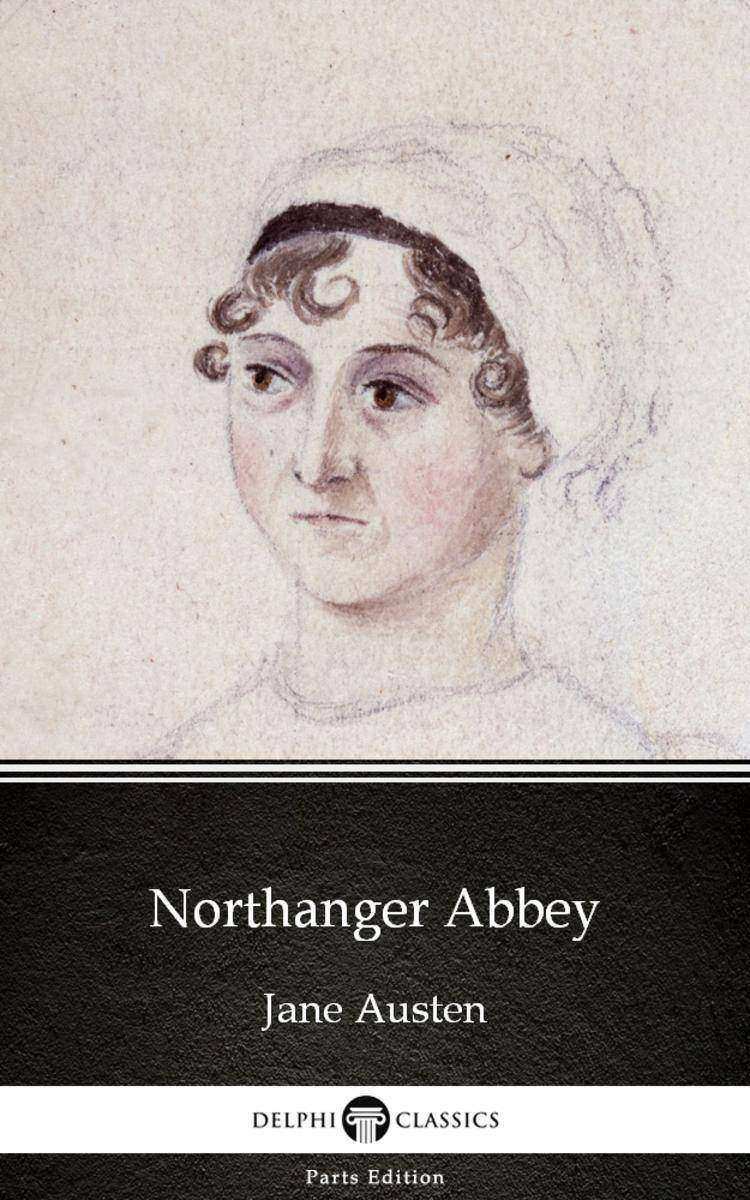
Northanger Abbey by Jane Austen (Illustrated)
¥8.09
This eBook features the unabridged text of ‘Northanger Abbey’ from the bestselling edition of ‘The Complete Works of Jane Austen’. Having established their name as the leading publisher of classic literature and art, Delphi Classics produce publications that are individually crafted with superior formatting, while introducing many rare texts for the first time in digital print. The Delphi Classics edition of Austen includes original annotations and illustrations relating to the life and works of the author, as well as individual tables of contents, allowing you to navigate eBooks quickly and easily.eBook features:* The complete unabridged text of ‘Northanger Abbey’* Beautifully illustrated with images related to Austen’s works* Individual contents table, allowing easy navigation around the eBook* Excellent formatting of the textPlease visit www.delphiclassics.com to learn more about our wide range of titles
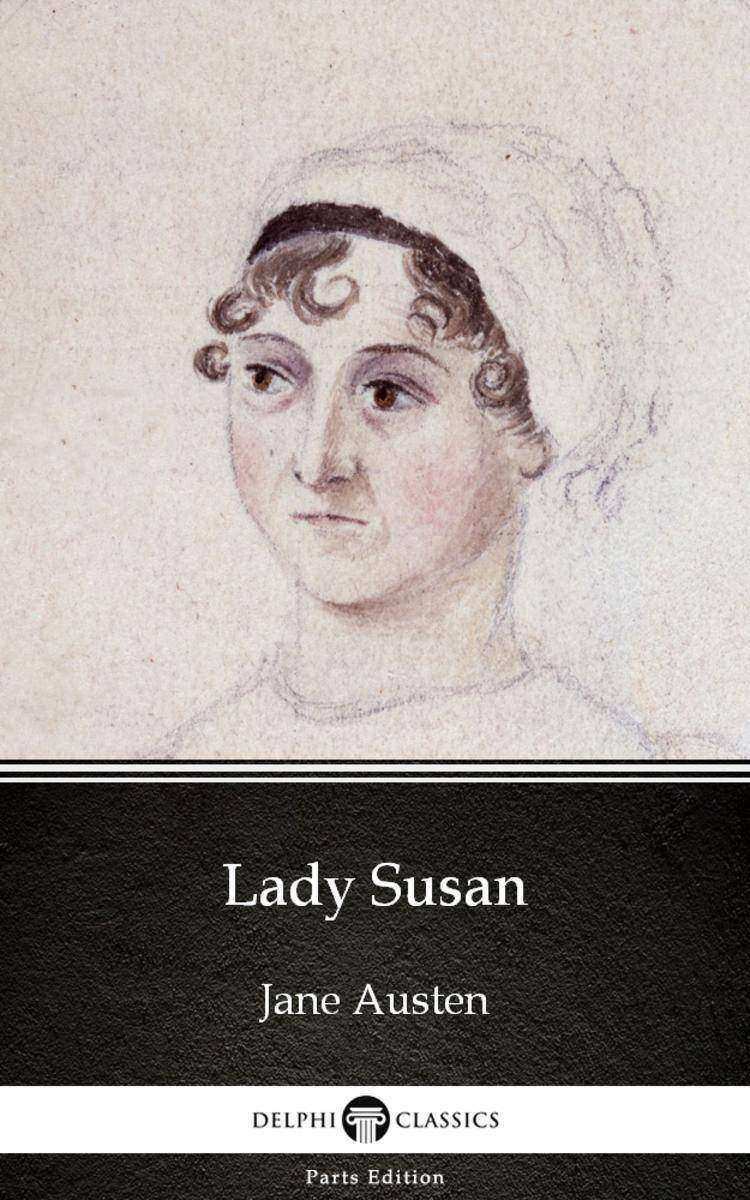
Lady Susan by Jane Austen (Illustrated)
¥8.09
This eBook features the unabridged text of ‘Lady Susan’ from the bestselling edition of ‘The Complete Works of Jane Austen’. Having established their name as the leading publisher of classic literature and art, Delphi Classics produce publications that are individually crafted with superior formatting, while introducing many rare texts for the first time in digital print. The Delphi Classics edition of Austen includes original annotations and illustrations relating to the life and works of the author, as well as individual tables of contents, allowing you to navigate eBooks quickly and easily.eBook features:* The complete unabridged text of ‘Lady Susan’* Beautifully illustrated with images related to Austen’s works* Individual contents table, allowing easy navigation around the eBook* Excellent formatting of the textPlease visit www.delphiclassics.com to learn more about our wide range of titles
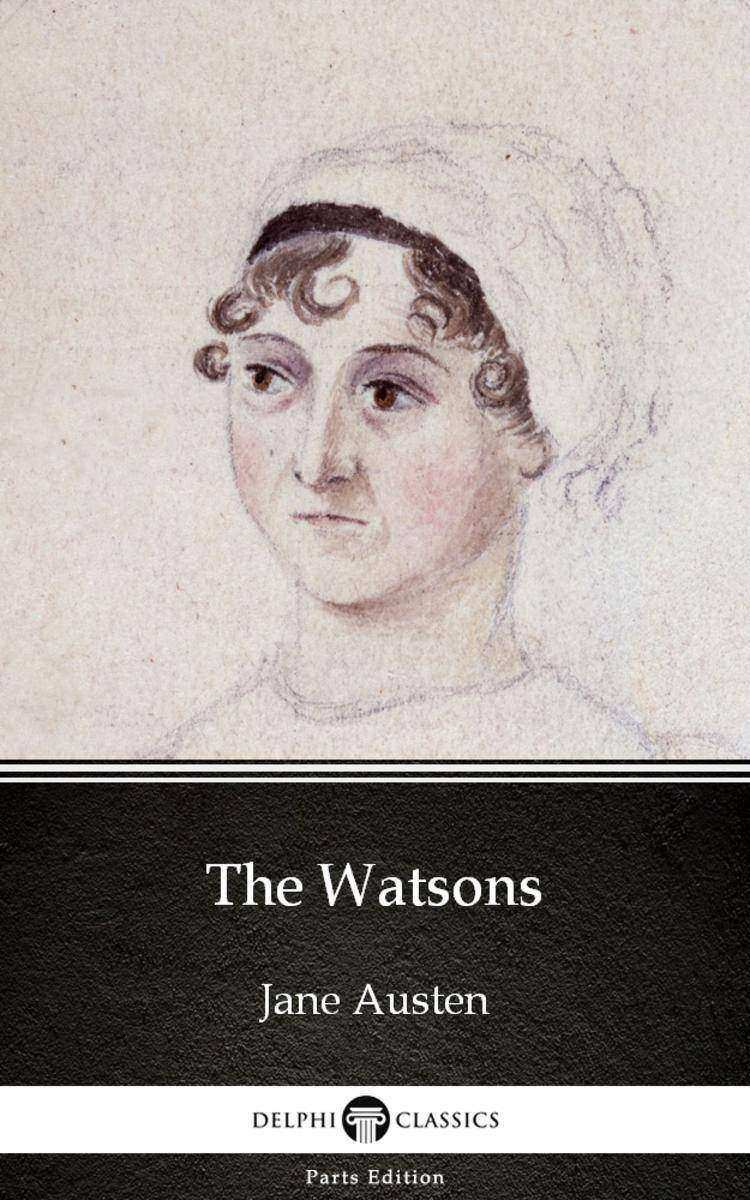
The Watsons by Jane Austen (Illustrated)
¥8.09
This eBook features the unabridged text of ‘The Watsons’ from the bestselling edition of ‘The Complete Works of Jane Austen’. Having established their name as the leading publisher of classic literature and art, Delphi Classics produce publications that are individually crafted with superior formatting, while introducing many rare texts for the first time in digital print. The Delphi Classics edition of Austen includes original annotations and illustrations relating to the life and works of the author, as well as individual tables of contents, allowing you to navigate eBooks quickly and easily.eBook features:* The complete unabridged text of ‘The Watsons’* Beautifully illustrated with images related to Austen’s works* Individual contents table, allowing easy navigation around the eBook* Excellent formatting of the textPlease visit www.delphiclassics.com to learn more about our wide range of titles
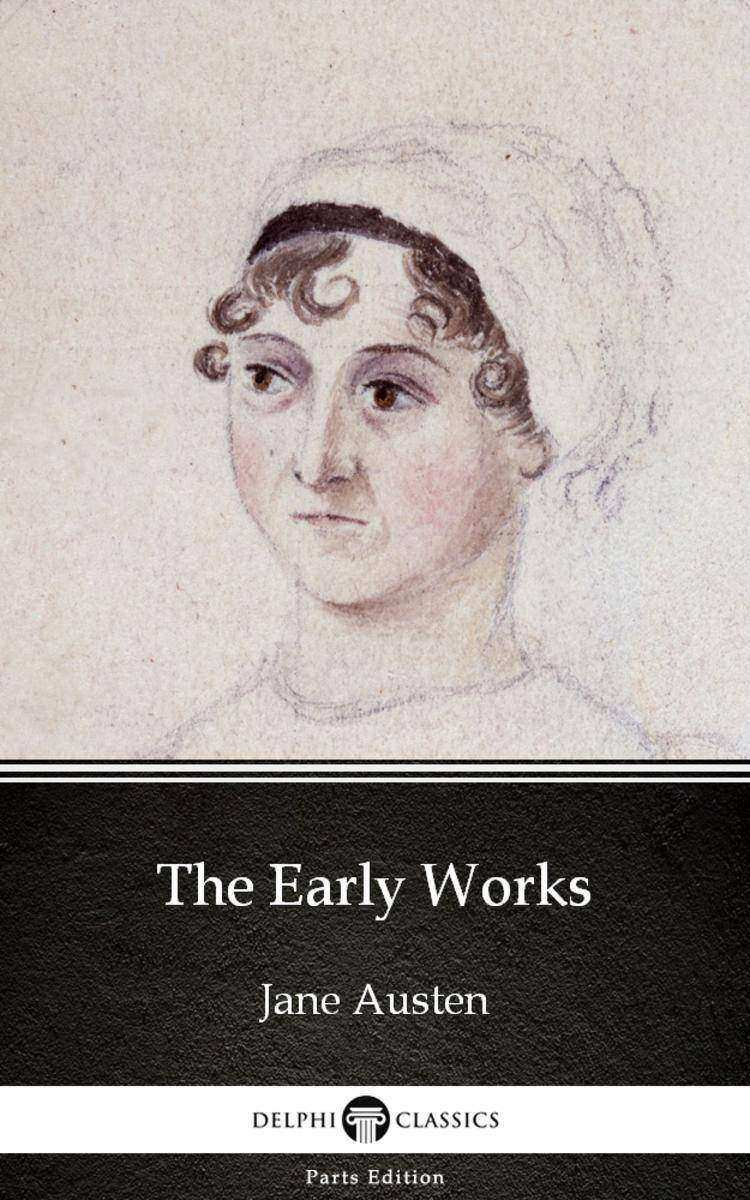
The Early Works by Jane Austen (Illustrated)
¥8.09
This eBook features the unabridged text of ‘The Early Works’ from the bestselling edition of ‘The Complete Works of Jane Austen’. Having established their name as the leading publisher of classic literature and art, Delphi Classics produce publications that are individually crafted with superior formatting, while introducing many rare texts for the first time in digital print. The Delphi Classics edition of Austen includes original annotations and illustrations relating to the life and works of the author, as well as individual tables of contents, allowing you to navigate eBooks quickly and easily.eBook features:* The complete unabridged text of ‘The Early Works’* Beautifully illustrated with images related to Austen’s works* Individual contents table, allowing easy navigation around the eBook* Excellent formatting of the textPlease visit www.delphiclassics.com to learn more about our wide range of titles
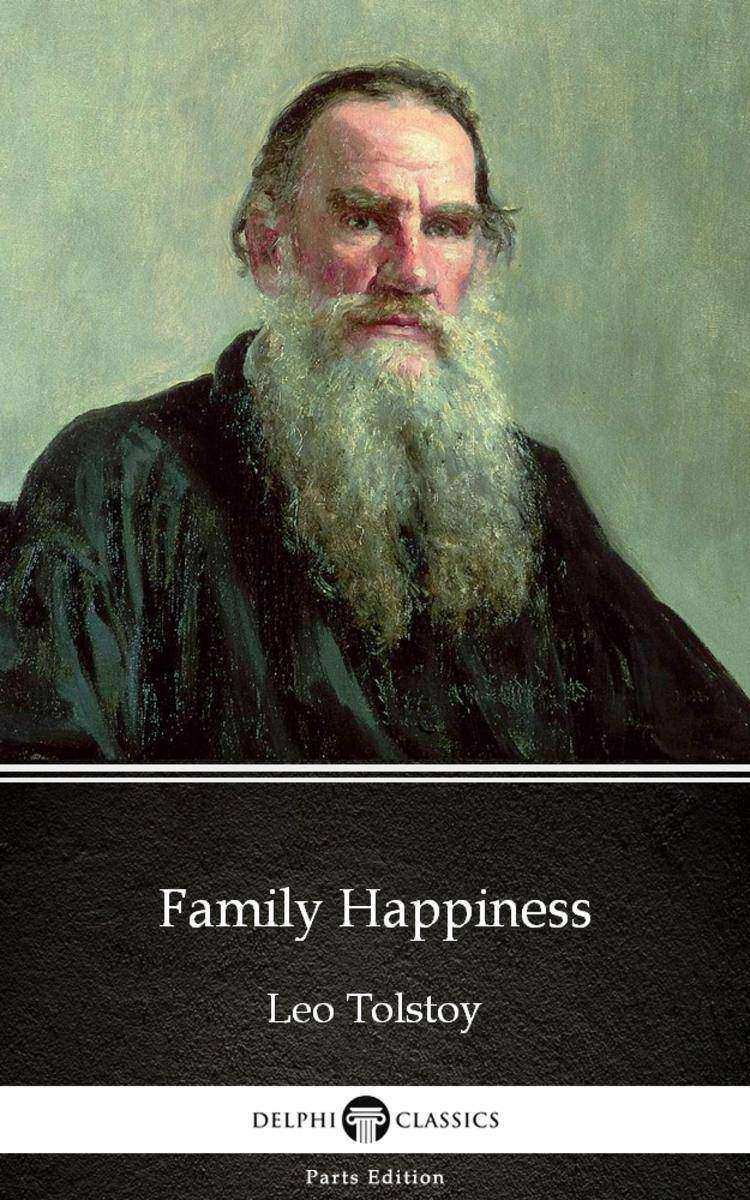
Family Happiness by Leo Tolstoy (Illustrated)
¥8.09
This eBook features the unabridged text of ‘Family Happiness’ from the bestselling edition of ‘The Complete Works of Leo Tolstoy’. Having established their name as the leading publisher of classic literature and art, Delphi Classics produce publications that are individually crafted with superior formatting, while introducing many rare texts for the first time in digital print. The Delphi Classics edition of Tolstoy includes original annotations and illustrations relating to the life and works of the author, as well as individual tables of contents, allowing you to navigate eBooks quickly and easily.eBook features:* The complete unabridged text of ‘Family Happiness’* Beautifully illustrated with images related to Tolstoy’s works* Individual contents table, allowing easy navigation around the eBook* Excellent formatting of the textPlease visit www.delphiclassics.com to learn more about our wide range of titles
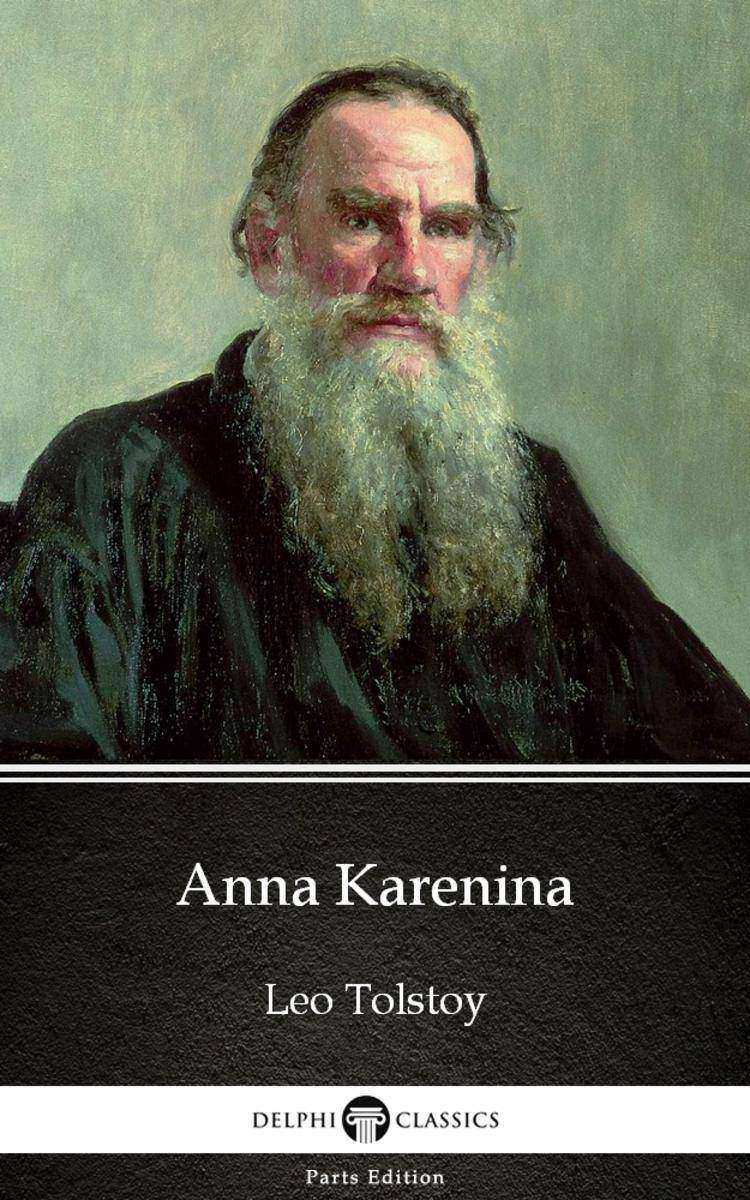
Anna Karenina by Leo Tolstoy (Illustrated)
¥8.09
This eBook features the unabridged text of ‘Anna Karenina’ from the bestselling edition of ‘The Complete Works of Leo Tolstoy’. Having established their name as the leading publisher of classic literature and art, Delphi Classics produce publications that are individually crafted with superior formatting, while introducing many rare texts for the first time in digital print. The Delphi Classics edition of Tolstoy includes original annotations and illustrations relating to the life and works of the author, as well as individual tables of contents, allowing you to navigate eBooks quickly and easily.eBook features:* The complete unabridged text of ‘Anna Karenina’* Beautifully illustrated with images related to Tolstoy’s works* Individual contents table, allowing easy navigation around the eBook* Excellent formatting of the textPlease visit www.delphiclassics.com to learn more about our wide range of titles
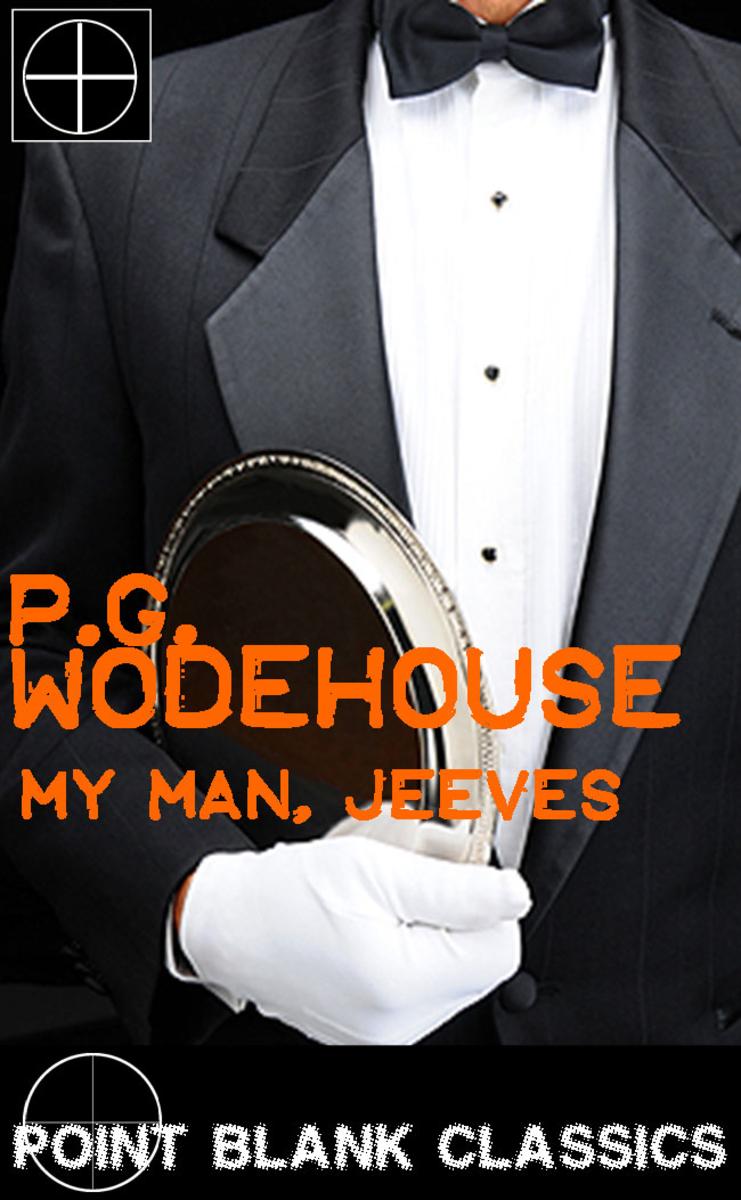
My Man Jeeves
¥8.09
This Point Blank Classics edition includes the full original text as well as an easy to use interactive table of contents. My Man Jeeves is a collection of short stories by P. G. Wodehouse, first published in the United Kingdom in May 1919 by George Newnes. Of the eight stories in the collection, half feature the popular characters Jeeves and Bertie Wooster, while the others concern Reggie Pepper, an early prototype for Wooster. Although the book was not published in the United States, all the stories had appeared there, mostly in The Saturday Evening Post or Collier's Weekly, and in the Strand in the UK, prior to the publication of the UK book. Several appeared later in rewritten form in Carry on, Jeeves (1925), such as "Helping Freddie", which in its later incarnation was called "Fixing It for Freddie" and featured Jeeves and Wooster. The other Reggie Pepper stories were included in the U.S. version of The Man with Two Left Feet (1917).Jeeves and Wooster had first appeared in the short story "Extricating Young Gussie", which appeared in the Saturday Evening Post in 1915, and was included in The Man with Two Left Feet.
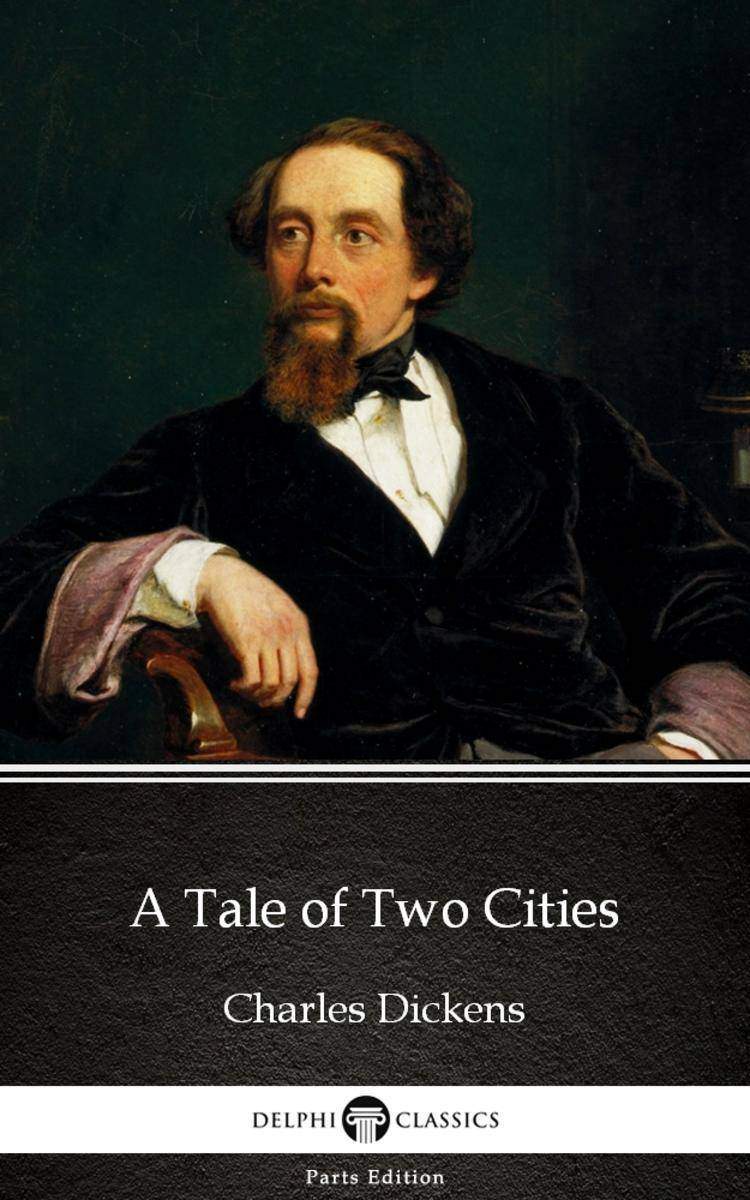
A Tale of Two Cities by Charles Dickens (Illustrated)
¥8.09
This eBook features the unabridged text of ‘A Tale of Two Cities’ from the bestselling edition of ‘The Complete Works of Charles Dickens’. Having established their name as the leading publisher of classic literature and art, Delphi Classics produce publications that are individually crafted with superior formatting, while introducing many rare texts for the first time in digital print. The Delphi Classics edition of Dickens includes original annotations and illustrations relating to the life and works of the author, as well as individual tables of contents, allowing you to navigate eBooks quickly and easily.eBook features:* The complete unabridged text of ‘A Tale of Two Cities’* Beautifully illustrated with images related to Dickens’s works* Individual contents table, allowing easy navigation around the eBook* Excellent formatting of the textPlease visit www.delphiclassics.com to learn more about our wide range of titles
A Great Mystery Solved by Gillan Vase (Illustrated)
¥8.09
This eBook features the unabridged text of ‘A Great Mystery Solved by Gillan Vase’ from the bestselling edition of ‘The Complete Works of Charles Dickens’. Having established their name as the leading publisher of classic literature and art, Delphi Classics produce publications that are individually crafted with superior formatting, while introducing many rare texts for the first time in digital print. The Delphi Classics edition of Dickens includes original annotations and illustrations relating to the life and works of the author, as well as individual tables of contents, allowing you to navigate eBooks quickly and easily.eBook features:* The complete unabridged text of ‘A Great Mystery Solved by Gillan Vase’* Beautifully illustrated with images related to Dickens’s works* Individual contents table, allowing easy navigation around the eBook* Excellent formatting of the textPlease visit www.delphiclassics.com to learn more about our wide range of titles


