


 购物车
购物车 个人中心
个人中心
Stephen Fry in America
¥80.25
Britain's best-loved comic genius Stephen Fry turns his celebrated wit and insight to unearthing the real America as he travels across the continent in his black taxicab. Stephen's account of his adventures is filled with his unique humour, insight and warmth in the fascinating book that orginally accompanied his journey for the BBC1 series. 'Stephen Fry is a treasure of the British Empire.' - The Guardian Stephen Fry has always loved America, in fact he came very close to being born there. Here, his fascination for the country and its people sees him embarking on an epic journey across America, visiting each of its 50 states to discover how such a huge diversity of people, cultures, languages, beliefs and landscapes combine to create such a remarkable nation. Starting on the eastern seaboard, Stephen zig-zags across the country in his London taxicab, talking to its hospitable citizens, listening to its music, visiting its landmarks, viewing small-town life and America's breath-taking landscapes - following wherever his curiosity leads him. Stephen meets a collection of remarkable individuals - American icons and unsung local heroes alike. Stephen starts his epic journey on the east coast and zig-zags across America, stopping in every state from Maine to Hawaii. En route he discovers the South Side of Chicago with blues legend Buddy Guy, catches up with Morgan Freeman in Mississippi, strides around with Ted Turner on his Montana ranch, marches with Zulus in New Orleans' Mardi Gras, and drums with the Sioux Nation in South Dakota; joins a Georgia family for thanksgiving, 'picks' with Bluegrass hillbillies, and finds himself in a Tennessee garden full of dead bodies. Whether in a club for failed gangsters (yes, those are real bullet holes) or celebrating Halloween in Salem (is there anywhere better?), Stephen is welcomed by the people of America - mayors, sheriffs, newspaper editors, park rangers, teachers and hobos, bringing to life the oddities and splendours of each locale. A celebration of the magnificent and the eccentric, the beautiful and the strange, Stephen Fry in America is our author's homage to this extraordinary country.
Gentleman’s Relish
¥46.99
An exhilarating new collection of stories by the author of Richard & Judy-bestseller ‘Notes from an Exhibition’, combining wit and poignancy to illuminate experiences both common and uncommon. Love (and loathing) within families is dissected – a father makes an unexpected discovery about his son which is too hard for him to cope with. A son wreaks revenge through the power of cookery. Three generations of the same family gain freedom through the years in a once-despised caravan. A bored wife finds happiness when an old lag teaches her the art of angling. A dog-training lesson with a puppy who hasn’t grasped the meaning of ‘obedience’ leads to the discovery of a murder. Here too are music and silence – the sweetness and sadness of festivals, of the Church and of the control exercised by those in charge in small communities. This tremendously enjoyable collection of stories has the same wit, tenderness and acute psychological observation as Gale’s bestselling novels, including NOTES FROM AN EXHIBITION and the recent THE WHOLE DAY THROUGH. For Gale's many fans, GENTLEMAN’S RELISH is certain to be a real treat.
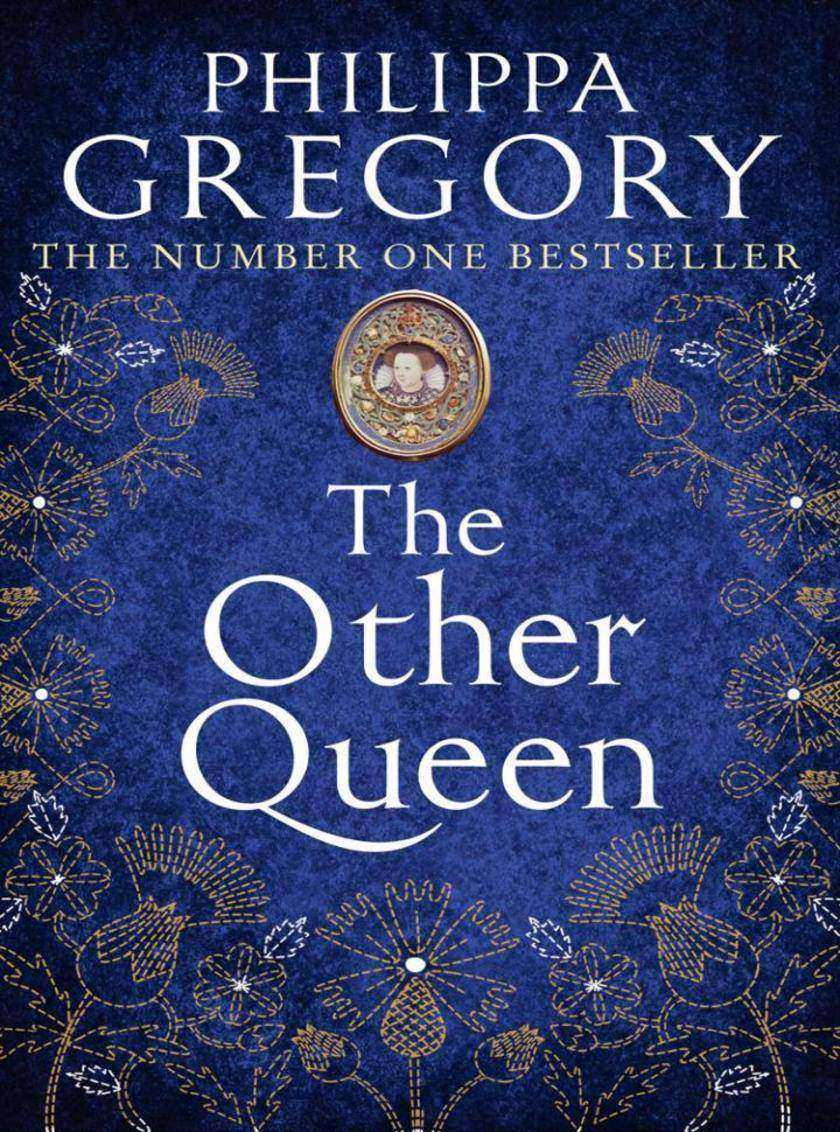
The Other Queen
¥66.22
A dramatic novel of passion, politics and betrayal from the author of The Other Boleyn Girl. They can fear me, and they can hate me. They can even deny me. But they cannot kill me. 1568. The Virgin Queen Elizabeth I has ruled England for ten years, but refuses to name a successor, despite the rival claims that threaten her kingdom. Bess of Hardwick, the new Countess of Shrewsbury, has secured her future with her fourth marriage to George Talbot. Ambitious and shrewd, Bess anticipates royal favour when she and the Earl are asked to give sanctuary to the fugitive Mary Queen of Scots. But the Scottish queen rails against house arrest in a desolate castle and plots to regain her throne. The castle becomes the epicentre of intrigue against Elizabeth, the Earl blinded by admiration for the other queen. Even Bess’s own loyalty is thrown into question. If Elizabeth's spymaster William Cecil links the Talbots to the growing conspiracy to free Mary, they will all face the Tower…
Hit the Beach! (The Sleepover Club)
¥27.27
Also published as Sleepover Girls Go Surfing. The hugely popular Sleepover Club series is back with a gorgeous new look. Meet Frankie, Kenny, Fliss, Rosie and Lyndz – five best friends who just want to have fun! The surf’s up, the tide is high and it’s time for the Sleepover Club to hit the beach during their school activity week in Devon. A whole week of secret midnight feasts! The girls have surfing lessons from cool instructor Bethany, but will they spend more time in the water than on the board? One thing’s for sure, there’s always trouble ahead when the Sleepover girls are involved… As well as a great story this book has tips for fun things to do at your own sleepover party for you and your friends. Pack up your sleepover kit and join in the fun!
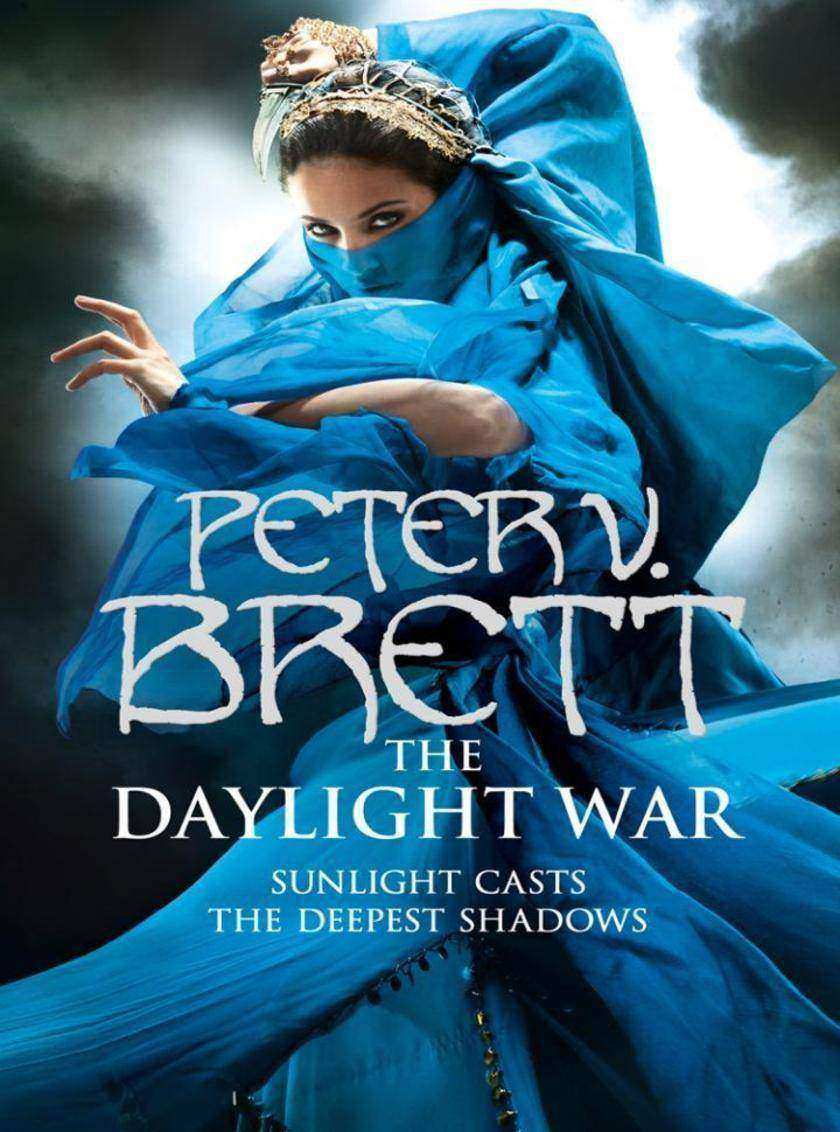
The Daylight War (The Demon Cycle, Book 3)
¥37.08
The Daylight War, the eagerly anticipated third volume in Brett’s internationally bestselling Demon Cycle, continues the epic tale of humanity’s last stand against an army of demons. ON THE NIGHT OF A NEW MOON ALL SHADOWS DEEPEN AND THE DEMONS RISE. Arlen Bales understands the threat better than anyone. Resisting the coreling plague has shaped him into a weapon so powerful he has attracted enemies both above and below ground. But as Arlen prepares his people for battle, a daylight war approaches from the south. Out of the desert rides an army led by a man who believes his destiny is to unite humanity against the demons, willingly or not. Once, Ahmann Jardir and Arlen were like brothers. Now they are the bitterest of rivals, and Jardir’s ambition is matched only by the magic wielded by his first wife, Inevera, a powerful priestess. The corelings will attack in thirty nights, and the only men capable of defeating them are divided against each other by the most deadly demons of all: those that lurk in the human heart.

Tyrant’s Blood: Book Two of the Valisar Trilogy
¥58.86
The second instalment of Fiona McIntosh’s gripping epic fantasy, set in a world torn by revenge, love and ancient magic. Ten years have passed since Loethar, the barbarian warlord from the Likurian steppes, devoured the Devona Set with his army of mercenaries, decimating their ruling families and settling in their primary kingdom of Penraven. Believing the Valisar heirs of Penraven to be dead, he has styled himself as emperor and continues his efforts to integrate his people into the native population. But abandoning his more violent methods of persuasion hasn't quelled the undercurrent of rebellion; for the Valisar heirs do live. Hidden from the barbarian's wrath by loyal allies who risk everything for the future of their kingdom, they are bound to return and seek a tyrant's blood for the havoc he has wreaked.
Coming Back To Me: The Autobiography of Marcus Trescothick
¥72.40
A true-life sporting memoir of one of the best batsman in the game who stunned the cricket world when he prematurely ended his own England career. Trescothick’s brave and soul-baring account of his mental frailties opens the way to a better understanding of the unique pressures experienced by modern-day professional sportsmen. At 29, Marcus Trescothick was widely regarded as one of the batting greats. With more than 5,000 Test runs to his name and a 2005 Ashes hero, some were predicting this gentle West Country cricket nut might even surpass Graham Gooch's record to become England's highest ever Test run scorer. But the next time Trescothick hit the headlines it was for reasons no one but a handful of close friends and colleagues could have foreseen. On Saturday 25 February 2006, four days before leading England into the first Test against India in place of the injured captain Vaughan, Trescothick was out for 32 in the second innings of the final warm-up match. As he walked from the field he fought to calm the emotional storm that was raging inside him, at least to hide it from prying eyes. In the dressing room he broke down in tears, overwhelmed by a blur of anguish, uncertainty and sadness he had been keeping at bay for longer than he knew. Within hours England's best batsman was on the next flight home. His departure was kept secret until after close of play when coach Duncan Fletcher told the stunned media his acting captain had quit the tour for 'personal, family reasons.' Until now, the full, extraordinary story of what happened that day and why, of what preceded his breakdown has never been told. He reveals for the first time that he almost flew home from the 2004 tour to South Africa – of what caused it and of what followed – his comeback to the England side and a second crushing breakdown nine months later that left him unable to continue the 2006-07 Ashes tour down under. Coming Back to Me will replace the myths and rumours with the truth as Trescothick talks with engaging openness and enthusiasm about his rise to the top of international cricket; and describes with equal frankness his tortured descent into private despair.

The Last Highlander
¥73.58
Fans of Outlander must read this Saltire Society Literary Awards Scottish First Book of the Year – a great non-fiction adventure about Scotland’s most notorious clan chief. Simon Fraser, Lord Lovat, was the last of the great Scottish chiefs – and the last nobleman executed for treason. Determined to seek his fortune with the exiled Jacobite king in France, Fraser acted as a spy for both the Stuarts and the Hanoverians; claimed to be both Protestant and Roman Catholic. In July 1745, Bonnie Prince Charlie launched his last attempt to seize back the throne, supported by Fraser and his clans. They were defeated at Culloden. Fraser was found hiding in a tree. This swashbuckling spy story recreates an extraordinary period of history in its retelling of Fraser’s life. He is surely one of Scotland’s most notorious and romantic figures, a cunning and ambitious soldier who died a martyr for his country and an independent Scotland.
A Fair Cop
¥63.18
The true story of a young police officer’s imprisonment for a crime he did not commit It was Michael Bunting's life ambition to follow in his father's footsteps and become a police officer. But six years after his family watch him pass out and begin his life's dream, he is serving a sentence for a crime he didn't commit. This is his story. Beaten almost senseless as he tried to arrest a violent criminal, the 23-year-old PC was left with head injuries and blurred vision that took him months to recover from. Back at work he was astounded to learn that his attacker had filed a complaint against him and that the Police Discipline and Complaints Department were following up the allegation. Two years later he was found guilty of common assault against his assailant and received a prison sentence that left him living his devastated life amongst the criminals he had previously sought to keep off the streets. Hard-hitting and at times heart-breaking the book is a graphic account of life behind bars for a policeman in one of England's hardest prisons. An extract from A Fair Cop: "The prisoner arrived once more with the trolley and placed the plate of food on to my hatch. 'Bunting,' he shouted pleasantly. I wasn't fooled. 'Thanks,' I said, as I walked across the cell to collect it. As I put my hand out to reach for the plate he snatched it away. He held it up to the hatch and peered through at me. 'PC Bunting, isn't it?' he asked, and then took a deep breath to muster as much saliva from the back of his throat as he could. With one swift movement he spat a big glob in to the middle of the food. The white phlegm floated around in brown gravy. 'Hey lads, I'm feeding the pig,' he said. With this, two other prisoners came to my cell hatch. They looked at me, sniggering. They then spat in my food too. The first prisoner put the plate on the hatch and gestured for me to come closer. 'You're in our territory now, you f***ing filth, and we're gonna f***ing carve you up.'
The Dolce Vita Diaries
¥47.48
A deliciously different travelogue In 2005, Cathy and Jason threw in successful careers as TV presenters and producers to become olive farmers in Italy. With their one year old daughter and Italian dictionary in tow, they found themselves in the middle of a European nowhere untouched by modernity. They were on a steep learning curve in more-or-less everything – finding out how to prune an olive tree so that a sparrow can pass through its branches, learning what beauty products are de rigeur in the changing rooms of a local Italian football team, being trained, by a local Italian choir, how to sing in English but with an Italian accent – and learning the rigorous rules of when one is allowed to consume a cappuccino. Armed with their indefatigable love of food, they headed off many a potentially tricky situation by cooking their way out of it, a sure route to the heart of any Italian. They discover that olive farming is dominated by the big boys and desperate to turn their new home into a way of making a living they cast around for ideas of how they can do so. A flash of inspiration led them to launch an 'Adopt-an-Olive-Tree' scheme. For a fee buyers could adopt a tree, receive produce from it and even go and visit it to give it a hug. The scheme became hugely popular with trees selling out way ahead of expectations. A contract with Selfridges followed and suddenly Cathy and Jason's dream is realised. Or nearly anyway. It's a hard slog and they meet every challenge with fortitude and humour but what they hadn't expected was that the biggest challenge would be the quiet of the countryside. Soon they find themselves hankering for the sounds and stench of the city and facing a difficult decision on what they should do next.
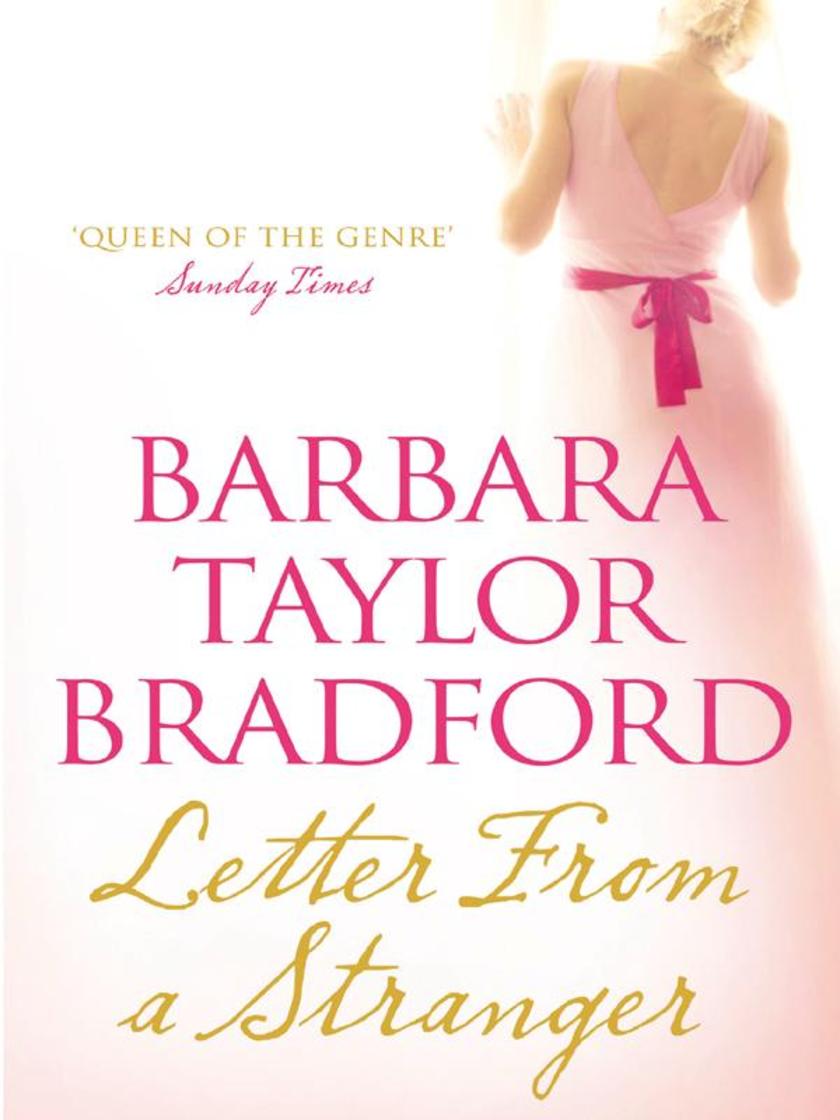
Letter from a Stranger
¥61.51
Captivating and evocative, Letter from a Stranger will take you on an unforgettable journey from idyllic Connecticut to exotic Istanbul to war-torn Berlin then back to the present day. When award-winning film maker Justine Nolan returns to her beautiful childhood home, she is intrigued by an envelope she finds in her absent mother’s post. But the letter inside contains a shocking revelation. If genuine it will change everything she believes about her family’s recent history, her mother and her adored grandmother, Gabriele. With the support of her beloved twin brother, Richard, Justine resolves to uncover the truth. To do so she must travel to Istanbul – the teeming, beguiling city on the cusp of East and West. It is a place which holds its own secrets, leading her to a fascinating man who appears to know more than he is prepared to disclose. Yet even when her quest succeeds, Justine is faced with a further mystery: Gabriele’s background is not what it seems. Justine is given a book of memories in which the real story unfolds, taking her back to the darkest days of European history, with its suffering and astonishing acts of bravery. At the heart of it lie the final facts of Gabriele’s identity – and her own. The letter from a stranger has brought her not only to the truth about her family but also a chance to heal the wounds of past betrayals, to embrace a new love and new life.
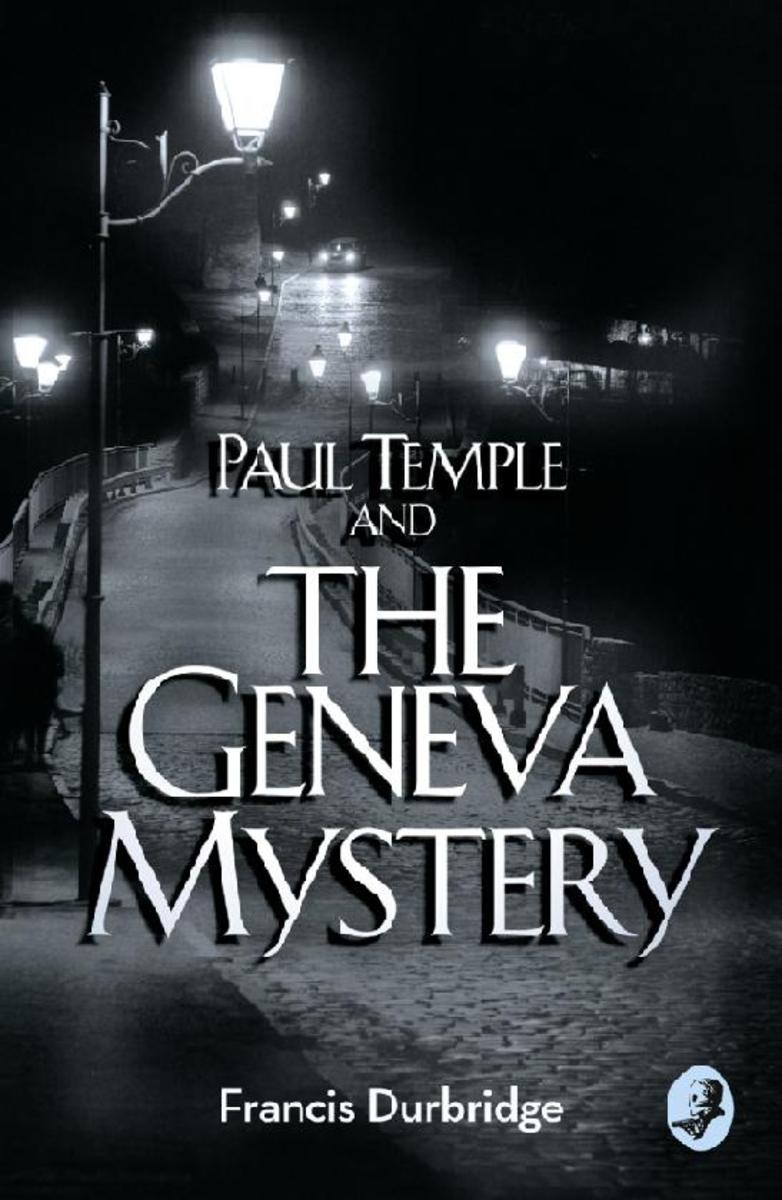
Paul Temple and the Geneva Mystery (A Paul Temple Mystery)
¥61.51
The great radio detective lives again in a brand new reading by Anthony Head. Returning from an author tour in America, Paul is met at the dockside by his publisher Scott Reed, who wants him to investigate the mysterious disappearance of Alfred Kelby. Reed had entrusted Kelby with a sensational diary written by Margaret Spender, the mistress of Lord Delamore, containing several clues pointing to the murderer of Delamore. When Kelby is strangled, and the diary stolen, it seems that the two events are connected. But could there be another motive for Kelby's murder? Paul is determined to find out...
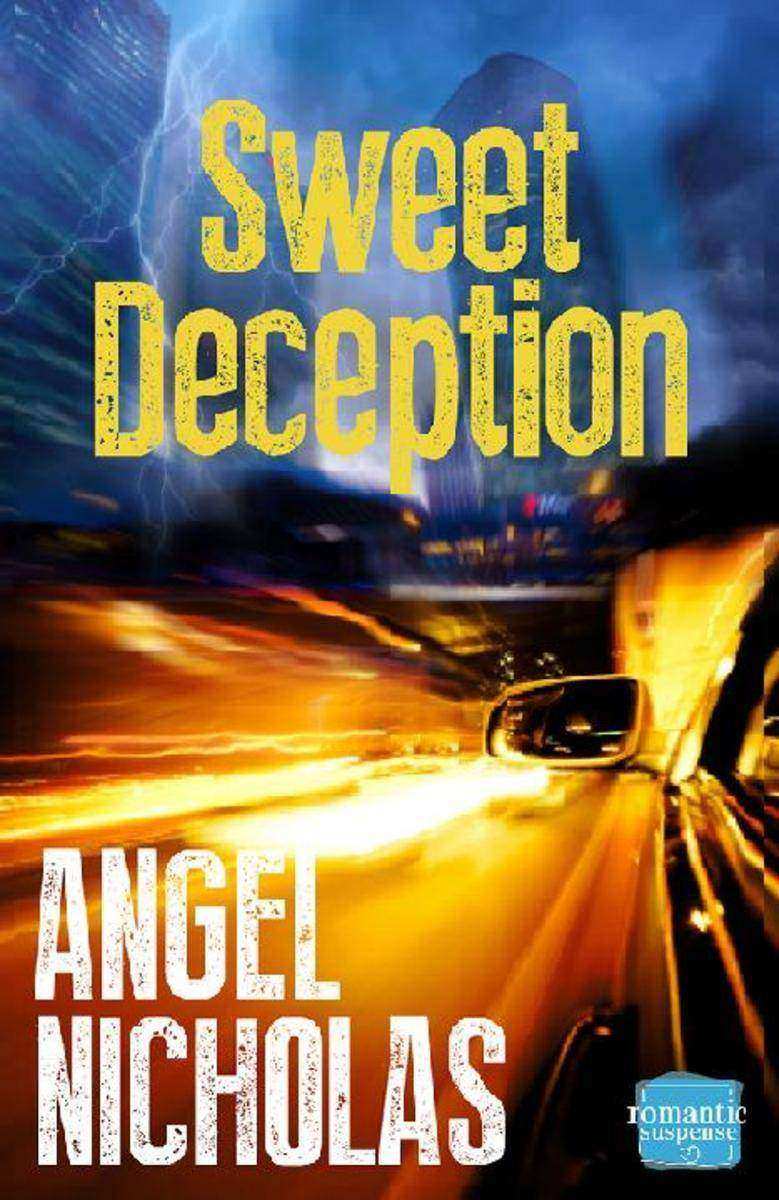
Sweet Deception HarperImpulse Romantic Suspense
¥45.42
Ally Thompson's life is perfect. Calm, quiet, some might even say boring. The sole survivor of a tragic accident, she's not the adventurous type – something her new therapist wants to change. One roller-coaster ride… A murder and a detective in disguise shatter Ally's first attempt at "fun." Detective Greg Marsing is everything Ally knows better than to want. The gun-toting, tattooed, scumbags trying to kill her are almost a welcome distraction from her pointless attraction. Blows her world wide open… A contract on Ally has every lowlife for miles gunning for her. Sparks fly while she and her unlikely hero scramble to unravel clues. As the deadly game escalates, Greg has to decide if self-preservation rates higher than a love worth dying for.

The Last of Us
¥66.22
When a pandemic wipes out the entire population of a remote Scottish island, only a small group of children survive. How will they fend for themselves? Since the last adult died, sensible Elizabeth has been the group leader, testing for a radio signal, playing teacher and keeping an eye on Alex, the littlest, whose insulin can only last so long. There is ‘shopping’ to do in the houses they haven’t yet searched and wrong smells to avoid. For eight-year-old Rona each day brings fresh hope that someone will come back for them, tempered by the reality of their dwindling supplies. With no adults to rebel against, squabbles threaten the fragile family they have formed. And when brothers Calum Ian and Duncan attempt to thwart Elizabeth’s leadership, it prompts a chain of events that will endanger Alex’s life and test them all in unimaginable ways. Reminiscent of The Lord of the Flies and The Cement Garden, The Last of Us is a powerful and heartbreaking novel of aftershock, courage and survival.
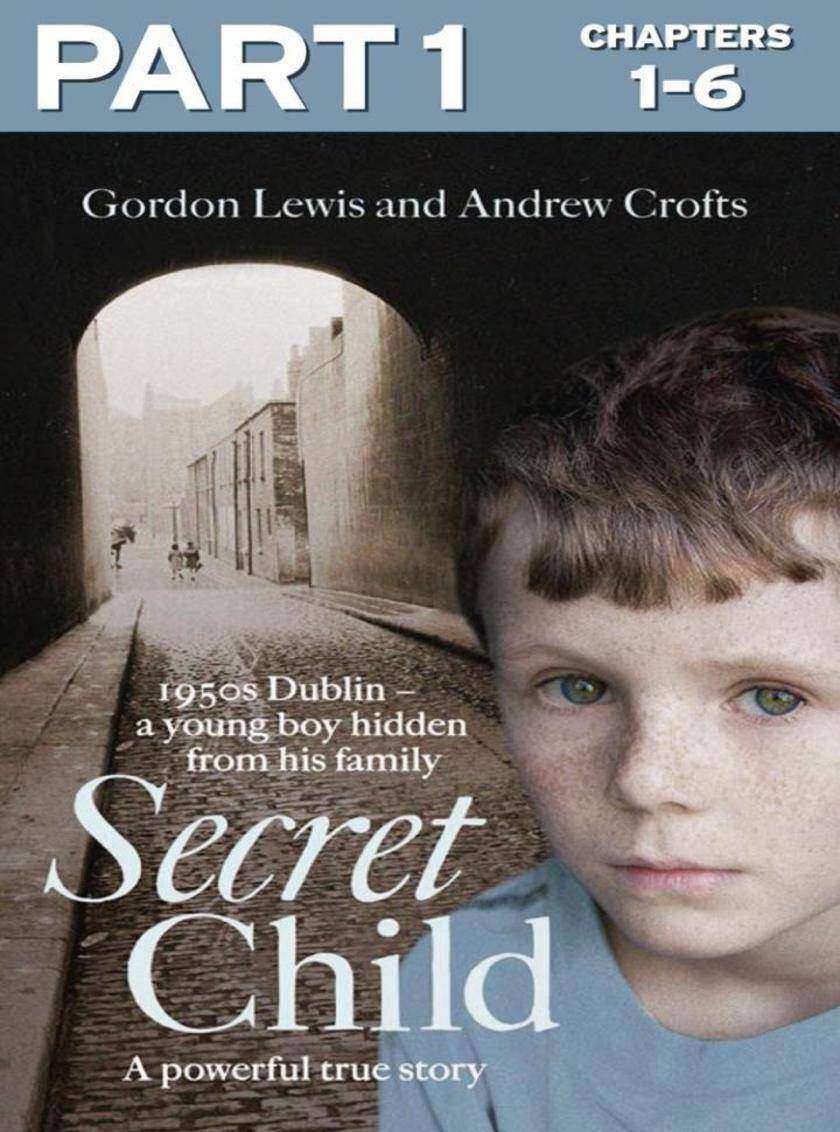
Secret Child Part 1 of 3
免费
The flight was delayed but none of the passengers milling around the lounge seemed to mind too much. There was something of a party atmosphere at that end of the terminal at JFK that day, which added to my own sense of excitement at my impending adventure.
Never Kiss a Man in a Christmas Jumper
¥61.51
But for the Guinness family a happy ending looks out of reach. Olly and Mae's marriage is crumbling, their teenage daughter Evie is on a mission to self-destruct and their beloved Pops is dying of cancer. Their once strong family unit is slowly falling apart. But Pops has one final gift to offer his beloved family – a ray of hope to cling to. As his life's journey draws to a close, he sends his family on an adventure across Europe in a camper van, guided by his letters, his wisdom and his love. Because Pops knows that all his family need is time to be together, to find their love for each other and to find their way back home… What readers are saying about Carmel Harrington: ‘Carmel Harrington…will make you see life in a different way’ – Woman’s Way ‘A wonderfully life-affirming, heart-warming book. Carmel Harrington writes with such honesty, you'd have to be made of stone not to laugh and cry’ – New York Times bestselling author Hazel Gaynor ‘I always feel a little richer for having read one of Carmel’s books…this inspiring and emotional family-centred read stole my heart’ – Between the Lines

Test Your Cat 2: Genius Edition: Confirm your cat’s undiscovered genius!
¥36.79
The perfect gift book for cat lovers everywhere! Assess your cat’s genius in a series of fun and easy tests and activities, in this follow-up to the best-selling TEST YOUR CAT. Cats are known for their intelligence, independence, and agility, always landing on their feet and able to find food and an unattended cat flap anywhere in the neighbourhood. Sure your cat is clever, but can he play you like a fiddle for human food? How about work a remote control? Or fend off uninvited relatives? The all-new Test Your Cat: Genius Edition is full of fun tests and activities you can do with your cat to confirm whether the marvellous Master Monty really is a prodigy on four paws.

Test Your Dog 2: Genius Edition: Confirm your dog’s undiscovered genius!
¥36.79
The perfect gift book for dog lovers everywhere! Assess your dog’s genius in a series of fun and easy tests and activities, in this follow-up to the best-selling TEST YOUR DOG. Dogs are known for their loyalty, unconditional love, and general best-friendship. You know your dog can sit, fetch, and roll over. But can he sit up like a human? Respond to “fetch” in multiple languages?Distinguish Mozart from M?tley Crüe? What about comprehend the finer points of poker? The all-new Test Your Dog: Genius Edition is full of fun tests and activities you can do with your precious pooch to confirm whether your little Fido really is an Einstein with a waggy tail.
Looking For Alaska
¥58.86
The award-winning, genre-defining debut from #1 bestselling author of The Fault in Our Stars Winner of the Michael L. Printz Award "Los Angeles Times "Book Prize Finalist "New York Times "bestseller Before. Miles "Pudge" Halter is done with his safe life at home. His whole life has been one big non-event, and his obsession with famous last words has only made him crave "the Great Perhaps" even more (Francois Rabelais, poet). He heads off to the sometimes crazy and anything-but-boring world of Culver Creek Boarding School, and his life becomes the opposite of safe. Because down the hall is Alaska Young. The gorgeous, clever, funny, sexy, self-destructive, screwed up, and utterly fascinating Alaska Young. She is an event unto herself. She pulls Pudge into her world, launches him into the Great Perhaps, and steals his heart. Then. . . . After. Nothing is ever the same.
The New Order (The Elementia Chronicles, Book 2)
¥51.50
The New Order (The Elementia Chronicles, Book 2)

Can I Let You Go?: Part 3 of 3
¥28.45
Can I Let You Go? is the true story of Faye, a wonderful young woman who may never be able to parent her unborn child. Faye is 24, pregnant, and has learning difficulties as a result of her mother’s alcoholism. Faye is gentle, childlike and vulnerable, and normally lives with her grandparents, both of whom have mobility problems. Cathy and her children welcome Faye into their home and hearts. The care plan is for Faye to stay with Cathy until after the birth when she will return home and the baby will go for adoption. Given that Faye never goes out alone it is something of a mystery how she ever became pregnant and Faye says it’s a secret. To begin with Faye won’t acknowledge she is pregnant or talk about the changes in her body as she worries it will upset her grandparents, but after her social worker assures her she can talk to Cathy she opens up. However, this leads to Faye realizing just how much she will lose and she changes her mind and says she wants to keep her baby. Is it possible Faye could learn enough to parent her child? Cathy believes it is, and Faye’s social worker is obliged to give Faye the chance.


