


 购物车
购物车 个人中心
个人中心

A Christmas Carol by Charles Dickens (Illustrated)
¥8.09
This eBook features the unabridged text of ‘A Christmas Carol’ from the bestselling edition of ‘The Complete Works of Charles Dickens’. Having established their name as the leading publisher of classic literature and art, Delphi Classics produce publications that are individually crafted with superior formatting, while introducing many rare texts for the first time in digital print. The Delphi Classics edition of Dickens includes original annotations and illustrations relating to the life and works of the author, as well as individual tables of contents, allowing you to navigate eBooks quickly and easily.eBook features:* The complete unabridged text of ‘A Christmas Carol’* Beautifully illustrated with images related to Dickens’s works* Individual contents table, allowing easy navigation around the eBook* Excellent formatting of the textPlease visit www.delphiclassics.com to learn more about our wide range of titles

The Autobiography of Benjamin Franklin
¥8.09
Space and Time are pleased to bring you this classic presented as a wonderfully presented edition with a fully interactive table of contents.
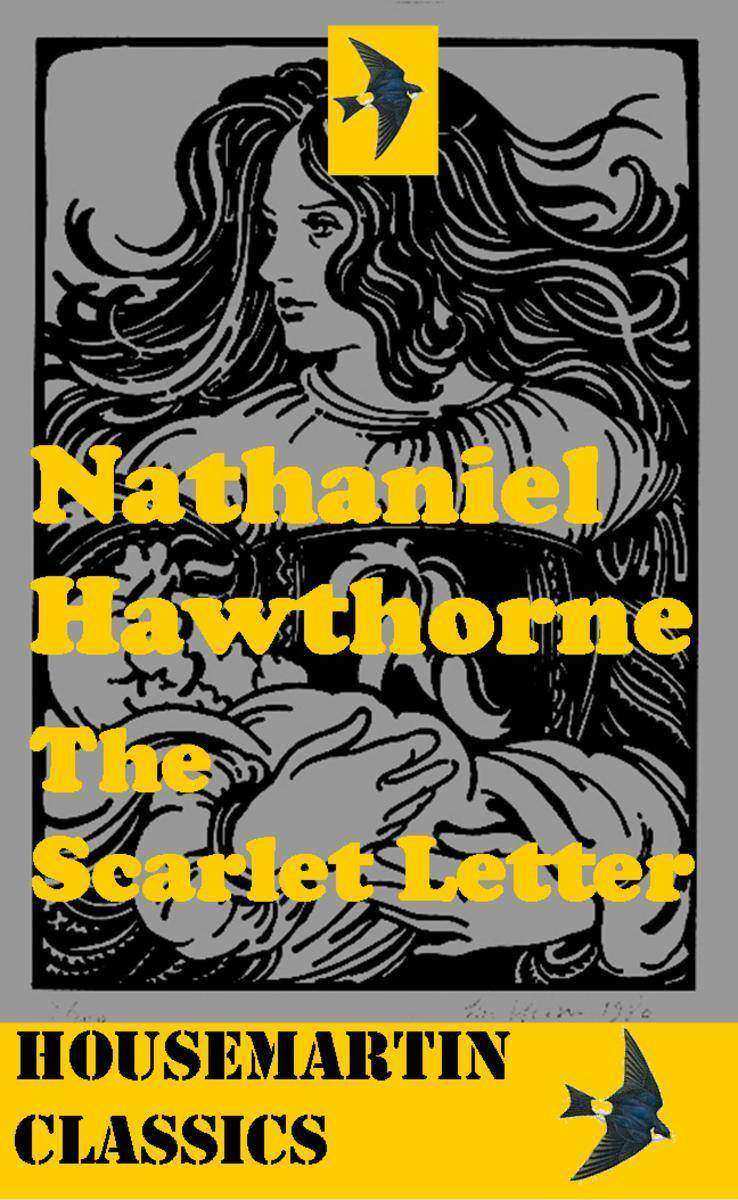
The Scarlet Letter
¥8.09
This Housemartin Classics edition includes the full original text as well as an easy to use interactive table of contents.
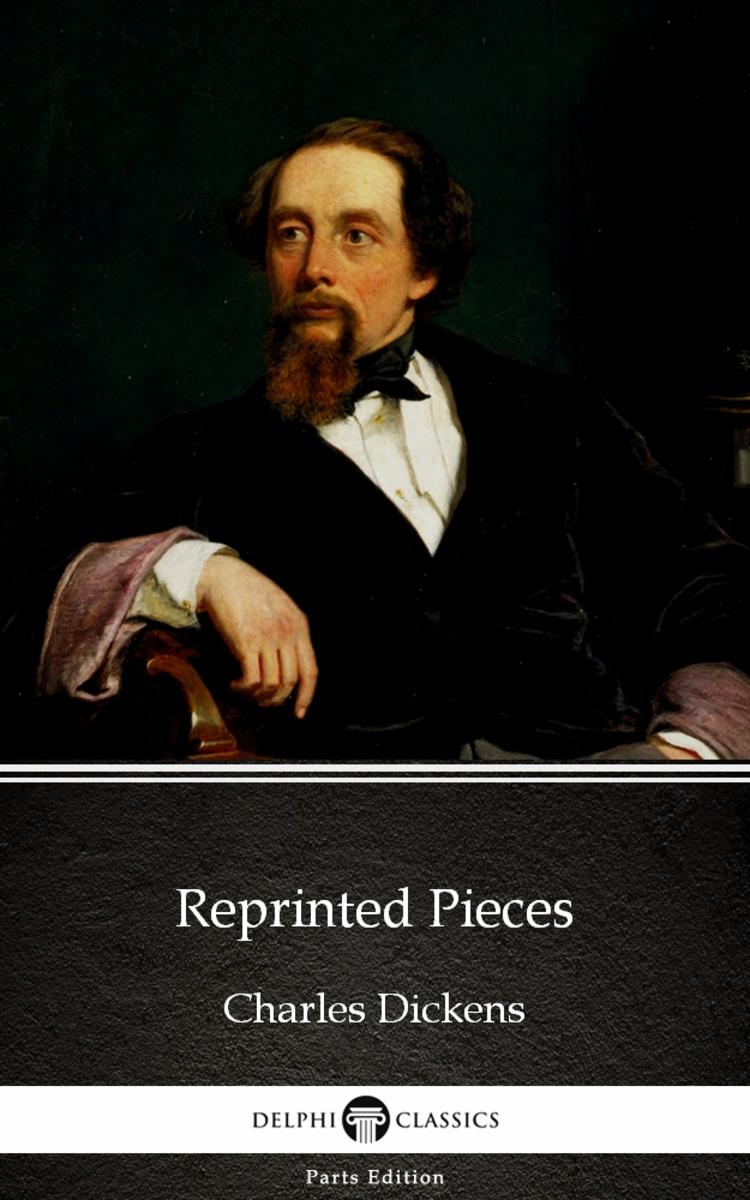
Reprinted Pieces by Charles Dickens (Illustrated)
¥8.09
This eBook features the unabridged text of ‘Reprinted Pieces’ from the bestselling edition of ‘The Complete Works of Charles Dickens’. Having established their name as the leading publisher of classic literature and art, Delphi Classics produce publications that are individually crafted with superior formatting, while introducing many rare texts for the first time in digital print. The Delphi Classics edition of Dickens includes original annotations and illustrations relating to the life and works of the author, as well as individual tables of contents, allowing you to navigate eBooks quickly and easily.eBook features:* The complete unabridged text of ‘Reprinted Pieces’* Beautifully illustrated with images related to Dickens’s works* Individual contents table, allowing easy navigation around the eBook* Excellent formatting of the textPlease visit www.delphiclassics.com to learn more about our wide range of titles

A Tramp Abroad
¥8.09
This Tribeca Press edition includes the full original text as well as exclusive images exclusive to this edition and an easy to use interactive table of contents.
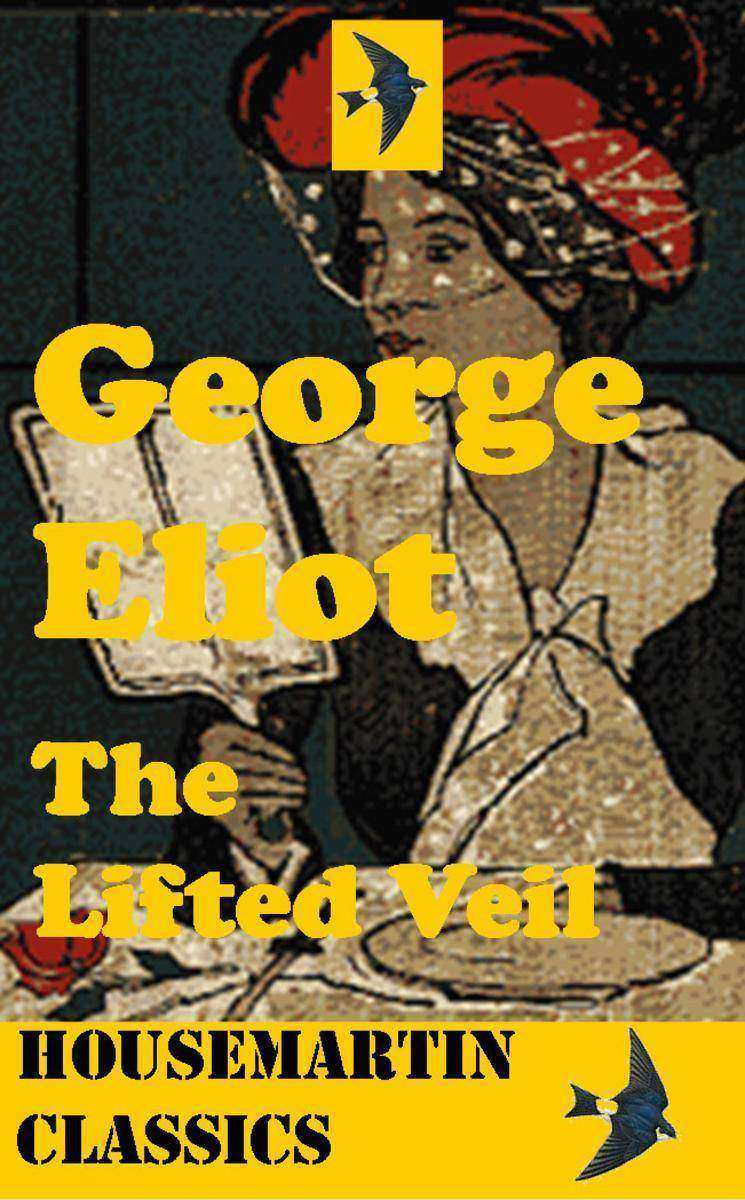
The Lifted Veil
¥8.09
This Tribeca Press edition includes the full original text as well as exclusive images exclusive to this edition and an easy to use interactive table of contents.

The Uncommercial Traveller by Charles Dickens (Illustrated)
¥8.09
This eBook features the unabridged text of ‘The Uncommercial Traveller’ from the bestselling edition of ‘The Complete Works of Charles Dickens’. Having established their name as the leading publisher of classic literature and art, Delphi Classics produce publications that are individually crafted with superior formatting, while introducing many rare texts for the first time in digital print. The Delphi Classics edition of Dickens includes original annotations and illustrations relating to the life and works of the author, as well as individual tables of contents, allowing you to navigate eBooks quickly and easily.eBook features:* The complete unabridged text of ‘The Uncommercial Traveller’* Beautifully illustrated with images related to Dickens’s works* Individual contents table, allowing easy navigation around the eBook* Excellent formatting of the textPlease visit www.delphiclassics.com to learn more about our wide range of titles

The Red Badge of Courage
¥8.09
Space and Time are pleased to bring you The Red Badge of Courage by Stephen Crane. This classic is presented as a wonderfully presented edition with a fully interactive table of contents.
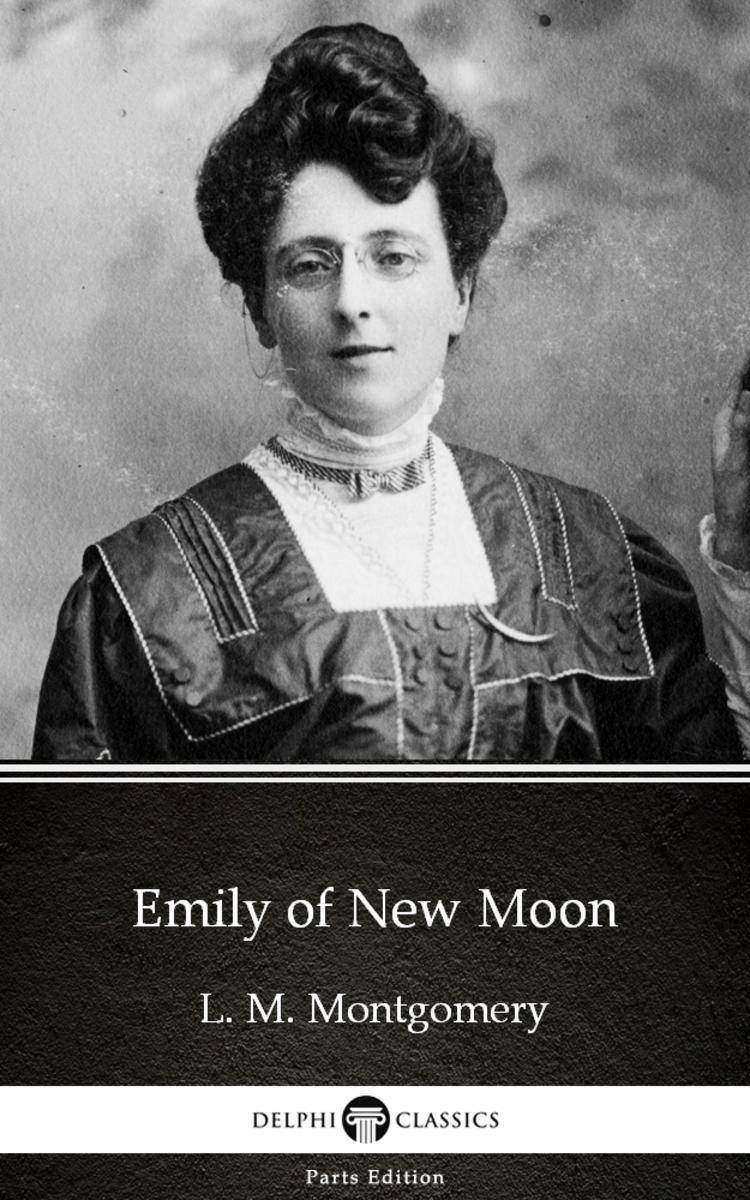
Emily of New Moon by L. M. Montgomery (Illustrated)
¥8.09
This eBook features the unabridged text of ‘Emily of New Moon’ from the bestselling edition of ‘The Complete Works of L. M. Montgomery’. Having established their name as the leading publisher of classic literature and art, Delphi Classics produce publications that are individually crafted with superior formatting, while introducing many rare texts for the first time in digital print. The Delphi Classics edition of Montgomery includes original annotations and illustrations relating to the life and works of the author, as well as individual tables of contents, allowing you to navigate eBooks quickly and easily.eBook features:* The complete unabridged text of ‘Emily of New Moon’* Beautifully illustrated with images related to Montgomery’s works* Individual contents table, allowing easy navigation around the eBook* Excellent formatting of the textPlease visit www.delphiclassics.com to learn more about our wide range of titles

Kilmeny of the Orchard by L. M. Montgomery (Illustrated)
¥8.09
This eBook features the unabridged text of ‘Kilmeny of the Orchard’ from the bestselling edition of ‘The Complete Works of L. M. Montgomery’. Having established their name as the leading publisher of classic literature and art, Delphi Classics produce publications that are individually crafted with superior formatting, while introducing many rare texts for the first time in digital print. The Delphi Classics edition of Montgomery includes original annotations and illustrations relating to the life and works of the author, as well as individual tables of contents, allowing you to navigate eBooks quickly and easily.eBook features:* The complete unabridged text of ‘Kilmeny of the Orchard’* Beautifully illustrated with images related to Montgomery’s works* Individual contents table, allowing easy navigation around the eBook* Excellent formatting of the textPlease visit www.delphiclassics.com to learn more about our wide range of titles

Jane of Lantern Hill by L. M. Montgomery (Illustrated)
¥8.09
This eBook features the unabridged text of ‘Jane of Lantern Hill’ from the bestselling edition of ‘The Complete Works of L. M. Montgomery’. Having established their name as the leading publisher of classic literature and art, Delphi Classics produce publications that are individually crafted with superior formatting, while introducing many rare texts for the first time in digital print. The Delphi Classics edition of Montgomery includes original annotations and illustrations relating to the life and works of the author, as well as individual tables of contents, allowing you to navigate eBooks quickly and easily.eBook features:* The complete unabridged text of ‘Jane of Lantern Hill’* Beautifully illustrated with images related to Montgomery’s works* Individual contents table, allowing easy navigation around the eBook* Excellent formatting of the textPlease visit www.delphiclassics.com to learn more about our wide range of titles

The Road to Yesterday by L. M. Montgomery (Illustrated)
¥8.09
This eBook features the unabridged text of ‘The Road to Yesterday’ from the bestselling edition of ‘The Complete Works of L. M. Montgomery’. Having established their name as the leading publisher of classic literature and art, Delphi Classics produce publications that are individually crafted with superior formatting, while introducing many rare texts for the first time in digital print. The Delphi Classics edition of Montgomery includes original annotations and illustrations relating to the life and works of the author, as well as individual tables of contents, allowing you to navigate eBooks quickly and easily.eBook features:* The complete unabridged text of ‘The Road to Yesterday’* Beautifully illustrated with images related to Montgomery’s works* Individual contents table, allowing easy navigation around the eBook* Excellent formatting of the textPlease visit www.delphiclassics.com to learn more about our wide range of titles

Mr. Scarborough’s Family by Anthony Trollope (Illustrated)
¥8.09
This eBook features the unabridged text of ‘Mr. Scarborough’s Family’ from the bestselling edition of ‘The Complete Works of Anthony Trollope’. Having established their name as the leading publisher of classic literature and art, Delphi Classics produce publications that are individually crafted with superior formatting, while introducing many rare texts for the first time in digital print. The Delphi Classics edition of Trollope includes original annotations and illustrations relating to the life and works of the author, as well as individual tables of contents, allowing you to navigate eBooks quickly and easily.eBook features:* The complete unabridged text of ‘Mr. Scarborough’s Family’* Beautifully illustrated with images related to Trollope’s works* Individual contents table, allowing easy navigation around the eBook* Excellent formatting of the textPlease visit www.delphiclassics.com to learn more about our wide range of titles

The Gentle Euphemia by Anthony Trollope (Illustrated)
¥8.09
This eBook features the unabridged text of ‘The Gentle Euphemia’ from the bestselling edition of ‘The Complete Works of Anthony Trollope’. Having established their name as the leading publisher of classic literature and art, Delphi Classics produce publications that are individually crafted with superior formatting, while introducing many rare texts for the first time in digital print. The Delphi Classics edition of Trollope includes original annotations and illustrations relating to the life and works of the author, as well as individual tables of contents, allowing you to navigate eBooks quickly and easily.eBook features:* The complete unabridged text of ‘The Gentle Euphemia’* Beautifully illustrated with images related to Trollope’s works* Individual contents table, allowing easy navigation around the eBook* Excellent formatting of the textPlease visit www.delphiclassics.com to learn more about our wide range of titles

An Editor’s Tales by Anthony Trollope (Illustrated)
¥8.09
This eBook features the unabridged text of ‘An Editor’s Tales’ from the bestselling edition of ‘The Complete Works of Anthony Trollope’. Having established their name as the leading publisher of classic literature and art, Delphi Classics produce publications that are individually crafted with superior formatting, while introducing many rare texts for the first time in digital print. The Delphi Classics edition of Trollope includes original annotations and illustrations relating to the life and works of the author, as well as individual tables of contents, allowing you to navigate eBooks quickly and easily.eBook features:* The complete unabridged text of ‘An Editor’s Tales’* Beautifully illustrated with images related to Trollope’s works* Individual contents table, allowing easy navigation around the eBook* Excellent formatting of the textPlease visit www.delphiclassics.com to learn more about our wide range of titles

The Commentaries of Caesar by Anthony Trollope (Illustrated)
¥8.09
This eBook features the unabridged text of ‘The Commentaries of Caesar’ from the bestselling edition of ‘The Complete Works of Anthony Trollope’. Having established their name as the leading publisher of classic literature and art, Delphi Classics produce publications that are individually crafted with superior formatting, while introducing many rare texts for the first time in digital print. The Delphi Classics edition of Trollope includes original annotations and illustrations relating to the life and works of the author, as well as individual tables of contents, allowing you to navigate eBooks quickly and easily.eBook features:* The complete unabridged text of ‘The Commentaries of Caesar’* Beautifully illustrated with images related to Trollope’s works* Individual contents table, allowing easy navigation around the eBook* Excellent formatting of the textPlease visit www.delphiclassics.com to learn more about our wide range of titles

An Autobiography by Anthony Trollope (Illustrated)
¥8.09
This eBook features the unabridged text of ‘An Autobiography’ from the bestselling edition of ‘The Complete Works of Anthony Trollope’. Having established their name as the leading publisher of classic literature and art, Delphi Classics produce publications that are individually crafted with superior formatting, while introducing many rare texts for the first time in digital print. The Delphi Classics edition of Trollope includes original annotations and illustrations relating to the life and works of the author, as well as individual tables of contents, allowing you to navigate eBooks quickly and easily.eBook features:* The complete unabridged text of ‘An Autobiography’* Beautifully illustrated with images related to Trollope’s works* Individual contents table, allowing easy navigation around the eBook* Excellent formatting of the textPlease visit www.delphiclassics.com to learn more about our wide range of titles

The Wrecker by Robert Louis Stevenson (Illustrated)
¥8.09
This eBook features the unabridged text of ‘The Wrecker’ from the bestselling edition of ‘The Complete Works of Robert Louis Stevenson’. Having established their name as the leading publisher of classic literature and art, Delphi Classics produce publications that are individually crafted with superior formatting, while introducing many rare texts for the first time in digital print. The Delphi Classics edition of Stevenson includes original annotations and illustrations relating to the life and works of the author, as well as individual tables of contents, allowing you to navigate eBooks quickly and easily.eBook features:* The complete unabridged text of ‘The Wrecker’* Beautifully illustrated with images related to Stevenson’s works* Individual contents table, allowing easy navigation around the eBook* Excellent formatting of the textPlease visit www.delphiclassics.com to learn more about our wide range of titles
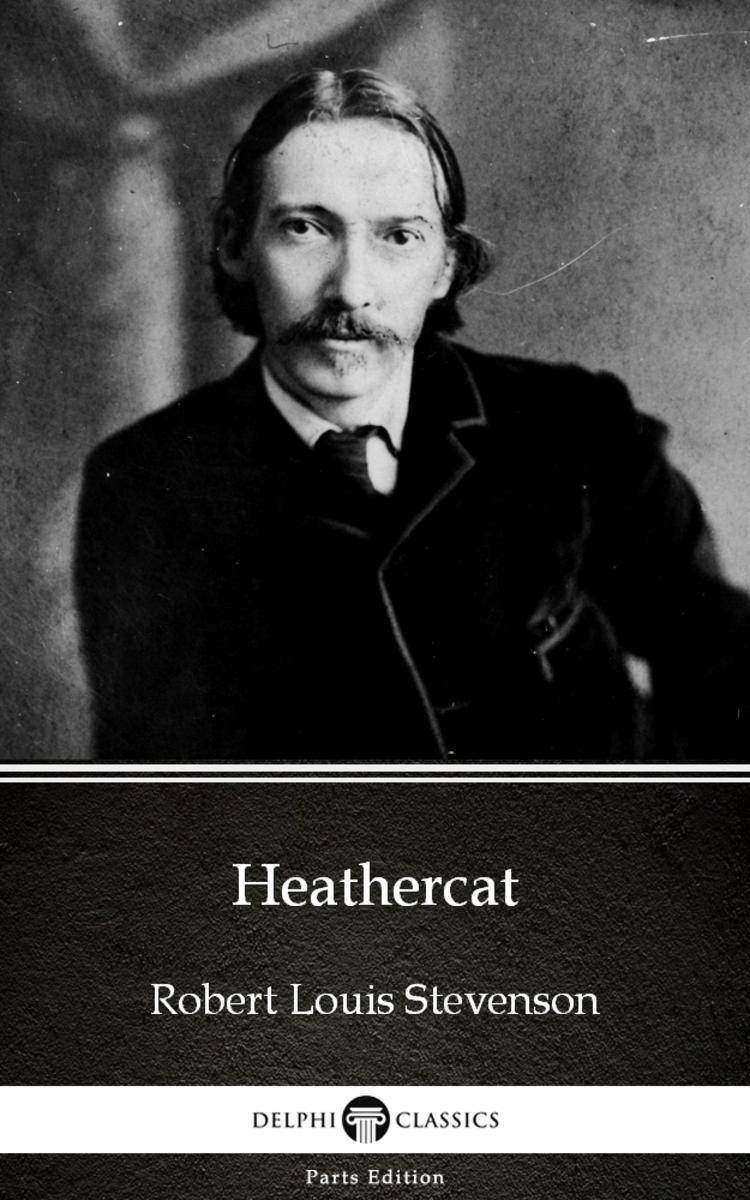
Heathercat by Robert Louis Stevenson (Illustrated)
¥8.09
This eBook features the unabridged text of ‘Heathercat’ from the bestselling edition of ‘The Complete Works of Robert Louis Stevenson’. Having established their name as the leading publisher of classic literature and art, Delphi Classics produce publications that are individually crafted with superior formatting, while introducing many rare texts for the first time in digital print. The Delphi Classics edition of Stevenson includes original annotations and illustrations relating to the life and works of the author, as well as individual tables of contents, allowing you to navigate eBooks quickly and easily.eBook features:* The complete unabridged text of ‘Heathercat’* Beautifully illustrated with images related to Stevenson’s works* Individual contents table, allowing easy navigation around the eBook* Excellent formatting of the textPlease visit www.delphiclassics.com to learn more about our wide range of titles

The Young Chevalier by Robert Louis Stevenson (Illustrated)
¥8.09
This eBook features the unabridged text of ‘The Young Chevalier’ from the bestselling edition of ‘The Complete Works of Robert Louis Stevenson’. Having established their name as the leading publisher of classic literature and art, Delphi Classics produce publications that are individually crafted with superior formatting, while introducing many rare texts for the first time in digital print. The Delphi Classics edition of Stevenson includes original annotations and illustrations relating to the life and works of the author, as well as individual tables of contents, allowing you to navigate eBooks quickly and easily.eBook features:* The complete unabridged text of ‘The Young Chevalier’* Beautifully illustrated with images related to Stevenson’s works* Individual contents table, allowing easy navigation around the eBook* Excellent formatting of the textPlease visit www.delphiclassics.com to learn more about our wide range of titles
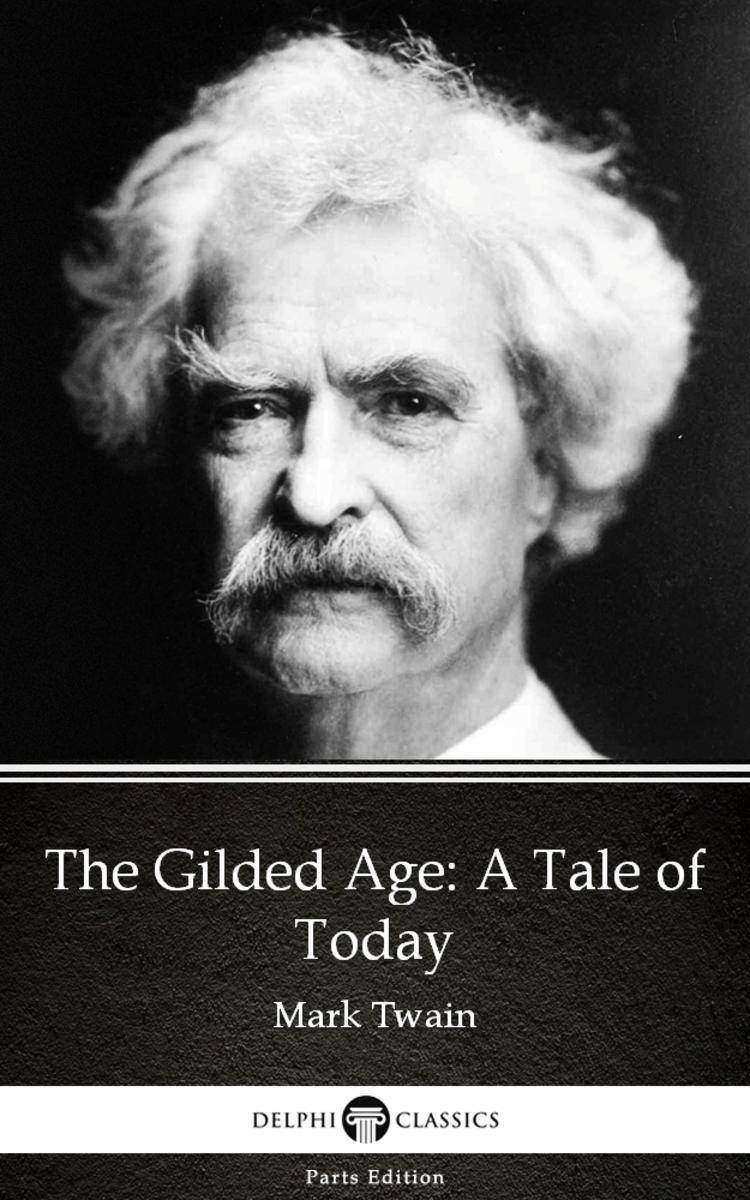
The Gilded Age:A Tale of Today by Mark Twain (Illustrated)
¥8.09
This eBook features the unabridged text of ‘The Gilded Age: A Tale of Today’ from the bestselling edition of ‘The Complete Works of Mark Twain’. Having established their name as the leading publisher of classic literature and art, Delphi Classics produce publications that are individually crafted with superior formatting, while introducing many rare texts for the first time in digital print. The Delphi Classics edition of Twain includes original annotations and illustrations relating to the life and works of the author, as well as individual tables of contents, allowing you to navigate eBooks quickly and easily.eBook features:* The complete unabridged text of ‘The Gilded Age: A Tale of Today’* Beautifully illustrated with images related to Twain’s works* Individual contents table, allowing easy navigation around the eBook* Excellent formatting of the textPlease visit www.delphiclassics.com to learn more about our wide range of titles


