


 购物车
购物车 个人中心
个人中心

Japanese Fairy Tales by Lafcadio Hearn (Illustrated)
¥8.09
This eBook features the unabridged text of ‘Japanese Fairy Tales’ from the bestselling edition of ‘The Complete Works of Lafcadio Hearn’. Having established their name as the leading publisher of classic literature and art, Delphi Classics produce publications that are individually crafted with superior formatting, while introducing many rare texts for the first time in digital print. The Delphi Classics edition of Hearn includes original annotations and illustrations relating to the life and works of the author, as well as individual tables of contents, allowing you to navigate eBooks quickly and easily.eBook features:* The complete unabridged text of ‘Japanese Fairy Tales’* Beautifully illustrated with images related to Hearn’s works* Individual contents table, allowing easy navigation around the eBook* Excellent formatting of the textPlease visit www.delphiclassics.com to learn more about our wide range of titles
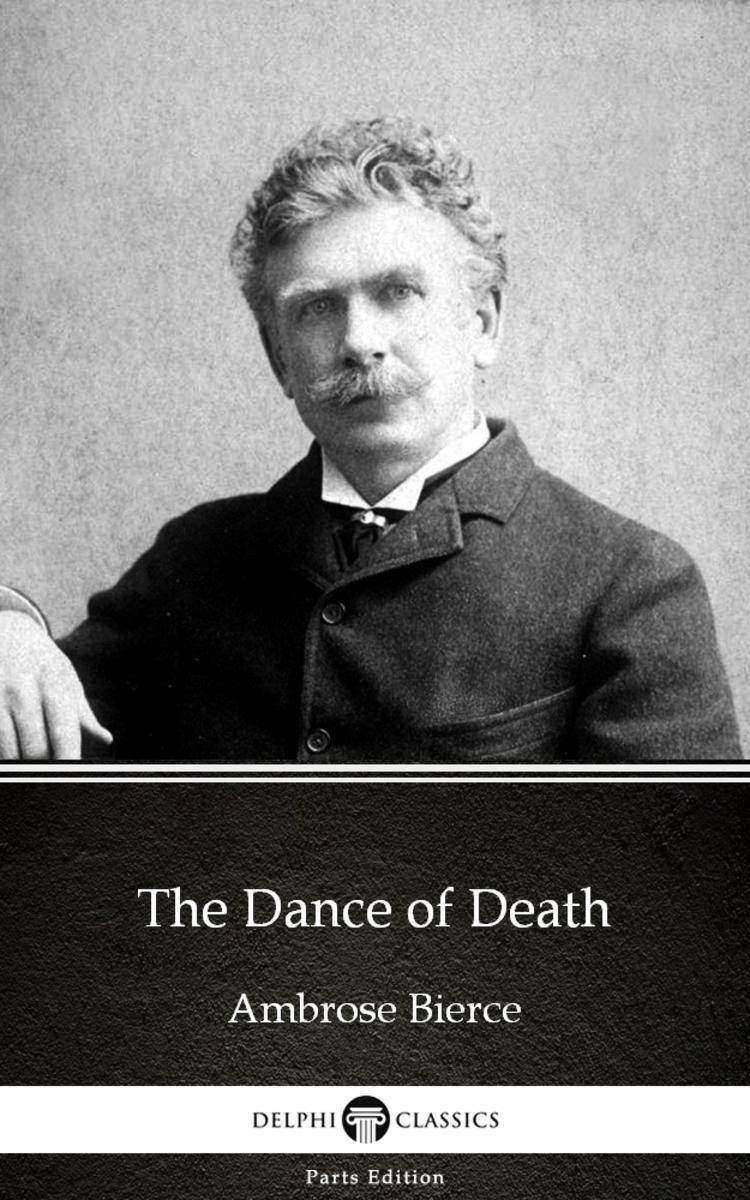
The Dance of Death by Ambrose Bierce (Illustrated)
¥8.09
This eBook features the unabridged text of ‘The Dance of Death’ from the bestselling edition of ‘The Complete Works of Ambrose Bierce’. Having established their name as the leading publisher of classic literature and art, Delphi Classics produce publications that are individually crafted with superior formatting, while introducing many rare texts for the first time in digital print. The Delphi Classics edition of Bierce includes original annotations and illustrations relating to the life and works of the author, as well as individual tables of contents, allowing you to navigate eBooks quickly and easily.eBook features:* The complete unabridged text of ‘The Dance of Death’* Beautifully illustrated with images related to Bierce’s works* Individual contents table, allowing easy navigation around the eBook* Excellent formatting of the textPlease visit www.delphiclassics.com to learn more about our wide range of titles

The Land Beyond the Blow by Ambrose Bierce (Illustrated)
¥8.09
This eBook features the unabridged text of ‘The Land Beyond the Blow’ from the bestselling edition of ‘The Complete Works of Ambrose Bierce’. Having established their name as the leading publisher of classic literature and art, Delphi Classics produce publications that are individually crafted with superior formatting, while introducing many rare texts for the first time in digital print. The Delphi Classics edition of Bierce includes original annotations and illustrations relating to the life and works of the author, as well as individual tables of contents, allowing you to navigate eBooks quickly and easily.eBook features:* The complete unabridged text of ‘The Land Beyond the Blow’* Beautifully illustrated with images related to Bierce’s works* Individual contents table, allowing easy navigation around the eBook* Excellent formatting of the textPlease visit www.delphiclassics.com to learn more about our wide range of titles
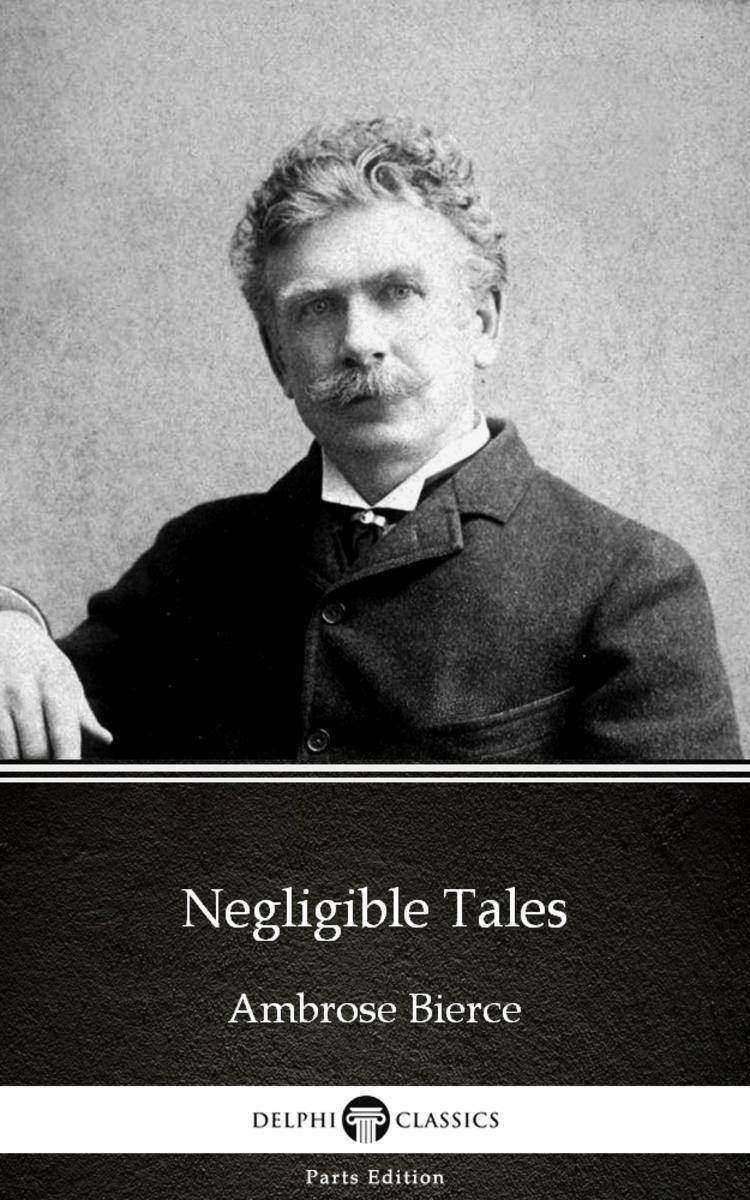
Negligible Tales by Ambrose Bierce (Illustrated)
¥8.09
This eBook features the unabridged text of ‘Negligible Tales’ from the bestselling edition of ‘The Complete Works of Ambrose Bierce’. Having established their name as the leading publisher of classic literature and art, Delphi Classics produce publications that are individually crafted with superior formatting, while introducing many rare texts for the first time in digital print. The Delphi Classics edition of Bierce includes original annotations and illustrations relating to the life and works of the author, as well as individual tables of contents, allowing you to navigate eBooks quickly and easily.eBook features:* The complete unabridged text of ‘Negligible Tales’* Beautifully illustrated with images related to Bierce’s works* Individual contents table, allowing easy navigation around the eBook* Excellent formatting of the textPlease visit www.delphiclassics.com to learn more about our wide range of titles
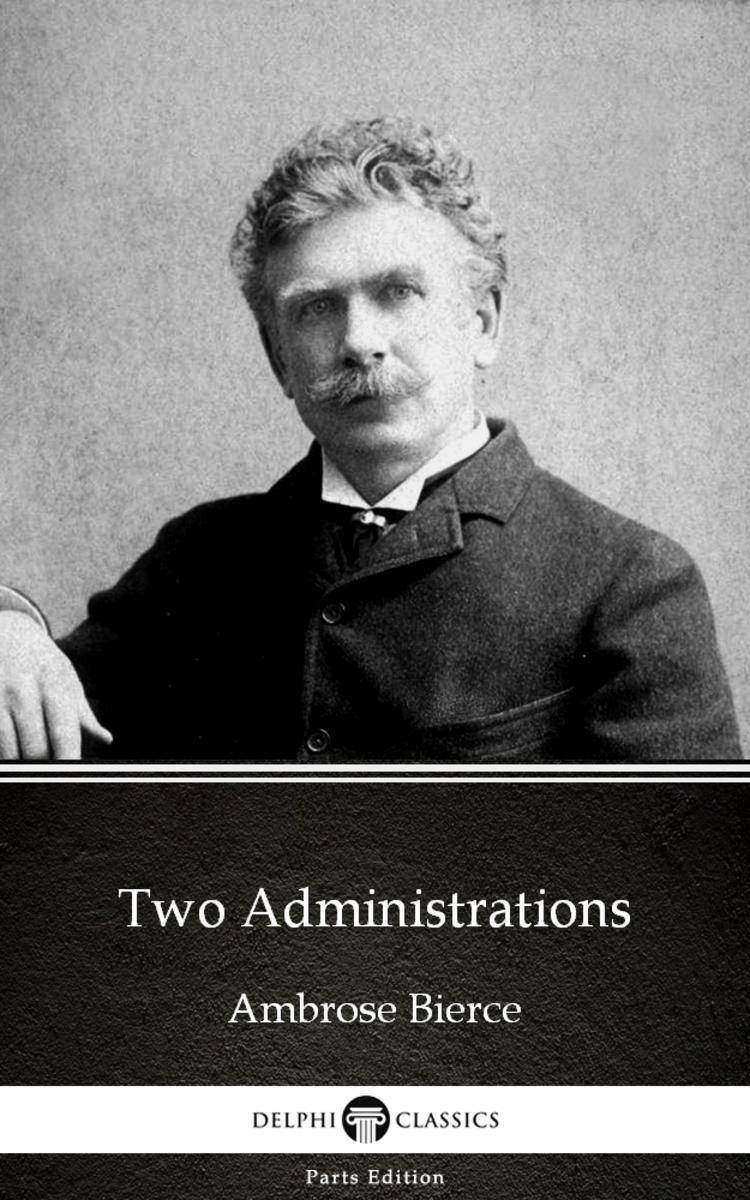
Two Administrations by Ambrose Bierce (Illustrated)
¥8.09
This eBook features the unabridged text of ‘Two Administrations’ from the bestselling edition of ‘The Complete Works of Ambrose Bierce’. Having established their name as the leading publisher of classic literature and art, Delphi Classics produce publications that are individually crafted with superior formatting, while introducing many rare texts for the first time in digital print. The Delphi Classics edition of Bierce includes original annotations and illustrations relating to the life and works of the author, as well as individual tables of contents, allowing you to navigate eBooks quickly and easily.eBook features:* The complete unabridged text of ‘Two Administrations’* Beautifully illustrated with images related to Bierce’s works* Individual contents table, allowing easy navigation around the eBook* Excellent formatting of the textPlease visit www.delphiclassics.com to learn more about our wide range of titles
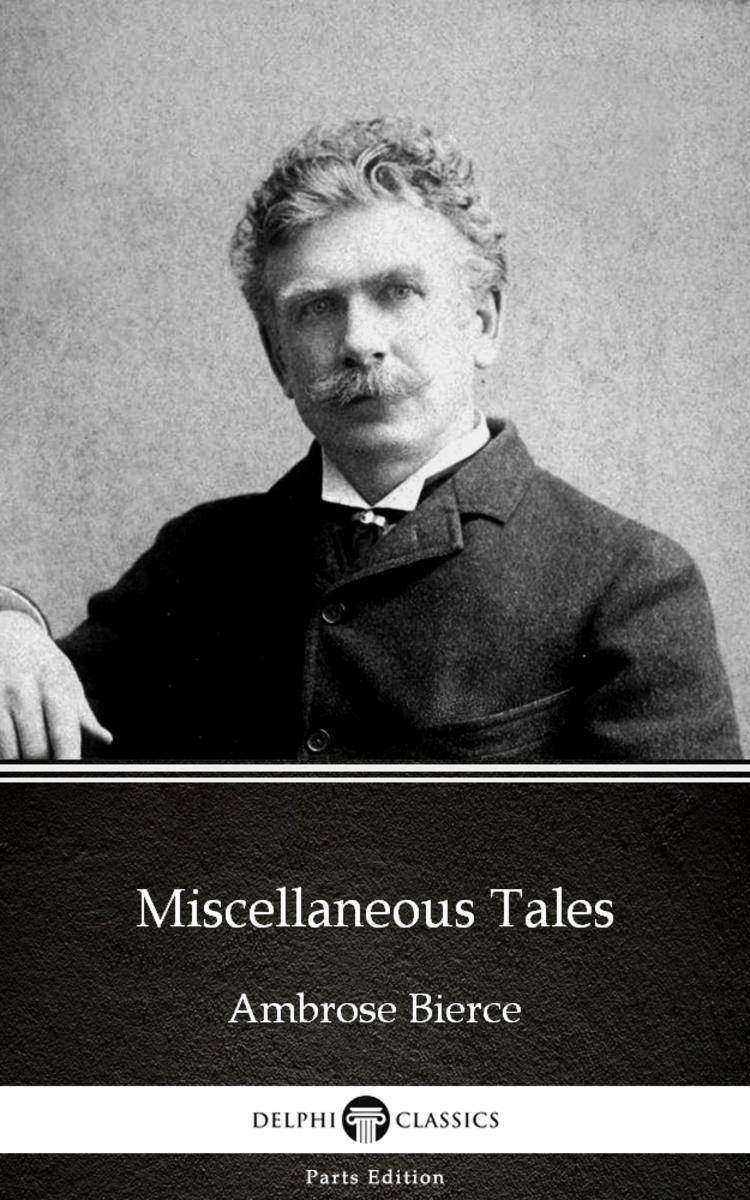
Miscellaneous Tales by Ambrose Bierce (Illustrated)
¥8.09
This eBook features the unabridged text of ‘Miscellaneous Tales’ from the bestselling edition of ‘The Complete Works of Ambrose Bierce’. Having established their name as the leading publisher of classic literature and art, Delphi Classics produce publications that are individually crafted with superior formatting, while introducing many rare texts for the first time in digital print. The Delphi Classics edition of Bierce includes original annotations and illustrations relating to the life and works of the author, as well as individual tables of contents, allowing you to navigate eBooks quickly and easily.eBook features:* The complete unabridged text of ‘Miscellaneous Tales’* Beautifully illustrated with images related to Bierce’s works* Individual contents table, allowing easy navigation around the eBook* Excellent formatting of the textPlease visit www.delphiclassics.com to learn more about our wide range of titles
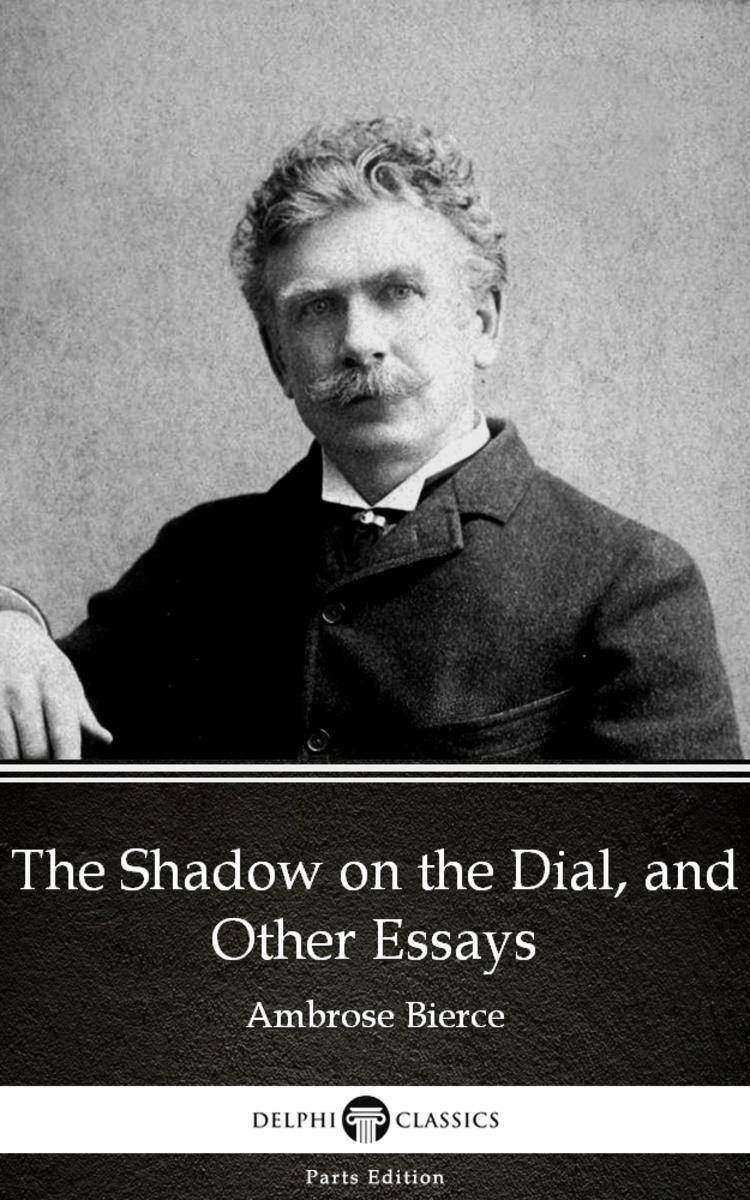
The Shadow on the Dial, and Other Essays by Ambrose Bierce (Illustrated)
¥8.09
This eBook features the unabridged text of ‘The Shadow on the Dial, and Other Essays’ from the bestselling edition of ‘The Complete Works of Ambrose Bierce’. Having established their name as the leading publisher of classic literature and art, Delphi Classics produce publications that are individually crafted with superior formatting, while introducing many rare texts for the first time in digital print. The Delphi Classics edition of Bierce includes original annotations and illustrations relating to the life and works of the author, as well as individual tables of contents, allowing you to navigate eBooks quickly and easily.eBook features:* The complete unabridged text of ‘The Shadow on the Dial, and Other Essays’* Beautifully illustrated with images related to Bierce’s works* Individual contents table, allowing easy navigation around the eBook* Excellent formatting of the textPlease visit www.delphiclassics.com to learn more about our wide range of titles
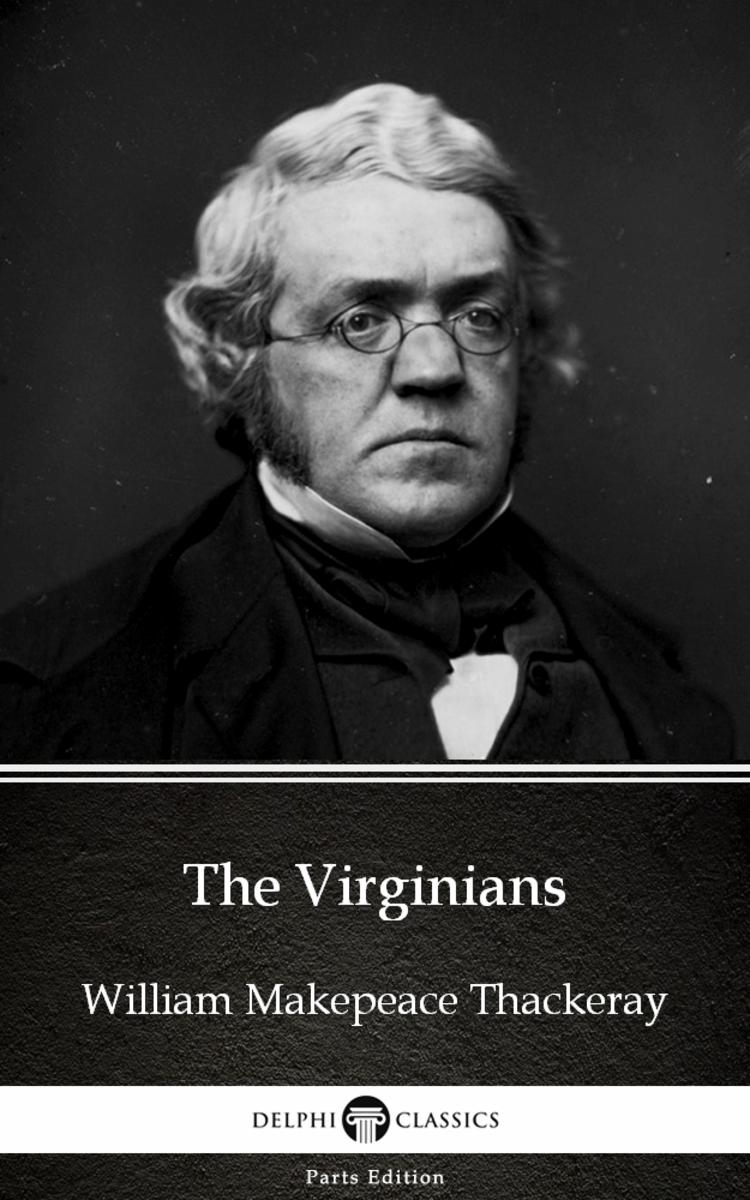
The Virginians by William Makepeace Thackeray (Illustrated)
¥8.09
This eBook features the unabridged text of ‘The Virginians’ from the bestselling edition of ‘The Complete Works of William Makepeace Thackeray’. Having established their name as the leading publisher of classic literature and art, Delphi Classics produce publications that are individually crafted with superior formatting, while introducing many rare texts for the first time in digital print. The Delphi Classics edition of Thackeray includes original annotations and illustrations relating to the life and works of the author, as well as individual tables of contents, allowing you to navigate eBooks quickly and easily.eBook features:* The complete unabridged text of ‘The Virginians’* Beautifully illustrated with images related to Thackeray’s works* Individual contents table, allowing easy navigation around the eBook* Excellent formatting of the textPlease visit www.delphiclassics.com to learn more about our wide range of titles
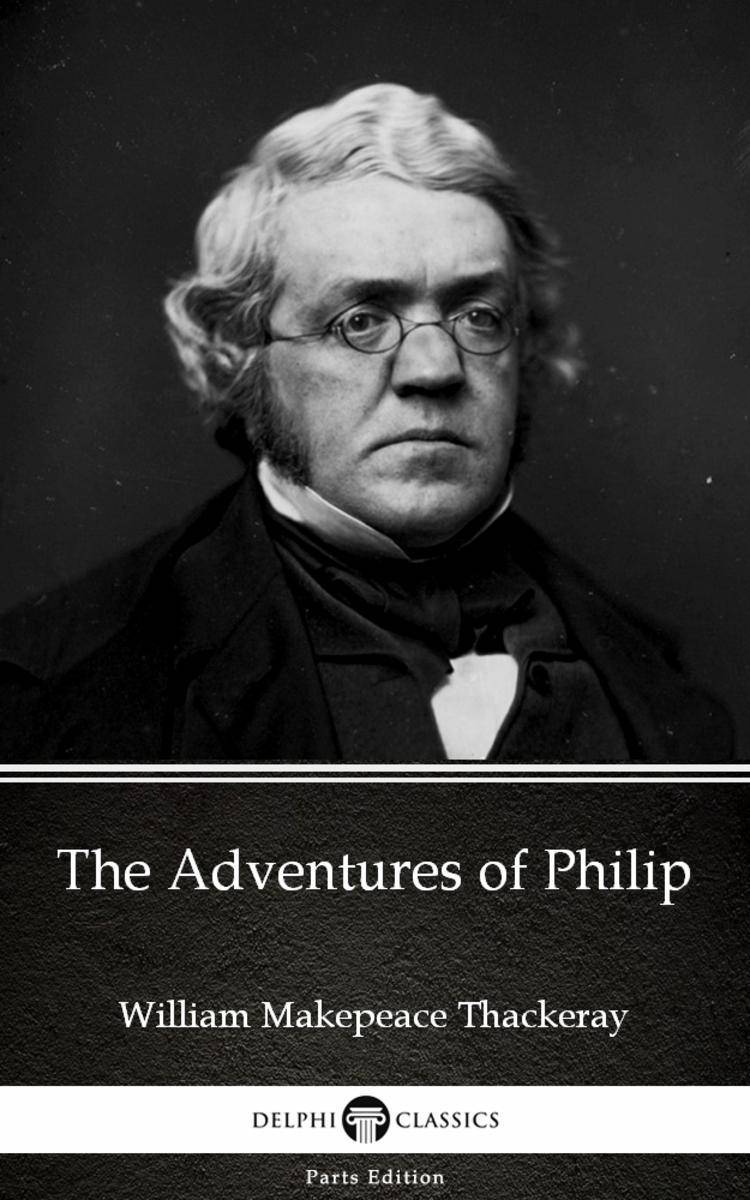
The Adventures of Philip by William Makepeace Thackeray (Illustrated)
¥8.09
This eBook features the unabridged text of ‘The Adventures of Philip’ from the bestselling edition of ‘The Complete Works of William Makepeace Thackeray’. Having established their name as the leading publisher of classic literature and art, Delphi Classics produce publications that are individually crafted with superior formatting, while introducing many rare texts for the first time in digital print. The Delphi Classics edition of Thackeray includes original annotations and illustrations relating to the life and works of the author, as well as individual tables of contents, allowing you to navigate eBooks quickly and easily.eBook features:* The complete unabridged text of ‘The Adventures of Philip’* Beautifully illustrated with images related to Thackeray’s works* Individual contents table, allowing easy navigation around the eBook* Excellent formatting of the textPlease visit www.delphiclassics.com to learn more about our wide range of titles
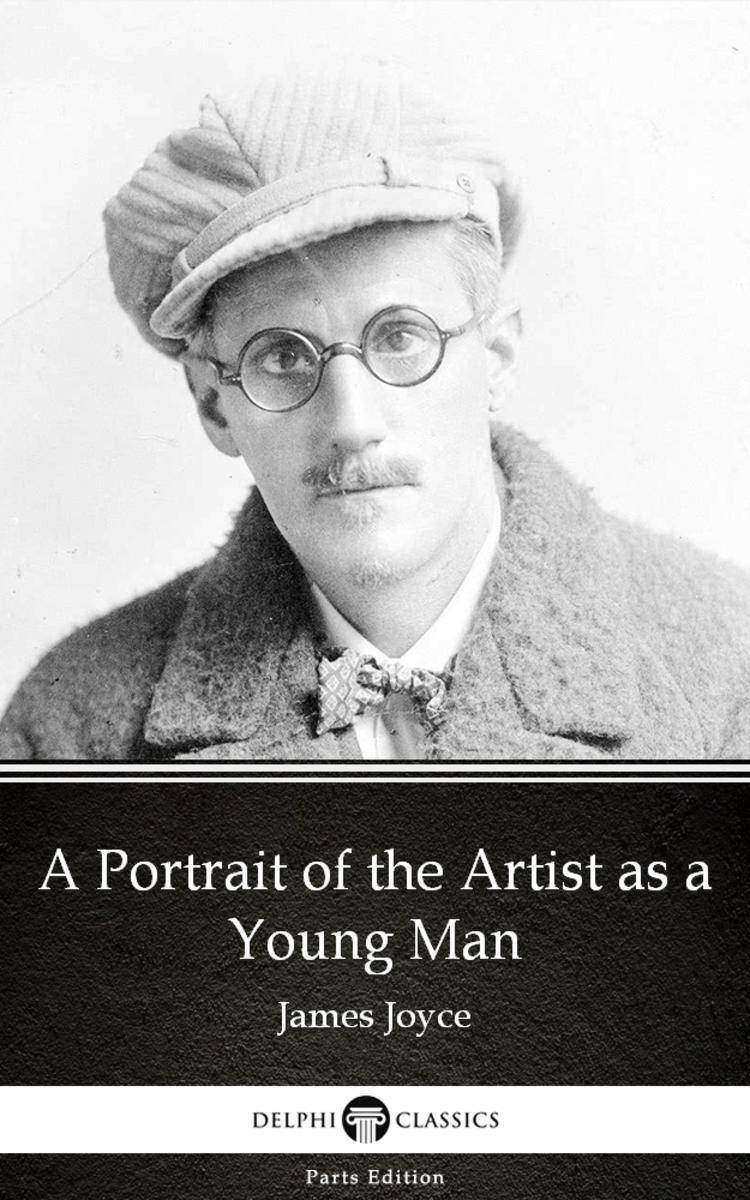
A Portrait of the Artist as a Young Man by James Joyce (Illustrated)
¥8.09
This eBook features the unabridged text of ‘A Portrait of the Artist as a Young Man’ from the bestselling edition of ‘The Complete Works of James Joyce’. Having established their name as the leading publisher of classic literature and art, Delphi Classics produce publications that are individually crafted with superior formatting, while introducing many rare texts for the first time in digital print. The Delphi Classics edition of Joyce includes original annotations and illustrations relating to the life and works of the author, as well as individual tables of contents, allowing you to navigate eBooks quickly and easily.eBook features:* The complete unabridged text of ‘A Portrait of the Artist as a Young Man’* Beautifully illustrated with images related to Joyce’s works* Individual contents table, allowing easy navigation around the eBook* Excellent formatting of the textPlease visit www.delphiclassics.com to learn more about our wide range of titles
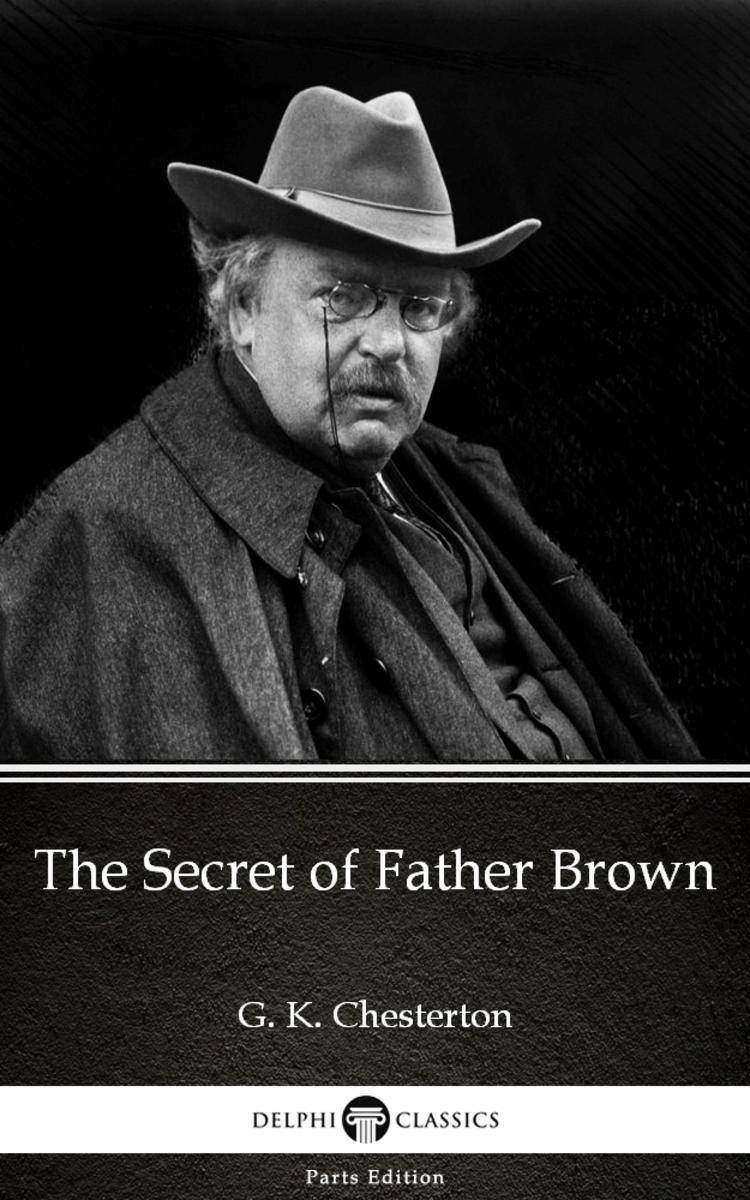
The Secret of Father Brown by G. K. Chesterton (Illustrated)
¥8.09
This eBook features the unabridged text of ‘The Secret of Father Brown’ from the bestselling edition of ‘The Complete Works of G. K. Chesterton’. Having established their name as the leading publisher of classic literature and art, Delphi Classics produce publications that are individually crafted with superior formatting, while introducing many rare texts for the first time in digital print. The Delphi Classics edition of Chesterton includes original annotations and illustrations relating to the life and works of the author, as well as individual tables of contents, allowing you to navigate eBooks quickly and easily.eBook features:* The complete unabridged text of ‘The Secret of Father Brown’* Beautifully illustrated with images related to Chesterton’s works* Individual contents table, allowing easy navigation around the eBook* Excellent formatting of the textPlease visit www.delphiclassics.com to learn more about our wide range of titles
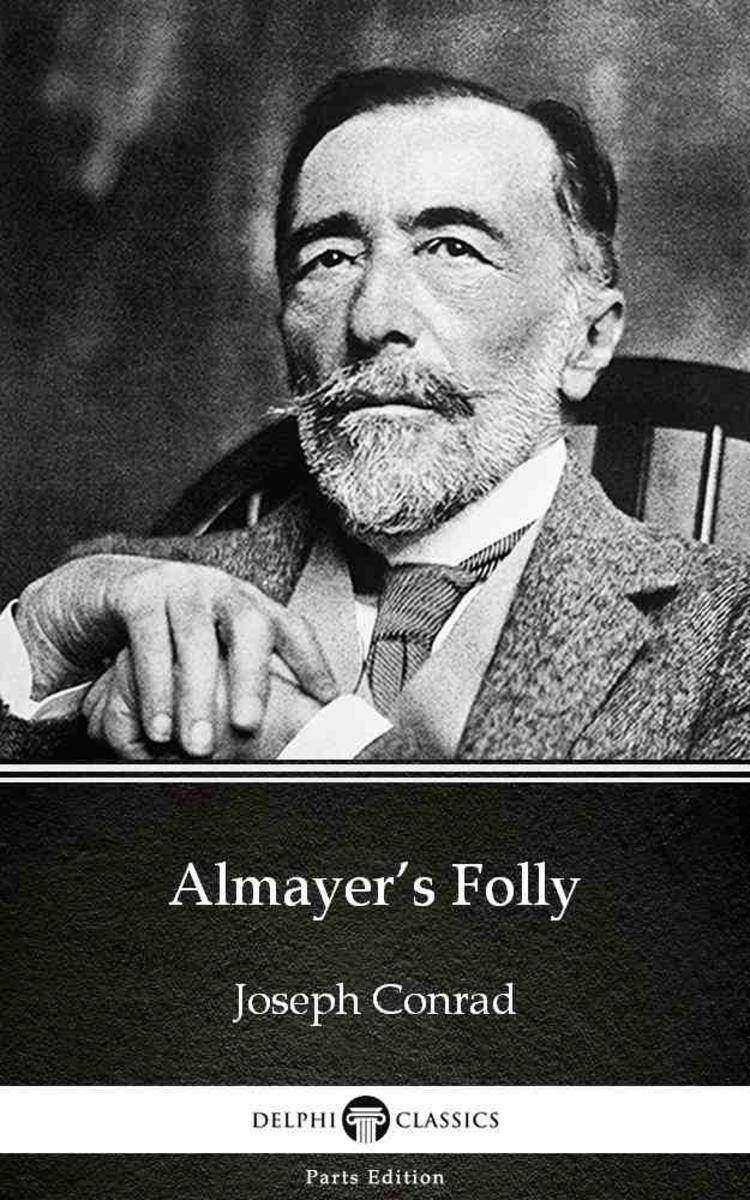
Almayer’s Folly by Joseph Conrad (Illustrated)
¥8.09
This eBook features the unabridged text of ‘Almayer’s Folly’ from the bestselling edition of ‘The Complete Works of Joseph Conrad’. Having established their name as the leading publisher of classic literature and art, Delphi Classics produce publications that are individually crafted with superior formatting, while introducing many rare texts for the first time in digital print. The Delphi Classics edition of Conrad includes original annotations and illustrations relating to the life and works of the author, as well as individual tables of contents, allowing you to navigate eBooks quickly and easily. eBook features:* The complete unabridged text of ‘Almayer’s Folly’* Beautifully illustrated with images related to Conrad’s works* Individual contents table, allowing easy navigation around the eBook* Excellent formatting of the textPlease visit www.delphiclassics.com to learn more about our wide range of titles
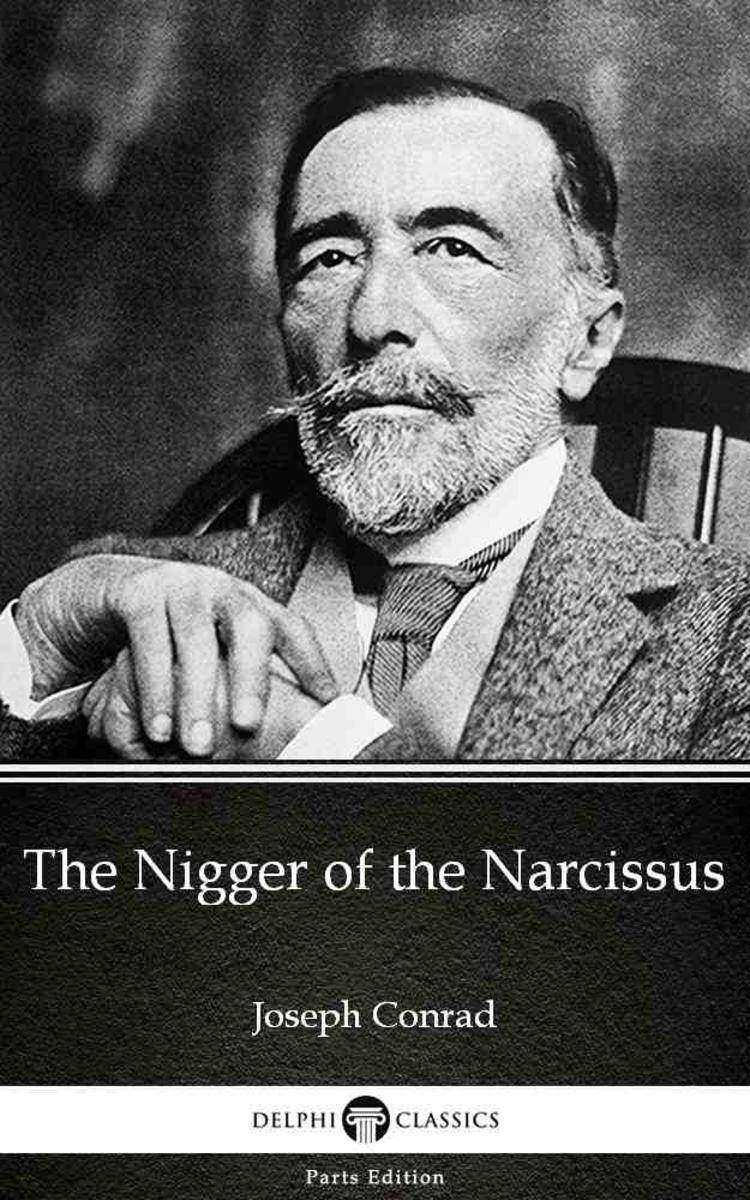
The Nigger of the Narcissus by Joseph Conrad (Illustrated)
¥8.09
This eBook features the unabridged text of ‘The Nigger of the Narcissus’ from the bestselling edition of ‘The Complete Works of Joseph Conrad’. Having established their name as the leading publisher of classic literature and art, Delphi Classics produce publications that are individually crafted with superior formatting, while introducing many rare texts for the first time in digital print. The Delphi Classics edition of Conrad includes original annotations and illustrations relating to the life and works of the author, as well as individual tables of contents, allowing you to navigate eBooks quickly and easily.eBook features:* The complete unabridged text of ‘The Nigger of the Narcissus’* Beautifully illustrated with images related to Conrad’s works* Individual contents table, allowing easy navigation around the eBook* Excellent formatting of the textPlease visit www.delphiclassics.com to learn more about our wide range of titles
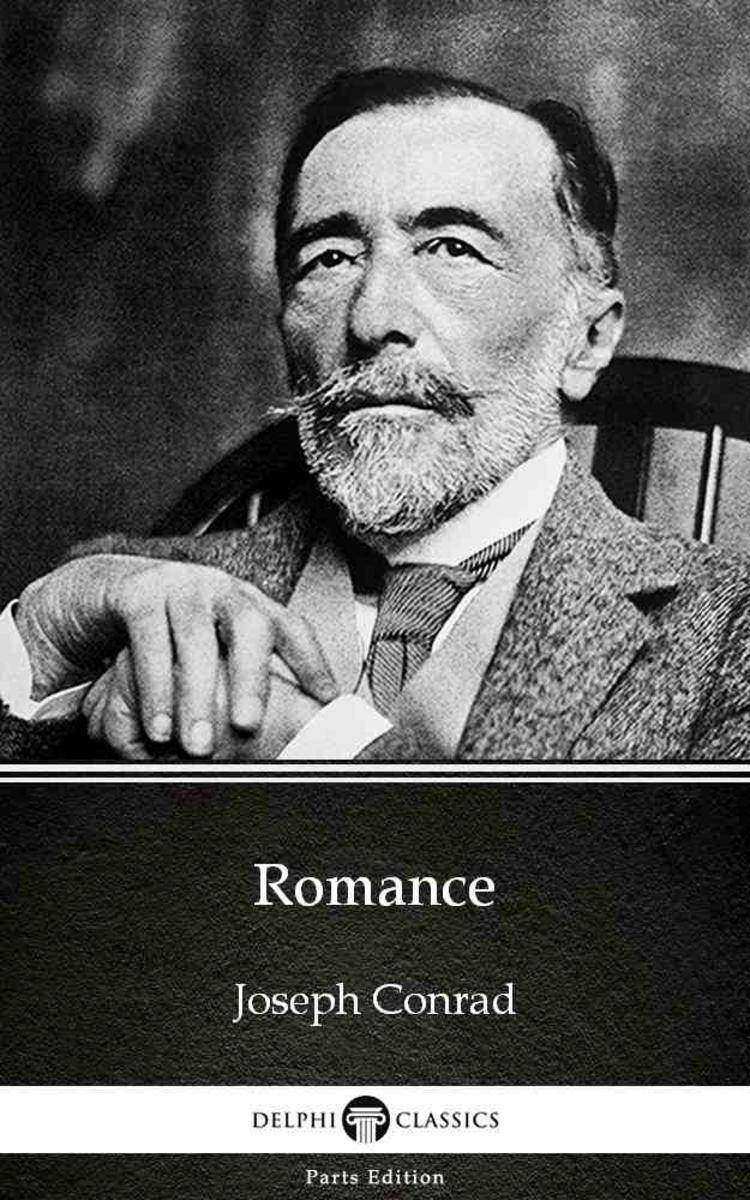
Romance by Joseph Conrad (Illustrated)
¥8.09
This eBook features the unabridged text of ‘Romance’ from the bestselling edition of ‘The Complete Works of Joseph Conrad’. Having established their name as the leading publisher of classic literature and art, Delphi Classics produce publications that are individually crafted with superior formatting, while introducing many rare texts for the first time in digital print. The Delphi Classics edition of Conrad includes original annotations and illustrations relating to the life and works of the author, as well as individual tables of contents, allowing you to navigate eBooks quickly and easily.eBook features:* The complete unabridged text of ‘Romance’* Beautifully illustrated with images related to Conrad’s works* Individual contents table, allowing easy navigation around the eBook* Excellent formatting of the textPlease visit www.delphiclassics.com to learn more about our wide range of titles
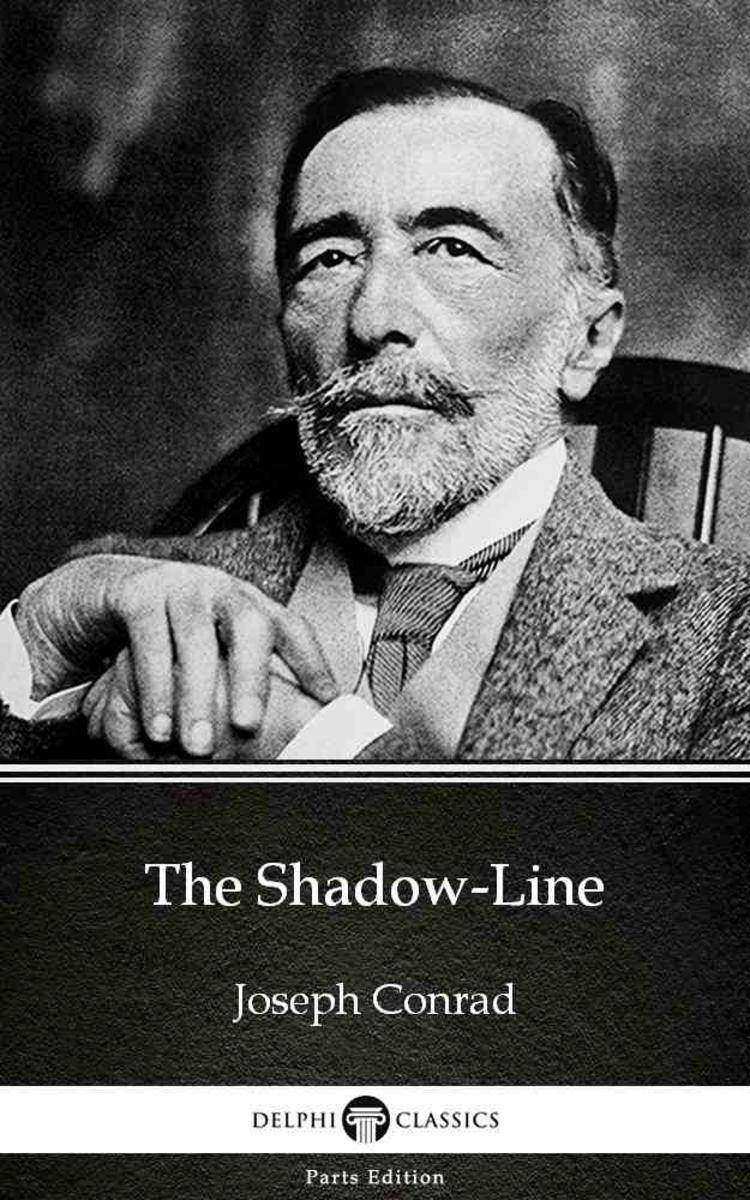
The Shadow-Line by Joseph Conrad (Illustrated)
¥8.09
This eBook features the unabridged text of ‘The Shadow-Line’ from the bestselling edition of ‘The Complete Works of Joseph Conrad’. Having established their name as the leading publisher of classic literature and art, Delphi Classics produce publications that are individually crafted with superior formatting, while introducing many rare texts for the first time in digital print. The Delphi Classics edition of Conrad includes original annotations and illustrations relating to the life and works of the author, as well as individual tables of contents, allowing you to navigate eBooks quickly and easily.eBook features:* The complete unabridged text of ‘The Shadow-Line’* Beautifully illustrated with images related to Conrad’s works* Individual contents table, allowing easy navigation around the eBook* Excellent formatting of the textPlease visit www.delphiclassics.com to learn more about our wide range of titles

The Double by Fyodor Dostoyevsky
¥8.09
This eBook features the unabridged text of ‘The Double’ from the bestselling edition of ‘The Complete Works of Fyodor Dostoyevsky’. Having established their name as the leading publisher of classic literature and art, Delphi Classics produce publications that are individually crafted with superior formatting, while introducing many rare texts for the first time in digital print. The Delphi Classics edition of Dostoyevsky includes original annotations and illustrations relating to the life and works of the author, as well as individual tables of contents, allowing you to navigate eBooks quickly and easily. eBook features:* The complete unabridged text of ‘The Double’* Beautifully illustrated with images related to Dostoyevsky’s works* Individual contents table, allowing easy navigation around the eBook* Excellent formatting of the textPlease visit www.delphiclassics.com to learn more about our wide range of titles

The Inheritors by Joseph Conrad (Illustrated)
¥8.09
This eBook features the unabridged text of ‘The Inheritors’ from the bestselling edition of ‘The Complete Works of Joseph Conrad’. Having established their name as the leading publisher of classic literature and art, Delphi Classics produce publications that are individually crafted with superior formatting, while introducing many rare texts for the first time in digital print. The Delphi Classics edition of Conrad includes original annotations and illustrations relating to the life and works of the author, as well as individual tables of contents, allowing you to navigate eBooks quickly and easily.eBook features:* The complete unabridged text of ‘The Inheritors’* Beautifully illustrated with images related to Conrad’s works* Individual contents table, allowing easy navigation around the eBook* Excellent formatting of the textPlease visit www.delphiclassics.com to learn more about our wide range of titles
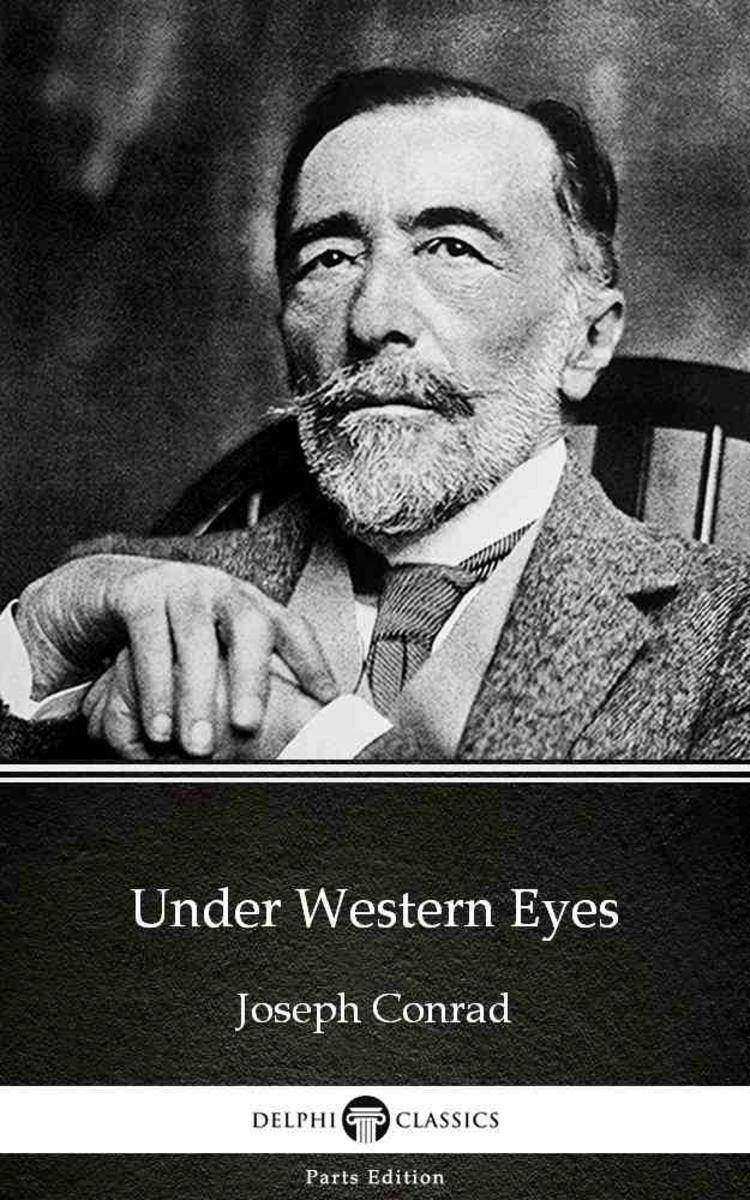
Under Western Eyes by Joseph Conrad (Illustrated)
¥8.09
This eBook features the unabridged text of ‘Under Western Eyes’ from the bestselling edition of ‘The Complete Works of Joseph Conrad’. Having established their name as the leading publisher of classic literature and art, Delphi Classics produce publications that are individually crafted with superior formatting, while introducing many rare texts for the first time in digital print. The Delphi Classics edition of Conrad includes original annotations and illustrations relating to the life and works of the author, as well as individual tables of contents, allowing you to navigate eBooks quickly and easily.eBook features:* The complete unabridged text of ‘Under Western Eyes’* Beautifully illustrated with images related to Conrad’s works* Individual contents table, allowing easy navigation around the eBook* Excellent formatting of the textPlease visit www.delphiclassics.com to learn more about our wide range of titles
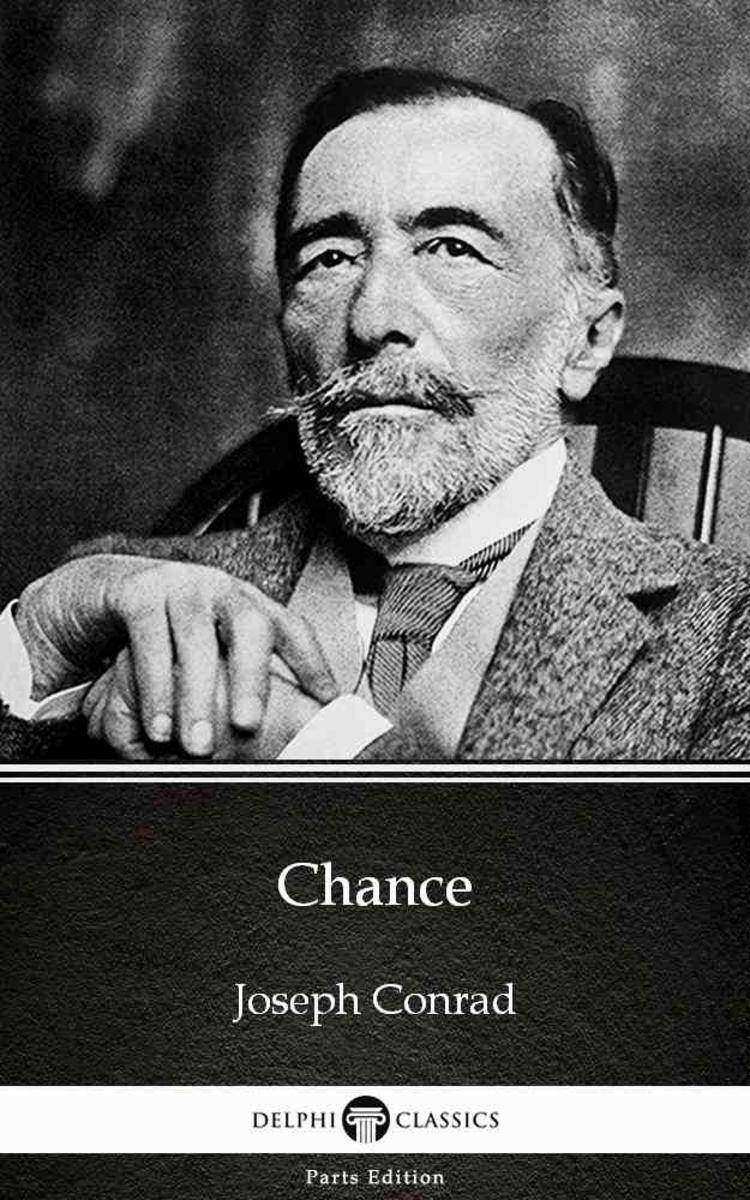
Chance by Joseph Conrad (Illustrated)
¥8.09
This eBook features the unabridged text of ‘Chance’ from the bestselling edition of ‘The Complete Works of Joseph Conrad’. Having established their name as the leading publisher of classic literature and art, Delphi Classics produce publications that are individually crafted with superior formatting, while introducing many rare texts for the first time in digital print. The Delphi Classics edition of Conrad includes original annotations and illustrations relating to the life and works of the author, as well as individual tables of contents, allowing you to navigate eBooks quickly and easily.eBook features:* The complete unabridged text of ‘Chance’* Beautifully illustrated with images related to Conrad’s works* Individual contents table, allowing easy navigation around the eBook* Excellent formatting of the textPlease visit www.delphiclassics.com to learn more about our wide range of titles
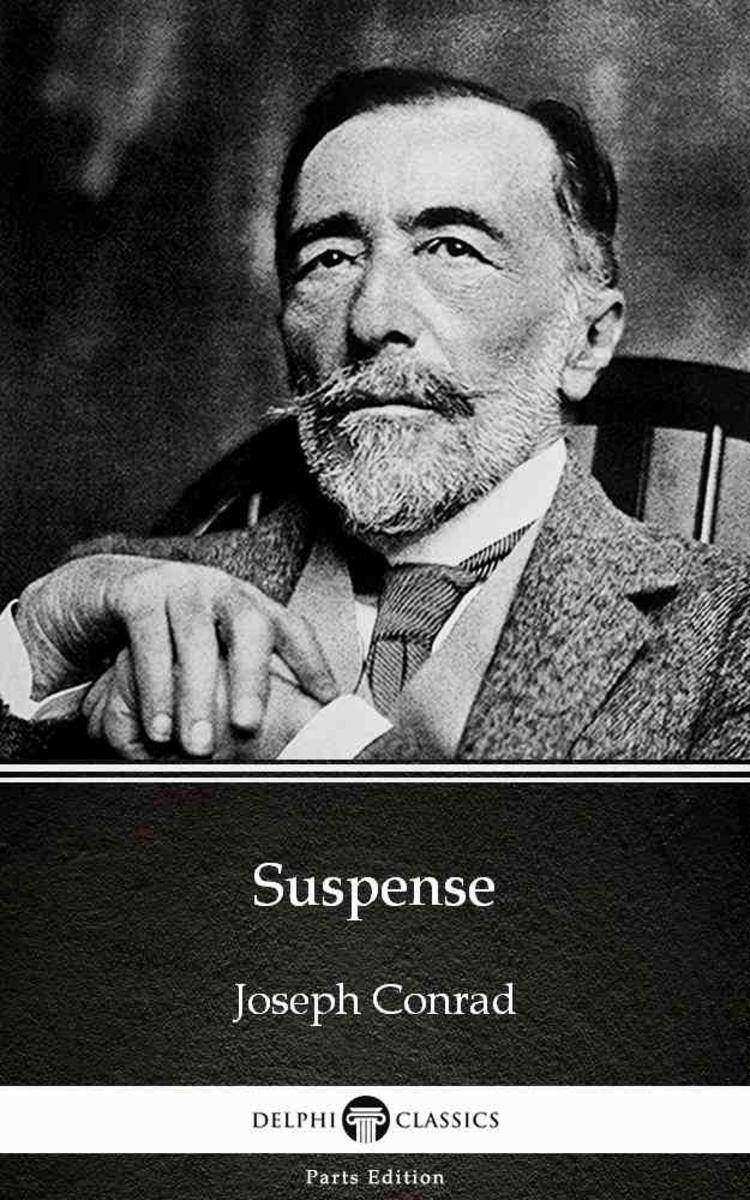
Suspense by Joseph Conrad (Illustrated)
¥8.09
This eBook features the unabridged text of ‘Suspense’ from the bestselling edition of ‘The Complete Works of Joseph Conrad’. Having established their name as the leading publisher of classic literature and art, Delphi Classics produce publications that are individually crafted with superior formatting, while introducing many rare texts for the first time in digital print. The Delphi Classics edition of Conrad includes original annotations and illustrations relating to the life and works of the author, as well as individual tables of contents, allowing you to navigate eBooks quickly and easily.eBook features:* The complete unabridged text of ‘Suspense’* Beautifully illustrated with images related to Conrad’s works* Individual contents table, allowing easy navigation around the eBook* Excellent formatting of the textPlease visit www.delphiclassics.com to learn more about our wide range of titles
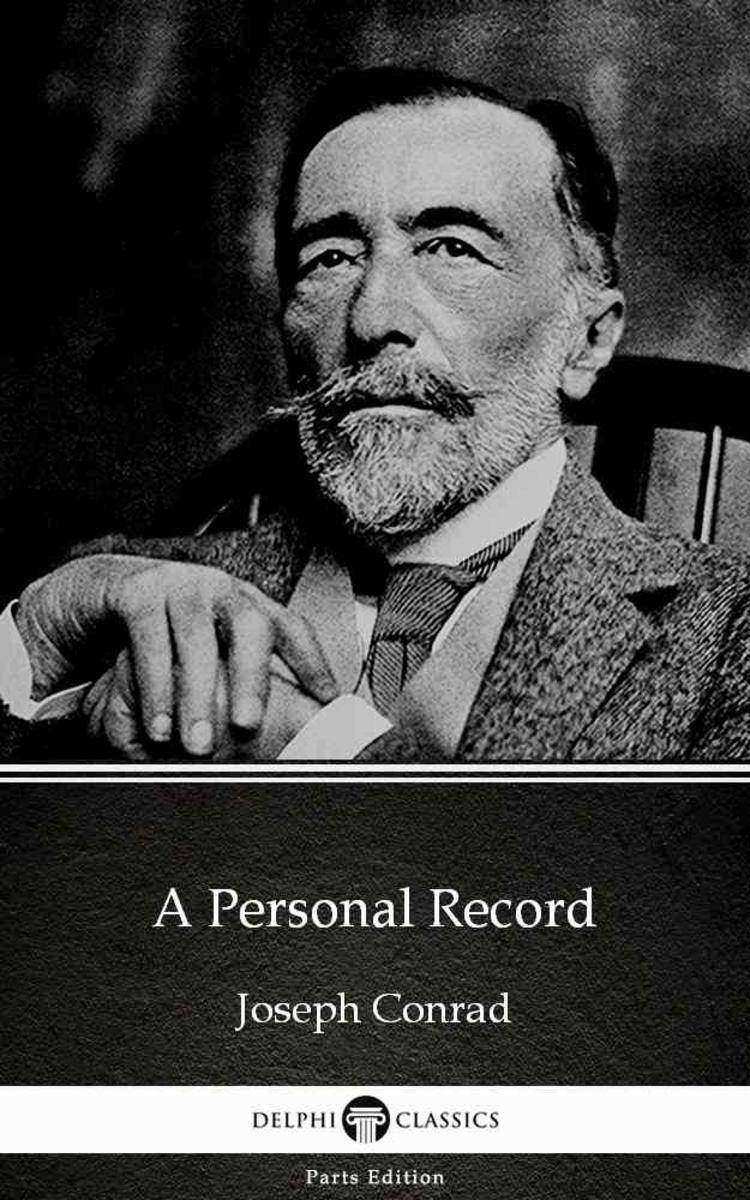
A Personal Record by Joseph Conrad (Illustrated)
¥8.09
This eBook features the unabridged text of ‘A Personal Record’ from the bestselling edition of ‘The Complete Works of Joseph Conrad’. Having established their name as the leading publisher of classic literature and art, Delphi Classics produce publications that are individually crafted with superior formatting, while introducing many rare texts for the first time in digital print. The Delphi Classics edition of Conrad includes original annotations and illustrations relating to the life and works of the author, as well as individual tables of contents, allowing you to navigate eBooks quickly and easily.eBook features:* The complete unabridged text of ‘A Personal Record’* Beautifully illustrated with images related to Conrad’s works* Individual contents table, allowing easy navigation around the eBook* Excellent formatting of the textPlease visit www.delphiclassics.com to learn more about our wide range of titles


