


 购物车
购物车 个人中心
个人中心

American Lutheranism
¥8.09
According to Wikipedia: "Lutheranism is a major branch of Western Christianity that identifies with the teachings of the sixteenth-century German Reformer Martin Luther. Luther's efforts to reform the theology and practice of the Catholic Church launched the Protestant Reformation and, through the reactions of his contemporaries, left Western Christianity divided. The split between Lutherans and the Roman Church of his time arose mainly over the doctrine of justification before God. Specifically, Lutheranism advocates a doctrine of justification "by grace alone through faith alone because of Christ alone," which varied from the Roman view of "faith formed by love", or "faith and works". Lutheranism is also distinct from the Reformed Churches, which arose during the Reformation. Unlike the Reformed Churches, Lutherans have retained many of the sacramental understandings and liturgical practices of the pre-Reformation Church. Lutheran theology differs considerably from Reformed theology in its understanding of divine grace and predestination to eternity after death."

Royal Edinburgh: Her Saints, Kings, Prophets, and Poets (Illustrated)
¥8.09
According to Wikipedia: "Margaret Oliphant Oliphant (nee Margaret Oliphant Wilson) (April 4, 1828 - June 25, 1897), Scottish novelist and historical writer, daughter of Francis Wilson, was born at Wallyford, near Musselburgh, East Lothian. Her childhood was spent at Lasswade (near Dalkeith), Glasgow and Liverpool. As a girl she constantly occupied herself with literary experiments, and in 1849 published her first novel Passages in the Life of Mrs Margaret Maitland. It dealt with the Scottish Free Church movement, with which Mr and Mrs Wilson both sympathized, and had some success. This she followed up in 1851 with Caleb Field, and in the same year met Major William Blackwood in Edinburgh, and was invited by him to contribute to the famous Blackwood's Magazine. The connection thus early commenced lasted during her whole lifetime, and she contributed considerably more than 100 articles to its pages, such as a critique of the character of Arthur Dimmesdale in The Scarlet Letter. ... She had now become a popular writer, and worked with amazing industry to sustain her position."
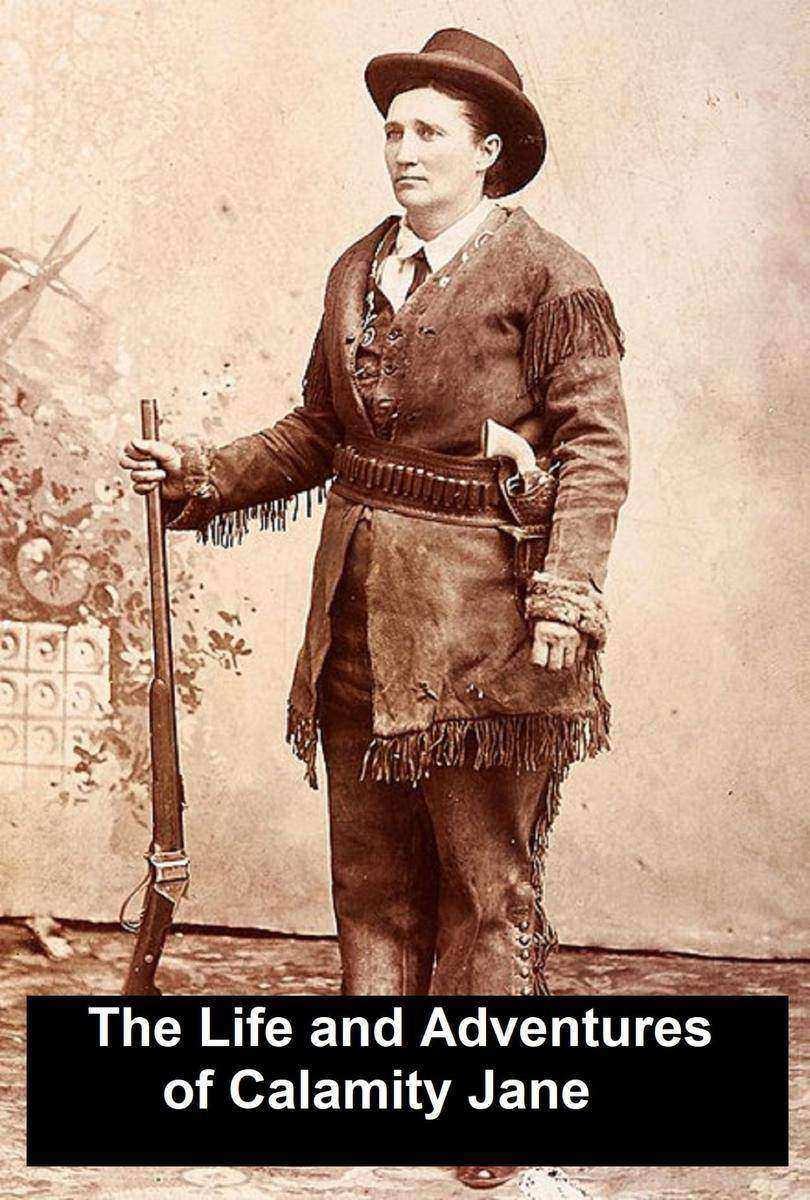
Life and Adventures of Calamity Jane
¥8.09
Short "autobiograhy." According to Wikipedia: "Martha Jane Cannary Burke, better known as Calamity Jane (May 1, 1852 – August 1, 1903), was a frontierswoman, prostitute, and professional scout best known for her claim of being an acquaintance of Wild Bill Hickok, but also for having gained fame fighting Native American Indians. She was a woman who exhibited kindness and compassion towards others, especially the sick and needy, who also was an alcoholic and traded sexual favors for money. This contrast helped to make her a famous and infamous frontier figure... In 1896 she joined the traveling Kohl & Middleton Dime Museum as a performer, and a 7-page souvenir booklet was sold by that circus, titled The Life and Adventures of Calamity Jane by Herself; it was almost certainly written by someone else, as there is no reliable evidence that Jane could read and write. It is this booklet that is described, rather generously, as her autobiography. The booklet misstates her birth name (as "Marthy Cannary"), her birthdate, and misspells "Missourri" repeatedly. Several of the stories in the booklet are unsupported, or even contradicted, by reliable evidence."
Homer's Odyssey
¥8.09
Verse translation, in rhyming couplets. According to Wikipedia: "Homer is a legendary ancient Greek epic poet, traditionally said to be the author of the epic poems the Iliad and the Odyssey. The ancient Greeks generally believed that Homer was a historical individual, but modern scholars are skeptical: no reliable biographical information has been handed down from classical antiquity, and the poems themselves manifestly represent the culmination of many centuries of oral story-telling and a well-developed "formulaic" system of poetic composition."
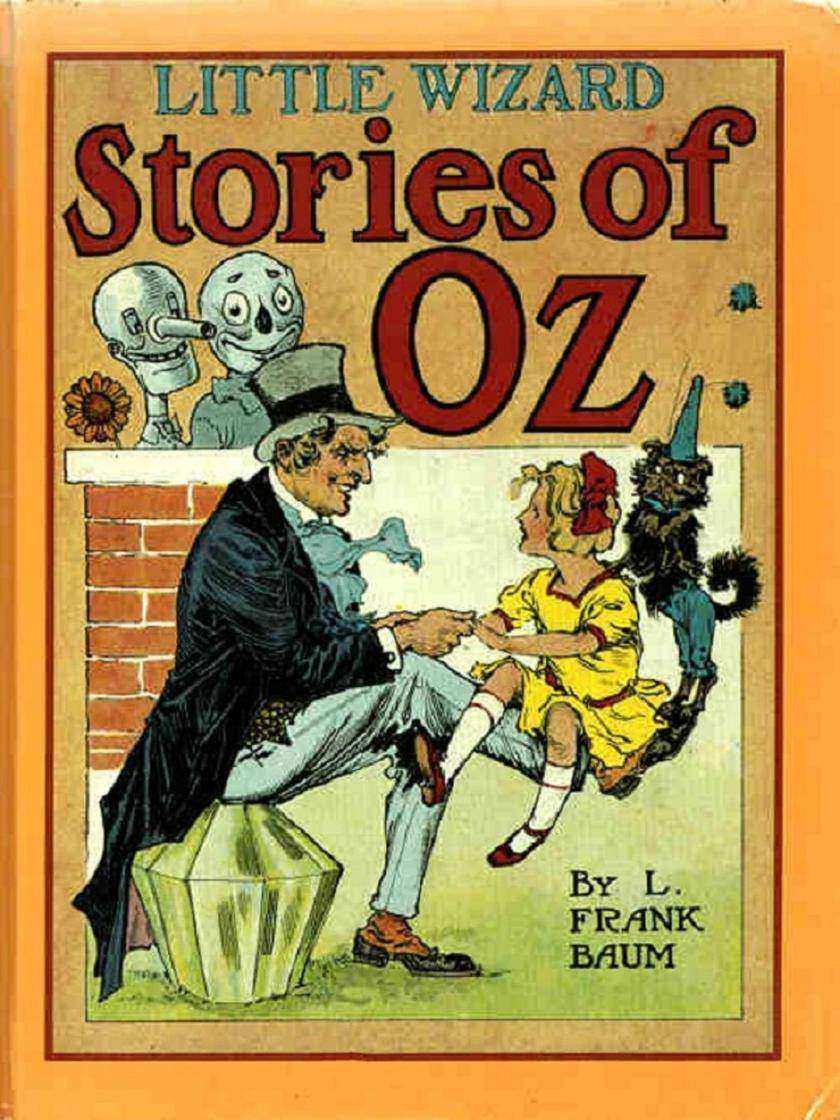
Little Wizard Stories of Oz
¥8.09
46 color illustrations. A short collection of short stories, including: The Cowardly Lion and the Hungry Tiger, Little Dorothy and Toto, Tiktok and the Nome King, Ozma and the Little Wizard, Jack Pumpkinhead and the Sawhorse, and The Scarecrow and the Tin Woodman. According to Wikipedia: "Little Wizard Stories of Oz is a set of six short stories written for young children by L. Frank Baum, the creator of the Oz books. The six tales were published in separate small booklets, "Oz books in miniature," in 1913, and then in a collected edition in 1914 with illustrations by John R. Neill.[1][2] Each booklet was 29 pages long, and printed in blue ink rather than black. The stories were part of a project, by Baum and his publisher Reilly & Britton, to revitalize and continue the series of Oz books that Baum had written up to that date. The story collection effectively constitutes a fifteenth Oz book by Baum
A Drift from Redwood Camp
¥8.09
Western short story. According to Wikipedia: "Bret Harte (August 25, 1836[2] – May 6, 1902) was an American author and poet, best remembered for his accounts of pioneering life in California. He was born in Albany, New York. ... He moved to California in 1853, later working there in a number of capacities, including miner, teacher, messenger, and journalist. He spent part of his life in the northern California coast town now known as Arcata, then just a mining camp on Humboldt Bay. His first literary efforts, including poetry and prose, appeared in The Californian, an early literary journal edited by Charles Henry Webb. In 1868 he became editor of The Overland Monthly, another new literary magazine, but this one more in tune with the pioneering spirit of excitement in California. His story, "The Luck of Roaring Camp," appeared in the magazine's second edition, propelling Harte to nationwide fame... Determined to pursue his literary career, in 1871 he and his family traveled back East, to New York and eventually to Boston, where he contracted with the publisher of The Atlantic Monthly for an annual salary of $10,000, "an unprecedented sum at the time." His popularity waned, however, and by the end of 1872 he was without a publishing contract and increasingly desperate. He spent the next few years struggling to publish new work (or republish old), delivering lectures about the gold rush, and even selling an advertising jingle to a soap company. In 1878 Harte was appointed to the position of United States Consul in the town of Krefeld, Germany and then to Glasgow in 1880. In 1885 he settled in London. During the thirty years he spent in Europe, he never abandoned writing, and maintained a prodigious output of stories that retained the freshness of his earlier work. He died in England in 1902 of throat cancer and is buried at Frimley."
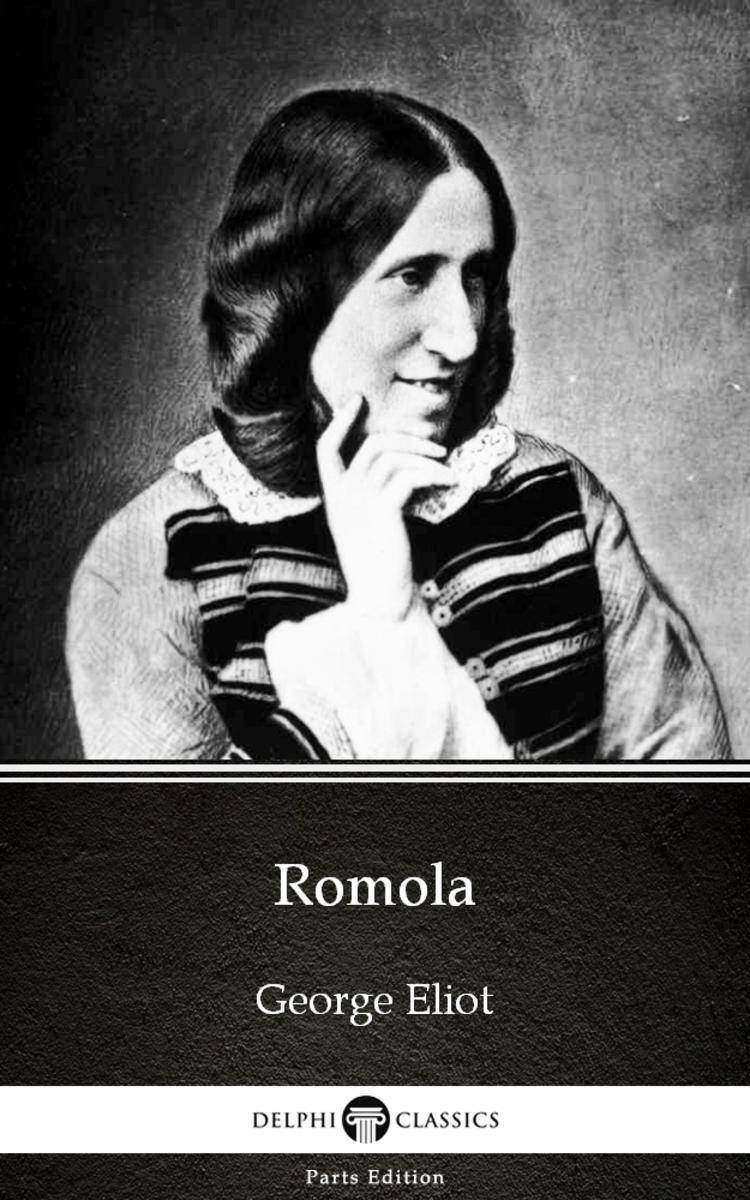
Romola by George Eliot - Delphi Classics (Illustrated)
¥8.09
This eBook features the unabridged text of ‘Romola by George Eliot - Delphi Classics (Illustrated)’ from the bestselling edition of ‘The Complete Works of George Eliot’. Having established their name as the leading publisher of classic literature and art, Delphi Classics produce publications that are individually crafted with superior formatting, while introducing many rare texts for the first time in digital print. The Delphi Classics edition of Eliot includes original annotations and illustrations relating to the life and works of the author, as well as individual tables of contents, allowing you to navigate eBooks quickly and easily. eBook features: * The complete unabridged text of ‘Romola by George Eliot - Delphi Classics (Illustrated)’ * Beautifully illustrated with images related to Eliot’s works * Individual contents table, allowing easy navigation around the eBook * Excellent formatting of the text Please visit www.delphiclassics.com to learn more about our wide range of titles
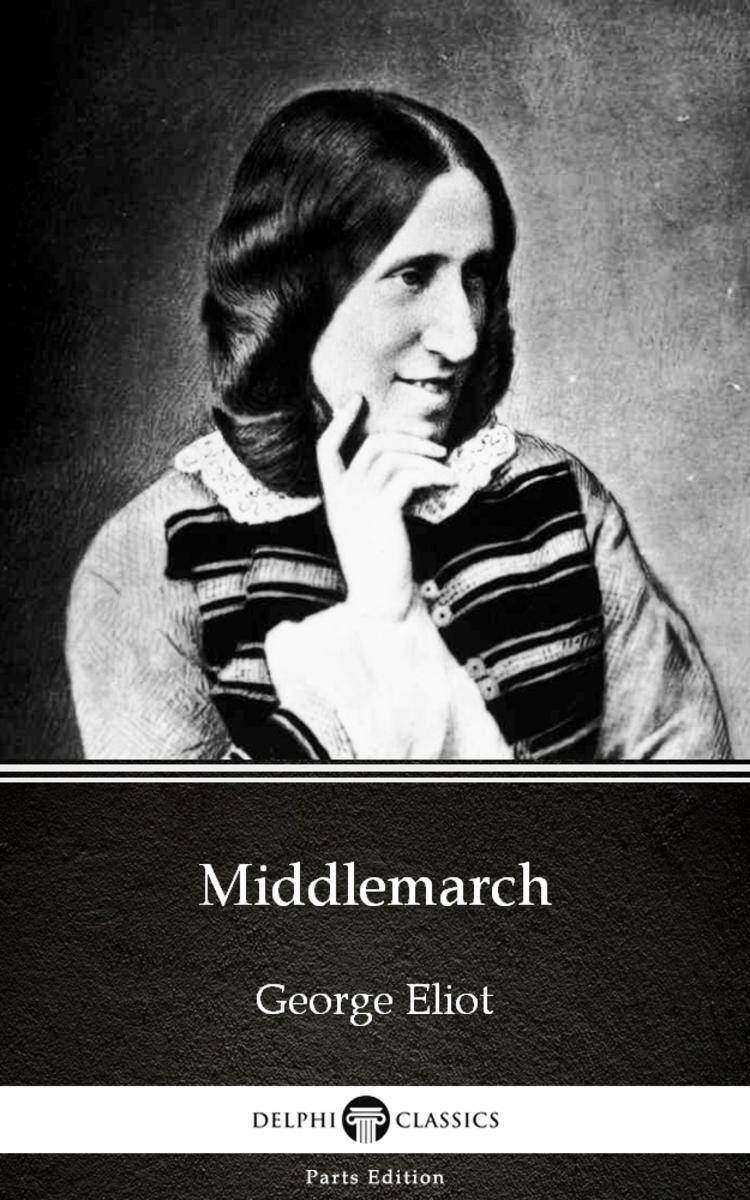
Middlemarch by George Eliot - Delphi Classics (Illustrated)
¥8.09
This eBook features the unabridged text of ‘Middlemarch by George Eliot - Delphi Classics (Illustrated)’ from the bestselling edition of ‘The Complete Works of George Eliot’. Having established their name as the leading publisher of classic literature and art, Delphi Classics produce publications that are individually crafted with superior formatting, while introducing many rare texts for the first time in digital print. The Delphi Classics edition of Eliot includes original annotations and illustrations relating to the life and works of the author, as well as individual tables of contents, allowing you to navigate eBooks quickly and easily. eBook features: * The complete unabridged text of ‘Middlemarch by George Eliot - Delphi Classics (Illustrated)’ * Beautifully illustrated with images related to Eliot’s works * Individual contents table, allowing easy navigation around the eBook * Excellent formatting of the text Please visit www.delphiclassics.com to learn more about our wide range of titles
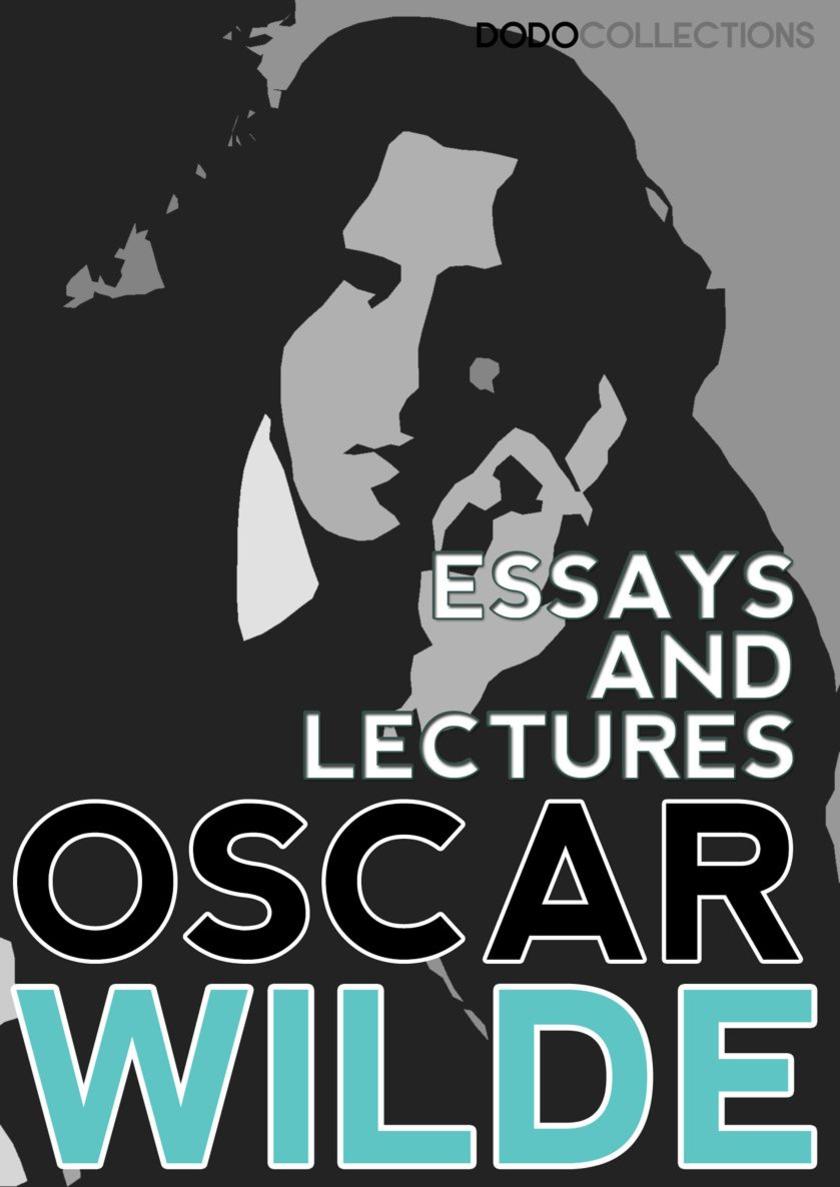
Essays and Lectures
¥8.09
Dodo Collections brings you another classic from Oscar Wilde, ‘Essays and Lectures’. It is a collection of essays, lectures, reviews, letters, and aphorisms by Oscar Wilde. Oscar Fingal O'Flahertie Wills Wilde (16 October 1854 – 30 November 1900) was an Irish author, playwright and poet. After writing in different forms throughout the 1880s, he became one of London's most popular playwrights in the early 1890s. He is remembered for his epigrams, his novel The Picture of Dorian Gray, his plays, as well as the circumstances of his imprisonment and early death. At the height of his fame and success, while his masterpiece, The Importance of Being Earnest (1895), was still on stage in London, Wilde had the Marquess of Queensberry prosecuted for libel. The Marquess was the father of Wilde's lover, Lord Alfred Douglas. The charge carried a penalty of up to two years in prison. The trial unearthed evidence that caused Wilde to drop his charges and led to his own arrest and trial for gross indecency with other men. After two more trials he was convicted and imprisoned for two years' hard labour. In 1897, in prison, he wrote De Profundis, which was published in 1905, a long letter which discusses his spiritual journey through his trials, forming a dark counterpoint to his earlier philosophy of pleasure. Upon his release he left immediately for France, never to return to Ireland or Britain. There he wrote his last work, The Ballad of Reading Gaol (1898), a long poem commemorating the harsh rhythms of prison life. He died destitute in Paris at the age of 46.

Through the Brazilian Wilderness
¥8.09
Dodo Collections brings you another classic from Theodore Roosevelt, ‘Through the Brazilian Wilderness.’ ? A harrowing chronicle of the Roosevelt-Rondon Scientific Expedition through Brazil and Paraguay to map the 950-mile River of Doubt. ? Theodore Roosevelt, Jr., also known as T.R., and to the public (but never to friends and intimates) as Teddy, was the twenty-sixth President of the United States, and a leader of the Republican Party and of the Progressive Movement. He became the youngest President in United States history at the age of 42. He served in many roles including Governor of New York, historian, naturalist, explorer, author, and soldier. Roosevelt is most famous for his personality: his energy, his vast range of interests and achievements, his model of masculinity, and his "cowboy" persona. ? Roosevelt was mostly home schooled by tutors and his parents. Biographer H. W. Brands argues that "The most obvious drawback to the home schooling Roosevelt received was uneven coverage of the various areas of human knowledge." He was solid in geography (as a result of self study during travels), and bright in history, biology, French, and German; however, he struggled in mathematics and the classical languages. He entered Harvard College on September 27, 1876; his father told him "Take care of your morals first, your health next, and finally your studies".
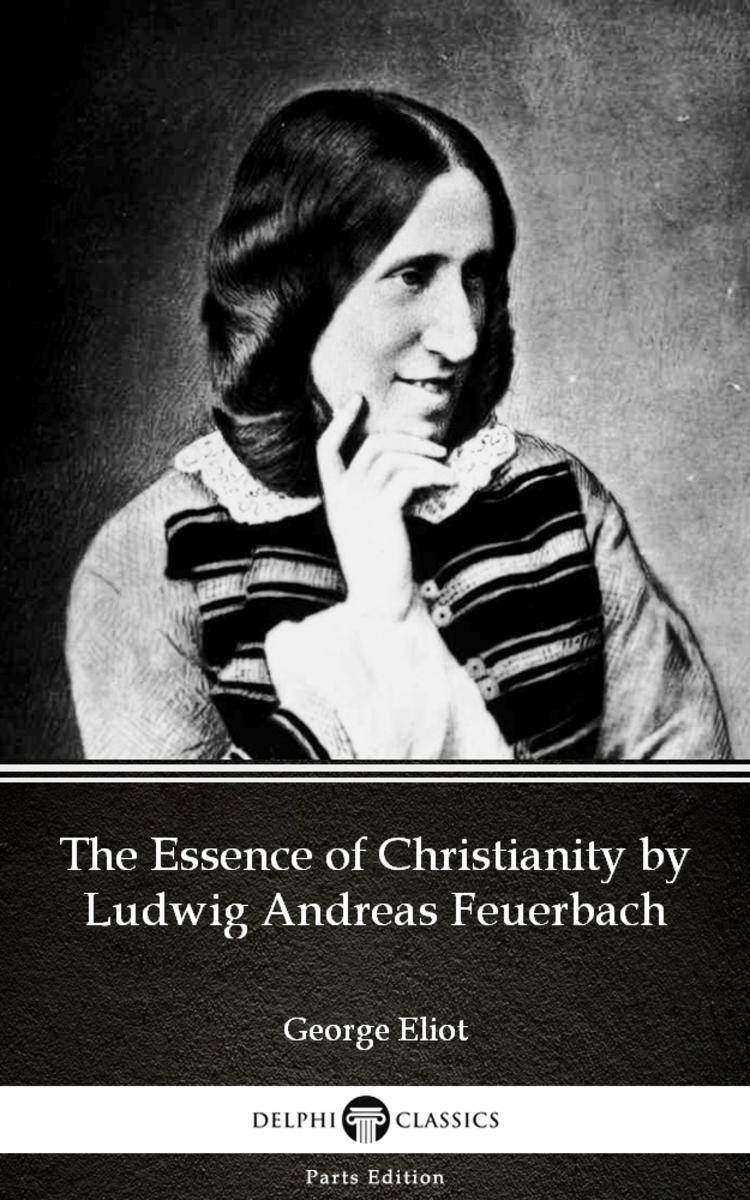
The Essence of Christianity by Ludwig Andreas Feuerbach by George Eliot
¥8.09
This eBook features the unabridged text of ‘The Essence of Christianity by Ludwig Andreas Feuerbach by George Eliot - Delphi Classics (Illustrated)’ from the bestselling edition of ‘The Complete Works of George Eliot’. Having established their name as the leading publisher of classic literature and art, Delphi Classics produce publications that are individually crafted with superior formatting, while introducing many rare texts for the first time in digital print. The Delphi Classics edition of Eliot includes original annotations and illustrations relating to the life and works of the author, as well as individual tables of contents, allowing you to navigate eBooks quickly and easily. eBook features: * The complete unabridged text of ‘The Essence of Christianity by Ludwig Andreas Feuerbach by George Eliot - Delphi Classics (Illustrated)’ * Beautifully illustrated with images related to Eliot’s works * Individual contents table, allowing easy navigation around the eBook * Excellent formatting of the text Please visit www.delphiclassics.com to learn more about our wide range of titles
Many Gods
¥8.09
Dodo Collections brings you another classic from Cale Young Rice, ‘Many Gods’. Many Gods is a book of poetry written in 1910. Cale Young Rice (December 7, 1872 – January 24, 1943) was an American poet and dramatist. He was born in Dixon, Kentucky, to Laban Marchbanks Rice, a Confederate veteran and tobacco merchant, and his wife Martha Lacy. He was a younger brother of Laban Lacy Rice, a noted educator. Cale Rice grew up in Evansville, Indiana, and Louisville, Kentucky. He was educated at Cumberland University and at Harvard (A.B., 1895; A.M., 1896). He was married to the popular author Alice Hegan Rice; they worked together on several books. The marriage was childless, and Cale committed suicide by gunshot during the night of January 23–24 at his home in Louisville a year after her death due to his sorrow at losing her. His birthplace in Dixon is designated by Kentucky State Historical Marker 1508, which reads: "Birthplace of Rice brothers, Cale Young, 1872-1943, noted poet and author; Laban Lacy, 1870-1973, well-known educator and author. Lacy published The Best Poetic Works of Cale Young Rice after Cale's death. Included in famous collection is poem, "The Mystic." Cale married Alice Hegan, also a distinguished Kentucky writer. Home overlooks Memorial Garden."?
Cranford by Elizabeth Gaskell - Delphi Classics (Illustrated)
¥8.09
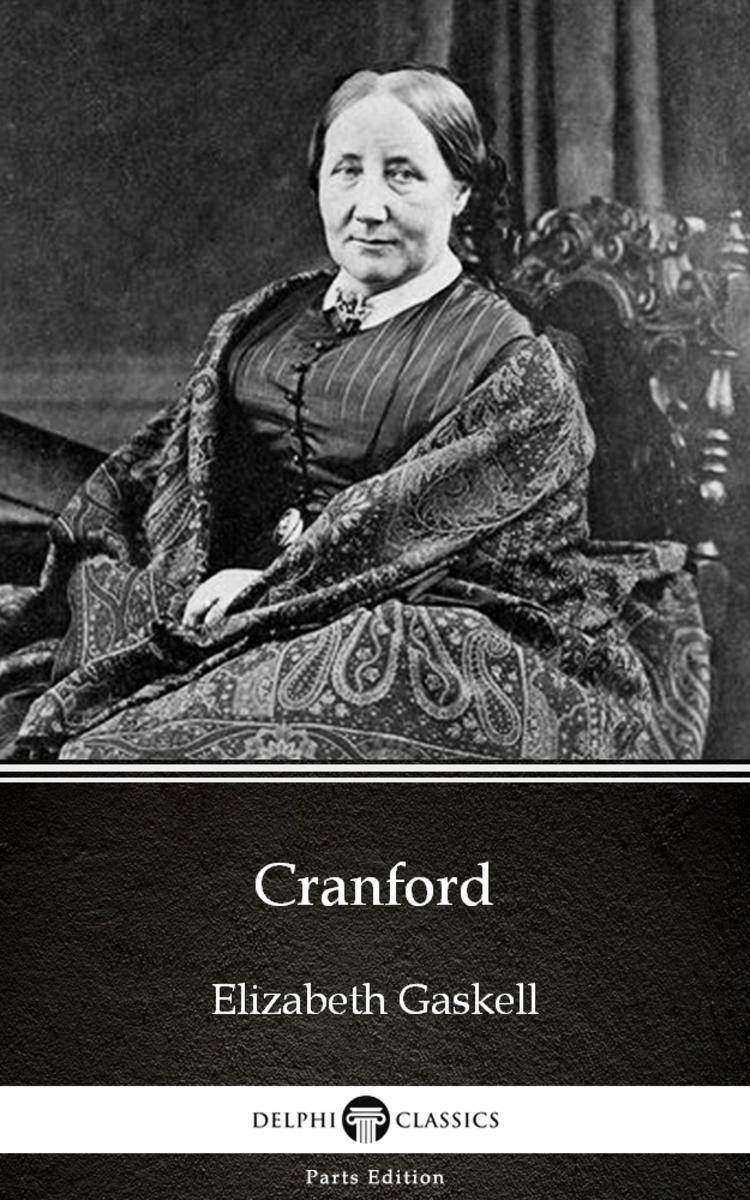
This eBook features the unabridged text of ‘Cranford by Elizabeth Gaskell - Delphi Classics (Illustrated)’ from the bestselling edition of ‘The Complete Works of Elizabeth Gaskell’. Having established their name as the leading publisher of classic literature and art, Delphi Classics produce publications that are individually crafted with superior formatting, while introducing many rare texts for the first time in digital print. The Delphi Classics edition of Gaskell includes original annotations and illustrations relating to the life and works of the author, as well as individual tables of contents, allowing you to navigate eBooks quickly and easily. eBook features: * The complete unabridged text of ‘Cranford by Elizabeth Gaskell - Delphi Classics (Illustrated)’ * Beautifully illustrated with images related to Gaskell’s works * Individual contents table, allowing easy navigation around the eBook * Excellent formatting of the text Please visit www.delphiclassics.com to learn more about our wide range of titles
Ruth by Elizabeth Gaskell - Delphi Classics (Illustrated)
¥8.09
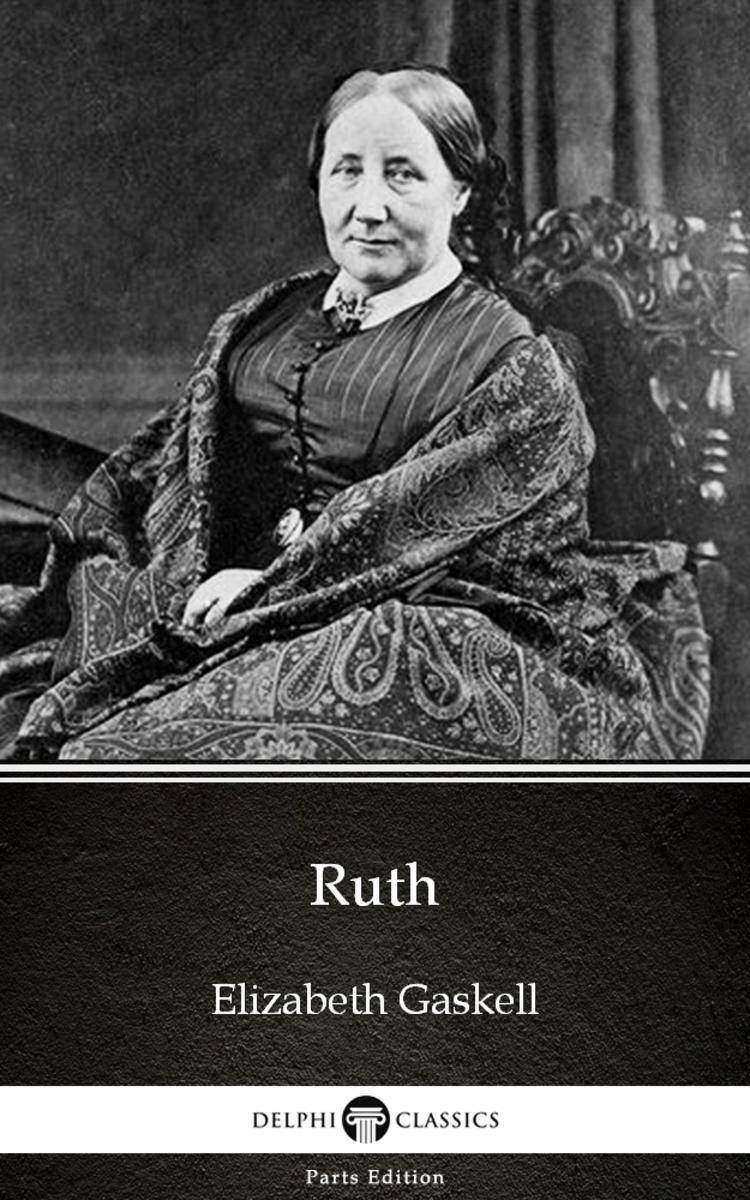
This eBook features the unabridged text of ‘Ruth by Elizabeth Gaskell - Delphi Classics (Illustrated)’ from the bestselling edition of ‘The Complete Works of Elizabeth Gaskell’. Having established their name as the leading publisher of classic literature and art, Delphi Classics produce publications that are individually crafted with superior formatting, while introducing many rare texts for the first time in digital print. The Delphi Classics edition of Gaskell includes original annotations and illustrations relating to the life and works of the author, as well as individual tables of contents, allowing you to navigate eBooks quickly and easily. eBook features: * The complete unabridged text of ‘Ruth by Elizabeth Gaskell - Delphi Classics (Illustrated)’ * Beautifully illustrated with images related to Gaskell’s works * Individual contents table, allowing easy navigation around the eBook * Excellent formatting of the text Please visit www.delphiclassics.com to learn more about our wide range of titles
The Awkward Age
¥8.09
Dodo Collections brings you another classic from Henry James, ‘The Awkward Age’. ? Originally conceived as a brief, light story about the complications created in her family's social set by a young girl coming of age, the novel expanded into a general treatment of decadence and corruption in English fin de siècle life. James presents the novel almost entirely in dialogue, an experiment that adds to the immediacy of the scenes but also creates serious ambiguities about characters and their motives. ? Henry James, OM (15 April 1843 – 28 February 1916) was an American writer who spent most of his writing career in Britain. He is regarded as one of the key figures of 19th-century literary realism. He was the son of Henry James, Sr. and the brother of philosopher and psychologist William James and diarist Alice James. ? He is best known for a number of novels showing Americans encountering Europe and Europeans. His method of writing from a character's point of view allowed him to explore issues related to consciousness and perception, and his style in later works has been compared to impressionist painting. His imaginative use of point of view, interior monologue and unreliable narrators brought a new depth to narrative fiction. ? James contributed significantly to literary criticism, particularly in his insistence that writers be allowed the greatest possible freedom in presenting their view of the world. James claimed that a text must first and foremost be realistic and contain a representation of life that is recognizable to its readers. Good novels, to James, show life in action and are, most importantly, interesting. In addition to his voluminous works of fiction he published articles and books of travel, biography, autobiography, and criticism, and wrote plays. James alternated between America and Europe for the first twenty years of his life; eventually he settled in England, becoming a British subject in 1915, one year before his death. James was nominated for the Nobel Prize in Literature in 1911, 1912, and 1916.
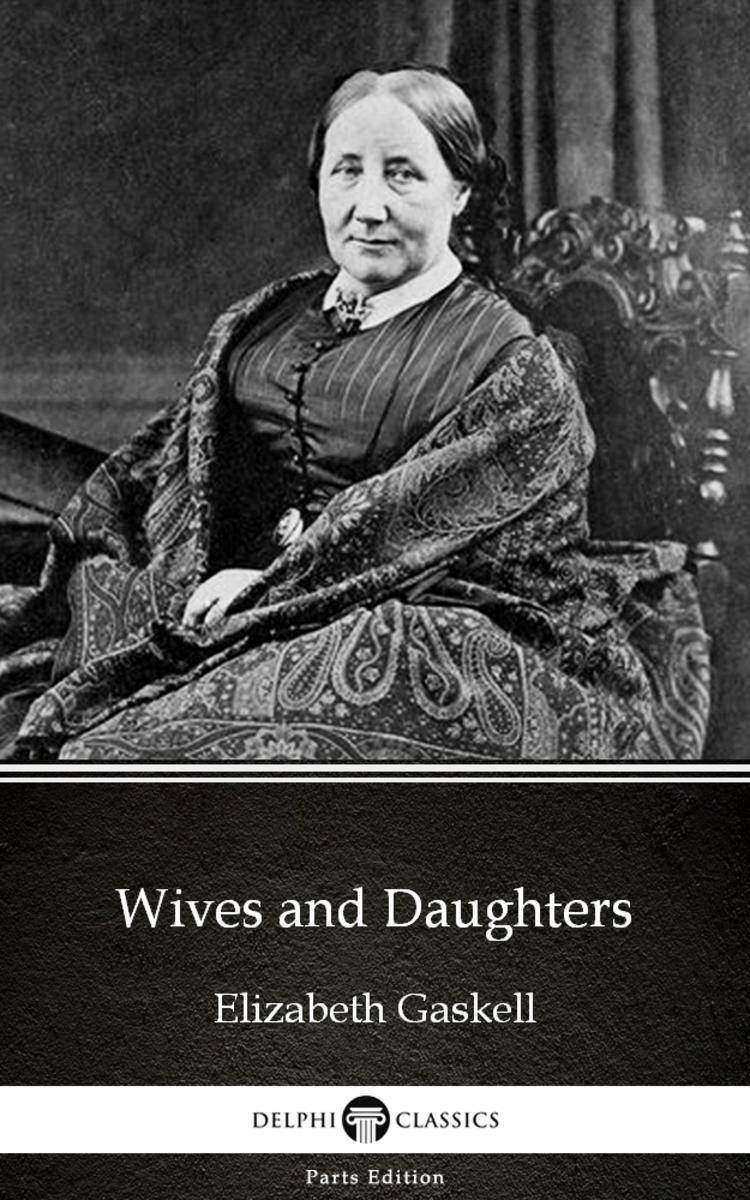
Wives and Daughters by Elizabeth Gaskell - Delphi Classics (Illustrated)
¥8.09
This eBook features the unabridged text of ‘Wives and Daughters by Elizabeth Gaskell - Delphi Classics (Illustrated)’ from the bestselling edition of ‘The Complete Works of Elizabeth Gaskell’. Having established their name as the leading publisher of classic literature and art, Delphi Classics produce publications that are individually crafted with superior formatting, while introducing many rare texts for the first time in digital print. The Delphi Classics edition of Gaskell includes original annotations and illustrations relating to the life and works of the author, as well as individual tables of contents, allowing you to navigate eBooks quickly and easily. eBook features: * The complete unabridged text of ‘Wives and Daughters by Elizabeth Gaskell - Delphi Classics (Illustrated)’ * Beautifully illustrated with images related to Gaskell’s works * Individual contents table, allowing easy navigation around the eBook * Excellent formatting of the text Please visit www.delphiclassics.com to learn more about our wide range of titles
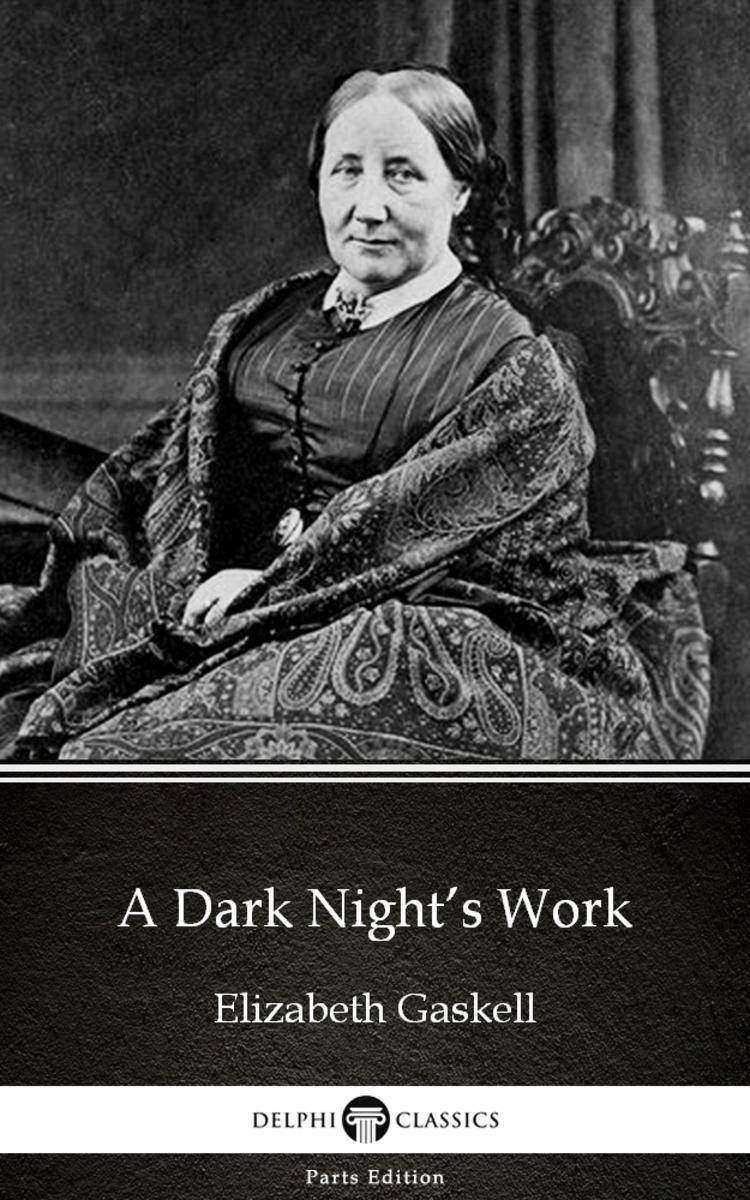
A Dark Night’s Work by Elizabeth Gaskell - Delphi Classics (Illustrated)
¥8.09
This eBook features the unabridged text of ‘A Dark Night’s Work by Elizabeth Gaskell - Delphi Classics (Illustrated)’ from the bestselling edition of ‘The Complete Works of Elizabeth Gaskell’. Having established their name as the leading publisher of classic literature and art, Delphi Classics produce publications that are individually crafted with superior formatting, while introducing many rare texts for the first time in digital print. The Delphi Classics edition of Gaskell includes original annotations and illustrations relating to the life and works of the author, as well as individual tables of contents, allowing you to navigate eBooks quickly and easily. eBook features: * The complete unabridged text of ‘A Dark Night’s Work by Elizabeth Gaskell - Delphi Classics (Illustrated)’ * Beautifully illustrated with images related to Gaskell’s works * Individual contents table, allowing easy navigation around the eBook * Excellent formatting of the text Please visit www.delphiclassics.com to learn more about our wide range of titles
Tales of the Five Towns
¥8.09
Dodo Collections brings you another classic from Arnold Bennett, ‘Tales of the Five Towns’. This book of short stories is humorous, poignant, gripping, and occasionally tragic. Bennett writes with charm and good humor, but his observations about human behavior and foibles are astute (and trenchant). He also casts a benevolent and understanding eye on all his characters: even the antagonists (one could scarcely call them villains) are shown to be acting out of ignorance or misunderstanding, or from plausible (if misguided) motives. Just as his characters aren't all good or all bad, his story endings don't go where the conventional set-ups seem to point. Instead they ring true with a stamp of life and character that marks Bennett as a true master. The final story in the collection, "A Letter Home," is brief but packs quite a wallop! Bennett (1867-1931) was a British novelist. He was born in a modest house in Hanley in the Potteries district of Staffordshire. At age 21 he went to London as a solicitor's clerk. He won a literary competition in Tit Bits magazine in 1889 and was encouraged to take up journalism full time. From 1900 he devoted himself full time to writing, giving up the editorship and writing much serious criticism, and also theatre journalism, one of his special interests. In 1902 Anna of the Five Towns, the first of a succession of stories which detailed life in the Potteries appeared. In 1908 The Old Wives' Tale was published, and was an immediate success throughout the English-speaking world. His most famous works are the Clayhanger (1910) trilogy and The Old Wives' Tale. These books draw on his experience of life in the Potteries, as did most of his best work. Among his other books are: The Grand Babylon Hotel (1902), The Grim Smile of the Five Towns (1907), Hilda Lessways (1911), The Author's Craft (1914), The Lion's Share (1916), and The Roll-Call (1919).

Night and Day by Virginia Woolf - Delphi Classics (Illustrated)
¥8.09
This eBook features the unabridged text of ‘Night and Day by Virginia Woolf - Delphi Classics (Illustrated)’ from the bestselling edition of ‘The Complete Works of Virginia Woolf’. Having established their name as the leading publisher of classic literature and art, Delphi Classics produce publications that are individually crafted with superior formatting, while introducing many rare texts for the first time in digital print. The Delphi Classics edition of Woolf includes original annotations and illustrations relating to the life and works of the author, as well as individual tables of contents, allowing you to navigate eBooks quickly and easily. eBook features: * The complete unabridged text of ‘Night and Day by Virginia Woolf - Delphi Classics (Illustrated)’ * Beautifully illustrated with images related to Woolf’s works * Individual contents table, allowing easy navigation around the eBook * Excellent formatting of the text Please visit www.delphiclassics.com to learn more about our wide range of titles

The Regent
¥8.09
Dodo Collections brings you another classic from Arnold Bennett, ‘"The Regent."’ ? 'The Regent' is, if not a sequel to 'The Card', then a 'Further Adventures of' the eponymous hero of that novel. Denry Machin is now forty-three and begins to feel that he is getting old, that making money and a happy home life are not enough and that he has lost his touch as the entrepreneur and entertainer of the 'Five Towns'. In fact, as he says to himself 'What I want is change - and a lot of it too!'. A chance meeting at the local theatre leads to his going to London and then...? ? Enoch Arnold Bennett (always known as Arnold Bennett) was one of the most remarkable literary figures of his time, a product of the English Potteries that he made famous as the Five Towns. Yet he could hardly wait to escape his home town, and he did so by the sheer force of his ambition to succeed as an author. In his time he turned his hand to every kind of writing, but he will be remembered for such novels as The Old Wives' Tale, the Clayhanger trilogy (Clayhanger, Hilda Lessways, and These Twain), and The Card. He also wrote such intriguing self-improvement books as Literary Taste, How To Live on 24 Hours a Day, The Human Machine, etc. ? After a local education Bennett finished his education at the University of London and for a time was editor of Woman magazine. After 1900 he devoted himself entirely to writing; dramatic criticism was one of his foremost interests. Bennett is best known, however, for his novels, several of which were written during his residence in France. ? Bennett's infancy was spent in genteel poverty, which gave way to prosperity as his father succeeded as a solicitor. From this provincial background he became a novelist. ? His enduring fame is as a Chronicler of the Potteries towns, the setting and inspiration of some of his most famous and enduring literary work and the place where he grew up.
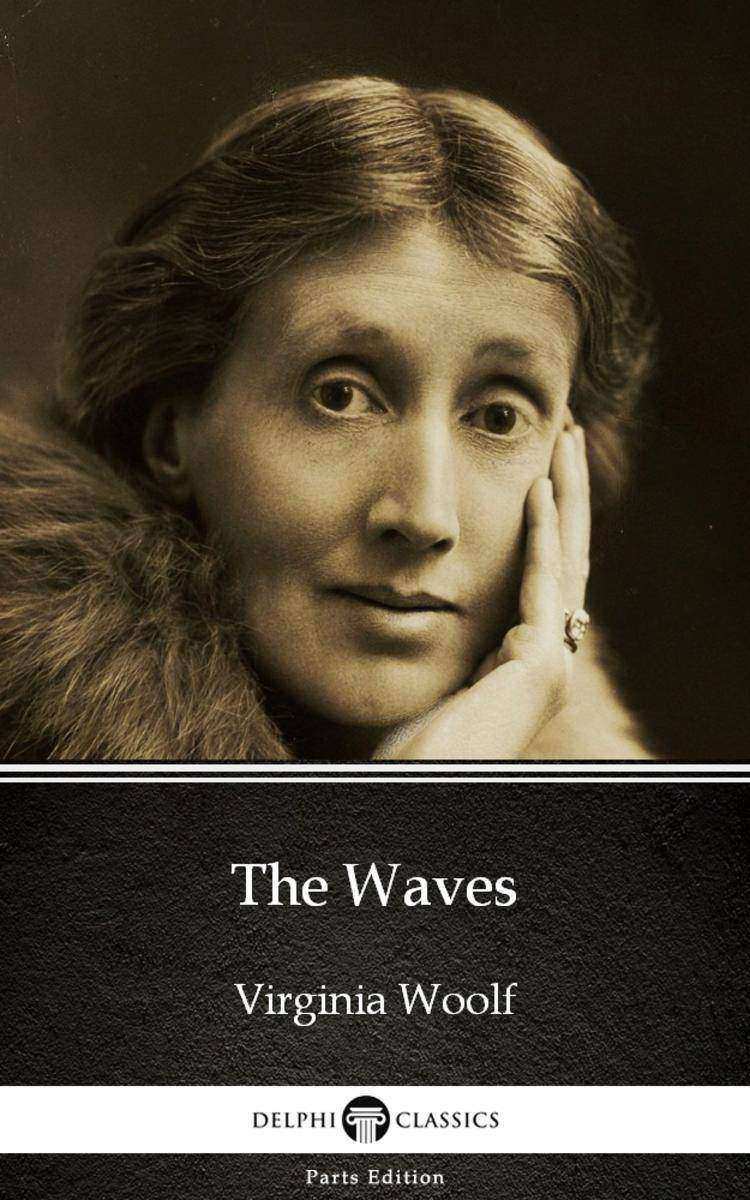
The Waves by Virginia Woolf - Delphi Classics (Illustrated)
¥8.09
This eBook features the unabridged text of ‘The Waves by Virginia Woolf - Delphi Classics (Illustrated)’ from the bestselling edition of ‘The Complete Works of Virginia Woolf’. Having established their name as the leading publisher of classic literature and art, Delphi Classics produce publications that are individually crafted with superior formatting, while introducing many rare texts for the first time in digital print. The Delphi Classics edition of Woolf includes original annotations and illustrations relating to the life and works of the author, as well as individual tables of contents, allowing you to navigate eBooks quickly and easily. eBook features: * The complete unabridged text of ‘The Waves by Virginia Woolf - Delphi Classics (Illustrated)’ * Beautifully illustrated with images related to Woolf’s works * Individual contents table, allowing easy navigation around the eBook * Excellent formatting of the text Please visit www.delphiclassics.com to learn more about our wide range of titles


