


 购物车
购物车 个人中心
个人中心
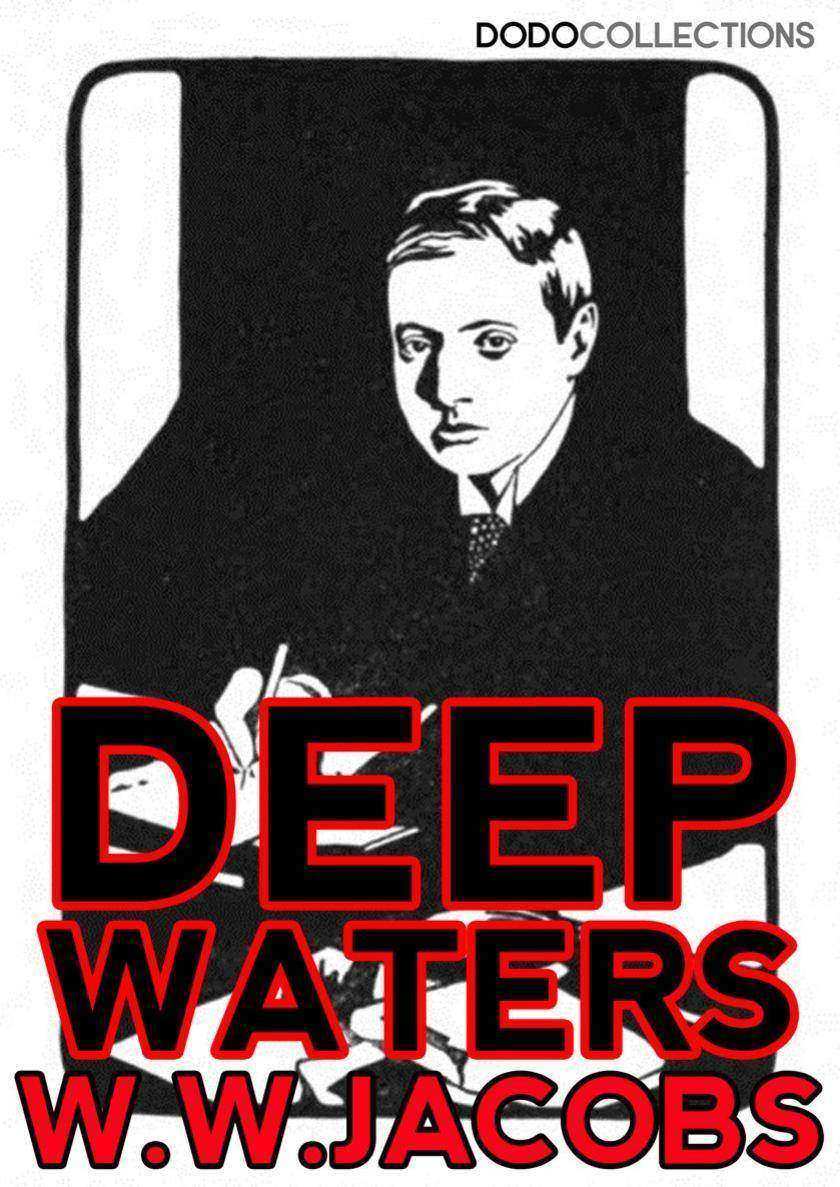
Deep Waters: The Entire Collection
¥8.09
Dodo Collections brings you another classic from Jacobs W.W, ‘Deep Waters, the Entire Collection.’ ? Included in this collection are "Paying Off," "Made to Measure," "Sam's Ghost," "Bedridden," "The Convert," "Husbandry," "Family Cares," "The Winter Offensive," "The Substitute," "Striking Hard," and "Dirty Work." ? William Wymark Jacobs was an English author of short stories and novels. Quite popular in his lifetime primarily for his amusing maritime tales of life along the London docks (many of them humorous as well as sardonic in tone). Today he is best known for a few short works of horror fiction. One being "The Monkey's Paw"(published 1902). It has in its own right become a well-known and widely anthologized classic.? ? In 1879, Jacobs began work as a clerk in the civil service, in the Post Office Savings Bank, and by 1885 he had his first short story published. His road to success was relatively slow:?Arnold Bennett?writing in 1898 was astonished that Jacobs turned down the sum of ?500 for six short stories. Jacobs was financially secure enough to be able to leave the Post Office in 1899.
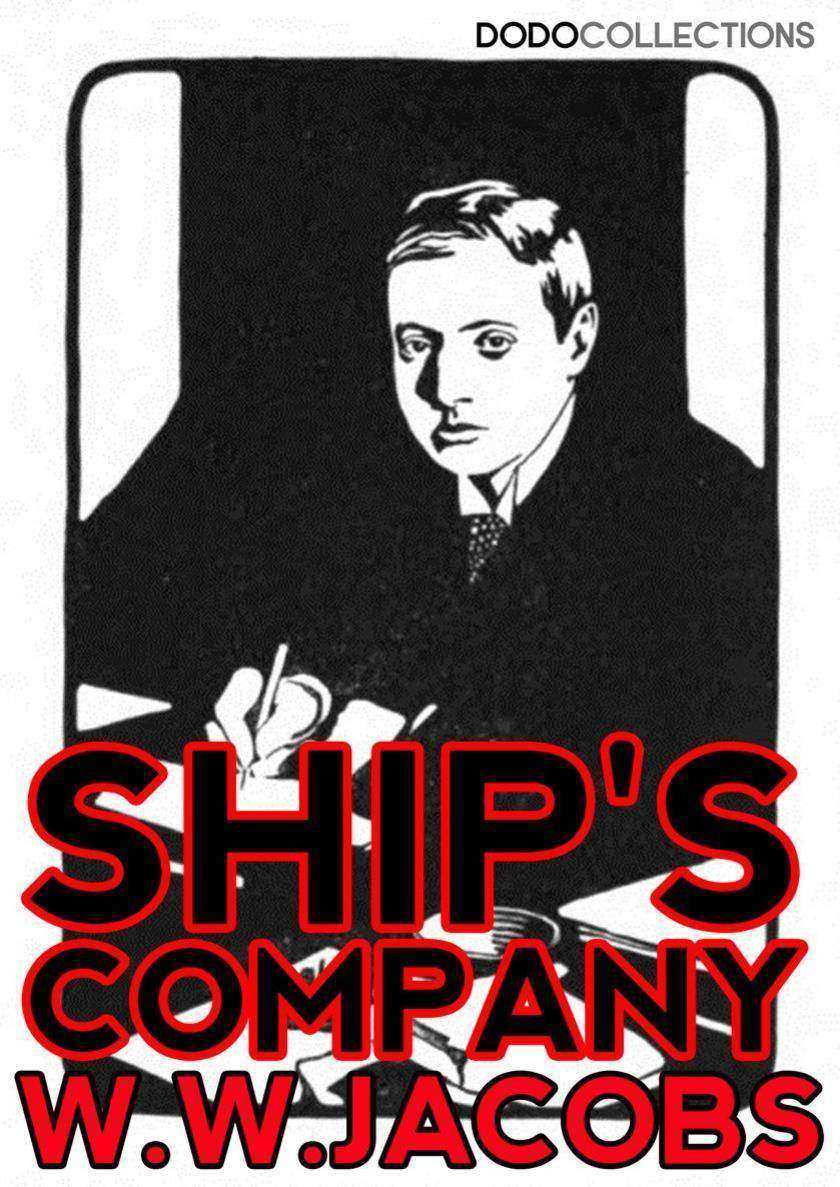
Ship's Company
¥8.09
Dodo Collections brings you another classic from W.W. Jacobs, ‘Ship's Company, The Entire Collection’. ? William Wymark "W. W." Jacobs (8 September 1863 – 1 September 1943) was an English author of short stories and novels. Although much of his work was humorous, he is most famous for his horror story "The Monkey's Paw". ? John Drinkwater described Jacobs' fiction as being "in the Dickens tradition"
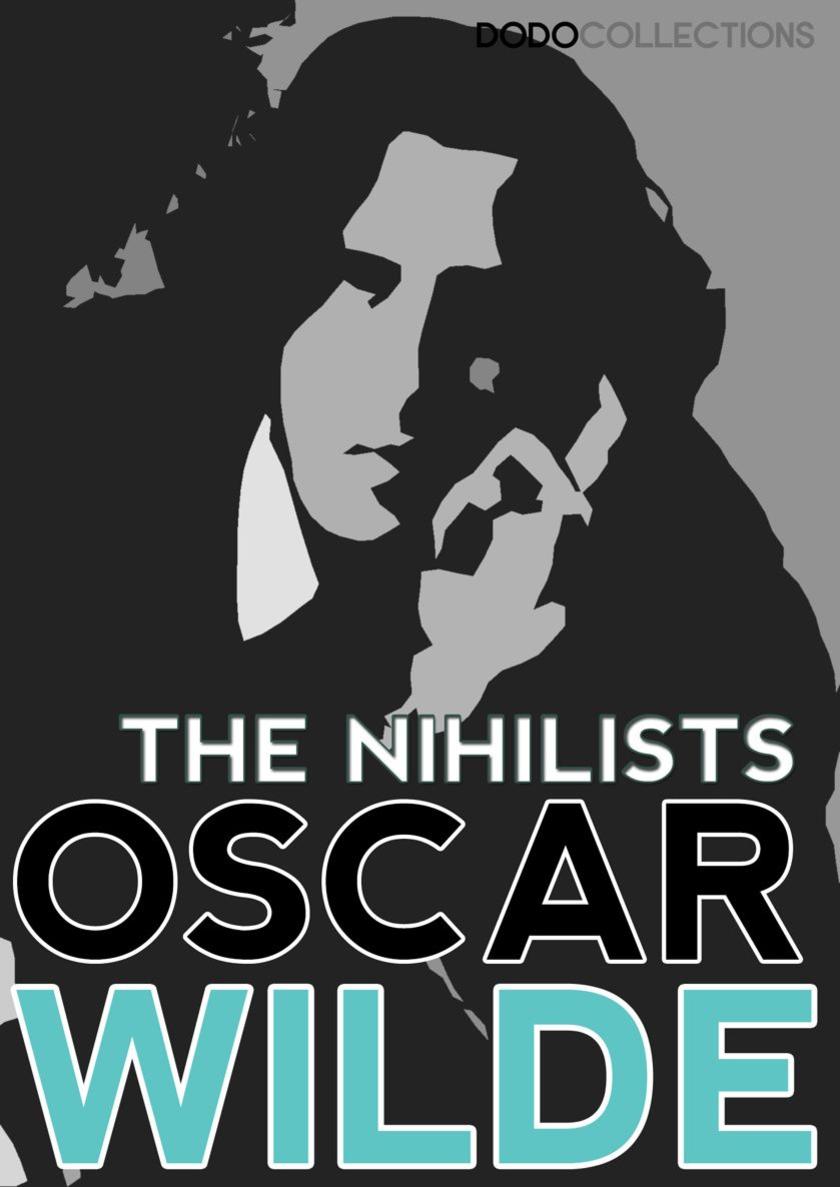
The Nihilists
¥8.09
Dodo Collections brings you another classic from Oscar Wilde, The Nihilists. The Nihilists is a play by Oscar Wilde. It is a melodramatic tragedy set in Russia and is loosely based on the life of Vera Zasulich. It was Wilde's first play, and the first to be performed. In 1880, with only a few copies privately printed, arrangements were made with noted actresses for a production the United Kingdom, but this never materialized. The first ever public performance was in New York in 1883 at the Union Square Theatre based on revisions made by Wilde while lecturing in America in 1882. The play was not a success and folded after only one week. It is rarely revived. Oscar Fingal O'Flahertie Wills Wilde (16 October 1854 – 30 November 1900) was an Irish author, playwright and poet. After writing in different forms throughout the 1880s, he became one of London's most popular playwrights in the early 1890s. He is remembered for his epigrams, his novel The Picture of Dorian Gray, his plays, as well as the circumstances of his imprisonment and early death. At the height of his fame and success, while his masterpiece, The Importance of Being Earnest (1895), was still on stage in London, Wilde had the Marquess of Queensberry prosecuted for libel. The Marquess was the father of Wilde's lover, Lord Alfred Douglas. The charge carried a penalty of up to two years in prison. The trial unearthed evidence that caused Wilde to drop his charges and led to his own arrest and trial for gross indecency with other men. After two more trials he was convicted and imprisoned for two years' hard labour. In 1897, in prison, he wrote De Profundis, which was published in 1905, a long letter which discusses his spiritual journey through his trials, forming a dark counterpoint to his earlier philosophy of pleasure. Upon his release he left immediately for France, never to return to Ireland or Britain. There he wrote his last work, The Ballad of Reading Gaol (1898), a long poem commemorating the harsh rhythms of prison life. He died destitute in Paris at the age of 46.
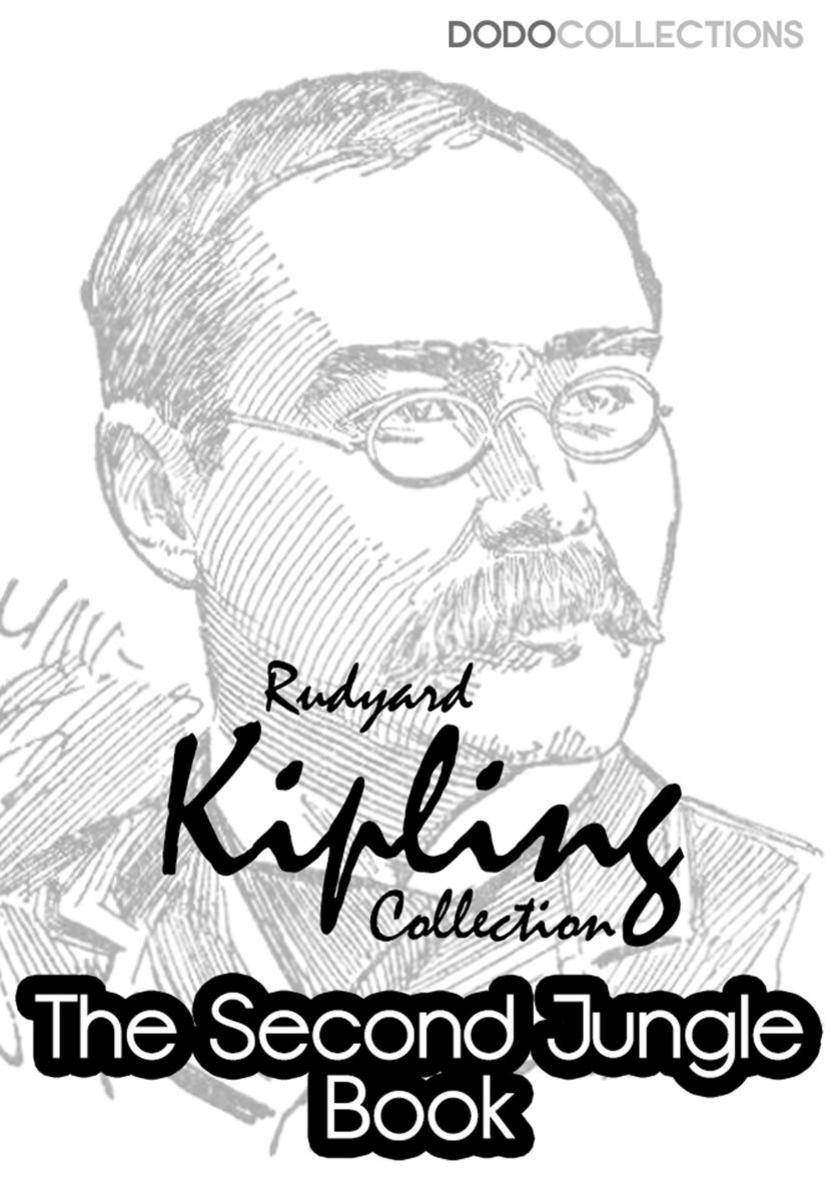
The Second Jungle Book
¥8.09
Dodo Collections brings you another classic from Rudyard Kipling, ‘The Second Jungle Book’. The Second Jungle Book is a sequel to The Jungle Book by Rudyard Kipling. First published in 1895, it features five stories about Mowgli and three unrelated stories, all but one set in India, most of which Kipling wrote while living in Vermont. All of the stories were previously published in magazines in 1894-5, often under different titles. The original book is now worth $3.4 million. Joseph Rudyard Kipling an English short-story writer, poet, and novelist. He wrote tales and poems of British soldiers in India and stories for children. He was born in Bombay, in the Bombay Presidency of British India, and was taken by his family to England when he was five years old. Kipling's works of fiction include The Jungle Book (1894), Kim (1901), and many short stories, including "The Man Who Would Be King" (1888). His poems include "Mandalay" (1890), "Gunga Din" (1890), "The Gods of the Copybook Headings" (1919), "The White Man's Burden" (1899), and "If—" (1910). He is regarded as a major innovator in the art of the short story; his children's books are classics of children's literature; and one critic described his work as exhibiting "a versatile and luminous narrative gift".
A Rogue’s Life by Wilkie Collins - Delphi Classics (Illustrated)
¥8.09
This eBook features the unabridged text of ‘A Rogue’s Life by Wilkie Collins - Delphi Classics (Illustrated)’ from the bestselling edition of ‘The Complete Works of Wilkie Collins’. Having established their name as the leading publisher of classic literature and art, Delphi Classics produce publications that are individually crafted with superior formatting, while introducing many rare texts for the first time in digital print. The Delphi Classics edition of Collins includes original annotations and illustrations relating to the life and works of the author, as well as individual tables of contents, allowing you to navigate eBooks quickly and easily. eBook features: * The complete unabridged text of ‘A Rogue’s Life by Wilkie Collins - Delphi Classics (Illustrated)’ * Beautifully illustrated with images related to Collins’s works * Individual contents table, allowing easy navigation around the eBook * Excellent formatting of the text Please visit www.delphiclassics.com to learn more about our wide range of titles
The Dead Secret by Wilkie Collins - Delphi Classics (Illustrated)
¥8.09
This eBook features the unabridged text of ‘The Dead Secret by Wilkie Collins - Delphi Classics (Illustrated)’ from the bestselling edition of ‘The Complete Works of Wilkie Collins’. Having established their name as the leading publisher of classic literature and art, Delphi Classics produce publications that are individually crafted with superior formatting, while introducing many rare texts for the first time in digital print. The Delphi Classics edition of Collins includes original annotations and illustrations relating to the life and works of the author, as well as individual tables of contents, allowing you to navigate eBooks quickly and easily. eBook features: * The complete unabridged text of ‘The Dead Secret by Wilkie Collins - Delphi Classics (Illustrated)’ * Beautifully illustrated with images related to Collins’s works * Individual contents table, allowing easy navigation around the eBook * Excellent formatting of the text Please visit www.delphiclassics.com to learn more about our wide range of titles
The Haunted Hotel by Wilkie Collins - Delphi Classics (Illustrated)
¥8.09
This eBook features the unabridged text of ‘The Haunted Hotel by Wilkie Collins - Delphi Classics (Illustrated)’ from the bestselling edition of ‘The Complete Works of Wilkie Collins’. Having established their name as the leading publisher of classic literature and art, Delphi Classics produce publications that are individually crafted with superior formatting, while introducing many rare texts for the first time in digital print. The Delphi Classics edition of Collins includes original annotations and illustrations relating to the life and works of the author, as well as individual tables of contents, allowing you to navigate eBooks quickly and easily. eBook features: * The complete unabridged text of ‘The Haunted Hotel by Wilkie Collins - Delphi Classics (Illustrated)’ * Beautifully illustrated with images related to Collins’s works * Individual contents table, allowing easy navigation around the eBook * Excellent formatting of the text Please visit www.delphiclassics.com to learn more about our wide range of titles
Speaking of Operations
¥8.09
Dodo Collections brings you another classic from Irvin S. Cobb, ‘"Speaking of Operations". ? Speaking of Operations is a monologue about the author's experience in having an operation in 1915 written in his typical tongue-in-cheek style. ? American author, humorist, editor and columnist from Paducah, Kentucky who relocated to New York during 1904, living there for the remainder of his life. ? Cobb joined the staff of the magazine Saturday Evening Post during 1911, and covered the Great War for the magazine. At the same time, he wrote a book about his experiences, published during 1915, titled Paths Of Glory. After a second visit to France to cover the Great War, Cobb publicized the achievements of the unit known as theHarlem Hellfighters, most notably, Croix de Guerre recipients Henry Lincoln Johnson and Needham Roberts. His article "Young Black Joe," published on August 24, 1918 in theSaturday Evening Post and later republished in Cobb's book, The Glory of the Coming, highlighted the discipline and courage displayed by black American soldiers fighting in Europe during World War I. The three-page article and half-page photograph reached a national audience of more than two million readers, and was widely reprinted in the black press.

“I Say No” by Wilkie Collins - Delphi Classics (Illustrated)
¥8.09
This eBook features the unabridged text of ‘“I Say No” by Wilkie Collins - Delphi Classics (Illustrated)’ from the bestselling edition of ‘The Complete Works of Wilkie Collins’. Having established their name as the leading publisher of classic literature and art, Delphi Classics produce publications that are individually crafted with superior formatting, while introducing many rare texts for the first time in digital print. The Delphi Classics edition of Collins includes original annotations and illustrations relating to the life and works of the author, as well as individual tables of contents, allowing you to navigate eBooks quickly and easily. eBook features: * The complete unabridged text of ‘“I Say No” by Wilkie Collins - Delphi Classics (Illustrated)’ * Beautifully illustrated with images related to Collins’s works * Individual contents table, allowing easy navigation around the eBook * Excellent formatting of the text Please visit www.delphiclassics.com to learn more about our wide range of titles
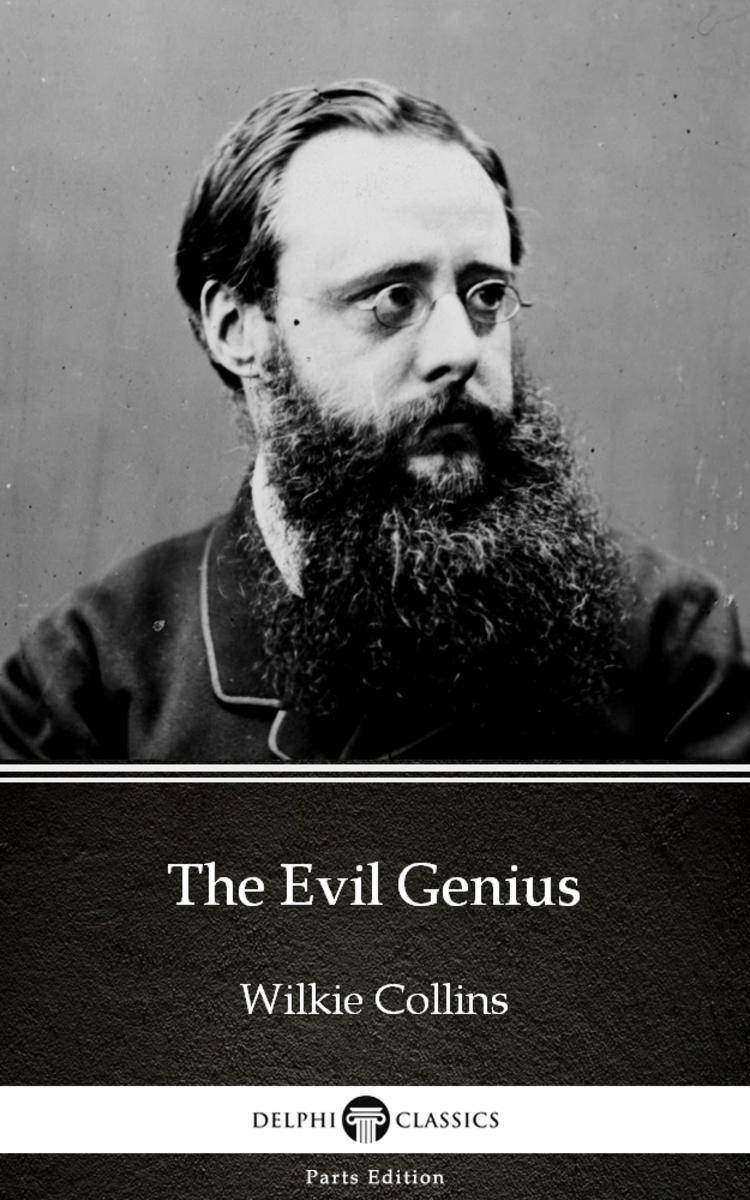
The Evil Genius by Wilkie Collins - Delphi Classics (Illustrated)
¥8.09
This eBook features the unabridged text of ‘The Evil Genius by Wilkie Collins - Delphi Classics (Illustrated)’ from the bestselling edition of ‘The Complete Works of Wilkie Collins’. Having established their name as the leading publisher of classic literature and art, Delphi Classics produce publications that are individually crafted with superior formatting, while introducing many rare texts for the first time in digital print. The Delphi Classics edition of Collins includes original annotations and illustrations relating to the life and works of the author, as well as individual tables of contents, allowing you to navigate eBooks quickly and easily. eBook features: * The complete unabridged text of ‘The Evil Genius by Wilkie Collins - Delphi Classics (Illustrated)’ * Beautifully illustrated with images related to Collins’s works * Individual contents table, allowing easy navigation around the eBook * Excellent formatting of the text Please visit www.delphiclassics.com to learn more about our wide range of titles
A Passionate Pilgrim
¥8.09
Dodo Collections brings you another classic from James Henry, ‘A Passionate Pilgrim.’ ? 1875 short story by the prolific American-born author and literary critic of the late 19th and early 20th centuries. He spent much of his life in Europe and became a British subject shortly before his death. He is primarily known for novels, novellas and short stories based on themes of consciousness and morality.

Black and White by Wilkie Collins - Delphi Classics (Illustrated)
¥8.09
This eBook features the unabridged text of ‘Black and White by Wilkie Collins - Delphi Classics (Illustrated)’ from the bestselling edition of ‘The Complete Works of Wilkie Collins’. Having established their name as the leading publisher of classic literature and art, Delphi Classics produce publications that are individually crafted with superior formatting, while introducing many rare texts for the first time in digital print. The Delphi Classics edition of Collins includes original annotations and illustrations relating to the life and works of the author, as well as individual tables of contents, allowing you to navigate eBooks quickly and easily. eBook features: * The complete unabridged text of ‘Black and White by Wilkie Collins - Delphi Classics (Illustrated)’ * Beautifully illustrated with images related to Collins’s works * Individual contents table, allowing easy navigation around the eBook * Excellent formatting of the text Please visit www.delphiclassics.com to learn more about our wide range of titles

The Chaperon
¥8.09
Dodo Collections brings you another classic from James Henry, ‘The Chaperon.’ ? “An old lady, in a high drawing-room, had had her chair moved close to the fire, where she sat knitting and warming her knees.? She was dressed in deep mourning; her face had a faded nobleness, tempered, however, by the somewhat illiberal compression assumed by her lips in obedience to something that was passing in her mind.? She was far from the lamp, but though her eyes were fixed upon her active needles she was not looking at them.? What she really saw was quite another train of affairs.? The room was spacious and dim; the thick London fog had oozed into it even through its superior defences.? It was full of dusky, massive, valuable things.? The old lady sat motionless save for the regularity of her clicking needles, which seemed as personal to her and as expressive as prolonged fingers.? If she was thinking something out, she was thinking it thoroughly.” ? Henry James, OM, son of theologian Henry James Sr., brother of the philosopher and psychologist William James and diarist Alice James, was an American-born author, one of the founders and leaders of a school of realism in fiction. He spent much of his life in England and became a British subject shortly before his death. He is primarily known for a series of major novels in which he portrayed the encounter of America with Europe. His plots centered on personal relationships, the proper exercise of power in such relationships, and other moral questions. His method of writing from the point of view of a character within a tale allowed him to explore the phenomena of consciousness and perception, and his style in later works has been compared to impressionist painting.
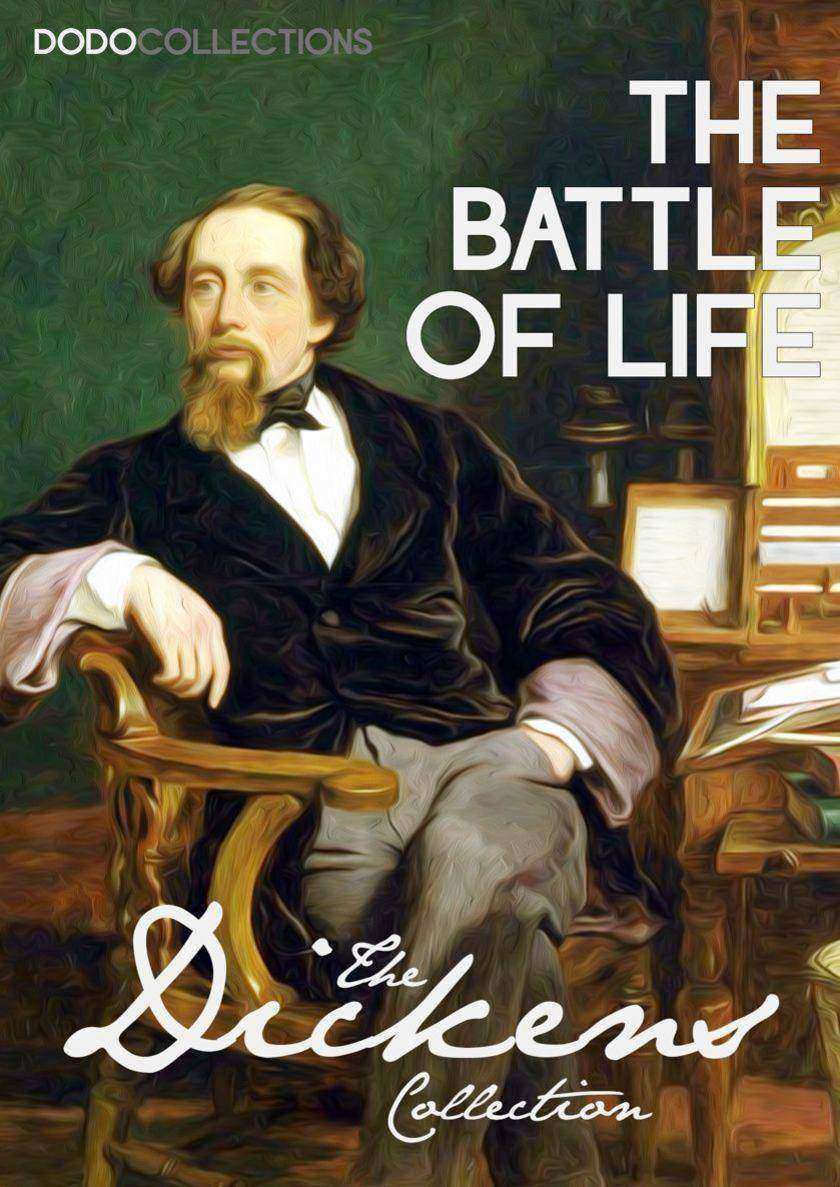
The Battle of Life
¥8.09
Dodo Collections brings you another classic from Charles Dickens, ‘The Battle of Life.’ ? Battle is the only one of the five Christmas Books that has no supernatural or explicitly religious elements. (One scene takes place at Christmas time, but it isn't the final scene.) The story bears some resemblance to The Cricket on the Hearth in two aspects: it has a non-urban setting & it's resolved with a romantic twist. It's even less of a social novel than is Cricket. As is typical with Dickens, the ending is a happy one. It's one of Dickens' lesser-known works and has never attained the high level of popularity is perhaps deserves, a trait it shares among the Christmas Books with The Haunted Man. ? Charles Dickens was an English writer and social critic. He created some of the world's best-known fictional characters and is regarded as the greatest novelist of the Victorian era. His works enjoyed unprecedented popularity during his lifetime, and by the twentieth century critics and scholars had recognised him as a literary genius. His novels and short stories enjoy lasting popularity. ? Born in Portsmouth, Dickens left school to work in a factory when his father was incarcerated in a debtors' prison. Despite his lack of formal education, he edited a weekly journal for 20 years, wrote 15 novels, five novellas, hundreds of short stories and non-fiction articles, lectured and performed extensively, was an indefatigable letter writer, and campaigned vigorously for children's rights, education, and other social reforms.
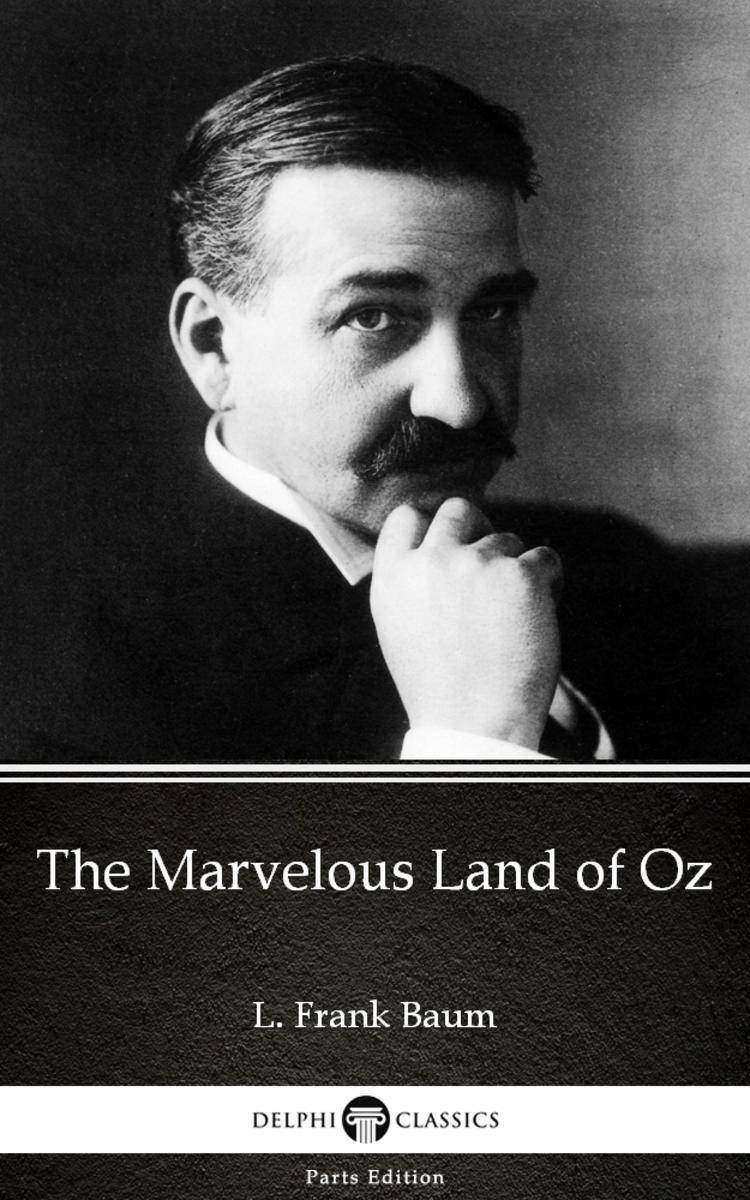
The Marvelous Land of Oz by L. Frank Baum - Delphi Classics (Illustrated)
¥8.09
This eBook features the unabridged text of ‘The Marvelous Land of Oz by L. Frank Baum - Delphi Classics (Illustrated)’ from the bestselling edition of ‘The Complete Works of L. Frank Baum’. Having established their name as the leading publisher of classic literature and art, Delphi Classics produce publications that are individually crafted with superior formatting, while introducing many rare texts for the first time in digital print. The Delphi Classics edition of Baum includes original annotations and illustrations relating to the life and works of the author, as well as individual tables of contents, allowing you to navigate eBooks quickly and easily. eBook features: * The complete unabridged text of ‘The Marvelous Land of Oz by L. Frank Baum - Delphi Classics (Illustrated)’ * Beautifully illustrated with images related to Baum’s works * Individual contents table, allowing easy navigation around the eBook * Excellent formatting of the text Please visit www.delphiclassics.com to learn more about our wide range of titles

The Woggle-Bug Book by L. Frank Baum - Delphi Classics (Illustrated)
¥8.09
This eBook features the unabridged text of ‘The Woggle-Bug Book by L. Frank Baum - Delphi Classics (Illustrated)’ from the bestselling edition of ‘The Complete Works of L. Frank Baum’. Having established their name as the leading publisher of classic literature and art, Delphi Classics produce publications that are individually crafted with superior formatting, while introducing many rare texts for the first time in digital print. The Delphi Classics edition of Baum includes original annotations and illustrations relating to the life and works of the author, as well as individual tables of contents, allowing you to navigate eBooks quickly and easily. eBook features: * The complete unabridged text of ‘The Woggle-Bug Book by L. Frank Baum - Delphi Classics (Illustrated)’ * Beautifully illustrated with images related to Baum’s works * Individual contents table, allowing easy navigation around the eBook * Excellent formatting of the text Please visit www.delphiclassics.com to learn more about our wide range of titles
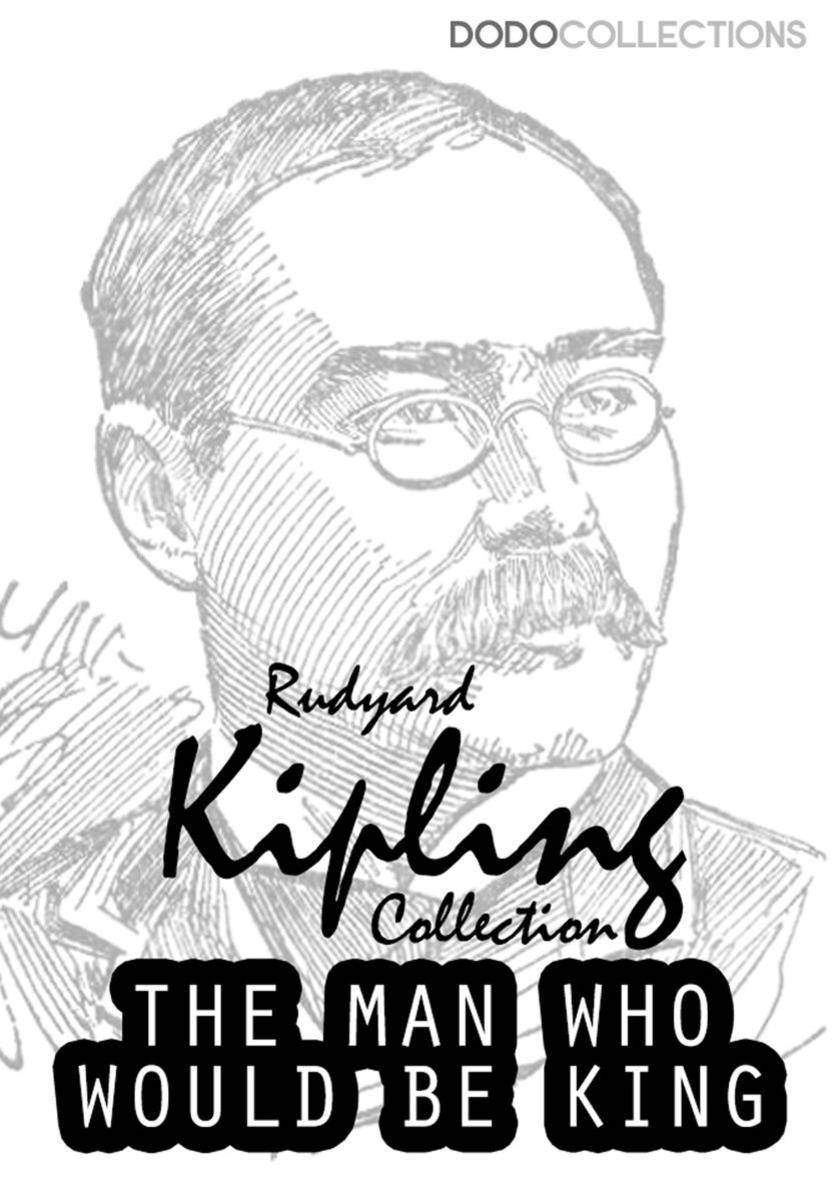
The Man Who Would Be King
¥8.09
Dodo Collections brings you another classic from Rudyard Kipling, ‘The Man Who Would Be King.’ ? The rugged mountains of 19th-century Afghanistan serve as the backdrop for this humorous and action-packed tale of two happy-go-lucky Britons who take over a remote kingdom. The colorful inhabitants and beautiful prose enrich a beautifully powerful ending. ? Kipling was one of the most popular writers in England, in both prose and verse, in the late 19th and early 20th centuries. Henry James said: "Kipling strikes me personally as the most complete man of genius (as distinct from fine intelligence) that I have ever known." In 1907, he was awarded the Nobel Prize in Literature, making him the first English-language writer to receive the prize, and its youngest recipient to date Among other honours, he was sounded out for the British Poet Laureateship and on several occasions for a knighthood, all of which he declined.
Dorothy and the Wizard in Oz by L. Frank Baum - Delphi Classics (Illustrated)
¥8.09
This eBook features the unabridged text of ‘Dorothy and the Wizard in Oz by L. Frank Baum - Delphi Classics (Illustrated)’ from the bestselling edition of ‘The Complete Works of L. Frank Baum’. Having established their name as the leading publisher of classic literature and art, Delphi Classics produce publications that are individually crafted with superior formatting, while introducing many rare texts for the first time in digital print. The Delphi Classics edition of Baum includes original annotations and illustrations relating to the life and works of the author, as well as individual tables of contents, allowing you to navigate eBooks quickly and easily. eBook features: * The complete unabridged text of ‘Dorothy and the Wizard in Oz by L. Frank Baum - Delphi Classics (Illustrated)’ * Beautifully illustrated with images related to Baum’s works * Individual contents table, allowing easy navigation around the eBook * Excellent formatting of the text Please visit www.delphiclassics.com to learn more about our wide range of titles
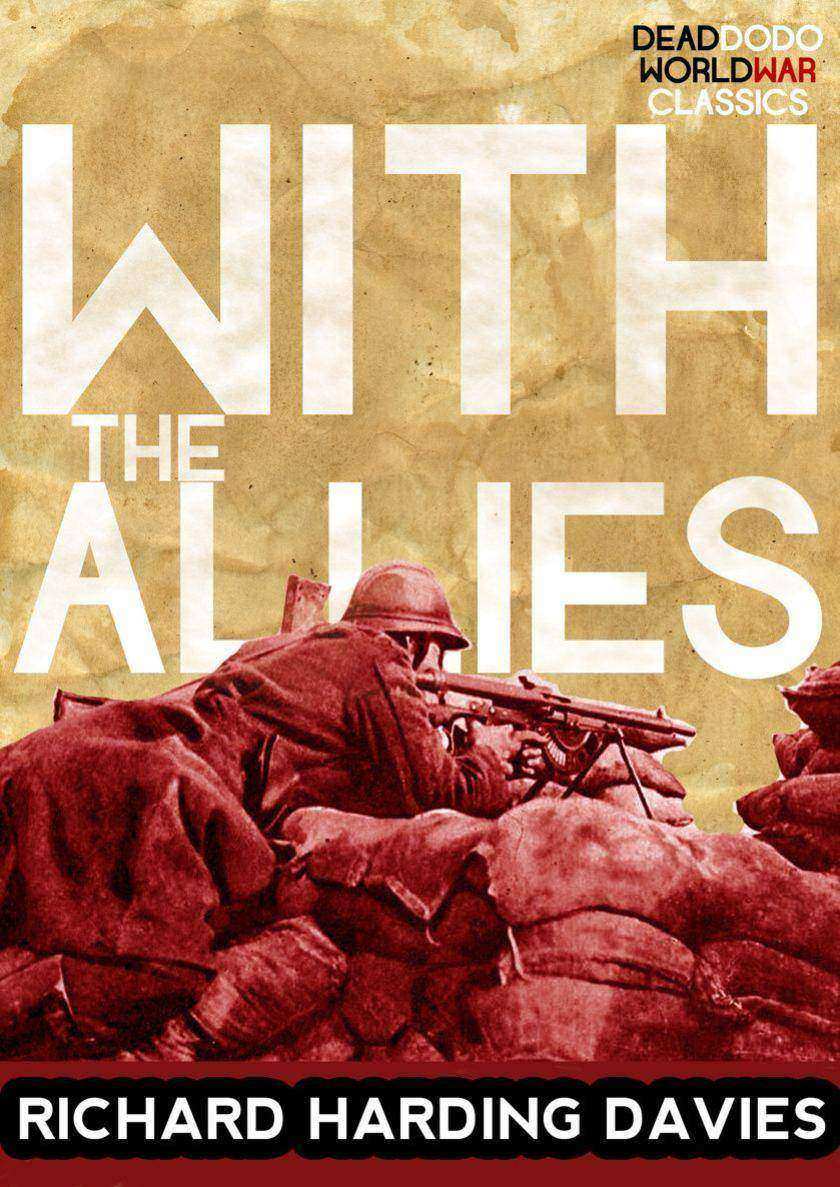
With the Allies
¥8.09
An early appeal by Richard Davis, American war correspondent, to denounce neutrality and take an active role in the conflict on the side of the Triple Entente. Makes his case from German ‘crimes of aggression’. ? ‘I have not seen the letter addressed by President Wilson to the American people calling upon them to preserve toward this war the mental attitude of neutrals. But I have seen the war. And I feel sure had President Wilson seen my war he would not have written his letter. This is not a war against Germans, as we know Germans in America … It is a war, as Winston Churchill has pointed out, against the military aristocracy of Germany …’
Tik-Tok of Oz by L. Frank Baum - Delphi Classics (Illustrated)
¥8.09
This eBook features the unabridged text of ‘Tik-Tok of Oz by L. Frank Baum - Delphi Classics (Illustrated)’ from the bestselling edition of ‘The Complete Works of L. Frank Baum’. Having established their name as the leading publisher of classic literature and art, Delphi Classics produce publications that are individually crafted with superior formatting, while introducing many rare texts for the first time in digital print. The Delphi Classics edition of Baum includes original annotations and illustrations relating to the life and works of the author, as well as individual tables of contents, allowing you to navigate eBooks quickly and easily. eBook features: * The complete unabridged text of ‘Tik-Tok of Oz by L. Frank Baum - Delphi Classics (Illustrated)’ * Beautifully illustrated with images related to Baum’s works * Individual contents table, allowing easy navigation around the eBook * Excellent formatting of the text Please visit www.delphiclassics.com to learn more about our wide range of titles
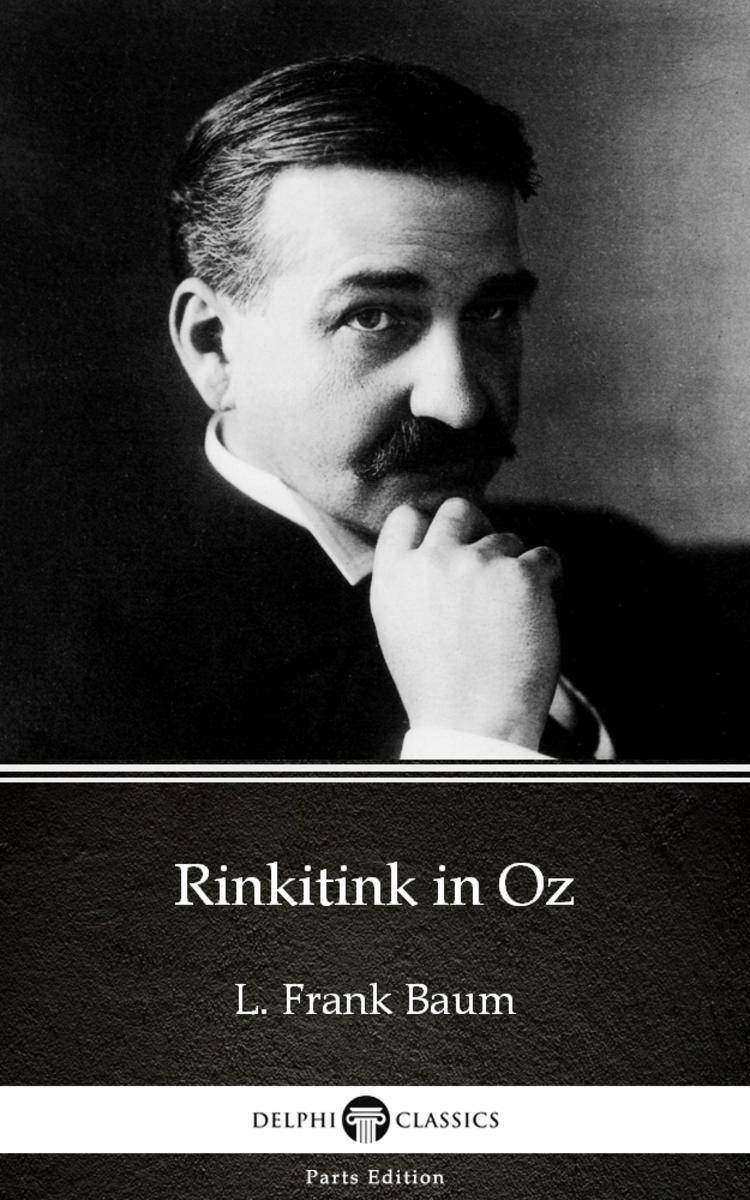
Rinkitink in Oz by L. Frank Baum - Delphi Classics (Illustrated)
¥8.09
This eBook features the unabridged text of ‘Rinkitink in Oz by L. Frank Baum - Delphi Classics (Illustrated)’ from the bestselling edition of ‘The Complete Works of L. Frank Baum’. Having established their name as the leading publisher of classic literature and art, Delphi Classics produce publications that are individually crafted with superior formatting, while introducing many rare texts for the first time in digital print. The Delphi Classics edition of Baum includes original annotations and illustrations relating to the life and works of the author, as well as individual tables of contents, allowing you to navigate eBooks quickly and easily. eBook features: * The complete unabridged text of ‘Rinkitink in Oz by L. Frank Baum - Delphi Classics (Illustrated)’ * Beautifully illustrated with images related to Baum’s works * Individual contents table, allowing easy navigation around the eBook * Excellent formatting of the text Please visit www.delphiclassics.com to learn more about our wide range of titles


