


 购物车
购物车 个人中心
个人中心

What Mama Taught Me
¥84.16
Millions of viewers of Tony Brown's Journal, the longest-running series on PBS, know Tony Brown as an advocate for self-reliance and self-enrichment. Now, in his most personal book yet, he introduces us to the woman who brought him up and taught him the seven core values he lives by to this day: reality, knowledge, race, history, truth, patience, and love. What Mama Taught Me states that only by understanding one's place in the world can one become free in mind and spirit, which is the path to true success. Brown argues that by following other people's rules, we betray ourselves and our desires, resulting in a vicious cycle of disconnection, unhappiness, and spiritual death. Enhanced by the homespun storytelling he heard as a child, this is Brown's personal recipe for achievement, imparting values that provide a blueprint for reaching success and happiness -- on one's own terms.

The Mother-Daughter Book Club Rev Ed.
¥84.16
Newly revised and updated! The tenth anniversary edition of the inspirational book that has brought countless mothers and daughters closer together! The Mother-Daughter Book Club is the story of a group of mothers and their daughters, and how their relationships were strengthened and changed by starting a monthly reading club. But it is also a practical step-by-step guide filled with stories, anecdotes, and reading lists that will inspire parents to start reading clubs of their own.Shireen Dodson's message is a powerful one: Reading, learning, and sharing ideas can help nourish a daughter's confidence, strength, spirit, and independence. A reading club offers a mother the opportunity to enjoy her daughter's burgeoning mind as she moves toward womanhood. The Mother-Daughter Book Club is not merely about books. It is about mothers and daughters, girls and women, and how reading and talking enriches our relationships with one another.
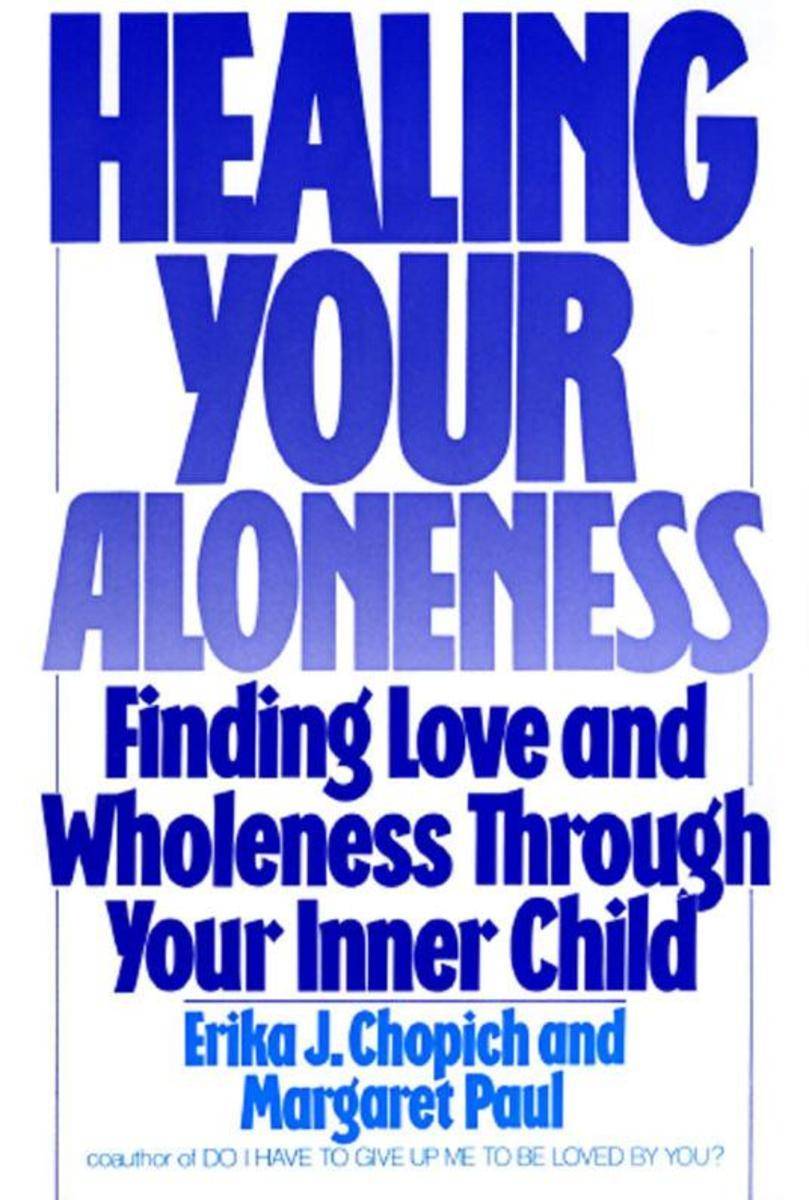
Healing Your Aloneness
¥95.39
Erika Chopich and Margaret Paul show how anyone can reconnect with his or her Inner Child to short-circuit self-destructive patterns, resolve fears and conflicts, and build satisfying relationships. Healing Your Aloneness outlines a self-healing process that can be used every day to restore a nurturing balance between loving Adult and loved Inner Child.

The Alpha Woman Meets Her Match
¥83.03
For the first time ever: a liberating guide to life and love that tells successful women that they can find the right partner without having to change or settle and then shows them how to do itIn the twenty-first century, women are outpacing men in education and career advancement. Yet amazingly, successful women are constantly being told that their professional achievements might doom their chances of marriage and family. Don't believe the alarmist, negative hype, advises top relationship therapist Dr. Sonya Rhodes. Data show that today's Alpha women ambitious, self-assured, and hardworking are hardly fated to be spinsters. On the contrary, by rethinking outmoded gender roles, women can have better relationships than ever before. A clinical psychologist with more than thirty years' experience, Dr. Rhodes shares her secrets to helping women triumph in love by finding men who will appreciate and complement their strengths.Challenging gender stereotypes associated with the terms Alpha and Beta, she advises the Alpha woman to look past the overly competitive, domineering Alpha male for a man who is not threatened by her strengths but is communicative, responsible, and collaborative. Just as Alpha women aren't demanding bitches, Beta men aren't passive wimps. Demonstrating that nearly everyone is a combination of both qualities, Dr. Rhodes includes a comprehensive test to help readers define where they (and their partners) are on the Alpha-Beta spectrum. This tool will give women more options and help them make better choices.More than just offering advice about romance, The Alpha Woman Meets Her Match explores the dramatic shifts in our culture, and how these can bring women greater empowerment in both their love lives and their careers.

Your Own Worst Enemy
¥83.03
Do you suffer from any of the followingProcrastination Wide swings of mood and self-esteem Ambivalence in making decisions Dreaming big, but never following through If you or someone you love isn't living up to his or her potential -- and suffers from even one or two of the above feelings -- here is a program that can help. Your Own Worst Enemy is the first book devoted to the problem of adult underachievement, a problem stemming from common behavior patterns that can manifest itself in almost every walk of life -- from twentysomethings stuck in dead-end jobs to outwardly successful businesspeople who can't help feeling they've missed their true calling.In Your Own Worst Enemy, Dr. Kenneth Christian details the telltale signs of what he calls self-limiting behavior -- everyday habits that can seem harless (like taking unchallenging jobs) or even worthwhile (like setting absurdly high standards), but that over time can send high-potential people into a tailspin of dead ends and frustration. He identifies underachieving types, from charmers, who substitute congeniality for effort, to extreme risk-takers, who casually gamble their future away, to best-or-nothings, who refuse to play if they can't win. And he offers practical 15-step guide to help underachievers shake off their old habits and start taking an active hand in their own future.Filled with persuasive case studies and useful advice on everything from overhauling workspace to remaking self-image, Your Own Worst Enemy will help underachievers everywhere visualize their goals, break through their barriers, and start realizing their unlimited potential.
HarperCollins e-books
¥140.08
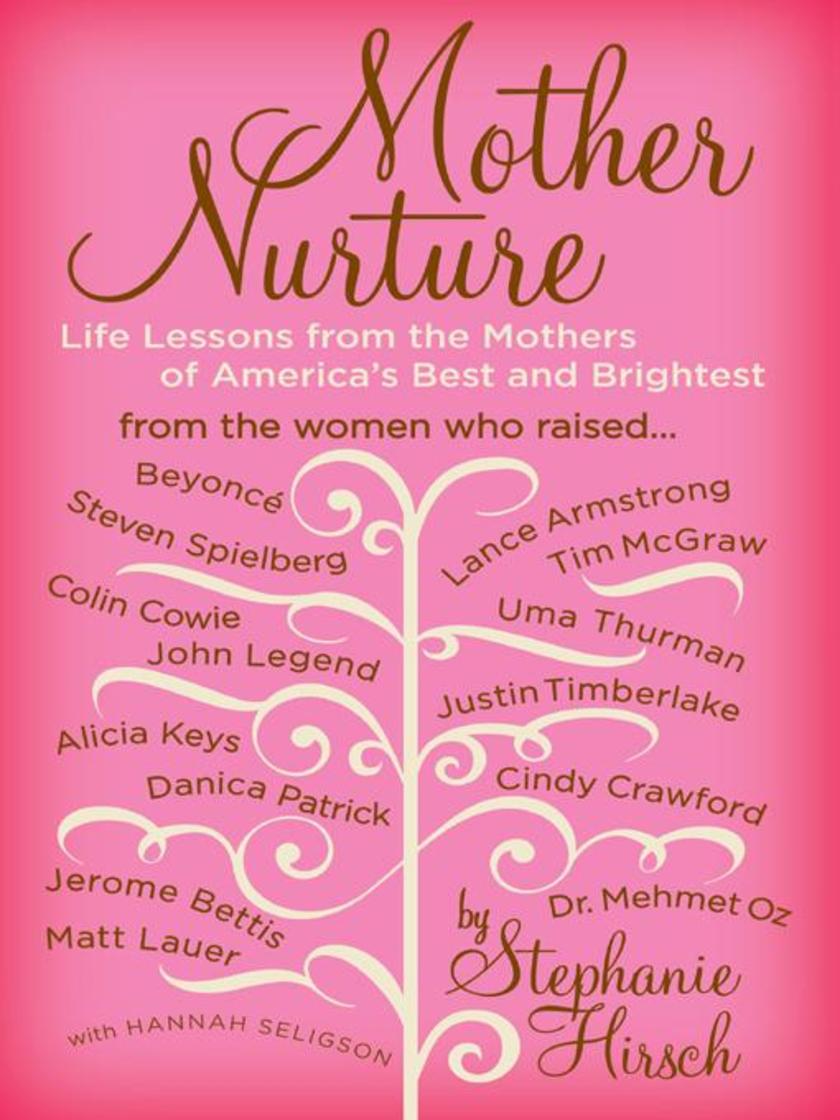
Where did Beyonc get her groove?Where did Lance Armstrong get his drive?Where did Steven Spielberg get his creative vision?Every success story begins with . . . Mom When Stephanie Hirsch gave birth to her son, she began to think about the kind of person she'd like him to be: generous, family oriented, loving, courageous, and professionally accomplished maybe he'd turn out like Steven Spielberg! But what, she wondered, had Spielberg's mother done so well?What started out as one conversation with Steven Spielberg's mom became a quest to interview the mothers of some of the most talented artists, brilliant journalists, and dedicated athletes of our time.Mother Nurture is an inspiring collection of fifty-two stories filled with commonsense advice and memorable personal tales from caring mothers whose children have reached the apex of their fields, from sports, politics, and music to literature, entertainment, and business.If you're expecting, or a parent, or you just want to thank the woman who raised you, Mother Nurture is both the perfect antidote to piles of contradictory parenting advice and a celebration of the gift of motherhood.
HarperCollins e-books
¥128.70
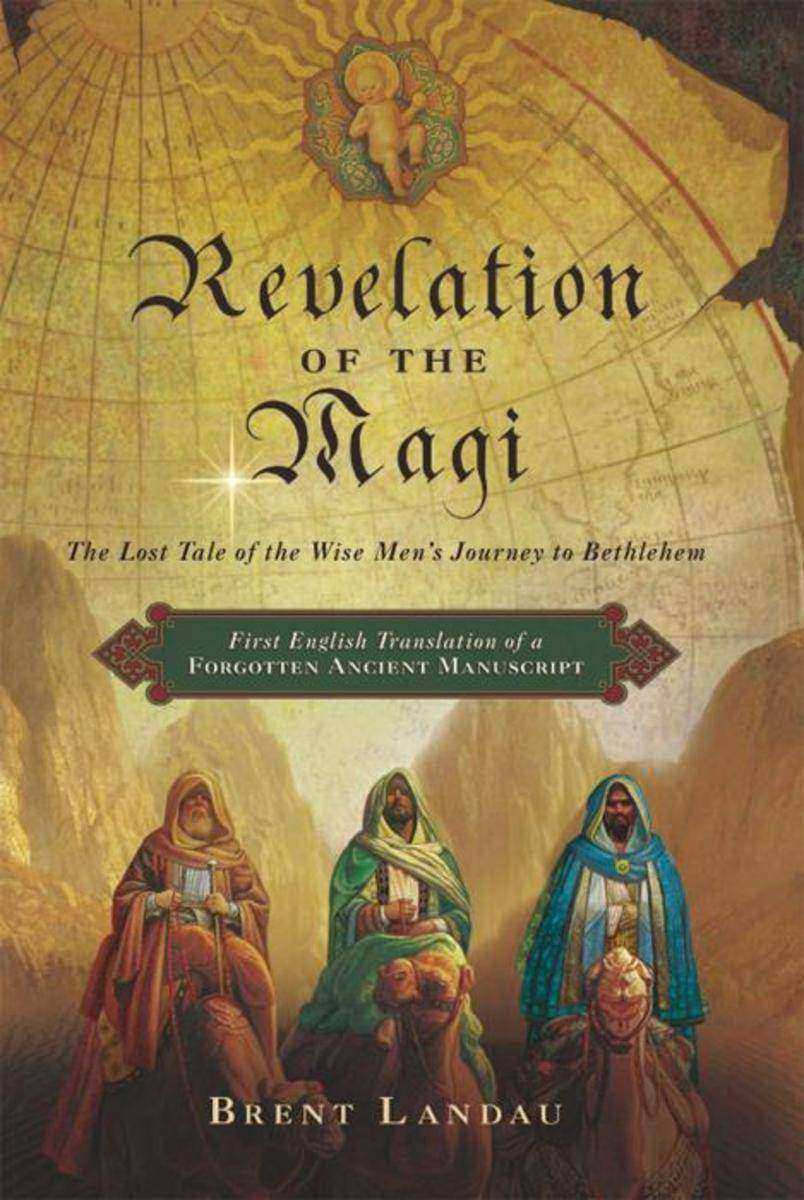
Each Christmas, adults and children alike delight at the story of the kings from the East who followed the star to Bethlehem to offer gifts to the newborn Christ. While this familiar tale is recorded in the Gospel of Matthew, another little-known version later emerged that claimed to be the eyewitness account of the wise men. This ancient manu* has lain hidden for centuries in the vaults of the Vatican Library, but through the determined persistence of a young scholar, Brent Landau, this astonishing discovery has been translated into English for the very first time as the Revelation of the Magi. Everything we know about the wise men is based on only a few verses from the Bible. With the Revelation of the Magi, we can now read the story from the Magi's perspective. Readers will learn of the Magi's prophecies of God's incarnation from the beginning of time, their startling visitation in the form of a star, the teachings they receive from the baby Jesus, and the wise men's joyous return to their homeland to spread the good news. This ancient version of the Christmas story is guaranteed to astonish and delight. It will also raise larger questions of the significance and meaning of Christ's birth, and the mission to spread the good news to every corner of the globe. All the drama and intrigue of the brief de*ion of Jesus's birth in the Bible is filled out in greater, more colorful detail, offering for the first time the complete story of these beloved characters.
Dey Street Books
¥95.11
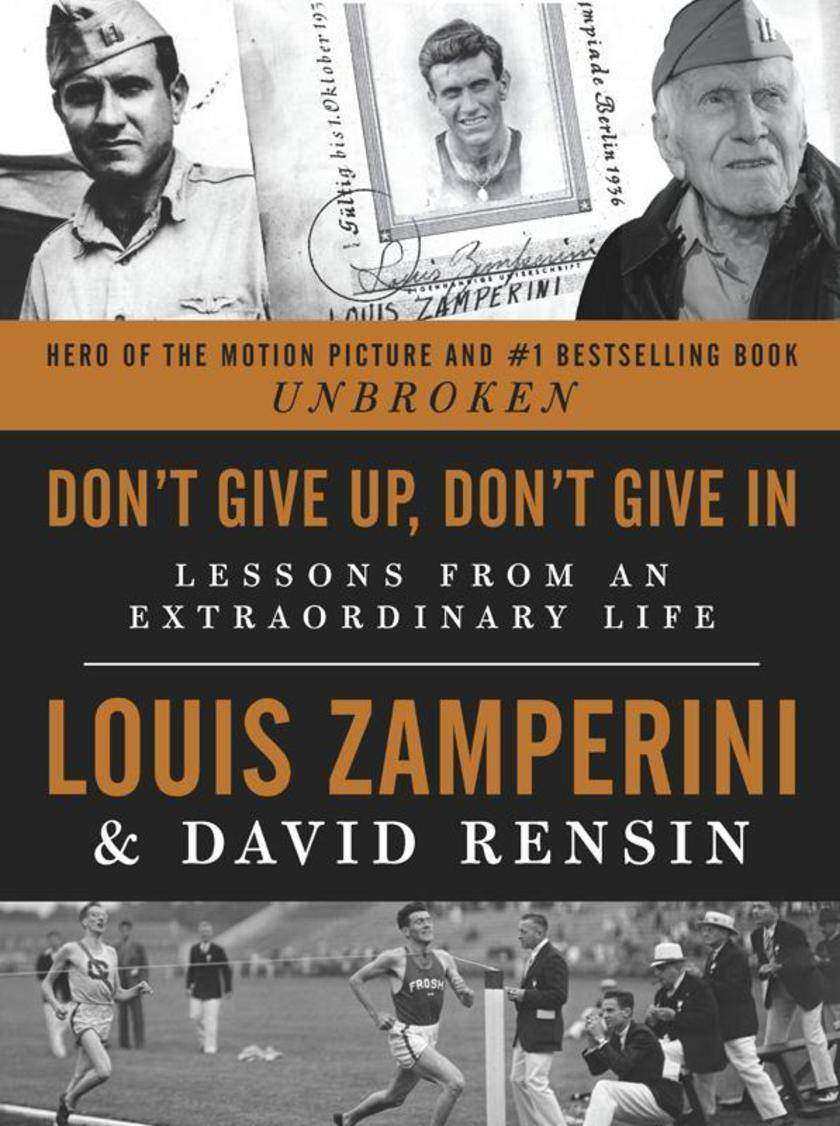
Champion. Survivor. Hero. Legend. Completed just two days before Louis Zamperini's death at age 97, Don't Give Up, Don't Give In shares a lifetime of wisdom, insight, and humor from one of America's most inspiring lives. Zamperini's story has touched millions through Laura Hillenbrand's biography Unbroken, soon to be a major motion picture directed by Angelina Jolie. Now, in his own words, Louis Zamperini reveals, with warmth and great charm, the essential values and lessons that sustained him throughout his remarkable journey. He was a youthful troublemaker from California who turned his life around to become a 1936 Olympian and a world-class miler at the University of Southern California. Putting aside his superstar track career, Louis Zamperini volunteered for the army before Pearl Harbor and was thrust into the violent combat of World War II as a B-24 bombardier. While on a rescue mission, his plane went down in the middle of the Pacific Ocean, where he survived, against all odds, drifting two thousand miles in a small raft for forty-seven days. His struggle was only beginning: Zamperini was captured by the Japanese and, for more than two years, he courageously endured torture and psychological abuse in a series of prisoner-of-war camps. He returned home to face more dark hours, but in 1949 Zamperini's life was transformed by a spiritual rebirth that would guide him through the next sixty-five years of his long and happy life. Cowritten with longtime collaborator David Rensin, Louis Zamperini's Don't Give Up, Don't Give In is an extraordinary last testament that captures the wisdom of a life lived to the fullest. A son of Italian immigrants, Louis Zamperini (1917–2014) was a U.S. Olympic runner, World War II bombardier, and POW survivor. After the war, he returned to the United States to found the Victory Boys Camp for at-risk youth and became an inspirational speaker. Zamperini's story was told in his 2003 autobiography Devil at My Heels, as well as in Laura Hillenbrand's 2010 biography Unbroken. David Rensin worked closely with Louis Zamperini for many years and cowrote Devil at My Heels, as well as fifteen other books, including five New York Times bestsellers.
Raising Twins
¥112.23
Raising Twins guides you through the physical, emotional, and cognitive developmental differences and challenges specific to twins. Straightforward and reassuring, this book addresses the key issues that impact twins from babyhood all the way through adolescence: Sharing and comparisons Competition and rivalry The "secret language" of twins The good twin/bad twin myth Teen-specific issues like dating and applying for college And much more including lively, candid discussions with twins and their parents
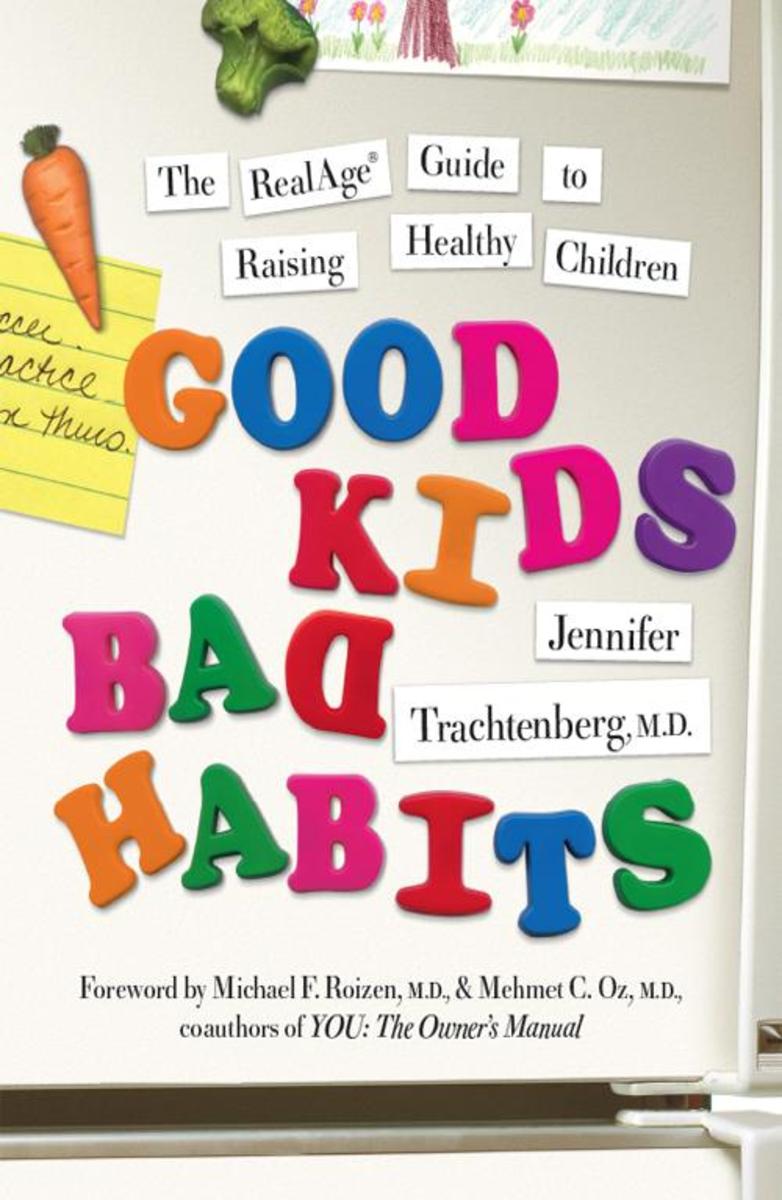
Good Kids, Bad Habits
¥129.07
When kids start going on TV binges or devouring fistfuls of cookies, it's easy to say, "They'll grow out of it." More likely, they're acquiring bad habits that could lead to childhood obesity and chronic adult diseases, from diabetes and depression to heart trouble and osteoporosis. But by making simple changes now, you can help your children avoid these problems later. Good Kids, Bad Habits supplies the tools you need, starting with the unique RealAge Healthy Kids Test. Based on the proven RealAge Test, which measures biological not calendar age, the Healthy Kids Test reveals where children are doing fine and where they're headed for health trouble. Regardless of the problem from sleeplessness to video-game addiction Dr. Jen has seen and solved it all, working with parents and kids together. Her insightful tips, preventive steps, and kid smarts, learned from working with thousands of children, make this book invaluable. It will help your kids grow into the healthiest adults they can be while still allowing them to be kids.
Mean Mothers
¥139.90
An exploration of the darker side of maternal behavior drawn from scientific research, psychology, and the real-life experiences of adult daughters, Mean Mothers sheds light on one of the last cultural taboos: what happens when a woman doesn't or can't love her daughter.Mean Mothers reveals the multigenerational thread that often runs through these stories many unloving mothers are the daughters of unloving or hypercritical women and explores what happens to a daughter's sense of self and to her relationships when her mother is emotionally absent or even cruel. But Mean Mothers is also a narrative of hope, recounting how daughters can get past the legacy of hurt to become whole within and to become loving mothers to the next generation of daughters. The personal stories of unloved daughters and sons and those of the author herself, are both unflinching and moving, and bring this most difficult of subjects to life.Mean Mothers isn't just a book for daughters who've had difficult or impossible relationships with their mothers. By exposing the myths of motherhood that prevent us from talking about the women for whom mothering a daughter is fraught with ambivalence, tension, or even jealousy, Mean Mothers also casts a different light on the extraordinary influence mothers have over their female children as well as the psychological complexity and emotional depth of the mother-daughter relationship.
The Fragile Bond
¥129.12
Focusing on the author's own marriage and on a group of case studies, this book vividly illustrates the obstacles married couples face today and offers help in overcoming them.
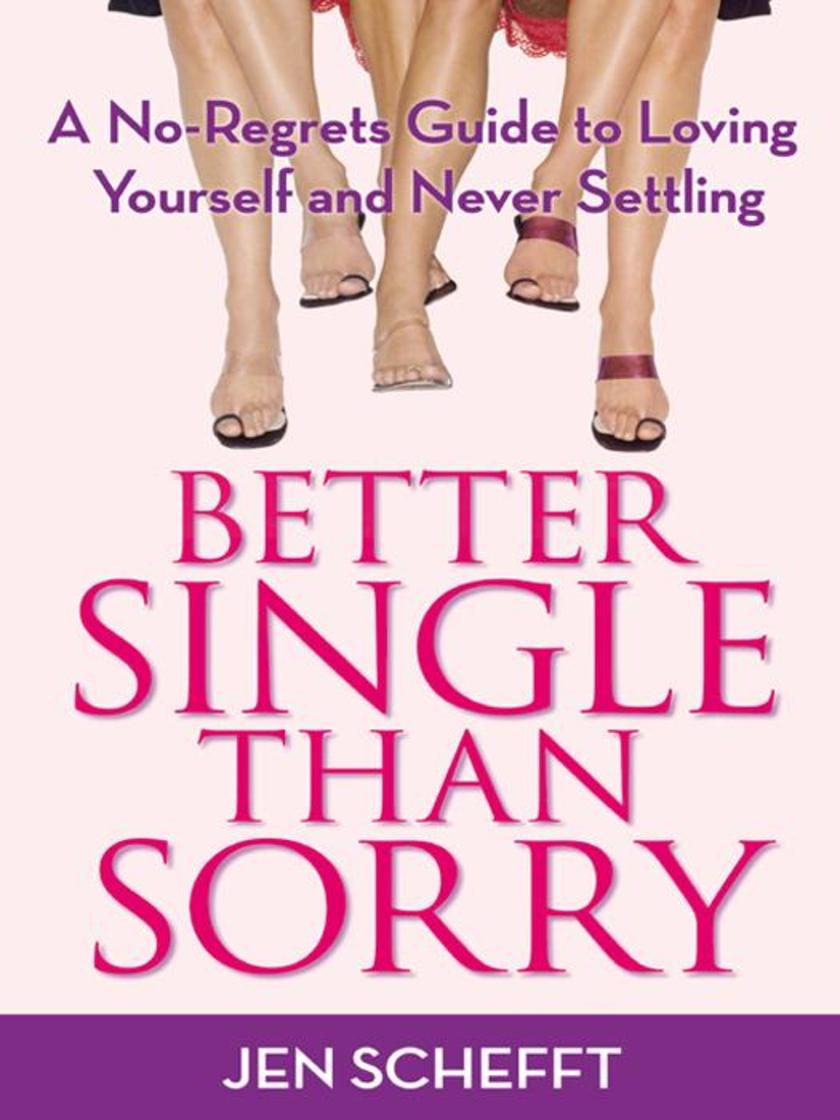
Better Single Than Sorry
¥77.49
Let's be honest. No woman really wants to be alone for the rest of her life. But does being alone mean you're doomed to be miserable foreverDefinitely not! And does being single have to equal lonelyNo way! You can have the best time of your life when you're single, but you wouldn't know that from our relationship obsessed society, where celebrity magazines devote the majority of their content to who's dating whom and the wedding industry is a $100-billion business. Yet more than a third of marriages end in divorce, and countless other couples languish in unions that shouldn't have happened in the first place.Don't become a statistic love yourself and never settle!Jen Schefft knows that better than almost anyone. In 2003, she got engaged in front of millions of people on television's The Bachelor, only to see it end nine months later when the relationship just wasn't right anymore. A year later, she turned down an engagement on The Bachelorette, and the backlash was relentless. She was labeled a "spinster" by a celebrity magazine, and a noted national talk-show host remarked that she would be "a bachelorette for the rest of her life."This is a terrible message to send to the millions of sensational single women out there, and in Better Single Than Sorry Schefft makes it her mission to let women know that it's better to be single than to be in a relationship that doesn't make you happy. With testimonials from women of all ages single, married, in committed relationships, with children (even single moms) and without this book tells you how to let go of your fear of being alone and how to love yourself and never settle for a relationship that is anything less than you deserve.Written in a conversational style, as if talking with your best friend, Schefft helps you navigate the pressures of a culture that places an unhealthy importance on being in a relationship and shows you how to find happiness in work, home, and the simple pleasures of everyday life. Above all, she shows you how it's far, far better to be single than sorry. Being single is a time to have fun, learn new things, grow, and blossom not a time to feel desperate or depressed, so cherish it!
Toxic In-Laws
¥95.39
Susan Forward's practical and powerful book will help couples cope with terrible and toxic in–laws. Toxic in–laws are in–laws who create genuine chaos through various assaults––aggressive or subtle––on you and your marriage. Toxic–in laws come in a wide variety of guises, " The Critics.; ", who tell you what you're doing wrong, "The Controllers.;", who try to run you and your partner's life, " The Engulfers.;", who make incessant demands on your time, " The Masters of Chaos.;", who drain you and your partner with their problems, and, " The Rejecters.;", who let you know they don't want you as part of their family. Susan Forward draws on real–life voices and stories of both women and men struggling to free themselves from the frustrating, hurtful and infuriating relationships with their toxic in–laws. Dr. Forward offers you highly effective communication and behavioral techniques for getting through to partners who won't or can't stand up to their parents. Next, she lays out accessible and practical ways to reclaim you marriage from your in–laws. She shows you what to say, what to do and what limits to set. If you follow these strategies, you may not turn toxic in–laws into the in–laws of your dreams, but you will find some peace in your relationship with them.
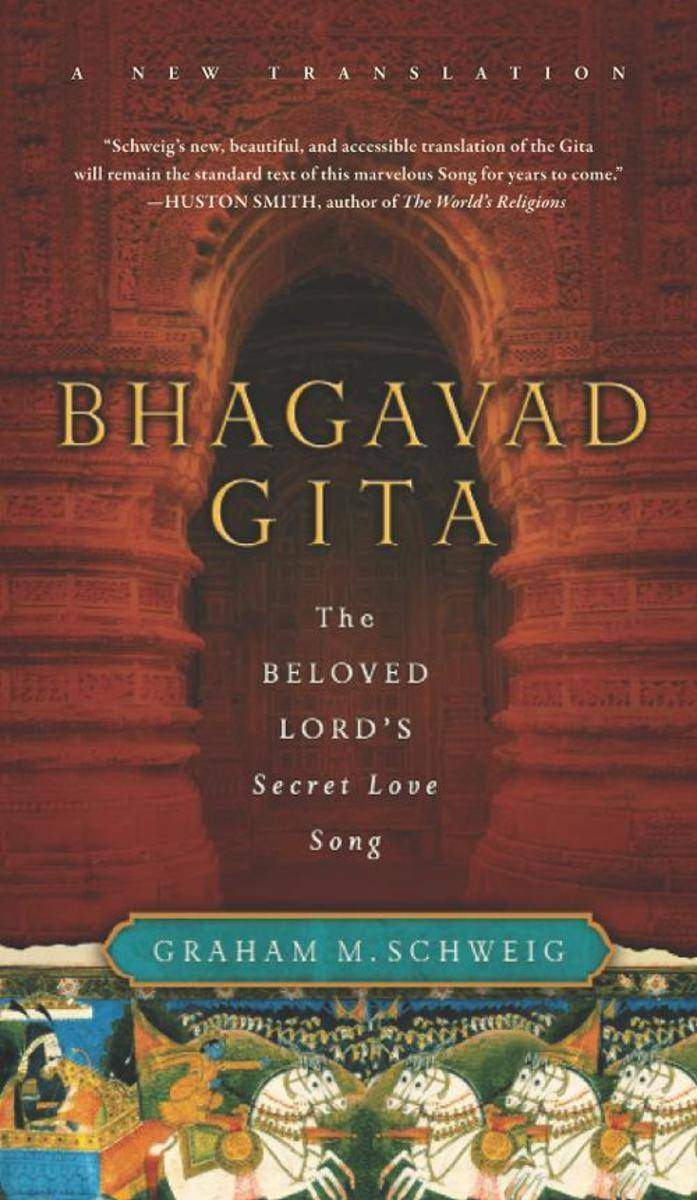
Bhagavad Gita
¥94.10
The Bhagavad Gita is often regarded as the Bible of India. With a gripping story and deeply compelling message, it is unquestionably one of the most popular sacred texts of Asia and, along with the Bible and the Qur'an, one of the most important holy *ures in the world. Part of an ancient Hindu epic poem, the dialogue of the Bhagavad Gita takes place on a battlefield, where a war for the possession of a North Indian kingdom is about to ensue between two noble families related by blood. The epic's hero, young Prince Arjuna, is torn between his duty as a warrior and his revulsion at the thought of his brothers and cousins killing each other over control of the realm. Frozen by this ethical dilemma, he debates the big questions of life and death with the supreme Hindu deity Krishna, cleverly disguised as his charioteer. By the end of the story, Eastern beliefs about mortality and reincarnation, the vision and practice of yoga, the Indian social order and its responsibilities, family loyalty, spiritual knowledge, and the loftiest pursuits of the human heart are explored in depth. Explaining the very purpose of life and existence, this classic has stood the test of twenty-three centuries. It is presented here in a thoroughly accurate, illuminating, and beautiful translation that is sure to become the standard for our day.

World War One:History in an Hour
¥18.05
Love history? Know your stuff with History in an Hour. The ‘Great War’, from July 1914 to November 1918, was without parallel. It brought to an end four dynasties, ignited revolution, and forged new nations. It introduced killing on an unprecedented scale, costing an estimated nine million lives. It was the war that destroyed any notion of romance or chivalry in battle; it pulled in combatants from nations across the globe and shattered them, body and mind. The War involved all of the world’s great powers – the Central Powers, dominated by Germany and Austria-Hungary; the Triple Entente, lead by Britain, France and Russia; and America. World War One: History in an Hour explains the unprecedented battles on land, sea and in the air and describes the Home Front, espionage, and the politics behind them. This, for the first time in history, was ‘total war’. Love history? Know your stuff with History in an Hour…
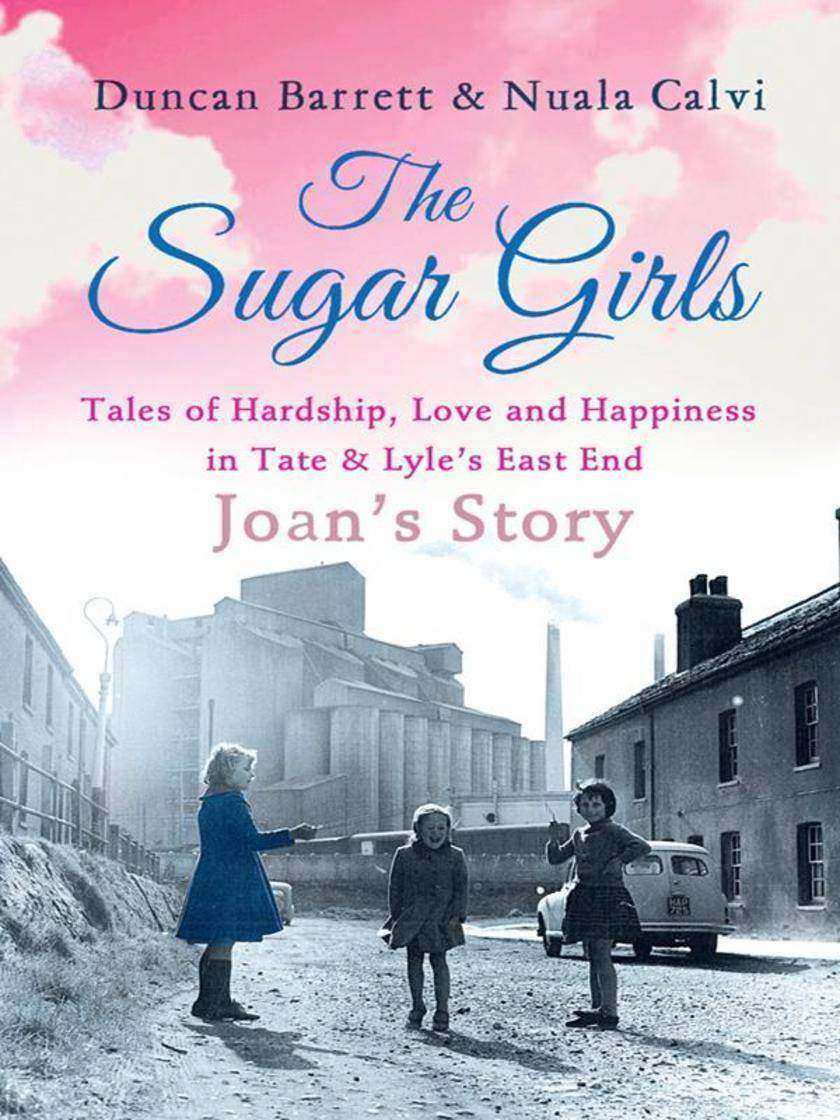
The Sugar Girls - Joan’s Story
¥18.74
This is Joan’s story, one of four stories from The Sugar Girls.During the Blitz and the years of rationing, the Sugar Girls kept Britain sweet. The work was back-breakingly hard, but the Tate & Lyle factory was more than just a workplace - it was a community, a calling, a place of love and support and an uproarious, tribal part of East London. ‘Joan had joined Tate & Lyle expressly for the social life, and she was determined to make the most of it. She could see that her old friend Peggy already had an established group of her own among the sugar girls, so she set about building a new set of friends. It wasn’t difficult for Joan, whose cheerful self-confidence, natural chattiness and naughty sense of humour acted as a magnet to those around her.’ In the years leading up to and after the Second World War thousands of women left school at fourteen to work in the bustling factories of London’s East End. Despite long hours, hard and often hazardous work, factory life afforded exciting opportunities for independence, friendship and romance. Of all the factories that lined the docks, it was at Tate & Lyle’s where you could earn the most generous wages and enjoy the best social life, and it was here where The Sugar Girls worked This is an evocative, moving story of hunger, hardship and happiness, providing a moving insight into a lost way of life, as well as a timeless testament to the experience of being young and female. Includes Joan’s own personal photographs of life as a sugar girl.
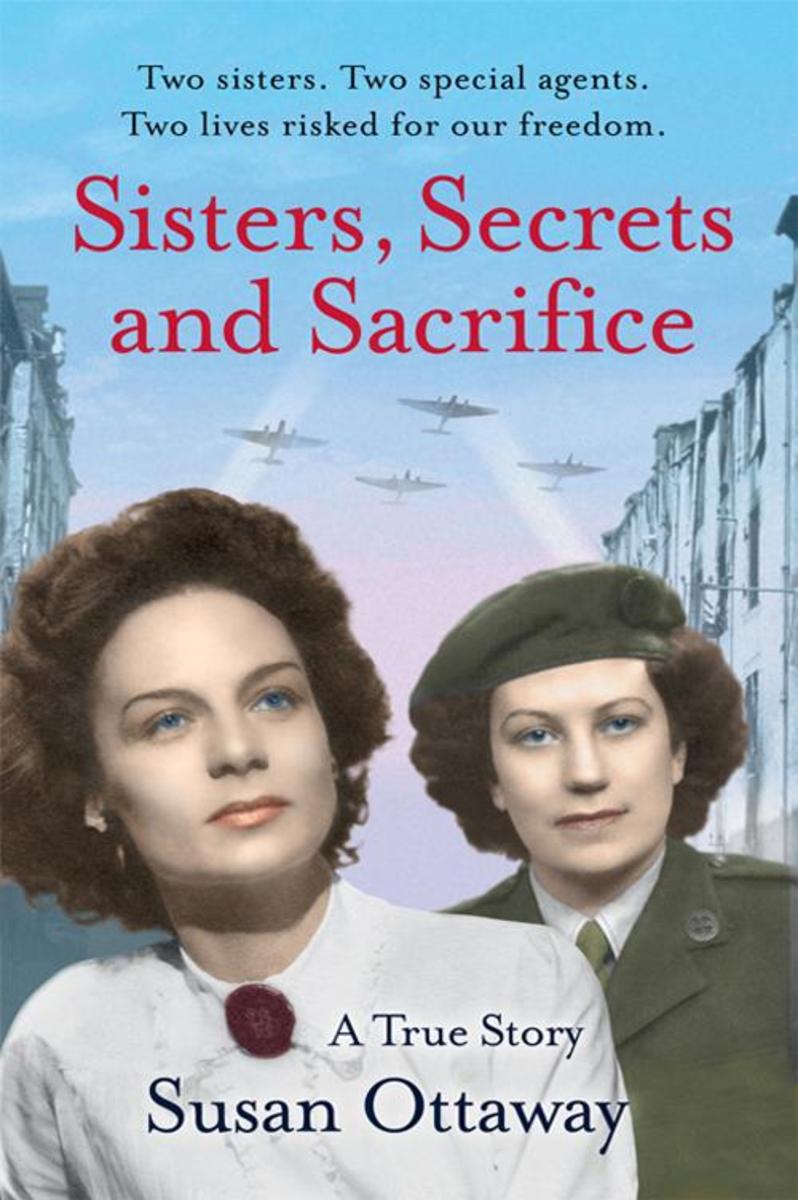
Sisters, Secrets and Sacrifice
¥57.09
Two sisters. Two special agents. One War. Sisters, Secrets and Sacrifice is the incredible true story of British special agents Eileen and Jacqueline Nearne, two sisters who risked everything to fight for our freedom during the Second World War. The death of an eccentric recluse is rarely an event to be given more than a few lines in a local newspaper. But when, in September 2010, police were called to a tiny, cluttered flat in Torquay and discovered the body of local ‘cat lady’ Eileen Nearne, they also found a small bundle of possessions that told an amazing story. For Eileen Nearne had been an agent for the Special Operations Executive during the Second World War, going undercover in Nazi-occupied France to send wireless messages of crucial importance to the Allies. Astonishingly, Eileen was not the only special agent in the family – her sister Jacqueline had also been an SOE. Rarely had two members of the same family sacrificed so much to such dangerous work. Sisters, Secrets and Sacrifice pays tribute to these fiercely patriotic women with hearts of courage, who fought for freedom at much personal cost. While Jacqueline narrowly avoided capture several times, tirelessly couriering secret documents for the resistance, Eileen was arrested and tortured by the Gestapo before being incarcerated at Ravensbrück concentration camp. She was only 23. This is a true story of triumph and tragedy, of two sisters who sacrificed themselves to defend our freedom, who stood shoulder to shoulder during the darkest of days.
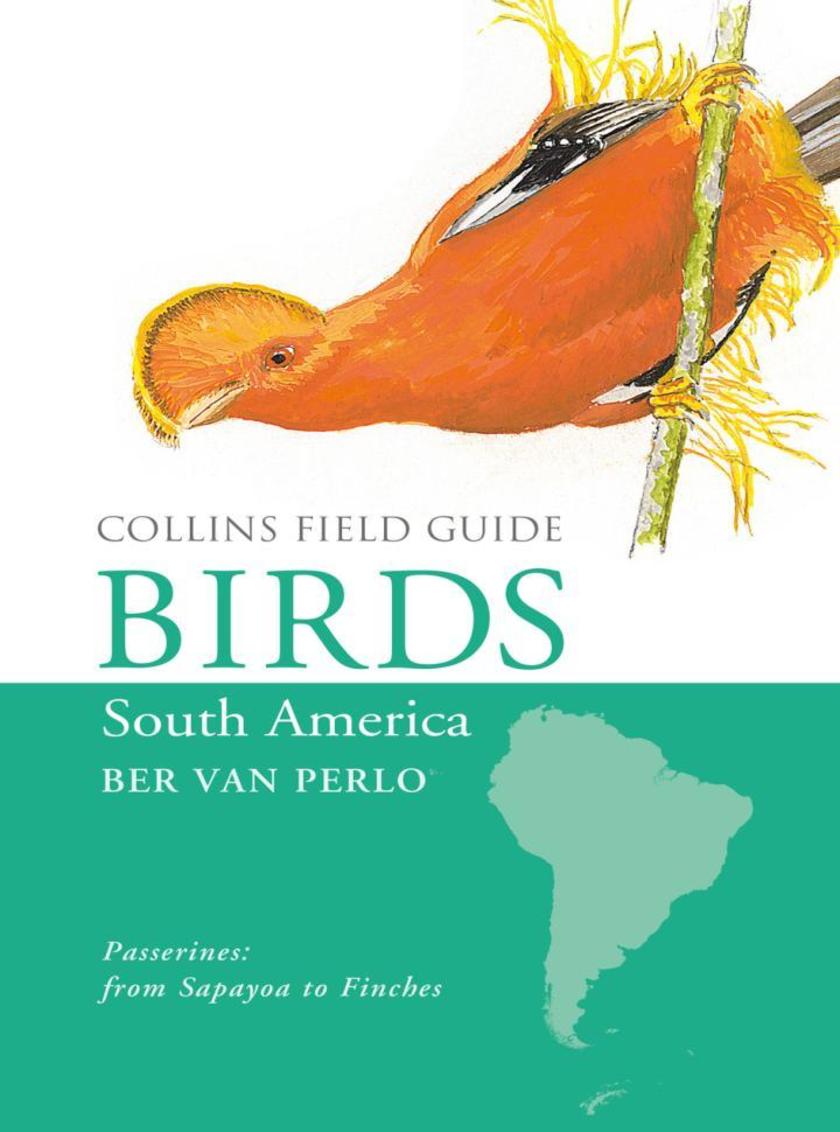
Birds of South America:Passerines (Collins Field Guide)
¥294.79
Recommended for viewing on a colour tablet. South America has long been known for its bountiful flora and fauna. The richness in bird life has attracted visitors from all over the world and has helped to make South America an increasingly popular wildlife tourist spot. This major new field guide to the birds of South America covers all the passerines (perching birds), with all plumages for each species illustrated, including males, females and juveniles. The text gives information on key identification features, habitat, and songs and calls. Beautiful artwork featured across 195 colour plates appears opposite the relevant text for quick and easy reference. Distribution maps are included, showing where each species can be found and how common it is, to further aid identification.
Etiquette (Collins Nutshell Books)
¥37.96
Ever wondered about the correct way to address a Duke? Or how to get out of a car elegantly? What do you do if you embarrass yourself in public? These, and a whole host of other practical questions, are answered in this charming pocket-sized book. First published in 1960 this charming book provides a wealth of practical information on the right thing to do in just about every situation. Hailing from a time when it was not yet fashionable to condemn good manners and courtesy as hypocrisy, and social situations were distinct from each other with specific codes of conduct, Etiquette is both a delightful insight into the social mores of the '60s and a guide to good manners that is still relevant today. Chapters cover the problems involved in letter writing; sending out invitations; striking up conversation; telephone conversations; flat sharing; entertaining friends, business acquaintances - and their children; correct behaviour on a first date and even how to organise a wedding. Etiquette is part of a series of Collins Nutshell Books which cover hobbies, sports, practical activities and leisure-time interests of many kinds. Originally produced in the '60s, Collins Nutshell Books, recall a bygone era which flourished on the knowledge that many interests make for a happy life and that leisure means much more than watching television.
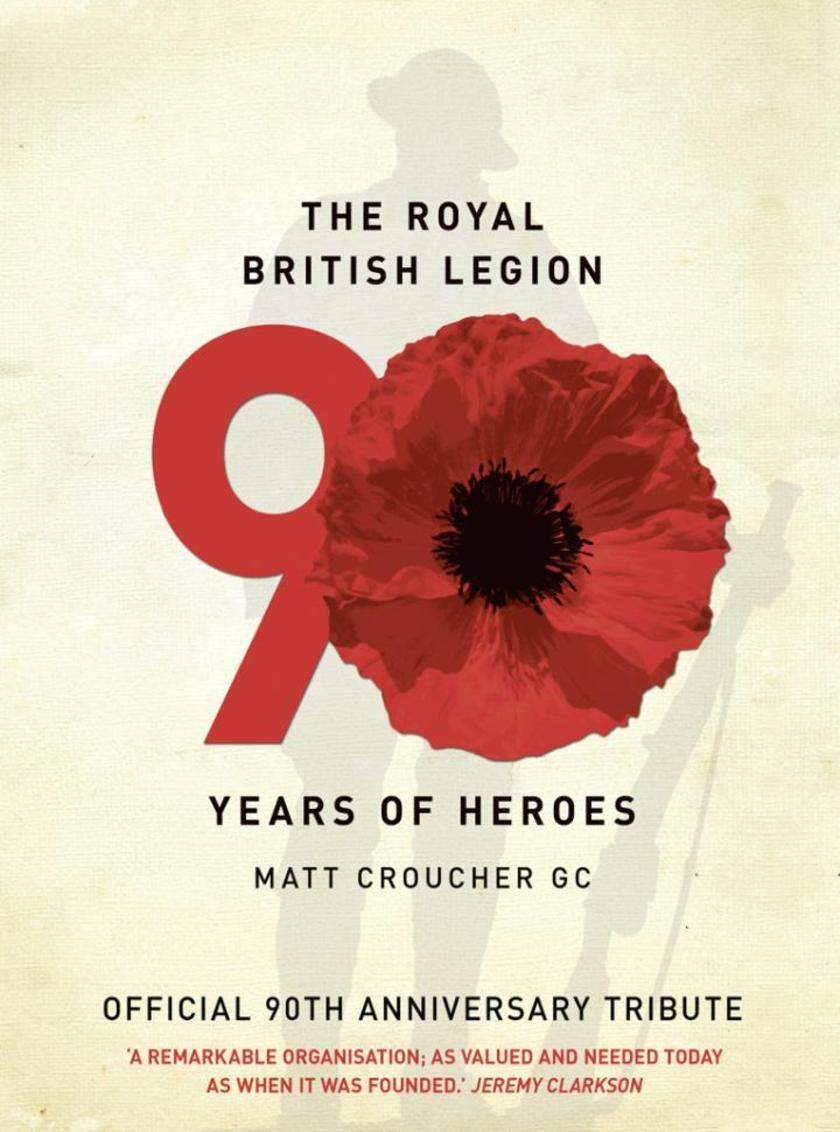
The Royal British Legion: 90 Years of Heroes
¥147.35
The Royal British Legion was founded in 1921. It is now the country’s leading charity providing financial, social and emotional support to those who have served or who are currently serving in the British Armed Forces and their dependants. The RBL is behind the annual Poppy Appeal, the highest profile charity appeal in Britain. This book has the full support of the Royal British Legion and will tell the complete story of its history through exclusive access to its archives, thus providing a celebratory, as well informative, tribute to their work over the past 90 years. It will be the definitive history of this much-loved organisation, charting its work with soldiers and ex-servicemen through the stories of its heroes, famous as well as unknown, during the highest-profile military campaigns of the past 90 years. The book will be divided into nine chapters, each representing one decade in the RBL’s existence. Each chapter will celebrate one hero per year; 1921, 1922, 1923, etc. giving an account of that particular person, and what they achieved. Within each chapter will be special spreads that emphasise also the social history of the evolution of the RBL as a charity. Each one of the heroes, from 1921 right through to 2011, has been personally chosen by decorated royal marine, and RBL ambassador, Lance Corporal Matt Croucher GC. Men such as Major Robert Henry Cain VC (1909-1974), who destroyed six tanks during Operation ‘Market Garden’ at Arnhem in 1944 and was one of the only officers from his battalion to escape the German encirclement of the British 1st Airborne Division. The book was published in late autumn to coincide with the 2011 Poppy Appeal, which will be the biggest in the Legion’s history, with events running nationwide, TV advertising, celebrity involvement and a high-profile marketing campaign. Matt Croucher will be involved in the campaign as an ambassador for the RBL. For any serving member of the armed forces, or those retired from service, or members of the public who are keen to know about this beloved organisation; this will be a fascinating and valued purchase, knowing that royalties will be going to the charity themselves.


