


 购物车
购物车 个人中心
个人中心

Hometown Heroes
¥84.28
All across America, ordinary people are going out of their way to help one another and make our country a better place. Unheralded, unrecognized, and often taken for granted, these citizens continue their good deeds, happy just to make a difference.Hometown Heroes tells the stories of fifty such people from all over America, including Moody, Alabama, Ellisville, Illinois, and Lander, Wyoming. Spanning ages fourteen to ninety-three, the heroes inside this book show that it's never too early or too late to lend a helping hand and make inspiring choices. Capturing the true spirit of America one of generosity, courage, and tireless devotion these heroes warm our hearts and reveal a face of America we rarely hear about.

The First 30 Days
¥83.03
The First 30 Days reveals the nine principles of change that will revolutionize how you face transition times. With real-life stories, practical exercises, and inspiring action points, this book teaches the skills you need to face or make any change in your life, including how to: Use your Change Muscle Combat fear, doubt, and all your change demons Get in touch with your spiritual side Create a plan that will get you results

How To Love Like a Hot Chick
¥84.16
Hot Chick: A confident, passionate, honest woman. . . . You want to be around her to soak up those good vibes. The duo that taught you to embrace your body and indulge without guilt in How to Eat Like a Hot Chick is back to remind you of something that will transform your love life forever you are a Hot Chick! With their feisty humor and uplifting message, Jodi Lipper and Cerina Vincent will help you figure out what you want, how to get it, and why you shouldn't settle for anything less. Most important, they'll make the entire process a lot more fun with their advice on the hidden joys of being single, how to send out magical Hot Chick vibes and interpret your date's vibes, falling in love without freaking out, tactful dumping procedures, survival techniques for heart-wrenching breakups, and much more.Whether you're single, dating, in a relationship, or so confused you don't know what your status even is, How to Love Like a Hot Chick will have you laughing your way through dating and relationship issues and tackling them like the sexy, fabulous woman you deserve to be.
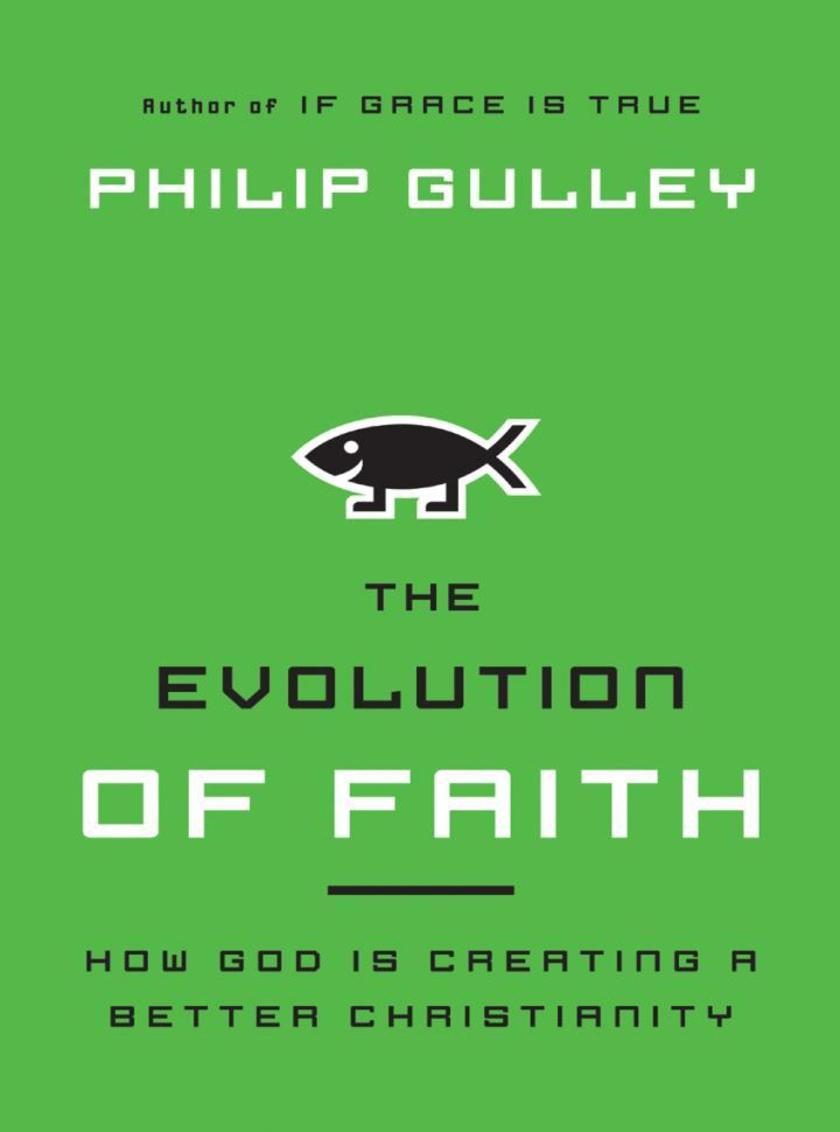
The Evolution of Faith
¥90.77
Philip Gulley, famous for his own controversial theology that affirms universality, urges us in The Evolution of Faith to let go of our tightly held beliefs and start the journey toward a dynamic faith. Faith should always be seen as a work in progress, and this accessible guide will be a must-have tool for those interested in where the Christian faith is going today.
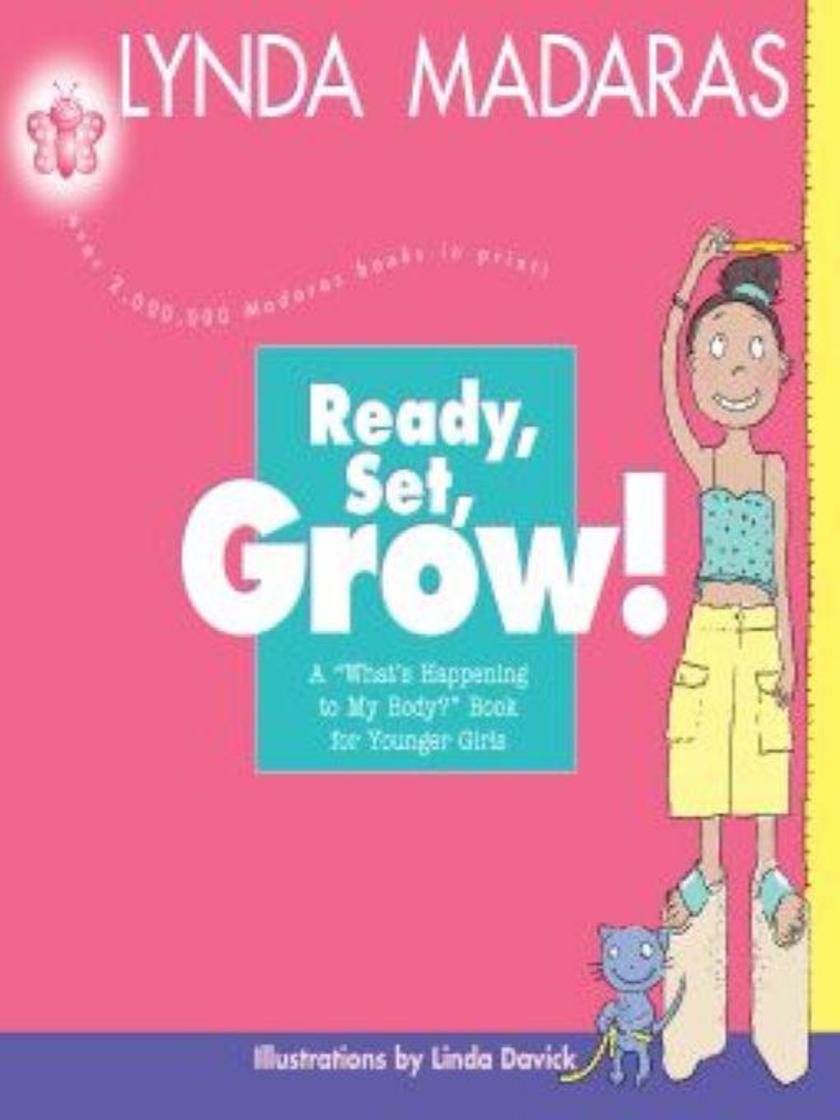
Ready, Set, Grow!
¥88.56
Ready, Set, Grow!Young girls before the onset of puberty have a curiosity abouttheir soon-to-be changing bodiesthat needs addressing in a simplerway than for their older sisters. In Madaras's proven, trust-worthy,friendly voice and style, this entirelynew book now brings them thesame kind of thoughtful, down-toearthinformation but at a readingand comprehension level that's just right for them.Responding throughout to reallifequestions and observationsfrom younger girls, Madarasexplores the changes that arehappening, or about to happen, tothem, including: the developmentof breasts, body hair, and bodyfat; the changes in their reproductiveorgans, both inside and out;their first period and all the complexfeelings surrounding it; theunwelcome appearance of acneand new body odors; and, perhapsmost important, how to respectand celebrate their unique bodies,even when the outside world isnot always so accepting.Lively cartoon drawings throughoutmake the book not only helpful,but fun to read, too.
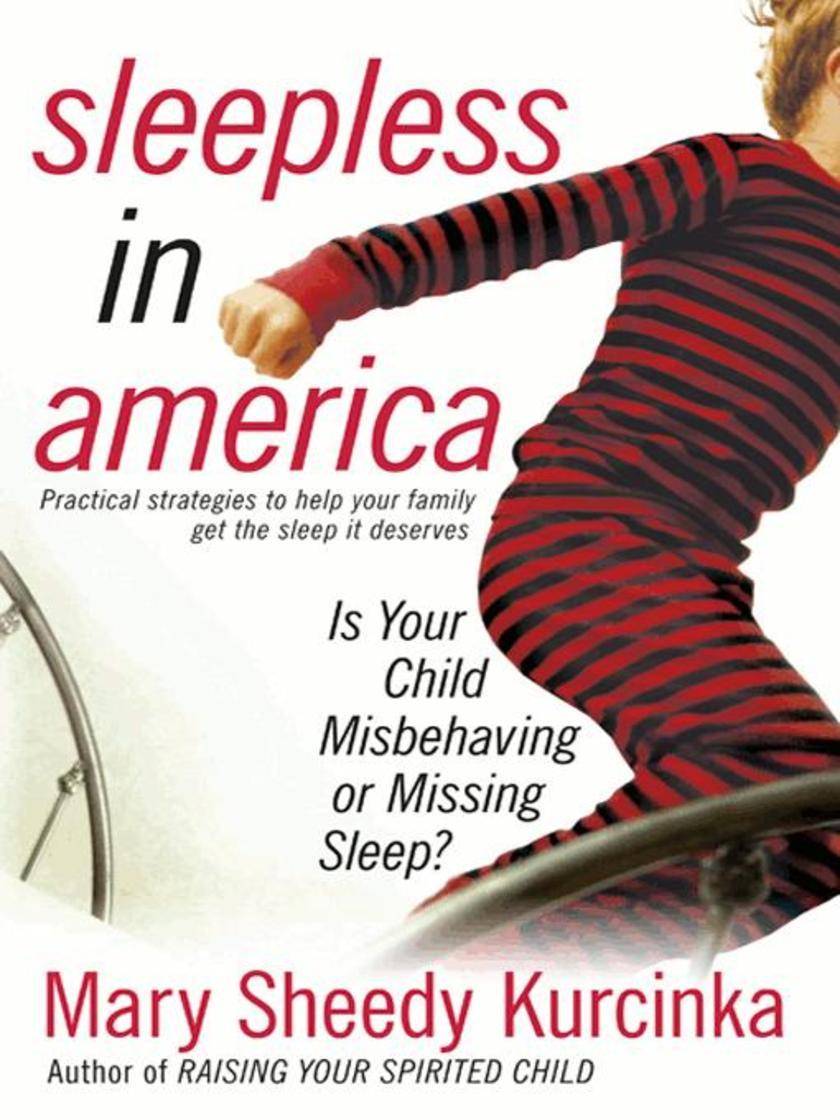
Sleepless in America
¥83.03
Does your child Refuse to cooperate in the morningGet into trouble for not listening"Lose it" over seemingly insignificant issuesSeem to resist sleepAn estimated 69 percent of American infants, children, and teens are sleep deprived. Studies have shown that sleep deficits can contribute to hyperactivity, distraction, forgetfulness, learning problems, illness, accidents, and disruptive behaviors. Often what our misbehaving kids really need isn't more "consequences" or more medication but more sleep.Sleepless in America offers weary and frustrated parents a helping hand and an exciting new approach to managing challenging behaviors by integrating research on stress, sleep, and temperament with practical strategies and a five-step approach that enables parents to help their "tired and wired" children get the sleep they so desperately need.

Shop Smart, Save More
¥78.55
These days the cost of food and other basic necessities is going through the roof. Teri Gault's groundbreaking website, <"http://www.thegrocerygame.com/">www.TheGroceryGame.com, has already helped millions save serious money. And now she shares the secrets to sensible shopping in one essential volume, so you can feed your family and take care of their needs for thousands of dollars a year less! Shop Smart, Save More provides step-by-step instructions on how to: find and shop the right stores decode "Everyday Low Prices" and other grocery store lingo master the science of coupons organize your shopping list stockpile effectively recognize bogus "bargains" and anticipate real sales go green for less green . . . and much, much more!
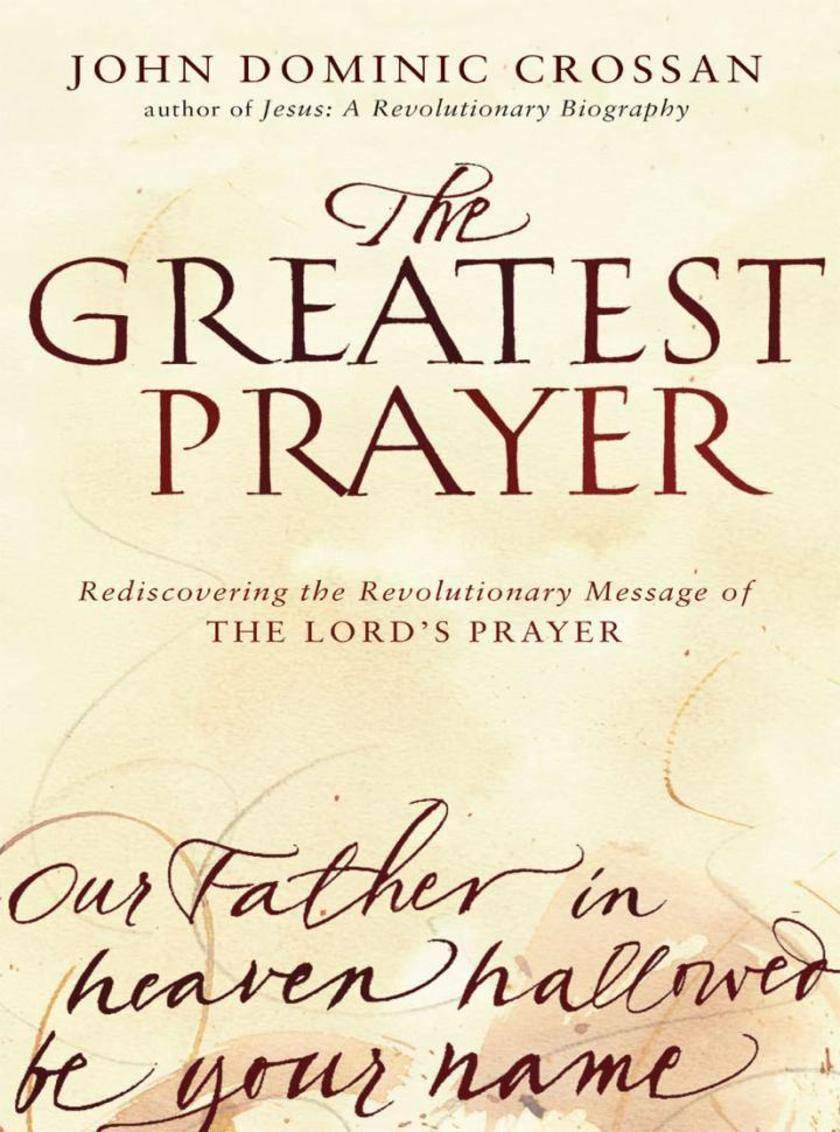
The Greatest Prayer
¥83.03
Every Sunday, the Lord's Prayer echoes in churches around the world.It is an indisputable principle of Christian faith. It is the way Jesus taught his followers to pray and distills the most essential beliefs required of every one of the world's 2.5 billion Christians. In The Greatest Prayer, our foremost Jesus scholar explores this foundational prayer line by line for the richest and fullest understanding of a prayer every Christian knows by heart.An expert on the historical Jesus, Crossan provides just the right amount of history, scholarship, and detail for us to rediscover why this seemingly simple prayer sparked a revolution. Addressing issues of God's will for us and our response, our responsibilities to one another and to the earth, the theology of our daily bread, the moral responsibilities that come with money, our nation-states, and God's kingdom, Crossan reveals the enduring meaning and universal significance of the only prayer Jesus ever taught.
Trapped in the Mirror
¥88.56
In this compelling book, Elan Golomb identifies the crux of the emotional and psychological problems of millions of adults. Simply put, the children of narcissist offspring of parents whose interest always towered above the most basic needs of their sons and daughters share a common belief: They believe they do not have the right to exist.The difficulties experienced by adult children of narcissists can manifest themselves in many ways: for examples, physical self-loathing that takes form of overeating, anorexia, or bulimia; a self-destructive streak that causes poor job performance and rocky personal relationships; or a struggle with the self that is perpetuated in the adult's interaction with his or her own children. These dilemmas are both common and correctable, Dr. Golomb tells us.With an empathic blend of scholarship and case studies, along with her own personal narrative of her fight for self, Dr. Golomb plumbs the depths of this problem, revealing its mysterious hold on the affairs of otherwise bright, aware, motivated, and worthy people. Trapped in the Mirror explores. the nature of the paralysis and lack of motivation so many adults feel stress and its role in exacerbating childhood wrongs why do many of our relationships seem to be "reruns" of the past how one's body image can be formed by faulty parenting how anger must be acknowledge to be overcome and, most important, how even the most traumatized self can be healed. Rooted in a profoundly humanist traditional approach, and suffused with the benefit of the latest knowledge about intrafamily relationships, Trapped in the Mirror offers more than the average self-help book; it is truly the first self-heal book for millions.
Black Pearls
¥55.33
Eric V. Copage's Black Pearls is an extraordinary book of inspirational thoughts and practical advice for African-Americans. The 365 quotes that begin each day's entry range from African proverbs to wisdom from Oprah Winfrey, Malcolm X, Terry McMillan, Bill Cosby, Rosa Parks, Spike Lee, Marian Wright Edelman, Alice Walker, and Martin Luther King, Jr., among hundreds of other diverse and accomplished people of African descent. And each day's entry covers a new topic: Love, Anger, Pride, Dieting, Stress, Stereotypes, Power, and Success are just a few! From the daily inspirations, author Eric V. Copage suggests meditations and specific actions that will help readers boost their spirits -- and achieve their dreams.
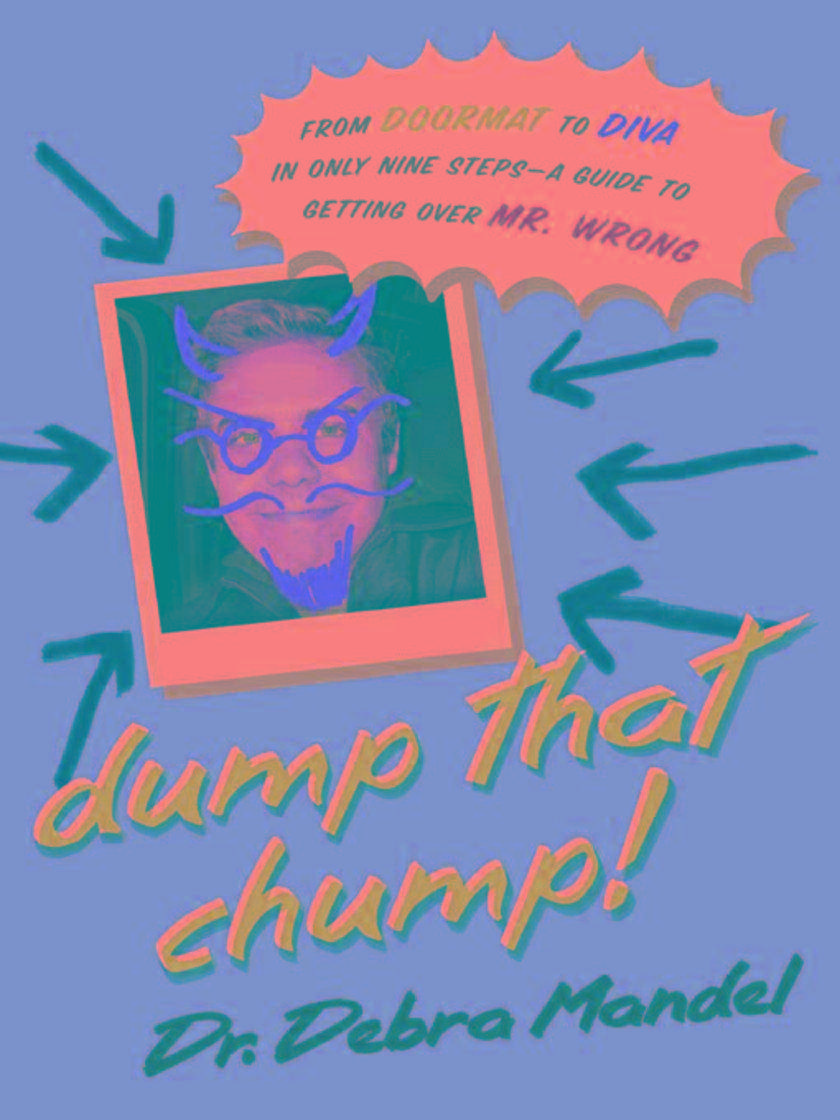
Dump That Chump!
¥79.16
Too many intelligent, attractive women these days find themselves trapped in destructive, unhealthy relationships, or simply settling for far less than they deserve.In Dump That Chump!, psychologist, author, columnist, and speaker Dr. Debra Mandel offers an essential nine-step program that will enable you to recognize the "red flags" and walk away from unhealthy relationships. Combining sensitivity with a positive "take charge" approach, Dr. Mandel provides checklists, quizzes, true stories, and exercises to help you restore your self-esteem and rid yourself of guilt and shame so you can Dump That Chump! once and for all, and turn your love life around.

The Ten Commandments
¥83.92
The master key to life--a universal guide to all that matters in making life more satisfying.
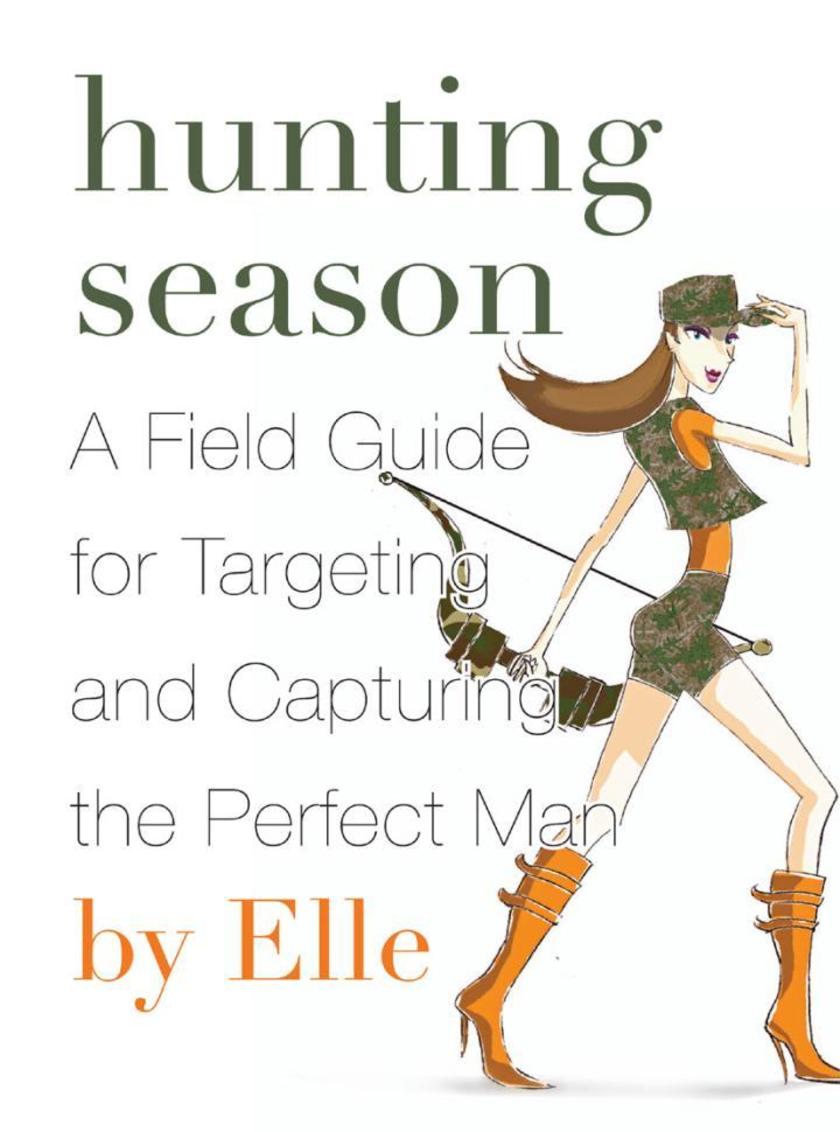
Hunting Season
¥78.55
Tallyho! The Hunt is afoot! Be a hunter not road kill. April 1 marks the official opening of Hunting Season, when available women should be heading out into the rural, urban, and suburban wild to bag themselves a prize buck. You might not need a literal gun to bring down a good man but you do need good technique, appropriate gear, and plenty of practice. Within these pages, successful hunter Elle shares the foolproof strategies she's adapted from rules that have been polished and honed over many centuries for successful bagging of prize big game. The Hunt can be exciting, exhilarating, and rewarding . . . if you do it right!No matter what kind of modern man you've got in your sights a Stag, a Tree Scratcher, or a 6-Point Buck here are all the skills you need to bring him down.Are you Trophy Hunting, or do you want to Bag 'n' TagYour strategies will be different depending on your goal so define it before the season opens.Never hunt with a posse. It's no fun sharing a kill.Stick to your Kill Zone. A wild buck's movements can't be controlled so if he wanders let him roam. Another buck will put himself in your sights soon enough.November 1-March 31 is Off-Season: A time for hibernation, emotional healing, and gun polishing.

Fear
¥88.56
Without fear, we are able to see more clearly our connections to others. Without fear, we have more room for understanding and compassion. Without fear, we are truly free. from FearMost of us live in a constant state of fear of our past, of illness and aging and death, and of losing the things we treasure most. But it doesn't have to be this way, promises Zen master and Buddhist monk Thich Nhat Hanh.Drawing on a lifetime of mindfulness in action, Thich Nhat Hanh shows us how to use the practice of living in the present to acknowledge and embrace our fears, recognize their origins, and render them powerless. The world-renowned Zen teacher guides us through practical exercises for transforming fear into clarity. The worries of the past and the anxiety of the future disappear as we discover the power of the present moment. Not only are we are able to handle challenging emotions as they arise, but we can summon feelings of well-being and contentment, no matter what the unknown may bring.Rooted in the moment, we have the capacity to restore balance and happiness and be present with what is beautiful and affirming inside us and around us, every day.
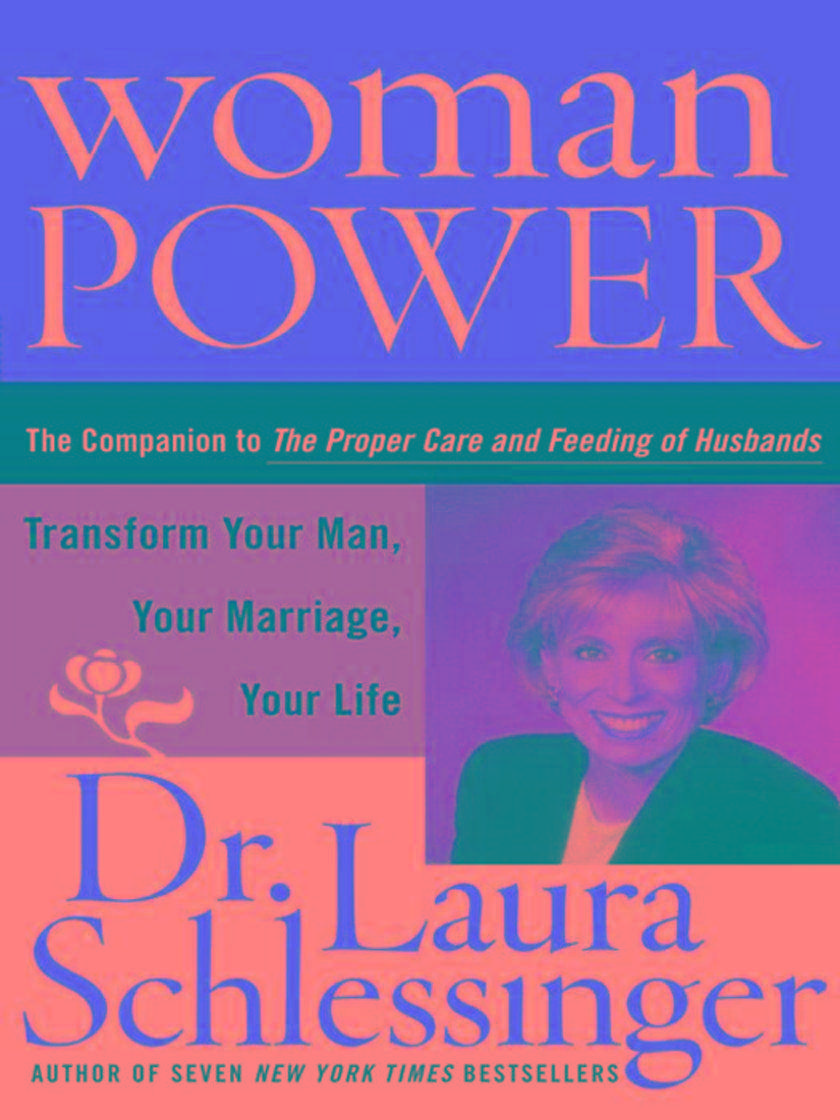
Woman Power
¥90.77
Woman Power: for the woman who wants to ensure for herself -- and for her man -- the marital happiness and success everyone dreams of! The immediate feedback to Dr. Laura Schlessinger's seventh bestseller, The Proper Care and Feeding of Husbands, affirmed that Dr. Laura helped hundreds of thousands of readers make good marriages even better and saved many from the brink of divorce. Now, due to overwhelming response from her readers and listeners who wanted to know more about the special power women have to transform their husbands, their marriages, and their lives, Dr. Laura has written Woman Power. Through a series of provocative chapters and Q&As, Dr. Laura guides women on how to assess what is valuable and what is vulnerable in their marriages, and stimulates women to think about what is really important about being a woman, a wife, and a mother. In addition, readers will find inspirational stories and tips, thought-provoking essays, and plenty of room for entries, thoughts, and journals. There are even fascinating Q&As for husbands and wives to do together!
Beyond Genetics
¥79.16
Genetic science is about to radically alter our lives. Sooner than you can imagine, human beings will be capable of diagnosing their own illnesses, designating the sex of their children, even designing the food they eat -- all as easily as using a cell phone. Now is the time for every one of us to take control of our DNA, and one man is uniquely qualified to show us how: Glenn McGee, bioethicist at the University of Pennsylvania, pioneer in the study of "home genetics," and the acknowledged wunderkind of the exciting world found at the nexus of life science and computer technology.One of the most respected authorities in the field of genomics -- the study of the genetic "software" inside plants, animals, and us -- McGee takes us on an eye-opening journey behind the headlines and into the heart of this formidable cutting-edge science. Probing the far-ranging ethical and legal implications of genomic research, McGee tackles its most controversial and hotly debated aspects -- from patenting your DNA to genetic engineering at the supermarket -- and explodes unnecessary fears about this wondrous new knowledge.We live in a brave new world. Beyond Genetics provides us with the knowledge we need to take the right steps forward into tomorrow ... and beyond.
HarperCollins e-books
¥140.08
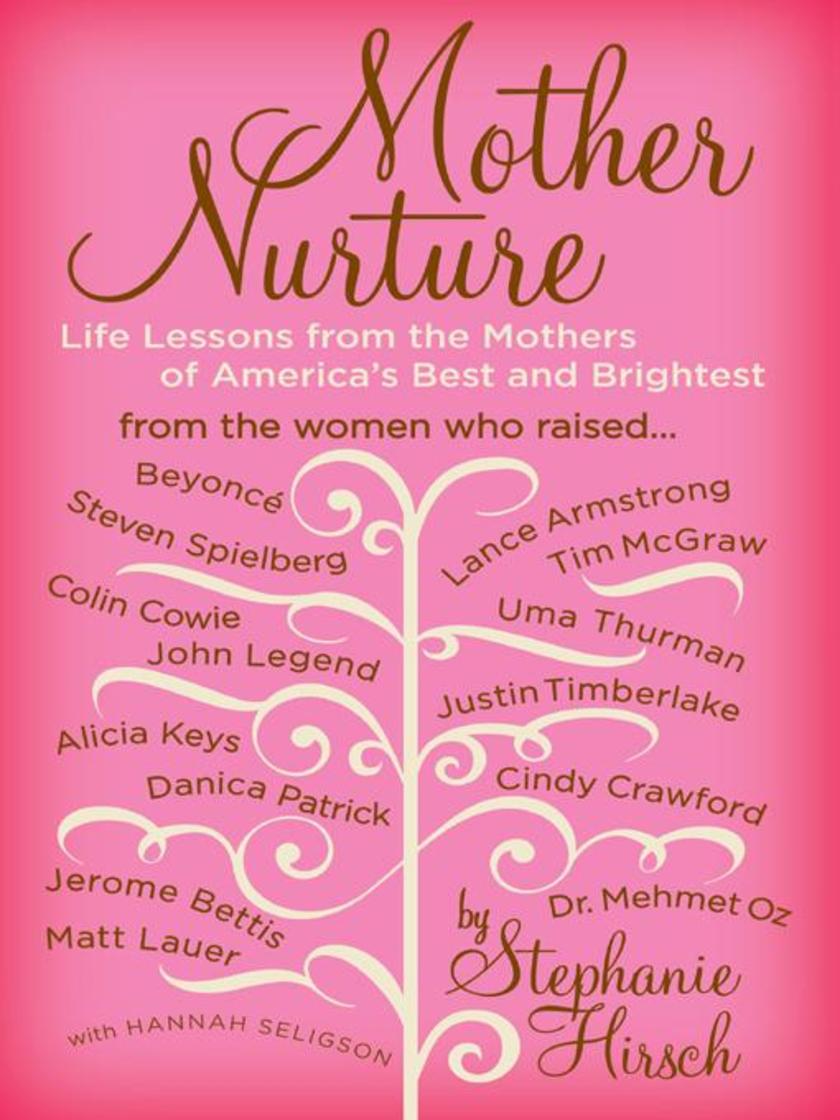
Where did Beyonc get her groove?Where did Lance Armstrong get his drive?Where did Steven Spielberg get his creative vision?Every success story begins with . . . Mom When Stephanie Hirsch gave birth to her son, she began to think about the kind of person she'd like him to be: generous, family oriented, loving, courageous, and professionally accomplished maybe he'd turn out like Steven Spielberg! But what, she wondered, had Spielberg's mother done so well?What started out as one conversation with Steven Spielberg's mom became a quest to interview the mothers of some of the most talented artists, brilliant journalists, and dedicated athletes of our time.Mother Nurture is an inspiring collection of fifty-two stories filled with commonsense advice and memorable personal tales from caring mothers whose children have reached the apex of their fields, from sports, politics, and music to literature, entertainment, and business.If you're expecting, or a parent, or you just want to thank the woman who raised you, Mother Nurture is both the perfect antidote to piles of contradictory parenting advice and a celebration of the gift of motherhood.
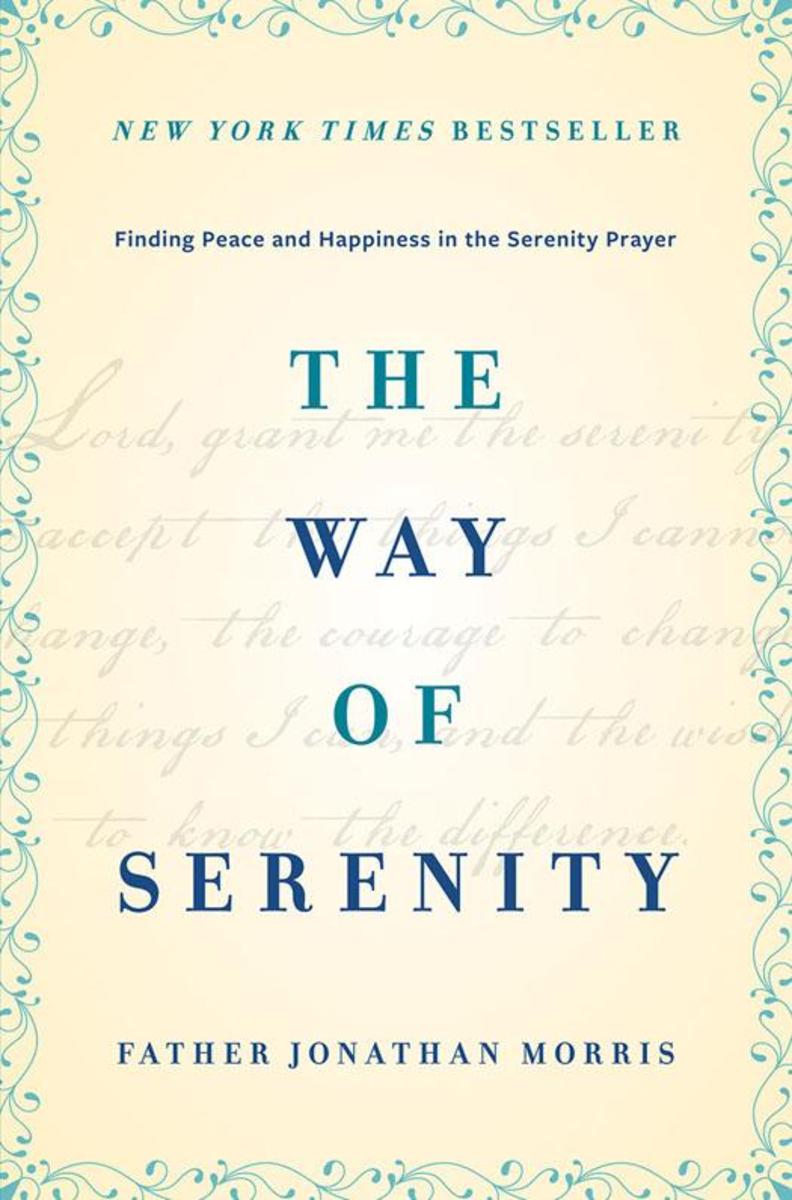
The Way of Serenity
¥95.39
Father Jonathan Morris, Fox News religion analyst, bestselling author, and parish priest, has seen firsthand how easily our day-to-day lives are consumed with anxiety and stress as we focus on our failures and troubles, while peace feels unattainable. When he re-discovered the Serenity Prayer, he realized that this little prayer can be, in fact, a powerful roadmap for our spiritual journey toward God. As he began to share this prayer with others, he saw that living these simple lines became a source of profound peace and happiness: Lord, grant me the serenity to accept the things I cannot change,The courage to change the things I can,And the wisdom to know the difference. For years a mainstay of recovery programs, this prayer has proven it can change lives. What's more, through it we all can find comfort and support, including an active collaboration with God's grace as he works alongside us to grant the serenity we seek. Unpacking the prayer phrase by phrase, Father Jonathan shows how we can gain a deeper spiritual understanding by practicing its message. Through powerful personal stories, illuminating historical anecdotes, and biblical passages that show us God's plan for our lives, The Way of Serenity will help us grow closer to God and find serenity, regardless of our circumstances.Join Father Jonathan and the many others who have made this prayer an integral part of their lives, and find lasting peace and happiness today.

The Shadow Effect
¥88.56
Deepak Chopra, Debbie Ford, and Marianne New York Times bestselling authors and internationally acclaimed teachers have joined together to share their knowledge on one of the most crucial obstacles to happiness we face the shadow. These three luminaries, each with a signature approach, bring to light the parts of ourselves we deny but that still direct our life. For it is only when we embrace our shadow that we discover the gifts of our authentic nature.The shadow exists within all of us. It is a part of us and yet we spend most of our life running from it. But far from being scary, our dark side holds the promise of a better, more fulfilling life. Our shadow makes itself known every day. It is the reason we get furious over a friend showing up ten minutes late, yell at our parents or kids when they have done nothing wrong, and sabotage our own success at the worst possible time. Until we are able to embrace our dualistic nature, we will continue to hurt ourselves and those closest to us and fall short of our potential.Combining the wisdom of three experts, The Shadow Effect is a practical and profound guide to discovering the gifts of our shadow. These three authors powerfully pierce the veil of our unclaimed self, releasing us from the past and propelling us on a journey to wholeness. No longer living a half life, we are capable of achieving our dreams and reclaiming the happiness that is our birthright.
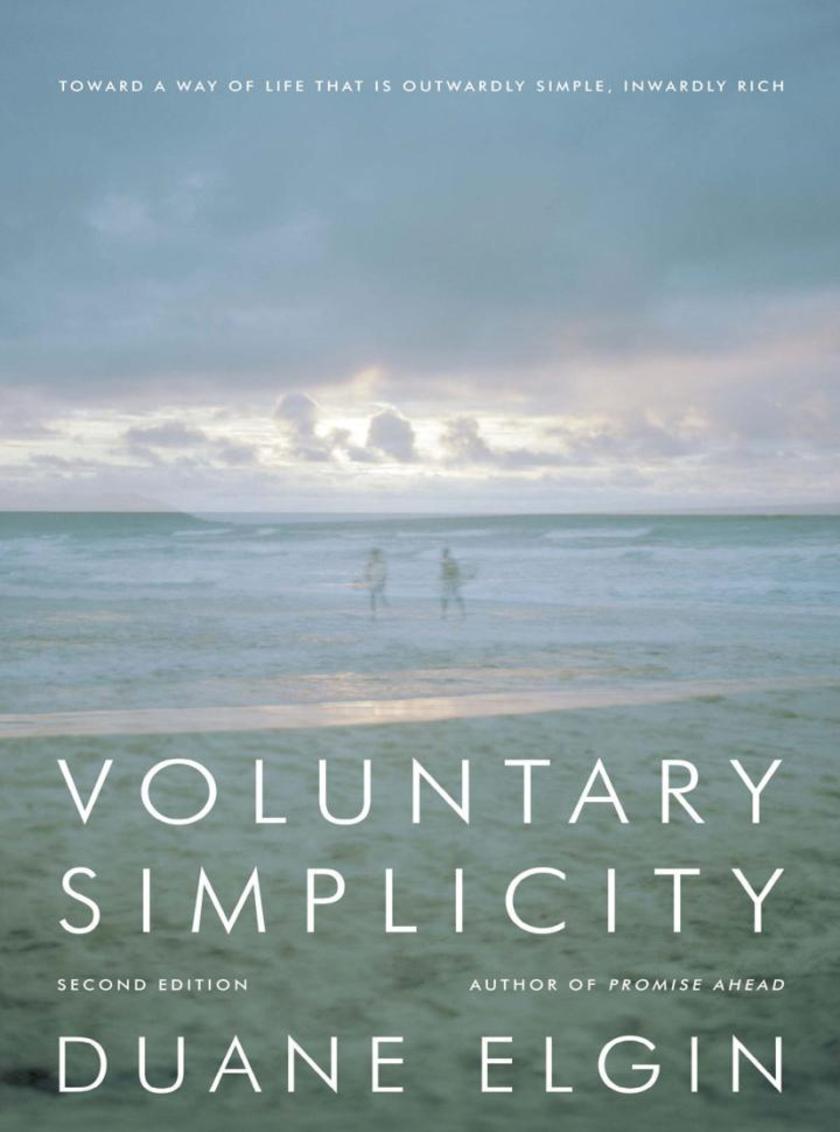
Voluntary Simplicity Second
¥83.03
When Voluntary Simplicity was first published in 1981, it quickly became recognized as a powerful and visionary work in the emerging dialogue over sustainable ways of living. Nearly three decades later, as the planet's environmental stresses become more urgent than ever, Duane Elgin has revised and updated his revolutionary book.Voluntary Simplicity is not about living in poverty; it is about living with balance. This book illuminates the pattern of changes that an increasing number of people around the world are making in their everyday lives adjustments in day-to-day living that are an active, positive response to the complex dilemmas of our time. By embracing a lifeway of voluntary simplicity characterized by ecological awareness, frugal consumption, and personal growth people can change their lives. And in the process, they have the power to change the world.
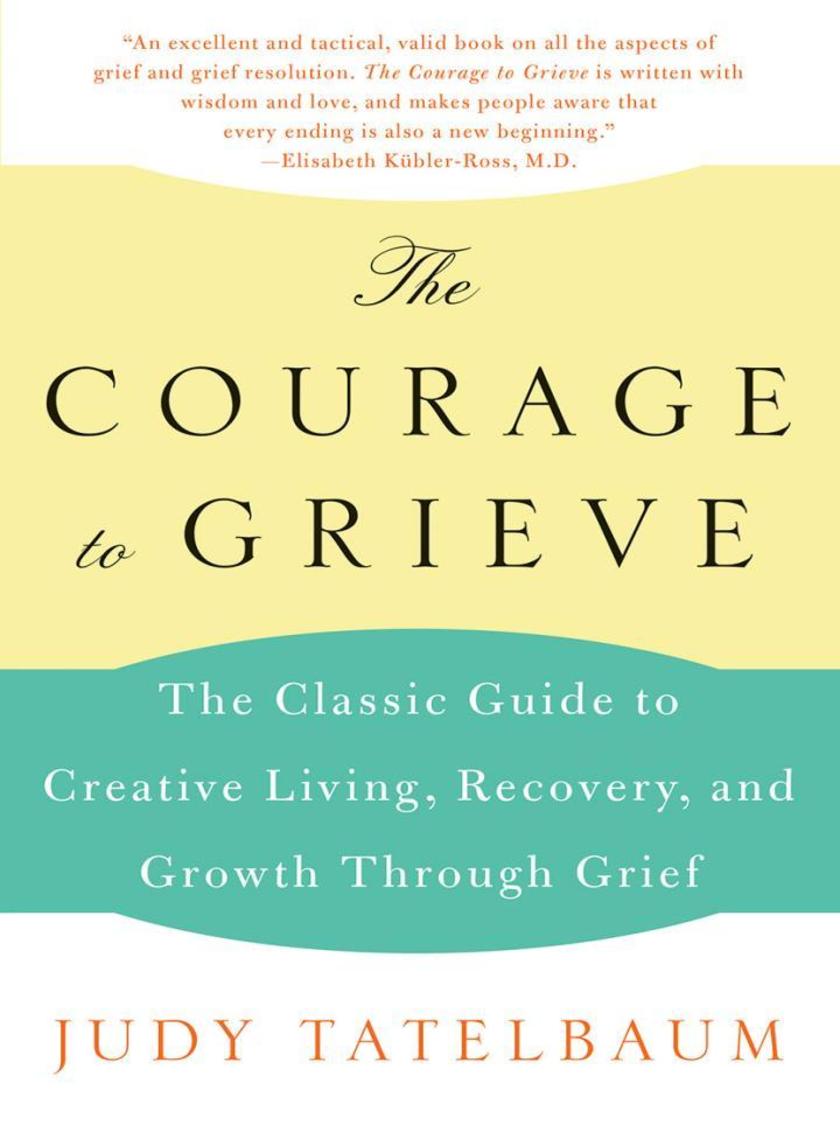
The Courage to Grieve
¥88.56
This unusual self-help book about surviving grief offers the reader comfort and inspiration. Each of us will face some loss, sorrow and disappointment in our lives, and The Courage to Grieve provides the specific help we need to enable us to face our grief fully and to recover and grow from the experience. Although the book emphasizes the response to the death of a loved one, The Courage to Grieve can help with every kind of loss and grief.Judy Tatelbaum gives us a fresh look at understanding grief, showing us that grief is a natural, inevitable human experience, including all the unexpected, intense and uncomfortable emotions like sorrow, guilt, loneliness, resentment, confusion, or even the temporary loss of the will to live. The emphasis is to clarify and offer help, and the tone is spiritual, optimistic, creative and easy to understand. Judy Tatelbaum provides excellent advice on how to help oneself and others get through the immediate experience of death and the grief that follows, as well as how to understand the special grief of children. Particularly useful are the techniques for completing or "finishing" grief--counteracting the popular misconception that grief never ends. The Courage to Grieve shows us how to live life with the ultimate courage: not fearing death. This book is about so much more than death and grieving it is about life and joy and growth.


