


 购物车
购物车 个人中心
个人中心
Pirates (Collins Gem)
¥38.36
An entertaining and authoritative introduction to the world of piracy – history comes to life through a compelling factual narrative and enlightening illustrations.
Wish You Were Here!
¥58.86
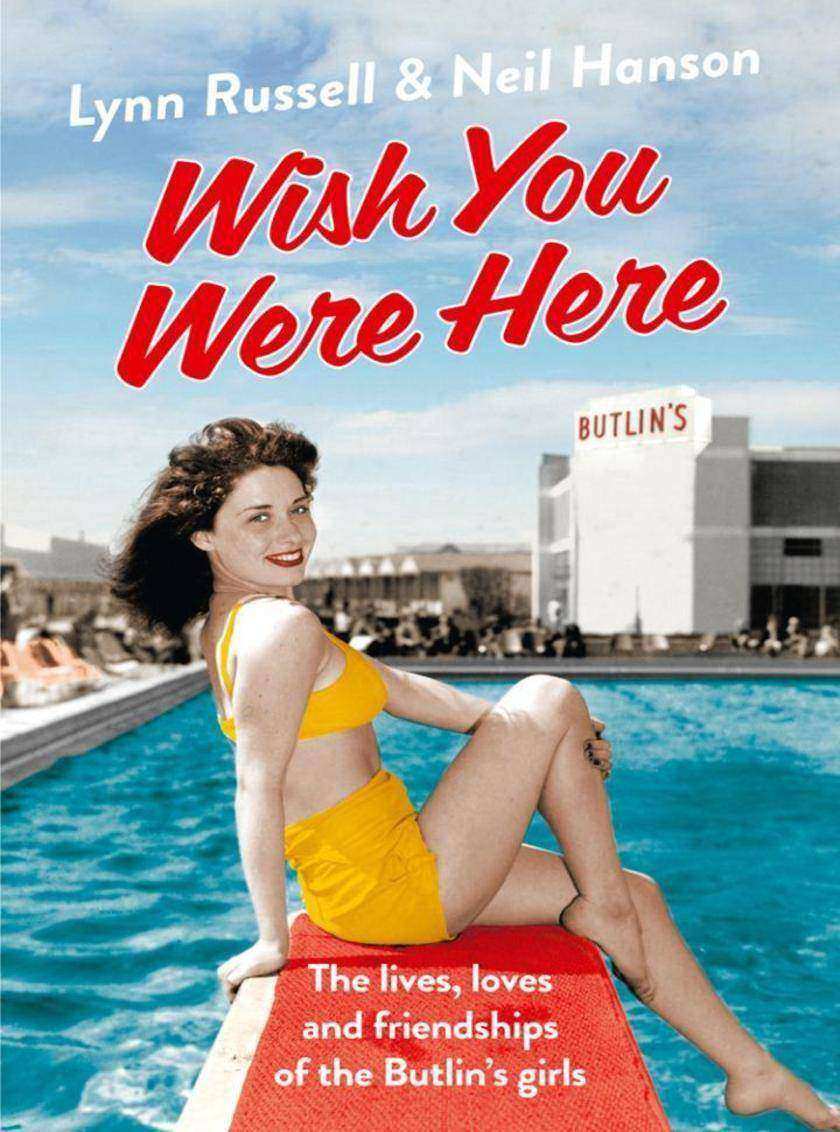
Touching true stories from the heyday of the Butlin’s holiday camps. ‘When I got to the camp I felt as if I’d suddenly walked into Utopia – it was so colourful, so warm, so friendly. There were lights across the roads, there were banners fluttering in the breeze… There seemed to be laughter coming from every building.’ With grey post-WWII skies hanging low over Britain, factories lining the streets and smoke stacks dotting the horizon, there was one way that ordinary families could escape: the ever-cheerful holiday camps of Butlin’s. When Billy Butlin founded his holiday camps in 1936, they were bastions of community spirit and havens of luxury. Here, for one week, wives and mothers were freed from the toil and drudgery of housework, children ran free through the grounds, fathers and husbands hung up their work clothes. Ever-helpful redcoats were on hand all hours of the day, dinner halls ready with plentiful food for old and young alike, bars stocked to quench any level of thirst, ballrooms waiting to be flooded with shiny shoes, rustling dresses and peals of laughter. And, as the sun went down on another exhausting, happy day, a chorus line was ready to sing holidaymakers back to their beds. Rich in period detail and highly evocative, Wish You Were Here! tells the story of seven women who worked as redcoats in Butlin’s Golden Age. It’s all here: Knobbly Knees and Glamourous Grannies, the laughter and tears, hardships and heartbreaks, loves and losses of their lives in and out of the holiday camps, and above all the lifelong friendships they formed with each other and those who also worked or holidayed there. Funny, moving and heartwarming, these are the timeless tales of a community spirit that burned brightly in a much-loved British institution.
GI Brides:The wartime girls who crossed the Atlantic for love
¥42.67
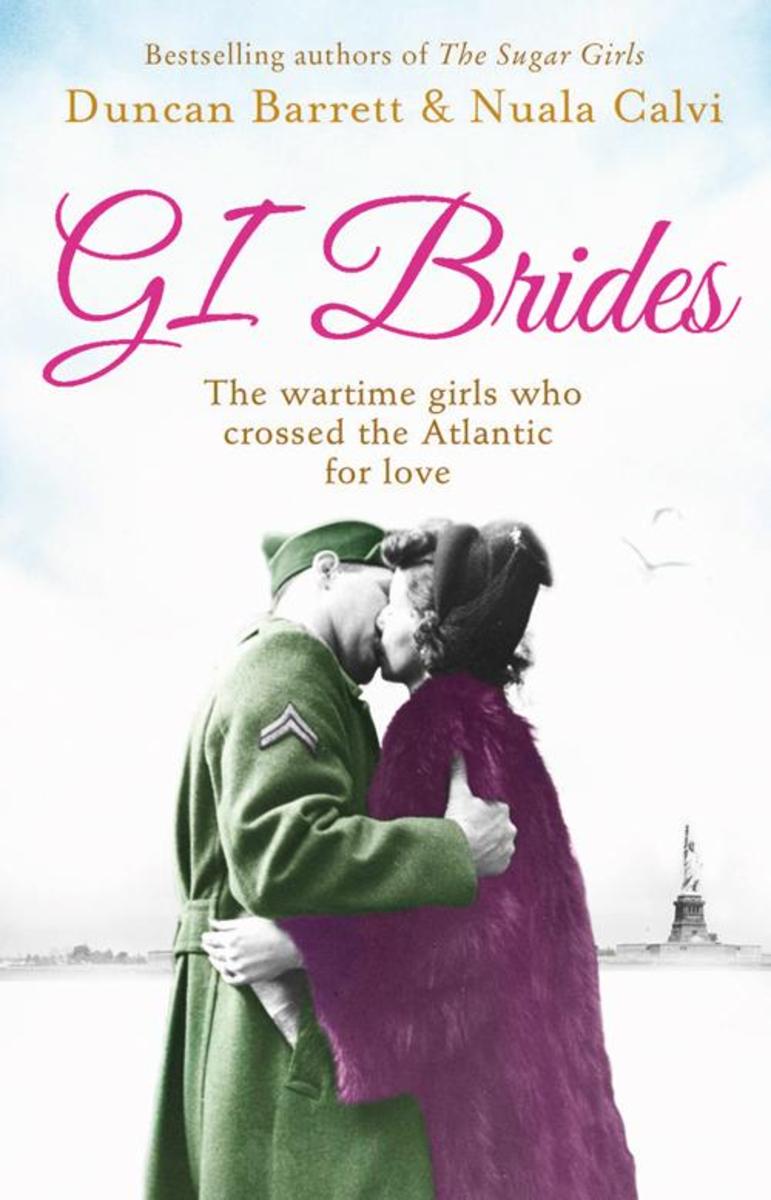
The Sunday Times bestseller From the bestselling authors of The Sugar Girls, G.I. Brides weaves together the real-life stories of four women who crossed the ocean for love, providing a moving true tale of romance and resilience. The 'friendly invasion' of Britain by over a million American G.I.s caused a sensation amongst a generation of young women deprived of male company during the Second World War. With their exotic accents, smart uniforms and aura of Hollywood glamour, the G.I.s soon had the local girls queuing up for a date, and the British boys off fighting abroad turning green with envy. But American soldiers offered something even more tantalising than a ready supply of chocolate, chewing gum and nylon stockings. Becoming a G.I. bride provided an escape route from Blitz-ravaged Britain, an opportunity for a whole new life in America - a country that was more affluent, more modern and less class-ridden than home. Some 70,000 G.I. brides crossed the Atlantic at the end of the war to join the men who had captured their hearts - but the long voyage was just the beginning of a much bigger journey. Once there, the women would have to adapt to a foreign culture and a new way of life thousands of miles away from family and friends, with a man they hardly knew out of uniform. Some struggled with the isolation of life in rural America, or found their heroic soldier was less appealing once he returned to Civvy Street. But most persevered, determined to turn their wartime romance into a lifelong love affair, and prove to those back home that it really was possible to have a Hollywood ending. www.gibrides.com

Margaret’s Story (GI Brides Shorts, Book 2)
¥9.71
This is Margaret’s story, one of four true stories from the book GI Brides. “Margaret’s eyes were on the handsome officers who milled around the US Army headquarters. But it was one young second lieutenant that she particularly looked out for… And she secretly deteThe room was filled with GIs – some playing pool, some jostling for control of rmined to make him hers.” An attractive young English girl, Margaret finds herself working at the US Army headquarters in London, where she meets a dashing American officer who breaks her heart. Soon she falls pregnant by another GI, marries, and follows him to America’s deep south. What she finds out in Georgia about her husband's true character will shock her. Margaret’s story is extracted from GI Brides, written by the bestselling authors of The Sugar Girls. It tells the true stories of four of the 70,000 British women who crossed the Atlantic for love after the Second World War.

Yorkshire Dales (Collins New Naturalist Library, Book 130)
¥257.90
A definitive natural history of the Yorkshire Dales, covering the range of wildlife habitats, rich cultural heritage and ecological history of one of our best-loved National Parks. The Yorkshire Dales National Park is a special place: its outstanding scenery and the diversity of habitats is perhaps unrivalled in any other National Park in Britain. This rich biodiversity has been a great attraction to naturalists for over two centuries. But to fully appreciate the present-day plant and animal communities, their status and the constraints upon them, it is important to understand the geology and landscape history of the National Park, including the role that human populations have played in modifying the environment. In this long-anticipated New Naturalist volume, John Lee introduces the National Park, exploring both its geology and geomorphology, and describing the role of early naturalists and the Yorkshire Naturalists Union in recording and understanding the natural history of the Dales. He describes the major habitats or groups of habitats which underline the ecological importance of the Dales. Lee covers the earliest settlement times to the modern day, and he focuses in particular on the most iconic plant of the Dales, the Lady’s Slipper Orchid, arguably the rarest of native British plants, which until recently was thought to be confined to a single plant in the Dales. Lee takes a historical approach, describing its near eradication and early attempts to conserve it – including the establishment of a secret society – concluding with recent scientific conservation approaches.
The Chronicles of Downton Abbey (Official Series 3 TV tie-in)
¥147.35
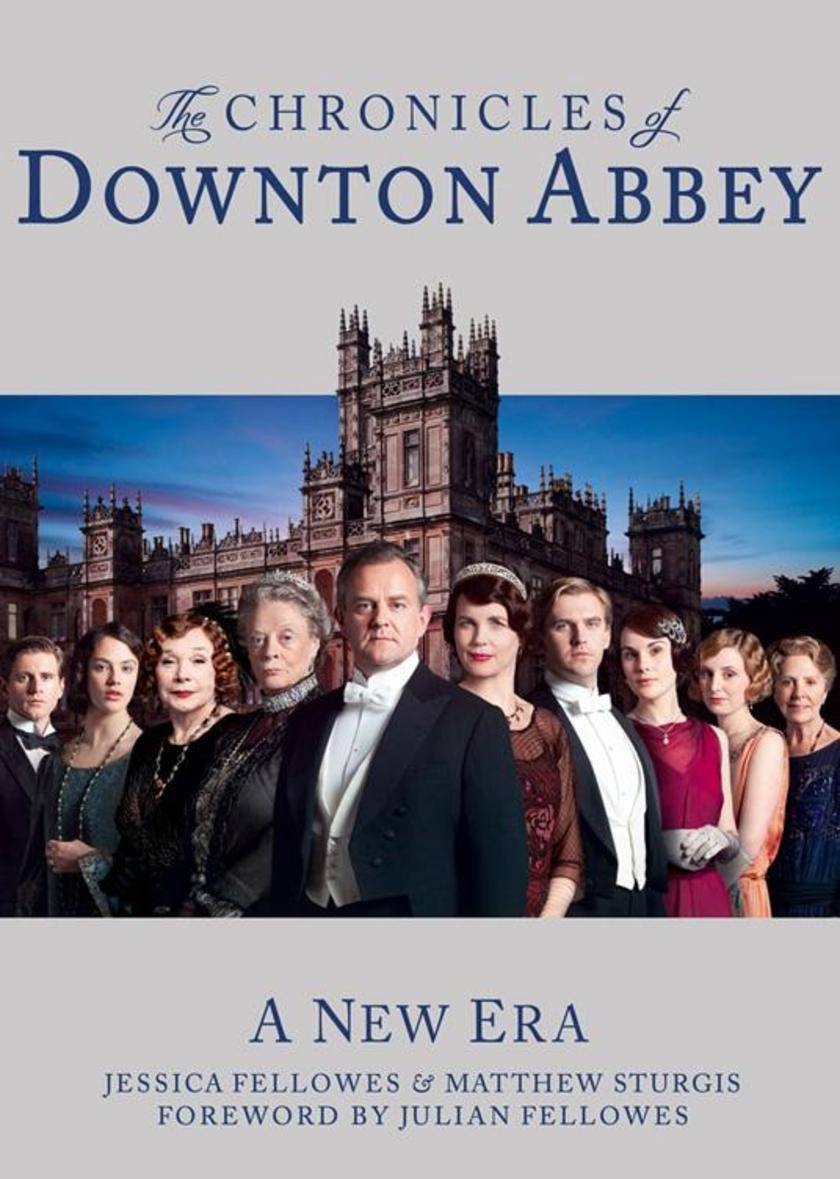
The official companion to all three seasons. The Great War has ended, but Downton Abbey is far from peaceful… A changing world has brought new challenges and new guests. Inside the walls of the Great House there is more intrigue, rivalry and romance than ever. The Chronicles of Downton Abbey take you deep into the lives of the Crawleys, their servants, lovers, friends and guests. So wander the crowded servants' quarters and peek into luxurious bed chambers. Go beneath the surface, and experience every aspect of their lives – from daily routines, dressing tables and treasure chests to their most secret hopes and fears. This definitive book explores the lives of every important member of the Downton estate. Focusing on each character individually, it examines their motivations, their actions and the inspirations behind them. An evocative source of story and background, it will take you even deeper into the secret, beating heart of the house.
The Cracking Code Book
¥53.56
How to make it, break it, hack it, crack it. The secret history of codes and code breaking. Simon Singh’s best-selling title The Code Book now re-issued for the young-adult market. The Science of Secrecy from Ancient Egypt to Quantum Cryptography. Simon Singh brings life to an amazing story of puzzles, codes, languages and riddles – revealing the continual pursuit to disguise and uncover, and to work out the secret languages of others. Codes have influenced events throughout history, both in the stories of those who make them and those who break them. The betrayal of Mary Queen of Scots and the cracking of the enigma code that helped the Allies in World War II are major episodes in a continuing history of cryptography. In addition to stories of intrigue and warfare, Simon Singh also investigates other codes, the unravelling of genes and the rediscovery of ancient languages and most tantalisingly, the Beale ciphers, an unbroken code that could hold the key to a $20 million treasure.
World War One:History in an Hour
¥18.05
Love history? Know your stuff with History in an Hour. The ‘Great War’, from July 1914 to November 1918, was without parallel. It brought to an end four dynasties, ignited revolution, and forged new nations. It introduced killing on an unprecedented scale, costing an estimated nine million lives. It was the war that destroyed any notion of romance or chivalry in battle; it pulled in combatants from nations across the globe and shattered them, body and mind. The War involved all of the world’s great powers – the Central Powers, dominated by Germany and Austria-Hungary; the Triple Entente, lead by Britain, France and Russia; and America. World War One: History in an Hour explains the unprecedented battles on land, sea and in the air and describes the Home Front, espionage, and the politics behind them. This, for the first time in history, was ‘total war’. Love history? Know your stuff with History in an Hour…
The Siege of Leningrad:History in an Hour
¥18.05
Love history? Know your stuff with History in an Hour. The Siege of Leningrad was one of the longest sieges in history and it inflicted some of the worst civilian casualties of World War Two. When Hitler declared his intention to obliterate the key city of Leningrad on 22 September 1941, he could not have foreseen the grim determination of its citizens. Over the course of 900 days, the city resisted the Germans pounding at its gates. Its survival contributed to the defeat of Nazism. But the price was heavy – over 1 million died in Leningrad from German bombs and artillery, or from disease, the cold or starvation. In its suffering Leningrad became a source of symbolic national pride, of good conquering evil. The story of the siege is one of heroic resistance and stoical survival but it also one of unimaginable suffering and extreme deprivation. THE SIEGE OF LENINGRAD: HISTORY IN AN HOUR is essential reading for all history lovers. Know your stuff: read about the Siege of Leningrad in just one hour.
The Sugar Girls - Joan’s Story
¥18.74
This is Joan’s story, one of four stories from The Sugar Girls.During the Blitz and the years of rationing, the Sugar Girls kept Britain sweet. The work was back-breakingly hard, but the Tate & Lyle factory was more than just a workplace - it was a community, a calling, a place of love and support and an uproarious, tribal part of East London. ‘Joan had joined Tate & Lyle expressly for the social life, and she was determined to make the most of it. She could see that her old friend Peggy already had an established group of her own among the sugar girls, so she set about building a new set of friends. It wasn’t difficult for Joan, whose cheerful self-confidence, natural chattiness and naughty sense of humour acted as a magnet to those around her.’ In the years leading up to and after the Second World War thousands of women left school at fourteen to work in the bustling factories of London’s East End. Despite long hours, hard and often hazardous work, factory life afforded exciting opportunities for independence, friendship and romance. Of all the factories that lined the docks, it was at Tate & Lyle’s where you could earn the most generous wages and enjoy the best social life, and it was here where The Sugar Girls worked This is an evocative, moving story of hunger, hardship and happiness, providing a moving insight into a lost way of life, as well as a timeless testament to the experience of being young and female. Includes Joan’s own personal photographs of life as a sugar girl.
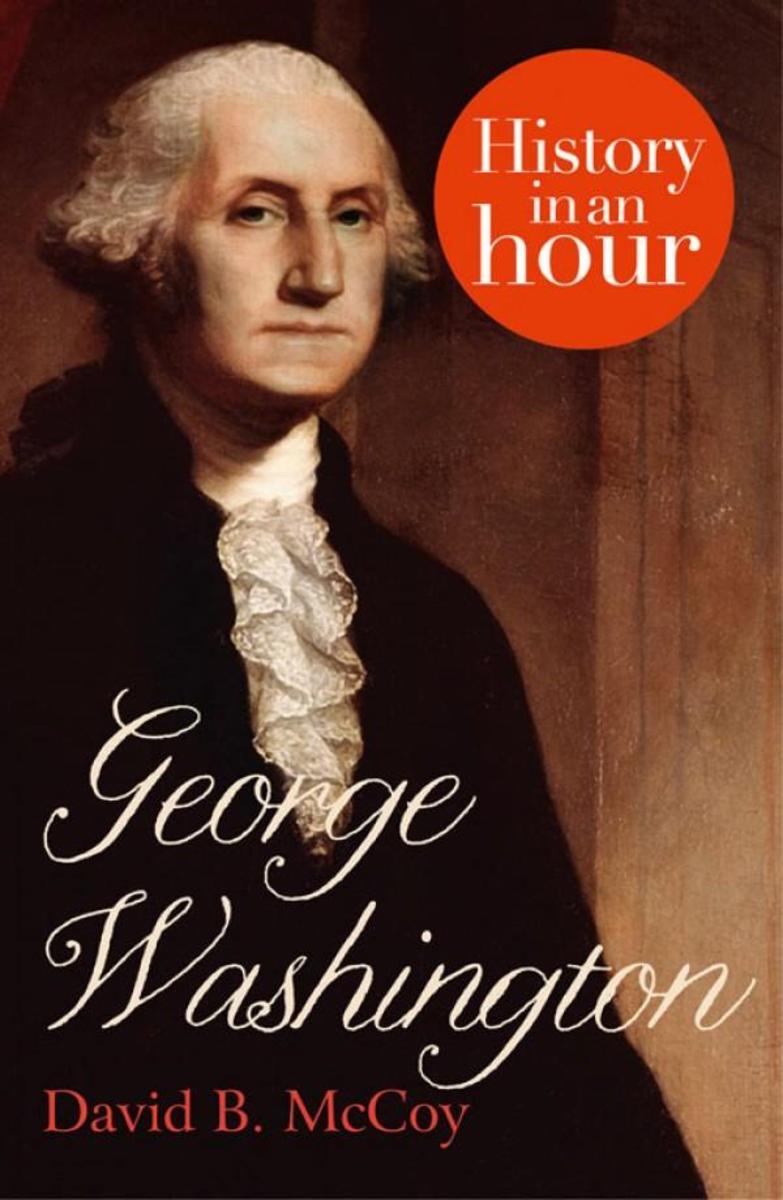
George Washington:History in an Hour
¥14.81
Love history? Know your stuff with History in an Hour. George Washington – a figure synonymous with American history. His image is known worldwide, marked on American currency, postage stamps – even a state is named after him. George Washington in an Hour explores the man beneath the symbol. This is the essential chronicle of Washington’s life – his rise from middle class Virginian upbringing to America’s first President, elected unanimously twice. Explore Washington’s legacy – from securing Independence, to his instrumental role in writing and adopting the American constitution. George Washington in an Hour covers Washington’s redefinition of greatness, relinquishing power not once but twice – at the end of Revolution and his second term in Presidency. Learn why Washington is still considered one of the most influential people in history, and how his impact shaped the world in this engaging overview of his life. Love history? Know your stuff with History in an Hour…
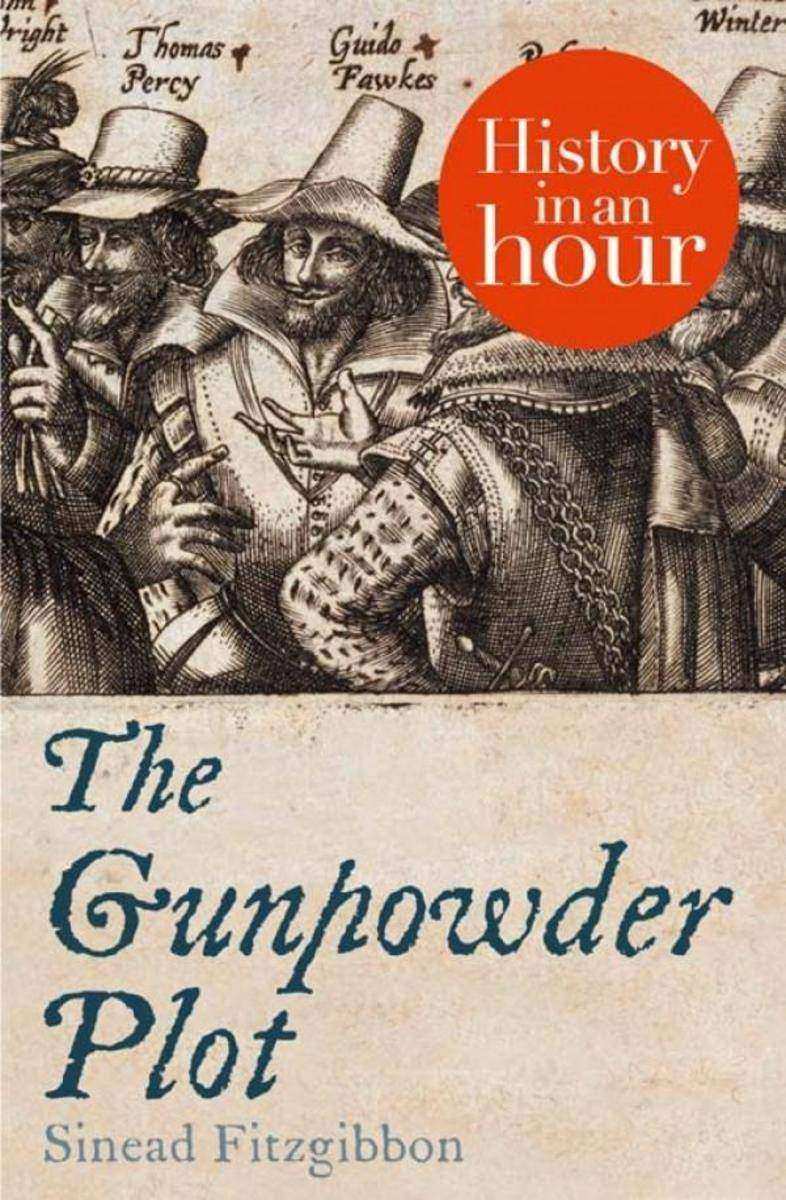
The Gunpowder Plot:History in an Hour
¥18.05
Love history? Know your stuff with History in an Hour. ‘Remember, remember, the fifth of November’. The gunpowder plot is a famed tale of treachery that continues to fascinate and capture the imagination four hundred years on. The Gunpowder Plot in an Hour reveals the elaborate background to the infamous plot to blow up the Houses of Parliament and James I, the ultimate act of treason. This compelling and engaging account of one of the most famous historical events in English history follows the Catholic protagonists hatching their plan through to their inevitable, gruesome deaths. Learn who the Catholic traitors were, what drove them to such desperate measures, and how the plot was discovered. The Gunpowder Plot in an Hour gives a concise overview of this enduring event and is a must for all history lovers. Love history? Know your stuff with History in an Hour…

The Fix
¥68.67
Addictions to iphones, painkillers, cupcakes, alcohol and sex are taking over our lives. Our most casual daily habits can quickly become obsessions that move beyond our control. Damian Thompson, who has himself struggled with a range of addictions, argues that human desire is in the process of being reshaped. Shunning the concept of addiction as disease, he shows how manufacturers are producing substances like ipads, muffins and computer games that we learn to like too much and supplement tradition addictions to alcohol, drugs and gambling. He argues that addictive behaviour is becoming a substitute for family and work bonds that are being swept away by globalisation and urbanisation. This battle to control addiction will soon overshadow familiar ideological debates about how to run the economy, and as whole societies set about “fixing” themselves, the architecture of human relations will come under strain as never before. The Fix offers a truly frightening glimpse of the future and is essential reading for fans of Naomi Klein’s ‘No Logo’, Oliver James’s ‘Affluenza’ and Francis Wheen’s ‘How Mumbo-jumbo Conquered the World’.

The Steel Bonnets
¥114.48
From the author of the famous ‘Flashman Papers’ and the ‘Private McAuslan’ stories.
Etiquette (Collins Nutshell Books)
¥37.96
Ever wondered about the correct way to address a Duke? Or how to get out of a car elegantly? What do you do if you embarrass yourself in public? These, and a whole host of other practical questions, are answered in this charming pocket-sized book. First published in 1960 this charming book provides a wealth of practical information on the right thing to do in just about every situation. Hailing from a time when it was not yet fashionable to condemn good manners and courtesy as hypocrisy, and social situations were distinct from each other with specific codes of conduct, Etiquette is both a delightful insight into the social mores of the '60s and a guide to good manners that is still relevant today. Chapters cover the problems involved in letter writing; sending out invitations; striking up conversation; telephone conversations; flat sharing; entertaining friends, business acquaintances - and their children; correct behaviour on a first date and even how to organise a wedding. Etiquette is part of a series of Collins Nutshell Books which cover hobbies, sports, practical activities and leisure-time interests of many kinds. Originally produced in the '60s, Collins Nutshell Books, recall a bygone era which flourished on the knowledge that many interests make for a happy life and that leisure means much more than watching television.
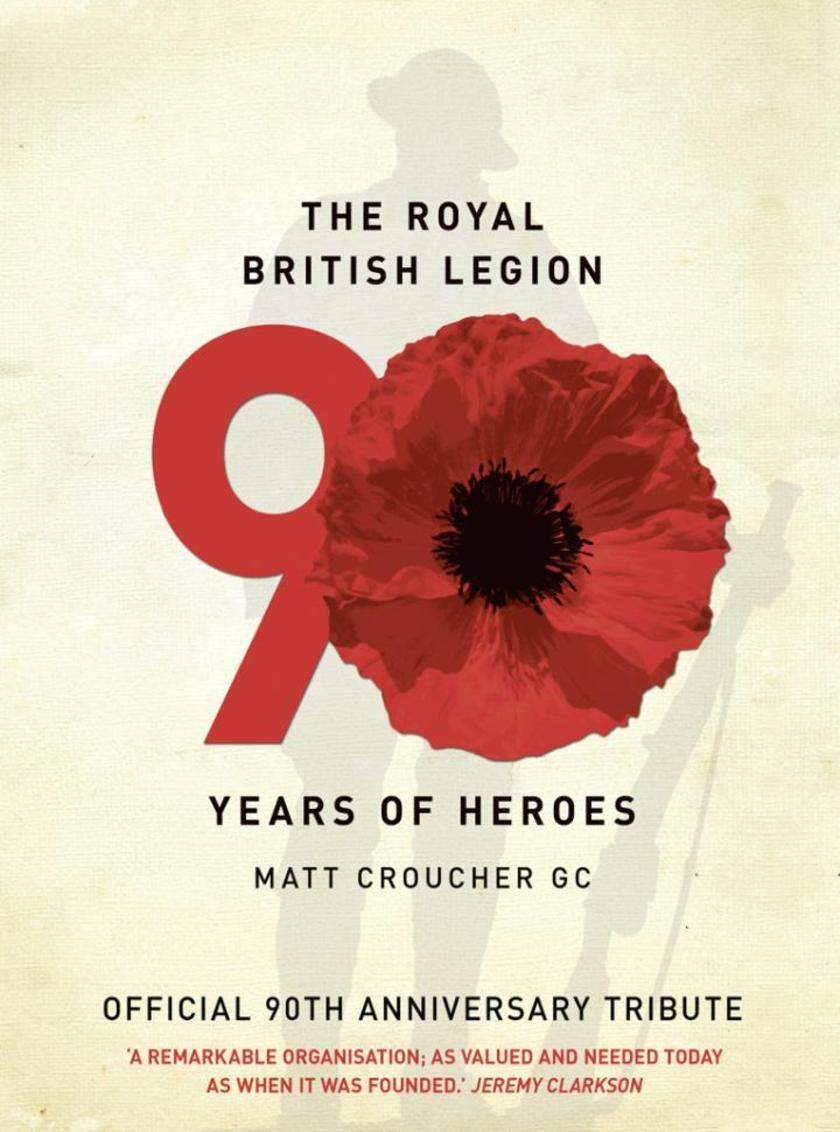
The Royal British Legion: 90 Years of Heroes
¥147.35
The Royal British Legion was founded in 1921. It is now the country’s leading charity providing financial, social and emotional support to those who have served or who are currently serving in the British Armed Forces and their dependants. The RBL is behind the annual Poppy Appeal, the highest profile charity appeal in Britain. This book has the full support of the Royal British Legion and will tell the complete story of its history through exclusive access to its archives, thus providing a celebratory, as well informative, tribute to their work over the past 90 years. It will be the definitive history of this much-loved organisation, charting its work with soldiers and ex-servicemen through the stories of its heroes, famous as well as unknown, during the highest-profile military campaigns of the past 90 years. The book will be divided into nine chapters, each representing one decade in the RBL’s existence. Each chapter will celebrate one hero per year; 1921, 1922, 1923, etc. giving an account of that particular person, and what they achieved. Within each chapter will be special spreads that emphasise also the social history of the evolution of the RBL as a charity. Each one of the heroes, from 1921 right through to 2011, has been personally chosen by decorated royal marine, and RBL ambassador, Lance Corporal Matt Croucher GC. Men such as Major Robert Henry Cain VC (1909-1974), who destroyed six tanks during Operation ‘Market Garden’ at Arnhem in 1944 and was one of the only officers from his battalion to escape the German encirclement of the British 1st Airborne Division. The book was published in late autumn to coincide with the 2011 Poppy Appeal, which will be the biggest in the Legion’s history, with events running nationwide, TV advertising, celebrity involvement and a high-profile marketing campaign. Matt Croucher will be involved in the campaign as an ambassador for the RBL. For any serving member of the armed forces, or those retired from service, or members of the public who are keen to know about this beloved organisation; this will be a fascinating and valued purchase, knowing that royalties will be going to the charity themselves.

Collins Where to See Wildlife in Britain and Ireland
¥147.35
Have you ever wondered where the best places to go are to see leaping salmon, rutting deer, diving gannets, breaching whales or bluebell woods in full bloom? The British Isles are home to some of the richest and most varied wildlife to be found in Europe, and knowing when and where to go is the key to seeing Britain’s natural beauty at its very best. Divided into 50 regions, each accompanied by a detailed map, Where to See Wildlife in Britain and Ireland is packed with essential information on Britain and Ireland’s most exciting conservation sites, from nature reserves in Somerset renowned for their otters, to remote bird sanctuaries in the Highlands of Scotland, home to the glorious golden eagle. Featuring over 800 sites, including National and Local Nature Reserves, National Parks, RSPB Reserves, Sites of Special Scientific Interest, and Areas of Outstanding Natural Beauty, this highly informative book provides practical advice on the best time to go, how to get there, and what to see, along with suggestions for other places to visit in each area. Plants and animals associated with each site are highlighted throughout, and special features provide insight into the range of habitats you will encounter along the way, from marshes and wetlands to lakes and mountains. With over 500 stunning colour photographs and clear Collins road mapping, Where to See Wildlife in Britain and Ireland allows nature-lovers to plan anything from a fun day out for the family to a two–week tour of Britain’s wildlife treasures. So whether you want to see glow-worms glow in Devon, hares box in Hertfordshire, or sea eagles soar over Skye, this book will get you to the right place at the right time, helping to answer many of your questions along the way.
Inside Nature’s Giants
¥147.35
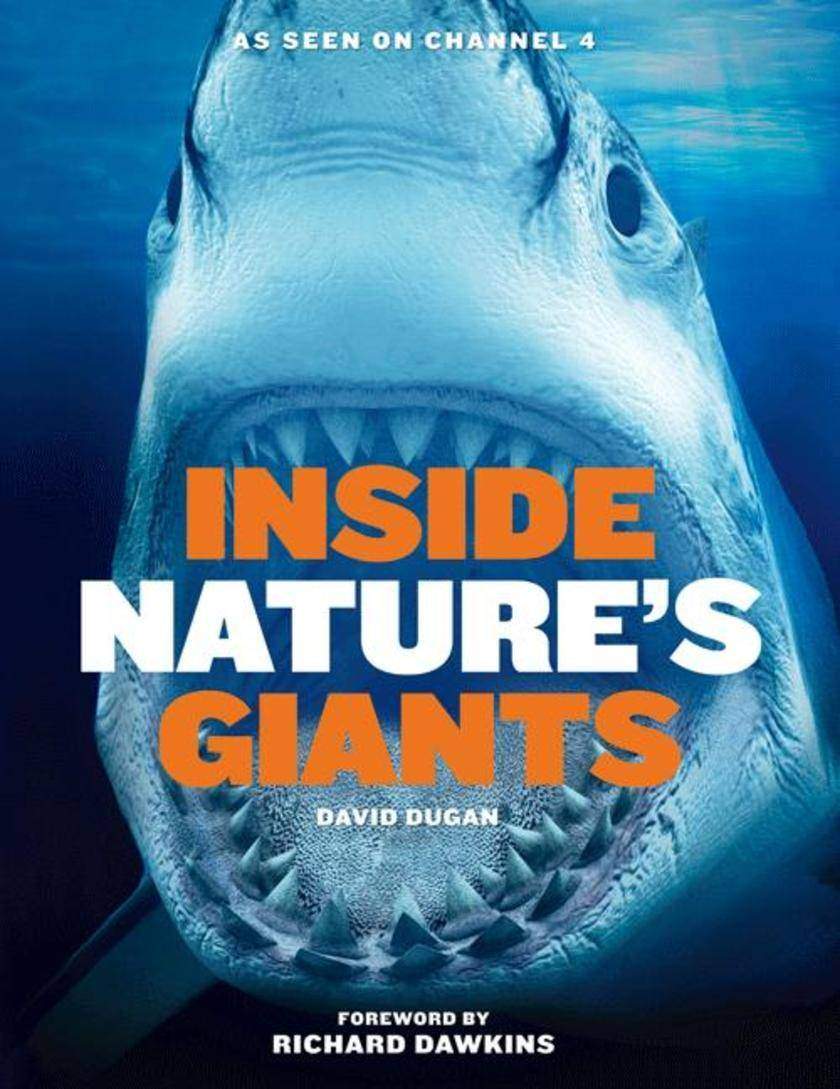
With a foreword by Richard Dawkins, and based on the BAFTA award-winning Channel 4 TV series, Inside Nature’s Giants gets under the skin of the largest animals on the planet. See them as you've never seen them before – from the inside out. Inside Nature’s Giants explores the anatomy of the largest animals on the planet to reveal how these amazing creatures really work. Rather than simply telling you how an animal behaves, the book features dissection, CGI and wildlife photography to show how millions of years of evolution have enabled animals to thrive across the world. This is natural history as you’ve never seen it before – from the inside out. Join the Inside Nature’s Giants team of scientists and anatomical experts, including, among others, veterinary scientist Mark Evans, enthusiastic, scalpel-wielding anatomist Joy Reidenberg, science presenter Simon Watt and evolutionary biologist Richard Dawkins, as they unlock the secrets behind some of nature's most extraordinary beasts. Why doesn’t a giraffe keel over and faint, when its head is so far above its heart? Why are crocodiles hopeless at chewing, when they have the strongest bite of all animals, and why does a giant squid have three hearts and pass food through its brain? By rolling up their sleeves to delve into these animals the team discover the answers to these, and many other fascinating, questions, revealing how evolution by natural selection is responsible for the bizarre biology of elephants, sharks, giraffes, big cats, hippos, crocodiles, camels, whales, kangaroos, giant squids and more. Using an interactive approach, Inside Nature’s Giants offers an exciting, alternative take on natural history. By opening the single- and double-page gatefolds readers can go beneath the skins of the animals to experience for themselves how evolution has shaped the anatomy of some of nature’s most magnificent animals.
Back from the Brink: The Inside Story of the Tory Resurrection
¥109.48
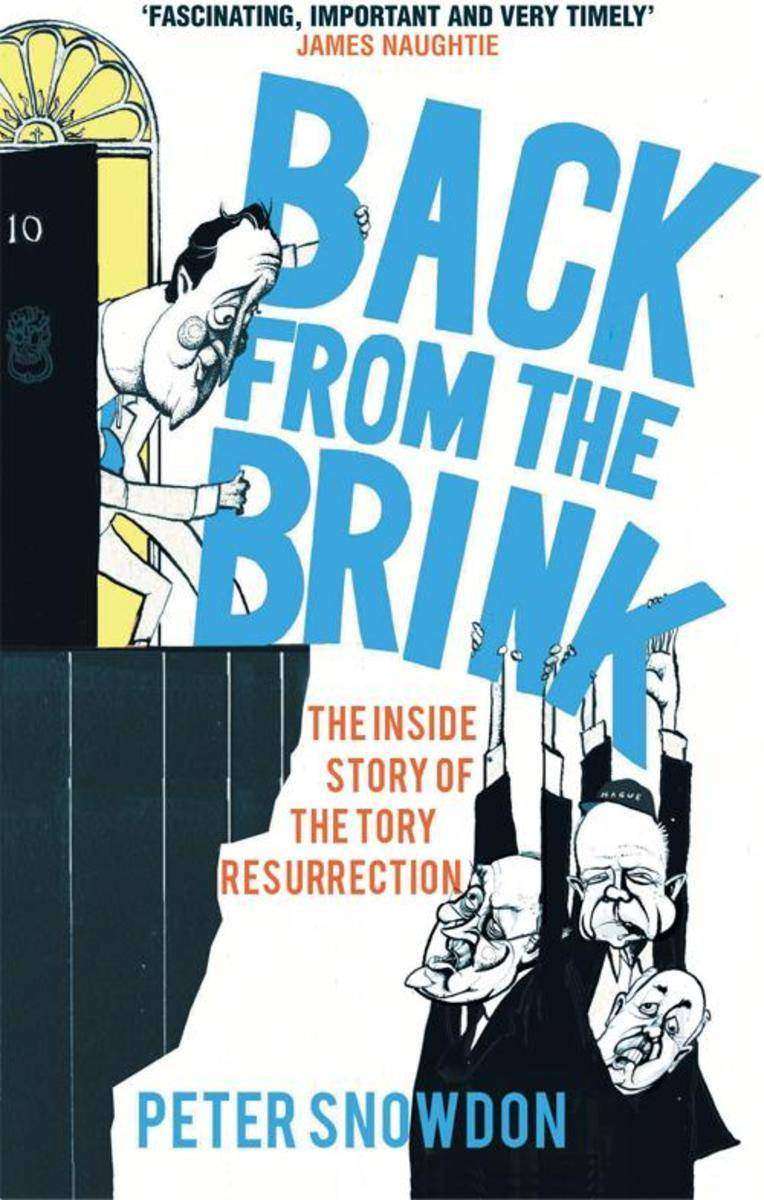
Lifting the lid on the most captivating story in British politics today, ‘Back from the Brink’ charts the Conservative Party's remarkable journey from the political wilderness to the threshold of power. Based on unprecedented access to key figures in the Conservative party, including every leader from John Major to David Cameron, political journalist Peter Snowdon sheds new light on the dramatic decline and renaissance of the party that dominated 20th century British politics. He reveals how the Conservatives were torn apart by in-fighting as they struggled to come to terms with their catastrophic electoral defeat in 1997 and the continuing trauma of Margaret Thatcher's sudden removal from office several years earlier. Under a succession of hapless leaders - William Hague, Iain Duncan Smith and Michael Howard - the party lost two further elections and at times effectively ceased to function as a political force across whole swathes of Britain. It took the emergence of a new generation of Conservatives, and David Cameron's election as leader in 2005, to set the party on the uneven road to electoral recovery. Packed full of fresh insights into what really goes on behind closed doors at Westminster, Back from the Brink exposes the bitter rivalries and recriminations that have blighted the Conservatives in Opposition, and gets to the heart of Cameron's quest for power and ambitions for office.

Birds of South America:Passerines (Collins Field Guide)
¥294.79
Recommended for viewing on a colour tablet. South America has long been known for its bountiful flora and fauna. The richness in bird life has attracted visitors from all over the world and has helped to make South America an increasingly popular wildlife tourist spot. This major new field guide to the birds of South America covers all the passerines (perching birds), with all plumages for each species illustrated, including males, females and juveniles. The text gives information on key identification features, habitat, and songs and calls. Beautiful artwork featured across 195 colour plates appears opposite the relevant text for quick and easy reference. Distribution maps are included, showing where each species can be found and how common it is, to further aid identification.
A Book of Voyages
¥69.26
Never previously published in this country, A Book of Voyages presents writings by various travelers, annotated and introduced by Patrick O Brian. Most are taken from the seventeenth and eighteenth centuries; O Brian felt that, unlike Elizabethan or Victorian accounts, these writings were relatively unknown in our time. On her journey through the Crimea, Lady Craven witnesses barbaric entertainments in the court of the Tartar Khan. John Bell tells us of his day s hunting with the Manchu emperor in 1721 outside Peking. An English woman in Madras gives us a detailed de*ion of the extraordinary costume and body decoration of a high-born Indian woman, wife of a nabob. These and other selections are glimpses of a world, now gone forever, that few readers would ever see for themselves. They are also quite possibly the inspiration for the travels and adventures of O Brian s own fictional heroes Captain Jack Aubrey and Stephen Maturin."


